3D Cerebral Organoids from Pluripotent Stem Cells: Modeling Brain Development, Disease, and Drug Discovery
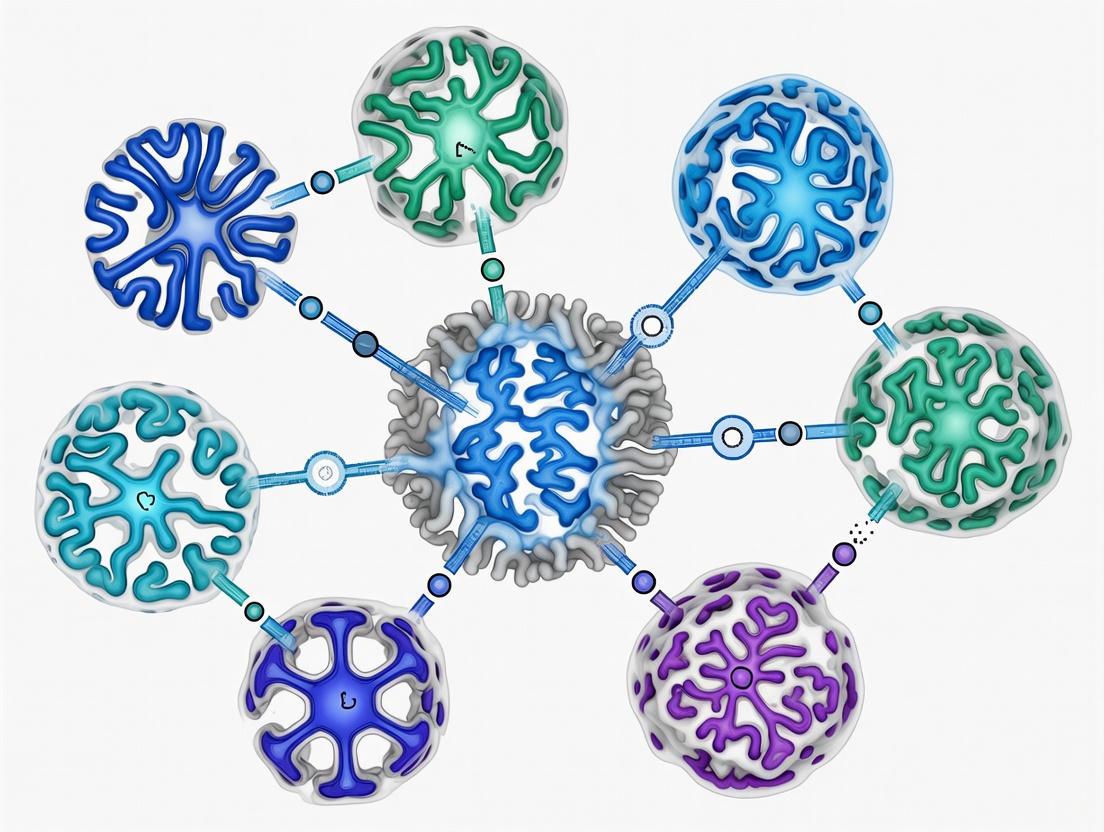
This article provides a comprehensive overview of 3D cerebral organoids derived from human pluripotent stem cells (hPSCs), a revolutionary technology that recapitulates key aspects of human brain development.
3D Cerebral Organoids from Pluripotent Stem Cells: Modeling Brain Development, Disease, and Drug Discovery
Abstract
This article provides a comprehensive overview of 3D cerebral organoids derived from human pluripotent stem cells (hPSCs), a revolutionary technology that recapitulates key aspects of human brain development. We explore the foundational principles of self-organization and regional patterning that guide organoid formation, detailing both unguided and guided protocols for generating whole-brain or region-specific models. The methodological section covers cutting-edge applications in disease modeling and high-throughput drug screening, while also addressing current challenges such as immaturity, variability, and cellular stress. Finally, we present a comparative analysis with traditional 2D models, validating the physiological relevance of organoids and discussing their transformative potential for biomedical research and clinical translation.
Building a Brain in a Dish: The Science of Self-Organization
The differentiation of pluripotent stem cells (PSCs) into neural tissues represents a cornerstone of modern regenerative medicine and neurological disease modeling. This process enables researchers to generate complex three-dimensional brain organoids that recapitulate aspects of human brain development and function in vitro [1] [2]. Human brain development exhibits several unique aspects, such as increased complexity and expansion of neuronal output, that have proven difficult to study in model organisms, making in vitro approaches to model human brain development and disease an intense area of research [1].
The fundamental principle guiding this differentiation leverages the developmental concept of the "neural default" pathway, wherein PSCs preferentially adopt a neural ectodermal fate in the absence of extrinsic instructive signals [2]. Under controlled conditions, this intrinsic capacity can be harnessed to generate neural progenitor cells and ultimately functional neural networks within 3D organoid structures [1] [3]. These 3D brain organoids are emerging as highly promising models for in vitro studies, advancing the development of human brain-based biological intelligence and applications in personalized medicine [4].
Key Developmental Signaling Pathways
Directed neural differentiation requires precise manipulation of specific signaling pathways that guide embryonic patterning. The most critical pathways are summarized below.
Core Pathway Manipulation
Table 1: Key Signaling Pathways in Neural Differentiation
| Signaling Pathway | Role in Neural Differentiation | Common Modulators | Effect on Patterning |
|---|---|---|---|
| TGF-β/Activin-Nodal | Inhibits neural induction; maintains pluripotency [2] | SB431542 (inhibitor) [5] | Promotes neural ectoderm via "Dual SMAD" inhibition [2] [5] |
| BMP | Promotes non-neural epidermal fate [2] | Dorsomorphin (inhibitor) [3] | Promotes neural ectoderm via "Dual SMAD" inhibition [2] |
| WNT/β-Catenin | Regulates anterior-posterior patterning [2] | CHIR99021 (activator) [6]; IWR-1e (inhibitor) [3] | Early inhibition promotes anterior telencephalic fates [2] |
| SHH | Regulates dorso-ventral patterning [2] | Purmorphamine (activator) [5]; SAG (activator) | Promotes ventral fates (e.g., basal ganglia, motor neurons) [2] [5] |
| FGF | Promotes neural induction and rostralization [2] | FGF2/bFGF (activator) [1] [3] | Sustains neural progenitors; promotes rostral/telencephalic identities [2] |
The coordinated manipulation of these pathways enables the stepwise specification of neural tissue from pluripotent stem cells, first into a default neural fate, and then into specific regional identities.
Pathway Regulation Diagram
The following diagram illustrates the logical sequence and key decision points in manipulating these core signaling pathways to achieve neural differentiation from pluripotent stem cells.
Quantitative Comparison of Differentiation Outcomes
The efficiency of neural differentiation can vary significantly based on the protocol, cell line used, and target neural subtype.
Table 2: Efficiency Metrics in Neural Differentiation Protocols
| Neural Cell Type | Protocol Duration | Key Transcription Factors | Reported Efficiency | Reference |
|---|---|---|---|---|
| General Neural Progenitors | 7-10 days | PAX6, SOX1 | PAX6: 3.7 ± 0.4-fold increase; SOX1: 138 ± 34-fold increase vs. control [5] | Yin et al. 2012 [7] |
| Motor Neurons | 14 days | HB9, ISL-1, ChAT | ~50% (HB9+/ISL-1+/βIII-Tubulin+) [5] | PMC Resource [5] |
| Cortical Neurons | 30-100 days | TBR1, FOXG1, CTIP2 | Varies by protocol and cell line; exhibits deep and upper layer neurons [3] | Lancaster et al. [1] |
| Cerebral Organoids | 1-12 months | Multiple regional markers | Heterogeneous; contains cortex, ventral telencephalon, retina, etc. [1] | Lancaster et al. [1] |
A side-by-side comparison under common culture conditions among different human pluripotent stem cell lines has shown highly variable efficiency in their differentiation into neural progenitors, highlighting the importance of cell line selection and protocol optimization [7] [8].
Detailed Experimental Protocols
Workflow for 3D Cerebral Organoid Differentiation
The generation of cerebral organoids from PSCs follows a multi-stage process that mimics in vivo development, culminating in complex 3D tissues.
Protocol 1: Generation of Cerebral Organoids
This protocol is adapted from the landmark Lancaster method for generating whole-brain organoids [1] [3].
Materials
- PSCs: Maintained in feeder-free conditions (e.g., on Geltrex matrix with StemFlex Medium) [9]
- EB Formation Medium: StemFlex Medium with RevitaCell Supplement [9]
- Neural Induction Medium: DMEM/F-12 with GlutaMAX supplemented with N-2 Supplement [9]
- Organoid Growth Medium: DMEM/F-12 with GlutaMAX and Neurobasal Medium supplemented with N-2 Supplement, B-27 Supplement (with or without Vitamin A), MEM NEAA, 2-mercaptoethanol, and insulin [1] [9]
- Matrigel: Geltrex LDEV-Free Reduced Growth Factor Basement Membrane Matrix [9]
- Equipment: Nunclon Sphera U-bottom microplates, orbital shaker or spinning bioreactor [1] [9]
Procedure
- EB Formation: Dissociate PSCs to single cells using Accutase. Seed 6-9 × 10³ viable cells per well in a 96-well U-bottom microplate in StemFlex Medium with RevitaCell Supplement. Centrifuge briefly (300 × g, 3 min) to aggregate. Culture for 3-5 days with 75% medium change every other day [9].
- Neural Induction: Transfer EBs to neural induction medium. Culture for 8-10 days with medium changes every other day until a bright "ring" of neuroepithelium forms around a darker center [1] [9].
- Matrix Embedding: Individually embed each EB in a droplet of undiluted Matrigel and incubate at 37°C for 10-20 min to polymerize [1] [9].
- Organoid Maturation: Transfer Matrigel-embedded EBs to organoid growth medium in a 6-well or 24-well plate. Culture on an orbital shaker at 80-85 rpm or in a spinning bioreactor. Change medium every 2-4 days. Organoids can be maintained for several months, with neuroepithelial buds becoming visible within 1-2 weeks [1] [9].
Protocol 2: Rapid Motor Neuron Differentiation
This protocol describes a rapid, efficient method for deriving spinal motor neurons from PSCs within 2-3 weeks [5].
Materials
- Neural Induction Supplements: GSK3β inhibitor (e.g., BIO), TGF-β inhibitor (SB431542), BMP inhibitor (Dorsomorphin) [5]
- Patterning Factors: Retinoic Acid (RA), Purmorphamine (SHH agonist) [5]
- Motor Neuron Medium: Neurobasal medium with B-27, BDNF, GDNF, CNTF [5]
Procedure
- Neural Induction with Patterning: Form EBs as in Step 1 of Protocol 1. From day 1-4, treat with dual SMAD inhibitors (SB431542 and Dorsomorphin) plus GSK3β inhibitor (BIO). Add RA from day 2 and Purmorphamine from day 4 [5].
- Motor Neuron Progenitor Expansion: Culture EBs in suspension for 14 days total with medium changes every other day. By day 14, EBs should express PAX6, SOX1, OLIG2, and NGN2 [5].
- Monolayer Maturation: Dissociate EBs and plate on cultureware. Maintain in motor neuron medium for 1-4 weeks. HB9+/ISL-1+ motor neurons typically appear within 1 week of monolayer culture, with maturation marker ChAT increasing over 4 weeks [5].
The Scientist's Toolkit: Essential Research Reagents
Successful neural differentiation requires carefully selected reagents and materials. The following table details key components for cerebral organoid generation.
Table 3: Essential Reagents for Neural Differentiation and Organoid Culture
| Reagent Category | Specific Examples | Function | Application Notes |
|---|---|---|---|
| Pluripotent Stem Cell Culture | StemFlex Medium, Geltrex matrix, mTeSR1 [9] | Maintains PSCs in undifferentiated, pluripotent state | Feeder-free culture simplifies downstream differentiation [9] |
| Neural Induction Supplements | N-2 Supplement, B-27 Supplement [1] [9] | Provides essential factors for neural cell survival and differentiation | B-27 Minus Vitamin A used early; standard B-27 used later [9] |
| Small Molecule Inhibitors/Activators | SB431542, Dorsomorphin, CHIR99021, Purmorphamine [6] [5] | Precisely controls developmental signaling pathways | Concentration and timing critically affect regional identity [2] |
| Extracellular Matrix | Geltrex, Matrigel [1] [9] | Provides structural support for 3D organization; promotes neuroepithelial budding | Essential for continuous neuroepithelium formation in organoids [1] |
| Specialized Equipment | Nunclon Sphera microplates, orbital shaker, spinning bioreactor [1] [9] | Promotes uniform EB formation; enhances nutrient/waste exchange; reduces central necrosis | Agitation dramatically improves tissue survival and growth [1] |
The core differentiation process from pluripotency to neural tissues has been revolutionized by 3D organoid technology, providing unprecedented access to studying human-specific brain development and disease. The protocols outlined here—for generating either complex whole-brain organoids or specific neuronal subtypes like motor neurons—provide robust frameworks for researchers. However, challenges remain, including limitations in reproducibility, scalability, and the need for improved vascularization and maturation [4] [2]. As the field advances, the integration of bioengineering approaches such as microfluidics, synthetic matrices, and organoid fusion (assembloids) promises to address these limitations, further enhancing the utility of these remarkable models for both basic research and therapeutic development [4] [2] [10].
In the field of 3D cerebral organoid research, the choice between unguided and guided protocols represents a fundamental dichotomy in the approach to modeling human brain development in vitro [4]. Unguided, or spontaneous, protocols rely on the innate self-organization potential of pluripotent stem cells to form structures resembling multiple brain regions. In contrast, guided, or directed, protocols use exogenous morphogens and signaling factors to steer differentiation toward specific, predetermined brain areas, enhancing reproducibility and regional specificity [11]. This application note details the experimental frameworks, key outcomes, and practical protocols for both approaches, providing scientists with the tools to select the appropriate methodology for their research objectives in developmental biology, disease modeling, and drug discovery.
Comparative Analysis: Unguided vs. Guided Organoid Protocols
The core differences between unguided and guided cerebral organoid protocols are summarized in the table below, which contrasts their methodological principles, phenotypic outcomes, and applications.
Table 1: Comparative Analysis of Unguided and Guided Cerebral Organoid Protocols
| Feature | Ungenerated (Spontaneous) Protocols | Guided (Directed) Protocols |
|---|---|---|
| Core Principle | Relies on innate self-organization potential with minimal external cues [11]. | Uses exogenous morphogens to direct differentiation toward specific fates [11]. |
| Patterning Cues | Endogenous, cell-autonomous signaling; influenced by initial culture conditions [12]. | Defined combinations of small molecules and growth factors (e.g., SMAD, WNT, BMP inhibitors) [13]. |
| Regional Identity | Multiple, heterogeneous brain regions (e.g., telencephalic, diencephalic, caudalized tissues) [12]. | Specific, reproducible brain regions (e.g., dorsal/ventral forebrain, midbrain, cerebellum) [11]. |
| Reproducibility & Variability | Higher organoid-to-organoid variability in structure and regional composition [11]. | Enhanced reproducibility and regional consistency due to controlled patterning [11]. |
| Key Readouts | Emergence of distinct, self-organized regions (e.g., visualized by HCR for markers like FOXG1, PAX6) [12]. | Structured, layered cortex (e.g., PAX6+ radial glia, TBR2+ progenitors, CTIP2+ neurons) [13]. |
| Morphogenetic Dynamics | Extrinsic matrix (e.g., Matrigel) enhances lumen expansion and promotes telencephalic identity [12]. | Precise control over developmental axes (dorsal-ventral, anterior-posterior) via timed morphogen exposure [11]. |
| Ideal Applications | Studying self-organization, tissue morphogenesis, and global patterning principles [12]. | Modeling specific brain regions, diseases, and circuit assembly with high predictability [11]. |
Experimental Protocols
Detailed Methodology: Generation of Guided Cerebral Organoids
This protocol, adapted from current methods, details the generation of patterned cerebral organoids with a structured cerebral cortex from human induced pluripotent stem cells (hiPSCs) [13].
Materials Preparation
- hiPSC Culture: mTeSR Plus medium, Matrigel, DMEM/F12, TrypLE.
- Inhibitors & Reagents:
- Rock Inhibitor (Y-27632): Promotes single-cell survival.
- LDN193189 (LDN): BMP inhibitor for neural induction.
- SB431542 (SB): TGF-β inhibitor for neural induction.
- IWR-1e: Wnt inhibitor to promote anterior fate.
- CHIR99021 (CHIR): GSK-3β inhibitor; concentration-dependent effect on patterning.
- Trans-ISRIB, Chroman 1, Emricasan: Added to improve cell health and viability.
- Media Formulations:
- M1 Medium: DMEM, 20% KOSR, GlutaMAX, MEM-NEAA, 2-Mercaptoethanol, Heparin, LDN, SB, IWR-1e, Trans-ISRIB, Chroman 1, Emricasan.
- F2 Medium: DMEM, N2 supplement, GlutaMAX, MEM-NEAA, 2-Mercaptoethanol, SB, CHIR.
- H3 Medium: 1:1 Mix of DMEM/F12 & Neurobasal, N2 supplement, B27 supplement without Vitamin A, GlutaMAX, MEM-NEAA, 2-Mercaptoethanol.
Protocol Workflow
Key Steps:
- hiPSC Culture and Passaging: Maintain hiPSCs in Matrigel-coated plates with mTeSR Plus. For passaging, dissociate with TrypLE and seed with ROCK inhibitor (Y-27632) to enhance survival.
- Day 0: Embryoid Body (EB) Formation: Seed 3 million dissociated hiPSCs into an Aggrewell plate containing mTeSR Plus with ROCKi, Trans-ISRIB, Chroman 1, and Emricasan. Centrifuge at 100 g for 3 minutes to aggregate cells at the well bottom.
- Day 1: Neural Induction: Transfer EBs to a low-attachment 6-well plate with M1 medium. Culture on an orbital shaker.
- Days 2-5: EB Maintenance: Perform a half-media change with fresh M1 medium daily.
- Day 6: Progenitor Expansion: Aspirate most of the M1 medium and replace it with F2 medium to support neural progenitor cells.
- Day 7: Matrigel Embedding: Transfer EBs to a tube and allow them to settle. Aspirate supernatant, wash with F2 medium, and resuspend the pellet in a small volume of remaining medium. Mix with Matrigel and pipet the mixture onto a low-attachment plate. Incubate to solidify, then gently add F2 medium.
- Days 9-13: Maintenance in Matrigel: Perform half-media changes with F2 medium.
- Day 14: Release and Maturation: Use a pipette to mechanically dissociate the Matrigel embedding, releasing the organoids. Transfer them to a new plate and culture them in H3 medium for long-term maturation and differentiation.
Quality Control and Characterization
- Immunohistochemistry: Analyze sectioned organoids for key cortical layer markers: PAX6 (radial glial cells), TBR2/EOMES (intermediate progenitors), and CTIP2/BCL11B (deep-layer neurons) to confirm the formation of a structured cortex [13].
- Functional Analysis: After 8+ weeks, assess the emergence of network activity using multi-electrode arrays (MEAs) or calcium imaging [11].
Key Signaling Pathways in Organoid Patterning
The fate of neural tissue is controlled by key morphogen signaling pathways. Guided protocols manipulate these pathways to achieve regional specificity.
The Scientist's Toolkit: Essential Research Reagents
Successful organoid generation requires a suite of specialized reagents. The table below lists critical components for cerebral organoid culture.
Table 2: Essential Research Reagent Solutions for Cerebral Organoid Generation
| Reagent Category | Specific Examples | Function & Rationale |
|---|---|---|
| Extracellular Matrix | Matrigel, Laminin, Collagen | Provides a scaffold for 3D growth, supports polarization, and influences morphogenesis and regional patterning [13] [12]. |
| Neural Induction Cocktail | LDN193189 (BMP inhibitor), SB431542 (TGF-β inhibitor) | Dual SMAD inhibition is foundational for efficient conversion of pluripotent cells to neuroectoderm [13]. |
| Patterning Molecules | CHIR99021 (WNT activator), IWR-1e (WNT inhibitor), SAG/Purmorphamine (SHH activators) | Fine-tunes anterior-posterior and dorsal-ventral axes to generate specific brain regions [13] [11]. |
| Basal Media & Supplements | DMEM/F12, Neurobasal, N2 & B27 Supplements (with/without Vitamin A) | Provides essential nutrients, hormones, and antioxidants. B27 without Vitamin A favors forebrain fate [13]. |
| Cell Health & Viability Enhancers | ROCK Inhibitor (Y-27632), Emricasan, Chroman 1 | Improves survival of dissociated cells and mitigates cellular stress in 3D cultures [13]. |
The strategic decision between unguided and guided protocols for generating 3D cerebral organoids hinges on the specific scientific question. Unguided protocols are unparalleled for investigating the fundamental principles of self-organization and tissue morphogenesis in early brain development [12]. Guided protocols offer the reproducibility, regional specificity, and cellular homogeneity required for robust disease modeling, high-throughput drug screening, and the detailed study of specific neuronal circuits [11]. Mastery of both approaches, including their associated reagents and signaling pathways, empowers researchers to leverage these transformative models effectively, accelerating the pace of discovery in human neurobiology and therapeutic development.
The human brain's intricate architecture, particularly the ventricular zones (VZs) and stratified neuronal layers, is fundamental to its higher-order functions [14]. Recapitulating this complex structure in vitro has been a long-standing challenge in neuroscience. Traditional two-dimensional (2D) cell cultures lack spatial organization and cellular diversity, while animal models exhibit fundamental species-specific differences that limit their translational relevance [15]. The emergence of three-dimensional (3D) cerebral organoids derived from human pluripotent stem cells (hPSCs) has revolutionized this paradigm, providing an unprecedented model that mirrors the cellular composition, structural organization, and developmental trajectory of the early human brain [16] [4]. These self-organizing 3D structures enable researchers to dissect the principles of human neurodevelopment, including the formation of VZs—the primary sites of neural progenitor proliferation—and the subsequent migration and layering of neurons that form the distinctive laminated structures of the human cortex [14]. This application note details the protocols, analytical methods, and key reagents for generating and analyzing brain organoids that robustly recapitulate these essential features of human brain architecture, providing a powerful platform for developmental studies, disease modeling, and drug discovery [15] [17].
Cerebral Organoid Generation: Workflow and Key Stages
The successful generation of cerebral organoids that faithfully mimic the ventricular and layered structures of the developing brain requires a meticulously controlled, multi-stage process. The following workflow and detailed protocol outline the critical steps from pluripotent stem cell aggregation to mature organoid formation.
Experimental Workflow Diagram
The following diagram illustrates the key stages and decision points in the cerebral organoid generation protocol:
Detailed Protocol for Cerebral Organoid Generation
Objective: To generate hPSC-derived cerebral organoids exhibiting distinct ventricular zones and neuronal layers.
Principle: This protocol guides the stepwise differentiation of hPSCs through embryoid body formation, neural induction, and extended maturation in 3D culture, promoting self-organization into brain region-specific structures [18].
Stage I: Embryoid Body (EB) Formation (Day 0 - 5)
Materials:
- hPSCs maintained in mTeSR Plus
- STEMdiff Cerebral Organoid Kit [18]
- Gentle Cell Dissociation Reagent
- Y-27632 (ROCK inhibitor)
- 96-well round-bottom ultra-low attachment (ULA) plate
- D-PBS (without Ca++ and Mg++)
Procedure:
- Day 0: Prepare EB Formation Medium per kit instructions. Dissociate a confluent well of hPSCs (from a 6-well plate) using Gentle Cell Dissociation Reagent. Resuspend the cell pellet in EB Seeding Medium (EB Formation Medium supplemented with 10 µM Y-27632). Count cells and adjust concentration to 90,000 cells/mL. Seed 100 µL (9,000 cells) per well of a 96-well ULA plate. Centrifuge the plate at 100 × g for 3 min to aggregate cells [18].
- Days 2 & 4: Without disturbing the EBs, carefully add 100 µL of pre-warmed EB Formation Medium to each well.
- Day 5: EBs should be 400-600 µm in diameter with smooth edges. They are now ready for neural induction.
Stage II: Neural Induction (Day 5 - 7)
Materials:
- Induction Medium (from STEMdiff Cerebral Organoid Kit)
- 24-well ULA plate
- Wide-bore pipette tips
Procedure:
- Add 0.5 mL of Induction Medium to each well of a 24-well ULA plate.
- Using a wide-bore tip, carefully transfer 1-2 EBs into each well of the new plate.
- Incubate for 48 hours. By Day 7, EBs should appear translucent and smooth, indicating neuroepithelium formation, and will be 500-800 µm in diameter [18].
Stage III: Matrigel Embedding and Expansion (Day 7 - 10)
Materials:
- Expansion Medium (from STEMdiff Cerebral Organoid Kit)
- Corning Matrigel (hESC-qualified), kept on ice
- Organoid Embedding Sheet or Parafilm
- 6-well ULA plates or spinner flasks
Procedure:
- Chill a pipette tip and aliquot an appropriate volume of Matrigel (keep on ice).
- Transfer up to 16 EBs onto a chilled embedding sheet. Remove excess medium.
- Pipette 15 µL of Matrigel onto each EB, ensuring it is fully covered. Reposition the EB to the center of the droplet.
- Incubate at 37°C for 20-30 minutes to polymerize the Matrigel.
- Using a pipette, gently wash the embedded EBs off the sheet and into a 6-well ULA plate containing 3 mL of Expansion Medium per well. Alternatively, transfer to a spinner flask with dynamic media agitation for improved nutrient diffusion [17] [18].
Stage IV: Long-term Maturation (Day 10 onwards)
Materials:
- Maturation Medium (from STEMdiff Cerebral Organoid Kit or custom formulation)
- Rocking incubator or bioreactor for dynamic culture
Procedure:
- Change the medium (e.g., Maturation Medium from kit) every 3-5 days. For extended cultures (>30 days), consider supplementing with growth factors like BDNF and GDNF to promote neuronal survival and synaptic maturation [16].
- Maintain organoids in dynamic culture (e.g., on a rocking platform or in a spinner flask) to ensure constant motion. This prevents the formation of necrotic cores and supports optimal organoid maturation and structure [17].
- Culture organoids for the required duration, which can range from 1 to 12 months, to observe the development of complex features like ventricular zones, neuronal layers, and functional neural networks [16] [14].
Quantitative Analysis of Organoid Architecture
A critical step in validating brain organoids is the quantitative assessment of their structural features. The following tables summarize key morphological and cellular benchmarks for evaluating the successful recapitulation of VZs and neuronal layers.
Table 1: Key Morphological and Cellular Benchmarks in Cerebral Organoid Development
| Development Feature | Expected Timeline | Key Morphological/Cellular Readout | Analysis Method |
|---|---|---|---|
| Neuroepithelium Formation | Day 5-7 | Emergence of translucent, smooth-edged structures; apicobasal polarity | Brightfield microscopy, Immunofluorescence (IF) for SOX2 [18] |
| Ventricular Zone (VZ) Formation | Week 2-4 | Appearance of rosette structures with central lumen; presence of neural progenitors | IF for SOX2, N-Cadherin, Ki67; Histology (H&E) [16] [14] |
| Neuronal Production & Migration | Week 4-8 | Appearance of TBR1+ (deep layer) and BRN2/SATB2+ (upper layer) neurons outside VZ | IF for TBR1, CTIP2, BRN2, SATB2 [14] |
| Cortical Layering | Month 2+ | Sequential emergence of deep (V/VI) and superficial (II-IV) cortical layers | IF for layer-specific markers; Spatial transcriptomics [15] [14] |
| Functional Maturation | Month 3+ | Presence of synaptic puncta; spontaneous electrical activity | IF for SYNAPSIN, PSD-95; Calcium imaging; Multi-electrode arrays (MEA) [16] [4] |
Table 2: Key Signaling Pathways and Reagents for Patterning
| Signaling Pathway | Role in Brain Patterning | Common Agonists (Ventralization) | Common Antagonists (Dorsalization) |
|---|---|---|---|
| WNT/β-catenin | Posterior/Dorsal patterning | CHIR99021 [16] | IWR-1-endo |
| SHH | Ventral patterning | Purmorphamine (PMA), SAG [16] [14] | Cyclopamine (CycA) [16] |
| TGF-β/BMP | Dorsal patterning; Mesoderm induction | BMP4 [16] | SB431542, LDN193189, Dorsomorphin (DM) [16] |
| FGF | Anterior patterning; Proliferation | bFGF [16] | PD173074 |
The Scientist's Toolkit: Essential Research Reagents
Successful generation of architecturally correct brain organoids relies on a suite of specialized reagents and equipment. The following table catalogs the essential components.
Table 3: Key Research Reagent Solutions for Brain Organoid Culture
| Reagent / Material | Function / Application | Example Product |
|---|---|---|
| hPSCs (iPSCs/ESCs) | Starting cell source for organoid generation | Control iPSC lines (e.g., SCTi003-A) [18] |
| Neural Induction Kit | Provides basal media and supplements for guided differentiation | STEMdiff Cerebral Organoid Kit [18] |
| Extracellular Matrix (ECM) | Provides structural support and biochemical cues for 3D organization | Corning Matrigel hESC-Qualified Matrix [18] |
| ROCK Inhibitor | Enhances single-cell survival after passaging, critical for EB formation | Y-27632 [18] |
| Ultra-Low Attachment (ULA) Plates | Prevents cell adhesion, forcing 3D aggregation and growth | Corning ULA plates [18] |
| Patterning Small Molecules | Directs regional specification (dorsal/ventral, anterior/posterior) | CHIR99021 (Wnt agonist), Purmorphamine (SHH agonist) [16] |
| Growth Factors | Supports long-term neuronal maturation and survival | BDNF, GDNF, NT-3 [16] |
Signaling Pathways Governing Regional Patterning
The default fate of unpatterned cerebral organoids is typically dorsal forebrain. To model other brain regions or specific disease pathologies, exogenous patterning factors are used to manipulate key developmental signaling pathways. The logic of how these pathways interact to specify regional identity is outlined below.
Advanced Applications: Assembloids to Study Circuitry
To model interactions between different brain regions, such as the migration of interneurons from the ventral to the dorsal forebrain, assembloid technologies are used [14]. These structures are created by fusing region-specific organoids (e.g., dorsal and ventral forebrain organoids).
- Protocol for Forebrain Assembloid Generation:
- Generate separate dorsal forebrain organoids (DFOs) and ventral forebrain organoids (VFOs) using guided protocols with dorsalizing (e.g., Wnt/BMP antagonists) or ventralizing (e.g., SHH agonist) factors [14].
- Culture DFOs and VFOs separately for 30-60 days to establish regional identity (confirmed by marker analysis: DFOs express PAX6, EMX1; VFOs express NKX2.1, OLIG2).
- Fusion: Manually bring one DFO and one VFO into contact in a low-adhesion well or using a supportive hydrogel. The fused assembloid is then maintained in a mixed medium or standard maturation medium on an agitated platform.
- Analysis: Over 2-4 weeks, monitor the robust migration of GABAergic neurons (marked by GAD65/67) from the VFO compartment into the DFO compartment, mimicking the in vivo tangential migration process [14]. This system allows for the direct study of human neuronal migration and circuit integration defects in neurodevelopmental disorders.
The development of three-dimensional (3D) cerebral organoids from pluripotent stem cells (PSCs) represents a revolutionary platform for studying human brain development, disease, and drug responses [15] [19]. A core principle in this process is the guided recapitulation of embryonic brain patterning, wherein specific signaling pathways are manipulated to direct the self-organizing tissue toward distinct regional fates [20] [21]. Unlike unguided protocols that generate heterogeneous organoids containing mixed brain regions, guided differentiation provides controlled extrinsic cues to enhance regional fidelity and reproducibility [15] [21]. Among the most critical of these cues are the SMAD, WNT, and Sonic Hedgehog (SHH) signaling pathways. These pathways form a core regulatory network that orchestrates the dorsal-ventral and anterior-posterior axes of the developing neural tube, thereby determining the fundamental blueprint of the central nervous system in vitro [20] [21]. This application note details the roles of these pathways and provides standardized protocols for their manipulation to generate region-specific brain organoids for research and drug discovery.
Pathway Mechanisms and Regional Outcomes
The systematic inhibition or activation of key signaling pathways at specific timepoints mimics the morphogen gradients present in vivo, allowing researchers to steer PSC differentiation toward desired neuronal and glial populations. The table below summarizes the primary functions and regional outcomes associated with manipulating the SMAD, WNT, and SHH pathways.
Table 1: Core Signaling Pathways in Brain Organoid Patterning
| Signaling Pathway | Primary Role in Patterning | Key Manipulations | Resulting Regional Fates |
|---|---|---|---|
| SMAD | Neural induction; establishes neuroectodermal foundation [21]. | Dual SMAD inhibition (BMP + TGF-β inhibition) [20] [21]. | Base state for all neural organoids; promotes cortical and telencephalic identities [21]. |
| WNT/β-catenin | Anterior-Posterior patterning; dorsal-ventral specification [20] [21]. | Inhibition: Promotes rostral/anterior fates (e.g., forebrain) [20] [21].Activation: Promotes caudal/posterior fates (e.g., mid/hindbrain, spinal cord) and dorsal identities [20] [21]. | Forebrain, midbrain, hindbrain, hippocampus, thalamus [20]. |
| Sonic Hedgehog (SHH) | Ventral specification [20] [21]. | Activation: Promotes ventral telencephalic and caudal identities [20] [21].Inhibition: Allows dorsal fate specification [21]. | Striatum, medial ganglionic eminence (MGE) for GABAergic neurons; midbrain dopaminergic neurons [20]. |
Experimental Protocols for Regional Specification
The following protocols outline detailed methodologies for generating two common region-specific organoids: dorsal forebrain (cortical) and ventral forebrain organoids. The success of these protocols hinges on the precise temporal control of the signaling pathways described above.
Protocol 1: Generation of Dorsal Forebrain Organoids
This protocol generates cortical organoids enriched in glutamatergic neurons, ideal for studying cerebral cortex development, disorders like autism spectrum disorder, and neurodegenerative diseases such as Alzheimer's.
Workflow Overview:
Detailed Methodology:
Embryoid Body (EB) Formation:
- Use Accutase to dissociate high-quality human PSCs (iPSCs or ESCs) into single cells.
- Plate approximately 9,000 cells per well in a 96-well U-bottom low-attachment plate in neural induction medium (NIM) supplemented with 50 µM Rock Inhibitor (Y-27632).
- Centrifuge the plate at 100 × g for 3 min to facilitate aggregate formation.
- Culture for 5-7 days, with medium changes every other day.
Neural Induction and Dorsal Patterning:
- Dual SMAD Inhibition: From day 0, use NIM containing SMAD pathway inhibitors (e.g., 100 nM LDN-193189 for BMP inhibition and 10 µM SB-431542 for TGF-β inhibition). This continues for the first 10-14 days to direct cells toward a neuroectodermal fate [21].
- WNT Inhibition: Between days 5-10, add a WNT inhibitor (e.g., 2-5 µM IWR-1-endo or 100 nM XAV939) to the medium to promote anterior/forebrain identity and dorsalize the tissue [20] [21].
- ECM Embedding: Around day 7, carefully embed the EBs in droplets of ECM (e.g., Matrigel) to provide structural support and enhance neuroepithelial formation [12] [21]. Transfer the embedded organoids to orbital shakers for improved nutrient diffusion.
Differentiation and Maturation:
- After day 14, transition the organoids to a terminal differentiation medium. This medium should contain neurotrophic factors such as Brain-Derived Neurotrophic Factor (BDNF) and Glial Cell-Derived Neurotrophic Factor (GDNF) to support neuronal survival and maturation [20].
- Culture the organoids for up to 3-6 months, with medium changes twice a week. Mature dorsal forebrain organoids will exhibit clear ventricular and subventricular zones, and will test positive for markers like PAX6 (radial glia), TBR2 (intermediate progenitors), and CTIP2/ TBR1 (deep-layer cortical neurons).
Protocol 2: Generation of Ventral Forebrain Organoids
This protocol yields organoids enriched in GABAergic interneurons, derived from the medial and caudal ganglionic eminences, crucial for studying neurodevelopmental disorders like schizophrenia and epilepsy.
Workflow Overview:
Detailed Methodology:
Embryoid Body (EB) Formation and Neural Induction:
- Follow the same initial steps as Protocol 1 for EB formation and dual SMAD inhibition (steps 1 and 2a).
Ventral Patterning:
- SHH Activation: Concurrently with or immediately after SMAD inhibition (from ~day 5), activate the SHH pathway using a potent agonist such as 1-2 µM Purmorphamine or recombinant SHH protein. This is the critical step for ventral specification [20] [21].
- WNT Inhibition: Similar to the dorsal protocol, WNT inhibition (e.g., with IWR-1-endo) is often maintained to reinforce a forebrain identity while SHH drives it ventral.
- ECM Embedding: Perform ECM embedding as in Protocol 1.
Differentiation and Maturation:
- Transfer the organoids to differentiation medium containing BDNF and GDNF for long-term culture (2-4 months).
- Mature ventral forebrain organoids should express markers like NKX2.1 (a master regulator of the medial ganglionic eminence) and generate GABAergic neurons positive for GABA, GAD67, and specific interneuron subtypes like SST (somatostatin) and PV (parvalbumin).
The Scientist's Toolkit: Essential Reagents for Pathway Modulation
Successful organoid patterning relies on a defined set of reagents and materials. The following table lists critical solutions for modulating the key signaling pathways.
Table 2: Research Reagent Solutions for Brain Organoid Patterning
| Reagent / Material | Function / Role | Application Example |
|---|---|---|
| LDN-193189 | Small molecule inhibitor of BMP signaling (part of Dual SMAD Inhibition) [21]. | Used at 100-500 nM in initial medium for neural induction. |
| SB-431542 | Small molecule inhibitor of TGF-β signaling (part of Dual SMAD Inhibition) [21]. | Used at 5-10 µM in initial medium for neural induction. |
| IWR-1-endo | Small molecule WNT pathway inhibitor by stabilizing Axin [20] [21]. | Used at 2-5 µM to promote anterior/forebrain fate. |
| Purmorphamine | Small molecule agonist of the Smoothened receptor, activating SHH signaling [20] [21]. | Used at 0.5-2 µM to ventralize organoids for MGE/striatal fates. |
| Matrigel / Geltrex | Basement membrane extract providing extracellular matrix (ECM) support [15] [21]. | Used to embed EBs, promoting neuroepithelial morphogenesis and lumen formation [12]. |
| BDNF / GDNF | Neurotrophic factors supporting neuronal survival, maturation, and synaptic function [20]. | Added to terminal differentiation medium for long-term culture. |
| Y-27632 (Rock Inhibitor) | ROCK kinase inhibitor that inhibits apoptosis in dissociated stem cells. | Added to medium during cell passaging and EB formation to improve cell survival. |
| Retinoic Acid (RA) | Morphogen for posterior/caudal patterning [20] [21]. | Used at 100-500 nM to generate hindbrain or spinal cord organoids. |
Concluding Remarks
The precise manipulation of SMAD, WNT, and SHH signaling pathways is fundamental to harnessing the full potential of 3D cerebral organoid technology. The protocols and reagents detailed here provide a foundation for generating highly specific neuronal populations, enabling more accurate modeling of human brain development and disease. As the field progresses, the integration of these patterned organoids into more complex assembloids—fused structures mimicking inter-regional brain connectivity—will further expand their utility in deciphering neural circuitry and conducting high-throughput drug screening [20] [21]. Adherence to standardized protocols and a deep understanding of these core signaling pathways are paramount for ensuring reproducibility and advancing neuroscience research toward novel therapeutic discoveries.
Human brain organoids, three-dimensional (3D) structures derived from pluripotent stem cells (PSCs), have emerged as a transformative model for studying human-specific brain development and function. These self-organizing tissues recapitulate key aspects of the embryonic human brain, including diverse cell types and regional architecture, providing an unprecedented in vitro window into neural network formation [22]. The emergence of functional neural networks within organoids—marked by coordinated electrical activity and synaptic transmission—represents a significant milestone for neuroscience research, offering new platforms for deciphering brain development, disease mechanisms, and potential therapeutic interventions [4] [11].
This application note details the experimental frameworks for detecting, quantifying, and perturbing these functional networks. We provide standardized protocols and analytical tools to empower researchers in leveraging brain organoids for probing the fundamental principles of neural circuit operation and dysfunction.
The Foundation of Functional Networks
Cellular Composition and Neural Circuit Formation
The capacity of brain organoids to generate functional networks hinges on their recapitulation of the brain's cellular diversity. Organoids produced via either unguided or guided protocols develop the essential cell types needed for neural circuits: excitatory neurons, inhibitory neurons, and supportive glial cells like astrocytes [22]. These neurons extend axons and dendrites, form synaptic connections, and undergo activity-dependent refinement to establish functional networks [22]. The presence of both glutamatergic and GABAergic neurons is particularly crucial, as it enables the establishment of an excitation-inhibition balance—a fundamental property of stable, functioning neural circuits [11] [23].
Single-cell RNA sequencing has confirmed the expression of key neurotransmitter receptors (AMPA, NMDA, and GABA receptor subunits) and synaptic proteins (Synaptophysin, HOMER1) in these organoids, providing the molecular substrate for synaptic transmission and plasticity [23] [24]. With maturation, which can extend over several months, organoids develop increasingly complex network behaviors, including synchronized bursting and oscillatory dynamics [23].
Key Functional Milestones
As organoids mature, their functional development progresses through several measurable milestones:
- Spontaneous Spiking: Emergence of individual neuronal action potentials [23].
- Synaptic Currents: Detection of excitatory and inhibitory post-synaptic currents, confirming functional synaptogenesis [11].
- Network Bursting: Synchronized bursts of activity across populations of neurons, indicating functional connectivity [23] [22].
- Oscillatory Dynamics: Development of rhythmic, coordinated network activity resembling features of preterm neonatal EEG [23] [22].
- Synaptic Plasticity: Demonstration of activity-dependent strengthening or weakening of synapses, the cellular correlate of learning and memory [24].
Table 1: Key Electrophysiological Properties in Maturing Brain Organoids
| Functional Property | Detection Method | Typical Appearance | Biological Significance |
|---|---|---|---|
| Intrinsic Excitability | Patch-clamp recording | ~2 months [11] | Neuronal maturation; Ion channel expression |
| Synaptic Transmission | Patch-clamp, mEPSC/mIPSC recordings | ~2-4 months [11] | Functional synaptogenesis; Network formation |
| Synchronized Bursting | MEA, Calcium Imaging | ~6 months [23] | Emergence of functional connectivity |
| Network Oscillations | MEA (LFP analysis) | ≥8 months [23] | Complex, coordinated network dynamics |
| Synaptic Plasticity (LTP/LTD) | Patch-clamp, MEA with stimulation | ≥8 months [24] | Activity-dependent circuit refinement; "Learning" correlates |
Detection and Measurement Strategies
Electrophysiological Recordings
Electrophysiological techniques are the cornerstone for functional network analysis, providing direct, high-temporal-resolution readouts of electrical activity.
Microelectrode Array (MEA) Recordings
MEA technology enables non-invasive, long-term monitoring of network activity from numerous neurons simultaneously. High-density CMOS MEAs are particularly powerful, as their dense electrode spacing (e.g., 60 μm pitch) allows for robust assignment of single-unit activity and detailed spatial mapping of network dynamics [23]. For 3D organoids, 3D pillar-based MEA chips significantly improve tissue-electrode coupling and signal quality by penetrating the tissue, overcoming challenges posed by the organoid's spherical shape [25].
Key Measurable Parameters:
- Firing Rate: Mean frequency of action potentials from single units.
- Burst Detection: Identification of periods of high-frequency, synchronized spiking.
- Network Synchrony: Degree of temporal coordination in firing across different neurons.
- Oscillatory Power: Power distribution across frequency bands (e.g., theta, gamma) in the local field potential (LFP).
Patch-Clamp Electrophysiology
Patch-clamp recording provides high-resolution analysis of ionic currents and synaptic events at the level of individual neurons within organoids [11]. This technique is essential for probing intrinsic excitability (e.g., action potential thresholds) and synaptic properties (e.g., AMPA vs. NMDA receptor ratios, inhibitory post-synaptic currents) [11].
Synaptic Analysis and Imaging
While electrophysiology assesses function, complementary techniques directly visualize and quantify the physical structures underlying transmission.
Immunofluorescence and Confocal Microscopy allow for the precise localization and quantification of pre- and post-synaptic proteins. Colocalization of markers such as Synapsin 1 (presynaptic) and HOMER1 (postsynaptic) provides definitive evidence of structural synaptogenesis [26]. This approach can be used to quantify synapse density and distribution throughout the organoid.
Calcium Imaging using genetically encoded indicators (e.g., GCaMP) serves as an optical proxy for neuronal spiking. It enables the visualization of spatiotemporal activity patterns across large populations of neurons, revealing functionally connected ensembles [11] [24].
Detailed Experimental Protocols
Protocol 1: Recording Neural Activity from Whole Cerebral Organoids using 3D High-Density MEAs
This protocol, adapted from established methods, enables the recording of single-neuron and network-level activity from intact cerebral organoids [25].
Materials and Reagents
- CorePlate 1W-3D 38/60/90 HD-MEA single-well plate (3Brain AG)
- BioCAM DupleX system (3Brain AG) with BrainWave 5 software
- Cerebral organoids, matured for at least 60 days (e.g., via STEMdiff Cerebral Organoid Kit)
- Recording Medium: BrainPhys Neuronal Medium supplemented with:
- NeuroCult SM1 Neuronal Supplement (2%)
- N2 Supplement-A (1%)
- Dibutyryl-cAMP (1 mM)
- Ascorbic Acid (200 nM)
- D-glucose (10 mM)
- BDNF and GDNF (100 ng/mL each) [25]
Step-by-Step Procedure
Preparation: Fill the reservoir of the 3D HD-MEA chip with 2 mL of warm (37°C) recording medium and place it in the BioCAM DupleX system. Set and stabilize the temperature to 37°C.
Organoid Transfer: Using a pipette tip with a widened bore (cut ~2 cm off the end), gently transfer a single organoid from its culture dish to the recording area of the chip.
Securing the Organoid:
- Carefully remove excess medium from the chip surface until it is completely dry, ensuring the organoid remains in place and attaches to the electrodes.
- Allow the organoid to adhere undisturbed for 1 minute.
- Place the sample holder silicon net (mounted on its body) over the organoid, lowering it gently until the grid contacts the organoid surface to immobilize it.
- Add 1.5 mL of warm recording medium back into the reservoir.
System Setup:
- Cover the chip with the CorePlate 1W Cap and the Mini-Incubator.
- Connect the gas source (5-10% CO₂ in air) to the mini-incubator.
Software Configuration (in BrainWave 5):
- In Recorder mode, select "Brain Organoid / Spheroid" as the biological model.
- Select "Spikes" or "Field Potentials" in the "Optimized for" bar based on the activity of interest.
- Set the sampling rate to 20 kHz.
- Set the Hardware High-Pass Filter Cut-off to 100 Hz (for spiking activity) or 5 Hz (for field potentials).
Recording: Click "Start Recording" to begin acquiring data. Recordings can be sustained for hours to days to monitor spontaneous activity or conduct pharmacological interventions.
Pharmacological Modulation Assay
To validate network functionality and for drug screening, a convulsant/anti-seizure assay can be performed [25]:
- Establish a baseline recording of spontaneous activity for at least 10 minutes.
- Apply a pro-convulsant compound such as 4-Aminopyridine (4-AP, 100 µM) or the GABAA receptor antagonist Gabazine (10 µM) to induce hyperexcitability and synchronized bursting [23].
- After activity elevation is observed, apply an anti-seizure medication (e.g., a benzodiazepine) to suppress the induced hyperactivity. Benzodiazepines have been shown to increase firing uniformity and alter functional connectivity metrics [23].
Protocol 2: Visualizing and Quantifying Synapses in Cerebral Organoids
This protocol outlines the methodology for immunofluorescence-based visualization of synapses in organoid sections [26].
Materials and Reagents
- Primary Antibodies:
- Rabbit anti-Synapsin 1 (SYN1, presynaptic), 1:1000
- Chicken anti-MAP2 (neuronal dendrites), 1:1000
- Mouse anti-GluNR1 (NMDA receptor subunit, postsynaptic), 1:500
- Secondary Antibodies: Species-specific antibodies conjugated to Alexa Fluor-488, -546, or -633.
- Fixative: 4% Paraformaldehyde (PFA) in PBS, pH 7.4.
- Blocking Solution: 5-10% goat serum, 0.1% BSA, 0.3% Triton X-100 in PBS.
- Antibody Vehicle Solution (AVS): 1-2% goat serum, 0.1% Triton X-100 in PBS.
Step-by-Step Procedure
Fixation and Sectioning:
- Fix whole organoids in 4% PFA for 4-24 hours at 4°C.
- Cryoprotect the organoids by immersing in 30% sucrose solution until they sink.
- Embed organoids in O.C.T. compound and section them (10-20 μm thickness) using a cryostat.
- Mount sections on adhesive glass slides.
Immunostaining:
- Permeabilize and block sections by applying Blocking Solution for 1 hour at room temperature.
- Incubate sections with a mixture of primary antibodies (e.g., SYN1 and GluNR1) diluted in AVS overnight at 4°C.
- Wash sections 3x with PBS for 5 minutes each.
- Incubate with appropriate secondary antibodies diluted in AVS (1:1000) for 2 hours at room temperature, protected from light.
- Wash again 3x with PBS.
- Counterstain nuclei with DAPI and mount coverslips with an anti-fade mounting medium.
Imaging and Analysis:
- Image stained sections using a confocal microscope with high-resolution objectives (e.g., 60x oil immersion).
- Acquire z-stacks to capture the 3D structure of synapses.
- For quantification, use image analysis software (e.g., ImageJ, Imaris) to:
- Create a mask for dendrites (MAP2 channel).
- Identify Synapsin 1/GluNR1 double-positive puncta that are apposed to or within the dendritic mask.
- Calculate synapse density as the number of double-positive puncta per unit length of dendrite.
The Scientist's Toolkit: Essential Reagents and Equipment
Table 2: Key Research Reagent Solutions for Functional Organoid Studies
| Category / Item | Specific Example | Function / Application |
|---|---|---|
| Organoid Generation | STEMdiff Cerebral Organoid Kit | Generates unguided, whole-brain-like organoids [25] |
| Organoid Maturation | STEMdiff Cerebral Organoid Maturation Kit | Supports long-term maturation (>60 days) for functional activity [25] |
| Specialized Media | BrainPhys Neuronal Medium | Optimized medium for neuronal survival and electrophysiological function [25] |
| Trophic Factors | BDNF, GDNF, NT-3 | Enhance neuronal differentiation, maturation, and synaptic plasticity [24] [22] |
| Key Agonists/Antagonists | NBQX (AMPA-R antagonist), R-CPP (NMDA-R antagonist), Gabazine (GABA-A-R antagonist) | Pharmacological validation of synaptic transmission and network components [23] |
| Critical Equipment | 3D High-Density MEA System (e.g., 3Brain BioCAM) | Records extracellular spikes and field potentials from entire organoids with high spatial resolution [23] [25] |
| Analysis Software | BrainWave 5 (3Brain), Kilosort2 | Data acquisition, spike sorting, and network analysis [23] [25] |
Data Analysis and Interpretation
Functional Connectivity Mapping
From MEA data, functional connectivity networks can be inferred by calculating pairwise correlations between the spike trains of identified single units. Strong, short-latency correlations suggest direct or indirect synaptic connections. The resulting network can be analyzed for topology, revealing a skeleton of strong connections amidst a larger number of weak connections [23]. Pharmacological agents like benzodiazepines can alter this balance, decreasing the relative fraction of weakly connected edges [23].
Criticality and Network State
Neuronal networks often operate near a "critical state," which optimizes information processing and transmission. Analysis of population activity in organoids has shown evidence of this criticality, where activity cascades follow a power-law distribution [24]. This metric can be a sensitive readout of network maturity and health, and it can be perturbed by pharmacological agents or in disease models.
Workflow and Signaling Diagrams
Experimental Workflow for Functional Network Analysis
The following diagram outlines the major stages of a comprehensive functional analysis pipeline for cerebral organoids, from initial generation to final data interpretation.
Signaling Pathways in Synaptic Plasticity
Activity-dependent synaptic plasticity, a correlate of learning, involves a well-defined cascade of molecular events. This diagram illustrates the key signaling pathways that lead to both short-term and long-term potentiation in organoid neurons, as demonstrated in recent studies [24].
From Protocols to Practice: Modeling Disease and Screening Therapeutics
Assembloids represent a transformative advancement in the field of three-dimensional (3D) in vitro modeling of the human brain. Defined as self-organizing 3D systems formed by the integration of multiple organoids or distinct cell types, assembloids provide an unprecedented platform for deciphering the complex cell-cell interactions that underpin brain connectivity and circuit formation [27]. This technology emerges from the foundation of cerebral organoid research, which utilizes human induced pluripotent stem cells (hiPSCs) to create models that mimic the human brain's developmental process and disease-related phenotypes [4] [28]. However, conventional cerebral organoids face significant limitations, including high heterogeneity, incomplete functional neuronal circuits, and the absence of critical non-neural cell types such as microglia and vascular systems [28]. Assembloids directly address these limitations by enabling the study of interactions between different brain regions and between neural and non-neural lineages, thereby offering a more physiologically relevant system for investigating the fundamental mechanisms of brain connectivity in health and disease [27].
The core innovation of assembloids lies in their modular design principle. Unlike single-region organoids, assembloids are created by combining region-specific organoids or incorporating specialized cell populations, allowing researchers to reconstruct specific neural pathways that would otherwise be inaccessible for direct study in the developing human brain [27]. This approach has opened new avenues for investigating dynamic processes central to brain connectivity, including neuronal migration, axon pathfinding, synaptic integration, and the contributions of non-neural cells to neural circuit formation and function. By bridging the gap between simplified 2D cultures and in vivo studies, assembloid models provide a powerful tool for discovering human-specific biology and developing novel therapeutic strategies for neuropsychiatric and neurodegenerative disorders [27].
Applications in Modeling Brain Connectivity and Neural Circuits
Studying Neural Migration and Circuit Assembly
Assembloids have proven particularly valuable for investigating the precise migratory events that establish the cellular foundation for neural circuits. During human cortical development, functional networks require the integration of glutamatergic neurons from the dorsal forebrain with GABAergic interneurons originating from ventral regions such as the medial and caudal ganglionic eminences [27]. Forebrain assembloids, created by combining dorsal (pallial) and ventral (subpallial) organoids, recapitulate the unidirectional saltatory migration of interneurons from ventral to dorsal regions, culminating in their functional incorporation into microcircuits [27]. Research using this platform has revealed that human subpallial-derived interneurons exhibit distinct migratory characteristics compared to rodents, including larger processes with lower saltation frequency and speed, highlighting the value of human-specific models for studying brain development.
The application of assembloids to disease modeling has yielded significant insights into conditions characterized by disrupted brain connectivity. In Timothy syndrome—a neurodevelopmental disorder associated with autism spectrum disorder, intellectual disability, and epilepsy—studies using patient-derived forebrain assembloids revealed abnormal migration patterns of cortical GABAergic interneurons [27]. Researchers identified two distinct phenotypic abnormalities and their underlying mechanisms: decreased saltation length regulated by increased calcium influx through voltage-gated L-type calcium channels, and increased saltation frequency downstream of upregulated GABAergic receptors and enhanced GABA sensitivity [4]. These findings demonstrate how assembloids can uncover previously inaccessible disease mechanisms and have already led to the development of potential therapeutic strategies, including antisense nucleotide-mediated approaches that successfully restore normal migration patterns in assembloid models [27].
Modeling Axon Guidance and Projection
The formation of neural circuits depends critically on the precise extension and guidance of axons through the complex molecular environments of the developing nervous system [27]. Assembloids provide an ideal platform for studying these processes in human cells, as they enable the observation of axon pathfinding between distinct neural regions in a 3D environment that recapitulates aspects of the native extracellular matrix. The establishment of proper neural connectivity relies on precise communication between axon guidance molecules and cell adhesion systems, with disruptions in these processes increasingly recognized as contributors to neurodevelopmental disorders [27]. While current search results provide limited specific examples of axon guidance studies using assembloids, the modular nature of these systems makes them exceptionally suitable for investigating how human neurons navigate to their appropriate targets and form functional connections. Future directions include assembling organoids representing connected brain regions, such as cortical and thalamic organoids, to study the formation of long-range projections that are essential for complex brain functions.
Recapitulating Neuroimmune Interactions in Brain Connectivity
The integration of microglia—the resident immune cells of the central nervous system—into assembloids has created powerful new models for studying how neuroimmune interactions influence brain connectivity in health and disease. Microglia play crucial roles in shaping neuronal ensembles and regulating synaptic transmission through their phagocytic activity and release of signaling molecules [28]. Conventional cerebral organoids lack microglia as they derive from the neuroectodermal lineage, whereas microglia originate from the mesodermal lineage [28]. To address this limitation, researchers have developed multiple strategies for generating microglia-containing cerebral organoids (MCCOs), including co-culturing neural progenitors with hematopoietic or macrophage progenitors, adding immortalized microglial cell lines, or incorporating induced microglia (iMGs) derived from the same hiPSCs used to generate the neural components [28].
These advanced models have been particularly valuable for studying neurodegenerative diseases such as Alzheimer's disease (AD), where neuroimmune interactions significantly impact disease progression. Researchers have created neuroimmune assembloids by integrating cerebral organoids with induced microglia-like cells (iMGs) derived from familial AD patient hiPSCs [29]. These models recapitulate key histopathological features of AD, including amyloid plaque-like and neurofibrillary tangle-like structures, while also demonstrating functional alterations in microglial phagocytosis and enhanced neuroinflammatory signaling [29]. Importantly, fAD iMGs within these assembloids exhibit distinct morphological and molecular profiles compared to healthy controls, including a higher proportion of amoeboid cells, upregulated TREM2 expression, reduced P2RY12 expression, and increased production of the pro-inflammatory cytokine IL-6 [29]. These changes reflect the disease-associated microglial phenotypes observed in human AD brains and enable the study of how such alterations impact neuronal connectivity and function.
Table 1: Strategies for Generating Microglial-Containing Cerebral Organoids
| Strategy | Microglial Origin | Key Features | References |
|---|---|---|---|
| Endogenous generation | iPSCs | Avoid mesodermal inhibitors; overexpress PU.1 transcription factor | Ormel et al. 2018; Cakir et al. 2022 |
| Co-culture with progenitors | Hematopoietic or macrophage progenitors | Enables incorporation of primitive microglial precursors | Xu et al. 2021; Sarnow et al. 2025 |
| Addition of differentiated microglia | iPSC-derived iMicroglia | Incorporates fully differentiated microglial cells | Brownjohn et al. 2018; Song et al. 2019 |
| Immortalized cell lines | Human microglial cell lines | Utilizes standardized, renewable cell sources | Abreu et al. 2018 |
Engineering Functional Neuromuscular Connections
Beyond central nervous system connectivity, assembloid technology has been extended to model peripheral connections between motor neurons and their target tissues. Recent work has demonstrated the development of human motor assembloids-on-a-chip that integrate spinal motor neuron spheroids (hMNS) with geometrically engineered skeletal muscle organoids (hSkM) [30]. This platform employs simplified surface modification engineering to create spatially patterned assembloids with anisotropic architecture that mimics the natural orientation of muscle fibers [30]. The resulting models demonstrate robust neuromuscular development, including the formation of functional connections that can be assessed through optogenetic stimulation and microelectrode array mapping.
This engineered system has been applied to study pathological conditions that disrupt neuromuscular connectivity, particularly intermittent hypoxia (IH) associated with respiratory disorders such as obstructive sleep apnea and COPD [30]. When subjected to IH conditions, the human motor assembloids recapitulate clinical phenotypes of muscle dysfunction, including structural anomalies and fatigable muscle remodeling. Electrical activity mapping revealed suppression of motor neuron firing and abnormal disturbances in innervated myofibers, providing insights into the neuroregulatory etiology of muscle dysfunction that are challenging to detect in clinical studies [30]. Furthermore, this platform identified mitochondrial bioenergetic imbalance, particularly in NAD+ metabolism, as a key target of IH damage, enabling the evaluation of potential therapeutic interventions targeting this pathway [30].
Experimental Protocols for Assembloid Generation and Analysis
Protocol 1: Generation of Forebrain Assembloids to Study Interneuron Migration
Principle: This protocol creates forebrain assembloids by combining dorsal (pallial) and ventral (subpallial) organoids to model the migration of cortical interneurons from ventral to dorsal regions, a critical process in establishing balanced cortical circuits [27].
Materials:
- Human induced pluripotent stem cells (hiPSCs)
- Neural induction medium (NIM) containing SMAD inhibitors
- Patterning molecules: Dorsalizing factors (BMP, WNT), Ventralizing factors (SHH)
- Matrigel or other extracellular matrix
- Ultra-low attachment plates
- 4-well plates or glass-bottom dishes for fusion
Procedure:
- Generate dorsal forebrain organoids:
- Culture hiPSCs in NIM with dual SMAD inhibition (LDN193189, SB431542) for 10-12 days to induce neuroectodermal fate.
- Add dorsalizing factors (BMP4, 10-20 ng/mL; CHIR99021, 3 µM) from day 10 to specify pallial identity.
- Maintain in neural differentiation medium from day 30 onward, with medium changes every 3-4 days.
Generate ventral forebrain organoids:
- Differentiate hiPSCs in NIM with dual SMAD inhibition as above.
- Add ventralizing factors (SHH, 100-200 ng/mL; purnorphamine, 2 µM) from day 10 to specify subpallial identity.
- Maintain in neural differentiation medium from day 30.
Assemble forebrain assembloids:
- At day 30-40, manually select organoids of similar size (300-500 µm diameter).
- Transfer one dorsal and one ventral organoid to a well of a low-adhesion plate or glass-bottom dish in close proximity.
- Allow fusion to occur over 24-48 hours with minimal disturbance.
- Maintain fused assembloids in neural differentiation medium for migration studies.
Monitor and analyze interneuron migration:
- Image assembloids regularly over 2-4 weeks using live microscopy.
- For fixed-time point analysis, process assembloids for immunohistochemistry using markers for dorsal progenitors (PAX6, TBR1), ventral progenitors (NKX2.1), and migrating interneurons (GABA, DLX2).
- Quantify migration distance, saltation length, and frequency using time-lapse imaging.
Protocol 2: Generation of Neuroimmune Assembloids for Alzheimer's Disease Modeling
Principle: This protocol integrates cerebral organoids with induced microglia-like cells (iMGs) from the same hiPSC line to create neuroimmune assembloids that model neuroinflammation and amyloid pathology in Alzheimer's disease [29].
Materials:
- Familial AD patient-derived hiPSCs (e.g., PSEN2 mutation) and healthy control hiPSCs
- Cerebral organoid culture media: Essential 6 Medium, Neural induction medium, Differentiation medium
- Microglia differentiation media: RPMI-1640, GM-CSF, IL-34, M-CSF
- Extracellular matrix (Matrigel, growth factor reduced)
- Cell detachment solution (Accutase)
- 96-well U-bottom low-attachment plates
- 6-well low-attachment plates
Procedure:
- Generate cerebral organoids (COs):
- Culture hiPSCs to 80-90% confluence in feeder-free conditions.
- Dissociate with EDTA and aggregate 9,000 cells/well in 96-well U-bottom plates with neural induction medium.
- Transfer embryoid bodies to Matrigel droplets at day 5-6.
- Culture in differentiation medium from day 10 with slow tilting rotation.
- Maintain COs for 60 days before assembloid formation.
Differentiate induced microglia-like cells (iMGs):
- Generate hematopoietic progenitor cells from hiPSCs using STEMdiff Hematopoietic Kit per manufacturer's instructions.
- Culture hematopoietic progenitors in microglia differentiation medium (RPMI-1640 + B27 + GM-CSF (100 ng/mL) + IL-34 (100 ng/mL)) for 14 days.
- Mature iMGs in microglia maturation medium (DMEM/F12 + B27 + M-CSF (100 ng/mL) + IL-34 (100 ng/mL) + TGF-β1 (10 ng/mL)) for additional 21 days.
- Verify iMG phenotype by flow cytometry for CD45, CD11b, TREM2, and P2RY12.
Assemble neuroimmune assembloids:
- At day 60, transfer individual COs to 6-well low-attachment plates.
- Add 5,000-10,000 iMGs per CO in 2mL of neural differentiation medium supplemented with M-CSF (25 ng/mL) and IL-34 (50 ng/mL).
- Co-culture for 30-60 days with medium changes every 3-4 days.
- Monitor iMG integration weekly via live imaging or immunohistochemistry.
Assess AD pathology and neuroinflammation:
- Process assembloids for immunohistochemistry using antibodies against Aβ, p-Tau, IBA1 (microglia), and neuronal markers.
- Analyze phagocytosis capability by incubating with pHrodo-labeled Aβ fibrils and quantifying uptake.
- Measure cytokine production (IL-6, TNF-α, IL-10) in supernatant via ELISA.
- Perform RNA sequencing to assess inflammatory gene expression profiles.
Table 2: Timeline for Neuroimmune Assembloid Generation
| Day | Cerebral Organoid Steps | iMG Differentiation Steps | Assembloid Steps |
|---|---|---|---|
| 0-5 | Neural induction in 96-well plates | Hematopoietic progenitor differentiation | - |
| 5-10 | Embedding in Matrigel | - | - |
| 10-30 | Neural differentiation with rotation | Microglia differentiation phase 1 | - |
| 30-60 | Continued maturation | Microglia differentiation phase 2 | - |
| 60 | Selection of mature COs | Harvest mature iMGs | Combine COs + iMGs |
| 60-120 | - | - | Assembloid maturation & analysis |
Protocol 3: Geometric Engineering of Motor Assembloids-on-a-Chip
Principle: This protocol uses surface modification engineering to create spatially patterned human motor assembloids with anisotropic architecture for studying neuromuscular connectivity and dysfunction [30].
Materials:
- Polydimethylsiloxane (PDMS) microdevices with semicircular anchoring points
- Surface modification reagents: Pluronic-127, Sulfo-SANPAH
- hiPSC-derived motor neuron progenitors (MNPs)
- Skeletal muscle differentiation media: DMEM, FBS, HGF, IGF-1
- Fibrin/Matrigel hydrogel mixture
- Optogenetic components (if using optogenetic assessment)
- Microelectrode array (MEA) system
Procedure:
- Generate motor neuron spheroids (hMNS):
- Differentiate hiPSCs to motor neuron progenitors using dual SMAD inhibition, followed by RA (1 µM) and SHH agonist (1 µM) treatment.
- Harvest MNPs at day 16 and transfer to ultra-low attachment plates at 20,000 cells/well.
- Culture for 24 days with neurotrophic factors (BDNF, GDNF, CNTF at 10 ng/mL each).
- Confirm maturity by immunostaining for ISL1, HB9, and ChAT.
Prepare geometrically engineered devices:
- Fabricate PDMS devices with specific patterns featuring semicircular endpoints.
- Treat anchoring regions with Sulfo-SANPAH (0.5 mg/mL) under UV exposure for covalent binding.
- Treat middle regions with Pluronic-127 (1% w/v) to create non-adhesive zones.
- Coat devices with ECM proteins (laminin, collagen IV).
Generate skeletal muscle organoids (hSkM):
- Differentiate hiPSCs to mesenchymal precursors using FGF2 and TGF-β inhibition.
- Induce myogenic differentiation with HGF (5 ng/mL) and IGF-1 (50 ng/mL).
- Mix myogenic cells with fibrin/Matrigel hydrogel (5:1 ratio) at 5×10^6 cells/mL.
- Seed cell-hydrogel mixture into pretreated devices.
Assemble motor assembloids:
- After 7 days of hSkM formation, add 3-4 hMNS per device, evenly distributed.
- Culture in neuromuscular medium (1:1 mix of neural and muscle media).
- Monitor self-organization and attachment daily.
- Assess formation success based on: firm attachment at anchoring points, suspended bundles in middle region, and cohesive bonding between components.
Functional assessment:
- Use optogenetic stimulation if hMNS express channelrhodopsin.
- Record contractile activity and calcium transients.
- Perform microelectrode array mapping to assess electrical activity.
- Analyze structural organization via immunostaining for NFH (neurons) and MyHC (muscle).
The Scientist's Toolkit: Essential Research Reagents and Solutions
Table 3: Key Research Reagent Solutions for Assembloid Research
| Category | Specific Reagents | Function | Application Examples |
|---|---|---|---|
| Stem Cell Culture | hiPSCs (healthy and disease-specific), Essential 8 Medium, mTeSR1 | Foundation for generating all organoid components | All assembloid protocols [29] [27] [30] |
| Neural Induction | Dual SMAD inhibitors (LDN193189, SB431542), N2/B27 supplements | Induces neuroectodermal differentiation from pluripotent states | Forebrain assembloids, Cerebral organoids [27] [12] |
| Patterning Molecules | SHH agonists (SAG, purnorphamine), BMP4, WNT agonists (CHIR99021), RA | Specifies regional identity along dorsal-ventral and anterior-posterior axes | Regionalized organoids (dorsal, ventral, midbrain) [27] [30] |
| Extracellular Matrix | Matrigel, laminin, collagen, fibrin hydrogel | Provides structural support and biochemical cues for 3D organization | Organoid embedding, Geometric engineering [30] [12] |
| Microglia Differentiation | GM-CSF, M-CSF, IL-34, TGF-β1, CD34+ progenitor cells | Generates functional microglia from hematopoietic lineage | Neuroimmune assembloids [28] [29] |
| Functional Assessment | Calcium indicators (Fluo-4), pHrodo-labeled Aβ, Microelectrode arrays | Enables real-time monitoring of functional connectivity and activity | All assembloid functional analyses [29] [30] |
Quantitative Data and Experimental Outcomes
Assembloid research generates multifaceted quantitative data that spans molecular, cellular, and functional domains. The tables below summarize key quantitative findings from recent studies to provide reference points for experimental design and interpretation.
Table 4: Quantitative Metrics in Forebrain Assembloid Migration Studies
| Parameter | Control Values | Timothy Syndrome Model | Measurement Technique |
|---|---|---|---|
| Interneuron saltation length | ~25-35 µm | Decreased by ~30% | Live imaging with 30-min intervals [27] |
| Saltation frequency | ~0.4-0.6 events/hour | Increased by ~25% | Time-lapse analysis over 2 weeks [27] |
| Migration speed | ~45 µm/hour (human-specific) | Significantly altered | Tracking of GABA+ cells [27] |
| Calcium influx | Baseline levels | Increased through L-type channels | Calcium imaging [27] |
Table 5: Quantitative Assessment of Microglial Integration and Function in Neuroimmune Assembloids
| Parameter | Healthy iMGs | fAD iMGs | Significance |
|---|---|---|---|
| Integration efficiency | >90% at 30 days | Similar integration | IBA1+ staining [29] |
| TREM2 expression | Baseline | Significantly upregulated | Flow cytometry, qPCR [29] |
| P2RY12 expression | Homeostatic levels | Significantly reduced | Flow cytometry, qPCR [29] |
| IL-6 production | Baseline | Significantly increased | ELISA of supernatant [29] |
| Phagocytic capability | Efficient Aβ clearance | Impaired function | pHrodo-Aβ assay [29] |
Table 6: Success Metrics for Geometrically Engineered Motor Assembloids
| Quality Control Parameter | Target Performance | Success Rate | Critical Factors |
|---|---|---|---|
| Attachment stability | No detachment at anchoring points | 92.5% | Surface modification with Sulfo-SANPAH [30] |
| Bundle formation | Linear, aligned myobundles in middle region | 90.96% | Mechanical tension, pattern geometry [30] |
| Component integration | Cohesive bonding without separation | >90% | Cell ratio optimization [30] |
| Functional connectivity | Evoked muscle contraction | 85% | Maturation time, neurotrophic factors [30] |
Human brain organoids (hBOs) derived from pluripotent stem cells have emerged as a transformative platform for studying neurodevelopmental disorders (NDDs) by recapitulating key aspects of human brain development in a three-dimensional in vitro system [15] [31]. These self-organizing structures mimic the cellular diversity, spatial organization, and developmental trajectories of the developing human brain, offering unprecedented opportunities to investigate the pathological mechanisms underlying conditions such as autism spectrum disorder (ASD) and microcephaly [4] [32]. Unlike traditional two-dimensional cultures and animal models, brain organoids more accurately model human-specific neurodevelopmental processes and complex disease phenotypes, enabling researchers to bridge critical gaps in our understanding of how genetic variations disrupt typical brain formation [15] [19]. This application note provides a comprehensive framework for utilizing brain organoid technologies to model ASD and microcephaly, detailing experimental protocols, analytical methods, and key applications in disease mechanism elucidation and therapeutic development.
Brain Organoid Protocols for NDD Modeling
Organoid Generation Strategies
Two primary methodological approaches exist for generating brain organoids: unguided and guided differentiation protocols. The choice between these strategies depends on the specific research objectives and the neurodevelopmental aspects under investigation [15].
Table 1: Comparison of Unguided and Guided Brain Organoid Protocols
| Feature | Uguided Protocol | Guided Protocol |
|---|---|---|
| Patterning Cues | Spontaneous self-organization without exogenous morphogens | Defined patterning factors to direct regional specification |
| Regional Identity | Heterogeneous brain regions (forebrain, midbrain, hindbrain) | Specific brain regions (cortex, midbrain, hypothalamus) |
| Reproducibility | High batch variability and stochastic architecture | Enhanced regional fidelity and experimental control |
| Applications | Modeling disorders with global brain involvement (microcephaly, Zika infection) | Region-specific disorders (cortical defects in ASD, dopaminergic loss in PD) |
| Limitations | Inconsistent regional identity, limited reproducibility | Oversimplified native environment, lack inter-regional connectivity |
Unguided protocols rely on the intrinsic self-organization capacity of pluripotent stem cells (PSCs) to spontaneously differentiate into various brain regions without external patterning signals [15]. This approach generates organoids containing multiple brain region identities, including forebrain, midbrain, and hindbrain tissues within a single organoid, making it suitable for studying disorders with global brain involvement such as microcephaly and Zika virus-induced cortical malformations [15] [12]. However, this method suffers from significant batch-to-batch variability and inconsistent regional identity, which can limit its reproducibility and utility for high-throughput screening applications.
Guided protocols utilize defined patterning cues such as morphogens (BMP, SHH, FGF, WNT signaling molecules) to direct differentiation toward specific brain regions [15] [31]. This strategy enhances regional fidelity, reproducibility, and experimental control, making it particularly valuable for investigating region-specific pathologies. For example, cortical organoids facilitate the study of developmental defects in ASD, while midbrain organoids enriched with dopaminergic neurons effectively model Parkinson's disease mechanisms [15]. Recent advances in regional specification have enabled the generation of organoids resembling cerebral cortex, basal ganglia, hypothalamus, midbrain, cerebellum, and spinal cord tissues [31].
Core Protocol for Cerebral Organoid Generation
The following protocol details the generation of cerebral organoids suitable for modeling neurodevelopmental disorders, adapted from established methodologies with modifications to enhance reproducibility and maturation [12] [31]:
Day 0 - Initial Aggregation:
- Harvest human induced pluripotent stem cells (iPSCs) and aggregate approximately 500 cells per well in low-attachment 96-well plates to form embryoid bodies in maintenance medium containing DMEM/F12, 20% KnockOut Serum Replacement, 1% GlutaMAX, 1% Non-Essential Amino Acids, and 0.1 mM β-mercaptoethanol [12].
- Centrifuge plates at 100 × g for 3 minutes to enhance aggregate formation.
- Culture at 37°C with 5% CO₂ for 4 days without disturbance.
Day 4 - Neural Induction:
- Transfer embryoid bodies to neural induction medium (NIM) consisting of DMEM/F12, 1% N2 supplement, 1% GlutaMAX, 1% MEM Non-Essential Amino Acids, and 1 μg/mL heparin.
- Embed aggregates in extracellular matrix (Matrigel) to support neuroepithelial formation [12].
- Culture for 6 days with medium change every other day.
Day 10 - Differentiation and Maturation:
- Transfer organoids to differentiation medium containing DMEM/F12, 0.5% N2 supplement, 1% B27 supplement without vitamin A, 1% GlutaMAX, 1% MEM Non-Essential Amino Acids, 0.1 mg/mL Primocin, and 2.5 μg/mL Insulin.
- Culture on orbital shaker at 65 rpm to enhance nutrient diffusion.
- At day 15, supplement with vitamin A-containing B27 supplement to support further maturation [12].
- Continue culture for up to 4 months, with medium changes twice weekly, to allow for robust neural network formation and maturation.
Advanced Modeling Techniques
Assembloid Systems for Circuit-Level Analysis
To overcome the limitations of single-region organoids in modeling neural circuit dysfunction, "assembloid" techniques have been developed that fuse region-specific organoids to recreate inter-regional interactions and long-range projections [32] [31]. These complex multi-region organoid assemblies enable the study of neural connectivity and network-level dysfunctions relevant to neurodevelopmental disorders:
Cortical-Striatal Assembloids:
- Generate separate dorsal and ventral forebrain organoids using specific patterning molecules [31].
- At day 30-40 of differentiation, fuse one dorsal and one ventral organoid in low-attachment plates.
- Culture for 60-90 days to allow for reciprocal innervation and functional connectivity formation.
- Applications: Model corticostriatal circuitry implicated in ASD and repetitive behaviors [31].
Cortical-Thalamic Assembloids:
- Generate cortical and thalamic organoids using region-specific patterning protocols.
- Fuse at day 35-45 and culture for additional 60 days to establish thalamocortical projections.
- Applications: Study sensory processing deficits in neurodevelopmental disorders [31].
Vascularized Organoid Models
Traditional brain organoids lack functional vascular systems, leading to hypoxic core regions and limited maturation. Recent advances have enabled the generation of vascularized organoids:
Fusion Method with Vascular Organoids:
- Generate separate brain organoids and vascular organoids from iPSCs.
- At day 30, fuse one brain organoid with one vascular organoid in low-attachment plates.
- Culture for additional 30-60 days to allow for vascular network integration [31].
- These vascularized organoids exhibit enhanced nutrient delivery, reduced necrosis, and more mature neuronal phenotypes, better modeling later stages of neurodevelopment.
Applications in Autism and Microcephaly Research
Modeling Autism Spectrum Disorders
Brain organoids have provided unprecedented insights into the cellular and molecular mechanisms underlying ASD, a complex neurodevelopmental disorder with strong genetic components [33] [34]. Several key approaches have emerged:
Genetic Perturbation Screening: The CRISPR–human organoids–single-cell RNA sequencing (CHOOSE) system enables high-throughput functional screening of ASD risk genes in cerebral organoids [35]. This method combines inducible CRISPR-Cas9-based genetic disruption with single-cell transcriptomics for pooled loss-of-function screening in mosaic organoids:
- Protocol Implementation:
- Use hESC line expressing enhanced specificity SpCas9 (eCas9) controlled by a loxP-stop element.
- Deliver barcoded pairs of sgRNAs targeting 36 high-risk ASD genes via lentiviral vectors at low infection rate (2.5%) to ensure single integration events.
- Induce eCas9 expression in 5-day-old embryoid bodies with 4-hydroxytamoxifen.
- Differentiate organoids for 4 months using telencephalic patterning protocols.
- Analyze by single-cell RNA sequencing to identify cell type-specific vulnerability and transcriptional changes [35].
16p11.2 Copy Number Variation Modeling: Deletions and duplications in the 16p11.2 genomic region represent one of the most common genetic causes of ASD, associated with macrocephaly and microcephaly, respectively [36]:
- Organoid Generation:
- Derive iPSCs from individuals with 16p11.2 deletions, duplications, and non-variant controls.
- Generate cerebral organoids using unguided protocols.
- Monitor organoid size over 60 days; deletion organoids exhibit increased growth, while duplication organoids show reduced size, mirroring patient macrocephaly and microcephaly phenotypes [36].
- Pathological Mechanism Analysis:
- Identify RhoA pathway hyperactivation in both deletion and duplication organoids.
- Observe slowed neuronal migration using live imaging techniques.
- Test RhoA inhibitors to rescue migration deficits, revealing therapeutic potential [36].
Modeling Microcephaly
Brain organoids have proven particularly valuable for studying microcephaly, demonstrating exceptional utility in modeling reduced brain size phenotypes:
Microcephaly Gene Analysis: Organoids generated from iPSCs of patients with primary microcephaly or carrying mutations in microcephaly-associated genes (CDK5RAP2, WDR62, NARS, CPAP) consistently recapitulate the small brain size phenotype and reveal underlying mechanisms including altered neurogenesis, increased cell death, and cilium disassembly defects [32].
Zika Virus-Induced Microcephaly: Forebrain-specific organoids infected with Zika virus exhibit dramatically reduced organoid size due to viral targeting of neural progenitor cells, resulting in increased cell death and impaired neuronal differentiation, effectively modeling the human microcephaly phenotype observed in congenital Zika syndrome [32].
Quantitative Phenotypic Analysis
Organoid models of neurodevelopmental disorders enable quantitative assessment of disease-relevant phenotypes at multiple biological levels:
Table 2: Quantitative Phenotypes in NDD Organoid Models
| Disorder | Gene/Cause | Organoid Phenotype | Quantitative Measurement | Molecular Pathway |
|---|---|---|---|---|
| ASD | 16p11.2 del/dup | Altered organoid size | 20-30% size difference vs controls | RhoA hyperactivation |
| ASD | ARID1B | Altered cell fate | Increased ventral progenitors (2.5-fold) and OPCs | BAF chromatin remodeling |
| ASD | CHD8 | Reduced interneuron differentiation | 40% decrease in GABAergic neurons | Wnt signaling disruption |
| Microcephaly | CDK5RAP2 | Reduced organoid size | 50-70% size reduction | Altered neurogenesis |
| Microcephaly | Zika virus | Reduced organoid size | 60-80% size reduction | Increased cell death |
| Timothy Syndrome | CACNA1C | Network hypersynchrony | 3-fold increase in burst synchronicity | Calcium signaling defects |
Research Reagent Solutions
Successful brain organoid generation and analysis requires specific reagents and tools optimized for 3D neural culture systems:
Table 3: Essential Research Reagents for Brain Organoid Studies
| Reagent Category | Specific Products | Function | Application Notes |
|---|---|---|---|
| Extracellular Matrix | Matrigel, Geltrex | Structural support, morphogenetic signaling | Critical for neuroepithelial formation; batch variability requires quality control [12] |
| Neural Induction Media | N2 Supplement, B27 Supplement | Serum-free defined media components | B27 without vitamin A for early stages; with vitamin A for maturation [12] |
| Patterning Molecules | Dorsomorphin (BMP inhibitor), SB431542 (TGF-β inhibitor), SHH, FGF8 | Regional specification | Concentration and timing critical for specific brain regions [15] |
| Cell Lines | SFARI iPSC collection, CIRM iPSC bank | Patient-specific disease modeling | 150+ ASD lines available through SFARI repository [32] |
| Gene Editing Tools | CRISPR-Cas9 systems, Cre-lox | Genetic manipulation | Inducible systems enable temporal control of gene perturbation [35] |
| Analysis Tools | Single-cell RNA sequencing, Calcium imaging, Patch-clamp electrophysiology | Phenotypic characterization | Multi-omics integration provides comprehensive profiling [15] [35] |
Signaling Pathway Diagrams
Brain organoid technology has revolutionized our approach to modeling neurodevelopmental disorders, providing unprecedented access to human-specific developmental processes and disease mechanisms. The protocols and applications detailed in this document provide researchers with comprehensive frameworks for investigating the pathological underpinnings of autism spectrum disorder and microcephaly using these innovative 3D model systems. As the field continues to advance, further refinements in organoid vascularization, standardization, and multi-system integration will enhance the physiological relevance and translational potential of these models, accelerating the development of targeted therapeutic interventions for neurodevelopmental disorders.
The study of neurodegenerative diseases has been transformed by the development of three-dimensional (3D) cerebral organoids derived from human pluripotent stem cells (hPSCs). These self-organizing 3D structures simulate the complexity of the human brain, offering a physiologically relevant platform for investigating disease mechanisms and therapeutic interventions [37] [2]. For Alzheimer's disease (AD) and Parkinson's disease (PD), which collectively affect millions worldwide, traditional models have significant limitations. Animal models fail to fully replicate human pathophysiology and drug responses, while two-dimensional (2D) cell cultures lack the structural and functional complexity of human brain tissue [38] [39]. Cerebral organoids address these gaps by recapitulating key aspects of human brain architecture, cellular diversity, and disease-specific pathologies, enabling researchers to model sporadic and familial disease forms under controlled conditions [40] [41].
The pressing need for such models is underscored by repeated clinical trial failures for neurodegenerative disease therapies, highlighting the translational gap between animal studies and human patients [42]. Organoid technology now provides a powerful tool to bridge this gap, facilitating the study of complex pathological processes including protein aggregation, neuroinflammation, synaptic dysfunction, and neuronal loss within a human cellular context [42] [40]. This application note details current protocols and methodologies for employing 3D cerebral organoids in AD and PD research, with specific emphasis on standardized workflows, quantitative assessments, and practical applications for drug discovery.
Cerebral Organoid Generation: Core Principles and Workflows
The generation of brain organoids begins with 3D embryoid body (EB) formation from hPSCs, followed by neural induction, differentiation, and maturation [21]. Two primary approaches exist: unguided protocols that allow spontaneous differentiation into multiple brain regions, and guided protocols that use extrinsic factors to pattern region-specific identities [21]. The guided approach, which manipulates key signaling pathways including SMAD, WNT, Sonic hedgehog (SHH), and retinoic acid (RA), enables the generation of region-specific organoids relevant to particular diseases [21] [2].
Table 1: Key Signaling Pathways for Region-Specific Organoid Patterning
| Signaling Pathway | Manipulation | Regional Fate | Key Factors |
|---|---|---|---|
| SMAD | Inhibition | Neuroectodermal | Dorsomorphin, SB431542 [21] |
| WNT | Activation | Caudal/Cerebellar | CHIR99021 [21] |
| WNT | Inhibition | Rostral/Telencephalic | Dkk1 [2] |
| SHH | Activation | Ventral/Midbrain | Purmorphamine, SAG [21] |
| Retinoic Acid | Activation | Hindbrain/Spinal | Retinoic Acid [21] |
| FGF | Activation | Rostral | FGF8 [2] |
The following workflow diagram illustrates the generalized process for generating region-specific brain organoids:
Figure 1: Workflow for Generating Region-Specific Brain Organoids. The process begins with hPSCs that form embryoid bodies, undergo neural induction, receive region-specific patterning cues, and mature over extended periods to yield organoids modeling different brain regions.
Advanced protocols now incorporate multiple cell types to better mimic the brain's cellular environment. The generation of vascularized neuroimmune organoids, for instance, involves co-culturing hPSC-derived neural progenitor cells (NPCs), primitive macrophage progenitors (PMPs), and vascular progenitors (VPs) in a 3D environment [42]. These complex models contain neurons, microglia, astrocytes, and blood vessel structures, enabling more comprehensive modeling of neuro-immune and neuro-vascular interactions in neurodegenerative diseases [42].
Modeling Alzheimer's Disease Using Cerebral Organoids
Protocol: Generating Vascularized Neuroimmune Organoids for sAD Modeling
Background: Sporadic Alzheimer's disease (sAD) accounts for over 95% of cases and has been particularly challenging to model due to the lack of specific genetic mutations. Traditional models focusing on familial AD (fAD) mutations do not fully recapitulate sAD pathophysiology. The following protocol establishes a vascularized neuroimmune organoid model that effectively recapitulates multiple sAD pathologies within four weeks post-exposure to sAD brain extracts [42].
Table 2: Key Reagents for Vascularized Neuroimmune Organoid Generation
| Research Reagent | Function | Application Details |
|---|---|---|
| hPSCs (4 iPSC lines, 1 hESC line) | Source for deriving all progenitor cells | Ensure genetic diversity; use validated, pluripotent lines [42] |
| Neural Progenitor Cells (NPCs) | Differentiate into neurons and astrocytes | Confirm with PAX6/NESTIN staining [42] |
| Primitive Macrophage Progenitors (PMPs) | Differentiate into microglia | Confirm with CD235/CD43 staining [42] |
| Vascular Proponents (VPs) | Form vascular structures | Generate using modified protocols [42] |
| Matrigel | Extracellular matrix scaffold | Support 3D structure; batch variability requires standardization [21] |
| Interleukin-34 (IL-34) | Supports microglial maturation | Add to differentiation medium [42] |
| Vascular Endothelial Growth Factor (VEGF) | Promotes vascular development | Add to differentiation medium [42] |
| bFGF | Promotes cellular proliferation | Add during first 5 days (proliferation stage) [42] |
| sAD Postmortem Brain Extracts | Induce AD pathologies | Source from confirmed sAD cases; contains proteopathic seeds [42] |
Methodology:
- Progenitor Generation: Differentiate hPSCs into NPCs, PMPs, and VPs using established protocols [42].
- Initial Aggregation: Combine 30,000 NPCs, 12,000 PMPs, and 7,000 VPs in ultra-low attachment plates to form organoids [42].
- Proliferation Phase: Culture for 5 days in medium supplemented with bFGF to promote cellular proliferation [42].
- Differentiation Phase: Transfer to neural differentiation medium containing IL-34, VEGF, and other supplements for long-term culture (weeks to months) to support neuronal, microglial, and vascular maturation [42].
- sAD Pathology Induction: At day 30, expose organoids to sAD postmortem brain extracts containing proteopathic seeds (Aβ and tau). Control organoids receive vehicle solution only [42].
- Pathology Assessment: Analyze organoids 4 weeks post-exposure for AD pathologies including Aβ plaque-like aggregates, tau tangle-like aggregates, neuroinflammation, synaptic pruning, synapse/neuronal loss, and neural network activity impairment [42].
Validation and Application: This model successfully recapitulates multiple AD pathologies within a short timeframe (four weeks post-induction), compared to traditional fAD models that require 3-6 months [42]. Organoids exposed to sAD brain extracts develop Aβ plaque-like aggregates, tau tangle-like aggregates, neuroinflammation, elevated microglial synaptic pruning, synapse/neuronal loss, and impaired neural network activity [42]. The model has been validated for drug discovery applications, demonstrating significant reduction in amyloid burden following treatment with Lecanemab, an FDA-approved anti-Aβ antibody [42].
Modeling Parkinson's Disease Using Midbrain Organoids
Protocol: Generating Midbrain Organoids for PD Modeling
Background: Parkinson's disease is characterized by the loss of dopaminergic (DA) neurons in the substantia nigra and the accumulation of α-synuclein aggregates. Midbrain organoids (MOs) recapitulate key features of the human midbrain, including the presence of tyrosine hydroxylase (TH)-positive DA neurons, and have become invaluable tools for modeling PD pathogenesis and testing therapeutic strategies [38] [41].
Methodology:
- Floor Plate Patterning: Guide hPSCs toward a midbrain DA fate using a combination of SHH (e.g., purmorphamine) and WNT pathway activators (e.g., CHIR99021) to induce a floor-plate-like identity [38].
- 3D Culture Formation: Transfer patterned cells to 3D culture conditions using low-attachment plates or bioreactors [38].
- Maturation and Patterning: Enhance DA neuron survival and maturation using neurotrophic factors including brain-derived neurotrophic factor (BDNF) and glial cell line-derived neurotrophic factor (GDNF) [38].
- Long-term Culture: Maintain organoids for 40-70 days to achieve electrophysiological maturity, expression of TH (a key marker for mDA neurons), and production of neuromelanin [38].
- Genetic Modeling: Introduce PD-linked mutations (e.g., in LRRK2, GBA1) using gene editing technologies in hPSCs prior to organoid generation, or utilize patient-derived iPSCs [38].
Validation and Applications: MOs generated through this protocol contain clusters of DA neurons with high neurite myelination, astrocytes, oligodendrocytes, and exhibit spontaneous electrical activity [38]. They successfully model key PD phenotypes, including α-synuclein aggregation, DA neuron loss, and pathological features associated with genetic mutations like LRRK2 G2019S [38]. MOs have been instrumental in identifying novel pathological mechanisms, such as the role of TXNIP in LRRK2-associated PD, and serve as platforms for high-throughput drug testing [38].
The translational potential of hPSC-derived DA neurons is further demonstrated by recent clinical trials. A 2025 phase I/II trial reported that allogeneic iPS-cell-derived DA progenitors transplanted into the putamen of PD patients survived, produced dopamine, improved motor symptoms in most patients, and did not form tumors over 24 months [43].
The Scientist's Toolkit: Essential Research Reagent Solutions
Table 3: Essential Research Reagents for Neurodegenerative Disease Modeling with Organoids
| Category/Reagent | Specific Examples | Function in Organoid Research |
|---|---|---|
| Stem Cell Sources | iPSCs (patient-derived, isogenic), hESCs | Provide genetically defined starting material; patient-specific iPSCs enable personalized disease modeling [42] [43] |
| Patterning Molecules | SMAD inhibitors (LDN-193189, SB431542), SHH agonists (Purmorphamine, SAG), WNT agonists (CHIR99021) | Direct regional specification of organoids (e.g., cortical, midbrain) [21] |
| Growth Factors | BDNF, GDNF, VEGF, bFGF, IL-34 | Support neuronal survival, maturation, vascularization, and microglial development [42] [38] |
| Extracellular Matrix | Matrigel, Synthetic hydrogels | Provide 3D scaffold for structural support and cell signaling; synthetic alternatives reduce batch variability [21] |
| Cell Type Markers | PAX6/NESTIN (NPCs), CD235/CD43 (PMPs), TH (DA neurons), CD31 (Endothelial cells) | Validate progenitor identity and terminal differentiation [42] |
| Disease Inducers | sAD brain extracts, recombinant Aβ/tau fibrils, pre-formed α-synuclein fibrils | Seed protein aggregation to initiate pathogenesis in organoids [42] |
Quantitative Assessment of Disease Phenotypes in Organoids
Rigorous quantification of disease-relevant phenotypes is crucial for validating organoid models and assessing therapeutic efficacy. The following parameters and methods are standard in the field:
Table 4: Quantitative Assessments for Neurodegenerative Disease Phenotypes in Organoids
| Pathological Hallmark | Quantitative Assessment Methods | Typical Readouts in Disease Models |
|---|---|---|
| Amyloid-Beta (Aβ) Pathology | Immunostaining, ELISA, Western Blot | Aβ plaque-like aggregates in AD organoids exposed to sAD brain extracts [42] |
| Tau Pathology | Immunostaining (e.g., AT8, PHF1), Western Blot | Hyperphosphorylated tau, tangle-like aggregates in AD organoids [42] [40] |
| α-Synuclein Pathology | Immunostaining, Proteinase K assay, FRET-based biosensors | Lewy body-like inclusions in PD midbrain organoids [38] [41] |
| Neuroinflammation | scRNA-seq, Cytokine ELISA, Immunostaining (Iba1, GFAP) | Microglial activation, astrogliosis, elevated pro-inflammatory cytokines [42] |
| Neuronal/Synaptic Loss | Immunostaining (PSD95, Synapsin), Electron Microscopy, ELISA | Significant synapse/neuronal loss in AD organoids [42] |
| Dopaminergic Neuron Loss | Immunostaining (TH, NURR1), FACS, HPLC | Reduction in TH+ neurons in PD midbrain organoids with LRRK2 mutation [38] |
| Functional Deficits | Microelectrode Array (MEA), Calcium Imaging | Impaired neural network activity in AD organoids [42] |
| Drug Efficacy | Varies by target (e.g., Aβ plaque load, neuron survival) | Lecanemab reduced amyloid burden in AD organoids by significant margins [42] |
3D cerebral organoids have emerged as indispensable tools for modeling the complex pathophysiology of Alzheimer's and Parkinson's diseases. The protocols outlined herein—for generating vascularized neuroimmune organoids for sAD and midbrain organoids for PD—provide researchers with robust methodologies to recapitulate key disease features in a human-relevant context. These models already demonstrate significant value in elucidating disease mechanisms and screening therapeutic candidates, as evidenced by the validation of Lecanemab in an organoid system and the successful translation of iPSC-derived DA progenitors to clinical trials [42] [43].
Future advancements will focus on enhancing organoid reproducibility through standardized protocols and engineered matrices, incorporating additional cell types such as functional vasculature and microglia to better model neuro-immune interactions, and developing more sophisticated assembloid systems to study circuit-level dysfunction [42] [21]. Integration with technologies like microfluidic organ-on-a-chip platforms and artificial intelligence-driven analysis will further boost the translational power of cerebral organoids, accelerating the discovery of effective treatments for these devastating neurodegenerative disorders [39].
The field of neuroscience drug discovery has long been hampered by the limited translational value of animal models and the simplicity of two-dimensional cell cultures. The advent of three-dimensional cerebral organoids derived from human pluripotent stem cells (PSCs) represents a transformative approach for modeling the complex architecture and cellular diversity of the human brain [2]. These self-organizing, three-dimensional multicellular structures simulate in vivo brain regions to an unprecedented degree, offering a human-based in vitro system for investigating normal brain development and the pathogenesis of neurological diseases [44] [2]. When integrated with High-Throughput Screening (HTS)—a robotic, automated process for rapidly testing hundreds of thousands of compounds—brain organoids create a powerful platform for identifying novel therapeutic leads for neurodevelopmental, neurodegenerative disorders, and brain cancers [44] [45].
The convergence of these technologies allows for the rapid identification of potential drug candidates while using a biologically relevant model system that recapitulates key features of the human brain. This protocol details the methodology for applying region-specific brain organoids in high-throughput compound screening campaigns, enabling researchers to navigate the complexities of this emerging field.
High-Throughput Screening: Principles and Application to Organoids
Core Principles of HTS
High-Throughput Screening (HTS) is an automated, miniaturized approach for the rapid assessment of large libraries of chemically diverse compounds against biological targets [45]. In drug discovery, its primary advantage is the speed with which potential "hits" can be identified—typically between 10,000 to over 300,000 compounds per day—significantly reducing early discovery timelines [45] [46]. HTS can be broadly subdivided into biochemical (e.g., using isolated enzymes) or cell-based methods, with the latter being particularly relevant for organoid screening [45].
HTS versus Ultra-HTS
The capabilities of HTS can be extended into Ultra-High-Throughput Screening (uHTS), which processes millions of compounds daily. The table below compares key attributes of these two approaches, which is critical for platform selection.
Table 1: Comparison of HTS and Ultra-HTS (uHTS) Capabilities [45]
| Attribute | HTS | uHTS | Comments |
|---|---|---|---|
| Speed (assays/day) | < 100,000 | >300,000 | uHTS is significantly faster. |
| Complexity & Cost | Lower | Significantly greater | uHTS requires more advanced infrastructure. |
| Data Quality Requirements | High | High | A similar approach to reducing false positives applies to both. |
| Ability to Monitor Multiple Analytes | Limited | Enhanced | uHTS necessitates miniaturized, multiplexed sensor systems. |
| Common Well Formats | 96-, 384-, 1536-well | 1536-well and higher | uHTS uses very high-density plates with volumes of 1–2 µL. |
The Rationale for Organoids in HTS
The use of brain organoids in HTS addresses a critical need for more physiologically relevant and human-predictive models. While traditional cell-based HTS provides throughput, it often relies on immortalized cell lines that lack the tissue context and cellular interactions of the native brain. Brain organoids, in contrast, offer a model with more realistic tissue architecture and intercellular interactions, which is vital for modeling complex neurodevelopmental disorders and multi-factorial diseases [2]. Their application in HTS is a rapidly emerging area that combines high biological relevance with high-throughput capacity [44].
Experimental Protocols
Protocol 1: Generation of Region-Specific Cerebral Organoids
This protocol guides the generation of region-specific brain organoids (e.g., cortical, midbrain) using extrinsic patterning factors, based on the principle of neural tube patterning via morphogens [2].
Key Materials:
- Human Pluripotent Stem Cells (hPSCs): Induced PSCs (iPSCs) or embryonic stem cells (ESCs) [44] [2].
- Neural Induction Basal Medium: Such as DMEM/F-12 with N-2 and B-27 supplements.
- Patterning Factors:
- Dual-SMAD Inhibitors: Dorsomorphin (BMP inhibitor) and SB431542 (TGF-β inhibitor) for efficient neural induction [2].
- Wnt/β-catenin Agonist (e.g., CHIR99021): For posteriorization, midbrain fate [2].
- Sonic Hedgehog (SHH) Agonist (e.g., Purmorphamine): For ventralization, basal telencephalic fate [2].
- Wnt Antagonist (e.g., Dkk1): For anteriorization, telencephalic fate [2].
- Extracellular Matrix (ECM): Matrigel or similar, to provide a 3D scaffold [2].
Procedure:
- Neural Induction (Days 1-7):
- Dissociate hPSCs to single cells and aggregate them in neural induction medium supplemented with dual-SMAD inhibitors in low-attachment plates to form embryoid bodies (EBs).
- Culture on an orbital shaker or in a spinning bioreactor to enhance nutrient exchange.
- Regional Patterning (Days 7-30):
- Based on the desired brain region, supplement the medium with specific patterning factors after neural induction is established.
- For Cortical Organoids: After initial neural induction, maintain cultures in media with Wnt and Nodal antagonists (e.g., Dkk1, LeftyA) to promote forebrain identity [2]. A pulse of FGF8 can further guide rostralization [2].
- For Midbrain Organoids: After neural induction, activate Wnt signaling and provide a low dose of SHH to pattern cells toward midbrain floor plate fate, which gives rise to dopaminergic neurons [2].
- For Hypothalamic Organoids: Apply strong SHH activation early after neural induction to promote ventral diencephalon fate [2].
- Maturation (Days 30+):
- Transfer the patterned organoids to a maturation medium containing neurotrophic factors (e.g., BDNF, GDNF).
- Culture for extended periods (3-9 months) to allow for the development of mature neuronal and glial cell types, functional synapses, and dendritic spines [2]. To mitigate interior hypoxia and cell death in larger organoids, consider using sliced organoid protocols or gas-permeable culture plates [2].
Protocol 2: HTS Assay Development and Validation for Organoids
This protocol outlines the steps to adapt cerebral organoids for a high-throughput screening campaign.
Key Materials:
- Mature, Region-Specific Organoids: As generated in Protocol 1.
- HTS-Compatible Microplates: 384-well or 1536-well plates, ideally with clear bottoms for imaging.
- Automated Liquid Handling System: For consistent reagent and compound dispensing.
- Detection Reagents: Depending on the assay (e.g., fluorescent dyes, luminescent substrates).
- High-Content Imager or Plate Reader: Equipped with environmental control for kinetic assays.
Procedure:
- Organoid Standardization and Miniaturization:
- Size-select mature organoids using cell strainers or under a microscope to ensure uniformity.
- For uHTS in 1536-well formats, consider using smaller, earlier-stage organoids or mechanically dissociating and re-aggregating organoids into micro-tissues of a defined size.
- Assay Design and Optimization:
- Endpoint Selection: Define a quantifiable, disease-relevant endpoint. Examples include:
- Cell Viability/Cytotoxicity: Measured with ATP-based luminescence assays (e.g., CellTiter-Glo 3D).
- Neuronal Death: Using caspase activation assays or membrane integrity dyes.
- Protein Aggregation: For neurodegenerative diseases, using Thioflavin T or immunocytochemistry.
- Calcium Flux: Using fluorescent dyes (e.g., Fluo-4) to measure neuronal activity on a FLIPR platform [46].
- Assay Validation: Establish robust statistical parameters. The Z'-factor, a measure of assay quality and suitability for HTS, should be >0.5. Calculate this using positive and negative controls on each plate [45].
- Endpoint Selection: Define a quantifiable, disease-relevant endpoint. Examples include:
- Screening Execution:
- Using automation, dispense a single organoid per well of the microplate in a small volume of medium.
- Use a nanoliter liquid dispenser to add compounds from the chemical library to the assay plates.
- Incubate plates for the predetermined time under appropriate conditions (e.g., 37°C, 5% CO₂).
- Add detection reagents and read the plates using the appropriate detector (e.g., luminescence meter, high-content imager).
- Data Management and Hit Triage:
- Use a Laboratory Information Management System (LIMS) to track the massive data output.
- Normalize data to plate-based controls (e.g., negative control = 0% effect, positive control = 100% effect).
- Apply statistical methods and cheminformatic filters (e.g., pan-assay interference compound filters) to identify and triage false positives caused by chemical reactivity, autofluorescence, or colloidal aggregation [45].
- Rank compounds based on potency and efficacy to generate a list of confirmed hits for secondary validation.
Signaling Pathways and Experimental Workflows
The directed differentiation of organoids relies on the precise manipulation of key developmental signaling pathways. The following diagram illustrates the core signaling logic for generating different brain region identities.
Diagram 1: Signaling for Regional Patterning of Brain Organoids
The high-throughput screening process for brain organoids is a multi-stage workflow, from organoid generation to hit identification, as summarized below.
Diagram 2: HTS Workflow for Cerebral Organoids
The Scientist's Toolkit: Essential Research Reagents and Materials
The following table details key reagents, materials, and instruments essential for successfully executing a high-throughput screening campaign using cerebral organoids.
Table 2: Essential Research Reagents and Solutions for HTS with Brain Organoids
| Category | Item | Function/Application |
|---|---|---|
| Stem Cell Sources | Human Induced Pluripotent Stem Cells (iPSCs) | Patient-derived starting material for generating disease-specific organoids; enables personalized medicine approaches [44] [47]. |
| Patterning Factors | Dual-SMAD Inhibitors (e.g., Dorsomorphin, SB431542) | Efficiently directs PSC differentiation toward neuroectodermal lineage by blocking alternative mesendodermal fates [2]. |
| Wnt Agonists/Antagonists (e.g., CHIR99021, Dkk1) | Patterns the anterior-posterior axis of the neural tube. Antagonists promote forebrain, while agonists promote mid/hindbrain fates [2]. | |
| Sonic Hedgehog (SHH) Agonists (e.g., Purmorphamine) | Patterns the dorso-ventral axis; specifies ventral identities like basal telencephalon and midbrain floor plate [2]. | |
| 3D Culture Support | Extracellular Matrix (e.g., Matrigel) | Provides a scaffold that supports 3D self-organization, polarization, and structural integrity of the developing organoid [2]. |
| HTS Assay Reagents | Viability/Cytotoxicity Assays (e.g., CellTiter-Glo 3D) | Luminescent assay quantifying ATP levels to measure cell viability and compound toxicity in 3D structures. |
| Calcium-Sensitive Dyes (e.g., Fluo-4) | Used with fluorescent imaging plate readers (FLIPR) to measure real-time neuronal activity and network function in response to compounds [46]. | |
| Immunocytochemistry Antibodies | For high-content analysis of cell-type-specific markers, protein localization, and phosphorylation states. | |
| Screening Tools | HTS Compound Library (100,000+ compounds) | A diverse collection of small molecules used to identify initial "hits" that modulate the target biology [45] [46]. |
| 1536-Well Microplates | Miniaturized assay plates that enable high-density, low-volume screening, reducing reagent and compound consumption [45] [46]. | |
| Automated Liquid Handling Robot | Ensures precise, rapid, and reproducible dispensing of compounds, reagents, and organoids into microplates [45]. | |
| High-Content Analysis System | An automated microscope that captures multiplexed, high-resolution images for complex phenotypic analysis in each well [46]. |
The advent of human induced pluripotent stem cells (iPSCs) has revolutionized biomedical research, providing an unprecedented platform for modeling human diseases and advancing personalized medicine. Patient-derived iPSCs can be differentiated into three-dimensional (3D) cerebral organoids that recapitulate key aspects of the human brain's cellular diversity and architecture [3] [2]. These innovative models serve as biologically relevant platforms for therapeutic testing, enabling researchers to study patient-specific disease mechanisms and drug responses in vitro [44] [48]. The application of iPSC-derived cerebral organoids in drug discovery represents a paradigm shift from traditional two-dimensional (2D) cell cultures and animal models, which often fail to accurately predict human physiological responses due to interspecies differences and oversimplified cellular environments [19] [49].
The fundamental advantage of using patient-derived iPSCs lies in their ability to preserve the individual's unique genetic background, including disease-associated mutations and polymorphic variations that influence drug metabolism and efficacy [3]. This approach allows for the development of tailored therapeutic strategies that account for individual genetic variability, potentially increasing treatment success rates while reducing adverse effects [19]. Furthermore, the integration of 3D cerebral organoid technology with recent advances in automation, high-content imaging, and functional analysis has positioned these models as powerful tools for preclinical drug screening and validation [50].
Protocol: Generation of Patient-Derived Cerebral Organoids
iPSC Culture and Maintenance
The successful generation of cerebral organoids begins with the careful maintenance of patient-derived iPSC cultures. Researchers must use feeder-free culture conditions on defined matrices such as Matrigel or recombinant laminin, with daily monitoring of cell morphology and confluence [50]. The CellXpress.ai Automated Cell Culture System can be employed to maintain consistency and reduce variability through automated media exchanges and continuous monitoring [50]. When cultures reach 80-90% confluence, cells should be passaged using gentle dissociation reagents to maintain pluripotency markers before initiating organoid differentiation.
Cerebral Organoid Differentiation
The following protocol for generating guided cerebral organoids is adapted from established methods with modifications for personalized medicine applications [3] [2] [49]:
Days 0-1: Embryoid Body (EB) Formation
Days 2-6: Neural Induction
- Transition to neural induction media containing DMEM/F-12, N-2 supplement, non-essential amino acids, and glutamine [2] [49].
- Add dual-SMAD inhibition pathway inhibitors (10µM SB431542 and 250nM LDN-193189) to direct neural differentiation [2].
- On day 6, transfer individual EBs to 24-well low-adhesion plates using wide-bore pipette tips to prevent mechanical stress [49].
Days 7-11: Neuroectodermal Specification
- Continue neural induction with daily half-media changes until neuroepithelial buds become visible [49].
Days 12-25: Matrigel Embedding and Expansion
- Carefully embed each EB in Matrigel droplets (approximately 10-20µL per EB) following manufacturer's instructions for polymerization [49].
- Transfer Matrigel-embedded organoids to dynamic culture conditions using spinning bioreactors or orbital shakers (60-70 rpm) in neural expansion media [50] [49].
- Culture media should contain DMEM/F-12, N-2 and B-27 supplements, insulin, glutamine, and minimal growth factors such as FGF2 (20ng/mL) [2].
Day 26 onward: Organoid Maturation
- Transition to terminal differentiation media with reduced growth factors and supplements that promote neuronal maturation, including brain-derived neurotrophic factor (BDNF) and ascorbic acid [2].
- Maintain organoids in culture for up to several months with bi-weekly media changes, monitoring morphological development and size progression [50].
Table 1: Key Media Components for Cerebral Organoid Differentiation
| Stage | Basal Media | Key Supplements | Small Molecules/Growth Factors |
|---|---|---|---|
| EB Formation | mTeSR or StemFlex | - | 10µM Y-27632 ROCK inhibitor |
| Neural Induction | DMEM/F-12 | 1× N-2, 1× NEAA, 1× Glutamax | 10µM SB431542, 250nM LDN-193189 |
| Expansion | DMEM/F-12 | 1× N-2, 1× B-27 without Vitamin A | 20ng/mL FGF2 |
| Maturation | Neurobasal | 1× B-27 with Vitamin A, 1× N-2 | 20ng/mL BDNF, 200µM ascorbic acid |
Protocol Modifications for Enhanced Model Complexity
To address the limitation of conventional cerebral organoids lacking microglia—the resident immune cells of the brain—researchers can incorporate several strategies to create immunocompetent models [28]. The most efficient approach involves generating iPSC-derived microglia separately and co-culturing them with developing cerebral organoids between days 30-50 of differentiation [28]. Alternatively, endogenous microglia generation can be induced by modifying initial differentiation conditions to avoid mesodermal inhibition or by overexpressing the pan-macrophage transcription factor PU.1 [28]. For vascularization, recent protocols have demonstrated success by fusing cerebral organoids with vessel organoids or by incorporating endothelial cells during the maturation phase [48].
Protocol: Drug Testing Applications Using Cerebral Organoids
Functional Maturity Assessment
Before employing cerebral organoids for therapeutic testing, researchers must verify functional maturity through systematic assessment. Calcium imaging using FLIPR Penta System or similar platforms should demonstrate synchronized oscillatory activity typically present by day 60-80 of differentiation [50]. Immunohistochemical analysis should confirm the presence of cortical layer-specific neurons (TBR1, CTIP2, SATB2), astrocytes (GFAP), and oligodendrocytes (O4, MBP) [3] [48]. Electrophysiological activity can be measured using multi-electrode arrays (MEAs) to detect spontaneous firing patterns and network synchronization [50].
Compound Screening Workflow
The following protocol outlines a standardized approach for drug screening using patient-derived cerebral organoids:
Day 1: Organoid Selection and Plating
Day 1: Compound Treatment
- Prepare test compounds in organoid maturation media at appropriate concentrations, including vehicle controls and reference compounds.
- For high-throughput screening, use automated liquid handling systems to ensure dispensing precision and reproducibility [50].
- Include quality control measures such as positive controls (known efficacious compounds) and viability markers.
Days 1-7: Incubation and Phenotypic Monitoring
- Maintain treated organoids in culture with continuous monitoring using automated imaging systems such as the ImageXpress Confocal HT.ai system [50].
- For acute responses (e.g., calcium signaling), perform functional assessments within 24 hours of treatment.
- For chronic responses (e.g., protein aggregation, morphological changes), extend treatment duration up to several weeks with media changes every 48-72 hours.
Endpoint Analysis
- Fix a subset of organoids for immunohistochemical analysis of specific markers relevant to the disease being modeled.
- Process another subset for RNA sequencing or proteomic analysis to evaluate transcriptional and translational responses.
- For functional assessment, analyze calcium oscillations, electrophysiological activity, or other functional readouts.
Table 2: Key Assays for Evaluating Drug Responses in Cerebral Organoids
| Assay Type | Readout | Technology Platform | Application in Drug Testing |
|---|---|---|---|
| Viability/Cytotoxicity ATP content, LDH release | Luminescence, absorbance | General compound safety | |
| High-content Imaging | Neurite outgrowth, synapse density, protein aggregation | ImageXpress Confocal HCS.ai System with IN Carta Software | Morphological and pathological changes |
| Calcium Imaging | Oscillation frequency, amplitude, synchronicity | FLIPR Penta System | Neuronal network activity |
| Electrophysiology | Spike rate, burst patterns, network synchronization | Multi-electrode arrays (MEAs) | Functional network maturation |
| Molecular Analysis | Gene expression, protein levels, epigenetic modifications | RNA-seq, Western blot, immunocytochemistry | Mechanism of action studies |
Disease-Specific Modification of Testing Protocols
The generic drug testing protocol above requires customization for specific neurological conditions. For neurodegenerative disorders such as Alzheimer's disease, organoids can be generated from patients with specific genetic backgrounds or edited using CRISPR/Cas9 to introduce disease-relevant mutations (e.g., APP, PSEN1) [3] [19]. These models typically require extended maturation periods (150+ days) to develop hallmark pathologies such as amyloid-beta aggregates and hyperphosphorylated tau [19] [50]. For neurodevelopmental disorders such as autism spectrum disorder or Timothy syndrome, organoids may display aberrant migration and network connectivity that can be quantified through time-lapse imaging and functional analyses [48]. In these cases, drug testing should focus on compounds that potentially reverse specific phenotypic abnormalities observed in patient-derived models.
The Scientist's Toolkit: Essential Research Reagents and Platforms
Table 3: Essential Research Reagents and Platforms for iPSC-Derived Cerebral Organoid Research
| Category | Specific Product/Platform | Key Function | Application Notes |
|---|---|---|---|
| Stem Cell Culture | mTeSR1, StemFlex, Essential 8 | Maintenance of pluripotency | Feeder-free culture systems for iPSCs |
| Extracellular Matrix | Matrigel, Geltrex, Synthetic PEG hydrogels | 3D structural support | Matrigel used for embedding; synthetic alternatives reduce variability |
| Neural Induction | N-2 Supplement, B-27 Supplement | Provide essential nutrients for neural precursors | B-27 without Vitamin A for expansion; with Vitamin A for maturation |
| Small Molecule Inhibitors | SB431542 (TGF-β inhibitor), LDN-193189 (BMP inhibitor) | Dual-SMAD inhibition for neural induction | Critical for efficient neuroectodermal specification |
| Growth Factors | FGF2, EGF, BDNF, GDNF | Promote proliferation, survival, and maturation | Concentration and timing critically influence regional specification |
| Analysis Platforms | ImageXpress HCS.ai System, FLIPR Penta System | High-content imaging and functional screening | Automated analysis of morphology and calcium oscillations |
| Automated Culture Systems | CellXpress.ai Automated Cell Culture System | Large-scale, reproducible organoid generation | Reduces manual handling variability in long-term cultures |
Visualization of Workflows
Cerebral Organoid Generation and Drug Testing Pipeline
Key Signaling Pathways in Cerebral Organoid Differentiation
Patient-derived iPSC cerebral organoids represent a transformative technology for personalized medicine, enabling researchers to bridge the gap between traditional preclinical models and human clinical trials. The protocols outlined in this application note provide a framework for generating physiologically relevant 3D brain models and employing them in therapeutic testing applications. As the field advances, key challenges remain in further improving organoid complexity through enhanced vascularization, incorporation of immune cells, and better representation of diverse brain regions [28] [4]. Standardization of organoid generation and analysis protocols will be crucial for increasing reproducibility across laboratories and enabling their broader adoption in drug discovery pipelines [19] [50].
The continued integration of cerebral organoid technology with emerging bioengineering approaches—including microfluidic organ-on-a-chip platforms, automated high-content screening systems, and advanced biosensors—will further enhance their utility in personalized medicine applications [48] [50]. Additionally, the combination of patient-derived organoids with artificial intelligence-based analysis methods promises to unlock new insights into complex disease mechanisms and treatment responses [4]. As these technologies mature, cerebral organoids are poised to become indispensable tools for developing tailored therapeutic strategies for neurological and neuropsychiatric disorders, ultimately advancing the goal of truly personalized medicine for brain diseases.
Navigating Technical Challenges: Improving Reproducibility and Maturation
The transformative potential of human brain organoids in modeling neurodevelopment and disease is fundamentally constrained by one major bottleneck: their characteristic immaturity [51]. Even after extended culture periods, brain organoids typically arrest at fetal-to-early postnatal developmental stages, failing to recapitulate adult neuronal and glial functionality [51]. This limitation severely compromises their utility in modeling late-onset neurological disorders and conducting predictive drug screening [15] [51].
This Application Note details validated, cutting-edge strategies to overcome this hurdle. We provide a systematic framework to accelerate and enhance neuronal development in 3D cerebral organoids, focusing on practical, implementable protocols for researchers. The subsequent sections outline a multi-dimensional assessment framework, specific intervention protocols, and the essential tools required to generate translationally relevant, mature brain organoids.
Multidimensional Assessment of Organoid Maturity
Before implementing maturation strategies, establishing robust benchmarks is crucial. Maturity should be evaluated across multiple dimensions, as a mature organoid exhibits advanced characteristics in structure, cell type diversity, and function compared to an immature one.
Table 1: Multidimensional Benchmarks for Assessing Brain Organoid Maturity
| Dimension | Key Metrics | Assessment Techniques |
|---|---|---|
| Structural Architecture | Cortical lamination (SATB2, TBR1, CTIP2); Synaptic maturity (PSD-95, SYB2); Rudimentary blood-brain barrier units (CD31+, PDGFRβ+) [51]. | Immunofluorescence (IF), Immunohistochemistry (IHC), Confocal microscopy, Electron microscopy (EM) [51]. |
| Cellular Diversity | Presence of mature neuronal markers (MAP2); Glutamatergic (VGLUT1) & GABAergic (GAD65/67) neurons; Astrocytes (GFAP, S100β); Oligodendrocytes (MBP, O4) [51]. | IF, IHC, Fluorescence-Activated Cell Sorting (FACS) [51]. |
| Functional Maturation | Synchronized network activity (bursts, oscillations); Synaptic transmission; Calcium signaling dynamics [51] [52]. | Microelectrode Arrays (MEA), Calcium Imaging, Patch Clamp Electrophysiology [51] [52]. |
| Molecular & Metabolic Profiling | Postnatal transcriptional signatures; Metabolic pathway activity [51]. | Single-cell RNA sequencing (scRNA-seq), Proteomics, Metabolomics [15] [51]. |
Strategic Pathways to Enhance Neuronal Maturation
Microenvironment Modulation and Protocol Selection
A foundational strategy is to optimize the protocol and the cellular microenvironment from the outset. Key approaches include:
- Guided Patterning for Regional Specificity: Using small-molecule inhibitors and morphogens to direct differentiation toward specific brain regions (e.g., cortex, midbrain) enhances reproducibility and reduces inter-organoid heterogeneity compared to unguided protocols [15]. This controlled environment allows for more consistent maturation.
- Hybrid 2D/3D Protocols: Combining the speed and homogeneity of 2D neural induction with the structural complexity of 3D culture can significantly improve reproducibility. One established method involves generating neural progenitors in 2D over 10 days before reaggregating them into 3D organoids, leading to the formation of structured tissue within one month [53].
- Extracellular Matrix (ECM) Enhancement: Providing an extrinsic matrix (e.g., Matrigel) is critical for proper morphogenesis. It supports cell polarization, neuroepithelial formation, and lumen expansion. Research shows that the ECM modulates WNT and Hippo (YAP1) signaling pathways, which are instrumental in brain regionalization and tissue growth [12].
- Advanced Bioreactor Culture: Culturing organoids in spinning mini-bioreactors or on orbital shakers improves nutrient and oxygen diffusion throughout the 3D structure, mitigating central hypoxia and necrosis, which are major impediments to long-term maturation [53] [51].
The following workflow diagram summarizes the key decision points and steps in a robust organoid generation and maturation protocol.
Cellular Integration and Assemblioids
The brain is not a monolithic structure. To model circuit-level maturation, researchers are building "assembloids" by fusing region-specific organoids (e.g., cortical and thalamic spheroids) [16] [15]. This approach:
- Models Inter-Regional Connectivity: Allows for the study of long-range axonal projection and the formation of functional synaptic connections between distinct brain areas.
- Enhances Neuronal Maturation: The presence of synaptic partners from different regions provides necessary trophic support and activity, which drives further functional maturation of the neuronal networks [15].
Bioengineering Acceleration
Active bioengineering interventions can forcefully push organoids toward more mature states.
- Vascularization: Co-culturing brain organoids with endothelial cells or inducing the formation of vascular-like networks (e.g., CD31+ tubes) addresses the core limitation of nutrient diffusion. This supports the survival and maturation of inner layers, enabling longer culture periods and reduced cellular stress [16] [51].
- Neural-Astrocyte Co-cultures: Integrating astrocytes is vital for homeostasis. Protocols that enrich for astrocytes or co-culture them with neurons support the formation of structures like the glia limitans and improve synaptic pruning and glutamate uptake—hallmarks of a mature neural environment [15] [51].
- Electrical Stimulation: Applying defined electrical stimulation patterns using microelectrode arrays (MEAs) can mimic endogenous neural activity, potentially promoting activity-dependent neuronal maturation, synaptic refinement, and network plasticity [51].
- Functional Perturbation of Signaling Pathways: As identified in systematic studies, pathways like WNT and Hippo are central to regional patterning and maturation [54] [12]. The diagram below illustrates how an extrinsically provided ECM influences these pathways to drive morphogenesis.
Quantitative Benchmarking of Maturation Strategies
The efficacy of any maturation strategy must be validated through quantitative benchmarks. The table below summarizes expected outcomes from implementing the described protocols.
Table 2: Quantitative Benchmarks for Maturation Strategies
| Strategy | Culture Timeline | Key Maturity Markers | Functional Readouts |
|---|---|---|---|
| Standard Unguided Protocol | ≥6 months to achieve late markers [51] | Limited cortical layering; Immature astrocytes [51] | Limited synchronized network activity [51] |
| Hybrid 2D/3D + Patterning [53] | ~1 month for structured organoids with neurons [53] | FOXG1+ telencephalic tissue; PAX6+ dorsal progenitors [53] | Emergence of oscillatory activity [52] |
| Vascular Co-culture | Enables culture >100 days [16] | CD31+ endothelial networks; Reduced hypoxia (HIF1α) [16] [51] | Enhanced neuronal survival in core regions [51] |
| Astrocyte Co-culture | Improved maturity by 3-4 months [15] | GFAP+ astrocytes; Glutamate transporter expression [51] | Improved synaptic pruning; Homeostatic functions [51] |
The Scientist's Toolkit: Essential Reagents and Materials
Successful implementation of these protocols relies on a defined set of high-quality reagents.
Table 3: Key Research Reagent Solutions for Brain Organoid Maturation
| Reagent / Material | Function | Example |
|---|---|---|
| SMAD Signaling Inhibitors | Induces rapid, homogeneous neural induction by blocking TGFβ/BMP pathways [53]. | LDN-193189 (BMP inhibitor), SB-431542 (TGFβ inhibitor), XAV-939 (WNT inhibitor) [53]. |
| Extracellular Matrix (ECM) | Provides structural scaffold for polarization, neuroepithelium formation, and lumen expansion [12]. | Corning Matrigel Matrix [53] [12]. |
| Patterning Morphogens | Guides regional specificity (e.g., anterior-posterior, dorsal-ventral) [53]. | FGF8 (for anterior/ventral patterning), SHH (ventralization), BMPs (dorsalization) [53]. |
| Bioreactor Systems | Enhances nutrient/waste exchange via constant agitation, improving organoid health and size [53] [51]. | SpinΩ mini-bioreactors, orbital shakers [53]. |
| Neural Cell Culture Media | Supports neural progenitor maintenance and differentiation. | Commercial media (e.g., mTeSR1 for iPSCs; Neurobasal with B-27/N-2 supplements for neurons) [53]. |
Overcoming the inherent immaturity of 3D brain organoids is no longer an insurmountable challenge. By strategically integrating guided microenvironment modulation, cellular integration via assembloids, and active bioengineering accelerators, researchers can now generate more physiologically relevant and functionally mature in vitro models. The protocols and benchmarks provided herein offer a concrete roadmap for scientists to advance their research in human neurodevelopment, disease modeling, and the discovery of novel neurotherapeutics.
Cerebral organoids, as three-dimensional in vitro models derived from human pluripotent stem cells (hPSCs), have revolutionized neuroscience by recapitulating aspects of human brain development and disease. However, their immense potential is constrained by significant challenges in protocol standardization and extracellular matrix (ECM) utilization, leading to substantial variability in organoid quality and experimental reproducibility [16] [55] [21]. This variability manifests in inconsistencies in morphology, size, cellular composition, and cytoarchitectural organization between organoid batches and across research laboratories [55]. The inherent heterogeneity of 3D culture systems, combined with non-standardized protocols and the use of ill-defined natural matrices like Matrigel, creates barriers to the broader adoption of cerebral organoids, particularly in industrial and preclinical applications where reliability is paramount [56] [55]. This application note addresses these challenges by presenting a standardized quality control framework, evaluating ECM options, and providing detailed protocols to enhance reproducibility in cerebral organoid research.
Standardized Quality Control Framework for Cerebral Organoids
Implementing a systematic quality control (QC) framework is essential for identifying and selecting high-quality cerebral organoids for research applications. A recently proposed QC methodology for 60-day cortical organoids establishes five critical criteria with a hierarchical scoring system, prioritizing non-invasive assessments initially while reserving more comprehensive analyses for organoids that pass initial thresholds [55].
Table 1: Quality Control Scoring System for 60-Day Cortical Organoids
| Criterion | Assessment Method | Evaluation Indices | Minimum Threshold Score |
|---|---|---|---|
| Morphology | Bright-field imaging | Surface smoothness, border definition, structural integrity | 3/5 |
| Size & Growth Profile | Diameter measurement over time | Absolute size, growth trajectory | 3/5 |
| Cellular Composition | Immunohistochemistry | Proportions of neural progenitors, neurons, glial cells | 3/5 |
| Cytoarchitectural Organization | Immunohistochemistry | Rosette formation, cortical layer organization | 3/5 |
| Cytotoxicity | Viability assays | Necrotic core percentage, apoptotic markers | 3/5 |
This QC system employs a two-tiered approach: an Initial QC using exclusively non-invasive criteria (morphology and size) to determine organoid eligibility before study initiation, and a Final QC incorporating all scoring criteria for comprehensive post-study analysis [55]. The framework has been validated through exposure of 60-day cortical organoids to graded doses of hydrogen peroxide (H₂O₂), successfully discriminating organoid quality levels across the induced quality spectrum [55]. Implementing such standardized QC protocols minimizes observer bias and enables objective, reproducible quality assessments, enhancing consistency and comparability of results across different research groups.
Visualizing the Quality Control Workflow
The following diagram illustrates the hierarchical quality control workflow for cerebral organoid assessment:
ECM Requirements and Standardization Approaches
The extracellular matrix serves as a critical architectural and biochemical scaffold that profoundly influences cerebral organoid development, polarization, and maturation. Current ECM options for cerebral organoid culture each present distinct advantages and limitations that researchers must consider when designing standardized protocols.
Table 2: Comparison of ECM Options for Cerebral Organoid Culture
| ECM Type | Composition | Advantages | Disadvantages | Applications |
|---|---|---|---|---|
| Matrigel | Complex mixture of laminin, collagen IV, entactin, proteoglycans, growth factors | Promotes neuroepithelial morphogenesis; supports stem cell niche; widely adopted | High batch-to-batch variability; undefined composition; murine origin | Self-assembly protocols; Lancaster cerebral organoids [18] [21] [49] |
| Collagen I | Fibrillar collagen | Defined composition; tunable mechanical properties; human origin available | Lacks basement membrane components; requires optimization for neural culture | Engineered neural tissues; vascularized models [57] |
| Fibrin | Fibrinogen and thrombin | Supports angiogenesis; clinically relevant; synthetic production possible | Primarily for vascular applications; soft mechanical properties | Vascularized organoids; angiogenic assays [57] |
| Synthetic Hydrogels | PEG-based or other synthetic polymers | Chemically defined; highly reproducible; tunable mechanical properties | Limited biological recognition sites; requires functionalization | Guided assembly; patterned neural tissues [56] [21] [49] |
Natural matrices like Matrigel, derived from Engelbreth-Holm-Swarm (EHS) murine sarcoma, contain over 1,800 unique proteins and provide a complex microenvironment that promotes neuroepithelial morphogenesis and supports the stem cell niche [57] [21]. However, this complexity comes at the cost of significant batch-to-batch variability, undefined composition, and the presence of potentially confounding growth factors [56] [21]. Early exposure to exogenous ECM such as Matrigel can trigger rapid neuroepithelial morphogenesis, with organoids lacking ECM exposure forming compact unpolarized tissues with absent large ventricles and specific radial glial cell types [21].
To address these limitations, researchers are developing synthetic and engineered matrices that offer precise control over biochemical and mechanical properties. These defined matrices incorporate specific adhesive ligands (e.g., RGD peptides), proteolytically degradable crosslinkers, and controlled stiffness to guide organoid development while minimizing variability [56]. Synthetic polyethylene glycol (PEG)-based hydrogels, when functionalized with appropriate adhesion peptides and matrix metalloproteinase (MMP)-sensitive peptides, support the formation of neural rosettes and organoid development with enhanced reproducibility [21] [49]. The development of human-derived ECM alternatives and decellularized tissue scaffolds further provides species-relevant signaling while reducing dependence on murine sarcoma-derived products [21].
Visualizing ECM Selection Decision Pathway
The following diagram outlines the decision process for selecting appropriate ECM for different cerebral organoid applications:
Detailed Protocols for Standardized Cerebral Organoid Generation
STEMdiff Cerebral Organoid Kit Protocol
The STEMdiff Cerebral Organoid Kit provides a standardized, commercially available system for generating cerebral organoids with enhanced reproducibility. The protocol follows a staged approach optimized for multiple hPSC lines [18]:
Stage I: Embryoid Body Formation (Day 0-5)
- Prepare EB Formation Medium by supplementing Basal Medium 1 with Supplement A.
- Dissociate hPSCs using Gentle Cell Dissociation Reagent when cultures reach 70-80% confluency with <10% differentiation.
- Prepare EB Seeding Medium by adding 10 µM Y-27632 (ROCK inhibitor) to EB Formation Medium.
- Resuspend cells in EB Seeding Medium and seed 9,000 cells/well in 100 µL into 96-well round-bottom ultra-low attachment plates.
- On days 2 and 4, add 100 µL of EB Formation Medium to each well without removing existing medium.
- By day 5, EBs should reach 400-600 µm diameter with smooth edges, ready for induction.
Stage II: Neural Induction (Day 5-7)
- Prepare Induction Medium by supplementing Basal Medium 1 with Supplement B.
- Transfer 1-2 EBs per well to a 24-well ultra-low attachment plate containing 0.5 mL Induction Medium using wide-bore pipette tips.
- Incubate for 48 hours. EBs should expand to 500-800 µm diameter with smooth, translucent edges indicating neuroepithelium formation.
Stage III: Matrix Embedding and Expansion (Day 7+)
- Thaw Matrigel on ice (15 µL/EB). Chill all plasticware before use.
- Prepare Expansion Medium by supplementing Basal Medium 2 with Supplements C and D.
- Transfer EBs to an embedding surface (Organoid Embedding Sheet or Parafilm) and remove excess medium.
- Embed each EB in a 15 µL Matrigel droplet using chilled pipette tips.
- Incubate for 30 minutes at 37°C to polymerize Matrigel.
- Transfer embedded EBs to 6-well ultra-low attachment plates with 3 mL Expansion Medium/well.
- Culture with medium changes every 3-4 days, monitoring organoid development and quality [18].
Lancaster Suspension Culture Protocol
The seminal Lancaster protocol established the foundation for modern cerebral organoid generation, emphasizing long-term maturation in spinning bioreactors [16] [49]:
- Days 0-6: Generate EBs in 96-well U-bottom plates similar to Stage I above.
- Days 6-11: Transfer EBs to 24-well low-adhesion plates in neural induction medium containing DMEM/F12, N2 supplement, MEM-NEAA, and heparin.
- Days 11-15: Embed individual EBs in Matrigel droplets (approximately 30 µL each) and transfer to orbital shaker or spinning bioreactor dishes with differentiation medium containing DMEM/F12, N2 supplement, B27 supplement without vitamin A, and insulin.
- Days 15+: Culture in spinning bioreactors with medium changes every 3-4 days. Organoids typically develop over 1-3 months, with mature organoids exhibiting distinct brain region identities and complex cytoarchitecture [16] [49].
The Scientist's Toolkit: Essential Research Reagents
Table 3: Essential Research Reagents for Cerebral Organoid Culture
| Reagent Category | Specific Examples | Function | Considerations |
|---|---|---|---|
| Basal Media | DMEM/F12, Advanced DMEM/F12 | Nutrient foundation | Must be supplemented with specific factors for neural induction |
| Supplements | N2 Supplement, B27 Supplement (with/without vitamin A) | Provide hormones, antioxidants, fatty acids | B27 without vitamin A promotes forebrain fate |
| Small Molecule Inhibitors | SB431542 (TGF-β inhibitor), LDN193189 (BMP inhibitor), Dorsomorphin | Pattern region-specific identity via SMAD inhibition | Critical for neural induction; concentration and timing affect patterning |
| Growth Factors | EGF, FGF2, BDNF, GDNF | Support proliferation and differentiation | Concentrations typically 10-100 ng/mL; requires optimization |
| ROCK Inhibitor | Y-27632 | Enhances cell survival after passaging | Use during initial plating; typically 10-20 µM |
| Extracellular Matrices | Matrigel, Cultrex, synthetic PEG hydrogels | Provide 3D scaffold for structural support | Batch variability in natural matrices; defined alternatives preferred |
| Enzymatic Dissociation Reagents | Accutase, Gentle Cell Dissociation Reagent | Dissociate organoids for passaging or analysis | Optimization required to maintain cell viability |
Standardizing cerebral organoid protocols and ECM use represents a critical step toward realizing the full potential of these innovative models in both fundamental neuroscience and translational applications. The integration of robust quality control frameworks, detailed standardized protocols, and defined matrix systems addresses the key challenges of reproducibility and variability that have hampered broader adoption. As the field progresses, the development of increasingly sophisticated synthetic matrices, enhanced quality metrics, and protocol harmonization across laboratories will further strengthen the reliability and translational relevance of cerebral organoid technologies. These advances will accelerate their application in disease modeling, drug discovery, and personalized medicine, ultimately enhancing our understanding of human brain development and disorders.
Metabolic Profiling for Functional Organoid Assessment
Cellular metabolism is a critical indicator of the functional state and health of 3D cerebral organoids. Unlike structural assessments, metabolic profiling provides dynamic, functional readouts that can predict developmental success or failure before visible defects emerge [58]. Integrating metabolic data moves organoid validation beyond structure toward functional assessments, significantly improving model reproducibility and robustness for both basic and translational research [58].
Bioluminescence-based metabolite assays offer a powerful, non-destructive approach for monitoring metabolism in 3D cerebral organoids. These assays analyze cell culture supernatants, preserving the precious brain organoids for continued growth and subsequent analysis. Their high sensitivity enables detection of subtle changes in metabolite secretion or consumption from single organoids, while straightforward protocols facilitate longitudinal tracking of metabolic shifts throughout organoid development [58].
Table 1: Key Metabolic Pathways and Their Significance in Cerebral Organoids
| Metabolic Pathway | Key Metabolites | Biological Significance | Assay Technology |
|---|---|---|---|
| Energy Metabolism | Glucose, Lactate | Reflects cellular energy demands; lactate shifts indicate Warburg effect even in oxygen-rich conditions [58] | Glucose-Glo, Lactate-Glo |
| Neuronal Function & Toxicity | Glutamate, BCAA | Glutamate serves as key neurotransmitter; excess indicates excitotoxicity; BCAA dysregulation linked to neurodegenerative diseases [58] | Glutamate-Glo, BCAA-Glo |
| Mitochondrial Health | Pyruvate, Malate | Pyruvate links glycolysis to TCA cycle; malate essential for TCA cycle and redox balance [58] | Pyruvate-Glo, Malate-Glo |
Protocol: Non-Destructive Metabolic Monitoring in Brain Organoids
Workflow Overview: Detection of metabolites from organoid culture supernatants can be performed in approximately 60 minutes using a standard luminometer, such as the GloMax Discover [58].
Materials:
- Cerebral organoids at desired developmental stage (e.g., Day 3 Embryoid Body stage, Day 30 Cerebral Organoid stage)
- Glucose-Glo Assay
- Lactate-Glo Assay
- Glutamate-Glo Assay
- BCAA-Glo Assay
- Pyruvate-Glo Assay
- Malate-Glo Assay
- Luminometer (e.g., GloMax Discover)
- Sterile culture plates
Procedure:
- Sample Collection: Collect culture media supernatants from individual cerebral organoids cultured in separate wells to enable tracking of organoid-specific metabolic signatures.
- Assay Preparation: Prepare bioluminescence assay reagents according to manufacturer protocols for each metabolite target.
- Reaction Setup: Combine 10-50 µL of culture supernatant with an equal volume of assay reagent in a luminometer-compatible plate.
- Incubation: Incubate the reaction mixture for 30-60 minutes at room temperature, protected from light.
- Measurement: Read luminescence signal using a luminometer according to instrument specifications.
- Data Analysis: Calculate metabolite concentrations based on standard curves run in parallel with experimental samples.
Applications: This protocol enables quality control for batch-to-batch consistency, detection of disease-specific metabolic signatures in patient-derived organoids, and assessment of therapeutic effects in drug screening applications [58].
Modeling Hypoxic Injury in Cerebral Organoids
Hypoxia is a common feature of many neurological disorders and presents a significant challenge in organoid culture systems, particularly in larger organoids that develop necrotic cores due to oxygen diffusion limitations [59] [60]. Establishing reliable hypoxic injury models is essential for studying disease mechanisms and evaluating neuroprotective strategies.
Protocol: Generating a 3D Hypoxic Brain Injury Model
Materials:
- Human induced Neural Stem Cells (iNSCs) directly reprogrammed from human adult fibroblasts [61]
- Neural maintenance medium (StemPro NSC SFM and ReNcell mixture) [61]
- Poly-L-ornithine and fibronectin-coated plates
- Matrigel (#354234, Corning) [61]
- Cerebral Organoid Differentiation Medium (CODM) [61]
- Hypoxia chamber or workstation
- Gas mixture (1-8% O₂, 5% CO₂, balance N₂)
Procedure:
- iNSC Culture: Maintain iNSCs as free-floating neurospheres in uncoated six-well plates or as monolayers in poly-L-ornithine and fibronectin-coated six-well plates [61].
- Neural Organoid Generation: On day 7, embed neurospheres in 20 µL Matrigel droplets and transfer to ultra-low attachment culture dishes containing CODM [61].
- Hypoxic Insult: Subject mature neural organoids to hypoxic injury by placing them in a hypoxia chamber with controlled oxygen concentrations (typically 1-8% O₂) for defined periods [61].
- Reoxygenation: Return organoids to normoxic conditions (21% O₂) to study recovery processes and regenerative responses.
- Assessment: Analyze neuronal damage, cell proliferation, and maturation markers after hypoxic injury and reoxygenation.
Key Findings: Research demonstrates that after hypoxic injury, reoxygenation restores neuronal cell proliferation but not neuronal maturation, providing insights into the limitations of natural recovery mechanisms [61].
Therapeutic Intervention for Hypoxic Insult
Hypoxic injury in cerebral organoids provides a platform for screening potential neuroprotective compounds. Minocycline, an FDA-approved semi-synthetic tetracycline derivative, has demonstrated neuroprotective properties in experimental models of neonatal hypoxic injury [62].
Protocol: Testing Minocycline Efficacy in Hypoxic Organoids
Materials:
- 10-day-old cerebral organoids
- Hypoxia chamber (8% oxygen)
- Minocycline hydrochloride
- Organoid culture media
- RNA extraction kit
- qPCR reagents
- Antibodies for forebrain, oligodendrocyte, glial cell, and cortical layer markers
Procedure:
- Organoid Preparation: Generate cerebral organoids using self-directed organization method from H9 human embryonic stem cells [62].
- Hypoxic Exposure: Place 10-day-old brain organoids at 8% oxygen for 25 days [62].
- Drug Treatment: Add minocycline to culture media at therapeutic concentrations (e.g., 10 µM) during or following hypoxic exposure.
- Gene Expression Analysis: Perform quantitative PCR for key developmental markers at multiple time points (e.g., up to 35 days total):
- Dorsal cortical markers: FOXG1, CTIP2, TBR1
- Ventral markers: ENG1
- Glutamate transporter: VGLUT1
- Oligodendrocyte marker: OLIG2
- Astrocyte marker: GFAP [62]
- Immunofluorescence Validation: Confirm protein expression changes via immunofluorescence staining for corresponding markers.
Results Interpretation: Hypoxia typically represses gene markers for forebrain, oligodendrocytes, glial cells, and cortical layers, while ventral markers may be unaffected or even increased. Minocycline efficacy is demonstrated by mitigation of these negative effects, particularly in cortical brain regions [62].
Table 2: Metabolic and Functional Consequences of Hypoxic Injury in Cerebral Organoids
| Parameter | Normal Conditions | Hypoxic Conditions | Therapeutic Intervention |
|---|---|---|---|
| Glucose Metabolism | Balanced consumption and utilization | Altered consumption patterns; potential dysregulation | Minocycline helps restore metabolic balance [62] |
| Neuronal Maturation | Progressive expression of cortical layers | Impaired neuronal maturation; disrupted layer formation | Limited restoration of maturation markers [61] [62] |
| Cell Proliferation | Developmentally appropriate proliferation | Initially suppressed, restored with reoxygenation | Reoxygenation restores proliferation [61] |
| Gene Expression | Normal progression of forebrain and cortical markers | Repression of dorsal cortical markers; maintained/increased ventral markers | Minocycline mitigates repression of key markers [62] |
Research Reagent Solutions for Organoid Stress Studies
Table 3: Essential Research Reagents for Hypoxia and Metabolic Studies
| Reagent/Category | Specific Examples | Function/Application |
|---|---|---|
| Metabolite Assays | Glucose-Glo, Lactate-Glo, Glutamate-Glo, BCAA-Glo, Pyruvate-Glo, Malate-Glo [58] | Quantify key metabolic processes with high sensitivity and minimal culture disruption |
| Extracellular Matrix | Matrigel (#354234, Corning) [61] | Provides structural support for 3D organization and neuroepithelial growth |
| Cell Sources | iPSCs, iNSCs directly reprogrammed from human adult fibroblasts [61] [19] | Patient-specific disease modeling; reduced tumorigenic potential compared to iPSCs |
| Culture Systems | Spinning bioreactors, gas permeable culture plates [63] [2] | Enhance nutrient absorption and oxygen supply to reduce hypoxic cores |
| Oxygen Control | Hypoxia chambers/workstations | Create controlled low-oxygen environments for disease modeling |
Signaling Pathways in Hypoxic Response
The cellular response to hypoxia is primarily mediated by hypoxia-inducible factors (HIFs), which orchestrate adaptive mechanisms to low oxygen availability [59].
Hypoxia Signaling Pathway Overview: Under normoxic conditions (left), HIF-α subunits are hydroxylated by prolyl hydroxylases (PHDs), leading to VHL-mediated ubiquitination and proteasomal degradation. During hypoxia (right), PHD activity is inhibited, allowing HIF-α accumulation, nuclear translocation, dimerization with HIF-1β, and activation of hypoxia-responsive genes involved in metabolism, angiogenesis, and cell survival [59].
Integrated Experimental Workflow
A comprehensive approach to mitigating cellular stress in cerebral organoids requires integrated methodologies addressing both hypoxia and metabolic dysfunction.
Integrated Experimental Workflow: This workflow illustrates the cyclical process of generating cerebral organoids, establishing metabolic baselines, modeling hypoxic injury, testing therapeutic interventions, and conducting functional assessments to refine protocols iteratively.
Future Perspectives
The field of cerebral organoid research continues to evolve with emerging technologies focused on enhancing organoid maturation and reducing microenvironmental stress. Prolonged culture periods (≥6 months) are currently required to achieve late-stage maturation markers, but this exacerbates metabolic stress and hypoxia-induced necrosis [60]. Emerging solutions include sliced neocortical organoid protocols that reduce inner hypoxia and sustain neurogenesis [2], vascularized co-culture systems to improve oxygen and nutrient delivery [4], and advanced engineering approaches such as microfluidics and electrical stimulation to accelerate functional maturation [60]. These innovations will further enhance the utility of cerebral organoids for modeling neurological disorders and screening therapeutic interventions.
The use of three-dimensional (3D) cerebral organoids derived from human pluripotent stem cells (hPSCs) has revolutionized the study of the human brain, offering unprecedented insights into neurodevelopment, disease modeling, and drug discovery [63] [2]. However, a significant challenge impeding the full exploitation of these models is the loss of viability and functionality during long-term culture. As organoids increase in size, they develop necrotic cores due to diffusion limitations, leading to hypoxia and nutrient deprivation in their central regions [64] [2]. This technical note details two pivotal, complementary techniques—the use of specialized bioreactors and mechanical slicing—to overcome these limitations, enhance organoid viability, and enable extended, more physiologically relevant culture periods.
The Role of Bioreactors in Enhancing Viability
Bioreactors are engineered systems designed to culture cells under controlled, dynamic conditions. For 3D cerebral organoids, they are critical from the earliest stages of formation to support long-term maturation and health.
Mechanisms of Action
Bioreactors support viability through several key mechanisms:
- Low-Shear Mixing: Gentle, dynamic fluid motion ensures even distribution of nutrients and oxygen while simultaneously removing waste products, thereby preventing the formation of necrotic cores [65] [17]. This is achieved through bi-directional rotation or rocking platforms, which are less damaging than traditional orbital shakers or spinner flasks [65].
- Environmental Control: These systems maintain precise control over critical parameters such as temperature, CO₂, and pH, creating an optimal and stable environment for organoid development [65].
- Scalable Culture: Bioreactors enable the cultivation of thousands of organoids in a single run, making them suitable for high-throughput applications like drug screening [65].
Protocol: Establishing Cerebral Organoid Cultures in a Rocking Bioreactor
The following protocol is adapted from methods used with the CellXpress.ai system and the CERO 3D Bioreactor [65] [17].
Step 1: hPSC Preparation and Embryoid Body (EB) Formation
- Dissociate hPSC colonies into a single-cell suspension using standard enzymatic methods.
- Resuspend the cells in neural induction medium supplemented with a Rho kinase (ROCK) inhibitor to enhance cell survival.
- To form EBs, plate the cell suspension in ultra-low attachment (ULA) 96-well U-bottom plates or create hanging drops. This promotes cell aggregation into 3D structures.
- Culture for 5-7 days, with media changes every other day, until compact, spherical EBs form.
Step 2: Transfer to Bioreactor and Neural Induction
- On day 6-7, carefully transfer the EBs to the bioreactor chamber (e.g., a CEROtube or similar vessel within a rocking bioreactor system) containing fresh neural induction medium.
- Initiate a gentle rocking motion (e.g., 15-20 rocks per minute) with a low angle to keep the EBs in suspension without subjecting them to damaging shear stress.
- Culture for an additional 5-7 days. During this period, neuroepithelial buds will begin to appear, typically around day 10 [17].
Step 3: Maturation and Long-Term Culture
- After neural induction, switch the medium to a differentiation and maturation medium to support regional specification and neuronal development.
- Continue dynamic culture in the bioreactor, with media changes performed 2-3 times per week. The system can be programmed for automated media exchanges, ensuring consistency and freeing up researcher time [17].
- Organoids can be maintained under these conditions for several months, with periodic sampling for quality control.
Organoid Slicing for Long-Term Culture
While bioreactors mitigate internal necrosis by improving the external environment, organoid slicing directly addresses the problem of internal diffusion limits by reducing the size of the tissue fragment.
Rationale and Benefits
As cerebral organoids grow beyond a critical size (typically several hundred micrometers), passive diffusion becomes insufficient to supply the core with oxygen and nutrients [64] [2]. Mechanical slicing offers a direct solution:
- Improved Nutrient Diffusion: Cutting organoids into smaller pieces drastically reduces the distance nutrients and oxygen must diffuse, alleviating hypoxia and preventing central cell death [64].
- Enhanced Proliferation: Studies show that sliced organoids exhibit increased cell proliferation and continued growth over long-term culture, whereas uncut organoids stagnate and develop large necrotic centers [64].
- Extended Culture Duration: With regular slicing, organoids can be maintained for over five months, allowing for the study of later stages of brain development and maturation [64].
Protocol: Efficient Organoid Cutting Using 3D-Printed Jigs
This protocol describes a high-throughput, sterile method for slicing organoids using custom 3D-printed jigs, as detailed by Devarajan et al. [64].
Step 1: Preparation of Tools and Organoids
- Fabricate Cutting Jigs: Design and 3D print a flat-bottom cutting jig and corresponding blade guide using a biocompatible, autoclavable resin (e.g., BioMed Clear). STL files are available from repositories like the NIH 3D database [64].
- Sterilize Components: Sterilize all jigs, blade guides, and tools (tweezers) by autoclaving or ethylene oxide treatment.
- Harvest Organoids: On day 34-35 of culture (or when organoids reach ~500 µm), transfer the organoids from the bioreactor or static culture into a dish containing DMEM/F12 medium.
Step 2: The Cutting Procedure
- Transfer approximately 30 organoids into the channel of the cutting jig base using a cut pipette tip to avoid damage.
- Use a fine pipette tip to remove excess medium from the channel.
- With sterile fine-point tweezers, carefully align the organoids at the bottom of the channel, ensuring they are not touching.
- Position the sterile blade guide onto the jig base.
- Take a sterile double-edge razor blade and push it firmly down through the slots of the blade guide, slicing all organoids in the channel simultaneously.
- Remove the blade and blade guide, and flush the cut organoid halves out of the jig with fresh culture medium.
Step 3: Post-Culture and Maintenance
- Collect the sliced organoids and transfer them back to the bioreactor or a fresh culture plate for continued maturation.
- Allow the organoids to recover for 5-7 days before any downstream analysis or further manipulation.
- Repeat the slicing process every 3 weeks (± 3 days) to maintain organoid health during extended culture periods [64].
Quantitative Data and Comparison
The table below summarizes key quantitative findings on the impact of slicing and bioreactor culture on organoid viability.
Table 1: Quantitative Impact of Viability Techniques on 3D Cerebral Organoids
| Technique | Key Parameter Measured | Reported Outcome | Culture Duration | Citation |
|---|---|---|---|---|
| Mechanical Slicing | Proliferative marker expression | Significant increase in cell proliferation in cut vs. uncut organoids | Up to 5 months | [64] |
| Mechanical Slicing | Necrotic core formation | Reduced or eliminated inner hypoxia and cell death | Long-term (>100 days) | [64] [2] |
| Spinning Bioreactor | Organoid size / architecture | Enabled growth to ~4 mm with discrete brain regions | Up to 10 months | [63] |
| Rocking Bioreactor | Manual hands-on time | Reduced manual workload by up to 90% | N/A | [17] |
| Automated Culture | Morphological and functional maturity | Produced organoids identical to manual, shaker-based methods | Standard protocol | [17] |
The Scientist's Toolkit: Essential Reagents and Materials
Successful implementation of these protocols relies on specific tools and reagents.
Table 2: Key Research Reagent Solutions for Organoid Viability Techniques
| Item | Function / Application | Example Products / Notes |
|---|---|---|
| Rocking or Spinning Bioreactor | Provides low-shear, dynamic culture with environmental control for optimal organoid growth. | CERO 3D Bioreactor, CellXpress.ai with rocking incubator, PBS-MINI Bioreactor [66] [65] [17] |
| 3D Printed Cutting Jigs | Enables high-throughput, uniform, and sterile sectioning of organoids to prevent necrosis. | Custom designs using BioMed Clear resin; files available from NIH 3D database [64] |
| Ultra-Low Attachment Plates | Supports the formation of uniform embryoid bodies and spheroids by inhibiting cell attachment. | CEROplates, other ULA U-bottom plates [65] |
| Extracellular Matrix (ECM) | Provides a scaffold that mimics the in vivo environment, promoting self-organization and complex tissue architecture. | Matrigel, Geltrex [63] [64] |
| Neural Induction Media | Directs the differentiation of hPSCs toward a neural fate, forming the foundation of cerebral organoids. | Commercially available kits or custom formulations with SMAD inhibitors (e.g., Dorsomorphin, SB431542) [63] [2] |
| Rho Kinase (ROCK) Inhibitor | Enhances the survival of single hPSCs during dissociation and aggregation, critical for initial EB formation. | Y-27632 [63] |
Workflow and Signaling Pathways
The following diagram illustrates the integrated workflow for generating and maintaining viable cerebral organoids, incorporating both bioreactor culture and periodic slicing.
Integrated Workflow for Enhanced Organoid Viability
Concluding Remarks
The challenges of necrosis and limited viability in 3D cerebral organoids are no longer insurmountable barriers. The synergistic application of bioreactor technology and mechanical slicing provides a robust and effective strategy to maintain organoid health over extended periods. Bioreactors establish the foundational conditions for healthy growth through dynamic, controlled cultures, while slicing directly intervenes to overcome intrinsic physical diffusion limits. By adopting these techniques, researchers can push the boundaries of their models, cultivating organoids that more accurately recapitulate later stages of human brain development and disease pathology, thereby strengthening their value in preclinical research and drug discovery.
The development of three-dimensional (3D) cerebral organoids from pluripotent stem cells represents a transformative advancement in neuroscience research, offering an unprecedented in vitro platform for studying human brain development, disease mechanisms, and therapeutic interventions [4] [15]. However, traditional brain organoids lack critical physiological components, notably functional vasculature and the full complement of glial cells, which limits their maturity, longevity, and translational relevance [67] [68]. The integration of vascular networks and glial cells—particularly astrocytes—is now recognized as essential for creating next-generation organoids that more accurately recapitulate the complex cellular interplay of the human brain [69] [70]. This Application Note provides detailed methodologies and current best practices for enhancing the biological fidelity of 3D cerebral organoids, specifically through the incorporation of glial cells and vasculature for researchers and drug development professionals.
The Critical Role of Vasculature and Glia in Brain Organoids
The neurovascular unit (NVU), comprising brain microvascular endothelial cells (BMECs), astrocytes, pericytes, and neurons, is fundamental to blood-brain barrier (BBB) function, regulating the exchange of nutrients, metabolites, and therapeutic agents between blood and brain [67] [71]. The absence of a functional vascular system in conventional brain organoids results in inadequate oxygen and nutrient delivery to inner regions, leading to necrotic cores and restricted growth [4] [68]. Vascularization is therefore critical not only for sustaining organoid viability but also for enabling the study of neurovascular interactions and BBB dysfunction in neurological disorders [67].
Astrocytes, the most abundant glial cell type in the central nervous system, are indispensable partners in the NVU. They secrete trophic factors that induce and maintain BBB properties in endothelial cells, including the formation of tight junctions and the expression of specialized transporters [71] [69]. Co-culture models demonstrate that astrocytes significantly elevate trans-endothelial electrical resistance (TEER)—a key metric of barrier integrity—and reduce passive permeability in BMECs [71]. Furthermore, astrocytes regulate neuroinflammation and oxidative stress responses, making them crucial for modeling the brain's reaction to injury or disease [69]. Incorporating these cells is thus essential for creating physiologically relevant models for drug transport studies and disease modeling [67] [70].
Established Protocols for Vascularization and Glial Co-Culture
Protocol 1: Genetic Induction of Vasculature in Cortical Organoids
This protocol, adapted from Shi et al. (2019), utilizes the transcription factor ETV2 to direct endothelial differentiation within human cortical organoids (hCOs), creating vascularized hCOs (vhCOs) [68].
Key Steps and Timeline:
- Days 1-18: Generate cortical organoids from human ESCs using standard dorsal forebrain patterning protocols.
- Day 18: Transduce organoids with a lentiviral vector for doxycycline-inducible expression of human ETV2. A 20% transduction efficiency is optimal.
- Days 18-30+: Culture in presence of doxycycline to induce ETV2 expression. Vascular-like networks begin forming within 12 days of induction.
- Day 30 onwards: vhCOs can be maintained long-term (up to 120 days) for functional maturation and analysis.
Outcomes and Validation:
- Formation of CD31+/CDH5+ endothelial tubes observable via whole-mount immunostaining.
- Perfusion capability demonstrated by FITC-dextran diffusion through the vascular networks in a bioreactor system.
- Reduced hypoxia and cell death: vhCOs show significantly lower HIF-1α and TUNEL staining compared to non-vascularized controls, particularly beyond 70 days in culture.
- Enhanced neuronal maturation: Neurons in vhCOs show increased action potential firing and synaptic activity in patch-clamp recordings [68].
Protocol 2: Microfluidic Co-culture of Brain Endothelial Cells and Astrocytes
This protocol leverages organ-on-a-chip technology to create a high-throughput, biomimetic model of the neurovascular interface, ideal for drug permeability and toxicity studies [69] [70].
Key Steps:
- Chip Seeding: The OrganoPlate (Mimetas) is used. Astrocytes are harvested and resuspended in a Matrigel solution (7,000 cells/μL) and dispensed into the gel inlet.
- ECM Polymerization: The plate is incubated for 15 minutes to allow the extracellular matrix to polymerize around the astrocyte suspension.
- Endothelial Lining: Brain endothelial cells (e.g., hCMEC/D3 or iPSC-derived BMECs) are resuspended in medium (10,000 cells/μL) and introduced into the adjacent phaseguide channel, where they form a contiguous vascular lumen.
- Perfusion Culture: Plates are transferred to a rocker platform to induce passive perfusion, enhancing nutrient exchange and barrier function.
- Experimental Assays: Post-irradiation or compound exposure, barrier permeability is quantified by perfusing fluorescent dextrans of varying molecular weights (e.g., 40 kDa and 155 kDa) [69].
Advantages:
- Enables real-time, high-resolution imaging of cell-cell interactions.
- Permits the application of physiological flow and the creation of solute gradients.
- High-throughput format allows for multiplexed testing of conditions [70].
Protocol 3: Generating an Isogenic Blood-Brain Barrier Model
This protocol details the generation of a fully human, isogenic NVU model from a single iPSC source, eliminating donor variability [71].
Key Steps:
- iPSC Differentiation to BMECs: iPSCs are differentiated into BMEC-like cells via a defined series of media changes (Unconditioned Medium for 6 days, followed by Endothelial Cell medium with bFGF for 2 days). Cells are then subcultured onto collagen IV/fibronectin-coated Transwell inserts.
- iPSC Differentiation to Neural Cells: The same iPSC line is used to form "EZ-spheres," which are stable neural progenitor aggregates. These are differentiated into neurons and astrocytes.
- Co-culture Setup: The iPSC-derived BMECs are co-cultured with the isogenic neurons and astrocytes. A physiologically relevant ratio of 1 neuron : 3 astrocytes is recommended for optimal barrier induction.
- Functional Assessment: Barrier integrity is measured by TEER and sodium fluorescein permeability assays.
Outcomes: This co-culture results in significantly elevated TEER, reduced passive permeability, and improved tight junction continuity in the BMEC layer [71].
Quantitative Data and Reagent Solutions
Performance Metrics of Vascularized and Glial-Enhanced Models
Table 1: Functional outcomes of enhanced brain organoid and BBB models.
| Model Type | Key Functional Readout | Reported Performance | Significance / Implication |
|---|---|---|---|
| ETV2-vascularized hCOs (vhCOs) [68] | Vessel area & length (vs. control) | Significantly increased | Creates a complex, perfusable network inside the organoid. |
| Apoptotic cells (TUNEL+ at day 70) | ~35% in controls vs. minimal in vhCOs | Prevents necrotic core formation, supports long-term culture. | |
| Neuronal activity (multiple action potentials) | 8 of 20 cells in vhCOs (day 80-90) | Promotes functional neuronal maturation. | |
| Isogenic BBB Model [71] | Trans-endothelial electrical resistance (TEER) | Significantly elevated vs. BMEC monoculture | Indicates robust barrier tightness, critical for BBB studies. |
| Passive permeability | Significantly reduced vs. BMEC monoculture | Demonstrates improved paracellular barrier. | |
| Astrocyte-Endothelium Chip [69] | Barrier permeability (FITC-dextran leakage) | Acutely worsened, then reduced post-irradiation | Highlights astrocyte's dual role in barrier regulation under stress. |
| Oxidative stress & inflammation | Regulated by astrocytes post-irradiation | Confirms astrocyte role in modulating neurovascular response. |
The Scientist's Toolkit: Essential Research Reagents
Table 2: Key reagents and materials for incorporating glia and vasculature.
| Item / Reagent | Function / Application | Example Catalog / Source |
|---|---|---|
| Matrigel / Geltrex | Provides a 3D extracellular matrix (ECM) scaffold for organoid embedding and cell growth. | Corning #356231 [15] [16] |
| Collagen IV & Fibronectin | Coating for culturing BMECs to mimic the basal lamina of brain capillaries. | Sigma [71] |
| Inducible hETV2 Vector | Genetic tool for directed differentiation of pluripotent stem cells into endothelial lineages inside organoids. | Custom lentiviral construct [68] |
| OrganoPlate | Microfluidic platform for perfused co-culture of endothelial cells and astrocytes. | Mimetas, Inc. [69] |
| B-27 Supplement (without Vitamin A) | Serum-free supplement for neural induction and maintenance. | Thermo Fisher [16] |
| Basic Fibroblast Growth Factor (bFGF) | Promotes proliferation and maintenance of neural progenitors and endothelial cells. | PeproTech [71] [16] |
| FITC-/TRITC-Dextran | Fluorescent tracers for quantifying vascular permeability and barrier integrity. | Sigma #FD40S, #T1287 [69] |
Signaling Pathways and Experimental Workflows
The following diagrams, generated using Graphviz DOT language, illustrate the core signaling pathways and a consolidated experimental workflow for generating vascularized, glial-enriched organoids.
Key Signaling in Neurovascular Unit Development
Diagram 1: Signaling for Neurovascular Unit Development. This diagram outlines the key differentiation pathways from pluripotent stem cells to the major cellular components of the neurovascular unit, culminating in barriergenesis driven by astrocyte and neuronal signaling.
Integrated Workflow for Enhanced Organoid Generation
Diagram 2: Workflow for Enhanced Organoid Models. This integrated workflow compares two primary protocols for generating advanced brain models: one for creating vascularized cerebral organoids and another for building an isogenic blood-brain barrier model.
The protocols and data presented herein provide a roadmap for overcoming the primary limitations of traditional brain organoids. The integration of vasculature and glial cells is no longer a futuristic ambition but an achievable laboratory standard that markedly enhances the physiological relevance of 3D cerebral models [4] [67] [68]. The future of this field lies in the continued refinement of these protocols, with a strong emphasis on standardization to reduce inter-organoid variability [54] [15], the creation of more complex multi-regional assembloids, and the integration of immune components like microglia to fully capture the brain's cellular ecosystem [15] [16]. For the drug development industry, these advanced models offer a more predictive human-specific platform for evaluating candidate therapeutics, potentially de-risking the pipeline and accelerating the discovery of treatments for neurodegenerative diseases, neurodevelopmental disorders, and cerebrovascular pathologies.
Benchmarking Brain Organoids: Validation Against 2D and In Vivo Models
The quest to understand the intricacies of human brain development and function, and to develop effective treatments for its disorders, has long been hampered by the lack of experimental models that faithfully recapitulate human-specific biology. Animal models, while invaluable, exhibit substantial differences in developmental processes and cellular diversity compared to humans [72]. The advent of three-dimensional (3D) cerebral organoids derived from human pluripotent stem cells (hPSCs) represents a transformative advancement, offering an unprecedented in vitro system that mirrors the cellular complexity, 3D architecture, and functional aspects of the developing human brain. This application note details how these 3D models provide a physiologically relevant platform for studying neurodevelopment and disease, and provides detailed protocols for their generation and analysis, framed within the context of contemporary research.
The Hi-Q Brain Organoid Generation Protocol
A significant challenge in the organoid field has been heterogeneity and poor reproducibility. The following protocol, adapted from a high-quantity (Hi-Q) generation method, addresses these issues by producing thousands of uniform organoids suitable for modeling and screening [73].
Materials and Equipment
- Stem Cells: Multiple human induced pluripotent stem cell (hiPSC) lines, including patient-derived lines for disease modeling.
- Custom Spherical Plate: Fabricated from medical-grade Cyclo-Olefin-Copolymer (COC), featuring 24 wells, each containing 185 microwells (1x1mm opening, 180 µm diameter rounded base). This plate requires no pre-coating.
- Bioreactor: Spinner-flask bioreactor for long-term culture.
- Base Media: DMEM/F-12 and Neurobasal medium.
- Key Supplements: N-2 Supplement, B-27 Supplement without Vitamin A, GlutaMAX, MEM Non-Essential Amino Acids, 2-Mercaptoethanol.
- Small Molecule Inhibitors:
- ROCK inhibitor (Y-27632): Used only for the first 24 hours to enhance initial cell survival.
- SB431542 (5 µM): TGF-β pathway inhibitor.
- Dorsomorphin (0.5 μM): BMP pathway inhibitor.
Step-by-Step Procedure
- hiPSC Dissociation: Harvest and dissociate hiPSCs into a single-cell suspension using standard methods (e.g., Accutase).
- Microwell Seeding: Resuspend the cell suspension in Neural Induction Medium supplemented with ROCK inhibitor. Seed approximately 10,000 cells per microwell of the custom spherical plate. The geometry of the microwells promotes mutual cell adhesion and uniform sphere formation without centrifugation.
- Neurosphere Formation (Days 1-5): Culture the plate for 5 days. After 24 hours, replace the medium with Neural Induction Medium without ROCK inhibitor to prevent ectopic stress pathway activation and meso-endodermal differentiation. By day 5, uniform-sized neurospheres with neural rosette organization and primary cilia should be visible.
- Bioreactor Transfer (Day 5): Gently transfer the uniform, Matrigel-free neurospheres to a spinner-flask bioreactor containing 75 mL of Neurosphere Medium.
- Neural Differentiation (Day 9): Four days after transfer, switch the medium to Brain Organoid Differentiation Medium, containing SB431542 and Dorsomorphin to initiate undirected neural differentiation via dual SMAD inhibition. Culture for 21 days.
- Organoid Maturation (Day 30 onwards): Switch to Brain Organoid Maturation Medium. Culture organoids long-term (up to 150 days) with a constant spinning rate of 25 RPM to ensure nutrient exchange and prevent aggregation.
Expected Outcomes and Quality Control
This Hi-Q protocol generates ~15,000 organoids across multiple batches with high consistency [73]. Organoids show a progressive and proportional increase in size from day 20 to day 60. Quality control metrics include:
- Size Uniformity: Measure the diameter of a random sample of organoids; the coefficient of variation should be low.
- Structural Integrity: Monitor for disintegrated spheroids; typically, only 1-2 per batch of 300 are observed.
- Cellular Composition: Analyze sections for the presence of neural rosettes and the emergence of various neuronal layers using immunohistochemistry.
Quantitative Characterization of Physiological Relevance
The validity of brain organoids as physiological models hinges on rigorous quantitative analysis. The table below summarizes key metrics for characterizing organoids and their correlation to the human brain.
Table 1: Quantitative and Cellular Analysis of Brain Organoid Physiology
| Analysis Category | Specific Metrics & Markers | Measurement Tools & Techniques | Physiological Correlation |
|---|---|---|---|
| Gross Morphology | Diameter, perimeter, area, volume, circularity [72] [74] | Brightfield microscopy, automated image analysis (ImageJ, CellProfiler) [72] | Tracks overall growth and structural development. |
| Cytoarchitecture | Thickness of ventricular zone (VZ) and cortical plate (CP); Neural rosette organization [73] [72] | Radial measurements from the lumen outward on immunostained sections; qOBM for label-free analysis [72] [74] | Mimics the layered structure of the developing cerebral cortex. |
| Cell Diversity & Identity | Progenitors: PAX6, SOX2 (VZ); EOMES (SVZ)Neurons: TUBB3, MAP2, NeuN (CP); TBR1 (L6), BCL11B/CTIP2 (L5), SATB2 (L2-4)Glia: ALDH1L1 (astrocytes), OLIG2 (oligodendrocytes) [72] | Immunohistochemistry, scRNA-seq, Cell binning analysis [73] [72] | Recapitulates the cellular heterogeneity and layer-specific identity of the human brain. |
| Functional Assessment | Network activity, multi-frequency oscillations [72] | Multi-electrode arrays (MEAs) | Models functional neural circuit behavior. |
| Disease Phenotyping | Size reduction in microcephaly models; Glioma cell invasion patterns [73] | High-throughput imaging, machine-learned algorithms [73] | Recapitulates disease-specific pathological hallmarks. |
Advanced imaging techniques are crucial for non-destructive, longitudinal analysis. Quantitative Oblique Back-illumination Microscopy (qOBM), for instance, is a label-free imaging technology that provides 3D quantitative phase imaging, enabling the visualization of cellular and subcellular structures in living organoids without the need for destructive fixation or labels [74]. This can be integrated with mesofluidic bioreactors for automated culture and monitoring, forming a complete pipeline for high-content, non-invasive analysis [74].
Signaling Pathways in Brain Organoid Development
The directed differentiation and self-organization of brain organoids are governed by key developmental signaling pathways. The workflow below illustrates the critical pathway inhibition steps used in the Hi-Q protocol to guide neural fate.
The Scientist's Toolkit: Essential Research Reagent Solutions
The reproducible generation and analysis of high-fidelity brain organoids depend on a suite of specialized tools and reagents.
Table 2: Essential Research Reagents and Tools for Brain Organoid Research
| Item | Function/Description | Application Example |
|---|---|---|
| Custom Spherical Plates (COC) | Pre-patterned microwells made of inert polymer for uniform neurosphere formation without coating or centrifugation [73]. | High-quantity, standardized initiation of brain organoid differentiation. |
| Dual SMAD Inhibitors | Small molecules (SB431542 & Dorsomorphin) that inhibit TGF-β and BMP signaling pathways to direct cells toward a neural fate [73]. | Patterning of neuroepithelium during early organoid differentiation. |
| Spinner Flask Bioreactors | Flask systems with constant agitation to enhance nutrient and oxygen exchange in 3D cultures, preventing necrotic core formation. | Long-term maturation and maintenance of organoids. |
| scRNA-seq (Combinatorial Barcoding) | A scalable single-cell RNA sequencing method that allows for massive multiplexing, providing an unbiased view of the transcriptional landscape [75]. | Cell diversity analysis, quality control, lineage tracing, and drug mechanism deconvolution. |
| Quantitative Phase Imaging (qOBM) | A label-free, high-content imaging technology that provides 3D cellular and subcellular contrast without destructive labeling [74]. | Longitudinal, non-invasive monitoring of organoid development and disease phenotype screening. |
| Phenotypic Profiling Software (e.g., Phindr3D) | A shallow-learning framework for segmentation-free 3D image analysis using data-driven voxel-based feature learning [76]. | High-content analysis of complex organoid phenotypes, such as neuronal morphology and drug responses. |
3D cerebral organoids represent a paradigm shift in our ability to model the human brain. By implementing robust protocols like the Hi-Q method and leveraging advanced characterization tools—from scRNA-seq to label-free imaging and sophisticated phenotypic profiling—researchers can generate models with high physiological relevance. These models are already enabling the recapitulation of neurodevelopmental disease phenotypes and serving as powerful platforms for medium-throughput drug screens, accelerating the journey from basic discovery to clinical application in neurology and psychiatry.
The field of neuroscience research is undergoing a significant transformation with the emergence of three-dimensional (3D) cell culture models, particularly cerebral organoids derived from human pluripotent stem cells (hPSCs). These advanced models are revolutionizing our approach to studying human brain development, disease pathology, and drug response mechanisms. Traditional two-dimensional (2D) cell cultures, while instrumental for decades in basic biological research, present critical limitations in accurately mimicking the complex architecture and cellular interactions of living brain tissue [77] [78]. This application note provides a detailed comparative analysis between 3D cerebral organoids and traditional 2D cell cultures, framed within the context of pioneering research on 3D cerebral organoids from pluripotent stem cells. We present standardized protocols, quantitative data comparisons, and visualization tools to guide researchers, scientists, and drug development professionals in selecting and implementing the most appropriate model system for their specific research objectives, with a particular emphasis on overcoming the challenges of reproducibility and standardization in cerebral organoid research [79].
Fundamental Differences Between 2D and 3D Culture Systems
Core Architectural and Microenvironmental Variations
The transition from 2D to 3D cell culture systems represents more than a simple dimensional change; it constitutes a fundamental shift in the biological context for cellular growth and function. In traditional 2D cultures, cells are propagated on flat, rigid plastic or glass surfaces as monolayers, which dramatically alters their natural morphology, polarity, and signaling mechanisms [77] [80]. This environment fails to replicate the complex extracellular matrix (ECM) interactions and cell-cell contacts that govern tissue development and function in vivo. Consequently, cells in 2D cultures often exhibit altered gene expression profiles, disrupted signaling pathways, and responses to therapeutic agents that poorly predict human physiological responses [78].
In contrast, 3D cerebral organoids are self-organizing 3D structures cultured in specific in vitro microenvironments derived from embryonic progenitor cells (EPCs) or induced pluripotent stem cells (iPSCs) that are reprogrammed to generate neurons and other brain cells [28]. These models restore crucial morphological, functional, and microenvironmental features of human brain tissue, including:
- Physiological cell-cell and cell-ECM interactions that influence differentiation, proliferation, and gene expression [77]
- Development of chemical and oxygen gradients that create heterogeneous cell populations, similar to conditions in solid tissues [81]
- Preservation of native cell morphology, polarity, and division patterns that more closely resemble in vivo conditions [77]
- Accumulation of cell-secreted proteins in the ECM, which has particular relevance for studying pathological processes in neurodegenerative diseases [80]
Comparative Analysis: Key Characteristics
Table 1: Fundamental Differences Between 2D Cell Cultures and 3D Cerebral Organoids
| Characteristic | 2D Cell Culture | 3D Cerebral Organoids |
|---|---|---|
| Spatial Architecture | Monolayer; flat, two-dimensional | Three-dimensional; multi-layered structures |
| Cell-Matrix Interactions | Limited to flat surface; supraphysiological mechanical signals from high stiffness surfaces [80] | Natural, spatial interactions with tunable, physiologically relevant stiffness [80] |
| Cell Polarity | Automatic apical-basal polarization constrained by 2D geometry [80] | Self-generated apical-basal polarity; free to self-organize in 3D [80] |
| Gradient Formation | Soluble gradients generally absent without microfluidics [80] | Natural gradients of soluble factors, nutrients, and oxygen based on diffusion [81] [80] |
| Gene Expression Profile | Altered topology and biochemistry; does not reflect native tissue [77] [78] | Expression patterns more closely mimic in vivo conditions; preserves tissue-specific function [80] [78] |
| Tissue-like Organization | Simplified architecture without functional tissue organization | Self-organizing structures resembling developing brain with ventricular-like zones [28] [79] |
| Predictive Value for Drug Response | Limited predictivity for in vivo responses; high failure rate in clinical translation [78] [82] | More physiologically relevant responses; better prediction of drug efficacy and toxicity [81] [78] |
Quantitative Comparative Analysis: 2D versus 3D Models
Experimental Evidence from Direct Comparisons
Recent comprehensive studies directly comparing 2D and 3D culture systems have provided quantitative evidence supporting the enhanced physiological relevance of 3D models. A 2023 study investigating colorectal cancer cell lines demonstrated significant differences in multiple biological parameters between 2D and 3D cultures [78]. Cells grown in 3D conditions displayed:
- Significantly different patterns of cell proliferation over time (p < 0.01)
- Distinct cell death phase profiles with altered apoptotic responses
- Differential expression of tumorgenicity-related genes
- Varied responsiveness to chemotherapeutic agents including 5-fluorouracil, cisplatin, and doxorubicin
Epigenetic analyses further revealed that 3D cultures and formalin-fixed paraffin-embedded (FFPE) patient tissue samples shared similar methylation patterns and microRNA expression profiles, while 2D cells showed elevated methylation rates and altered microRNA expression [78]. Most notably, transcriptomic studies using RNA sequencing and bioinformatic analyses demonstrated significant dissimilarity in gene expression profiles between 2D and 3D cultures (p-adj < 0.05), involving thousands of differentially expressed genes across multiple pathways for each cell line examined [78].
Drug Response and Predictive Value
The enhanced predictive value of 3D organoid systems for drug screening applications represents one of their most significant advantages. Research has consistently demonstrated that cells in 3D cultures exhibit drug response profiles that more closely mirror in vivo responses compared to traditional 2D models [81]. For example:
- Colon cancer HCT-116 cells in 3D culture showed increased resistance to anticancer drugs such as melphalan, fluorouracil, oxaliplatin, and irinotecan compared to 2D cultures – a phenomenon consistently observed in vivo [81]
- Tumor spheroids can develop spatial heterogeneity, particularly gradients of nutrients and oxygen that alter cell metabolism and susceptibility to anticancer drugs, closely mimicking the environment of solid tumors [80]
- 3D primary cell cultures better recapitulate in vivo features than 2D monolayer cultures, providing a more reliable platform for evaluating novel drug candidates [83]
Table 2: Quantitative Comparison of Drug Screening Applications
| Parameter | 2D Cell Culture | 3D Cerebral Organoids |
|---|---|---|
| Chemotherapeutic Resistance | Lower resistance profiles; does not mimic in vivo tumor responses [81] | Enhanced resistance matching in vivo observations; HCT-116 cells more resistant to melphalan, fluorouracil, oxaliplatin, irinotecan [81] |
| Spatial Heterogeneity | Homogeneous drug exposure | Gradient formation affecting drug penetration and efficacy [80] |
| Clinical Predictive Value | Low success rate; approximately 90% of discovered drugs that reached clinical trial phase failed FDA certification [78] | Higher predictivity; tumor organoids replicate patient response in the clinic [83] |
| Throughput Capability | High-throughput screening compatible [81] | Emerging solutions (e.g., OrganoPlate) enabling higher throughput [82] |
| Cellular Complexity | Typically monocultures [77] | Heterogeneous cultures; can incorporate multiple cell types (e.g., microglia) [28] |
Cerebral Organoid Protocols and Methodologies
Generation of Cerebral Organoids from Pluripotent Stem Cells
The establishment of robust protocols for generating cerebral organoids from human pluripotent stem cells (hPSCs) has been pivotal in advancing neuroscience research. The following protocol represents an adaptation of the unguided differentiation approach, enabling the development of brain organoids with diverse neural cell populations [79]:
Protocol 1: Generation of Unguided Cerebral Organoids
hPSC Preparation: Begin with a panel of hPSC lines, including embryonic stem cell lines (e.g., H9 and HuES6) and iPSC lines. Verify pluripotency through TRA-1-60 expression analysis, ensuring >90% positive cells [79].
Embryoid Body Formation:
- Dissociate hPSCs into single cells using gentle dissociation reagent
- Suspend 3,000-9,000 cells per well in low-adhesion U-bottom 96-well plates containing neural induction medium supplemented with SMAD signaling inhibitors [28] [79]
- Centrifuge plates at 100-400 × g for 3-5 minutes to enhance aggregate formation
- Culture for 5-7 days until embryoid bodies reach 400-500 μm in diameter
Matrix Embedding and Neural Induction:
- Transfer individual embryoid bodies to Matrigel droplets (15-30 μL per organoid)
- Solidify Matrigel at 37°C for 20-30 minutes
- Cover droplets with neural induction medium containing FGF2 and EGF
- Culture for additional 4-6 days with medium changes every 2-3 days
Differentiation and Expansion:
- Transfer organoids to orbital shaking platform or spinning bioreactor in differentiation medium
- Maintain culture for 30-90 days with regular medium changes (every 3-5 days)
- Monitor morphological development including neuroepithelial bud formation and ventricular-like structures [79]
Quality Assessment Parameters:
- Feret Diameter: High-quality organoids typically measure <3050 μm at day 30 [79]
- Morphological Scoring: Assess for spherical shape with neuroepithelial buds (high-quality) versus fluid-filled cysts or irregular shapes (low-quality) [79]
- Cellular Composition Analysis: Verify neural lineage commitment through immunostaining for MAP2 (mature neurons) and SOX2 (neural stem cells) [79]
Incorporating Microglia into Cerebral Organoids
Conventional cerebral organoids generated through neuroectodermal differentiation lack microglia, the resident immune cells of the brain parenchyma essential for homeostasis [28]. Recent protocols have been developed to generate microglial-containing cerebral organoids (MCCOs) to better mimic the brain environment:
Protocol 2: Generation of Immunocompetent Cerebral Organoids
Strategy Selection:
- Endogenous Generation: Avoid mesodermal inhibitors during differentiation or overexpress pan-macrophage transcription factor PU.1 to induce microglial development within organoids [28]
- Co-culture Approach: Combine neural progenitor cells (NPCs) with hematopoietic progenitors or macrophage progenitors at specific developmental timepoints [28]
- Addition of Pre-differentiated Microglia: Incorporate iPSC-derived microglia (iMicroglia) into developing organoids at appropriate stages [28]
Recommended Protocol (Addition of iMicroglia):
- Differentiate iPSCs to Microglial Progenitors:
- Use serum-free differentiation protocol with defined cytokines (IL-34, CSF-1, TGF-β)
- Culture for 3-4 weeks to generate functional iMicroglia
- Verify microglial identity through IBA1 immunostaining and transcriptional analysis
Integration into Cerebral Organoids:
- Dissociate 4-6 week old cerebral organoids to single cell suspension
- Mix with iMicroglia at ratio of 10:1 (neural cells:microglia)
- Re-aggregate in low-adhesion V-bottom plates with neural differentiation medium
- Culture for 24-48 hours to form composite organoids before transferring to bioreactor
Functional Validation:
- Assess microglial distribution throughout organoid parenchyma
- Verify mature transcriptional profile (P2RY12, TMEM119, CX3CR1 expression)
- Test phagocytic capability using pHrodo-labeled substrates or synaptosome preparations
- Evaluate inflammatory response to lipopolysaccharides (LPS) challenge through cytokine release profiling [28]
Quality Control and Standardization in Cerebral Organoid Research
Addressing Heterogeneity and Reproducibility Challenges
A significant challenge in cerebral organoid research involves the experimental variability and undefined selection criteria that hinder reproducibility [79]. Recent systematic analyses have identified key quality determinants that can standardize organoid selection and evaluation:
Morphological Quality Parameters:
- Feret Diameter: The maximal caliper diameter (longest distance between any two points of the organoid) has emerged as a reliable single parameter characterizing brain organoid quality, with a threshold of 3050 μm distinguishing high-quality organoids at day 30 of differentiation [79]
- Cyst Formation: High-quality organoids exhibit minimal fluid-filled cyst development
- Neuroepithelial Buds: Presence of well-defined neuroepithelial structures growing into the Matrigel embedding
- Shape Regularity: Maintenance of spherical architecture without overt irregularities
Cellular Composition Analysis:
- Mesenchymal Cell Content: High-quality organoids consistently display lower presence of mesenchymal cells (MC), which correlate with increased Feret diameter and represent a major confounder of unguided brain organoid differentiation [79]
- Neural Lineage Commitment: Assessment of CNS-progenitor markers (PAX6, SOX2) and mature neuronal markers (MAP2) through flow cytometry and immunostaining
- Ventricular-Like Structure (VLS) Development: Quantification of VLS formation populated with SOX2+ neural stem cells surrounded by MAP2+ neurons [79]
The Scientist's Toolkit: Essential Research Reagents
Table 3: Essential Research Reagents for Cerebral Organoid Research
| Reagent/Category | Specific Examples | Function/Application |
|---|---|---|
| Extracellular Matrices | Matrigel, Cultrex BME, Collagen, Synthetic hydrogels | 3D scaffold providing structural support and biochemical cues; critical for self-organization [84] [83] |
| Stem Cell Media Supplements | N2 Supplement, B-27 Supplement, N-acetylcysteine, Recombinant Noggin | Specialized formulations supporting neural differentiation and organoid growth [84] |
| Growth Factors & Cytokines | EGF, FGF2, IGF1, IL-34, CSF-1, TGF-β | Direct differentiation toward specific neural lineages; support microglial differentiation and maintenance [84] [28] |
| Cell Line Tags & Reporters | H2B-GFP lentivirus, DRAQ7 vital dye | Enable live imaging and tracking of cellular dynamics in 3D structures [84] |
| Differentiation Inhibitors/Agonists | SMAD inhibitors, Wnt agonists, ROCK inhibitor (Y-27632) | Guide regional specification and enhance cell survival during organoid formation [83] [79] |
| Analysis Reagents | Antibodies to MAP2, SOX2, PAX6, IBA1; Cell viability assays (MTS) | Characterization of cellular composition, neural differentiation, and functional assessment [84] [78] [79] |
Visualizing Experimental Workflows and Signaling Relationships
Cerebral Organoid Generation and Quality Control Workflow
Diagram 1: Cerebral Organoid Generation and Quality Control Workflow. This workflow outlines the key stages in generating cerebral organoids from human pluripotent stem cells (hPSCs), with critical quality control checkpoints to ensure reproducibility and reliability of the resulting 3D models. Quality assessment includes evaluation of Feret diameter, cyst formation, neuroepithelial bud development, and mesenchymal cell content [28] [79].
Microglia Integration Strategies for Immunocompetent Organoids
Diagram 2: Microglia Integration Strategies for Immunocompetent Organoids. Multiple approaches exist for generating microglial-containing cerebral organoids (MCCOs), including endogenous differentiation through protocol modifications, co-culture with various progenitor cells, or addition of pre-differentiated microglia from different sources. Each method requires functional validation to ensure microglial immunocompetence [28].
The comprehensive comparison between 3D cerebral organoids and traditional 2D cell cultures clearly demonstrates the superior physiological relevance and predictive value of 3D model systems for neuroscience research and drug development. Cerebral organoids offer unprecedented opportunities to study human-specific brain development, disease mechanisms, and therapeutic responses in a controlled in vitro environment that closely mimics the complex 3D architecture and cellular diversity of the human brain. While challenges remain in standardization, reproducibility, and achieving full cellular complexity (including vascularization and complete immune cell integration), ongoing methodological advancements continue to address these limitations [28] [79].
The integration of rigorous quality control measures, such as morphological assessment using Feret diameter thresholds and monitoring of mesenchymal cell content, provides a framework for enhancing the reliability and reproducibility of cerebral organoid research [79]. Furthermore, the development of immunocompetent cerebral organoids through the incorporation of microglia and other non-neural cell types represents a significant step forward in creating more comprehensive models of the brain microenvironment [28]. As these technologies continue to evolve, 3D cerebral organoids are poised to dramatically accelerate our understanding of brain function and dysfunction, bridge the gap between preclinical studies and clinical trials, and ultimately transform the landscape of neuroscience research and neurotherapeutic development.
Within the field of 3D cerebral organoid research, functional validation is a critical step that transitions from characterizing static cellular composition to confirming dynamic, physiologically relevant neural activity. Electrophysiology and calcium imaging are two cornerstone techniques that provide this essential functional readout, enabling researchers to verify that their pluripotent stem cell-derived models not only resemble the human brain in structure but also in function [85] [86]. As brain organoids increasingly bridge the gap between traditional two-dimensional cultures and in vivo models, robust functional analysis becomes indispensable for developmental studies, disease modeling, and drug screening applications [31].
The three-dimensionality of brain organoids presents unique challenges for functional assessment, necessitating specialized adaptations of classical electrophysiological and optical methods [86]. This application note details standardized protocols and analytical frameworks for extracting meaningful functional data from cerebral organoids, providing researchers with validated methodologies to advance our understanding of human neural circuitry in health and disease.
Electrophysiological Methods for Brain Organoid Analysis
Microelectrode Array (MEA) Recording
Protocol Overview MEA recording provides a non-invasive approach to monitor network-level electrophysiological activity from brain organoids over extended time periods, from days to months [85]. This method utilizes microelectrodes embedded in the culture plate substrate to detect extracellular field potentials and spontaneous action potentials from organoids placed in direct contact.
Detailed Protocol
Preparation and Coating:
- Prepare 48-well MEA plates by coating each well with 5 µL of diluted extracellular matrix (e.g., Matrigel at 1:50 dilution in RPMI or Fibronectin at 50 µg/mL in PBS) [87].
- Incubate the coated plates at 37°C for 1 hour. To prevent drying, add 10-15 mL of sterile water or PBS to spaces adjacent to the wells in the plate.
- Critical: Keep matrix solutions on ice during coating to prevent premature polymerization.
Organoid Transfer and Acclimation:
- Using wide-bore pipette tips (prepared by trimming approximately one inch from the end of a 200 µL graduated pipette tip), gently transfer individual organoids onto the coated electrode area of each MEA well [87].
- Allow organoids to adhere to the electrode surface for a minimum of 30 minutes under standard culture conditions (37°C, 5% CO₂) before initiating recordings.
- Maintain organoids in appropriate culture medium, such as RPMI 1640 supplemented with B27 and EGM-2 media in a 9:1 ratio [87].
Data Acquisition:
- Place the MEA plate into the recording instrument pre-equilibrated to 37°C.
- Record extracellular field potentials (local field potentials) using a bandpass filter of 1-1000 Hz [85].
- Simultaneously record high-frequency activity (300-3000 Hz) for spike detection and analysis [85].
- Acquire data for a minimum of 10 minutes per recording session to adequately capture both spontaneous and evoked activity patterns.
Data Analysis:
- For network activity analysis, generate spike raster plots from the high-frequency data to identify synchronized bursting patterns and oscillatory behavior [85].
- Analyze local field potential traces for rhythmic activity patterns resembling those observed in vivo.
- Quantify parameters including mean firing rate, burst frequency, inter-spike interval, and network synchronization index.
Table 1: Key Analytical Parameters from MEA Recordings of Brain Organoids
| Parameter | Description | Significance |
|---|---|---|
| Mean Firing Rate | Average number of detected spikes per second across electrodes | Indicator of overall network activity and excitability |
| Burst Frequency | Rate of occurrence of high-frequency spike clusters | Marker of network maturation and synaptic connectivity |
| Synchronization Index | Degree of correlated activity across different electrodes | Measure of functional network integration |
| Oscillation Power | Spectral power in specific frequency bands (e.g., gamma, 30-80 Hz) | Indicator of emergent network-level computations |
Patch Clamp Electrophysiology
Protocol Overview Patch clamp techniques provide high-resolution analysis of ionic currents and action potentials at the single-cell level within organoids, offering complementary data to MEA recordings but with limited spatial coverage for network assessment [85] [86].
Detailed Protocol
Sample Preparation:
- For organoid slice preparation, embed organoids in low-melting-point agarose and section at 200-400 µm thickness using a vibratome [85].
- Transfer slices to a recording chamber continuously perfused (1-2 mL/min) with oxygenated (95% O₂/5% CO₂) artificial cerebrospinal fluid (aCSF) at room temperature.
- Alternatively, for whole-mount patch clamping, minimally disrupt the organoid structure and secure it in a recording chamber with a nylon harp.
Whole-Cell Recording:
- Visualize neurons within organoids using infrared-differential interference contrast (IR-DIC) microscopy with a 40x water-immersion objective.
- Pull borosilicate glass capillaries to resistances of 4-6 MΩ when filled with intracellular solution.
- Approach visualized neurons with positive pressure applied to the pipette interior.
- Upon contact, form a gigaseal (>1 GΩ) by applying gentle suction, then compensate for fast capacitance.
- Establish whole-cell configuration by applying additional brief suction or voltage pulses.
Data Acquisition:
- Record action potentials in current-clamp mode (I=0) to assess spontaneous activity.
- Inject current steps (e.g., -20 to +200 pA in 10-20 pA increments) to characterize intrinsic excitability and firing patterns.
- Record synaptic currents in voltage-clamp mode at holding potentials of -70 mV (for excitatory postsynaptic currents) and 0 mV (for inhibitory postsynaptic currents).
Data Analysis:
- Measure action potential parameters: threshold, amplitude, half-width, and afterhyperpolarization.
- Analyze spontaneous postsynaptic currents for frequency, amplitude, and kinetics to assess synaptic input.
- Compare these parameters between developing (e.g., 12-week) and mature (e.g., 24-week) organoids, where mature neurons typically exhibit action potentials with faster kinetics and higher amplitudes [85].
Calcium Imaging of Neural Activity
Calcium Imaging Protocol
Protocol Overview Calcium imaging enables visualization of spatiotemporal activity patterns across neuronal populations in brain organoids using fluorescent indicators that bind calcium ions, providing a proxy for neural activation with high spatial resolution [85].
Detailed Protocol
Indicator Loading:
- Incubate organoids with 5-10 µM cell-permeable calcium indicator (e.g., Fluo-4 AM, Oregon Green BAPTA-1 AM) dissolved in DMSO with Pluronic F-127 for 60-90 minutes at 37°C [85].
- For long-term expression, transfert organoids with genetically encoded calcium indicators (e.g., GCaMP6s, GCaMP6f) using lentiviral or adeno-associated viral vectors during early differentiation stages [88].
Image Acquisition:
- Transfer stained organoids to a glass-bottom imaging chamber and stabilize with agarose if necessary.
- Acquire time-series images using a two-photon microscope (recommended for imaging depths up to 800-900 µm) or confocal microscope [85].
- Set acquisition parameters to 2-4 frames per second with resolution sufficient to resolve individual somas (typically 512×512 pixels).
- For GCaMP6s-expressing organoids, record for a minimum of 5-10 minutes to capture spontaneous activity cycles.
Pharmacological Manipulation (Optional):
- To verify neural specificity of calcium transients, apply 10 µM glutamate to observe increased synchronized activity [85].
- Apply 20 µM bicuculline methochloride (GABAA receptor antagonist) to observe disinhibition and increased neuronal firing [85].
- Perfuse 1 µM tetrodotoxin (TTX) to block action potential-dependent activity.
Data Analysis:
- Identify regions of interest (ROIs) corresponding to individual neuronal somas.
- Calculate fluorescence intensity (F) over time for each ROI and compute ΔF/F = (F - F₀)/F₀, where F₀ is the baseline fluorescence.
- Detect calcium events using threshold-based algorithms (typically 2-3 standard deviations above baseline noise).
- Analyze synchronization by calculating cross-correlation between ROIs and identifying co-active neuronal ensembles.
Figure 1: Calcium imaging workflow for brain organoids
Technical Considerations and Limitations
Calcium imaging provides exceptional spatial mapping of activity patterns but has inherent limitations in temporal resolution due to calcium indicator kinetics and finite imaging acquisition speeds [51] [85]. The transformation from neural spiking to calcium-dependent fluorescence involves nonlinearities and low-pass filtering, which can sparsify detected neural responses compared to direct electrophysiological measurements [88]. Different GCaMP variants offer tradeoffs between sensitivity and kinetics—GCaMP6s provides higher sensitivity for single spike detection while GCaMP6f offers faster temporal response [88].
Table 2: Comparison of Functional Assessment Methods for Brain Organoids
| Method | Temporal Resolution | Spatial Resolution | Key Advantages | Primary Limitations |
|---|---|---|---|---|
| Microelectrode Array (MEA) | Milliseconds (spikes) to seconds (LFP) | Electrode spacing (typically 100-500 µm) | Long-term non-invasive network monitoring; high temporal precision | Limited to surface contacts; poor spatial resolution in 3D |
| Patch Clamp | Sub-millisecond | Single cell | "Gold standard" for detailed biophysical properties; direct subthreshold recording | Invasive; low throughput; technically challenging |
| Calcium Imaging | Seconds (limited by kinetics) | Subcellular (∼1 µm) | Excellent spatial mapping; cell-type specific targeting possible | Indirect measure of activity; limited depth penetration |
Comparative Analysis and Data Interpretation
Integrating Multi-modal Functional Data
Electrophysiology and calcium imaging provide complementary insights into brain organoid function. While electrophysiology directly measures the fundamental currency of neuronal communication (action potentials) with high temporal fidelity, calcium imaging offers superior spatial mapping of population activity patterns [89] [90]. Studies comparing these modalities in other neural systems have revealed that calcium imaging tends to show higher apparent stimulus selectivity but lower responsiveness compared to electrophysiology, partially due to the nonlinear transformation between spiking and calcium signals [88] [89].
Forward modeling approaches that transform spike trains to synthetic calcium imaging data can help reconcile functional differences observed between these modalities [88]. When interpreting functional data from brain organoids, it is essential to consider that extended culture periods (≥6 months) are typically required to achieve late-stage maturation markers including synaptic refinement and functional network plasticity [51].
Application Notes for Disease Modeling
Functional validation is particularly crucial for modeling neurological disorders with brain organoids. For example, in Alzheimer's disease models, organoids developed from patient-derived iPSCs recapitulate hallmark disease phenotypes including amyloid beta aggregation and hyperphosphorylated tau protein, which would be expected to alter network activity measurable by MEA and calcium imaging [86]. Similarly, Parkinson's disease organoids show reduced dopaminergic neurons, which would manifest as altered network synchronization in functional assays [86].
Research Reagent Solutions
Table 3: Essential Materials for Functional Validation of Brain Organoids
| Reagent/Equipment | Function/Purpose | Example Specifications |
|---|---|---|
| Multielectrode Array (MEA) System | Extracellular recording of network activity | 48-well plate format; 16-64 electrodes/well; integrated temperature/CO₂ control [87] |
| Patch Clamp Setup | Intracellular recording of ionic currents | Amplifier (e.g., HEKA EPC 10); micromanipulator (e.g., Sutter MP-285); vibration isolation table [87] |
| Two-Photon Microscope | Deep-tissue calcium imaging | Ti:Sapphire laser; tunable wavelength; GaAsP detectors; 20-40x water immersion objectives [85] |
| Genetically Encoded Calcium Indicators | Long-term activity monitoring | GCaMP6f (faster kinetics), GCaMP6s (higher sensitivity); AAV or lentiviral delivery [88] |
| Chemical Calcium Indicators | Acute activity measurements | Fluo-4 AM, Oregon Green BAPTA-1 AM; cell-permeable acetoxymethyl (AM) esters [85] |
| Artificial Cerebrospinal Fluid | Physiological recording solution | Contains (in mM): 136.9 NaCl, 2.7 KCl, 2 CaCl₂, 1 MgCl₂, 10 HEPES, 10 glucose; pH 7.4 [87] |
Figure 2: Method selection guide for functional validation
Within the field of 3D cerebral organoid research, transcriptomic fidelity—the accuracy with which an in vitro model recapitulates the gene expression profiles of its in vivo counterpart—is paramount. Single-cell RNA sequencing (scRNA-seq) has emerged as the gold standard for quantifying this fidelity, enabling the decoding of gene expression profiles at an individual cell level to assess cellular heterogeneity and developmental trajectories [91] [92]. This Application Note provides a structured comparison of scRNA-seq methodologies and detailed protocols for their application in evaluating the transcriptomic fidelity of human pluripotent stem cell (hPSC)-derived 3D cerebral organoids. By offering standardized workflows and analytical frameworks, we aim to empower researchers in their quest to generate more physiologically relevant brain models for studying development, disease, and therapeutic interventions.
Quantitative Comparison of scRNA-seq Technologies
Selecting an appropriate scRNA-seq protocol is a critical first step in experimental design, as different methods offer trade-offs between throughput, sensitivity, and informational content. The choice impacts the resolution of cell types identified and the depth of transcriptional characterization possible.
Table 1: Comparison of Key scRNA-seq Protocols Applicable to Cerebral Organoid Analysis
| Protocol | Isolation Strategy | Transcript Coverage | UMI | Amplification Method | Key Applications in Organoid Research |
|---|---|---|---|---|---|
| Smart-Seq2 [92] | FACS | Full-length | No | PCR | Detecting low-abundance transcripts; isoform usage analysis in neuronal subtypes. |
| Drop-Seq [92] | Droplet-based | 3'-end | Yes | PCR | High-throughput profiling of cellular heterogeneity in whole organoids. |
| inDrop [92] | Droplet-based | 3'-end | Yes | IVT | Scalable, cost-effective cell type cataloging across multiple organoid lines. |
| 10x Genomics (Chromium) [93] | Droplet-based | 3'-only | Yes | PCR | Standardized, high-throughput cell atlas construction of complex cerebral tissues. |
| CEL-Seq2 [92] | FACS | 3'-only | Yes | IVT | Projects requiring linear amplification to reduce bias. |
| SPLiT-Seq [92] | Not required | 3'-only | Yes | PCR | Fixed tissue or very large sample sizes (>1 million cells) with combinatorial indexing. |
For cerebral organoid studies, droplet-based methods (e.g., 10x Genomics) are often preferred for initial large-scale cellular phenotyping and heterogeneity assessment due to their high throughput. In contrast, full-length transcript protocols like Smart-Seq2 are invaluable for focused, deep investigation of specific neuronal populations to characterize splice variants and sequence polymorphisms [92].
Experimental Protocol: Assessing Transcriptomic Fidelity in Cerebral Organoids
The following section outlines a standardized workflow for sample preparation, sequencing, and data processing tailored to cerebral organoids, incorporating both wet-lab and computational steps.
Sample Preparation and Single-Cell Suspension
Goal: To generate a high-viability, single-cell suspension from 3D cerebral organoids with minimal stress-induced transcriptional changes.
- Reagent Solutions:
- Papain-based Dissociation System: Effective for neural tissues; minimizes RNA degradation during the extended dissociation often required for organoids.
- DNase I: Co-treatment with protease helps reduce cell clumping caused by released DNA.
- HBSS with 10% FBS: Used for washing and resuspension to quench protease activity and protect cells.
- Viability Dye (e.g., Propidium Iodide): For Fluorescence-Activated Cell Sorting (FACS) to select live, single cells.
- PBS with 0.04% BSA: A suitable buffer for many droplet-based scRNA-seq systems for final cell resuspension.
Procedure:
- Wash: Transfer day 60-120 cerebral organoids [94] to a clean dish containing cold HBSS.
- Dissociate: Incubate organoids in pre-warmed papain solution (e.g., 20 U/mL) with gentle agitation at 37°C for 15-30 minutes. Triturate gently with a fire-polished glass pipette every 10 minutes to aid dissociation.
- Quench & Filter: Transfer the cell suspension through a sterile cell strainer (30-40 µm) into a tube containing cold HBSS with 10% FBS. Centrifuge at 300-400g for 5 minutes.
- Resuspend & Count: Resuspend the cell pellet in a small volume of PBS with 0.04% BSA. Count cells and assess viability using an automated cell counter or trypan blue exclusion. The target viability should be >85%.
- Sort (Optional): For samples with lower viability, use FACS to select for live, single cells based on viability dye exclusion and light-scatter properties (FSC-A/SSC-A and FSC-H/FSC-W for doublet discrimination).
- Adjust Concentration: Adjust the final cell concentration to the target recommended by the chosen scRNA-seq platform (e.g., 700-1,200 cells/µL for 10x Genomics).
Library Preparation and Sequencing
Goal: To generate high-quality sequencing libraries that accurately represent the transcriptomes of individual cells.
- Follow the manufacturer's protocol for the selected scRNA-seq platform (e.g., 10x Genomics Chromium Next GEM Single Cell 3' Reagent Kits).
- Include all recommended QC steps, such as assessment of cDNA amplification and final library quality using a Bioanalyzer or TapeStation.
- For Illumina sequencing, aim for a minimum read depth of 50,000 reads per cell to confidently quantify gene expression and identify rare cell populations [93].
Computational Data Analysis Workflow
Goal: To process raw sequencing data into biologically interpretable insights regarding cell types, states, and transcriptomic fidelity. The following workflow, implemented in R or Python, is recommended [93]:
Figure 1: The core computational workflow for scRNA-seq data analysis, from raw data to biological insight.
Detailed Steps:
- Raw Data Processing: Use pipelines like
Cell Ranger(10x Genomics) orCeleScope(Singleron) to demultiplex cells, align reads to a reference genome (e.g., GRCh38), and generate a cell-by-gene UMI count matrix [93]. - Quality Control (QC) and Doublet Removal: Filter the count matrix in R/Python using
SeuratorScaterto remove: - Normalization and Integration: Normalize data to correct for technical variation (e.g., sequencing depth) using methods like
SCTransform. If multiple samples are compared (e.g., organoid vs. primary tissue), integrate them using tools likeHarmony[94] to remove batch effects. - Feature Selection & Dimensionality Reduction: Identify highly variable genes that drive biological heterogeneity. Perform Principal Component Analysis (PCA) followed by graph-based clustering in a reduced dimension. Visualize cells in 2D using UMAP [94].
- Cell Clustering and Annotation: Use graph-based clustering algorithms (e.g., Leiden algorithm [95]) to identify cell populations. Annotate clusters by comparing their expression of marker genes to known reference datasets (e.g., from the primary human midbrain [94]).
- Advanced Analysis:
- Differential Expression: Identify genes that are significantly up- or down-regulated between specific organoid clusters or between organoid clusters and primary reference cells.
- Trajectory Inference: Reconstruct developmental lineages to validate if organoids recapitulate in vivo neurogenesis pathways [91].
- Cell-Cell Communication: Predict ligand-receptor interactions to assess the fidelity of signaling networks within the organoid microenvironment [93].
The Scientist's Toolkit: Essential Research Reagents and Materials
Table 2: Key Reagent Solutions for scRNA-seq in Cerebral Organoid Research
| Item | Function/Application | Example/Brief Explanation |
|---|---|---|
| Rho Kinase (ROCK) Inhibitor | Improves cell survival after dissociation. | Added to cell suspension post-dissociation to prevent anoikis. |
| Papain Dissociation Kit | Gentle enzymatic dissociation of 3D neural tissue. | Preferable to harsher proteases for preserving transcriptome integrity. |
| Matrigel / Laminin-functionalized Scaffolds | Provides extracellular matrix support for organoid differentiation and reduces necrosis. | Bioengineered spider-silk scaffolds functionalized with laminin improve organoid reproducibility and reduce variability [94]. |
| Single-Cell Platform Kit | All-in-one reagent kit for library prep. | 10x Genomics Chromium Single Cell 3' Kit or similar for standardized, high-throughput workflows. |
| Dual-SMAD Inhibitors | Patterning for neural fate specification. | SB431542 (TGF-β inhibitor) and LDN193189 (BMP inhibitor) are used to direct hPSCs toward a neural ectoderm fate [94]. |
| Ventral Midbrain Patterning Factors | Directs organoids toward a midbrain identity. | Sequential application of SHH, FGF8, and GSK3β inhibitors to generate dopamine neurons [94]. |
Visualization of Key Signaling Pathways in Organoid Patterning
The successful generation of cerebral organoids with high transcriptomic fidelity relies on the precise activation of key developmental signaling pathways to guide regional specification.
Figure 2: Core signaling pathways for patterning ventral midbrain organoids.
The high failure rate of neurotherapeutics in clinical trials underscores a persistent translational gap between traditional preclinical models and human pathophysiology [19]. Animal models, while invaluable, fail to fully replicate the unique complexity and disease vulnerabilities of the human brain [38] [2]. Similarly, conventional two-dimensional (2D) cell cultures lack the three-dimensional (3D) cytoarchitectural organization and cellular diversity necessary to accurately model brain development and dysfunction [31] [3]. Brain organoids, which are 3D, self-organizing in vitro structures derived from human pluripotent stem cells (PSCs), have emerged as a transformative platform that recapitulates key aspects of the human brain [19] [15]. These models provide a human-specific experimental system to study development, disease mechanisms, and drug responses, thereby offering a critical bridge between animal data and human clinical trials [96] [3]. This application note details standardized protocols and analytical frameworks for leveraging brain organoids to complement and validate findings from animal studies, with the goal of enhancing the predictive validity of preclinical research.
Quantitative Profiling of Brain Organoid Models
The utility of brain organoids in translational research is demonstrated by their ability to model disease-specific phenotypes and key developmental processes. The tables below summarize quantitative data on organoid maturation and their application in modeling Parkinson's disease (PD).
Table 1: Key Maturation Metrics of Midbrain Organoids (MOs)
| Aspect | Measurement/Marker | Culture Duration | Implications for PD Research |
|---|---|---|---|
| Functional Maturation | Electrophysiological properties; Tyrosine Hydroxylase (TH) expression [38] | 40-50 days [38] | Essential for modelling dopaminergic neuron function |
| Cellular Composition | ~20-60% TH⁺ dopaminergic neurons [38] | 45-60 days [38] | Recapitulates the vulnerable cell population in PD |
| Pathological Hallmark | Production of neuromelanin [38] | By 70 days [38] | Characteristic feature of adult human midbrain |
| Disease Phenotype | Spontaneous α-synuclein/Lewy pathology [38] | Varies by model | Captures natural protein aggregation dynamics |
Table 2: Application of Organoids in Modeling Parkinson's Disease
| Research Application | Organoid Type | Key Experimental Readouts | Findings |
|---|---|---|---|
| Genetic Modeling | LRRK2 G2019S mutant MOs [38] | DA neuron loss; TXNIP expression [38] | Identified TXNIP as a mediator of G2019S pathology [38] |
| Drug Screening | High-throughput MO platforms [38] | Neuron survival; α-syn aggregation [38] | Enables testing of novel therapeutic strategies [38] |
| Cell Therapy | MOs for transplantation [38] | Integration & functional recovery in animal models [38] | Shows promise for replacing lost neurons [38] |
Experimental Protocols for Generating Immunocompetent Brain Organoids
The absence of microglia, the resident immune cells of the brain, in conventional organoids limits their ability to model neuroinflammation and its role in neurodegeneration. The following protocol details the generation of microglial-containing cerebral organoids (MCCOs) to create a more physiologically relevant model system [28].
Protocol 3.1: Generation of Microglial-Containing Cerebral Organoids (MCCOs)
Principle: To incorporate functionally competent microglia into cerebral organoids to study neuro-immune interactions in brain development and disease [28].
Materials:
- Human induced pluripotent stem cells (iPSCs)
- Neural Induction Medium (NIM)
- Matrigel or other extracellular matrix (ECM)
- Microglia differentiation media (cytokines: IL-34, CSF-1, TGF-β)
- Equipment: Spinning bioreactor (e.g., SpinΩ) or orbital shaker
Procedure:
- Cerebral Organoid Generation:
- Generate cerebral organoids from iPSCs using a established guided or unguided protocol [15] [3]. For guided regionalized organoids (e.g., cortical), use dual-SMAD inhibition (e.g., Dorsomorphin, SB-431542) and appropriate patterning factors (e.g., Wnt inhibitors for forebrain fate) to direct differentiation [2].
- Embed the neuroectodermal aggregates in Matrigel droplets to provide structural support and promote neuroepithelial bud formation [12] [3].
- Transfer embedded organoids to a spinning bioreactor to enhance nutrient and oxygen exchange, supporting long-term growth and reducing hypoxic core formation [3].
Derivation of Microglia Progenitors:
- In parallel, differentiate the same iPSC line into hematopoietic progenitors by activating Wnt signaling and supplementing with BMP4, VEGF, and SCF [28].
- Further differentiate the hematopoietic progenitors into microglial precursors by supplementing the culture with a combination of IL-34, CSF-1, and TGF-β to promote a microglial identity and functional maturation [28].
Co-culture and Integration:
- At day ~30-50 of cerebral organoid development, dissociate the microglial precursors and add them to the organoid culture medium.
- Allow the microglial precursors to migrate and integrate into the organoid parenchyma over 2-4 weeks.
- Maintain the MCCOs in a medium containing IL-34 and CSF-1 to support microglial survival and homeostasis.
Validation and Quality Control:
- Immunostaining: Confirm microglial identity and distribution using antibodies against IBA1 (pan-microglial marker) and TMEM119 (homeostatic microglial marker). Assess morphology and tessellation (mosaic-like distribution) [28].
- Functional Assays:
- Transcriptomics: Perform single-cell RNA sequencing to verify that the integrated microglia exhibit a transcriptional profile resembling that of primary human microglia [28].
Standardized Framework for Validating Organoid Models
To ensure that brain organoid models yield clinically translatable data, a rigorous validity assessment is critical. The following framework, adapted from international standards, outlines three pillars of validity for brain organoids [97].
Diagram 1: Validity Assessment Framework for Brain Organoids
Framework Application:
- Construct Validity: Ensures the model is built with the correct biological components. This involves using patient-derived iPSCs with known genetic backgrounds (e.g., LRRK2 mutations for PD) and confirming the presence of relevant brain cell types (neurons, astrocytes, microglia, oligodendrocytes) through transcriptomic and proteomic analyses [97].
- Face Validity: Assesses whether the model recapitulates morphological, molecular, or functional disease phenotypes. For neuropsychiatric disorders where symptoms like hallucinations cannot be modeled, researchers rely on electrophysiological signatures. For example, microelectrode arrays (MEA) can capture abnormal oscillatory activity in organoids that mirrors electroencephalography (EEG) patterns found in patients [97].
- Predictive Validity: The ultimate test of a model's translational power is its ability to accurately forecast patient responses to therapeutics. This is demonstrated by using iPSC-derived neurons from patients with bipolar disorder, which showed differential responses to lithium that matched the patients' clinical outcomes [97]. This suggests drug responses can be evaluated on a patient-specific basis in the lab.
Advanced Protocol: Creating Region-Specific Assembloids
Many neurological disorders involve circuit-level dysfunction between connected brain regions. Assembloids, formed by fusing region-specific organoids, provide a unique model to study these long-range neuronal connections [31].
Protocol 5.1: Generation of Cortical-Striatal Assembloids
Principle: To model the corticostriatal pathway, which is implicated in disorders such as Huntington's disease and schizophrenia, by assembling and fusing organoids of the dorsal cortex and ventral striatum [31].
Materials:
- Pre-patterned dorsal cortical organoids
- Pre-patterned ventral striatal organoids
- Low-melting-point agarose
- Media: Neural maintenance medium
Procedure:
- Region-Specific Organoid Generation:
- Dorsal Cortical Organoids: Differentiate iPSCs using dual-SMAD inhibition. To promote dorsal fate, avoid ventralizing factors like Sonic Hedgehog (SHH) and consider using a Wnt activator during early patterning stages [2].
- Ventral Striatal Organoids: Differentiate iPSCs using dual-SMAD inhibition. To promote ventral telencephalic fate, activate SHH signaling from an early stage [2]. The resulting organoids should express characteristic markers like GABA and DARPP-32.
- Culture both organoid types separately for 40-60 days to allow for the generation of functional, post-mitotic neurons.
Assemblod Fusion:
- Bring one dorsal cortical and one ventral striatal organoid into close physical contact in a low-adherence well or in a droplet of low-melting-point agarose to stabilize the pair.
- Culture the contacting organoids in neural maintenance medium. Spontaneous fusion typically occurs within 24-72 hours.
Maturation and Functional Validation:
- Culture the fused assembloids for an additional 4-8 weeks to allow for robust axonal projection and synaptic integration between the two regions.
Validation and Analysis:
- Tract Tracing: Use engineered lentiviruses expressing fluorescent proteins (e.g., GFP) to label neurons in one region (e.g., cortex) and trace their axonal projections into the connected region (e.g., striatum) [31].
- Electrophysiology: Use whole-cell patch-clamp recording in the striatal region to detect postsynaptic currents upon optogenetic stimulation of cortical neurons, confirming functional synaptic connectivity [31].
- Circuit Function: Apply cortical-specific optogenetic stimulation while recording calcium activity in striatal neurons to demonstrate functional, direction-specific communication within the assembloid [31].
The Scientist's Toolkit: Essential Research Reagents
Table 3: Key Research Reagents for Brain Organoid Generation and Analysis
| Reagent / Tool | Function | Example Application |
|---|---|---|
| Matrigel | Provides an extracellular matrix (ECM) scaffold to support 3D tissue organization and polarization [12] [3]. | Embedding neuroectodermal aggregates to promote neuroepithelial bud formation [3]. |
| Patterning Factors (e.g., SHH, Wnt inhibitors, FGF8) | Guides regional specification of the organoid along the anterior-posterior and dorso-ventral axes [38] [2]. | Generating midbrain organoids by sequential application of SHH and Wnt activators [38] [2]. |
| Spinning Bioreactor (SpinΩ) | Enhances nutrient and oxygen exchange in 3D cultures, reducing necrotic core formation and supporting larger organoid growth [3]. | Long-term maintenance and maturation of cerebral organoids [3]. |
| Microelectrode Arrays (MEA) | Non-invasively records network-level electrophysiological activity from the surface of organoids over time [97]. | Assessing functional maturation and modeling disease-related hyperexcitability (e.g., in Rett syndrome) [97]. |
| scRNA-seq | Deconvolutes cellular heterogeneity and identifies distinct cell populations by profiling gene expression in individual cells [15]. | Validating cell-type composition and identifying novel disease-associated cell states [15]. |
Signaling Pathways in Organoid Patterning and Morphogenesis
The self-organization and regional specification of brain organoids are governed by key developmental signaling pathways. Recapitulating these pathways in vitro is essential for generating reproducible and relevant models.
Diagram 2: Key Signaling Pathways in Brain Organoid Patterning
Pathway Roles:
- Dual-SMAD Inhibition: The foundational step for neural induction, using inhibitors of TGF-β and BMP signaling to direct PSCs toward a default neuroectodermal fate [2].
- WNT Signaling: Activation of WNT signaling promotes caudal (e.g., midbrain) fates, while its inhibition is required for rostral (forebrain) patterning [12] [2]. The pathway is also linked to ECM mechanosensing via the Hippo pathway effector YAP1 [12].
- Sonic Hedgehog (SHH) Signaling: A key ventralizing morphogen. Its application is crucial for generating ventral telencephalic tissues (e.g., striatum) and midbrain dopaminergic neurons [38] [2].
- Hippo/YAP Signaling: This pathway is activated by extrinsic ECM and mediates mechanosensing, which in turn influences tissue patterning and lumen morphogenesis during early organoid development [12].
Conclusion
3D cerebral organoids represent a paradigm shift in neuroscience, offering an unprecedented human-specific platform to study brain development, model neurological disorders, and accelerate drug discovery. While significant challenges remain in achieving full maturation and reducing variability, ongoing innovations in protocol standardization, assembloid integration, and microenvironment control are rapidly advancing the field. The convergence of organoid technology with CRISPR genome editing, multi-omics profiling, and AI-driven analysis promises to unlock deeper insights into brain function and pathology. As these models continue to evolve, they hold immense potential to bridge the critical translational gap between animal studies and human clinical trials, ultimately paving the way for personalized therapeutic strategies for currently intractable neurological diseases.
References
- 1. Generation of Cerebral Organoids from Human Pluripotent ... [https://pmc.ncbi.nlm.nih.gov/articles/PMC4160653/]
- 2. Human 3D brain organoids: steering the ... [https://www.nature.com/articles/s41420-023-01523-w]
- 3. 3D brain Organoids derived from pluripotent stem cells [https://jbiomedsci.biomedcentral.com/articles/10.1186/s12929-017-0362-8]
- 4. Emerging brain organoids: 3D models to decipher, identify ... [https://www.sciencedirect.com/science/article/pii/S2452199X25000258]
- 5. Rapid, efficient, and simple motor neuron from human... differentiation [https://molecularbrain.biomedcentral.com/articles/10.1186/s13041-015-0172-4]
- 6. A pluripotent atlas of multilineage stem | Scientific... cell differentiation [https://www.nature.com/articles/s41597-025-05549-w?error=cookies_not_supported&code=e1744eb4-f33a-412f-85c1-1cb57215c6fd]
- 7. Comparison of neural potential of human differentiation ... pluripotent [https://pubmed.ncbi.nlm.nih.gov/22528360/]
- 8. Comparison of Neural Potential of Human Differentiation ... Pluripotent [https://link.springer.com/protocol/10.1007/978-1-61779-794-1_16]
- 9. Differentiation of Pluripotent Stem Cells Into Neural ... [https://www.thermofisher.com/us/en/home/life-science/cell-culture/cell-culture-learning-center/cell-culture-resource-library/cell-culture-transfection-application-notes/differentiation-pluripotent-stem-cells-neural-organoids.html]
- 10. Brain tissues, assemble! Inside the push to build better ... [https://www.nature.com/articles/d41586-025-01468-3]
- 11. The emergence of electrical activity in human brain organoids [https://pmc.ncbi.nlm.nih.gov/articles/PMC12447339/]
- 12. Morphodynamics of human early brain organoid ... [https://www.nature.com/articles/s41586-025-09151-3]
- 13. Generation of Three Dimensional Cerebral Brain ... [https://www.protocols.io/view/generation-of-three-dimensional-cerebral-brain-org-dykk7uuw.html]
- 14. Exploring human brain development and disease using ... [https://www.sciencedirect.com/science/article/abs/pii/S089662732500128X]
- 15. Human brain organoids: an innovative model for ... [https://pmc.ncbi.nlm.nih.gov/articles/PMC12417440/]
- 16. A review of protocols for brain organoids and applications for ... [https://pmc.ncbi.nlm.nih.gov/articles/PMC9803834/]
- 17. Automating Brain Organoid Culture Process [https://www.moleculardevices.com/lab-notes/3d-biology/automating-brain-organoid-culture]
- 18. Protocol for Neural Organoid Culture [https://www.stemcell.com/neural-organoid-culture.html]
- 19. Modeling neurodegenerative diseases with brain organoids [https://www.frontiersin.org/journals/cell-and-developmental-biology/articles/10.3389/fcell.2025.1663286/full]
- 20. Brain organoids: building higher-order complexity and neural ... [https://pmc.ncbi.nlm.nih.gov/articles/PMC12276974/]
- 21. Brain organoid protocols and limitations [https://www.frontiersin.org/journals/cellular-neuroscience/articles/10.3389/fncel.2024.1351734/full]
- 22. Functional Neural Networks in Human Brain Organoids [https://pmc.ncbi.nlm.nih.gov/articles/PMC11418062/]
- 23. Functional neuronal circuitry and oscillatory dynamics in ... [https://www.nature.com/articles/s41467-022-32115-4]
- 24. Human neural organoid microphysiological systems show ... [https://www.nature.com/articles/s42003-025-08632-5]
- 25. Multi-Electrode Array (MEA) for Neural Organoids [https://www.stemcell.com/measuring-neuronal-activity-in-hpsc-derived-cerebral-organoids-on-high-density-multi-electrode-arrays.html]
- 26. Analysis of Synapses in Cerebral Organoids - PMC [https://pmc.ncbi.nlm.nih.gov/articles/PMC6767899/]
- 27. Assembloid models of cell-cell interaction to study tissue and ... [https://pmc.ncbi.nlm.nih.gov/articles/PMC12143640/]
- 28. Building Immunocompetent Cerebral Organoids From a ... [https://pmc.ncbi.nlm.nih.gov/articles/PMC12436987/]
- 29. A neuroimmune cerebral assembloid model to study the ... [https://pmc.ncbi.nlm.nih.gov/articles/PMC12509420/]
- 30. Geometrically-engineered human motor assembloids-on-a ... [https://www.nature.com/articles/s41467-025-63736-0]
- 31. Brain organoids: a new paradigm for studying human ... [https://www.frontiersin.org/journals/neuroscience/articles/10.3389/fnins.2025.1699814/full]
- 32. Stem Cell Based Organoid Models of Neurodevelopmental ... [https://pmc.ncbi.nlm.nih.gov/articles/PMC10022535/]
- 33. Modeling Autism Spectrum Disorders with Induced Pluripotent ... [https://pmc.ncbi.nlm.nih.gov/articles/PMC9953447/]
- 34. Advancing autism research: Insights from brain organoid ... [https://www.sciencedirect.com/science/article/pii/S0959438825000613]
- 35. Single-cell brain organoid screening identifies ... [https://www.nature.com/articles/s41586-023-06473-y]
- 36. Brain Organoids Mimic Head Size Changes Associated with ... [https://today.ucsd.edu/story/brain-organoids-mimic-head-size-changes-associated-with-type-of-autism]
- 37. Modeling Alzheimer's disease using cerebral organoids [https://www.sciencedirect.com/science/article/pii/S2949921624000073]
- 38. Three-dimensional midbrain organoids: a next-generation tool ... [https://pmc.ncbi.nlm.nih.gov/articles/PMC12465556/]
- 39. The translational power of Alzheimer's-based organoid ... [https://pmc.ncbi.nlm.nih.gov/articles/PMC12119642/]
- 40. Modeling neurodegenerative diseases with cerebral ... [https://pmc.ncbi.nlm.nih.gov/articles/PMC7658915/]
- 41. Brain organoid model systems of neurodegenerative ... [https://www.frontiersin.org/journals/neuroscience/articles/10.3389/fnins.2025.1604435/full]
- 42. Alzheimer's disease patient brain extracts induce multiple ... [https://www.nature.com/articles/s41380-025-03041-w]
- 43. Phase I/II trial of iPS-cell-derived dopaminergic cells for ... [https://www.nature.com/articles/s41586-025-08700-0]
- 44. Brain Organoids and Assembloids-From Disease Modeling to ... [https://pubmed.ncbi.nlm.nih.gov/40498018/]
- 45. High-Throughput Screening - Drug Discovery [https://www.technologynetworks.com/drug-discovery/articles/high-throughput-screening-principles-applications-and-advancements-405121]
- 46. Cancer HTS Drug Discovery Initiative - UF Health Cancer Center [https://cancer.ufl.edu/research/supported-shared-resources/cancer-hts-drug-discovery-initiative/]
- 47. Human pluripotent-stem-cell-derived organoids for drug ... [https://www.sciencedirect.com/science/article/pii/S1934590923001297]
- 48. Brain organoids: a fascinating and powerful tool for drug ... [https://www.drugtargetreview.com/article/151426/brain-organoids-a-fascinating-and-powerful-tool-for-drug-discovery/]
- 49. Neural organoids as advanced tools for neurotoxicity modeling [https://pmc.ncbi.nlm.nih.gov/articles/PMC12281010/]
- 50. Brain Organoids [https://www.moleculardevices.com/applications/3d-cell-models/organoids/brain-organoids]
- 51. Navigating Brain Organoid Maturation: From Benchmarking ... [https://pmc.ncbi.nlm.nih.gov/articles/PMC12383812/]
- 52. Accelerate Parkinson’s and Alzheimer’s Research & Drug... Organoids [https://www.moleculardevices.com/lab-notes/3d-biology/organoids-accelerate-parkinsons-and-alzheimers-research-and-drug-discovery]
- 53. A Hybrid 2D/ 3 Approach for D Differentiation Into Telencephalic... Neural [https://bio-protocol.org/en/bpdetail?id=5354&type=0]
- 54. Quantitative profiling of human brain organoid cell diversity ... [https://www.sciencedirect.com/science/article/pii/S2211124725009398]
- 55. Towards a quality control framework for cerebral cortical ... [https://www.nature.com/articles/s41598-025-14425-x]
- 56. Reproducible extracellular matrices for tumor organoid ... [https://pmc.ncbi.nlm.nih.gov/articles/PMC12044958/]
- 57. Beginner's Guide to ECM Gels for 3D Cell Culture [https://mimetas.com/resources/the-beginners-guide-to-ecm-gels]
- 58. Metabolic Profiling of 3D Brain Organoids Using ... [https://www.promega.com/resources/pubhub/2025/best-practices-for-metabolite-detection-in-3d-cell-cultures/]
- 59. Hypoxia and Multilineage Communication in 3D Organoids for ... [https://pmc.ncbi.nlm.nih.gov/articles/PMC12467935/]
- 60. Navigating Brain Organoid Maturation [https://www.mdpi.com/2218-273X/15/8/1118]
- 61. Modeling of Hypoxic Brain Injury through 3D Human Neural ... [https://pmc.ncbi.nlm.nih.gov/articles/PMC7911731/]
- 62. Minocycline mitigates the effect of neonatal hypoxic insult ... [https://www.nature.com/articles/s41419-019-1553-x]
- 63. 3D brain Organoids derived from pluripotent stem cells [https://pmc.ncbi.nlm.nih.gov/articles/PMC5563385/]
- 64. An Efficient Organoid Cutting Method for Long-Term ... [https://pmc.ncbi.nlm.nih.gov/articles/PMC12209159/]
- 65. CERO 3D Incubator & Bioreactor [https://cellmicrosystems.com/cero-3d/]
- 66. Rapid 3D Cell Culture Scale-Up [https://www.stemcell.com/rapid-3d-cell-culture-scale-up-with-the-pbs-mini-bioreactor.html]
- 67. Vascularized human brain organoids: current possibilities ... [https://www.sciencedirect.com/science/article/pii/S0167779924003573]
- 68. Development of human brain organoids with functional ... [https://pmc.ncbi.nlm.nih.gov/articles/PMC6918722/]
- 69. Astrocytes regulate vascular endothelial responses to ... [https://pmc.ncbi.nlm.nih.gov/articles/PMC9580499/]
- 70. Microfluidics for brain endothelial cell-astrocyte interactions [https://www.sciencedirect.com/science/article/pii/S2666102023000083]
- 71. An Isogenic Blood-Brain Barrier Model Comprising Brain ... [https://pmc.ncbi.nlm.nih.gov/articles/PMC5339046/]
- 72. Rigor and reproducibility in human brain organoid research [https://pmc.ncbi.nlm.nih.gov/articles/PMC11297560/]
- 73. Reliability of high-quantity human brain organoids for ... [https://www.nature.com/articles/s41467-024-55226-6]
- 74. Non-invasive label-free imaging analysis pipeline for in situ ... [https://www.nature.com/articles/s41598-024-72038-2]
- 75. From Animal Testing to Organoids: The New Era of Human ... [https://www.parsebiosciences.com/blog/from-animal-testing-to-organoids-the-new-era-of-human-based-drug-development/]
- 76. Rapid 3D phenotypic analysis of neurons and organoids ... [https://pmc.ncbi.nlm.nih.gov/articles/PMC7932518/]
- 77. 2D and 3D cell cultures – a comparison of different types of ... [https://pmc.ncbi.nlm.nih.gov/articles/PMC6040128/]
- 78. Comparative analysis between 2D and 3D colorectal ... [https://www.nature.com/articles/s41598-023-45144-w]
- 79. Deciphering brain organoid heterogeneity by identifying ... [https://www.nature.com/articles/s42003-025-08855-6]
- 80. 3D vs 2D Cell Culture: Key Insights and Advantages [https://www.mimetas.com/en/blogs/345/3d-cell-culture-vs--traditional-2d-cell-culture-explained.html]
- 81. Three-Dimensional Cell Cultures in Drug Discovery and ... [https://pmc.ncbi.nlm.nih.gov/articles/PMC5448717/]
- 82. 2D Versus 3D Cell Cultures: Advantages and Disadvantages [https://www.mimetas.com/en/blogs/315/2d-versus-3d-cell-cultures-advantages-and-disadvantages.html]
- 83. How Are Organoids Different from 3D Primary Cell Cultures? [https://blog.crownbio.com/how-are-organoids-different-from-3d-primary-cell-cultures]
- 84. Comparison of Cell and Organoid-Level Analysis of Patient ... [https://pmc.ncbi.nlm.nih.gov/articles/PMC7372585/]
- 85. Electrophysiological insights with brain organoid models [https://pmc.ncbi.nlm.nih.gov/articles/PMC11289503/]
- 86. Electrophysiological Analysis of Brain Organoids [https://www.frontiersin.org/journals/neuroscience/articles/10.3389/fnins.2020.622137/full]
- 87. Protocol to study electrophysiological properties of hPSC ... [https://pmc.ncbi.nlm.nih.gov/articles/PMC11584947/]
- 88. A comparison of neuronal population dynamics measured ... [https://pmc.ncbi.nlm.nih.gov/articles/PMC7518847/]
- 89. Reconciling functional differences in populations of ... [https://elifesciences.org/articles/69068]
- 90. Combining magnetic resonance imaging with readout and ... [https://www.frontiersin.org/journals/neuroscience/articles/10.3389/fnins.2022.938665/full]
- 91. Global trends in machine learning applications for single-cell ... [https://pmc.ncbi.nlm.nih.gov/articles/PMC12357469/]
- 92. Navigating single-cell RNA-sequencing: protocols, tools ... [https://pmc.ncbi.nlm.nih.gov/articles/PMC12085826/]
- 93. Data analysis guidelines for single-cell RNA-seq in ... [https://pmc.ncbi.nlm.nih.gov/articles/PMC9716519/]
- 94. Single-cell transcriptomics captures features of human ... [https://www.nature.com/articles/s41467-021-27464-5]
- 95. Soft graph clustering for single-cell RNA sequencing data [https://bmcbioinformatics.biomedcentral.com/articles/10.1186/s12859-025-06231-z]
- 96. Development of Organoids for Drug Research and Tissue ... [https://www.sciencedirect.com/science/article/pii/S2950482125000300]
- 97. New standards for brain organoids aim to boost drug ... [https://www.drugtargetreview.com/news/178544/new-standards-for-brain-organoids-aim-to-boost-drug-discovery/]