Advancing Regenerative Medicine: 3D Culture Systems for Stem Cell Differentiation
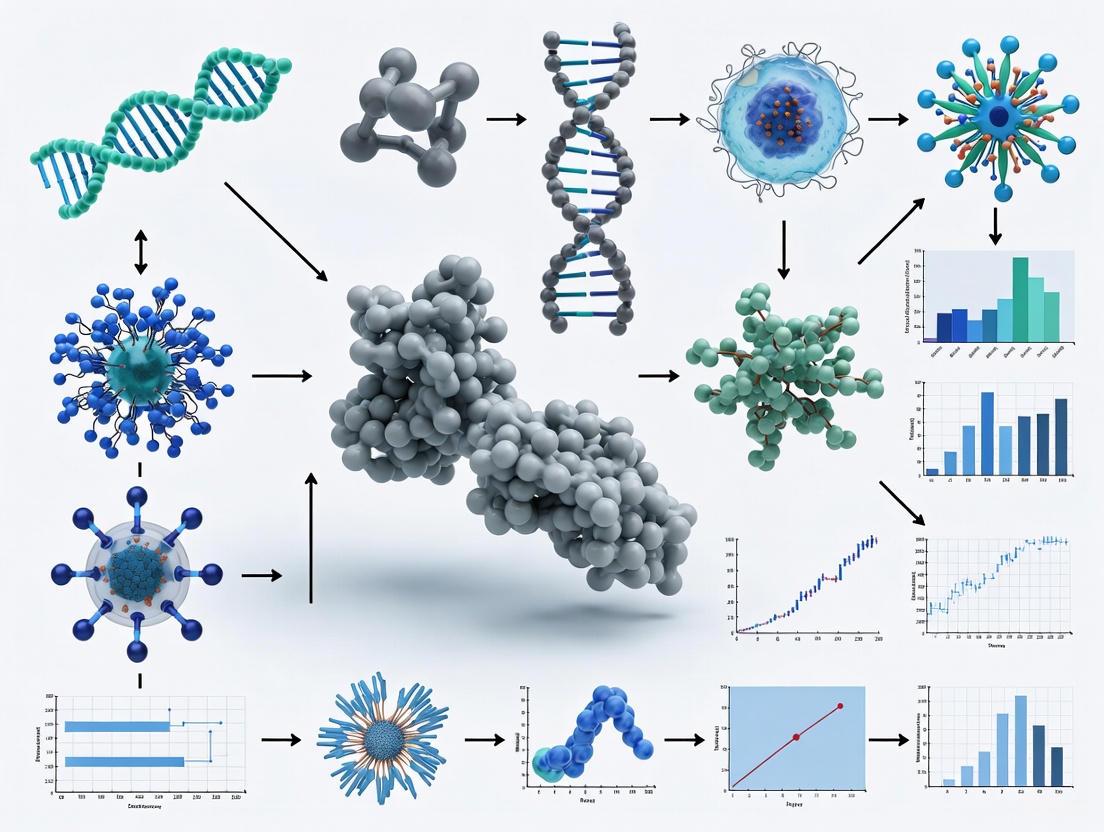
This article provides a comprehensive overview of three-dimensional (3D) cell culture systems for stem cell differentiation, a transformative approach in regenerative medicine and drug discovery.
Advancing Regenerative Medicine: 3D Culture Systems for Stem Cell Differentiation
Abstract
This article provides a comprehensive overview of three-dimensional (3D) cell culture systems for stem cell differentiation, a transformative approach in regenerative medicine and drug discovery. It explores the foundational principles demonstrating why 3D environments more accurately mimic the physiological niche, leading to enhanced differentiation outcomes. The scope covers a wide array of methodological approaches, including scaffold-based and scaffold-free techniques, and their specific applications in generating functional cells, such as insulin-producing beta cells and neurons. The content also addresses critical troubleshooting and optimization challenges, from assay compatibility to scalability, and offers a comparative validation against traditional 2D models, highlighting superior predictive power for in vivo responses. This resource is tailored for researchers, scientists, and drug development professionals seeking to implement or optimize 3D culture systems in their work.
Why 3D? The Foundational Shift from 2D to Physiologically Relevant Niches
The Limitations of Traditional 2D Monolayer Cultures
For decades, the traditional two-dimensional (2D) monolayer culture system has been a fundamental tool in biological research, drug discovery, and stem cell studies [1]. This method, characterized by cell growth on flat, rigid surfaces such as polystyrene or glass, has significantly advanced our understanding of basic cell biology [2]. However, growing scientific evidence demonstrates that these 2D systems inaccurately represent the complex physiological reality of living tissues, leading to potentially misleading experimental results [3] [1]. The pursuit of novel therapies has encouraged the development of novel model approaches in cancer research, drug discovery processes, and stem cell therapies, highlighting the critical need to understand the constraints of 2D culture systems [3]. This application note details the principal limitations of traditional 2D monolayer cultures and provides supporting experimental data and methodologies, framed within the broader context of advancing stem cell differentiation research through three-dimensional (3D) culture systems.
Core Limitations of 2D Monolayer Cultures
The table below summarizes the fundamental limitations of 2D monolayer cultures compared to more physiologically relevant environments.
Table 1: Key Limitations of Traditional 2D Monolayer Cultures
| Limitation Category | Impact on Cellular Behavior and Experimental Outcomes |
|---|---|
| Altered Cell Morphology & Polarity | Induces unnatural apical-basal polarity [2]; disrupts natural 3D shape and cytoskeletal organization [3]. |
| Deficient Cell-Cell & Cell-ECM Interactions | Lacks 3D cell-cell contacts and natural cell-ECM signaling [3]; prevents formation of physiological tissue architecture [3]. |
| Loss of Tissue-Specific Function | Rapid loss of specialized functions in primary cells (e.g., hepatocytes) [2]; poor representation of in vivo drug metabolism and toxicity [3]. |
| Unnatural Proliferation & Differentiation | Leads to aberrant proliferation rates and gene expression profiles [4]; does not support normal stem cell differentiation pathways [3]. |
| Inadequate Drug Response Prediction | Fails to model drug penetration barriers and tumor heterogeneity [3]; contributes to high drug attrition rates in clinical trials [1]. |
Experimental Evidence: Quantitative Comparison of 2D vs. 3D Culture Outcomes
Recent investigations directly comparing 2D and 3D culture systems provide quantitative evidence of the limitations of monolayers. The following table synthesizes key findings from these studies.
Table 2: Experimental Data from Comparative Studies of 2D vs. 3D Cultures
| Experimental Focus & Cell Type | Key Parameters Measured | 2D Culture Performance | 3D Culture Performance | Citation |
|---|---|---|---|---|
| Hepatocyte Function | Albumin production rate over time | Tenfold decrease after one week [2] | Maintained proper rate for at least 6 weeks [2] | [2] |
| hiPSC-derived Cardiomyocyte Maturation | Maturation time and phenotype stability | Slower maturation; less stable functionality [5] | Accelerated maturation; high long-term stability (>100 days) [5] | [5] |
| Human Bone Marrow-Derived Stem Cell (hBMSC) Osteogenic Differentiation | Expression of osteogenic genes (SP7, MMP-13) | Lower baseline expression [4] | Substantially higher gene and protein expression [4] | [4] |
| Cancer Cell Drug Sensitivity | Response to cytotoxic compounds and therapeutic agents | Higher sensitivity; less representative of in vivo response [3] [1] | Increased drug resistance; better models in vivo tumor response [3] [1] | [3] [1] |
Featured Experimental Protocol: Evaluating hBMSC Differentiation in 2D vs. 3D Hydrogel Culture
Objective: To compare the differentiation potential and gene expression profiles of human Bone Marrow-derived Stem Cells (hBMSCs) cultured in traditional 2D monolayers versus a 3D hydrogel environment [4].
Materials and Reagents:
- Primary hBMSCs: Isolated from human jawbone marrow.
- 3D Hydrogel Scaffold: VHM03 hydrogel (TheWell Bioscience) [4].
- Control Medium: Alpha-MEM supplemented with 10% FBS and 1% penicillin/streptomycin.
- Osteogenic Induction Medium: Control medium further supplemented with differentiation inducers (e.g., dexamethasone, β-glycerophosphate, ascorbic acid).
- Cell Recovery Solution: (e.g., TheWell Bioscience, MS03-100) for digesting hydrogel.
- Analysis Reagents: RNA isolation kit, cDNA synthesis kit, qPCR reagents, antibodies for Western blot (e.g., against SP7, MMP-13).
Methodology:
- Cell Isolation and Expansion: Isolate hBMSCs from bone marrow specimens. Expand and culture cells in 2D using standard techniques until passage 3 [4].
- Experimental Group Setup:
- 2D Control Group: Seed cells at an appropriate density (e.g., in a 12-well plate) and culture for the duration of the experiment (21 days), subculturing as needed [4].
- 3D Experimental Group:
- a. Place an insert in a 12-well plate and pre-wet with PBS.
- b. Suspend ~0.8 x 10^6 cells in culture medium and mix with the hydrogel precursor solution.
- c. Add the cell-hydrogel mixture to the insert and incubate for 10-15 minutes at room temperature to polymerize.
- d. Add inner and outer culture media and incubate at 37°C with 5% CO2 for 21 days, changing the medium every 2-3 days [4].
- Induction of Differentiation: After cells adhere (2D) or the hydrogel polymerizes (3D), replace the expansion medium with osteogenic induction medium in both groups.
- Sample Harvesting:
- 2D Cells: Harvest using standard trypsinization or a cell scraper.
- 3D Constructs: Recover cells by adding cell recovery solution, gently pipetting to break the hydrogel, incubating at 37°C for 2-3 minutes, and centrifuging to collect the cell pellet [4].
- Downstream Analysis:
- Gene Expression: Perform RNA sequencing (RNA-Seq) and/or quantitative PCR (qPCR) to analyze the expression of osteogenic markers (e.g., SP7, MMP-13, LPL) [4].
- Protein Analysis: Confirm differentiation status via Western blotting for key proteins [4].
- Functional Assays: Perform additional assays like Alizarin Red S staining to detect calcium deposits indicative of bone matrix production.
The Scientist's Toolkit: Essential Research Reagent Solutions
The table below lists key reagents and materials essential for conducting comparative studies between 2D and 3D culture systems, particularly for stem cell differentiation research.
Table 3: Research Reagent Solutions for 2D vs. 3D Culture Studies
| Reagent/Material | Function/Application | Example Product/Specifications |
|---|---|---|
| Natural Hydrogels | Mimics the native ECM; supports 3D cell growth and signaling; used for soft tissue modeling. | Collagen, Matrigel, Fibrin, Hyaluronic Acid, Alginate [1]. |
| Synthetic Hydrogels | Provides defined, tunable mechanical and biochemical properties; high reproducibility. | Polyethylene Glycol (PEG), Polylactic Acid (PLA) based hydrogels [1]. |
| Ultra-Low Attachment (ULA) Plates | Scaffold-free 3D culture; promotes spontaneous spheroid formation by inhibiting cell adhesion. | ULA plates with covalently bound hydrogel coating [1]. |
| Hanging Drop Plates | Scaffold-free spheroid formation via self-aggregation by gravity; highly uniform spheroids. | Plates with bottomless wells for droplet suspension [1]. |
| Specialized Culture Media | Supports maintenance and directs differentiation of stem cells in 3D environments. | Serum-free media formulations with specific growth factor cocktails. |
| Cell Recovery Solution | Dissolves hydrogel scaffolds for harvesting cells from 3D cultures without damaging cells. | Enzymatic or chelating solutions (e.g., for alginate or collagen hydrogels) [4]. |
Visualizing the Experimental Workflow and Molecular Response
The following diagrams illustrate the core experimental workflow for comparing 2D and 3D cultures and the subsequent enhanced molecular response in a 3D environment.
Diagram 1: Experimental workflow for comparing 2D and 3D hBMSC cultures.
Diagram 2: Molecular mechanisms of enhanced differentiation in 3D culture.
The limitations of traditional 2D monolayer cultures—including altered cell morphology, deficient cell-ECM interactions, loss of tissue-specific function, and poor predictive power for drug discovery—are well-documented and significant [3] [2] [1]. Quantitative data from direct comparisons show that 3D culture systems maintain hepatocyte function longer, accelerate and enhance stem cell differentiation, and provide more physiologically relevant models for disease and drug response [2] [5] [4]. For research focused on stem cell differentiation, adopting 3D culture protocols, such as the hydrogel-based method for hBMSCs detailed herein, is crucial for generating biologically meaningful and translatable data. While 3D systems present their own challenges in standardization and analysis [3], they represent a necessary evolution in biomedical research, bridging the critical gap between conventional 2D in vitro studies and in vivo physiology [3] [1].
The extracellular microenvironment is a decisive regulator of cell fate, orchestrating decisions through the precise spatiotemporal presentation of a complex array of biochemical and biophysical signals [6]. The dynamic, bidirectional interaction between cells and their extracellular matrix (ECM)—a relationship termed cell–ECM dynamic reciprocity—is a fundamental driver of morphogenesis, homeostasis, and disease progression [6] [7]. In the context of stem cell differentiation research, realistically recapitulating this native crosstalk is not merely beneficial but essential for the correct functionality of tissue-engineered constructs. The ECM is far from a passive scaffold; it is an active signaling entity that modulates cellular phenotype, shape, and function through integrated biochemical and biomechanical cues [6]. Misregulation within this space leads to dysfunctional tissues, underscoring the imperative for bioengineering approaches that faithfully mimic its regulatory and instructive roles [6].
Core Principles of the Native ECM and Microenvironment
Biochemical Composition and Structural Heterogeneity
The ECM is a complex network of proteins and polysaccharides. Its composition, which varies significantly between organs and even within regions of the same organ, is critical for specific tissue function [6].
- Key Macromolecules and Their Functions:
- Collagens: The most abundant ECM proteins, providing structural integrity and tensile strength [6].
- Elastin and Fibrillin: Key components of elastic fibers, providing tissue recoil and mediating cell signaling via integrin and syndecan receptors [6].
- Proteoglycans and Glycosaminoglycans: Provide mechanical resistance to compression, hydrate tissues, and act as a reservoir for growth factors (GFs) by trapping them within the matrix [6] [8].
- Fibronectin and Laminin: Glycoproteins that are vital regulators of cell adhesion, differentiation, and migration. Laminin is a major component of the basement membrane [6].
- Cytokines, Growth Factors, and Enzymes: The ECM contains a multitude of other molecules, including GFs, cytokines, chemokines, and metalloproteinases (MMPs), which are central to cellular communication and matrix remodeling [6].
The Dynamic Reciprocity Between Cells and ECM
The concept of dynamic reciprocity describes the continuous, two-way interaction where cells constantly sense, remodel, and modify their ECM, and in turn, the ECM influences cell functions through activated signal transduction pathways that regulate gene and protein expression [6] [7]. This reciprocity is mediated by specific receptors, most notably integrins, which are heterodimeric receptors that bind ECM ligands and transmit signals into the cell, providing a mechanical link between the ECM and the cytoskeleton [6]. This dynamic process is central to most important biological processes, including development and stem cell differentiation [6].
Critical Biophysical and Spatial Cues
Beyond biochemistry, the ECM provides essential physical cues that guide cell behavior.
- Stiffness and Mechanical Properties: The elasticity of the matrix can direct stem cell lineage specification.
- Topography and Spatial Organization: The 3D architecture and nanoscale alignment of ECM fibers provide contact guidance for cell migration and organization.
- Signal Presentation: The ECM presents signals in a specific spatial and temporal context, which is encoded within its native structure and is difficult to replicate with synthetic materials [6].
Strategic Approaches for Mimicking the ECM In Vitro
Several bioengineering strategies have been developed to replicate the native ECM, broadly categorized into scaffold-based and scaffold-free systems. The choice of strategy involves a trade-off between physiological fidelity, reproducibility, and experimental throughput [7].
Table 1: Comparison of 3D Culture Strategies for Mimicking the ECM
| Strategy | Description | Key Advantages | Key Limitations |
|---|---|---|---|
| Scaffold-Based | Cells are cultured within a 3D biomaterial matrix that mimics the native ECM. | High control over biochemical and mechanical properties; can be functionalized with adhesion motifs and GFs [8]. | Difficulty replicating the sophisticated logic of native ECM signal presentation; potential batch-to-batch variability (e.g., in Matrigel) [6] [7]. |
| Scaffold-Free | Cells self-assemble into structures like spheroids without an exogenous scaffold, synthesizing their own ECM. | Promotes high cell density and cell-cell contacts; generates a natural, cell-derived ECM [6] [9]. | Limited control over the initial microenvironment; potential heterogeneity in size and structure [9]. |
| Decellularized ECM | Native ECM from tissues is stripped of cells, leaving a complex, organ-specific scaffold. | Retains the native biochemical composition and ultrastructure of the original tissue [8]. | Complex processing; potential for immune response if not properly decellularized; source-dependent variability. |
| Organ-on-a-Chip & Bioprinting | Advanced platforms integrating microfluidics or 3D printing to create spatially controlled microenvironments. | Enables precise spatial patterning of cells and ECM; can incorporate dynamic fluid flow and mechanical forces [7]. | Technically complex and resource-intensive; can be low-throughput [7]. |
A paradigm shift in scaffold design is moving away from purely exogenous materials towards strategies that induce cells to synthesize their own ECM, which then acts as a provisional, native scaffold to guide further tissue development and maturation [6].
Detailed Experimental Protocols
Protocol 1: Establishing Scaffold-Free 3D Spheroids Using the Hanging Drop Method
This protocol is ideal for generating uniform spheroids for studies in angiogenesis, cardiovascular pathobiology, and stem cell differentiation [9].
Workflow Overview:
Materials:
- Cell Type: Human adipose-derived stem cells (hADSCs), fibroblasts, or other relevant stem/progenitor cells.
- Culture Medium: Appropriate basal medium (e.g., DMEM/F12) supplemented with necessary growth factors and 10% FBS.
- Equipment: Low-adhesion pipette tips, sterile Petri dishes, or specialized hanging drop plates.
Step-by-Step Method:
- Cell Harvesting: Trypsinize and harvest the cells of interest. Centrifuge and resuspend the cell pellet in complete culture medium.
- Suspension Preparation: Count the cells and prepare a suspension at a concentration of 20,000–50,000 cells/mL [9]. The optimal concentration must be determined empirically for each cell type.
- Dispensing Drops: Using a pipette, dispense 20–30 µL droplets of the cell suspension onto the inner surface of the lid of a sterile Petri dish. Space the droplets evenly to avoid coalescence.
- Inversion and Culture: Carefully invert the lid and place it over the bottom of the Petri dish, which can be filled with sterile PBS to maintain humidity. Culture the cells at 37°C with 5% CO₂ for 3–7 days.
- Spheroid Monitoring: Observe spheroid formation daily under a microscope. Cells should aggregate and form a single, compact spheroid in each drop within 24-72 hours.
- Spheroid Harvesting: To harvest, carefully place the plate right-side up and pipette the medium containing the spheroid from the drop. For downstream applications, spheroids can be transferred to low-attachment plates for long-term culture or embedded in Matrigel/hydrogels for differentiation studies.
Troubleshooting:
- Low Viability (>92% is expected): Ensure medium is not evaporating excessively; increase humidity in the dish.
- Irregular Spheroid Shape: Optimize cell concentration; some cell types may require a centrifugation step to initiate aggregation.
Protocol 2: Scaffold-Based 3D Culture in Hydrogel for Chondrogenic Differentiation
This protocol details the use of a gelatin/hyaluronic acid scaffold to direct stem cell fate, demonstrating the role of mechanical properties in differentiation [10].
Workflow Overview:
Materials:
- Cells: Human Mesenchymal Stem Cells (hMSCs).
- Hydrogel: Sterile gelatin/hyaluronic acid (Gel/HA) hydrogel precursor solution.
- Crosslinker: An appropriate crosslinking agent (e.g., genipin, microbial transglutaminase), concentration must be optimized to achieve the target stiffness.
- Chondrogenic Medium: DMEM high glucose, 1x ITS+ premix, 100 nM dexamethasone, 50 µg/mL ascorbate-2-phosphate, 40 µg/mL L-proline, 10 ng/mL TGF-β3.
Step-by-Step Method:
- Hydrogel Preparation: Prepare the Gel/HA precursor solution according to manufacturer's instructions or established lab protocol. Ensure sterility.
- Cell Encapsulation: Trypsinize, count, and centrifuge hMSCs. Resuspend the cell pellet in the Gel/HA solution at a density of 5–20 million cells/mL. Mix gently but thoroughly to avoid bubble formation.
- Crosslinking and Polymerization: Pipette the cell-hydrogel mixture into the desired culture vessel (e.g., multi-well plate). Initiate crosslinking by adding the crosslinker and incubating at 37°C for the required time (e.g., 30 minutes). The degree of crosslinking must be controlled to achieve a scaffold with a Young's modulus of approximately 26 kPa, which has been shown to maximize chondrogenesis in this system [10].
- Culture and Differentiation: After polymerization, carefully overlay the hydrogel constructs with chondrogenic differentiation medium. Culture for 21–28 days, changing the medium every 2–3 days.
- Analysis: Harvest constructs for analysis. Assess chondrogenic differentiation via:
- Gene Expression: qRT-PCR for markers like SOX9, AGGRECAN, and COL2A1.
- Histology: Safranin-O staining for proteoglycan content.
- Immunohistochemistry: Staining for Collagen Type II.
The Scientist's Toolkit: Essential Research Reagents and Materials
Table 2: Key Reagents for ECM-Mimetic 3D Culture Systems
| Item/Category | Specific Examples | Function in 3D Culture |
|---|---|---|
| Natural Hydrogels | Matrigel, Type-I Collagen, Fibrin, Alginate, Hyaluronic Acid | Provide a biologically active 3D scaffold that often contains native adhesion motifs and allows for cell-mediated remodeling [7] [8]. |
| Synthetic Hydrogels | PEG-based hydrogels, Poly(HEMA) | Offer high reproducibility and control over mechanical properties (e.g., stiffness) and can be functionalized with specific peptides (e.g., RGD) [7]. |
| Decellularized ECM | Liver, Heart, or Tumor-derived dECM [8] | Provides an organ-specific, complex biochemical microenvironment for highly physiologically relevant models. |
| Critical Growth Factors | EGF, FGF, TGF-β, Noggin, R-spondin 1 [7] | Soluble signaling molecules that are essential for maintaining stemness, directing differentiation, and replicating niche signaling. |
| Protease Inhibitors | Aprotinin, MMP Inhibitors | Control the rate of scaffold degradation to balance it with new matrix deposition by the cells. |
| Integrin-Binding Peptides | RGD (Arg-Gly-Asp) peptides | Functionalize synthetic scaffolds to promote specific cell adhesion and activate integrin-mediated signaling [6]. |
Visualization of Key Signaling Pathways in Cell-ECM Dynamic Reciprocity
The following diagram illustrates the core principle of dynamic reciprocity, highlighting key receptors and signaling pathways activated by ECM interactions.
Faithfully mimicking the in vivo extracellular matrix and its dynamic reciprocity with cells is a cornerstone of advanced 3D culture systems for stem cell research. The strategies and detailed protocols outlined here—from scaffold-free spheroids to mechanically tuned hydrogels—provide a framework for researchers to create more physiologically relevant models. By moving beyond traditional 2D cultures and embracing the complexity of the native microenvironment, scientists can significantly enhance the predictive accuracy of their experiments in drug development and the efficacy of cell-based therapies for regenerative medicine. The future of the field lies in the continued refinement of these platforms, particularly in integrating multiple cell types and introducing dynamic mechanical and chemical stimuli to fully capture the intricacies of the living tissue.
Impact on Cell Morphology, Proliferation, and Heterogeneity
The transition from traditional two-dimensional (2D) monolayer culture to three-dimensional (3D) culture systems represents a paradigm shift in stem cell differentiation research and drug development. While 2D culture has historically been a cornerstone of biological research due to its simplicity and cost-effectiveness, it fails to recapitulate the natural three-dimensional environment where cells reside in vivo [11]. Cells cultured in 2D on flat, rigid substrates exhibit abnormal morphology and stretched shapes, which in turn influence critical cellular processes including proliferation, differentiation, and gene expression [11]. This discrepancy can lead to misleading and non-predictive data for in vivo responses, a significant hurdle in translational research [11].
In contrast, 3D cell culture systems, by allowing cells to grow in a three-dimensional space, more accurately mimic the in vivo microenvironment [12]. These systems foster natural cell-cell interactions and cell-extracellular matrix (ECM) connections, which are essential for maintaining native cellular phenotypes and functions [12]. The inclusion of the third dimension influences the spatial organization of cell surface receptors and imposes physical constraints on cells, leading to gene expression, metabolism, and gradient formation that are more reflective of actual tissue biology [11] [12]. For researchers and drug development professionals, adopting 3D models is therefore critical for generating more physiologically relevant and predictive data, ultimately enhancing the quality of preclinical screening and the discovery of novel therapeutic strategies for complex diseases like cancer [13] [12].
Comparative Analysis of 2D vs. 3D Culture Systems
The architectural foundation of a cell culture system fundamentally dictates cellular behavior. Understanding the distinct characteristics of 2D and 3D environments is essential for designing robust experiments in stem cell research.
Key Characteristics and Cellular Responses
The table below summarizes the core differences between these systems and their impact on key cellular attributes.
Table 1: Comparative characteristics of 2D and 3D cell culture systems.
| Feature | 2D Monolayer Culture | 3D Culture Systems |
|---|---|---|
| Growth Conditions | Growth on a flat, rigid surface (e.g., tissue culture plastic) [11]. | Growth as aggregates/spheroids within or on a matrix, or in suspension [11]. |
| Cell Morphology | Cells are usually flat and stretched, deviating from their natural in vivo shape [11]. | Cells closely resemble their natural in vivo morphology [11]. |
| Cellular Population | Mainly composed of proliferating cells; necrotic cells are easily detached and removed [11]. | Heterogeneous population including proliferating, quiescent, apoptotic, hypoxic, and necrotic cells, similar to in vivo tissues [11]. |
| Cell-Cell & Cell-ECM Interactions | Limited to a single plane; interactions with the artificial substrate are dominant [12]. | Enhanced, multi-directional interactions that mimic the natural tissue environment [12]. |
| Proliferation Rate | Generally higher and more uniform across the cell population [11]. | Often reduced and variable, dependent on cell line and matrix; creates proliferative gradients [11]. |
| Nutrient & Oxygen Gradient | Homogeneous exposure to nutrients and oxygen from the medium [11]. | Physiologic gradients form from the spheroid periphery to the core, influencing cell status [11]. |
| Gene & Protein Expression | Altered due to unnatural morphology and lack of 3D context [11]. | More closely emulates in vivo gene expression and protein production profiles [11]. |
| Drug Response | Can be deceptive and mispredictive of in vivo efficacy/toxicity [12]. | More predictive of in vivo responses, including drug resistance [12]. |
Impact on Mesenchymal Stem Cells (MSCs)
A recent 2025 comparative study provides quantitative evidence of the advantages of an advanced 3D system for adipose-derived MSCs (ASCs). The study evaluated a novel hydrogel-based Bio-Block platform against conventional 2D, spheroid, and Matrigel cultures over four weeks [14].
Table 2: Quantitative impact of culture systems on ASCs over a four-week culture period [14].
| Parameter | 2D Culture | Spheroid Culture | Matrigel Culture | Bio-Block Culture |
|---|---|---|---|---|
| Proliferation | Baseline | ~2-fold lower than Bio-Block | ~2-fold lower than Bio-Block | ~2-fold higher than spheroid/Matrigel |
| Senescence | Baseline | Reduced 30-37% | Reduced 30-37% | Reduced 30-37% |
| Apoptosis | Baseline | 2-3 fold decrease | 2-3 fold decrease | 2-3 fold decrease |
| Trilineage Differentiation | Baseline | Lower than Bio-Block | Lower than Bio-Block | Significantly higher |
| Stem-like Markers (LIF, OCT4, IGF1) | Baseline | Lower than Bio-Block | Lower than Bio-Block | Significantly higher |
| Secretome Protein Production | Declined 35% | Declined 47% | Declined 10% | Preserved |
| Extracellular Vesicle (EV) Production | Declined 30-70% | Declined 30-70% | Declined 30-70% | Increased ~44% |
The data demonstrates that the Bio-Block platform significantly outperformed other methods, preserving the intrinsic ASC phenotype and function. Notably, while other systems showed a decline in secretome production and EV output, these were preserved or enhanced in the Bio-Block system. Furthermore, EVs derived from Bio-Block ASCs enhanced endothelial cell proliferation, migration, and VE-cadherin expression, whereas spheroid-derived EVs induced senescence and apoptosis, highlighting the critical influence of the culture system on the therapeutic potency of cell outputs [14].
Experimental Protocols for 3D Culture
To ensure reproducibility and successful adoption of 3D cultures, detailed protocols are essential. Below are standardized methods for generating 3D spheroids, adapted from established resources [13] [12].
Protocol 1: 3D Floater Cultures using Ultra-Low Attachment (ULA) Plates
This scaffold-free method relies on cell-to-cell aggregation on non-adherent surfaces [12].
Step-by-Step Workflow:
- Preparation: Prepare fresh cell culture medium without phenol red. Pre-warm ULA plates (e.g., Corning #3830) to room temperature.
- Cell Harvesting: Trypsinize and collect tumor cells and fibroblasts. Centrifuge for 3 minutes at 450×g and resuspend the cell pellets in an appropriate volume of medium.
- Cell Seeding: Determine cell concentration and prepare dilutions for monocultures and co-cultures. A useful starting range for tumor cell to stromal cell ratios is between 10:1 and 1:10 [13]. Mix the suspension well and transfer 50 μl per well to the ULA plate. Fill control wells with medium and outer wells with PBS to minimize evaporation.
- Initial Centrifugation: Centrifuge the ULA plate at 380×g for 1 minute at room temperature to encourage cell aggregation.
- Incubation and Feeding: Incubate the plate in a humidified incubator at 37°C and 5% CO₂. Carefully refresh half of the medium twice a week using a washer or a multichannel pipette, taking great care not to aspirate the formed spheroids.
- Monitoring and Analysis: Monitor spheroid formation and growth regularly using microscopy. Fluorescence can be measured with a plate reader every 2-3 days to construct growth curves.
Protocol 2: 3D Culture in Extracellular Matrix (ECM)
This anchorage-dependent method uses a biologically derived matrix to provide a physiologically relevant scaffold for cells [12].
Step-by-Step Workflow:
- Matrix Preparation: Thaw ECM solution (e.g., Corning Matrigel matrix) on ice and pre-chill pipette tips and multi-well plates.
- Matrix Embedding:
- Option A (Embedding): Mix the cell suspension with the cold liquid ECM. Pipette the cell-ECM mixture into the wells of a pre-chilled plate. Incubate the plate at 37°C for 30 minutes to allow the matrix to polymerize.
- Option B (Overlay): First, plate the cells in a small volume of medium on a thin layer of pre-polymerized ECM. After the cells have adhered, carefully overlay the culture with a thin layer of liquid ECM and polymerize it at 37°C.
- Culture Maintenance: After polymerization, carefully add pre-warmed culture medium to the wells. Refresh the medium every 2-3 days by carefully removing and replacing it without disturbing the soft ECM layer.
- Endpoint Analysis: At the endpoint, cultures can be analyzed in situ by fixation and staining for imaging, or processed for immunohistochemistry (IHC) after embedding in paraffin and making tissue microarrays (TMAs) [13].
The following workflow diagram illustrates the key decision points and steps for establishing these 3D cultures.
Diagram 1: Experimental workflow for establishing different types of 3D cell cultures.
The Scientist's Toolkit: Essential Research Reagents and Materials
Selecting the appropriate tools is critical for success in 3D cell culture. The following table details key reagent solutions and their specific functions in establishing and maintaining these advanced models.
Table 3: Essential research reagents and materials for 3D cell culture workflows.
| Research Reagent / Material | Function and Application in 3D Culture |
|---|---|
| Ultra-Low Attachment (ULA) Plates | Culture plates with a hydrophilic polymer coating that prevents protein adsorption and cell attachment, forcing cells to self-aggregate into spheroids [12]. |
| Basement Membrane Matrix (e.g., Matrigel) | A biologically derived, reconstituted basement membrane extract rich in ECM proteins. Provides a physiologically relevant 3D scaffold for cell growth, invasion, and differentiation studies [11] [15]. |
| Specialized 3D Media (e.g., mTeSR 3D, TeSR-AOF 3D) | Formulated media designed to support the expansion and maintenance of specific cell types, such as human pluripotent stem cells (hPSCs), in 3D suspension culture, often enabling fed-batch workflows [16]. |
| Hanging Drop Plates | Plates with open bottomless wells that allow a droplet of cell suspension to be held by surface tension. Gravity-enforced aggregation in the droplet leads to the formation of highly uniform spheroids [12]. |
| Orbital Shakers & Bioreactors | Agitation-based systems (e.g., Nalgene bottles, PBS-MINI Bioreactors) used to scale up 3D suspension cultures, improving gas exchange and nutrient distribution while preventing aggregate sedimentation [16]. |
| Gentle Cell Dissociation Reagent (GCDR) | A non-enzymatic or mild enzymatic reagent used to dissociate 3D aggregates into single cells for passaging or analysis while maximizing cell viability and recovery [16]. |
Underlying Mechanisms: How 3D Architecture Influences Cell Behavior
The profound differences in cellular outcomes observed in 3D systems are not arbitrary; they are a direct consequence of the re-established physical and biochemical cues of the native microenvironment. The following diagram synthesizes the primary mechanisms through which the 3D architecture impacts cell morphology, proliferation, and heterogeneity.
Diagram 2: Key mechanisms through which 3D architecture drives changes in cell behavior.
Discussion of Mechanisms
- Physiochemical Gradients: In 3D aggregates, the diffusion of oxygen, nutrients, and metabolic waste creates radial gradients. This leads to the establishment of distinct micro-zones: a proliferative outer layer, a quiescent middle region, and often a hypoxic or necrotic core, thereby recapitulating the heterogeneity found in vivo, particularly in tumors [11].
- Enhanced Cell-Cell and Cell-ECM Interactions: The 3D space allows for multi-directional contact and signaling between cells and with the surrounding ECM. These interactions activate adhesion-mediated signaling pathways (e.g., via integrins) that are crucial for survival, differentiation, and maintaining morphology, which are largely absent in 2D [12].
- Spatial Organization and Physical Constraints: The additional dimensionality influences the spatial organization of cell surface receptors and imposes physical restrictions on cells. This affects signal transduction from the outside to the inside of the cell, ultimately influencing gene expression, proliferation, and cellular phenotype [11].
- Altered Mechanotransduction: Cells in 3D cultures sense and respond to the mechanical properties of their environment, such as matrix stiffness and topography. This process, known as mechanotransduction, regulates fundamental processes like stem cell fate decisions, further contributing to functional heterogeneity [14].
Key Signaling Pathways Influenced by 3D Architecture
The three-dimensional (3D) architecture of cell culture systems fundamentally influences cellular behavior by more accurately replicating the native tissue microenvironment compared to traditional two-dimensional (2D) monolayers [17] [8]. For stem cell differentiation research, the 3D context provides structural, mechanical, and biochemical cues that directly modulate key signaling pathways, ultimately guiding fate determination and functional maturation [17] [18]. This application note details the critical pathways affected and provides established methodologies for investigating these mechanisms within 3D culture systems, with a specific focus on generating functional insulin-producing β cells from adipose-derived stem cells (ADSCs) – a promising avenue for diabetes therapy [19] [20].
Key Signaling Pathways Modulated by 3D Architecture
Transitioning from 2D to 3D culture systems induces significant changes in cell morphology, cytoskeletal organization, and nuclear shape, which in turn activate distinct mechanotransduction and signaling cascades [21]. The table below summarizes the core pathways influenced by 3D architecture and their impact on stem cell behavior.
Table 1: Key Signaling Pathways Influenced by 3D Architecture in Stem Cell Differentiation
| Pathway / Component | Role in Stem Cell Biology | Influence of 3D Architecture | Functional Outcome |
|---|---|---|---|
| Mechanotransduction | Translates mechanical signals into biological responses [22]. | In 3D, matrix remodeling becomes a more critical cue than substrate stiffness alone [22]. | Directs lineage specification; upregulates pro-regenerative cytokines [21]. |
| Cell-ECM Interactions (Integrins) | Mediate adhesion to extracellular matrix (ECM), activating intracellular signaling [17]. | Enhanced integrin β1 expression and engagement with a more physiologically relevant 3D ECM [21] [8]. | Promotes cell survival, maintains stemness, and primes cells for differentiation cues [17] [8]. |
| Cell-Cell Communication | Juxtacrine signaling via direct contact (e.g., adherens junctions, gap junctions) controls stem cell fate [17] [18]. | 3D spatial organization increases cell-cell contact, boosting β-catenin and connexin 43 expression [21] [18]. | Enhances self-renewal, inhibits uncontrolled differentiation, and coordinates population-level responses [17] [21]. |
| Cytoskeletal & Nuclear Dynamics | Actin organization governs cell shape and tension, influencing differentiation [17] [21]. | Reorganization from 2D-aligned to 3D-multidirectional actin and a change to more rounded nuclear shape [21]. | Alters gene expression profiles; associated with enhanced paracrine function [21]. |
| Paracrine Signaling | Secretion of growth factors and cytokines (e.g., VEGF, HGF) for tissue repair and immune modulation [21]. | Increased spatial organization and cell interactions in 3D cultures enhance secretion of pro-regenerative factors [21] [18]. | Underlies the therapeutic "paracrine boost" critical for regenerative applications [21]. |
The following diagram illustrates the logical relationships and interactions between these key signaling pathways and cellular components within a 3D microenvironment.
Experimental Protocols for Investigating 3D-Specific Signaling
Protocol 1: Assessing Cytoskeletal Reorganization and Adhesion Complexes in 3D Cell Sheets
This protocol utilizes scaffold-free cell sheet technology to study fundamental changes in mechanotransduction during the transition from 2D to 3D [21].
Workflow Overview:
Detailed Methodology:
- Cell Culture: Seed human mesenchymal stem cells (hUC-MSCs or ADSCs) onto temperature-responsive culture dishes (TRCD) and culture until full confluence is achieved in a standard incubator (37°C, 5% CO₂) [21].
- 3D Cell Sheet Generation: Initiate the 2D-to-3D transition by reducing the culture temperature to 20°C for 30-60 minutes. This change induces a surface property transition, releasing the contiguous cell sheet from the TRCD surface without enzymatic digestion. The released sheet will spontaneously contract, forming a 3D tissue-like construct [21].
- Morphological Analysis:
- Histology: Process 2D monolayers and 3D cell sheets for histology (e.g., paraffin embedding, sectioning). Perform Hematoxylin and Eosin (H&E) staining to visualize and measure changes in tissue thickness and structure [21].
- Cytoskeleton Staining: Fix samples and stain F-actin with fluorescently labeled phalloidin. Use confocal microscopy to visualize the reorganization of the actin cytoskeleton from an aligned, elongated structure in 2D to a multidirectional, rounded structure in 3D [21].
- Nuclear Morphometry: Counterstain nuclei with DAPI. Use image analysis software to quantify nuclear circularity, which shifts towards a more rounded shape in 3D cell sheets [21].
- Gene Expression Analysis: Perform quantitative PCR (qPCR) on RNA extracted from 2D and 3D samples to quantify the upregulation of genes associated with cell interactions, such as:
- ITGB1 (Integrin β1)
- CTNNB1 (β-catenin)
- GJA1 (Connexin 43)
- VEGFA, HGF, IL-10 (Pro-regenerative cytokines) [21]
Protocol 2: Probing Pathway Activation in 3D ADSC Differentiation towards β-Cells
This protocol combines a 3D culture setup with photobiomodulation (PBM) to enhance the differentiation of ADSCs into functional insulin-producing β cells, focusing on the associated signaling pathways [19] [20].
Workflow Overview:
Detailed Methodology:
- 3D Culture Setup: Encapsulate ADSCs within a suitable 3D hydrogel matrix (e.g., synthetic PEG-based hydrogel, Matrigel) at a density of 5-10 million cells/mL. This provides a biomimetic environment that supports cell-matrix interactions [20] [8].
- Photobiomodulation (PBM) Treatment: Differentiate the 3D ADSC constructs using a staged differentiation protocol supplemented with specific growth factors and small molecules. During the differentiation process, apply PBM treatment using a low-level laser or LED light source. Common parameters include:
- Monitoring Key β-Cell Pathways:
- Ca²⁺ Signaling: Use fluorescent calcium indicators (e.g., Fluo-4 AM) and live-cell imaging to monitor intracellular Ca²⁺ fluxes in response to glucose stimulation. Functional β-cells will exhibit oscillatory Ca²⁺ dynamics [20].
- cAMP/PKA Pathway: Employ ELISA kits to measure intracellular cAMP levels upon stimulation with glucagon-like peptide 1 (GLP-1) or forskolin. Alternatively, western blotting can assess phosphorylation of PKA substrates [20].
- AMPK Activity: Analyze the phosphorylation status of AMPK (Thr172) and its downstream target, acetyl-CoA carboxylase (ACC), via western blot to monitor cellular energy status and its role in β-cell health [20].
- Functional and Molecular Validation:
- Glucose-Stimulated Insulin Secretion (GSIS): Challenge the differentiated constructs with low (2.8 mM) and high (20 mM) glucose concentrations. Measure insulin secretion into the supernatant using a specific insulin ELISA kit. A competent response shows higher insulin release at high glucose [20].
- qPCR Analysis: Quantify the expression of key β-cell markers and transcription factors, such as:
- INS (Insulin)
- PDX1 (Pancreatic and Duodenal Homeobox 1)
- NKX6-1 (NK6 Homeobox 1)
- MAFA (Musculoaponeurotic Fibrosarcoma Oncogene Homolog A) [20]
The Scientist's Toolkit: Research Reagent Solutions
The following table lists essential materials and reagents required for the experiments described in this application note.
Table 2: Essential Research Reagents for 3D Signaling Pathway Analysis
| Item | Function / Application | Examples / Notes |
|---|---|---|
| Temperature-Responsive Culture Dishes (TRCD) | Enables harvest of intact cell sheets with preserved ECM and cell junctions for 2D-to-3D transition studies [21]. | UpCell (Nunc) dishes. |
| Synthetic Hydrogels | Provides a defined, tunable 3D scaffold for cell encapsulation and mechanistic studies of cell-matrix interactions [8]. | Polyethylene glycol (PEG)-based hydrogels, RGD-functionalized alginate [23]. |
| Extracellular Matrix (ECM) Components | Recapitulates the native biochemical environment; used in hydrogels or as coatings to promote specific signaling. | Collagen I, Matrigel, Laminin, Fibrin. |
| Low-Level Laser/LED Source | Applies precise photobiomodulation (PBM) to modulate mitochondrial function and activate signaling pathways [19] [20]. | Red (630-660 nm) or NIR (780-810 nm) wavelength devices. |
| qPCR Assays | Quantifies gene expression changes in key pathways (e.g., integrins, junction proteins, β-cell markers). | TaqMan or SYBR Green assays for ITGB1, CTNNB1, GJA1, INS, PDX1. |
| Calcium-Sensitive Dyes | Visualizes and measures Ca²⁺ signaling dynamics, a key functional readout for β-cells [20]. | Fluo-4 AM, Fura-2 AM (for ratiometric imaging). |
| Phospho-Specific Antibodies | Detects activation of key signaling pathways (e.g., AMPK, PKA substrates) via Western Blot. | Anti-phospho-AMPKα (Thr172), Anti-phospho-ACC. |
| ELISA Kits | Measures secreted factors (e.g., insulin for GSIS) or intracellular second messengers (e.g., cAMP) [20]. | High-range and sensitive insulin ELISA kits are recommended. |
Building the Niche: A Guide to 3D Culture Methods and Their Applications in Differentiation
The pursuit of robust in vitro models that accurately recapitulate the in vivo microenvironment is a central goal in stem cell research and regenerative medicine. The limitations of two-dimensional (2D) monolayer cultures in mimicking the complex three-dimensional (3D) architecture of native tissues have driven the adoption of 3D culture systems. Scaffold-based techniques provide a critical framework for supporting cell growth, differentiation, and tissue organization by emulating the native extracellular matrix (ECM). Among these, hydrogels (including natural matrices like Matrigel and Collagen), synthetic polymers, and glass fibers represent pivotal technologies. These systems are indispensable for investigating stem cell differentiation, developing disease models, and advancing drug discovery, offering a more physiologically relevant context for research and preclinical testing [8].
This application note details the core methodologies, experimental protocols, and key applications of these scaffold-based techniques, providing a practical guide for their implementation in stem cell differentiation research.
Core Scaffold Platforms: Properties and Quantitative Comparison
The choice of scaffold is paramount, as its properties directly influence stem cell fate, including viability, proliferation, and differentiation potential. The table below summarizes the key characteristics of major scaffold types.
Table 1: Comparative Analysis of Scaffold-Based 3D Culture Systems
| Scaffold Type | Key Examples | Advantages | Disadvantages/Limitations | Primary Applications in Stem Cell Research |
|---|---|---|---|---|
| Natural Hydrogels | Matrigel, Collagen-I, Fibrin, Alginate | High bioactivity; excellent biocompatibility; mimics native ECM [24] | Batch-to-batch variability (Matrigel) [25] [26]; poor mechanical strength; limited tunability [24] | Organoid culture (Matrigel) [25]; hepatocyte differentiation (Collagen) [25]; general 3D encapsulation |
| Synthetic Polymers/Hydrogels | Polyethylene Glycol (PEG), Polylactic Acid (PLA), Polycaprolactone (PCL) | High consistency & reproducibility; precisely tunable mechanical & chemical properties [27] [24] | Low intrinsic cell affinity; lacks native cell recognition sites [24] | Controlled differentiation studies; mechanobiology; scalable tissue engineering |
| Bioactive Glass & Composites | Bioactive Glass Nanoparticles (BGNs), Glass/Ceramic Fibers | Enhanced mechanical properties; osteogenic & angiogenic potential; bioresorbable [24] [28] | Brittleness (ceramics); non-biodegradable (some metals) [24]; complex fabrication | Bone tissue engineering [28]; enhancing mechanical properties of soft hydrogels [28] |
| Advanced/Composite Systems | Bio-Block platforms, Collagen-BGNs composites, PEG-peptide conjugates | Tailored micro-architecture; combats diffusional constraints; combines advantages of components [14] [28] | Can be complex to fabricate; requires optimization of multiple parameters | Scalable MSC therapy production [14]; creating tissue-mimetic microenvironments; vascularized tissue models |
Quantitative data underscores the impact of scaffold selection. A 2025 comparative study demonstrated that adipose-derived mesenchymal stem cells (ASCs) cultured in a novel hydrogel-based Bio-Block platform exhibited ~2-fold higher proliferation than those in spheroids or Matrigel over four weeks. Furthermore, senescence was reduced by 30-37% and apoptosis decreased 2-3-fold. Critically, the production of extracellular vesicles (EVs), key mediators of regenerative signaling, increased by ~44% in Bio-Blocks, while declining 30-70% in other 3D systems like spheroids and Matrigel [14] [29]. These findings highlight the profound influence of scaffold design on maintaining stem cell potency and secretome production.
Detailed Experimental Protocols
Protocol: Culturing Mesenchymal Stem Cells in a Hydrogel-Based 3D System
This protocol is adapted from a 2025 study comparing 3D culture systems for MSC expansion and secretome production [29]. It outlines the methodology for encapsulating MSCs in a tissue-mimetic hydrogel, such as the Bio-Block platform or Collagen-based hydrogels.
Workflow Overview:
Materials:
- Cells: Human adipose-derived MSCs (ASCs), Passage 1-4.
- Culture Media: RoosterNourish MSC-XF growth medium. For conditioned media collection, use serum-free, low-particulate media like RoosterCollect EV-Pro.
- Hydrogel System: Bio-Block components or Acid-soluble Collagen-I (e.g., from rat tail tendon).
- Reagents: Neutralization solution (for collagen), HBSS, 0.05% Trypsin/EDTA.
Procedure:
- Cell Expansion and Harvest:
- Culture MSCs in standard 2D flasks until ~80% confluency.
- Wash cells 3x with HBSS to remove serum.
- Detach cells using 0.05% Trypsin/EDTA and incubate at 37°C for 5 minutes.
- Neutralize trypsin with serum-containing media (e.g., 5% FBS in DMEM).
- Centrifuge the cell suspension at 500 g for 5 minutes. Resuspend the pellet in culture media and perform a cell count.
Hydrogel Precursor Preparation:
- For Bio-Blocks, follow the manufacturer's instructions for preparing the hydrogel precursor solution.
- For Collagen-I hydrogel, prepare a neutralized solution on ice. Typically, mix acid-soluble collagen with neutralizing buffers (e.g., 10X PBS and 1N NaOH) to achieve a final concentration of 3-5 mg/mL. Keep the solution on ice to prevent premature gelation.
Cell Encapsulation:
- Mix the calculated volume of cell suspension with the hydrogel precursor solution to achieve the desired final cell density (e.g., 1-5 million cells/mL). Gently pipette to ensure a homogeneous mixture without introducing air bubbles.
- For Collagen-I, it is critical to keep the cell-hydrogel mixture on ice during this process.
Gelation and Culture Initiation:
- Pipette the cell-laden hydrogel mixture into the desired culture vessel (e.g., multi-well plate or microfluidic device).
- Incubate the construct at 37°C in a humidified incubator for 20-30 minutes to allow for complete gelation (confirmed by solidification).
- Once set, carefully add pre-warmed culture media on top of the hydrogel, ensuring it is fully covered. Refresh the media every 2-3 days.
Long-term Maintenance and Analysis:
- Cultures can be maintained for several weeks. Monitor cell viability, morphology, and metabolic activity using assays like Live/Dead staining, MTT, or AlamarBlue.
- To analyze differentiation potential, transfer constructs to differentiation media (osteogenic, adipogenic, chondrogenic) after expansion.
- For secretome analysis, collect conditioned media and concentrate EVs via ultracentrifugation or tangential flow filtration for downstream functional assays [29].
Protocol: Establishing a Microfluidic 3D Culture with Collagen-Bioactive Glass Hydrogel
This protocol details the integration of a composite hydrogel into a microfluidic device to create a dynamic 3D microenvironment, ideal for studying cell-cell interactions and drug responses under perfusion [28].
Workflow Overview:
Materials:
- Microfluidic Device: A polydimethylsiloxane (PDMS)-based chip with a central gel channel and two lateral media channels.
- Hydrogel Components: Collagen Type I (3.0 mg/mL), Bioactive Glass Nanoparticles (BGNs, 3% w/v).
- Cells: Fibroblasts (L929) or other relevant stem/target cells.
- Equipment: Syringe pumps, tubing, and connectors for perfusion.
Procedure:
- Synthesis of Bioactive Glass Nanoparticles (BGNs):
- Synthesize BGNs using the sol-gel method. Analyze the resulting nanoparticles using XRD and FTIR to confirm composition and structure [28].
Preparation of Collagen-BGNs Composite Hydrogel:
- In a sterile tube on ice, mix the acid-soluble Collagen-I solution with the synthesized BGNs to achieve a final concentration of 3 mg/mL collagen and 3% (w/v) BGNs.
- Neutralize the mixture as described in Protocol 3.1. The addition of BGNs enhances the mechanical properties of the hydrogel, which can be confirmed via rheological analysis [28].
Loading the Microfluidic Chip:
- Introduce the neutralized, cell-laden Collagen-BGNs hydrogel mixture into the central gel channel of the microfluidic device using a pipette or syringe. Capillary forces and surface tension, controlled by the chip's pillar architecture, will facilitate filling.
- Incubate the chip at 37°C for 30 minutes to allow for complete hydrogel polymerization.
Cell Seeding and Perfusion Culture:
- If cells were not pre-encapsulated, endothelial or other stromal cells can be introduced into the lateral media channels after gelation to study co-culture interactions.
- Connect the lateral media channels to a syringe pump via tubing. Initiate perfusion of culture media at a low flow rate (e.g., 0.1-10 µL/min) to provide nutrients and apply physiological shear stress.
On-Chip Analysis:
- Monitor cell viability directly on the chip using live/dead assays (e.g., Calcein-AM/Propidium Iodide).
- For endpoint analysis, the hydrogel construct can be extracted from the chip for immunohistochemistry, gene expression analysis, or other biochemical assays to evaluate stem cell differentiation and function [28].
Key Signaling Pathways in Stem Cell-Scaffold Interactions
The biochemical and biophysical properties of scaffolds activate critical intracellular signaling cascades that direct stem cell fate. The diagram below illustrates the core pathways involved.
Pathway Description: Scaffold properties are sensed by stem cells primarily through integrin receptors and growth factor receptors. Ligand binding and mechanical forces from the scaffold trigger the activation of Focal Adhesion Kinase (FAK), initiating downstream signaling via the MAPK/ERK and PI3K/AKT pathways, which are master regulators of cell proliferation, survival, and differentiation [8] [26]. Concurrently, scaffold stiffness and topography are transmitted to the nucleus via the YAP/TAZ mechanotransduction pathway, which works in concert with biochemical signals to determine lineage specification [26]. The integration of these signals ultimately dictates the cellular outcome, whether it is proliferation, self-renewal, differentiation into specific lineages (e.g., osteogenic, hepatocytic), or the production of a therapeutic secretome [14] [29].
The Scientist's Toolkit: Essential Research Reagents and Materials
Successful implementation of scaffold-based 3D cultures relies on a defined set of core reagents and materials. The following table catalogs key solutions used in the featured protocols and broader applications.
Table 2: Key Research Reagent Solutions for Scaffold-Based 3D Culture
| Reagent/Material | Function/Application | Example Product/Citation |
|---|---|---|
| Matrigel | Basement membrane extract; widely used for organoid and stem cell 3D culture. | Corning Matrigel (Note: Batch variability is a known limitation [25] [26]) |
| Collagen Type I | Major ECM protein; used for 3D cell encapsulation and hydrogel formation. | Rat tail tendon extracted Collagen-I (3.0 mg/mL) [28] |
| Bioactive Glass Nanoparticles (BGNs) | Enhances mechanical properties and bioactivity of composite hydrogels. | Sol-gel synthesized BGNs (3% w/v) [28] |
| RoosterNourish MSC-XF | Chemically defined, xeno-free medium for MSC expansion. | RoosterBio #K82016 [29] |
| RoosterCollect EV-Pro | Serum-free, low-particulate medium for collecting conditioned media and EVs. | RoosterBio #K41001 [29] |
| Synthetic Hydrogel Kits | Provides tunable, defined microenvironment for controlled studies. | Polyethylene Glycol (PEG) based kits, "HepMat" [25] |
| Microfluidic Devices | Platform for perfusion culture, enabling physiological shear stress and gradients. | PDMS chips with defined gel and media channels [28] |
| Y-27632 (Rho-kinase inhibitor) | Enhances cell survival during seeding and early stages of 3D culture. | Used in organoid culture protocols [26] |
Scaffold-free three-dimensional (3D) culture systems have emerged as transformative tools in stem cell research and regenerative medicine. Unlike conventional two-dimensional (2D) monolayers, these techniques promote the self-assembly of cells into complex microtissues that closely mimic native biological environments by preserving crucial intercellular interactions and extracellular matrix support [30]. Among the most prominent methods are the hanging drop technique, magnetic levitation, and ultra-low attachment (ULA) plates, each offering unique advantages for controlling spheroid formation, maintaining stemness, and directing differentiation. Within the broader context of a thesis on 3D culture systems for stem cell differentiation, this application note provides a detailed comparative analysis, standardized protocols, and practical insights to guide researchers in selecting and implementing these foundational technologies.
The three scaffold-free techniques facilitate 3D culture through distinct physical principles. Hanging drop culture relies on gravity to aggregate cells suspended in a droplet of medium [31] [32]. Magnetic levitation uses magnetic forces, often assisted by nanoparticle assemblies, to levitate cells and promote aggregation at the air-liquid interface [33] [34]. Ultra-low attachment (ULA) plates feature a proprietary hydrophilic polymer coating that minimizes protein adsorption and cell adhesion, forcing cells to aggregate in the well bottom [35] [36].
The table below provides a quantitative comparison of the core characteristics of these three techniques.
Table 1: Quantitative Comparison of Scaffold-Free 3D Culture Techniques
| Feature | Hanging Drop | Magnetic Levitation | Ultra-Low Attachment Plates |
|---|---|---|---|
| Principle of Spheroid Formation | Gravity-driven aggregation in inverted droplets [31] | Magnetic force-driven assembly and levitation [33] | Self-assembly on a non-adhesive surface [35] |
| Relative Cost | Low (minimal specialized equipment) [31] | Moderate to High (nanoparticles, magnets) [33] | Moderate (commercially pre-coated plates) [35] |
| Spheroid Uniformity | Moderate (can be influenced by droplet consistency) | Moderate to High (can be guided by magnetic field) [33] | High (excellent well-to-well and batch-to-batch reproducibility) [35] [36] |
| Throughput Potential | Low to Moderate (manual droplet preparation) | Moderate | High (amenable to 96-well and 384-well formats for HTS) [35] [37] |
| Ease of Handling/Manipulation | Moderate (more challenging media changes, spheroid retrieval) | Moderate (requires nanoparticle handling) | High (standard cell culture protocols apply) |
| Key Advantage | Simplicity and low cost; enhanced immunomodulatory function demonstrated [32] | Controlled geometry and co-culture potential; in vivo-like protein expression [33] | Superior scalability, reproducibility, and compatibility with high-content screening [35] [37] |
Application Notes & Experimental Protocols
Hanging Drop Culture for Enhanced Stem Cell Therapy
The hanging drop method is a simple yet powerful technique to enhance the therapeutic properties of stem cells. Research has demonstrated that mesenchymal stem cells (MSCs) cultured via hanging drop exhibit transcriptomic profiles with enhanced cell-cell contact, improved responsiveness to external stimuli, and superior immunomodulatory function compared to 2D cultures [32]. This was evidenced in a rabbit osteoarthritis model, where 3D-cultured human umbilical cord MSCs (hUC-MSCs) promoted significantly better cartilage regeneration and increased anti-inflammatory cytokine expression (TGFβ1 and IL-10) than their 2D counterparts [32].
Table 2: Key Experimental Outcomes from 3D Hanging Drop Culture of hUC-MSCs
| Parameter | 2D-Cultured hUC-MSCs | 3D Hanging Drop hUC-MSCs |
|---|---|---|
| Cell Morphology | Flat, elongated [32] | Compact, spherical spheroids [32] |
| Transcriptomic Profile | Standard profile | Enhanced cell-cell contact & immunomodulatory pathways [32] |
| In Vivo Cartilage Regeneration (Rabbit OA Model) | Moderate improvement | Significantly higher histological score and type II collagen secretion [32] |
| Anti-Inflammatory Factor Secretion (in vivo) | Baseline | Increased TGFβ1 and IL-10 [32] |
Protocol: 3D Hanging Drop Culture of hUC-MSCs [32]
- Cell Preparation: Culture hUC-MSCs in a standard 2D flask until 90% confluent.
- Harvesting: Trypsinize the cells and centrifuge at 300 × g for 10 minutes.
- Resuspension: Resuspend the cell pellet in complete culture medium at a density of 2 × 10^5 cells per 35 µL of medium. This high density is critical for promoting aggregation.
- Droplet Generation: Pipette 35 µL aliquots of the cell suspension and carefully place them onto the inner surface of a culture dish lid. Space the droplets evenly.
- Inversion and Incubation: Carefully invert the lid and place it over a bottom dish filled with sterile phosphate-buffered saline (PBS) to prevent droplet evaporation.
- Culture: Incubate the assembled culture dish at 37°C with 5% CO₂ for 48 hours.
- Spheroid Collection: After incubation, gently turn the lid right-side-up and pipette the medium containing the formed spheroids for downstream applications.
Magnetic Levitation for In Situ Biofabrication
Magnetic levitation provides unparalleled control over 3D cellular assembly by using magnetic fields to guide cell organization. This technique often involves incubating cells with a bioinorganic hydrogel composed of filamentous bacteriophage, gold nanoparticles, and magnetic iron oxide (MIO) nanoparticles. The MIO nanoparticles enable cells to be levitated in a magnetic field, triggering rapid 3D assembly [33]. This method has been shown to produce 3D cultures with protein expression profiles (e.g., membrane-localized N-cadherin) that more closely resemble human tumor xenografts than 2D cultures [33]. Furthermore, by varying the magnetic field using different magnet shapes, researchers can guide the formation of specific cellular patterns, such as rings or compact spheroids [33].
Protocol: Magnetic Levitation 3D Culture [33] [38]
- Nanoparticle Preparation: Prepare a hydrogel composed of RGD-4C peptide-targeted M13 bacteriophage, gold nanoparticles, and magnetic iron oxide (MIO) nanoparticles.
- Cell Labeling: Incubate cells (e.g., glioblastoma cells, neural stem cells) with the prepared hydrogel to allow for cellular uptake and surface binding. The RGD-4C peptide targets αv integrins on the cell surface [33].
- Magnetic Levitation Setup: Place the magnetized cell suspension in a culture dish. Position a permanent magnet (e.g., ring-shaped or square) above the culture dish to create a magnetic field gradient.
- 3D Assembly: Within minutes to hours, cells will levitate and concentrate at the air-medium interface, forming a stable 3D structure. The shape of the resulting structure can be controlled by the geometry of the magnet [33].
- Long-term Culture: Maintain the levitated culture by standard cell culture incubation (37°C, 5% CO₂). Cultures can be maintained for extended periods (e.g., over 12 weeks) [33]. For long-term health, use a paramagnetic medium such as 100 mM Gadobutrol (Gd-BT-DO3A) in culture medium, which provides effective levitation with high cell viability [38].
Ultra-Low Attachment Plates for High-Throughput Screening
ULA plates are the workhorse for scalable and reproducible spheroid generation. Their key advantage lies in their proprietary surface coating, which is designed to be ultra-hydrophilic and minimize protein adsorption, thereby preventing cell attachment and encouraging spontaneous 3D aggregation [35] [36]. These plates are available in various well bottom shapes (U-bottom, V-bottom, M-bottom) to optimize spheroid compactness for different cell types [36]. This makes them ideal for high-throughput applications such as drug screening and toxicology studies, where uniformity and scalability are paramount [35] [37]. Studies have shown that the formation of 3D tumor spheroids in ULA plates can mimic in vivo tumor characteristics, including the development of a hypoxic core [35].
Protocol: High-Throughput Spheroid Formation in ULA Plates [37]
- Plate Equilibration: Pre-incubate the ULA plate (e.g., 96-well U-bottom) with complete culture medium for 30 minutes at 37°C to equilibrate.
- Cell Seeding: Trypsinize and count your cells. Resuspend the cells at an optimal density. For example, HaCaT keratinocytes can be resuspended at 1.0 × 10^5 cells/mL [37].
- Dispensing: Gently dispense a precise volume (e.g., 50 µL, containing 5.0 × 10^3 cells) into each well of the pre-equilibrated ULA plate.
- Spheroid Formation: Incubate the plate undisturbed for 48 hours at 37°C and 5% CO₂. Avoid moving the plate during this critical aggregation phase.
- Analysis: After 48 hours, spheroids can be imaged and analyzed using high-content imaging systems. Parameters such as spheroid diameter, circularity, and number are automatically quantified using software like MetaXpress [37].
The Scientist's Toolkit: Essential Research Reagents
Table 3: Key Reagents and Materials for Scaffold-Free 3D Culture
| Item | Function/Application | Example Products & Notes |
|---|---|---|
| ULA Multiwell Plates | Provides a non-adhesive surface for spontaneous spheroid formation; backbone of high-throughput screening. | Nunclon Sphera (Thermo Fisher) [35], PrimeSurface (S-Bio) [36], Corning Elplasia [37]. Available in U-, V-, and M-bottom shapes. |
| Magnetic Levitation Kit | Enables magnetic assembly and levitation of 3D cultures for precise geometric control. | Comprises magnetic nanoparticles (e.g., MIO/gold/phage hydrogel) and magnets [33] [34]. |
| Paramagnetic Medium | Creates a diamagnetic environment for label-free magnetic levitation, reducing required magnetic field strength. | Gadobutrol (Gd-BT-DO3A) at 100 mM offers a good balance of effective levitation and cell viability for long-term culture [38]. |
| ROCK Inhibitor | Enhances cell survival and aggregation post-trypsinization by inhibiting apoptosis; improves spheroid formation efficiency. | Y-27632. Often used in stem cell protocols to enhance viability of single cells [37]. |
| Extracellular Matrix (ECM) | Used for scaffold-based differentiation or to study spheroid outgrowth and migration in hybrid models. | Matrigel. Can be used to embed spheroids to study invasive behavior or support complex organoid differentiation [37]. |
Hanging drop, magnetic levitation, and ultra-low attachment plates each occupy a critical and complementary niche within the scaffold-free 3D culture landscape. The choice of technique is not a matter of superiority but of strategic alignment with research goals. Hanging drop is optimal for proof-of-concept studies and enhancing cellular therapeutic properties with minimal investment. Magnetic levitation offers unparalleled control for engineering specific tissue geometries and studying mechanobiology. ULA plates provide the robustness, reproducibility, and scalability required for high-throughput drug discovery and toxicological screening. By integrating these scaffold-free methodologies, researchers can construct a more physiologically relevant pipeline for stem cell differentiation research, accelerating the translation of in vitro findings into clinical applications.
Diabetes mellitus (DM) is a chronic metabolic disorder affecting hundreds of millions globally, characterized by hyperglycemia resulting from defects in insulin secretion, insulin action, or both [39]. The core pathology in Type 1 Diabetes (T1DM) is the autoimmune destruction of pancreatic beta (β) cells, while Type 2 Diabetes (T2DM) involves β-cell exhaustion and insulin resistance [39]. Current management strategies, including insulin replacement therapy and oral hypoglycemic agents, focus on controlling blood glucose levels but are not a cure and present limitations such as the risk of hypoglycemia and unpredictable glucose fluctuations [39].
Stem cell-based therapy has emerged as a promising alternative, aiming to replace lost β-cells and restore physiological insulin secretion [39]. Among various cell sources, Adipose-Derived Stem Cells (ADSCs) are particularly attractive due to their minimal invasive isolation procedure, high cell yield, and multipotent differentiation capacity [40]. This case study explores the differentiation of ADSCs into functional, insulin-producing β-cells, with a specific focus on advanced protocols and the critical role of three-dimensional (3D) culture systems in enhancing differentiation efficiency and cell functionality for regenerative medicine applications.
Comparative Analysis of Differentiation Protocols
Various induction protocols have been developed to guide ADSCs through the complex process of pancreatic β-cell differentiation. These protocols often employ a multi-stage approach, mimicking embryonic pancreatic development. The table below summarizes and compares three distinct protocols as detailed in recent scientific literature.
Table 1: Comparison of ADSC Differentiation Protocols for Generating Insulin-Producing Cells
| Protocol Feature | Protocol 1 (P1) [40] | Protocol 2 (P2) [40] | Protocol 3 (P3) [40] |
|---|---|---|---|
| Key Components | Nicotinamide, β-mercaptoethanol, Exendin-4 | Geltrex, Activin A, Retinoic Acid (RA), bFGF, Nicotinamide, Exendin-4 | Laminin-coated plates, ITS-A, Nicotinamide, B27, N2 |
| Culture System | 2D | 2D (ECM-coated) | 2D (ECM-coated) |
| Duration | ~10 days | ~14 days | ~14 days |
| Differentiation Efficiency | Moderate | Moderate | High |
| Reported Functional Outcome | Glucose-responsive insulin secretion | Glucose-responsive insulin secretion | Superior upregulation of pancreatic genes (INS, PDX-1); significant in vivo therapeutic efficacy |
The quantitative in vitro findings revealed that Protocol 3 (P3), which utilizes laminin-coated plates in combination with a cocktail of factors including insulin-transferrin-selenium (ITS), B27, N2, and nicotinamide, was the most efficient. This protocol demonstrated a more robust upregulation of key pancreatic endocrine genes, including insulin (INS) and the critical transcription factor PDX-1 [40]. Consequently, the IPCs generated via this protocol were selected for in vivo transplantation, where they induced significant improvement in metabolic parameters in diabetic rats [40].
The Critical Role of 3D Culture Systems
While the protocols above are conducted in 2D systems, research overwhelmingly highlights the superiority of three-dimensional (3D) culture environments for generating fully functional stem cell-derived β-cells. Native pancreatic islets are complex 3D structures where cell-cell and cell-matrix interactions are crucial for survival, maturation, and function [41].
- Mimicking the Native Microenvironment: 3D cultures more accurately replicate the in vivo conditions, promoting the formation of cell aggregates that enhance gap junction communication and the expression of cell adhesion molecules, both vital for proper insulin secretion [41].
- Improved Differentiation and Function: Studies show that ADSCs differentiated into IPCs in 3D cultures, such as on polyvinyl alcohol (PVA) scaffolds, exhibit stronger characteristics of β-cells, including higher expression of islet-associated genes and proteins, and superior glucose-stimulated insulin secretion compared to 2D cultures [42].
- Novel 3D Platforms: Innovative approaches include using FGF2-immobilized matrices that allow cells to self-organize into 3D spheroids. This platform promotes spontaneous cell aggregation and robust differentiation of human omentum-derived MSCs (which share properties with ADSCs) into functional IPCs, as evidenced by the upregulation of PDX-1, Insulin, and Glut-2 [41].
- Emerging Techniques: Photobiomodulation (PBM), the use of specific light wavelengths to regulate cellular activity, has also emerged as an innovative, non-invasive method to enhance the differentiation efficiency of ADSCs into functional IPCs within 3D culture systems [19].
Table 2: Key Research Reagent Solutions for ADSC Differentiation into IPCs
| Reagent / Material | Function in Differentiation Protocol |
|---|---|
| Laminin | An extracellular matrix (ECM) protein that provides crucial adhesion signals and promotes pancreatic lineage specification [40]. |
| Nicotinamide | A key factor that promotes endocrine differentiation and helps in the maturation and survival of IPCs [40]. |
| ITS-A (Insulin-Transferrin-Selenium) | A defined supplement that provides essential components for cell growth and viability in serum-free conditions [40]. |
| B27 & N2 Supplements | Chemically defined supplements providing hormones, growth factors, and other elements essential for neural and endocrine cell survival and function [40]. |
| Polyvinyl Alcohol (PVA) Scaffold | A synthetic nanofibrous scaffold for 3D culture that enhances cell-ECM interactions and improves IPC functionality [42]. |
| FGF2-immobilized Matrix | A unique culture surface that controls cell-matrix interactions and promotes 3D spheroid formation, enhancing cell-cell communication and differentiation [41]. |
Detailed Experimental Protocol
Based on the optimized protocol (P3) from [40], here is a detailed methodology for differentiating human ADSCs into IPCs.
Materials
- Cells: Human ADSCs, isolated from subcutaneous adipose tissue and characterized by flow cytometry for positive (CD73, CD90, CD105) and negative (CD34, CD45) markers.
- Basal Medium: Dulbecco's Modified Eagle Medium (DMEM)/F-12.
- Key Reagents: Laminin, Fetal Bovine Serum (FBS), Insulin-Transferrin-Selenium-A (ITS-A), Nicotinamide, B27 Supplement, N2 Supplement.
- Labware: Laminin-coated tissue culture plates (e.g., 6-well plates).
Step-by-Step Procedure
- Cell Seeding: Plate human ADSCs at a density of 2.5 x 10^5 cells per well on a laminin-coated 6-well plate. Use complete culture media (e.g., DMEM with 10% FBS) and allow cells to adhere overnight.
- Stage I - Priming (3 days): Replace the medium with fresh high-glucose DMEM (HG-DMEM) containing 10% FBS. Incubate for 3 days.
- Stage II - Commitment (4 days): Replace the medium with DMEM/F-12 medium supplemented with 2% FBS and 1% ITS-A. Incubate for 4 days.
- Stage III - Early Differentiation (3 days): Supplement the medium from Stage II with 10 mM Nicotinamide. Incubate for 3 days.
- Stage IV - Maturation (4 days): Refresh the medium with the same supplements as in Stage III, and add 1% N2 and 1% B27 supplements. Incubate for a final 4 days.
Throughout the process, maintain cells at 37°C in a 5% CO2 humidified atmosphere, refreshing the medium every 2-3 days. The entire differentiation process takes approximately 14 days.
Signaling Pathways in Beta Cell Differentiation
The differentiation of ADSCs into IPCs is guided by the sequential activation of key developmental signaling pathways. The following diagram illustrates the core signaling logic involved in this process, integrating external biochemical cues with the internal genetic program that drives pancreatic beta cell fate.
The differentiation of ADSCs into functional, insulin-producing β-cells represents a cornerstone of future regenerative therapies for diabetes. The success of this differentiation is highly dependent on the protocol used, with the combination of laminin-coated surfaces and specific induction factors (ITS, Nicotinamide, B27, N2) proving highly effective [40]. Furthermore, transitioning from traditional 2D cultures to advanced 3D culture systems—including synthetic scaffolds like PVA [42] and FGF2-immobilized matrices that promote self-organization [41]—is critical for generating IPCs that closely mimic the functionality and robustness of native pancreatic islets. As research progresses, incorporating novel techniques like photobiomodulation [19] will further refine these processes, paving the way for clinically viable cell-based treatments to manage and potentially cure diabetes mellitus.
The hypothalamus is a critical brain region regulating fundamental physiological processes, including metabolism, reproduction, stress response, and neuroendocrine homeostasis [43]. Studying hypothalamic neurogenesis in vivo presents significant challenges due to the region's anatomical complexity and the intricate nature of neuroendocrine circuits [43]. Traditional two-dimensional (2D) cell culture models often fail to recapitulate the three-dimensional (3D) microenvironment necessary for proper neuronal differentiation and function.
This case study explores an optimized protocol for generating functional hypothalamic neurons from neural stem cells within a 3D culture system, situating this methodology within the broader thesis that 3D culture platforms provide superior models for stem cell differentiation research. We present detailed application notes and quantitative data to support researchers in implementing this advanced approach.
Experimental Workflow and Key Findings
The following diagram illustrates the complete experimental workflow for generating hypothalamic neurons from neonatal neural stem cells in 3D culture:
Key Advantages of 3D Culture Systems
Research consistently demonstrates that 3D culture environments enhance stem cell differentiation efficacy and functionality compared to traditional 2D systems:
Table 1: Comparative Performance of 3D vs. 2D Culture Systems for Stem Cell Differentiation
| Parameter | 3D Matrigel Culture | Traditional 2D Culture | Significance |
|---|---|---|---|
| Proliferation Capacity | ~2-fold higher proliferation observed in advanced hydrogel systems [29] | Limited expansion potential | Enables scaling of functional cell populations |
| Cellular Senescence | 30-37% reduction [29] | High senescence rates | Maintains stem-like properties during expansion |
| Apoptosis Rate | 2-3-fold decrease [29] | Elevated apoptosis | Improved cell viability and yield |
| Secretome Production | Preserved or enhanced [29] | Declined up to 47% [29] | Maintains critical signaling functions |
| Extracellular Vesicle Output | Increased ~44% [29] | Declined 30-70% [29] | Enhanced intercellular communication capacity |
| Differentiation Efficiency | Robust GnRH-like neuron generation [43] | Often incomplete maturation | Produces functionally relevant cell types |
Detailed Experimental Protocols
Hypothalamic Neural Stem Cell (htNSC) Isolation and Culture
Animals and Tissue Dissection
- Animal Model: C57BL/6 neonatal mice at postnatal day 1 (P1) [43]
- Ethical Considerations: All procedures should be approved by institutional animal care and use committees [43]
- Dissection Protocol:
- Euthanize P1 pups by decapitation using surgical scissors
- Fix the head and make a longitudinal cut to expose the skull
- Carefully cut open the calvaria and skull along the midline
- Remove meninges gently with fine forceps and extract entire brain
- Place brain ventrally up and identify hypothalamus at ventral midline
- Define boundaries: anterior edge of optic chiasm (anterior), posterior edge of mammillary bodies (posterior), temporal sulci (lateral)
- Carefully dissect hypothalamic tissue and place in prechilled PBS [43]
Generation of Single-Cell Suspension
- Tissue Processing:
- Place hypothalamic tissue in 1 mL PBS and fragment into ~1 mm³ pieces using forceps
- Add 4 mL PBS and transfer fragments to centrifuge tube
- Centrifuge at 1500 rpm for 3 minutes
- Discard supernatant and add 1 mL TrypLE Express enzyme
- Incubate at 37°C for 8-10 minutes, gently pipetting twice during digestion
- Terminate digestion by adding PBS at 1:5 ratio
- Centrifuge at 1500 rpm for 3 minutes
- Discard supernatant and wash with 1-2 mL PBS
- Resuspend pellet in 1 mL NSC-specific primary culture medium
- Pipette 15-20 times to generate single-cell suspension [43]
Primary Culture and Expansion
- Seeding and Culture Conditions:
- Distribute cell suspension evenly into two wells of Ultra-Low-Attachment Surface Polystyrene 6-Well Plates
- Add culture medium to total 2 mL per well
- Culture undisturbed in CO₂ incubator for 3 days to form neurospheres
- For passaging: collect neurospheres, centrifuge at 1500 rpm for 3 minutes
- Digest with 1 mL TrypLE Express at room temperature for 5 minutes
- Terminate digestion with PBS (1:2 ratio), centrifuge at 1500 rpm for 3 minutes
- Wash with PBS, resuspend in fresh culture medium, and passage at 1:2 ratio [43]
3D Differentiation in Matrigel
Matrigel Preparation
- Working Solution:
- Aliquot Matrigel stock overnight on ice to dissolve into liquid
- Mix 5 mL cold Neurobasal-A medium and 50 μL Matrigel (100:1 dilution) on ice
- Add 200 μL cold Matrigel working solution into each well of 24-well plate
- Gently shake to cover entire surface area
- Incubate at 37°C in CO₂ incubator for at least 1 hour
- Remove remaining solution before cell seeding [43]
Differentiation Protocol
Medium Formulation:
- Differentiation Medium I: 47.7 mL Neurobasal-A + 1 mL B27 + 500 μL N2 + 250 μL GlutaMAX + 500 μL P/S + 50 μL DAPT (10 mM)
- Differentiation Medium II: 47.738 mL Neurobasal-A + 1 mL B27 + 500 μL N2 + 250 μL GlutaMAX + 500 μL P/S + 12.5 μL BDNF (40 μg/mL) [43]
Differentiation Timeline:
- Embed htNSC neurospheres in prepared Matrigel matrix
- Culture in Differentiation Medium I for initial commitment (7 days)
- Switch to Differentiation Medium II for maturation (7-14 days)
- Refresh media every 2-3 days throughout differentiation period
Characterization and Functional Validation
Morphological Assessment
- Monitor neurite outgrowth and network formation using phase-contrast microscopy
- Quantify neurite length and branching complexity after immunostaining
- Assess structural maturation at days 7, 14, and 21 of differentiation
Immunocytochemical Analysis
- Fix cells with 4% paraformaldehyde for 15 minutes at room temperature
- Permeabilize with 0.1% Triton X-100 for 10 minutes
- Block with 5% normal serum for 1 hour
- Incubate with primary antibodies overnight at 4°C:
- GnRH (1:500) for hypothalamic identity
- β-III-tubulin (1:1000) for neuronal markers
- MAP2 (1:500) for mature neurons
- Incubate with fluorescent secondary antibodies (1:500) for 1 hour at room temperature
- Counterstain with DAPI for nuclear visualization
- Image using confocal or fluorescence microscopy [43]
Functional Assessment
- Measure calcium flux in response to physiological stimuli
- Assess electrophysiological properties using patch clamp recording
- Analyze secretory function through GnRH ELISA measurements
- Evaluate synaptic connectivity using synaptophysin immunostaining
Signaling Pathways in Hypothalamic Differentiation
The differentiation of hypothalamic neurons involves coordinated signaling pathways that guide cellular fate decisions. The following diagram illustrates the key pathways involved in this process:
The Scientist's Toolkit: Essential Research Reagents
Table 2: Key Research Reagent Solutions for Hypothalamic Neural Stem Cell Culture and Differentiation
| Reagent/Category | Specific Product Examples | Function in Protocol |
|---|---|---|
| Basal Medium | Neurobasal-A | Nutrient support for neural cells during proliferation and differentiation [43] |
| Growth Supplement | B27-VA, B27, N2 | Provides essential hormones, antioxidants, and lipids for neural survival and differentiation [43] |
| Growth Factors | EGF (100 μg/ml), bFGF (100 μg/ml), BDNF (40 μg/ml) | Stimulates htNSC proliferation (EGF/bFGF) and neuronal maturation (BDNF) [43] |
| Enzymatic Dissociation | TrypLE Express | Gentle enzyme for tissue dissociation and neurosphere passaging [43] |
| 3D Scaffold | Matrigel | Basement membrane matrix providing physiological 3D environment for differentiation [43] |
| Differentiation Modulators | DAPT (γ-secretase inhibitor) | Notch signaling inhibition to promote neuronal differentiation [43] |
| Cell Culture Surface | Ultra-Low-Attachment Surface Polystyrene | Prevents cell attachment, enabling neurosphere formation [43] |
| Characterization Antibodies | GnRH, β-III-tubulin, MAP2 | Immunocytochemical validation of hypothalamic neuronal identity and maturation [43] |
Temporal Dynamics of hypothalamic Neuron Differentiation
Table 3: Quantitative Timeline of Key Events in htNSC Differentiation
| Time Point | Morphological Changes | Molecular Markers | Functional Characteristics |
|---|---|---|---|
| Day 0-3 | Neurosphere formation, cell aggregation | Nestin+, Sox2+ (neural stem cell markers) | Self-renewal capacity, proliferation |
| Day 4-7 | Initial neurite outgrowth, matrix engagement | β-III-tubulin+, Ki67- (early neuronal commitment) | Cell cycle exit, early neuronal gene expression |
| Day 8-14 | Extensive neurite branching, network formation | MAP2+, GnRH+ (neuronal maturation, hypothalamic identity) | Calcium transient initiation, neuropeptide expression |
| Day 15-21 | Mature neuronal morphology, synaptic contacts | Synaptophysin+, GnRH+ (functional maturation) | Electrophysiological activity, regulated neuropeptide secretion [43] |
Discussion and Research Implications
The optimized protocol presented in this case study demonstrates that neonatal hypothalamic neural stem cells can be effectively differentiated into GnRH-like neurons within a 3D Matrigel environment, exhibiting characteristic neuronal morphology and functional properties [43]. This methodology provides several key advantages for hypothalamic research and drug development.
Advantages of 3D Culture Systems in Hypothalamic Research
The implementation of 3D culture systems represents a significant advancement over traditional 2D approaches for modeling hypothalamic development and function. The tissue-mimetic properties of 3D environments like Matrigel and advanced hydrogel platforms (e.g., Bio-Blocks) enhance cellular viability, maintain stem-like properties during expansion, and promote maturation of functionally competent neurons [29]. These systems address critical limitations of 2D cultures, which often fail to recapitulate the tissue architecture and cell-cell interactions essential for proper hypothalamic function.
Notably, 3D culture systems better maintain the phenotypic stability and secretory capacity of stem cells, which is particularly important for hypothalamic neurons that rely on precise neuropeptide secretion for their physiological functions [29]. The preservation of secretome quality and extracellular vesicle production in 3D systems [29] further enhances their utility for studying neuroendocrine signaling and intercellular communication within hypothalamic circuits.
Applications in Disease Modeling and Drug Development
This 3D differentiation protocol enables novel approaches for studying neuroendocrine disorders and developing therapeutic interventions. The generated GnRH-like neurons provide a valuable platform for investigating pathological mechanisms underlying hypothalamic dysfunction, including conditions such as hypogonadotropic hypogonadism, sleep disorders, and metabolic diseases [43]. The ability to recapitulate key aspects of hypothalamic neuronal development in vitro facilitates research into genetic and environmental factors that disrupt neuroendocrine homeostasis.
For drug development, this system offers a more physiologically relevant model for screening compound efficacy and toxicity on hypothalamic neurons. The enhanced functionality of neurons differentiated in 3D culture improves the predictive validity of preclinical testing, potentially reducing late-stage drug attrition. Furthermore, the scalability of this approach [29] supports high-throughput screening applications for identifying novel therapeutics targeting neuroendocrine pathways.
Integration with Microphysiological Systems
The htNSC-derived hypothalamic neurons generated using this protocol are compatible with emerging organ-on-chip technologies, enabling the development of more complex microphysiological systems. The quantitative meta-analysis by [45] demonstrates that perfusion systems can enhance specific cellular functions, particularly in high-density 3D cultures that benefit from improved mass transport. Integrating 3D-differentiated hypothalamic neurons with microfluidic platforms could further advance their functional maturation and enable the construction of multi-tissue systems modeling hypothalamic-pituitary axes.
This case study provides detailed application notes and protocols for generating functional hypothalamic neurons from neural stem cells in 3D culture, contributing to the broader thesis that 3D culture systems offer superior platforms for stem cell differentiation research. The comprehensive methodology, quantitative benchmarks, and essential research tools presented here support implementation of this approach in basic research and drug development applications. The continued refinement of 3D culture technologies promises to further enhance our ability to model hypothalamic development and dysfunction, accelerating the discovery of therapies for neuroendocrine disorders.
Advanced Applications in Drug Screening and Disease Modeling
Three-dimensional (3D) cell culture technologies have emerged as pivotal tools bridging the gap between traditional two-dimensional (2D) monolayers and complex in vivo environments. These systems more accurately recapitulate the tissue-specific architecture, cell-extracellular matrix interactions, and spatial organization found in native tissues [46] [47]. For researchers and drug development professionals, 3D models provide enhanced biological relevance for tumor biology studies, drug screening, and mechanistic investigations by featuring variations in cellular morphology and exposure to gradients of oxygen, nutrients, and environmental stresses [47]. This article explores the advanced applications of 3D culture systems in drug screening and disease modeling, providing detailed protocols and analytical frameworks for implementation in stem cell differentiation research.
The fundamental advantage of 3D culture systems lies in their ability to mimic the intricate interactions of the native tissue microenvironment. Unlike 2D cultures where cells grow as a flat monolayer on a dish, 3D models support critical cell-matrix interactions and maintain appropriate expression levels of essential proteins, significantly enhancing their applicability in studying human tissue physiology and elucidating disease pathophysiology [46] [47]. These systems are particularly valuable in cancer research, where they partially recapitulate the cellular and histological differentiation of solid tumors, including inner layers of non-proliferating and necrotic cells similar to those found in vivo [47].
Quantitative Analysis of 3D Culture System Performance
Table 1: Comparative Performance of 3D Culture Systems in Preclinical Research
| System Type | Key Applications | Relative Proliferation | Senescence Reduction | Apoptosis Reduction | Secretome Preservation |
|---|---|---|---|---|---|
| 2D Monolayer | Initial expansion, genetic manipulation | Baseline | 0% | 0% | -35% |
| Spheroids | HTS, mechanistic studies | ~2-fold lower than Bio-Blocks | 30% reduction | 2-3-fold decrease | -47% |
| Matrigel | Differentiation studies | ~2-fold lower than Bio-Blocks | 37% reduction | 2-3-fold decrease | -10% |
| Bio-Block Hydrogel | Scalable regenerative therapies | Highest (~2-fold higher than spheroids/Matrigel) | 30-37% reduction | 2-3-fold decrease | Fully preserved |
Table 2: Tumor Spheroid Formation Efficiency Across Colorectal Cancer Cell Lines
| Cell Line | Agarose Overlay | Hanging Drop | U-bottom (Methylcellulose) | U-bottom (Matrigel) | U-bottom (Collagen I) |
|---|---|---|---|---|---|
| DLD1 | Compact spheroids | Compact spheroids | Compact spheroids | Compact spheroids | Compact spheroids |
| HCT116 | Compact spheroids | Compact spheroids | Compact spheroids | Compact spheroids | Compact spheroids |
| SW48 | Loose aggregates | Loose aggregates | Loose aggregates | Compact spheroids | Loose aggregates |
| SW480 | Compact spheroids | Compact spheroids | Compact spheroids | Compact spheroids | Compact spheroids |
| LS174T | Mixed morphology | Mixed morphology | Compact spheroids | Compact spheroids | Mixed morphology |
Advanced Applications in Drug Screening
Patient-Derived Models for Personalized Therapy
Patient-derived scaffold-based 3D culture systems represent a transformative approach for personalized cancer treatment. These platforms maintain crucial tumor-stroma crosstalk by preserving cancer-associated fibroblasts (CAFs) and cells undergoing partial epithelial-mesenchymal transition (pEMT), thereby conserving the original tumor heterogeneity that influences therapy response [48]. In head and neck cancer (HNC) research, this system has demonstrated exceptional utility for patient-specific drug sensitivity testing, generating clinically actionable data within days after operation [48].
The protocol for establishing patient-derived tumor models involves several critical steps. First, patient biopsies are enzymatically dissociated to create single-cell suspensions. Cancer-associated fibroblasts are directly cultured from this mixture, and their conditioned medium (CAF-CM) is collected to preserve paracrine signaling. Cryopreserved primary tumor cell suspensions are later revived and screened in five different growth media under 2D conditions to identify optimal culture parameters. The most heterogeneous cultures are then re-embedded in 3D hydrogels with varied gel mixtures, media, and seeding geometries to establish the final screening platform [48].
For drug testing applications, tumoroid morphology is quantified using a perimeter-based complexity index, which provides a quantitative measure of structural organization. Viability after treatment with therapeutic agents is assessed by live imaging and the water-soluble tetrazolium-8 (WST-8) assay, enabling high-throughput screening of compound libraries [48]. This approach has successfully identified patient-specific responses to cisplatin and Notch pathway inhibitors, with FLI-06 (a Notch inhibitor) showing significant growth inhibition across multiple patient-derived models while RBPJ inhibitor RIN-1 induced minimal changes [48].
High-Throughput Screening with Multicellular Tumor Spheroids
Multicellular tumor spheroids (MCTS) have become an essential in vitro model for drug screening applications due to their ease of generation, expansion, and straightforward genetic manipulation [47]. MCTS exhibit similarities to in vivo solid tumors in growth kinetics, metabolic rates, proliferation, invasion, and resistance to chemotherapy and radiotherapy, making them particularly valuable for preclinical drug development [47].
A comprehensive study comparing 3D culture methodologies across eight colorectal cancer (CRC) cell lines demonstrated that technical approach significantly influences spheroid morphology and viability [47]. The methods evaluated included overlay on agarose, hanging drop, and U-bottom plates without matrix or with methylcellulose, Matrigel, or collagen type I hydrogels. Through systematic optimization, researchers developed a novel compact spheroid model using the previously challenging SW48 cell line by employing specific matrix conditions [47].
Patient-Derived Drug Screening Workflow
Disease Modeling with 3D Culture Systems
Hypothalamic Neural Stem Cell Differentiation for Neuroendocrine Research
The hypothalamus plays a crucial role in regulating physiological functions through the interaction and feedback modulation of different axes, including metabolism, reproduction, body temperature, and neuroendocrine responses [49] [50]. Hypothalamic neural stem cells (htNSCs) represent a recently identified NSC reservoir that can precisely modulate complicated hypothalamic function through transplantation strategies [50]. An optimized protocol for directed differentiation of htNSCs in a 3D culture system provides a novel platform for studying hypothalamic function and neurogenesis, with particular relevance for understanding neuroendocrine disorders [49].
The detailed protocol for htNSC differentiation begins with isolation of hypothalamic tissue from neonatal mice (P1). The hypothalamic tissue is carefully dissected from the surrounding brain tissue using anatomical landmarks: the anterior boundary defined by the anterior edge of the optic chiasm, the posterior boundary defined by the posterior edge of the mammillary bodies, and the lateral boundaries defined by the temporal sulci [50]. The tissue is then fragmented into small pieces approximately 1 mm in diameter using forceps, followed by enzymatic digestion with TrypLE Express enzyme at 37°C for 10 minutes to create a single-cell suspension [50].
For 3D culture establishment, Matrigel working solution is prepared by mixing 5 ml of cold Neurobasal-A medium and 50 μl of Matrigel (100:1 dilution) on ice. The cell suspension is then combined with this solution and plated. The htNSC differentiation protocol employs a two-stage media formulation: Differentiation Medium I contains Neurobasal-A medium with 2% B27, 1% N2, 0.5% GlutaMAX, 1% P/S, and 10 μM DAPT (a Notch signaling inhibitor), while Differentiation Medium II replaces DAPT with 20 ng/ml BDNF to support neuronal maturation [50]. This optimized protocol successfully generates GnRH-like neurons that exhibit typical neuronal morphology and functional characteristics, providing an invaluable model for studying hypothalamic function and neurogenesis [49].
Incorporating Tumor Microenvironment Complexity
The tumor microenvironment is a complex and dynamic mixture of cancer cells, endothelial cells, immune cells, mesenchymal stromal cells, ECM, fibroblasts, and secreted substances, all playing significant roles in tumour development and response to chemo- and immunotherapy [47]. Incorporating these components significantly enhances the physiological relevance of 3D models for drug screening applications.
Co-cultures of CRC organoids with immortalised cancer-associated fibroblasts (CAFs) have been shown to significantly alter the transcriptional profile of the cancer cells, recapitulating the histological and immunosuppressive characteristics of very aggressive mesenchymal-like colorectal tumours [47]. In the colorectal microenvironment, normal fibroblasts can be activated by inflammatory and microbial cues into CAFs, which influence tumor progression through paracrine signaling, direct cell-cell contact, ECM remodeling, immune modulation, and the promotion of therapy resistance [47].
htNSC Differentiation Signaling Pathway
Research Reagent Solutions for 3D Culture Applications
Table 3: Essential Research Reagents for 3D Culture Systems
| Reagent/Category | Specific Examples | Function & Application |
|---|---|---|
| Basal Media | Neurobasal-A medium, DMEM/F12 | Nutrient foundation for specialized cell types |
| Supplements | B27 Supplement (with/without VA), N-2 Supplement, GlutaMAX | Provide essential growth factors, hormones, and antioxidants |
| Growth Factors | EGF, bFGF, BDNF | Promote stem cell proliferation and directed differentiation |
| Enzymatic Dissociation | TrypLE Express, Collagenase | Tissue dissociation and single-cell suspension preparation |
| Hydrogel Matrices | Matrigel, Collagen Type I, Methylcellulose | 3D scaffold mimicking extracellular matrix environment |
| Specialized Inhibitors | DAPT (γ-secretase inhibitor), FLI-06 (Notch inhibitor) | Pathway modulation for directed differentiation |
| Cell Culture Surfaces | Ultra-Low-Attachment Plates, Poly-D-lysine coated plates | Control cellular adhesion and promote 3D structure formation |
Technical Protocols for 3D Model Establishment
Protocol: Hypothalamic Neural Stem Cell Differentiation in 3D Culture
Primary htNSCs Culture Medium Preparation (50 ml total volume):
- Combine 48.615 ml Neurobasal-A medium with 1 ml B27-VA
- Add 250 μl Penicillin-Streptomycin (P/S)
- Add 125 μl GlutaMAX Supplement
- Add 5 μl EGF (100 μg/ml stock) and 5 μl bFGF (100 μg/ml stock)
- Filter sterilize and store at 4°C for up to 1 week [50]
Matrigel Working Solution Preparation:
- Thaw Matrigel stock overnight on ice at 4°C
- Mix 5 ml cold Neurobasal-A medium with 50 μl Matrigel (100:1 dilution) on ice
- For coating: Add 200 μl cold Matrigel working solution per well of 24-well plate
- Incubate at 37°C for at least 1 hour, then remove excess solution before use [50]
htNSCs Differentiation Medium I (50 ml for initial differentiation):
- Combine 47.7 ml Neurobasal-A medium with 1 ml B27 supplement
- Add 500 μl N2 supplement
- Add 250 μl GlutaMAX and 500 μl P/S
- Add 50 μl DAPT (10 mM stock) to final concentration of 10 μM [50]
htNSCs Differentiation Medium II (50 ml for neuronal maturation):
- Combine 47.738 ml Neurobasal-A medium with 1 ml B27 supplement
- Add 500 μl N2 supplement, 250 μl GlutaMAX, and 500 μl P/S
- Add 12.5 μl BDNF (40 μg/ml stock) to final concentration of 20 ng/ml [50]
Protocol: Patient-Derived Scaffold-Based 3D Culture for Drug Screening
Patient Tissue Processing and CAF Isolation:
- Enzymatically dissociate patient HNC biopsies using collagenase/hyaluronidase mixture
- Culture resulting cell suspension in ECM-2 medium to selectively expand CAFs
- Collect conditioned medium (CAF-CM) from confluent CAF cultures after 48 hours
- Cryopreserve primary tumor cell suspensions in freezing medium containing DMSO [48]
3D Culture Establishment and Drug Testing:
- Revive cryopreserved primary tumor cell suspensions and screen in five different growth media under 2D conditions
- Select the most heterogeneous cultures for 3D embedding
- Embed cells in 3D hydrogels using optimized Matrigel concentration with ECM-2 medium supplemented with CAF-CM
- Use single-point seeding geometry to maximize complexity scores
- After 7 days, treat tumoroids with therapeutic agents (e.g., cisplatin, Notch inhibitors)
- Assess viability after 72-96 hours using live imaging and WST-8 assay [48]
Advanced 3D culture systems represent a transformative technology in drug screening and disease modeling, offering unprecedented physiological relevance compared to traditional 2D cultures. The protocols and applications detailed in this article provide researchers with robust methodologies for implementing these systems in stem cell differentiation research and personalized medicine approaches. As the field continues to evolve, standardization of protocols and increased accessibility will be crucial for widespread adoption across research communities [47]. The integration of additional microenvironmental components, such as immune cells and vascular networks, will further enhance the physiological relevance of these models, ultimately improving their predictive value in clinical applications.
Navigating Challenges: Optimization and Troubleshooting in 3D Culture Systems
The transition from traditional two-dimensional (2D) cell culture to three-dimensional (3D) models represents a significant milestone in stem cell research and drug development. These advanced culture systems more closely mimic the intricate in vivo microenvironment, including critical factors such as cell-cell interactions, nutrient gradients, and physiological responses that are absent in conventional 2D monolayers [51] [52]. For researchers focusing on stem cell differentiation, 3D microtissues provide a platform that more accurately recapitulates the native tissue architecture essential for studying development, disease modeling, and therapeutic screening.
However, this increased physiological relevance introduces substantial technical challenges, particularly regarding assay compatibility. The three-dimensional structure of microtissues creates physical barriers that impede the penetration of reagents, dyes, and molecular probes, potentially leading to inaccurate measurements and compromised data [52] [53]. Furthermore, complete cell lysis—a prerequisite for reliable gene expression analysis and other biochemical assays—proves more difficult to achieve in dense 3D structures compared to 2D cultures [54]. Addressing these challenges of penetration and lysis is therefore critical for generating robust, reproducible, and biologically relevant data from 3D stem cell differentiation experiments.
Quantitative Challenges in 3D Assays
Diffusion Limitations in 3D Microenvironments
The diffusion dynamics of molecules through 3D microtissues fundamentally differ from those in 2D monolayers. In traditional cultures, nutrients, gases, and assay reagents have largely unrestricted access to all cells [52]. In contrast, 3D structures exhibit altered diffusion characteristics, leading to the formation of uneven gradients of oxygen, nutrients, and experimental reagents [52] [53]. This phenomenon is particularly pronounced in larger microtissues where the inner core may experience reduced access to essential molecules, potentially establishing hypoxic zones and influencing cellular behavior and differentiation outcomes [51].
The penetration efficiency of small molecule probes, dyes, and antibodies is significantly influenced by the density and composition of the extracellular matrix and the overall size of the microtissue [55] [53]. For instance, research demonstrates that basic drugs like Doxorubicin exhibit decreased uptake in 3D tumor models compared to 2D cultures, while acidic drugs like Chlorambucil show increased uptake, directly impacting drug sensitivity readings [51]. These diffusion barriers necessitate careful optimization of reagent incubation times, concentrations, and application methods to ensure adequate penetration throughout the entire microtissue structure.
Lysis Efficiency and Gene Expression Analysis
Accurate gene expression quantification is essential for evaluating stem cell differentiation efficacy, but effective cell lysis in 3D models presents notable challenges. Standard protocols developed for 2D cultures often prove insufficient for disrupting dense 3D cellular aggregates. A recent systematic evaluation compared direct lysis methods against standard RNA extraction for 3D cultures and revealed significant differences in performance [54].
Table 1: Comparison of Lysis Method Efficacy in 3D Cell Cultures
| Lysis Method | Average ΔCq vs. Extraction | Relative Sensitivity | DNA Contamination Level | Recommended Application |
|---|---|---|---|---|
| Standard RNA Extraction | Reference (0 cycles) | 1x (Reference) | Low (Gold Standard) | All applications, requires RNA isolation |
| Direct Lysis (Protocol v1) | +7.58 cycles | 191-fold lower | Moderate to High | Not recommended for dense spheroids |
| Direct Lysis (Protocol v2 - Optimized) | +3.95 cycles | 12-fold lower | Low with efficient DNase | High-throughput screening, multiple samples |
The data clearly shows that an optimized direct lysis protocol (v2) incorporating enhanced mixing steps dramatically improves lysis efficiency, reducing the Cq value difference from 7.58 cycles to 3.95 cycles compared to standard RNA extraction—a 15-fold increase in sensitivity [54]. Despite this improvement, the optimized lysis remains 12-fold less sensitive than standard extraction, highlighting the inherent difficulties in working with 3D microtissues. Furthermore, efficient DNase treatment is crucial when using direct lysis methods to minimize genomic DNA contamination that could compromise qPCR accuracy [54].
Optimized Protocols for 3D Microtissue Analysis
Enhanced Direct Lysis Protocol for Gene Expression Analysis
This protocol is optimized for efficient lysis of 3D microtissues, enabling accurate gene expression quantification via RT-qPCR while avoiding time-consuming RNA extraction steps [54].
Materials
- Pre-formed 3D microtissues (e.g., spheroids, organoids)
- SingleShot Cell Lysis Buffer (Bio-Rad or equivalent)
- DNase I (RNase-free)
- PCR tubes or plates compatible with thermal cyclers
- Thermal cycler
- Vortex mixer with tube adaptor
Procedure
- Transfer and Wash: Carefully transfer individual microtissues to microcentrifuge tubes. Wash gently with 1X PBS to remove residual culture medium.
- Lysis Buffer Application: Add an appropriate volume of SingleShot Cell Lysis Buffer to each tube (e.g., 50-100 μL per spheroid of 200-300 μm diameter).
- Enhanced Mixing Step: Vortex tubes vigorously for 15-30 seconds to initiate disruption, then incubate at room temperature for 5 minutes. Repeat this vortexing step three times to ensure complete tissue dispersion [54].
- DNase Treatment: Add DNase I (according to manufacturer's instructions) directly to the lysate. Incubate at room temperature for 15 minutes.
- Enzyme Inactivation: Heat the lysate at 95°C for 5 minutes to inactivate DNase and other enzymes.
- Centrifugation: Briefly centrifuge tubes at 10,000 × g for 2 minutes to pellet debris.
- Reverse Transcription and qPCR: Use the cleared supernatant directly in downstream RT and qPCR reactions.
Troubleshooting Notes
- For particularly dense spheroids (e.g., PANC1), a brief trypsin digestion step prior to lysis may improve efficiency [54].
- If sensitivity remains suboptimal, increasing the number of mixing cycles or incorporating a mechanical disruption step (e.g., bead beating) may be necessary.
- Always include no-reverse-transcription controls to account for any residual genomic DNA contamination.
Viability Assessment via ATP-based Assays
Traditional colorimetric viability assays like MTT often fail in 3D cultures due to poor penetration of reagents and ineffective solubilization of formazan crystals within dense matrices [52]. ATP-based luminescence assays provide a more reliable alternative for assessing viability in 3D microtissues.
Materials
- Pre-formed 3D microtissues
- ATP-based assay reagent (e.g., CellTiter-Glo 3D)
- White-walled assay plates compatible with luminometer
- Liquid handling system for reagent addition
Procedure
- Plate Transfer: Transfer microtissues to white-walled assay plates containing fresh culture medium.
- Reagent Addition: Add an equal volume of ATP assay reagent to each well.
- Orbital Shaking: Seal the plate and incubate on an orbital shaker for 30-60 minutes to facilitate reagent penetration.
- Signal Stabilization: Allow the plate to incubate at room temperature without shaking for an additional 10 minutes to stabilize luminescence signals.
- Measurement: Record luminescence using a plate-reading luminometer.
Key Advantages
- ATP-based assays demonstrate superior penetration into 3D structures compared to tetrazolium-based assays [51] [52].
- Homogeneous "add-mix-measure" format enables high-throughput screening applications.
- Linear relationship between ATP content and cell number allows for accurate normalization across samples of varying size [51].
The Scientist's Toolkit: Essential Reagents and Technologies
Success in 3D stem cell research requires specialized materials and technologies designed to address the unique challenges of working with microtissues. The following table catalogues key solutions for effective assay implementation.
Table 2: Essential Research Reagent Solutions for 3D Microtissue Analysis
| Product Category | Example Products | Primary Function | Application Notes |
|---|---|---|---|
| 3D Culture Systems | GravityPLUS Hanging Drop System [51]; Alvetex Scaffold [56] | Generation of scaffold-free or scaffold-based microtissues | Hanging drop ideal for uniform spheroid formation; scaffolds provide structural support for tissue modeling |
| Lysis Reagents | SingleShot Cell Lysis Buffer [54] | Direct lysis of microtissues for gene expression studies | Enables bypass of RNA extraction; requires optimized mixing and DNase treatment |
| Viability Assays | CellTiter-Glo 3D; ReadiUse Rapid Luminometric ATP Assay Kit [52] | Quantification of cell viability based on ATP content | Superior penetration in 3D structures compared to colorimetric methods |
| Advanced Matrices | Matrigel; Collagen I; Thermo-responsive methylcellulose hydrogels [57] | Provide biomechanical and biochemical cues for stem cell differentiation | Matrix composition significantly influences differentiation outcomes and assay reproducibility |
| Specialized Plasticware | Nunclon Sphera low attachment plates [58]; GravityTRAP ULA Plates [51] | Promote spontaneous spheroid formation | Enable prolonged cultivation and multiple compound dosing without disrupting microtissues |
Visualizing Experimental Workflows and Signaling Pathways
Experimental Workflow for 3D Microtissue Analysis
The following diagram illustrates the integrated process for generating, treating, and analyzing 3D microtissues in stem cell differentiation research, highlighting critical optimization points for assay compatibility.
Signaling Microenvironment in 3D Stem Cell Differentiation
The spatial distribution of diffusible signals within 3D microtissues creates microenvironments that guide patterned stem cell differentiation, a critical process for forming complex tissue structures.
The physiological relevance of 3D microtissue models in stem cell differentiation research comes with significant analytical challenges that demand specialized approaches. As detailed in this application note, successful experimentation requires acknowledging and addressing the fundamental issues of reagent penetration and complete lysis inherent to these complex 3D structures. The optimized protocols provided here—particularly for direct lysis with enhanced mixing and ATP-based viability assessment—offer practical solutions to overcome these barriers.
Furthermore, the implementation of controlled delivery systems for differentiation cues, such as PLGA microparticles, ensures maintained therapeutic concentrations of signal molecules throughout the extended differentiation period [57]. When combined with robust analytical methods tailored for 3D architectures, these approaches enable researchers to fully leverage the potential of 3D microtissues. As the field advances toward more complex organoid and multi-tissue systems, continued refinement of these fundamental analytical techniques will remain essential for generating meaningful, reproducible data that accelerates both basic stem cell biology and translational drug development.
The transition from two-dimensional (2D) to three-dimensional (3D) cell culture systems represents a paradigm shift in stem cell research, drug discovery, and regenerative medicine. Unlike 2D monolayers, 3D cultures better recapitulate the intricate cellular interactions, tissue-specific architecture, and physiological gradients found in native tissues and organs [16] [47]. These models feature variations in cellular morphology and exposure to gradients of oxygen, nutrients, and environmental stresses, resulting in inner layers of non-proliferating and necrotic cells that partially mimic the cellular and histological differentiation of solid tissues [47]. The success of these advanced models hinges on the precise optimization of critical parameters, primarily matrix concentration, oxygen levels, and nutrient availability. Properly balancing these factors is essential for maintaining stem cell pluripotency, guiding differentiation, and ensuring the scalability of cultures for therapeutic applications. This document outlines standardized protocols and analytical methods for optimizing these core parameters within the context of a broader thesis on 3D culture systems for stem cell differentiation research.
Application Notes: Rationale and Impact of Key Parameters
Extracellular Matrix (ECM) and Scaffold Concentration
The extracellular matrix provides the critical structural and biochemical support for cells in a 3D environment. The concentration and composition of the matrix directly influence mechanical properties, ligand density, and pore size, which in turn affect cell adhesion, migration, proliferation, and differentiation [47]. Natural polymers, such as Matrigel, collagen, and alginate, are preferred for their biocompatibility and bioactivity, while synthetic polymers like polyethylene glycol (PEG) offer defined and tunable properties [47]. For instance, in the development of a novel SW48 colorectal cancer spheroid model, the use of specific hydrogels was pivotal in achieving compact spheroid morphology for the first time [47]. An optimal matrix concentration supports uniform cell aggregation and prevents the formation of necrotic cores by allowing adequate nutrient diffusion.
Oxygen Tension and Gradients
Oxygen concentration is a pivotal yet often overlooked parameter in cell culture. While traditional in vitro cultures are performed at ambient oxygen (21%), the physiological levels in stem cell niches, such as bone marrow, are typically much lower, around 6%–7% O₂ [59]. Culturing mesenchymal stem cells (MSCs) under these more physiological, hypoxic conditions has been shown to enhance their therapeutic potential by altering their transcriptional profile, promoting proliferation, and increasing the production of beneficial paracrine factors and extracellular vesicles [59]. This process is largely mediated by the stabilization of Hypoxia-Inducible Factor 1-alpha (HIF-1α), which activates genes involved in angiogenesis, cell survival, and metabolic adaptation [59]. However, it is crucial to control exposure, as severe hypoxia (<1% O₂) can induce cellular senescence and apoptosis [59]. Preconditioning strategies involving hypoxia exposure for less than 48 hours can activate protective mechanisms without causing significant damage, enhancing post-transplantation survival and function [59].
Nutrient Gradients and Metabolite Transport
In 3D cultures, the spatial constraints and density of cell aggregates lead to the establishment of nutrient and metabolite gradients. Cells on the periphery of a spheroid have better access to oxygen and nutrients like glucose, while cells in the core may reside in a hypoxic and nutrient-depleted environment, leading to reduced proliferation or even necrosis [47]. These gradients more accurately mimic the conditions in tissues and tumors in vivo. Therefore, optimizing culture parameters such as initial seeding density, aggregate size, and media exchange protocols is vital to manage these gradients. A fed-batch media approach, as used in specialized 3D media like mTeSR 3D, can replenish nutrients efficiently while minimizing labor and aggregate disturbance [16]. Monitoring metabolic byproducts like lactate is also essential, as their accumulation can inhibit cell growth and function.
Experimental Protocols for Parameter Optimization
Protocol: Optimizing Matrix Concentration for 3D Aggregation
This protocol is designed to identify the optimal concentration of a matrix material (e.g., Matrigel, collagen) for forming uniform, compact 3D stem cell aggregates.
- Objective: To determine the matrix concentration that supports robust 3D aggregation and viability for a specific stem cell line.
- Materials:
- Method:
- Preparation of Matrix Solutions: Thaw Matrigel on ice and prepare a dilution series in cold medium (e.g., 2 mg/mL, 4 mg/mL, 6 mg/mL, 8 mg/mL). Keep all solutions on ice to prevent premature polymerization.
- Cell Seeding: Harvest hPSCs as small clumps. For each matrix concentration, mix the cell suspension with an equal volume of the matrix solution. Seed 100 µL of the cell-matrix mixture into each well of the 96-well U-bottom plate. Include a no-matrix control.
- Culture: Centrifuge the plate at low speed (e.g., 300 x g for 3 minutes) to aggregate cells at the well bottom. Transfer to a 37°C, 5% CO₂ incubator and allow the matrix to polymerize for 30-60 minutes. After polymerization, carefully add 100 µL of pre-warmed medium per well.
- Feeding: Perform a 50% medium exchange every 48 hours using a fed-batch approach.
- Assessment (Day 5-7):
- Imaging: Capture brightfield images of at least 10 aggregates per condition. Assess morphology for compactness and circularity.
- Viability Analysis: Use a label-free imaging algorithm like SAAVY (Segmentation Algorithm to Assess the ViabilitY) to quantify viability based on spheroid transparency and morphology [61].
- Immunostaining: Fix select aggregates with 4% PFA, permeabilize, and stain for pluripotency markers (e.g., OCT3/4) and differentiation markers to assess stability [60].
Protocol: Hypoxic Preconditioning of Stem Cells
This protocol details the process of preconditioning stem cells in a controlled hypoxic environment to enhance their functionality and survival post-transplantation.
- Objective: To augment the therapeutic potential of MSCs or hPSC-derived cells through controlled hypoxia exposure.
- Materials:
- Mesenchymal Stem Cells (MSCs) or hPSC-derived progenitors
- Standard growth medium
- Tri-gas incubator (capable of maintaining 1-5% O₂, 5% CO₂, balance N₂)
- Fixation and staining reagents for HIF-1α
- RNA isolation kit for transcriptional analysis
- Method:
- Culture Expansion: Expand MSCs or differentiated cells under standard normoxic conditions (21% O₂) until 70-80% confluent.
- Hypoxia Induction: At the desired cell density, replace the medium with fresh, pre-equilibrated medium. Transfer the culture vessels to a tri-gas incubator set to 2% O₂, 5% CO₂, at 37°C.
- Exposure Duration: Culture the cells under hypoxia for a predetermined period, typically 24-48 hours, to activate adaptive pathways without inducing senescence [59].
- Post-Preconditioning Analysis:
- Viability and Morphology: Assess cell viability and morphology using trypan blue exclusion or automated cell counting.
- Molecular Validation: Confirm HIF-1α stabilization via immunocytochemistry. Analyze the upregulation of downstream genes (e.g.,
VEGF,SDF-1α,CXCR4) using qRT-PCR [59]. - Functional Assays: Use the preconditioned cells in subsequent differentiation protocols or in vivo transplantation studies to assess enhanced homing and reparative functions.
Table 1: Effects of Matrix Concentration on 3D Spheroid Formation in Colorectal Cancer Cell Lines (Adapted from [47])
| Cell Line | Optimal Matrix/Method | Resulting Spheroid Morphology | Key Observation |
|---|---|---|---|
| SW48 | Methylcellulose/Collagen in U-bottom plates | Compact Spheroid | First-time formation of compact spheroids required specific hydrogel combination. |
| HCT116 | Hanging Drop / Liquid Overlay | Compact Spheroid | Formed compact structures across multiple techniques. |
| DLD1 | U-bottom plates (with anti-adherence solution) | Compact Spheroid | Cost-effective method using regular plates treated with anti-adherence solution. |
| Other Lines (e.g., LoVo) | Various Scaffold-based methods | Loose Aggregates | Some cell lines formed only loose aggregates under standard conditions. |
Table 2: Impact of Oxygen Tension on Mesenchymal Stem Cell (MSC) Properties [59]
| Parameter | Normoxia (21% O₂) | Physiological Hypoxia (2-5% O₂) | Severe Hypoxia (<1% O₂) |
|---|---|---|---|
| Proliferation | Standard Rate | Enhanced | Inhibited |
| Transcriptional Profile | Baseline | Altered (HIF-1α mediated) | Stress-induced, Senescence-associated |
| Secretory Function | Baseline | Increased production of angiogenic factors (VEGF) and EVs | Diminished |
| Therapeutic Efficacy in Models | Standard | Enhanced liver regeneration, improved cardiac function [59] | Reduced |
| Recommended Exposure | N/A | < 48 hours | Avoid |
Table 3: Key Reagent Solutions for 3D hPSC Culture and Differentiation [60] [16]
| Reagent / Solution | Function / Application | Example Product |
|---|---|---|
| ROCK Inhibitor (Y-27632) | Improves cell survival after passaging and thawing [60]. | Sigma-Aldrich, Tocris |
| TeSR-AOF 3D Medium | Animal-origin free medium for fed-batch, scalable expansion of hPSCs in 3D suspension [16]. | STEMCELL Technologies |
| mTeSR 3D Medium | Defined medium for fed-batch 3D culture of hPSCs, saves time and media [16]. | STEMCELL Technologies |
| Gentle Cell Dissociation Reagent (GCDR) | Passages 3D aggregates into single cells or smaller clumps with high viability [16]. | STEMCELL Technologies |
| Small Molecules (e.g., CHIR99021, LDN 193189) | Directs stem cell differentiation along specific lineages (e.g., pancreatic alpha cells) [60]. | Multiple Suppliers |
| Growth Factors (e.g., Activin A, KGF) | Key signaling molecules for step-wise differentiation protocols [60]. | PeproTech, R&D Systems |
Signaling Pathways and Workflows
Hypoxia-Induced Signaling Pathway
Parameter Optimization Workflow
ENSURING REPRODUCIBILITY AND SCALABILITY FOR HIGH-THROUGHPUT SCREENING
1. Introduction
The adoption of three-dimensional (3D) cell culture models, including spheroids, organoids, and stem cell-derived tissues, represents a paradigm shift in biomedical research by better recapitulating the in vivo microenvironment [62]. For high-throughput screening (HTS) campaigns in drug discovery and stem cell research, these models promise more physiologically relevant and predictive data. However, their inherent complexity poses significant challenges for ensuring reproducibility and scalability, which are fundamental requirements for any robust screening pipeline. This application note details defined protocols and analytical tools designed to overcome these hurdles, enabling the reliable generation and assessment of 3D cultures at a scale suitable for HTS.
2. Defined and Scalable 3D Culture System
A major obstacle to reproducible 3D culture is the use of ill-defined matrices and media components. A fully defined, scalable 3D culture system for human pluripotent stem cells (hPSCs) has been established to address this [63].
- 2.1. Core Technology: The system employs a thermoresponsive, completely synthetic hydrogel that is free of human- or animal-derived factors. This hydrogel supports both the expansion and directed differentiation of hPSCs under fully defined conditions entailing only recombinant protein factors [63].
- 2.2. Performance Metrics: This system enables long-term, serial expansion of hPSCs with high efficiency, as quantified in the table below.
Table 1: Quantitative Performance Metrics of a Defined 3D hPSC Culture System [63]
| Parameter | Performance Metric | Experimental Details |
|---|---|---|
| Expansion Rate | ~20-fold per 5-day passage | Serial expansion over 280 days |
| Total Expansion | 10^72-fold | Calculated over 280 days of culture |
| Cell Yield | ~2.0 × 10^7 cells per mL of hydrogel | |
| Population Purity | ~95% Oct4+ | Measured by immunostaining |
| Dopaminergic Progenitor Yield | ~8 × 10^7 progenitors per mL of hydrogel | Following 15-day directed differentiation |
| Progenitor Expansion | ~80-fold | Following 15-day directed differentiation |
3. Advanced Analytical Tools for 3D Models
Traditional colorimetric or luminescent viability assays are often destructive and provide only population-averaged data. Advanced, non-destructive methods are now available for quantitative, high-content analysis.
- 3.1. Label-Free Viability Analysis: The Segmentation Algorithm to Assess the ViabilitY (SAAVY) is a deep learning-based tool that quantifies the viability of 3D cultures from brightfield, label-free images without the need for destructive assay-based indicators [61]. It correlates expert-identified features, such as spheroid transparency and circular morphology, with viability. This method reduces analysis time by 97% compared to manual expert analysis and allows for longitudinal tracking of individual spheroids and whole-well averages [61].
- 3.2. High-Throughput 3D Imaging Flow Cytometry: For high-resolution single-cell analysis within 3D structures, a platform integrating single-objective fluorescence light-sheet microscopy with a microfluidic device has been developed. This platform uses hydrodynamic and acoustofluidic focusing to analyze 3D cultures at high throughput, processing 1,310 spheroids (comprising 28,117 cells) per minute, enabling precise quantification of subcellular structures like nuclear morphology [64].
4. Essential Research Reagents and Materials
The table below lists key reagents and tools critical for implementing reproducible and scalable 3D HTS.
Table 2: Key Reagent Solutions for 3D High-Throughput Screening
| Item | Function / Description |
|---|---|
| Defined Thermoresponsive Hydrogel | A fully synthetic, xeno-free matrix for 3D cell culture that supports hPSC expansion and differentiation, enabling easy cell retrieval via temperature shift [63]. |
| SAAVY Software Algorithm | A deep learning-based image analysis tool for non-destructive, label-free quantification of 3D culture viability and morphology [61]. |
| OMIQ Cloud Platform | A cloud-based analysis platform that integrates classical and advanced computational algorithms (e.g., autogating) for in-depth cytometry and statistical analyses [65]. |
| Luma Data Platform | Facilitates instrument integration, automated data upload, intelligent metadata tagging, and creates a searchable repository of FAIR-compliant data [65]. |
5. Integrated Experimental Protocol
This section provides a detailed workflow for a scalable and reproducible 3D hPSC screening assay, from culture setup to data analysis.
5.1. 3D hPSC Expansion and Differentiation Protocol
- Hydrogel Seeding: Inoculate hPSCs as single cells into the defined thermoresponsive hydrogel at a density optimized for your specific hPSC line (e.g., 1-3 x 10^6 cells/mL) [63].
- Culture Maintenance: Culture the 3D constructs in a defined medium supplemented with recombinant growth factors essential for hPSC self-renewal. Agitate the cultures gently on an orbital shaker to ensure nutrient and gas exchange.
- Passaging: For expansion, passage cultures every 5 days. Dissociate hPSC clusters by briefly cooling the culture to liquify the thermoresponsive hydrogel and collect the cells. Re-embed single cells into a fresh hydrogel matrix for continued expansion [63].
- Directed Differentiation: To initiate differentiation, switch the culture medium to a defined differentiation medium containing specific recombinant patterning factors (e.g., for dopaminergic neurons). Culture for the required duration (e.g., 15 days), with medium changes every 2-3 days [63].
- Compound Screening: At the desired differentiation stage, add small molecule compounds or biologics to the culture medium. Include appropriate controls (e.g., DMSO vehicle). Incubate for the prescribed treatment period.
5.2. High-Content Analysis and Data Management Workflow
- Image Acquisition: At endpoint or longitudinally, acquire brightfield images of the entire well using a high-content imaging system. For higher-resolution internal structure analysis, utilize 3D imaging flow cytometry if available [64].
- Viability Analysis: Process the brightfield images using the SAAVY algorithm. The software will segment individual spheroids and output quantitative viability metrics for each spheroid and the well average [61].
- Data Upload and Tagging: Automatically upload raw data files (e.g., FCS files from flow cytometry, image files) to the Luma data management platform. The platform intelligently parses the data and applies customizable metadata tags (e.g., compound ID, concentration, batch) [65].
- Advanced Analysis: Export the well-tagged data to the integrated OMIQ platform for deeper analysis. Perform steps like autogating, population clustering, and statistical analysis using shareable and automatable workflows [65].
- Contextualization and Storage: Integrate the analysis results with ancillary data (e.g., experimental parameters, genomic data) and store all data in a searchable, FAIR-compliant repository for future reference and reporting [65].
Diagram 1: Integrated workflow for reproducible 3D screening, from cell culture to data insight.
6. Conclusion
Reproducibility and scalability in 3D high-throughput screening are achievable through the integration of fully defined culture systems, advanced non-destructive analytical algorithms, and end-to-end data management platforms. The protocols and tools detailed herein provide a robust framework for generating high-quality, physiologically relevant data from complex 3D models, thereby enhancing the predictive power of early-stage drug discovery and stem cell research.
Photobiomodulation (PBM), the application of red or near-infrared light to modulate biological processes, has emerged as a powerful non-invasive strategy to optimize stem cell differentiation within three-dimensional (3D) culture systems [66]. In the context of regenerative medicine and drug development, 3D cultures—including hydrogels, spheroids, and scaffold-based constructs—provide a more physiologically relevant microenvironment for stem cells compared to traditional two-dimensional (2D) cultures [19] [66]. However, these systems often face challenges such as limited nutrient diffusion, hypoxia, and insufficient differentiation control. PBM addresses these limitations by enhancing cellular viability, directing lineage-specific differentiation, and accelerating functional maturation of stem cells into target phenotypes, including osteoblasts, chondrocytes, and insulin-producing β-cells [19] [67]. This application note details standardized protocols and mechanistic insights for integrating PBM into 3D stem cell research workflows.
Optimized PBM Parameters for 3D Culture Applications
The efficacy of PBM is highly dependent on precise parameter selection. The following data, synthesized from recent studies, provides a foundation for optimizing PBM protocols in 3D stem cell differentiation.
Table 1: Optimal PBM Parameters for Key Stem Cell Differentiation Pathways in 3D Culture
| Differentiation Pathway | Cell Type | 3D System | Wavelength (nm) | Energy Density (J/cm²) | Key Outcomes |
|---|---|---|---|---|---|
| Osteogenesis | Adipose-Derived Stem Cells (ADSCs) | Fast-dextran hydrogel | 525 nm (Green) | 7 J/cm² | Significant increase in ALP levels and accelerated calcium deposition [67] |
| Osteogenesis | Adipose-Derived Stem Cells (ADSCs) | Demineralized Bone Matrix (DBM) Scaffold | 630 nm & 810 nm (Alternate) | 1.2 J/cm² (per wavelength) | Enhanced bone repair volume and higher stress load in critical defects [68] |
| Osteogenesis | Human Umbilical Cord MSCs (hUCMSCs) | 2D & 3D Scaffolds | 635 nm & 808 nm | 4 J/cm² | Promoted proliferation, enhanced ALP activity, and mineralized nodule formation [69] |
| Osteogenesis | Human Dental Pulp Stem Cells (hDPSCs) | Hydrogel model | 808 nm | 5 J/cm² & 15 J/cm² | Dose-specific enhancement of mitochondrial respiration and osteogenic protein expression (OCN, ALP, OPN, RUNX2) [70] |
| β-cell Differentiation | Adipose-Derived Stem Cells (ADSCs) | 3D Culture System | 600-1100 nm (Theoretical) | Under Investigation | Proposed strategy for generating functional insulin-producing β-cells [19] |
Table 2: PBM Parameters for Clinical and Tissue Repair Outcomes
| Application / Outcome | Subject | Wavelength (nm) | Energy Density (J/cm²) | Key Findings / Strength of Evidence |
|---|---|---|---|---|
| Wound & Scar Healing | Human Clinical Trial | 660 nm | 3.7 - 5.6 J/cm² | Significant improvements in scar color, size, and patient satisfaction [71] |
| Hypertension Management | Human & Animal Studies | 600-1100 nm | Varied | Potential reduction in SBP, DBP, and MAP; Very low certainty of evidence [72] |
| Fibromyalgia (Fatigue) | Meta-analysis of RCTs | 600-1100 nm | Varied | Significant improvement; Moderate certainty of evidence [73] |
| Cognitive Function | Meta-analysis of RCTs | 600-1100 nm | Varied | Significant improvement; Moderate certainty of evidence [73] |
Detailed Experimental Protocol: Osteogenic Differentiation of ADSCs in Hydrogel
This protocol details the methodology for applying PBM to enhance the osteogenic differentiation of ADSCs encapsulated in a fast-dextran hydrogel matrix, adapted from a recent 2024 study [67].
Materials and Reagents
- Immortalized Adipose-Derived Mesenchymal Stem Cells (ADMSCs)
- Fast-dextran hydrogel matrix: Serves as the 3D scaffold, mimicking the extracellular matrix.
- Osteogenic Induction Medium: Prepare with Dulbecco's Modified Eagle Medium (DMEM) supplemented with 10% Fetal Bovine Serum (FBS), 1% Penicillin-Streptomycin, 10 nM Dexamethasone, 10 mM β-glycerophosphate, and 50 µM L-ascorbic acid.
- PBM Device: LED or laser source capable of delivering green light at 525 nm.
- Cell Culture Plates: 96-well plates for seeding and irradiation.
- Assay Kits: Alkaline Phosphatase (ALP) detection kit, Alizarin Red S staining kit, ATP luminescence assay kit, MTT viability assay kit, LDH membrane permeability assay kit.
Procedure
Cell Seeding and Hydrogel Encapsulation:
- Harvest ADMSCs at 80-90% confluence using trypsin/EDTA.
- Mix the cell suspension with the fast-dextran hydrogel precursor solution to achieve a final density of 1-2 x 10^5 cells/mL.
- Pipette 50-100 µL of the cell-hydrogel mixture into each well of a 96-well plate.
- Crosslink the hydrogel according to the manufacturer's instructions to form solid 3D constructs.
Osteogenic Induction:
- After hydrogel polymerization, carefully overlay each construct with 150-200 µL of pre-warmed osteogenic induction medium.
- Maintain control groups in osteogenic medium without PBM treatment.
Photobiomodulation Treatment:
- Equipment Setup: Use a PBM device with a 525 nm (Green) wavelength. Verify the power output (mW) with a calibrated power meter.
- Dosimetry: Calculate the irradiation time required to deliver an energy density of 7 J/cm² using the formula: Time (seconds) = [Energy Density (J/cm²) × Spot Area (cm²)] / Power (W).
- Application: Place the PBM source directly above the culture wells. Irradiate the 3D constructs once daily for the first 3-5 days of differentiation. Perform irradiation under sterile conditions, and ensure control groups are subjected to the same handling conditions without light activation.
Post-PBM Monitoring and Analysis:
- Change the culture medium every 2-3 days.
- Assess differentiation outcomes at specific time points (e.g., 24 hours, 7 days, 14 days):
- ALP Activity: Quantify using a commercial kit at 24 hours and 7 days post-initial PBM as an early osteogenic marker.
- Calcium Deposition: Perform Alizarin Red S staining at day 7 and day 14 to visualize and quantify mineralized matrix.
- Cell Proliferation and Viability: Use ATP luminescence and MTT assays at 24 hours and 7 days to monitor metabolic activity and cell number.
- Cytotoxicity: Measure lactate dehydrogenase (LDH) release to confirm treatment safety.
Signaling Pathways and Mechanistic Workflow
PBM primarily targets cytochrome c oxidase (Complex IV) in the mitochondrial electron transport chain [66]. This absorption leads to increased mitochondrial membrane potential, elevated ATP production, and a transient, moderate increase in reactive oxygen species (ROS) [69]. These secondary messengers activate critical signaling pathways that drive osteogenic differentiation:
- PI3K/Akt Pathway: PBM-induced ROS and ATP can activate the PI3K/Akt pathway. Phosphorylated Akt (P-Akt) promotes cell survival, proliferation, and osteogenic differentiation [69].
- Wnt/β-catenin Pathway: PBM has been shown to upregulate this pathway, which is crucial for bone formation and stem cell commitment to the osteoblastic lineage [74].
- BMP/Smad Pathway: PBM can enhance the expression of Bone Morphogenetic Protein-2 (BMP-2) and subsequent Smad phosphorylation, directly stimulating the transcription of osteogenic genes like RUNX2 [74] [70].
These activated pathways converge to upregulate the expression of key osteogenic transcription factors (e.g., RUNX2) and late-stage markers (e.g., Osteocalcin-OCN), ultimately leading to enhanced matrix maturation and mineralization [74] [69] [70].
Diagram 1: PBM-induced Osteogenic Signaling Cascade.
The Scientist's Toolkit: Essential Research Reagent Solutions
Table 3: Key Reagents and Materials for PBM Experiments in 3D Culture
| Item | Function/Description | Example from Literature |
|---|---|---|
| ADMSCs / hDPSCs / hUCMSCs | Mesenchymal stem cell sources with high proliferative and differentiation potential. | Immortalized ADMSCs [67]; hDPSCs from third molars [70]. |
| 3D Hydrogel (e.g., Fast-dextran, Geltrex) | Provides a scaffold that mimics the native extracellular matrix for 3D cell growth and differentiation. | Fast-dextran hydrogel for ADMSCs [67]; Geltrex for hDPSCs [70]. |
| Osteogenic Induction Medium | A cocktail of supplements (e.g., dexamethasone, ascorbic acid, β-glycerophosphate) to direct cells toward bone lineage. | Standard osteogenic medium components used across multiple studies [69] [67]. |
| PBM Device (Laser/LED) | Source of monochromatic light at specific wavelengths (e.g., 525 nm, 635 nm, 808 nm). | 525 nm LED for ADMSCs [67]; 808 nm diode laser for hDPSCs [70]. |
| Power Meter | Critical for calibrating and verifying the actual power output of the PBM source to ensure accurate dosimetry. | Starbright by Ophir with photodiode sensor [70]. |
| Alkaline Phosphatase (ALP) Kit | Detects ALP activity, a key early marker of osteogenic differentiation. | Commercial ALP assay kits [69] [67]. |
| Alizarin Red S | Stains calcium-rich deposits, indicating late-stage matrix mineralization. | Used for quantifying mineralization in ADMSCs and hUCMSCs [69] [67]. |
| Seahorse Extracellular Flux Analyzer | Measures mitochondrial respiration (OCR) and glycolysis (ECAR) in real-time. | XFe96 Analyzer to assess PBM effects on hDPSC bioenergetics [70]. |
The integration of PBM into 3D stem cell culture systems represents a significant advancement in regenerative medicine research. By providing a non-invasive, controllable means to enhance cell viability and direct differentiation, PBM increases the predictive validity of in vitro models for drug screening and therapeutic development. Future work should focus on standardizing PBM parameters across different cell types and 3D scaffolds, elucidating the long-term effects of PBM on genomic stability, and translating these optimized protocols into robust clinical manufacturing processes for cell-based therapies.
Proving Efficacy: Validating 3D Models and Comparative Analysis with 2D Systems
Within stem cell research and drug development, the transition from traditional two-dimensional (2D) to three-dimensional (3D) culture systems represents a significant paradigm shift. While 2D culture on rigid plastic surfaces has been a long-standing workhorse due to its simplicity and cost-effectiveness, it fails to recapitulate the complex in vivo microenvironment [3]. This limitation often results in altered cell morphology, polarity, and gene expression, ultimately compromising differentiation efficiency and the physiological relevance of the resulting cells [75] [3]. The pursuit of more predictive in vitro models for disease modeling, drug screening, and regenerative medicine has accelerated the adoption of 3D systems, which include spheroids, organoids, and scaffold-based cultures. These systems mimic the natural tissue architecture, facilitate enhanced cell-cell and cell-matrix interactions, and establish critical oxygen and nutrient gradients that drive proper cellular differentiation and function [75] [3] [76]. This application note provides a comparative analysis of differentiation efficiency between 3D and 2D systems, supported by quantitative data and detailed protocols for researchers and drug development professionals.
Key Comparative Data on Differentiation Efficiency
Extensive studies across various cell types, particularly stem cells, have demonstrated the superior ability of 3D culture systems to support and enhance differentiation. The tables below summarize key quantitative findings.
Table 1: Overall Differentiation and Functional Outcomes in 2D vs. 3D Culture Systems
| Parameter | 2D Culture Performance | 3D Culture Performance | Cell Type/Model |
|---|---|---|---|
| Trilineage Differentiation (Osteo, Chondro, Adipo) | Baseline | Significantly higher [29] | Adipose-derived MSCs (ASCs) |
| Stem-like Gene Expression (e.g., LIF, OCT4, IGF1) | Baseline | Significantly higher [29] | Adipose-derived MSCs (ASCs) |
| Cell Function & Gene Expression | Poor mimicry of in vivo function | Improved, tissue-specific function [76] | Chondrocytes, Hepatocytes, Neurons |
| Tissue-Specific Architecture | Absent; constrained monolayer | Present; spontaneous formation of 3D structures [76] | Organoids (e.g., optic cup, brain) |
| Secretome Production | Declines over long-term culture [29] | Preserved or enhanced [29] | Adipose-derived MSCs (ASCs) |
Table 2: Impact of Culture System on MSC Phenotype and Quality
| Parameter | 2D Culture | 3D Spheroid Culture | Novel 3D Hydrogel (Bio-Blocks) |
|---|---|---|---|
| Proliferation | Baseline | Lower than Bio-Blocks [29] | ~2-fold higher than spheroids [29] |
| Senescence | High | 30-37% higher than Bio-Blocks [29] | Reduced by 30-37% [29] |
| Apoptosis | High | 2-3 fold higher than Bio-Blocks [29] | Decreased 2-3 fold [29] |
| Extracellular Vesicle (EV) Production | Declines 30-70% over time [29] | Declines 30-70% over time [29] | Increased ~44% [29] |
| EV Functional Potency | Variable | Induces senescence/apoptosis in endothelial cells [29] | Enhances endothelial cell proliferation and migration [29] |
Detailed Experimental Protocols
Protocol 1: Alternating 2D/3D Culture for Mesenchymal Stem Cell Expansion
Background: Conventional 2D expansion of MSCs on rigid plastic induces cell senescence and enlargement, compromising therapeutic potency and biodistribution. This protocol leverages an alternating 2D/3D strategy to mitigate these limitations [77] [23].
Application: This method is designed for the large-scale expansion of MSCs, such as placenta-derived MSCs, while preserving a small cell size, delaying senescence, and maintaining immunomodulatory function for cell-based therapies [77].
Workflow Diagram: Alternating 2D/3D MSC Culture
Materials:
- Cells: Human placenta-derived Mesenchymal Stem Cells (MSCs) [23].
- Basal Medium: EBM-2 [23].
- Supplements: Fetal Bovine Serum (FBS, 10%), Penicillin-Streptomycin (1%) [23].
- Dissociation Reagent: TrypLE Select solution [23].
- 3D Culture Vessel: Non-adherent plates for spheroid formation [77].
- Advanced Option: RGD-functionalized alginate hydrogel tubes (AlgTubes) for a continuous, scalable format [77].
Procedure:
- 2D Expansion Phase:
- Seed MSCs in standard tissue culture flasks at a density of 5,000 cells/cm² in complete growth medium (e.g., EBM-2 with 10% FBS) [29].
- Incubate at 37°C with 5% CO₂ until cells reach 80% confluency.
- Replace the medium every 2-3 days.
Cell Harvest:
- Aspirate the culture medium and wash the cell layer with HBSS (Hanks Balanced Salt Solution).
- Add TrypLE Select solution and incubate at 37°C for 5-10 minutes to detach cells [29].
- Neutralize the enzyme with serum-containing medium.
- Centrifuge the cell suspension at 500 g for 5 minutes and resuspend the pellet in fresh medium [29].
3D Spheroid Formation Phase:
- Transfer the harvested cell suspension to a non-adherent culture vessel.
- Culture the cells for 24 to 72 hours to allow 3D spheroid formation.
- Maintain the culture at 37°C with 5% CO₂.
Cycle Repetition:
- For subsequent passages, harvest cells from the 3D spheroids using enzymatic dissociation.
- Begin the cycle again by seeding cells for the 2D Expansion Phase (Step 1).
Notes: The duration of the 3D phase can be optimized. The use of chemically defined media and extracellular matrix supplementation during the 3D phase can further enhance cell viability and function [77].
Protocol 2: Differentiation of hPSCs in 3D Suspension Culture
Background: Differentiating human pluripotent stem cells (hPSCs) in 3D suspension culture is critical for generating large quantities of specific cell types for drug screening and therapeutic applications. This protocol outlines a workflow for transitioning established 2D differentiation protocols to 3D [16].
Application: Scalable production of hPSC-derived differentiated cells (e.g., cardiomyocytes, neurons, hepatocytes) for high-throughput screening, disease modeling, and cell therapy research [16].
Workflow Diagram: hPSC Differentiation in 3D Suspension
Materials:
- Cells: High-quality human pluripotent stem cells (hPSCs).
- 3D Maintenance Medium: TeSR-AOF 3D or mTeSR 3D medium [16].
- 2D Differentiation Kit: Validated STEMdiff differentiation kit for the target cell lineage [16].
- Dissociation Reagent: Gentle Cell Dissociation Reagent (GCDR) or similar [16].
- Culture Vessels: 6-well plates for orbital shaking, Nalgene Storage Bottles (15-60 mL), PBS-MINI Bioreactor Vessels (100-500 mL) [16].
- Orbital Shaker or Bioreactor System.
Procedure:
- Confirm hPSC Quality: Expand hPSCs in 3D suspension culture (e.g., using TeSR-AOF 3D medium) for at least two passages. Confirm viability, high expansion rates, and pluripotency marker expression (OCT4, TRA-1-60) before starting differentiation [16].
- Validate Protocol in 2D: If adapting a new differentiation, first execute the protocol in a standard 2D adherent format using the appropriate STEMdiff kit to confirm its baseline efficiency [16].
- Develop Reproducible 3D Culture Techniques: Master essential 3D skills like consistent aggregate formation, gentle media changes, and reliable passaging before attempting differentiation.
- Optimize Differentiation at Small Scale: Begin differentiation in a small-scale system like 6-well plates on an orbital shaker. Key parameters to optimize include:
- Seeding density of hPSC aggregates.
- Timing of differentiation factor addition.
- Media change strategy to minimize aggregate loss.
- Scale-Up: Once a small-scale protocol is established, transition the culture to larger bioreactor vessels (e.g., PBS-MINI). Monitor key differentiation markers and yields. Optimize parameters like agitation rate to ensure consistent aggregate size and health, and use real-time monitoring for pH and oxygen if available [16].
Notes: Do not proceed to 3D differentiation if the protocol fails in 2D. During scale-up, implement a sampling strategy to track differentiation progress and make data-driven adjustments [16].
The Scientist's Toolkit: Essential Research Reagents
Table 3: Key Reagent Solutions for 2D and 3D Differentiation Studies
| Reagent/Material | Function | Example Use Case |
|---|---|---|
| TeSR-AOF 3D / mTeSR 3D Medium | Animal-origin free, defined media for fed-batch 3D hPSC expansion. | Maintaining pluripotency during scalable hPSC expansion in suspension [16]. |
| STEMdiff Differentiation Kits | Pre-optimized cytokine/media kits for specific lineage differentiation. | Differentiating hPSCs into target cells (e.g., neurons, cardiomyocytes) in both 2D and 3D [16]. |
| Gentle Cell Dissociation Reagent (GCDR) | Enzyme-free reagent for dissociating cell clusters with high viability. | Passaging 3D hPSC aggregates while minimizing single-cell stress [16]. |
| Extracellular Matrix (ECM) Hydrogels (e.g., Matrigel, Collagen, Alginate) | Provide a biomimetic 3D scaffold for cell growth and signaling. | Supporting complex 3D morphogenesis in organoid culture and cell invasion assays [76] [29]. |
| RGD-functionalized Alginate Hydrogel Tubes (AlgTubes) | Synthetic, tunable scaffold enabling dynamic transitions between 2D/3D states. | Facilitating the alternating 2D/3D culture strategy for MSC expansion in a continuous, scalable format [77]. |
| Bio-Block Hydrogel Platform | A tissue-mimetic, puzzle-piece-like hydrogel scaffold designed for long-term culture. | Scaling robust MSC cultures while preserving native stem-like phenotype and potent secretome [29]. |
The collective data and protocols presented herein robustly demonstrate that 3D cell culture systems consistently outperform traditional 2D monolayers in driving efficient and physiologically relevant stem cell differentiation. The enhanced cell-cell and cell-matrix interactions, physiochemical gradients, and tissue-like architecture inherent to 3D environments are crucial for maintaining stemness, directing lineage specification, and generating functional cell types. While 2D culture remains valuable for high-throughput initial screening and specific genetic manipulations, the future of predictive disease modeling, drug discovery, and clinical-grade cell manufacturing undoubtedly lies in the sophisticated application of 3D technologies. The emerging hybrid workflows, which strategically leverage the strengths of both 2D and 3D systems, alongside advanced biomimetic scaffolds, represent the most promising path forward for producing high-quality, therapeutically relevant cells.
Within the broader thesis on the application of 3D culture systems for stem cell differentiation research, this document provides detailed application notes and protocols for the critical functional validation of resulting tissue models. The transition from two-dimensional (2D) to three-dimensional (3D) culture systems is a fundamental advancement in biomedical research, as 3D models more closely reproduce the natural cell microenvironment, including complex cell-to-cell and cell-to-matrix interactions [3]. This physiological relevance makes 3D cultures—such as spheroids, organoids, and tissue-specific constructs—indispensable for assessing true cellular function in areas like hormone responsiveness, electrophysiological maturity, and metabolic activity [3] [78]. The following sections present standardized protocols and analytical frameworks for these key functional assays, enabling researchers to robustly characterize engineered tissue models for use in drug discovery, disease modeling, and regenerative medicine.
Assessing Hormone-Responsive Morphogenesis in 3D Breast Epithelium
Background and Application Note
The study of hormone action on breast epithelium using 2D cultures is often limited to basic measures of cell proliferation and gene expression. However, in the organism, mammary morphogenesis occurs in a 3D environment, where hormones instruct complex architectural changes [79]. This protocol describes a 3D culture model of the human breast epithelium using the hormone-responsive T47D cell line embedded in a collagen I matrix, which serves as an excellent system for quantifying the effects of mammotropic hormones (estrogen, progestins, prolactin) on epithelial morphogenesis [79]. This model is suitable for investigating normal mammary gland development, neoplasia, and for screening endocrine-disrupting compounds.
Detailed Protocol: 3D Culture and Hormone Treatment
Key Research Reagent Solutions:
| Reagent/Material | Function in the Protocol |
|---|---|
| T47D Cell Line | Hormone-responsive human breast epithelial cells. |
| Rat Tail Collagen Type I | Extracellular matrix for 3D culture, providing a physiologically relevant scaffold. |
| Charcoal Dextran-Stripped FBS (CDFBS) | Removes hormones and other small molecules from serum to create a hormone-depleted baseline. |
| 17-β-Estradiol (E2), Promegestone (R5020), Prolactin | Principal mammotropic hormones used to stimulate morphogenetic responses. |
| Carmine Alum Dye | Histological stain used for whole-mount visualization of epithelial structures. |
Methodology:
- Preparation of Reagents:
- Prepare Charcoal Dextran-Stripped Fetal Bovine Serum (CDFBS) and corresponding phenol red-free culture medium to establish a hormone-free baseline [79].
- Dissolve stock solutions of hormones: 10⁻³ M 17-β-estradiol (E2) and promegestone (R5020) in ethanol, and 1 mg/ml prolactin in distilled water. Store at -20°C [79].
3D Culture Setup:
- Create a collagen solution at a final concentration of 1 mg/ml on ice, according to the manufacturer's instructions [79].
- Prepare a single-cell suspension of T47D cells. Centrifuge and resuspend the cell pellet in the cold collagen solution to achieve a density of 75,000 cells per 1.5 ml of collagen [79].
- Gently pipette 1.5 ml of the cell-collagen mix into each well of a 12-well plate. To mitigate static electricity, use a static-reducing brush on the plates [79].
- Incubate the plate at 37°C for 30 minutes to allow the collagen to polymerize and form a gel [79].
- Carefully detach the gel from the well borders using a pipette tip and overlay it with 1.5 ml of CDFBS medium containing the desired hormonal treatments [79].
Hormone Treatment and Culture Maintenance:
Endpoint Analysis:
- Whole Mount Analysis: Fix one-half of the gel in formalin overnight. Stain with Carmine Alum, dehydrate in an ethanol series, clear in xylene, and mount. Image using light microscopy or confocal microscopy for detailed structural analysis [79].
- Histology: Process the other half of the gel for standard paraffin embedding, sectioning, and staining (e.g., H&E, immunohistochemistry) [79].
- Other Analyses: Gels can be harvested for RNA/protein extraction for gene expression studies or for immunostaining of specific markers [79].
Workflow Diagram
Diagram Title: Hormone-Responsive 3D Breast Epithelium Workflow
Electrophysiological Validation of iPSC-Derived Neuronal Networks
Background and Application Note
A major challenge in neuropsychiatric disease modeling using induced pluripotent stem cell (iPSC)-derived neurons has been achieving consistent electrophysiological maturity. This protocol describes a simplified differentiation method that yields cortical lineage neuronal networks with mature electrophysiological properties without the need for astrocyte co-culture or specialized media [80]. The resulting co-culture of neurons and astrocytes that arise from a common forebrain neural precursor demonstrates key hallmarks of functional maturity, including the ability to fire trains of action potentials and spontaneous synaptic activity, making it ideal for disease modeling and neurotoxicity screening [80].
Detailed Protocol: Neural Differentiation and Patch-Clamp Recording
Methodology:
- Neural Induction and Precursor Generation:
- Generate embryoid bodies (EBs) from human iPSCs in non-adherent plates for 7 days, transitioning from standard medium to neural induction medium (DMEM/F12, N2 supplement, heparin) [80].
- Plate the slightly dissociated EBs onto laminin-coated dishes in neural induction medium. After one week, transition to Neural Precursor Cell (NPC) medium containing basic fibroblast growth factor (bFGF) to support progenitor expansion [80].
- Passage and expand NPCs until they stabilize (typically after passage 5) [80].
Neural Differentiation and Maturation:
- Plate NPCs onto poly-L-ornithine and laminin-coated coverslips in neural differentiation medium. This medium is based on Neurobasal medium and is supplemented with B27-RA, brain-derived neurotrophic factor (BDNF), glial cell-derived neurotrophic factor (GDNF), dibutyryl cyclic AMP, and ascorbic acid [80].
- Maintain the cultures for 8-10 weeks, refreshing the medium three times per week. For the first 4 weeks, perform a full medium change; thereafter, refresh only half of the medium volume to preserve accumulated trophic factors [80].
Functional Identification of Cell Types via Electrophysiology:
- As reported in studies of pancreatic islet cells, cell types can be reliably identified by their electrophysiological fingerprints using a multi-parameter logistic regression model, an approach that can be adapted for neuronal subpopulations [81].
- Perform whole-cell patch-clamp recordings on cells within the 3D network at 8-10 weeks post-differentiation. The following parameters should be quantified for each cell to assess maturity and identity [80] [81]:
- Resting Membrane Potential (RMP)
- Capacitance (a measure of cell size)
- Action Potential (AP) Threshold and Amplitude
- AP Frequency (ability to sustain a train of APs)
- Presence of Spontaneous Synaptic Activity (post-synaptic currents)
Table 1: Key Electrophysiological Parameters of Mature iPSC-Derived Neurons
| Parameter | Value Indicative of Maturity (Mean ± SEM) | Significance |
|---|---|---|
| Resting Membrane Potential | -58.2 ± 1.0 mV | Demonstrates healthy ion channel baseline activity [80]. |
| Capacitance | 49.1 ± 2.9 pF | Reflects mature cell surface area [80]. |
| Action Potential Threshold | -50.9 ± 0.5 mV | Indicates proper voltage-gated sodium channel function [80]. |
| Action Potential Amplitude | 66.5 ± 1.3 mV | Confirms robust depolarization capability [80]. |
| Peak AP Frequency | 11.9 ± 0.5 Hz | Demonstrates ability to sustain repetitive firing [80]. |
| Spontaneous Synaptic Activity | Present in 74% of neurons | Validates functional synaptogenesis and network formation [80]. |
Workflow Diagram
Diagram Title: iPSC Neuron Differentiation & Electrophysiology Workflow
Metabolic Flux Analysis in 3D Spheroid Models
Background and Application Note
There is a critical metabolic difference between 2D and 3D cell cultures, which has profound implications for drug screening and understanding tumor biology. 3D spheroids better model the nutrient gradients (e.g., oxygen, glucose) and cell-to-cell contact present in vivo, leading to a metabolic phenotype that is more representative of actual tissues [78]. This protocol uses the Seahorse XF Analyzer to compare key glycolytic and mitochondrial parameters between 2D monolayers and 3D spheroids of cancer cell lines, revealing that 3D cultures often exhibit higher ATP-linked respiration and a distinct metabolic phenotype [78].
Detailed Protocol: Metabolic Flux Assays in 2D vs. 3D
Key Research Reagent Solutions:
| Reagent/Material | Function in the Protocol |
|---|---|
| Seahorse XF Analyzer (e.g., XF96e, XFp) | Instrument platform for real-time, live-cell measurement of Oxygen Consumption Rate (OCR) and Extracellular Acidification Rate (ECAR). |
| CellTak | Bioadhesive used to securely anchor 3D spheroids to the bottom of Seahorse assay plates during the measurement. |
| Oligomycin, CCCP, Rotenone, Antimycin A | Pharmacologic inhibitors used in the Mitochondrial Stress Test to probe different aspects of mitochondrial function. |
| Glucose, Oligomycin, 2-Deoxy-D-Glucose | Compounds used in the Glycolysis Stress Test to probe glycolytic capacity and reserve. |
Methodology:
- Cell Culture and Spheroid Formation:
- Culture cells in 2D monolayers using standard DMEM medium with 5 mM glucose (to better mimic in vivo levels) [78].
- Generate 3D spheroids by seeding 5,000 cells per well in U-bottom, cell-repellent plates or using the hanging drop method. Culture spheroids for 3-4 days prior to metabolic assays to allow for structure consolidation [78].
Assay Plate Preparation:
- For 2D Cultures: Seed cells directly into Seahorse XF96e cell culture plates one day prior to the assay at a density of 10,000 cells/well [78].
- For 3D Spheroids: Coat Seahorse spheroid assay plates with CellTak. Carefully transfer individual spheroids to the center of each coated well [78].
- For both formats, replace culture media with unbuffered Seahorse assay media and incubate the plate in a CO₂-free incubator for 45-60 minutes before the assay run [78].
Metabolic Stress Tests:
- Mitochondrial Stress Test: Sequentially inject the following compounds while measuring OCR:
- Oligomycin (3 μM): Inhibits ATP synthase, revealing ATP-linked respiration.
- CCCP (0.5 μM): Uncouples mitochondria, showing maximal respiratory capacity.
- Rotenone & Antimycin A (1 μM each): Inhibit mitochondrial complexes I and III, revealing non-mitochondrial respiration [78].
- Glycolysis Stress Test: Perform in glucose-free assay media while measuring ECAR. Sequentially inject:
- Glucose (10 mM): Reveals basal glycolysis.
- Oligomycin (3 μM): Inhibits mitochondrial ATP production, forcing glycolysis to maximum capacity.
- 2-Deoxy-D-Glucose (100 mM): Inhibits glycolysis, confirming its acidification source [78].
- Mitochondrial Stress Test: Sequentially inject the following compounds while measuring OCR:
Table 2: Key Metabolic Differences Between 2D and 3D Cultures
| Metabolic Parameter | 2D Culture Phenotype | 3D Spheroid Phenotype | Biological Interpretation |
|---|---|---|---|
| ATP-linked Respiration | Lower | Higher [78] | 3D spheroids have a greater dependence on mitochondrial oxidative phosphorylation for energy production under standard nutrient conditions. |
| Glycolytic Capacity | Varies by cell line | Generally enhanced [78] | 3D spheroids can upregulate glycolysis when needed, possibly due to internal nutrient gradients. |
| Metabolic Protein Expression (TOMM20) | Higher | Decreased [78] | Suggests potential differences in mitochondrial mass or turnover in 3D spheroids. |
| Metabolic Protein Expression (MCT) | Lower | Increased in 3 of 4 models [78] | Upregulation of Monocarboxylate Transporters indicates adaptation to handle lactate shuttle dynamics in the 3D microenvironment. |
| Overall Metabolic Phenotype | Homogeneous, hyperoxic | Heterogeneous, nutrient-gradient driven [78] | The metabolic shift from 2D to 3D can be greater than differences between cell lines, underscoring the importance of 3D models. |
Workflow Diagram
Diagram Title: Metabolic Flux Analysis Workflow for 2D/3D Models
Gene and Protein Expression Profiling in 2D vs. 3D Cultures
The transition from traditional two-dimensional (2D) to three-dimensional (3D) cell culture systems represents a paradigm shift in biomedical research. Evidence consistently demonstrates that 3D cultures—including spheroids, organoids, and hydrogel-embedded cells—elicit gene and protein expression profiles that are markedly more representative of in vivo conditions than those from 2D monolayers. These differences fundamentally impact cellular behaviors, from stemness and metabolism to drug responses, thereby enhancing the predictive validity of in vitro models for regenerative medicine and drug development. This application note details the quantitative differences observed, provides protocols for robust expression profiling, and contextualizes the critical importance of model selection within a thesis on 3D systems for stem cell research.
Quantitative Comparison of Molecular Profiles
Data from recent studies provide compelling quantitative evidence of the distinct molecular landscapes in 3D versus 2D cultures. The tables below summarize key findings across different cell types.
Table 1: Gene Expression Changes in 3D vs. 2D Culture Systems
| Cell Type / Model | Key Upregulated Genes/Pathways in 3D | Key Downregulated Genes/Pathways in 3D | Experimental System | Reference |
|---|---|---|---|---|
| Non-Small Cell Lung Cancer (NSCLC) A549 & Colo699 | A549: CEACAM5 (6.6 log2FC), BPIFB1 (6.3 log2FC)Colo699: ADCY8 (4.3 log2FC), CLEC1A (4.1 log2FC)Pathways: DNA methylation, Cell cycle, SIRT1, PKN1, DNA repair [82] | A549: LOXL2 (-4.2 log2FC), GREM1 (-3.5 log2FC)Colo699: IGF1 (-3.8 log2FC), SPP1 (-3.5 log2FC)Pathways: Immunologic and endothelial cell proliferation pathways [82] | Hanging-drop spheroids [82] | |
| Adipose-derived Mesenchymal Stem Cells (ASCs) | Stemness markers (LIF, OCT4, IGF1); Trilineage differentiation markers [14] | Senescence and apoptosis-associated genes [14] | Bio-Block hydrogel vs. 2D, spheroids, Matrigel [14] | |
| Diffuse High-Grade Glioma | GFAP, CD44, PTEN (levels closer to native tissue) [83] | MELK, GDNF, MGMT (changes varied) [83] | 3D spheroids vs. 2D and patient tissue [83] | |
| Colorectal Cancer (CRC) | Tumorgenicity-related genes; Pathways involving cell-cell interactions [84] | Proliferation-associated genes [84] | 3D spheroids vs. 2D monolayer [84] |
Table 2: Protein & Functional Output Differences in 3D vs. 2D Culture Systems
| Parameter | Findings in 3D vs. 2D Culture | Cell Type / Model | Implications |
|---|---|---|---|
| Secretome Production | Protein secretion declined in 2D (-35%), spheroids (-47%), Matrigel (-10%) but was preserved in Bio-Block hydrogels [14] | Adipose-derived MSCs [14] | Enhanced paracrine signaling for regenerative therapies |
| Extracellular Vesicle (EV) Production | Increased ~44% in Bio-Blocks; declined 30-70% in other systems (2D, spheroid, Matrigel) [14] | Adipose-derived MSCs [14] | Improved intercellular communication and therapeutic potency |
| Metabolic Profile | Higher per-cell glucose consumption; Elevated lactate production indicating a stronger Warburg effect [85] | Glioblastoma (U251-MG), Lung Adenocarcinoma (A549) [85] | More accurate modeling of tumor metabolism and response to metabolic stress |
| Drug Response | Reduced sensitivity to chemotherapeutics (e.g., 5-fluorouracil, cisplatin, doxorubicin) [84] | Colorectal Cancer Cell Lines [84] | Better prediction of clinical drug resistance |
Experimental Protocols
The following protocols are adapted from cited studies and are essential for generating reliable gene and protein expression data when comparing 2D and 3D models.
Protocol 1: Establishing 3D Spheroids for Expression Profiling
This protocol is adapted from the hanging-drop method used in NSCLC studies and the low-attachment plate method for colorectal cancer cells [84] [82].
Objective: To generate uniform 3D spheroids for subsequent transcriptomic and proteomic analysis.
Materials:
- Nunclon Sphera or similar super-low attachment U-bottom 96-well microplates [84]
- Standard cell culture equipment and reagents
- Cells of interest (e.g., NSCLC, CRC, or MSC lines)
Workflow:
Procedure:
- Cell Preparation: Harvest sub-confluent cells from 2D monolayer culture using standard trypsinization. Create a single-cell suspension and count cells accurately.
- Seeding: Aliquot 200 µL of cell suspension, containing 5 x 10³ cells, into each well of a super-low attachment U-bottom 96-well plate [84].
- Aggregation Initiation: Centrifuge the plate at 300-400 x g for 5 minutes to gently pellet cells at the bottom of the well and encourage aggregate formation [82].
- Culture Maintenance: Incubate the plate at 37°C under 5% CO₂. Perform a 75% medium change every 2-3 days by carefully aspirating old medium and adding fresh, pre-warmed medium without disrupting the spheroids.
- Harvesting: Spheroids are typically ready for analysis after 5-10 days of culture, depending on the cell line. For harvesting, gently pipette spheroids out of the wells or use wide-bore tips.
Protocol 2: RNA Extraction and Gene Expression Analysis from 3D Spheroids
This protocol is critical for the gene expression profiling studies cited [84] [82] [83].
Objective: To isolate high-quality RNA and perform gene expression analysis from 3D spheroids compared to 2D monolayers.
Materials:
- TRIzol Reagent or equivalent RNA isolation kit
- DNase I treatment kit
- SuperScript Reverse Transcriptase
- Real-time PCR system and reagents (for targeted analysis)
- Affymetrix or similar microarray platform (for untargeted analysis) [82]
Workflow:
Procedure:
- Sample Collection: Pool 10-20 spheroids per biological replicate to ensure sufficient RNA yield. For 2D controls, harvest cells from an equivalent passage and confluence.
- RNA Isolation: Lyse pooled spheroids or 2D cells in TRIzol reagent. Proceed with total RNA extraction according to the manufacturer's instructions. Include an on-column DNase I digestion step to remove genomic DNA contamination.
- Quality Control: Assess RNA integrity and concentration using an instrument such as an Agilent Bioanalyzer. Only samples with an RNA Integrity Number (RIN) > 8.5 should be used for downstream applications [82].
- cDNA Synthesis: Convert 1 µg of total RNA into cDNA using a reverse transcription kit with oligo(dT) and/or random hexamer primers.
- Gene Expression Profiling:
- For Targeted Analysis (qPCR): Perform quantitative real-time PCR using SYBR Green or TaqMan chemistry. Analyze key genes of interest (e.g., OCT4, SOX2, GFAP, CD44) and normalize to stable housekeeping genes (e.g., GAPDH, ACTB) [83].
- For Global Profiling (RNA-seq/Microarray): Submit high-quality RNA for next-generation sequencing or hybridize to a global expression microarray according to the core facility's or manufacturer's protocols [84] [82].
Protocol 3: Analyzing Secretome and Extracellular Vesicle Production
This protocol is based on methodologies used to evaluate the therapeutic secretome of MSCs in 3D culture [14].
Objective: To quantify protein secretion and extracellular vesicle (EV) production from cells cultured in 3D versus 2D conditions.
Materials:
- Serum-free collection medium
- Ultracentrifuge
- Bicinchoninic acid (BCA) Protein Assay Kit
- Nanoparticle Tracking Analysis (NTA) system (e.g., NanoSight)
- ELISA kits for specific proteins of interest
Procedure:
- Conditioned Media Collection:
- Culture cells in 2D and 3D formats until they reach a similar metabolic state (e.g., ~80% confluence for 2D, mid-culture phase for 3D).
- Wash cells thoroughly with PBS and incubate with serum-free medium for 24-48 hours.
- Collect the conditioned medium and centrifuge at 2,000 x g for 10 minutes to remove dead cells and debris. Store the supernatant at -80°C.
Total Secreted Protein Quantification:
- Concentrate the conditioned medium if necessary using centrifugal filter units.
- Use the BCA assay to determine the total protein concentration, normalizing to cell number or a DNA quantification assay.
Extracellular Vesicle Isolation and Characterization:
- Isolate EVs from the conditioned medium by ultracentrifugation at 100,000 x g for 70 minutes at 4°C [14].
- Resuspend the EV pellet in sterile PBS.
- Quantity EVs: Use Nanoparticle Tracking Analysis (NTA) to determine the particle concentration and size distribution.
- Assess EV Potency: Perform functional assays. For example, test the ability of isolated EVs to promote endothelial cell proliferation, migration, or tube formation in vitro [14].
The Scientist's Toolkit: Research Reagent Solutions
Table 3: Essential Reagents for 2D vs. 3D Expression Profiling Studies
| Item | Function | Example Products / Notes |
|---|---|---|
| Low-Attachment Plates | Prevents cell adhesion, forcing 3D spheroid formation. | Nunclon Sphera U-bottom plates [84]; Corning Spheroid Microplates [15] |
| Hydrogel Matrices | Provides a biomimetic 3D scaffold for cell growth and signaling. | Corning Matrigel [15]; Bio-Block hydrogel [14]; Alginate-based hydrogels [23] |
| Specialized 3D Media | Supports cell survival and growth in non-adherent conditions. | mTeSR 3D, TeSR-AOF 3D for hPSCs [16]; Defined serum-free media for other lineages |
| RNA Isolation Kits | Extracts high-quality RNA from complex 3D structures. | TRIzol; Kits optimized for difficult samples (e.g., with enhanced homogenization steps) |
| Microarray/RNA-seq Services | For global, unbiased transcriptome profiling. | Affymetrix GeneChip [82]; Illumina RNA-seq |
| Extracellular Vesicle Isolation Kits | Purifies EVs from conditioned media for functional analysis. | Ultracentrifugation-based methods; Size-exclusion chromatography kits |
| Automated Imaging Systems | Quantifies spheroid size, morphology, and viability over time. | Systems compatible with 96-well formats for high-throughput analysis |
Concluding Remarks for Stem Cell Research
Within the context of a thesis on 3D culture systems for stem cell differentiation, the evidence is unequivocal: the culture microenvironment dictates cellular molecular identity. The enhanced stemness, preserved secretome, and physiologically relevant differentiation capacity of stem cells in 3D systems, as demonstrated by the data herein, validate their superiority for regenerative medicine applications. Selecting the appropriate 3D model—whether spheroid, hydrogel, or bioreactor-based—is not merely a technical choice but a fundamental determinant of the biological relevance of the research outcomes. The protocols and tools detailed in this application note provide a roadmap for generating robust, reproducible, and clinically predictive molecular data in advanced cell culture models.
Within stem cell differentiation research, the development of physiologically relevant in vitro models is paramount for accurate preclinical assessment. Traditional two-dimensional (2D) cell culture systems, while useful for preliminary studies, fail to recapitulate the complex three-dimensional (3D) architecture and cell-matrix interactions of native tissues and tumors [86] [87]. This limitation often results in a poor translation of in vitro drug efficacy to clinical outcomes, contributing to high failure rates in clinical trials [88]. The integration of 3D culture systems, including patient-derived organoids and sophisticated microphysiological systems, represents a transformative approach within stem cell research. These models, often derived from or incorporating stem cells, provide a more faithful platform for evaluating drug efficacy and toxicity, thereby offering enhanced predictive power for clinical success [89] [90]. This Application Note details protocols and data demonstrating the correlation between drug responses in 3D stem cell-based models and patient clinical outcomes, providing researchers with a framework for implementing these predictive assays.
Quantitative Correlations Between 3D Models and Clinical Outcomes
The predictive validity of 3D culture systems is demonstrated by their growing record of correlating in vitro drug sensitivity with patient response. The following tables summarize key quantitative evidence from recent studies.
Table 1: Clinical Predictive Performance of 3D Culture Platforms
| Disease Model | 3D Platform Type | Clinical Endpoint Correlated | Correlation Outcome | Reference |
|---|---|---|---|---|
| Ovarian Cancer | DET3Ct platform (scaffold-free spheroids) | Progression-Free Interval (PFI) post-carboplatin | Carboplatin DSS significantly differentiated patients with PFI ≤12 vs >12 months (p < 0.05) [91] | |
| Knee Osteoarthritis | Microfluidic on-chip 3D BMAC culture | VAS and KOOS pain scores at 12 months | On-chip 3D metrics showed higher correlative power with pain scores vs 2D culture [89] | |
| Lung Cancer | Vascularized 3D Bioengineered Model | Chemoresistance patterns | Recapitulated known in vivo chemoresistance; apoptosis rate: 14.7% (3D CO-culture) vs 56.9% (2D) after cisplatin [92] | |
| General Drug Discovery | Predictive Oncology 3D Models | Clinical response in various cancers | Results display a high level of correlation with clinical response [88] |
Table 2: Comparative Analysis of 2D vs 3D Culture Characteristics Impacting Predictive Power
| Parameter | 2D Culture | 3D Culture | Impact on Drug Response Prediction |
|---|---|---|---|
| Cell Morphology | Flat, stretched | In vivo-like, often spherical | Preserves native cell polarity and signaling [86] |
| Cell Proliferation | Rapid, contact-inhibited | Slower, more in vivo-like | Better mimics tumor growth kinetics [90] |
| Cell Communication | Limited cell-cell contact | Extensive cell-cell and cell-ECM interactions | Recreates survival signals and drug resistance mechanisms [86] [87] |
| Tumor Microenvironment | Lacks ECM, hypoxia, gradients | Includes ECM, hypoxia, nutrient gradients | Critical for modeling drug penetration and resistance [92] [93] |
| Gene Expression & Metabolism | Altered patterns | Closer to in vivo profiles | More accurate representation of drug target expression [87] |
Established Protocols for Predictive 3D Drug Sensitivity Testing
Protocol 1: 3D Drug Sensitivity and Resistance Testing (3D-DSRT) of Patient-Derived Cells
This protocol is adapted from a established method for systematic drug testing of patient-derived cancer cells (PDCs) in 3D culture, compatible with a 384-well format for high-throughput applications [94].
Step 1: Sample Processing and Cell Isolation
- Obtain patient tissue from surgery or biopsy.
- Process the solid tumor tissue into a single-cell suspension using mechanical disruption and enzymatic digestion (e.g., collagenase/hyaluronidase).
- Wash cells and resuspend in appropriate culture medium. PDCs can be used directly after isolation or after expansion for a few passages.
Step 2: 3D Culture Seeding in Matrigel
- Chill all tips and plates on ice. Prepare a cell suspension at the desired concentration (e.g., 2,000-10,000 cells per well in 50 μL of medium).
- Mix the cell suspension with chilled Matrigel or other ECM hydrogel at a ratio recommended by the manufacturer (e.g., 1:1).
- Using an automated multichannel pipette, plate the cell/Matrigel mixture into 384-well plates. A volume of 40 μL per well is typical.
- Centrifuge the plates briefly at 300-400 x g at 4°C to ensure even distribution.
- Incubate the plates at 37°C for 20-45 minutes to allow the Matrigel to polymerize.
- After polymerization, carefully add an overlay of pre-warmed culture medium (e.g., 50 μL per well).
Step 3: Spheroid Formation and Drug Treatment
- Culture the plates for 2-4 days to allow for spheroid formation.
- Prepare drug compounds of interest in a concentration series, typically in 5-point dilutions.
- Add drugs to the wells using an automated liquid handler. Include DMSO vehicle controls and positive cytotoxicity controls on each plate.
- Incubate the drug-treated spheroids for 72 hours.
Step 4: Viability Readout and Analysis
- Option A (Luminescence): Directly measure cell viability using a luminescence-based ATP assay (e.g., CellTiter-Glo 3D). Add the reagent directly to the wells, shake orbially to induce lysis, and record luminescence.
- Option B (High-Content Imaging): Prior to viability measurement, perform automated bright-field imaging to assess spheroid morphology. Alternatively, stain with live/dead fluorescent dyes (e.g., Calcein AM/Propidium Iodide) for fluorescence microscopy and subsequent image analysis.
- Perform quality control (e.g., Z'-factor calculation) and data analysis. Generate dose-response curves and calculate Drug Sensitivity Scores (DSS) or IC50 values.
Timeline: The entire 3D-DSRT protocol, from clinical sampling to results, can be completed within a 1–3 week timeframe, making it suitable for functional precision medicine applications [94].
Protocol 2: DET3Ct Platform for Rapid Drug Efficacy Testing in 3D
This protocol uses an image-based, live-cell imaging assay to quantify drug response in patient-derived cells within a clinically relevant timeline of 6 days [91].
Step 1: Primary Sample Processing and Recovery
- Process fresh patient tissue or ascites into a single-cell suspension.
- Plate the cells in ultra-low attachment 384-well plates to promote self-assembly into 3D aggregates. A cell number of 1,000-5,000 cells per well is often optimal.
- Incubate the plates for a 3-day recovery period to allow for aggregate formation and restoration of viability post-dissociation.
Step 2: Live-Cell Staining and Baseline Imaging
- Following the recovery period, prepare a dye master mix. The optimized combination includes:
- Tetramethylrhodamine methyl ester (TMRM) to measure mitochondrial membrane potential (cell health).
- POPO-1 iodide to stain permeabilized/dead cells (cell death).
- Hoechst 33342 to stain all nuclei.
- Add the dye mix directly to the wells.
- Immediately perform automated high-content imaging to capture baseline viability and morphology of the 3D aggregates.
- Following the recovery period, prepare a dye master mix. The optimized combination includes:
Step 3: Drug Treatment and Endpoint Imaging
- After baseline imaging, treat the aggregates with a drug library. This can be a customized library relevant to the cancer type (e.g., 58-compound ovarian cancer repurposing library [91]).
- Incubate the plates for 72 hours.
- After the incubation, perform a second round of automated imaging using the same parameters to assess treatment-induced changes.
Step 4: Image Analysis and Data Processing
- Use an in-house or commercial image analysis pipeline to segment the 3D aggregates and quantify fluorescence intensity for each channel.
- Calculate ratios for cell health (TMRM volume / composite volume) and cell death (POPO-1 volume / Hoechst volume).
- Generate concentration-response curves for each drug and calculate Drug Sensitivity Scores (DSS).
- A DSS > 8 is typically considered a hit.
Signaling Pathways in the 3D Microenvironment Influencing Drug Response
The enhanced predictive power of 3D models is largely attributed to their ability to recapitulate critical in vivo signaling pathways that govern cell survival, proliferation, and drug resistance. The diagram below illustrates a key pathway implicated in chemoresistance within a vascularized 3D lung cancer model [92].
Diagram 1: HIF-1α/LOX Signaling Drives Chemoresistance in 3D Vascularized Models. This pathway, identified in a bioengineered lung tumor model, explains the reduced drug sensitivity observed in 3D cultures compared to 2D, mirroring clinical resistance patterns [92].
The Scientist's Toolkit: Essential Research Reagent Solutions
The successful implementation of predictive 3D models relies on a suite of specialized reagents and tools. The following table catalogues key solutions for 3D drug efficacy studies.
Table 3: Essential Research Reagents for 3D Drug Sensitivity and Resistance Testing
| Reagent / Solution | Function & Application | Example Use-Case |
|---|---|---|
| Basement Membrane Extract (e.g., Matrigel) | Natural hydrogel scaffold providing a physiologically relevant 3D environment for cell growth and spheroid formation. | Used in the 3D-DSRT protocol to support the growth of patient-derived cells as spheroids in 384-well plates [94]. |
| Synthetic Hydrogels (e.g., PEG-4MAL) | Defined, tunable synthetic hydrogel for cell encapsulation. Allows for precise control over biochemical (e.g., RGD peptides) and mechanical properties. | Used in microfluidic on-chip 3D systems to encapsulate Bone Marrow Aspirate Concentrate (BMAC) cells for potency assessment [89]. |
| Decellularized Extracellular Matrix (dECM) Scaffolds | Organ-specific ECM scaffolds that preserve native microstructure, composition, and biomechanical cues. | Utilized in vascularized 3D lung cancer models to provide a lung-specific microenvironment for co-culturing cancer cells, ECs, and pericytes [92]. |
| Live-Cell Fluorescent Dyes (TMRM, POPO-1, Hoechst) | Multiplexed live-cell imaging dyes for simultaneous quantification of cell health (mitochondrial potential) and cell death (membrane integrity) in 3D structures. | Core component of the DET3Ct platform for longitudinal, non-invasive monitoring of drug response in patient-derived 3D aggregates [91]. |
| Simulated Synovial Fluid (simSF) | A defined culture medium supplement mimicking the protein composition and viscosity of patient-derived synovial fluid. | Provides a disease-relevant conditioning environment for BMAC cells in on-chip 3D potency assays for osteoarthritis [89]. |
The integration of 3D culture systems into the stem cell and drug development workflow marks a significant advancement toward improving the clinical predictive power of preclinical models. The protocols and data presented herein provide robust evidence that 3D models, particularly those derived from or incorporating stem cells and patient-specific samples, can bridge the gap between traditional in vitro assays and human clinical outcomes. By faithfully mimicking the tumor microenvironment, including critical features such as hypoxia, ECM interactions, and vascularization, these models capture the complex signaling pathways that underlie drug efficacy and resistance. The implementation of these detailed protocols for 3D-DSRT and the DET3Ct platform empowers researchers to generate clinically actionable data, de-risk drug development pipelines, and move closer to the realization of true functional precision medicine.
Conclusion
The transition to 3D culture systems represents a paradigm shift in stem cell research, offering a more physiologically relevant platform for differentiation that bridges the gap between traditional 2D cultures and animal models. By recapitulating the complex in vivo microenvironment, 3D systems enhance the efficiency, functionality, and maturity of differentiated cells, from neurons to endocrine cells. This leads to more predictive data in drug discovery and a deeper understanding of developmental biology. Future directions should focus on standardizing protocols, improving the scalability and automation of these systems for high-throughput applications, and further integrating advanced technologies like photobiomodulation and patient-specific organoids. The continued refinement of 3D culture technologies promises to accelerate regenerative medicine therapies and revolutionize preclinical drug testing, ultimately enabling more successful clinical translations.
References
- 1. Is It Time to Start Transitioning From 2D to 3D Cell Culture? [https://www.frontiersin.org/journals/molecular-biosciences/articles/10.3389/fmolb.2020.00033/full]
- 2. Modeling Physiological Events in 2D vs. 3D Cell Culture [https://pmc.ncbi.nlm.nih.gov/articles/PMC5545611/]
- 3. Three-Dimensional Culture System: A New Frontier in ... [https://pmc.ncbi.nlm.nih.gov/articles/PMC12292892/]
- 4. Three-Dimensional Hydrogel Culture Reveals Novel ... [https://www.mdpi.com/2673-1592/7/3/52]
- 5. Comprehensive human stem cell differentiation in a 2D ... [https://www.sciencedirect.com/science/article/pii/S0956566318308790]
- 6. In vitro strategies for mimicking dynamic cell–ECM reciprocity ... [https://pmc.ncbi.nlm.nih.gov/articles/PMC10330728/]
- 7. International Journal of Molecular Medicine [https://www.spandidos-publications.com/10.3892/ijmm.2025.5626]
- 8. Scaffold-based 3D cell culture models in cancer research [https://jbiomedsci.biomedcentral.com/articles/10.1186/s12929-024-00994-y]
- 9. Three-dimensional spheroid models for cardiovascular ... [https://pmc.ncbi.nlm.nih.gov/articles/PMC12270648/]
- 10. Advanced 3D Cell Culture Platform for Tissue Engineering [https://pmc.ncbi.nlm.nih.gov/articles/PMC10313585/]
- 11. Three-Dimensional Cell Culture Systems and Their ... [https://pmc.ncbi.nlm.nih.gov/articles/PMC4026212/]
- 12. Three-Dimensional (3D) in vitro cell culture protocols to ... [https://journals.plos.org/plosone/article?id=10.1371/journal.pone.0276248]
- 13. Protocols and characterization data for 2D, 3D, and slice ... [https://www.nature.com/articles/sdata2017170]
- 14. Comparison of 3D culture systems on mesenchymal stem cell ... [https://pubmed.ncbi.nlm.nih.gov/41077855/]
- 15. 3D Cell Culture Summit Roadshow 2025 [https://www.corning.com/worldwide/en/products/life-sciences/news-events/events/2025/09/3d-summit-2025.html]
- 16. Scaling Up and Differentiating hPSCs in 3D Suspension ... [https://www.isctglobal.org/telegrafthub/blogs/ken-ip1/2025/03/12/scaling-up-and-differentiating-hpscs-in-3d-suspens]
- 17. The Natural and Engineered 3D Microenvironment as a ... [https://pmc.ncbi.nlm.nih.gov/articles/PMC2738762/]
- 18. Insights on Three Dimensional Organoid Studies for Stem Cell ... [https://pmc.ncbi.nlm.nih.gov/articles/PMC10837234/]
- 19. Advancements in photobiomodulation for generating ... [https://pubmed.ncbi.nlm.nih.gov/41013564/]
- 20. Advancements in photobiomodulation for generating ... [https://stemcellres.biomedcentral.com/articles/10.1186/s13287-025-04643-5]
- 21. 3D cell sheet structure augments mesenchymal stem ... [https://www.nature.com/articles/s41598-021-87571-7]
- 22. Steering cell behavior through mechanobiology in 3D [https://www.sciencedirect.com/science/article/pii/S0142961220308188]
- 23. Alternating 2D and 3D culture reduces cell size ... [https://www.frontiersin.org/journals/bioengineering-and-biotechnology/articles/10.3389/fbioe.2025.1632810/full]
- 24. 3D Cell Culture Methods and Applications [https://elveflow.com/microfluidic-reviews/3d-cell-culture-methods-and-applications-a-short-review/]
- 25. Biopolymers for Liver Tissue Engineering: A Systematic ... [https://www.mdpi.com/2310-2861/11/7/525]
- 26. Reproducible extracellular matrices for tumor organoid culture [https://translational-medicine.biomedcentral.com/articles/10.1186/s12967-025-06349-x]
- 27. Hydrogel innovations for 3D organoid culture [https://pubmed.ncbi.nlm.nih.gov/40359965/]
- 28. Microfluidic 3D cell culture: potential application of ... [https://www.nature.com/articles/s41598-024-84346-8]
- 29. Comparison of 3D culture systems on mesenchymal stem cell ... [https://pmc.ncbi.nlm.nih.gov/articles/PMC12562725/]
- 30. Scaffold-free 3D culture systems for stem cell-based tissue ... [https://pubmed.ncbi.nlm.nih.gov/39364211/]
- 31. Application of hanging drop technique for stem cell ... [https://pmc.ncbi.nlm.nih.gov/articles/PMC3449481/]
- 32. Therapeutic effect of three-dimensional hanging drop cultured ... [https://stemcellres.biomedcentral.com/articles/10.1186/s13287-024-03905-y]
- 33. Three-dimensional Tissue Culture Based on Magnetic Cell ... [https://pmc.ncbi.nlm.nih.gov/articles/PMC4487889/]
- 34. Magnetic 3D cell culture: State of the art and current ... [https://www.sciencedirect.com/science/article/abs/pii/S0024320521010158]
- 35. 3D Low Attachment Cell Culture Plates, Dishes, and Flasks [https://www.thermofisher.com/us/en/home/life-science/cell-culture/organoids-spheroids-3d-cell-culture/3d-cell-culture-plates-dishes-flasks.html]
- 36. PrimeSurface® 3D Culture Spheroid plates: Ultra-low ... - S-Bio [https://s-bio.com/product/primesurface/]
- 37. Standardized Methodology of Scaffold-Free and ... [https://www.mdpi.com/2409-9279/8/5/123]
- 38. Biofabrication of in situ Self Assembled 3D Cell Cultures ... [https://www.nature.com/articles/s41598-018-25718-9]
- 39. Stem cell-derived pancreatic beta cells - PubMed Central - NIH [https://pmc.ncbi.nlm.nih.gov/articles/PMC12265369/]
- 40. Acquisition of durable insulin-producing cells from human ... [https://www.nature.com/articles/s41598-024-74527-w]
- 41. Self-organized insulin-producing β-cells differentiated from ... [https://biomaterialsres.biomedcentral.com/articles/10.1186/s40824-023-00419-1]
- 42. Generation of insulin-producing cells from human adipose ... [https://pubmed.ncbi.nlm.nih.gov/29150935/]
- 43. An optimized method for directed differentiation of ... [https://www.nature.com/articles/s41598-025-02847-6]
- 44. Characterization of Hypothalamic MCH Neuron ... [https://www.eneuro.org/content/9/2/ENEURO.0442-21.2022]
- 45. A quantitative meta-analysis comparing cell models in ... [https://www.nature.com/articles/s41598-023-35043-5]
- 46. 3D tumor cultures for drug resistance and screening ... [https://molecular-cancer.biomedcentral.com/articles/10.1186/s12943-025-02281-2]
- 47. Comparative analysis of 3D-culture techniques for ... [https://www.nature.com/articles/s41598-025-13588-x]
- 48. A Patient-Derived Scaffold-Based 3D Culture Platform for ... [https://pubmed.ncbi.nlm.nih.gov/41090771/]
- 49. An optimized method for directed differentiation of hypothalamic... [https://pubmed.ncbi.nlm.nih.gov/40425660/]
- 50. An optimized method for directed differentiation of... | Research Square [https://www.researchsquare.com/article/rs-6022321/v1]
- 51. In vitro 3D Spheroids and Microtissues: ATP-based Cell ... [https://www.ncbi.nlm.nih.gov/books/NBK343426/]
- 52. Unlocking the Potential of 3d Cell Culture: a Guide to ... [https://www.aatbio.com/resources/assaywise/2023-12-1/unlocking-the-potential-of-3d-cell-culture-a-guide-to-assay-optimization]
- 53. Current strategies with implementation of three- ... [https://pmc.ncbi.nlm.nih.gov/articles/PMC9372643/]
- 54. Direct lysis of 3D cell cultures for RT-qPCR gene ... [https://www.nature.com/articles/s41598-023-28844-1]
- 55. Factors to Consider for Designing and Optimizing Assays ... [https://www.promega.com/resources/webinars/worldwide/archive/2017/designingandoptimizing-assays-applied-to3dculture/]
- 56. REPROCELL Launches Next-Generation System for 3D ... [https://www.reprocell.com/news/reprocell-launches-next-generation-system-for-3d-bioengineered-tissues]
- 57. 3D patterned stem cell differentiation using thermo ... [https://www.nature.com/articles/srep29408]
- 58. 3D Cell Culture Protocols [https://www.thermofisher.com/us/en/home/references/protocols/cell-culture/3-d-cell-culture-protocol.html]
- 59. Hypoxia-induced metabolic reprogramming in mesenchymal ... [https://pmc.ncbi.nlm.nih.gov/articles/PMC12183037/]
- 60. Protocol to generate stem cell-derived alpha cells in 3D ... [https://pmc.ncbi.nlm.nih.gov/articles/PMC12491158/]
- 61. Nondestructive, quantitative viability analysis of 3D tissue ... [https://pmc.ncbi.nlm.nih.gov/articles/PMC10985731/]
- 62. 3D Cell-Based Assays for Drug Screens - PubMed Central - NIH [https://pmc.ncbi.nlm.nih.gov/articles/PMC6589915/]
- 63. A fully defined and scalable for human pluripotent... 3 D culture system [https://pubmed.ncbi.nlm.nih.gov/24248365/]
- 64. High-Throughput 3D Imaging Flow Cytometry of ... [https://pubmed.ncbi.nlm.nih.gov/38133483/]
- 65. End-to-End Flow Cytometry Optimization [https://www.dotmatics.com/blog/end-to-end-flow-cytometry-optimization]
- 66. Photobiomodulation in 3D tissue engineering - PMC [https://pmc.ncbi.nlm.nih.gov/articles/PMC9473299/]
- 67. Photobiomodulation Dose–Response on Adipose-Derived ... [https://www.mdpi.com/1422-0067/25/17/9176]
- 68. PMC [https://pmc.ncbi.nlm.nih.gov/articles/PMC9392890/]
- 69. Photobiomodulation promotes osteogenic differentiation of ... [https://www.nature.com/articles/s41598-025-02428-7]
- 70. A 3D Cell Culture Study - PMC - PubMed Central [https://pmc.ncbi.nlm.nih.gov/articles/PMC12411028/]
- 71. Photobiomodulation therapy for enhanced wound and Scar ... [https://pubmed.ncbi.nlm.nih.gov/40802060/]
- 72. Photobiomodulation Therapy in Hypertension ... [https://www.mdpi.com/2077-0383/14/19/6716]
- 73. Effects of photobiomodulation on multiple health outcomes [https://pmc.ncbi.nlm.nih.gov/articles/PMC12326686/]
- 74. Photobiomodulation Enhances Osteogenesis in Oral and ... [https://www.sciencedirect.com/science/article/pii/S1572100025007690]
- 75. 3D vs 2D Cell Culture: Which Model Suits Your Lab in 2025? [https://www.pharmanow.live/knowledge-hub/research/3d-vs-2d-cell-culture-comparison]
- 76. 3D vs 2D Cell Culture: Key Insights and Advantages [https://www.mimetas.com/en/blogs/345/3d-cell-culture-vs--traditional-2d-cell-culture-explained.html]
- 77. Alternating 2D and 3D culture reduces cell size and ... [https://pubmed.ncbi.nlm.nih.gov/40918436/]
- 78. Metabolic flux analysis of 3D spheroids reveals significant ... [https://pmc.ncbi.nlm.nih.gov/articles/PMC9109327/]
- 79. A Hormone-responsive 3D Culture Model of the Human ... [https://pmc.ncbi.nlm.nih.gov/articles/PMC4781743/]
- 80. A simplified protocol for differentiation ... [https://pmc.ncbi.nlm.nih.gov/articles/PMC5984104/]
- 81. Functional identification of islet cell types by ... [https://pmc.ncbi.nlm.nih.gov/articles/PMC5378133/]
- 82. 3D-cultivation of NSCLC cell lines induce gene expression ... [https://pmc.ncbi.nlm.nih.gov/articles/PMC5762538/]
- 83. Gene Expression Profile of 3D Spheroids in Comparison ... [https://link.springer.com/article/10.1007/s10517-023-05906-y]
- 84. Comparative analysis between 2D and 3D colorectal ... [https://pmc.ncbi.nlm.nih.gov/articles/PMC10603139/]
- 85. 2D versus 3D tumor-on-chip models to study the impact of ... [https://www.nature.com/articles/s41598-025-03504-8]
- 86. Bridging the gap: the role of 3D cell cultures in mimicking tumor microenvironment for enhanced drug testing accuracy - PMC [https://pmc.ncbi.nlm.nih.gov/articles/PMC12378905/]
- 87. Three-Dimensional in Vitro Cell Culture Models in Drug ... [https://www.frontiersin.org/journals/pharmacology/articles/10.3389/fphar.2018.00006/full]
- 88. Unlocking the Potential of 3D Cell Culture Technology | Labcorp [https://www.labcorp.com/biopharma/nonclinical/therapeutics/oncology/in-vitro/cell-culture/3d]
- 89. On-chip 3D potency assay for prediction of clinical ... [https://www.nature.com/articles/s41467-025-60158-w]
- 90. Frontiers | Bridging the gap: the role of 3D cell cultures in mimicking tumor microenvironment for enhanced drug testing accuracy [https://www.frontiersin.org/journals/bioengineering-and-biotechnology/articles/10.3389/fbioe.2025.1498141/full]
- 91. The drug efficacy testing in 3D cultures platform identifies ... [https://www.nature.com/articles/s41698-023-00463-z]
- 92. A vascularized 3D bioengineered lung tumor model for anticancer drug screening | Cancer Cell International | Full Text [https://cancerci.biomedcentral.com/articles/10.1186/s12935-025-04064-7]
- 93. 3D tumor cultures for drug resistance and screening ... [https://pmc.ncbi.nlm.nih.gov/articles/PMC11927140/]
- 94. Protocol for 3D drug sensitivity and resistance testing of ... [https://www.sciencedirect.com/science/article/pii/S2472555222137081]