Introduction: A Scientific Legacy That Lives On
In the intricate world of molecular oncology, few researchers have left as profound a mark as Alberto Gulino, whose groundbreaking work continues to shape our understanding of cancer development and treatment nearly a decade after his passing.
This Italian scientist's fascination with how cells communicate—and how that communication goes awry in cancer—led to revolutionary discoveries that bridged developmental biology and oncology. Gulino's research revealed how the same molecular pathways that guide embryonic development can become hijacked to fuel tumor growth, providing novel therapeutic targets for some of the most challenging cancers 1 4 .
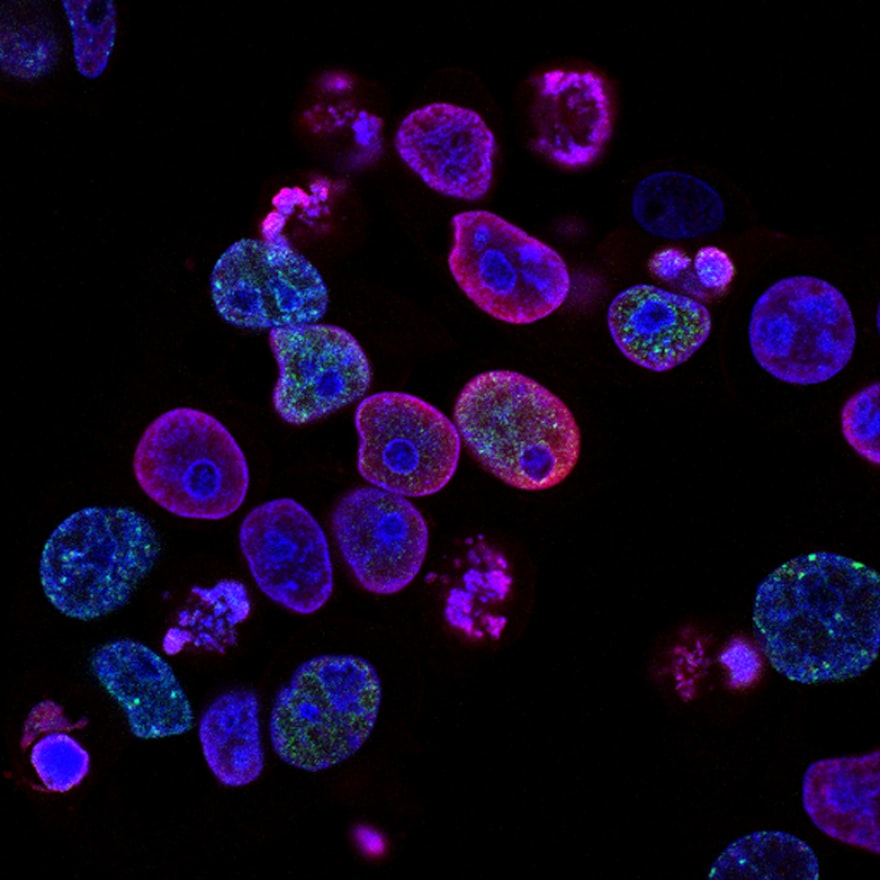
Scientific Pioneer
Alberto Gulino MD, PhD (1952–2014)
59
H-index
12,000+
Citations
30+
Years of Research
100+
Publications
Decoding the Hedgehog: From Embryonic Development to Cancer
The Pathway That Shapes Our Bodies
To appreciate Gulino's contributions, we must first understand the Hedgehog signaling pathway—an ancient communication system named for its unusual appearance in fruit flies. This molecular pathway plays a fundamental role during embryonic development, directing cells to multiply, specialize, and organize into proper structures like the brain, limbs, and spinal cord 8 .
The Hedgehog pathway operates like a sophisticated cellular radio system, with Hedgehog proteins as signals that bind to receptor proteins on cell surfaces. This binding triggers a complex intracellular cascade that ultimately activates Gli proteins—specialized transcription factors that migrate to the cell nucleus and switch on specific genes.
Hedgehog Signaling Pathway
Simplified visualization of the Hedgehog signaling mechanism discovered by Gulino and colleagues
When Good Signals Go Bad
Gulino recognized that deregulated Hedgehog signaling appears in several tumors, with medulloblastoma—the most common malignant brain tumor in children—being particularly dependent on this pathway. His research sought to understand exactly how this pathway becomes activated in cancer cells, with the goal of developing more targeted, less toxic therapies 8 .
Embryonic Development
Hedgehog pathway guides proper formation of organs and tissues
Adult Tissue Maintenance
Pathway remains largely inactive after development completes
Pathway Dysregulation
Mutations or epigenetic changes reactivate the pathway
Tumor Formation
Uncontrolled cell growth leads to cancer development
The Discovery That Changed Everything: Acetylation Controls the Controllers
The Scientific Breakthrough
In February 2010, Gulino and his team published a landmark paper in Nature Cell Biology that would fundamentally reshape our understanding of Hedgehog regulation 8 . The study revealed for the first time that Gli proteins undergo acetylation—a chemical modification where acetyl groups are added to specific points on proteins—and that this modification serves as a critical checkpoint controlling their activity.
Mechanism of Action
The research demonstrated that histone deacetylases (HDACs), enzymes that remove acetyl groups, promote Gli's transcriptional activation and sustain a positive feedback loop that keeps the pathway active. This mechanism is switched off by an E3 ubiquitin ligase complex formed by Cullin3 and a protein called REN (KCTD11), which targets HDAC1 for degradation 8 .
Step-by-Step: The Experimental Journey
Initial Observation
Researchers noticed Gli proteins could be acetylated
Mapping Sites
Identified specific acetylation points on Gli proteins
Functional Tests
Created mutant proteins to test acetylation effects
Clinical Correlation
Examined human tumor samples to confirm relevance
The Scientist's Toolkit: Key Research Reagents and Methods
Gulino's research leveraged state-of-the-art techniques and reagents that represent the essential toolkit for modern molecular biology research.
| Reagent/Method | Function | Application in Gulino's Research |
|---|---|---|
| Antibodies against acetylated lysine | Detect acetylated proteins | Identified acetylation of Gli proteins 8 |
| HDAC inhibitors | Block deacetylase activity | Tested effects of preventing Gli deacetylation 8 |
| Proteasome inhibitors | Prevent protein degradation | Assessed protein stability and turnover 8 |
| Plasmids for mutant Gli proteins | Express modified forms of proteins | Studied functional consequences of acetylation 8 |
| RNA interference technology | Knock down specific gene expression | Assessed requirement for HDACs and other components 8 |
| Luciferase reporter assays | Measure transcriptional activity | Quantified Hedgehog pathway activation 8 |
| Co-immunoprecipitation | Detect protein-protein interactions | Identified complexes between Gli, HDACs, and REN 8 3 |
Experimental Techniques
Research Impact Over Time
Beyond the Bench: How Gulino's Work Transformed Cancer Treatment Strategies
Gulino's discovery of the acetylation-ubiquitin interplay in controlling Hedgehog signaling opened new therapeutic avenues for treating cancer. The identification of HDACs as key regulators of Gli protein activity suggested that existing HDAC inhibitors—some already approved for certain blood cancers—might be effective against Hedgehog-dependent tumors 8 3 .
HDAC Inhibitors
Block removal of acetyl groups from Gli proteins, maintaining their inactive state
REN/KCTD11 Mimetics
Restore function of lost tumor suppressor protein
Combination Therapies
Target multiple points in the pathway simultaneously
"Gulino's research has opened new paradigms for understanding how cellular signaling pathways are regulated through post-translational modifications like acetylation and ubiquitination."
Gulino's later work explored how these fundamental mechanisms could be leveraged for cancer therapy. He investigated novel Hedgehog pathway inhibitors that could block the growth of medulloblastoma and other tumors dependent on this signaling pathway. His research group also identified non-canonical mechanisms by which Hedgehog signaling controls cancer cell metabolism through regulation of polyamine biosynthesis, revealing additional therapeutic targets 3 .
A Lasting Legacy: Mentorship, Collaboration, and Scientific Excellence
Beyond his specific scientific discoveries, Alberto Gulino leaves a legacy of scientific excellence and generous mentorship. Throughout his career, he held key leadership positions, serving as Dean of the Faculty of Medicine and Surgery at the University of L'Aquila, Director of the Laboratory of Molecular Oncology at Sapienza University, and Director of the PhD Program in Molecular Medicine 1 .
Those who worked with him remember his remarkable ability to identify important scientific questions and design elegant experiments to answer them. He possessed a rare combination of deep skepticism and open-mindedness that allowed him to challenge established dogmas while following the evidence wherever it led.

Collaborative Spirit
Gulino's mentorship nurtured generations of young scientists
Conclusion: The Future Built on Gulino's Foundations
Alberto Gulino's untimely passing in 2014 cut short a brilliant scientific career, but the foundations he built continue to support advances in cancer biology and treatment. His discovery of the intricate interplay between acetylation and ubiquitination in controlling Hedgehog signaling has inspired ongoing research efforts worldwide to develop better targeted therapies for medulloblastoma and other cancers.
Current clinical trials are exploring combinations of HDAC inhibitors with other targeted agents based on the principles Gulino helped establish. The next generation of cancer researchers continues to build on his work, investigating how these regulatory mechanisms operate in different cancer types and how they might be more effectively targeted 3 8 .
Gulino's Academic Legacy
- Dean, Faculty of Medicine and Surgery, University of L'Aquila
- Director, Laboratory of Molecular Oncology, Sapienza University
- Director, PhD Program in Molecular Medicine
- Mentor to dozens of successful researchers