Benchmarking Fidelity: A Comprehensive Framework for Validating Stem Cell-Derived Organoids Against Primary Human Tissues
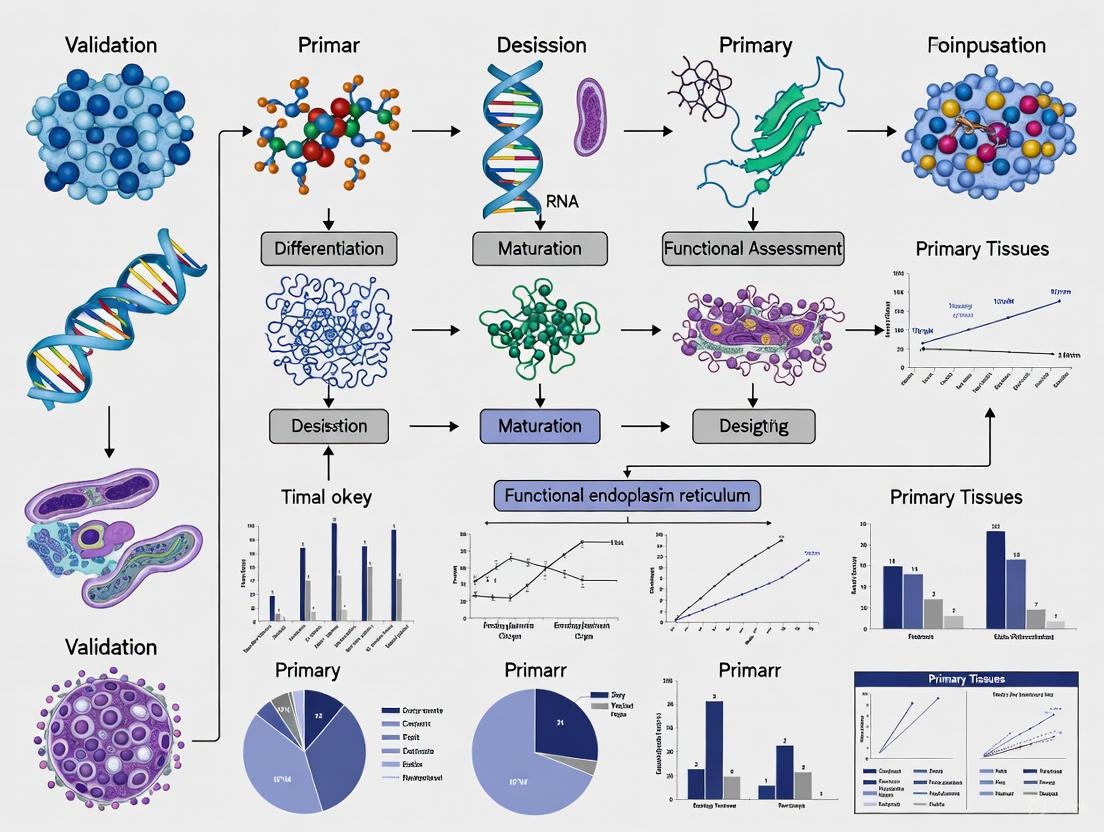
This article provides a comprehensive roadmap for researchers and drug development professionals on validating stem cell-derived organoids against primary human tissues.
Benchmarking Fidelity: A Comprehensive Framework for Validating Stem Cell-Derived Organoids Against Primary Human Tissues
Abstract
This article provides a comprehensive roadmap for researchers and drug development professionals on validating stem cell-derived organoids against primary human tissues. It covers the foundational principles of organoid biology, detailed methodological protocols for generation and characterization, strategies for troubleshooting common challenges like maturation and variability, and rigorous comparative analysis techniques. By synthesizing the latest advances in single-cell genomics, bioengineering, and atlas projects, this resource aims to establish best practices for ensuring organoid models faithfully recapitulate in vivo human physiology, thereby enhancing their predictive power in disease modeling and therapeutic development.
The Rise of Organoids: From Basic Biology to Human-Relevant Models
Organoids are three-dimensional (3D) in vitro miniaturized models of organs that recapitulate the cellular heterogeneity, structure, and specific functions of their in vivo counterparts [1]. These sophisticated biological systems are generated from stem cells through processes of self-organization and spontaneous pattern formation, mirroring key aspects of organ development [2] [3]. The fundamental principle underlying organoid formation involves initially homogeneous populations of stem cells spontaneously breaking symmetry and undergoing in-vivo-like morphogenesis, though the precise processes controlling this phenomenon remain incompletely characterized [4]. The term "self-organization" in this context describes a process where local interactions between cells in an initially disordered system lead to the emergence of patterns and functions at a higher organizational level, without being directed by a single organizing cell or external control [2].
The trajectory of organoid research represents a significant advancement in biomedical science, offering an unprecedented experimental platform that addresses critical limitations of traditional two-dimensional (2D) cell cultures and animal models [5]. While 2D cultures fail to recapitulate normal cell morphology and interactions found in vivo, and animal models face challenges of species-specific differences, organoids provide a powerful human-relevant system for investigating organ development, disease mechanisms, and therapeutic interventions [1] [3]. The field has evolved substantially since early dissociation-reaggregation experiments, with landmark studies including the 2009 demonstration that single LGR5+ intestinal stem cells could build crypt-villus structures in vitro without a mesenchymal niche [3], paving the way for organoid models of numerous organs including brain, kidney, liver, lung, and pancreas [2] [1] [6].
Organoids can be generated from two primary stem cell sources: pluripotent stem cells (PSCs), including both embryonic stem cells (ESCs) and induced pluripotent stem cells (iPSCs), and tissue-specific adult stem cells (ASCs), also referred to as tissue stem cells (TSCs) [1] [7]. The choice of stem cell source fundamentally influences the characteristics, applications, and limitations of the resulting organoids.
Table 1: Comparison of Pluripotent Stem Cell-Derived and Adult Stem Cell-Derived Organoids
| Characteristic | PSC-Derived Organoids | ASC-Derived Organoids |
|---|---|---|
| Stem Cell Source | Embryonic stem cells (ESCs) or induced pluripotent stem cells (iPSCs) [8] [1] | Tissue-resident adult stem cells (e.g., LGR5+ intestinal stem cells) [2] [1] |
| Developmental Principle | Directed differentiation recapitulating embryonic organogenesis [8] [7] | Expansion of committed tissue stem cells in niche-inspired conditions [2] [3] |
| Cellular Complexity | Higher cellular diversity, potentially including multiple germ layer derivatives [1] [7] | Primarily epithelial cells; limited mesenchymal components [1] |
| Maturity State | Often resemble fetal or primitive tissues [1] [7] | More closely mimic adult tissue [1] [7] |
| Protocol Duration | Extended differentiation protocols (weeks to months) [8] | Shorter, more direct culture systems [1] |
| Genetic Engineering Potential | High; amenable to CRISPR editing prior to differentiation [8] [9] | More challenging; typically require editing of established tissue cultures |
| Primary Applications | Developmental studies, disease modeling (especially genetic disorders), organogenesis research [8] [7] | Adult tissue physiology, regeneration studies, cancer modeling, personalized medicine [1] [7] |
| Key Limitations | Potential immaturity, ethical considerations (ESCs), variability in patterning [1] [7] | Limited cellular diversity, restricted to tissues with identified adult stem cells [1] |
Pluripotent Stem Cell-Derived Organoids
PSC-derived organoids are generated through directed differentiation strategies that apply developmental biology principles to guide PSCs through sequential lineage specification steps [8]. This process typically begins with the formation of embryoid bodies and specific germ layers (endoderm, mesoderm, or ectoderm), followed by patterning with specific growth factors, signaling molecules, and cytokines to induce organ-specific differentiation [1] [6]. The successful generation of PSC-derived organoids relies on manipulating key developmental signaling pathways - including Wnt, FGF, retinoic acid (RA), and TGFβ/BMP - at specific timepoints and concentrations to recapitulate in vivo development [8].
Notable examples of PSC-derived organoids include cerebral organoids that model human brain development and microcephaly [3], kidney organoids containing multiple lineages that model human nephrogenesis [3], and intestinal organoids generated through directed differentiation of human pluripotent stem cells into intestinal tissue [3]. A defining advantage of PSC-derived organoids is their capacity to model early human development and generate complex tissues containing multiple cell types, although they often exhibit fetal-like characteristics and may lack the complete maturity of adult tissues [1] [7].
Tissue-Specific Adult Stem Cell-Derived Organoids
ASC-derived organoids are generated by isolating tissue-resident stem cells from adult organs and cultivating them in 3D environments with specific signaling factors that mimic the natural stem cell niche [1] [6]. The landmark discovery that single LGR5+ intestinal stem cells could generate entire intestinal organoids with crypt-villus structures in vitro demonstrated the remarkable self-organization capacity of ASCs [3]. This approach has since been extended to generate organoids from numerous adult tissues including stomach, liver, pancreas, prostate, and lung [2] [1].
ASC-derived organoids typically exhibit greater maturity and more closely resemble adult tissue compared to PSC-derived organoids [7]. They have proven particularly valuable for studying tissue regeneration, homeostatic mechanisms, and carcinogenesis, as well as for personalized medicine applications through the generation of patient-derived organoids [1] [7]. However, they generally contain more limited cellular diversity, predominantly epithelial cells, and their generation requires prior knowledge of the specific signaling factors needed to maintain the tissue-specific stem cell niche [1].
Molecular Principles of Self-Organization
The process of self-organization in organoids involves complex interplay between multiple signaling pathways that guide symmetry breaking, patterning, and morphological maturation. These pathways are conserved across development and are harnessed in vitro to direct organoid formation.
Figure 1: Signaling Pathways Guiding Organoid Development from Different Stem Cell Sources
Key Signaling Pathways in PSC-Derived Organoids
The generation of PSC-derived organoids requires precise manipulation of developmental signaling pathways to guide lineage specification and patterning [8]. For endodermal organoids, activation of Nodal signaling (using activin A) directs differentiation toward definitive endoderm, recapitulating gastrulation events [8]. Subsequent patterning along the anterior-posterior axis is controlled by spatial and temporal gradients of Wnt, FGF, RA, and BMP signaling [8]. Activation of Wnt and FGF signaling promotes mid/hindgut fate through induction of the posterior determinant CDX2, while inhibition of BMP signaling promotes foregut endoderm characterized by SOX2 expression [8]. Further regional specification within the foregut requires additional signaling modulation; for example, inhibition of TGF-β and BMP yields anterior foregut competent to form lung organoids, while RA signaling patterns foregut posteriorly toward gastric fate [8].
For ectodermal lineages such as cerebral organoids, neural induction occurs under conditions that suppress endogenous Wnt and BMP signaling, mimicking the default pathway for neuroectoderm formation in developing embryos [8]. The resulting neuroepithelium can then be patterned along rostral-caudal axes through temporal modulation of Wnt, FGF, and RA signals [8]. These examples illustrate how a relatively small number of evolutionarily conserved signaling pathways can generate remarkable cellular and structural diversity through differences in the timing, concentration, and combination of signals applied.
Self-Organization in ASC-Derived Organoids
ASC-derived organoids rely on different self-organization principles, as they begin with already committed tissue stem cells rather than naive pluripotent cells [2]. In these systems, self-organization emerges from the innate developmental program of the tissue stem cells when provided with an appropriate 3D environment and niche factors [2] [3]. A critical pathway for many epithelial ASC-derived organoids is Wnt signaling, which drives proliferation and maintenance of LGR5+ stem cells across multiple tissues including intestine, stomach, liver, and pancreas [2] [1].
The self-organization capacity of ASCs is remarkably robust, with single LGR5+ intestinal stem cells capable of generating complete crypt-villus structures containing all differentiated intestinal epithelial cell types when provided with the appropriate niche signals [3]. This process involves spontaneous symmetry breaking and emergent patterning rather than following a predetermined blueprint. Interestingly, the expression of stem cell markers like LGR5 is dynamic and plastic during organoid formation, with cells potentially losing and regaining these markers as they reorganize into 3D structures [2]. The formation of ASC-derived organoids also involves transcriptional and epigenetic remodeling in response to dissociation from native tissue and placement into 3D culture, potentially reverting to a more primitive or fetal-like state before re-establishing adult tissue organization [2].
Experimental Workflows for Organoid Generation
The generation of organoids from different stem cell sources follows distinct experimental workflows, with PSC-derived protocols typically requiring more extensive differentiation periods and ASC-derived protocols focusing on expansion of existing tissue stem cells.
Figure 2: Comparative Experimental Workflows for PSC and ASC-Derived Organoids
Detailed Protocol for PSC-Derived Intestinal Organoids
The generation of intestinal organoids from human PSCs follows a stepwise differentiation protocol that recapitulates embryonic intestinal development [8] [3]:
Definitive Endoderm Induction: Culture PSCs in the presence of high concentrations of activin A (100ng/mL) for 3 days to promote definitive endoderm differentiation. Successful differentiation is marked by upregulation of SOX17 and FOXA2 [8].
Mid/Hindgut Patterning: Activate Wnt and FGF signaling pathways using CHIR99021 (Wnt agonist) and FGF4 for 4 days to induce primitive gut tube formation and CDX2 expression, specifying mid/hindgut identity [8].
3D Morphogenesis and Maturation: Transfer cells to 3D Matrigel culture and supplement with pro-intestinal growth factors including EGF, Noggin, and R-spondin for 2-3 weeks to promote intestinal specification, morphogenesis, and cytodifferentiation [8] [3].
Maturation and Expansion: Culture established organoids in intestinal growth medium containing Wnt3A, R-spondin, Noggin, EGF, and other tissue-specific factors to promote continued growth and maturation, with passaging every 1-2 weeks [3].
This protocol typically yields spherical structures with a central lumen and polarized epithelium containing all major intestinal cell types, including enterocytes, goblet cells, Paneth cells, and enteroendocrine cells [3].
Detailed Protocol for ASC-Derived Intestinal Organoids
The generation of intestinal organoids from adult tissue stem cells follows a more direct approach that leverages the innate developmental program of tissue-resident stem cells [2] [3]:
Tissue Dissociation and Stem Cell Isolation: Mechanically and enzymatically dissociate intestinal crypts from biopsy or surgical specimens using collagenase or dispase. Isolate crypt fractions containing LGR5+ stem cells through centrifugation or filtering [2].
3D Embedding in Matrix: Resuspend crypt fragments or single cells in Basement Membrane Extract (e.g., Matrigel) and plate as domes. Allow matrix to polymerize at 37°C to provide a 3D scaffold that mimics the native stem cell niche [2] [3].
Niche Factor Supplementation: Culture embedded cells in Intestinal Stem Cell Medium containing essential niche factors: Wnt3A to maintain stemness, R-spondin to enhance Wnt signaling, Noggin to inhibit BMP signaling and promote epithelial proliferation, and EGF to support growth and survival [2] [3].
Passaging and Expansion: Mechanically or enzymatically dissociate mature organoids every 7-10 days and replate fragments in fresh matrix to establish new cultures. Single LGR5+ cells can regenerate complete organoids, demonstrating their stem cell capacity [2] [3].
This approach typically yields organoids with remarkable architectural similarity to native intestinal epithelium, including crypt-like domains and a central lumen, within 5-7 days of initial culture [3].
The Scientist's Toolkit: Essential Research Reagents
Successful organoid culture requires specific reagents and materials that support the complex 3D environment and signaling needs of developing organoids. The following table details essential components for organoid research.
Table 2: Essential Research Reagents for Organoid Culture
| Reagent Category | Specific Examples | Function | Application Notes |
|---|---|---|---|
| Basement Membrane Matrix | Matrigel, Cultrex BME, synthetic hydrogels [2] [1] | Provides 3D scaffold mimicking extracellular matrix; enables polarization and morphogenesis | Matrigel remains gold standard but has batch variability; synthetic alternatives emerging for reproducibility [2] |
| Wnt Pathway Agonists | Wnt3A, R-spondin, CHIR99021 (GSK3β inhibitor) [2] [8] | Maintains stemness and proliferation; critical for intestinal, gastric, hepatic organoids | Recombinant Wnt3A is unstable; R-spondin-conditioned media commonly used [2] |
| TGF-β/BMP Modulators | Noggin, SB431542, A83-01, BMP4 [2] [8] | Regulates dorsoventral and anterior-posterior patterning; inhibits differentiation | Noggin (BMP inhibitor) essential for intestinal and cerebral organoids; BMP4 promotes posteriorization [8] |
| FGF Signaling Factors | FGF4, FGF7, FGF10 [8] | Drives morphogenesis and branching; patterns anterior-posterior axis | Specific FGF isoforms have tissue-specific effects (e.g., FGF10 in lung) [8] |
| Other Signaling Modulators | Retinoic acid, EGF, N-acetylcysteine, gastrin [2] [8] | Fine-tunes regional identity; supports growth and survival | Retinoic acid patterns foregut posteriorly; EGF supports epithelial proliferation [8] |
| Digestive Enzymes | Collagenase, dispase, accutase [2] | Dissociates tissues for initial culture and passages organoids | Enzyme selection and concentration critical for cell viability and recovery |
| Cell Culture Supplements | B27, N2, N-acetylcysteine [8] [1] | Provides essential nutrients, antioxidants, and hormones | Serum-free formulations improve reproducibility and defined conditions |
Validation Against Primary Human Tissues
A critical aspect of organoid research involves rigorous validation against primary human tissues to establish physiological relevance. This validation occurs across multiple parameters:
Transcriptomic Profiling: Comparative RNA sequencing of organoids and native tissues reveals the similarity in gene expression patterns. PSC-derived organoids often show closer alignment to fetal tissues, while ASC-derived organoids more closely resemble adult tissues [7]. For example, transcriptomic analysis of intestinal organoids derived from adult stem cells demonstrates strong correlation with gene expression profiles of primary intestinal epithelium, particularly for genes involved in digestive functions and barrier integrity [2] [3].
Structural and Morphological Assessment: High-resolution imaging techniques confirm that organoids recapitulate key architectural features of native tissues, such as the crypt-villus structure in intestinal organoids, tubular networks in renal organoids, and layered organization in cerebral organoids [2] [3]. Immunofluorescence staining for tissue-specific markers (e.g., mucins in goblet cells, enzymes in enterocytes) provides additional validation of cellular composition and organization [3].
Functional Characterization: Organoids are assessed for tissue-specific functions, including transport capabilities in intestinal organoids, filtration functions in renal organoids, electrophysiological activity in neural organoids, and metabolic functions in hepatic organoids [3]. For example, gastric organoids have been demonstrated to produce acid and digestive enzymes, while hepatic organoids perform albumin secretion and drug metabolism [2] [3].
Genetic Stability Monitoring: Regular karyotyping and sequencing monitor genetic integrity during long-term culture, particularly important for PSC-derived organoids that may accumulate mutations with extended passaging [1] [7]. ASC-derived organoids generally maintain genetic stability closer to the tissue of origin, though prolonged culture can select for adaptive mutations [7].
Current Challenges and Future Directions
Despite significant advances, organoid technology faces several challenges that impact its utility for basic research and clinical applications:
Limitations in Complexity and Maturity: Current organoid systems often lack important tissue components such as vasculature, immune cells, nervous innervation, and microbial communities that contribute to normal organ function in vivo [9] [7]. The absence of vascularization limits nutrient diffusion, leading to necrotic cores in larger organoids and restricting their size and longevity [9]. Additionally, many PSC-derived organoids exhibit a persistent fetal or neonatal phenotype that may not fully model adult diseases [7].
Standardization and Reproducibility: Organoid culture faces challenges in standardization, with variability in size, cellular composition, and structure between individual organoids and between batches [9] [7]. This variability complicates quantitative experiments and high-throughput applications. Efforts to address these issues include the development of automated culture systems, defined matrices to replace biologically variable Matrigel, and improved characterization through single-cell genomics and imaging [9].
Enhanced Model Systems: Emerging approaches to overcome current limitations include the generation of assembloids (combining multiple organoid types to model tissue-tissue interactions), vascularization through co-culture with endothelial cells, incorporation of immune cells, integration with organ-on-chip technologies to introduce fluid flow and mechanical cues, and air-liquid interface systems for respiratory organoids [9] [7]. These advanced systems promise to enhance the physiological relevance and applicability of organoid models for studying human biology and disease.
As the field continues to evolve, organoids are poised to become increasingly powerful tools for understanding human development, disease mechanisms, and therapeutic responses, potentially reducing reliance on animal models and accelerating the translation of basic research findings to clinical applications [9] [3].
Why Validate? The Critical Imperative for Physiological Relevance in Drug Discovery
In the demanding world of drug discovery, the initial phase of identifying and validating a biological target is a pivotal determinant of downstream success or failure. A drug target is defined as a biological entity (usually a protein or gene) that interacts with, and whose activity is modulated by, a particular compound [10]. Insufficient validation of these targets in early development has been directly linked to costly clinical trial failures and lower drug approval rates, underscoring that the ultimate proof of any target occurs not in a model system, but in a patient [11] [10]. As Dr. Kilian V. M. Huber of the University of Oxford notes, "The only real validation is if a drug turns out to be safe and efficacious in a patient" [10]. This article explores the critical role of validation, focusing on the emerging use of stem cell-derived organoids and their benchmarking against the gold standard of primary human tissues.
The Validation Landscape: From Classical Models to Complex Organoids
Defining a "Good" Drug Target
A promising drug target is characterized by several key properties [10]:
- A confirmed role in the disease pathophysiology
- Uneven distribution in the body, enabling a therapeutic window
- An available 3D structure to assess druggability
- Easily "assayable" for high-throughput screening
- A promising toxicity profile
- Favorable intellectual property status
The Rise of Organoid Technology
Organoids are three-dimensional structures that self-organize in vitro, recapitulating the microarchitecture and physiology of their tissue of origin [12]. They are primarily derived from two distinct sources, each with unique advantages and applications [7]:
- Pluripotent Stem Cell (PSC)-derived organoids: These follow a developmental trajectory, generating multi-lineage models through a process similar to organogenesis.
- Tissue Stem Cell (TSC)-derived organoids: These recapitulate the epithelial niche of their tissue of origin, modeling both homeostatic and injury-triggered responses.
Table 1: Core Characteristics of Major Organoid Types
| Parameter | Pluripotent Stem Cell (PSC)-derived Organoids | Tissue Stem Cell (TSC)-derived Organoids |
|---|---|---|
| Starting Cell Type | Embryonic or induced pluripotent stem cells | Tissue-resident stem/progenitor cells |
| Modeled Process | Organogenesis and development | Adult tissue homeostasis and regeneration |
| Cellular Complexity | High, multi-lineage | Often limited to epithelial lineage |
| Genetic Stability | A well-debated challenge | Rarely discussed or investigated |
| Primary Application | Studying development and genetic diseases | Disease modeling, host-pathogen interactions, personalized medicine |
Methodological Deep Dive: Experimental Protocols for Validation
Establishing Primary Organoid Cultures
The derivation of primary organoids requires three core components [12]:
- A human tissue sample (e.g., biopsies, surgical specimens, or fetal material)
- A cytocompatible, protein-rich extracellular matrix (ECM) such as Matrigel
- A defined growth media rich in specific small molecules and growth factors to maintain stemness and induce tissue-specific processes
For example, a standard protocol for establishing primary human intestinal organoids involves embedding tissue-derived stem cells in Matrigel with a basal medium supplemented with EGF, the BMP antagonist Noggin, and the Wnt co-factor R-spondin1 [13]. The resulting organoids can be passaged repeatedly, enabling the robust expansion of primary cell mass for research and biobanking.
Key Signaling Pathways in Organoid Biology
The growth and plasticity of adult epithelial stem cells in organoid cultures are heavily driven by the Wnt/β-catenin signaling pathway [12]. Wnt ligands (e.g., Wnt-3a) and R-spondin are therefore key factors for growing epithelial organoids. This is further supported by the fact that many epithelial organoids are derived from LGR5+ stem cells that, upon Wnt activation, clonally divide and differentiate [12].
Other critical medium constituents include activators of tyrosine kinase receptor signaling such as EGF, and inhibitors of BMP/TGF-β signaling such as Noggin or A83-01 [12]. Specific factors like FGF7 and FGF10 are supplemented to promote morphogenesis in lung organoids, illustrating the tissue-specific tailoring of culture conditions [12].
The following diagram illustrates the core signaling pathways and workflow for establishing and validating organoid models.
Advanced Validation Techniques
siRNA technology remains a widely used approach for target validation, allowing researchers to mimic the effect of a drug by modulating mRNA and temporarily suppressing a gene product [10]. This enables demonstration of a target's therapeutic value without having the actual drug.
For more comprehensive biomarker discovery, integrated approaches combining transcriptomics, single-cell sequencing, and machine learning are emerging. As demonstrated in a study on diabetic retinopathy, such methodologies can identify and validate key biomarkers like MYC and LOX through a rigorous pipeline of bioinformatics analysis and animal testing [14].
Comparative Analysis: Organoids vs. Primary Tissues in Research Applications
Recapitulating Physiological Complexity
The fundamental advantage of organoids over traditional 2D cultures lies in their higher cellular heterogeneity, organization, and tissue-like structures, making them more relevant in vitro models for functional analyses [12]. However, it is crucial to recognize that "organoids are not organs" [13]. They often display variations in cellular maturity, complexity, and function compared to their in vivo counterparts.
Primary tissue-derived models, while excellent for representing their specific tissue of origin, face challenges of their own, including limited expandability, donor-to-donor variability, and the ethical and practical difficulties of sourcing [13].
Table 2: Validation Parameters and Performance of Model Systems
| Validation Parameter | Traditional 2D Cultures | Stem Cell-Derived Organoids | Primary Human Tissues |
|---|---|---|---|
| Cellular Complexity | Low (single cell type) | Moderate to High (multiple cell types) | High (full native complement) |
| Architectural Fidelity | Low | Moderate (self-organized structures) | High (native microarchitecture) |
| Donor Variability | Low (often clonal) | Can be high (depends on source) | Inherently high |
| Expansion Potential | High | High (can be passaged) | Very limited |
| Throughput for Screening | High | Moderate, improving | Low |
| Metabolic Function | Often deficient | Developing, can be immature | Fully functional |
| Cost & Accessibility | Low | Moderate | High |
Application in Disease Modeling and Drug Screening
Both primary and PSC-derived organoids have been successfully used to model a wide spectrum of diseases, including cystic fibrosis, various cancers, viral infections (e.g., SARS-CoV-2), and monogenic disorders [12] [13]. The ability to generate patient-specific organoids from small biopsies has enabled the creation of biobanks representing genetic diversity, providing a powerful platform for personalized therapy development [13].
In drug screening, 3D organoid models demonstrate superior predictive capability for drug response and toxicity compared to 2D systems. For instance, Microphysiological Systems (MPS) or "organs-on-chips" that incorporate organoids can replicate complex tissue microenvironments with fluid flow and mechanical cues, offering more human-relevant models for pharmacokinetic and pharmacodynamic studies [15].
The Scientist's Toolkit: Essential Reagents for Organoid Research
Table 3: Key Research Reagent Solutions for Organoid Validation
| Reagent Category | Example Components | Primary Function |
|---|---|---|
| Extracellular Matrices | Matrigel, Synthetic ECM hydrogels | Provide a 3D scaffold mimicking the native tissue microenvironment |
| Stem Cell Niche Factors | R-spondin 1, Noggin, EGF, Wnt-3a | Maintain stemness and enable self-renewal of progenitor cells |
| Differentiation Cues | FGF7, FGF10, HGF, Neuregulin-1, BMP | Direct lineage specification and maturation of organoids |
| Signaling Modulators | CHIR99021 (GSK3 inhibitor), A83-01 (TGF-β inhibitor), SB431542 | Precisely control key signaling pathways (Wnt, TGF-β) |
| Analysis & Characterization | scRNA-seq kits, Immunostaining antibodies, Metabolic assay kits | Assess transcriptional, protein, and functional similarity to primary tissue |
Validation remains the non-negotiable foundation upon which successful drug discovery is built. While stem cell-derived organoids represent a transformative technology offering unprecedented physiological relevance and human specificity, their true utility is contingent upon rigorous, systematic validation against primary human tissues. This involves demonstrating fidelity not just at the genetic level, but also in terms of cellular complexity, tissue architecture, functionality, and disease responsiveness.
The future of predictive drug discovery lies in embracing these advanced models while acknowledging their current limitations. By implementing stringent validation standards, leveraging multi-omics technologies, and continuously refining culture protocols to enhance maturity and reproducibility, the field can harness the full potential of organoids. This will ultimately de-risk the drug development pipeline, reduce late-stage clinical failures, and deliver more effective and safer therapeutics to patients.
The high failure rate of drugs in clinical trials, despite promising results in animal studies, underscores a critical disconnect between animal models and human physiology. This review examines the emergence of organoid technology as a transformative tool in biomedical research. We evaluate how patient-derived, self-organizing three-dimensional (3D) tissue cultures address the species-specific limitations of animal models and align with ethical imperatives to reduce animal testing. Supported by comparative quantitative data and detailed experimental methodologies, this analysis is framed within the broader context of validating stem cell-derived organoids against primary human tissues. The convergence of advanced bioreactor systems, microfluidic integration, and standardized protocols is establishing organoids as a cornerstone of human-relevant, predictive preclinical research.
For decades, drug development has relied heavily on animal models. However, over 90% of drugs that appear effective and safe in animal trials fail during human clinical phases, primarily due to lack of efficacy or unanticipated toxicity [16]. This staggering attrition rate highlights a fundamental problem: physiological and genetic differences between species often make animals poor predictors of human responses [17] [18].
The U.S. Food and Drug Administration (FDA) has recognized this limitation, initiating a paradigm shift with its 2025 roadmap to reduce animal testing to "the exception rather than the norm" in preclinical safety testing [19]. This regulatory change, reinforced by the FDA Modernization Act 2.0 passed in 2022, encourages the adoption of human-relevant New Approach Methodologies (NAMs), including organoids and organ-on-a-chip systems [16] [20].
Organoids—miniature, simplified versions of human organs grown in vitro from stem cells—are at the forefront of this transition. Derived from either human pluripotent stem cells (hPSCs), including induced pluripotent stem cells (iPSCs), or adult stem cells (AdSCs) from tissue biopsies, organoids self-organize into 3D structures that recapitulate key architectural and functional aspects of their in vivo counterparts [17] [18]. This review provides a comparative analysis of how organoid technology is overcoming the limitations of animal models, with a specific focus on its validation against primary human tissues.
Species-Specific Limitations of Animal Models
Animal models, particularly mice, have been the cornerstone of biomedical research due to their physiological similarities to humans and genetic manipulability. Nonetheless, cross-species differences present significant obstacles to translational relevance.
Key Limitations in Disease Modeling and Drug Development
- Genetic and Molecular Disparities: Fundamental differences in gene expression, immune response pathways, and cellular metabolism between species can lead to misleading results. For instance, mouse models failed to replicate how the Zika virus causes microcephaly in humans until the virus was injected directly into fetal brain tissue. In contrast, human brain organoids naturally recapitulated the virus's preference for infecting and damaging human neural progenitor cells, a finding not observed in murine systems [16].
- Poor Prediction of Drug Efficacy and Toxicity: The biological context of an animal—its immune system, metabolism, and organ structure—differs from that of a human. Drugs for complex conditions like neurological disorders and cancers often show promise in animals but fail in humans because they interact with human-specific pathways that do not exist or function differently in animals [19] [17]. This is particularly true for biologics, cell therapies, and immunotherapies [19].
- Inadequate Modeling of Complex Human Diseases: Many human diseases, such as schizophrenia, autism, and Alzheimer's, are uniquely human or are exceptionally difficult to model accurately in animals due to their complexity and reliance on human-specific genetics and cellular environments [21] [18].
Organoids: A Paradigm Shift in Preclinical Modeling
Organoid technology leverages the self-organizing capacity of stem cells to create in vitro models that mirror human biology with unprecedented fidelity.
Foundation and Derivation
The field was catalyzed by a foundational 2009 discovery from Hans Clevers' laboratory: the isolation and long-term culture of LGR5+ adult stem cells from the human intestine, which could form organoids without genetic modification or immortalization [19] [18]. This principle has since been extended to generate organoids from virtually any epithelial tissue, including the brain, liver, pancreas, and kidney [19] [17].
There are two primary sources for organoids, each with distinct advantages:
- Adult Stem Cell (AdSC)-Derived Organoids: Sourced from patient tissue biopsies (e.g., intestine, liver). These organoids are closer to adult tissue maturity, ideal for studying tissue repair, infectious diseases, and for creating patient-derived tumor organoids (PDTOs) [18].
- Pluripotent Stem Cell (PSC)-Derived Organoids: Derived from embryonic stem cells (ESCs) or induced pluripotent stem cells (iPSCs). These models are particularly powerful for studying early human organogenesis and monogenic diseases, as they can generate complex cellular compositions, including mesenchymal and epithelial components [17] [18].
Quantitative Advantages Over Traditional Models
The following table summarizes experimental data demonstrating the superior performance of organoids in key research applications compared to animal models and traditional 2D cell cultures.
| Performance Metric | Animal Models | 2D Cell Cultures | Organoid Models |
|---|---|---|---|
| Clinical Predictive Value (Oncology) | ~5% of drugs successful in human trials after animal testing [19] | Low (lack tissue context) | High (retain patient-specific drug response) [17] [16] |
| Model System Duration | Months to years | Days to weeks | Weeks [16] |
| Genetic Stability | High, but species-specific | Low (adapt to plastic) | High (maintains patient genome) [19] |
| Cellular Complexity | Whole organism, but non-human | Low (single cell type) | High (multiple cell types, 3D architecture) [17] |
| Personalized Medicine Application | Not applicable | Low | High (e.g., cystic fibrosis mutation testing) [19] [16] |
Experimental Validation: From Protocols to Application
The validation of organoids against primary human tissues is critical for their acceptance in research and regulatory decision-making. The workflow below outlines the key stages in creating and utilizing patient-derived organoids for disease modeling and drug screening.
Detailed Protocol: Establishing Patient-Derived Tumor Organoids (PDTOs) for Drug Screening
This protocol is adapted from studies demonstrating the use of PDTOs in oncology research, such as those for colorectal cancer [19] [17].
Step 1: Sample Acquisition and Processing
- Obtain tumor tissue from a surgical resection or biopsy under informed consent and ethical approval.
- Mechanically mince the tissue and enzymatically digest it using collagenase or dispase to create a single-cell suspension or small cell clusters.
Step 2: 3D Culture Setup
- Suspend the cell mixture in a basement membrane extract (BME) like Matrigel, which provides a 3D scaffold mimicking the extracellular matrix.
- Plate the BME-cell mixture as droplets in a pre-warmed culture plate and allow it to polymerize.
- Overlay with a tailored culture medium containing essential growth factors (e.g., EGF, Noggin, R-spondin-1 for intestinal tissues) and antibiotics.
Step 3: Culture Maintenance and Expansion
- Maintain cultures in a humidified incubator at 37°C with 5% CO₂.
- Refresh the medium every 2-4 days. Organoids typically become visible within 1-2 weeks.
- For passaging, mechanically and enzymatically dissociate mature organoids and re-seed them in fresh BME at an appropriate split ratio.
Step 4: Drug Screening Assay
- Dissociate expanded organoids into single cells or small fragments and seed them into 384-well plates in BME.
- After 2-3 days of regrowth, treat with a library of compounds or a dilution series of a single drug. Include controls (DMSO vehicle).
- After 5-7 days of exposure, assess viability using high-throughput compatible assays like CellTiter-Glo 3D to quantify ATP levels as a proxy for cell viability.
- Dose-response curves (IC50 values) are generated to determine drug sensitivity.
Step 5: Validation against Primary Tissue
- Genomic Validation: Perform whole-exome or targeted sequencing to confirm that PDTOs retain the key genetic mutations of the original tumor.
- Histological Validation: Use immunohistochemistry (IHC) to compare protein marker expression (e.g., cytokeratins, tumor-specific antigens) between the original tumor and its corresponding organoid.
- Clinical Correlation: In research settings, compare the PDTO's drug response data with the patient's actual clinical response to the same therapies, if available, to validate predictive power [17] [18].
The Scientist's Toolkit: Essential Reagents for Organoid Research
| Reagent/Category | Function | Specific Examples & Notes |
|---|---|---|
| Extracellular Matrix (ECM) | Provides a 3D scaffold for cell growth and polarization; mimics the native stem cell niche. | Matrigel is most common. Synthetic hydrogels are emerging as more defined and reproducible alternatives. |
| Growth Factors & Cytokines | Direct stem cell fate, proliferation, and differentiation by activating specific signaling pathways. | EGF, R-spondin-1, Noggin (for intestinal organoids); FGF, BMP inhibitors (for neural organoids). |
| Cell Culture Medium | Basal medium supplemented with specific factors to support the growth of the target tissue. | Advanced DMEM/F12 is often base; additions include B27, N2 supplements, Wnt-3a. |
| Dissociation Enzymes | To passage or create single-cell suspensions for assays and biobanking. | Accutase, Trypsin-EDTA, Dispase, Collagenase. Choice depends on organoid type and fragility. |
| Biobanking Agents | Enable long-term storage of organoid lines for future use. | Dimethyl sulfoxide (DMSO) is a standard cryoprotectant for cryopreservation in liquid nitrogen. |
Ethical Considerations and the Path Toward Replacement
The adoption of organoid technology is driven not only by its scientific advantages but also by a strong ethical imperative.
Adherence to the 3Rs Principle
Organoids directly support the 3Rs framework—Replacement, Reduction, and Refinement of animal use in research [17]. By providing a human-relevant platform for initial drug safety and efficacy screening, organoids can reduce the number of animals required in early development phases and potentially replace animal use for specific applications, such as testing monoclonal antibodies as outlined in the FDA's recent roadmap [19] [20].
Navigating New Ethical Frontiers
While organoids reduce certain ethical concerns, they also introduce new ones, particularly with advanced models like neural organoids.
- Informed Consent: Donors of somatic cells used to create iPSC-derived organoids must be thoroughly informed of potential future uses, including the generation of brain organoids, transplantation into animal models, or use in biocomputing research [21] [22].
- Consciousness and Moral Status: As neural organoids grow more complex, with some models showing postnatal-resembling functions and the ability to form functional neural networks, the remote but theoretically plausible potential for sentience or consciousness necessitates ongoing scrutiny and discussion [21] [23] [22].
- Animal Chimeras: Transplanting human organoids into animal brains (e.g., rodents or non-human primates) to study integration and disease raises questions about the potential for "humanizing" the host. Scientists and bioethicists are calling for global oversight to provide guidance as this science evolves [21] [23].
Leading scientists and ethicists are urging the establishment of international oversight bodies, similar to the historic Asilomar conference on recombinant DNA, to proactively develop ethical and policy guidelines for neural organoid research [21].
Organoid technology represents a paradigm shift in biomedical research, effectively addressing the dual challenge of species-specific limitations and ethical concerns associated with animal models. By providing experimentally validated, patient-specific in vitro systems that recapitulate human tissue biology, organoids significantly enhance the predictive power of preclinical drug development. While challenges in standardization, scalability, and the ethical governance of advanced models remain, the convergence of scientific innovation, regulatory support, and interdisciplinary collaboration is paving the way for a future where human-relevant models are the cornerstone of research, accelerating the delivery of safe and effective therapies.
In the realms of pharmaceutical research, disease modeling, and regenerative medicine, the physiological relevance of experimental models directly determines the translational potential of research findings. The "fidelity gap"—the disconnect between data generated in vitro and the actual biology of native human tissues—represents a fundamental challenge in preclinical development, contributing to high attrition rates in clinical trials. Stem cell-derived organoids and other advanced three-dimensional (3D) models have emerged as powerful tools to bridge this gap, offering unprecedented capabilities to mimic human-specific pathophysiology and genetic variability. These systems provide a crucial advancement over traditional two-dimensional (2D) cultures and animal models, which often fail to recapitulate essential aspects of human biology, leading to poor predictive value for human therapeutic responses [17].
The drive toward more human-relevant models is further accelerated by ethical imperatives, notably the 3R principles (Replacement, Reduction, and Refinement) in animal research, which encourage the development of alternative methods that can partially or fully replace animal experimentation [24] [17]. For complex organs like the intestine—a prime target for drug delivery given its role in absorption and first-pass metabolism—recreating the structural and functional complexity of the native tissue barrier in vitro presents particular challenges and opportunities [24]. This guide objectively compares the current landscape of intestinal models, evaluating their performance against key fidelity metrics and primary human tissues.
Comparative Analysis of Intestinal Model Systems
Intestinal model fidelity is multidimensional, encompassing architectural complexity, cellular heterogeneity, functional capabilities, and physiological responses. The table below provides a systematic comparison of major in vitro intestinal models based on these critical parameters.
Table 1: Performance Comparison of In Vitro Intestinal Models Against Native Tissue
| Model Type | Architectural Recapitulation | Cellular Diversity | Key Functional Capabilities | Major Fidelity Limitations |
|---|---|---|---|---|
| Artificial Membranes (PAMPA) | Non-cellular, artificial lipid barrier | None | Prediction of passive molecular permeability [24] | Cannot model active transport, metabolism, or cell-mediated pathways [24] |
| 2D Cell Monolayers | Simple polarized cell layer | Single cell type (typically Caco-2) | Basic barrier function, transporter studies [24] | Limited cell-cell interactions, absent microenvironmental cues [25] |
| Matrix-Dependent 3D Models | Variable 3D organization | Typically limited (1-2 cell types) | Improved cell-ECM interactions, better viability [25] | Matrix artifacts, constrained spatial organization [25] |
| Multicellular Layer Structures (MLS) | Consistent 3D spherical structures | Co-culture (e.g., Caco-2 + BJ fibroblasts) | Cell-cell cross-talk, collagen deposition, inflammatory response modeling [25] | Limited functional polarity, incomplete differentiation spectrum [25] |
| Stem Cell-Derived Organoids | Crypt-villus architecture, self-organization | Multiple intestinal epithelial lineages | Long-term expansion, disease modeling, patient-specific responses [17] [3] | Often lack mesenchymal, immune, and vascular components; high variability [17] |
| Organs-on-Chips | Dynamic fluid flow, mechanical stimulation | Can incorporate multiple cell types | Shear stress responses, enhanced maturation, barrier integrity testing [24] | Technical complexity, scalability challenges for high-throughput screening [24] |
| Native Human Intestine | In vivo reference: Complex tubular structure with plicae, villi, crypts | In vivo reference: All epithelial, stromal, immune, neural, vascular cells | In vivo reference: Digestion, absorption, endocrine, immune, neural functions | Gold standard for comparison |
Quantitative Fidelity Assessment in Advanced Model Systems
Experimental Data from Multicellular Layer Structures (MLS)
Recent investigations with 3D multicellular layer structures provide quantitative insights into their performance under biologically relevant challenges. In one systematic approach, researchers developed intestinal MLS by co-culturing Caco-2 intestinal epithelial cells with BJ fibroblasts at a 70:30 ratio, which demonstrated optimal cell distribution, viability, and consistent spherical structure formation [25].
When challenged with pro-inflammatory cytokines to simulate Inflammatory Bowel Disease (IBD) conditions, these MLS exhibited dose-dependent changes in gene expression that mirror aspects of native intestinal inflammation. The table below summarizes the transcriptional response to different concentrations of pro-inflammatory cytokines after 24 hours of stimulation, demonstrating the model's capacity to replicate complex inflammatory signaling.
Table 2: Inflammatory Gene Expression Response in MLS Models Under Cytokine Challenge
| Gene Target | Function | 25 ng/mL Cytokine Response | 50 ng/mL Cytokine Response | 100 ng/mL Cytokine Response |
|---|---|---|---|---|
| IL-6 | Pro-inflammatory cytokine | No significant change | Significant upregulation (p=0.0113) | Significant upregulation (p=0.0008) |
| IL-10 | Anti-inflammatory cytokine | Significant upregulation (p=0.0002) | Significant upregulation (p=0.0038) | Significant upregulation (p<0.0001) |
| MUC2 | Mucin protein | No significant change | No significant change | Significant upregulation (p=0.0042) |
| OCCLUDIN | Tight junction protein | Significant downregulation (p=0.0077) | No significant change | Significant downregulation (p=0.0092) |
| LGR5+ | Stemness marker | No significant change | No significant change | No significant change |
| Morphology | Structural integrity | Not reported | Not reported | Significant area reduction (p=0.0205) |
The 100 ng/mL cytokine dosage emerged as the most effective for inducing an IBD-like state, triggering both pro-inflammatory (IL-6) and compensatory anti-inflammatory (IL-10) pathways simultaneously, while also compromising barrier integrity through reduced Occludin expression and structural contraction [25]. This multifaceted response demonstrates the advantage of 3D MLS over simpler models for inflammation studies.
Therapeutic Response Validation
Further validating their physiological relevance, MLS models have demonstrated appropriate responses to therapeutic candidates. When treated with extracellular vesicles (EVs)—nanoparticles with documented anti-inflammatory and pro-regenerative properties—the inflamed MLS showed a significant increase in expression of both the anti-inflammatory gene IL-10 and the stemness marker LGR5+, suggesting a potential mechanism for inflammation resolution and epithelial repair [25]. This ability to replicate both disease pathogenesis and therapeutic response significantly narrows the fidelity gap for pharmaceutical testing.
Experimental Protocols for High-Fidelity Intestinal Models
Protocol 1: Generating 3D Multicellular Layer Structures (MLS)
The following methodology outlines the standardized protocol for creating consistent intestinal MLS, adapted from recent research [25]:
- Cell Line Preparation: Culture Caco-2 colorectal adenocarcinoma cells and BJ human skin fibroblasts in standard monolayer conditions using appropriate media (DMEM for Caco-2, EMEM for BJ cells) supplemented with 10% FBS and 1% penicillin/streptomycin.
- Cell Seeding for Spheroid Formation: Harvest cells at 80-90% confluence using trypsin/EDTA. Combine Caco-2 and BJ cells at a 70:30 ratio in ultra-low attachment plates to promote self-aggregation. A total of 5,000 cells per well in 100 μL of complete media is optimal for 96-well plates.
- Spheroid Maturation: Culture the cell suspensions for 6 days under standard conditions (37°C, 5% CO₂) without media change to allow for ECM production and compact spheroid formation.
- Viability Assessment: On day 6, perform Live/Dead staining using calcein-AM (2 μM) for live cells and ethidium homodimer-1 (4 μM) for dead cells. Incubate for 45 minutes at 37°C and image using fluorescence microscopy.
- Characterization: Fix a subset of MLS for immunohistochemical analysis of key markers including Collagen I (BJ-derived ECM), E-Cadherin, and Occludin (epithelial junctions) to verify structural maturation.
Protocol 2: Inflammatory Challenge and Therapeutic Testing
This protocol describes the induction of inflammation and subsequent evaluation of therapeutic candidates in mature MLS [25]:
- Inflammatory Priming: On day 7, prepare a pro-inflammatory cytokine cocktail containing IL-6, IL-1β, and TNFα at 100 ng/mL each in complete media. Treat MLS for 24 hours.
- Therapeutic Intervention: Following inflammatory priming, administer test compounds (e.g., MSC-derived EVs at appropriate concentrations) in fresh media for 48 hours.
- Gene Expression Analysis: Harvest MLS for RNA extraction using TRIzol reagent. Perform RT-qPCR for target genes including pro-inflammatory markers (IL-6, TNFRSF1A), anti-inflammatory markers (IL-10), epithelial barrier genes (OCCLUDIN, MUC2, MUC5), and stemness markers (LGR5+). Use GAPDH or β-actin as housekeeping controls.
- Morphometric Analysis: Capture bright-field images of MLS pre- and post-treatment. Use image analysis software (e.g., ImageJ) to measure cross-sectional area to quantify inflammation-induced structural changes.
- Statistical Analysis: Perform one-way ANOVA with post-hoc Tukey test comparing treatment groups to both untreated controls and inflamed-only MLS. Consider p<0.05 statistically significant.
MLS Experimental Workflow
The Researcher's Toolkit: Essential Reagents and Materials
Successful establishment of high-fidelity intestinal models requires specific reagents and materials optimized for 3D culture systems. The table below details essential components for creating and characterizing advanced intestinal models.
Table 3: Essential Research Reagents for Intestinal Model Development
| Reagent/Material | Function/Purpose | Example Application |
|---|---|---|
| Ultra-Low Attachment (ULA) Plates | Prevents cell adhesion, promotes 3D self-assembly | Enables spheroid and MLS formation [25] |
| Caco-2 Cell Line | Human colorectal adenocarcinoma, intestinal epithelial model | Forms epithelial component with barrier function [25] |
| BJ Fibroblast Cell Line | Human skin fibroblasts, stromal component | Provides ECM (Collagen I), supports epithelial organization [25] |
| Pro-inflammatory Cytokine Cocktail | Induces inflammatory response (IL-6, IL-1β, TNFα) | Models IBD-like conditions in MLS [25] |
| Extracellular Vesicles (EVs) | Therapeutic nanoparticles, intercellular communication | Tests regenerative potential in damaged models [25] |
| Live/Dead Viability Kit | Dual fluorescence staining (calcein-AM/ethidium homodimer-1) | Quantifies spheroid viability and structural integrity [25] |
| Collagen I Antibodies | Detects extracellular matrix production | Verifies fibroblast functionality in co-culture systems [25] |
| Epithelial Junction Markers | Evaluates barrier integrity (Occludin, E-Cadherin) | Assesses epithelial maturation and damage response [25] |
| Lgr5+ Markers | Identifies intestinal stem cell population | Monitors regenerative potential in organoids and MLS [25] |
Technological Integration and Future Directions
The next frontier in bridging the fidelity gap involves integrating organoid technology with complementary advanced systems. Microfluidic "organ-on-chip" platforms represent a particularly promising approach by incorporating dynamic fluid flow and mechanical stimuli that enhance physiological relevance [24] [17]. These systems address critical limitations of static cultures by introducing shear stress responses and improving cellular maturation through more authentic microenvironmental cues.
Concurrently, advances in patient-derived organoid (PDO) cultures have created unprecedented opportunities for personalized medicine applications. PDOs retain the genetic, epigenetic, and phenotypic features of the donor tissue, enabling patient-specific drug response testing and disease modeling [17]. The convergence of these technologies—combining the biological fidelity of organoids with the engineering control of microfluidic systems—is generating increasingly sophisticated models that narrow the fidelity gap across multiple dimensions.
Integrating Technologies for Enhanced Fidelity
No single model system currently achieves perfect recapitulation of native human intestinal physiology, yet significant progress continues through the strategic application of complementary technologies. Artificial membranes and 2D monolayers retain value for high-throughput screening of specific parameters like passive permeability, while 3D multicellular systems provide more physiologically relevant platforms for studying complex processes like inflammation, barrier dysfunction, and therapeutic intervention. The most promising path forward lies in understanding the specific strengths and limitations of each model system and selecting the appropriate platform based on the research question. As technological innovations continue to enhance the sophistication of these models, their collective ability to narrow the fidelity gap will accelerate the development of safer, more effective therapeutics while reducing the ethical and scientific limitations of traditional approaches.
Building and Characterizing Organoids: Protocols and Translational Applications
The successful validation of stem cell-derived organoids against primary human tissues critically depends on two core protocol components: the extracellular matrix (ECM) hydrogels that provide the structural and biochemical microenvironment, and the chemically defined media formulations that supply essential signals for growth and differentiation. The transition from traditional, poorly-defined systems to refined, clinically relevant platforms represents a paradigm shift in organoid technology [26] [27]. ECM hydrogels serve as the physical scaffold that mimics the native stem cell niche, while chemically defined media provide reproducible biochemical signaling free from animal-derived components. Together, these elements enable researchers to create human organoid models that faithfully recapitulate the architecture, functionality, and cellular diversity of primary tissues, thereby enhancing the translational relevance of drug development and regenerative medicine applications [17] [3].
This comparison guide objectively evaluates available ECM hydrogel and media technologies, presenting experimental data to inform selection for specific research contexts within the framework of organoid validation.
ECM Hydrogels: Defining the Structural Niche
The extracellular matrix provides far more than physical support; it delivers biomechanical cues, presents adhesion ligands, stores growth factors, and undergoes dynamic remodeling—all essential aspects of the stem cell niche [28] [26]. Different hydrogel systems offer distinct advantages and limitations for organoid culture.
Table 1: Comparative Analysis of ECM Hydrogel Platforms for Organoid Culture
| Hydrogel Type | Key Components | Mechanical Properties (Storage Modulus G') | Organoid Compatibility | Key Advantages | Major Limitations |
|---|---|---|---|---|---|
| Matrigel | Laminin (60%), Collagen IV (30%), Entactin (8%) [29] | ~250 Pa (at 6 mg/mL) [30] | Intestinal, gastric, hepatic, pancreatic, brain [28] [3] | Gold standard for robust organoid growth; contains native growth factors [26] | Tumor-derived; high batch variability; poorly defined composition [26] [29] |
| Decellularized Tissue Hydrogels | Tissue-specific ECM proteins (Collagens I, III, IV, VI, laminins) [30] | ~250 Pa (6 mg/mL intestinal ECM) [30] | Small intestine, liver, stomach, pancreas [30] | Tissue-specific biochemical signature; GMP-compatible potential [30] | Complex decellularization process; residual antigen concerns (e.g., alpha-gal) [30] |
| Collagen I | Fibrillar collagen type I | Varies with concentration (2-10 mg/mL) | Intestinal, mammary, kidney [26] | FDA-approved; tunable mechanics; defined composition | Limited biological signaling without supplementation; can induce abnormal morphology [26] |
| Synthetic Peptides (PeptiMatrix) | Self-assembling peptides | Tunable based on formulation | HepaRG cells [29] | Highly defined; animal-free; tunable physical properties | Limited native bioactivity requires functionalization [29] |
| Polysaccharide-Based (Alginate, VitroGel) | Alginate or synthetic polysaccharides | Tunable via crosslinking density | Intestinal, islet [26] [29] | Inert background; cost-effective; tunable mechanical properties | Lacks cell adhesion motifs without modification [26] |
Experimental Assessment of Hydrogel Performance
Rigorous evaluation of ECM hydrogels involves multiple performance parameters. In a 2025 screening of animal-free hydrogels for HepaRG cell culture, researchers assessed viability, lactate dehydrogenase (LDH) leakage, albumin secretion, bile acid production, and CYP3A4 enzyme activity [29]. Synthetic peptide hydrogels like PeptiMatrix at 7.5 mg/mL concentration demonstrated promising metabolic competence under perfusion conditions, with viability and function comparable to Matrigel-collagen mixes [29].
For intestinal organoid culture, decellularized small intestinal (SI) ECM hydrogels (6 mg/mL) supported the formation and growth of human gastric, hepatic, pancreatic, and SI organoids with efficiency comparable to Matrigel, while providing a tissue-specific biochemical environment [30]. Rheological characterization confirmed that 6 mg/mL SI-ECM hydrogel exhibited similar storage modulus (G') to Matrigel, with both materials showing gel-like properties (G' > G") at 37°C and similar melting points around 45°C [30].
Figure 1: ECM Hydrogel Microenvironment Influences Organoid Development. Hydrogel composition triggers specific cellular responses through biochemical, biophysical, and mechanical cues that collectively determine functional outcomes in organoid culture.
Chemically Defined Media: Controlling Biochemical Signaling
Chemically defined media (CDM) represent a critical advancement toward reproducible, clinically applicable organoid systems by eliminating animal-derived components and providing precise control over biochemical signaling.
Table 2: Essential Media Components for Intestinal Stem Cell Culture
| Component Category | Specific Factors | Concentration Range | Mechanism of Action | Experimental Evidence |
|---|---|---|---|---|
| Wnt Pathway Agonists | R-spondin 1 (RSPO1) | Variable by protocol | Potentiates Wnt signaling by binding to LGR receptors | Depletion abolishes proliferation; reduces LGR5+ stem cells by >80% [31] |
| Mitogenic Factors | Epidermal Growth Factor (EGF) | 50-100 ng/mL | Activates MAPK/ERK proliferation pathways | Withdrawal induces cell death within 24h; reduces KI67+ cells by ~70% [31] |
| Prostaglandin Signaling | Prostaglandin E2 (PGE2) | 1-10 μM | Signals through PTGER2/4 receptors to promote survival | Inhibition of PTGER4 reduces proliferation by ~60% [31] |
| Metabolic Regulators | N-acetylcysteine, B27 supplement | 1X concentration | Redox balance; lipid and antioxidant support | Withdrawal decreases post-passage survival efficiency by 30-50% [31] |
| Cytoskeletal Support | Rho kinase inhibitor (Y-27632) | 10 μM during passaging | Prevents anoikis; enhances single-cell survival | Increases viability 2-3 fold after passaging and thawing [31] |
Experimental Validation of Media Components
The essential role of specific media components has been systematically validated through withdrawal studies. In a 2024 study establishing a chemically-defined culture system for human intestinal stem cells (ISC3D-hIO), researchers demonstrated that RSPO1 depletion significantly suppressed proliferation and reduced expression of stem cell markers (LGR5, CD44, SOX9) and Wnt target genes (AXIN2, CTNNB) [31]. Similarly, EGF withdrawal induced extensive cell death within 24 hours, while PGE2 depletion suppressed proliferation through PTGER4 receptor signaling [31].
The transition to physiological media formulations that mimic human plasma nutrient concentrations (e.g., Plasmax, HPLM) has shown remarkable improvements in organoid function, including enhanced mitochondrial function and more accurate modeling of human metabolic processes [27]. These human plasma-like media correct fundamental mismatches in traditional formulations that were originally designed for rodent cells, such as inappropriate antioxidant levels and nutrient balances that do not reflect human physiology [27].
Figure 2: Essential Media Signaling for Organoid Culture. Core media components activate specific signaling pathways that collectively regulate stem cell behavior and organoid development, with each component playing non-redundant roles in proliferation, survival, and maturation.
Integrated Experimental Protocols
Protocol: Intestinal Organoid Culture in Defined ECM Hydrogels
Hydrogel Preparation (SI-ECM at 6 mg/mL)
- Thaw ECM pre-gel solution on ice and keep at 4°C throughout procedure [30].
- Neutralize acidic ECM solution using 0.1N NaOH and pre-chilled neutralization buffer [30].
- Mix intestinal stem cell suspension with neutralized ECM at 1:3 ratio (v/v) [31].
- Plate 20-30 μL domes in pre-warmed culture plates and polymerize for 30 minutes at 37°C [30].
- Overlay with chemically defined intestinal culture medium [31].
Culture Medium Composition
- Base: Advanced DMEM/F12
- Essential factors: RSPO1 (conditioned medium or recombinant), EGF (50 ng/mL), Noggin (100 ng/mL) [31]
- Critical supplements: N-acetylcysteine (1.25 mM), B27 supplement (1X), PGE2 (1 μM) [31]
- Passage support: Rho kinase inhibitor (Y-27632, 10 μM) for first 48h post-dissociation [31]
Validation Metrics
- Organoid formation efficiency: >70% from single cells [31]
- Budding morphology: Appearance within 3-5 days [30]
- Stem cell marker expression: LGR5+ cells detectable by scRNA-seq [31]
- Transcriptomic profiling: Comparison to fetal human intestine (6-8 weeks) [31]
Protocol: Hepatic Organoid Culture in Animal-Free Hydrogels
Hydrogel Selection and Preparation
- Select synthetic peptide hydrogel (e.g., PeptiMatrix at 7.5 mg/mL) [29].
- Follow manufacturer's gelation protocol for static or microphysiological system culture [29].
- For OrganoPlate 3-lane devices, utilize PhaseGuides for hydrogel confinement [29].
Culture Under Dynamic Conditions
- Medium: Hepatocyte culture medium with differentiation inducers [29]
- Perfusion: Gravity-driven flow using 7° rocking angle with 8-minute intervals [29]
- Shear stress: 0-1.41 dyne/cm² intermittent stress [29]
Functional Assessment
- Viability: >90% by LIVE/DEAD staining [29]
- Metabolic competence: CYP3A4 activity measurement [29]
- Synthetic function: Albumin and bile acid secretion [29]
- Barrier function: LDH leakage assay [29]
The Scientist's Toolkit: Essential Research Reagent Solutions
Table 3: Key Reagents for Defined Organoid Culture Systems
| Reagent Category | Specific Products | Function | Considerations for Selection |
|---|---|---|---|
| Basal Media | Advanced DMEM/F12, Williams E Medium | Nutrient foundation | Match to cell type; consider human plasma-like media for metabolic studies [27] |
| ECM Hydrogels | Matrigel, Cultrex BME, PeptiMatrix, VitroGel Organoid-3, GrowDex | 3D structural support | Select based on defined needs, species origin, and application (screening vs. therapy) [29] |
| Growth Factors | Recombinant RSPO1, EGF, Noggin, FGF10, HGF | Lineage specification and proliferation | Use GMP-grade for translational work; validate activity batches [31] |
| Small Molecule Inhibitors/Activators | Y-27632 (ROCKi), CHIR99021 (Wnt activator), VPA (Notch activator) | Pathway modulation | Optimize concentration and timing; include washout steps for differentiation [31] |
| Serum Replacements | B27, N2 supplements, human platelet lysate | Provide lipids, antioxidants, hormones | Screen lots for consistent performance; consider xenogeneic content [27] |
| Dissociation Reagents | Accutase, TrypLE, collagenase/dispase | Organoid passage and single-cell culture | Minimize membrane damage; include RhoKi to prevent anoikis [31] |
Concluding Remarks: Navigating the Path to Validation
The systematic comparison of ECM hydrogels and chemically defined media reveals a clear trajectory toward fully defined, reproducible, and clinically relevant organoid culture systems. Decellularized tissue hydrogels offer a promising balance of biological complexity and compositional definition, particularly for therapeutic applications [30]. Similarly, chemically defined media formulations that incorporate essential signaling components like RSPO1, EGF, and PGE2 provide robust support for stem cell maintenance while eliminating the variability associated with animal-derived components [31].
The validation of stem cell-derived organoids against primary human tissues requires careful consideration of both matrix and media components. As evidenced by experimental data, the selection of ECM hydrogel influences not only organoid formation efficiency but also morphological development and functional maturation [26] [30]. Likewise, media formulations must provide precise combinations of mitogenic signals, pathway modulators, and metabolic supports to maintain stemness while permitting appropriate differentiation [31] [27].
Future developments in organoid technology will likely focus on further refinement of these core components, including tissue-specific ECM formulations [30], physiological media that accurately recapitulate human metabolic environments [27], and integrated systems that enable high-throughput screening and therapeutic applications. By strategically selecting and validating these fundamental protocol components, researchers can establish organoid models that truly bridge the gap between traditional in vitro systems and human physiology.
The emergence of organoid technology represents a paradigm shift in biomedical research, offering unprecedented in vitro access to human tissue biology. A critical challenge, however, lies in validating these self-organizing three-dimensional structures against the gold standard of primary human tissues. The cellular source—whether induced pluripotent stem cells (iPSCs), adult somatic stem cells (SSCs), or patient-derived materials—fundamentally shapes an organoid's architecture, functionality, and applicability. iPSCs, generated by reprogramming somatic cells back to an embryonic-like state using defined factors (OCT4, SOX2, KLF4, and c-MYC), offer unlimited self-renewal and broad differentiation potential [32] [33]. Adult SSCs, harvested directly from tissues, naturally reside within their functional niches, while patient-derived organoids capture the unique genetic and epigenetic landscape of a donor's disease state [34] [35]. This guide provides a structured comparison of these organoid sources, focusing on their validation against native human tissue physiology and their specific utility in disease modeling, drug development, and regenerative medicine.
The table below summarizes the core characteristics of the three primary organoid sources, highlighting key performance differentiators based on current research.
Table 1: Comparative Analysis of Organoid Sources and Their Applications
| Aspect | iPSC-Derived Organoids | Adult Stem Cell (SSC)-Derived Organoids | Patient-Derived Organoids |
|---|---|---|---|
| Source Cell | Reprogrammed somatic cells (e.g., fibroblasts, blood cells) [33] | Tissue-resident stem cells (e.g., LGR5+ intestinal cells, Procr+ pancreatic cells) [34] | Directly from patient tissues, including diseased or cancerous cells [36] [34] |
| Differentiation Potential | Broad; can generate multiple organ-forming cell types, including epithelial, stromal, and endothelial lineages [34] | Restricted; typically generate a single epithelial cell lineage of the native tissue [34] | Captures the in vivo cellular heterogeneity of the source tissue, including disease-specific alterations [36] [35] |
| Genetic & Functional Fidelity | Model early development; can exhibit fetal-like characteristics; ideal for studying organogenesis and developmental disorders [37] [38] | Model adult homeostasis and regeneration; closely mimic adult tissue physiology and function [34] [39] | Model disease pathology; retain patient-specific genetic mutations, transcriptomes, and drug responses [36] [34] |
| Key Advantages | • Unlimited source material• Model any cell type• Ideal for genetic engineering and high-throughput screening [32] [33] | • High adult physiological relevance• Greater genomic stability over long-term culture• Technically simpler protocol [34] [39] | • Personalized disease modeling• Direct correlation with patient outcomes• Powerful tool for pharmacogenomics and personalized therapy screening [36] [39] |
| Primary Limitations | • Potential for immature or fetal-like state• Higher heterogeneity and batch-to-batch variability• Complex, multi-step differentiation protocols [37] [34] [38] | • Limited expansion capacity• Challenging to isolate source cells• Lack multicellular complexity (e.g., vasculature, nerves) [34] | • Limited availability of patient samples• Can be difficult to establish and culture• May retain ex vivo selection pressures not present in the original tumor [36] |
Experimental Protocols for Organoid Generation and Validation
Protocol 1: Generation of iPSC-Derived Hepatic Organoids
This protocol is adapted from studies validating liver organoids for toxicology and disease modeling [39]. The workflow involves the scalable generation of 3D liver organoids from iPSCs, with a final differentiation step to achieve mature hepatocyte functionality.
Table 2: Key Reagents for iPSC-Derived Hepatic Organoid Culture
| Reagent Category | Specific Example | Function in Protocol |
|---|---|---|
| Base Medium | Advanced DMEM/F12 | Provides essential nutrients and salts for cell survival and growth [39] |
| Induction Factors | Recombinant human HGF, FGF-basic, Oncostatin M | Directs differentiation towards a hepatic fate and promotes hepatocyte maturation [39] |
| Supplements | N2 Supplement, B27 Supplement (without Vitamin A) | Provides hormones, proteins, and lipids to support stem cell survival and hepatic differentiation [39] |
| Small Molecules | A83-01 (TGF-β inhibitor), Dexamethasone | Inhibits unwanted differentiation pathways and supports hepatocyte function [39] |
| 3D Scaffold | Matrigel | Provides a basement membrane matrix to support 3D structure and polarization [39] |
Protocol 2: Establishing Vascularized Adipose Organoids from Adult Stem Cells
This protocol leverages adult peripheral blood mesenchymal stem cells (PBMSCs) to create vascularized adipose organoids (VAOs), demonstrating a method to enhance physiological relevance by incorporating multiple cell types from an adult stem cell source [35].
Key Validation Steps:
- Functional Validation: Hepatic organoids are validated through glycogen storage, albumin secretion, urea production, and inducible cytochrome P450 (CYP) activity, which must align with primary human hepatocyte profiles [39].
- Toxicological Validation: Response to known hepatotoxicants (e.g., acetaminophen) and non-toxic substances is assessed. A valid model shows clinically coherent injury and rescue by antidotes like N-acetylcysteine [36] [39].
- Multicellular Validation: For vascularized organoids, confirmation includes immunofluorescence staining for endothelial markers (e.g., CD31) and adipocyte markers (e.g., ASC-1), coupled with functional assays like differential IL-6 secretion in response to TNF-α stimulation [35].
Signaling Pathways in Organoid Development and Function
Core signaling pathways govern the reprogramming of source cells and the subsequent self-organization and patterning of organoids. Understanding these is crucial for protocol optimization and validation.
- Reprogramming and Pluripotency (iPSC Source): The foundational step for iPSC-derived organoids involves the Yamanaka factors (OSKM), which remodel the epigenetic landscape to reinstate pluripotency by activating core networks involving OCT4, SOX2, and NANOG [32] [33].
- Lineage Specification and Patterning: Exogenous morphogens are used to guide iPSCs toward a target tissue. For example, Wnt/β-catenin signaling is crucial for hepatic and intestinal fate [36] [34], while BMP inhibition is often used for forebrain specification in cerebral organoids [37] [38].
- Tissue-Specific Maturation and Function:
- Liver: Oncostatin M (OSM) signaling through the STAT3 pathway is critical for promoting mature hepatocyte identity and preventing dedifferentiation in adult liver organoids [36].
- Adipose Tissue: The core transcriptional cascade of C/EBPα and PPARγ drives adipogenesis, with PRDM16 determining thermogenic (brown/beige) versus white fat identity [40].
- Brain: WNT2-mediated angiocrine signaling from sinusoidal cells has been shown to enhance hepatocyte differentiation and metabolic activity in liver organoids [36], while in brain organoids, vascularization is key for maturation and preventing necrotic cores [37] [38].
The Scientist's Toolkit: Essential Research Reagents
The following table catalogs critical reagents commonly used across the field for organoid generation, maintenance, and functional assessment.
Table 3: Essential Reagent Solutions for Organoid Research
| Reagent/Solution | Function | Example Applications |
|---|---|---|
| Matrigel / BME | Extracellular matrix (ECM) substitute providing a 3D scaffold for cell polarization and self-organization. | Standard for embedding hepatic, intestinal, and brain organoids [37] [39]. |
| Y-27632 (ROCK inhibitor) | Improves cell survival after passaging, freezing, or thawing by inhibiting apoptosis. | Added to medium during organoid dissociation and replating [39]. |
| Recombinant Growth Factors (EGF, HGF, FGF, R-spondin) | Mimics niche signaling to maintain stemness or direct differentiation. | EGF and R-spondin are vital for expansion; HGF and FGF for hepatic maturation [36] [39]. |
| Small Molecule Inhibitors (A83-01, CHIR99021) | Precisely modulates key signaling pathways (e.g., TGF-β, Wnt) to guide cell fate. | A83-01 (TGF-β inhibitor) supports endodermal and hepatic organoid growth [39]. |
| N2 & B27 Supplements | Chemically defined serum-free supplements providing essential nutrients, hormones, and lipids. | Standard component in many organoid culture media, including brain and liver [39]. |
| Oncostatin M (OSM) | Cytokine that promotes hepatocyte maturation and functional maintenance. | Critical for achieving stable, adult-like hepatocytes in liver organoid models [36]. |
The choice between iPSC-derived, adult SSC-derived, and patient-derived organoids is not a matter of selecting a superior source, but rather the most appropriate tool for a specific biological question. iPSC-derived organoids are unparalleled for studying human-specific development, genetic disorders, and for applications requiring large-scale expansion. Adult SSC-derived organoids excel in modeling adult tissue homeostasis, regeneration, and metabolism with high physiological fidelity. Patient-derived organoids offer a direct window into human disease pathology and are transforming personalized drug screening. The future of the field hinges on continued rigorous validation of these models against primary human tissues, the integration of missing components like functional vasculature and immune cells [34] [35] [40], and the development of standardized, reproducible protocols to fully realize their potential in drug discovery and regenerative medicine.
The transition from basic research to clinical application in oncology requires preclinical models that faithfully recapitulate human disease. Patient-derived tumor organoids (PDTOs) have emerged as a transformative 3D culture system that bridges the gap between traditional 2D cell lines and complex in vivo environments [41]. These self-organizing structures, derived directly from patient tumor samples, maintain the histological architecture, genetic diversity, and molecular features of the original tumors they model [42] [3]. Within the context of validating stem cell-derived organoids against primary human tissues, PDTOs represent a robust platform for therapy selection in precision medicine, enabling functional drug testing that complements genomic analyses [43] [17].
This guide objectively compares the performance of PDTO technology against alternative models and provides a detailed analysis of its application in predicting patient-specific therapeutic responses.
Comparative Performance of PDTOs Against Alternative Models
Traditional preclinical models have limitations in predicting clinical drug efficacy. The table below provides a comparative analysis of common cancer models based on key parameters for precision medicine.
Table 1: Comparison of Preclinical Cancer Models for Precision Medicine Applications
| Model Type | Fidelity to Original Tumor | Success Rate & Scalability | Personalization Potential | Key Limitations |
|---|---|---|---|---|
| 2D Cell Lines | Low; genetic drift, no tissue architecture [41] | High success rate; highly scalable [17] | Low; not patient-specific | Poor clinical predictive value [17] |
| Patient-Derived Xenografts (PDXs) | High; preserves tumor microenvironment [41] | Low success rate; time-intensive and costly [44] | Moderate | Throughput too low for rapid therapy guidance [44] |
| Patient-Derived Tumor Organoids (PDTOs) | High; recapitulates histology and genetics [43] [42] [41] | Moderate to high; ~93% take rate, amenable to HTS [43] | High; biobanks enable patient-specific avatars [43] [41] | Limited tumor microenvironment components [41] |
Quantitative Performance in Predicting Clinical Response
Studies across multiple cancer types have directly compared PDTO drug responses to patient outcomes, demonstrating their predictive power.
Table 2: Correlation between PDTO Drug Response and Clinical Outcomes in Various Cancers
| Cancer Type | PDTO Cohort Size | Key Finding | Clinical Correlation | Source |
|---|---|---|---|---|
| High-Grade Serous Ovarian Cancer (HGSOC) | 7 patient-derived lines | Screening of 19 FDA-approved drugs showed stable response profiles over long-term culture. | PDTO response mirrored clinical platinum and PARP inhibitor resistance/sensitivity [44]. | Torkencoli et al. |
| Sarcoma (24 subtypes) | 194 specimens from 126 patients | High-throughput screening of single and combination therapies. | An actionable regimen was identified for 59% of specimens, correlating with clinical features [43]. | Al Shihabi et al. |
| Non-Small Cell Lung Cancer (NSCLC) | 11 patient-derived models | Thorough histopathological and molecular characterization post-culture. | PDTOs preserved subtype-specific protein expression and genetic abnormalities of original tumors [42]. | Larsen et al. |
Experimental Protocols for PDTO Generation and Drug Screening
A standardized, robust pipeline is critical for generating reliable PDTO data. The workflow below outlines the key stages from sample acquisition to data analysis.
Figure 1: Standardized PDTO workflow. This diagram outlines the key experimental stages for generating and utilizing patient-derived tumor organoids for drug screening, from sample acquisition to data analysis.
Detailed Methodologies
1. Sample Acquisition and Processing: Tumor specimens are obtained from surgical resections or biopsies and processed within hours [43] [42]. Tissues undergo mechanical and enzymatic dissociation (e.g., with collagenase) to create a cell suspension or small aggregates [41]. The initial cell count and viability are critical; samples with fewer than 250,000 viable cells are often insufficient for screening [43].
2. 3D Culture in Extracellular Matrix (ECM): The dissociated cells are embedded in a dome of a commercial ECM, such as Matrigel or BME, which provides a scaffold for 3D growth [41]. The ECM composition is crucial, providing essential biochemical and physical cues. Research into defined, synthetic hydrogels (e.g., based on PEG) is ongoing to reduce batch variability and animal-derived components [41].
3. Culture Media Formulation: The culture medium is supplemented with a specific cocktail of growth factors and pathway inhibitors tailored to the tumor type [41]. Key components often include:
- EGF (Epidermal Growth Factor): Activates the EGFR pathway to promote proliferation.
- R-Spondin 1: Agonist for the Wnt pathway, essential for stem cell maintenance.
- Noggin: A BMP inhibitor that promotes epithelial growth. Notably, tumors with specific driver mutations (e.g., Wnt pathway mutations in colorectal cancer) may not require the corresponding growth factor [41].
4. Drug Screening and Viability Assays: PDTOs are harvested, broken into smaller fragments or single cells, and re-plated in 96-well plates for screening [43]. A customized library of single agents and drug combinations is applied. After a defined treatment period (e.g., 5-7 days), viability is quantified using assays like CellTiter-Glo [43] [41], which measures cellular ATP levels. A machine learning-based segmentation algorithm that quantifies the cross-sectional area occupied by organoids is also used to assess growth and viability [43]. Data quality is monitored using metrics like the Z'-factor to ensure robust screening [43].
Key Signaling Pathways in PDTO Biology and Drug Response
The growth and drug response of PDTOs are governed by critical signaling pathways. Their activity often informs both culture conditions and therapeutic targeting strategies.
Figure 2: Core signaling pathways in PDTOs. This diagram illustrates the Wnt and EGFR signaling pathways, which are critical for the growth and maintenance of many PDTO types and are frequently targeted in drug screening.
Pathway-Specific Therapeutic Considerations:
- Wnt Pathway: This is a master regulator of stem cell renewal. While essential for growing normal epithelial organoids, it is often constitutively activated by mutations in cancers like colorectal cancer, making it a prime therapeutic target [41].
- EGFR Pathway: Activation promotes cancer cell proliferation. Tumors with mutations in this pathway (e.g., KRAS, BRAF) may be treated with targeted agents, and their growth in culture may become independent of EGF supplementation [41].
The Scientist's Toolkit: Essential Research Reagents
Successful establishment and screening of PDTOs rely on a suite of specialized reagents and tools. The following table details key solutions used in the featured experiments.
Table 3: Key Research Reagent Solutions for PDTO Generation and Screening
| Reagent Category | Specific Examples | Function & Rationale | Reference |
|---|---|---|---|
| Extracellular Matrix (ECM) | Matrigel, BME (Basement Membrane Extract) | Natural hydrogel providing a 3D scaffold for organoid growth, rich in laminin and collagen IV. | [41] |
| Core Growth Factors | EGF, R-Spondin 1, Noggin | Activates proliferation (EGF), potentiates Wnt signaling (R-Spondin 1), inhibits differentiation (Noggin). | [41] |
| Dissociation Enzymes | Collagenase, Dispase, Trypsin | Breaks down tumor tissue and dissociates organoids into single cells for passaging or screening. | [41] |
| Viability Assay Kits | CellTiter-Glo, CCK-8, MTS | Quantifies cell viability based on ATP content or metabolic activity after drug treatment. | [43] [41] |
| Cell Culture Supplements | B-27, N-2 | Chemically defined supplements providing hormones, proteins, and lipids for serum-free culture. | [42] |
Discussion and Future Perspectives
PDTO technology represents a significant advancement in functional precision medicine, moving beyond purely genomics-based approaches [45]. The strong correlation between PDTO drug sensitivity and clinical outcomes across various cancers underscores its potential to guide therapeutic decisions, particularly for aggressive malignancies like HGSOC and heterogeneous cancers like sarcoma [43] [44].
However, challenges remain before PDTOs can be fully integrated into routine clinical practice. The lack of a fully represented tumor microenvironment (TME), including immune cells, fibroblasts, and vasculature, is a key limitation that can affect drug response predictions [41]. Emerging solutions, such as air-liquid interface (ALI) cultures that retain native stromal components and co-culture systems with immune cells, are actively being developed to address this gap [41]. Furthermore, standardization of protocols and reduction of turnaround time are critical for broader clinical adoption [43] [41].
In conclusion, when validated against primary human tissues, PDTOs offer a powerful and physiologically relevant model that bridges stem cell research and clinical oncology. They provide a complementary tool to genomic profiling, helping to realize the ultimate goal of personalized cancer medicine.
High-content phenotyping represents a paradigm shift in biological sciences, enabling comprehensive characterization of cellular states by integrating multiple dimensions of molecular data. At the forefront of this revolution is single-cell RNA sequencing (scRNA-seq), which provides unprecedented resolution for deconstructing cellular heterogeneity within complex tissues and model systems. This technological advancement is particularly transformative for validating stem cell-derived organoids against primary human tissues, a critical step in ensuring these models faithfully recapitulate in vivo biology for drug development and disease modeling. The convergence of scRNA-seq with other molecular phenotyping technologies has created powerful multi-modal frameworks that simultaneously capture transcriptional, genotypic, and mechanical properties of individual cells, offering unprecedented insights into the molecular logic of cellular identity and function [46] [47].
For researchers and drug development professionals, these advances address fundamental challenges in preclinical research. Traditional bulk RNA sequencing masks cellular heterogeneity, while animal models often poorly predict human-specific responses. High-content single-cell phenotyping overcome these limitations by enabling the detection of rare cell populations, revealing novel biomarkers, and identifying subtle but pathologically significant transcriptomic changes that would otherwise be obscured in bulk measurements [48]. This guide systematically compares current scRNA-seq technologies and their integration with complementary phenotyping methods, providing experimental data and protocols to inform research design decisions in organoid validation and beyond.
Comparative Performance of Single-Cell RNA Sequencing Platforms
The selection of an appropriate scRNA-seq platform is critical for experimental success, particularly when working with complex samples like organoids that contain multiple cell types with varying abundance and characteristics. A systematic performance comparison of two established high-throughput 3'-scRNA-seq platforms—10× Chromium and BD Rhapsody—using tumors with high cellular diversity revealed important distinctions that should guide platform selection [49].
Table 1: Performance Comparison of High-Throughput scRNA-seq Platforms
| Performance Metric | 10× Chromium | BD Rhapsody |
|---|---|---|
| Gene Sensitivity | Similar to BD Rhapsody | Similar to 10× Chromium |
| Mitochondrial Content | Lower | Highest |
| Cell Type Representation | Lower proportion of granulocytes | Lower proportion of endothelial and myofibroblast cells |
| Ambient RNA Contamination | Different source (droplet-based) | Different source (plate-based) |
| Reproducibility | High between technical replicates | High between technical replicates |
| Clustering Capabilities | Effective for major cell populations | Effective for major cell populations |
This comparative analysis demonstrated that while both platforms exhibit similar gene sensitivity, they display distinct biases in cell type detection and different sources of ambient RNA contamination due to their fundamental technological differences (droplet-based versus plate-based) [49]. These platform-specific characteristics must be considered during experimental design, particularly for organoid validation studies where accurate representation of all cell types is essential.
Beyond standard transcriptomic applications, specialized scRNA-seq methods have emerged to address specific research questions. The scSNV-seq method couples targeted single-cell genotyping with transcriptomics, enabling accurate high-throughput pooled screening for single nucleotide variants (SNVs) with single-cell omics readouts [50]. This approach overcomes limitations of inferring genotypes from guide RNA identity alone, allowing direct correlation of precise genetic perturbations with their transcriptional consequences—a powerful application for validating genetic disease models in organoid systems.
Multi-Modal Single-Cell Approaches: Beyond Transcriptomics
Integrating Mechanical and Transcriptional Phenotyping
The ELASTomics (electroporation-based lipid-bilayer assay for cell surface tension and transcriptomics) method represents a groundbreaking approach that combines phenotyping of cell surface mechanics with unbiased transcriptomics for thousands of single cells [46]. This technology addresses a significant limitation in biological research—the inability to directly link cellular mechanical properties with underlying molecular regulation at single-cell resolution.
Table 2: ELASTomics Experimental Methodology
| Protocol Step | Description | Key Parameters |
|---|---|---|
| Cell Preparation | Seed cells on track-etched membrane with 100nm nanopores | Varies by cell type (adherent vs. suspension) |
| Electroporation | Apply pulsed voltages across membrane to import DNA-tagged dextran (DTD) molecules | 40V for cancer cells, 75V for hematopoietic cells, 50V for TIG-1 cells |
| Molecular Import | DTD molecules with various Stokes radii imported via nanopore electroporation | Stokes radii: 4.1±0.0nm – 17.0±12.2nm |
| Sequencing | Capture DTD oligonucleotides and mRNA using modified CITE-seq protocol | Compatible with 10x Genomics Single Cell 3' v3.1 |
| Data Integration | Combine with non-electroporated control cells | Normalize for effects of electroporation on gene expression |
The ELASTomics workflow leverages the principle that under nanopore electroporation, pore size increases with plasma membrane tension, allowing DTD molecule import to serve as a proxy for mechanical properties [46]. The method has been validated across various cell types, including cancer cell lines, hematopoietic stem/progenitor cells, and senescent cells, demonstrating its broad applicability. Experimental validation confirmed a correlation between the quantity of imported molecules and cell surface tension measured by atomic force microscopy, establishing the approach as a robust reporter of mechanical phenotypes [46].
Combined DNA and RNA Profiling in Single Cells
Single-cell DNA–RNA sequencing (SDR-seq) represents another multi-modal approach that simultaneously profiles up to 480 genomic DNA loci and genes in thousands of single cells [47]. This technology enables accurate determination of coding and noncoding variant zygosity alongside associated gene expression changes, addressing the critical need to confidently link precise genotypes to transcriptional consequences in their endogenous context.
The SDR-seq method involves fixing and permeabilizing cells followed by in situ reverse transcription using custom poly(dT) primers that add unique molecular identifiers, sample barcodes, and capture sequences to cDNA molecules [47]. Cells containing cDNA and genomic DNA are then processed using the Tapestri platform, where a multiplexed PCR amplifies both DNA and RNA targets within droplets. Distinct overhangs on reverse primers allow separation of next-generation sequencing library generation for DNA and RNA, enabling optimized sequencing of each library type [47].
This approach demonstrates high sensitivity, detecting 82% of intended DNA targets with high coverage across most cells, while RNA targets show expected variation based on expression levels [47]. The technology is scalable to hundreds of DNA loci and genes, with 80% of all DNA targets detected with high confidence in more than 80% of cells across panels of varying sizes [47].
Figure 1: SDR-seq Workflow for Combined DNA-RNA Profiling. This diagram illustrates the key steps in single-cell DNA–RNA sequencing, enabling simultaneous assessment of genomic variants and transcriptomic changes in thousands of single cells [47].
Validating Stem Cell-Derived Organoids Against Primary Tissues
The Organoid Model System Landscape
Organoids are three-dimensional miniature structures cultured in vitro from either human pluripotent stem cells (hPSCs) or adult stem cells (AdSCs) that recapitulate the cellular heterogeneity, structure, and functions of human organs [18]. These models have emerged as powerful tools for studying human development, disease modeling, and drug testing, offering significant advantages over traditional two-dimensional cell cultures and animal models [12] [17].
The establishment of the Human Endoderm-Derived Organoid Cell Atlas (HEOCA) represents a landmark effort to systematically characterize and validate organoid models against primary tissues [51]. This integrated atlas comprises nearly one million cells from 218 samples across nine different endoderm-derived tissues, combining newly generated data with information from 55 publications [51]. Such comprehensive datasets enable rigorous assessment of how well organoid-derived cell states reflect those in vivo, addressing a critical challenge in the field.
Table 3: Characteristics of PSC-Derived vs. Adult Stem Cell-Derived Organoids
| Characteristic | PSC-Derived Organoids | AdSC-Derived Organoids |
|---|---|---|
| Source Cells | Embryonic stem cells, induced PSCs | Tissue-resident stem cells |
| Cellular Complexity | Multiple cell types (epithelial, mesenchymal, endothelial) | Primarily epithelial cell types |
| Differentiation Time | Several months | Weeks |
| Maturity State | Fetal-like | Adult-like |
| Expansion Potential | Limited after terminal differentiation | Can be maintained long-term |
| Primary Applications | Developmental biology, early disease processes | Adult tissue function, disease modeling, regenerative medicine |
Quantitative Fidelity Assessment Using scRNA-seq
The HEOCA enables systematic evaluation of organoid fidelity through comparison with primary tissue references. When organoid cells are projected to fetal and adult primary tissue atlases, clear patterns emerge based on stem cell source [51]. PSC-derived organoids show lower on-target percentages (23.28-83.63%) compared to fetal stem cell (FSC)-derived (91.12%) and adult stem cell (ASC)-derived organoids (98.14%) in intestinal models [51]. This likely reflects the developmental immaturity of PSC-derived systems and potentially higher incidence of off-target cell types.
Neighborhood graph correlation analyses quantitatively demonstrate that ASC-derived organoids exhibit the highest similarity to adult primary counterparts, while PSC-derived organoids most closely resemble fetal tissues, with FSC-derived organoids showing an intermediate distribution [51]. These findings have profound implications for model selection in drug development, where the relevance of the developmental stage being modeled is critical for predicting human responses.
Figure 2: Organoid Validation Pipeline. This workflow illustrates the systematic approach for validating stem cell-derived organoids against primary tissue references using single-cell transcriptomics [51].
Computational Methods for Phenotype Prediction from scRNA-seq Data
Overcoming Analytical Challenges in scRNA-seq Data
The analysis of scRNA-seq data presents unique computational challenges, including dependence on accurate cell type identification, limited sample sizes, and lack of interpretability. The ScRAT method addresses these challenges through an innovative deep learning framework that predicts phenotypes from scRNA-seq data with minimal dependence on cell type annotations [48].
ScRAT employs a multi-head attention mechanism to learn the most informative cells for each phenotype without requiring pre-defined cell type markers [48]. This approach identifies phenotype-driving cell subpopulations even when their marker genes are unknown or detectable only at late disease stages using conventional bulk assays. To mitigate overfitting with limited samples—a common scenario in clinical settings—ScRAT incorporates a mixup module for data augmentation, artificially increasing training sample diversity [48].
When evaluated on COVID-19 datasets, ScRAT outperformed existing methods in predicting disease severity, with its performance advantage increasing as training sample size decreased [48]. This demonstrates particular value for clinical applications where large sample cohorts are often unavailable. The attention weights provide inherent interpretability, allowing researchers to identify critical cell subpopulations driving phenotypic predictions—a significant advantage over "black box" deep learning models.
Advanced Annotation with Large Language Models
The expanding scale of scRNA-seq data has motivated the development of more sophisticated annotation tools. Recent approaches leverage large language models (LLMs) and natural language processing to enhance the accuracy and scalability of cell type identification [52]. These methods can integrate information across vast biological knowledge bases, improving consistency and biological relevance of annotations.
When combined with emerging single-cell long-read sequencing technologies, which enable isoform-level transcriptomic profiling, LLM-based annotation provides higher resolution than conventional gene expression-based methods [52]. This integration offers opportunities to redefine cell types based on splicing patterns and isoform diversity, potentially revealing previously unrecognized cellular states within organoid systems.
The Scientist's Toolkit: Essential Research Reagents and Materials
Successful implementation of high-content phenotyping requires careful selection of reagents and materials. The following table summarizes key solutions used in the methodologies discussed in this guide.
Table 4: Essential Research Reagents for High-Content Single-Cell Phenotyping
| Reagent/Material | Function | Example Applications |
|---|---|---|
| Oligo-dT Primers with UMI | Reverse transcription with molecular barcoding | scRNA-seq, SDR-seq [47] |
| DNA-Tagged Dextran (DTD) Molecules | Probes for membrane tension measurement | ELASTomics [46] |
| Track-Etched Membranes with Nanopores | Electroporation substrate for mechanical phenotyping | ELASTomics [46] |
| Growth Factor Cocktails (Wnt, R-spondin, Noggin) | Stem cell maintenance and differentiation | Organoid culture [12] [18] |
| Extracellular Matrix Hydrogels (Matrigel) | 3D structural support for organoid growth | Organoid culture [12] [18] |
| Fixation Reagents (PFA, Glyoxal) | Cell preservation for multi-omic assays | SDR-seq [47] |
| CRISPR Base Editors and Guide RNAs | Introduction of specific genetic variants | Functional screening [50] |
| Transcribed Genetic Barcodes | Cell lineage tracing and genotype-phenotype linking | scSNV-seq [50] |
The field of high-content phenotyping has evolved from simple transcriptional profiling to multi-modal characterization that integrates mechanical properties, genomic variants, and spatial context. For researchers validating stem cell-derived organoids against primary tissues, these advances provide powerful tools for assessing model fidelity with unprecedented rigor. The convergence of single-cell technologies—from scRNA-seq to ELASTomics and SDR-seq—with computational methods like ScRAT and reference atlases like HEOCA creates a comprehensive framework for deep molecular characterization.
For drug development professionals, these technologies offer opportunities to enhance predictive validity throughout the preclinical pipeline. Patient-derived organoids combined with multi-modal single-cell phenotyping can identify patient-specific responses, discover biomarkers, and elucidate mechanisms of drug resistance. As these methods continue to mature and become more accessible, they promise to accelerate the translation of basic research findings into clinical applications, ultimately supporting the development of more effective, personalized therapies.
Navigating Technical Hurdles: Strategies for Enhanced Reproducibility and Maturation
Stem cell-derived organoids have emerged as transformative tools in biomedical research, providing three-dimensional models that recapitulate the cellular heterogeneity, structure, and function of human organs more accurately than traditional two-dimensional cultures [6]. These advanced models are increasingly being validated against primary human tissues to enhance their predictive value in drug development and disease modeling [17] [53]. However, the widespread adoption of organoid technology faces significant challenges related to protocol standardization and technical variability, which can compromise experimental reproducibility and data interpretation [17] [54].
Batch effects, defined as unwanted technical variations introduced by differences in laboratory protocols, reagent lots, instrumentation, or personnel, present particularly persistent obstacles in organoid research [54] [55]. These technical artifacts can obscure biological signals of interest and reduce the statistical power of studies, especially in large-scale applications such as high-throughput drug screening [17]. This guide objectively compares current strategies and methodologies for controlling variability in organoid studies, with a specific focus on quantitative approaches for validating organoids against primary human tissues.
The inherent complexity of organoid systems introduces multiple potential sources of variability that researchers must address through careful experimental design and standardized protocols. The table below categorizes and describes these primary variability sources.
Table 1: Major Sources of Variability in Organoid Research
| Variability Category | Specific Examples | Impact on Research |
|---|---|---|
| Stem Cell Source | hESCs, hiPSCs, adult stem cells [6] [56] | Differentiation potential, maturity, genetic stability |
| Protocol Differences | Matrix composition, growth factors, differentiation timing [17] [57] | Cellular composition, architecture, functionality |
| Technical Artifacts | Reagent lots, instrumentation, personnel [54] [55] | Batch effects, reduced reproducibility |
| Maturity Limitations | Fetal-like characteristics even in long-term culture [53] | Limited physiological relevance for adult disease modeling |
Stem Cell Source Implications
The choice of stem cell source significantly influences organoid characteristics and introduces specific validation considerations. Human induced pluripotent stem cells (hiPSCs) offer the advantage of patient-specific modeling but may retain epigenetic memory from their original tissue source [17] [6]. In contrast, adult stem cell (ASC)-derived organoids typically demonstrate more rapid maturation and tissue-specific functionality but have more limited expansion capacity [57] [6]. Each stem cell type requires distinct culture conditions and differentiation protocols, contributing to methodological variability across laboratories [7].
Quantitative Frameworks for Organoid Validation
Organ-Specific Gene Expression Panels
A significant advancement in organoid validation comes from the development of quantitative computational approaches that directly compare organoids to primary human tissues. Researchers have created organ-specific gene expression panels (Organ-GEPs) that calculate similarity percentages between hPSC-derived organoids and reference human tissues [53]. These panels utilize RNA-seq data from organoids and compare it to extensive human tissue transcriptome databases like GTEx.
Table 2: Quantitative Organ Similarity Assessment Using Organ-GEPs
| Organ Type | Gene Panel | Number of Genes in Panel | Reported Similarity in Validated Models |
|---|---|---|---|
| Heart | HtGEP | 144 genes | Similarity percentage calculated from RNA-seq data [53] |
| Lung | LuGEP | 149 genes | Similarity percentage calculated from RNA-seq data [53] |
| Stomach | StGEP | 73 genes | Similarity percentage calculated from RNA-seq data [53] |
| Liver | LiGEP | Previously developed | Similarity percentage calculated from RNA-seq data [53] |
The Web-based Similarity Analytics System (W-SAS) provides researchers with an accessible platform to input RNA-seq data (in TPM, FPKM, or RPKM values) and receive quantitative organ similarity scores and gene expression pattern information [53]. This approach moves beyond qualitative assessments based on limited marker expression to provide standardized, quantitative quality metrics for organoid validation.
Experimental Protocol for Organoid Validation
The methodology for implementing organ-GEP validation involves these key steps:
Organoid Generation: hPSCs are differentiated into target organoids using specific 3D culture protocols [53] [58]. For example, lung bud organoids (LBOs) or gastric organoids (GOs) are generated with appropriate morphogen patterning.
RNA Sequencing: Total RNA is extracted from multiple organoid batches and prepared for sequencing using standard library preparation protocols. Technical replicates are essential for assessing variability [53].
Data Processing: Raw sequencing data is processed through quality control pipelines and normalized to generate TPM, FPKM, or RPKM values for each sample [53].
Similarity Calculation: Processed expression data is input into the W-SAS platform, which applies the appropriate organ-specific gene panel and algorithm to calculate similarity percentages [53].
Benchmarking: Results are compared against established reference ranges from validated organoid models to assess whether the batch meets quality thresholds for further experimentation.
Figure 1: Workflow for quantitative validation of organoids against primary human tissues using organ-specific gene expression panels.
Batch Effect Correction Strategies Across Data Types
Proteomic-Level Correction
Recent comprehensive benchmarking studies have revealed crucial insights about the optimal timing for batch effect correction in omics data derived from organoid studies. In mass spectrometry-based proteomics, protein-level batch effect correction has demonstrated superior performance compared to precursor- or peptide-level correction [54]. This finding has significant implications for organoid proteomic characterization.
Table 3: Batch-Effect Correction Algorithm Performance in Proteomics
| Correction Level | Recommended Algorithms | Performance Considerations |
|---|---|---|
| Precursor-Level | NormAE (requires m/z and RT) [54] | Limited by subsequent aggregation steps |
| Peptide-Level | Combat, Median Centering, Ratio [54] | Intermediate performance, affected by protein inference |
| Protein-Level | Ratio, Combat, RUV-III-C [54] | Most robust strategy for organoid proteomics |
The benchmarking analysis evaluated seven batch-effect correction algorithms (ComBat, Median centering, Ratio, RUV-III-C, Harmony, WaveICA2.0, and NormAE) across different data levels and found that protein-level correction consistently outperformed earlier correction timing, particularly when batch effects were confounded with biological factors of interest [54]. The Ratio method, which scales intensities of study samples against concurrently profiled universal reference materials, showed particularly strong performance in large-scale applications [54].
Genomic and Epigenomic Applications
For DNA methylation array data, which is increasingly used in organoid aging studies and disease modeling, incremental batch effect correction approaches offer advantages for longitudinal studies. The iComBat method extends the established ComBat framework using empirical Bayes estimation but allows correction of newly added batches without reprocessing previously corrected data [55]. This is particularly valuable for long-term organoid studies where new batches are continuously generated and evaluated.
Figure 2: Decision framework for selecting appropriate batch effect correction strategies based on data type and experimental design.
The Scientist's Toolkit: Essential Research Reagent Solutions
Successful standardization and batch effect control in organoid research requires careful selection and consistent application of research reagents. The following table details essential materials and their functions in generating and validating organoids.
Table 4: Essential Research Reagents for Organoid Standardization
| Reagent Category | Specific Examples | Function in Organoid Research |
|---|---|---|
| Extracellular Matrices | Matrigel, Cultrex BME [57] | Provide 3D scaffolding and biochemical cues for organoid development |
| Growth Factors & Inhibitors | Wnt agonists, BMP/TGF-β inhibitors [57] | Direct stem cell differentiation toward target lineages |
| Stem Cell Media Supplements | N2, B27, N-acetylcysteine [17] | Support stem cell maintenance and organoid formation |
| Reference Materials | Quartet protein reference materials [54] | Enable batch effect monitoring and correction in proteomics |
| Quality Control Tools | Organ-specific gene panels [53] | Quantitatively assess similarity to primary human tissues |
Practical Implementation Considerations
When establishing organoid workflows, researchers should implement several key practices to minimize variability:
Centralized Biobanking: Create centralized cryopreservation systems for stem cell lines and early-passage organoids to ensure consistent starting materials across experiments [59] [57].
Reference Material Integration: Incorporate universal reference materials like the Quartet protein standards into proteomic workflows to enable robust batch-effect correction [54].
Process Automation: Utilize liquid handling systems and automated passaging protocols to reduce technical variability introduced by manual manipulation [17].
Regular Quality Checkpoints: Implement quantitative quality assessments at critical process stages using organ-specific similarity panels and other validation tools [53].
Core facilities, such as the Mayo Clinic Stem Cell and Organoid Core, provide valuable resources for researchers seeking access to standardized stem cell and organoid production services, including high-quality hiPSC production, expansion, validation, and quality control [59].
Conquering variability in organoid research requires a multifaceted approach combining standardized protocols, quantitative validation methods, and sophisticated batch-effect correction strategies. The development of computational frameworks like organ-specific gene expression panels and protein-level batch effect correction represents significant advances in ensuring that organoid models faithfully recapitulate human biology. As these technologies continue to evolve, researchers must maintain rigorous standards for organoid validation against primary human tissues to maximize the translational potential of this transformative technology. Through the consistent application of these strategies, the field can overcome current limitations in reproducibility and fully leverage organoids for drug development, disease modeling, and regenerative medicine applications.
The advent of stem cell-derived organoids has revolutionized biomedical research by providing in vitro models that recapitulate key aspects of human organ development and disease. These three-dimensional (3D) structures, derived from either pluripotent stem cells (PSCs) or adult stem cells (ASCs), self-organize to mimic the cellular heterogeneity, architecture, and function of native tissues [60] [6]. Despite their transformative potential, organoid technology faces a significant bottleneck: the maturation problem. This refers to the frequent inability of in vitro-derived organoids to fully acquire the structural complexity, functional maturity, and cellular composition characteristic of adult human tissues [17] [7]. This limitation poses a substantial challenge for their application in disease modeling, drug screening, and regenerative medicine, where adult-like phenotypes are often essential for predictive accuracy [17].
The validation of stem cell-derived organoids against primary human tissues remains a critical endeavor in the field. While organoids outperform traditional two-dimensional (2D) cultures in replicating human-specific pathophysiology, they often exhibit fetal-like characteristics, limited cellular diversity, and functional immaturity compared to their in vivo counterparts [17] [7]. This article systematically compares the current state of organoid maturation across different model systems, evaluates engineering strategies designed to overcome these limitations, and provides a structured analysis of experimental approaches for validating organoid phenotypes against primary human tissues.
Comparative Analysis of Organoid Systems and Maturation Challenges
Organoids can be broadly categorized based on their cellular origin, which fundamentally influences their inherent capacity for maturation, their applications, and the specific maturation challenges they face. The two primary sources are pluripotent stem cells (PSCs), including both embryonic stem cells (ESCs) and induced pluripotent stem cells (iPSCs), and tissue-resident adult stem cells (ASCs) [7] [6].
Table 1: Comparison of Organoid Systems Derived from Different Cellular Origins
| Feature | PSC-Derived Organoids | ASC-Derived Organoids |
|---|---|---|
| Cellular Origin | Embryonic or induced pluripotent stem cells [6] | Tissue-resident stem cells (e.g., Lgr5+ intestinal stem cells) [6] |
| Key Advantage | Model early developmental processes; potential to generate any tissue type [7] | Closely mimic the homeostatic renewal and physiology of their native adult tissue [7] [57] |
| Maturation Status | Often arrested at fetal or neonatal stages of development [7] | More readily maintain an adult-tissue phenotype from the start [57] |
| Cellular Complexity | Can be high but may lack specific adult cell types [7] | Faithfully represent the cellular hierarchy of the source tissue [57] |
| Self-Organization | Recapitulate organogenesis from primitive stages [60] | Recapitulate the crypt-villus architecture and self-renewal of existing adult tissue [60] |
| Primary Limitation | Incomplete maturation and functional immaturity [17] | Limited to tissues with active stem cell populations; may not model development [6] |
A critical step in validation is the direct comparison of organoid phenotypes with primary human tissues. The table below summarizes key characteristics often assessed in such comparative studies.
Table 2: Key Parameters for Validating Organoids Against Primary Tissues
| Validation Parameter | Assessment Method | Typical Finding in Immature Organoids |
|---|---|---|
| Cellular Composition | Single-cell RNA sequencing, Immunofluorescence [7] | Absence or under-representation of key functional cell types found in adult tissue [7] |
| Gene Expression Profile | Transcriptomics, RT-qPCR [17] | Expression signature resembling fetal, rather than adult, tissue [7] |
| Tissue Architecture | Histology, Confocal microscopy [60] | Lack of organized functional compartments (e.g., distinct glomeruli and tubules in kidney organoids) [7] |
| Functional Capacity | Electrophysiology, Metabolic assays, Secretion analysis [17] | Reduced or absent specialized function (e.g., drug metabolism in liver organoids, synaptic activity in brain organoids) [17] |
| Long-Term Stability | Long-term culture, Passaging [57] | Phenotypic drift or degeneration over time, unlike stable primary tissues [57] |
Engineering Solutions for Enhanced Maturation
To address the maturation problem, researchers are developing sophisticated engineering strategies that move beyond standard culture conditions to create a more physiologically relevant microenvironment for organoids.
Bioengineering Approaches
Bioengineering techniques focus on reconstructing the native extracellular matrix (ECM) and introducing critical physical cues.
- Designer Matrices: Replacing ill-defined natural matrices like Matrigel with synthetically defined hydrogels allows precise control over mechanical properties (e.g., stiffness, viscoelasticity) and incorporation of specific adhesive ligands [60]. This precision can guide stem cell differentiation and maturation more reliably.
- Mechanical Stimulation: The application of physical forces, such as fluid shear stress in organ-on-chip systems, mimics the mechanical environment of tissues like the liver or kidney. This has been shown to promote the formation of mature bile canaliculi in hepatic organoids and improve overall tissue functionality [17] [60].
- Macromolecular Crowding (MMC): This technique uses inert macromolecules to mimic the crowded intracellular environment, which can significantly accelerate ECM deposition [61]. For instance, using carrageenan (CR) and poly(acrylic acid) (PAA) as MMC agents enhanced ECM production in human umbilical cord mesenchymal stromal cell cultures, facilitating the faster development of tissue-engineered skin substitutes [61].
Biochemical and Molecular Manipulations
Controlling the biochemical milieu is paramount for directing cell fate and function.
- Soluble Factor Optimization: Precisely timing the exposure to morphogens and growth factors (e.g., Wnt, BMP, FGF) throughout the culture period is crucial to guide organoids through developmental stages toward adult-like phenotypes [60] [6]. This includes not just promoting differentiation but also later-stage factors that support mature cell function.
- Preconditioning Strategies: Exposing progenitor cells or immature organoids to specific cytokines or pharmacological agents can enhance their subsequent therapeutic potential and maturation. For example, preconditioning mesenchymal stem cells (MSCs) with IL-1β can enhance their migratory capacity, while TGF-β1 preconditioning improves survival and engraftment post-transplantation [62].
- Genetic Engineering: Utilizing CRISPR-Cas9 and other genome-editing tools allows for the introduction or correction of specific genetic variants that may influence maturation pathways. Furthermore, uncovering kinetic barriers in RNA-guided enzymes can lead to the engineering of more efficient editors to precisely manipulate developmental genes [17] [63].
Advanced Model Systems
Integrating organoids into more complex systems provides a holistic context for maturation.
- Organ-on-a-Chip Platforms: These microfluidic devices culture organoids under dynamic flow conditions, enabling enhanced nutrient exchange, paracrine signaling, and the application of mechanical cues. The integration of organoids with biosensors allows for real-time monitoring of functional maturation parameters [17].
- Assembling Organoids: Co-culturing different organoid types or assembling them with other tissue components (e.g., vascular networks, immune cells) can create a more interactive microenvironment. For instance, transplanting iPSC-derived brain organoids into mouse brains led to the growth of functional blood vessels and more mature neurons, a process not typically achieved in vitro [6].
Diagram 1: Engineering solutions for organoid maturation. Three primary engineering approaches work synergistically to drive stem cell-derived organoids toward more adult-like tissue phenotypes.
Experimental Protocols for Validation
Validating the success of maturation strategies requires a multi-faceted experimental approach that rigorously compares organoids to primary tissues. Below is a detailed workflow for a functional maturation assay, using hepatic organoids as an example.
Protocol: Functional Maturation of Hepatic Organoids in an Organ-on-a-Chip System
This protocol assesses the maturation of stem cell-derived hepatic organoids by measuring the acquisition of adult-like drug metabolism functionality under dynamic flow.
Step 1: Organoid Generation
- Differentiate human iPSCs into definitive endoderm, then hepatic progenitors using established, timed protocols with Activin A, BMP4, and FGF2 [6].
- Embed hepatic progenitors in a defined synthetic hydrogel (e.g., PEG-based) supplemented with laminin and collagen-I at a density of 5x10^6 cells/mL [60].
- Culture for 10-14 days to form 3D hepatic organoid structures, supplementing media with HGF and Oncostatin M to promote hepatocyte differentiation.
Step 2: Dynamic Culture Setup
- Seed immature hepatic organoids into a commercially available or custom-built liver-on-a-chip device.
- Initiate perfusible flow (e.g., 0.5-1.0 µL/s) using a hepatocyte maintenance medium. A critical control group is maintained under static (non-flow) conditions in the same hydrogel matrix [17].
Step 3: Functional Assay (Cytochrome P450 Activity)
- After 21 days in dynamic culture, challenge both flow and static organoids with a model pro-drug (e.g., 100 µM Bupropion for CYP2B6 activity).
- Collect media samples at 0, 1, 2, 4, 8, and 24 hours post-administration.
- Quantify the formation of the active metabolite (e.g., Hydroxybupropion) using LC-MS/MS.
- Normalize metabolic activity to total DNA content or intracellular protein.
Step 4: Validation Against Primary Tissues
- Compare the CYP450 activity (pmol metabolite/µg protein/hour) of the engineered organoids to freshly isolated or cryopreserved primary human hepatocytes (PHHs) assayed under identical conditions.
- Perform parallel analyses of gene expression (RNA-seq) and cellular architecture (confocal microscopy for bile canaliculi markers like MRP2) on organoids and PHHs [17].
Table 3: Expected Outcomes from Hepatic Organoid Maturation Experiment
| System | CYP2B6 Activity (pmol/µg/h) | Albumin Secretion (µg/µg/day) | Bile Canaliculi Structure |
|---|---|---|---|
| Static Organoids | 5 - 15 | 0.5 - 2.0 | Discontinuous, poorly formed |
| Dynamic Organoids (Chip) | 40 - 80 | 3.0 - 8.0 | Continuous, well-formed network |
| Primary Human Hepatocytes | 80 - 150 (Reference) | 5.0 - 10.0 (Reference) | Continuous, well-formed network |
The Scientist's Toolkit: Essential Reagents for Maturation Studies
Successfully engineering mature organoids relies on a suite of specialized reagents and tools. The following table details key solutions for building and analyzing complex organoid models.
Table 4: Research Reagent Solutions for Organoid Maturation Studies
| Reagent / Tool | Function | Example Application |
|---|---|---|
| Defined Synthetic Hydrogels | Provides a tunable 3D scaffold with controllable mechanical properties and biochemical cues, replacing animal-derived matrices [60]. | Guiding intestinal stem cell organization by modulating hydrogel stiffness to mimic the native niche [60]. |
| Microfluidic Organ-Chip | Creates a dynamic microenvironment with perfusion, mechanical forces, and multi-tissue integration [17]. | Culturing liver organoids under flow to enhance polarization and metabolic function [17]. |
| CRISPR-Cas9 Systems | Enables precise genetic manipulation (e.g., gene knockout, reporter insertion) to study gene function in maturation [63]. | Introducing a fluorescent reporter into a key maturation gene to track and isolate specific cell populations [63]. |
| Macromolecular Crowding Agents | Accelerates extracellular matrix deposition by mimicking the crowded intracellular environment [61]. | Using carrageenan (CR) to rapidly produce ECM-rich skin substitutes from MSCs [61]. |
| Small Molecule Modulators | Activates or inhibits key signaling pathways with high temporal control to direct differentiation and maturation [6]. | Adding a Wnt pathway agonist at a specific timepoint to drive progenitor cell proliferation in intestinal organoids [6]. |
| scRNA-seq Kits | Profiles the transcriptional landscape of all cells within an organoid to assess cellular diversity and maturity [7]. | Comparing the transcriptome of PSC-derived brain organoids to fetal and adult human brain samples to identify gaps in maturity [7]. |
The journey to overcome the maturation problem in stem cell-derived organoids is actively advancing through interdisciplinary engineering strategies. By employing defined biomaterials to control the physical niche, precision signaling to guide biochemical pathways, and advanced systems like organ-on-chip to provide physiological context, researchers are steadily enhancing the phenotypic maturity of these in vitro models. The consistent validation of these engineered organoids against primary human tissues using robust multi-parameter assessments is the critical benchmark for success. As these solutions evolve and integrate, the potential of organoids to faithfully model human biology and disease in a dish will be fully realized, fundamentally accelerating drug discovery and regenerative medicine.
Stem cell-derived organoids have emerged as a transformative platform in biomedical research, offering an in vitro model that recapitulates the structural and functional characteristics of human organs. However, traditional organoid cultures often lack critical cellular components of the native tissue microenvironment, limiting their physiological relevance and predictive validity [64] [17]. The tumor microenvironment (TME), for instance, is a complex ecosystem comprising tumor cells alongside diverse non-tumor elements including immune cells, vascular networks, and stromal components that collectively influence disease progression and therapeutic responses [64]. Similarly, organoids derived from healthy tissues require these complementary cell types to achieve full functional maturation. Co-culture systems that integrate vascularization, immune components, and stroma represent a sophisticated technological advancement addressing these limitations, enabling researchers to build more faithful models for studying human development, disease mechanisms, and drug efficacy [65] [66].
This guide objectively compares current co-culture methodologies by synthesizing experimental data and protocols from recent studies. Framed within the broader thesis of validating stem cell-derived organoids against primary human tissues, we evaluate how incorporating complexity enhances model fidelity, examine quantitative performance metrics across systems, and provide detailed methodologies for implementation. The integration of these co-culture systems marks a paradigm shift in preclinical research, bridging the gap between traditional in vitro models and in vivo physiology [17] [65].
Co-culture System Components: Functions and Validation Metrics
Vascularization: Enabling Nutrient Transport and Systemic Connectivity
Vascularization addresses a fundamental limitation of traditional organoids: the lack of a perfusable network for nutrient delivery, gas exchange, and metabolic waste removal. Bioengineered vascular networks enhance organoid viability, growth, and maturation, particularly in larger constructs that mimic tissue-scale organization [66]. The presence of endothelial cells and perfusable lumens also enables the study of angiogenesis, barrier function, and metastatic processes in cancer research.
Key Validation Data: Vascularized models demonstrate improved organoid viability (e.g., ≥1.5-fold increase in cell viability in central regions after 14 days culture) and functional maturation markers compared to non-vascularized controls. Transcriptomic analyses reveal upregulation of endothelial cell markers (CD31, VE-cadherin) and angiogenic factors (VEGF, Angiopoietin-1) that more closely match primary tissue expression profiles [66].
Immune Components: Recapitulating Immunological Responses
Incorporating immune cells—including T cells, B cells, natural killer (NK) cells, macrophages, and dendritic cells—enables modeling of immune surveillance, tumor-immune interactions, immunotherapy responses, and inflammatory processes [64] [67]. Immune co-cultures provide critical insights into mechanisms of immune activation, tolerance, and memory, which are fundamental to both cancer biology and infectious disease research.
Key Validation Data: Successful immune co-cultures demonstrate immune cell viability maintenance (typically ≥70% after 7 days), antigen-specific activation (e.g., ≥2-fold increase in IFN-γ secretion upon antigen exposure), and cytotoxic responses (e.g., 40-60% tumor organoid killing by tumor-reactive T cells) [64] [65]. Validation against primary tissues includes matching immune cell population distributions and cytokine secretion profiles observed in native lymphoid tissues or tumor infiltrates.
Stromal Components: Providing Structural and Signaling Support
Stromal cells, particularly cancer-associated fibroblasts (CAFs) in tumor models, and extracellular matrix (ECM) components constitute the structural framework of tissues and organs. Stromal co-cultures provide essential physical support, secrete growth factors and cytokines, deposit and remodel ECM, and mediate biomechanical signaling that influences epithelial cell behavior, differentiation, and drug resistance [68].
Key Validation Data: Stromal co-cultures show enhanced expression of ECM proteins (e.g., collagen I, IV, fibronectin) and stromal markers (α-SMA, FAP) comparable to primary tissues. Functional validation includes demonstration of stroma-mediated drug resistance, such as reduced chemosensitivity (e.g., 2-3 fold increase in IC50 values) in the presence of CAFs expressing resistance-associated markers like COL11A1 [68].
Table 1: Quantitative Validation Metrics for Co-culture System Components
| Component | Key Cellular Markers | Functional Assays | Performance Metrics vs. Primary Tissue |
|---|---|---|---|
| Vascularization | CD31, VE-cadherin, VEGF-R2 | Perfusion capability, angiogenesis assay | 75-90% similarity in endothelial gene expression; ≥1.5x improved nutrient penetration |
| Immune Cells | CD45, CD3 (T cells), CD19 (B cells) | Cytotoxicity, cytokine secretion, migration | 70-85% match to primary immune cell subsets; antigen-specific response fidelity: 80-95% |
| Stromal Cells | α-SMA, FAP, Vimentin, COL11A1 | ECM deposition, contractility, drug resistance assays | Stromal gene signature similarity: 65-80%; predictive value for drug resistance: 70-90% |
Comparative Analysis of Co-culture Platforms
Microfluidic Organ-on-Chip Platforms
Microfluidic immune system-on-a-chip (ISOC) technology provides a highly controlled and physiologically relevant platform for studying immune responses and therapeutic interventions [69]. These systems incorporate continuous perfusion, mechanical stimulation, and spatial patterning of multiple cell types, enabling systemic immune interactions and modeling of the tumor microenvironment with unprecedented fidelity.
Experimental Performance Data: ISOC platforms demonstrate superior capability in maintaining long-term immune cell viability (≥80% over 14 days) compared to static cultures (typically ≤50% by day 10). They enable real-time monitoring of immune cell migration, with studies reporting 3.2±0.4-fold increased T cell infiltration into tumor compartments under flow conditions compared to static transwell systems [69]. Pharmacodynamic studies on ISOC platforms show 88% concordance with clinical pharmacokinetic data for immunotherapeutics, significantly outperforming traditional well plate systems (45-55% concordance) [69].
Organoid-Immune Co-culture Models
Direct co-culture of tumor organoids with immune cells has emerged as a powerful approach for modeling tumor-immune interactions and evaluating immunotherapy responses [64] [65]. These systems range from simple mixing of immune cells with organoids to more sophisticated setups involving pre-activation of immune cells or spatial patterning.
Experimental Performance Data: In a study evaluating T cell-mediated killing of mismatch repair-deficient colorectal cancer organoids, co-culture systems successfully enriched tumor-reactive T cells from peripheral blood, resulting in 60-95% specific lysis of matched tumor organoids [64]. The platform accurately predicted patient-specific responses to T cell-based immunotherapies with 85% clinical correlation, demonstrating superior predictive value over PD-L1 immunohistochemistry alone (62% correlation) [64] [65].
Vascularized Tri-culture Systems
Advanced tri-culture models integrating parenchymal cells, vascular components, and immune or stromal elements represent the cutting edge of complex in vitro systems. These models capture critical cross-talk between multiple cell types, such as neuro-immune-vascular interactions in the brain [66].
Experimental Performance Data: In a vascularized neuro-immune co-culture model, the presence of human vascular organoids (hVOs) promoted neuronal differentiation of human-induced neural stem cells (hiNSCs), resulting in a 2.8±0.3-fold increase in axon length and improved neurovascular alignment [66]. The study demonstrated phenotype-dependent effects of microglia, with anti-inflammatory (M2) microglia supporting neurovascular maturation via SDF-1/CXCR4 signaling, while pro-inflammatory (M1) microglia strongly suppressed differentiation [66].
Table 2: Platform Comparison for Co-culture Applications
| Platform Type | Key Advantages | Limitations | Optimal Applications |
|---|---|---|---|
| Microfluidic Chips | Dynamic flow, multi-tissue integration, real-time monitoring | Technical complexity, lower throughput, specialized equipment required | Pharmacokinetics/ pharmacodynamics, immune cell trafficking, metastasis studies |
| Organoid-Immune Co-cultures | High clinical correlation, patient-specific, adaptable to high-throughput formats | Limited spatial control, potential immune cell exhaustion over time | Immunotherapy screening, personalized medicine, tumor-immune interactions |
| Vascularized Tri-cultures | Captures complex multi-lineage interactions, enhanced physiological mimicry | Technical challenging, protocol variability, analysis complexity | Developmental biology, neuro-immune-vascular interactions, stromal-mediated drug resistance |
Experimental Protocols for Co-culture System Implementation
Protocol 1: Tumor Organoid-Immune Cell Co-culture for Immunotherapy Screening
This protocol adapts methodologies from Dijkstra et al. and recent immune organoid studies for evaluating T cell-mediated killing of patient-derived tumor organoids [64] [65].
Workflow Diagram: Tumor Organoid-Immune Co-culture
Step-by-Step Methodology:
- Tumor Organoid Generation: Mechanically dissociate and enzymatically digest patient tumor samples using collagenase/hyaluronidase solution. Seed cell suspension in growth factor-reduced Matrigel domes. Culture with tumor-specific medium (e.g., Advanced DMEM/F12 supplemented with Wnt3A, R-spondin-1, Noggin, EGF, and TGF-β receptor inhibitors) for 7-14 days until organoids form [64].
- Immune Cell Isolation and Activation: Isolate peripheral blood mononuclear cells (PBMCs) from patient blood samples using density gradient centrifugation. Activate T cells using anti-CD3/CD28 beads (1:1 bead:cell ratio) in RPMI-1640 medium supplemented with 10% FBS and 100 IU/mL IL-2 for 72 hours [64] [65].
- Co-culture Establishment: Harvest tumor organoids from Matrigel using cell recovery solution. Plate organoids in ultra-low attachment 96-well plates. Add activated T cells at optimized effector:target ratios (typically 1:1 to 10:1 based on tumor type). Co-culture in mixed medium (50% tumor organoid medium, 50% T cell medium) for 5-7 days [65].
- Outcome Assessment: Quantify organoid viability using CellTiter-Glo 3D viability assays. Assess T cell-mediated killing through live-cell imaging (Incucyte) or flow cytometry analysis of apoptosis markers (Annexin V/7-AAD). Evaluate T cell activation status via CD69, CD25, and PD-1 expression [64].
Protocol 2: Vascularized Tri-culture Model for Neuro-Immune-Vascular Interactions
This protocol details the establishment of a sophisticated tri-culture system based on the work by Shi et al. that integrates neural, vascular, and immune components [66].
Workflow Diagram: Vascularized Tri-culture Setup
Step-by-Step Methodology:
- Cell Differentiation and Preparation:
- Differentiate human induced pluripotent stem cells (hiPSCs) to human-induced neural stem cells (hiNSCs) using dual-SMAD inhibition (LDN-193189 and SB431542) for 10 days [66].
- Generate vascular organoids by co-culturing human umbilical vein endothelial cells (HUVECs) and human mesenchymal stem cells (MSCs) in a 4:1 ratio in endothelial growth medium-2 for 7 days.
- Differentiate hiPSCs to microglia using a defined protocol with M-CSF, IL-34, and TGF-β for 30 days.
- Scaffold Preparation and Cell Seeding: Fabricate oriented silk fibroin scaffolds using electrospinning techniques. Pre-condition scaffolds in neurobasal medium for 24 hours. Seed hiNSCs, vascular organoids, and microglia at optimized densities (2×10^6 cells/mL, 1×10^6 cells/mL, and 5×10^5 cells/mL respectively) onto the prepared scaffolds [66].
- Tri-culture Maintenance: Culture the constructs in specialized neurovascular medium (Neurobasal-A/B27 supplemented with VEGF, BDNF, and GDNF) for 14-21 days, with medium changes every 2-3 days. Maintain in a humidified incubator at 37°C with 5% CO₂.
- Outcome Assessment: Evaluate neurovascular alignment via immunostaining for β-III-tubulin (neurons) and CD31 (endothelial cells). Quantify microglia phenotype using Iba1 with CD86 (M1) or CD206 (M2) staining. Assess functional interactions through calcium imaging and measurement of SDF-1/CXCR4 signaling pathway activation [66].
The Scientist's Toolkit: Essential Research Reagents and Materials
Table 3: Key Research Reagent Solutions for Co-culture Systems
| Reagent Category | Specific Products | Function in Co-culture Systems | Application Notes |
|---|---|---|---|
| Extracellular Matrices | Growth Factor-Reduced Matrigel, Collagen I, Fibrin | Provide 3D structural support, present biochemical cues | Matrigel concentration typically 4-8%; collagen I 2-4 mg/mL; selection depends on tissue type |
| Stem Cell Media Supplements | Wnt3A, R-spondin-1, Noggin, B27, N2 | Maintain stemness or direct differentiation | Critical for tissue-specific organoid growth; concentration optimization required for each organoid type |
| Cytokines and Growth Factors | IL-2, VEGF, EGF, M-CSF, SDF-1 | Support immune cell viability, drive vascularization, polarize macrophages | IL-2 (50-100 IU/mL) for T cell maintenance; VEGF (50 ng/mL) for angiogenesis |
| Cell Separation Tools | CD3/CD28 Activation Beads, Ficoll-Paque, Magnetic Cell Sorting Kits | Isolate and activate specific immune cell populations | CD3/CD28 beads at 1:1 bead:cell ratio typically optimal for T cell activation |
| Viability/Proliferation Assays | CellTiter-Glo 3D, Live-Dead Staining, CFSE | Quantify cell viability, proliferation, and cytotoxicity | CellTiter-Glo 3D optimized for 3D structures; requires organoid dissociation for accurate counting |
| Microfluidic Systems | Organ-on-chip platforms (Emulate, Mimetas) | Provide physiological flow and multi-tissue integration | Require specialized equipment and technical expertise; enable perfusion and mechanical stimulation |
Validation Against Primary Human Tissues: Metrics and Outcomes
Validating co-culture systems against primary human tissues is essential for establishing their physiological relevance and predictive capacity. Comprehensive validation encompasses multiple molecular and functional dimensions.
Transcriptomic Validation: Large-scale integration of single-cell RNA sequencing data from 218 organoid samples covering diverse endoderm-derived tissues has established benchmark metrics for evaluating organoid fidelity [51]. The Human Endoderm-Derived Organoid Cell Atlas (HEOCA) enables systematic comparison of organoid models with primary tissue counterparts. Quantitative analyses reveal that adult stem cell (ASC)-derived organoids show the highest similarity to adult primary tissues (91-98% on-target cell identity), while pluripotent stem cell (PSC)-derived organoids more closely resemble fetal tissues [51].
Functional Validation: Functional validation assesses whether co-culture systems recapitulate physiological responses observed in primary tissues. For immune co-cultures, this includes evaluating antigen-specific T cell activation, cytokine secretion profiles, and cytotoxic functions that match responses in native lymphoid tissues or tumor microenvironments [67] [65]. For vascularized models, validation includes demonstration of perfusion capability, barrier function, and angiogenic responses comparable to native vasculature.
Pathway Activity Validation: Signaling pathway activation represents a critical validation parameter. In the vascularized tri-culture model, the SDF-1/CXCR4 axis was identified as a key mechanism mediating neuro-immune-vascular interactions, recapitulating signaling events observed in primary neurovascular units [66]. Similarly, tumor organoid-immune co-cultures demonstrate appropriate immune checkpoint interactions (PD-1/PD-L1) and cytokine signaling networks that mirror primary tumor-immune interactions [64] [65].
The systematic incorporation of vascularization, immune components, and stromal elements into organoid systems represents a significant advancement in our ability to model human biology and disease in vitro. As demonstrated by comparative performance data, these co-culture platforms offer enhanced physiological relevance and improved predictive validity for therapeutic responses compared to simpler monoculture systems. The continued refinement of co-culture protocols, coupled with comprehensive validation against primary human tissues, will further bridge the gap between traditional in vitro models and in vivo physiology. Future directions include the development of standardized validation frameworks, increased scalability for high-throughput applications, and the integration of multiple co-culture components into unified multi-tissue systems that capture systemic interactions. These advances will solidify the position of complex co-culture systems as indispensable tools in preclinical research, drug development, and personalized medicine.
The pharmaceutical industry faces a critical challenge in translating preclinical findings into successful clinical outcomes. Traditional two-dimensional (2D) cell cultures and animal models often fail to faithfully recapitulate human-specific physiology and disease mechanisms, contributing to high attrition rates in clinical trials [17]. This translational gap has driven the emergence of more physiologically relevant models, particularly stem cell-derived organoids, which offer unprecedented opportunities for disease modeling, drug screening, and personalized medicine approaches [17] [18].
Organoids are three-dimensional (3D) miniature structures cultured in vitro that self-organize and mimic the cellular heterogeneity, architecture, and functionality of human organs [18] [60]. Derived from either human pluripotent stem cells (hPSCs), including embryonic stem cells (ESCs) and induced pluripotent stem cells (iPSCs), or adult stem cells (AdSCs) from healthy or diseased tissues, organoids represent a paradigm shift in biomedical research [17] [18]. This review explores the critical path to scaling these sophisticated models through automation and advanced bioreactor systems, while rigorously evaluating their validation against primary human tissues.
Organoids vs. Primary Tissues: A Comparative Analysis for Research Applications
While both organoids and 3D primary cell cultures offer advantages over traditional 2D systems, they possess distinct characteristics that influence their research applications. Understanding these differences is essential for selecting the appropriate model system.
Table 1: Key Characteristics of Organoids vs. 3D Primary Cell Cultures
| Feature | Organoids | 3D Primary Cell Cultures |
|---|---|---|
| Cellular Origin | Stem cells (ASC or ESC) [57] | Differentiated primary cells [57] |
| Self-Organization | High; forms complex, organ-like architecture [57] | Low; forms simple aggregates via cell adhesion [57] |
| Cellular Complexity | Contains multiple, differentiated cell lineages [57] | Typically a single cell type or simple mixture [57] |
| Long-Term Expansion | High; self-renewing stem cell population enables long-term culture [57] | Limited; cells tend to become senescent [57] |
| Genomic Stability | High over multiple passages [57] | Prone to drift over passages [57] |
| Biobanking Potential | Excellent; can be cryopreserved without compromising identity [57] | Poor; difficult to revive, often requires re-derivation [57] |
| Typical Applications | Large-scale drug screening, disease modeling, developmental biology [17] [57] | Short-term efficacy testing, studies requiring non-expanded primary cells [57] |
A pivotal consideration in model selection is how well they reflect the biology of living human organs. Recent research from the Living Brain Project provides striking evidence that brain tissue from living people has a distinct molecular character compared to postmortem samples, which have been the research standard [70]. The study found that more than 60% of proteins and 95% of RNA types were differentially expressed or processed in living versus postmortem tissue [70]. This underscores the value of patient-derived organoids, which can be generated from living tissues, as a more accurate window into human biology.
Signaling Pathways in Organoid Self-Organization
The formation of organoids from stem cells is directed by coordinated signaling pathways that mimic embryonic development. The diagram below illustrates the core pathways involved in the differentiation and self-organization of a generalized epithelium-like organoid (e.g., gut, liver).
Diagram 1: Core Signaling Pathways in Epithelial Organoid Formation. Key pathways like Wnt, stimulated by R-spondrin, are critical for stem cell self-renewal. Inhibition of BMP/TGF-β by Noggin prevents differentiation, while EGF promotes progenitor proliferation, collectively guiding the self-organization process [17] [18] [60].
Scaling the Technology: From Manual Culture to Automated Bioreactors
The therapeutic and screening potential of organoids can only be realized if they can be produced at scale. Manual culture methods are low-throughput, suffer from batch-to-batch variability, and are ill-suited for industrial applications [17]. Overcoming these hurdles requires the integration of engineering and biological approaches.
High-Throughput Bioreactor Systems
Microbioreactor systems have been developed to provide controlled, parallel, and scalable environments for cell culture. The ambr 15 fermentation (ambr 15f) system is one such platform, featuring 24 single-use microbioreactors with a working volume of 10-15 mL [71]. Each vessel has individual control over parameters such as temperature, pH, and dissolved oxygen (DOT), and can be operated with automated feeding protocols [71]. This system has demonstrated comparable performance to larger (1 L) bench-scale bioreactors in terms of cell growth and product yield, enabling a potential 1,300-fold scale-up with confidence [71]. The capacity for design of experiments (DoE) allows for the rapid optimization of complex process parameters, a task that is infeasible with traditional flask cultures [71].
Automated and Cloud-Connected Workflows
The future of high-throughput screening lies in the integration of automation, data science, and biology. Automated workflows and high-throughput technologies are essential to investigate the vast parametric space required to optimize microbial and cell-based production processes [72]. These systems generate robust, high-quality data that fuel Artificial Intelligence and Machine Learning (AI/ML) models, which in turn can predict optimal culture conditions and accelerate development cycles [72]. The emergence of cloud-connected bioreactors enables remote monitoring and control, facilitates data sharing and collaboration, and supports the operation of "self-driving" labs [72] [73].
Experimental Workflow for High-Throughput Organoid Screening
The following diagram outlines a comprehensive, automated workflow for the large-scale generation, maturation, and screening of stem cell-derived organoids.
Diagram 2: Automated Workflow for Organoid Screening. This pipeline begins with stem cell expansion and proceeds through automated differentiation and 3D culture in controlled bioreactors. Mature organoids undergo quality control before automated drug dispensing and high-throughput assays. Data from multi-omics analyses are integrated for AI/ML modeling [17] [72] [71].
Validation Against Primary Human Tissues: Key Methodologies and Data
For organoids to be trusted in preclinical research, they must be rigorously validated against the primary human tissues they aim to mimic. The following table summarizes quantitative data from key validation studies, particularly those comparing organoids to primary tissues or highlighting the molecular differences between living and postmortem samples.
Table 2: Experimental Data from Organoid and Primary Tissue Validation Studies
| Study Model/Comparison | Key Analytical Method | Primary Findings | Implications for Organoid Validation |
|---|---|---|---|
| Living vs. Postmortem Brain [70] | Transcriptomics, Proteomics, RNA Splicing Analysis | >60% of proteins and 95% of RNA transcripts differentially expressed/processed. Altered RNA-protein co-expression relationships. | Underscores the need to validate organoids against living tissue signatures where possible. |
| Multimodal Tissue Immune Cell Profiling [74] | CITE-seq (scRNA-seq + 127 surface proteins), MrVI data integration | Identified dominant tissue-specific effects on immune cell composition/function. Age-associated changes were site and lineage-specific. | Provides a high-resolution, multi-tissue benchmark for validating immune components in organoids. |
| Patient-Derived Tumor Organoids (PDTOs) [17] | Histology, Genomic Sequencing, Drug Sensitivity Testing | Retained original tumor morphology, intratumoral heterogeneity, and drug response patterns. | Supports the use of PDTOs as a personalized predictive tool in oncology. |
| hPSC-Derived Cardiomyocytes [17] | Functional Toxicity Assays | Effectively detected cardiotoxic effects of chemotherapeutics (e.g., doxorubicin) that may not be observed in non-human systems. | Demonstrates organoids' predictive value for human-specific toxicology. |
Detailed Experimental Protocol: Validating Organoids Against Primary Tissues
The following protocol is synthesized from recent high-impact studies to provide a framework for robust organoid validation [74] [70].
Objective: To comprehensively assess the fidelity of stem cell-derived organoids to their target primary human tissue using multimodal single-cell profiling.
Methods:
Sample Acquisition:
- Primary Tissues: Obtain fresh tissue from consenting patients undergoing surgery (e.g., therapeutic resection) [70]. Tissues should be processed immediately to isolate mononuclear or specific cell populations using established protocols [74].
- Organoids: Generate organoids from hPSCs or AdSCs using relevant differentiation protocols [17] [18]. Harvest organoids at a maturation stage comparable to the primary tissue.
Single-Cell Multimodal Profiling (CITE-seq):
- Prepare single-cell suspensions from both primary tissue and organoids.
- Perform Cellular Indexing of Transcriptomes and Epitopes (CITE-seq) [74]. This involves:
- Labeling cells with a panel of antibodies conjugated to DNA barcodes (e.g., 127+ antibodies) to quantify surface protein abundance.
- Simultaneously preparing single-cell RNA sequencing (scRNA-seq) libraries.
- Sequence the libraries on an appropriate platform.
Data Integration and Analysis:
- Data Harmonization: Use computational tools like multi-resolution variational inference (MrVI) to integrate data from multiple samples (primary tissue and organoids), accounting for technical and biological variation [74].
- Cell Annotation: Apply a Multimodal Classifier Hierarchy (MMoCHi) that leverages both surface protein and gene expression to hierarchically classify cells into predefined lineages and subsets (e.g., T cells, B cells, macrophages, epithelial subtypes) [74].
- Comparative Analysis:
- Compositional Analysis: Compare the relative frequencies of major cell lineages and subsets between organoids and primary tissue.
- Transcriptomic/Proteomic Fidelity: Assess how closely the gene and protein expression profiles of specific cell types in organoids match their counterparts in primary tissue.
- Functional State Assessment: Evaluate the activity of key signaling pathways, metabolic programs, and differentiation states.
Functional Validation:
- Drug Response: If applicable, screen organoids and primary-derived cells with a panel of pharmacologically relevant compounds and compare efficacy and toxicity profiles [17].
- Electrophysiology/Secretion: For neuronal or endocrine organoids, compare functional outputs like electrical activity or hormone secretion with primary tissue data.
Essential Research Reagent Solutions
The successful generation and scaling of organoids rely on a suite of specialized reagents and tools. The following table details key materials essential for this field.
Table 3: Key Research Reagent Solutions for Organoid and High-Throughput Workflows
| Reagent / Tool | Function | Example Application |
|---|---|---|
| Basement Membrane Matrix (e.g., Matrigel) | Provides a 3D scaffold that mimics the extracellular matrix, supporting stem cell survival, polarization, and self-organization [18] [60]. | Used as a dome to embed cells for the initial formation of most epithelial organoid types [18]. |
| Stem Cell Niche Agonists/Inhibitors | Finely control signaling pathways to direct stem cell fate. Key factors include Wnt agonists (e.g., R-spondrin), BMP inhibitors (e.g., Noggin), and EGF [18] [57]. | Added to culture media to maintain stemness or induce specific differentiation trajectories in PSC- and AdSC-derived organoids [57]. |
| Automated Microbioreactor System (e.g., ambr 15f) | Provides individual control of pH, DO, and temperature in 24 parallel vessels, with automated feeding and induction capabilities [71]. | Used for high-throughput process optimization of microbial fermentation or mammalian cell culture conditions at a miniaturized scale [71]. |
| Multimodal Single-Cell Profiling | Enables simultaneous quantification of RNA and protein expression from single cells, providing a deep view of cellular identity and state [74]. | The primary method for the rigorous, high-resolution validation of organoid composition and function against primary tissues [74]. |
| Cloud-Based Data Analysis Platform | Allows for the management, analysis, and sharing of large datasets generated by high-throughput screening and omics technologies [72] [73]. | Facilitates the application of AI/ML models to optimize culture parameters and predict biological outcomes [72]. |
The convergence of stem cell biology, bioengineering, and data science is paving a clear path toward the impactful scaling of organoid technology. Automated bioreactor systems and high-throughput workflows are solving critical challenges of reproducibility and scalability, transforming organoids from a specialized research tool into a robust platform for industrial drug discovery and personalized medicine [17] [72] [71]. However, the value of the data generated is contingent on the biological fidelity of the models. Rigorous, multimodal validation against primary human tissues—with a growing emphasis on living tissue benchmarks—is not merely a supplementary step but a fundamental requirement for the field [74] [70]. As these technologies mature and integrate, stem cell-derived organoids are poised to fundamentally reshape the preclinical landscape, offering a more human-relevant, ethical, and predictive framework for bringing new therapies to patients.
Establishing Biological Fidelity: Rigorous Benchmarking Against Primary Tissue Standards
Human organoids, three-dimensional cell cultures derived from pluripotent or tissue-specific stem cells, have emerged as transformative in vitro models that recapitulate aspects of human development, physiology, and disease [75]. These systems provide unprecedented opportunities for studying human-specific biological processes, conducting pharmacological screens, and developing personalized therapeutic approaches [7]. However, significant protocol variations and differences in stem cell sources have created pressing challenges in assessing how faithfully organoid-derived cell states and interactions reflect those found in vivo [51]. The lack of centralized datasets and inconsistent reporting frameworks further complicate cross-study comparisons, making it difficult to evaluate organoid fidelity, identify missing cell types, or predict genetic drivers of differentiation [51].
The Atlas approach represents a methodological paradigm shift that addresses these challenges through systematic integration of single-cell transcriptomic data. By creating comprehensive reference maps of both organoid models and primary tissues, researchers can now quantitatively assess the fidelity of organoid systems at cellular resolution [75]. This comparative framework is particularly valuable for validating stem cell-derived organoids against primary human tissues, enabling objective evaluation of cellular composition, differentiation states, and transcriptional programs. The approach provides the scientific community with robust, data-driven standards for organoid quality assessment, ultimately enhancing the reliability and reproducibility of organoid-based research across diverse applications from basic developmental biology to preclinical drug development [51] [75].
Experimental Framework: Methodologies for Atlas Construction and Organoid Validation
Data Collection and Integration Pipelines
The construction of a single-cell transcriptomic atlas for organoid validation requires meticulous experimental design and computational integration. The Human Endoderm-derived Organoid Cell Atlas (HEOCA) exemplifies this approach, incorporating data from 218 samples across 9 different endoderm-derived organs [51]. This comprehensive integration encompasses nearly one million cells from diverse conditions, data sources, and experimental protocols, including both single-cell RNA sequencing (scRNA-seq) and single-nucleus RNA sequencing data [51]. The methodological workflow involves:
- Data Assembly: Collection of data from 54 published datasets plus newly generated datasets, representing organoid models of lung, liver, biliary system, stomach, pancreas, intestine, prostate, and salivary glands [51].
- Protocol Diversity: Incorporation of multiple sequencing technologies including plate-based methods (Smart-seq, CEL-seq, Sort-seq) and droplet-based methods (10x Genomics) to ensure comprehensive representation [51].
- Stem Cell Source Representation: Inclusion of organoids derived from pluripotent stem cells (PSCs), fetal stem cells (FSCs), and adult stem cells (ASCs) to capture biological variability [51].
To address technical batch effects and achieve robust integration, researchers systematically evaluate multiple data-integration methods using single-cell integration benchmarking [51]. In the HEOCA implementation, the scPoli method was selected to generate an integrated embedding of all organoid cells, enabling a cohesive representation of the diverse data while preserving biological signals [51].
Cell Type Annotation and Hierarchical Classification
Accurate cell type annotation is fundamental to the Atlas approach. The process employs a three-level hierarchical classification system to ensure precise and consistent cell identification across datasets:
- Class (Level 1): Broad cellular categories based on fundamental lineages (e.g., epithelial, mesenchymal, immune) [51].
- Type (Level 2): Specific cell types within each class (e.g., goblet cells, enterocytes, Paneth cells in intestinal organoids) [51].
- Subtype (Level 3): Finely resolved cellular states or subtypes that may represent transitional or specialized populations [51].
Annotation is performed through a combination of automated clustering and manual curation based on established marker gene expression and differential expression analysis between clusters [51]. This multi-tiered approach enables researchers to compare organoid compositions at appropriate resolutions depending on their specific research questions, from broad lineage representations to fine cellular heterogeneity.
Primary Tissue Reference Mapping
The validation of organoid fidelity requires comparison with authoritative reference atlases of primary tissues. The Atlas approach utilizes both fetal and adult primary tissue references for comprehensive assessment:
- Reference Sources: Integration of published scRNA-seq data from human endoderm-derived organs including adult (small and large intestine, lung, liver, pancreas, prostate, salivary gland) and fetal (small and large intestine, lung, liver, pancreas, stomach, esophagus) specimens [51].
- Projection Methods: Computational projection of organoid cells onto reference tissue embeddings to determine similarity and identify potential off-target populations [51].
- Quantitative Fidelity Metrics: Neighborhood graph correlation analysis to quantify the proportion of cell types in each organoid sample and assess similarity to adult and fetal counterparts [51].
This reference mapping enables systematic evaluation of how well organoid models recapitulate in vivo biology across different stem cell sources and protocol variations.
Table 1: Key Single-Cell Transcriptomic Atlas Resources for Organoid Validation
| Atlas Name | Scope | Cell Count | Tissues/Organoids Covered | Primary Applications |
|---|---|---|---|---|
| Human Endoderm-derived Organoid Cell Atlas (HEOCA) [51] | Organoid integration | ~806,646 cells | 9 endoderm-derived organs | Protocol assessment, fidelity evaluation, perturbation studies |
| Single Cell Atlas (SCA) [76] | Multi-omics human tissues | >3.8M scRNA-seq cells after QC | 125 adult and fetal tissues | Cross-tissue comparison, developmental studies, regulatory network analysis |
| Organoid Cell Atlas [75] | Organoid reference | Varies by project | Focus on colon and brain initially | Quality control, protocol development, disease modeling |
Analytical Workflow: From Raw Data to Biological Insights
The transformation of raw single-cell data into biologically meaningful insights follows a structured analytical pathway that enables systematic organoid validation. The workflow can be visualized as follows:
Diagram 1: Analytical workflow for atlas-based organoid validation
Quality Control and Data Preprocessing
Rigorous quality control is essential for ensuring the reliability of single-cell data. The Single Cell Atlas (SCA) implementation demonstrates this process, beginning with extensive preprocessing to eliminate background noise and low-quality cells [76]. The QC pipeline includes:
- Filtering of Background Noise: Standardization of all scRNA-seq data inputs to filtered matrix format to remove empty droplets and technical artifacts [76].
- Cell Quality Assessment: Removal of debris, damaged cells, low-quality cells, and doublets based on established QC metrics [76].
- Data Validation: In the SCA pipeline, this process resulted in the retention of 3,881,472 high-quality cells from an initial collection of 67,674,775 cells, demonstrating the critical importance of stringent filtering [76].
Following quality control, data normalization procedures adjust for technical variations in sequencing depth and efficiency, preparing the data for integrative analysis.
Comparative Analysis and Fidelity Assessment
The core analytical phase involves systematic comparison between organoid models and primary tissue references. The HEOCA study exemplifies this approach through several complementary strategies:
- On-target Percentage Calculation: Quantification of the proportion of organoid cells that correctly map to their intended target tissue in reference atlases [51].
- Cell State Similarity Assessment: Evaluation of transcriptional similarity between organoid cell types and their primary counterparts using neighborhood graph correlation [51].
- Developmental Stage Alignment: Determination of whether organoid models better resemble fetal or adult tissue states based on comprehensive transcriptional profiles [51].
These analyses reveal fundamental relationships between stem cell sources and organoid fidelity. For instance, ASC-derived organoids typically show the highest similarity to adult counterparts, while PSC-derived organoids more closely resemble fetal tissues, with FSC-derived organoids occupying an intermediate position [51].
Table 2: Performance Metrics for Organoid Validation Using Atlas Approaches
| Validation Metric | PSC-derived Organoids | FSC-derived Organoids | ASC-derived Organoids | Interpretation |
|---|---|---|---|---|
| On-target Percentage (Adult Reference) [51] | 23.28-83.63% | ~91.12% | ~98.14% | ASC-derived show highest tissue specificity |
| Similarity to Adult Counterparts [51] | Lower | Intermediate | Highest | Progressive maturation along PSC→FSC→ASC continuum |
| Similarity to Fetal Counterparts [51] | Highest | Intermediate | Lower | PSC-derived retain fetal characteristics |
| Protocol Consistency [51] | Highly variable | More consistent | Most consistent | Tissue-derived sources yield more reproducible models |
Case Study: Validation of Intestinal Organoid Models
The intestinal organoid system provides an instructive case study for the application of Atlas approaches in organoid validation. The Human Intestinal Organoid Cell Atlas (HIOCA) represents a comprehensive integration of 353,140 single-cell transcriptomes from 98 samples across 23 publications, encompassing organoids derived from PSCs, FSCs, and ASCs [51]. This integrated resource enables detailed assessment of how well different intestinal organoid models recapitulate in vivo biology.
The analytical process involves subsetting and reintegrating specific cell populations to resolve finer cellular heterogeneity. For example, separate analysis of stem cells and enterocytes from different sources reveals transcriptional differences that reflect their developmental origins and maturation states [51]. The atlas further enables identification of shared and unique cell populations across different organoid protocols, including the detection of off-target cell types that may arise during organoid differentiation.
The power of this approach is exemplified by the finding that goblet cells from both intestinal (68.08%) and lung (31.84%) organoids cluster together in the integrated atlas, suggesting the existence of cell types with partial or shared characteristics across different organ models [51]. Similarly, basal cells were observed across lung (71.29%), salivary gland (16.28%), intestine (10.41%), and thyroid (1.32%) models, highlighting both the conservation of certain cellular programs and the potential for off-target differentiation in organoid systems [51].
Essential Research Reagent Solutions for Atlas Construction
The implementation of Atlas approaches requires specialized reagents and computational tools that enable robust single-cell profiling and data integration. The following table summarizes key solutions employed in successful atlas projects:
Table 3: Essential Research Reagent Solutions for Atlas-Based Organoid Validation
| Reagent/Tool Category | Specific Examples | Function in Atlas Construction | Application Notes |
|---|---|---|---|
| Single-cell RNA-seq Platforms | 10x Genomics, Smart-seq2, CEL-seq2 | Generation of foundational transcriptomic data | Droplet-based methods enable high-throughput profiling; plate-based methods provide greater depth [51] |
| Cell Sorting Technologies | FACS, MACS | Isolation of specific cell populations prior to sequencing | Enhances resolution of rare cell types; reduces compositional bias |
| Data Integration Tools | scPoli, Seurat, Harmony | Batch correction and integration of diverse datasets | Essential for combining data from multiple sources and protocols [51] |
| Reference Mapping Algorithms | SingleCellNet, SCTransform | Projection of organoid data onto primary tissue references | Enables quantitative fidelity assessment [51] |
| Cell Annotation Resources | CellMarker, PanglaoDB | Reference databases for cell type identification | Provides curated marker genes for consistent annotation [51] [76] |
| Spatial Transcriptomics | 10x Visium, MERFISH | Contextualization of cellular organization | Correlates transcriptional identity with spatial location [75] |
Comparative Performance Assessment of Atlas Approaches
The utility of single-cell transcriptomic atlases for organoid validation must be evaluated against alternative methodological approaches. While direct comparisons in the literature are limited, the analytical framework provided by atlas methods offers distinct advantages:
- Comprehensive Resolution: Unlike bulk transcriptomic approaches that average signals across heterogeneous cell populations, single-cell atlas methods resolve cellular composition and enable detection of rare cell types that may be critical for organoid function [51] [76].
- Quantitative Benchmarking: Atlas approaches provide numerical similarity metrics (e.g., neighborhood graph correlations) that enable objective comparison across different organoid protocols and stem cell sources [51].
- Protocol Optimization: The integrated nature of atlases allows researchers to identify specific differentiation bottlenecks or off-target populations, guiding refinement of organoid derivation protocols [51] [75].
The scalability of atlas approaches is demonstrated by projects like the Single Cell Atlas, which integrates multiple omics modalities across 125 adult and fetal tissues, providing a comprehensive reference framework for organoid validation [76]. This multi-omics integration enables researchers to move beyond transcriptional assessment to include epigenetic states, immune repertoire analysis, and spatial organization, creating a more holistic validation platform.
The Atlas approach represents a paradigm shift in how researchers validate stem cell-derived organoids against primary human tissues. By providing comprehensive, integrated reference maps and standardized analytical frameworks, this methodology enables systematic, quantitative assessment of organoid fidelity across multiple dimensions—cellular composition, transcriptional states, developmental maturation, and functional specialization. The rigorous comparison facilitated by atlases addresses critical challenges in organoid research, including protocol variability, limited cellular complexity, and uncertain relationship to in vivo biology.
Future developments in atlas construction will likely focus on enhanced multi-omics integration, dynamic temporal mapping of differentiation processes, and incorporation of structural information through spatial transcriptomics [75] [76]. As these resources expand and evolve, they will provide increasingly powerful platforms for optimizing organoid protocols, developing standards for organoid quality control, and strengthening the biological relevance of organoid-based research. For researchers, scientists, and drug development professionals, the adoption of atlas-based validation approaches promises to enhance the reliability and translational potential of organoid technologies across diverse biomedical applications.
The advent of organoid technology represents a paradigm shift in biomedical research, providing in vitro three-dimensional miniature structures that recapitulate aspects of human organ development, physiology, and disease. Derived from either pluripotent stem cells (PSCs) or tissue-resident adult stem cells (ASCs), organoids now model diverse tissues including brain, intestine, lung, liver, and kidney [18]. However, substantial protocol variations and stem cell source differences create significant challenges in assessing how faithfully these models replicate in vivo biology [51]. Consequently, rigorous quantification of organoid fidelity across transcriptomic, functional, and structural domains has become essential for establishing organoids as reliable research tools. This framework for fidelity assessment provides researchers with standardized methodologies to evaluate organoid models against their primary tissue counterparts, enabling direct comparison across protocols, laboratories, and applications while strengthening the translational relevance of organoid-based findings.
Transcriptomic Similarity Assessment
Transcriptomic analysis provides the most comprehensive quantitative assessment of organoid fidelity by comparing global gene expression patterns between organoids and their native tissue counterparts. This approach reveals the molecular similarity, developmental stage, and potential off-target differentiation in organoid cultures.
Reference Atlas Mapping
The most powerful method for transcriptomic assessment involves mapping organoid single-cell RNA sequencing (scRNA-seq) data to reference atlases generated from primary human tissues. A 2025 study established a Human Endoderm-derived Organoid Cell Atlas (HEOCA) integrating nearly one million cells from 218 organoid samples across nine different tissues, then projected these organoid cells onto fetal and adult primary tissue reference atlases to determine "on-target" percentages [51]. The analysis revealed striking differences based on stem cell origin: ASC-derived organoids showed the highest on-target percentages (averaging 98.14% for intestine), while PSC-derived organoids displayed greater variability (23.28-83.63% on-target depending on the reference atlas used) [51]. This reference mapping approach enables systematic quantification of how well organoid cell states align with their intended primary tissue counterparts while identifying aberrant differentiation pathways.
Table 1: Transcriptomic Similarity Metrics for Organoid Validation
| Metric Category | Specific Method | Measured Parameters | Typical Output | Strengths |
|---|---|---|---|---|
| Reference Comparison | scRNA-seq to primary tissue atlas | On-target cell percentage, Cell-type distribution | Quantitative similarity scores (0-100%) | Contextualizes organoid cells within physiological reference framework [51] |
| Organ-Specific Gene Panels | Organ-specific Gene Expression Panels (Organ-GEP) | Expression of tissue-specific gene sets | Similarity percentage relative to target organ | Standardized, quantitative scoring system [53] |
| Molecular Staging | Comparative transcriptome profiling | Correlation to developmental timepoints | Developmental maturity index | Places organoids along developmental trajectory [77] |
| Cell-Type Similarity | Neighborhood graph correlation | Similarity to fetal vs. adult references | Distribution across developmental stages | Reveals maturation state (fetal vs. adult) [51] |
Organ-Specific Gene Expression Panels
For rapid, standardized assessment without requiring full single-cell sequencing, researchers have developed quantitative computational approaches using Organ-Specific Gene Expression Panels (Organ-GEP). These panels comprise carefully selected genes that are highly specific to target organs, enabling calculation of similarity percentages when applied to organoid transcriptomic data [53]. The method employs a three-step selection process: (1) identifying differentially expressed genes between target and other tissues, (2) confidence interval filtering to select specifically highly-expressed genes, and (3) quantile comparison to eliminate false positives [53]. This approach has been implemented for heart (144 genes), lung (149 genes), stomach (73 genes), and liver, with resulting similarity scores effectively discriminating between target and non-target tissues in multidimensional analysis [53]. The web-based W-SAS platform makes this quantitative assessment accessible to researchers without bioinformatics expertise [53].
Molecular Staging and Developmental Maturation
Transcriptomic analysis also enables "molecular staging" of organoids by comparing their gene expression profiles to human fetal and adult tissue atlases across developmental timepoints. This approach has been successfully applied to retinal organoids, demonstrating that they progress through developmental stages resembling human fetal retinogenesis [77]. Such analysis revealed that switching from all-trans retinoic acid to 9-cis retinal accelerated rod photoreceptor differentiation, with higher rhodopsin expression and more mature mitochondrial morphology [77]. Similarly, intestinal organoids derived from different stem cell sources show distinct developmental alignments: PSC-derived organoids most closely resemble fetal counterparts, while ASC-derived organoids align with adult tissue [51].
Diagram 1: Transcriptomic Assessment Workflow. Multiple computational pathways transform organoid RNA-seq data into quantitative fidelity metrics.
Functional Fidelity Metrics
Beyond transcriptomic similarity, functional assessment determines how well organoids replicate specialized activities of their native tissue counterparts. These assays test physiological processes, secretory functions, metabolic capabilities, and electrophysiological properties.
Organ-Specific Functional Assays
Functional validation requires tissue-specific assays that measure characteristic physiological activities. Hepatic organoids demonstrate functional maturity through albumin secretion, cytochrome P450 activity, and LDL uptake [78] [18]. Similarly, kidney organoids exhibit differential apoptosis when treated with nephrotoxic drugs like cisplatin, mimicking in vivo toxic responses [78]. Cardiac organoids respond to pharmacological agents such as the adenosine analog COA-Cl with increased contraction strength, demonstrating their utility in cardiotonic drug testing [78]. Intestinal organoids replicate barrier function and nutrient absorption capabilities, while cerebral organoids develop functional neural networks with oscillatory electrical activity [18]. These functional characteristics provide critical validation beyond gene expression patterns.
Disease Modeling and Drug Response
The ability to accurately model human diseases and predict drug responses represents a crucial functional validation of organoid systems. Gastric organoids have successfully modeled Helicobacter pylori infection, recapitulating disease-specific epithelial responses [78]. Similarly, patient-derived retinal organoids with RPGR mutation reproduced the morphological and electrophysiological defects characteristic of retinitis pigmentosa, with CRISPR-Cas9-mediated gene correction rescuing photoreceptor structure and function [78]. Lung organoids have demonstrated exceptional utility in modeling respiratory infections, including SARS-CoV-2, influenza, and RSV, with organoids showing cell-type-specific viral tropism and inflammatory responses mirroring clinical manifestations [12]. In pharmaceutical applications, patient-derived tumor organoids have predicted individual responses to chemotherapy, targeted agents, and immunotherapies, demonstrating clinical-grade functional relevance [17].
Table 2: Functional Assays for Organoid Validation
| Organ System | Functional Assays | Key Readouts | Applications |
|---|---|---|---|
| Hepatic | Albumin secretion, CYP450 metabolism, LDL uptake, Ammonia clearance | Metabolic capacity, Detoxification function | Hepatotoxicity testing, Disease modeling [78] [18] |
| Cardiac | Contractility analysis, Calcium imaging, Electrophysiology | Beat rate, Force measurement, Field potential | Cardiotoxicity screening, Disease modeling [78] [17] |
| Neural | Microelectrode array (MEA), Calcium imaging, Patch clamp | Network activity, Synaptic function | Neurotoxicity, Disease modeling [18] |
| Intestinal | Barrier integrity (TEER), Nutrient uptake, Mucus production | Permeability, Transport efficiency | Host-microbe interaction, Absorption studies [12] |
| Respiratory | Mucociliary clearance, Surfactant secretion, Infection susceptibility | Ciliary beating, Pathogen invasion | Infectious disease modeling, Toxicology [12] |
Structural and Morphological Assessment
Structural analysis verifies that organoids recapitulate the complex tissue architecture and cellular composition of native organs, providing essential correlation with transcriptomic and functional data.
Histological and Cytological Evaluation
Basic structural validation begins with histological analysis using hematoxylin and eosin staining to assess overall architecture, followed by immunofluorescence for cell-type-specific markers that verify the presence and organization of expected lineages [77]. For example, intestinal organoids should demonstrate polarized epithelium with crypt-villus organization containing stem cells (OLFM4+), goblet cells (MUC2+), and enterocytes [51]. Retinal organoids validate through laminated organization with appropriate photoreceptor (rhodopsin+) and neuronal stratification [77]. Cerebral organoids require demonstration of ventricular zones, cortical layers, and appropriate neuronal migration [18]. These morphological assessments confirm that organoids achieve the requisite cellular diversity and spatial organization of native tissue.
Ultrastructural Analysis
Advanced structural validation employs electron microscopy to examine subcellular features essential for physiological function. Retinal organoids develop rudimentary outer segment-like structures with properly organized disc membranes [77]. Hepatic organoids form bile canaliculi with appropriate tight junctions and microvilli [60]. Renal organoids generate glomerular-like structures with podocyte foot processes and filtration slits [18]. Lung organoids develop lamellar bodies in alveolar-like cells and ciliated airways with proper mucociliary organization [12]. These ultrastructural features represent the highest level of morphological maturation and provide critical validation for physiological functionality.
Diagram 2: Structural Assessment Framework. Multiple complementary techniques evaluate organoid architecture across scales from tissue to subcellular levels.
Integrated Experimental Protocols
Comprehensive organoid validation requires standardized experimental workflows that systematically assess fidelity across multiple dimensions. The following protocols provide detailed methodologies for key validation experiments.
Reference Atlas Mapping Protocol
The HEOCA framework establishes a robust pipeline for comparative analysis of organoid and primary tissue transcriptomes [51]:
Data Collection: Compile scRNA-seq data from organoid samples (minimum 50,000 cells recommended) and relevant primary tissue reference atlases (fetal and/or adult).
Preprocessing: Normalize datasets using standard scRNA-seq pipelines (Seurat or Scanpy), including quality control, normalization, and variable gene selection.
Integration: Apply label-aware integration methods (e.g., scPoli) to combine organoid and reference data while preserving biological variance and minimizing batch effects.
Label Transfer: Project organoid cells into the reference embedding and transfer cell-type annotations from primary tissue to organoid cells using k-nearest neighbor classification.
Fidelity Quantification: Calculate the percentage of "on-target" cells (those matching intended tissue identity) and "off-target" cells (those matching other tissues or undefined states).
Similarity Scoring: Compute neighborhood graph correlation scores between organoid cell states and their primary tissue counterparts to quantify molecular similarity.
This protocol successfully revealed that ASC-derived intestinal organoids achieve >98% on-target identity, while PSC-derived organoids show greater variation (23-84% depending on differentiation protocol and reference atlas) [51].
Organ-Specific Gene Panel Calculation
The Organ-GEP protocol provides a standardized quantitative assessment of organoid similarity [53]:
RNA Sequencing: Extract total RNA from organoids and sequence using standard bulk RNA-seq protocols (minimum 20 million reads, poly-A selection).
Data Processing: Calculate expression values (TPM, FPKM, or RPKM) and normalize across samples.
Panel Application: For the target organ, apply the corresponding Organ-GEP (predefined gene panels available for liver, lung, stomach, and heart).
Similarity Calculation: Compute the similarity score using the W-SAS algorithm, which compares expression patterns in organoids to the GTEx reference database (8,555 samples across 53 tissues).
Interpretation: Similarity percentages >70% indicate strong organ identity, while scores <50% suggest incomplete differentiation or off-target specification.
This method has validated hPSC-derived lung bud organoids, gastric organoids, and cardiomyocytes, showing similarity scores correlating with functional maturity [53].
Functional Maturation Assessment for Hepatic Organoids
A standardized protocol for evaluating hepatic function in organoids [78] [18]:
Albumin Secretion: Collect culture media after 24 hours and quantify human albumin concentration using ELISA. Normalize to total cellular protein.
Cytochrome P450 Activity: Measure CYP3A4 activity using luciferin-IPA substrate. Treat with 50 μM rifampicin for 48 hours to induce activity before assessment.
Ammonia Metabolism: Incubate organoids with 1 mM ammonium chloride for 24 hours, then measure remaining ammonia in media using ammonia assay kit.
LDL Uptake: Incubate with 10 μg/mL fluorescently-labeled LDL for 4 hours, then quantify uptake via fluorescence microscopy or flow cytometry.
Glycogen Storage: Detect glycogen accumulation using periodic acid-Schiff staining with diastase control.
Mature hepatic organoids should demonstrate albumin secretion >500 ng/mL/24h, inducible CYP3A4 activity (>5-fold induction), >50% ammonia clearance, efficient LDL uptake, and significant glycogen storage [78].
Essential Research Reagent Solutions
Successful organoid validation requires specific reagents and tools carefully selected for each assessment modality. The following table details key solutions for comprehensive fidelity analysis.
Table 3: Essential Research Reagents for Organoid Validation
| Reagent Category | Specific Products/Tools | Application | Key Features |
|---|---|---|---|
| Extracellular Matrices | Matrigel, Cultrex BME, Synthetic PEG hydrogels | 3D structural support | Protein-rich basement membrane extract for epithelial organoids [12] [60] |
| Reference Datasets | Human Cell Atlas, GTEx, Fetal Tissue Atlases | Transcriptomic benchmarking | Primary tissue references for comparison [51] [53] |
| Computational Tools | W-SAS, Seurat, Scanpy, scPoli | Similarity quantification | Algorithms for mapping and similarity scoring [51] [53] |
| Cell-Type Markers | OLFM4 (stem), MUC2 (goblet), CHGA (enteroendocrine) | Immunofluorescence validation | Antibodies for structural and cellular characterization [51] |
| Functional Assay Kits Albumin ELISA, CYP450 assays, TEER measurement | Functional assessment | Quantitative measurement of tissue-specific functions [78] [18] |
As organoid technology continues to transform biomedical research, standardized quantification of fidelity across transcriptomic, functional, and structural domains becomes increasingly critical. The comprehensive framework presented here enables researchers to systematically validate their organoid models against primary tissue benchmarks, facilitating protocol optimization and enhancing translational relevance. By integrating multiple assessment modalities—from single-cell transcriptomics and organ-specific gene panels to functional assays and ultrastructural analysis—this approach provides a rigorous foundation for evaluating organoid fidelity. The continuing development of quantitative metrics and standardized validation protocols will strengthen organoid systems as reliable models of human development, disease, and drug response, ultimately accelerating their impact in basic research and clinical applications.
Stem cell-derived organoids have emerged as transformative models for studying human development, disease, and drug responses. However, their fidelity to native human tissues varies significantly based on their cellular origin. This review synthesizes recent evidence comparing organoids derived from pluripotent stem cells (PSCs), fetal stem cells (FSCs), and adult stem cells (ASCs) against their fetal and adult primary tissue counterparts. We examine quantitative metrics of similarity, including transcriptomic profiles, cellular composition, and functional maturity, highlighting how stem cell source dictates organoid characteristics. By integrating data from large-scale atlas projects and targeted studies, we provide researchers with a framework for selecting appropriate organoid systems based on their specific experimental needs, whether modeling developmental processes, adult tissue homeostasis, or disease states.
Human organoids are three-dimensional (3D) in vitro cultures that mimic the architectural and functional properties of native organs [51] [79]. They can be generated from different cellular sources, each with distinct advantages and limitations. Pluripotent stem cells (PSCs), including embryonic stem cells (ESCs) and induced pluripotent stem cells (iPSCs), can differentiate into virtually any cell type representing all three germ layers [17] [79]. Fetal stem cells (FSCs) are tissue-resident progenitors isolated from developing organs, while adult stem cells (ASCs) are derived from mature tissues where they maintain homeostasis [51] [7].
A critical challenge in organoid biology has been assessing how faithfully these in vitro models recapitulate their in vivo counterparts. Recent advances in single-cell transcriptomics have enabled systematic comparisons against primary reference tissues, revealing that the stem cell source profoundly influences organoid fidelity, maturity, and applicability to biological questions [51] [7]. PSC-derived organoids typically model developing tissues, ASC-derived organoids better reflect adult physiology, and FSC-derived organoids occupy an intermediate position [51]. Understanding these relationships is essential for proper model selection in disease modeling, drug screening, and developmental biology.
Comparative Analysis of Organoid Fidelity to Primary Tissues
Quantitative Assessment of Transcriptomic Similarity
Systematic evaluations using single-cell RNA sequencing (scRNA-seq) have enabled direct comparison of organoid models with primary human tissues. A landmark study integrating nearly one million cells from 218 endoderm-derived organoid samples established the Human Endoderm-Derived Organoid Cell Atlas (HEOCA), enabling comprehensive fidelity assessment [51].
Table 1: Transcriptomic Similarity of Organoids to Primary Tissues
| Stem Cell Source | Similarity to Fetal Reference | Similarity to Adult Reference | Median On-Target Percentage* | Key Characteristics |
|---|---|---|---|---|
| PSC-Derived | High | Low | 23.28%-83.63% | Models developmental processes; higher variability; potential for off-target cell types |
| FSC-Derived | Intermediate | Intermediate | 91.12% (intestine) | Represents intermediate maturation states |
| ASC-Derived | Low | High | 98.14% (intestine) | Highest fidelity to adult tissue; maintains regional specificity |
*On-target percentage refers to the proportion of organoid cells matching their intended target tissue when projected to primary reference atlases [51]
The data reveal a clear continuum where PSC-derived organoids show strongest alignment with fetal tissues, ASC-derived organoids most closely resemble adult tissues, and FSC-derived organoids display intermediate properties [51]. This pattern reflects the developmental stage captured by each stem cell source, with PSCs mimicking organogenesis, ASCs maintaining homeostasis, and FSCs representing an intermediate maturation state.
Cellular Composition and Functional Maturity
Beyond transcriptomic similarity, organoids from different sources vary in cellular complexity, maturity, and functional capacity:
PSC-derived organoids demonstrate remarkable plasticity and can model early human development, but often contain off-target cell types and may lack full functional maturation [51] [80]. For example, PSC-derived intestinal organoids contain all major epithelial lineages but show lower expression of mature functional markers compared to ASC-derived counterparts [51].
ASC-derived organoids faithfully maintain the cellular heterogeneity and functional properties of their tissue of origin, making them particularly valuable for disease modeling and drug screening [17] [80]. Patient-derived organoids (PDOs) from gastrointestinal tissues have been shown to retain the genetic fingerprint and drug response profiles of the original tumors [17] [79].
FSC-derived organoids capture expanding progenitor populations characteristic of developing tissues and may exhibit greater plasticity than ASC-derived models while achieving higher maturation than PSC-derived systems [51] [7].
Experimental Protocols for Organoid Validation
Single-Cell RNA Sequencing and Reference Mapping
Objective: To quantitatively assess the fidelity of organoid models by comparing their transcriptomic profiles to primary fetal and adult tissues.
Methodology:
- Dataset Integration: Collect scRNA-seq data from organoid models and primary tissues, ensuring balanced representation across organs, protocols, and developmental stages [51].
- Cell Annotation: Establish hierarchical cell-type annotations (class, type, subtype) based on canonical marker genes and differential expression analysis [51].
- Batch Effect Correction: Apply integration algorithms (e.g., scPoli) to mitigate technical variability while preserving biological signals [51].
- Reference Mapping: Project organoid cells onto reference atlases of primary fetal and adult tissues to determine "on-target" percentages and identify aberrant cell states [51].
- Similarity Quantification: Calculate correlation metrics between organoid and primary tissue cell states using neighborhood graph correlation analysis [51].
Key Considerations: Integration performance can be affected by dataset origin more than tissue type or sequencing method. Appropriate reference selection is critical—fetal references are more appropriate for evaluating PSC-derived organoids, while adult references better benchmark ASC-derived models [51].
Functional Validation of Tissue-Specific Characteristics
Objective: To evaluate whether organoids replicate functional properties of native tissues beyond transcriptomic profiles.
Methodology:
- Lineage Tracing: Monitor differentiation trajectories using time-course experiments to assess whether organoids recapitulate developmental processes [51] [7].
- Functional Assays: Perform tissue-specific functional tests—such as CFTR channel activity in intestinal organoids for cystic fibrosis modeling or albumin secretion in hepatic organoids [17] [79].
- Drug Response Profiling: Examine pharmacological responses in patient-derived organoids and compare to clinical outcomes when available [17] [79].
- Structural Analysis: Use immunohistochemistry and electron microscopy to assess ultrastructural features and tissue organization [7] [81].
Key Considerations: Functional maturity often lags behind transcriptional maturation, particularly in PSC-derived systems. Extended culture periods or in vivo transplantation may enhance functional properties [7].
Visualization of Experimental Workflows and Relationships
Organoid Validation Workflow
Stem Cell Source Characteristics and Applications
The Scientist's Toolkit: Essential Research Reagents
Table 2: Key Reagents and Platforms for Organoid Validation Studies
| Reagent/Platform | Function | Application Notes |
|---|---|---|
| 10x Genomics | Droplet-based scRNA-seq | Enables high-throughput transcriptomic profiling; widely used in atlas projects [51] |
| scPoli | Data integration algorithm | Effectively mitigates batch effects while preserving biological variation [51] |
| Matrigel | 3D extracellular matrix | Provides structural support for organoid growth and differentiation [82] |
| mTeSR1 | PSC maintenance medium | Supports pluripotent stem cell culture prior to differentiation [82] |
| N2/B27 Supplements | Differentiation media components | Promote neural and general cell type specification [82] |
| CRISPR-Cas9 | Genome editing | Enables introduction of disease mutations or reporter genes [79] |
| Flow Cytometry Antibodies | Cell sorting and characterization | Identifies and isolates specific cell populations (e.g., CD34+ HSPCs) [82] |
The systematic comparison of PSC-, FSC-, and ASC-derived organoids against fetal and adult reference tissues reveals a consistent pattern: each stem cell source generates organoids with distinct properties that align with specific developmental stages. PSC-derived organoids best model fetal development, ASC-derived organoids most closely resemble adult tissues, and FSC-derived organoids occupy an intermediate position. This hierarchy has profound implications for experimental design, suggesting that the choice of stem cell source should align with the biological question—whether studying organogenesis, modeling adult diseases, or screening therapeutics.
Future directions in organoid technology will likely focus on enhancing maturation, reducing protocol variability, and incorporating additional tissue components such as stroma, vasculature, and immune cells to better mimic the in vivo microenvironment [7] [80]. Integration with advanced technologies like organ-on-chip systems, high-content imaging, and artificial intelligence will further strengthen the translational relevance of these models [17] [80]. As reference atlases expand and standardization improves, organoids from all sources will play increasingly important roles in bridging the gap between traditional models and human physiology, ultimately accelerating drug discovery and personalized medicine.
The advent of organoid technology represents a paradigm shift in biomedical research, offering complex three-dimensional (3D) in vitro models that replicate the architectural and functional properties of human organs. Derived from pluripotent stem cells (PSCs) or adult tissue-derived stem cells (TSCs), these self-organizing structures have emerged as crucial intermediaries between traditional two-dimensional (2D) cell cultures and in vivo models [7] [17]. However, the translational potential of organoid models hinges on rigorous validation against primary human tissues to ensure they faithfully recapitulate the physiological and pathological states they aim to model. This review examines the validation methodologies and outcomes across three pivotal organ systems—intestinal, pulmonary, and hepatic—to distill critical lessons for the field. As these models increasingly support drug development, disease modeling, and personalized therapeutic strategies, establishing standardized validation frameworks becomes paramount for scientific credibility and clinical relevance [83] [17].
Intestinal Organoid Models: Differentiation State Dictates Toxicological Relevance
Validation Approaches and Key Findings
Intestinal organoids have demonstrated particular value in modeling drug-induced gastrointestinal toxicity (GIT), a frequent dose-limiting adverse event in drug development. Recent investigations have revealed that the differentiation state of these organoids significantly influences their toxicological responses, a crucial consideration for assay design and interpretation.
Table 1: Validation Metrics for Intestinal Organoid Models
| Validation Dimension | Proliferative Organoids | Differentiated Organoids | Validation Method |
|---|---|---|---|
| Cellular Composition | Dominated by stem/progenitor cells | Contains major intestinal cell lineages (enterocytes, goblet cells, etc.) | Transcriptomic analysis [84] |
| Functional Capacity | High proliferative activity | Digestive functions, mucus secretion | Brightfield imaging, functional assays [84] |
| Toxicological Sensitivity | Enhanced sensitivity to anti-proliferative compounds (e.g., chemotherapeutics) | Reduced vulnerability to anti-proliferative agents | Cell viability assays (Cell Titer Glo 3D) [84] |
| Clinical Correlation | Poorer prediction of clinical diarrhea | Improved correlation with clinical incidence of drug-induced diarrhea | Comparative analysis with clinical data [84] |
| Key Differentiating Markers | LGR5+ stem cells, proliferative crypt markers | Villus markers, digestive enzymes, mucus proteins | mRNA sequencing, immunohistochemistry [84] |
A seminal study systematically compared proliferative and differentiated human small intestinal organoids, revealing compounds with differential toxicity based on differentiation state. Transcriptomic analysis confirmed distinct gene expression profiles between these states, mirroring the in vivo crypt-villus axis [84]. The research established that proliferative organoids, enriched in stem and progenitor cells, showed heightened sensitivity to anti-proliferative compounds like certain chemotherapeutics. In contrast, differentiated organoids containing mature intestinal cell types provided better correlation with clinical incidence of drug-induced diarrhea, underscoring the importance of matching model physiology to the research question [84].
Experimental Protocols for Intestinal Organoid Validation
The typical workflow for establishing and validating intestinal organoid models involves several critical stages:
Organoid Derivation: Human duodenal tissues obtained post-mortem are processed to isolate crypts. These crypts are embedded in Cultrex Reduced Growth Factor Basement Membrane Matrix (BME) and cultured in IntestiCult Organoid Growth Medium supplemented with Primocin (0.1 mg/mL), ROCK inhibitor Y-27632 (10 μM), and GSK-3 inhibitor CHIR 99021 (2.5 μM) [84].
Differential Conditioning: For proliferative models, organoids are maintained continuously in growth medium. To induce differentiation, organoids are transitioned to IntestiCult Human Intestinal Organoid Differentiation Medium after 7 days in growth medium, with media replenished every 2-3 days [84].
Validation Assessment:
- Transcriptomic Analysis: Bulk mRNA-seq of organoids in both states, with reads aligned using HISAT2 and differential gene expression analyzed with DESeq2. Principal component analysis (PCA) confirms distinct clustering based on differentiation status [84].
- Toxicity Testing: Organoids are dissociated to single cells and replated in BME. After 5-6 days (proliferative) or additional 4 days in differentiation medium (differentiated), compound dose-response curves are generated using a 5-fold dilution series. Cell viability is assessed after 3 days of treatment using Cell Titer Glo 3D reagent [84].
Cystic Fibrosis Transmembrane Conductance Regulator (CFTR) Function Assessment: For cystic fibrosis applications, organoid-derived 2D monolayers enable accessible electrophysiological measurement of CFTR function via Ussing chamber assays. This approach provides a larger measurable CFTR functional range compared to human nasal epithelial cells and offers apical membrane access superior to 3D organoids [85].
Diagram 1: Validation workflow for intestinal organoid models highlighting the critical importance of differentiation state.
Lung Organoid Models: Recapitulating Development and Disease
Validation Strategies for Pulmonary Systems
Lung organoids (LOs) have emerged as powerful tools for studying respiratory development, disease mechanisms, and host-pathogen interactions. These models are typically generated from induced pluripotent stem cells (iPSCs) through a stepwise differentiation process that mirrors lung development, progressing through definitive endoderm, foregut endoderm, and NKX2-1⁺ lung progenitor stages before maturing into organoids containing various pulmonary epithelial cell types [86].
Table 2: Validation Parameters for Lung Organoid Models
| Validation Parameter | Assessment Method | Key Validation Outcomes |
|---|---|---|
| Lineage Progression | Immunofluorescence for stage-specific markers (SOX17, FOXA2, NKX2-1) | Confirmed progression through endoderm, foregut, lung progenitor stages [86] |
| Cellular Diversity | Single-cell RNA sequencing, immunostaining for cell type markers | Identification of AT1, AT2, ciliated, goblet, basal cells in mature LOs [87] [86] |
| Architectural Fidelity | Histological analysis (H&E staining), brightfield microscopy | Formation of branching structures, alveolar-like domains [86] |
| Functional Capacity | Forskolin-induced swelling (FIS) assay for CFTR function | CFTR-dependent swelling responses correlating with clinical phenotypes [85] |
| Disease Modeling | Infection with respiratory pathogens (e.g., SARS-CoV-2), mutation introduction | Recapitulation of disease-specific pathology and host responses [87] [86] |
| Biomechanical Cues | Tunable hydrogel systems, microfluidic platforms | Enhanced structural maturation with appropriate stiffness and cyclic stretch [86] |
Validation studies have demonstrated that LOs recapitulate key aspects of human lung development and disease. During the COVID-19 pandemic, lung organoids served as vital platforms for studying SARS-CoV-2 infection mechanisms and screening potential therapeutics [87]. Bibliometric analysis reveals that lung organoid research has experienced exponential growth, with global publications increasing from just 1 in 2011 to 929 in 2024, reflecting the field's rapid maturation and expanding application base [87].
Experimental Protocols for Lung Organoid Validation
Standardized protocols for lung organoid generation and validation include:
iPSC Differentiation to Lung Organoids:
- Definitive Endoderm Induction: iPSCs are treated with Activin A to induce definitive endoderm formation, marked by SOX17 and FOXA2 expression [86].
- Foregut Patterning: Dual inhibition of TGF-β and BMP pathways, combined with WNT activation, directs cells toward anterior foregut fate [86].
- Lung Progenitor Specification: Simultaneous activation of WNT, Sonic hedgehog (SHH), and FGF signaling promotes NKX2-1 expression, defining lung and thyroid progenitors [86].
- 3D Morphogenesis and Maturation: NKX2-1⁺ progenitors are embedded in Matrigel and cultured with tailored media combinations to promote self-organization and maturation into lung organoids containing alveolar and airway epithelial lineages [86].
Advanced Culture Systems: To enhance physiological relevance, researchers are developing defined matrices as Matrigel alternatives, including tunable synthetic hydrogels that allow control over mechanical properties [86]. Serum-free induction protocols have also been established to reduce batch-to-batch variability [86].
Functional Validation Assays:
- Forskolin-Induced Swelling (FIS) Assay: Used particularly for cystic fibrosis research, this assay measures CFTR-dependent fluid transport into the organoid lumen, serving as a quantitative functional readout [85].
- Infection Models: LOs are exposed to respiratory pathogens to model infection processes and host responses, validated through transcriptomic changes and cytokine production [87].
- Electrophysiological Measurements: For organoid-derived 2D monolayers, Ussing chamber techniques measure transepithelial resistance and ion transport function [85].
Diagram 2: Stepwise differentiation and validation protocol for lung organoids from iPSCs.
Hepatic Organoid Models: Metabolic Competence and Toxicological Prediction
Comprehensive Validation of Liver Functions
Hepatic organoids have shown exceptional promise in modeling liver physiology and disease, particularly for drug-induced liver injury (DILI) prediction—a major cause of drug attrition. Recent validation studies have established that thoroughly characterized hepatic organoids can distinguish between hepatotoxic and non-hepatotoxic compounds with high accuracy.
Table 3: Functional Validation of Hepatic Organoid Models
| Function Assessed | Validation Method | Performance Outcome | Clinical Relevance |
|---|---|---|---|
| Glycogen Storage | Periodic Acid-Schiff (PAS) staining | Confirmed glycogen storage capability | Mimics hepatic glucose metabolism [39] |
| Albumin Secretion | ELISA quantification | Sustained albumin production over culture period | Indicator of hepatocyte functionality [39] [88] |
| Bile Acid Secretion | Mass spectrometry analysis | Detectable bile acid production and secretion | Recapitulates hepatobiliary function [39] |
| CYP450 Activity | Substrate conversion assays (e.g., Luciferin-IPA) | Metabolic competence comparable to primary hepatocytes | Critical for drug metabolism prediction [39] |
| Toxicity Discrimination | Cell viability assays post-treatment | Accurate distinction between DILI/non-hepatotoxic compounds | 100% accuracy in tested compounds [39] |
| Gene Expression Profile | RNA sequencing | Expression of key hepatocyte genes (ALB, CYP3A4, ASGR1) | Molecular similarity to human liver [39] |
A comprehensive 2024 validation study demonstrated that iPSC-derived hepatic organoids exhibited key liver-specific functions, including glycogen storage, albumin and bile acid secretion, and cytochrome P450 (CYP) activity [39]. When challenged with known hepatotoxicants (ketoconazole, troglitazone, tolcapone) and non-hepatotoxic compounds (sucrose, ascorbic acid, biotin), the organoids correctly discriminated between toxicity profiles, highlighting their potential for predictive toxicology [39]. These models have been further validated for modeling monogenic liver disorders, metabolic dysfunction-associated steatotic liver disease (MASLD), viral hepatitis, and liver cancer [88].
Experimental Protocols for Hepatic Organoid Validation
The generation and validation of functional hepatic organoids follows a systematic process:
Organoid Generation from iPSCs: iPSCs derived from normal human skin fibroblasts are differentiated into hepatic organoids using a defined protocol. Briefly, cells in the mature hepatocyte state are detached and embedded in Matrigel with hepatic medium containing 10 μM Y-27632 for 3 days. 3D liver organoids typically form within 3-5 days and are maintained with medium replenishment every 2-3 days [39].
Differentiation Protocol: Organoids are incubated in expansion medium for 2-3 days followed by differentiation medium for an additional 8 days to enhance hepatocyte maturation. The expansion medium contains Advanced DMEM/F12 supplemented with N2 and B27 supplements, growth factors (EGF, HGF, FGF10, BMP7), and signaling pathway modulators (A83-01, nicotinamide, forskolin) [39].
Functional Assessment Battery:
- Albumin Secretion: Quantified using enzyme-linked immunosorbent assay (ELISA) at regular intervals to confirm sustained synthetic function.
- CYP450 Activity: Measured using substrate-based assays like Luciferin-IPA conversion, demonstrating metabolic competence comparable to primary hepatocytes.
- Bile Acid Secretion: Analyzed via mass spectrometry to verify hepatobiliary functionality.
- Glycogen Storage: Assessed through Periodic Acid-Schiff (PAS) staining confirming glucose storage capacity.
- Toxicological Sensitivity: Organoids are exposed to compounds for 72 hours, with viability assessed using Cell Titer Glo or similar assays. Dose-response curves are generated to determine IC50 values and distinguish hepatotoxic profiles [39].
Advanced Model Systems: To enhance physiological relevance, hepatic organoids are increasingly integrated into organ-on-chip platforms that provide dynamic flow conditions, improving nutrient exchange, metabolic waste removal, and overall functional maturation [88]. These systems more accurately replicate the liver's sinusoidal environment and have demonstrated enhanced CYP450 activity and albumin production compared to static cultures.
The Scientist's Toolkit: Essential Reagents and Technologies
Table 4: Essential Research Reagents for Organoid Validation
| Reagent Category | Specific Examples | Function in Organoid Culture/Validation |
|---|---|---|
| Extracellular Matrices | Cultrex BME, Matrigel, synthetic hydrogels | Provide 3D scaffolding for organoid growth and morphogenesis [84] [39] |
| Basal Media | Advanced DMEM/F12 | Nutrient foundation for intestinal and hepatic organoid cultures [84] [39] |
| Growth Factor Supplements | EGF, HGF, FGF10, BMP7, R-spondin | Promote proliferation and maintain stemness in expanding organoids [39] |
| Differentiation Inducers | Oncostatin M, dexamethasone, cAMP analogs | Drive hepatocyte maturation in hepatic organoids [39] |
| Signaling Pathway Modulators | A83-01 (TGF-β inhibitor), CHIR 99021 (GSK-3 inhibitor), Y-27632 (ROCK inhibitor) | Enhance organoid survival, growth, and directed differentiation [84] [39] |
| Cell Viability Assays | Cell Titer Glo 3D | Quantify metabolic activity and cell viability in 3D structures [84] |
| Transcriptomic Tools | mRNA sequencing reagents, single-cell RNAseq kits | Assess cellular composition, maturity, and similarity to native tissue [84] [83] |
The validation case studies across intestinal, pulmonary, and hepatic organoid models reveal several convergent principles. First, functional validation is as crucial as structural and transcriptional characterization for establishing physiological relevance. Second, differentiation state significantly influences model performance and must be carefully matched to the research application. Third, standardization of culture conditions and validation benchmarks remains essential for reproducibility and cross-study comparisons.
While significant progress has been made, challenges persist in achieving full physiological maturity, incorporating immune and vascular components, and further reducing batch-to-batch variability. Emerging solutions such as organ-on-chip integration, 3D bioprinting, defined matrices, and multi-omics characterization are actively addressing these limitations [88] [86]. As the field advances, the continued refinement and validation of organoid models will undoubtedly enhance their predictive power in drug development, disease modeling, and personalized medicine, ultimately bridging the long-standing gap between preclinical models and human pathophysiology.
Conclusion
The rigorous validation of stem cell-derived organoids against primary human tissues is no longer an optional step but a fundamental requirement for their acceptance in biomedical research and drug development. This synthesis demonstrates that while organoids offer an unparalleled, human-relevant platform that outperforms traditional 2D cultures and often animal models, their predictive value is directly proportional to the depth of their validation. Future progress hinges on interdisciplinary collaboration to standardize validation benchmarks, fully integrate multi-omic and functional assessments, and develop universally accessible organoid biobanks. By systematically addressing current limitations in maturation, complexity, and scalability, the field is poised to fully realize the potential of organoids in creating truly predictive 'patients-in-a-dish,' thereby accelerating the translation of basic research into effective, personalized therapies.
References
- 1. Organoids: The current status and biomedical applications [https://pmc.ncbi.nlm.nih.gov/articles/PMC10192887/]
- 2. Self-organization of organoids from endoderm-derived cells [https://pmc.ncbi.nlm.nih.gov/articles/PMC8026476/]
- 3. Human organoids: model systems for human biology and ... [https://www.nature.com/articles/s41580-020-0259-3]
- 4. Engineering Stem Cell Self-organization to Build Better ... [https://www.sciencedirect.com/science/article/pii/S1934590919302097]
- 5. Mapping the Trajectory of Organoid Research: Insights into ... [https://www.sciencedirect.com/science/article/pii/S2666138125000179]
- 6. Advances in the Development and Application of Human ... [https://pmc.ncbi.nlm.nih.gov/articles/PMC11775963/]
- 7. Organoids from pluripotent stem cells and human tissues [https://www.sciencedirect.com/science/article/pii/S153458072500005X]
- 8. Pluripotent stem cell-derived organoids - PubMed Central - NIH [https://pmc.ncbi.nlm.nih.gov/articles/PMC5358106/]
- 9. 2025 Trends: Organoids [https://www.genengnews.com/topics/genome-editing/2025-trends-organoids/]
- 10. Target Identification & Validation in Drug Discovery [https://www.technologynetworks.com/drug-discovery/articles/target-identification-validation-in-drug-discovery-312290]
- 11. Importance of Target Identification & Validation in Drug Development [https://lifesciences.danaher.com/us/en/library/target-identification-validation-drug-discovery.html]
- 12. Primary human organoids models: Current progress and ... [https://pmc.ncbi.nlm.nih.gov/articles/PMC10029057/]
- 13. Organoids are not organs: Sources of variation and ... [https://pmc.ncbi.nlm.nih.gov/articles/PMC10277837/]
- 14. Multi-omics and experimental validation studies reveal key ... [https://pmc.ncbi.nlm.nih.gov/articles/PMC12341235/]
- 15. Microphysiological systems as reliable drug and evaluation... discovery [https://pmc.ncbi.nlm.nih.gov/articles/PMC10756708/]
- 16. Could Organoids Make Animal Models Obsolete in ... [https://www.news-medical.net/health/Can-Organoids-Replace-Animal-Models-in-Human-Disease-Research.aspx]
- 17. Stem Cells and Organoids: A Paradigm Shift in Preclinical ... [https://pmc.ncbi.nlm.nih.gov/articles/PMC12299584/]
- 18. Human organoids in basic research and clinical applications [https://www.nature.com/articles/s41392-022-01024-9]
- 19. Beyond animal models: how organoids could transform ... [https://www.nature.com/articles/d42473-025-00219-2]
- 20. FDA Announces Plan to Phase Out Animal Testing ... [https://www.fda.gov/news-events/press-announcements/fda-announces-plan-phase-out-animal-testing-requirement-monoclonal-antibodies-and-other-drugs]
- 21. Ethics concerns spur call for oversight of neural organoid ... [https://www.statnews.com/2025/11/06/neural-organoid-ethics-global-oversight-needed/]
- 22. Ethics need to keep up with human brain organoid research [https://www.nature.com/articles/s44222-024-00236-8]
- 23. Beyond consciousness: Ethical, legal, and social issues in ... [https://www.sciencedirect.com/science/article/pii/S0171933524000876]
- 24. In Vitro and Ex Vivo Models to Study Molecular Trafficking ... [https://www.mdpi.com/1422-0067/26/21/10535]
- 25. Three-dimensional multicellular layer structure [https://www.nature.com/articles/s41598-025-24612-5]
- 26. Engineering the Extracellular Matrix for Organoid Culture - PMC [https://pmc.ncbi.nlm.nih.gov/articles/PMC8889330/]
- 27. Re-imagining human cell culture media: Challenges, ... [https://www.sciencedirect.com/science/article/abs/pii/S0734975025000503]
- 28. Revisiting the biophysical aspects of extracellular-matrix ... [https://pubs.rsc.org/en/content/articlehtml/2025/bm/d5bm00210a]
- 29. Alternatives to animal-derived extracellular matrix hydrogels ... [https://pmc.ncbi.nlm.nih.gov/articles/PMC12611971/]
- 30. Extracellular matrix hydrogel derived from decellularized ... [https://www.nature.com/articles/s41467-019-13605-4]
- 31. Chemically-defined and scalable culture system for ... [https://www.nature.com/articles/s41467-024-45103-7]
- 32. and Their Use in Induced Models of... Pluripotent Stem Cells Human [https://pubmed.ncbi.nlm.nih.gov/30328784/]
- 33. : An overview | Abcam Induced pluripotent stem cells [https://www.abcam.com/en-us/knowledge-center/stem-cells/induced-pluripotent-stem-cells]
- 34. Trends and challenges in organoid modeling and expansion ... [https://pmc.ncbi.nlm.nih.gov/articles/PMC11608026/]
- 35. Development of vascularized adipose organoids from ... [https://pmc.ncbi.nlm.nih.gov/articles/PMC12407818/]
- 36. 10 Key Studies on Liver Research with NAMs - 2024/2025 [https://www.cherrybiotech.com/scientific-note/top-10-breakthrough-studies-using-liver-organoids-and-liver-on-chip-for-drug-discovery-2024-2025/]
- 37. Brain organoids: a new paradigm for studying human ... [https://www.frontiersin.org/journals/neuroscience/articles/10.3389/fnins.2025.1699814/full]
- 38. Brain organoids: a new paradigm for studying human ... [https://pmc.ncbi.nlm.nih.gov/articles/PMC12620469/]
- 39. Validating Well-Functioning Hepatic Organoids for Toxicity ... [https://pmc.ncbi.nlm.nih.gov/articles/PMC11126009/]
- 40. Adipose Tissue Organoids: Protocols & Applications [https://www.cherrybiotech.com/scientific-note/adipose-tissue-organoids-protocols-applications-current-limitations/]
- 41. Patient-derived tumor organoids: a new avenue for ... [https://www.nature.com/articles/s12276-024-01272-5]
- 42. An Organoid Model for Translational Cancer Research ... [https://pmc.ncbi.nlm.nih.gov/articles/PMC12153547/]
- 43. The landscape of drug sensitivity and resistance in sarcoma [https://pmc.ncbi.nlm.nih.gov/articles/PMC12318355/]
- 44. Longitudinal prediction of drug response in high-grade ... [https://www.sciencedirect.com/science/article/pii/S2090123225005983]
- 45. Precision cancer medicine 2025: some concerns - PMC [https://pmc.ncbi.nlm.nih.gov/articles/PMC12439214/]
- 46. High-throughput mechanical phenotyping and ... [https://www.nature.com/articles/s41467-024-48088-5]
- 47. Functional phenotyping of genomic variants using joint ... [https://www.nature.com/articles/s41592-025-02805-0]
- 48. Phenotype prediction from single-cell RNA-seq data using ... [https://pmc.ncbi.nlm.nih.gov/articles/PMC10902676/]
- 49. Performance comparison of high throughput single-cell ... [https://pubmed.ncbi.nlm.nih.gov/39296129]
- 50. scSNV-seq: high-throughput phenotyping of single nucleotide ... [https://genomebiology.biomedcentral.com/articles/10.1186/s13059-024-03169-y]
- 51. An integrated transcriptomic cell atlas of human endoderm- ... [https://www.nature.com/articles/s41588-025-02182-6]
- 52. Advancing Automated Cell Type Annotation with Large ... [https://www.sciencedirect.com/science/article/pii/S2001037025004775]
- 53. Development of a quantitative prediction algorithm for ... [https://www.nature.com/articles/s41467-021-24746-w]
- 54. Protein-level batch-effect correction enhances robustness ... [https://www.nature.com/articles/s41467-025-64718-y]
- 55. An incremental framework for batch effect correction in DNA ... [https://pmc.ncbi.nlm.nih.gov/articles/PMC12495439/]
- 56. A Concise Review of Organoid Tissue Engineering [https://www.mdpi.com/2674-1172/4/3/16]
- 57. How Are Organoids Different from 3D Primary Cell Cultures? [https://blog.crownbio.com/how-are-organoids-different-from-3d-primary-cell-cultures]
- 58. Development of Organoids for Drug Research and Tissue ... [https://www.sciencedirect.com/science/article/pii/S2950482125000300]
- 59. Stem Cell and Organoid Core Core Facilities - Overview [https://www.mayo.edu/research/core-resources/stem-cell-organoid-core/overview]
- 60. Organoids | Nature Reviews Methods Primers [https://www.nature.com/articles/s43586-022-00174-y]
- 61. MACROMOLECULAR CROWDING IN XENO-FREE ... [https://www.sciencedirect.com/science/article/pii/S1465324925002889]
- 62. Engineering strategies to enhance the research progress ... [https://pmc.ncbi.nlm.nih.gov/articles/PMC12220656/]
- 63. Announcing the Rising Stars Engineering in Health Class of ... [https://www.bme.columbia.edu/announcing-rising-stars-engineering-health-class-2025]
- 64. Tumor organoid-immune co-culture models - Nature [https://www.nature.com/articles/s41420-025-02407-x]
- 65. Immune Organoids: A Review of Their Applications in Cancer ... [https://pmc.ncbi.nlm.nih.gov/articles/PMC12384695/]
- 66. Bioengineering an improved three-dimensional ... [https://www.sciencedirect.com/science/article/pii/S2452199X25004141]
- 67. Immune organoids: emerging platforms for modeling and ... [https://www.frontiersin.org/journals/immunology/articles/10.3389/fimmu.2025.1632117/full]
- 68. Stromal COL11A1: Mechanisms of Stroma-Driven ... [https://www.mdpi.com/2227-9059/13/12/2905]
- 69. Advances in engineering immune–tumor microenvironments ... [https://pmc.ncbi.nlm.nih.gov/articles/PMC12560574/]
- 70. Two Mount Sinai Research Papers Present Evidence of ... [https://www.mountsinai.org/about/newsroom/2025/two-mount-sinai-research-papers-present-evidence-of-distinct-molecular-differences-between-brain-tissue-from-living-people-and-tissue-collected-after-death]
- 71. High throughput automated microbial bioreactor system ... [https://pmc.ncbi.nlm.nih.gov/articles/PMC5836883/]
- 72. high-throughput technologies and automated workflows to ... [https://www.sciencedirect.com/science/article/pii/S0958166925000643]
- 73. High-throughput Screening of Next-Gen Small Molecule ... [https://www.culturebiosciences.com/resources/high-throughput-screening-of-next-gen-small-molecule-enhancers-and-process-automation-in-cloud-connected-bioreactors]
- 74. Multimodal profiling reveals tissue-directed signatures of ... [https://www.nature.com/articles/s41590-025-02241-4]
- 75. The Organoid Cell Atlas | Nature Biotechnology [https://www.nature.com/articles/s41587-020-00762-x]
- 76. a single-cell multi-omics human cell encyclopedia | Genome ... [https://genomebiology.biomedcentral.com/articles/10.1186/s13059-024-03246-2]
- 77. Transcriptome-based molecular staging of human stem cell ... [https://pmc.ncbi.nlm.nih.gov/articles/PMC6857775/]
- 78. Research progress of organoids derived from normal tissues - Li [https://dmr.amegroups.org/article/view/5576/html]
- 79. The Use of Stem Cell-Derived Organoids in Disease ... [https://www.mdpi.com/1422-0067/22/14/7667]
- 80. iPSC-derived and Patient-Derived Organoids: Applications ... [https://www.sciencedirect.com/science/article/pii/S2666027X24000501]
- 81. The Rise of the Organoids [https://www.cedars-sinai.org/discoveries/the-rise-of-the-organoids.html]
- 82. Mesenchymal stem/stromal cells from human pluripotent stem ... [https://stemcellres.biomedcentral.com/articles/10.1186/s13287-023-03624-w]
- 83. Organoid assessment technologies - PMC - PubMed Central [https://pmc.ncbi.nlm.nih.gov/articles/PMC10731122/]
- 84. The differentiation state of small intestinal organoid models ... [https://pmc.ncbi.nlm.nih.gov/articles/PMC11799252/]
- 85. Validating organoid-derived human intestinal monolayers ... [https://www.life-science-alliance.org/content/6/6/e202201857]
- 86. In vitro biomimetic models for respiratory diseases [https://stemcellres.biomedcentral.com/articles/10.1186/s13287-025-04500-5]
- 87. Advancing lung organoids toward clinical applications [https://pmc.ncbi.nlm.nih.gov/articles/PMC12307212/]
- 88. Hepatic organoids as a platform for liver disease modeling ... [https://www.sciencedirect.com/science/article/pii/S221074012500124X]