Induced Pluripotent Stem Cell (iPSC) Technology: Principles, Applications, and Clinical Translation
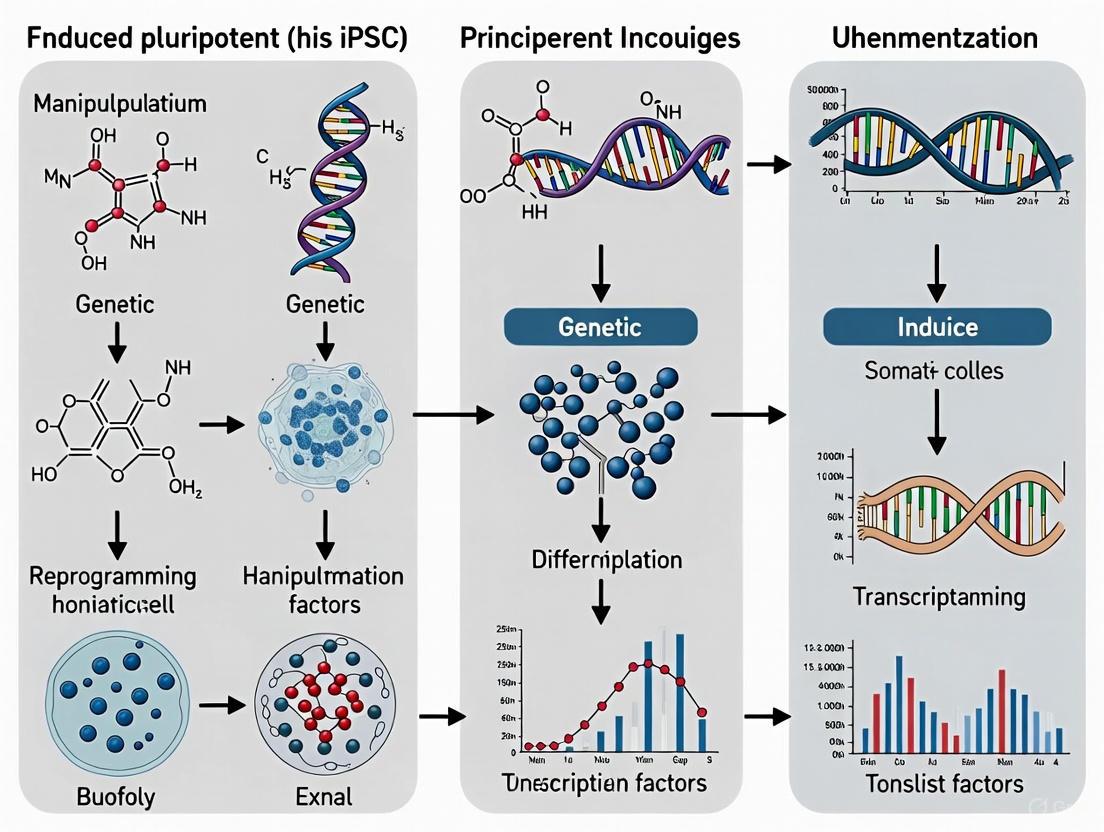
This article provides a comprehensive overview of the fundamental principles of induced pluripotent stem cell (iPSC) technology for researchers, scientists, and drug development professionals.
Induced Pluripotent Stem Cell (iPSC) Technology: Principles, Applications, and Clinical Translation
Abstract
This article provides a comprehensive overview of the fundamental principles of induced pluripotent stem cell (iPSC) technology for researchers, scientists, and drug development professionals. It covers the historical discovery and core molecular mechanisms of somatic cell reprogramming, detailing the key transcription factors and epigenetic remodeling involved. The scope extends to current methodological approaches, including non-integrating delivery systems and differentiation protocols, with a focus on applications in disease modeling, drug screening, and regenerative medicine. The content also addresses critical challenges in the field, such as tumorigenicity and manufacturing scalability, and offers comparative analyses with other stem cell types. Finally, it explores the evolving landscape of clinical translation, highlighting ongoing trials, regulatory considerations, and future directions for iPSC-based therapies.
The Discovery and Core Mechanisms of Cellular Reprogramming
The development of induced pluripotent stem cell (iPSC) technology represents a paradigm shift in regenerative medicine and developmental biology. This breakthrough demonstrated that mature, differentiated somatic cells can be reprogrammed to a pluripotent embryonic-like state through the forced expression of specific transcription factors, effectively reversing the developmental clock [1]. The journey to this discovery was paved by decades of pioneering research that challenged fundamental dogmas about cellular differentiation and plasticity. This whitepaper traces the critical historical milestones from early nuclear transfer experiments to the discovery of the Yamanaka factors, providing researchers and drug development professionals with a comprehensive technical guide to the fundamental principles underlying iPSC technology. The conceptual foundation for reprogramming has since been visualized as a reversal of Waddington's epigenetic landscape, where differentiated cells can be guided back to a pluripotent state.
The following diagram illustrates the core conceptual transition from a differentiated to a pluripotent state.
Foundational Research: Nuclear Transfer and Cellular Reprogramming
The Germ Plasm Theory and Early Conceptual Barriers
Prior to the modern era of cellular reprogramming, scientific thought was dominated by August Weismann's germ plasm theory (1892), which postulated that germ cells alone transmitted heritable information, while somatic cell fate involved irreversible modification of this information [1]. This concept was further refined by Conrad Waddington's epigenetic landscape model (1957), which illustrated cell differentiation as a ball rolling downhill into increasingly restricted and irreversible states [1]. These models established the prevailing dogma that cellular differentiation was a unidirectional process.
Nuclear Transfer Experiments
The first experimental challenge to this dogma came from the pioneering work of John Gurdon, who in 1962 performed seminal somatic cell nuclear transfer (SCNT) experiments in Xenopus laevis frogs [1]. Gurdon demonstrated that a nucleus isolated from a terminally differentiated intestinal cell could, when transplanted into an enucleated egg, direct the development of germline-competent organisms [1]. This revolutionary finding proved that the nucleus of a differentiated somatic cell retains all the genetic information needed to generate an entire organism, and that phenotypic diversity is achieved through reversible epigenetic mechanisms rather than irreversible genetic changes.
Table: Key Foundational Experiments in Cellular Reprogramming
| Year | Researcher | Experiment | Key Finding |
|---|---|---|---|
| 1892 | August Weismann | Germ Plasm Theory | Proposed irreversible somatic cell fate |
| 1957 | Conrad Waddington | Epigenetic Landscape | Illustrated differentiation as irreversible process |
| 1962 | John Gurdon | SCNT in Frogs | Differentiated nucleus could support development |
| 1981 | Evans/Kaufman/Martin | Mouse ESC Isolation | Established pluripotent stem cell reference |
| 1998 | James Thomson | Human ESC Isolation | Provided human pluripotency model |
| 2000s | Multiple Groups | Cell Fusion | ESC factors could reprogram somatic cells |
Embryonic Stem Cells and Cell Fusion Studies
The isolation of mouse embryonic stem cells (ESCs) by Martin Evans, Matthew Kaufman, and Gail Martin in 1981, followed by James Thomson's derivation of human ESCs in 1998, provided critical reference points for understanding pluripotency [1]. Subsequent cell fusion experiments combining mouse (1993) and human (2005) ESCs with somatic cells resulted in heterokaryons that could be reprogrammed to pluripotency [1], further reinforcing the concept of cellular plasticity and suggesting that ESCs contained dominant factors capable of reversing the differentiated state.
The Yamanaka Breakthrough: Identification of Reprogramming Factors
Experimental Design and Factor Selection
The conceptual framework established by previous research led Shinya Yamanaka and postdoctoral fellow Kazutoshi Takahashi to systematically identify the specific factors responsible for inducing pluripotency [1]. Their experimental approach involved:
- Starting Cells: Mouse embryonic fibroblasts (MEFs) engineered with a β-galactosidase and neomycin resistance reporter system under the control of the Fbx015 gene promoter, a pluripotency-associated marker [1].
- Candidate Factors: Selection of 24 candidate genes known to be important for establishing or maintaining ESC identity [1].
- Delivery System: Retroviral vectors for stable integration and expression of candidate genes [1].
- Screening Method: Sequential elimination of factors from the original pool to identify the minimal combination required for reprogramming [1].
The Core Reprogramming Factors
Through their systematic screening approach, Yamanaka and Takahashi identified four transcription factors sufficient to reprogram MEFs into induced pluripotent stem cells [1]:
- Oct4 (Pou5f1) - A POU-family transcription factor essential for pluripotency
- Sox2 - An SRY-related HMG-box transcription factor
- Klf4 - A Krüppel-like factor involved in cell cycle regulation
- c-Myc - A proto-oncogene and global regulator of transcription
This combination, now known as the OSKM or Yamanaka factors, successfully generated mouse iPSCs that closely resembled ESCs in their biological potency, gene expression profiles, and epigenetic landscape [1]. The molecular function of these factors in the reprogramming process is complex, involving both activation of pluripotency networks and suppression of somatic gene programs.
Table: Molecular Functions of Yamanaka Factors
| Factor | Molecular Function | Role in Reprogramming | Safety Considerations |
|---|---|---|---|
| Oct4 | POU-domain transcription factor | Master regulator of pluripotency; essential for reprogramming | Required for authentic pluripotency |
| Sox2 | HMG-box transcription factor | Cooperates with Oct4; maintains pluripotency network | Essential with Oct4 for core pluripotency |
| Klf4 | Zinc-finger transcription factor | Promotes mesenchymal-to-epithelial transition; cell cycle regulation | Can exhibit context-dependent oncogenic activity |
| c-Myc | Basic helix-loop-helix transcription factor | Enhances proliferation; promotes chromatin accessibility | Potent oncogene; often omitted for clinical applications |
Validation and Human iPSC Generation
The initial mouse iPSCs generated using OSKM factors resembled ESCs but did not support adult chimerism, indicating incomplete reprogramming [2]. Subsequent improvements in selection methods led to iPSCs capable of germline transmission [2]. In 2007, just one year after the initial mouse study, Yamanaka and James Thomson independently reported the generation of human iPSCs [1]. Yamanaka used the same OSKM factors, while Thomson employed a alternative combination (OCT4, SOX2, NANOG, and LIN28) [1], demonstrating that multiple factor combinations could achieve similar reprogramming outcomes.
Technical Evolution: From Discovery to Robust Experimental Systems
Early Technical Limitations and Solutions
The original iPSC generation method faced several significant challenges that required technical innovation:
- Low Efficiency: Only a small fraction of transfected cells (typically <0.1-1%) successfully reprogrammed [2].
- Genomic Integration: Retroviral and lentiviral delivery systems posed risks of insertional mutagenesis and oncogenesis [3].
- Incomplete Reprogramming: Early iPSC lines often retained epigenetic memory of their somatic origin [2].
Evolution of Reprogramming Methods
Substantial progress has been made in developing safer, more efficient reprogramming methodologies:
- Non-Integrating Methods: Sendai virus (RNA virus), episomal plasmids, and mRNA transfection eliminate genomic integration [3].
- Small Molecule Approaches: Chemical cocktails can enhance reprogramming efficiency or replace some transcription factors [1] [4].
- Improved Efficiency: Optimization of culture conditions, including the use of small molecule inhibitors like SB431542 (a TGF-β inhibitor), significantly increases reprogramming efficiency [3].
The following workflow diagram illustrates a modern, optimized protocol for generating iPSCs from somatic cells, incorporating key technical improvements.
Current Applications and Technical Considerations
The Researcher's Toolkit: Essential Reagents and Methods
Table: Essential Research Reagents for iPSC Generation and Characterization
| Reagent Category | Specific Examples | Function/Application |
|---|---|---|
| Reprogramming Factors | OCT4, SOX2, KLF4, c-MYC (OSKM) | Core transcription factors for inducing pluripotency |
| Delivery Systems | Sendai virus, episomal plasmids, synthetic mRNA | Non-integrating methods for factor delivery |
| Culture Media | TGF-β containing media; media with SB431542 | Support reprogramming and pluripotency maintenance |
| Characterization Antibodies | TRA-1-60, Nanog, SSEA-4, OCT4 | Detection of pluripotency markers |
| Selection Markers | Fbx15 reporter, antibiotic resistance | Enrichment for successfully reprogrammed cells |
| Small Molecule Enhancers | Valproic acid, sodium butyrate, ascorbic acid | Improve reprogramming efficiency |
Molecular Mechanisms of Reprogramming
The process of reprogramming somatic cells to pluripotency involves profound molecular restructuring:
- Epigenetic Remodeling: Genome-wide changes in DNA methylation and histone modifications erase somatic epigenetic memory and establish pluripotent patterns [2] [1].
- Transcriptional Dynamics: Reprogramming occurs in two phases - early stochastic silencing of somatic genes followed by deterministic activation of the pluripotency network [1].
- Metabolic Reprogramming: Shift from oxidative phosphorylation to glycolysis, mimicking the metabolic state of early embryos [3].
- Mesenchymal-to-Epithelial Transition (MET): Critical early step involving cytoskeletal reorganization and cell adhesion changes [1].
Contemporary Research Applications
iPSC technology has enabled numerous research applications that were previously challenging or impossible:
- Disease Modeling: Patient-specific iPSCs allow study of human diseases in relevant cell types [1] [5].
- Drug Discovery and Toxicity Testing: iPSC-derived cells provide human-relevant systems for compound screening [6] [7].
- Cell Therapy Development: Autologous and allogeneic iPSC-derived cells are being investigated for regenerative applications [5].
- Basic Developmental Biology: Studying human development and cell fate decisions [1].
Recent Advances and Future Directions
Technical Innovations
The iPSC field continues to evolve with several significant recent developments:
- Chemical Reprogramming: Complete reprogramming using only small molecules, without genetic manipulation [1] [4].
- Partial Reprogramming: Transient reprogramming to reverse cellular age without complete dedifferentiation, showing promise for rejuvenation therapies [4].
- High-Efficiency Protocols: Optimized methods for challenging cell types, including senescent and pathologic cells [3].
- Novel Applications: Expansion into new areas such as in vitro gametogenesis [8].
Clinical Translation and Commercial Landscape
The clinical application of iPSC technology is advancing rapidly:
- Clinical Trials: As of 2025, 10 published clinical studies and 22 registered trials are utilizing iPSCs for conditions including cardiac disease, ocular disorders, and cancer [5].
- Market Growth: The iPSC production market is projected to grow from $1.75 billion in 2024 to $4.34 billion by 2034, reflecting increasing research and clinical adoption [6].
- Automation and Standardization: Development of automated production platforms addresses scalability and reproducibility challenges [7].
The journey from nuclear transfer to the Yamanaka factors represents one of the most significant conceptual and technical revolutions in modern biology. By demonstrating that cell fate is not permanently fixed but can be reprogrammed through defined factors, this research has fundamentally altered our understanding of cellular plasticity and epigenetic regulation. The continued refinement of iPSC technology promises to accelerate disease modeling, drug discovery, and regenerative medicine, building upon the historic milestones established by Gurdon, Yamanaka, and numerous other investigators in this field. As technical challenges are addressed and safety profiles are established, iPSC-based approaches are poised to make increasingly substantial contributions to biomedical science and clinical practice.
The discovery that somatic cell fate can be reprogrammed to pluripotency through forced expression of specific transcription factors represents a foundational paradigm in modern regenerative medicine. The core quartet of Oct4, Sox2, Klf4, and c-Myc (collectively known as OSKM or Yamanaka factors) has established the gold standard for induced pluripotent stem cell (iPSC) generation since its initial identification in 2006. This technical guide examines the molecular mechanisms, experimental methodologies, and functional outcomes underlying the OSKM paradigm, providing researchers with a comprehensive framework for leveraging this technology in disease modeling, drug discovery, and therapeutic development. We synthesize key quantitative data across reprogramming systems and present standardized protocols to facilitate experimental reproducibility in iPSC research.
The OSKM paradigm emerged from systematic screening of factors associated with pluripotency maintenance in embryonic stem cells (ESCs). Seminal work by Takahashi and Yamanaka demonstrated that retroviral-mediated expression of these four transcription factors could reprogram mouse embryonic fibroblasts to an ESC-like state, possessing self-renewal capacity and differentiation potential [1] [9]. This discovery fundamentally challenged previous models of terminal differentiation and established that cellular identity could be reversed through defined molecular interventions.
The conceptual foundation for reprogramming traces back to earlier nuclear transfer experiments by Gurdon, which revealed that somatic cell nuclei retained totipotency when placed in an appropriate cytoplasmic environment [1]. Subsequent cell fusion studies between somatic cells and ESCs further demonstrated the dominancy of pluripotency factors in reshaping cellular identity [1]. The OSKM factors provided a minimal molecular recipe to recapitulate these phenomena without requiring intact oocytes or ESCs, thereby establishing a new technological platform for cellular reprogramming.
Molecular Mechanisms of OSKM-Mediated Reprogramming
Factor Interactions and Target Recognition
The OSKM transcription factors function as pioneer factors that initiate widespread epigenetic and transcriptional restructuring. Comparative analyses reveal that while general binding features are conserved between mouse and human systems, significant differences exist in specific genomic targeting [10]. In early reprogramming, OSK factors target substantially more closed chromatin sites in human fibroblasts compared to mouse, suggesting species-specific barriers to reprogramming [10].
Combinatorial binding patterns follow similar principles across species: Oct4 and Sox2 frequently co-bind regulatory elements, often assisted by Klf4, while c-Myc predominantly enhances chromatin accessibility at promoters [10]. De novo motif analyses confirm that the primary DNA binding motifs for each factor remain highly conserved between human and mouse systems, though minor variations in motif termination sequences exist [10]. Despite these molecular similarities, only a limited fraction of OSKM binding events occur in syntenic regions between species, indicating significant network rewiring during evolutionary divergence.
Temporal Dynamics and Reprogramming Trajectories
Reprogramming proceeds through defined temporal phases characterized by distinct molecular events:
Early phase: Somatic genes are silenced while early pluripotency-associated genes activate through predominantly stochastic mechanisms [1]. This phase involves widespread epigenetic destabilization of somatic memory and initiation of mesenchymal-to-epithelial transition (MET) [1].
Late phase: Activation of late pluripotency genes occurs through more deterministic mechanisms, culminating in stable acquisition of self-renewal capacity [1]. This phase involves establishment of autoregulatory loops that maintain the pluripotent state independent of transgene expression.
Multiple models have been proposed to explain reprogramming heterogeneity, including the "elite" model (reprogramming competence limited to specific subpopulations) and "stochastic" model (all cells possess reprogramming potential with probabilistic outcomes) [11]. Experimental evidence increasingly supports a stochastic model where fully differentiated cells can undergo reprogramming through cumulative epigenetic and transcriptional changes [11].
Comparative Analysis of Reprogramming Methodologies
Delivery Systems and Their Applications
The method of OSKM delivery significantly impacts reprogramming efficiency, kinetics, and resulting iPSC quality. The table below summarizes key performance metrics across major non-integrating delivery systems:
Table 1: Performance Comparison of Non-Integrating OSKM Delivery Methods
| Method | Reprogramming Efficiency | Success Rate | Aneuploidy Rate | Hands-on Time | Key Advantages | Key Limitations |
|---|---|---|---|---|---|---|
| mRNA Reprogramming | 2.1% | 27% (improves to 73% with miRNA booster) | 2.3% | ~8 hours | No genomic integration; rapid colony emergence (~14 days) | High cell death; extensive hands-on time; sample-dependent failures |
| Sendai Virus (SeV) | 0.077% | 94% | 4.6% | ~3.5 hours | Efficient transduction; reliable colony formation | Viral vector requires monitoring for clearance; slower colony emergence (~26 days) |
| Episomal Vectors (Epi) | 0.013% | 93% | 11.5% | ~4 hours | Non-viral; cost-effective | Plasmid retention concerns; requires high starting cell numbers |
| Lentiviral Vectors | 0.27% | 100% | 4.5% | Variable | High efficiency and reliability | Genomic integration; significant safety concerns for clinical applications |
Efficiency measurements represent the percentage of input somatic cells that give rise to iPSC colonies, with the mRNA method demonstrating superior performance despite higher technical demands [12]. The Sendai virus system provides an optimal balance of efficiency, reliability, and minimal hands-on time, making it suitable for routine laboratory applications [12]. For clinical translation, mRNA and episomal methods offer the advantage of integration-free operation despite their technical challenges.
Species-Specific Reprogramming Dynamics
Direct comparison of mouse and human reprogramming reveals significant differences in temporal dynamics and factor requirements:
Table 2: Comparative Analysis of Mouse vs. Human OSKM Reprogramming
| Parameter | Mouse System | Human System |
|---|---|---|
| Reprogramming Timeline | 7-14 days | 3-4 weeks |
| c-Myc Dependency | Reprogramming possible with OSK alone | c-Myc significantly enhances efficiency |
| Factor Binding Distribution | c-Myc binds predominantly proximal to TSS | c-Myc binds predominantly distal to TSS |
| Pluripotency State | Naïve pluripotency | Primed pluripotency |
| Starting Cell Type | Embryonic fibroblasts | Fetal foreskin fibroblasts |
| Peak Numbers at 48h | Lower peaks for Sox2, Klf4, c-Myc | Approximately 2x more peaks for Sox2, Klf4, c-Myc |
These comparative analyses highlight fundamental differences in reprogramming networks between species. The more rapid kinetics in mouse systems may reflect differences in chromatin accessibility and pre-existing expression of reprogramming facilitators [10]. Additionally, human reprogramming requires more sustained factor expression to overcome epigenetic barriers, reflected in the extended timeline and higher c-Myc dependency [10].
Experimental Protocols and Workflows
Standardized Fibroblast Reprogramming Protocol
The following protocol details OSKM reprogramming of human fibroblasts using the Sendai virus system, providing a benchmark methodology for consistent iPSC generation:
Day -2: Fibroblast Preparation
- Plate human dermal fibroblasts at 15,000-20,000 cells/cm² in fibroblast medium
- Culture until 70-80% confluent prior to transduction
Day 0: Viral Transduction
- Prepare KOS Sendai virus, hc-Myc Sendai virus, and hKlf4 Sendai virus in suspension
- Infect fibroblasts at MOI 5-10 for each virus in presence of 5-10 μg/mL polybrene
- Centrifuge plated cells at 1000 × g for 30-60 minutes (spinfection) to enhance infection efficiency
- Incubate at 37°C, 5% CO₂ for 24 hours
Day 1: Medium Exchange
- Replace virus-containing medium with fresh fibroblast medium
- Continue incubation at 37°C, 5% CO₂
Days 3-5: Passage onto Feeder Layers
- Trypsinize transduced fibroblasts and re-plate at 50,000-100,000 cells per 10 cm dish on mitotically inactivated mouse embryonic fibroblasts (MEFs)
- Transition to human iPSC medium supplemented with 10 ng/mL bFGF
Days 7-20: Colony Monitoring and Medium Changes
- Change iPSC medium daily
- Monitor emergence of compact, ESC-like colonies with defined borders
- Individual colonies typically appear between days 16-26 post-transduction
Days 20-30: Colony Picking and Expansion
- Mechanically pick or dissociate with collagenase individual colonies
- Transfer to fresh MEF plates for expansion
- Confirm loss of Sendai virus by RT-PCR after passage 10-12 [12]
Dynamic Culture Enhancement Protocol
Reprogramming efficiency can be significantly enhanced through biophysical manipulation of culture conditions. The following modification leverages orbital shaking to improve reprogramming outcomes:
- Initiate orbital shaking (50-100 rpm) beginning day 3 post-transduction
- Maintain dynamic culture throughout reprogramming process
- Optimize seeding density to 10,000-15,000 cells/cm² when combining with dynamic culture
- Dynamic culture prevents p57-mediated cell cycle arrest in over-confluent regions, improving efficiency approximately 2-fold [13]
This approach demonstrates how culture microenvironment directly influences reprogramming efficiency independent of molecular interventions, highlighting the importance of biophysical parameters in cell fate determination.
Research Reagent Solutions
Table 3: Essential Reagents for OSKM Reprogramming Experiments
| Reagent Category | Specific Examples | Function | Application Notes |
|---|---|---|---|
| Vector Systems | CytoTune Sendai Virus (Life Technologies); Episomal plasmids (Addgene); mRNA kits (Stemgent) | OSKM delivery | Sendai virus offers efficiency; mRNA avoids integration; episomal balances safety/workload |
| Enhancement Compounds | Valproic acid (HDAC inhibitor); 5-Azacytidine (DNMT inhibitor); A83-01 (TGF-β inhibitor); CHIR99021 (GSK-3 inhibitor) | Improve efficiency | Valproic acid enables Oct4/Sox2-only reprogramming; small molecules can replace certain factors |
| Culture Supplements | bFGF; L-ascorbic acid; Sodium butyrate; Y-27632 (ROCK inhibitor) | Support pluripotency and survival | ROCK inhibitor reduces apoptosis post-passaging; vitamin C enhances efficiency |
| Characterization Tools | Anti-TRA-1-60, Anti-SSEA4, Anti-NANOG antibodies; Pluripotency PCR arrays; G-band karyotyping | Validate iPSC quality | TRA-1-60 most specific for fully reprogrammed state; regular karyotyping essential for monitoring genomic stability |
Applications and Technical Implementations
Disease Modeling and Drug Screening
iPSC technology enables generation of patient-specific disease models that recapitulate pathological phenotypes in vitro. Neurological disorders like Alzheimer's disease have been extensively modeled using iPSC-derived neurons, revealing disease-specific alterations in amyloid-β processing and tau phosphorylation [14]. Similarly, iPSC models of osteoarthritis have enabled study of cartilage degradation mechanisms and identification of potential therapeutic targets [14].
The high-throughput screening capability of iPSC systems provides distinct advantages for drug discovery. iPSC-derived hepatocytes enable predictive drug toxicity testing, while cardiac myocytes allow assessment of compound effects on electrophysiological parameters [1] [14]. The isogenic background of patient-specific iPSCs controls for genetic variability, enhancing signal detection in phenotypic screens.
Therapeutic Applications and Safety Considerations
The translational potential of iPSCs spans two primary approaches:
- Autologous transplantation: Patient-specific iPSCs differentiated into target cell types (e.g., dopaminergic neurons for Parkinson's disease, retinal pigment epithelium for macular degeneration)
- Allogeneic banked cells: HLA-matched iPSC lines serving as renewable source for differentiated therapeutics [1]
Critical safety challenges must be addressed for clinical translation:
- Tumorigenic risk: Residual undifferentiated iPSCs or transiently expressing reprogramming factors may form teratomas [14]
- Genetic stability: Aneuploidy and copy number variations may arise during reprogramming and expansion [12]
- Immunogenicity: Even autologous iPSCs may elicit immune responses due to epigenetic abnormalities [9]
Risk mitigation strategies include:
- Factor elimination: c-Myc-free reprogramming reduces tumorigenic potential [14] [9]
- Purification approaches: Antibody-based sorting (e.g., against SSEA-5) eliminates undifferentiated cells [14]
- Chemical induction: Fully chemical reprogramming avoids genetic manipulation entirely [1]
Emerging Frontiers and Technical Challenges
In Vivo Reprogramming for Regeneration
Recent advances extend the OSKM paradigm to direct tissue reprogramming in living organisms. Short-term, cyclic expression of OSKM factors in mouse models ameliorates age-associated phenotypes without teratoma formation [15] [16]. This "partial reprogramming" approach suggests transient OSKM exposure may reverse epigenetic aging while maintaining cellular identity.
Novel mouse strains with titratable OSKM expression enable systematic study of in vivo reprogramming parameters [16]. These tools allow tissue-specific and temporal control of factor expression, facilitating mechanistic studies while reducing adverse effects associated with systemic reprogramming [16].
Alternative Reprogramming Modalities
Beyond OSKM, several alternative factor combinations have demonstrated reprogramming capability:
- OSNL: Oct4, Sox2, Nanog, Lin28 (Thomson factors) generate human iPSCs with comparable efficiency [9]
- Chemical reprogramming: Fully defined small molecule cocktails can induce pluripotency without genetic manipulation [1]
- Lineage-specific reprogramming: Single factors can reprogram somatic cells when expressed in permissive contexts (e.g., Oct4 alone in hair follicle cells endogenously expressing Sox2, c-Myc, and Klf4) [9]
Visualizing the OSKM Reprogramming Workflow
OSKM Reprogramming Workflow and Key Transitions
The OSKM paradigm has established a robust technological platform for cellular reprogramming that continues to evolve through methodological refinements and mechanistic insights. The core principles of factor stoichiometry, delivery optimization, and culture parameter control remain fundamental to successful iPSC generation. As the field advances toward clinical translation, ongoing efforts to enhance safety profiles through non-integrating methods and improved purification protocols will be essential. The expanding applications of iPSC technology in disease modeling, drug screening, and regenerative medicine underscore the enduring significance of the OSKM factors as foundational tools in stem cell research and developmental biology.
The discovery of induced pluripotent stem cell (iPSC) technology represents a paradigm shift in developmental biology, demonstrating that somatic cell identity can be reset to a pluripotent state through defined molecular and epigenetic interventions. This process fundamentally challenges the long-held notion that cellular differentiation is an irreversible process, instead revealing the remarkable plasticity of the somatic cell landscape. The groundbreaking work of Takahashi and Yamanaka in 2006 established that forced expression of four transcription factors—Oct4, Sox2, Klf4, and c-Myc (collectively known as OSKM or Yamanaka factors)—could reprogram mouse embryonic fibroblasts into cells possessing the key characteristics of embryonic stem cells [1]. This discovery, built upon earlier foundational studies including Gurdon's somatic cell nuclear transfer experiments, opened unprecedented opportunities for disease modeling, drug development, and regenerative medicine [1] [17].
The process of reprogramming involves profound remodeling of the epigenetic landscape, reversing the developmental program that establishes somatic cell identity. During normal development, pluripotent stem cells undergo differentiation into specialized somatic cells through acquisition of epigenetic memory and global changes to chromatin conformation, resulting in inactivation of pluripotency-specific genes and activation of somatic cell-specific programs [1]. Reprogramming somatic cells back to pluripotency requires erasure of these somatic epigenetic signatures and reestablishment of the pluripotent state, a process that partially resembles developmental events in reverse [1]. This whitepaper examines the molecular and epigenetic mechanisms underlying somatic cell reprogramming, with particular emphasis on the dynamic changes that reset the somatic cell landscape and enable the acquisition of pluripotency.
Molecular Mechanisms of Reprogramming
Key Transcription Factors and Their Roles
The core transcriptional network governing pluripotency centers around a hierarchy of transcription factors that activate the self-renewal program while suppressing differentiation pathways. The Yamanaka factors function as pioneer factors that initiate the dramatic reorganization of gene expression required for reprogramming:
- Oct4 (Pou5f1): A POU-family transcription factor that serves as a master regulator of pluripotency. Oct4 activates pluripotency-associated genes while repressing genes involved in differentiation, and its precise expression level is critical for maintaining the pluripotent state [1].
- Sox2: A SRY-related HMG-box transcription factor that partners with Oct4 to co-regulate many pluripotency genes. Sox2 and Oct4 bind adjacent sites in genomic DNA and synergistically activate transcription of target genes including themselves, forming a positive feedback loop that stabilizes the pluripotent state [1].
- Klf4: A Krüppel-like factor that promotes reprogramming through multiple mechanisms, including activation of pluripotency genes, suppression of the p53 tumor suppressor pathway, and facilitation of the mesenchymal-to-epithelial transition (MET) [1].
- c-Myc: A basic helix-loop-helix transcription factor that enhances reprogramming efficiency primarily through global effects on chromatin structure and metabolism. c-Myc promotes histone acetylation, creates a more open chromatin configuration, and enhances cell proliferation [18] [1].
Alternative factor combinations have also been identified, including the Thomson factors (OCT4, SOX2, NANOG, LIN28) that can similarly reprogram human somatic cells [1]. The reprogramming factors function by binding to regulatory elements of pluripotency genes and initiating a cascade of transcriptional and epigenetic changes that ultimately lead to establishment of the pluripotent state.
Phases of Reprogramming
Reprogramming follows a sequential, multi-stage process characterized by distinct molecular and cellular events. Based on transcriptomic and proteomic analyses, reprogramming progresses through several phases:
- Initiation Phase: The immediate response to factor expression involves widespread changes including downregulation of somatic genes, activation of proliferation pathways, and initiation of mesenchymal-to-epithelial transition (MET). This phase is characterized by stochastic gene expression changes and inefficient access to closed chromatin regions by the reprogramming factors [18] [1].
- Maturation Phase: Intermediate cells begin to activate early pluripotency-associated genes while progressively silencing somatic genes. During this phase, cells become dependent on transgene expression and have not yet activated the endogenous pluripotency network [18].
- Stabilization Phase: The final phase involves activation of the endogenous pluripotency circuitry, including core transcription factors such as OCT4 and NANOG. During this phase, cells become independent of transgene expression and establish a stable pluripotent state [18].
Single-cell analyses have revealed that the early phase of reprogramming is characterized by high variability among cells, with only a small fraction successfully transitioning through a "bottleneck" to reach the stabilization phase [18]. This stochastic phase is followed by a more deterministic phase where cells consistently activate the core pluripotency network [18].
Table 1: Key Events in Reprogramming Phases
| Reprogramming Phase | Key Molecular Events | Characteristic Markers | Epigenetic Changes |
|---|---|---|---|
| Initiation (Days 0-3) | Downregulation of somatic genes; Cell cycle activation; MET initiation | Thy1, S100a6 (down); Aprt, Emp2 (up) | Global DNA demethylation; H3K4me2 changes |
| Maturation (Days 6-9) | Early pluripotency genes activated; Transgene-dependent | Fbxo15, Esrrb; Exogenous OSKM | Locus-specific DNA methylation changes; Histone modification shifts |
| Stabilization (Days 12+) | Endogenous pluripotency network activated; Transgene-independent | Endogenous Oct4, Nanog; SSEA-1 | Establishment of bivalent domains; X chromosome reactivation |
Epigenetic Remodeling During Reprogramming
Histone Modifications
Histone modifications play a crucial role in reshaping the epigenome during reprogramming, facilitating the transition from a somatic to pluripotent chromatin state. The dynamic alterations in histone marks enable the activation of pluripotency genes while silencing somatic genes:
- H3K4me3: This activating mark is found at promoters of actively transcribed pluripotency genes such as OCT4 and SOX2, facilitating an open chromatin state permissive for transcription [19]. The Set1/COMPASS complex, responsible for H3K4 trimethylation, is upregulated during pluripotency establishment [19].
- H3K27me3: A repressive mark mediated by Polycomb Repressive Complex 2 (PRC2) that silences developmental and differentiation genes. In pluripotent stem cells, H3K27me3 helps maintain the undifferentiated state by repressing lineage-specific genes [19].
- Bivalent Domains: Pluripotent stem cells feature unique chromatin domains marked by both H3K4me3 (activating) and H3K27me3 (repressing) modifications at promoters of key developmental genes. This bivalent state keeps genes poised for either activation or repression upon differentiation, allowing pluripotent cells to maintain developmental competence [19].
- Histone Acetylation: Marks such as H3K9ac and H3K27ac are associated with active enhancers and promoters, creating an open chromatin configuration. Histone deacetylase inhibitors like valproic acid enhance reprogramming efficiency by maintaining acetylated histones at pluripotency gene promoters [19].
The removal of repressive histone marks represents a critical barrier in early reprogramming. Repressive marks including H3K9me3 and H3K27me3, abundant in differentiated cells, must be actively removed to permit activation of pluripotency genes. The H3K9me3 demethylase KDM4B is essential for removing H3K9me3 from the NANOG promoter during reprogramming, while the H3K27me3 demethylase UTX plays a crucial role in early reprogramming stages [19].
DNA Methylation Dynamics
DNA methylation patterns undergo comprehensive reorganization during reprogramming, with global erasure of somatic methylation patterns and establishment of pluripotency-specific patterns. Key changes include:
- Global Demethylation: Widespread DNA demethylation occurs in early reprogramming, erasing somatic methylation patterns, including at pluripotency gene promoters [1].
- Promoter-Specific Remethylation: Following global demethylation, locus-specific remethylation occurs at somatic genes and other regions not required for pluripotency [1].
- Maintenance of Imprinting: Despite global methylation changes, most imprinting control regions generally maintain their parental-origin-specific methylation patterns [20].
Recent studies utilizing iPSCs as models for studying genetic and epigenetic variation have demonstrated that iPSCs maintain donor-specific DNA methylation patterns even after reprogramming, suggesting that genetic background influences the epigenetic landscape of iPSCs [20]. However, as iPSCs differentiate, the relationship between genetic variation and epigenetic patterns becomes less direct, with cell type identity emerging as a stronger determinant of epigenetic state [20].
Table 2: Key Epigenetic Modifications in Pluripotency and Reprogramming
| Epigenetic Mark | Function in Pluripotency | Role in Reprogramming | Key Writers/Erasers |
|---|---|---|---|
| H3K4me3 | Marks active pluripotency genes | Gradually acquired at pluripotency gene promoters | SET1/COMPASS complex (writer) |
| H3K27me3 | Represses developmental genes | Must be removed from pluripotency genes | EZH2/PRC2 (writer); UTX (eraser) |
| H3K9me3 | Associated with heterochromatin | Major barrier; must be removed for reprogramming | SUV39H1 (writer); KDM4B (eraser) |
| H3K27ac | Marks active enhancers | Acquired at pluripotency enhancers | p300/CBP (writer) |
| DNA Methylation | Silences repetitive elements | Global erasure followed by locus-specific establishment | DNMTs (writers); TET enzymes (erasers) |
Experimental Approaches and Methodologies
Reprogramming Methodologies
Several methods have been developed to induce pluripotency in somatic cells, each with distinct advantages and limitations for research and therapeutic applications:
- Integrating Viral Methods: Early reprogramming approaches used retroviruses or lentiviruses to permanently integrate reprogramming factors into the host genome. While efficient, these methods raise concerns about insertional mutagenesis and potential reactivation of transgenes [21] [17].
- Non-Integrating Methods: Recent approaches focus on non-integrating delivery methods to enhance safety profiles. These include:
- Episomal Vectors: DNA plasmids that replicate extrachromosomally and are gradually lost during cell divisions [21] [17].
- Sendai Virus: An RNA virus that replicates in the cytoplasm without genomic integration [21].
- Synthetic mRNA: Repeated transfection of in vitro-transcribed mRNAs encoding reprogramming factors [21] [17].
- Recombinant Proteins: Direct delivery of reprogramming factors as proteins [21].
- Small Molecule Approaches: Chemical compounds that can enhance reprogramming efficiency or in some cases replace certain reprogramming factors. Fully chemical reprogramming of mouse fibroblasts using seven small-molecule compounds was first reported in 2013 [1].
The choice of reprogramming method depends on the intended application. For basic research and disease modeling, efficiency and simplicity may be prioritized, while for therapeutic applications, safety considerations favor non-integrating methods [17].
Characterization of Pluripotent State
Rigorous characterization of resulting iPSCs is essential to confirm successful reprogramming to a bona fide pluripotent state. Standard assessment methods include:
- Pluripotency Marker Expression: Immunofluorescence and flow cytometry analysis of surface markers (SSEA-3, SSEA-4, TRA-1-60, TRA-1-81) and intracellular factors (OCT4, NANOG, SOX2) [1] [17].
- Trilineage Differentiation Potential: In vitro differentiation through embryoid body formation or directed differentiation followed by assessment of representatives of all three germ layers [17].
- Teratoma Formation: Injection of iPSCs into immunodeficient mice followed by histological examination of resulting teratomas for tissues derived from all three germ layers [17].
- Epigenetic Status: Assessment of DNA methylation patterns at key pluripotency gene promoters and global histone modification patterns [1] [17].
- Gene Expression Analysis: Transcriptomic profiling to confirm similarity to embryonic stem cells [1].
More stringent tests of pluripotency include tetraploid complementation, in which iPSCs are combined with tetraploid embryos to assess their ability to generate entire mice, though this is primarily used for mouse iPSCs [17].
Research Reagent Solutions
The following table outlines essential reagents and tools for investigating molecular and epigenetic dynamics in somatic cell reprogramming:
Table 3: Essential Research Reagents for Reprogramming Studies
| Reagent Category | Specific Examples | Research Application | Key Considerations |
|---|---|---|---|
| Reprogramming Factors | OSKM cocktails; Thomson factors (OCT4, SOX2, NANOG, LIN28) | Initiation of reprogramming | Delivery method (viral, mRNA, protein); stoichiometry |
| Epigenetic Modulators | VPA (HDAC inhibitor); 5-azacytidine (DNMT inhibitor); Tranylcypromine (LSD1 inhibitor) | Enhancing reprogramming efficiency | Concentration; treatment timing; cytotoxicity |
| Cell Culture Media | Defined pluripotency media (mTeSR, StemFlex); serum-free media | Maintenance of pluripotent state | Batch-to-batch consistency; xeno-free requirements |
| Characterization Antibodies | Anti-OCT4, SOX2, NANOG; SSEA-4, TRA-1-60 | Confirmation of pluripotent state | Specificity; validation in relevant species |
| Gene Editing Tools | CRISPR/Cas9 systems; TALENs; ZFNs | Genetic manipulation; creation of isogenic controls | Efficiency; off-target effects; delivery method |
Signaling Pathways and Molecular Networks
The reprogramming process is regulated by several key signaling pathways that interact with the transcriptional and epigenetic machinery:
Reprogramming Molecular Network
The core reprogramming factors OSKM initiate two critical parallel processes: mesenchymal-to-epithelial transition (MET) and epigenetic remodeling. MET involves dramatic changes in cell adhesion and polarity, while epigenetic remodeling creates a chromatin landscape permissive for pluripotency gene activation. These processes are supported by signaling pathways including TGF-β and Wnt, as well as metabolic reprogramming. Successful execution of these coordinated events enables establishment of the core pluripotency network, which then becomes self-sustaining.
The molecular and epigenetic dynamics underlying somatic cell reprogramming represent a fundamental process in cell fate determination with far-reaching implications for both basic biology and translational medicine. The resetting of the somatic cell landscape involves coordinated transcriptional activation, epigenetic remodeling, and metabolic reprogramming that collectively enable the reacquisition of pluripotency. Understanding these mechanisms has provided unprecedented insights into cellular plasticity and the maintenance of cell identity.
While significant progress has been made in elucidating the principles of reprogramming, challenges remain in fully understanding the molecular details, particularly in human cells where the process appears to differ from mouse models [22]. Future research directions will likely focus on enhancing the efficiency and fidelity of reprogramming, understanding the relationship between genetic variation and epigenetic patterns in iPSCs [20], and developing more precise methods for controlling cell fate. As the field continues to advance, the fundamental principles of molecular and epigenetic dynamics in resetting the somatic cell landscape will undoubtedly yield new insights into developmental biology and novel approaches for regenerative medicine.
The discovery that somatic cells can be reprogrammed into induced pluripotent stem cells (iPSCs) represents a transformative advancement in regenerative medicine and developmental biology [1]. At the heart of understanding this remarkable cellular transformation lies the two-phase model of reprogramming, a fundamental framework explaining how cells navigate the journey from a specialized somatic state to a pluripotent one. This model posits that the early phase of reprogramming is characterized by stochastic events—seemingly random molecular changes where only a small subset of cells initiate the process—while the late phase is more deterministic, with synchronized, predictable events guiding cells toward stable pluripotency [1] [23].
The recognition of this biphasic nature provides crucial insights for researchers aiming to enhance reprogramming efficiency and kinetics. This technical guide examines the molecular underpinnings, experimental evidence, and practical applications of this core principle, providing scientists and drug development professionals with a comprehensive resource for advancing iPSC-based research and therapeutic development.
Molecular Mechanisms of the Two-Phase Process
Early Stochastic Phase: Overcoming Epigenetic Barriers
The initial phase of reprogramming is markedly inefficient and asynchronous, with only a minute fraction of transfected somatic cells successfully embarking on the path toward pluripotency [24]. This inefficiency stems from the substantial epigenetic barriers that must be overcome, including the erasure of somatic cell memory and the initial opening of closed chromatin regions at pluripotency loci.
During this phase, reprogramming factors OSKM (Oct4, Sox2, Klf4, c-Myc) engage in a seemingly random exploration of the epigenome. The process is stochastic because the initial binding of these transcription factors to closed chromatin regions is inefficient and unpredictable [1]. Different cells within the same population may experience different sequences of molecular events, with no strict temporal ordering of gene activation [25]. Early events include the silencing of somatic genes and the initial activation of early pluripotency-associated genes, but these occur in a non-synchronized manner across the cell population [1].
Late Deterministic Phase: Executing a Coordinated Program
Once cells successfully navigate the initial stochastic phase, they enter a more predictable, deterministic phase characterized by coordinated activation of the core pluripotency network [1]. This transition represents a critical juncture where the reprogramming process becomes more synchronized and efficient.
In this phase, cells exhibit sustained co-expression of key pluripotency factors including Epcam, Nanog, and Sox2, which collectively reinforce the pluripotent state [25]. The molecular events become more ordered, with clear hierarchical dependencies. The core pluripotency circuitry stabilizes, creating positive feedback loops that lock cells into the pluripotent state. This phase also involves metabolic reprogramming and completion of the mesenchymal-to-epithelial transition (MET), essential for establishing stable iPSCs [1].
Table 1: Key Characteristics of the Two Reprogramming Phases
| Feature | Early Stochastic Phase | Late Deterministic Phase |
|---|---|---|
| Efficiency | Low (only small subsets of cells initiate) | High (most entering cells complete reprogramming) |
| Synchronization | Asynchronous | Synchronized |
| Molecular Events | Random order of gene activation | Sequential, coordinated activation |
| Epigenetic State | Progressive erasure of somatic memory | Establishment of stable pluripotency network |
| Key Processes | Initial somatic gene silencing, early pluripotency marker activation | Sustained co-expression of core pluripotency factors, metabolic reprogramming |
| Time Course | Variable timing between cells | More uniform timing |
Experimental Evidence and Validation
Lineage Tracing and Cellular Barcoding Studies
Definitive evidence supporting the two-phase model comes from sophisticated lineage tracing approaches, particularly lentiviral genetic barcoding. This powerful technology enables researchers to track the familial relationships of thousands of cells during reprogramming by introducing unique, heritable DNA sequences into progenitor cells [24].
In seminal barcoding experiments, researchers transduced mouse embryonic fibroblasts with barcoded lentiviruses and allowed them to divide before inducing reprogramming. The cells were then split into multiple culture dishes, ensuring that daughter cells from the same progenitor were distributed across different dishes. After one week of reprogramming, successfully reprogrammed cells were sorted and their barcodes sequenced [24].
The results were striking: a significant number of barcodes were shared between dishes, indicating that sister cells (descending from the same progenitor) were frequently reprogrammed together. The observed number of shared barcodes (209) far exceeded what would be expected by random chance (36) if reprogramming were entirely stochastic [24]. This demonstrates that the reprogramming potential is heritable—if one daughter cell possesses this potential, its sibling likely does too—supporting a deterministic component to the process.
Single-Cell Transcriptomics Revealing Phase Transitions
Single-cell RNA sequencing has provided unprecedented resolution of the molecular transitions during reprogramming, further validating the two-phase model. By profiling individual cells across a reprogramming time course, researchers have delineated the heterogeneity of the process and identified key transition points [25].
These studies reveal that during the early stochastic phase, cells exhibit independent activation of various programs including epithelial genes, cell cycle regulators, and early pluripotency markers, with no fixed order of events [25]. However, upon entering the late deterministic phase, successful cells demonstrate co-expression of specific gene modules: Nanog with Epcam, Sall4, and Tdgf1; Oct4 with Zfp42; and Sox2 with Utf1 and Dppa5a [25]. This coordinated gene expression pattern distinguishes cells committed to pluripotency from those that will fail to reprogram.
Table 2: Quantitative Insights from Reprogramming Studies
| Experimental Approach | Key Finding | Quantitative Result |
|---|---|---|
| Cellular Barcoding [24] | Probability of synchronous reprogramming of sister cells | 10-30% |
| Mathematical Modeling [23] | Heterogeneous reprogramming rate with OSKM only | Low, variable rates per cell |
| Mathematical Modeling [23] | Homogeneous reprogramming rate with OSKM+AGi | High, uniform rates across cells |
| High-Efficiency Reprogramming [25] | Efficiency with A2S (AA+2i+SGC0946) combination | ~40% within 6 days |
| Standard Reprogramming [25] | Efficiency with FBS only | ~3.2% |
Mathematical Modeling of Reprogramming Dynamics
Probabilistic modeling approaches have further refined our understanding of the two-phase model by quantifying the dynamics of reprogramming. These models treat reprogramming as a birth-death-transition process, accounting for cell proliferation, apoptosis, and fate conversion [23].
The models reveal that under standard OSKM conditions, reprogramming is characterized by low and heterogeneous rates, consistent with a dominant stochastic phase. However, when enhanced with small molecules like AGi (ascorbic acid and GSK3-β inhibitor), the process shifts toward high and homogeneous reprogramming rates, making it more deterministic [23]. This mathematical framework provides researchers with tools to quantify and compare reprogramming systems, predicting how different conditions will affect efficiency and synchrony.
Experimental Protocols for Investigating Reprogramming Phases
Lentiviral Barcoding for Lineage Tracing
Purpose: To track clonal relationships and determine whether reprogramming potential is heritable across cell divisions.
Methodology:
- Viral Vector Design: Construct lentiviruses containing:
- Doxycycline-inducible polycistronic cassette encoding OSKM factors
- M2rtTA (reverse tetracycline transactivator) driven by a constitutive promoter
- Variable random sequence tag (DNA "barcode") for unique cellular labeling [24]
Cell Transduction:
- Transduce OG2 mouse embryonic fibroblasts (carrying Oct4-GFP reporter)
- Use low multiplicity of infection to ensure single viral integration per cell
- Culture transduced cells for 24-48 hours to allow barcode integration and expression [24]
Experimental Design:
- Reseed transduced cells into multiple culture dishes (typically 4)
- Add doxycycline to initiate reprogramming across all dishes
- This ensures daughter cells from the same progenitor are distributed across different dishes [24]
Analysis:
- After 7 days, sort GFP-positive successfully reprogrammed cells
- Recover barcodes by PCR amplification from genomic DNA
- Perform high-throughput sequencing to identify barcodes
- Compare barcode distribution across dishes to identify shared lineages [24]
Key Consideration: The library diversity (number of unique barcodes) must be sufficiently large to ensure statistical significance in shared barcode analysis.
Single-Cell RNA Sequencing for Molecular Profiling
Purpose: To characterize transcriptional heterogeneity and identify distinct phases of reprogramming at the molecular level.
Methodology:
- Reprogramming Setup:
- Use MEFs with doxycycline-inducible OSKM cassette
- Apply reprogramming conditions (standard FBS or enhanced A2S conditions)
- Harvest cells at multiple time points (e.g., days 3, 6, 9, 12) [25]
Single-Cell Processing:
- Dissociate cells to single-cell suspension
- Use microfluidic devices or droplet-based systems for cell partitioning
- Perform barcoded cDNA synthesis and library preparation [25]
Bioinformatic Analysis:
- Sequence libraries and align reads to reference genome
- Perform quality control to remove doublets and low-quality cells
- Use dimensionality reduction (t-SNE, UMAP) to visualize cell states
- Conduct pseudotime analysis to reconstruct reprogramming trajectories
- Identify differentially expressed genes across transitions [25]
Key Application: This approach can identify which transcriptional programs are activated stochastically versus those that appear only in a coordinated manner during the deterministic phase.
Visualization of the Two-Phase Reprogramming Pathway
The diagram illustrates the critical transition from the stochastic early phase to the deterministic late phase, highlighting the points where many cells fail to reprogram and the molecular events characterizing successful progression.
The Scientist's Toolkit: Essential Research Reagents
Table 3: Key Research Reagents for Investigating Reprogramming Phases
| Reagent/Category | Specific Examples | Function in Reprogramming |
|---|---|---|
| Reprogramming Factors | OSKM (Oct4, Sox2, Klf4, c-Myc) [1] | Core transcription factors inducing pluripotency |
| Reporting Systems | Oct4-GFP reporter [24] | Tracking successful reprogramming activation |
| Efficiency Enhancers | Ascorbic Acid (AA) [25] | Epigenetic modifier, promotes demethylation |
| Efficiency Enhancers | 2i (MAPK and GSK3-β inhibitors) [25] | Signaling inhibitors suppressing somatic program |
| Efficiency Enhancers | DOT1L inhibitor (SGC0946) [25] | Epigenetic modifier, H3K79 methylation inhibition |
| Lineage Tracing | Lentiviral barcoding libraries [24] | Tracking clonal relationships and heritable potential |
| Characterization Tools | TRA-1-81 antibody [26] | Surface marker for fully reprogrammed human iPSCs |
| Characterization Tools | Single-cell RNA sequencing [25] | Resolving heterogeneity and molecular transitions |
Applications and Implications for Drug Development
Understanding the two-phase model has profound implications for developing iPSC-based therapies and pharmaceutical applications. The recognition that early stochastic events represent the major efficiency bottleneck has driven efforts to identify small molecules that enhance this phase, such as ascorbic acid, 2i, and DOT1L inhibitors [25]. These compounds collectively push more cells through the stochastic barrier, increasing the overall efficiency from less than 5% to over 40% under optimized conditions [25].
For drug development, the two-phase model informs strategy in multiple ways:
- Toxicity Screening: Early stochastic phase inhibitors may help prevent inappropriate reprogramming in vivo
- Efficiency Optimization: Late deterministic phase enhancers can synchronize reprogramming for manufacturing
- Disease Modeling: Understanding phase transitions helps recreate disease-specific developmental trajectories
The framework also guides protocol optimization for generating specific cell types. For example, interventions during the deterministic phase can bias differentiation toward particular lineages, enabling more precise disease modeling [27] [28].
The two-phase model of reprogramming—with its early stochastic and late deterministic events—represents a cornerstone principle in iPSC technology. This framework not only explains the observed inefficiencies and heterogeneities in reprogramming but also provides a strategic roadmap for intervention. By targeting the distinct molecular barriers and opportunities presented in each phase, researchers can develop more robust protocols for generating iPSCs, create more accurate disease models, and advance the therapeutic application of this revolutionary technology. As single-cell technologies continue to reveal deeper insights into the molecular transitions and as computational models become more sophisticated, our understanding of this fundamental principle will continue to evolve, driving further innovations in regenerative medicine and drug development.
Cellular Plasticity and the Role of Mesenchymal-to-Epithelial Transition (MET)
Cellular plasticity, the ability of a cell to dynamically change its identity, is a fundamental principle in developmental biology and regenerative medicine. The discovery of induced pluripotent stem cell (iPSC) technology by Shinya Yamanaka in 2006 demonstrated that adult somatic cells could be reprogrammed into pluripotent stem cells through the introduction of specific transcription factors, fundamentally altering our understanding of cellular fate [29] [1]. This process involves profound reprogramming of somatic cells, reversing the differentiation process and erasing epigenetic memory to restore pluripotency [1] [30]. The molecular mechanisms governing this remarkable transformation involve extensive epigenetic remodeling, where repressive chromatin marks are replaced with activating ones at pluripotency gene loci, facilitated by chromatin-modifying complexes and DNA demethylation enzymes [30].
Within this reprogramming landscape, the Mesenchymal-to-Epithelial Transition (MET) emerges as a critical, rate-limiting step [1] [30]. MET represents a fundamental shift in cellular phenotype from a migratory, mesenchymal state to a stationary, epithelial one—essentially reversing the well-known Epithelial-to-Mesenchymal Transition (EMT) that occurs during development and cancer progression [31]. During iPSC generation, MET involves the systematic reorganization of cytoskeletal architecture, re-establishment of cell-cell junctions, and restoration of apical-basal polarity [1]. This transition is not merely morphological; it encompasses comprehensive changes in gene expression patterns, signaling pathway activities, and metabolic states that collectively enable the acquisition of pluripotency [30]. Understanding MET provides crucial insights into the fundamental principles of cellular reprogramming and represents an essential gateway to harnessing iPSC technology for research and therapeutic applications.
Molecular Mechanisms of MET in Cellular Reprogramming
Transcriptional and Epigenetic Regulation
The molecular reprogramming of somatic cells to pluripotency involves a sophisticated transcriptional and epigenetic cascade where MET serves as a pivotal gateway. During the early phase of reprogramming, somatic genes are systematically silenced while early pluripotency-associated genes become activated [1]. This transition is orchestrated by core MET-inducing transcription factors including OVOL2, GRHL2, and KLF4 [31]. These factors initiate a transcriptional program that suppresses mesenchymal genes while activating epithelial markers, effectively reversing the EMT program [31]. The MET process involves epigenetic resetting characterized by enriching activating histone marks like H3K4me3 at pluripotency loci while reducing repressive marks such as H3K27me3 [30]. DNA demethylation at key regulatory genes like OCT4, enhanced by TET enzymes and vitamin C, further facilitates this epigenetic transition [30].
The reversal of EMT-related transcriptional networks is crucial for MET progression. MET-TFs establish mutual inhibitory circuits with EMT transcription factors (EMT-TFs) such as SNAIL, ZEB, and TWIST families [31]. For instance, ZEB proteins repress microRNA clusters encoding miR-200 family members, which in turn function as ZEB repressors, creating a double-negative feedback loop that stabilizes the epithelial state once established [31]. Similarly, SNAIL and SLUG repress miR-34a, which normally targets EMT-potentiating factors like TGFβ1 and LEF1 [31]. The chromatin remodeling during this process involves SWI/SNF complexes that reposition nucleosomes to enable transcription factor binding to pluripotency gene promoters [30]. Long noncoding RNAs also contribute by recruiting chromatin modifiers to genes implicated in MET programs [31].
Signaling Pathways Governing MET
Multiple signaling pathways converge to regulate the MET process during cellular reprogramming. The TGF-β signaling pathway serves as a master regulator, with its inhibition being essential for MET initiation [30]. TGF-β signaling normally maintains the mesenchymal state by activating EMT-TFs; its downregulation relieves this repression and permits epithelial gene expression. Concurrently, BMP signaling activation promotes MET through induction of miR-205 and miR-200 family members, which target ZEB1/2 transcripts [31]. The Wnt/β-catenin pathway displays stage-specific regulation during reprogramming, with initial activation promoting MET but subsequent inhibition being required for complete pluripotency acquisition [30].
Additional signaling inputs include the HIPPO pathway effectors YAP and TAZ, which interact physically with EMT-TFs like SNAIL family members to influence MET progression [31]. RTK signaling and NOTCH pathway components also contribute to MET regulation through complex feedback loops with core MET transcriptional regulators [31]. The integration of these diverse signaling cues ensures coordinated temporal control of MET, with early stochastic events giving way to more deterministic programming as cells approach the pluripotent state [1]. This sophisticated signaling network converts external cues into precise transcriptional responses that drive the mesenchymal-to-epithelial transition essential for reprogramming.
Table 1: Key Transcription Factors Regulating MET in Cellular Reprogramming
| Transcription Factor | Family | Function in MET | Mechanism of Action |
|---|---|---|---|
| OVOL2 | Zinc-finger | MET promoter | Transcriptional repression of mesenchymal markers; activation of epithelial genes |
| GRHL2 | Grainyhead-like | MET stabilizer | Direct activation of CDH1 (E-cadherin), CLDN4, and other junctional proteins |
| KLF4 | Krüppel-like | MET inducer | Suppression of EMT-TFs; facilitation of chromatin opening at epithelial genes |
| miR-200 family | MicroRNA | MET reinforcement | Post-transcriptional repression of ZEB1/2; establishment of feedback loops |
MET in iPSC Generation: Experimental Approaches and Workflows
Reprogramming Methods and MET Induction
The efficiency of MET and subsequent iPSC generation is significantly influenced by the choice of reprogramming method. Early approaches used integrating viral vectors, but safety concerns prompted development of non-integrating methods that now represent the gold standard for clinical applications [30]. Each method exhibits distinct kinetics and efficiency in inducing MET:
- mRNA Reprogramming: Synthetic mRNAs encoding OSKM factors enable highly efficient, consistent reprogramming with faster kinetics [32] [33]. This method does not integrate into the genome, making it suitable for clinical-grade iPSC generation [33].
- Sendai Virus Vectors: These RNA-based viral vectors are replication-deficient and do not integrate into the host genome, providing a safe platform for MET induction and iPSC generation [32].
- Episomal Vectors: Plasmid-based systems introduce reprogramming factors without genomic integration, though with typically lower efficiency than viral or mRNA approaches [30].
- Small Molecule Reprogramming: Chemical compounds like CHIR99021 (GSK3β inhibitor) and valproic acid (HDAC inhibitor) enhance reprogramming efficiency by influencing metabolic activity and chromatin structure to facilitate MET [30].
The reprogramming process occurs in two broad phases: an early, stochastic phase where somatic identity is suppressed, followed by a deterministic phase characterized by stabilization of the pluripotency network [1] [30]. MET represents a critical transition between these phases, with its successful completion serving as a prerequisite for establishment of authentic pluripotency.
Monitoring and Validation of MET
Tracking MET progression during reprogramming requires assessment of multiple cellular parameters. Morphological changes provide initial evidence of MET, with fibroblasts transitioning from elongated, spindle-shaped morphology to compact, colony-forming epithelial-like cells with clearly defined cell-cell borders [1]. Molecular validation involves monitoring epithelial marker expression including E-cadherin (CDH1), occludin, cytokeratins, and claudins, while simultaneously verifying downregulation of mesenchymal markers such as vimentin, N-cadherin, and fibronectin [31].
Functional validation includes assessing re-establishment of cell junction complexes including tight junctions, adherens junctions, and desmosomes [31]. Additionally, MET completion can be confirmed through demonstration of restored apical-basal polarity using immunostaining for polarity complex proteins (CRB3, LDL2) [31]. The ultimate validation of successful MET and reprogramming remains the acquisition of pluripotency, confirmed through expression of core pluripotency factors (OCT4, SOX2, NANOG) and differentiation capacity into all three germ layers [1] [30].
Figure 1: Experimental Workflow for MET during iPSC Reprogramming. The process begins with somatic cell isolation, followed by MET initiation and progression through distinct phases, culminating in stabilized pluripotency.
Research Reagent Solutions for MET Studies
The study of MET in iPSC reprogramming requires specialized reagents and tools designed to support, monitor, and manipulate this critical transition. The following table summarizes essential research reagent solutions for investigating MET mechanisms and dynamics:
Table 2: Essential Research Reagents for MET and Reprogramming Studies
| Reagent Category | Specific Examples | Function in MET/Reprogramming |
|---|---|---|
| Reprogramming Factors | OSKM mRNA cocktails, Sendai virus vectors | Introduce core pluripotency factors to initiate reprogramming and MET |
| Small Molecule Enhancers | CHIR99021, valproic acid, sodium butyrate | Improve reprogramming efficiency by facilitating epigenetic remodeling and MET |
| Cell Culture Media | Serum-free defined media, Essential 8, StemFlex | Support MET and pluripotent state maintenance with optimized nutrient composition |
| Extracellular Matrices | Geltrex, Matrigel, recombinant laminin-521 | Provide basement membrane components that support epithelial polarization during MET |
| Epithelial Markers | Anti-E-cadherin, anti-occludin, anti-cytokeratin antibodies | Validate MET progression through immunostaining, flow cytometry, or Western blot |
| Gene Editing Tools | CRISPR/Cas9 systems, TALENs, ZFNs | Manipulate MET regulators (OVOL2, GRHL2) to study their functional roles |
| Cytokines/Growth Factors | BMP4, FGF2, TGF-β inhibitors | Modulate signaling pathways that control MET progression |
Advanced reagent systems have been developed specifically for clinical-grade iPSC generation, incorporating current Good Manufacturing Practice (cGMP)-compliant media, reagents, and equipment [33]. These systems enable scalable manufacturing operations fully compliant with regulatory standards while supporting efficient MET and reprogramming [33]. Additionally, cell analysis products including validated antibodies, dyes, and reagents are essential for monitoring MET progression through techniques like immunostaining, flow cytometry, and quantitative PCR [34]. The availability of these specialized research tools has dramatically accelerated our understanding of MET mechanisms and enabled more robust, reproducible iPSC generation across research and clinical applications.
Technical Challenges and Methodological Considerations
Despite advances in understanding MET, several technical challenges persist in experimental approaches. A primary concern is the heterogeneity of reprogramming, where within a population of transfected cells, only a subset successfully completes MET and reaches pluripotency [1]. This heterogeneity stems from the inherently stochastic nature of early reprogramming events, where inefficient access to closed chromatin by reprogramming factors results in variable MET initiation [1] [30]. Single-cell RNA sequencing approaches have revealed that cells follow distinct reprogramming trajectories with varying MET efficiencies, influenced by their original somatic cell state and transcriptional noise [30].
Methodological considerations for optimizing MET efficiency include:
- Starting Cell Type Selection: Dermal fibroblasts remain the most common starting population, but blood-derived cells often demonstrate higher MET efficiency due to their closer developmental relationship with epithelial lineages [29].
- Temporal Regulation of Transgene Expression: Precise control of OSKM expression timing significantly impacts MET success, with prolonged expression potentially inducing alternative differentiation pathways instead of pluripotency [30].
- Metabolic Conditioning: The transition from oxidative phosphorylation to glycolysis represents a metabolic reprogramming that parallels MET, and culture conditions that favor glycolytic metabolism can enhance MET efficiency [30].
- Cell Density Optimization: Proper cell seeding density is crucial, as overcrowding can impede MET progression while too sparse plating reduces cell-cell contact signaling important for epithelial maturation [33].
Addressing these challenges requires careful experimental design and implementation of appropriate controls. The use of isogenic cell lines with defined genetic backgrounds can reduce variability, while reporter systems that track MET progression in real time (e.g., E-cadherin-GFP) enable monitoring and purification of cells successfully undergoing MET [30]. Additionally, standardized quality control measures including karyotyping, pluripotency validation, and differentiation potential assessment are essential for confirming that successful MET has resulted in bona fide pluripotent stem cells [32] [35].
The investigation of Mesenchymal-to-Epithelial Transition has revealed it to be far more than a simple morphological change during cellular reprogramming. Rather, MET represents a critical bottleneck in iPSC generation, serving as a gateway without which pluripotency cannot be established [1] [30]. The molecular understanding of MET has advanced significantly, with detailed characterization of its transcriptional regulators, epigenetic modifiers, and signaling pathway controllers [30] [31]. This knowledge has enabled development of more efficient reprogramming protocols with direct implications for basic research, disease modeling, and regenerative medicine applications.
Future research directions will likely focus on achieving precise temporal control over MET progression, potentially through optogenetic regulation of key MET transcription factors or small molecule-based approaches that can be finely titrated [32]. The development of universal donor iPSC lines through genetic engineering to evade immune recognition represents another promising avenue, where understanding MET mechanisms may enhance the efficiency of producing such clinically valuable cells [32] [30]. Additionally, the relationship between MET and cellular aging requires further exploration, as replicative senescence in somatic cells presents a barrier to reprogramming that may be overcome through MET optimization [30].
As the field progresses toward clinical applications, standardization of MET efficiency assessment will become increasingly important for quality control in therapeutic iPSC generation [35]. The integration of machine learning approaches with high-content imaging of MET progression may enable predictive modeling of reprogramming outcomes and identification of optimal MET conditions [32]. Furthermore, understanding the parallels between MET in reprogramming and similar transitions in development and disease may yield reciprocal insights with broad biological significance [31]. Through continued investigation of MET mechanisms and refinement of experimental approaches, the research community will advance both fundamental knowledge and practical applications of cellular plasticity.
Reprogramming Techniques and Translational Applications in Biomedicine
The discovery that somatic cells could be reprogrammed into induced pluripotent stem cells (iPSCs) revolutionized regenerative medicine and biological research. The method of delivering reprogramming factors into cells has evolved significantly, driven by safety concerns and the need for higher efficiency. Early methods using integrating viral vectors posed significant risks for clinical applications, prompting the development of non-integrating delivery systems that minimize genomic alterations while maintaining reprogramming efficiency [36] [1]. This evolution reflects a broader principle in iPSC technology: the continuous balancing act between achieving high reprogramming efficiency and ensuring the safety profile of the resulting cell lines for research and therapeutic applications.
The fundamental principle governing this field is that each delivery system offers distinct trade-offs between efficiency, integration potential, ease of use, and safety profile. Understanding these trade-offs is essential for selecting the appropriate method for specific applications, from basic research to clinical therapy development [37]. This technical guide provides a comprehensive analysis of reprogramming delivery systems, their methodologies, and applications within modern iPSC research.
Historical Development and Key Milestones
The conceptual foundation for cellular reprogramming was laid by John Gurdon's seminal 1962 somatic cell nuclear transfer (SCNT) experiments in Xenopus laevis, which demonstrated that a differentiated cell nucleus could revert to a pluripotent state when placed in the appropriate cytoplasmic environment [38] [1]. This established the principle of epigenetic reversibility in cell fate determination. The field advanced significantly with the derivation of mouse embryonic stem cells (ESCs) in 1981 and human ESCs in 1998, providing reference points for pluripotency [1].
The pivotal breakthrough came in 2006 when Takahashi and Yamanaka identified four transcription factors—OCT4, SOX2, KLF4, and c-MYC (OSKM)—that could reprogram mouse fibroblasts into iPSCs using retroviral vectors [38] [1]. The following year, this achievement was extended to human fibroblasts, simultaneously by Yamanaka using the OSKM factors and by Thomson using OCT4, SOX2, NANOG, and LIN28 (OSNL) [30] [1]. These pioneering studies utilized integrating retroviral and lentiviral systems, which raised significant safety concerns due to insertional mutagenesis and residual transgene expression [36] [30].
The recognition of these risks spurred rapid development of non-integrating delivery methods, beginning with adenoviral vectors in 2008 and expanding to include Sendai virus, episomal plasmids, synthetic mRNAs, and proteins [30] [1]. The subsequent refinement of these methods has focused on improving efficiency, reducing genomic disruption, and enabling clinical translation of iPSC technologies.
Figure 1: Historical progression of reprogramming delivery systems, highlighting the transition from integrating to non-integrating methods.
Comparative Analysis of Delivery Systems
Integrating Delivery Systems
Retroviral and Lentiviral Vectors were instrumental in the initial discovery of iPSC technology. These systems offer high reprogramming efficiency due to stable integration and sustained transgene expression. However, they pose significant safety concerns, including insertional mutagenesis, disruption of tumor suppressor genes, activation of oncogenes, and residual transgene expression that can impede complete reprogramming or promote tumorigenicity [36] [30]. The DNA from these vectors integrates randomly into the host genome, potentially causing genotoxic effects that limit their utility for clinical applications. Lentiviral vectors differ from traditional retroviruses in their ability to transduce non-dividing cells, but share similar integration risks [37].
Non-Integrating Delivery Systems
The safety concerns associated with integrating vectors prompted the development of non-integrating alternatives that maintain reprogramming factor expression long enough to establish pluripotency without permanent genomic modification.
Sendai Virus (SeV) is an RNA virus-based system that replicates in the cytoplasm without transitioning through a DNA phase, eliminating genomic integration risk. Studies comparing non-integrating methods have found that Sendai virus "yields significantly higher success rates relative to the episomal reprogramming method" [36]. The virus is gradually diluted through cell division and can be monitored via PCR to confirm clearance. However, stringent testing is required to ensure complete elimination of the virus from established iPSC lines [36] [37].
Episomal Vectors are plasmid-based systems that utilize elements from the Epstein-Barr virus (OriP/EBNA1) to replicate extrachromosomally during cell division. These vectors are typically delivered via electroporation or nucleofection and are gradually lost from proliferating cells over time. While episomal systems eliminate integration risks, they generally demonstrate lower reprogramming efficiency compared to Sendai virus methods [36]. Efficiency can be improved by including additional reprogramming factors such as LIN28 and SV40LT in the vector design [37].
Synthetic mRNA involves direct delivery of in vitro transcribed mRNA encoding reprogramming factors. This method completely avoids genomic DNA exposure and allows precise control over factor stoichiometry and timing. However, mRNA is rapidly degraded and requires repeated transfections, which can induce innate immune responses. Suppression of interferon responses using supplements or small molecules is often necessary for successful reprogramming [30] [37].
Adenoviral Vectors are DNA viruses that deliver reprogramming factors without genomic integration, as they remain episomal. They offer higher transduction efficiency compared to plasmid DNA but can trigger stronger immune responses. Adenoviral systems demonstrated early proof-of-concept for non-integrating reprogramming but have been largely superseded by more efficient methods [30].
Protein Transduction represents the safest approach, directly delivering recombinant reprogramming proteins fused with cell-penetrating peptides. This method completely avoids genetic manipulation but suffers from very low efficiency, requires repeated applications, and presents challenges with protein stability and intracellular delivery [30] [37].
Table 1: Comprehensive Comparison of Reprogramming Delivery Systems
| Delivery System | Genetic Material | Genomic Integration | Reprogramming Efficiency | Key Advantages | Major Limitations |
|---|---|---|---|---|---|
| Retroviral | DNA | Yes (random) | High | Established protocol, stable expression | Insertional mutagenesis, residual expression |
| Lentiviral | RNA → DNA | Yes (random) | High | Can transduce non-dividing cells | Insertional mutagenesis, complex production |
| Sendai Virus (SeV) | RNA | No | High | High success rates, cytoplasmic replication | Requires rigorous clearance verification |
| Episomal Vectors | DNA | No | Low to moderate | Simple production, clinically adaptable | Lower efficiency, requires nucleofection |
| Synthetic mRNA | RNA | No | Moderate to high | Precise control, no genetic material risk | Immunogenic, requires repeated transfections |
| Adenoviral | DNA | No | Moderate | High transduction efficiency | Immunogenic, complex production |
| Protein Transduction | Protein | No | Very low | Safest approach, no genetic manipulation | Low efficiency, technically challenging |
Table 2: Impact of Starting Cell Type on Reprogramming Efficiency with Different Delivery Systems
| Starting Cell Type | Sendai Virus Efficiency | Episomal Vector Efficiency | Optimal Delivery Method | Notes |
|---|---|---|---|---|
| Fibroblasts | High | Moderate | Sendai virus or mRNA | Robust, easy to culture, most established |
| PBMCs | High | Low to moderate | Sendai virus | Minimal invasion collection, requires activation |
| LCLs | Moderate to high | Moderate | Sendai virus | Established lines, EBV transformation |
| Neural Stem Cells | High | High | Multiple methods | Endogenous stem cell state, OCT4 alone may suffice |
Detailed Experimental Protocols
Sendai Virus Reprogramming Protocol
The Sendai virus protocol has emerged as one of the most efficient non-integrating methods, particularly for blood-derived cells and fibroblasts [36].
Materials and Setup:
- Source cells: Fibroblasts, PBMCs, or LCLs
- CytoTune Sendai Reprogramming Kit or similar
- Culture vessels coated with Matrigel or feeder layers
- Complete iPSC culture medium (e.g., mTeSR1)
- ROCK inhibitor (Y-27632)
Procedure:
- Day 0: Plate source cells at appropriate density (e.g., 50,000 fibroblasts per well in a 6-well plate) in optimized growth medium.
- Day 1: Transduce cells with Sendai virus vectors expressing OCT4, SOX2, KLF4, c-MYC, and optionally GFP for efficiency monitoring. Multiplicity of infection (MOI) typically ranges from 3-5 for each vector.
- Day 2: Refresh culture medium to remove viral particles and reduce cytotoxicity.
- Days 3-6: Continue culture with medium changes every other day, monitoring for morphological changes and GFP expression if applicable.
- Day 7: Harvest transduced cells using gentle dissociation reagents and replate onto fresh culture vessels at higher density (e.g., 100,000-200,000 cells per 6-well).
- Days 8-21: Continue culture with daily medium changes, monitoring for emergence of iPSC colonies with characteristic compact morphology and defined borders.
- Weeks 3-4: Manually pick at least 24 individual colonies using pulled glass pipettes or automated picking systems for expansion and characterization [36].
Critical Considerations:
- Monitor transduction efficiency via GFP expression if available
- Use low oxygen conditions (5% O₂) to enhance reprogramming efficiency
- Perform rigorous PCR testing at passage 10-12 to confirm viral clearance
- Include appropriate positive and negative controls in each experiment
Episomal Reprogramming Protocol
Episomal reprogramming offers a completely DNA-based, non-integrating alternative suitable for clinical applications.
Materials and Setup:
- Source cells: Fibroblasts or LCLs
- OriP/EBNA1 episomal vectors expressing OCT4, SOX2, KLF4, L-MYC, LIN28, shRNA for p53, and GFP
- Nucleofector device and appropriate kits (e.g., Lonza U-023 for fibroblasts)
- Culture vessels with feeder layers or defined matrices
Procedure:
- Day 0: Harvest and count source cells, ensuring high viability (>90%).
- Day 1: Nucleofect 1-2×10⁶ cells with episomal plasmid mixture (typically 1-2μg of each vector) using optimized program (e.g., U-015 for LCLs, U-023 for fibroblasts).
- Days 1-6: Culture nucleofected cells in optimized medium with ROCK inhibitor for first 24 hours, feeding every other day.
- Monitor GFP-positive cells to assess nucleofection efficiency starting at day 3.
- Days 6-7: Replate transfected cells onto fresh culture vessels at appropriate density.
- Weeks 2-3: Manually pick emerging iPSC colonies (minimum 24 clones) for expansion.
- Passage 10+: Expand clonal lines for master banking and quality control [36].
Critical Considerations:
- Include p53 suppression to enhance efficiency
- Monitor GFP expression to identify successfully nucleofected cells
- Use appropriate stoichiometry of reprogramming factors (typically equal ratios)
- Confirm loss of episomal vectors via PCR after multiple passages
Figure 2: Decision workflow for selecting appropriate reprogramming methods based on cell source and application requirements.
The Scientist's Toolkit: Essential Research Reagents
Table 3: Essential Research Reagents for iPSC Reprogramming
| Reagent/Catalog Number | Function | Application Notes |
|---|---|---|
| CytoTune iPS Sendai Reprogramming Kit | Delivery of OSKM factors via non-integrating Sendai virus | Suitable for fibroblasts and blood cells; requires clearance verification |
| Episomal iPSC Reprogramming Vectors | OriP/EBNA1-based plasmids for factor delivery | Typically include OSKML plus p53 shRNA; suitable for clinical applications |
| Amaxa Nucleofector System | Electroporation device for plasmid delivery | Program selection critical for efficiency; requires optimization per cell type |
| mTeSR1 Medium | Defined, feeder-free iPSC culture medium | Supports reprogramming and maintenance; used with Matrigel coating |
| Y-27632 (ROCK inhibitor) | Small molecule inhibitor of Rho-associated kinase | Enhances single-cell survival after passaging or nucleofection |
| Matrigel Matrix | Basement membrane extract for substrate coating | Provides adhesion signals for pluripotent cells in feeder-free systems |
| StemRNA NM-R Reprogramming Kit | Synthetic mRNA-based reprogramming system | Requires multiple transfections; often needs interferon suppression |
| Tra-1-60 Antibody | Surface marker for pluripotency detection | Live staining to identify bona fide iPSC colonies during reprogramming |
| MycoAlert Detection Kit | Mycoplasma contamination testing | Essential quality control for cell cultures pre- and post-reprogramming |
Quality Control and Validation
Rigorous quality control is essential for validating iPSCs generated via any reprogramming method. Standard quality assessments include:
Pluripotency Verification:
- Immunocytochemistry for core pluripotency transcription factors (OCT4, SOX2, NANOG)
- Flow cytometry for surface markers (SSEA-4, Tra-1-60, Tra-1-81)
- Quantitative PCR for endogenous pluripotency gene expression
- In vitro differentiation via embryoid body formation followed by marker analysis for three germ layers
- Teratoma formation in immunocompromised mice demonstrating differentiation into multiple tissue types
Genomic Integrity Assessment:
- Karyotype analysis (G-banding) to detect chromosomal abnormalities
- Whole-genome sequencing at >50x coverage to assess mutation load
- PCR-based testing to confirm clearance of delivery vectors (especially Sendai virus)
- Short tandem repeat (STR) profiling to verify cell line identity and authenticity [36]
Functional Validation:
- Directed differentiation into relevant cell types for downstream applications
- RNA sequencing to compare transcriptional profiles with reference ESC lines
- DNA methylation analysis at key pluripotency loci to confirm epigenetic reprogramming
Future Perspectives and Emerging Technologies
The field of reprogramming delivery systems continues to evolve with several emerging technologies. Chemical reprogramming using entirely small molecule combinations represents the next frontier, potentially offering the highest safety profile by completely avoiding genetic manipulation [37]. Recent advances have identified specific small molecule combinations that can replace transcription factors, activating endogenous pluripotency networks through epigenetic modulation [30] [37].
The integration of CRISPR-based gene editing with iPSC technology enables precise genetic correction in patient-specific cells, creating powerful models for genetic diseases and potential autologous therapies [30] [39]. Base editing and prime editing technologies that avoid double-strand breaks are particularly promising for clinical applications [39].
Automation and scalability improvements are addressing manufacturing challenges, with specialized suspension bioreactors and 3D culture systems enabling large-scale production of clinical-grade iPSCs [40]. These advances are crucial for transitioning from laboratory research to widespread therapeutic applications.
The ongoing development of hypoimmunogenic iPSCs through genetic engineering to eliminate HLA expression may enable off-the-shelf allogeneic therapies without immune rejection [38]. Combined with improved delivery systems, these advances promise to accelerate the clinical translation of iPSC-based treatments for a wide range of diseases.
The evolution of reprogramming delivery systems from integrating retroviruses to non-integrating methods represents significant progress in iPSC technology. While each method offers distinct advantages and limitations, the Sendai virus and episomal vector systems currently provide the best balance of efficiency and safety for most applications. The optimal choice depends on specific research needs, target cell type, and intended application—whether for basic research, disease modeling, or clinical therapy development. As the field advances, continued refinement of these delivery systems will enhance both the efficiency and safety of iPSC generation, further expanding their utility in regenerative medicine and drug development.
The discovery that somatic cells can be reprogrammed into induced pluripotent stem cells (iPSCs) represents one of the most significant breakthroughs in modern regenerative medicine. While the original iPSC technology relied on genetic reprogramming using the transcription factors OCT4, SOX2, KLF4, and c-Myc (OSKM), this approach raised concerns about tumorigenesis and genomic instability due to viral vector integration and the use of oncogenes like c-Myc [37]. Chemical reprogramming has emerged as a revolutionary alternative that utilizes defined small molecule compounds to induce pluripotency without genetic manipulation, thereby overcoming the safety concerns associated with traditional methods [37]. This technical guide explores the fundamental principles, molecular mechanisms, and experimental protocols underlying chemical reprogramming, framed within the broader context of iPSC technology research and its applications in disease modeling, drug development, and regenerative medicine.
The transition from genetic to chemical reprogramming marks a pivotal advancement in the field. Initial studies demonstrated that small molecules could enhance the efficiency of OSKM-mediated reprogramming, with compounds like valproic acid (VPA) and 8-Bromoadenosine 3′,5′-cyclic monophosphate (8-Br-cAMP) increasing iPSC generation efficiency by up to 6.5-fold [37]. Subsequent research achieved fully chemical reprogramming of murine fibroblasts using seven small-molecule compounds in 2013, establishing a completely non-genetic approach to pluripotency induction [1]. Recent innovations have further optimized this process, reducing the induction time for human chemical iPSCs (hCiPSCs) from approximately 50 days to a minimum of 16 days while maintaining high reproducibility across multiple donors [41]. This progress highlights the immense potential of chemical reprogramming as a powerful, clinically viable strategy for cell fate manipulation.
Molecular Mechanisms of Chemical Reprogramming
Epigenetic Remodeling by Small Molecules
Chemical reprogramming fundamentally works through targeted modulation of the epigenetic landscape to reverse the Waddington's epigenetic landscape, effectively pushing differentiated cells backward along the developmental trajectory to a pluripotent state [1]. Small molecule compounds facilitate this process by manipulating key epigenetic regulators, including histone modifiers, DNA methyltransferases, and chromatin remodeling complexes.
Chromatin De-condensation: Small molecules like CYT296 have been identified that profoundly impact heterochromatin formation without affecting cell viability. Treatment with CYT296 causes de-condensed chromatin structure with markedly reduced loci containing heterochromatin protein 1α (HP1α) and H3K9me3, creating a configuration similar to embryonic stem cells (ESCs) [42]. This open chromatin structure serves as a hallmark of pluripotency and provides a more favorable environment for reprogramming by allowing greater access to pluripotency-associated genes.
DNA Methylation Dynamics: The reprogramming process involves dramatic changes in DNA methylation patterns. In differentiated cells, promoter regions of core pluripotency genes like Oct4, Nanog, and Sox2 are highly methylated and transcriptionally silent, whereas in fully reprogrammed iPSCs, these promoters become substantially demethylated [43]. Small molecules targeting DNA methyltransferases (DNMTs) facilitate this demethylation process, which represents a critical late-stage event in achieving stable pluripotency.
Histone Modification Control: Chemical reprogramming involves precise manipulation of histone modifications through small molecule inhibitors of histone deacetylases (HDACs), histone methyltransferases (HMTs), and histone demethylases (HDMs). Compounds like sodium butyrate and trichostatin A (HDAC inhibitors) promote a more open chromatin configuration, while molecules targeting H3K9 and H3K27 methylation help remove repressive epigenetic marks that maintain somatic cell identity [37] [43].
Signaling Pathway Modulation in Reprogramming
Chemical reprogramming protocols extensively target key signaling pathways that regulate pluripotency and self-renewal. The most significant pathways include:
FGF4-MAPK Cascade Inhibition: Small molecule inhibitors of the FGF4-MAPK pathway, including PD0325901 (MEK inhibitor) and SU5402 (FGFR inhibitor), help maintain naive pluripotency and enhance reprogramming efficiency by suppressing differentiation signals [44]. When combined with GSK3β inhibition, these compounds form the basis of "2i" and "3i" culture systems that support ground-state pluripotency.
GSK3β Inhibition: CHIR99021, a selective GSK3β inhibitor, activates Wnt/β-catenin signaling, which promotes metabolic reprogramming and facilitates the transition to pluripotency. GSK3β inhibition works synergistically with MAPK pathway inhibitors to establish a permissive environment for reprogramming [44].
Metabolic Reprogramming: Recent studies have revealed that optimized chemical reprogramming protocols promote a distinct metabolic shift toward oxidative phosphorylation at the early stages of reprogramming, which fuels cell proliferation and fate transition [41]. This metabolic reprogramming represents a more direct pathway to pluripotency compared to traditional methods.
Table 1: Key Signaling Pathways Targeted in Chemical Reprogramming
| Pathway | Key Inhibitors | Molecular Targets | Functional Role in Reprogramming |
|---|---|---|---|
| FGF4-MAPK | PD0325901, PD184352 | MEK1/2 | Suppresses differentiation signals; promotes naive pluripotency |
| FGF Signaling | SU5402 | FGFR | Inhibits FGF receptor tyrosine kinase activity |
| GSK3β/Wnt | CHIR99021 | GSK3β | Activates β-catenin signaling; promotes metabolic reprogramming |
| HDAC | VPA, Sodium Butyrate, Trichostatin A | Histone Deacetylases | Opens chromatin structure; facilitates gene expression changes |
Experimental Protocols for Chemical Reprogramming
Murine Somatic Cell Reprogramming Protocol
The chemical reprogramming of mouse embryonic fibroblasts (MEFs) represents a well-established model system for studying pluripotency induction. The following protocol outlines the key steps for efficient murine chemical reprogramming:
Initial Cell Preparation:
- Isolate MEFs from E13.5 mouse embryos or use commercially available primary MEFs
- Culture MEFs in DMEM supplemented with 10% FBS, 2 mM L-glutamine, and 1% non-essential amino acids
- Use early passage MEFs (P2-P4) for optimal reprogramming efficiency
Reprogramming Media Formulation:
- Base medium: DMEM/F12 supplemented with N2 and B27 additives
- Essential small molecules: VPA (0.5-1 mM), CHIR99021 (3 μM), 616452 (TGF-β inhibitor, 0.5-2 μM), tranylcypromine (TCP, 2.5-5 μM), DZNep (0.1-0.5 μM), and Forskolin (5-10 μM) [37]
- Additional enhancers: 8-Br-cAMP (100-250 μM) can be included to boost efficiency
- Refresh medium every 48 hours to maintain small molecule activity
Reprogramming Timeline and Morphological Changes:
- Days 0-7: Initiation phase characterized by proliferation changes and MET
- Days 7-21: Maturation phase marked by emergence of ESC-like colonies with defined borders
- Days 21-28: Stabilization phase where fully reprogrammed colonies can be picked and expanded
Colony Selection and Expansion:
- Select colonies based on compact morphology with well-defined edges
- Pick individual colonies mechanically or enzymatically
- Transfer to feeder layers or feeder-free conditions with 2i/LIF medium (PD0325901, CHIR99021, and Leukemia Inhibitory Factor) for stabilization
This protocol typically achieves reprogramming efficiencies of 0.1-0.5%, significantly higher than traditional viral methods when optimized [37].
Advanced Human Chemical Reprogramming Protocol
Recent breakthroughs have established highly efficient and rapid chemical reprogramming protocols for human somatic cells. The following three-stage protocol represents the current state-of-the-art:
Stage 1: Initial Reprogramming (Days 0-8)
- Starting cells: Human dermal fibroblasts or other somatic cells
- Induction medium: CDM (Chemically Defined Medium) supplemented with CHIR99021 (3 μM), 616452 (2 μM), Forskolin (10 μM), D4476 (CK1α/δ inhibitor, 2 μM), and R2i (ROCK2 and Integrin inhibitor, 1 μM)
- Key cellular events: Metabolic shift to oxidative phosphorylation, initiation of proliferation, and early epigenetic changes
- Medium change: Every 48 hours with complete replacement
Stage 2: Intermediate State Formation (Days 8-12)
- Transition medium: CDM with CHIR99021 (3 μM), 616452 (2 μM), Forskolin (10 μM), D4476 (2 μM), R2i (1 μM), and additional boosters including VPA (0.5 mM) and EPZ004777 (DOT1L inhibitor, 1 μM)
- Cellular characteristics: Emergence of unique intermediate cell state with enhanced plasticity and chromatin accessibility
- Monitoring: Expression of early pluripotency markers like SSEA4 and TRA-1-60
Stage 3: Pluripotency Stabilization (Days 12-16+)
- Stabilization medium: Naïve human pluripotent stem cell medium (e.g., 5i/LAF or t2iL+Gö formulation)
- Key components: MEK inhibitor (PD0325901, 1 μM), PKC inhibitor (Gö6983, 2.5 μM), LIF (10 ng/mL), and additional small molecules to support naïve state
- Colony appearance: Dome-shaped with well-defined borders, expressing high levels of core pluripotency factors
- Expansion: Transfer to feeder-free conditions for long-term maintenance
This optimized protocol enables highly reproducible hCiPSC generation from multiple donors in as little as 16 days, representing a significant improvement over the original 50-day timeframe [41]. The process demonstrates a more direct reprogramming trajectory by promoting cell proliferation and oxidative phosphorylation metabolic activities at the early stage.
Diagram 1: Three-Stage Human Chemical Reprogramming Workflow. This optimized protocol enables highly efficient generation of human chemical induced pluripotent stem cells (hCiPSCs) in as little as 16 days [41].
Quantitative Analysis of Reprogramming Efficiency
The advancement of chemical reprogramming protocols has led to significant improvements in efficiency and reliability. The following table summarizes key quantitative metrics for various chemical reprogramming approaches:
Table 2: Efficiency Metrics for Chemical Reprogramming Methods
| Reprogramming Method | Timeframe | Efficiency Range | Key Small Molecules Used | Notable Advantages |
|---|---|---|---|---|
| Early Chemical Enhancement (OSKM+) | 3-4 weeks | 0.5-6.5% (vs. 0.01-0.1% for OSKM alone) | VPA, 8-Br-cAMP, RepSox, CHIR99021 | 6.5-fold efficiency increase; partial factor replacement [37] |
| Murine Full Chemical Reprogramming | 5-6 weeks | 0.1-0.3% | 7-molecule cocktail: VPA, CHIR99021, 616452, Forskolin, DZNep, others | No genetic integration; defined chemical conditions [1] |
| Original Human Chemical Reprogramming | ~50 days | 0.01-0.05% | Multi-stage protocol with metabolic modulators | First fully chemical human iPSCs; patient-specific [41] |
| Optimized Human Chemical Reprogramming | 16-20 days | 0.1-1.0% | Enhanced booster cocktails with metabolic optimization | Rapid, highly reproducible across 17 donors [41] |
| 3i-Based Reprogramming | 3 weeks | 2-3 fold increase vs. conventional | PD184352, CHIR99021, SU5402 | Accelerated differentiation potential; increased Zscan4+ cells [44] |
The data demonstrates a clear trajectory of improvement in chemical reprogramming technology, with modern protocols achieving both faster timelines and higher efficiencies. The optimized human chemical reprogramming approach represents a particular breakthrough, reducing the induction time by approximately 70% while maintaining robustness across multiple cell donors [41].
The Scientist's Toolkit: Essential Reagents for Chemical Reprogramming
Successful implementation of chemical reprogramming protocols requires access to specific, high-quality reagents and materials. The following table details essential components for establishing chemical reprogramming in a research setting:
Table 3: Essential Research Reagents for Chemical Reprogramming
| Reagent Category | Specific Examples | Function | Working Concentrations | Key Suppliers |
|---|---|---|---|---|
| GSK3β Inhibitors | CHIR99021 | Activates Wnt/β-catenin signaling; promotes metabolic reprogramming | 3-6 μM | Tocris, Stemgent |
| MEK/ERK Inhibitors | PD0325901, PD184352 | Suppresses FGF4-MAPK differentiation signals; maintains naive state | 0.5-1 μM | Selleckchem, Sigma-Aldrich |
| HDAC Inhibitors | VPA, Sodium Butyrate, Trichostatin A | Promotes chromatin de-condensation; facilitates epigenetic reprogramming | 0.5-2 mM (VPA) | Tocris, Cayman Chemical |
| TGF-β Inhibitors | 616452, A83-01 | Blocks TGF-β signaling; enhances mesenchymal-to-epithelial transition | 0.5-2 μM | R&D Systems, PeproTech |
| Adenylate Cyclase Activators | Forskolin | Increases cAMP levels; promotes reprogramming through PKA signaling | 5-20 μM | Sigma-Aldrich, Tocris |
| Epigenetic Modulators | DZNep, EPZ004777 | Targets H3K27 methylation and DOT1L-mediated H3K79 methylation | 0.1-0.5 μM (DZNep) | Cayman Chemical, Selleckchem |
| ROCK Inhibitors | Y-27632, R2i | Enhances single-cell survival; prevents anoikis during reprogramming | 5-10 μM | Tocris, Stemcell Technologies |
| Naïve Pluripotency Media | 5i/LAF, t2iL+Gö | Supports ground-state pluripotency for hCiPSC stabilization | N/A | Stemcell Technologies, homemade formulation |
| Chemically Defined Media | CDM, N2B27 | Provides defined, xeno-free base medium for reprogramming | N/A | Thermo Fisher, homemade formulation |
This toolkit represents the core components necessary for implementing chemical reprogramming protocols. Researchers should note that optimal concentrations may vary depending on specific cell types and experimental conditions, and titration experiments are recommended when establishing new protocols.
Diagram 2: Molecular Mechanisms of Chemical Reprogramming. Small molecule compounds target multiple cellular pathways to orchestrate the transition from somatic cells to pluripotency through a distinct intermediate state [37] [42] [41].
Applications and Future Directions
Chemical reprogramming technology has transformative potential across multiple domains of biomedical research and therapeutic development. In disease modeling, patient-specific CiPSCs enable the generation of clinically relevant cellular models that recapitulate pathology in a dish, particularly for neurological disorders like amyotrophic lateral sclerosis (ALS) where iPSC-derived motor neurons provide a robust platform to investigate disease-specific pathology [37]. The drug discovery sector represents the largest application area for iPSC technology, accounting for approximately 43% of the iPSC production market, where CiPSC-derived cells enable more accurate assessment of drug efficacy and safety in human-specific systems [7].
The field continues to evolve with several emerging trends. The integration of artificial intelligence and machine learning is optimizing reprogramming protocols, predicting cell behavior, and improving quality control processes [7]. Advances in automation and standardization technologies are enabling scalable, reproducible CiPSC production that meets commercial and therapeutic requirements [7]. Additionally, the development of more sophisticated differentiation protocols is enhancing the utility of CiPSCs for generating clinically relevant cell types for transplantation therapies.
As the market for iPSC technologies continues to expand—projected to grow from USD 1.7 billion in 2025 to USD 4.4 billion by 2035—chemical reprogramming is poised to play an increasingly central role in enabling safe, effective cell-based therapies and research tools [7]. The ongoing refinement of chemical reprogramming protocols represents a powerful strategy for human cell fate manipulation that will continue to drive innovations in regenerative medicine and personalized therapeutics.
The ability to differentiate induced pluripotent stem cells (iPSCs) into specialized somatic cell types has revolutionized biomedical research, disease modeling, and regenerative medicine. Since their groundbreaking development, iPSCs have emerged as an ethically favorable and versatile platform to model human diseases, offering insights beyond traditional animal models [45] [1]. The fundamental principle underlying iPSC differentiation involves recapitulating developmental processes in vitro, guiding pluripotent cells through specific lineage commitments into functional somatic cells [1]. This process requires precise manipulation of signaling pathways, transcription factors, and culture conditions to mimic the natural microenvironment that directs cell fate during embryogenesis.
The differentiation capacity of iPSCs is defined by their pluripotency—the ability to generate derivatives of all three primary germ layers: ectoderm, mesoderm, and endoderm [46]. Thorough confirmation of this property is crucial for their successful use in downstream applications, particularly in regenerative medicine and tissue differentiation protocols [46]. However, heterogeneity in differentiation capacity across iPSC lines remains a significant challenge, likely due to numerous influences including genetic variation and microenvironmental effects within the culture system [46]. This technical guide comprehensively outlines the core strategies, methodologies, and quality control measures essential for generating functional somatic cell types from iPSCs, framed within the broader context of fundamental iPSC research principles.
Core Principles of iPSC Differentiation
Pluripotency as a Functional Foundation
The differentiation potential of iPSCs hinges on their functional pluripotency, which must be rigorously confirmed before embarking on differentiation protocols. Various methods have been developed to assess pluripotency, ranging from simple morphological analyses to complex animal experiments [46]. These techniques can be subdivided into those assessing pluripotency as a state (identifying molecular signatures) versus pluripotency as a function (demonstrating differentiation capacity) [46]. While molecular markers like Oct4, Sox2, and Nanog indicate a pluripotent state, they do not necessarily confirm developmental potential, highlighting the need for functional assays.
The classical teratoma assay has long been considered the 'gold standard' for assessing functional pluripotency, wherein iPSCs form complex, mature, morphologically identifiable tissues derived from all three germ layers when transplanted into immunocompromised mice [46]. However, this method is labor-intensive, time-consuming, expensive, and raises ethical concerns due to animal use [46] [47]. Modern approaches increasingly utilize directed trilineage differentiation combined with standardized molecular analyses to confirm pluripotent capacity while avoiding animal experiments [47].
Key Signaling Pathways in Lineage Specification
The directed differentiation of iPSCs into specific somatic lineages requires precise manipulation of key developmental signaling pathways. These pathways include Wnt, TGF-β/BMP, FGF, and RA signaling, which act in specific combinations and temporal sequences to pattern cells toward particular fates [45] [1]. The balance and timing of these signals are critical, as the same pathways often play different roles at various developmental stages. For example, Wnt signaling activation at different intensities or timepoints can promote either mesodermal or neural fates [45]. Understanding the hierarchical organization and cross-talk between these pathways enables researchers to design effective differentiation protocols that generate pure populations of target cell types.
Figure 1: Key Signaling Pathways in iPSC Differentiation. This diagram illustrates the fundamental signaling pathways that guide iPSCs through germ layer specification toward functional somatic cell types.
Methodological Approaches to iPSC Differentiation
Spontaneous versus Directed Differentiation
iPSCs can be differentiated using either spontaneous or directed approaches, each with distinct advantages and limitations. Spontaneous differentiation involves removing pluripotency maintenance conditions (such as feeder layers or growth factors), allowing cells to randomly differentiate into a mixture of cell types representing the three germ layers [46]. This approach is exemplified by embryoid body (EB) formation, where cells self-organize into spherical structures in suspension culture [46]. While simple and inexpensive, spontaneous differentiation produces immature tissues with haphazard organization and does not represent the full differentiation capacity of the cells [46].
In contrast, directed differentiation employs specific exogenous morphogens, small molecules, or genetic manipulation to steer cells toward predetermined fates [46]. This approach provides greater control, reproducibility, and efficiency in generating specific cell types by mimicking developmental cues [45]. The directed differentiation strategy has enabled the efficient production of diverse neuronal subtypes, including glutamatergic neurons, GABAergic neurons, dopaminergic neurons, serotonergic neurons, motor neurons, sensory neurons, Purkinje cells, sympathetic neurons, parasympathetic neurons, and noradrenergic neurons [45]. Tailored combinations of developmental signaling molecules, transcription factor programming, and small molecule modulation have dramatically improved the reproducibility, scalability, and functional maturity of these differentiated neurons [45].
Advanced 3D Culture Systems
Modern differentiation protocols increasingly leverage three-dimensional (3D) culture systems to enhance cellular maturity and function. These systems better recapitulate the structural organization and cell-cell interactions found in native tissues compared to traditional two-dimensional cultures [46]. Organoid technologies, in particular, have emerged as powerful tools for generating complex, self-organizing tissue structures that mimic organ-specific characteristics [1]. The combination of directed chemical cues and 3D culture techniques can produce morphologically identifiable tissues representative of each germ layer with greater control than spontaneous approaches [46].
3D differentiation systems require technical skill to optimize growth conditions and can be expensive due to the need for specialized equipment and reagents [46]. However, they offer significant advantages for modeling human development and disease, as they capture higher-order cellular interactions and tissue architecture not possible in monolayer cultures [1]. The increasing complexity of iPSC-derived organoids has resulted in the development of sophisticated human-like tissues that enable modeling of intricate cell-cell interactions and tissue-level functions [1].
Table 1: Comparison of iPSC Differentiation Methods
| Method | Key Aspects | Advantages | Disadvantages |
|---|---|---|---|
| Spontaneous Differentiation | Removal of pluripotency maintenance conditions results in random differentiation [46] | Inexpensive, accessible, and rapid; can reveal lineage biases [46] | Produces immature tissues with preferential differentiation toward certain lineages; limited reproducibility [46] |
| Embryoid Body Formation | Cells self-organize into spherical structures in suspension, differentiating toward primary germ layers [46] | Accessible and inexpensive techniques (hanging drop, low adhesion plates); presence of three germ layers indicates differentiation capacity [46] | Immature structures with disorganized architecture; hypoxic core may impact differentiation and cause cell death [46] |
| Directed Differentiation | Addition of exogenous morphogens or chemicals to induce differentiation toward specific fates [46] | Highly controllable; relatively inexpensive and accessible; potential for standardized protocols [46] | May not achieve fully mature functional phenotypes; absence of physical environmental cues [46] |
| 3D Organoid Culture | Combination of directed chemical cues and 3D culture techniques produces tissue-like structures [46] [1] | Generates morphologically identifiable tissues with proper architecture; avoids animal use [46] | Technically challenging to optimize; expensive specialized equipment and reagents; limited standardization [46] |
Experimental Protocols for Specific Cell Types
Differentiation into Neuronal Subtypes
The differentiation of iPSCs into specialized neuronal subtypes has seen remarkable advancements, enabling the generation of specific neural populations for disease modeling and regenerative applications. Efficient protocols now exist for producing glutamatergic neurons, GABAergic neurons, dopaminergic neurons, serotonergic neurons, motor neurons, sensory neurons, Purkinje cells, sympathetic neurons, parasympathetic neurons, and noradrenergic neurons [45]. These advancements are particularly timely as they underpin the next generation of disease modeling platforms, high-throughput drug screening systems, and emerging cell-based therapies for conditions such as Parkinson's disease, amyotrophic lateral sclerosis, epilepsy, and Alzheimer's disease [45].
The methodological framework for neuronal differentiation typically begins with neural induction, often achieved through dual SMAD inhibition to suppress mesendodermal fates and promote neural ectoderm formation [45]. Subsequent patterning with specific morphogens, such as sonic hedgehog (SHH) for ventral identities or FGFs for anterior-posterior patterning, directs cells toward specific neuronal subtypes [45]. For example, dopaminergic neurons of midbrain character require sequential exposure to FGF8, SHH, and Wnt agonists, followed by maturation with neurotrophic factors like BDNF and GDNF [45]. The field is moving toward standardized, chemically defined protocols and improved validation pipelines, including electrophysiological assays and molecular profiling, to ensure the authenticity and maturity of iPSC-derived neurons [45].
Differentiation into Mesodermal Lineages: Muscle Stem Cells
A representative protocol for mesodermal differentiation involves generating muscle stem cells (MuSCs) from iPSCs, which has applications in regenerative therapy for muscular dystrophy. This directed differentiation protocol spans approximately 80 days and involves multiple stages [48]. Initially, dermomyotome cells are induced from hiPSCs via treatment with a Wnt agonist at high concentration for 14 days [48]. These dermomyotome cells are then treated with three growth factors—insulin-like growth factor 1 (IGF-1), hepatocyte growth factor (HGF), and basic fibroblast growth factor (bFGF)—for 3 weeks to promote myogenic differentiation [48]. The induced myotubes are subsequently matured by switching to a conventional muscle culture medium based on low concentration horse serum, with MuSCs typically obtained around day 80 [48].
Research has shown that the expression of skeletal muscle markers (MYH3, MYOD1, and MYOG) on day 38 correlates significantly with the final MuSC induction efficiency on day 82, enabling early prediction of differentiation success [48]. This correlation has been validated at both gene expression and protein levels, with the MHC-positive area showing significant positive correlation with the final CDH13 positivity rate, a cell surface marker for MuSCs [48]. Such predictive relationships are valuable for optimizing differentiation protocols and selecting high-quality cultures early in the process.
Differentiation into Metabolic Cell Types
iPSC differentiation into metabolically active cell types like hepatocytes and adipocytes enables functional validation of genetic variants associated with metabolic diseases. In one approach, peripheral blood cells from study participants were reprogrammed to iPSCs, which were then differentiated into white adipocytes and hepatocyte-like cells [49]. This strategy allowed investigation of the effect of the 1p13 rs12740374 variant on cardiometabolic disease phenotypes via transcriptomics and metabolomic signatures [49].
The differentiation protocol for hepatocyte-like cells typically involves sequential exposure to activin A, BMP4, FGF, and HGF to mimic liver development, followed by maturation with oncostatin M [49]. For white adipocyte differentiation, iPSCs are first directed toward mesenchymal precursors using BMP4 and then induced to adipogenesis with a cocktail including insulin, dexamethasone, IBMX, and rosiglitazone [49]. These differentiated cells have reproduced disease-relevant expression patterns, with clear association observed between the rs12740374 variant and lipid accumulation and gene expression in differentiated hepatocytes, particularly affecting SORT1, CELSR2, and PSRC1 expression [49]. This demonstrates how iPSC differentiation enables functional validation of GWAS-identified variants in a cell-type-specific manner.
Table 2: Marker Genes for Assessing Differentiation States
| Cell State | Validated Marker Genes | Key Functions |
|---|---|---|
| Pluripotency | CNMD, NANOG, SPP1 [47] | Maintenance of self-renewal and developmental potential |
| Endoderm | CER1, EOMES, GATA6 [47] | Formation of gut, liver, pancreas, and respiratory tract |
| Mesoderm | APLNR, HAND1, HOXB7 [47] | Formation of muscle, bone, cartilage, and cardiovascular system |
| Ectoderm | HES5, PAMR1, PAX6 [47] | Formation of nervous system, sensory organs, and epidermis |
Quality Control and Characterization
Assessing Differentiation Efficiency and Purity
Robust quality control measures are essential for ensuring the fidelity of iPSC-derived somatic cells. Traditional methods include immunocytochemistry for cell-type-specific proteins, flow cytometry for quantifying marker expression, and functional assays appropriate for the target cell type [46] [50]. For example, iPSC-derived retinal pigment epithelial cells (iPSC-RPEs) are characterized by an extensive distribution of pigmented patches and positive staining for RPE65, while iPSC-derived retinal ganglion cells (iPSC-RGCs) exhibit neurite projections and positive staining for beta III-tubulin [50]. Similarly, iPSC-derived mesenchymal stem cells (iPSC-MSCs) display fibroblast-like morphologies and express CD190 [50].
Recent advances in long-read nanopore transcriptome sequencing have enabled more comprehensive characterization of differentiation states, leading to the identification of 172 genes linked to cell states not covered by current guidelines [47]. From these, 12 genes have been validated as unique markers for specific cell fates: CNMD, NANOG, and SPP1 for pluripotency; CER1, EOMES, and GATA6 for endoderm; APLNR, HAND1, and HOXB7 for mesoderm; and HES5, PAMR1, and PAX6 for ectoderm [47]. These markers show minimal overlap (3.2%) with the 228 genes recommended in current International Society for Stem Cell Research (ISSCR) guidelines, highlighting the need for continued reassessment of quality control standards [47].
Innovative Monitoring Technologies
Artificial intelligence and machine learning approaches are transforming how differentiation efficiency is assessed and predicted. Convolutional neural networks (CNNs) and other deep learning algorithms can classify iPSC-derived cells and evaluate differentiation efficiency based on morphological features [50]. For instance, a multi-slice tensor model based on modified CNN architecture has achieved 97.8% accuracy in classifying iPSCs, iPSC-MSCs, iPSC-RPEs, and iPSC-RGCs [50]. This approach can recognize differentiated cells with ideal morphologies while excluding cells with immature or abnormal phenotypes, facilitating rapid quality control for clinical applications [50].
Non-destructive prediction systems using bioimage informatics represent another innovation. One study developed a method to predict muscle stem cell differentiation efficiency approximately 50 days before the end of the induction period using phase contrast imaging and machine learning [48]. The system employs Fast Fourier Transform (FFT) for feature extraction from cell images, followed by a random forest classifier to predict final induction efficiency [48]. This approach enables early identification of high-quality differentiations, allowing researchers to focus resources on the most promising cultures and potentially reducing protocol optimization time.
Figure 2: Quality Control Pipeline for iPSC Differentiation. This workflow illustrates the integrated approaches for monitoring and validating differentiation efficiency throughout the process from pluripotent cells to functional somatic types.
Applications and Translational Potential
Disease Modeling and Drug Screening
iPSC-derived somatic cells provide powerful platforms for modeling human diseases and performing drug screening. Patient-specific iPSCs can be differentiated into disease-relevant cell types that capture the genetic background of the donor, enabling mechanistic studies of pathogenesis and high-throughput compound screening [1]. For neurological disorders, iPSC-derived neuronal subtypes have been used to model disease-specific phenotypes and identify novel therapeutic targets [45]. Similarly, iPSC-derived hepatocytes and adipocytes have enabled functional validation of GWAS variants in metabolic disease, revealing associations between genetic variants and cellular phenotypes [49].
The ability to generate specialized human neurons from iPSCs has been particularly transformative for neuroscience, providing models that recapitulate human-specific aspects of diseases like Parkinson's disease, amyotrophic lateral sclerosis, epilepsy, and Alzheimer's disease [45]. These models offer new insights beyond traditional animal models and have become essential tools for both basic research and drug discovery [45]. The field is moving toward increasingly complex models, including 3D organoids that contain multiple cell types and exhibit primitive human tissue-like architecture, enabling modeling of higher-order cell-cell interactions [1].
Regenerative Medicine and Cell Therapy
iPSC-derived somatic cells hold tremendous promise for regenerative medicine and cell-based therapies. The potential to generate patient-specific cells for transplantation could revolutionize treatment for degenerative diseases, injuries, and genetic disorders [45] [1]. For example, iPSC-derived retinal pigment epithelial cells (iPSC-RPEs) have been transplanted in clinical studies for age-related macular degeneration, demonstrating the feasibility of this approach [50]. Similarly, iPSC-derived muscle stem cells (MuSCs) have shown regenerative capacity for damaged muscle in Duchenne muscular dystrophy model mice, highlighting their potential for therapeutic applications [48].
Critical to the clinical translation of iPSC-based therapies is the development of standardized, chemically defined protocols and rigorous validation pipelines to ensure the safety, purity, and functional efficacy of the differentiated cells [45]. Challenges remain, including variability across iPSC lines, incomplete neuronal maturation, and scalability constraints for clinical-grade applications [45]. Addressing these hurdles through optimization of patterning cues, co-culture systems, and advanced bioprocessing strategies will be crucial to realizing the full translational potential of iPSC-derived somatic cells [45].
The Scientist's Toolkit: Essential Research Reagents
Table 3: Key Research Reagent Solutions for iPSC Differentiation
| Reagent Category | Specific Examples | Function in Differentiation |
|---|---|---|
| Reprogramming Factors | Oct4, Sox2, Klf4, Myc (OSKM) [1] | Induction of pluripotency in somatic cells |
| Pluripotency Maintenance | StemFlex Medium, Geltrex Matrix [50] | Support undifferentiated proliferation of iPSCs |
| Neural Induction | Dual SMAD inhibitors, FGF8, SHH, BDNF, GDNF [45] | Specify neural fate and pattern specific neuronal subtypes |
| Myogenic Induction | Wnt agonist, IGF-1, HGF, bFGF, horse serum [48] | Direct mesodermal commitment toward muscle lineage |
| Hepatocyte Differentiation | Activin A, BMP4, FGF, HGF, Oncostatin M [49] | Pattern definitive endoderm toward hepatocyte fate |
| Adipocyte Differentiation | BMP4, insulin, dexamethasone, IBMX, rosiglitazone [49] | Specify mesenchymal precursors toward adipogenesis |
| Quality Control Markers | hiPSCore gene set (CNMD, CER1, APLNR, HES5, etc.) [47] | Assess pluripotency and germ layer specification |
The methodologies and developments in iPSC differentiation summarized here mark a major step toward achieving faithful, efficient, and scalable generation of human somatic cells in vitro. The ability to derive specific neuronal subtypes, muscle stem cells, metabolic cell types, and other specialized populations from iPSCs has created unprecedented opportunities for modeling human development and disease, screening therapeutic compounds, and developing regenerative therapies. As the field advances, continued optimization of differentiation protocols through better understanding of developmental cues, combined with innovative quality control measures like machine learning-based prediction systems, will further enhance the reproducibility and translational potential of these approaches. The collective progress in iPSC differentiation technologies lays a robust foundation for personalized medicine and continues to expand the boundaries of what is possible in biomedical research and clinical applications.
The development of induced pluripotent stem cell (iPSC) technology represents a transformative breakthrough in biomedical research, enabling the reprogramming of somatic cells back to a pluripotent state. This reversal of developmental fate, once considered impossible, provides an unprecedented platform for studying human development and disease. The core principle of iPSC technology hinges on the understanding that while somatic cells possess a complete genome, cell fate specification is maintained by reversible epigenetic mechanisms rather than irreversible genetic changes [1]. The seminal work of Shinya Yamanaka in 2006 demonstrated that forced expression of just four transcription factors—OCT4, SOX2, KLF4, and c-MYC (collectively known as OSKM)—could reprogram mouse fibroblasts into pluripotent stem cells [1]. This discovery, building upon earlier nuclear transfer experiments by John Gurdon, established that cellular identity could be reset, creating self-renewing cells capable of differentiating into any cell type in the body [1].
The "disease-in-a-dish" concept emerges directly from these fundamental principles. By generating iPSCs from patients with specific genetic backgrounds, researchers can create experimentally accessible human cellular models that recapitulate key aspects of disease pathology [51] [1]. This approach is particularly valuable for studying human-specific disease mechanisms and for disorders affecting inaccessible cell types, such as neurons and pancreatic β-cells [51]. The ability to derive patient-specific iPSCs enables modeling of diseases in relevant cell types while preserving the individual's unique genetic makeup, providing a powerful tool for investigating disease mechanisms, screening therapeutic compounds, and developing personalized treatment approaches [52] [1].
Molecular Mechanisms of iPSC Induction and Differentiation
Reprogramming Dynamics and Mechanisms
The process of somatic cell reprogramming to iPSCs involves profound remodeling of the epigenome and global changes in gene expression. Reprogramming occurs in two broad phases: an early, stochastic phase where somatic genes are silenced and early pluripotency-associated genes are activated, followed by a more deterministic late phase where late pluripotency-associated genes are established [1]. During this process, cells undergo mesenchymal-to-epithelial transition (MET), a critical step in reprogramming fibroblasts [1]. The reprogramming factors orchestrate widespread changes to nearly all aspects of cell biology, including metabolism, cell signaling, and proteostasis [1].
The molecular mechanisms of reprogramming involve the erasure of somatic cell epigenetic signatures and establishment of a pluripotency-associated epigenome. The Yamanaka factors act cooperatively to bind closed chromatin regions and initiate activation of pluripotency networks while suppressing somatic cell-specific programs [1]. This process is accompanied by changes in DNA methylation patterns, histone modifications, and chromatin accessibility that collectively enable the transition to pluripotency [1]. The efficiency and dynamics of reprogramming are influenced by the cell of origin, the specific combination of factors used, and the method of delivery [53].
Differentiation to Disease-Relevant Cell Types
Once established, iPSCs can be directed to differentiate into specific somatic cell types through controlled exposure to signaling molecules that mimic developmental cues. The efficiency and fidelity of differentiation protocols have improved significantly through identification of key signaling pathways that guide cell fate decisions, including BMP, Wnt, and TGF-β pathways [32]. These pathways are manipulated in a temporally precise manner to direct cells through developmental intermediates toward mature cell types.
Table 1: Key Signaling Pathways in iPSC Differentiation
| Pathway | Role in Differentiation | Target Cell Types | Modulating Factors |
|---|---|---|---|
| BMP | Neural crest specification, ectodermal patterning | Neurons, neural crest derivatives | Noggin, BMP4 [32] |
| Wnt | Mesendodermal specification, pancreatic development | Cardiomyocytes, β-cells, hepatocytes | CHIR99021, Wnt inhibitors [32] |
| TGF-β/Activin A | Endodermal patterning, mesodermal induction | Pancreatic β-cells, hepatic cells | SB431542, Activin A [32] |
| FGF | Neural induction, ectodermal maintenance | Neurons, glial cells, pancreatic cells | FGF2, FGF8 [32] |
| SHH | Ventral neural patterning, pancreatic development | Dopaminergic neurons, β-cells | Purmorphamine, cyclopamine [32] |
Despite these advances, a significant challenge remains the tendency of iPSC-derived cells to maintain a fetal or immature state rather than acquiring full adult characteristics [51] [52]. Multiple strategies have been developed to promote maturation, including prolonged culture, exposure to oxidative stressors, induction of adult-like metabolism, and even overexpression of aging-associated proteins like progerin [51]. The immaturity of iPSC-derived cells must be considered when modeling age-related diseases, though some researchers argue that fetal-like cells may actually be advantageous for modeling predisposed states that precede clinical disease onset [52].
Figure 1: Experimental Workflow for Generating Disease-Relevant Cells from iPSCs. The process begins with somatic cell reprogramming using OSKM factors, followed by directed differentiation using specific signaling molecules to generate target cell types for disease modeling.
Modeling Specific Disease Pathologies
Neurological Disorders
iPSC technology has proven particularly valuable for modeling neurological disorders, given the limited access to human neuronal tissue and the species-specific differences that limit the translational relevance of animal models [51] [52]. For Parkinson's disease (PD), iPSC-derived dopaminergic neurons from patients have successfully recapitulated key pathological features including impaired mitochondrial function, increased oxidative stress, and accumulation of α-synuclein protein [51]. These models have enabled drug screening approaches that identified several compounds capable of rescuing disease-associated phenotypes, including coenzyme Q10, rapamycin, and LRRK2 kinase inhibitors [52].
For rare neurological disorders like ataxia telangiectasia (A-T), iPSC models have provided previously inaccessible opportunities for investigation. Researchers have generated A-T patient-specific neurons that exhibit disease-relevant phenotypes, enabling mechanistic studies and drug screening [54]. Similarly, Alzheimer's disease models using familial AD-iPSCs have revealed disease mechanisms and provided platforms for therapeutic development [51]. The ability to generate specific neuronal subtypes affected in different disorders has significantly advanced our understanding of cell-type-specific vulnerabilities and disease mechanisms.
Metabolic Disorders
The strong association between diffuse idiopathic skeletal hyperostosis (DISH) and metabolic syndrome components including obesity, diabetes mellitus, and dyslipidemia has made iPSC models particularly valuable for investigating these interconnected conditions [55]. DISH patients exhibit significantly higher rates of metabolic abnormalities, with studies showing elevated serum insulin, IGF-1, and growth hormone levels compared to controls [55]. These endocrine alterations appear to contribute to the pathological new bone formation characteristic of DISH, though the precise mechanisms remain unclear.
iPSC-derived hepatocytes from patients with inherited metabolic disorders such as α1-antitrypsin deficiency, familial hyperchromic anemia, and glycogen storage disease type 1a successfully recapitulate pathological phenotypes including protein aggregation, deficient receptor-mediated uptake, and elevated metabolite accumulation [51]. These models provide valuable platforms for investigating the molecular pathways linking metabolic dysregulation to tissue pathology and for screening interventions that might disrupt these processes.
Cancer Modeling
While cancer modeling with iPSCs presents unique challenges due to the genetic complexity and clonal evolution of tumors, iPSCs have been valuable for investigating cancer predisposition syndromes and the early events in malignant transformation. The ability to introduce specific oncogenic mutations into isogenic iPSC lines enables controlled studies of how these mutations impact cell behavior and transformation potential [1]. Additionally, iPSCs derived from patients with genetic cancer predisposition syndromes can be differentiated into target cell types to investigate cell-type-specific vulnerabilities and early pathological changes preceding frank malignancy.
Table 2: Representative Disease Modeling Applications of iPSC Technology
| Disease Category | iPSC-Derived Cell Type | Modeled Pathologies | Drug Screening Applications |
|---|---|---|---|
| Parkinson's Disease | Dopaminergic neurons | α-synuclein accumulation, mitochondrial dysfunction, oxidative stress | LRRK2 kinase inhibitors, rapamycin, coenzyme Q10 [51] [52] |
| Alzheimer's Disease | Cortical neurons | Amyloid pathology, tau hyperphosphorylation | BACE inhibitors, gamma-secretase modulators [51] |
| Metabolic Disorders | Hepatocytes | Protein aggregation, lipid/glycogen accumulation, deficient cholesterol uptake | - [51] |
| Cardiac Disorders | Cardiomyocytes | Arrhythmias, contractile dysfunction, hypertrophic responses | Channel blockers, beta-blockers [51] |
| Rare Diseases (A-T) | Neurons | Neurodegeneration, DNA repair deficits | Drug-like chemical compounds [54] |
Advanced Modeling Systems: From 2D to 4D
Limitations of Conventional 2D Models
The conventional two-dimensional (2D) monolayer culture system has been widely used for iPSC-based disease modeling due to its simplicity and ease of use [51]. However, this approach has significant limitations, particularly its inability to recapitulate the complex three-dimensional (3D) microenvironment in which cells normally reside [51]. In native tissues, parenchymal cells exist within an organized extracellular matrix (ECM) surrounded by multiple supporting cell types that provide essential biochemical and biophysical cues [51]. For example, in the human heart, cardiomyocytes represent only approximately 30% of total cells, with the remainder consisting of vascular smooth muscle cells, endothelial cells, fibroblasts, and leukocytes, all embedded within a structured ECM [51].
The lack of these 3D environmental cues likely contributes to the general immaturity of 2D iPSC derivatives, which often resemble fetal rather than adult cells [51]. This limitation is particularly problematic when modeling adult-onset diseases, though researchers have developed various approaches to induce aging in culture, including prolonged culturing, oxidative stressors, induction of adult-like metabolism, and overexpression of progerin [51]. Despite these interventions, the artificial nature of induced aging and underlying cellular immaturity can lead to misinterpretation of disease phenotypes and mechanisms.
3D and Multi-Organ Systems
To address these limitations, researchers have developed increasingly sophisticated 3D culture systems including engineered tissues, organoids, and organ-on-chip devices [51]. Engineered tissue constructs incorporate iPSC-derived cells into 3D scaffolds made of biomaterials that mimic native ECM, such as hydrogels (collagen, fibrin, Matrigel) and decellularized tissue extracts [51]. For example, engineered heart tissues (EHTs) fabricated with hydrogels combine iPSC-derived cardiomyocytes with supporting cell types (endothelial cells, smooth muscle cells, fibroblasts) to create tissue constructs that better recapitulate the coordinated contractile and electrophysiological interactions of native myocardium [51]. These EHTs have been successfully used to model cardiac diseases including dilated cardiomyopathy and heart failure [51].
Organoids represent another approach to 3D modeling, leveraging the self-organizing capacity of iPSCs when exposed to defined differentiation cues and embedded in appropriate matrices [51]. Since the pioneering work of Eiraku et al. generating polarized cortical brain tissue organoids from mouse ESCs, the technique has been extended to human iPSCs to generate organoids resembling brain, liver, gut, lung, kidney, and heart tissues [51]. These 3D structures more accurately mimic organ-level architecture and function, enabling study of higher-order processes including cell migration, tissue patterning, and complex cell-cell interactions.
Figure 2: Evolution of iPSC Disease Modeling Platforms from Simple 2D Cultures to Complex Integrated Systems. The field has progressed from basic monolayer cultures to increasingly complex models that better recapitulate tissue and organ-level physiology.
Microfluidic organ-on-chip approaches provide precise control over tissue composition and architecture while incorporating vascular perfusion and physical forces that occur in living organs, such as breathing movements, shear stress, peristalsis, and tension [51]. These systems, first demonstrated with a human lung-on-chip that reconstituted the functional alveolar-capillary interface, have been applied to model an increasing range of diseases including Barth syndrome-associated cardiomyopathy, drug-induced kidney injury, blood-brain barrier function, and skin wound healing [51].
The most advanced current systems combine different 3D organoid types into integrated "4D multi-organ systems" or "body-on-chip" platforms that enable study of inter-organ interactions and systemic disease processes [51]. These approaches represent the cutting edge of iPSC-based disease modeling, potentially enabling investigation of complex pathophysiology involving multiple organ systems and their dynamic interactions over time.
Technical Challenges and Quality Control
The tremendous potential of iPSC-based disease models is tempered by significant challenges related to reproducibility and variability. iPSC derivation and differentiation are multistep processes in which small variations at each stage can accumulate, generating significantly different outcomes [52]. The substantial impact on resulting differentiated cells can overwhelm biological variation of interest, particularly when studying subtle phenotypes or modest genetic effects [52].
Genetic background represents a major source of variability, with systematic studies indicating that 5-46% of variation in iPSC phenotypes stems from inter-individual differences [52]. iPSC lines derived from the same individual show greater similarity to each other than to lines from different donors, with inter-individual variation detected in gene expression, expression quantitative trait loci (eQTLs), and DNA methylation patterns [52]. Additional variability arises from somatic mutations that either pre-exist in source cells or are acquired during reprogramming and culture, genetic instability over extended passaging, and differences in epigenetic memory retained from cells of origin [52].
Technical variations in reprogramming methods, culture conditions, and differentiation protocols further contribute to heterogeneity [52]. Even with genetically identical iPSC lines, differentiation can yield substantially different populations in terms of cellular heterogeneity, morphology, and transcript/protein abundance [52]. This technical variability poses particular challenges for reproducing results between laboratories and comparing data across studies.
Strategies for Quality Control and Standardization
To ensure reproducibility and reliability of iPSC-based models, the field has developed increasingly rigorous quality control measures and standardization approaches. These include comprehensive characterization of iPSC lines for pluripotency markers, genetic stability, and differentiation potential [52] [53]. Genetic monitoring typically involves karyotyping and whole-genome sequencing to identify acquired mutations, while functional validation includes teratoma formation assays or directed differentiation into all three germ layers [53].
The use of isogenic controls—iPSC lines engineered to differ only at specific disease-relevant loci from parental lines—has become essential for controlling for genetic background effects when studying monogenic disorders [51]. CRISPR/Cas9 technology has greatly facilitated generation of these precisely matched controls, enabling researchers to correlate genetic mutations with disease phenotypes without confounding influences from genetic background [51] [32]. Isogenic iPSC lines have been successfully employed in disease modeling studies of conditions including dilated cardiomyopathy, familial Alzheimer's disease, and cystic fibrosis [51].
Standardized protocols and reference materials have also been developed to improve reproducibility. Some initiatives have proposed "rosetta stone" iPSC lines that are shared across multiple laboratories to enable comparison and normalization of results between different experimental settings [52]. Computational approaches for detecting and accounting for unwanted variation, such as principal component analysis (PCA), probabilistic estimation of expression residuals (PEER), and removal of unwanted variation (RUV), can help distinguish technical artifacts from biological signals [52].
Table 3: Essential Research Reagents and Solutions for iPSC Disease Modeling
| Reagent Category | Specific Examples | Function and Application | Considerations |
|---|---|---|---|
| Reprogramming Factors | OCT4, SOX2, KLF4, c-MYC (OSKM) [1] | Induction of pluripotency in somatic cells | Integration-free methods (mRNA, Sendai virus) preferred for clinical applications [32] |
| Culture Matrices | Matrigel, laminin, vitronectin [51] | Extracellular matrix support for iPSC growth and differentiation | Lot-to-lot variability requires testing; defined matrices preferred [51] |
| Differentiation Inducers | BMP4, Activin A, CHIR99021, retinoic acid [32] | Directed differentiation toward specific lineages | Concentration and timing critical for efficient differentiation [32] |
| Gene Editing Tools | CRISPR/Cas9, base editors, prime editors [32] | Genetic modification for isogenic controls or mutation correction | Off-target effects must be assessed; newer editors improve precision [32] |
| 3D Culture Systems | Synthetic hydrogels, decellularized ECM [51] | Support for organoid and engineered tissue formation | Mechanical properties influence cell behavior and maturation [51] |
Future Directions and Clinical Applications
Technological Innovations
The iPSC field continues to evolve rapidly with several technological innovations promising to enhance disease modeling capabilities. Reprogramming methods have advanced from the original integrating viral vectors to non-integrating approaches including mRNA transfection, Sendai virus delivery, and fully chemical reprogramming using small molecules [32]. These methods reduce risks of genomic integration and mutation while improving reproducibility and safety profiles [32].
Gene editing technologies, particularly CRISPR-Cas9 systems, have revolutionized iPSC research by enabling precise genetic modifications [32]. Newer CRISPR tools including base editors and prime editors allow even more precise genetic changes without creating double-strand DNA breaks, reducing unintended mutations [32]. These advances facilitate creation of more accurate disease models and development of gene-corrected autologous cell therapies.
Machine learning and computational approaches are increasingly being applied to improve iPSC quality control and differentiation protocols [32]. For example, automated systems using machine learning algorithms can identify optimal iPSC colonies for expansion and differentiation, improving reproducibility and efficiency [32]. These computational tools also help analyze complex multi-omics data generated from iPSC-derived models, extracting biological insights from large datasets.
Clinical Translation
iPSC-based disease models have significant applications in drug discovery and development, enabling high-throughput screening of compound libraries on human cells with disease-relevant genetic backgrounds [1]. These approaches are particularly valuable for identifying candidate therapeutics for neurological disorders, where species differences often limit the predictive value of animal models [52]. iPSC-derived cells can also be used for toxicity screening, potentially identifying adverse effects earlier in the drug development process [1].
Perhaps the most promising clinical application of iPSCs is in cell replacement therapy for degenerative disorders [1] [32]. Autologous iPSC-derived cells theoretically avoid immune rejection, while allogeneic approaches using HLA-matched or immune-evaded iPSCs offer alternative strategies [32]. Several clinical trials are underway using iPSC-derived cells for conditions including Parkinson's disease, age-related macular degeneration, and heart failure [1] [32]. Immune evasion strategies employing CRISPR-Cas9 to eliminate HLA class I and II molecules while adding immune regulatory proteins like PD-L1 are being developed to create universal donor iPSC lines [32].
Despite these promising developments, challenges remain in ensuring the safety, efficacy, and scalability of iPSC-based therapies. The risk of tumor formation from residual undifferentiated cells or genetic abnormalities acquired during reprogramming and culture necessitates stringent safety testing and quality control [32]. Additionally, manufacturing clinical-grade iPSCs and their derivatives under Good Manufacturing Practice (GMP) conditions requires significant infrastructure and standardization [32]. As these challenges are addressed, iPSC-based disease models and therapies are poised to become increasingly integral to both biomedical research and clinical medicine.
High-Throughput Drug Screening and Toxicity Testing Using iPSC-Derived Cells
The integration of induced pluripotent stem cell (iPSC) technology into drug development represents a paradigm shift in preclinical research, introducing human physiological relevance early in the discovery pipeline. iPSCs are somatic cells reprogrammed to a pluripotent state, enabling the generation of diverse, patient-specific cell types [56] [29]. This technology addresses a critical bottleneck in traditional drug development, where over 90% of drugs fail clinical trials, often due to reliance on non-human animal models or immortalized cell lines that inadequately model human disease and toxicity [56] [57]. High-throughput screening (HTS) platforms using iPSC-derived cells now provide scalable, physiologically relevant human cell systems for target identification, efficacy testing, and safety assessment, thereby improving the predictive accuracy of preclinical studies [58] [57].
The fundamental principle underpinning this approach is the ability to create disease models that carry the patient's own genome, including disease-associated mutations [57]. This allows for the recapitulation of disease phenotypes in a dish, from monogenic disorders to complex sporadic diseases. Furthermore, iPSC-derived cells exhibit key functional behaviors—such as spontaneous contraction in cardiomyocytes and synaptic firing in neurons—that are absent in traditional immortalized cell lines, providing a more relevant system for evaluating drug effects and toxicities [56] [57].
Key Applications of iPSC-Derived Cells
Cardiotoxicity Screening
Cardiotoxicity, particularly drug-induced arrhythmias, has been a major cause of drug attrition and post-market withdrawals. The Comprehensive in vitro Proarrhythmia Assay (CiPA) initiative has pioneered the use of human iPSC-derived cardiomyocytes (hiPSC-CMs) for cardiac safety assessment [59]. These cells contain all major human cardiac ion channels and recapitulate key aspects of human electrophysiology, enabling detection of compounds that cause lethal arrhythmias like Torsades de Pointes [59] [58].
Recent validation studies demonstrate that CiPA-qualified hiPSC-CMs can accurately classify drug risk. For example, testing of 28 compounds on the YBLiCardio hiPSC-CM platform correctly identified the high-risk profile of droperidol and domperidone, consistent with known clinical outcomes [59]. Screening platforms typically use microelectrode arrays (MEAs) or impedance-based systems like the CardioExcyte 96 to record extracellular field potentials and quantify key parameters such as beat rate, spike amplitude, and field potential duration (a correlate of the QT interval) [59]. This approach provides a more physiologically relevant and human-specific cardiotoxicity assessment compared to traditional animal models or heterologous expression systems.
Neurotoxicity and Neurodegenerative Disease Modeling
iPSC-derived neural models have emerged as powerful platforms for evaluating neurotoxicity and screening potential therapies for neurodegenerative diseases. Advanced screening platforms now incorporate neural progenitor cells (NPCs), 2D mature neuronal cultures, and 3D organoid systems containing neurons, astrocytes, and microglia to assess compound effects on calcium signaling, synapse formation, viability, and proliferation [60].
In amyotrophic lateral sclerosis (ALS) research, a landmark study using a library of 100 sporadic ALS (SALS) patient-derived iPSC lines demonstrated that motor neurons from patients recapitulated key disease features including reduced survival, accelerated neurite degeneration, and transcriptional dysregulation [61]. This model validated the clinical efficacy of riluzole and, through combinatorial drug screening, identified baricitinib and memantine as promising therapeutic partners for riluzole [61]. Similarly, for Alzheimer's disease, iPSC-derived neuronal models displaying amyloid-β accumulation and tau hyperphosphorylation have been used in screening campaigns that identified compounds reducing amyloid-β pathology [56].
Table 1: Key Applications of iPSC-Derived Cells in Drug Screening
| Application Area | iPSC-Derived Cell Type | Key Screening Readouts | Validated Outcomes |
|---|---|---|---|
| Cardiotoxicity Screening | Cardiomyocytes | Field potential duration, beat rate, spike amplitude [59] | Accurate classification of 28 compounds for arrhythmia risk [59] |
| Neurodegenerative Disease Modeling | Motor neurons, dopaminergic neurons | Neuronal survival, neurite degeneration, protein aggregation [61] [56] | Identification of combinatorial therapy for ALS [61] |
| Neurotoxicity Screening | Neural progenitor cells, mature neurons, glial cells | Calcium activity, synapse count, viability, proliferation [60] | Detection of antiretroviral and chemotherapy neurotoxicity [60] |
| Cardiovascular Disease Modeling | Cardiomyocytes | Action potential duration, calcium handling, contractile force [56] | Drug screening for Long QT syndrome [56] |
Industrial Adoption and Market Trends
The iPSC-based platforms market is experiencing substantial growth, with the drug discovery & toxicology screening segment holding a dominant 42% market share in 2024 [62]. Pharmaceutical and biotechnology companies are the primary end-users, accounting for 48% of the market, driven by the need for more predictive human model systems [62]. North America currently leads in market share (46%), though Asia-Pacific is projected to be the fastest-growing region, fueled by increasing investment in regenerative medicine [62].
Major industry players include FUJIFILM Cellular Dynamics (FCDI), Evotec, and Ncardia, which provide standardized, quality-controlled iPSC-derived cells and screening services [29]. The industry is also witnessing increased integration of artificial intelligence (AI) with iPSC platforms to analyze complex multidimensional data from high-content screens, improving the efficiency of target identification and toxicity prediction [62].
Experimental Platforms and Protocols
Cardiomyocyte Screening Platforms
Platform Configuration and Validation
Engineered Heart Tissue (EHT) models represent an advanced 3D screening platform that provides more physiologically relevant contractile data compared to 2D monolayer cultures. A systematic evaluation of 10 different control hiPSC-CM lines in EHT format revealed significant baseline variability in contractile parameters (e.g., relaxation time ranging from 118-471 ms) across lines [63]. Despite this variability, qualitative responses to inotropic agents were consistently accurate across lines, with correct response rates of 80-93% for compounds including BayK-8644, nifedipine, and isoprenaline [63].
For higher-throughput screening, microelectrode array (MEA) systems configured in 96-well plates enable simultaneous recording of extracellular field potentials from multiple wells. The standard protocol involves plating hiPSC-CMs at optimized densities (e.g., 50,000 cells/well for 96-well MEA plates), allowing 7-10 days for syncytium formation and stable beating before compound addition [59] [58]. Each drug is typically tested at four concentrations with appropriate vehicle controls, recording baseline and post-treatment activity for 10-15 minutes per condition [59].
Protocol: Cardiotoxicity Screening Using MEAs
Materials:
- Commercially available hiPSC-CMs (e.g., from FUJIFILM CDI, Ncardia)
- 96-well MEA plates
- CardioExcyte 96 system or comparable MEA recording platform
- Compound library prepared in DMSO with appropriate vehicle controls
- Standard cardiomyocyte maintenance media
Procedure:
- Cell Plating and Maturation: Plate hiPSC-CMs at 50,000 cells/well in 96-well MEA plates pre-coated with appropriate extracellular matrix (e.g., fibronectin or Matrigel). Maintain cells for 7-10 days with media changes every 2-3 days until stable, synchronous beating is observed.
- Baseline Recording: Record spontaneous field potentials for 10 minutes under physiological conditions (37°C, 5% CO₂) to establish baseline parameters including beat rate, field potential duration (FPD), spike amplitude, and conduction velocity.
- Compound Application: Add test compounds at four concentrations (typically spanning 0.1x to 30x expected therapeutic concentration) with n=6-8 replicates per concentration. Include positive controls (e.g., E-4031 for IKr blockade) and vehicle controls.
- Post-Treatment Recording: Record field potentials for 10-15 minutes following 30-minute compound incubation.
- Data Analysis: Normalize FPD using Fridericia's correction (FPDc = FPD/RR¹/³). Define significant effects as >15% change from baseline in key parameters. Classify compounds according to CiPA risk categories based on predefined thresholds.
Troubleshooting Note: Batch-to-batch variability in hiPSC-CM differentiation can significantly impact baseline contractility [63]. Using isogenic controls and implementing rigorous quality control metrics for each cell batch is essential for reliable screening outcomes.
Neural Screening Platforms
Platform Configuration
Advanced neurotoxicity screening employs multiple complementary platforms: neural progenitor cells (NPCs) for developmental neurotoxicity, 2D mature neuronal cultures for acute toxicity assessment, and 3D organoid systems for complex network-level effects [60]. These platforms can be configured in 384-well plates for high-throughput screening, with endpoints including viability, proliferation, calcium imaging, and synapse quantification [60].
For neurodegenerative disease modeling, the protocol must ensure high-purity cultures of relevant neuronal subtypes. In the large-scale ALS study, researchers optimized a five-stage motor neuron differentiation protocol yielding cultures with >92% purity (co-expressing ChAT, MNX1/HB9, and Tuj1) and minimal contamination from astrocytes (<0.12%) or microglia (<0.04%) [61]. This purity is critical for assessing cell-autonomous disease mechanisms and compound effects.
Protocol: Motor Neuron Screening for Neurodegenerative Disease
Materials:
- iPSCs from patients and healthy controls
- Neural induction media (e.g., dual SMAD inhibition protocol)
- Motor neuron patterning factors (e.g., retinoic acid, smoothened agonist)
- 384-well imaging plates
- Live-cell imaging system with environmental control
- Cell viability dyes (e.g., Calcein-AM), apoptosis markers, neurite tracing dyes
- Immunocytochemistry antibodies: Tuj1 (neurons), ChAT (cholinergic neurons), MAP2 (dendrites), Synapsin (synapses)
Procedure:
- Motor Neuron Differentiation: Adapt established protocols [61] using small molecule inhibition of TGF-β and BMP signaling for neural induction, followed by caudalization with retinoic acid and ventralization with smoothened agonist to generate spinal motor neurons.
- Longitudinal Phenotypic Screening: Plate differentiated motor neurons in 384-well plates at optimized density (e.g., 20,000 cells/well). Treat with compound library upon maturation (typically day 21-28 of differentiation). Monitor daily using live-cell imaging with motor neuron-specific reporter (e.g., HB9::GFP) for survival and neurite integrity.
- Endpoint Analysis: After 7-14 days of compound treatment, fix cells and stain for key markers including Tuj1 (total neurons), ChAT (motor neurons), and cleaved caspase-3 (apoptosis). Quantify motor neuron survival, neurite length and branching, and synapse number using high-content imaging and automated analysis.
- Validation: Confirm rescue of disease phenotypes across multiple patient lines. Correlate in vitro rescue with donor clinical data (e.g., survival time) to validate physiological relevance.
Technical Consideration: The extensive optimization of maturation and screening conditions was critical for discriminating between healthy control and diseased motor neurons in the ALS study [61]. Protocol optimization should be prioritized before large-scale screening.
Technical Considerations and Challenges
Functional Maturity of iPSC-Derived Cells
A significant challenge in using iPSC-derived cells for screening is their relative immaturity compared to adult human cells. hiPSC-CMs typically exhibit fetal-like characteristics including depolarized resting membrane potential (-70 mV vs. -80 mV in adults), deficient IKir currents, underdeveloped T-tubule networks, and immature calcium handling [58]. This immaturity can impact the predictive accuracy of screening outcomes, particularly for compounds affecting adult-specific pathways.
Multiple strategies are being employed to enhance maturation:
- Pharmacological approaches: Treatment with ERRγ agonist and SKP2 inhibitor has been shown to promote cardiomyocyte maturation, evidenced by TNNI1 to TNNI3 isoform switching [56].
- Co-culture systems: Culturing cardiomyocytes with cardiac fibroblasts or endothelial cells improves maturity, hypertrophy, and gene expression profiles [56].
- Biophysical stimulation: Application of electrical pacing and mechanical stretch promotes structural and functional maturation in both cardiomyocytes and neurons.
- 3D culture models: Engineered heart tissues and cerebral organoids provide more physiologically relevant microenvironments that support enhanced maturation.
Variability and Standardization
Line-to-line and batch-to-batch variability presents a significant challenge in iPSC-based screening. The comparative study of 10 hPSC-CM lines in EHT format demonstrated substantial variability in baseline contractile parameters, necessitating the use of isogenic controls in disease modeling and supporting studies with multiple lines for robust conclusions [63].
Standardization efforts include:
- Rigorous quality control: Comprehensive genomic integrity testing, pluripotency verification, and trilineage differentiation potential assessment for all iPSC lines [61].
- Protocol optimization: Extensive optimization of differentiation protocols to maximize efficiency and reproducibility across multiple lines [61].
- Commercial cell sources: Utilizing commercially available, quality-controlled iPSC-derived cells from established vendors (e.g., FUJIFILM CDI, Ncardia) to reduce variability.
- Reference compounds: Including standard reference compounds in each screening batch to normalize results and monitor assay performance over time.
The Scientist's Toolkit: Essential Research Reagents
Table 2: Essential Research Reagents for iPSC-Based Screening Platforms
| Reagent/Cell Type | Function/Application | Examples/Specifications |
|---|---|---|
| hiPSC-CMs | Cardiotoxicity screening, disease modeling | Commercially available from vendors (e.g., YBLiCardio cells); ~90% purity [59] |
| iPSC-derived Motor Neurons | Neurodegenerative disease modeling | High-purity cultures (>92%) expressing ChAT, MNX1/HB9 [61] |
| Neural Progenitor Cells (NPCs) | Developmental neurotoxicity screening | Expandable population for 2D and 3D neural cultures [60] |
| Microelectrode Array (MEA) | Electrophysiological recording | CardioExcyte 96 system for non-invasive field potential recording [59] |
| HB9-turbo Reporter | Motor neuron-specific labeling | Enables live-cell tracking of motor neuron health and survival [61] |
| Calcium-Sensitive Dyes | Functional neuronal screening | Measure calcium transients as indicator of network activity [60] |
| Synaptic Markers | Synaptotoxicity assessment | Antibodies against pre- (e.g., Synapsin) and post-synaptic proteins [60] |
| Wnt Inhibitors | Cardiac differentiation | Small molecule inhibitors (e.g., IWP-2) for efficient cardiomyocyte production [58] |
Signaling Pathways and Workflows
Cardiac Differentiation Pathway
The following diagram illustrates the key signaling pathway and stages for efficient differentiation of iPSCs to cardiomyocytes, based on established protocols that modulate Wnt signaling:
High-Throughput Screening Workflow
The following workflow diagrams the key stages in implementing an iPSC-based screening platform for drug discovery and toxicity testing:
High-throughput drug screening and toxicity testing using iPSC-derived cells represents a fundamental advancement in preclinical research, introducing human physiological relevance at scale. The technology has matured from proof-of-concept studies to validated screening platforms that are being integrated into regulatory safety initiatives like CiPA and deployed in industrial drug discovery pipelines [59] [57]. While challenges remain regarding functional maturity and standardization, the continued refinement of differentiation protocols, the development of more complex 3D model systems, and the integration of AI-driven data analysis promise to further enhance the predictive power of these platforms [62].
The demonstrated success of iPSC-based models in recapitulating disease phenotypes, predicting clinical cardiotoxicity, and identifying novel therapeutic combinations underscores their transformative potential for the drug development ecosystem [61] [59]. As these platforms become more accessible and standardized, they are poised to significantly reduce late-stage drug attrition rates and accelerate the development of safer, more effective therapeutics.
Induced pluripotent stem cell (iPSC) technology has revolutionized regenerative medicine by enabling the generation of patient-specific or donor-derived cells for therapeutic applications. Autologous therapies use a patient’s own cells, minimizing immune rejection, while allogeneic therapies leverage standardized, "off-the-shelf" cells from healthy donors to improve scalability and accessibility [64] [30]. This guide explores the technical principles, experimental protocols, and clinical translation of both approaches within the broader context of iPSC research.
Autologous vs. Allogeneic iPSC Therapies: Key Comparisons
Autologous and allogeneic therapies differ in sourcing, manufacturing, and clinical application. The table below summarizes their core characteristics:
Table 1: Comparison of Autologous and Allogeneic iPSC-Based Therapies
| Feature | Autologous Therapies | Allogeneic Therapies |
|---|---|---|
| Cell Source | Patient’s somatic cells (e.g., fibroblasts, blood cells) | Healthy donor-derived iPSCs |
| Immune Compatibility | High (avoids immune rejection) | Requires immune evasion strategies (e.g., HLA editing) |
| Manufacturing Scale | Limited (patient-specific batches) | High (scalable, off-the-shelf products) |
| Cost & Time | High cost, prolonged manufacturing time | Lower cost per dose, rapid availability |
| Key Challenges | Variability, tumorigenicity risk, cost | Immune rejection, genomic instability, batch consistency |
| Clinical Examples | Parkinson’s disease trial (Mass General Brigham) [30] | Cynata Therapeutics’ CYP-001 for GvHD [29] |
Experimental Protocols for iPSC Therapy Development
iPSC Generation and Reprogramming
Methodology:
- Somatic Cell Reprogramming: Isolate dermal fibroblasts or peripheral blood mononuclear cells (PBMCs) from patients or donors. Reprogram using non-integrating methods like Sendai virus vectors, episomal plasmids, or mRNA to deliver Yamanaka factors (OCT4, SOX2, KLF4, c-MYC) [30] [1].
- Chemical Reprogramming: Use small molecules (e.g., valproic acid, CHIR99021) to enhance efficiency [1].
- Quality Control: Assess pluripotency via flow cytometry for markers (e.g., TRA-1-60, SSEA-4) and genomic stability via karyotyping.
Genetic Engineering for Allogeneic Therapies
Key Strategies:
- TCR Knockout: Disrupt T-cell receptor genes (e.g., TRAC) using CRISPR-Cas9 to prevent graft-versus-host disease [65].
- HLA Engineering: Knock out HLA class I/II genes or express "universal" HLA-E to evade host immune recognition [65].
- Safety Switches: Incorporate inducible Caspase 9 (iCas9) or RQR8 suicide genes for controlled cell elimination [65].
Workflow Diagram:
Title: Allogeneic iPSC Engineering Workflow
Differentiation into Target Cell Types
Protocol Examples:
- Dopaminergic Neurons for Parkinson’s Disease:
- Differentiate iPSCs using dual SMAD inhibition (LDN-193189, SB431542), followed by patterning with SHH and FGF8b [30].
- Validate via tyrosine hydroxylase (TH) immunostaining and electrophysiology.
- Cardiomyocytes for Heart Disease:
- Use Activin A and BMP4 to induce mesoderm, then enrich via metabolic selection (lactate treatment) [30].
- Retinal Pigment Epithelium (RPE) for AMD:
- Spontaneous differentiation followed by manual isolation of pigmented foci; confirm via BEST1 expression and phagocytosis assays [30].
Signaling Pathways in iPSC Differentiation and Reprogramming
Reprogramming and differentiation involve orchestrated signaling pathways. The diagram below outlines key pathways:
Title: Signaling Pathways in Reprogramming
The Scientist’s Toolkit: Essential Reagents and Technologies
Table 2: Key Research Reagents for iPSC Therapy Development
| Reagent/Technology | Function |
|---|---|
| CRISPR-Cas9 | Knockout of TCR/HLA genes for allogeneic therapy [65] |
| Sendai Virus Vectors | Non-integrating delivery of reprogramming factors [30] |
| Small Molecules | Enhance reprogramming (e.g., valproic acid) or differentiation [1] |
| HLA-Matched iPSC Banks | Pre-made libraries for reducing immune rejection [30] |
| AI-Guided Differentiation | Predict differentiation outcomes and optimize protocols [30] |
| Organoid Culture Systems | Generate 3D models for disease modeling and drug testing [29] |
Clinical Translation and Current Trials
Autologous Examples:
- Parkinson’s Disease: Mass General Brigham trial using patient-derived dopaminergic neurons [30].
- Macular Degeneration: RIKEN Center study transplanting autologous RPE sheets [29].
Allogeneic Examples:
- Graft-versus-Host Disease (GvHD): Cynata’s CYP-001 (iPSC-derived MSCs) met Phase I endpoints [29].
- Cancer Therapy: Allogeneic CAR-T cells from iPSCs with TRAC knockout [65].
Table 3: Quantitative Clinical Outcomes (2024–2025)
| Therapy | Condition | Phase | Key Results |
|---|---|---|---|
| CYP-004 | Osteoarthritis | Phase 3 | 440 patients; ongoing safety/efficacy assessment [29] |
| Allogeneic CAR-NK | B-cell Lymphoma | Phase 1 | 80% response rate; no GvHD [65] |
| iPSC-Dopaminergic Neurons | Parkinson’s Disease | Phase I/II | Engraftment and dopamine production; no tumors [30] |
Challenges and Future Directions
- Tumorigenicity: Residual undifferentiated iPSCs may form teratomas. Mitigation includes purification and suicide genes [66].
- Immune Rejection: Allogeneic cells require HLA editing or camouflage [64].
- Manufacturing: Automation and AI-driven quality control are critical for scalability [30] [66].
- Regulatory Hurdles: Standardized protocols and long-term safety data are needed for FDA/EMA approval [30].
Autologous and allogeneic iPSC therapies represent complementary paths to the clinic. Autologous approaches prioritize immune compatibility, while allogeneic strategies enable scalable, off-the-shelf products. Advances in gene editing, differentiation protocols, and safety engineering will determine their broader adoption in regenerative medicine.
Addressing Key Challenges in iPSC Generation and Therapeutic Development
The transplantation of differentiated progeny from human induced pluripotent stem cells (iPSCs) represents a transformative approach for treating a wide range of debilitating conditions, from spinal cord injuries to Parkinson's disease and diabetes [67] [68]. However, the persistent risk of tumor formation posed by residual undifferentiated iPSCs remains a formidable obstacle to clinical implementation [69] [70]. These residual cells, harboring their unique capacities for unlimited self-renewal and pluripotency, can lead to teratoma formation or other tumor types in a dose-dependent manner post-transplantation [67]. The safety of iPSC-derived products is therefore paramount, necessitating robust strategies to eliminate undifferentiated cells and ensure the purity of final therapeutic products [69] [71].
This technical guide examines current methodologies for mitigating tumorigenic risk, framed within the broader context of fundamental iPSC research principles. We explore integrated approaches spanning preventive measures during reprogramming, purification technologies, sensitive detection methods, and clinical manufacturing considerations—all essential for advancing safe iPSC-based therapies from bench to bedside.
Prevention-First Strategies: Minimizing Risk During Reprogramming
Optimizing Reprogramming Factors
The foundational step in minimizing tumorigenic risk begins with the reprogramming process itself. Original methods using the Yamanaka factors (OCT4, SOX2, KLF4, c-MYC) raised significant safety concerns, particularly regarding the inclusion of the proto-oncogene c-MYC [70] [72].
- Myc Variants and Alternatives: Research demonstrates that c-Myc paralogs, particularly L-Myc, can achieve reprogramming without significantly increasing tumorigenicity in resulting iPSCs [70]. Other studies have successfully generated iPSCs using only Oct4 alone in combination with small molecules like valproic acid (VPA), CHIR99021, and RepSox [70].
- Chemical Reprogramming: Fully chemical-induced pluripotent stem cells (CiPSCs) offer a transgene-free alternative that avoids potential genomic integration and oncogene activation [73] [72]. This approach eliminates the manipulation of tumorigenic genes like c-Myc, potentially yielding safer clinical-grade iPSC lines [73].
Table 1: Alternative Reprogramming Strategies to Reduce Tumorigenic Risk
| Strategy | Key Factors/Chemicals | Efficiency | Advantages | References |
|---|---|---|---|---|
| Myc-Free | OCT4, SOX2, KLF4 (OSK) | 0.001%-0.05% | Reduced oncogene burden | [70] |
| L-Myc Alternative | OCT4, SOX2, KLF4, L-MYC | Comparable to c-MYC | Lower tumorigenic potential | [70] |
| Chemical Induction | VPA, CHIR99021, RepSox, etc. | Varies by cocktail | Avoids genetic integration; better safety profile | [70] [73] |
| Single Factor + Chemicals | OCT4 with small molecules | ~0.3% (mouse) | Minimal genetic manipulation | [70] |
Non-Integrating Delivery Methods
The original viral delivery systems posed significant risks due to genomic integration and potential insertional mutagenesis. The field has since evolved toward safer, non-integrating methods [68] [72]:
- Non-integrating viral vectors: Sendai virus and adenovirus vectors can deliver reprogramming factors without genomic integration [68] [72].
- Vector-free approaches: Episomal plasmids, synthetic mRNAs, and direct protein/peptide delivery offer alternative strategies that further reduce tumorigenic risk [68] [72].
- Chemical-only reprogramming: As previously mentioned, fully chemical reprogramming represents the ultimate in safety, though efficiency challenges remain [70] [73].
Purification Strategies: Removing Residual Undifferentiated Cells
Label-Free Separation Technologies
Novel separation technologies that exploit physical differences between undifferentiated and differentiated cells offer compelling advantages for clinical translation.
- Microfluidic Size-Based Separation: Undifferentiated iPSCs are typically larger than their differentiated progeny. Inertial microfluidic devices can exploit this size difference for high-throughput, label-free separation [67]. One study demonstrated that a multidimensional double spiral (MDDS) sorter could process cells at rates exceeding 3 million cells/minute, significantly reducing OCT4-positive cells from spinal cord progenitor cell populations without affecting cell viability or function [67].
- Experimental Protocol - Microfluidic Sorting:
- Device Fabrication: Create polydimethylsiloxane (PDMS) replica using soft-lithography with specific channel dimensions (first spiral: 800 μm width × 100 μm height; second spiral: trapezoidal cross-section) [67].
- Cell Preparation: Differentiate iPSCs into target cells (e.g., spinal cord progenitor cells over 10 days), dissociate into single-cell suspension [67].
- Sterilization: Incubate MDDS sorter with 70% ethanol for 30 minutes, then rinse with PBS and medium [67].
- Sorting Process: Load cells at concentration of 0.5-1 million cells/mL into syringe pump; inject at flow rates of 2-3 mL/minute [67].
- Collection: Collect output fractions and validate separation efficiency via immunostaining, flow cytometry, or colony formation assays [67].
Marker-Based Elimination Methods
- Antibody-Mediated Removal: Cytotoxic antibodies targeting hPSC-specific surface markers (e.g., TRA-1-60, SSEA-5) can selectively eliminate undifferentiated cells from differentiated populations [69] [73]. These antibodies can be used in conjunction with complement-mediated cytotoxicity or conjugated to toxins for targeted cell killing [69].
- MACS and FACS: Magnetic-activated cell sorting (MACS) and fluorescence-activated cell sorting (FACS) can physically separate cells based on pluripotency surface markers, though these methods may lack sufficient specificity when using surface markers alone and can be time-consuming for large-scale production [69] [67].
- Small Molecule Inhibitors: Specific chemical inhibitors that selectively target undifferentiated iPSCs can be added to differentiation cultures. These compounds exploit the unique metabolic and signaling dependencies of pluripotent cells [69] [70].
Table 2: Comparison of Purification Technologies for Residual Undifferentiated Cells
| Technology | Principle | Throughput | Sensitivity | Advantages | Limitations |
|---|---|---|---|---|---|
| Microfluidic Separation | Size/deformability differences | High (>3M cells/min) | Moderate | Label-free; high viability; cost-effective | Requires size difference |
| Cytotoxic Antibodies | Surface antigen targeting | Medium | High | Specific killing; compatible with various cell types | Dependent on marker specificity |
| MACS/FACS | Surface marker binding | Low to medium | Moderate | High purity | May affect cell viability; requires specific markers |
| Small Molecule Inhibitors | Metabolic vulnerabilities | High | Moderate | Scalable; cost-effective | Potential off-target effects |
Detection and Monitoring: Sensitive Assays for Residual Undifferentiated Cells
Nucleic Acid-Based Detection Methods
Extremely sensitive detection methods are required for quality control, as teratoma formation may potentially be initiated by very small numbers of residual undifferentiated cells [73].
- Long Non-coding RNA Biomarkers: lncRNAs such as LNCPRESS2, LINC00678, and LOC105370482 show exceptional specificity for undifferentiated cells [73]. When combined with droplet digital PCR (ddPCR), these markers can detect as few as 1 hCiPSC in 10^6 islet cells (sensitivity of 0.0001%), far exceeding conventional detection limits [73].
- Experimental Protocol - lncRNA Detection:
- Marker Selection: Identify hCiPSC-specific lncRNAs through RNA-seq analysis comparing hCiPSCs and differentiated cells (criteria: p-value < 0.05, log2 fold change > 10, TPM > 200 in hCiPSCs) [73].
- RNA Extraction: Isolate total RNA from cell samples using standard methods [73].
- Reverse Transcription: Convert RNA to cDNA using reverse transcriptase with random hexamers or gene-specific primers [73].
- ddPCR Setup: Prepare ddPCR reaction mix with cDNA, primers/probes specific for target lncRNAs, and ddPCR supermix [73].
- Droplet Generation: Create thousands of nanoliter-sized droplets using droplet generator [73].
- PCR Amplification: Run thermal cycling protocol appropriate for primer sets [73].
- Quantification: Read droplets using droplet reader and quantify positive vs. negative droplets for absolute quantification of target lncRNAs [73].
Alternative Detection Platforms
- Flow Cytometry: Conventional method using antibodies against pluripotency surface markers (e.g., TRA-1-60), but sensitivity may be insufficient for detecting very rare cells [73].
- High-Efficiency Culture (HEC) Systems: These in vitro cultures use laminin-521 with Essential 8 medium to selectively expand any residual undifferentiated cells, achieving sensitivities of 0.001-0.01%, which can be further improved to 0.00002% when combined with MACS [73].
- In Vivo Teratoma Assays: The gold standard involving injection of cells into immunodeficient mice followed by monitoring for tumor formation, but this method is costly, time-consuming (several weeks to months), and not practical for routine quality control [73].
Emerging Approaches and Clinical Translation
Suicide Gene Strategies
An innovative safety engineering approach involves introducing "suicide genes" into iPSCs that can be activated if unwanted proliferation occurs after transplantation [70]. These inducible caspase systems provide a fail-safe mechanism to eliminate potentially tumorigenic cells through administration of a prodrug [70]. While promising, this approach requires careful evaluation of potential immune responses against the engineered cells.
Clinical Manufacturing and Quality Control
The translation of these risk mitigation strategies into clinical applications requires robust manufacturing frameworks [71].
- Automation and Scale-Up: Current iPSC manufacturing is labor-intensive and difficult to scale. Integration of automation and modular bioprocessing solutions is essential for achieving clinical and commercial viability while maintaining product consistency [71].
- Quality Control Strategies: A tiered analytical approach is recommended, with extensive data collection for product understanding without imposing rigid release criteria that could hinder progress [71]. Real-time in-process monitoring of metabolites and differentiation markers allows for early detection of deviations [71].
- Raw Materials Control: Variability in growth factors, media, and reagents can introduce inconsistencies. Comprehensive raw material assessment and standardized nomenclature from suppliers are critical for manufacturing reproducibility [71].
Diagram 1: Comprehensive workflow for iPSC therapy manufacturing integrating multiple tumor risk mitigation strategies at critical stages.
The Scientist's Toolkit: Essential Research Reagents
Table 3: Key Research Reagent Solutions for Tumor Risk Mitigation Studies
| Reagent/Category | Specific Examples | Research Application | Function | References |
|---|---|---|---|---|
| Reprogramming Vectors | Sendai virus, episomal plasmids, mRNA | iPSC generation | Non-integrating delivery of reprogramming factors | [68] [74] |
| Culture Media | Essential 8, StemFlex, mTeSR1 | iPSC maintenance | Support pluripotent state under defined conditions | [73] [74] |
| Differentiation Kits | PSC Neural Induction Medium, Cardiomyocyte Differentiation Kits | Generation of specific lineages | Directed differentiation into target cell types | [74] |
| Separation Matrices | Laminin-521, Matrigel | Selective adhesion | Substrate for pluripotent cell expansion in HEC assays | [73] |
| Detection Antibodies | Anti-OCT4, Anti-TRA-1-60, Anti-SOX1 | Characterization and purity assessment | Identify pluripotent and lineage-specific cells | [67] [74] |
| Microfluidic Devices | PDMS spiral sorters | Label-free separation | Size-based removal of residual undifferentiated cells | [67] |
| qPCR/ddPCR Reagents | LNCPRESS2, LINC00678 probes | Residual cell detection | Sensitive quantification of undifferentiated cells | [73] |
Diagram 2: Strategic framework for mitigating tumorigenic risk in iPSC therapies, categorized into preventive, detection, and removal approaches.
Ensuring the safety of iPSC-derived therapies requires a multi-layered approach that begins during reprogramming and continues through final product release. No single strategy currently offers a perfect solution; rather, a combination of preventive approaches, purification technologies, and sensitive detection methods provides the most robust framework for mitigating tumorigenic risk [69] [71]. The field is advancing toward standardized, scalable, and clinically applicable methods that will enable the tremendous therapeutic potential of iPSCs while addressing the critical safety concern of residual undifferentiated cells. As these technologies mature, ongoing collaboration between researchers, manufacturers, and regulators will be essential to establish harmonized standards that prioritize patient safety without stifling innovation [71].
Overcoming Reprogramming Inefficiency with Small Molecules and Alternative Factors
The discovery of induced pluripotent stem cells (iPSCs) by Takahashi and Yamanaka in 2006 represented a transformative milestone in regenerative medicine, demonstrating that adult somatic cells could be reprogrammed into a pluripotent state through the forced expression of specific transcription factors [1] [68]. The original combination of Oct4, Sox2, Klf4, and c-Myc (OSKM) established the proof of concept that cellular identity could be reversed, opening unprecedented opportunities for disease modeling, drug screening, and cell-based therapies [37] [38]. However, a fundamental limitation has persisted since this initial discovery: the process remains remarkably inefficient, with typically only about 0.01% to 0.1% of somatic cells successfully completing reprogramming [75]. This inefficiency poses significant barriers to both research and clinical applications, limiting yield, increasing costs, and contributing to variability in the resulting iPSC lines.
Reprogramming inefficiency stems from multiple biological barriers. Somatic cells possess stable epigenetic landscapes that maintain differentiated states and resist the dramatic rewiring required for pluripotency [76]. The process involves overcoming senescence pathways, metabolic reprogramming, and navigating through partially reprogrammed intermediates that rarely progress to fully reprogrammed iPSCs [77] [1]. Additionally, the use of oncogenic factors like c-Myc in the original protocol raised significant safety concerns for therapeutic applications [37] [77]. This technical guide examines how the strategic implementation of small molecules and alternative reprogramming factors addresses these fundamental challenges, offering researchers evidence-based approaches to enhance reprogramming efficiency while improving the safety profile of the resulting iPSCs.
Molecular Mechanisms of Reprogramming and Barriers to Efficiency
The Reprogramming Process: Molecular Transitions
Somatic cell reprogramming is a multi-step process involving profound molecular reorganization. During the early phase, somatic genes are silenced while early pluripotency-associated genes become activated—a transition that occurs stochastically in a small fraction of cells due to the inefficient access of reprogramming factors to closed chromatin regions [1]. The late phase is more deterministic, characterized by activation of late pluripotency genes and stabilization of the pluripotent network [1] [38]. Throughout this process, cells undergo metabolic reprogramming from oxidative phosphorylation to glycolysis, remodeling of chromatin structure, DNA methylation patterns, and histone modifications, along with activation of self-renewal pathways [1] [76].
Several transcription factors play pivotal roles: Oct4 and Sox2 act as pioneer factors that inhibit differentiation genes and activate pluripotency networks, with their expression levels and ratio critically affecting reprogramming outcomes [38]. Klf4 suppresses somatic gene expression while activating pluripotency factors, and c-Myc enhances global histone acetylation, facilitating binding of Oct4 and Sox2 to their targets [38]. However, this natural process encounters multiple barriers that limit its efficiency, which small molecules and alternative factors can help overcome.
Major Barriers to Efficient Reprogramming
Epigenetic Barrier: Differentiated cells maintain stable gene expression patterns through epigenetic mechanisms including DNA methylation, histone modifications, and chromatin compaction [76]. These epigenetic landscapes resist the binding of reprogramming factors to their target sequences, particularly in somatic cells with tightly closed chromatin configurations.
Senescence and Apoptosis: The stress of reprogramming triggers senescence pathways and apoptosis in most cells, serving as a protective mechanism against dedifferentiation [78]. The p53 pathway is particularly important in this process, with its activation significantly limiting reprogramming efficiency.
Incomplete Metabolic Reprogramming: The transition from somatic metabolic states to the glycolytic state characteristic of pluripotent stem cells presents a metabolic barrier that many cells fail to navigate successfully [1].
Inadequate Signaling Milieu: Endogenous signaling pathways in somatic cells often oppose the acquisition of pluripotency, creating an unfavorable signaling environment for reprogramming [37] [78].
The following diagram illustrates the molecular transitions during reprogramming and key barriers that limit efficiency:
Small Molecule Strategies for Enhanced Reprogramming
Mechanisms of Small Molecule Action
Small molecules enhance reprogramming efficiency through targeted modulation of specific cellular pathways and processes. Their mechanisms of action include:
Epigenetic Modulation: Compounds like valproic acid (VPA) inhibit histone deacetylases (HDACs), leading to a more open chromatin configuration that facilitates binding of reprogramming factors to their target sequences [37] [78]. Similarly, BIX-01294 inhibits the G9a histone methyltransferase, reducing repressive H3K9me2 marks and creating a more permissive epigenetic state [78].
Signaling Pathway Modulation: Small molecules such as CHIR99021 inhibit glycogen synthase kinase-3 (GSK-3), activating Wnt signaling which enhances reprogramming efficiency [78]. RepSox inhibits transforming growth factor-beta (TGF-β) signaling, replacing the need for Sox2 and promoting the mesenchymal-to-epithelial transition (MET) that is critical for reprogramming [37] [75].
Metabolic Reprogramming: Compounds including sodium butyrate modulate cellular metabolism to favor the glycolytic state characteristic of pluripotent cells [37].
Senescence Bypass: Molecules that modulate senescence pathways, such as p53 inhibitors, can temporarily overcome cell cycle barriers without inducing permanent genetic alterations [77].
Key Small Molecules and Their Applications
Table 1: Small Molecules for Enhancing iPSC Reprogramming
| Small Molecule | Primary Target | Mechanism of Action | Effect on Reprogramming | Notable Applications |
|---|---|---|---|---|
| Valproic Acid (VPA) | Histone deacetylases (HDACs) | Increases histone acetylation, opens chromatin structure | Up to 6.5-fold increase in efficiency when combined with 8-Br-cAMP [37] | Chemical reprogramming with other compounds |
| CHIR99021 | GSK-3β | Activates Wnt signaling pathway | Enhances efficiency, supports factor reduction | Used in combination with PD0325901 (MEK inhibitor) |
| RepSox | TGF-β receptor | Inhibits TGF-β signaling, induces MET | Replaces Sox2, reduces oncogenic factor needs [37] [75] | Factor minimization strategies |
| Sodium Butyrate | HDACs | Epigenetic modulation | Improves efficiency, supports fully chemical induction | Used in various combination approaches |
| 8-Br-cAMP | cAMP signaling | Activates protein kinase A pathways | 2-fold improvement alone, synergistic with VPA [37] | Signaling pathway activation |
| BIX-01294 | G9a histone methyltransferase | Reduces H3K9me2 repressive marks | Enables reprogramming in neural progenitor cells [78] | Epigenetic barrier reduction |
| PS48 | PDK1 | Activates Akt signaling and glycolysis | Promotes metabolic reprogramming | Energy metabolism modulation |
The following diagram illustrates how these small molecules target specific barriers in the reprogramming process:
Experimental Protocol: Small Molecule-Enhanced Reprogramming
Objective: Improve reprogramming efficiency of human fibroblasts using small molecule combinations.
Materials:
- Human dermal fibroblasts (HDFs) at passages 3-6
- Non-integrating reprogramming vectors (episomal or Sendai virus)
- Small molecules: VPA (0.5-1 mM), CHIR99021 (3 μM), RepSox (2 μM), sodium butyrate (0.5 mM)
- iPSC culture medium: DMEM/F12 supplemented with 20% KnockOut Serum Replacement, 1% non-essential amino acids, 1% GlutaMAX, 0.1 mM β-mercaptoethanol, and 10-100 ng/mL bFGF
- ROCK inhibitor (Y-27632, 10 μM)
Methodology:
- Day 0: Plate HDFs at 5×10^4 cells per well in 6-well plates and transduce with non-integrating OSKM vectors per manufacturer's protocol.
- Day 1: Replace medium with fresh fibroblast medium.
- Day 2-5: Begin small molecule treatment by adding VPA (0.5 mM), CHIR99021 (3 μM), and RepSox (2 μM) to the culture medium. Refresh medium daily with these compounds.
- Day 6-20: Switch to iPSC culture medium containing sodium butyrate (0.5 mM) and continue culture with daily medium changes.
- Day 21+: Identify and manually pick emerging iPSC colonies based on embryonic stem cell-like morphology (compact cells with defined borders, high nucleus-to-cytoplasm ratio).
- Expansion: Transfer picked colonies to Matrigel-coated plates with iPSC medium containing ROCK inhibitor for the first 24 hours to enhance survival.
Quality Control:
- Confirm pluripotency through immunocytochemistry for markers including OCT4, SOX2, NANOG, SSEA4
- Perform karyotype analysis to ensure genomic integrity
- Test differentiation potential through embryoid body formation
This protocol typically achieves 1-2% reprogramming efficiency, representing a 10-20 fold improvement over basic methods without small molecules [37] [78].
Alternative Reprogramming Factors and Formulations
Factor Substitution and Minimization Strategies
Beyond small molecules, strategic modification of the core reprogramming factor cocktail itself presents powerful opportunities to enhance efficiency and safety. The original OSKM factors have been extensively refined through substitution and minimization approaches:
Oncogene Replacement: The proto-oncogene c-Myc can be replaced with L-Myc, which demonstrates reduced tumorigenic potential while maintaining reprogramming efficiency [77] [38]. Similarly, Lin28 can substitute for c-Myc in alternative factor combinations [37] [38].
Factor Minimization: In certain permissive cell types, the number of factors can be reduced. Neural stem cells expressing endogenous Sox2 can be reprogrammed with Oct4 alone, demonstrating that the minimum factor requirement depends on the starting cell's transcriptional landscape [37].
Alternative Combinations: The OSNL combination (OCT4, SOX2, NANOG, LIN28) represents an effective alternative to OSKM, with comparable reprogramming efficiency while avoiding Klf4 and c-Myc [1] [38].
Non-Transcription Factor Additions: microRNAs such as miR-302/367 and miR-372 can enhance reprogramming efficiency, sometimes replacing the need for one or more transcription factors [37] [77].
Experimental Protocol: Optimized Factor Formulations
Objective: Develop optimized factor combinations for specific starting cell types.
Materials:
- Source cells (fibroblasts, PBMCs, or other somatic cells)
- Non-integrating delivery systems (Sendai virus, episomal vectors, or mRNA)
- Cell type-specific culture media
- Quality control reagents (pluripotency markers, genomic analysis tools)
Methodology:
- Cell Type Assessment: Evaluate endogenous expression of reprogramming factors in starting cell population using RT-PCR or RNA-seq.
- Factor Selection: Choose factor combination based on starting cell type:
- Standard fibroblasts: OSKM or OSNL
- Neural stem cells: OCT4 alone or OK (OCT4 + KLF4)
- Blood cells: OSKML + additional hematopoietic factors
- Delivery Optimization: Use non-integrating methods appropriate for cell type:
- Progressive Adaptation: For difficult-to-reprogram cell types, implement sequential reprogramming strategies with intermediate expansion.
Validation:
- Compare efficiency across factor combinations using standardized colony counting
- Assess genomic stability through karyotyping and CNV analysis
- Evaluate functional pluripotency through trilineage differentiation
Table 2: Alternative Reprogramming Factor Combinations
| Factor Combination | Components | Efficiency | Advantages | Ideal Starting Cell Type |
|---|---|---|---|---|
| OSKM | OCT4, SOX2, KLF4, c-MYC | 0.01-0.1% [38] | Original validated combination | Fibroblasts |
| OSNL | OCT4, SOX2, NANOG, LIN28 | Comparable to OSKM [1] | Avoids c-MYC and KLF4 | Fibroblasts, epithelial cells |
| OSK | OCT4, SOX2, KLF4 | 10x lower than OSKM [77] | Eliminates c-MYC | Neural stem cells |
| OS | OCT4, SOX2 | Very low (requires permissive cell type) | Minimal factor number | Neural stem cells with endogenous KLF4/SOX2 |
| OCT4 alone | OCT4 | Cell type-dependent | Single factor approach | Neural stem cells [37] |
| OSKML | OCT4, SOX2, KLF4, c-MYC, LIN28 | Up to 10x OSKM in some contexts [38] | Enhanced efficiency for difficult cells | Blood cells, senescent cells |
Integrated Approaches and Workflow Optimization
Combined Small Molecule and Factor Strategies
The most significant improvements in reprogramming efficiency come from strategically combining small molecules with optimized factor formulations. These integrated approaches address multiple barriers simultaneously:
Episomal reprogramming with small molecules: The low efficiency of episomal vectors (approximately 0.0006%) can be dramatically improved with small molecule combinations, achieving efficiencies approaching 1% - comparable to viral methods but without genomic integration [77].
Sendai virus with epigenetic modifiers: The high efficiency of Sendai virus systems can be further enhanced with VPA or sodium butyrate, potentially achieving efficiencies over 5% in optimized conditions [36].
Chemical reprogramming: Fully chemical induction of pluripotency using only small molecules represents the ultimate integration of this approach, eliminating the need for genetic factors entirely [37] [78].
The following workflow diagram illustrates an optimized integrated approach for efficient iPSC generation:
The Scientist's Toolkit: Essential Research Reagents
Table 3: Essential Research Reagents for Optimized Reprogramming
| Reagent Category | Specific Examples | Function | Application Notes |
|---|---|---|---|
| Reprogramming Factors | Episomal vectors (OCT4, SOX2, KLF4, L-MYC, LIN28), Sendai virus (CytoTune kit) | Deliver core reprogramming factors | Sendai virus offers higher efficiency; episomal has better safety profile [77] [36] |
| Epigenetic Modulators | Valproic acid, Sodium butyrate, BIX-01294, 5-aza-cytidine | Open chromatin structure, facilitate factor binding | Use during early reprogramming phase; optimize concentration to avoid toxicity |
| Signaling Modulators | CHIR99021, RepSox, A83-01, PD0325901 | Modulate Wnt, TGF-β, MEK pathways | Critical for mesenchymal-epithelial transition; pathway-specific |
| Metabolic Enhancers | PS48, 8-Br-cAMP, Forskolin | Promote glycolytic shift, energy management | Support metabolic reprogramming to pluripotent state |
| Senescence Inhibitors | p53 inhibitors, Vitamin C | Temporarily overcome proliferation barriers | Use with caution; limited duration exposure recommended |
| Pluripotency Media | mTeSR1, StemFlex, Essential 8 | Support iPSC growth and colony formation | Defined formulations improve reproducibility |
| Quality Control Tools | Pluripotency antibodies (OCT4, SOX2, NANOG, SSEA4), Karyotyping kits, Trilineage differentiation kits | Validate fully reprogrammed state | Essential for confirming authentic pluripotency |
The strategic implementation of small molecules and alternative reprogramming factors represents a significant advancement in overcoming the fundamental challenge of reprogramming inefficiency in iPSC generation. Through targeted modulation of epigenetic barriers, signaling pathways, and metabolic transitions, these approaches have elevated reprogramming from a rare stochastic event to a more efficient and controllable process. The integration of small molecules like VPA, CHIR99021, and RepSox with optimized factor combinations and delivery methods enables researchers to achieve reprogramming efficiencies exceeding 1% in many cell types—a 10-100 fold improvement over basic methods.
Looking forward, several emerging trends promise to further refine reprogramming strategies. Chemical reprogramming using only small molecules continues to advance, potentially eliminating the need for genetic factors entirely [37] [78]. The development of more sophisticated delivery systems, including improved mRNA and nanoparticle-based approaches, may offer better control over factor expression. Additionally, machine learning and computational approaches are being applied to predict optimal factor and small molecule combinations for specific cell types and applications [68].
As the field progresses toward clinical applications, safety considerations remain paramount. The use of non-integrating delivery methods, along with small molecules that can replace oncogenic factors, addresses critical safety concerns [77] [36]. Furthermore, the creation of comprehensive iPSC biobanks with HLA-matched lines leverages these efficiency improvements to make iPSC technology more accessible for therapeutic applications [38]. Through continued refinement of these approaches, the research community moves closer to realizing the full potential of iPSC technology for disease modeling, drug discovery, and regenerative medicine.
Ensuring Genomic and Epigenetic Integrity During Reprogramming and Culture
The foundational promise of induced pluripotent stem cell (iPSC) technology lies in its capacity to generate patient-specific cells for disease modeling, drug screening, and regenerative medicine. However, the processes of reprogramming somatic cells and maintaining them in culture pose significant risks to genomic and epigenetic integrity. These alterations can compromise the functionality, safety, and predictive value of iPSCs and their derivatives. Within the broader thesis of fundamental iPSC research principles, maintaining genetic and epigenetic fidelity is not merely a technical challenge but a foundational prerequisite for reliable scientific and clinical outcomes. This guide details the sources of instability and provides evidence-based, actionable protocols to preserve the integrity of iPSC lines throughout their lifecycle, ensuring they serve as robust and reproducible research tools.
Genomic instability in iPSCs manifests as karyotypic abnormalities, copy number variations (CNVs), and single nucleotide variants (SNVs). These mutations can be pre-existing in the somatic source cells or acquired during reprogramming and culture.
- Reprogramming-Induced Stress: The forced expression of reprogramming factors, particularly c-MYC, can induce replication stress and DNA damage [79]. A comparative analysis of reprogramming methods revealed that retroviral approaches, which involve genomic integration, show lower concordance in structural variants and single nucleotide variants between iPSCs and their parental lines compared to non-integrating methods like Sendai virus, which better preserve genomic integrity [80].
- Culture-Acquired Mutations: During in vitro expansion, iPSCs are susceptible to spontaneous genetic changes that confer a selective growth advantage. Common recurrent abnormalities include gains of chromosomes 1, 12, 17, 20, and X [79] [81]. One study documented an average of 6 protein-coding point mutations per iPSC line [79]. The risk of these mutations increases with passage number, and they can alter differentiation capacity or pose a direct safety concern, such as tumor formation from undifferentiated cells or mosaic mutations [81].
Table 1: Common Types of Genomic Abnormalities in iPSCs
| Abnormality Type | Detection Method | Examples and Functional Impact |
|---|---|---|
| Karyotype Aberrations (Aneuploidy) | G-banding Karyotyping | Trisomy of chromosomes 12, 17, or X; can alter cell growth and differentiation potential [79]. |
| Copy Number Variations (CNVs) | SNP Genotyping, CGH-array | Deletions or amplifications; frequently affect common fragile sites and subtelomeric regions [79]. |
| Single Point Mutations | Whole Genome/Exome Sequencing | An average of 6 coding mutations per line; may affect genes in pathways controlling growth and survival [79]. |
| Uniparental Disomy (UPD) | SNP Genotyping | Inheritance of two chromosome copies from one parent; can lead to loss of heterozygosity and recessive disease expression [79]. |
Epigenetic Integrity in Reprogramming and Differentiation
Reprogramming aims to reset the somatic epigenetic landscape to a pluripotent state, but this reset is often incomplete. Furthermore, the epigenetic state is not static and can drift during culture and differentiation.
- Donor-Specific Patterns: iPSCs maintain donor-specific DNA methylation and chromatin accessibility patterns even after reprogramming, demonstrating that genetic background strongly influences the baseline epigenome [20].
- Dynamic Changes During Differentiation: The relationship between genetic and epigenetic variation is most potent at the iPSC stage. As cells differentiate, epigenetic variation increases significantly, and cell type identity becomes a stronger driver of epigenetic state than the original genetic background [20]. This has critical implications for disease modeling, as the relevant epigenetic dysregulation may only become apparent in the differentiated cell type of interest.
- Incomplete Reprogramming: Certain genomic regions, such as imprinted gene clusters and telomeres, are resistant to epigenetic reprogramming, leading to aberrant gene expression that mirrors the somatic cell rather than an embryonic stem cell [82].
Table 2: Analysis of Epigenetic Variation During iPSC Differentiation (based on [20])
| Cell Type | Relationship: Genetic vs. Epigenetic Variation | Number of Differentially Methylated Regions (DMRs) between unrelated donors | Key Finding |
|---|---|---|---|
| iPSCs | Strongest association | ~2,800 DMRs | Epigenetic landscape is most directly linked to underlying genotype at this stage. |
| Neural Stem Cells (NSCs) | Weakening association | Not consistently higher than between related donors | Cell type-specific program begins to overshadow genetic influence. |
| Motor Neurons | Further weakened | Consistently higher than between related donors | Increased epigenetic variation is not solely driven by genetic background. |
| Monocytes | Weak association | Not consistently higher than between related donors | Epigenetic state is predominantly driven by cell type. |
Essential Quality Control and Monitoring Strategies
A rigorous, multi-layered quality control regimen is essential to ensure iPSC genomic and epigenetic integrity. Regulatory agencies recommend a risk-based, stage-appropriate testing strategy from donor selection through final product release [81].
Genetic Integrity Monitoring
- Low-Resolution Analysis: Traditional G-banding karyotyping is a fundamental first step to detect gross chromosomal abnormalities, such as aneuploidies and large structural rearrangements [81] [83].
- High-Resolution Analysis: For a more sensitive detection of CNVs and sub-chromosomal aberrations, techniques like comparative genomic hybridization (CGH) arrays or Single Nucleotide Polymorphism (SNP) genotyping arrays are required. These can identify common recurrent CNVs that confer a growth advantage in culture [79].
- Oncogenic Mutation Screening: Next-generation sequencing (NGS) panels focused on cancer-related genes (e.g., TP53, KRAS) offer a practical and deep molecular insight. This targeted approach is highly effective for identifying mutations with clear tumorigenic potential, which is critical for clinical applications [81]. Whole-genome sequencing (WGS) provides the most comprehensive variant detection but requires significant data analysis and interpretation resources [80].
Epigenetic and Pluripotency Assessment
- DNA Methylation Profiling: Techniques like whole-genome bisulfite sequencing (WGBS) or EPIC arrays can assess the global methylation state, identifying aberrant imprinting or large-scale epigenetic defects that may impact differentiation [20].
- Functional Pluripotency Assays: Confirming the ability to differentiate into derivatives of all three germ layers (ectoderm, mesoderm, endoderm) is a gold-standard functional test. This can be done in vitro via embryoid body formation or directed differentiation, and in vivo via teratoma formation in immunocompromised mice [83].
A Risk Stratification Framework for iPSC Clone Selection
To systematically manage the risk of genomic instability, a risk-based profiling model should be applied early in the development pipeline. This allows researchers to prioritize low-risk clones for banking and advancement.
Table 3: iPSC Clone Risk Profiling Factors and Mitigation Actions
| Risk Factor | Lower Risk | Higher Risk | Mitigation Action |
|---|---|---|---|
| Reprogramming Method | Non-integrating (e.g., Sendai virus, mRNA, episomal) [80] [68] | Integrating (e.g., retroviral, lentiviral) [79] | Prioritize clones from non-integrating methods. |
| Donor Age & Cell Source | Younger donor; non-invasive source (e.g., urinary epithelial cells) [83] | Older donor; invasive source (e.g., skin fibroblasts from sun-exposed area) | Document donor history; consider genetic background of source. |
| Passage Number | Low passage (e.g., < passage 20) [81] | High passage | Establish early master cell banks; limit expansion. |
| Genetic Test Results | Normal karyotype & NGS; no oncogenic variants [81] | Abnormal karyotype; positive oncogenic mutations | Exclude high-risk clones from clinical pipelines. |
The Scientist's Toolkit: Essential Reagents and Methods
Table 4: Key Research Reagent Solutions for iPSC Genomic Integrity
| Reagent / Method | Function | Key Consideration |
|---|---|---|
| Sendai Virus Vectors | Non-integrating viral method for delivering reprogramming factors. | Highly efficient; confirmed non-integrating nature reduces risk of insertional mutagenesis [80] [68]. |
| Chemically Defined Media (e.g., mTeSR1, E8) | Supports feeder-free iPSC culture. | Enhances reproducibility and reduces variability, creating a more controlled environment that minimizes selective pressures [83]. |
| Recombinant Laminin-521 | A defined, xeno-free extracellular matrix for feeder-free culture. | Promotes robust clonal growth and supports genomic stability in a clinically relevant substrate [83]. |
| Oncogenetic NGS Panels | Targeted sequencing for mutations in hundreds of cancer-associated genes. | Provides a practical, focused safety assessment with clearer clinical interpretability than whole-genome sequencing [81]. |
| SNP Genotyping Arrays | High-resolution detection of copy number variations and loss of heterozygosity. | Essential for identifying culture-acquired CNVs and UPD that are invisible to karyotyping [79]. |
Ensuring the genomic and epigenetic integrity of iPSCs is a continuous and multi-faceted challenge that underpins all downstream research and clinical applications. By understanding the sources of instability—from the stresses of reprogramming to the selective pressures of culture—and implementing a rigorous, risk-based strategy combining appropriate somatic cell sources, non-integrating reprogramming methods, and comprehensive quality control, researchers can significantly enhance the reliability and safety of their iPSC lines. As the field progresses towards broader clinical translation, these foundational principles of integrity monitoring will remain paramount for realizing the full potential of iPSC technology.
Scalable Manufacturing and Automation for Clinical-Grade iPSC Production
The field of induced pluripotent stem cell (iPSC) technology has revolutionized regenerative medicine by enabling the generation of patient-specific cells for disease modeling, drug discovery, and cell replacement therapies. However, the transition from laboratory research to clinically viable therapies necessitates the development of robust, scalable manufacturing processes that comply with stringent Good Manufacturing Practice (GMP) standards. Clinical-grade iPSC production represents a critical bottleneck in the translation of these transformative technologies from bench to bedside. The inherent challenges of traditional manual processes—including high costs, variable quality, and limited scalability—have accelerated the adoption of automated platforms and standardized quality control frameworks. This technical guide examines the fundamental principles, current technologies, and emerging trends in scalable manufacturing systems for clinical-grade iPSCs, providing researchers and drug development professionals with essential insights for process development and implementation. The global iPSC production market, valued at approximately USD 1.7 billion in 2025, is projected to reach USD 4.4 billion by 2035, reflecting a compound annual growth rate (CAGR) of 10.0% [7]. This rapid expansion underscores the critical importance of advancing manufacturing methodologies to meet the escalating demand for clinical-grade iPSCs and their derivatives.
Market Context and Growth Drivers
Global Market Dynamics
The induced pluripotent stem cell (iPSC) therapy market is experiencing substantial growth driven by increasing demand for personalized medicine and regenerative therapies for chronic diseases. Market analysis reveals that North America held the dominant position with approximately 40% market share in 2024, while the Asia Pacific region is anticipated to exhibit the fastest growth rate from 2025 to 2034 [66]. This geographic distribution reflects regional variations in research funding, regulatory frameworks, and healthcare infrastructure supporting stem cell translation.
Table 1: Global iPSC Production Market Forecast, 2024-2033
| Year | Market Value (USD Billion) | CAGR (%) | Key Growth Drivers |
|---|---|---|---|
| 2024 | 2.01 [84] | - | Expanding research applications and funding |
| 2025 | 1.7-1.85 [7] [85] | - | Advancements in reprogramming technologies |
| 2033 | 4.69 [84] | 9.86% (2025-2033) [84] | Clinical translation and automation |
| 2035 | 4.4 [7] | 10.0% (2025-2035) [7] | Scalable manufacturing and regenerative medicine |
Key Application Segments
The application landscape for iPSC production is diverse, with several key segments driving market growth:
- Drug Development & Discovery: Dominated the application outlook with 43.3% market share in 2025, reflecting substantial adoption by pharmaceutical companies for drug screening and toxicity testing [7].
- Regenerative Medicine: Accounted for approximately 35% share in 2024, highlighting the therapeutic potential of iPSCs in cell replacement therapies [66].
- Disease Modeling: Expected to grow at the fastest CAGR, enabling patient-specific disease investigation and overcoming limitations of traditional research methods [66].
The burgeoning market prospects are further reinforced by rising investments and collaborations across academia, biotechnology companies, and pharmaceutical organizations, positioning iPSC technology as a cornerstone of future biomedical innovation [84].
Current Manufacturing Processes and Limitations
Traditional Manual Production
Manual iPSC production processes currently dominate the manufacturing landscape, accounting for approximately 77.6% of market share in 2025 [7]. This predominance reflects the current state of iPSC technology where manual processes remain essential for quality control, customization, and specialized research applications. Manual methods offer distinct advantages in protocol adaptation, specialized handling requirements, and research-specific modifications that automated systems cannot yet fully replicate. The segment benefits from established protocols, skilled technician expertise, and the ability to customize production parameters for specific research and therapeutic applications. The core manual workflow encompasses somatic cell sourcing, reprogramming, colony selection, expansion, and characterization—each requiring meticulous execution by trained personnel under aseptic conditions.
Critical Limitations of Manual Approaches
Despite their widespread implementation, manual manufacturing processes present significant limitations for clinical translation:
- High Labor Intensity: Traditional expansion to clinically relevant yields (millions to hundreds of millions of cells) is extremely time-consuming and requires substantial incubator space [86].
- Process Variability: Operator-dependent techniques introduce inconsistencies in cell quality and differentiation potential, compromising batch-to-batch reproducibility.
- Contamination Risks: Extensive open manipulation increases vulnerability to microbial contamination, necessitating rigorous environmental controls [86].
- Scalability Constraints: Manual systems face fundamental limitations in producing the cell quantities required for large clinical trials and commercial therapeutics.
- Documentation Burden: Comprehensive record-keeping for regulatory compliance is labor-intensive and prone to human error in manual operations.
These limitations become particularly pronounced in clinical applications where standardized, reproducible cell products are mandatory for therapeutic safety and efficacy. The transition toward automated, closed-system manufacturing represents an essential strategy for addressing these challenges while enabling scalable clinical-grade iPSC production.
Automation Technologies for Scalable Manufacturing
Automated Platform Architectures
Advanced automated systems have emerged to address the critical limitations of manual iPSC production, offering standardized, scalable, and reproducible manufacturing capabilities essential for clinical applications. These platforms utilize diverse technological architectures optimized for specific aspects of the production workflow:
Table 2: Automated Platforms for Cell Therapy Manufacturing
| Platform | Manufacturer | Technology | Scale/Capacity | Key Applications |
|---|---|---|---|---|
| Quantum Cell Expansion System | Terumo BCT | Hollow fiber bioreactor | 21,000 cm² (equivalent to 120 T-175 flasks) | Large-scale expansion of iPSCs and MSCs [86] |
| CliniMACS Prodigy | Miltenyi Biotec | Integrated cell processing with ACC technology | Full automation from isolation to harvest | Clinical-grade MSC and iPSC production [86] |
| Cocoon Platform | Lonza | Personalized, automated cell therapy manufacturing | Single batch per patient | Autologous cell therapies including iPSC-derived [86] |
| CellQualia | Sinfonia Technology | Automated cell processing with integrated quality control | Not specified | iPSC monitoring and characterization [86] |
| Xuri Cell Expansion System W25 | Cytiva | Stirred-tank or fixed-bed bioreactor | Scalable from research to commercial scale | Large-scale adherent cell culture [86] |
Implementation Considerations for Automated Systems
The integration of automated platforms requires careful consideration of multiple technical and operational factors:
- Closed System Processing: Automated platforms provide closed, sterile environments that minimize contamination risks through physical barriers and automated fluid handling, essential for GMP compliance [86].
- Process Monitoring and Control: Advanced systems incorporate continuous monitoring of critical parameters (e.g., glucose, lactate, pH, dissolved oxygen) with feedback control for optimized cell growth and quality [86].
- Scalability and Flexibility: Platforms must accommodate varying production scales from clinical trials to commercial manufacturing, with modular designs enabling phased implementation.
- Regulatory Compliance: Automated systems must support comprehensive data logging, electronic batch records, and audit trails to meet regulatory requirements for advanced therapy medicinal products (ATMPs) [87].
- Process Integration: End-to-end automation necessitates seamless integration of multiple unit operations from cell isolation and expansion to differentiation and harvest [87].
The selection of appropriate automation technology should be guided by specific application requirements, production scale, regulatory strategy, and available infrastructure, with careful evaluation of compatibility with existing workflows and quality systems.
Quality Control and Characterization
Essential Quality Attributes
Rigorous quality control is fundamental to clinical-grade iPSC production, ensuring the safety, purity, potency, and identity of the final cell product. The International Society for Stem Cell Research (ISSCR) has established basic standards for human stem cell use in research, providing a framework for quality standards and reporting practices [88]. For clinical applications, these standards are extended through more stringent GMP-compliant requirements.
Table 3: Essential Quality Control Assays for Clinical-Grade iPSCs
| Quality Attribute | Testing Category | Specific Assays/Methods | Acceptance Criteria |
|---|---|---|---|
| Pluripotency | Identity | Immunocytochemistry (OCT4, SOX2, NANOG) | >95% expression of markers |
| Trilineage Differentiation | Potency | Embryoid body formation; directed differentiation | Differentiation into ectoderm, mesoderm, endoderm |
| Karyotype | Safety | G-banding chromosomal analysis | Normal karyotype (46, XX or XY) |
| Genetic Stability | Safety | Whole genome sequencing; SNP analysis | Absence of significant aberrations |
| Surface Markers | Identity | Flow cytometry (CD90, CD73, CD105 positive; CD45, CD34 negative) | >95% positive for MSC markers; <5% negative for hematopoietic markers [86] |
| Sterility | Safety | Mycoplasma testing; bacterial/fungal culture | No detection of microbial contamination |
| Viability | Potency | Trypan blue exclusion; flow cytometry | >80% post-thaw viability |
| Tumorigenicity | Safety | Soft agar assay; teratoma formation in immunodeficient mice | No colony formation in soft agar; organized tissue formation in teratomas |
Analytical Methodologies
Comprehensive characterization of clinical-grade iPSCs employs orthogonal methodologies to assess critical quality attributes:
- Genetic Analysis: High-resolution karyotyping and whole-genome sequencing detect chromosomal abnormalities and genetic mutations that may compromise safety [89].
- Phenotypic Characterization: Flow cytometry and immunocytochemistry verify expression of pluripotency markers and absence of differentiation markers.
- Functional Potency Assays: Directed differentiation protocols demonstrate capacity to generate target cell types (e.g., cardiomyocytes, neurons, hepatocytes) with appropriate functional properties.
- Microbiological Testing: Sterility testing, mycoplasma detection, and endotoxin assays ensure freedom from contamination.
- Morphological Assessment: High-content imaging analyzes colony morphology, cell density, and differentiation status throughout culture.
The implementation of Quality by Design (QbD) principles, including defined Critical Quality Attributes (CQAs) and Critical Process Parameters (CPPs), enables a systematic approach to quality control that aligns with regulatory expectations for iPSC-based therapeutics [87].
Experimental Protocols for iPSC Characterization
Comprehensive Pluripotency Assessment
Objective: To evaluate the pluripotent state of iPSCs through molecular, phenotypic, and functional analyses.
Materials:
- Clinical-grade iPSC colonies
- Pluripotency markers: Antibodies against OCT4, SOX2, NANOG, SSEA-4, TRA-1-60
- Trilineage differentiation kits (e.g., STEMdiff Trilineage Differentiation Kit)
- qPCR reagents and primers for pluripotency genes
- Immunodeficient mice for teratoma assay (e.g., NOD/SCID)
Methodology:
- Molecular Analysis:
- Extract RNA from iPSCs using column-based purification
- Perform qRT-PCR for core pluripotency genes (OCT4, NANOG, SOX2) using validated primer sets
- Normalize expression to housekeeping genes (GAPDH, HPRT1)
- Compare expression levels to reference human embryonic stem cell lines
Immunophenotyping:
- Dissociate iPSC colonies to single cells using enzyme-free dissociation reagent
- Fix cells with 4% paraformaldehyde for 15 minutes
- Incubate with primary antibodies against OCT4, SOX2, NANOG, SSEA-4, and TRA-1-60 for 60 minutes
- Apply fluorochrome-conjugated secondary antibodies for 30 minutes protected from light
- Analyze by flow cytometry, establishing gates based on isotype controls
- Document percentage of positive cells for each marker
Trilineage Differentiation Capacity:
- Harvest iPSCs and aggregate into embryoid bodies using low-attachment plates
- Maintain in suspension culture for 7 days with spontaneous differentiation media
- Plate embryoid bodies on gelatin-coated surfaces and culture for additional 7 days
- Fix and stain for markers of three germ layers:
- Ectoderm: β-III-tubulin (TUJ1) immunostaining
- Mesoderm: Brachyury (T) and α-smooth muscle actin (SMA) immunostaining
- Endoderm: Sox17 and FoxA2 immunostaining
- Quantify differentiation efficiency by flow cytometry
Teratoma Formation Assay:
- Harvest iPSCs and resuspend in cold Matrigel
- Inject 1-5×10^6 cells intramuscularly into immunodeficient mice
- Monitor for 8-12 weeks for tumor formation
- Excise tumors, fix in formalin, and process for histological analysis
- Section and stain with H&E to identify tissues representative of three germ layers
Quality Criteria: Pluripotency is confirmed by >90% expression of key markers, successful differentiation into all three germ layers, and formation of complex teratomas with organized tissue structures.
Genetic Stability Assessment
Objective: To evaluate the genomic integrity of iPSC lines throughout culture expansion.
Materials:
- iPSC samples at early (P5-10) and late (P25+) passages
- G-band karyotyping reagents
- SNP microarray or whole-genome sequencing platform
- DNA extraction kits
Methodology:
- Karyotype Analysis:
- Treat actively dividing iPSCs with colcemid to arrest cells in metaphase
- Swell cells in hypotonic solution and fix with methanol:acetic acid
- Drop cells onto slides and stain with Giemsa stain
- Analyze 20-30 metaphase spreads for chromosomal number and structure
- Document any chromosomal abnormalities according to International System for Human Cytogenetic Nomenclature
Copy Number Variation (CNV) Analysis:
- Extract high-quality genomic DNA from iPSCs
- Process samples using SNP microarray according to manufacturer's protocol
- Hybridize to array and scan using appropriate instrumentation
- Analyze data with bioinformatics tools to identify CNVs >100kb
- Compare to database of common laboratory artifacts and benign variants
Whole Genome Sequencing:
- Fragment genomic DNA and prepare sequencing libraries
- Sequence to appropriate coverage (minimum 30x) on next-generation sequencing platform
- Align sequences to reference genome and call variants
- Filter against population databases to identify rare variants
- Prioritize variants in genes associated with cancer or developmental disorders
Quality Criteria: Clinical-grade iPSCs should demonstrate normal karyotype (46, XX or XY), absence of recurrent chromosomal abnormalities, and no significant acquired CNVs during culture expansion.
The Scientist's Toolkit: Essential Research Reagents
Table 4: Key Research Reagent Solutions for Clinical-Grade iPSC Production
| Reagent Category | Specific Products | Function | Clinical-Grade Considerations |
|---|---|---|---|
| Reprogramming Factors | Sendai virus vectors, episomal plasmids, mRNA kits | Somatic cell reprogramming to pluripotency | Integration-free methods preferred; clearance verification |
| Culture Media | Essential 8, StemFit, mTeSR | Maintain iPSC pluripotency and self-renewal | Xeno-free formulations; GMP-manufactured components |
| Matrices | Vitronectin, Laminin-521, Synthemax | Extracellular matrix for cell attachment | Defined, recombinant proteins; animal component-free |
| Differentiation Kits | Cardiomyocyte, neuronal, hepatocyte kits | Directed differentiation to specific lineages | GMP-grade; standardized protocols |
| Cell Dissociation | Accutase, ReLeSR, EDTA solutions | Passaging and harvesting of iPSCs | Enzyme-free or defined protease formulations |
| Quality Control Assays | Pluripotency flow cytometry kits, G-band karyotyping | Characterization of critical quality attributes | Validated methods; regulatory compliance |
| Cryopreservation Media | CryoStor, Bambanker | Long-term storage of iPSC lines | Defined formulations; DMSO reduction strategies |
Process Workflows and Signaling Pathways
The manufacturing process for clinical-grade iPSCs involves coordinated execution of multiple unit operations with continuous quality assessment. The following diagram illustrates the complete workflow from somatic cell isolation to final cell banking, highlighting critical quality control checkpoints.
The signaling pathways governing iPSC pluripotency and differentiation involve complex molecular networks. The following diagram illustrates the core transcriptional circuitry and key signaling pathways that must be meticulously controlled during manufacturing.
Future Directions and Emerging Technologies
The field of clinical-grade iPSC manufacturing continues to evolve rapidly, with several emerging technologies poised to address current limitations:
- Artificial Intelligence and Machine Learning: AI/ML technologies are being integrated to optimize production protocols, predict cell behavior, and improve quality control processes. Advanced algorithms can analyze cell morphology, gene expression patterns, and differentiation potential to ensure optimal iPSC quality and functionality [66] [7].
- Allogeneic (Off-the-Shelf) Approaches: The development of universal donor iPSC lines through genetic modification to reduce immune rejection represents a paradigm shift toward scalable, cost-effective therapies. This approach enables large-scale manufacturing of standardized cell products [66].
- Advanced Bioreactor Technologies: Next-generation bioreactors with enhanced monitoring capabilities and improved scalability are under development specifically for iPSC expansion and differentiation [87].
- Integrated Process Analytical Technologies: Implementation of in-line and at-line monitoring systems enables real-time quality assessment and process control, supporting Quality by Design (QbD) principles [87].
- Gene Editing Technologies: CRISPR/Cas9 and other precision gene editing tools allow for genetic correction of patient-derived iPSCs and introduction of safety features to enhance therapeutic application [66].
These technological advancements, coupled with evolving regulatory frameworks and standardized quality control guidelines, are paving the way for broader clinical application of iPSC-based therapies across multiple therapeutic areas including neurodegenerative disorders, cardiovascular diseases, and metabolic conditions [89] [90].
Scalable manufacturing and automation represent critical enablers for the clinical translation of iPSC-based therapies, addressing the fundamental challenges of production consistency, quality control, and commercial viability. The transition from manual, open processes to automated, closed-system manufacturing platforms is essential to meet the rigorous standards of clinical-grade cell production. Continued collaboration among researchers, technology developers, regulatory agencies, and healthcare providers will be instrumental in advancing these technologies and establishing standardized frameworks for iPSC-based therapeutic development. As the field continues to mature, the integration of advanced technologies such as artificial intelligence, process analytical technology, and novel bioreactor systems will further enhance the scalability, efficiency, and reliability of clinical-grade iPSC manufacturing, ultimately accelerating the delivery of transformative therapies to patients worldwide.
The commercialization of induced pluripotent stem cell (iPSC) technologies represents a transformative advancement in regenerative medicine, disease modeling, and drug development. However, the inherent complexity of these living products presents unique challenges for manufacturing and quality control. Unlike traditional pharmaceuticals, iPSC-based therapies are characterized by their heterogeneity, biological complexity, and sensitivity to manufacturing processes. Establishing robust quality control frameworks is therefore essential to ensure the safety, efficacy, and consistent performance of these products throughout their lifecycle [91] [92].
This technical guide examines the fundamental principles of defining Critical Quality Attributes (CQAs) and developing potency assays for iPSC research and therapy development. These elements form the backbone of the Chemistry, Manufacturing, and Controls (CMC) strategy required for regulatory compliance and successful clinical translation. A well-designed testing strategy, established early in the development phase and incorporating robust, reproducible, and potentially automated analytics, is critical for supporting the commercialization of iPSC-based therapies [91]. The path to correct and appropriate analytical characterization requires careful consideration of the final therapeutic application, whether for autologous or allogeneic use, with evolving regulatory guidelines particularly for allogeneic products [91].
Defining Critical Quality Attributes for iPSCs
Critical Quality Attributes (CQAs) are biological, chemical, or physical properties that must be controlled within appropriate limits to ensure the desired product quality, safety, and efficacy. For iPSCs, CQAs are monitored through a comprehensive testing regime encompassing release testing and characterization assays [91] [93].
Table 1: Essential Critical Quality Attributes for iPSCs and Associated Testing Methods
| Quality Attribute | Category | Testing Methods | Purpose and Specifications |
|---|---|---|---|
| Identity | Identity/Purity | Short Tandem Repeat (STR) genotyping [93] | Prevents accidental line switching and cross-contamination |
| Flow Cytometry [91] | Confirms expression of pluripotency markers (OCT4, TRA-1-60, SSEA-4) | ||
| Microbiological Sterility | Safety/Sterility | Mycoplasma testing (PCR, culture) [93] | Ensures freedom from mycoplasma contamination |
| Sterility testing (bacteriology) [91] [93] | Detects bacterial and fungal contaminants | ||
| Viral detection [93] | Screens for adventitious viruses (HIV, HBV, HCV) | ||
| Endotoxin testing (LAL assay) [93] | Quantifies bacterial endotoxins | ||
| Genetic Fidelity & Stability | Safety/Use | Karyotype analysis (20 metaphases) [93] | Detects gross chromosomal abnormalities (95% certainty of diploidy) |
| Reprogramming vector clearance [91] [93] | Confirms absence of integrating reprogramming vectors | ||
| SNP arrays [93] | Identifies genetic variations | ||
| Viability | Content | Cell count and viability [91] | Quantifies live cell count and percentage pre-cryopreservation |
| Post-thaw viability [93] | Assesses functional recovery 48 hours after resuscitation | ||
| Characterization | Identity/Use | Immunophenotyping [93] | Analyzes pluripotency markers (OCT4, SOX2, Nanog, SSEA-4, TRA-1-60) |
| Alkaline Phosphatase staining [91] | Detects enzymatic activity associated with pluripotency | ||
| Potency | Potency | Embryoid Body (EB) Formation [91] [93] | Demonstrates differentiation potential into three germ layers |
| Directed Differentiation [91] | Assesses ability to form specific, therapeutically relevant cell types |
The relationship between these CQAs and their role in ensuring a high-quality iPSC product can be visualized through the following workflow:
Potency Assays: Measuring Biological Function
Potency represents a quantitative measure of the biological activity of a cell product, which is directly linked to its relevant therapeutic properties. For iPSCs and their derivatives, potency assessment is particularly challenging due to the complex and often multifaceted mechanisms of action. Inadequate control of iPSC potency carries significant risks, including lack of product efficacy, tissue chimerism, and inappropriate cell function [93].
Key Principles for Potency Assay Development
The development of robust potency assays should adhere to several key principles. The assays must be fit-for-purpose, meaning they should be designed to measure biological activity relevant to the proposed mechanism of action for the specific therapeutic application [91]. Furthermore, they must demonstrate reliability and robustness, with established performance parameters including specificity, linearity, accuracy, and precision [91]. As the field advances, there is a growing emphasis on implementing automated analytical methods to reduce hands-on time, decrease assay variability, and improve measurement precision, as demonstrated by lower coefficients of variation and standard deviation [91].
Types of Potency Assays
- Pluripotency Assessment: While expression of self-renewal and undifferentiated cell markers (e.g., OCT4, NANOG) via flow cytometry is often used as a surrogate for pluripotency, there remains a clear need for functional testing to confirm developmental capacity [93].
- Functional Pluripotency Assays: The gold standard for assessing the fundamental characteristic of iPSCs involves demonstrating differentiation into cell types representing all three embryonic germ layers. This can be achieved through:
- Embryoid Body (EB) Formation: A traditional method where iPSCs aggregate and spontaneously differentiate in suspension, with subsequent analysis of germ layer markers via immunocytochemistry or qRT-PCR [91] [93].
- Directed Differentiation: This approach involves guiding iPSCs toward specific therapeutically relevant lineages (e.g., cardiomyocytes, neurons, hepatocytes) using defined cytokine and small molecule cues. The success of differentiation is quantified using cell-type specific markers and functional readouts [91].
Analytical Methodologies and Experimental Protocols
Flow Cytometry for Identity and Purity
Flow cytometry represents a cornerstone analytical technique for assessing the identity and purity of iPSC cultures by quantifying cell surface and intracellular markers associated with pluripotency.
Detailed Protocol:
- Cell Preparation: Harvest iPSCs using gentle enzymatic dissociation (e.g., Accutase) to create a single-cell suspension.
- Staining:
- For surface markers (SSEA-4, TRA-1-60): Resuspend cell pellet in staining buffer containing fluorochrome-conjugated antibodies. Incubate for 20-30 minutes at 4°C in the dark.
- For intracellular markers (OCT4, SOX2, Nanog): Fix cells with 4% paraformaldehyde for 15 minutes, then permeabilize with 0.1% Triton X-100 for 10 minutes. Incubate with primary antibodies for 30 minutes, followed by fluorochrome-conjugated secondary antibodies if necessary.
- Analysis: Resuspend cells in flow cytometry buffer and analyze using a flow cytometer. Include appropriate isotype controls and compensation controls for multicolor panels.
- Interpretation: A high-quality iPSC line should demonstrate ≥95% positivity for key pluripotency markers. The combination of one intracellular (e.g., OCT4) and one extracellular (e.g., SSEA-4) marker is recommended for comprehensive characterization [93].
Embryoid Body Formation for Potency Assessment
The embryoid body formation assay provides a functional assessment of pluripotency by demonstrating spontaneous differentiation potential.
Detailed Protocol:
- EB Formation:
- Harvest iPSCs to create a single-cell suspension.
- Plate cells in low-attachment U-bottom plates in maintenance medium without pluripotency-sustaining factors (e.g., bFGF). This encourages aggregation and prevents adherence.
- Culture for 7-14 days, allowing EBs to form and differentiate spontaneously.
- Analysis of Germ Layer Markers:
- Immunocytochemistry: Harvest EBs, fix, and embed in paraffin or OCT compound for sectioning. Stain sections with antibodies against ectoderm (β-III-Tubulin), mesoderm (α-Smooth Muscle Actin), and endoderm (α-Fetoprotein) markers.
- qRT-PCR: Isolve RNA from pooled EBs and analyze gene expression for germ layer-specific markers relative to undifferentiated iPSCs.
- Interpretation: Successful demonstration of pluripotency requires clear evidence of cell types or marker expression representative of all three germ layers.
Karyotypic Analysis for Genetic Stability
Maintaining genomic integrity is paramount for the safe clinical application of iPSCs. Karyotyping assesses chromosomal number and structure.
Detailed Protocol:
- Cell Culture for Metaphase Spreads:
- Thaw a representative aliquot of the iPSC bank and culture for 48-72 hours.
- Add a metaphase arrest agent (e.g., colcemid) to the culture medium at a final concentration of 0.1 µg/mL for 2-4 hours.
- Cell Harvesting and Slide Preparation:
- Harvest cells by trypsinization and subject to hypotonic treatment (0.075 M KCl) for 15-20 minutes at 37°C.
- Fix cells in multiple changes of 3:1 methanol:acetic acid.
- Drop cell suspension onto clean microscope slides and air dry.
- Staining and Analysis:
- Perform G-banding using trypsin and Giemsa stain.
- Analyze 20 metaphase spreads microscopically or via automated systems. This provides 95% certainty of detecting diploidy and major chromosomal abnormalities [93].
- Interpretation: A normal female (46,XX) or male (46,XY) karyotype without structural abnormalities is required for release.
Table 2: Key Performance Parameters for Validated Analytical Assays
| Assay Parameter | Definition | Acceptance Criteria Examples |
|---|---|---|
| Specificity | Ability to distinguish between positive and negative controls [91] | Clear distinction between OCT4+ iPSCs and OCT4- somatic cells |
| Linearity | The assay's output is directly proportional to analyte concentration [91] | Cell count linear within 1x10^5 to 1x10^6 cells/mL |
| Accuracy | Closeness of measured value to true value [91] | 80-120% recovery of spiked analyte in ELISA |
| Precision | Degree of scatter between multiple measurements [91] | Intra-assay CV <10%; Inter-assay CV <15% |
| Lower Limit of Quantification (LLOQ) | Lowest amount of analyte that can be reliably quantified [91] | Minimum 100 cells/µL for viability assays |
| Upper Limit of Quantification (ULOQ) | Highest amount of analyte that can be reliably quantified [91] | Maximum 1x10^6 cells/µL for viability assays |
The Scientist's Toolkit: Essential Research Reagents and Materials
Successful quality control of iPSCs relies on a suite of specialized reagents and tools. The following table details key solutions used in the field.
Table 3: Essential Research Reagent Solutions for iPSC Quality Control
| Reagent/Material | Function | Specific Examples |
|---|---|---|
| Reprogramming Vectors | Non-integrating delivery of reprogramming factors | Sendai Virus (CytoTune Kit) [36], Episomal Vectors [36] |
| Cell Culture Medium | Supports iPSC growth and maintenance | mTeSR1 [36], Feeder-free culture systems |
| Characterization Antibodies | Detection of pluripotency markers | OCT4, SOX2, Nanog (intracellular); SSEA-4, TRA-1-60 (surface) [93] |
| Differentiation Kits | Directed differentiation for potency assays | Cardiomyocyte, neuronal, hepatocyte differentiation kits |
| Karyotyping Kits | Analysis of chromosomal stability | G-banding kits, colcemid solution [93] |
| Microbiological Tests | Detection of contaminants | Mycoplasma PCR kits, sterility culture kits [93] |
| qPCR Assays | Gene expression analysis | Pluripotency panels, germ layer marker panels |
Implementation Strategy and Regulatory Considerations
Implementing a successful quality control strategy requires careful planning and integration with regulatory expectations. The analytical methods are required not only for quality control of the final product but also for characterization of the manufacturing process at early clinical and eventual commercial phases [91]. A well-designed testing plan should clearly distinguish between tests required for product release and those used for characterization or "For Information Only" (FIO) purposes [91].
The establishment of a robust and commercially viable GMP-compliant process depends on identifying the critical quality attributes in relationship with the critical process parameters [91]. This requires a comprehensive library of analytical methods capable of monitoring changes in cell characteristics and phenotype throughout culture expansion and differentiation [91]. As regulatory bodies like the FDA move to reduce reliance on animal testing, New Approach Methodologies (NAMs), including advanced iPSC-derived in vitro systems, are increasingly important in the drug development landscape [94].
The following diagram illustrates a comprehensive quality control workflow integrating these various components:
The establishment of robust, well-characterized CQAs and potency assays is fundamental to unlocking the full potential of iPSC technologies in both research and clinical applications. As the field progresses toward more widespread clinical translation, the implementation of standardized, fit-for-purpose, and potentially automated quality control systems will be essential. These systems must comprehensively address identity, purity, safety, genetic stability, and biological function while remaining practical for scale-up and commercialization. By adhering to these fundamental principles and maintaining alignment with evolving regulatory expectations, researchers and therapy developers can ensure that iPSC-based products meet the stringent requirements necessary for safe and effective application in regenerative medicine and drug development.
Evaluating iPSC Quality and Potency Against Other Stem Cell Platforms
The advent of induced pluripotent stem cells (iPSCs) has fundamentally expanded the frontiers of regenerative medicine, disease modeling, and drug discovery. Since their initial derivation in 2006 (mouse) and 2007 (human), iPSCs have emerged as a powerful alternative to embryonic stem cells (ESCs), which were previously the gold standard for pluripotency research [1] [38]. This whitepaper provides an in-depth technical comparison of iPSCs and ESCs, framed within the core principles of iPSC technology research. It examines the molecular basis of pluripotency, contrasts the functional and phenotypic characteristics of these two cell types, details essential experimental protocols for their study, and discusses their respective applications and clinical translation challenges. Understanding the nuances that distinguish iPSCs from ESCs is critical for researchers and drug development professionals aiming to select the most appropriate cell type for their specific scientific and therapeutic objectives.
Historical Context and Fundamental Principles
The conceptual journey to iPSCs is built upon foundational discoveries that demonstrated cellular fate is not fixed. In 1962, John Gurdon's seminal somatic cell nuclear transfer (SCNT) experiments in Xenopus laevis proved that a nucleus from a terminally differentiated somatic cell could be reprogrammed to a pluripotent state when transferred into an enucleated egg, thereby preserving all genetic information needed to generate an entire organism [1]. This established the principle of nuclear reprogramming.
The isolation of mouse ESCs in 1981 and human ESCs in 1998 provided the first in vitro models of pluripotency [1] [95]. However, the ethical controversies surrounding human embryo destruction for ESC derivation motivated the search for alternative sources. A pivotal breakthrough came in 2006 when Shinya Yamanaka and colleagues identified a combination of four transcription factors—Oct4, Sox2, Klf4, and c-Myc (OSKM)—that, when retrovirally expressed, could reprogram mouse fibroblasts into induced pluripotent stem cells [1] [38]. This discovery, for which Yamanaka was awarded the Nobel Prize in 2012, demonstrated that forced expression of specific factors could induce a pluripotent state in somatic cells, bypassing the need for embryos [96].
Molecular Mechanisms of Pluripotency
The Core Pluripotency Network
Pluripotency in both ESCs and iPSCs is governed by a core transcriptional network centered on key transcription factors, primarily OCT4, SOX2, and NANOG [97]. These factors operate in a synergistic and auto-regulatory loop to activate genes essential for maintaining the undifferentiated state while simultaneously repressing genes that drive differentiation [97]. Any disruption in the expression or balance of these core factors can compromise pluripotency and initiate differentiation.
- OCT4 and SOX2: Form a heterodimeric complex that binds to promoter and enhancer regions of numerous target genes, activating pluripotency-associated genes and suppressing those involved in lineage specification [97] [38].
- NANOG: Stabilizes the pluripotency network by enhancing self-renewal and providing additional repression of differentiation pathways [97].
- Signaling Pathways: Extrinsic signaling pathways, including FGF, TGF-β/Activin/Nodal, and Wnt, are critical for sustaining self-renewal and modulating the balance between pluripotency and the initiation of differentiation [97].
Dynamics of Somatic Cell Reprogramming
The process of reprogramming somatic cells to iPSCs involves a profound remodeling of the epigenome to erase somatic cell memory and re-establish a pluripotent gene expression signature [1]. This process is broadly characterized by two phases:
- An Early, Stochastic Phase: Exogenous reprogramming factors (e.g., OSKM) bind to accessible chromatin regions, initiating the silencing of somatic genes and the activation of early pluripotency-associated genes. This phase is inefficient and variable, partly due to the limited access of transcription factors to closed chromatin domains [1] [38].
- A Late, Deterministic Phase: Characterized by the activation of the endogenous core pluripotency network (e.g., OCT4, SOX2, NANOG), which becomes self-sustaining. This phase involves more coordinated events, including Mesenchymal-to-Epithelial Transition (MET), and leads to the stabilization of the pluripotent state [1].
The reprogramming process also entails comprehensive shifts in cellular metabolism, proteostasis, and chromatin architecture [1] [38].
Diagram 1: The two-phase reprogramming process from a somatic cell to a stable iPSC.
Comparative Analysis: ESCs vs. iPSCs
While ESCs and iPSCs share the defining characteristics of pluripotency—self-renewal capacity and the ability to differentiate into derivatives of all three germ layers—critical differences exist in their origin, epigenetics, and functional phenotypes.
Table 1: Key Characteristics of ESCs and iPSCs
| Feature | Embryonic Stem Cells (ESCs) | Induced Pluripotent Stem Cells (iPSCs) |
|---|---|---|
| Origin | Inner cell mass of a blastocyst-stage embryo [97] [98] | Reprogrammed adult somatic cells (e.g., fibroblasts, blood cells) [97] [98] |
| Reprogramming Method | Natural embryonic development | Forced expression of transcription factors (e.g., OSKM, OSNL) or small molecules [1] [38] |
| Ethical Considerations | Associated with embryo destruction [97] [98] | Avoids ethical concerns of embryo use [97] [98] |
| Immunogenicity | Allogeneic transplantation carries risk of immune rejection [98] | Potential for autologous transplantation, theoretically avoiding rejection [98] [99] |
| Genetic Stability | Generally high genetic stability [97] | Reprogramming and prolonged culture may compromise genetic stability [97] |
| Differentiation Efficiency | High intrinsic efficiency due to naive epigenetic state [98] | Can be influenced by epigenetic memory [97] [98] |
| Epigenetic Profile | Native embryonic epigenetic markers [97] | May retain residual epigenetic memory of somatic cell origin [97] |
Functional and Phenotypic Differences
Recent high-resolution studies reveal that, despite their similarities, ESCs and iPSCs are not functionally identical. A comprehensive proteomic comparison using tandem mass tags (TMT) and MS3-based quantification demonstrated that while iPSCs and ESCs express a nearly identical set of proteins, they show consistent quantitative differences in expression levels for a wide subset of proteins [100].
Key findings include:
- Increased Protein Content: iPSCs were found to have >50% higher total protein content compared to ESCs, a difference masked by standard median-normalization proteomic methods [100].
- Metabolic and Growth Adaptations: iPSCs showed significantly increased abundance of cytoplasmic and mitochondrial proteins supporting high growth rates, including nutrient transporters and metabolic enzymes. This correlated with increased glutamine uptake and lipid droplet formation [100].
- Mitochondrial Activity: iPSCs exhibited enhanced mitochondrial potential and changes in proteins involved in mitochondrial metabolism, as confirmed by high-resolution respirometry [100].
- Secretome Profile: iPSCs produced higher levels of secreted proteins, including extracellular matrix components, growth factors, and proteins involved in immune system inhibition, some with known tumorigenic properties [100].
These data suggest that reprogramming effectively restores the nuclear protein profile to an ESC-like state but does not fully restore the cytoplasmic and mitochondrial proteome, with significant consequences for cell phenotypes [100].
Table 2: Quantitative Proteomic and Functional Differences Between ESCs and iPSCs
| Parameter | ESCs | iPSCs | Experimental Method | Biological Implication |
|---|---|---|---|---|
| Total Protein Content | Baseline | >50% Higher [100] | Proteomic Ruler / Mass Spectrometry | Increased biomass and metabolic load |
| Mitochondrial Potential | Baseline | Enhanced [100] | High-Resolution Respirometry | Altered metabolic state |
| Glutamine Uptake | Baseline | Increased [100] | Metabolic Flux Assay | Support for higher anabolic demands |
| Secreted Factors | Baseline | Elevated (e.g., ECM, Growth Factors) [100] | Proteomic Analysis of Secretome | Potential impact on tumorigenicity and paracrine signaling |
Experimental Protocols and Methodologies
Pluripotency Assessment and Differentiation Potential Prediction
Rigorous characterization is essential for confirming pluripotency and predicting the differentiation potential of both ESC and iPSC lines before their application in research or therapy.
- Teratoma Assay: The gold standard for assessing pluripotency in vivo. Cells are injected into immunodeficient mice, and the resulting teratomas are histologically examined for the presence of tissues from all three germ layers (ectoderm, mesoderm, endoderm) [101].
- Quantitative Teratoma Assays: "TeratoScore" was developed to overcome the qualitative limitations of traditional teratoma assays. It uses RNA sequencing data from teratomas to provide a quantitative, weighted estimate of an hPSC line's differentiation ability into various tissue types [101].
- In Vitro Prediction Tools:
- PluriTest: A bioinformatics-based assay that uses microarray gene expression data to generate a pluripotency score and a novelty score, determining the molecular similarity of a cell line to a reference set of known pluripotent lines [101].
- Lineage Scorecard: This assay involves simple, non-directed differentiation (often via embryoid body formation) followed by transcript counting of ~500 lineage marker genes. It predicts the lineage-specific differentiation propensities of an hPSC line (e.g., high ectoderm score suggests suitability for neural differentiation) [101].
- EB-based and Monolayer Assays: Embryoid bodies (EBs) or monolayer cultures can be directed toward specific germ layers with growth factors, and the expression of early markers is quantified to predict differentiation efficiency days or weeks before terminal differentiation is complete [101].
Diagram 2: Workflow for assessing pluripotency and predicting differentiation potential.
The Scientist's Toolkit: Essential Research Reagent Solutions
Table 3: Key Reagents and Materials for iPSC/ESC Research
| Reagent/Material | Function/Application | Examples & Notes |
|---|---|---|
| Reprogramming Factors | Induction of pluripotency in somatic cells | OCT4, SOX2, KLF4, c-MYC (OSKM); NANOG, LIN28. Delivered via retrovirus, lentivirus, or non-integrating methods (mRNA, protein) [1] [38]. |
| Feeder Cells | Provide a substrate and secrete factors to support pluripotent cell growth | Mitotically inactivated Mouse Embryonic Fibroblasts (MEFs) [95]. |
| Defined Culture Matrices | Feeder-free substrate for cell attachment and growth | Matrigel, Laminin-521, Vitronectin. Essential for xeno-free and clinical-grade cultures [95]. |
| Pluripotency Media | Maintains self-renewal and suppresses spontaneous differentiation | TeSR E8, mTeSR. Contain key growth factors like FGF2 and TGF-β [97]. |
| Differentiation Induction Agents | Direct differentiation toward specific lineages | Small molecules (e.g., CHIR99021 for Wnt activation), recombinant proteins (e.g., BMP4, Activin A) [95]. |
| Characterization Antibodies | Identify pluripotency and lineage-specific markers | Antibodies against OCT4, SOX2, NANOG (pluripotency); SSEA-4, TRA-1-60 (surface markers); α-actinin, β-III tubulin (differentiation) [101]. |
Applications and Clinical Translation
Both ESCs and iPSCs have transformative potential across biomedical applications, but their paths to the clinic are shaped by their distinct advantages and limitations.
Disease Modeling and Drug Screening
iPSCs offer a unparalleled platform for patient-specific disease modeling. By deriving iPSCs from patients with genetic disorders, researchers can generate in vitro models that carry the full genetic background of the disease. These can be differentiated into affected cell types (e.g., neurons for Alzheimer's, cardiomyocytes for long QT syndrome) to study disease mechanisms and perform high-throughput drug screening [1] [97] [95]. iPSCs are particularly valuable for modeling polygenic diseases and for toxicology studies, providing human-relevant systems that can reduce reliance on animal models [97] [99].
Regenerative Medicine and Cell Therapy
The ultimate goal of pluripotent stem cell research is to generate functional cells for cell replacement therapies. Early clinical trials have explored ESC-derived and iPSC-derived cells for conditions such as Parkinson's disease, spinal cord injury, diabetes, and age-related macular degeneration (AMD) [97] [99]. The first iPSC clinical trial was initiated in 2013 for AMD, led by Masayo Takahashi, involving the transplantation of autologous iPSC-derived retinal pigment epithelial (RPE) cells [99] [96].
A significant development in clinical translation is the shift from autologous to allogeneic iPSC banks. While autologous iPSCs eliminate the risk of immune rejection, their production is patient-specific, time-consuming, and costly [38]. To overcome this, initiatives like the one at the Kyoto University iPSC Research and Application Center are creating banks of HLA-matched donor iPSCs. It is estimated that 75-150 carefully selected HLA-homozygous iPSC lines could cover a majority of the population, enabling off-the-shelf therapies that are immunologically compatible for a large number of recipients [38].
Challenges and Safety Considerations
- Tumorigenicity: The risk of teratoma or tumor formation is a primary safety concern for both ESC and iPSC derivatives. This risk stems from undifferentiated pluripotent cells potentially contaminating the final product or from the use of oncogenes like c-Myc during reprogramming [99] [95].
- Genetic and Epigenetic Abnormalities: The reprogramming process itself and prolonged in vitro culture can introduce genetic mutations or result in aberrant epigenetic signatures, including residual "epigenetic memory" of the somatic cell source, which may bias differentiation potential [97] [98].
- Immunogenicity: Even autologous iPSCs may provoke an immune response due to the expression of immunogenic proteins acquired during in vitro culture or from epigenetic aberrations [98].
iPSCs and ESCs are cornerstone technologies in modern biomedical research, each with a distinct profile of strengths and limitations. ESCs remain a powerful reference standard with robust pluripotency, while iPSCs offer an ethically uncontroversial and patient-specific platform with immense potential for personalized medicine and disease modeling. Critical proteomic and functional analyses confirm that these cells, while similar, are not interchangeable, with iPSCs displaying distinct metabolic and secretory phenotypes.
The future of the field lies in refining reprogramming and differentiation protocols to enhance safety and efficiency, particularly through the use of non-integrating delivery methods and small molecules. The ongoing development of allogeneic iPSC banks represents a pragmatic strategy for scaling up therapies. As research continues to address the challenges of tumorigenicity, immunogenicity, and functional maturation of differentiated cells, both iPSC and ESC technologies are poised to fundamentally advance our understanding of human biology and revolutionize the treatment of a wide spectrum of diseases.
Understanding and Overcoming Epigenetic Memory in iPSCs
The discovery of induced pluripotent stem cells (iPSCs) represented a paradigm shift in regenerative medicine, offering the potential to generate patient-specific cells for disease modeling and therapy. However, researchers soon observed that these reprogrammed cells often retain a molecular "ghost" of their somatic past—a phenomenon termed epigenetic memory [102]. This memory reflects the incomplete resetting of the epigenetic landscape during reprogramming, where patterns of gene expression from the donor cell are partially retained in the new pluripotent state [76] [103].
Epigenetic memory manifests as heritable changes in gene function that occur without altering the underlying DNA sequence, primarily through DNA methylation, histone modifications, and chromatin restructuring [103] [104]. This residual epigenetic signature favors differentiation along lineages related to the donor cell while restricting alternative cell fates, creating both challenges and opportunities for iPSC applications [102]. Understanding and controlling this phenomenon is crucial for advancing the safety and efficacy of iPSC-based therapies within the broader framework of fundamental iPSC research principles.
Molecular Mechanisms and Mechanisms of Inheritance
The persistence of epigenetic memory stems from fundamental aspects of the reprogramming process. Unlike the nearly complete epigenetic reset that occurs during gametogenesis and early embryogenesis, factor-based reprogramming is inefficient and often leaves residual methylation signatures characteristic of the somatic tissue of origin [102].
Key Epigenetic Modifications
DNA Methylation: This process involves the addition of methyl groups to cytosine bases, primarily in CpG dinucleotides, leading to transcriptional repression when it occurs in promoter regions. During reprogramming, somatic cell-specific methylation patterns can persist, particularly at loci that are resistant to demethylation [102] [103]. For example, in fibroblast-derived iPSCs (F-iPSCs), hematopoietic gene promoters often remain hypermethylated, while in blood-derived iPSCs (B-iPSCs), mesenchymal gene promoters retain this repressive mark [102].
Histone Modifications: Post-translational modifications of histone tails, including acetylation, methylation, and ubiquitylation, create a complex regulatory code that influences chromatin structure and gene accessibility [103]. The enzymes responsible for adding and removing these modifications may not fully reset the histone code to a naive pluripotent state during reprogramming.
Chromatin Organization and CTCF Insulation: Higher-order chromatin structure, mediated by architectural proteins like CTCF, can also contribute to epigenetic memory. Research in retinal differentiation has shown that rod-specific CTCF insulator protein binding sites may promote retinogenesis in rod-derived iPSCs (r-iPSCs), suggesting that 3D genome organization influences lineage-specific differentiation biases [105].
Mechanisms of Epigenetic Inheritance During Reprogramming
The diagram below illustrates how epigenetic memory is inherited from the somatic cell and influences the differentiation potential of the resulting iPSCs.
Diagram 1: Inheritance of epigenetic memory during cellular reprogramming. The somatic cell's epigenetic landscape is incompletely reset during factor-based reprogramming, leading to iPSCs with residual memory that biases their subsequent differentiation potential.
Reprogramming with transcription factors like OSKM occurs over days to weeks, with DNA demethylation being a particularly slow and inefficient process [102]. This contrasts sharply with the immediate demethylation that commences upon transfer of a somatic nucleus into ooplasm during somatic cell nuclear transfer (SCNT) [102]. The variable susceptibility of different genomic regions to this demethylation process underlies the establishment of epigenetic memory. Furthermore, the stochastic nature of the early reprogramming events means that the access of reprogramming factors to closed chromatin regions is inefficient, potentially leaving tissue-specific epigenetic signatures untouched [1].
Impact on iPSC Differentiation Potential and Functional Outcomes
Epigenetic memory is not merely a molecular curiosity; it has significant functional consequences for the differentiation efficiency and maturity of iPSC-derived cells. This bias can manifest as both enhanced potential towards lineages related to the cell of origin and reduced potential towards unrelated lineages.
Documented Lineage Biases
Pancreatic β-Cells: The generation of functional, mature pancreatic β-cells from iPSCs is a promising therapy for diabetes. However, the derived β-cells often display immature phenotypes with low amplitude of glucose-stimulated insulin secretion (GSIS). The retention of epigenetic memory is now recognized as a crucial contributing factor to the low differentiation efficiency observed across different iPSC lines [106] [103].
Neural Cells: For neurological applications, such as treating spinal cord injury, the epigenetic status of iPSC-derived neural stem/progenitor cells (NS/PCs) can influence their differentiation efficiency, transplantation outcome, and safety profile [104]. The persistence of non-neural epigenetic marks could hinder the acquisition of a fully functional neuronal identity.
Hematopoietic and Mesenchymal Lineages: Seminal research demonstrated that B-iPSCs yielded significantly more hematopoietic colonies than F-iPSCs. Conversely, F-iPSCs showed enhanced osteogenic (mesenchymal) potential, depositing more calcium and expressing higher levels of osteoblast-associated genes [102]. This reciprocal relationship highlights how epigenetic memory can create a bidirectional bias.
Table 1: Functional Consequences of Epigenetic Memory in Directed Differentiation
| Somatic Cell Origin of iPSCs | Enhanced Differentiation Towards | Impaired Differentiation Towards | Key References |
|---|---|---|---|
| Fibroblasts (F-iPSCs) | Osteogenic (mesenchymal) lineages | Hematopoietic lineages | [102] |
| Blood Progenitors (B-iPSCs) | Hematopoietic lineages | Osteogenic lineages | [102] |
| Rod Photoreceptors (r-iPSCs) | Retinal neurons | Not specified | [105] |
| Various Donor Cells | Pancreatic β-cells (lineage-dependent) | Mature pancreatic β-cells (general immaturity) | [106] [103] |
Quantitative Evidence from Retinal Differentiation
The impact of the tissue source is starkly quantifiable. One study developed a standardized protocol (STEM-RET) to score retinal differentiation, where a score of 1.0 is equivalent to mature retina [105]. The data below compares the performance of mouse embryonic stem cells (ESCs) with iPSCs derived from fibroblasts and rod photoreceptors.
Table 2: Retinal Differentiation Efficiency of ESCs vs. iPSCs from Different Origins (Adapted from [105])
| Cell Line | Cell Type / Origin | Integrated Retinal Differentiation Score (RD) | Key Findings |
|---|---|---|---|
| EB5:RxGFP | Embryonic Stem Cell (ESC) | 0.85 | Benchmark for efficient retinogenesis |
| iPS7 | Fibroblast-derived (f-iPSC) | 0.81 | Retinae had reduction in inner nuclear layer cells |
| FNR05 | Fibroblast-derived (f-iPSC) | 0.66 | Lower scores indicative of differentiation defects |
| 8602 | Rod photoreceptor-derived (r-iPSC) | 0.87 | Performance comparable or superior to ESCs |
| 7601 | Rod photoreceptor-derived (r-iPSC) | 0.88 | More efficient at producing differentiated retina |
| 3302 | Rod photoreceptor-derived (r-iPSC) | 0.96 | Near-mature retinal differentiation score |
The data demonstrates that r-iPSCs consistently outperformed f-iPSCs and even ESCs in retinal differentiation, providing strong quantitative evidence that the epigenetic memory of the rod photoreceptor donor cell favors the retinal lineage [105].
Experimental Detection and Analysis Methodologies
Accurately detecting and quantifying epigenetic memory is essential for characterizing iPSC lines. The following experimental workflows and reagents form the cornerstone of this analysis.
Core Experimental Workflow
A comprehensive analysis of epigenetic memory involves a multi-layered approach, from functional differentiation assays to molecular profiling.
Diagram 2: A multi-step experimental workflow for detecting and analyzing epigenetic memory in iPSCs, combining functional assays with multi-omics molecular profiling.
Detailed Methodologies for Key Assays
In Vitro Directed Differentiation and Quantification
- Hematopoietic Progenitor Assay: Differentiate iPSCs into embryoid bodies (EBs), dissociate the cells, and plate in methylcellulose media containing cytokines (SCF, IL-3, IL-6, Epo) to support hematopoietic colony-forming cells (CFCs). Count the number of hematopoietic colonies (e.g., CFU-GEMM, BFU-E, CFU-GM) after 10-14 days [102].
- Osteogenic Differentiation: Culture iPSCs in osteo-inductive medium containing ascorbic acid, β-glycerophosphate, and dexamethasone for 2-3 weeks. Quantify differentiation by Alizarin Red S staining of calcium deposits, measure elemental calcium content, and analyze expression of osteoblast genes (e.g., Runx2, Osteocalcin, Osterix) via qRT-PCR [102].
- Retinal Differentiation (STEM-RET): Use a 3D organ culture system to direct iPSCs towards retinal fate over 28 days. Quantify efficiency using an integrated scoring system that includes qPCR for 15 retinal genes (RDQ), immunofluorescence for 9 retinal proteins (RDIF), and electron microscopy for 18 ultrastructural criteria (RDEM) [105].
Comprehensive High-Throughput Array-Based Relative Methylation (CHARM) Analysis
- Purpose: Genome-wide profiling of DNA methylation at ~4.6 million CpG sites, including CpG islands and shores [102].
- Procedure: Extract genomic DNA from iPSCs and ESCs. Bisulfite-convert the DNA, which deaminates unmethylated cytosines to uracils while leaving methylated cytosines unchanged. Hybridize the converted DNA to a high-density microarray or sequence it. Bioinformatic analysis identifies Differentially Methylated Regions (DMRs) between iPSC lines and ESC controls, with a focus on loci associated with the tissue of origin [102].
- Validation: Confirm CHARM results using bisulfite pyrosequencing of selected loci for high quantitative accuracy [102].
The Scientist's Toolkit: Essential Reagents and Materials
Table 3: Key Research Reagents for Studying Epigenetic Memory
| Reagent / Material | Function in Research | Technical Notes |
|---|---|---|
| CHARM Microarray or WGBS Kit | Genome-scale DNA methylation profiling. | CHARM covers CpG islands/shores; Whole Genome Bisulfite Sequencing (WGBS) provides base-resolution data. |
| Bisulfite Conversion Kit | Essential pre-treatment for DNA methylation analysis. | Converts unmethylated C to U; critical for downstream sequencing or array-based methods. |
| Antibodies for Histone Modifications | Chromatin Immunoprecipitation (ChIP) for histone marks. | Examples: H3K27ac (active enhancers), H3K4me3 (active promoters), H3K27me3 (repressed Polycomb). |
| ATAC-seq Kit | Assay for Transposase-Accessible Chromatin to map open chromatin regions. | Reveals accessible genome regions; indicates active regulatory elements. |
| qPCR Assays for Lineage Markers | Quantifying differentiation efficiency. | Target tissue-specific genes (e.g., PDX1/MAFA for β-cells; RX/CRX for retina; CD45/CD34 for blood). |
| Cytokines & Differentiation Media | Directing iPSCs toward specific lineages in functional assays. | Formulations are lineage-specific (e.g., BMP4/Activin A for endoderm; FGF2/EGF for neural progenitors). |
| Chromatin-Modifying Compounds | Experimentally resetting epigenetic memory (e.g., 5-Azacytidine, Valproic Acid). | DNA methyltransferase inhibitors and histone deacetylase inhibitors can be used to erase residual memory. |
Strategies to Overcome Epigenetic Memory
Several well-established strategies can mitigate the effects of epigenetic memory, enhancing the differentiation fidelity and safety of iPSCs for research and therapy.
Extended Passaging and Serial Reprogramming: A simple but time-consuming approach involves the long-term culture of iPSCs. With continued passage, particularly in murine models, the preferential differentiation tendency appears to diminish as epigenetic marks are gradually reset [76]. A more aggressive strategy is serial reprogramming, where iPSCs are differentiated back into fibroblasts, which are then reprogrammed a second time. This process has been shown to help reset the epigenetic memory of the original donor cell [102].
Treatment with Chromatin-Modifying Drugs: The use of small molecules that modulate the epigenetic machinery is a highly effective method. Treatment with DNA methyltransferase inhibitors (e.g., 5-Azacytidine, RG108) or histone deacetylase inhibitors (e.g., Valproic Acid, Sodium Butyrate, Trichostatin A) can actively erase residual epigenetic marks, making iPSCs more similar to ESCs and reducing lineage bias [102] [37]. For example, Valproic Acid has been shown to increase reprogramming efficiency by up to 6.5-fold when combined with other factors [37].
Selection of Alternative Donor Cell Types or Reprogramming Methods: Choosing a donor cell that is developmentally closer to the desired target lineage can be exploited as an advantage. For retinal therapies, using rod photoreceptors to generate iPSCs results in more efficient retinal differentiation [105]. Similarly, the choice of reprogramming method can influence the extent of epigenetic memory. Sendai virus, an RNA virus that does not enter the nucleus, and episomal plasmids are non-integrating methods that may result in different epigenetic outcomes compared to integrating retroviruses [107].
Transient Naive Reprogramming: Recent advances include "transient naive reprogramming" (TNR), which involves resetting human iPSCs to a more naive, embryonic-like state. This process has been shown to correct functional and epigenetic aberrations in iPSCs, including the reduction of epigenetic memory, resulting in cells that more closely resemble ESCs [76].
Epigenetic memory is a fundamental characteristic of iPSCs that arises from the incomplete resetting of the somatic epigenome during reprogramming. This phenomenon significantly impacts the differentiation propensity, functional maturity, and ultimately, the therapeutic utility of iPSC-derived cells. While it presents a challenge, our growing understanding of its molecular basis—through DNA methylation, histone modifications, and chromatin organization—has enabled the development of robust detection methods and effective mitigation strategies.
The future of producing clinically reliable iPSCs lies in the rigorous application of these strategies, such as epigenetic drug treatment and advanced reprogramming techniques, to generate cells with minimized lineage bias. Mastering the control of epigenetic memory is not merely a technical hurdle but a core requirement for fulfilling the promise of iPSC technology in modeling human diseases and developing safe, effective cell-based therapies.
Lineage Scorecards and Functional Assays for Predicting Differentiation Potential
The capacity of human induced pluripotent stem cells (hiPSCs) to differentiate into any cell type in the body forms the cornerstone of their utility in regenerative medicine, disease modeling, and drug development [1]. However, a significant challenge impedes the consistent clinical translation of these technologies: inherent variability in differentiation outcomes between individual iPSC lines [68] [30]. This variability, influenced by factors such as the genetic background of the donor cell, epigenetic memory, culture conditions, and the number of passages, can lead to unpredictable differentiation efficiency and yield [46] [101]. Consequently, researchers can spend months optimizing differentiation protocols for a specific cell line, only to achieve suboptimal results.
To address this critical bottleneck, the field has developed sophisticated predictive tools—lineage scorecards and functional assays—designed to assess the differentiation propensity of iPSC lines early in the research process [101]. These assays move beyond simply confirming pluripotency (the state of being pluripotent) to quantitatively measuring developmental potency (the functional capacity to differentiate) [46]. Within the broader thesis of fundamental iPSC research principles, these tools represent a paradigm shift from reactive characterization to proactive prediction. They enable the selection of optimally predisposed cell lines for specific applications, thereby saving substantial time and resources while enhancing the reliability and safety of iPSC-derived products for therapeutic and pharmaceutical applications [68] [71].
Assessing Pluripotency and Differentiation Capacity: A Spectrum of Techniques
Confirming the pluripotent status of a human pluripotent stem cell (hPSC) population is a necessary first step, but it does not guarantee successful differentiation into a desired lineage. Various methods are employed, each with distinct advantages and limitations [46]. The following table summarizes the key techniques used to assess pluripotency as both a state and a function.
Table 1: Techniques for Assessing Pluripotent State and Function
| Technique | Key Aspects | Advantages | Disadvantages |
|---|---|---|---|
| Immunocytochemistry [46] | Antibodies detect key pluripotency-associated markers (e.g., OCT4, SOX2, NANOG). | Provides overview of colony homogeneity; relatively inexpensive and accessible. | Qualitative; marker expression does not necessarily indicate functional pluripotency. |
| Flow Cytometry [46] | Uses antibodies to detect and quantify multiple pluripotency markers across a population. | Quantitative; high-throughput; accounts for population heterogeneity. | Markers are not fully exclusive to PSCs and do not directly assess function. |
| Teratoma Assay [46] [101] | PSCs are implanted into immunodeficient mice, forming benign tumors (teratomas) with tissues from the three germ layers. | Considered the "gold standard" for providing conclusive proof of functional pluripotency; reveals capacity for complex tissue formation. | Labor-intensive, time-consuming, expensive; qualitative; raises ethical concerns (animal use); not quantitative. |
| Embryoid Body (EB) Formation [46] [101] | Cells self-organize into 3D spheres and differentiate spontaneously upon removal of pluripotency conditions. | Accessible and inexpensive; can indicate lineage biases; more representative of differentiation capacity than marker expression alone. | Produces immature, disorganized structures; may not represent full differentiation capacity. |
| Directed Differentiation [46] | Addition of exogenous morphogens to induce differentiation toward a specific cell fate. | Controllable; can provide conclusive data for specific lineages. | Does not assess full differentiation potential; mature functional phenotypes may not be achieved. |
The teratoma assay has historically been the benchmark for demonstrating functional pluripotency. However, its limitations have driven the development of more quantitative, scalable, and ethically acceptable alternatives [46] [101].
Lineage Scorecards: A Quantitative Framework for Predicting Differentiation Propensity
Lineage scorecards represent a modern, data-driven approach to predicting the differentiation potential of hPSC lines. These assays combine simple differentiation protocols with high-throughput gene expression analysis and bioinformatic comparison to reference standards.
Core Principles and Methodologies
The fundamental principle behind lineage scorecards is that the differentiation trajectory of a cell is governed by successive transcriptional programs [101]. By analyzing the expression of a curated set of lineage-specific marker genes early in the differentiation process, one can predict the line's propensity to form derivatives of the ectoderm, mesoderm, or endoderm.
The general workflow for a lineage scorecard assay is as follows:
- Non-Directed Differentiation: The undifferentiated iPSC line is subjected to a standardized, non-directed differentiation protocol, typically via Embryoid Body (EB) formation in suspension or monolayer differentiation on a substrate [101].
- Sample Collection: RNA is harvested from the differentiating cells at a defined early time point (e.g., day 2-7 of differentiation).
- High-Throughput Analysis: The expression of a pre-defined panel of hundreds of lineage-specific marker genes is analyzed using microarray or RNA-sequencing.
- Bioinformatic Scoring: The gene expression data is compared to a reference dataset from well-characterized hPSC lines (e.g., human embryonic stem cells). A score is calculated for each germ layer, quantitatively representing the cell line's bias toward that lineage [68] [101].
Figure 1: Workflow for a Lineage Scorecard Assay
Key Scorecard Assays and Their Applications
Several specific scorecard assays have been developed, each with a slightly different focus.
Table 2: Key Predictive Assays for hPSC Differentiation Potential
| Assay Name | Core Technology | Primary Output | Key Advantage | Reference |
|---|---|---|---|---|
| Lineage Scorecard | Microarray & Bioinformatic Comparison | Lineage-specific differentiation propensity scores for ectoderm, mesoderm, endoderm. | Identifies the most suitable cell line for a specific germ layer application. | [101] |
| TeratoScore | RNA-seq of Teratoma Tissue | Quantitative score of differentiation ability into tissues from the three germ layers. | Overcomes qualitative limitations of traditional teratoma histology; provides a unified metric. | [101] |
| PluriTest | Microarray & Bioinformatic Algorithm | Pluripotency Score & Novelty Score. | Rapid, molecular-based assessment of pluripotency without animal use. | [101] |
| qPCR-Based Prediction | qPCR of Select Marker Genes | Prediction of differentiation efficiency for a specific lineage (e.g., hepatic, cardiac). | Rapid, accessible, and cost-effective for labs without high-throughput facilities. | [101] |
For example, a study utilizing a Lineage Scorecard identified iPSC lines with high ectoderm and neural differentiation propensity as being well-suited for neurological disease modeling [101]. Simpler, faster qPCR-based assays have also been developed, using the expression levels of just a few genes to predict potential. The mRNA level of SALL3 in undifferentiated hPSCs has been diagnostic of ectodermal tendency, while low expression of FGF-1, RHOU, and TYMP is linked to poor hepatic differentiation [101]. Furthermore, the efficiency of cardiac differentiation protocols can be predicted as early as day 2 of differentiation, allowing for rapid protocol optimization [101].
Functional Assays for Therapeutic Development
For iPSC-derived products destined for clinical use, demonstrating biological function—or potency—is a regulatory requirement. Potency assays are defined as quantitative tests that measure a product's specific biological activity linked to its intended therapeutic effect [108] [109].
iPSC-Derived Cell Therapy Potency Assays
The nature of the potency assay is dictated by the therapeutic product's mechanism of action.
- For iPSC-Derived Dopaminergic Neurons (for Parkinson's disease): Potency may be measured by the secretion of dopamine in response to specific stimuli or the expression of key neuronal markers [68] [109].
- For iPSC-Derived Pancreatic Beta Cells (for diabetes): A critical functional assay is the glucose-stimulated insulin secretion (GSIS) assay, which measures the cells' ability to respond to changing glucose concentrations by secreting insulin [109].
- For iPSC-Derived Retinal Pigment Epithelium (RPE) (for macular degeneration): Assays may include phagocytosis of photoreceptor outer segments and secretion of key growth factors like PEDF [68].
These functional assays ensure that the cells are not merely the correct type but are also capable of performing the sophisticated physiological functions required for a therapeutic effect.
iPSC-Derived CAR-T Cell Cytotoxicity Assays
A prominent application of iPSCs in immunotherapy is the generation of off-the-shelf CAR-T cells [110]. The critical potency assay for these products is the target cell killing assay, which directly measures the ability of iPSC-derived CAR-T cells to lyse antigen-expressing tumor cells.
Modern approaches to these cytotoxicity assays include:
- HiBiT Target Cell Killing Bioassay: Target tumor cells are engineered to express a small peptide tag (HiBiT). Upon cell lysis by CAR-T cells, HiBiT is released and binds to a complementary protein (LgBiT) in the assay reagent, generating a luminescent signal. This is a "gain of signal" assay, offering high sensitivity and a broad dynamic range [109].
- Luciferase-Based Cytotoxicity Assay: Target tumor cells are engineered to express a luciferase enzyme (e.g., Firefly luciferase). Cell viability is proportional to luminescence. When CAR-T cells kill the target cells, the luminescent signal decreases, making this a "loss of signal" assay [109].
Figure 2: Functional Potency Assays for Different iPSC-Derived Products
The Scientist's Toolkit: Essential Research Reagent Solutions
Implementing the assays described requires a suite of reliable research tools and reagents. The following table details key solutions used in this field.
Table 3: Essential Research Reagent Solutions for Differentiation Prediction and Functional Assays
| Research Reagent / Tool | Primary Function | Example Application in iPSC Research |
|---|---|---|
| Lumit Cytokine Immunoassays [109] | Homogeneous, luminescence-based detection of secreted cytokines/proteins directly in cell culture media. | Measuring IFN-γ secretion from activated CAR-T cells or insulin from iPSC-derived pancreatic beta cells. |
| HiBiT Target Cell Killing (TCK) Bioassay [109] | Highly sensitive, specific measurement of target cell killing by effector immune cells via a gain-of-luminescence signal. | Quantifying the potency of iPSC-derived CAR-T or CAR-NK cells against specific tumor cell lines. |
| T Cell Activation Bioassay (NFAT/IL-2) [109] | Genetically engineered T cell line with a luciferase reporter under the control of NFAT or IL-2 promoter. | Validating the function of novel CAR or TCR constructs during the development of engineered T-cell therapies. |
| Pluripotency Marker Antibody Panel [46] | Antibodies for key transcription factors (OCT4, SOX2, NANOG) and surface markers (SSEA-4, TRA-1-60) for immunocytochemistry or flow cytometry. | Routine quality control to confirm the undifferentiated pluripotent state of iPSCs in culture. |
| Reference iPSC Lines [71] [101] | Well-characterized, high-quality iPSC lines with known differentiation profiles and genomic stability. | Serving as a positive control and reference standard for assay development and validation. |
Lineage scorecards and functional potency assays are indispensable tools that bridge the gap between basic iPSC research and robust clinical application. They provide a critical framework for de-risking the development process by enabling the data-driven selection of optimal cell lines and ensuring that final products possess the required biological activity [71].
The future of this field lies in continued standardization and harmonization. As the number of iPSC-based clinical trials grows, regulators emphasize the need for well-defined, phase-appropriate potency assays that are reproducible across laboratories [108] [71]. Emerging technologies, including AI-guided differentiation and real-time in-process monitoring of metabolites and markers, will further refine our ability to predict and control cell fate [68] [30] [71]. Furthermore, the establishment of large-scale, HLA-matched iPSC banks will rely heavily on these predictive assays to quality-control and select the most versatile and safe master cell lines [38] [30]. By integrating these advanced predictive tools, the scientific community can accelerate the translation of iPSC technology from a promising research platform into mainstream therapeutic and pharmaceutical realities.
The Role of Gene Editing (CRISPR-Cas9) in Creating Isogenic Controls and Correcting Mutations
The advent of induced pluripotent stem cell (iPSC) technology has revolutionized biomedical research by providing a unique opportunity to establish cellular models of disease from individual patients [111]. Meanwhile, the development of CRISPR-Cas9 gene editing has provided researchers with an unprecedented ability to make precise modifications to the genome [112]. The convergence of these two revolutionary technologies has created powerful new paradigms for studying human disease, particularly through the generation of isogenic control lines—genetically matched pairs of cell lines that differ only at a single, disease-relevant locus [111]. These isogenic pairs enable researchers to isolate the specific effects of a genetic mutation from the background genetic variation that confounds traditional disease studies, thereby establishing true causative relationships between genetic lesions and their cellular consequences [111].
This technical guide explores the fundamental principles and methodologies underlying the application of CRISPR-Cas9 in iPSC research, with particular focus on the creation of isogenic controls and the correction of disease-causing mutations. Framed within the broader context of iPSC technology research, we examine how these tools are transforming our approach to understanding disease mechanisms, developing novel therapeutics, and advancing toward personalized regenerative medicine.
Fundamental Principles
Induced Pluripotent Stem Cell (iPSC) Technology
iPSCs are mature, differentiated cells that have been reprogrammed back into an embryonic-like pluripotent state, enabling them to differentiate into virtually any cell type in the body [113]. This reprogramming is typically achieved through the forced expression of key transcription factors, most notably the Yamanaka factors (Oct4, Sox2, Klf4, and c-Myc), which collectively reset the epigenetic landscape of somatic cells to a pluripotent state [1]. The discovery of this technology by Shinya Yamanaka and colleagues in 2006-2007 represented a paradigm shift in stem cell biology, earning him the Nobel Prize in Physiology or Medicine in 2012 [1] [9].
The molecular mechanisms of somatic cell reprogramming involve profound epigenetic remodeling, wherein somatic cell signatures are erased and pluripotency networks are activated [1]. This process occurs in distinct phases: an early, stochastic phase where somatic genes are silenced and early pluripotency-associated genes are activated, followed by a more deterministic late phase where late pluripotency genes are established [1]. The resulting iPSCs can self-renew indefinitely while maintaining the capacity to differentiate into any somatic cell type, making them invaluable for disease modeling, drug screening, and regenerative medicine applications [114].
CRISPR-Cas9 Genome Editing System
CRISPR-Cas9 is a bacterial adaptive immune system that has been repurposed as a highly versatile genome-editing tool [112]. The system consists of two fundamental components: the Cas9 nuclease, which acts as "molecular scissors" to cut DNA, and a guide RNA (gRNA), which directs Cas9 to a specific DNA sequence through complementary base pairing [115]. When introduced into cells, this complex generates targeted double-stranded breaks in the genome, which are then repaired by the cell's endogenous DNA repair mechanisms [116].
The cellular repair processes can be harnessed to achieve different types of genetic modifications. The table below summarizes the main DNA repair pathways and their experimental outcomes:
Table 1: CRISPR-Cas9 Gene Editing Outcomes Based on DNA Repair Pathways
| Repair Pathway | Mechanism | Experimental Outcome | Primary Applications |
|---|---|---|---|
| Non-Homologous End Joining (NHEJ) | Error-prone repair of double-strand breaks | Small insertions or deletions (indels) | Gene disruption/knockout |
| Homology-Directed Repair (HDR) | Template-dependent precise repair | Specific nucleotide changes or insertions | Gene correction, knock-in |
| Polymerase Theta-Mediated End Joining (TMEJ) | Alternative end-joining pathway | Larger deletions or rearrangements | Gene disruption [117] |
The simplicity, efficiency, and versatility of CRISPR-Cas9 have made it the preferred genome-editing tool in most laboratories, surpassing previous technologies such as zinc finger nucleases (ZFNs) and transcription activator-like effector nucleases (TALENs) [117].
Integration of CRISPR-Cas9 with iPSC Technology
Generation of Isogenic Controls
The combination of CRISPR-Cas9 with iPSC technology enables the creation of isogenic cell pairs that are genetically identical except for a specific, targeted genetic modification [111]. This approach typically involves deriving iPSCs from a patient with a genetic disorder, then using CRISPR-Cas9 to correct the disease-causing mutation in these cells [111]. Alternatively, disease-associated mutations can be introduced into healthy control iPSCs [111]. The resulting isogenic pairs differ only at the locus of interest, allowing researchers to attribute observed phenotypic differences directly to the specific genetic variant being studied [111].
This strategy effectively controls for the extensive genetic background variation that complicates traditional disease modeling approaches, where patient-derived cells are compared to cells from unrelated healthy donors [111]. The ability to isolate the effects of a single genetic change is particularly valuable for studying diseases with variable penetrance or for validating the pathogenicity of variants of uncertain significance [113].
Table 2: Applications of CRISPR-Cas9 Edited iPSCs in Disease Modeling
| Disease Category | Specific Disease | Gene Target | Type of Edit | Application |
|---|---|---|---|---|
| Neurological | Alzheimer's Disease | PSEN1 | Point mutation introduction | Disease mechanism study [113] |
| Neurological | Parkinson's Disease | LRRK2 | Homozygous/heterozygous mutations | Disease modeling [113] |
| Cardiovascular | Catecholaminergic Polymorphic Ventricular Tachycardia | CASQ2 | Point mutation correction | Isogenic control generation [118] |
| Cardiovascular | Familial Hypercholesterolemia | LDLR | Mutation correction | Therapeutic proof-of-concept [113] |
| Hematological | Dyskeratosis Congenita | Various telomerase genes | Knockout | Drug screening [113] |
| Metabolic | Lipase A Deficiency | LIPA | Knockout | Atherosclerosis modeling [113] |
Experimental Workflow for Generating Isogenic iPSC Lines
The process of creating and validating CRISPR-edited isogenic iPSC lines involves multiple critical steps, as visualized in the following workflow:
Technical Methodologies
CRISPR-Cas9 Mediated Genome Editing in iPSCs
Designing Editing Strategies
The first critical step in generating isogenic controls involves designing appropriate gene editing strategies based on the nature of the target mutation and the desired outcome. For point mutations, the strategy typically involves designing a single-guide RNA (sgRNA) that targets a site close to the mutation and a single-stranded oligodeoxynucleotide (ssODN) donor template containing the corrected sequence along with homologous arms [118]. For larger deletions or insertions, double-guide RNA approaches may be employed to excise specific genomic regions, with larger double-stranded DNA donors used for insertions [115].
Key considerations in gRNA design include:
- Target specificity to minimize off-target effects
- Proximity to the target mutation to maximize editing efficiency
- Presence of a Protospacer Adjacent Motif (PAM) sequence required for Cas9 recognition
- Potential for off-target editing at homologous genomic sites
Advanced computational tools are now available to assist with gRNA design, incorporating algorithms that predict both on-target efficiency and potential off-target sites across the genome.
Delivery Methods
Efficient delivery of CRISPR components into iPSCs is technically challenging due to the sensitivity of these cells. The most common delivery methods include:
Table 3: CRISPR Component Delivery Methods for iPSCs
| Delivery Method | Mechanism | Advantages | Disadvantages | Best For |
|---|---|---|---|---|
| Electroporation | Electrical field creates temporary pores in cell membrane | High efficiency, applicable to various cell types | Can cause significant cell death | RNP delivery |
| Lipofection | Lipid nanoparticles fuse with cell membrane | Easy to use, low toxicity | Lower efficiency in iPSCs | Plasmid DNA |
| Viral Delivery | Lentiviral/adenoviral vectors introduce genetic material | High efficiency, stable integration | Insertional mutagenesis risk, immunogenicity | Hard-to-transfect cells |
| Microinjection | Direct injection into cell cytoplasm or nucleus | High precision, direct delivery | Technically demanding, low throughput | Zygote editing |
For most iPSC applications, ribonucleoprotein (RNP) complex delivery via electroporation has emerged as the preferred method due to its high efficiency, reduced off-target effects, and transient presence that minimizes the risk of persistent Cas9 expression.
Validation of Edited iPSC Lines
Genotypic Validation
Following CRISPR editing and single-cell cloning, extensive genotypic validation is essential to confirm the presence of the desired edit and rule out unintended modifications. Standard validation approaches include:
- Sanger sequencing of the targeted genomic region to confirm the specific edit
- PCR amplification and restriction fragment length polymorphism analysis if the edit introduces or removes a restriction site
- Karyotyping or CNV analysis to ensure no large chromosomal abnormalities were introduced during editing
- Off-target analysis at predicted homologous sites, typically using targeted sequencing
More comprehensive validation may involve whole-genome sequencing to rule out unexpected mutations elsewhere in the genome, though this is not routinely performed for all lines.
Phenotypic and Functional Validation
Beyond genetic confirmation, edited iPSC lines must undergo rigorous phenotypic validation to ensure their pluripotency is maintained and that they can differentiate into the relevant cell types. Standard validation includes:
- Pluripotency marker analysis (e.g., Nanog, Oct4, SSEA-4) via immunocytochemistry or flow cytometry
- In vitro differentiation potential through embryoid body formation and spontaneous differentiation
- Directed differentiation into the cell type of interest, with assessment of cell-type-specific markers
- Functional assays relevant to the disease being modeled (e.g., electrophysiology for cardiac cells, calcium imaging for neurons)
For isogenic pairs specifically, functional assays should demonstrate phenotypic differences only in the disease-relevant assays, not in general cellular properties.
The Scientist's Toolkit: Essential Research Reagents
Successful CRISPR editing in iPSCs requires a collection of specialized reagents and tools. The following table outlines key components of the experimental toolkit:
Table 4: Essential Research Reagents for CRISPR-iPSC Work
| Reagent Category | Specific Examples | Function | Considerations |
|---|---|---|---|
| CRISPR Nucleases | Wild-type Cas9, HiFi Cas9, Base editors | DNA cleavage or modification | HiFi variants reduce off-target effects |
| Guide RNA | Synthetic sgRNA, in vitro transcribed gRNA | Targets nuclease to specific DNA sequence | Chemical modification improves stability |
| Donor Templates | ssODN, dsDNA donors with homology arms | Template for HDR-mediated precise editing | Asymmetric designs improve HDR efficiency |
| Delivery Reagents | Neon Transfection System, Lipofectamine | Introduces CRISPR components into cells | Cell type-specific optimization required |
| Selection Markers | Puromycin, GFP, antibiotic resistance genes | Enriches for successfully transfected cells | Can affect cell physiology if persistent |
| Cell Culture | Matrigel, Vitronectin, Essential 8 medium | Supports iPSC growth and maintenance | Xeno-free formats preferred for clinical applications |
| Assay Kits | T7E1 assay, Surveyor assay, DNA extraction kits | Detects editing efficiency | PCR-based methods now more common |
Applications in Disease Research and Drug Development
Disease Modeling and Mechanistic Studies
CRISPR-edited isogenic iPSCs have become invaluable tools for modeling human diseases and elucidating their underlying mechanisms. In neurological disorders, for example, researchers have used this approach to study the effects of specific mutations in genes such as PSEN1 in Alzheimer's disease and LRRK2 in Parkinson's disease [113]. By differentiating edited iPSCs into relevant neuronal subtypes, researchers can investigate disease-specific phenotypes including protein aggregation, synaptic dysfunction, and neuronal death in a genetically controlled background.
In cardiovascular disease, isogenic iPSC pairs have been used to model inherited arrhythmias such as catecholaminergic polymorphic ventricular tachycardia (CPVT). A recent study demonstrated the generation of an isogenic CRISPR-corrected control iPSC line from a patient with CPVT carrying a heterozygous variant in cardiac calsequestrin-2 (CASQ2) [118]. When differentiated into cardiomyocytes, these cells exhibited normalized calcium handling compared to their uncorrected counterparts, confirming the functional significance of the specific genetic variant.
Drug Discovery and Development
The pharmaceutical industry has increasingly adopted CRISPR-iPSC platforms for target validation, compound screening, and toxicity testing. Isogenic iPSC lines enable high-throughput screening campaigns where the effects of chemical compounds can be tested in disease-relevant cell types with minimal genetic confounding. For example, in a study of dyskeratosis congenita, researchers used CRISPR-edited iPSCs to identify small-molecule PAPD5 inhibitors that could restore telomerase activity in patient-specific models [113].
The following diagram illustrates the application of CRISPR-edited iPSCs in the drug development pipeline:
Therapeutic Applications
Beyond research tools, CRISPR-edited iPSCs hold tremendous promise as therapeutic agents themselves. Several approaches are being explored:
Cell Replacement Therapies
The combination of patient-specific iPSCs with CRISPR-mediated gene correction offers a potential pathway for autologous cell therapies without the risk of immune rejection. Proof-of-concept studies have demonstrated this approach for various conditions, including hemophilia A, Duchenne muscular dystrophy, and beta-thalassemia [113]. In these cases, researchers derive iPSCs from patients, correct the disease-causing mutation using CRISPR, differentiate the corrected cells into the required cell type, and transplant them back into the patient.
A notable example is the correction of the LDLR mutation in familial hypercholesterolemia, where CRISPR was used to generate functionally normal hepatocytes that could potentially be transplanted into patients [113]. While still primarily in preclinical stages, these approaches represent the frontier of personalized regenerative medicine.
Cancer Immunotherapy
CRISPR-edited iPSCs are also being explored as a source for next-generation cell-based immunotherapies. Researchers have used CRISPR to engineer hypoimmunogenic T cells derived from iPSCs, in which allogeneic and cytotoxic immune cell activating factors have been deleted [113]. The resulting cells maintain anti-tumor activity but can evade immune responses, representing a significant step toward creating universal CAR-T therapies that could be used across patients without matching requirements.
Current Challenges and Future Perspectives
Technical Limitations and Ethical Considerations
Despite the tremendous promise of CRISPR-iPSC technology, several challenges remain. Editing efficiency in iPSCs can be variable, particularly for precise edits requiring HDR. The single-cell cloning step required to isolate edited cells can introduce clonal artifacts and places significant stress on the cells. Additionally, off-target effects remain a concern, though improved Cas9 variants and delivery methods have substantially mitigated this risk.
Ethical considerations are particularly important when working with technologies capable of permanent genetic modification. The field has generally reached consensus that human germline editing should not be pursued clinically at this time, and most research focuses on somatic cell editing [115] [112]. Regulatory frameworks continue to evolve as the technology advances toward clinical applications.
Emerging Technologies and Future Directions
The CRISPR-iPSC field continues to evolve rapidly with several emerging technologies poised to enhance its capabilities:
- Base editing and prime editing technologies that enable more precise genetic changes without double-stranded breaks
- CRISPR activation and inhibition (CRISPRa/i) for epigenetic modulation without permanent DNA changes
- Single-cell multi-omics approaches to comprehensively characterize edited cells at the transcriptional, epigenetic, and functional levels
- Organoid culture systems that enable the study of edited cells in more physiologically relevant three-dimensional environments
As these technologies mature, they will further expand the applications of CRISPR-edited iPSCs in both basic research and clinical translation, ultimately fulfilling the promise of personalized medicine through the precise understanding and correction of disease-causing genetic variants.
The integration of CRISPR-Cas9 with iPSC technology represents one of the most significant advances in biomedical research of the past decade. By enabling the creation of precisely controlled isogenic cell lines, this powerful combination has transformed our ability to model human diseases, validate therapeutic targets, and develop novel treatment strategies. As both technologies continue to evolve, their convergence will undoubtedly yield new insights into human biology and novel approaches to treating debilitating genetic disorders.
The derivation of human induced pluripotent stem cells (iPSCs) has transformed biomedical research, offering an unprecedented platform for disease modeling, drug discovery, and regenerative medicine. Since the groundbreaking work of Takahashi and Yamanaka in 2006-2007, the core technology has advanced from a revolutionary concept to a robust tool with demonstrated potential across numerous therapeutic areas [1] [29]. However, a persistent challenge limits the full realization of this potential: the functional immaturity of iPSC-derived cells relative to their native adult counterparts. This immaturity manifests across multiple parameters—morphological, structural, electrophysiological, metabolic, and functional—creating a significant gap between in vitro models and human physiology [119] [120]. The pursuit of physiological relevance therefore demands rigorous benchmarking against primary human cells. This technical guide examines the fundamental principles and methodologies for assessing the maturity of iPSC-derived cells, providing a framework for researchers to validate their models within the broader context of iPSC technology research.
Quantitative Benchmarks for Key Cell Types
A critical first step in benchmarking is establishing quantitative metrics for maturity. The following tables summarize key structural and functional parameters for iPSC-derived cells compared to adult human cells, based on current research.
Table 1: Structural and Functional Maturity Benchmarks for iPSC-Derived Cardiomyocytes
| Parameter | iPSC-Derived Cardiomyocytes | Adult Human Cardiomyocytes | Citation |
|---|---|---|---|
| Cell Morphology | Rounded; Volume: 3,000-6,000 µm³ | Cylindrical; Volume: ~40,000 µm³ | [120] |
| Sarcomere Organization | Poorly organized, random orientation | Highly organized, parallel myofibrils | [120] |
| T-Tubule Presence | Rare or absent | Extensive, regular network | [120] |
| Resting Membrane Potential | More depolarized | More hyperpolarized | [119] |
| Upstroke Velocity (dV/dt) | Lower; improves with maturation | Significantly higher | [119] |
| Excitation-Contraction Coupling | Slower, less synchronized | Rapid, synchronized (via T-tubules) | [120] |
| Metabolic Profile | Primarily glycolytic | Primarily oxidative phosphorylation | [120] |
Table 2: Functional Maturity Benchmarks for iPSC-Derived Hepatocytes and Islets
| Parameter | iPSC-Derived Model | Primary Human Counterpart | Citation |
|---|---|---|---|
| Hepatocyte Gene Expression | Improved in 3D culture (vs. 2D) | Mature gene and protein expression profile | [121] |
| Hepatocyte Functionality | Enhanced in co-culture with NPCs* | Full metabolic and detoxification function | [121] |
| Islet Organoid Viability & Function | Enhanced by Col-VI ECM scaffolds | High viability and regulated hormone release | [122] |
| Islet Glucose Response | Augmented insulin release | Rapid, regulated insulin release | [122] |
*NPCs: Non-Parenchymal Cells (e.g., endothelial cells, mesenchymal stem cells)
Experimental Protocols for Assessing Maturity
A multifaceted approach is essential for a comprehensive maturity assessment. The following detailed protocols are adapted from recent, high-impact studies.
Protocol: Electrophysiological Maturation of iPSC-Derived Cardiomyocytes
Background: This protocol is designed to enhance and assess the electrophysiological maturity of iPSC-derived cardiomyocytes (iPSC-CMs), which typically exhibit a depolarized resting membrane potential, slower upstroke velocity, and spontaneous automaticity [119].
Materials:
- Commercially available iPSC-CMs.
- Novel maturation media (exact composition is study-specific, but often includes metabolic modulators like fatty acids, hormones, and factors promoting electrophysiological maturation).
- Equipment for patch-clamp electrophysiology (current clamp and voltage clamp configurations).
Method Details:
- Culture & Maturation: Maintain iPSC-CMs using the specified novel maturation media. The media formulation is a key variable that drives structural and functional maturation.
- Current Clamp Recording: Use this configuration to record action potentials.
- Measure Upstroke Velocity (dV/dtmax): A increase (e.g., 300%) indicates improved sodium channel function and is a key metric of maturity [119].
- Measure Maximum Diastolic Potential (MDP): A decrease (e.g., 10%) toward more hyperpolarized values indicates enhanced IK1 current, contributing to a more stable resting state [119].
- Measure Action Potential Duration (APD): A decrease (e.g., 200%) towards adult-like values reflects changes in repolarizing potassium currents [119].
- Voltage Clamp Recording: Use this configuration to isolate and measure specific ionic currents.
- Measure Voltage-Gated Na+ Current (INa): A significant increase (e.g., 2-fold) demonstrates improved functional expression of sodium channels [119].
- Measure Inward Rectifier K+ Current (IK1): A large increase (e.g., 300%) is critical for achieving a stable resting membrane potential and suppressing automaticity, and is a hallmark of adult CM electrophysiology [119].
Output: This protocol yields quantitative electrophysiological parameters that can be directly compared to known adult human cardiomyocyte values to benchmark functional maturity.
Protocol: Enhancing Islet Organoid Maturity via ECM Scaffolds
Background: This methodology uses a collagen VI (Col VI)-enriched extracellular matrix (ECM) hydrogel derived from a decellularized amniotic membrane (dAM) to improve the viability, functional maturity, and engraftment of iPSC-derived islet organoids [122].
Materials:
- Decellularized Amniotic Membrane (dAM) sheet.
- Collagen VI-based biomimetic ECM hydrogel.
- Diabetic mouse model for in vivo validation.
Method Details:
- Organoid Generation: Differentiate iPSCs into islet organoids using established protocols.
- ECM Scaffold Incorporation: Culture the developing islet organoids within the Col-VI enriched dAM ECM hydrogel. The ECM provides critical niche signals that enhance differentiation and function.
- In Vitro Functional Assessment:
- Viability Assays: Quantify cell survival (e.g., via live/dead staining).
- Glucose-Stimulated Insulin Secretion (GSIS): Measure insulin release in response to high and low glucose concentrations to assess beta-cell function. The dAM/Col-VI scaffold augments this response [122].
- Transcriptomics/Proteomics: Analyze the expression of mature endocrine markers and compare it to human islets.
- In Vivo Functional Validation (Transplantation):
- Transplant the matured islet organoids into a diabetic mouse model.
- Monitor blood glucose levels for restoration of normoglycemia.
- Track body weight as a general health indicator.
- Perform glucose tolerance tests to assess dynamic insulin release in vivo [122].
Output: A comprehensively validated, highly functional islet organoid model with physiological insulin secretion and the capacity to reverse diabetes in an animal model.
Protocol: Spatial Centrosome Proteomic Profiling in Neural Cells
Background: This advanced protocol interrogates the cell-type-specific protein composition of organelles, such as the centrosome, in human iPSC-derived neural cells, providing a deep molecular benchmark of maturation and cell identity [123].
Materials:
- Human iPSC lines.
- Neural induction and differentiation media.
- Antibodies against selected centrosomal "bait" proteins.
- Mass spectrometry system.
- Software: MaxQuant, Perseus, Cytoscape/STRING.
Method Details:
- Neural Differentiation: Expand human iPSCs and differentiate them into dorsal forebrain neural progenitors and cortical projection neurons over a ~40-day period. Use at least four biological replicates.
- Protein Isolation: Harvest cells and lyse them to isolate total protein at specific time points (e.g., day 15 for progenitors, day 40 for neurons).
- Co-Immunoprecipitation (Co-IP): Use antibodies against selected bait proteins known to reside in different structural parts of the centrosome to pull down protein complexes.
- Mass Spectrometry (MS): Prepare and analyze the Co-IP samples via MS to identify co-precipitated proteins.
- Bioinformatic Analysis:
- Process MS output files with MaxQuant to calculate protein intensities.
- Pre-process, filter, and perform statistical analysis using Perseus and R software to identify proteins significantly enriched by each bait.
- Use Cytoscape or STRING for network analysis and biological interpretation [123].
Output: A spatial map of the centrosome proteome, revealing cell-type-specific interacting partners and serving as a high-resolution molecular benchmark for iPSC-derived neural cells.
Diagram 1: Experimental workflow for spatial centrosome proteomic profiling in iPSC-derived neural cells.
The Scientist's Toolkit: Essential Research Reagents
Success in deriving and benchmarking mature iPSC-derived cells relies on a suite of specialized reagents and tools. The following table catalogs essential solutions used in the featured protocols and the broader field.
Table 3: Key Research Reagent Solutions for iPSC-Derived Cell Maturation
| Reagent / Solution | Function / Application | Example in Use |
|---|---|---|
| Collagen-VI Enriched ECM Hydrogel | Provides a biomimetic scaffold mimicking the native niche; enhances viability, differentiation, and functional maturation of organoids. | Used to generate improved islet organoids with adult-like function [122]. |
| Decellularized Amniotic Membrane (dAM) | A natural, biocompatible ECM sheet used as a transplantable scaffold that promotes engraftment and vascularization. | dAM sheet facilitates islet organoid engraftment and rapidly restores normoglycemia in diabetic mice [122]. |
| Novel Maturation Media | Specialized media formulations containing metabolites, hormones, and signaling molecules to drive metabolic and functional maturation. | Simple media-based approach to enhance electrophysiological maturity of iPSC-CMs [119]. |
| Small Molecule Reprogramming Cocktails | Non-integrating, chemically defined compounds used for somatic cell reprogramming, improving the safety profile of clinical-grade iPSCs. | Fully chemical reprogramming of human somatic cells into pluripotent stem cells (CiPSCs) [124]. |
| Defined Differentiation Kits | Commercially available, standardized kits for efficient and reproducible differentiation into specific lineages (e.g., cardiomyocytes, hepatocytes). | STEMdiff DE kit used for hepatocyte differentiation [121]. |
| Opti-ox Precision Cell Programming | Genetic engineering technology enabling highly consistent and defined differentiation of iPSCs into specific cell types. | Used for creating consistent, cryopreserved disease models for drug discovery [29]. |
Benchmarking the functional maturity and physiological relevance of iPSC-derived cells is not a single endpoint but a continuous, multi-parametric process. As the field progresses, the integration of advanced biomimetic scaffolds, defined biochemical cues, and sophisticated functional assays will be crucial for closing the gap between in vitro models and human physiology. The ongoing development of automated, high-content screening platforms and the establishment of universally accepted maturity criteria will further accelerate the adoption of these cells in reliable disease modeling and drug discovery pipelines. By rigorously applying the principles and protocols outlined in this guide, researchers can critically evaluate their iPSC-derived models, thereby enhancing the predictive power of their experiments and strengthening the foundation for future clinical applications.
Conclusion
Induced pluripotent stem cell technology has fundamentally transformed biomedical research, providing an unprecedented platform for disease modeling, drug discovery, and regenerative medicine. The foundational principles of reprogramming have unlocked the potential to create patient-specific cell types, enabling personalized therapeutic strategies and sophisticated in vitro models of human disease. While significant challenges related to safety, manufacturing, and standardization remain, ongoing advancements in gene editing, automation, and quality control are steadily overcoming these barriers. The progression of iPSC-based therapies into clinical trials for conditions like Parkinson's disease and macular degeneration marks a pivotal step toward clinical translation. The future of iPSC technology will be shaped by the continued collaboration between academia, industry, and regulators, driving the development of safe, effective, and accessible 'off-the-shelf' and autologous cell therapies that promise to redefine the treatment of complex human diseases.
References
- 1. Induced pluripotent stem cells (iPSCs) [https://www.nature.com/articles/s41392-024-01809-0]
- 2. Reprogramming to pluripotency: stepwise resetting of the ... [https://pmc.ncbi.nlm.nih.gov/articles/PMC3193418/]
- 3. Development of a High-Efficacy Reprogramming Method ... [https://pmc.ncbi.nlm.nih.gov/articles/PMC7555779/]
- 4. The long and winding road of reprogramming-induced ... [https://www.nature.com/articles/s41467-024-46020-5]
- 5. The emerging promise of induced pluripotent stem cells in ... [https://pubmed.ncbi.nlm.nih.gov/41160002/]
- 6. [Latest] Global Induced Pluripotent Stem Cells Production [https://www.globenewswire.com/news-release/2025/08/21/3137499/0/en/Latest-Global-Induced-Pluripotent-Stem-Cells-Production-Market-Size-Share-Worth-USD-4-34-Billion-by-2034-at-a-9-5-CAGR-Custom-Market-Insights-Analysis-Outlook-Leaders-Report-Trends.html]
- 7. Induced Pluripotent Stem Cells Production Market Analysis [https://www.futuremarketinsights.com/reports/induced-pluripotent-stem-cells-production-market]
- 8. OHSU researchers develop functional eggs from human ... [https://news.ohsu.edu/2025/09/30/ohsu-researchers-develop-functional-eggs-from-human-skin-cells]
- 9. Induced Pluripotent Stem Cells and Their Potential for ... [https://pmc.ncbi.nlm.nih.gov/articles/PMC3584308/]
- 10. Comparison of reprogramming factor targets reveals both ... [https://pmc.ncbi.nlm.nih.gov/articles/PMC6303873/]
- 11. The occurrence and development of induced pluripotent ... [https://www.frontiersin.org/journals/genetics/articles/10.3389/fgene.2024.1389558/full]
- 12. A comparison of non-integrating reprogramming methods [https://pmc.ncbi.nlm.nih.gov/articles/PMC4329913/]
- 13. Dynamic culture improves cell reprogramming efficiency [https://www.sciencedirect.com/science/article/abs/pii/S0142961216300540]
- 14. Application of Induced Pluripotent Stem Cells for Disease ... [https://pmc.ncbi.nlm.nih.gov/articles/PMC8622662/]
- 15. Review Research of in vivo reprogramming toward clinical ... [https://www.sciencedirect.com/science/article/pii/S2352320424002001]
- 16. Comparative analysis of mouse strains for in vivo induction ... [https://www.sciencedirect.com/science/article/pii/S2211124725006503]
- 17. Research and therapy with induced pluripotent stem cells ... [https://stemcellres.biomedcentral.com/articles/10.1186/s13287-019-1455-y]
- 18. Mechanisms and models of somatic cell reprogramming - PMC [https://pmc.ncbi.nlm.nih.gov/articles/PMC4060150/]
- 19. Epigenetic regulation of reprogramming and pluripotency [https://www.frontiersin.org/journals/cell-and-developmental-biology/articles/10.3389/fcell.2025.1559183/full]
- 20. iPSCs and iPSC-derived cells as a model of human ... [https://www.nature.com/articles/s41467-025-56569-4]
- 21. Induced pluripotent stem cell technology: a decade of progress [https://pmc.ncbi.nlm.nih.gov/articles/PMC6416143/]
- 22. Mechanism of human somatic reprogramming to iPS cell [https://www.sciencedirect.com/science/article/pii/S0023683722007310]
- 23. Probabilistic Modeling of Reprogramming to Induced ... [https://pmc.ncbi.nlm.nih.gov/articles/PMC5467646/]
- 24. Deterministic versus stochastic model of reprogramming [https://pmc.ncbi.nlm.nih.gov/articles/PMC5413903/]
- 25. Defining Reprogramming Checkpoints from Single-Cell ... [https://pmc.ncbi.nlm.nih.gov/articles/PMC6555151/]
- 26. Systematic Identification of Barriers to Human iPSC Generation [https://pmc.ncbi.nlm.nih.gov/articles/PMC4130998/]
- 27. An insight into the iPSCs-derived two-dimensional culture and ... [https://pmc.ncbi.nlm.nih.gov/articles/PMC9372641/]
- 28. Across Dimensions: Developing 2D and 3D Human iPSC ... [https://www.mdpi.com/2073-4409/11/11/1725]
- 29. Induced Pluripotent Stem Cell (iPSC) Industry Trends for ... [https://bioinformant.com/ipsc-industry-trends/]
- 30. Clinical translation of human iPSC technologies [https://pmc.ncbi.nlm.nih.gov/articles/PMC12498231/]
- 31. EMT/MET plasticity in cancer and Go-or-Grow decisions in ... [https://molecular-cancer.biomedcentral.com/articles/10.1186/s12943-023-01793-z]
- 32. Pluripotent Stem Cells: Recent Advances and Emerging ... [https://pmc.ncbi.nlm.nih.gov/articles/PMC12025069/]
- 33. Allele cGMP iPSC Protocol Published in Current Protocols [https://www.allelebiotech.com/allele-cgmp-ipsc-protocol-published-in-current-protocols/]
- 34. Unlocking the Power of iPSCs: iPSC Product Categories ... [https://bioinformant.com/ipsc-product-categories/]
- 35. Guidelines — International Society for Stem Cell Research [https://www.isscr.org/guidelines]
- 36. Human iPSC Reprogramming Success: The Impact of ... [https://pmc.ncbi.nlm.nih.gov/articles/PMC11756937/]
- 37. Advances in Induced Pluripotent Stem Cell Reprogramming ... [https://pmc.ncbi.nlm.nih.gov/articles/PMC12577567/]
- 38. A comprehensive analysis of induced pluripotent stem cell ... [https://www.frontiersin.org/journals/cell-and-developmental-biology/articles/10.3389/fcell.2025.1593207/full]
- 39. Application Of CRISPR Technology In iPSC Gene Correction [https://www.cellandgene.com/doc/application-of-crispr-technology-in-ipsc-gene-correction-0001]
- 40. Experts explore the future of iPSC-based cell therapies [https://www.drugtargetreview.com/article/156139/experts-explore-the-future-of-ipsc-based-cell-therapies/]
- 41. Highly efficient and rapid generation of human pluripotent ... [https://www.sciencedirect.com/science/article/pii/S1934590923000693]
- 42. Small molecule compound induces chromatin de ... [https://pubmed.ncbi.nlm.nih.gov/24838272/]
- 43. Epigenetic Landscape of Pluripotent Stem Cells - PMC [https://pmc.ncbi.nlm.nih.gov/articles/PMC3353817/]
- 44. Induced Pluripotent Stem Cells Reprogrammed with Three ... [https://pmc.ncbi.nlm.nih.gov/articles/PMC6373546/]
- 45. Advancements in differentiation of induced pluripotent stem ... [https://pubmed.ncbi.nlm.nih.gov/41169204/?utm_source=FeedFetcher&utm_medium=rss&utm_campaign=None&utm_content=01YU7fcJp_MIS_6VsnGTBXsJMAUCpsaNdMo844gxrqi&fc=None&ff=20251101191914&v=2.18.0.post22+67771e2]
- 46. Evaluating Strategies to Assess the Differentiation Potential of ... [https://pmc.ncbi.nlm.nih.gov/articles/PMC11762643/]
- 47. Reassessment of marker genes in human induced ... [https://www.nature.com/articles/s41467-024-52922-1]
- 48. Early and non-destructive prediction of the differentiation ... [https://www.nature.com/articles/s41598-025-11108-5]
- 49. Induced Pluripotent Stem Cell Differentiation Enables ... [https://www.sciencedirect.com/science/article/pii/S1934590917300322]
- 50. Recognizing the Differentiation Degree of Human Induced ... [https://pmc.ncbi.nlm.nih.gov/articles/PMC9856279/]
- 51. Modeling human diseases with induced pluripotent stem cells [https://pmc.ncbi.nlm.nih.gov/articles/PMC5868991/]
- 52. Addressing variability in iPSC-derived models of human ... [https://pmc.ncbi.nlm.nih.gov/articles/PMC6994963/]
- 53. Guidelines and Techniques for the Generation of Induced ... [https://www.sciencedirect.com/science/article/pii/S1934590908005791]
- 54. Scientists Model Rare Neurodegenerative Disease in a Dish [https://nyscf.org/resources/scientists-model-rare-neurodegenerative-disease-in-a-dish/]
- 55. Diffuse idiopathic skeletal hyperostosis, beyond the ... [https://www.explorationpub.com/Journals/emd/Article/100724]
- 56. Utility of iPSC-Derived Cells for Disease Modeling, Drug ... [https://pmc.ncbi.nlm.nih.gov/articles/PMC9180434/]
- 57. Stem cell disease modeling: A new era for drug discovery [https://www.abcam.com/en-us/stories/articles/stem-cell-disease-modeling]
- 58. High Throughput Physiological Screening of iPSC-Derived ... [https://pmc.ncbi.nlm.nih.gov/articles/PMC4885786/]
- 59. A new frontier in toxicity testing by evaluating drug-induced ... [https://pubmed.ncbi.nlm.nih.gov/40482844/]
- 60. 072 An iPSC-derived neurotoxicity screening platform ... [https://www.sciencedirect.com/science/article/pii/S1056871925000851]
- 61. Large-scale drug screening in iPSC-derived motor neurons ... [https://www.nature.com/articles/s41593-025-02118-7]
- 62. iPSC-based Platforms Market 2025 Report and Trends [https://www.towardshealthcare.com/insights/ipsc-based-platforms-market-sizing]
- 63. Comparison of 10 Control hPSC Lines for Drug Screening ... [https://www.sciencedirect.com/science/article/pii/S2213671120303775]
- 64. Progress and challenges in developing allogeneic cell ... [https://www.sciencedirect.com/science/article/pii/S1934590925000943]
- 65. Engineering the next generation of allogeneic CAR cells [https://pmc.ncbi.nlm.nih.gov/articles/PMC12277817/]
- 66. Induced Pluripotent Stem Cell (iPSC) Therapy Market Size, ... [https://www.precedenceresearch.com/induced-pluripotent-stem-cell-therapy-market]
- 67. Label-Free and High-Throughput Removal of Residual ... [https://pmc.ncbi.nlm.nih.gov/articles/PMC11016845/]
- 68. Clinical translation of human iPSC technologies: advances ... [https://www.frontiersin.org/journals/cell-and-developmental-biology/articles/10.3389/fcell.2025.1627149/full]
- 69. Elimination of tumorigenic pluripotent stem cells from their ... [https://www.sciencedirect.com/science/article/pii/S221367112500147X]
- 70. Tumorigenicity risk of iPSCs in vivo: nip it in the bud - PMC [https://pmc.ncbi.nlm.nih.gov/articles/PMC9026204/]
- 71. From nascent to mainstream: Overcoming barriers in iPSC ... [https://ct.catapult.org.uk/news/from-nascent-to-mainstream-overcoming-barriers-in-ipsc-therapy-development]
- 72. Possible Strategies to Reduce the Tumorigenic Risk of ... [https://www.mdpi.com/1422-0067/25/10/5177]
- 73. Estimating residual undifferentiated cells in human ... [https://www.nature.com/articles/s41598-023-43798-0]
- 74. Pluripotent Stem Cell (PSC) Protocols [https://www.thermofisher.com/us/en/home/references/protocols/cell-culture/stem-cell-protocols/ipsc-protocols.html]
- 75. New steps forward in cell reprogramming [https://www.hsci.harvard.edu/new-steps-forward-cell-reprogramming]
- 76. Their Role in iPSC Reprogramming and Differentiation [https://www.reprocell.com/blog/epigenetic-modifications-their-role-in-ipsc-reprogramming-and-differentiation]
- 77. The Challenges to Advancing Induced Pluripotent Stem ... [https://pmc.ncbi.nlm.nih.gov/articles/PMC10768945/]
- 78. Role of small molecules as drug candidates for ... [https://www.sciencedirect.com/science/article/abs/pii/S0010482524007467]
- 79. Genomic integrity of human induced pluripotent stem cells [https://pmc.ncbi.nlm.nih.gov/articles/PMC6828592/]
- 80. New iPSC resource with long-read whole genome ... [https://pubmed.ncbi.nlm.nih.gov/40667225/]
- 81. Why Early Genetic Variant Detection in iPSC Cultures Is ... [https://www.reprocell.com/blog/why-early-genetic-variant-detection-in-ipsc-cultures-is-critical-for-safe-and-regulatory-compliant-cell-therapies]
- 82. Editorial: Epigenetic regulation of genome integrity and its ... [https://www.frontiersin.org/journals/cell-and-developmental-biology/articles/10.3389/fcell.2024.1535839/full]
- 83. Induced Pluripotent Stem Cells (iPSC) and Their Use in ... [https://pmc.ncbi.nlm.nih.gov/articles/PMC12590075/]
- 84. Induced Pluripotent Stem Cells (iPSCs) Market Prospects ... [https://www.businesswire.com/news/home/20251111238841/en/Induced-Pluripotent-Stem-Cells-iPSCs-Market-Prospects-2025-2033-Industry-Gains-Traction-with-Rising-Investments-and-Collaborations---ResearchAndMarkets.com]
- 85. induced pluripotent stem cells production [https://www.datainsightsmarket.com/reports/induced-pluripotent-stem-cells-production-1221693]
- 86. Automated Manufacturing Processes and Platforms for ... [https://pmc.ncbi.nlm.nih.gov/articles/PMC11872983/]
- 87. Scaling up pluripotent stem cell-based therapies [https://www.sciencedirect.com/science/article/pii/S1465324925006784]
- 88. Basic Stem Cell Research Standards [https://www.isscr.org/basic-research-standards]
- 89. Quality control guidelines for clinical-grade human induced ... [https://pubmed.ncbi.nlm.nih.gov/30205750/]
- 90. iPSC-based cell replacement therapy: from basic research ... [https://www.sciencedirect.com/science/article/pii/S1465324925000532]
- 91. Characterization of human induced pluripotent stems cells [https://pmc.ncbi.nlm.nih.gov/articles/PMC9929203/]
- 92. Considerations for the development of iPSC-derived cell ... [https://www.sciencedirect.com/science/article/pii/S1465324924007308]
- 93. Critical Quality Attributes and Assays for Induced ... [https://www.creative-bioarray.com/support/critical-quality-attributes-and-assays-for-induced-pluripotent-stem-cells.htm]
- 94. iPSC Summit 2025 | FujiFilm Cellular Dynamics, Inc. [https://www.fujifilmcdi.com/ipsc-summit-2025]
- 95. Human Pluripotent Stem Cells: Prospects and Challenges ... [https://pmc.ncbi.nlm.nih.gov/articles/PMC4644514/]
- 96. Stem cell revolution: bridging the gap between research and ... [https://pmc.ncbi.nlm.nih.gov/articles/PMC12659346/]
- 97. Pluripotent stem cells: Biology and applications [https://www.abcam.com/en-us/knowledge-center/stem-cells/pluripotent-stem-cells]
- 98. ESCs vs. iPSCs: Which Offers Better Path to Pluripotency? [https://www.tomorrow.bio/post/escs-vs-ipscs-which-offers-better-path-to-pluripotency-2023-08-4949485424-longevity]
- 99. Advantages & Disadvantages of Induced Pluripotent Stem ... [https://bioinformant.com/induced-pluripotent-stem-cell-ipsc-market/]
- 100. Proteomic and functional comparison between human ... [https://elifesciences.org/reviewed-preprints/92025v1/pdf]
- 101. Predicting differentiation potential of human pluripotent ... [https://pmc.ncbi.nlm.nih.gov/articles/PMC6682503/]
- 102. Epigenetic memory in induced pluripotent stem cells - PMC [https://pmc.ncbi.nlm.nih.gov/articles/PMC3150836/]
- 103. Epigenetic memory as crucial contributing factor in ... [https://link.springer.com/article/10.1007/s00441-025-03952-8]
- 104. Epigenetic regulation and factors that influence the effect of ... [https://clinicalepigeneticsjournal.biomedcentral.com/articles/10.1186/s13148-024-01639-5]
- 105. Comparative Quantification in Three-Dimensional Cultures ... [https://pmc.ncbi.nlm.nih.gov/articles/PMC4547539/]
- 106. Epigenetic memory as crucial contributing factor in ... [https://pubmed.ncbi.nlm.nih.gov/39883142/]
- 107. iPSC Preparation and Epigenetic Memory: Does the Tissue ... [https://pmc.ncbi.nlm.nih.gov/articles/PMC8230744/]
- 108. Functional assays to assess the therapeutic potential of ... [https://pmc.ncbi.nlm.nih.gov/articles/PMC7890556/]
- 109. Potency and Functional Assays for Cell Therapy [https://www.promega.com/applications/cell-and-gene-therapy/cell-therapy/potency-and-functional-assays-cell-therapy/]
- 110. iPSC Technology Revolutionizes CAR-T Cell Therapy for ... [https://www.mdpi.com/2306-5354/12/1/60]
- 111. Editing the genome of hiPSC with CRISPR/Cas9: disease ... [https://pmc.ncbi.nlm.nih.gov/articles/PMC5569153/]
- 112. What are genome editing and CRISPR-Cas9? [https://medlineplus.gov/genetics/understanding/genomicresearch/genomeediting/]
- 113. CRISPR Editing in iPSCs [https://www.synthego.com/ipsc-crispr/]
- 114. Induced pluripotent stem cells | UCLA BSCRC [https://stemcell.ucla.edu/glossary/induced-pluripotent-stem-cells]
- 115. Gene Editing [https://crisprtx.com/gene-editing]
- 116. Application of CRISPR-Cas9 genome editing technology in ... [https://pmc.ncbi.nlm.nih.gov/articles/PMC10916045/]
- 117. CRISPR gene editing [https://en.wikipedia.org/wiki/CRISPR_gene_editing]
- 118. Generation of an isogenic CRISPR/Cas9-corrected control ... [https://www.sciencedirect.com/science/article/pii/S1873506124003489]
- 119. 050 Electrophysiological maturation of human induced ... [https://www.sciencedirect.com/science/article/pii/S1056871925000632]
- 120. Human induced pluripotent stem cell-derived ... [https://www.frontiersin.org/journals/bioengineering-and-biotechnology/articles/10.3389/fbioe.2025.1687840/full]
- 121. Improvements in Maturity and Stability of 3D iPSC-Derived ... [https://pmc.ncbi.nlm.nih.gov/articles/PMC10571736/]
- 122. Enhanced viability and functional maturity of iPSC-derived ... [https://pubmed.ncbi.nlm.nih.gov/39999846/]
- 123. Spatial Centrosome Proteomic Profiling of Human iPSC- ... [https://bio-protocol.org/pdf/Bio-protocol4812.pdf]
- 124. Exploring the promising potential of induced pluripotent stem ... [https://pmc.ncbi.nlm.nih.gov/articles/PMC10683363/]