Navigating Global Clinical Validation Requirements in 2025: A Comparative Guide for Drug Development Professionals
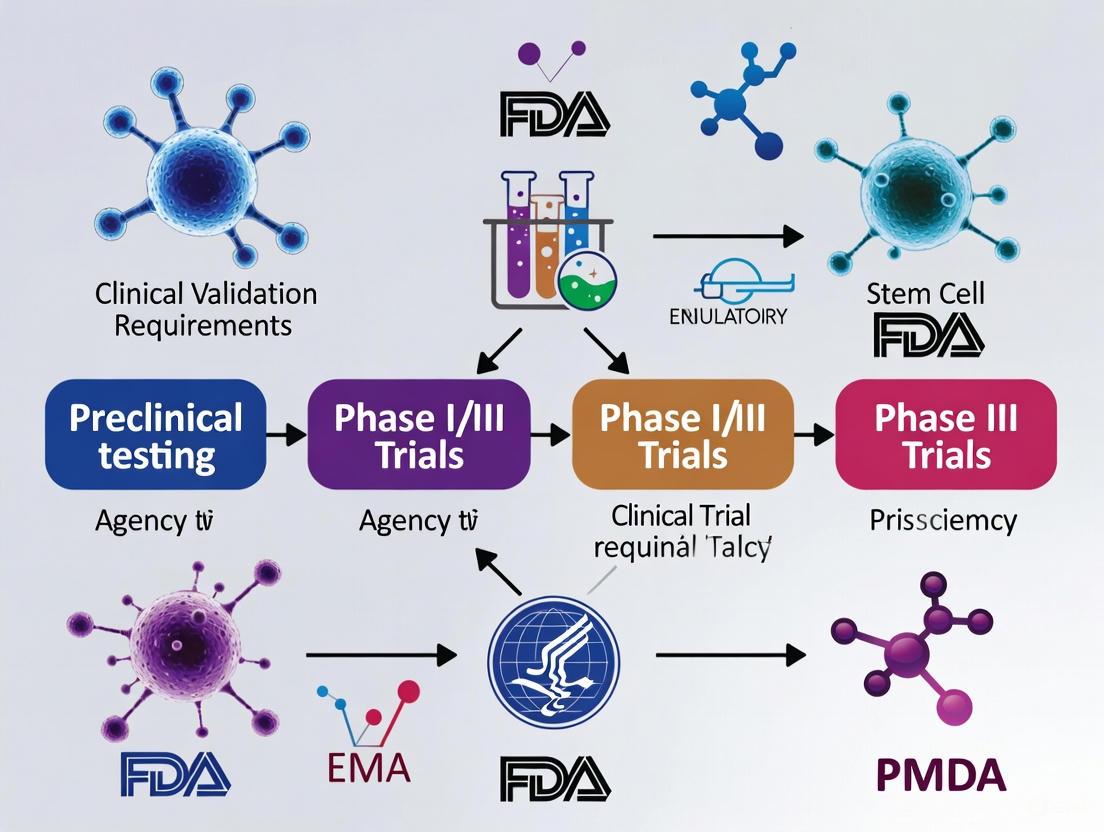
This article provides a comprehensive 2025 analysis of clinical validation requirements across major regulatory agencies, including the FDA, EMA, and China's NMPA.
Navigating Global Clinical Validation Requirements in 2025: A Comparative Guide for Drug Development Professionals
Abstract
This article provides a comprehensive 2025 analysis of clinical validation requirements across major regulatory agencies, including the FDA, EMA, and China's NMPA. Tailored for researchers and drug development professionals, it explores foundational regulatory principles, strategic application methodologies, common compliance challenges, and comparative insights for optimizing global submission strategies. The content covers emerging trends such as decentralized clinical trials, AI integration, real-world evidence, and accelerated pathways, offering actionable guidance for navigating the evolving international regulatory landscape.
Understanding the 2025 Global Regulatory Landscape for Clinical Validation
For researchers and drug development professionals, navigating the divergent requirements of the world's major regulatory agencies is a critical aspect of global product development. The U.S. Food and Drug Administration (FDA), the European Medicines Agency (EMA), and China's National Medical Products Administration (NMPA) each administer distinct regulatory frameworks that have evolved to address scientific advancements and public health needs. While sharing the common goal of ensuring drug safety and efficacy, their approaches to clinical validation reflect fundamental differences in legal tradition, healthcare systems, and risk-benefit philosophy. Understanding these nuances is not merely an administrative exercise but a scientific necessity for designing robust development programs that can successfully navigate simultaneous global submissions. This guide provides a detailed comparison of these agencies' evolving mandates, with a specific focus on the experimental evidence and clinical validation requirements that directly impact research design and strategy.
Agency Structures and Governing Frameworks
The organizational structure of each agency profoundly influences its regulatory processes, timelines, and interaction with sponsors.
FDA: A centralized federal authority within the U.S. Department of Health and Human Services, the FDA operates through specialized centers like the Center for Drug Evaluation and Research (CDER) for drugs and the Center for Biologics Evaluation and Research (CBER) for biologics. This model enables relatively swift decision-making, as review teams composed of FDA employees can maintain consistent internal communication. The agency holds direct authority to approve drugs for the entire U.S. market upon a positive benefit-risk assessment [1] [2].
EMA: Functioning as a coordinating network rather than a direct decision-maker, the EMA manages the scientific resources of the EU Member States. Based in Amsterdam, it coordinates evaluations through its Committee for Medicinal Products for Human Use (CHMP), which appoints Rapporteurs from national agencies to lead assessments. The CHMP issues scientific opinions that are then forwarded to the European Commission, which holds the legal authority to grant marketing authorization valid across the EU, Iceland, Norway, and Liechtenstein [1] [3].
NMPA: As China's national regulatory authority, the NMPA operates as a centralized agency under the State Administration for Market Regulation. It exercises comprehensive oversight over pharmaceuticals and medical devices in China. The Center for Drug Evaluation (CDE) is responsible for the technical review of drug registrations. Recent reforms demonstrate the NMPA's strategic shift towards encouraging innovation and integrating into global development [4] [5].
The diagram below illustrates the fundamental structural differences and approval pathways for each agency.
Comparative Analysis of Regulatory Mandates and Pathways
The following table provides a quantitative overview of the standard and expedited regulatory pathways offered by each agency, highlighting key differences in timelines and procedural focus.
| Aspect | FDA (U.S.) | EMA (EU) | NMPA (China) |
|---|---|---|---|
| Standard Review Timeline | 10 months (Standard); 6 months (Priority) [1] [2] | ~210-day active assessment; 12-15 months total to authorization [1] | 200 working days (standard); 130 days (priority) per historical practice |
| Primary Expedited Pathways | Fast Track, Breakthrough Therapy, Accelerated Approval, Priority Review [1] [6] | Accelerated Assessment (reduces timeline to ~150 days), Conditional Approval [1] | 30-working-day pathway for qualifying innovative INDs; Breakthrough Therapy Designation [4] |
| Expedited Pathway Focus | Serious conditions/unmet need; surrogate endpoints acceptable for accelerated approval [6] | Major public health interest/therapeutic innovation [1] | National key R&D products; global synchronized development; pediatric/rare diseases [4] |
| Legal Basis | Food, Drug, and Cosmetic Act; specific CFR titles [2] | Directive 2001/83/EC; Regulation (EC) No 726/2004 [2] | Drug Administration Law of China; State Council Opinions (e.g., [2024] No. 53) [4] [5] |
| Geographic Scope of Approval | Entire United States [1] | All EU Member States, Iceland, Norway, Liechtenstein [3] | Mainland China |
Evolving Mandates and Recent Innovations
FDA's "Plausible Mechanism" Pathway: In late 2025, the FDA outlined a novel regulatory approach for bespoke, personalized therapies. This pathway, described by Commissioner Makary and CBER Director Prasad, would allow marketing authorization based on a phased model beginning with treatment of consecutive patients. Eligibility requires: (1) a specific molecular/cellular abnormality with a direct causal link to the disease; (2) targeting of the underlying biological alteration; (3) well-characterized natural history data; (4) evidence of successful target engagement; and (5) evidence of durable clinical improvement consistent with disease biology. This represents a significant evolution in the FDA's approach to highly individualized treatments where randomized trials are not feasible [7].
EMA's Digital Transformation and PRIME: The EMA has enhanced its focus on promising medicines through the PRIME (PRIority MEdicines) initiative, which provides early support and accelerated assessment. Furthermore, as of 2025, EMA has increased digitalization of its procedures, including publishing monthly lists of medicines under evaluation in Excel format and transitioning post-authorization procedures to the IRIS platform to facilitate data analysis and transparency [8].
NMPA's Regulatory Optimization for Innovation: Recent NMPA announcements demonstrate a concerted effort to integrate China into global drug development. The "30-day clinical trial review and approval pathway" for innovative drugs, effective September 2025, aims to support "national key R&D products" and "global synchronized development." Eligible products include Class I innovative drugs (chemical, biological, and TCM) that meet specific criteria, such as addressing urgent clinical needs or being part of Phase I/II global synchronized development. This reform aims to shorten the time gap between drug approval and market supply in China [4] [5].
Clinical Validation Requirements: An Experimental Perspective
The core of regulatory strategy lies in understanding the distinct clinical evidence requirements of each agency. While all require substantial evidence of safety and efficacy, their interpretations and emphases differ significantly.
Clinical Trial Design and Evidence Standards
Trial Design Philosophy: The FDA has traditionally been more accepting of placebo-controlled trials, even when active treatments exist, emphasizing assay sensitivity and scientific rigor [1]. In contrast, the EMA generally expects comparison against relevant existing treatments when available, with placebo-controlled trials potentially questioned on ethical grounds if established therapies exist [1]. The NMPA's evolving stance increasingly encourages global trial data but often expects or requires a bridging study or data specific to the Chinese population to ensure applicability.
Substantial Evidence Threshold: The FDA traditionally requires at least two adequate and well-controlled studies demonstrating efficacy, though it exercises flexibility for rare diseases or when a single study is exceptionally persuasive [1]. The EMA similarly expects multiple evidence sources but places greater emphasis on consistency across studies and generalizability to European populations, scrutinizing whether trial populations represent intended EU patients in terms of disease severity and demographics [1].
Use of Real-World Evidence (RWE) and Novel Endpoints: All three agencies are increasingly accepting RWE to support drug development, but with varying degrees of maturity in their frameworks. The FDA has established programs for RWE and utilizes surrogate endpoints in its Accelerated Approval program [9] [6]. The EMA also incorporates RWE, particularly for post-authorization safety studies, and has a conditional marketing authorization pathway based on less comprehensive data. The NMPA has begun to issue guidances accepting RWE to support certain regulatory decisions, reflecting a rapidly evolving landscape.
The following diagram maps the logical progression of clinical validation from initial hypothesis to post-marketing studies, highlighting key considerations for each agency.
Statistical and Methodological Requirements
Statistical Rigor vs. Clinical Meaningfulness: The FDA places strong emphasis on controlling Type I error through pre-specification of primary endpoints and appropriate multiplicity adjustments, scrutinizing p-values and confidence intervals [1]. The EMA equally demands statistical rigor but may place greater weight on the clinical meaningfulness of effect sizes, number needed to treat, and patient-important outcomes beyond mere statistical significance [1].
Pediatric Study Requirements: Both the FDA and EMA mandate pediatric studies, but their regulatory frameworks differ substantially. The FDA's Pediatric Research Equity Act (PREA) typically requires pediatric studies to be completed post-approval under agreed timelines [1]. In contrast, the EMA's Pediatric Regulation requires a Pediatric Investigation Plan (PIP) to be agreed upon before initiating pivotal adult studies, front-loading pediatric development planning [1]. The NMPA has also prioritized pediatric drug development, as evidenced by initiatives like the "SPARK Plan" to support anti-tumor drug R&D for children [5].
The Scientist's Toolkit: Essential Reagents and Methodologies
Successfully navigating the clinical validation requirements of multiple agencies demands a sophisticated toolkit of research reagents and methodological approaches. The following table details key solutions essential for generating robust, regulatory-compliant data.
| Research Reagent / Solution | Primary Function in Clinical Validation | Key Regulatory Application |
|---|---|---|
| Validated Surrogate Endpoint Assays | Measures laboratory or radiographic markers that predict clinical benefit. | Supports FDA Accelerated Approval [6] and similar pathways where direct clinical benefit measurement would require prolonged follow-up. |
| Reference Standards & Biocompatibility Materials | Provides benchmarks for assay validation and tests material safety (e.g., ISO 10993). | Critical for CMC (Chemistry, Manufacturing, Controls) sections required by all agencies, particularly for novel devices and advanced therapies [9]. |
| Target Engagement Assays | Quantitatively demonstrates that the drug interacts with its intended molecular target. | Core evidence for the FDA's "Plausible Mechanism" Pathway [7] and for establishing biological plausibility in early development for all agencies. |
| Standardized Natural History Data | Characterizes disease progression in an untreated population. | Serves as a historical control for single-arm trials, crucial for EMA's Conditional Approval and FDA's programs for rare diseases [7]. |
| Real-World Evidence (RWE) Data Models | Structures real-world data (e.g., EHR, claims) into analyzable formats (e.g., OMOP CDM). | Used for post-marketing studies and, increasingly, to support new indications for all agencies, though standards are still evolving [9]. |
| ALCOA+ Compliant Data Systems | Ensures data is Attributable, Legible, Contemporaneous, Original, and Accurate. | Foundational for data integrity in clinical trials inspected by the FDA, EMA, and NMPA. Failure can jeopardize application approval [9]. |
The regulatory mandates of the FDA, EMA, and NMPA are not static but are continuously evolving to accommodate scientific progress, with a noticeable trend towards greater flexibility for innovative and personalized therapies. The recent FDA "Plausible Mechanism" pathway proposal [7], EMA's digital and procedural enhancements [8], and NMPA's 30-day review for innovative trials [4] collectively signal a future where regulatory frameworks increasingly attempt to balance rigorous safety standards with the need to accelerate patient access to breakthrough treatments.
For researchers and drug development professionals, this analysis yields several critical strategic imperatives. First, early and frequent engagement with all target agencies is essential to align clinical development plans with divergent expectations, particularly regarding trial design and the use of novel endpoints like RWE. Second, robust data generation and integrity practices form the bedrock of any successful global submission, as evidenced by the heightened scrutiny on digital data and CMC information. Finally, a proactive and integrated regulatory strategy—one that views regulatory requirements not as hurdles but as integral components of product development—is paramount for achieving efficient and successful global market access.
Clinical validation is the cornerstone of pharmaceutical development, ensuring that new therapies are safe for patient use, effective for their intended purpose, and manufactured to consistent quality standards. These principles of safety, efficacy, and quality form the foundation of drug approval processes worldwide. Regulatory agencies across different regions have established frameworks to evaluate these criteria, with a recent trend toward greater international harmonization. The International Council for Harmonisation (ICH) has played a pivotal role in this alignment, particularly through recently updated guidelines like ICH E6(R3) for Good Clinical Practice (GCP), which introduces more flexible, risk-based approaches to clinical trial design and conduct [10] [11].
The evolution of clinical validation continues to accelerate with emerging technologies and methodologies. The COVID-19 pandemic served as a catalyst for innovation, accelerating the adoption of decentralized trial elements, digital health technologies (DHTs), and remote monitoring approaches [10]. Concurrently, regulatory agencies have updated their frameworks to embrace these advances while maintaining rigorous protection for participant rights, safety, and well-being, and ensuring the reliability of trial results [10] [11]. This guide compares how different regulatory agencies approach these core principles, providing drug development professionals with a clear understanding of the global clinical validation landscape.
Comparative Analysis of Regulatory Agendas and Priorities
Major regulatory agencies globally are actively updating their clinical validation requirements to keep pace with scientific and technological advancements. While there is a clear movement toward harmonization, particularly through ICH guidelines, each agency also maintains distinct priorities and implementation timelines. The table below provides a comparative overview of recent and upcoming regulatory developments across key jurisdictions.
Table 1: Recent and Planned Clinical Trial Guidance Updates by Regulatory Agency (2024-2025)
| Regulatory Agency | Recent Final Guidances (2024-2025) | Recent Draft Guidances (2024-2025) | Key Areas of Focus |
|---|---|---|---|
| US FDA | - ICH E6(R3) Good Clinical Practice (Sept 2025) [12] [13]- Conducting Clinical Trials With Decentralized Elements (Sept 2024) [13]- Expanded Access to Investigational Drugs (Oct 2025) [13] | - Expedited Programs for Regenerative Medicine Therapies (RMAT) [12]- Innovative Trial Designs for Small Populations [12]- E20 Adaptive Designs for Clinical Trials (Sept 2025) [13] | - Flexible, risk-based approaches [11]- Complex innovative trials (rare diseases, pediatrics) [12]- Decentralized trials & digital health technologies [10] |
| European Medicines Agency (EMA) | - Guideline on Investigational Advanced Therapy Medicinal Products (effective July 2025) [14] | - Reflection Paper on Patient Experience Data (Sept 2025) [12]- Revised guideline on Hepatitis B treatment (Sept 2025) [12]- Revised guideline on Psoriatic Arthritis (Sept 2025) [12] | - Advanced Therapy Medicinal Products (ATMPs) quality and non-clinical requirements [14]- Patient-focused drug development- Updating therapeutic area guidelines |
| China NMPA | - Optimized Review and Approval Process for Innovative Drugs (Sept 2025) [4]- Revised Clinical Trial Policies to Streamline Development (Sept 2025) [12] | - (No specific draft guidance in this period) [12] | - Accelerating innovative drug development ("30-day pathway") [4]- Global synchronized development [4]- Encouraging international multi-center trials [4] |
| Health Canada | - (No final guidance since Sept 1, 2025) [12] | - Biosimilar Biologic Drugs - Revised Draft Guidance (June 2025) [12]- Good Pharmacovigilance Practices (GVP) Inspection Guidelines (Draft Update, Sept 2025) [12] | - Streamlining biosimilar development (removing routine Phase III efficacy trials) [12]- Updating pharmacovigilance systems [12] |
| Australia TGA | - Adoption of ICH E9(R1) Estimands (Sept 2025) [12]- Adoption of GVP Module I (Sept 2025) [12] | - (No new draft guidance specific to clinical trials) [12] | - Harmonization with ICH guidelines [12]- Aligning with EMA's pharmacovigilance framework [12] |
A clear trend across agencies is the adoption of risk-proportionate approaches and quality-by-design (QbD) principles, as embodied in the recently finalized ICH E6(R3) guideline [10] [11]. This framework emphasizes that clinical trial quality should be "fit-for-purpose," with data of sufficient quality to meet the trial's objectives, provide confidence in the results, support good decision-making, and adhere to regulatory requirements [10]. The application of these principles varies by region, with the FDA and EMA focusing on complex innovative designs and advanced therapies, while China's NMPA is prioritizing regulatory efficiency to attract global development.
Core Principle 1: Safety Validation
Regulatory Standards and Definitions
Safety validation in clinical trials focuses on protecting the rights, safety, and well-being of trial participants through systematic risk identification, assessment, monitoring, and communication. The foundational principle across all regulatory jurisdictions is that participant safety outweighs all other considerations. The recently updated ICH E6(R3) guideline emphasizes that safety protections must be risk-proportionate, meaning the level of oversight and resources dedicated to safety management should correspond to the potential risks to participants [10]. This involves a thorough understanding of a trial's "critical to quality factors" - those elements most essential to participant safety and trial integrity [10].
Regulatory agencies require sponsors to implement comprehensive pharmacovigilance systems throughout the trial lifecycle. These systems must be capable of capturing, assessing, and reporting adverse events in a timely manner. There is a growing trend toward harmonization of these requirements, as evidenced by Australia's TGA formally adopting the EMA's Good Pharmacovigilance Practices (GVP) Module I in September 2025 [12]. Similarly, Health Canada is in the process of updating its GVP inspection guidelines to align with contemporary standards [12].
Methodologies and Experimental Protocols
Safety validation employs multiple methodological approaches throughout the clinical development lifecycle:
Pre-clinical Safety Testing: Before human trials, investigational products undergo rigorous laboratory and animal studies to identify potential toxicities, determine safe starting doses, and identify parameters for clinical monitoring. For Advanced Therapy Medicinal Products (ATMPs), the EMA requires specific pharmacodynamic, pharmacokinetic, and toxicity studies to establish a preliminary safety profile [14].
Safety Monitoring Plans: Protocols must include detailed plans for Data and Safety Monitoring Boards (DSMBs), especially for trials with significant risks. These independent committees periodically review safety data to recommend continuation, modification, or termination of trials.
Risk-Based Monitoring (RBM): Instead of 100% source data verification, ICH E6(R3) encourages a targeted approach focusing on critical safety parameters [10]. This involves centralized monitoring techniques and statistical surveillance to identify sites or processes with potential safety issues.
Long-Term Follow-Up: For therapies with potential long-term risks, particularly gene and cell therapies, regulators require extended safety monitoring. The FDA has issued draft guidance on post-approval data collection for cell/gene therapies to capture long-term safety and efficacy data beyond the initial trial period [12].
Table 2: Essential Safety Validation Reagents and Systems
| Reagent/System | Function in Safety Validation | Regulatory Considerations |
|---|---|---|
| Toxicology Assay Kits | Detect specific organ toxicities (hepatic, renal, cardiac) in preclinical and clinical samples | Must be properly validated for sensitivity and specificity [15] |
| Immunogenicity Assays | Detect anti-drug antibodies that could cause adverse immune reactions | Critical for biologic therapies; requires validation per regional guidelines |
| Electronic Data Capture (EDC) Systems with Safety Modules | Capture, manage, and report adverse events in real-time | Must be fit-for-purpose and validated to ensure data integrity [10] |
| Pharmacogenomic Biomarkers | Identify genetic subpopulations at increased risk of adverse events | Requires analytical validation; clinical utility may need demonstration |
| Centralized Laboratory Services | Provide standardized safety parameter assessment across trial sites | Must meet GCP and GLP standards; quality control documentation required |
Core Principle 2: Efficacy Validation
Regulatory Standards and Definitions
Efficacy validation establishes that an investigational product provides a clinically meaningful effect in the intended patient population. Regulatory agencies require that efficacy conclusions be based on reliable and robust trial results obtained through appropriately designed studies [10]. The ICH E6(R3) guideline emphasizes that efficacy endpoints should be aligned with the trial's primary objectives and provide sufficient evidence to support good decision-making about a product's therapeutic value [10].
A significant development in efficacy validation is the adoption of the estimands framework through ICH E9(R1), which has been formally implemented by agencies including Australia's TGA in September 2025 [12]. This framework requires precise specification of the treatment effect of interest by accounting for how intercurrent events (such as treatment discontinuation or use of additional therapies) are handled in the analysis. This enhances clarity in trial objectives and endpoints, leading to more interpretable efficacy results.
Methodologies and Experimental Protocols
Endpoint Selection and Validation: Efficacy endpoints must be clinically meaningful and properly validated. For chronic conditions like obesity, the FDA has issued draft guidance on efficacy endpoints for weight reduction drugs [13]. Similarly, the EMA has updated efficacy requirements for specific therapeutic areas, including hepatitis B and psoriatic arthritis [12].
Adaptive Trial Designs: The FDA's draft guidance on E20 Adaptive Designs (September 2025) supports using designs that allow modification of trial elements based on accumulating data without compromising validity [13]. These designs can make efficacy determination more efficient, especially in rare diseases.
Digital Health Technologies (DHTs): Regulators are increasingly accepting digital endpoints and DHTs for efficacy measurement when properly validated. The FDA, MHRA UK, and Health Canada have issued guidance promoting these technologies when they demonstrate reliability and relevance to clinical benefit [10].
Comparative Efficacy Studies: The requirement for comparative efficacy trials is evolving, particularly for biosimilars. Health Canada's revised draft guidance (June 2025) proposes removing the routine requirement for Phase III comparative efficacy trials for biosimilars, relying instead on analytical comparability plus pharmacokinetic, immunogenicity, and safety data [12].
Table 3: Efficacy Validation Endpoint Requirements by Therapeutic Area
| Therapeutic Area | Primary Efficacy Endpoints | Key Regulatory Guidance Updates |
|---|---|---|
| Hepatitis B | - Functional cure rates- Finite treatment duration- Virologic response | EMA Revision 1 (Draft, Sept 2025) [12] |
| Psoriatic Arthritis | - Joint symptom improvement- Skin manifestation clearance- Functional status improvement | EMA Revision 1 (Draft, Sept 2025) [12] |
| Obesity/Overweight | - Weight reduction percentage- Composite cardiovascular outcomes | FDA Draft Guidance (Jan 2025) [13] |
| Rare Diseases | - Novel surrogate endpoints- Composite endpoints- Patient-reported outcomes | FDA Draft Guidance on Innovative Designs for Small Populations [12] |
| Idiopathic Pulmonary Fibrosis | - Lung function tests- Exercise capacity measures | EMA Concept Paper (Sept 2025) [12] |
Core Principle 3: Quality Standards
Regulatory Standards and Definitions
Quality standards in clinical validation ensure that pharmaceutical products are consistently produced and controlled to meet the quality characteristics appropriate for their intended use. The foundational concept, emphasized across global regulations, is that quality should be built into the product rather than tested into it [10]. The ICH E6(R3) guideline reinforces that clinical trial quality is "fit-for-purpose" when data are of sufficient quality to meet the trial's objectives, provide confidence in the results, support good decision-making, and adhere to regulatory requirements [10].
Two key principles dominate modern quality standards: Quality-by-Design (QbD) and risk proportionality. QbD is a systematic approach that begins with predefined objectives and emphasizes product and process understanding and process control [10]. This proactive stance contrasts with traditional quality-by-testing approaches. Risk proportionality ensures that oversight and control strategies are commensurate with the potential risks to participant safety and data reliability [10]. These principles apply across all trial types, from traditional designs to complex innovative trials.
Methodologies and Experimental Protocols
Quality-by-Design Implementation: QbD begins during trial planning by identifying Critical to Quality (CtQ) factors - those elements essential to trial integrity [10]. This involves systematic process mapping and risk assessment to design quality into trial procedures rather than relying on retrospective fixes.
Risk-Based Quality Management (RBQM): Instead of one-size-fits-all approaches, RBQM tailors strategies to address unique trial challenges [10]. This includes targeted monitoring, centralized statistical surveillance, and key risk indicator tracking. The FDA and MHRA have emphasized that effective RBQM requires understanding which trial processes and data are most critical to validity [10].
Data Governance Frameworks: ICH E6(R3) emphasizes risk-proportionate data governance to prioritize critical data, systems, and processes [10]. This includes validation of critical computerized systems, such as interactive response technology for randomization, to ensure accuracy in dose allocation [10].
Advanced Therapy Medicinal Product (ATMP) Quality Requirements: The EMA's 2025 guideline on investigational ATMPs provides detailed quality documentation requirements, including characterization of the active substance, manufacturing process controls, material controls, and process validation [14].
Special Considerations for Advanced Therapy Medicinal Products
Advanced Therapy Medicinal Products (ATMPs), including gene therapies, cell-based therapies, and tissue-engineered products, present unique challenges in clinical validation that require specialized regulatory approaches. The EMA's 2025 guideline on investigational ATMPs provides a comprehensive framework for these products, emphasizing heightened quality and safety considerations [14].
For quality standards, ATMPs require exceptionally detailed documentation of manufacturing processes, given their complex biological nature and often personalized approach. The EMA guideline emphasizes thorough characterization of the active substance to fully understand its structure and properties, along with strict control of materials and comprehensive process validation [14]. This is particularly critical for genome editing technologies, which require additional safety studies to identify and minimize potential adverse effects [14].
Safety validation for ATMPs requires extended follow-up periods to detect delayed adverse events. The FDA has issued specific draft guidance on post-approval data collection for cell and gene therapies to address the long-lasting effects of these products and the limitations of small pre-market trial populations [12]. Efficacy validation for ATMPs often requires novel endpoint development and specialized statistical approaches, particularly for rare diseases where traditional large trials may not be feasible [12].
The regulatory pathway for innovative ATMPs is also evolving, with the FDA providing expedited programs for regenerative medicine therapies (RMAT designation) and offering draft guidance on accelerated approval of human gene therapy products for rare diseases [12] [16]. These pathways acknowledge the unique challenges and potential of ATMPs while maintaining appropriate standards for safety and efficacy validation.
The landscape of clinical validation is undergoing significant transformation, driven by technological advances, evolving methodologies, and increased global regulatory collaboration. The recent finalization of ICH E6(R3) represents a milestone in this evolution, establishing a modernized framework that embraces flexibility, risk proportionality, and innovation while maintaining fundamental protections for research participants and data reliability [10] [11].
Several key trends are shaping the future of clinical validation across global regulatory agencies. There is clear movement toward greater harmonization through the adoption of common ICH guidelines, yet with regional adaptations to address specific public health needs. The application of risk-based approaches throughout the clinical trial lifecycle is becoming standardized, replacing one-size-fits-all methodologies with targeted, efficient quality management [10]. Technological innovation continues to accelerate, with regulatory agencies developing frameworks for decentralized trial elements, digital health technologies, and artificial intelligence [10] [13].
For drug development professionals, success in this evolving landscape requires understanding both the common principles and regional variations in clinical validation requirements. By applying quality-by-design thinking early in development, implementing risk-proportionate strategies, and engaging with regulatory agencies throughout the process, sponsors can navigate the global clinical validation landscape more efficiently while maintaining the highest standards of safety, efficacy, and quality.
The clinical research landscape is undergoing a transformative shift, driven by three powerful forces: the mainstream adoption of decentralized clinical trials (DCTs), the integration of artificial intelligence (AI) in medical products, and the formal acceptance of real-world evidence (RWE) in regulatory decision-making. Regulatory agencies worldwide are adapting their frameworks to accommodate these innovations while ensuring patient safety and evidence rigor. The U.S. Food and Drug Administration (FDA), European Medicines Agency (EMA), and other major authorities have issued new guidance documents reflecting this evolution, with a common emphasis on improving patient access, diversity, and efficient evidence generation [17]. This guide objectively compares the regulatory performance and clinical validation requirements for these trends across different jurisdictions, providing researchers with a clear framework for navigating the 2025 regulatory environment.
Decentralized Clinical Trials (DCTs): Regulatory Frameworks and Implementation Challenges
DCTs, which leverage digital technologies to move trial activities closer to participants, have evolved from a pandemic-era necessity to a cornerstone of modern clinical research. The global DCT market is projected to reach between $13.3 billion and $21 billion by 2030, reflecting rapid adoption and substantial investment [18] [19]. Regulatory agencies have established comprehensive guidelines for DCT implementation, emphasizing data integrity, patient safety, and protocol adherence in remote settings [18].
Regulatory Guidance and International Discrepancies
The FDA's 2024 guidance "Conducting Clinical Trials With Decentralized Elements" and similar EMA guidelines provide a framework for incorporating decentralized components into clinical trials [20] [17]. However, significant implementation challenges persist due to jurisdictional variations.
Table: International Regulatory Variations for DCT Components (2025)
| Regulatory Jurisdiction | Telemedicine Licensing | Data Privacy & Storage | Language & Translation Requirements | Investigation Product Shipping |
|---|---|---|---|---|
| United States (FDA) | State-by-state variations | HIPAA compliance | Multi-language support recommended | Direct-to-patient permitted with safeguards |
| European Union (EMA) | Cross-border licensing complexities | GDPR compliance; EHDS preparation | Certified translations required for member states | Varies by member state regulations |
| China (NMPA) | Restrictions on certain remote activities | Local data storage mandated | Chinese language required | Complex importation regulations |
| Brazil (ANVISA) | Evolving telemedicine regulations | Data localization considerations | Portuguese translations certified locally | Evolving framework for direct shipping |
| Japan (PMDA) | Specific remote monitoring requirements | Cross-border transfer restrictions | Japanese language required | Case-by-case approval often needed |
These regulatory discrepancies create substantial complexity for multinational trials, where over 80% of DCTs remain single-country due to these implementation barriers [20] [19].
Clinical Validation and Evidence Generation for DCT Platforms
Regulators require robust validation of DCT technologies and methodologies to ensure data quality and patient safety. The following experimental protocol exemplifies approaches being used to validate DCT components:
Experimental Protocol: DCT Platform Integration Validation
- Objective: To evaluate the data integrity and operational efficiency of integrated DCT platforms versus point solution combinations.
- Methodology: Prospective, controlled comparison using simulated trial workflows across multiple therapeutic areas.
- Intervention Arm: Full-stack DCT platform with native EDC (Electronic Data Capture), eCOA (Clinical Outcome Assessment), eConsent, and clinical services integration.
- Control Arm: Best-of-breed point solutions (7+ separate systems) requiring custom integration.
- Primary Endpoints: Data discrepancy rates, time from data capture to EDC entry, participant onboarding timeline, and protocol deviation rates.
- Secondary Endpoints: Site staff satisfaction scores, participant retention rates, and monitoring query resolution time.
- Statistical Analysis: Pre-specified non-inferiority margin for data quality metrics; superiority testing for efficiency endpoints.
Recent evidence from implementation studies demonstrates that integrated DCT platforms can reduce deployment timelines by 30-50% compared to multi-vendor solutions and decrease data reconciliation requirements by up to 70% [20]. Trials like the PROMOTE maternal mental health study in Singapore achieved a 97% retention rate using virtual visits and mobile apps, demonstrating the viability of fully decentralized approaches for certain indications [18].
DCT Platform Validation Workflow
AI-Enabled Medical Devices: Performance Monitoring and Regulatory Oversight
AI-enabled medical devices (AIMDs) represent one of the fastest-growing segments of digital health, with regulatory frameworks struggling to keep pace with technological innovation. The FDA is currently developing approaches for measuring and evaluating AIMD performance in real-world settings, with a particular focus on managing performance drift and algorithm degradation over time [21].
Clinical Validation Requirements and Performance Monitoring
Recent evidence highlights concerns about the clinical validation of AIMDs, with a 2025 cross-sectional study finding that 6.3% of FDA-cleared AIMDs were associated with recalls, and devices lacking clinical validation had 2.8 times higher odds of recall [22]. Notably, 43.4% of recalls occurred within the first 12 months of device clearance, and 59.3% remained unresolved at the study's conclusion [22].
Table: AI-Enabled Medical Device Recall Analysis (2025)
| Performance Factor | Recalled Devices (n=60) | Non-Recalled Devices (n=890) | Odds Ratio for Recall |
|---|---|---|---|
| No Clinical Validation | 77.7% | 42.1% | 2.8 (95% CI: 1.6-4.7) |
| Retrospective Validation Only | 15.4% | 28.3% | Reference |
| Prospective Trial Validation | 6.9% | 29.6% | 0.5 (95% CI: 0.2-1.1) |
| Public Company Manufacturer | 91.8% | 53.2% | 5.9 (95% CI: 2.4-14.6) |
| Private Company Manufacturer | 8.2% | 46.8% | Reference |
Regulatory Frameworks for AI Validation
The FDA's Digital Health Center of Excellence has initiated a public consultation on real-world performance monitoring of AIMDs, signaling a shift toward ongoing surveillance rather than one-time premarket review [21]. Key considerations include:
- Performance Metrics and Indicators: Identification of appropriate metrics for safety, effectiveness, and reliability in real-world clinical use [21].
- Real-World Evaluation Methods: Development of tools and methodologies for proactive post-deployment monitoring [21].
- Human-AI Interaction: Understanding how clinical usage patterns and user interactions influence device performance over time [21].
The following experimental protocol outlines a comprehensive approach for AIMD validation that addresses regulatory requirements:
Experimental Protocol: AI-Enabled Medical Device Performance Validation
- Objective: To evaluate the real-world performance and identify performance drift in AI-enabled medical devices across diverse clinical environments.
- Study Design: Prospective, multi-center observational study with linked registry data.
- Device Grouping: Stratified by intended use, algorithm type (locked vs. adaptive), and validation status (premarket clinical trial vs. retrospective only).
- Data Sources: EHR integration, device usage logs, patient-reported outcomes, and clinical outcome assessments.
- Performance Metrics: Algorithm accuracy, precision-recall curves, calibration drift, demographic subgroup performance differentials, and user adherence rates.
- Statistical Analysis: Time-to-performance degradation analysis using Kaplan-Meier methods; mixed-effects models for longitudinal performance assessment.
- Quality Control: Centralized monitoring for data shift, concept drift, and label drift using statistical process control methods.
Regulatory agencies are particularly concerned about "performance drift" - where changes in clinical practice, patient demographics, or data inputs lead to gradual degradation of AI performance [21]. The FDA is exploring options including time-limited clearances that lapse without confirmatory real-world performance data [22].
AIMD Performance Monitoring Framework
Real-World Evidence: Regulatory Integration and Evidence Standards
Real-world evidence (RWE) is increasingly accepted in regulatory decision-making, with FDA initiatives like the Advancing RWE Program and the FDA-RWE-ACCELERATE initiative demonstrating institutional commitment to its appropriate use [17] [23]. Between fiscal years 2020-2022, the FDA approved five drugs and biologics based in part on RWE to demonstrate effectiveness [17].
Regulatory Applications of RWE
The regulatory use of RWE spans the product lifecycle, with distinct applications and requirements:
- Supporting Efficacy Determinations: RWE can provide supportive evidence of effectiveness, particularly in rare diseases or special populations where traditional trials are not feasible [24] [23].
- Safety Monitoring: RWE contributes to postmarket safety assessment and can identify signals not detected in premarket studies [17].
- Pragmatic Trial Designs: Randomized pragmatic clinical trials can generate high-quality RWE while maintaining scientific rigor through broader patient populations and patient-relevant outcomes [24].
Table: Regulatory Framework for Real-World Evidence Acceptance (2025)
| Regulatory Body | RWE Guidance Status | Primary Applications | Data Quality Standards | Notable Initiatives |
|---|---|---|---|---|
| FDA (U.S.) | Multiple guidance documents; FDA-RWE-ACCELERATE initiative | Safety, effectiveness, postmarket requirements, label expansions | Demonstrating data fitness for purpose; transparency in provenance | Advancing RWE Program; Sentinel 3.0 development |
| EMA (EU) | Ongoing guideline development; reflection paper on RWE | Support for marketing authorization; post-authorization safety studies | Emphasis on data completeness and representativeness | Involvement in ICH M14; preparation for EHDS |
| MHRA (UK) | Published RWE guidance as part of regulatory transformation | Support for regulatory decision-making across product lifecycle | Risk-proportionate approach to data quality | RWE Work Programme; innovative licensing pathways |
| PMDA (Japan) | Developing framework for RWE utilization | Mainly postmarket studies and safety assessment | Traditional emphasis on predetermined data quality metrics | Pilot programs for RWE in regulatory decision-making |
Clinical Validation of RWE Study Designs
Regulators emphasize that RWE study designs must demonstrate scientific rigor comparable to traditional clinical trials for regulatory decision-making. The following protocol outlines a validation approach for RWE methodologies:
Experimental Protocol: RWE Clinical Validation Framework
- Objective: To establish a framework for validating RWE study methodologies against traditional clinical trial endpoints.
- Validation Approach: Three-component framework assessing data quality, study design, and evidence strength.
- Component 1 - Data Quality Assessment: Evaluation of data completeness, accuracy, provenance, and missing data patterns using quantitative metrics.
- Component 2 - Study Design Validation: Application of pre-specified analytical plans, bias assessment using quantitative bias analysis, and adjustment for confounding.
- Component 3 - Evidence Concordance Testing: Comparison of RWE study results with randomized clinical trial findings where available; assessment of calibration and discrimination of RWE-based predictions.
- Statistical Methods: Target trial emulation frameworks; propensity score methods; negative control outcomes; and sensitivity analyses for unmeasured confounding.
- Endpoint Validation: Comparison of RWE-derived effectiveness endpoints against clinically validated endpoints from traditional trials.
The parallel progress in artificial intelligence and RWE creates new opportunities for clinical evidence generation, particularly for underrepresented populations such as women of childbearing age and rare disease patients [24]. Machine learning approaches can enable predictive treatment effect modeling from real-world data, though challenges remain regarding bias, missing data, and data drift [24].
The Scientist's Toolkit: Essential Research Reagents and Solutions
Successfully navigating the 2025 regulatory landscape requires specific methodological tools and approaches. The following table details key solutions for researchers working with DCTs, AI integration, and RWE generation.
Table: Research Reagent Solutions for 2025 Regulatory Trends
| Solution Category | Specific Tools/Methods | Primary Function | Regulatory Validation Status |
|---|---|---|---|
| DCT Technology Platforms | Integrated eConsent with identity verification; API-connected wearable device ecosystems; Remote monitoring systems with AI analytics | Enable decentralized participant engagement and data collection while maintaining regulatory compliance | FDA 21 CFR Part 11 and EMA Annex 11 compliance demonstrated; Validation requirements vary by jurisdiction |
| AI Performance Monitoring | Statistical process control charts for performance drift; Federated learning architectures; Demographic subgroup performance analyzers | Detect and mitigate AI algorithm degradation in real-world clinical use | FDA-recognized standards emerging; Consensus standards under development via IEEE and professional societies |
| RWE Data Quality Assessment | Common Data Models (OMOP, Sentinel); Quantitative bias analysis tools; Data provenance tracking systems | Ensure RWE data fitness for purpose and transparency for regulatory submissions | ICH M14 principles applied; FDA Sentinel System validation frameworks available |
| Pragmatic Trial Design Tools | PRECIS-2 tool for pragmatism assessment; Target trial emulation frameworks; Electronic health record phenotyping algorithms | Design trials that balance internal validity and real-world generalizability | Endorsed in FDA RWE guidance; EMA qualification advice available for specific methods |
| Cross-Border Data Transfer | GDPR-compliant anonymization tools; Federated analysis platforms; Synthetic data generation methods | Enable international research while complying with data protection regulations | EU-US Data Privacy Framework alignment; Adequacy decisions required for specific transfers |
The regulatory landscape in 2025 reflects a deliberate transition toward more flexible, efficient, and patient-centered approaches to clinical evidence generation. DCTs, AI integration, and RWE represent complementary innovations that together promise to accelerate therapeutic development while potentially reducing costs. However, these advances introduce new validation complexities that researchers must navigate.
Regulatory agencies are maintaining a risk-proportionate approach, with more stringent requirements for products and methodologies intended to support primary efficacy claims compared to those used in exploratory contexts or safety assessment. The most successful research strategies in this environment will be those that engage regulators early, implement robust validation methodologies, and maintain flexibility to adapt to evolving regulatory expectations across multiple jurisdictions.
For DCTs, this means selecting technology platforms with proven integration capabilities and regulatory compliance. For AI-enabled tools, it requires implementing continuous performance monitoring and validation frameworks. For RWE, success depends on meticulous attention to data quality, provenance, and appropriate methodology. Researchers who master these domains will be well-positioned to leverage the most innovative approaches while meeting the evidentiary standards required for regulatory approval.
The Impact of ICH E6(R3) Good Clinical Practice Guideline Updates
The International Council for Harmonisation (ICH) E6 Good Clinical Practice (GCP) guideline has undergone a significant transformation with the release of its third revision (R3). This update represents a paradigm shift in the global standards for clinical trial conduct, moving away from the process-heavy approach of E6(R2) toward a more flexible, risk-proportional, and technology-enabled framework [25]. The ICH E6(R3) guideline was finalized in January 2025, with the U.S. Food and Drug Administration (FDA) issuing it as final guidance for industry in September 2025 [11] [26]. This modernization aims to address the increasing complexity and technological evolution of clinical trials while maintaining a unwavering focus on participant protection and data reliability [11] [27].
The regulatory adoption of E6(R3) varies across jurisdictions. The European Medicines Agency (EMA) made E6(R3) effective for trials conducted in the European Union beginning July 23, 2025 [28] [27]. Unlike the EMA, the FDA has not yet set a formal compliance date, emphasizing that guidance documents describe the agency's current thinking and should be viewed as recommendations unless specific regulatory requirements are cited [25] [26]. However, FDA's publication in the Federal Register signals that sponsors and researchers should begin aligning with the modernized GCP framework [25] [26]. For U.S. and Canadian trials, it is important to note that existing regulations (e.g., 21 CFR Parts 50 and 56, the Common Rule, Tri-Council Policy Statement) continue to apply, and where E6(R3) conflicts with these regulations, the more protective requirements control [28].
Key Changes from ICH E6(R2) to ICH E6(R3)
The transition from E6(R2) to E6(R3) introduces profound changes in both the structure and content of the GCP guideline. E6(R3) is structured around a set of overarching principles supplemented by Annex 1 (providing guidance on application), with an Annex 2 expected in mid-2025 to address modern design aspects including pragmatic and decentralized clinical trials [27] [26]. This structural revision allows the guideline to remain relevant as technological and methodological advances occur [29].
Table 1: Fundamental Changes from ICH E6(R2) to ICH E6(R3)
| Aspect | ICH E6(R2) Approach | ICH E6(R3) Approach |
|---|---|---|
| Core Philosophy | Process-oriented, standardized approaches | Principles-based, flexible and proportional approaches [11] [27] |
| Quality Focus | Risk-based monitoring introduced | Quality by Design (QbD) and integrated Risk-Based Quality Management (RBQM) [25] |
| Technology Stance | Encouraged technological advances | Integrated digital technology with data governance framework [27] [29] |
| Terminology | "Trial subjects" and essential "documents" | "Trial participants" and essential "records" (media-neutral) [28] [29] |
| Oversight Model | Reliance on source data verification (SDV) | Risk-based monitoring with centralized components [25] [30] |
| Informed Consent | Traditional consent processes | Explicit eConsent, remote consent, and enhanced transparency [28] [30] |
| Third Parties | Focus on Contract Research Organizations (CROs) | Expanded "service provider" concept with strengthened sponsor oversight [27] |
| Data Standards | ALCOA principles for data integrity | Expanded ALCOA+ principles (Complete, Consistent, Enduring, Available) [30] |
Philosophical Shifts: Principles, Proportionality, and Participant-Centricity
E6(R3) establishes a principles-based foundation intended to apply across diverse clinical trial types and settings [29]. The guideline places strong emphasis on proportionality, requiring that trial processes be commensurate with the risks to participant protection and data reliability [11] [29]. This represents a significant shift from the implied "one-size-fits-all" approach of previous versions, encouraging sponsors and investigators to apply critical thinking tailored to their specific trial [28] [25].
A highly visible change is the terminology shift from "trial subjects" to "trial participants" [28] [29]. This linguistic change signals an ethic of partnership and respect for research participant autonomy, mirroring the latest revision of the Declaration of Helsinki [28]. This participant-centric philosophy extends throughout the guideline, emphasizing that the rights, safety, and well-being of participants prevail over the interests of science and society [29].
Quality and Risk Management Evolution
E6(R3) elevates quality management from a verification activity to a fundamental design principle. The guideline mandates Quality by Design (QbD), requiring sponsors to prospectively identify Critical to Quality (CtQ) factors - such as key eligibility criteria or essential data elements - that directly affect participant safety and data reliability [25]. This is coupled with a more sophisticated approach to Risk-Based Quality Management (RBQM) that integrates risk assessment throughout the trial lifecycle [25] [30].
While E6(R2) introduced the concept of risk-based monitoring, E6(R3) provides a comprehensive framework for proactive risk management that extends beyond monitoring to encompass all trial activities [25] [30]. This includes greater reliance on centralized monitoring techniques and targeted oversight rather than uniform, intensive on-site monitoring regardless of risk [25]. The guideline encourages real-time data monitoring and analytics to detect issues early, enabling more rapid resolution than the periodic site visits that characterized E6(R2) implementation [30].
Technology Integration and Data Governance
E6(R3) explicitly recognizes and provides guidance for the use of modern technologies in clinical trials [27] [29]. The guideline takes a media-neutral approach to documentation, facilitating the use of different technologies and replacing the term "documents" with "records" to reflect that information includes data beyond traditional documents [29]. This update provides a framework for employing electronic informed consent (eConsent), wearables, sensors, electronic health records (EHR), and other digital health technologies [29] [30].
A significant addition in E6(R3) is the integrated data governance framework in Chapter 4, which addresses data integrity and management expectations in the context of increasing digitization [28] [27]. This includes requirements for audit trails, metadata integrity, user access controls, and end-to-end retention [28]. The guideline expands the familiar ALCOA principles to ALCOA+, adding Complete, Consistent, Enduring, and Available as key requirements for data integrity [30]. These enhancements respond to the growing role of digital tools and electronic systems in modern clinical trials [25].
Modernized Trial Conduct Elements
E6(R3) introduces substantial updates to informed consent processes, explicitly allowing for electronic and remote consent modalities [30] [26]. The guideline emphasizes that consent materials must be clear, concise, and tailored to the participant's level of comprehension, potentially using multiple formats including text, images, and videos [30]. Annex 1 also adds modern transparency demands, requiring investigators to inform participants about what happens to their data if they withdraw, how long information will be stored, whether results will be communicated, and what safeguards protect secondary use [28].
The management of the investigational product (IP) has been adapted to accommodate decentralized trial models [30]. E6(R3) explicitly recognizes IP shipment directly to participants' homes, use of local pharmacies, and remote data-capture devices [28]. This reflects practical adaptations made during the COVID-19 pandemic and provides a regulatory framework for decentralized clinical trial elements that have become increasingly common [28].
Implementation Framework and Research Reagents
Successful implementation of E6(R3) requires both systematic preparation and appropriate technological resources. The transition involves significant procedural updates and potential organizational change management [25].
Table 2: Research Reagent Solutions for E6(R3) Implementation
| Solution Category | Specific Examples | Function in E6(R3) Implementation |
|---|---|---|
| Risk Assessment Tools | Risk matrices, risk management plans, critical to quality factor identification | Enable proactive risk-based approaches required by RBQM framework [25] [30] |
| Digital Health Technologies (DHTs) | eConsent platforms, Electronic Patient-Reported Outcomes (ePRO), wearables, sensors | Facilitate decentralized trials and electronic data capture per technology guidance [29] [30] |
| Data Management Systems | Electronic Data Capture (EDC) systems, clinical trial management systems | Ensure data integrity through ALCOA+ principles and maintain essential records [29] [30] |
| Centralized Monitoring Platforms | Data analytics dashboards, risk indicators, centralized monitoring tools | Support risk-based monitoring shift from 100% SDV to targeted oversight [25] [30] |
| Training Resources | Updated CITI GCP modules, ACRP comparison tables, organizational SOPs | Educate teams on QbD, RBQM, and new procedural requirements [31] [32] [25] |
| Vendor Oversight Systems | Service provider qualification documents, contractual agreements, oversight plans | Strengthen sponsor oversight of delegated activities to service providers [27] [25] |
Implementation Methodology and Compliance Strategies
Organizations should approach E6(R3) implementation through a structured methodology beginning with a comprehensive gap analysis to assess current processes against new requirements [27] [25]. This should be followed by systematic updates to Standard Operating Procedures (SOPs), templates, and training materials to reflect changes in quality management, data governance, and vendor oversight [25]. Special attention should be given to updating informed consent templates to include the enhanced transparency elements required by Annex 1 §3.15.3 [28].
Training and cultural adaptation are critical success factors. Organizations should develop structured training programs addressing the principles of QbD and RBQM to enable critical thinking rather than checklist compliance [25]. This training should extend to investigators, sites, and service providers to ensure alignment across all trial partners [25]. Importantly, major research institutions including UNC and Georgetown have indicated they will integrate E6(R3) into existing training workflows without requiring early retraining, allowing the transition to occur naturally as researchers complete their scheduled GCP renewals [31] [32].
Regulatory preparedness requires updating quality management systems to support ongoing risk assessment and continuous improvement [25]. Organizations should validate computerized systems to ensure compliance with expectations for security, audit trails, and traceability [25]. Just as important, they must document risk decisions, monitoring strategies, and vendor oversight activities to create a defensible trail for audits and inspections [25].
The ICH E6(R3) guideline represents the most significant evolution in Good Clinical Practice standards in nearly a decade. Its modernized framework embraces flexibility, proportionality, and technological innovation while strengthening focus on participant protection and reliable trial results [11] [25]. The successful implementation of E6(R3) will enable more efficient, participant-centric clinical trials that can adapt to evolving scientific and technological landscapes [30].
While the full impact of E6(R3) will unfold over time, its publication by the FDA and adoption by other regulatory agencies worldwide signals a clear direction for the future of clinical research [11] [25]. Organizations that proactively align their processes, training, and quality systems with the modernized GCP framework will be best positioned to navigate this transition successfully and contribute to the advancement of global clinical research standards [27] [25].
Regulatory agencies worldwide employ distinct philosophies to ensure the safety and efficacy of new drugs. Risk-based approaches prioritize resources according to the potential impact and likelihood of risks, offering flexibility and efficiency [33] [34]. In contrast, prescriptive approaches adhere to predefined, standardized rules, providing consistency and simplifying compliance [35]. This guide examines the application of these philosophies in clinical validation, offering an objective comparison for drug development professionals.
Core Conceptual Frameworks
Foundational Principles
Risk-Based Regulation: This strategy involves identifying and analyzing risks to inform regulatory decisions. It does not provide a single answer but informs decision-making by providing scientific evidence on probabilities and hazards [33]. Regulators must then apply normative policy principles (e.g., "worst-first" targeting or maximizing net benefits) to determine the appropriate action [33]. Its core strength is enabling the optimal allocation of limited resources to areas of highest risk, often without being less protective than prescriptive methods [34] [35].
Prescriptive Regulation: This philosophy operates by establishing fixed, often universal, standards that must be met. It facilitates planning and implementation by providing clear, predictable rules for sponsors and regulators alike [35]. This approach is most effective when dealing with uniform situations, but can be less suitable for projects with highly variable site conditions or complex new technologies [35].
Decision-Making Workflows
The logical flow for each regulatory philosophy differs significantly, from initial assessment to final decision. The diagrams below illustrate these distinct pathways.
Diagram 1: Risk-based workflow emphasizes continuous analysis and prioritization.
Diagram 2: Prescriptive workflow follows a linear path of applying fixed rules.
Comparative Analysis in Clinical Validation
Characteristic Comparison
The table below summarizes the core differences between these two regulatory philosophies as applied to clinical validation.
Table 1: Characteristic Comparison of Regulatory Approaches
| Characteristic | Risk-Based Approach | Prescriptive Approach |
|---|---|---|
| Core Objective | Optimize resource allocation to address the most significant risks [33] [34] | Ensure uniform compliance with established standards [35] |
| Decision Driver | Analysis of probability, impact, and risk prioritization [33] | Adherence to predefined rules and checklists [35] |
| Flexibility | High; adaptable to specific product risks and context [35] | Low; consistent application regardless of context [35] |
| Efficiency | High resource utilization efficiency by focusing on critical areas [34] [35] | Can lead to resource allocation to low-risk areas [34] |
| Handling Innovation | Well-suited for novel therapies and complex technologies [17] [36] | May struggle with innovations not covered by existing rules [34] |
| Implementation Complexity | Higher; requires robust risk assessment expertise [33] [34] | Lower; simplifies planning and regulatory processes [35] |
| Transparency Challenge | Can be perceived as less transparent due to case-by-case analysis [33] | High; requirements are clear and known in advance [35] |
Application in Modern Clinical Trials
The trend in clinical trial regulation is shifting towards risk-based methodologies, driven by technological advancement and a need for greater efficiency.
Decentralized Clinical Trials (DCTs): Regulators like the FDA and EMA have issued guidance for DCTs, a risk-based model that increases patient accessibility [17]. The flexibility of this approach requires sponsors to navigate data privacy and local compliance risks, rather than following a one-size-fits-all rulebook [17].
Real-World Evidence (RWE): The FDA and EMA are increasingly leveraging RWE to support drug approvals [17]. This represents a risk-based paradigm, as it uses data from broader, more diverse patient populations to inform decisions, moving beyond the strict confines of traditional clinical trial settings [17].
Artificial Intelligence (AI): The use of AI for predictive analytics in site selection and operational efficiency is a key innovation for 2025 [36]. Regulating these tools effectively requires a risk-based approach to ensure data integrity and patient privacy without stifling innovation [17] [36].
Experimental Protocols for Regulatory Evaluation
Protocol: Measuring the Impact of a Risk-Based Intervention
This protocol outlines a method to quantitatively assess the effect of a targeted, risk-based regulatory action.
1. Objective: To evaluate the efficacy of a risk-based inspection strategy by comparing inspection outcomes against a baseline of traditional, prescriptive scheduling.
2. Methodology:
- Study Design: Retrospective cohort analysis or prospective, randomized trial.
- Population: A set of clinical trial sites or manufacturing facilities.
- Intervention Group: Sites are selected for inspection based on a risk assessment algorithm that analyzes factors such as past compliance history, trial complexity, and data anomaly flags [33] [34].
- Control Group: Sites are selected using a prescriptive schedule (e.g., every 3 years or based solely on facility size) [35].
- Primary Endpoint: The rate of critical findings per inspection.
- Secondary Endpoints: Time to identify major non-conformities; resource cost per significant finding.
3. Data Analysis: Compare the ratio of critical findings to total inspections between the intervention and control groups. A higher ratio in the risk-based group would indicate more efficient targeting of resources [34].
Protocol: Evaluating a Novel Endpoint for Accelerated Approval
This protocol tests the viability of using an alternative biomarker as a primary endpoint for drug approval, a key example of risk-based thinking in clinical validation.
1. Objective: To validate Measurable Residual Disease (MRD) as a primary endpoint for accelerated approval of an oncology drug, as recommended by the FDA's Oncology Drug Advisory Committee (ODAC) [36].
2. Methodology:
- Trial Design: A multi-arm, multi-stage (MAMS) or other adaptive trial design [17] [36].
- Patient Population: Patients with a specific hematologic malignancy.
- Intervention: Novel therapeutic drug.
- Control: Standard of care therapy.
- Primary Endpoint: MRD negativity at a predefined timepoint post-treatment [36].
- Secondary Endpoints: Traditional endpoints of Progression-Free Survival (PFS) and Overall Survival (OS).
- Workflow: Patient recruitment -> Randomization -> Treatment -> MRD assessment at defined interval -> Long-term follow-up for PFS/OS.
3. Data Analysis: Correlate MRD status with long-term clinical outcomes (PFS and OS). A strong correlation would support the use of MRD as a surrogate endpoint, potentially expediting drug approval by years [36].
The Scientist's Toolkit: Essential Reagents & Materials
The following tools and solutions are critical for conducting research within the framework of modern, risk-informed regulatory science.
Table 2: Key Research Reagent Solutions for Regulatory Science
| Tool/Reagent | Primary Function | Application in Regulatory Research |
|---|---|---|
| GRC Software | Provides an integrated platform for Governance, Risk, and Compliance management [34]. | Centralizes risk assessment data, tracks mitigation actions, and maintains an audit trail for regulatory scrutiny. |
| Risk Assessment Framework | A structured methodology for identifying, analyzing, and evaluating risks [33] [34]. | Forms the foundational evidence for justifying a risk-based strategy to regulators, such as focused monitoring. |
| AI-Based Predictive Analytics | Uses machine learning to forecast trial outcomes and optimize operations [36]. | Analyzes past trial data to identify sites with high recruitment potential or to predict protocol deviations before they occur. |
| Real-World Data (RWD) Platforms | Aggregates clinical data from electronic health records, registries, and other healthcare settings [17]. | Provides the evidence base for generating Real-World Evidence (RWE) to support effectiveness claims for regulatory submissions. |
| Automated Protocol Builder | Uses AI to extract key information and auto-generate study calendars [36]. | Reduces manual entry errors and increases speed in trial planning, directly addressing operational risk. |
| Validated Biomarker Assays | Analytical tests to measure specific biological molecules. | Crucial for implementing novel endpoints (e.g., MRD) in adaptive trial designs for accelerated approval pathways [36]. |
Strategic Approaches to Meeting Global Clinical Validation Standards
The development of clinical trial protocols that satisfy multiple international regulatory agencies simultaneously is a critical challenge in drug development. The global regulatory environment is dynamic, with agencies like the US Food and Drug Administration (FDA), European Medicines Agency (EMA), and China's National Medical Products Administration (NMPA) continuously updating their requirements [12]. While there is a trend toward harmonization through initiatives like the International Council for Harmonisation (ICH), significant jurisdictional differences remain that profoundly impact protocol design, endpoint selection, and data collection strategies [37]. Understanding these distinctions is essential for researchers aiming to streamline global development programs and avoid costly protocol amendments or regulatory rejections.
Regulatory frameworks worldwide are evolving to embrace technological innovations and address historical shortcomings in trial conduct. Recent updates emphasize decentralized trial models, digital health technologies (DHTs), diverse patient recruitment, and efficient approval pathways for innovative therapies [17] [36]. This guide systematically compares requirements across major regulatory jurisdictions and provides evidence-based strategies for designing protocols that meet divergent agency expectations while maintaining scientific rigor and operational feasibility.
Comparative Analysis of Major Regulatory Agencies
Key Regulatory Differences Across Jurisdictions
Table 1: Clinical Trial Regulatory Requirements Across Major Regions
| Regulatory Aspect | United States (FDA) | European Union (EMA) | China (NMPA) | Australia (TGA) |
|---|---|---|---|---|
| Trial Approval Timeline | 30-day IND review [38] | Varies by member state [39] | ~60 days (reduced by ~30% with 2025 reforms) [12] | Rapid review via CTN scheme [37] |
| Local Data Requirements | Accepts foreign data with justification [37] | Accepts foreign data with justification | Requires local Phase I data (with exceptions) [37] | Accepts foreign data with justification |
| Expedited Pathways | Breakthrough Therapy, RMAT [12] | PRIME, Accelerated Assessment [39] | Four expedited pathways for serious conditions [37] | Not specified in sources |
| Diversity Planning | Requires Diversity Action Plans [40] | Reflection paper on patient experience data [12] | Aligning with international standards [39] | Adopted ICH E9(R1) on estimands [12] |
| Digital Endpoint Acceptance | Framework for DHTs in drug development [41] | Qualified DHT-derived endpoints (e.g., stride velocity) [41] | Embracing digital innovations [39] | Adopted ICH E9(R1) for trial design [12] |
| GCP Standards | ICH E6(R3) finalized [12] | ICH E6(R3) under adoption | Revised policies aligning with international GCP [12] | Adopted ICH E9(R1) [12] |
Regional Emphasis and Strategic Considerations
The regulatory landscape exhibits distinct regional priorities that must inform protocol development strategies. The FDA emphasizes diversity planning and has established formal frameworks for incorporating digital health technologies into clinical development [40] [41]. The EMA demonstrates growing acceptance of real-world evidence and patient experience data, as evidenced by its reflection paper on including patient perspectives throughout the medication lifecycle [12]. China's NMPA has implemented substantial reforms to accelerate approval timelines and align with international standards, though maintaining requirements for local data in many cases [12] [39]. Australia's TGA offers streamlined processes through its Clinical Trial Notification scheme and has actively adopted recent ICH guidelines on statistical principles [12] [37].
Strategic protocol development must account for these jurisdictional differences while identifying opportunities for harmonization. The adoption of ICH E6(R3) Good Clinical Practice guidelines across multiple regions provides a foundation for standardized trial conduct, though implementation timelines vary [12] [40]. Similarly, the increasing qualification of DHT-derived endpoints by both FDA and EMA creates opportunities for incorporating innovative digital measures into global trials [41].
Experimental Protocols for Global Regulatory Compliance
Protocol Development Workflow for Multi-Regional Trials
The following diagram illustrates a systematic approach to protocol development that addresses key regulatory requirements across jurisdictions:
Implementing Digital Health Technologies in Global Trials
The integration of DHTs requires careful planning and validation to meet regulatory standards across jurisdictions. The following workflow outlines a comprehensive approach based on recent regulatory feedback and qualification cases:
Detailed Methodologies for Critical Protocol Components
Diversity Action Plan Implementation
Regulatory agencies increasingly require formalized diversity planning, with the FDA mandating Diversity Action Plans for certain clinical trials [40]. A successful implementation methodology includes:
- Population Analysis: Review epidemiological data to identify disease prevalence across demographic groups and existing treatment gaps [17].
- Barrier Assessment: Conduct qualitative research to understand participation barriers specific to underrepresented communities, including transportation, mistrust, and financial constraints [40].
- Site Selection Strategy: Choose investigative sites with demonstrated access to diverse patient populations and cultural competency [17] [40].
- Enrollment Targets: Set specific, justified enrollment goals for underrepresented racial, ethnic, age, and gender groups based on disease epidemiology [40].
- Retention Protocol: Implement participant support services including bilingual staff, transportation assistance, and flexible visit scheduling to maintain diverse participation throughout the trial [40].
Experimental data from trials implementing comprehensive diversity plans demonstrate enrollment increases of 15-30% in historically underrepresented groups compared to traditional approaches [17].
Decentralized Clinical Trial (DCT) Components
Integrating decentralized elements requires specific methodological considerations to maintain data quality and regulatory compliance:
- Technology Validation: Select FDA-cleared or CE-marked DHTs when available, and conduct verification studies for novel technologies [41].
- eConsent Implementation: Utilize electronic consent platforms with multimedia components and comprehension assessments, particularly for diverse populations with varying health literacy [40].
- Investigator Engagement: Define clear communication protocols between central investigators and remote healthcare providers, addressing state licensing requirements [17].
- Data Flow Mapping: Document complete data flow from collection through analysis, specifying security protocols and validation procedures at each transfer point [40] [41].
Regulatory guidance from both FDA and EMA emphasizes that DCT implementations must maintain participant safety, data integrity, and compliance with GCP standards regardless of location [17].
The Scientist's Toolkit: Research Reagent Solutions
Table 2: Essential Resources for Globally Compliant Trial Design
| Tool Category | Specific Solution | Function in Protocol Development | Regulatory Considerations |
|---|---|---|---|
| Digital Health Technologies | FDA-cleared/CE-marked DHTs | Capture novel endpoints or facilitate decentralized trials | Requires demonstration of being "fit-for-purpose" for specific context of use [41] |
| Clinical Trial Management Systems | Integrated CTMS with eSource capability | Centralize document management and facilitate risk-based monitoring | Must comply with 21 CFR Part 11 (US) and GDPR (EU) requirements [40] |
| Electronic Clinical Outcome Assessments | Validated eCOA instruments | Collect patient-reported outcomes electronically | Require validation in intended population and language [41] |
| Consent Management Platforms | eConsent systems with multimedia capabilities | Facilitate remote informed consent process | Must provide comprehensible information appropriate for diverse populations [40] |
| Data Standards | CDISC standards implementation | Standardize data structure for regulatory submissions | Required for FDA submissions; PMDA has similar but distinct implementation rules [37] |
Designing globally compliant clinical trials requires both sophisticated understanding of regulatory differences and strategic harmonization opportunities. Key success factors include early engagement with health authorities, careful incorporation of technological innovations with thorough validation, and proactive planning for participant diversity. The regulatory landscape continues to evolve toward greater acceptance of decentralized trial elements, real-world evidence, and digital endpoints, creating opportunities for more efficient global development programs.
Researchers should prioritize flexible protocol designs that can accommodate regional requirements while maintaining core scientific objectives. By implementing the comparative frameworks and experimental protocols outlined in this guide, drug development professionals can navigate the complexities of multinational regulatory submissions while accelerating the delivery of innovative therapies to patients worldwide.
Implementing Risk-Based Quality Management Systems
Risk-Based Quality Management (RBQM) represents a fundamental shift in how clinical trials are overseen, moving from reactive, data-heavy checks to a proactive, targeted framework focused on critical risks to participant safety and data integrity. Driven by regulatory encouragement from agencies like the FDA and EMA, RBQM implementation has seen rapid adoption, growing from 53% of trials in 2019 to 88% in 2021 [42]. This guide objectively compares the performance of comprehensive RBQM systems against traditional monitoring methods, framing the analysis within the critical context of evolving global clinical validation requirements. For drug development professionals, understanding this comparative landscape is not merely operational but strategic, directly impacting a trial's regulatory acceptability and efficiency.
Performance Comparison: RBQM vs. Traditional Monitoring
Adopting an RBQM framework necessitates a move away from traditional, one-size-fits-all monitoring, which relies heavily on frequent onsite visits and 100% Source Data Verification (SDV). The comparative data below demonstrates the tangible impact of this transition.
Table 1: Adoption and Impact of RBQM Components in Clinical Trials (2019-2021)
| RBQM Component | Adoption in All Ongoing Trials (2019) | Adoption in All Ongoing Trials (2021) | Adoption in New Study Starts (2021) | Primary Impact |
|---|---|---|---|---|
| Initial Risk Assessment | ~60% [42] | 80% [42] | >80% [42] | Foundation for quality by design; mandated by regulators. |
| Ongoing Risk Assessment | ~55% [42] | 78% [42] | >78% [42] | Enables dynamic risk management throughout trial lifecycle. |
| Centralized Monitoring | 19% [42] | 35% [42] | 43% [42] | Improves detection of systematic errors, data patterns, and outliers. |
| Quality Tolerance Limits (QTLs) | Information Missing | Information Missing | Information Missing | Provides objective benchmarks for triggering corrective actions. |
| Key Risk Indicators (KRIs) | Information Missing | Information Missing | Information Missing | Enables site performance ranking and proactive issue identification. |
| Reduced SDV/SDR | Information Missing | Information Missing | Information Missing | Significantly reduces monitoring costs; requires centralized monitoring support [43]. |
Table 2: Comparative Analysis of Monitoring Approaches
| Performance Metric | Traditional Monitoring | RBQM Approach | Supporting Data / Rationale |
|---|---|---|---|
| Cost Efficiency | High cost (on-site visits can account for ~30% of trial budget [44]) | Significant cost reduction | Targeted monitoring reduces unnecessary on-site visits and 100% SDV. |
| Data Quality Focus | Transactional (focus on data transcription accuracy) | Holistic (focus on data integrity and patient safety) | Shifts effort from checking all data points to ensuring critical data is reliable [43]. |
| Issue Detection Capability | Limited to individual site findings | Identifies cross-site, systematic trends | Centralized monitoring can identify >90% of findings caught by on-site monitoring [43]. |
| Regulatory Alignment | Accepted, but recognized as inefficient | Actively encouraged and supported by FDA & EMA guidelines [44] | Regulatory guidance explicitly promotes risk-based approaches [42] [43]. |
| Scalability | Poor; requires linear increase in resources | High; centralized tools manage increasing data volume | Essential for modern, complex trials with high data volume from multiple sources [43]. |
Experimental Protocols for RBQM Implementation
The following section details the methodologies for implementing and validating an RBQM system, as demonstrated in real-world case studies and industry practices.
Protocol 1: Cross-Functional Risk Assessment and Mitigation
This foundational protocol establishes the risk landscape for the clinical trial.
- Objective: To proactively identify, assess, and mitigate risks to critical data and processes (CDCP) that could impact patient safety or trial integrity.
- Materials: Refer to "The Scientist's Toolkit" in Section 5 of this guide.
- Procedure:
- Define Critical Data & Processes (CDCP): A cross-functional team (clinical operations, data management, biostatistics, medical monitoring) identifies the data and processes essential to the trial's scientific validity and patient safety. This includes primary/secondary endpoint data, inclusion/exclusion criteria, informed consent, and investigational product dispensing/accounting [43].
- Identify Risks: For each CDCP, the team brainstorms potential risks. For example, a risk for a trial with multiple age groups could be "use of an incorrect consent form version," jeopardizing patient rights and data usability [43].
- Assess and Prioritize Risks: Identified risks are scored based on their likelihood of occurrence and the severity of their impact. A common method is a Risk Assessment Categorization Tool (RACT) that uses a traffic-light system (red/yellow/green) to visualize risk levels for clinical operations [44].
- Define Mitigation Strategies: For each high-priority risk, the team assigns a targeted mitigation. The guiding principle is to use the most efficient resource. Centralized monitoring is often the preferred mitigation for risks involving high-volume data or requiring correlation across multiple data sources (e.g., linking eDiary data with central lab results) [43].
- Validation: The success of this protocol is measured by the subsequent effectiveness of the mitigation strategies in preventing or detecting the identified issues during trial conduct.
Protocol 2: Centralized Monitoring with Statistical Surveillance
This protocol details the operationalization of a key RBQM component for ongoing risk management.
- Objective: To utilize statistical and analytical methods on aggregated trial data to detect unusual patterns, outliers, and potential signals of systematic issues across sites.
- Materials: Centralized monitoring software platform, aggregated clinical data from EDC, clinical trial management systems, and other sources.
- Procedure:
- Data Aggregation: Clinical data from all sites is consolidated into a single platform in near real-time.
- Statistical Analysis for Anomaly Detection:
- Univariate Analysis: For single variables (e.g., lab values), techniques like the Interquartile Range (IQR) or Grubbs' test are used to flag data points outside expected statistical boundaries [44].
- Multivariate Analysis: For datasets with multiple related variables, methods like Mahalanobis Distance (MD) are employed. MD accounts for variable correlations and can identify outliers that would not be apparent in univariate analysis, with results following a chi-squared distribution to determine significance [44].
- Signal Generation and Triage: The system or analyst generates signals for anomalous data patterns. These signals are triaged to relevant functions (e.g., data management, medical monitors) for investigation and to determine if corrective action is needed [43].
- Triggered On-Site Action: Findings from centralized monitoring are used to trigger targeted, on-site monitoring visits, focusing resources on the specific issues or high-risk sites identified [44].
- Validation: The FDA has noted that centralized monitoring activities can identify over 90% of the findings traditionally uncovered through on-site monitoring visits, validating its effectiveness as a primary oversight tool [43].
Figure 1: RBQM Implementation and Mitigation Workflow. This diagram illustrates the logical flow from initial risk assessment through the selection of targeted mitigation strategies, culminating in a continuous adaptation cycle.
Regulatory Context: RBQM in the Global Landscape
RBQM is not an isolated operational choice but a response to a global regulatory push for more efficient and intelligent trial oversight. The International Council for Harmonisation (ICH) E6(R3) Good Clinical Practice (GCP) guidelines, scheduled for finalization in 2025, further cement this shift by emphasizing flexibility, ethics, and the integration of digital technologies into quality management [40]. Regional regulatory bodies fully endorse this approach.
The U.S. Food and Drug Administration (FDA) has advocated for a risk-based approach to monitoring since its 2013 guidance, explicitly stating that centralized monitoring can supplement or reduce the frequency of on-site visits [43]. The European Medicines Agency (EMA) similarly supports this model [44]. A critical differentiator in RBQM performance is the implementation of Centralized Monitoring combined with reduced SDV/SDR. While adoption is growing, this powerful combination remains underutilized. Data shows that in 2022, 65% of new study starts that used centralized monitoring also reduced both SDR and SDV, demonstrating industry confidence in this method [43]. This directly addresses regulatory expectations for focused oversight while improving efficiency.
Figure 2: Centralized Monitoring Statistical Workflow. This workflow details the process of using statistical methods on aggregated trial data to detect anomalies and trigger targeted corrective actions.
The Scientist's Toolkit: Essential RBQM Components
Implementing a robust RBQM system requires a suite of methodological and technological tools.
Table 3: Key RBQM Reagents and Solutions
| Tool / Solution | Function in the RBQM Experiment | Regulatory Consideration |
|---|---|---|
| Risk Assessment & Mitigation Tool | Formalizes the process for identifying vulnerable trial areas, defining risk controls, and monitoring evolving threat levels [45]. | Required by FDA and ICH guidelines as the foundation of the quality-by-design approach. |
| Central Statistical Monitoring Platform | Tests all collected clinical and operational data to expose atypical data patterns indicating operational or data integrity issues [45]. | Core to FDA's vision of risk-based monitoring; provides objective evidence for reduced on-site efforts. |
| Key Risk Indicators (KRIs) | Metrics used to rank clinical research sites based on performance, uncovering 'at-risk' locations for proactive corrective action [45]. | Provides a quantifiable, defensible method for targeting monitoring resources. |
| Quality Tolerance Limits (QTLs) | Pre-defined thresholds on key study metrics; deviations signal systematic issues that require investigation and documentation [45]. | Explicitly mentioned in ICH E6(R2) and carried forward as a key quality management concept. |
| Signal & Action Tracker | A system to manage, assess, annotate, and resolve issues (signals) identified through centralized monitoring and other sources [45]. | Critical for maintaining an audit trail and demonstrating to regulators that issues were managed appropriately. |
Leveraging Decentralized Clinical Trial (DCT) Models Across Regions
Decentralized Clinical Trials (DCTs) represent a transformative operational model in clinical research, where some or all trial-related activities occur away from traditional investigative sites [46]. By leveraging digital health technologies (DHTs), telemedicine, and direct-to-patient services, DCTs bring trial activities closer to participants' homes [20]. The global DCT market, valued at $8.8 billion in 2025, is projected to grow at a 10% CAGR to reach $14.2 billion by 2030, reflecting rapid industry adoption [47]. This growth stems from the compelling benefits DCTs offer, including enhanced patient convenience, improved recruitment and retention, access to more diverse patient populations, and reduced participant burden [47]. The COVID-19 pandemic significantly accelerated DCT adoption, highlighting their critical role in maintaining research continuity during disruptions to traditional site-based trials [48] [47].
Regulatory agencies worldwide have responded to this shift by issuing guidance documents. The U.S. Food and Drug Administration (FDA) released its draft guidance "Decentralized Clinical Trials for Drugs, Biological Products, and Devices" in 2023, while the European Medicines Agency (EMA) published its "Recommendation Paper on Decentralized Elements in Clinical Trials" in 2022 [49]. These frameworks provide direction while emphasizing that most trials exist on a spectrum, incorporating both traditional and decentralized elements in hybrid arrangements [20]. This guide examines the current global regulatory landscape, implementation challenges, and strategic considerations for leveraging DCT models across different regions, providing researchers and drug development professionals with practical insights for navigating this evolving paradigm.
Global Regulatory Landscape for DCTs
Navigating the global regulatory environment is a fundamental challenge for sponsors implementing decentralized trials across multiple regions. While regulatory agencies share common concerns regarding patient safety and data integrity, their approaches reflect regional priorities and constraints [46].
Comparative Analysis of Major Regulatory Frameworks
The FDA and EMA have established the most comprehensive DCT guidance to date. Both agencies emphasize that decentralized elements must ensure patient safety and data integrity comparable to traditional trials [49]. The FDA specifically highlights that non-inferiority margins used in traditional trials may not be appropriate for DCTs without justification, recognizing potential data variability in decentralized settings [49]. The EMA additionally emphasizes the importance of balancing the burdens that decentralized elements may place on participants or investigators against their potential benefits [49].
Regionally, distinct approaches have emerged. The United States emphasizes efficiency and technological integration, while the European Union prioritizes equity and patient engagement [46]. China maintains a more cautious stance, focusing DCT applications primarily on rare diseases and reducing regional disparities, with its National Medical Products Administration (NMPA) taking a deliberate approach to decentralization [46]. These regional differences extend to specific requirements for digital health technologies, data protection, and implementation protocols.
Global Implementation Complexity
The operational challenges of multi-regional DCTs are significant. Only 9.2% of DCTs are multiregional, with over 80% conducted within single countries, indicating substantial implementation barriers for global trials [19]. These challenges include:
- State-by-State Variations (U.S.): Telemedicine licensing requirements differ across all 50 states, with some states prohibiting certain remote activities entirely [20].
- International Data Transfer Restrictions: GDPR in Europe requires specific consent for cross-border data transfer, China mandates local data storage, and Brazil requires Portuguese translations certified locally for electronic clinical outcome assessment (eCOA) interfaces [20].
- Divergent Technical Requirements: Japan's PMDA has unique remote monitoring requirements, while European countries enforce varied standards for medical devices and digital health technologies [20].
The Decentralized Trials & Research Alliance (DTRA) has developed a Global Conduct Map to address these challenges by creating a centralized repository of regulatory, legal, and privacy information for DCTs across countries [50]. This resource helps sponsors navigate the complex patchwork of international requirements, though maintaining current knowledge remains an ongoing challenge due to rapidly evolving regulations.
Table 1: Regional Regulatory Approaches to Decentralized Clinical Trials
| Region | Lead Agencies | Key Guidance Documents | Regional Emphasis | Notable Requirements |
|---|---|---|---|---|
| United States | FDA | "Decentralized Clinical Trials for Drugs, Biological Products, and Devices" (2023) | Efficiency, technological integration | Non-inferiority margins may need adjustment; state-by-state telemedicine variations |
| European Union | EMA | "Recommendation Paper on Decentralized Elements in Clinical Trials" (2022) | Equity, patient engagement, burden-benefit balance | GDPR compliance, cross-border data transfer restrictions |
| China | NMPA | Various guidance on DCTs and digital tools | Rare diseases, reducing regional disparities | Cautious approach, local data storage requirements |
| International | Multiple | ICH E9(R1) Estimand Framework | Methodological rigor | Handling of intercurrent events in decentralized settings |
DCT Implementation Challenges and Solutions
Implementing DCTs across regions presents distinct operational and technical challenges. Understanding these hurdles and their potential solutions is crucial for successful trial execution.
Technology Infrastructure and Integration Complexity
A primary implementation challenge involves technology infrastructure and the integration of multiple systems. Most sponsors initially approach DCTs by assembling multiple point solutions, resulting in a complex stack typically comprising electronic data capture (EDC) systems, eConsent platforms, ePRO/eCOA solutions, telemedicine platforms, device integration systems, home health coordination platforms, and drug supply management systems [20]. This approach creates significant integration burdens, including multiple vendor contracts, integration projects requiring extensive validation, separate training programs, and complex data reconciliation processes [20].
The alternative approach—adopting an integrated full-stack platform—consolidates these functions into a unified system with a single data model, native integration between components, and simplified validation [20]. Platforms like Castor offer end-to-end capabilities combining EDC, eCOA, eConsent, and clinical services in a single environment, potentially reducing deployment timelines compared to multi-vendor implementations [20].
Data Management and Integrity Concerns
DCTs generate data from multiple sources and collection methods, creating challenges for data quality and integration [19]. Key data-related challenges include:
- Heterogeneous Data: Multiple sources, formats, and collection methods require standardization for clean, consistent analysis [19].
- Variable Data Quality: Participant inconsistencies and improper device usage can compromise data quality [19].
- Missing Data: User- and device-related issues such as unreported malfunctions, forgetting to charge devices, and poor adherence to wearables can compromise data completeness [19].
- Data Transfer and Integration: Multiple vendors and systems require numerous Data Transfer Agreements (DTAs) that define how, when, and in what format data moves across platforms [19].
Addressing Implementation Challenges
Successful DCT implementation requires systematic approaches to these challenges:
- Pre-Trial Preparation: Validate digital tools before trial initiation, implement robust data security and encryption protocols, and standardize collection methods across all sources and devices [19].
- Operational Optimization: Provide thorough training for personnel and participants, implement real-time central monitoring for proactive issue resolution, and develop comprehensive data management plans outlining data flow, validation, and query resolution procedures [19].
- Statistical Planning: Develop statistical analysis plans that specifically address DCT-specific challenges, particularly missing data and variable data quality [19].
The following workflow diagram illustrates the ideal data flow in a hybrid clinical trial using an integrated platform approach, demonstrating how technology integration addresses many implementation challenges:
Regional Adoption Patterns and Case Studies
DCT adoption varies significantly across regions, influenced by regulatory environments, healthcare infrastructure, and digital readiness. Analysis of ClinicalTrials.gov data reveals that DCT implementation has grown steadily, with a notable acceleration after 2020 [49]. Currently, the majority of DCTs focus on behavioral and technological interventions rather than drug trials, with only 1.8% of identified DCT cases involving drugs [49].
Regional Adoption Trends
The United States leads in DCT adoption, with implementation increasing 1.7 times during 2020 alone [19]. This rapid growth reflects regulatory flexibility, technology infrastructure, and pandemic-driven necessity. European adoption varies by country, with northern European nations generally demonstrating higher implementation rates, though the EMA's 2022 guidance has helped standardize approaches across the EU [49] [46].
Asia Pacific shows emerging but uneven adoption, with countries like Singapore and Australia implementing proactive DCT strategies while others maintain more cautious approaches [46]. China's NMPA has permitted DCTs primarily for rare diseases and conditions where traditional trials face significant recruitment challenges, reflecting a targeted rather than broad application of decentralized models [46].
Evidence from DCT Case Studies
Research examining 23 DCT case studies across various therapeutic areas reveals different motivations for decentralization [48]. These studies demonstrate varied implementation approaches and outcomes:
Table 2: DCT Case Studies by Decentralization Purpose
| Purpose Category | Case Example | Implementation Approach | Key Outcomes |
|---|---|---|---|
| By Necessity | NCT04368728 (COVID-19 vaccine trial) | Hybrid design with remote monitoring and local procedures | Enabled trial continuity during pandemic restrictions with 43,548 participants |
| For Operational Benefits | REACT-AF (Atrial fibrillation monitoring) | Pre-configured Apple Watches and cloud-based mobile app | Ensured technology accessibility with seamless daily life integration |
| To Address Specific Research Questions | Early Treatment Study (COVID-19) | Fully decentralized with online recruitment and remote monitoring | Significantly improved diversity: 30.9% Hispanic/Latinx vs. 4.7% in clinic trial |
| For Endpoint Validation | NCT04770285 (Digital endpoint validation) | Hybrid design comparing digital and traditional endpoints | Established validity of digital biomarkers for remote assessment |
| As Platform Validation | REMOTE Trial (NCT01302938) | Fully decentralized for overactive bladder treatment | Early DCT pioneer; highlighted recruitment challenges in fully remote model |
The REACT-AF study exemplifies operational benefit-driven decentralization, providing participants with preconfigured Apple Watches and a cloud-based mobile app for remote monitoring of atrial fibrillation events [18]. This approach ensured technology accessibility while enabling seamless integration into participants' daily lives, demonstrating how properly implemented DCTs can maintain scientific rigor while reducing participant burden.
The Early Treatment Study, a decentralized COVID-19 trial, demonstrated significant improvements in participant diversity compared to traditional clinic-based trials, with 30.9% Hispanic or Latinx participants (versus 4.7% in clinic trials) and 12.6% from nonurban areas (versus 2.4%) [18]. These results highlight the potential of remote designs and online recruitment to include historically underrepresented groups.
Diversity and Inclusion Outcomes
A significant promise of DCTs is their potential to improve participant diversity and inclusion. Traditional clinical trials have historically struggled with underrepresentation of certain demographic groups, limiting the generalizability of trial results [46]. DCTs address this through:
- Reduced Geographic Barriers: By eliminating or reducing travel requirements, DCTs enable participation from rural and underserved communities [19].
- Increased Scheduling Flexibility: Remote visits allow participation around work and family commitments, benefiting populations with limited scheduling flexibility [47].
- Culturally Tailored Recruitment: Digital platforms enable targeted outreach to specific communities with culturally appropriate materials [18].
However, realizing these diversity benefits requires intentional design. The digital divide remains a significant concern, as disparities in Internet access, digital literacy, and technology ownership can exclude vulnerable populations [46]. Successful DCTs implement strategies to bridge this divide, such as providing subsidized devices and Internet access, offering multilingual technical support, and designing user-friendly interfaces accessible to those with limited digital experience [18].
Practical Implementation Framework
Implementing DCTs across regions requires systematic planning and execution. This framework addresses key considerations from initial assessment through operational execution.
Regulatory Assessment and Planning
The initial planning phase must include a comprehensive regulatory assessment across all target regions. Sponsors should:
- Review Regional Guidance: Identify and analyze DCT-specific regulations in each target country, paying particular attention to requirements for remote consent, data privacy, and digital health technologies [49] [50].
- Evaluate Drug-Specific Considerations: Assess the investigational product's characteristics, including administration route, safety profile, and storage requirements, to determine suitability for decentralized administration [49].
- Identify Potential Restrictions: Determine any country-specific limitations on decentralized elements, as some regions may prohibit certain remote activities entirely or restrict cross-border data transfer [20].
Technology Selection and Validation
Technology infrastructure decisions significantly impact DCT success. Key considerations include:
- Platform vs. Point Solution Strategy: Evaluate whether to implement an integrated platform or assemble multiple point solutions, weighing the integration complexity of the latter against potential limitations of unified platforms [20].
- Interoperability Requirements: Ensure selected technologies support API-based integration with existing systems and comply with healthcare data standards like FHIR for seamless data exchange [20].
- Validation and Compliance: All electronic systems and data sources must undergo rigorous validation for accuracy, reliability, and compliance with regulatory standards (e.g., FDA 21 CFR Part 11, EMA Annex 11) [19].
The following diagram illustrates the regulatory assessment process for multi-regional DCT implementation:
Essential Research Reagent Solutions for DCT Implementation
Successful DCT implementation requires both technological and operational components. The following table outlines key "research reagents" - essential tools and solutions - for deploying decentralized trials across regions:
Table 3: Essential Research Reagent Solutions for DCT Implementation
| Solution Category | Specific Components | Function in DCT Implementation | Regional Considerations |
|---|---|---|---|
| Electronic Data Capture | EDC systems, Electronic Trial Master Files (eTMF) | Centralized data capture from multiple sources; ensures 21 CFR Part 11 compliance | Must support local data storage requirements (e.g., China); multi-language capability |
| Remote Consent Solutions | eConsent platforms with identity verification, comprehension assessment | Enables fully remote participant enrollment while maintaining regulatory rigor | Signature requirements vary by region; video consent requirements may differ |
| Patient-Reported Outcomes | eCOA/ePRO platforms, mobile applications | Captures patient-reported data directly from participants in real-world settings | Requires culturally adapted and validated instruments in local languages |
| Remote Monitoring Devices | Wearables, connected sensors, mobile health devices | Enables continuous physiological monitoring in participant's natural environment | Device certification varies by region; connectivity issues in rural areas |
| Telehealth Platforms | Video consultation tools, secure messaging | Facilitates remote investigator-participant interactions | Licensing requirements for telehealth vary by jurisdiction |
| Home Health Services | Nursing networks, mobile phlebotomy, drug shipment | Brings trial procedures to participants' homes | Availability varies significantly by region; regulatory oversight of home administration |
| Data Integration Tools | API interfaces, interoperability middleware | Connects multiple systems and data sources into unified dataset | Must comply with regional data protection regulations for data transfer |
Operational Execution Considerations
During trial execution, several factors require particular attention:
- Participant Support: Provide comprehensive technical support for participants using digital tools, accommodating varying levels of digital literacy [18].
- Data Quality Monitoring: Implement centralised monitoring processes with real-time data quality checks to identify and address issues proactively [19].
- Risk-Based Monitoring: Adapt monitoring strategies to focus on critical data points and processes most vulnerable in decentralized settings [49].
- Cultural and Linguistic Adaptation: Ensure all trial materials, including digital interfaces, are appropriately translated and culturally adapted for each region [18].
Decentralized Clinical Trials represent a fundamental shift in clinical research methodology, offering the potential to make trials more patient-centric, efficient, and inclusive. The continued growth of DCTs appears inevitable, with market projections suggesting expansion from $8.8 billion in 2025 to $14.2 billion by 2030 [47]. This growth will be driven by advancing technology, regulatory evolution, and increasing comfort with decentralized approaches among sponsors, investigators, and patients.
The future development of DCTs will likely focus on several key areas. Technological integration will advance, with platforms offering more seamless unification of currently fragmented functions [20]. Artificial intelligence and machine learning will play increasingly important roles in optimizing trial operations, from predicting participant compliance patterns to analyzing continuous data from wearables [18]. Regulatory harmonization efforts will continue, though progress may be gradual given different regional priorities and regulatory frameworks [46].
For researchers and drug development professionals, successfully leveraging DCT models across regions requires balancing several competing demands: technological capability with usability, regulatory compliance with operational efficiency, and standardization with regional adaptation. Those who master this balance will be best positioned to harness the full potential of decentralized approaches, ultimately accelerating the development of new therapies while ensuring they are tested in representative patient populations.
The transition to decentralized models is not merely about adopting new technologies but fundamentally reimagining how clinical trials can better serve both scientific and patient needs. As the evidence base grows and best practices emerge, DCTs are poised to move from alternative approach to mainstream methodology, transforming the clinical research landscape globally.
Incorporating Real-World Evidence (RWE) into Regulatory Submissions
Real-World Evidence (RWE), derived from Real-World Data (RWD) collected during routine healthcare delivery, is fundamentally transforming the regulatory landscape for drugs and biologics. Regulatory agencies increasingly recognize RWE's value in providing insights into how medical products perform in diverse patient populations under everyday clinical practice conditions, complementing data from traditional randomized controlled trials (RCTs). The United States Food and Drug Administration (FDA) has incorporated RWE into regulatory decisions for product approvals, labeling changes, and post-market safety monitoring, with over five drugs and biologics approved between 2020 and 2022 based in part on RWE to demonstrate effectiveness [17]. This guide objectively compares regulatory approaches to RWE, detailing methodological requirements and providing a framework for researchers and drug development professionals to successfully incorporate RWE into global regulatory submissions.
Regulatory Agency Comparison: FDA and EMA Approaches to RWE
United States Food and Drug Administration (FDA)
The FDA has established a structured framework for RWE evaluation, driven by the 21st Century Cures Act mandates and its Advancing Real-World Evidence Program [17]. The agency accepts RWE for various regulatory purposes, from supporting approvals to post-market monitoring. The Center for Drug Evaluation and Research (CDER) and Center for Biologics Evaluation and Research (CBER) have utilized RWE in multiple regulatory decisions, demonstrating flexibility in its application across therapeutic areas.
Key FDA RWE Applications:
- Drug Approval: RWE has supported approvals through various study designs, including externally controlled trials and single-arm studies with historical controls. For example, the approval of Aurlumyn (iloprost) for severe frostbite in 2024 was supported by a multicenter retrospective cohort study using medical records as confirmatory evidence [51].
- Labeling Changes: The FDA's Sentinel Initiative actively uses insurance claims and electronic health record data for safety monitoring. This has resulted in label updates, such as the addition of a Boxed Warning for Prolia (denosumab) regarding hypocalcemia risk in patients with advanced chronic kidney disease, based on a study of Medicare claims data [51].
- Pediatric Extrapolation: For Vimpat (lacosamide), the agency extrapolated efficacy for pediatric partial onset seizures from adult data but required additional safety data for a new loading dose regimen, which was generated using medical record data from the PEDSnet network [51].
European Medicines Agency (EMA)
The EMA coordinates medicine evaluation across the European Union and has developed an increasingly structured approach to RWE acceptance. While historically more conservative than the FDA in accepting RWE for efficacy claims, the EMA is advancing its capabilities, particularly through the European Health Data Space (EHDS) initiative, which will provide broader access to healthcare data for research purposes [24]. Germany has established Health Data Labs (HDL) that provide researchers with access to insurance claims and EHR data, reflecting a broader EU trend toward standardized RWD access [24].
Key EMA RWE Characteristics:
- Committee-Based Evaluation: The Committee for Medicinal Products for Human Use (CHMP) and Pharmacovigilance Risk Assessment Committee (PRAC) coordinate RWE assessment across member states [2].
- Growing Acceptance: EMA increasingly leverages RWE to support drug approvals, using data from patient records and registries to evaluate medicines more efficiently while maintaining safety and efficacy standards [17].
- Harmonization Efforts: The EMA is working toward harmonizing RWE standards across the EU, though national differences persist, requiring sponsors to navigate country-specific requirements [24].
Comparative Analysis of FDA and EMA RWE Approaches
Table 1: FDA vs. EMA RWE Regulatory Approaches
| Aspect | FDA | EMA |
|---|---|---|
| Primary Guidance | Advancing RWE Program, 21st Century Cures Act | EU Clinical Trials Regulation, National Competent Authority Guidelines |
| Acceptance for Efficacy | Accepted for primary efficacy evidence in specific cases (e.g., Aurlumyn, Vijoice) [51] | Generally more conservative; more accepted for supportive evidence and safety [24] |
| Typical Study Designs | Retrospective cohort studies, externally controlled trials, analyses of registry data [51] | Randomized pragmatic trials, prospective non-interventional studies, registry analyses [24] |
| Data Source Preferences | Electronic health records, claims data, disease registries, product registries [52] | EHRs, specialized disease registries, national healthcare databases (increasingly through EHDS) [24] |
| Review Timelines | Standard review: ~10 months; Priority review: ~6 months [2] | Standard review: ~210 days; Accelerated assessment: ~150 days [2] |
| Key Initiatives | Sentinel Initiative, RWE Framework Program | European Health Data Space, Health Data Labs (Germany) [24] |
Methodological Frameworks for RWE Generation
Validated RWE Study Designs
Regulatory-grade RWE requires rigorous methodological approaches to address potential biases and confounding factors inherent in observational data. The following study designs have demonstrated acceptability to regulatory agencies:
Externally Controlled Trials: These use historical or concurrent real-world data to create comparator groups when randomized controls are unethical or impractical. The approval of Voxzogo (vosoritide) for achondroplasia utilized external control groups from a natural history study to supplement data from a single-arm trial [51]. This approach is particularly valuable in rare diseases where traditional randomized trials are not feasible.
Retrospective Cohort Studies: This design analyzes existing RWD to compare outcomes between treatment groups. The FDA's Sentinel System frequently employs this methodology for safety monitoring, such as the study identifying an association between beta-blocker use and hypoglycemia in pediatric populations, which led to labeling changes [51]. Key considerations include appropriate adjustment for confounding and careful definition of exposure and outcome variables.
Pragmatic Clinical Trials: These trials blend elements of traditional RCTs with real-world care settings, increasing generalizability while maintaining randomization. The PRECIS-2 tool helps trialists design studies appropriate for their intended purpose along the explanatory-pragmatic spectrum [24]. These trials are particularly valuable for generating evidence on effectiveness in broad patient populations.
RWE Generation Workflow
The following diagram illustrates the end-to-end process for generating regulatory-grade RWE, from data sourcing through regulatory submission:
Regulatory Assessment Criteria for RWE Submissions
Both FDA and EMA evaluate RWE submissions based on established criteria focusing on data quality and methodological rigor. The following diagram outlines the key assessment dimensions:
Experimental Protocols and Data Quality Standards
Essential Research Reagent Solutions for RWE Generation
Table 2: Essential Tools and Platforms for RWE Research
| Tool Category | Representative Solutions | Primary Function | Regulatory Compliance |
|---|---|---|---|
| RWD Data Platforms | Verana Health Qdata, TriNetX, Flatiron Health, Optum RWE | Provide access to curated RWD sources (EHR, claims, registry data) and analytics capabilities | HIPAA, GDPR, 21 CFR Part 11 [53] [54] |
| AI/ML Analytics | IBM Watson Health, Lifebit AI Platform, IQVIA RWE Platform | Apply natural language processing, machine learning, and predictive analytics to unstructured and structured RWD | FDA AI/ML guidelines, ISO 13485 [54] [55] [52] |
| Data Linkage Tools | Tokenization platforms, Genomic data linkage solutions | Anonymously link patient data across different sources (e.g., genomics + EHR) while preserving privacy | GDPR anonymization standards, HIPAA de-identification rules [53] |
| Statistical Analysis | R, Python libraries (Pandas, SciKit), SAS, Aetion Evidence Platform | Implement advanced statistical methods (propensity scoring, marginal structural models) for causal inference | Validation per FDA computational guidance [24] |
| Submission Management | Freyr SUBMIT PRO, Regulatory Information Management Systems | Prepare, validate, and manage eCTD submissions containing RWE components | eCTD 4.0 standards, regional submission requirements [55] |
Data Provenance and Quality Assessment Framework
Regulatory acceptance of RWE depends heavily on demonstrating data quality and reliability. Key assessment dimensions include:
Data Accuracy: Ensure data correctly reflects the patient's health status and care processes. This involves validation against source documentation and assessing error rates through methods such as comparison with original medical records or redundant data capture [52].
Completeness: Evaluate the presence of all expected data elements. Regulatory perspectives on completeness may address either how granular the data is or how much data is missing, requiring clarity in sponsor-regulator communication [24]. Approaches include quantifying missing values, assessing representativeness, and implementing statistical imputation when appropriate.
Reliability: Determine consistency and stability of data collection processes over time. This includes assessment of variability across data sources, implementation of standardized data models (e.g., OMOP CDM), and evaluation of systematic differences in data capture [52].
Representativeness: Assess how well the study population reflects the target real-world population. This includes evaluation of selection biases, comparison of demographic and clinical characteristics with broader populations, and implementation of weighting methods to enhance generalizability [24].
Case Studies: Successful RWE Integration in Regulatory Submissions
Oncology: Flatiron Health EHR-Based Studies
Flatiron Health has pioneered the use of electronic health record data in oncology research, developing specialized curation methodologies to transform unstructured clinician notes into research-grade data. Their approach demonstrates how RWE can address evidence gaps in specific cancer subtypes or treatment sequences where RCTs are impractical. The platform's extensive network of oncology clinics provides access to diverse patient populations, enabling studies of real-world treatment patterns, outcomes, and safety [54]. Regulatory agencies have accepted these curated data for various purposes, including contextualizing clinical trial results and supporting post-market safety monitoring.
Rare Diseases: Natural History Studies as External Controls
Rare diseases often lack treatment options and present significant challenges for traditional trial design due to small patient populations. RWE has proven particularly valuable in this context, as demonstrated by the approval of Voxzogo (vosoritide) for achondroplasia. The development program incorporated patient-level anthropometric data from the Achondroplasia Natural History Study as an external control group to supplement data from a single-arm trial [51]. This approach provided the necessary contextual evidence for regulatory approval when a concurrent control group was not feasible.
Post-Market Safety: FDA Sentinel Initiative
The FDA's Sentinel System represents one of the most mature implementations of RWE for regulatory purposes. This national electronic system uses distributed data from multiple healthcare organizations to actively monitor product safety. A recent example includes the identification of severe uterine bleeding events in women taking oral anticoagulants, which led to class-wide labeling changes [51]. The system's distributed data model maintains data privacy while enabling rigorous safety assessments across millions of patients.
Future Directions and Strategic Recommendations
Emerging Trends in RWE Regulation
The regulatory landscape for RWE continues to evolve rapidly, with several key trends shaping future development:
Artificial Intelligence Integration: Regulatory agencies are developing frameworks for evaluating AI/ML applications in RWE generation. The EMA has published a workplan for enabling the safe and responsible use of AI, focusing on validation standards and algorithm transparency [24]. AI technologies show particular promise for extracting information from unstructured clinical notes and medical images, creating richer datasets for analysis.
Global Harmonization Efforts: The International Council for Harmonisation (ICH) has accepted a proposal to develop guidelines relating to RWE, potentially creating more standardized approaches across regulatory agencies [24]. This harmonization is particularly important for defining data quality frameworks and evidentiary standards, reducing duplication of efforts in global development programs.
Advanced Applications: Regulatory acceptance is expanding into new areas, including support for specific populations such as women of childbearing age, where RWE can help address evidence gaps that persist for years after initial approval [24]. Additionally, the use of RWE in model-informed drug development and precision medicine continues to grow, supported by increasingly sophisticated analytical methods.
Strategic Recommendations for Researchers
Based on current regulatory trends and successful case studies, researchers should consider the following strategic approaches:
Early Regulatory Engagement: Seek early feedback from health authorities on RWE study designs, particularly when RWE will form a substantial component of the evidence package. Early alignment on data sources, methodological approaches, and analytical plans reduces the risk of regulatory objections later in development [24] [51].
Proactive Data Governance: Implement robust data governance frameworks that address data quality, provenance, and privacy protection from the study outset. Documentation should clearly trace data from original sources through transformation to final analysis, facilitating regulatory assessment [52].
Context-Appropriate Methodology Selection: Match study designs to specific research questions and regulatory contexts. For novel efficacy claims, randomized pragmatic trials or well-designed externally controlled trials may be most appropriate, while retrospective designs may suffice for safety monitoring or contextualizing existing evidence [24] [51].
Transparency and Documentation: Maintain comprehensive documentation of all study processes, including data curation methods, pre-specified analytical plans, protocol deviations, and sensitivity analyses. Regulatory acceptance often depends as much on transparent documentation as on methodological rigor [24] [51].
As regulatory agencies continue to refine their approaches to RWE, researchers who master these methodologies and maintain awareness of evolving standards will be best positioned to successfully incorporate real-world evidence into regulatory submissions across global markets.
Utilizing Adaptive Trial Designs and Bayesian Statistical Methods
Regulatory Landscape and Agency Perspectives
Regulatory agencies recognize that complex innovative trial designs, including adaptive and Bayesian methods, are crucial for addressing modern drug development challenges. Perspectives and requirements, however, can vary in their emphasis and implementation.
Table 1: Regulatory Guidance on Adaptive and Bayesian Trial Designs
| Regulatory Body | Key Guidance/Program | Primary Focus & Stance |
|---|---|---|
| U.S. FDA | Adaptive Design for Clinical Trials (2019) [56], Bayesian Statistical Analysis (BSA) Demonstration Project [57] | Categorizes designs as "well-understood" (e.g., group sequential) and "less well-understood" (e.g., complex Bayesian). Encourages learning via demonstration projects for simpler Bayesian analyses. |
| International Council for Harmonisation (ICH) | Forthcoming ICH E20 Harmonised Guideline [56] | Aims to promote international harmonization and appropriate use of adaptive clinical trials across jurisdictions. |
| European Medicines Agency (EMA) | Guidance requires clear pre-specification and performance evaluation [58] | Emphasizes clear pre-specification of adaptation rules and thorough evaluation of performance metrics, including control of Type I error. |
A common regulatory requirement for confirmatory trials is the evaluation of frequentist operating characteristics, such as Type I error rate and power, even for Bayesian designs [59] [58]. Regulators often recommend that sponsors submit a Bayesian design carefully calibrated to maintain these error rates at nominal levels for all realistic scenarios [59].
Methodological Comparison: Adaptive vs. Traditional Fixed Designs
Adaptive trial designs represent a paradigm shift from traditional fixed designs, offering flexibility that can lead to significant gains in efficiency and ethics.
Table 2: Comparison of Traditional Fixed Trials and Adaptive Trials
| Feature | Traditional Fixed Trial | Adaptive Trial |
|---|---|---|
| Trial Course | Fixed design; no changes after initiation [56] | Pre-specified interim analyses allow modifications (e.g., add/drop arms) [56] |
| Sample Size | Set in advance based on initial assumptions [56] | Can be re-estimated or reallocated if initial assumptions are incorrect [56] |
| Flexibility & Efficiency | Rigid and potentially inefficient; may continue regardless of emerging results [56] | More efficient; may require fewer patients and shorter duration when early trends are clear [60] [56] |
| Ethical Considerations | May continue assigning patients to inferior treatments [60] [56] | Can reduce patient exposure to ineffective treatments by stopping early or re-allocating [60] [56] |
| Statistical & Operational Complexity | Relatively straightforward [56] | High complexity; requires advanced methods, simulation, and rigorous error control [58] [56] |
Key Adaptive Design Features
Advanced adaptive trials often incorporate several features within a Bayesian statistical framework, which is well-suited for updating beliefs as data accumulates [60] [61].
- Adaptive Stopping: The trial may be stopped early for superiority, futility, or practical equivalence based on interim data, saving time and resources [58] [60].
- Adaptive Arm Dropping: In multi-arm trials, inferior interventions can be dropped early, prioritizing patient allocation to more promising arms and increasing statistical power for remaining comparisons [58] [60].
- Response-Adaptive Randomization: Allocation probabilities are adjusted to favor treatments with better interim performance, increasing the likelihood that participants receive more effective care [58] [60]. However, this may increase the required sample size in some cases and requires careful planning to avoid adaptation to random fluctuations [60].
Experimental Protocols and Performance Evaluation
Unlike traditional trials relying on closed-form formulas, advanced adaptive designs require statistical simulation for their planning and performance evaluation [58] [59]. Regulatory submissions typically require a comprehensive simulation report to justify the design [58] [59].
Simulation Workflow for Trial Design Evaluation
The following diagram illustrates the standard workflow for designing and evaluating an adaptive Bayesian trial via simulation.
Core Methodological Components
The simulation-based approach involves defining several key components [58] [60] [59]:
- Clinical Scenarios: Simulate data under various assumptions, including null (no effect) and alternative (desired effect) scenarios, to test the design's robustness [58] [59].
- Prior Selection: A foundational Bayesian step is choosing a prior distribution.
- Informative Priors: Incorporate existing data or expert knowledge, useful in rare diseases or pediatric trials [59] [61].
- Skeptical Priors: Assume minimal treatment benefit, requiring strong evidence to demonstrate efficacy [61].
- Non-informative Priors: Make minimal assumptions, letting the trial data dominate the conclusions [61].
- Adaptation Rules: Pre-specify decision criteria for interim adaptations, such as stopping or dropping an arm if the posterior probability of superiority/inferiority exceeds a threshold (e.g., 95%) [58] [60].
- Performance Metrics: Evaluate the design using metrics calculated from thousands of simulated trial runs.
- Type I Error Rate: Probability of falsely rejecting the null hypothesis under a no-effect scenario [58] [59].
- Power: Probability of correctly rejecting the null under a specified effect scenario [58] [59].
- Expected Sample Size: Average number of participants enrolled across scenarios [58].
- Probability of Early Stopping: Likelihood of trial concluding at an interim analysis [58].
Example: Performance of a Hypothetical Adaptive Design
The table below summarizes possible outcomes from a simulation study evaluating a two-arm Bayesian adaptive trial with interim analyses for efficacy and futility.
Table 3: Simulated Operating Characteristics of a Hypothetical Adaptive Design
| Clinical Scenario | Type I Error/Family-Wise Error Rate | Power | Expected Sample Size | Probability of Early Stopping (Futility/Efficacy) |
|---|---|---|---|---|
| Null Scenario (True effect = 0) | 0.025 (controlled) | - | 420 | 5% / 0% |
| Alternative Scenario (True effect = 0.5) | - | 0.90 | 580 | 10% / 40% |
| Pessimistic Scenario (True effect = 0.2) | - | 0.30 | 450 | 60% / 1% |
Successfully implementing an adaptive Bayesian trial requires a combination of statistical software, methodological expertise, and operational rigor.
Table 4: Essential Resources for Implementing Adaptive Bayesian Trials
| Tool or Resource | Category | Function & Importance |
|---|---|---|
| R package 'adaptr' [58] [60] | Software | An open-source R package for simulating adaptive multi-arm, multi-stage trials with adaptive stopping, arm dropping, and response-adaptive randomization. |
| Statistical Simulation [58] [59] | Methodology | The core engine for evaluating design performance, estimating operating characteristics, and calibrating trial parameters before enrollment begins. |
| Data Monitoring Committee (DMC) [62] | Operational Governance | An independent committee that reviews interim unblinded results and makes recommendations on pre-specified adaptations, safeguarding trial integrity and participant safety. |
| High-Performance Computing (HPC) [63] | Infrastructure | Cloud or cluster computing resources to handle the computationally intensive nature of running thousands of complex Bayesian simulations in a feasible timeframe. |
| Stan (RStan, CmdStan) [63] | Software | A high-performance probabilistic programming framework for fitting complex Bayesian models, crucial for accurate posterior probability calculations. |
| Pre-Specified Analysis Plan [58] [62] | Documentation | A detailed statistical analysis plan that prospectively defines all adaptation rules, stopping thresholds, and models to maintain validity and regulatory acceptance. |
Bayesian Analysis Logic
The core of Bayesian analysis is a continuous learning process, logically represented by the updating mechanism of Bayes' Theorem. This process is visualized in the diagram below.
Meeting Diversity and Inclusion Requirements in Trial Populations
The inclusion of diverse populations in clinical trials is a fundamental scientific necessity, not merely a regulatory checkbox. The critical goal is to ensure that clinical research participants accurately reflect the demographics of the real-world patient population affected by the disease under investigation [64] [65]. Historically, the failure to achieve this representation has led to significant gaps in medical knowledge and patient care. A frequently cited example is the heart failure drug BiDil, which initially failed in broad clinical trials. Subsequent research discovered it reduced heart failure deaths by 43% in African American patients, leading to its 2005 approval specifically for this population [64]. This case underscores a persistent problem; for instance, a 2020 analysis found that less than 3% of participants in clinical trials for immune checkpoint inhibitors were Black, despite often higher cancer incidence and mortality in this group [64]. When diversity is missing from clinical trials, the resulting data are incomplete, which can delay access to effective treatments or lead to unsafe treatment options for certain populations [64]. This guide compares the approaches of different regulatory agencies and provides a structured framework for implementing effective diversity strategies.
Regulatory Landscape Comparison
Globally, regulatory agencies are strengthening their focus on diversity in clinical trials, though their approaches and requirements differ. The table below provides a comparative overview of key regulatory bodies and their current stances on diversity requirements.
Table 1: Comparative Analysis of Regulatory Agency Diversity Requirements
| Regulatory Agency | Key Diversity Initiative/Guidance | Status & Timing | Core Requirements |
|---|---|---|---|
| U.S. Food and Drug Administration (FDA) | Diversity Action Plans (DAPs) [66] [67] | Draft guidance released June 2024; Final guidance legally due by June 2025, but draft was removed in Jan 2025, creating uncertainty [68]. | Requires sponsors to submit DAPs detailing enrollment goals (by race, ethnicity, sex, age) and strategies to achieve them [66] [68]. |
| European Medicines Agency (EMA) | Facilitated Decentralised Clinical Trials Guidelines [17] | Ongoing updates to support more inclusive trial designs across member states. | Encourages inclusive recruitment practices and addressing barriers to participation to improve trial accessibility [17]. |
| International Council for Harmonisation (ICH) | ICH E6(R3) Good Clinical Practice (GCP) Guidelines [40] | Finalization expected in 2025. | Emphasizes principles of flexibility, ethics, and quality, supporting the integration of technologies to facilitate more diverse and decentralized trials [40]. |
Deep Dive: FDA Diversity Action Plans (DAPs)
The FDA's Diversity Action Plan framework, mandated by the Food and Drug Omnibus Reform Act (FDORA), represents a significant regulatory shift [67]. DAPs are required for Phase III trials and must be submitted as part of investigational new drug (IND) applications [65] [68]. The key components of a DAP, as outlined in the draft guidance, are:
- Enrollment Goals: Specific, disaggregated targets for race, ethnicity, sex, and age groups, aligned with the disease epidemiology [66] [68].
- Rationale for Goals: A scientific justification for the targets, explaining their relevance to the study's outcomes [68].
- Strategies to Meet Goals: A detailed outline of methods for enrollment and retention, including community engagement, cultural competency training, and steps to reduce logistical barriers [68].
However, the regulatory environment is in flux. In January 2025, the FDA quietly removed its draft guidance on diversity from its website following an executive order on DEI, creating uncertainty for sponsors [68]. Despite this, the statutory requirement for DAPs under FDORA remains, and many sponsors have already been voluntarily incorporating these plans into their submissions [68].
Experimental Protocols for Achieving Diversity
Translating regulatory requirements into actionable site-level strategies requires a methodical approach. The following protocols, derived from industry evidence, provide a reproducible framework for enhancing diversity.
Protocol 1: Community-Centric Site Engagement
Objective: To establish trust and partnership with underrepresented communities to improve trial awareness and participation.
- Methodology:
- Identification: Map community assets, including churches, local clinics, advocacy groups, and community centers that have established trust within underserved populations [64].
- Partnership: Formalize collaborations with these organizations. Engage community physicians as sub-investigators to leverage existing patient-doctor relationships [64].
- Sustained Engagement: Move beyond one-off outreach. Maintain a consistent presence in the community through health fairs, educational workshops, and other events outside of enrollment periods to build lasting trust [64].
- Data Collection: Track metrics such as the number of community partnerships established, attendance at educational events, and the proportion of enrolled participants referred through these channels.
Protocol 2: Barrier Reduction and Accessibility Optimization
Objective: To systematically identify and eliminate logistical and financial obstacles to trial participation.
- Methodology:
- Barrier Assessment: Conduct surveys or focus groups with potential participants from target demographics to understand key challenges (e.g., transportation, work hours, childcare) [40].
- Protocol Adaptation: Integrate decentralized clinical trial (DCT) elements, such as home health visits or local lab draws, where permitted by the protocol [17]. Offer evening and weekend clinic hours and combine study visits to minimize burden [64].
- Financial Support: Provide stipends for travel, parking, and lodging, and compensate for lost wages to alleviate the financial burden on participants, which is a significant impediment [67].
- Data Collection: Monitor participant retention rates, screen failure rates, and feedback on accessibility measures to iteratively refine strategies.
Protocol 3: Cultural Competence and Communication Training
Objective: To ensure that all trial staff are equipped to communicate effectively and respectfully with a diverse participant population.
- Methodology:
- Structured Training: Implement mandatory training for all site staff on cultural humility, implicit bias, and effective cross-cultural communication strategies [64] [67].
- Material Development: Provide study materials, including informed consent forms, in multiple languages and at appropriate health literacy levels [40].
- Feedback Loop: Establish a process for participants to give feedback on their interactions with staff and the trial environment, ensuring they feel respected and heard [64].
- Data Collection: Use pre- and post-training assessments to measure changes in staff competency and regularly review participant satisfaction surveys.
The logical workflow for implementing and managing these strategies is outlined in the diagram below.
Successfully enrolling and retaining diverse trial populations requires a specific set of tools and resources. This toolkit details essential solutions for operationalizing diversity strategies.
Table 2: Research Reagent Solutions for Diverse Trial Populations
| Tool/Solution | Primary Function | Application in Diverse Trials |
|---|---|---|
| Decentralized Clinical Trial (DCT) Platforms | Enables remote participation via telehealth and local healthcare providers. | Reduces geographic and transportation barriers for participants in remote or underserved areas [17]. |
| Participant Engagement & eConsent Platforms | Facilitates remote enrollment and manages the informed consent process digitally. | Allows for multilingual content and interactive Q&A, improving understanding and accessibility for non-native speakers [40]. |
| Cultural Competency Training Modules | Provides standardized training for research staff on implicit bias and cross-cultural communication. | Creates a more welcoming and respectful trial environment for participants from diverse backgrounds [64] [67]. |
| Community Partnership Frameworks | Provides a structured model for building and maintaining collaborations with community organizations. | Leverages existing trust to raise trial awareness and credibility within underrepresented communities [64]. |
| CTMS with Diversity Analytics | A Clinical Trial Management System (CTMS) with modules for tracking enrollment demographics against goals. | Allows for real-time monitoring of diversity enrollment, enabling prompt corrective actions if goals are not being met [40]. |
Data Presentation and Analysis
Evaluating the success of diversity initiatives relies on robust data collection and transparent reporting. The following table provides a template for summarizing key performance metrics.
Table 3: Quantitative Framework for Tracking Diversity Enrollment Goals
| Demographic Category | Planned Enrollment (%) | Actual Enrollment (%) | Variance (%) | Key Barriers Identified | Corrective Actions Taken |
|---|---|---|---|---|---|
| Race & Ethnicity | |||||
| Black or African American | e.g., 15% | e.g., Travel distance, mistrust | e.g., Partnered with local clinics, offered transport vouchers | ||
| Hispanic or Latino | e.g., 18% | e.g., Language, work schedule | e.g., Bilingual staff, weekend visits | ||
| Sex | |||||
| Female | e.g., 50% | N/A | N/A | ||
| Age Group | |||||
| 65-75 years | e.g., 20% | e.g., Mobility issues | e.g., Integrated home health visits | ||
| Socioeconomic Status * | Note: Monitoring socioeconomic factors, though not always a formal enrollment goal, is critical for identifying and addressing structural barriers to participation [67]. |
Navigating the requirements for diversity and inclusion in trial populations is a complex but non-negotiable aspect of modern clinical development. The regulatory landscape is evolving, with the FDA's Diversity Action Plans setting a precedent for structured accountability, even amidst recent political uncertainty [68]. The scientific imperative, however, remains clear: diverse trials produce more generalizable and reliable data, leading to safer and more effective treatments for all populations [65]. As shown in the strategies and protocols herein, achieving diversity is not a single intervention but a comprehensive operational effort involving early community trust-building, proactive barrier reduction, and continuous monitoring. For researchers and sponsors, mastering this multifaceted approach is no longer optional—it is fundamental to conducting scientifically rigorous and ethically sound clinical research that truly serves the needs of the global patient community.
Overcoming Common Clinical Validation Challenges and Ensuring Compliance
In the highly regulated world of clinical research, data integrity serves as the foundational element ensuring patient safety, product efficacy, and regulatory approval. The global regulatory landscape, including agencies like the U.S. Food and Drug Administration (FDA) and the European Medicines Agency (EMA), has intensified its focus on how clinical data is generated, captured, and maintained [69]. Recent analyses indicate that approximately 40% of FDA citations in 2023 involved data integrity issues, and over half of the 1,200 FDA Form 483 observations issued to clinical investigators pertained to data integrity violations [70] [71]. These deficiencies can compromise the safety and efficacy evaluation of new drugs and devices, leading to severe consequences such as warning letters, consent decrees, and delayed market approvals [72] [73].
The ALCOA+ framework has emerged as the internationally recognized standard for ensuring data integrity across regulated clinical trial environments. Originally developed within Good Manufacturing Practice (GMP), ALCOA's principles are now central to Good Clinical Practice (GCP) and inspection readiness [69]. This guide provides a comprehensive comparison of how these principles translate into operational reality, offering researchers, scientists, and drug development professionals a detailed roadmap for implementing robust data integrity controls that satisfy evolving global regulatory expectations, including those outlined in the recent ICH E6(R3) guideline [30] [74].
The ALCOA+ Framework: From Foundational Principles to Regulatory Expectation
The ALCOA framework was first articulated in the 1990s by the FDA and has since evolved into a global benchmark for GxP data integrity expectations [72]. As clinical trials have embraced digital technologies, the original principles were expanded to address the entire data lifecycle, resulting in ALCOA+ and its further extension, ALCOA++ [72] [69].
The following table summarizes the complete set of ALCOA+ principles, their definitions, and practical implications for clinical trial conduct.
Table: The ALCOA+ Framework: Principles and Clinical Trial Applications
| Principle | Core Definition | Practical Application in Clinical Trials |
|---|---|---|
| Attributable | Data must be linked to the person/system that created or modified it [72] [69]. | Use of unique user IDs, role-based access controls, and validated audit trails in Electronic Data Capture (EDC) systems [72]. |
| Legible | Data must be readable and reviewable in its original context [72] [69]. | Use of durable file formats, validated document management systems, and reversible encoding [72] [69]. |
| Contemporaneous | Data should be recorded at the time of the activity [72] [69]. | Automated timestamping synchronized to an external standard (e.g., UTC) in electronic patient-reported outcome (ePRO) devices [72]. |
| Original | The first capture of data or a certified copy must be retained [72] [69]. | Preservation of dynamic source data (e.g., device waveforms, eCOA event logs) in validated repositories [72]. |
| Accurate | Data must faithfully represent what occurred, free from error [72] [69]. | Use of calibrated devices, validated coding/transfers, and amendment processes that preserve original entries [72]. |
| Complete | All data, including metadata and audit trails, must be present [72] [69]. | Retention of all test runs (including failed ones) and ensuring deletions do not obscure what happened [72] [69]. |
| Consistent | Data should follow a logical sequence with aligned timestamps [72] [69]. | System-wide clock synchronization and standardized sequencing of data entries across all trial systems [72] [69]. |
| Enduring | Data must remain intact and usable for the entire retention period [72] [69]. | Use of validated archival storage, regular backups, and formats independent of specific hardware [72]. |
| Available | Data should be readily retrievable for monitoring, audits, and inspections [72] [69]. | Implement searchable, indexed storage repositories with clear retrieval SOPs [72] [69]. |
| Traceable | Any change to data must not obscure the original and should be captured via an audit trail [72]. | Configured audit trails that capture the "who, what, when, and why" of all data and metadata changes [72]. |
The relationship between these principles and their role in building trustworthy data can be visualized as an interconnected system.
Figure 1: ALCOA+ Principles Data Integrity Flow. The foundational ALCOA principles (blue) establish data creation controls, while the expanded '+' principles (red) ensure lifecycle integrity and regulatory readiness.
Experimental Protocols for Validating ALCOA+ Compliance
Protocol 1: Audit Trail Functionality Verification
Objective: To verify that the Clinical Trial Management System (CTMS) or Electronic Data Capture (EDC) system generates secure, computer-generated audit trails that meet 21 CFR Part 11 and EU Annex 11 requirements [75].
Methodology:
- Pre-condition: Ensure the system is in a validated state.
- Test Execution:
- Create a series of test data entries (e.g., simulated patient demographic data).
- Perform modifications to the existing data, including updates and corrections.
- Initiate a deletion request for a non-critical data point.
- Data Analysis:
- Access the system's audit trail review module.
- For each action, verify the audit trail records: User ID, timestamp (date and time), original value, new value, and reason for change (if applicable) [75].
- Confirm that the audit trail is generated automatically and cannot be disabled by users.
Acceptance Criteria: The system's audit trail must correctly capture and display 100% of the test actions without any gaps in the sequence of events. The original data must remain viewable and not be obscured by subsequent changes [72] [75].
Protocol 2: Data Contemporaneity and User Attribution Testing
Objective: To validate that data captured via electronic patient-reported outcome (ePRO) devices is attributable to the authenticated user and recorded contemporaneously [72] [30].
Methodology:
- Setup: Configure ePRO devices to synchronize their internal clocks with a certified network time source (e.g., using Network Time Protocol - NTP) [72].
- Test Execution:
- Assign unique login credentials to multiple test users.
- Have users log into the devices and complete a series of simulated symptom questionnaires at predefined times.
- Intentionally log out a user and have another user attempt data entry without proper authentication.
- Data Analysis:
- Export the metadata associated with each data entry from the backend database.
- Compare the recorded timestamps against the known, predefined times of entry.
- Correlate each data point with the user ID captured in the metadata to confirm correct attribution.
Acceptance Criteria: All data entries must be stamped with a time that is within 5 seconds of the actual entry time. Every data point must be irrevocably linked to the correct unique user ID, and the system must prevent data entry by unauthenticated users [72].
Comparative Analysis of Regulatory Stances on Data Integrity
While global regulatory agencies are aligned on the core importance of data integrity embodied by ALCOA+, their specific guidance documents and enforcement emphases present nuanced differences. The following table provides a structured comparison of the requirements across major agencies, which is critical for multinational trial submissions.
Table: Regulatory Agency Comparison on Data Integrity and ALCOA+
| Regulatory Aspect | U.S. Food and Drug Administration (FDA) | European Medicines Agency (EMA) | ICH Harmonised Guideline |
|---|---|---|---|
| Primary Guidance | 21 CFR Part 11, FDA Data Integrity Guidance (2018) [70] [75] | EU GMP Annex 11, EMA GCP Guidance [70] [75] | ICH E6(R2) & ICH E6(R3) [30] [74] |
| Core Focus | Technical compliance, system validation, and robust audit trails [75] [73]. | System lifecycle, risk management, and supplier oversight [75]. | Ethical trial conduct, participant safety, and reliable data [30] [76]. |
| Audit Trail Emphasis | Must be secure, computer-generated, and track "who, what, when, and why" for all data changes [75]. | Must be available in an intelligible form for review; requires a reason for change for GMP-relevant data [75]. | Mandates audit trails to track changes to electronic records without obscuring the original entry [30]. |
| System Validation | Requires formal Computer System Validation (CSV) based on risk [75]. | Requires validation and qualification of IT infrastructure; mandates periodic system evaluation [75]. | Encourages the use of validated computerized systems [30] [74]. |
| ALCOA+ Integration | Explicitly references ALCOA+ in inspections and guidance; treats it as a minimum expectation [75] [71]. | Expects data integrity controls aligned with ALCOA+ principles, often through the lens of risk management [70] [69]. | ICH E6(R3) expands data integrity guidance to include ALCOA+ (Complete, Consistent, Enduring, Available) [30] [74]. |
| Unique Requirements | Focus on data governance systems over technical compliance; predicate rules [70]. | Explicit requirement for a "Periodic Evaluation" of systems to ensure validated state is maintained [75]. | Increasing emphasis on flexibility, risk-based approaches, and digital technology integration in E6(R3) [30] [77]. |
Implementing and maintaining ALCOA+ compliance requires a suite of technological and procedural tools. The following table details key resources essential for modern clinical research environments.
Table: Essential Research Reagent Solutions for Data Integrity
| Tool / Solution | Primary Function | Role in Upholding ALCOA+ |
|---|---|---|
| Validated EDC System | Electronic capture and management of clinical trial data from participants [72]. | Ensures data is Attributable (via login), Contemporaneous (timestamps), and Original (source). Provides a foundation for Complete audit trails [72] [75]. |
| IRT/RTSM System | Automates patient randomization and manages investigational product supply [75]. | Critical for data Accuracy and Consistency in treatment assignment. Compliant systems ensure Enduring records of drug dispensing [75]. |
| Electronic Trial Master File (eTMF) | Manages the collection, storage, and tracking of essential trial documents [72]. | Maintains Complete and Available trial documentation for audits and inspections, supporting Traceable document control [72]. |
| Time Synchronization Service | Synchronizes clocks across all computer systems and devices in the trial to a universal standard (e.g., UTC) [72]. | Foundational for Consistent and Contemporaneous data, ensuring timestamps from different systems and sites are aligned [72]. |
| Validated Archival System | Securely stores clinical trial data and documentation for the required retention period (often decades) [72] [69]. | Guarantees data is Enduring and remains Available and Legible for the entire retention period, preventing format obsolescence [72] [69]. |
Inspection Readiness: Operationalizing ALCOA+ for Regulatory Success
Achieving inspection readiness requires moving beyond theoretical understanding to the practical embedding of ALCOA+ into daily operations and quality systems. Regulators increasingly focus on holistic data governance rather than checkbox compliance [70].
A five-step roadmap can effectively operationalize ALCOA+ principles [69]:
- Map Data Flows: Identify where data is generated, transformed, and stored across all systems (EDC, ePRO, IRT, etc.) to understand critical control points [72] [69].
- Conduct Risk Assessments: Prioritize high-risk data sets and processes based on their impact on patient safety and primary study endpoints [70].
- Validate Systems & Audit Trails: Confirm audit trail functionality, data retention capabilities, and user access controls during system validation [69] [75].
- Embed into SOPs & Training: Incorporate ALCOA+ principles into standard operating procedures and role-specific training programs to foster a culture of data integrity [70] [69].
- Monitor & Trend Findings: Conduct periodic, risk-based audit trail reviews and track recurring issues to drive continuous improvement in data management practices [72] [70].
Furthermore, the transition to ICH E6(R3) underscores the need for a proactive, risk-based quality management system. This updated guideline promotes flexibility for innovative trial designs (like decentralized trials) and digital technologies, while maintaining core ALCOA+ expectations for data integrity [30] [74]. Preparing for R3 involves ensuring that modernized processes for eConsent, digital health technologies, and risk-based monitoring are fully aligned with the complete ALCOA+ framework [30] [77].
In the evolving landscape of clinical trials, characterized by digital transformation and updated regulatory guidelines like ICH E6(R3), the ALCOA+ framework remains the indispensable foundation for data integrity. Its principles provide a universal language for sponsors, investigators, and regulators to ensure clinical data is trustworthy, traceable, and inspection-ready. By systematically implementing the protocols, comparisons, and tools outlined in this guide, drug development professionals can build resilient data integrity programs. This not only mitigates regulatory risk but, more importantly, safeguards participant safety and ensures the credibility of clinical research outcomes that form the basis for critical healthcare decisions.
Navigating Multinational Trial Complexities and Local Requirements
The development of new therapies is an increasingly global endeavor, yet researchers face the significant challenge of navigating diverse and complex regulatory environments across different countries. Clinical trial regulations (CTR) are essential for ensuring the safety, efficacy, and ethical conduct of drug development, but the regulatory frameworks governing these trials vary significantly worldwide, directly affecting approval processes, trial conduct, and overall drug development timelines [78]. Understanding these differences is paramount for successfully planning and executing multinational trials.
The global distribution of clinical trial activity underscores the importance of this understanding. For instance, data from the WHO International Clinical Trials Registry Platform shows that the Western Pacific region has been the region with the highest number of trial registrations per year since 2016, driven largely by activity in China and Japan. Meanwhile, South-East Asia is experiencing rapid growth, largely driven by trials in India, and was the only WHO region not to see a decrease in trial numbers following the peak of the COVID-19 pandemic [79]. This shifting landscape requires sponsors to be adept at complying with a multitude of local requirements. This guide provides a comparative analysis of clinical validation requirements across major regulatory agencies, offering structured data and methodologies to assist researchers, scientists, and drug development professionals in navigating these complexities.
Comparative Analysis of Key Regulatory Agencies
Regulatory agencies create and enforce rules to manage risk, protect consumers, and ensure that participants in clinical trials are treated ethically and fairly [80]. In the United States, a dual-banking system splits financial oversight between federal and state regulators, and similar complexity exists in the clinical trial landscape, where multiple agencies may have jurisdiction [80]. For example, the Office for Human Research Protections (OHRP) provides leadership in protecting human subjects in research conducted by the U.S. Department of Health and Human Services (HHS), while the Food and Drug Administration (FDA) regulates clinical investigations of products under its jurisdiction, such as drugs, biological products, and medical devices [81]. It is critical to note that while many federal agencies have adopted the revised Common Rule (a federal policy for protecting human subjects), the FDA has not, meaning research subject to FDA regulations continues under pre-2018 requirements [81].
The following table provides a high-level comparison of the clinical trial frameworks in several key countries, highlighting the core regulatory bodies and their foundational documents.
Table 1: Comparison of Clinical Trial Regulations Across Different Countries
| Country/Region | Key Regulatory Agency | Primary Guideline/Regulation Name | Year (Cited Source) |
|---|---|---|---|
| United States | Food and Drug Administration (FDA) | Considerations for the Design of Early-Phase Clinical Trials of Cellular and Gene Therapy Products [82] | 2015 |
| European Union | European Medicines Agency (EMA) | Guideline on Good Clinical Practice specific to Advanced Therapy Medicinal Product [82] | 2019 |
| Japan | Pharmaceuticals and Medical Devices Agency (PMDA) | Ensuring Quality and Safety of Products for Genetic Therapy [82] | 2019 |
| South Korea | Ministry of Food and Drug Safety (MFDS) | Guideline on the Design of Early-Phase Clinical Trials of Cell Therapy and Gene Therapy Products [82] | 2015 |
Special Considerations for Advanced Therapies
The regulatory framework becomes even more specialized when dealing with innovative products like Cellular and Gene Therapies (CGT), known as Advanced Therapy Medicinal Products (ATMPs) in Europe [82]. A comparative analysis of international guidelines reveals that while agencies share common objectives for early-phase trials—such as safety evaluation, dose exploration, and preliminary evidence of effectiveness gathering—there are notable differences in the degree of detail, description, and scope of their guidelines [82]. The FDA's guideline is generally the most specific, though all guidelines require special considerations for CGT products that are not needed for traditional small molecules [82].
Table 2: Objectives and Considerations for Early-Phase CGT Trials vs. Traditional Drugs
| Contents | First in Human Study of Small Molecule and Biological Drug (FDA) | Cellular and Gene Therapy (CGT) Products |
|---|---|---|
| Primary Objectives | Determine metabolism and pharmacologic actions; identify side effects; gain early evidence of effectiveness [82] | Safety evaluation; preliminary evidence of effectiveness gathering; dose exploration; feasibility assessment [82] |
| Key Safety Considerations | Nature/frequency of adverse reactions; relationship to dose [82] | Long-term follow-up (1 year or more); unexpected immune responses; safety of specific dose regimens; product administration process and potential for product failure; effects of pre-treatment on subjects [82] |
| Unique Product Considerations | Not applicable | Patient-specific products; use of mandatory concomitant medication (e.g., immunosuppression); risk of graft failure, GvHD, new malignancies, and viral reactivation [82] |
Experimental Protocols and Validation Methodologies
A critical aspect of regulatory compliance is understanding the distinction between key terms like clinical validation, clinical evaluation, and clinical investigation. For medical devices and Software as a Medical Device (SaMD), the FDA defines clinical validation as "measur[ing] the ability of a SaMD to yield a clinically meaningful output associated to the target use of SaMD output in the target health care situation or condition" [83]. In simpler terms, it confirms that a device's output is clinically useful and correct in a real-world setting. This is a part of the broader clinical evaluation, which is a continuous process of assessing all clinical data to verify a device's safety, performance, and benefit [83]. A clinical investigation (or clinical trial) is a specific study conducted to generate clinical data, which can then be used in the clinical evaluation and validation processes [83].
Figure 1: The workflow for clinical validation and evaluation of a medical device, showing the pathways for using existing data or generating new data through an investigation.
Performance Metrics for AI-Based Diagnostics
With the rise of artificial intelligence (AI) in healthcare, new validation protocols have emerged. AI-based algorithms, particularly those for medical diagnosis and prediction, require rigorous clinical validation using specific performance indicators [84]. A critical challenge is the limited generalizability of AI algorithms, as they are often prone to overfitting—showing excellent accuracy on training data but performance deterioration on external, real-world data [84]. The following experimental metrics are central to their validation:
- Sensitivity and Specificity: These are fundamental metrics for binary classification algorithms. Sensitivity (true positive rate) measures the proportion of actual positives correctly identified. Specificity (true negative rate) measures the proportion of actual negatives correctly identified [84].
- Receiver Operating Characteristic (ROC) Curve: This plot illustrates the diagnostic ability of a binary classifier by graphing its sensitivity against (1 - specificity) as the discrimination threshold is varied. The Area Under the Curve (AUC or AUROC) provides a single measure of overall accuracy, with a maximum value of 1.0 [84].
- Free-Response ROC (FROC) Curve: Used for evaluation of computer-aided detection (CADe) algorithms where multiple lesions and false positives may occur per image or patient. The FROC curve plots sensitivity against the average number of false positives per case, rather than 1 - specificity [84].
- Dice Similarity Coefficient: A spatial overlap metric used to evaluate the performance of AI algorithms that perform segmentation of organs or lesions on medical images. It measures the degree of overlap between a region identified by the algorithm and a pathologically confirmed ground truth region [84].
- Calibration Accuracy: This is crucial for algorithms that provide probabilities (e.g., "The probability of this lesion being cancerous is X%"). It assesses how closely the predicted probabilities match the actual observed probabilities in a population. This is often overlooked but is essential for clinical decision-making [84].
The Scientist's Toolkit: Research Reagent Solutions
Successful navigation of multinational trials requires not only regulatory knowledge but also the use of robust and well-characterized research materials. The following table details key reagents and their critical functions in preclinical and clinical development, particularly for complex biological products.
Table 3: Key Research Reagent Solutions for Preclinical and Clinical Development
| Research Reagent / Material | Primary Function in Development | Application Context |
|---|---|---|
| Cellular & Gene Therapy Products | Act as the investigational therapeutic product itself; used for potency, dosing, and safety assessments [82]. | Autologous/allogeneic cell therapies, genetically modified cells, viral vectors [82]. |
| Animal Models (In Vivo) | Mimic human disease to assess a drug's pharmacological effects, toxicity, and optimal dosing strategy before human trials [85]. | Preclinical safety and efficacy testing; required for regulatory submission (e.g., IND-enabling studies) [85]. |
| Cellular Models (In Vitro) | Provide a controlled system for initial drug discovery, testing potential therapeutic compounds (hits) and understanding disease biology [85]. | High-throughput screening, target validation, mechanism of action studies [85]. |
| Analytical & Bioanalytical Methods | Quantify the drug substance and its metabolites in biological samples; ensure product quality, stability, and consistent pharmacokinetic (PK) data [85]. | HPLC, MS-based assays; method development and validation is a core segment of preclinical programs [85]. |
| Toxicology Assays | Identify treatment-related toxicity to determine a safe starting dose for clinical trials and establish biomarkers for safety monitoring [85]. | Genetic toxicology, safety pharmacology, hematology, and urine analyses [85]. |
Navigating the complexities of multinational clinical trials demands a meticulous and informed approach to the varied requirements of international regulatory agencies. While agencies like the FDA, EMA, and PMDA share the common goals of ensuring patient safety and product efficacy, their specific guidelines, particularly for advanced therapies like CGT, differ in scope and detail. Success in this landscape hinges on a deep understanding of these comparative requirements, the application of rigorous experimental protocols and performance metrics—especially for novel technologies like AI—and the use of high-quality research reagents. As the global clinical trial landscape continues to evolve, with growth in regions like Asia, professionals who can adeptly manage these multidimensional requirements will be best positioned to accelerate the development of innovative therapies for patients worldwide.
The global regulatory environment for clinical research is undergoing a significant transformation, moving away from rigid, one-size-fits-all requirements toward more flexible, risk-proportionate frameworks. For researchers and drug development professionals operating with limited resources, understanding this shift is critical for maintaining regulatory compliance while optimizing resource allocation. The recent update to the International Council for Harmonization (ICH) E6(R3) guideline for Good Clinical Practice (GCP) embodies this change, making principles like Quality-by-Design (QbD) and risk proportionality central to clinical trial design and conduct [10]. Simultaneously, regulatory bodies such as the US Food and Drug Administration (FDA), Medicines and Healthcare products Regulatory Agency UK (MHRA), and Health Canada are promoting greater cross-regulatory collaboration and issuing new guidance on decentralized trial elements, digital health technologies, and the use of real-world evidence [10] [17].
This evolution presents both a challenge and an opportunity. A 2025 report from the National Academies of Sciences, Engineering, and Medicine highlights that the current regulatory ecosystem can be "outdated, inconsistent, duplicative, or contradictory," hindering scientific productivity and competitiveness [86]. Researchers now spend over 40% of their research time on compliance, a significant drain on resources [87]. However, by adopting strategic approaches centered on the new regulatory philosophies, research teams can navigate these constraints more effectively. This guide provides a comparative analysis of the evolving requirements and offers practical, resource-conscious strategies for successful clinical validation across major regulatory agencies.
Comparative Analysis of Regulatory Approaches and Requirements
The table below summarizes how different regulatory bodies are adapting their approaches to clinical trial oversight, highlighting areas of growing harmonization and key focus points for researchers.
Table 1: Comparative Analysis of Evolving Clinical Validation Requirements Across Major Regulatory Agencies
| Regulatory Agency | Core Approach & Modernization Driver | Key Guidance & Policy Updates | Perspective on Clinical Validation Evidence |
|---|---|---|---|
| International Council for Harmonization (ICH) | Harmonization & Modernization via ICH E6(R3); promotes Quality-by-Design (QbD) and risk-proportionate approaches [10]. | ICH E6(R3) Guideline, ICH E8(R1) on general considerations for clinical studies [10]. | Fitness for purpose; data must be reliable and sufficient to support trial objectives and decision-making [10]. |
| US Food and Drug Administration (FDA) | Flexibility & Innovation, accelerated by pandemic experience. Encourages Decentralized Clinical Trials (DCTs) and Digital Health Technologies (DHTs) [10] [17]. | Guidance on DCTs, Risk-Based Monitoring, Real-World Evidence (RWE) Program, Breakthrough Therapy Designation [10] [17]. | Promotes use of Real-World Evidence (RWE) to support effectiveness; focuses on diversity in trial populations [17]. |
| Medicines and Healthcare Products Regulatory Agency (MHRA UK) | Collaboration & Streamlining. Part of joint initiatives with FDA and Health Canada; working to reduce commercial trial setup time [10] [17]. | 10-Year Health Plan to expedite trials; participant rights, safety, and well-being are paramount [10] [17]. | Reliability of trial results is a critical factor, safeguarded through risk-proportionate data governance [10]. |
| Health Canada (HC) | Cross-Regulatory Collaboration. Works with FDA and MHRA to align on GCP standards and promote flexible approaches [10]. | Multiple guidances fostering QbD, risk proportionality, and new trial methodologies [10]. | Aligns with international partners on ensuring participant protections and data reliability throughout the trial lifecycle [10]. |
Key Trends in Clinical Trial Oversight
- Risk-Proportionate Approach: This ICH E6(R3) core principle dictates that the level of oversight and resources for managing risks should be commensurate with their potential to affect participant safety and data reliability [10]. For resource-constrained teams, this means focusing efforts on the most critical "critical to quality" factors rather than applying uniform, intensive monitoring to all trial aspects.
- Decentralized Clinical Trials (DCTs): Regulatory agencies have updated guidelines to facilitate DCTs, which can reduce participant burden and expand access [10] [17]. For researchers, this offers a pathway to more efficient patient recruitment and retention, though it requires careful management of data privacy and local compliance [17].
- Emphasis on Diversity and Inclusion: Regulators are strengthening focus on ensuring clinical trials represent diverse populations [17]. This requires proactive planning for inclusive recruitment strategies, which can be resource-intensive but is increasingly necessary for regulatory acceptance.
- Use of Real-World Evidence (RWE): The FDA and EMA are increasingly leveraging RWE to support drug approvals and post-market studies [17]. This provides an alternative data source that can complement traditional clinical trials, potentially reducing the size and cost of some studies.
Resource-Optimized Experimental Protocols for Regulatory Compliance
Implementing new guidelines does not always require a complete overhaul of existing processes. The following protocols are designed to integrate modern regulatory expectations into research workflows efficiently.
Protocol 1: Implementing a Risk-Based Quality Management (RBQM) System
This methodology aligns with the ICH E6(R3) principle of risk-proportionality, directing limited resources to the most critical areas.
Detailed Methodology:
- Identify Critical to Quality (CtQ) Factors: Assemble a cross-functional team to identify the trial processes and data that are most essential to participant safety and the reliability of trial results. Examples include randomization procedures, key efficacy endpoints, and investigational product accountability [10].
- Conduct a Risk Assessment: For each CtQ factor, systematically identify and document potential risks. Evaluate these risks based on their (a) likelihood of occurrence and (b) impact on participant safety and data integrity. Use a simple risk matrix to categorize risks as low, medium, or high.
- Implement Mitigation Measures: Design proportionate controls and mitigation strategies for each risk. High-impact risks require robust, pre-emptive measures (e.g., central reading of key endpoints, 100% source data verification for critical data points). Lower-impact risks may be managed through routine processes or periodic checks [10].
- Establish a Centralized Monitoring Plan: Shift from purely on-site monitoring to a model that uses centralized statistical monitoring of data. Create a plan to analyze aggregate data from all sites to identify trends, outliers, and protocol deviations that signal systemic issues [10].
- Continuous Review and Adaptation: Schedule periodic reviews of the RBQM system. As risks are mitigated or new ones emerge, adapt the oversight strategy accordingly, ensuring resources are always focused on the current highest-priority areas.
The workflow for this risk-based approach is systematic and iterative, as shown in the following diagram:
Protocol 2: Integrating Real-World Evidence (RWE) into Clinical Development
This protocol outlines a method for incorporating RWE to support clinical validation, which can supplement traditional trials and potentially reduce their scope and cost.
Detailed Methodology:
- Define the Regulatory Question and Purpose: Clearly state how the RWE will be used (e.g., to provide external control arms, support label expansions, or characterize the natural history of a disease). Align this purpose with relevant regulatory agency guidance, such as the FDA's Advancing RWE Program [17].
- Select and Validate Data Sources: Identify suitable real-world data (RWD) sources, such as electronic health records, claims databases, or disease registries. Establish and document the fitness-for-purpose of these data by assessing their relevance, completeness, accuracy, and provenance [17].
- Design the Study with a Pre-Specified Analysis Plan: Develop a detailed study protocol and statistical analysis plan (SAP) before conducting analyses. The plan must account for key biases in RWD, notably confounding and missing data. Specify methods to address these, such as propensity score matching or inverse probability weighting.
- Implement Transparent Data Linkage and Curation: If linking multiple RWD sources, use a transparent and reproducible process. Curate the data into a consistent structure (the "Common Data Model") to facilitate analysis.
- Conduct Analysis and Sensitivity Analyses: Execute the pre-specified analysis. To test the robustness of findings, conduct multiple sensitivity analyses using different methodological assumptions to see if the conclusion holds.
- Report with Complete Transparency: Document all stages of the process, from data source selection and curation to analysis. Clearly report all limitations and the results of sensitivity analyses to allow regulators to assess the reliability of the evidence.
The logical flow for generating regulatory-grade RWE is outlined below:
The Scientist's Toolkit: Essential Research Reagent Solutions
Navigating the modern regulatory landscape requires a combination of strategic frameworks, methodological tools, and technologies. The following table details key solutions that can enhance efficiency and ensure compliance.
Table 2: Essential Toolkit for Managing Evolving Guidelines with Limited Resources
| Tool / Solution | Category | Primary Function | Resource Optimization Benefit |
|---|---|---|---|
| Risk-Proportionate Oversight Framework | Strategic Framework | Directs resources and oversight activities to the most critical trial processes and data points [10]. | Prevents wasteful "over-monitoring" of low-risk areas, dramatically improving operational efficiency. |
| Centralized Monitoring Tools | Technological Tool | Uses statistical algorithms to analyze aggregated trial data from all sites to identify anomalies or systematic issues [10]. | Reduces the need for frequent, costly on-site visits; allows remote, data-driven oversight. |
| Electronic Data Capture (EDC) Systems | Technological Tool | Collects clinical trial data electronically at the source, often with built-in edit checks for data quality [88]. | Streamlines data collection, reduces transcription errors, and accelerates database lock and analysis. |
| Model-Informed Drug Development (MIDD) | Methodological Approach | Uses quantitative models (e.g., QSP, PBPK) to simulate drug behavior and predict clinical outcomes [89] [90] [91]. | Informs key decisions (e.g., dosing, trial design) earlier in development, de-risking later, more expensive stages. |
| Standardized Templates for Common Documents | Process Tool | Provides pre-approved, consistent formats for frequently used documents like protocols, reports, and regulatory submissions. | Saves time, reduces errors, and ensures consistency, especially for teams without large dedicated regulatory affairs staff. |
The evolution of clinical research guidelines toward flexibility, risk-proportionality, and technological integration is a net positive for the scientific community. For resource-constrained researchers, the path forward lies in embracing the core principles of Quality-by-Design from the very inception of a trial and embedding a risk-based mindset into all aspects of trial management [10]. By doing so, teams can move beyond viewing regulations as a mere checklist and instead use them as a framework for building more efficient, robust, and participant-centric clinical studies. Proactive engagement with regulatory agencies through early dialogue and a commitment to continuous education on guideline updates will be the differentiating factors that allow research teams to succeed in this dynamic environment, turning regulatory evolution from a constraint into a competitive advantage.
Optimizing Evidence Generation for Accelerated Approval Pathways
For drug development professionals, navigating the expedited pathways offered by regulatory agencies is crucial for delivering novel therapies to patients with serious conditions. These pathways are designed to provide earlier access to promising treatments while maintaining rigorous standards for safety and efficacy. The core principle involves leveraging earlier, often surrogate, endpoints to predict clinical benefit, with the requirement for post-marketing studies to verify the anticipated outcome. Understanding the nuances of these pathways—including the newly proposed Plausible Mechanism Pathway by the U.S. Food and Drug Administration (FDA), the established Accelerated Approval program, and the European Medicines Agency's (EMA) PRIME scheme—is fundamental to optimizing clinical development strategies. This guide objectively compares the evidence requirements and operational frameworks of these pathways, providing a structured overview for researchers and scientists planning global drug development.
Comparative Analysis of Key Regulatory Pathways
The table below summarizes the primary expedited pathways available in the US and EU, focusing on their distinct evidence generation requirements.
Table 1: Comparison of Key Expedited Regulatory Pathways
| Feature | FDA Accelerated Approval [6] [92] | FDA Plausible Mechanism Pathway [93] [94] | EMA PRIME [2] |
|---|---|---|---|
| Core Principle | Approval based on an endpoint that is reasonably likely to predict clinical benefit. [6] | Approval for bespoke therapies where RCTs are not feasible, based on a plausible biological mechanism and early clinical data. [93] | Enhanced support and accelerated assessment for medicines that may offer a major therapeutic advantage. [2] |
| Key Evidence | Surrogate or intermediate clinical endpoint. [6] [92] | 1. Specific molecular abnormality.2. Successful target engagement.3. Improvement in clinical course vs. natural history. [93] | Preliminary clinical data showing potential for substantial benefit over existing therapies. [2] |
| Post-Market Requirement | Mandatory confirmatory trial(s) to verify clinical benefit. [6] [92] | Collection of Real-World Evidence (RWE) on efficacy, safety, and off-target effects. [93] | Not specified in search results. |
| Typical Trial Design | Can be a single adequate and well-controlled investigation. [92] | Successive single-patient interventions (e.g., via expanded access INDs); no RCT. [93] [94] | Not specified in search results. |
| Best Suited For | Serious conditions with an unmet medical need and a qualified surrogate endpoint. [6] | Ultra-rare diseases with a known biologic cause; often cell and gene therapies. [93] | Medicines targeting unmet medical needs. [2] |
Experimental Design and Methodologies for Evidence Generation
Generating robust evidence under expedited pathways requires innovative trial designs and rigorous methodologies. The following section details key approaches and the reagents required to execute them.
Innovative Clinical Trial Designs
Traditional randomized controlled trials (RCTs) are often unfeasible for rare diseases or bespoke therapies. Regulatory agencies have shown increasing acceptance of alternative designs that maintain scientific validity while accommodating small population sizes. [93] [95]
- Single-Arm Trials Using Participants as Their Own Control: In this design, a participant's response to the investigative therapy is compared to their own baseline status. This approach is persuasive for universally degenerative conditions where improvement is expected with therapy. To mitigate the risk of regression to the mean, researchers should avoid enrolling patients at peak symptom severity and prioritize objective, non-effort-dependent endpoints. A comprehensive understanding of the disease's natural history is crucial for interpreting results. [95]
- Externally Controlled Trials Using Historical or Real-World Data: This design uses data from patients who did not receive the study therapy as a comparator group. The key to credibility is ensuring tight alignment with the external control on baseline characteristics, outcome definitions, and ascertainment methods. Its suitability is case-specific and depends on disease heterogeneity and the strength of preliminary product evidence. Rigorous handling of confounding and bias inherent in non-randomized comparisons is essential. [95]
- Adaptive Trial Designs: These allow for preplanned modifications to the trial based on accumulating data. This is particularly useful when limited pre-trial clinical data are available. Common adaptive methodologies include:
The Scientist's Toolkit: Essential Reagents and Materials
The following table details key research reagent solutions and their functions in developing and analyzing advanced therapies, particularly for genetic disorders.
Table 2: Key Research Reagent Solutions for Advanced Therapy Development
| Research Reagent / Material | Primary Function in Development & Analysis |
|---|---|
| Next-Generation Sequencing (NGS) Assays | Identifying specific molecular or cellular abnormalities; confirming successful target engagement and checking for off-target edits in gene therapies. [93] |
| Validated Bioanalytical Assays | Measuring surrogate endpoints (e.g., protein levels); assessing pharmacokinetics/pharmacodynamics (PK/PD); and ensuring product potency and purity. |
| Cell Sorting and Culture Reagents | Islecting and expanding specific cell populations (e.g., T-cells for CAR-T therapy) under Good Manufacturing Practice (GMP) conditions. |
| Gene Editing Platforms | Creating bespoke therapies to target underlying biological alterations; includes CRISPR-Cas9 systems, base editors, and viral vectors. |
| Immunohistochemistry Kits | Providing confirmatory evidence of target engagement from clinical biopsies, where clinically appropriate. |
Visualizing the Evidence Generation Workflow
The following diagram illustrates a logical workflow for strategizing and generating evidence for accelerated pathways, integrating the concepts of Quality-by-Design (QbD) and risk proportionality emphasized in modern regulatory guidance. [10]
Detailed Methodologies for Confirmatory Evidence
Post-Approval Evidence Generation
The initial approval is only the first step. Each pathway mandates rigorous post-approval evidence generation to confirm the therapy's clinical value.
- For Accelerated Approval: Sponsors must conduct confirmatory trials to verify the anticipated clinical benefit. The FDA now has the authority to require that this trial be underway at the time of approval. Failure to conduct the trial diligently or to verify clinical benefit can lead to withdrawal of approval. [92]
- For the Plausible Mechanism Pathway: Sponsors must collect Real-World Evidence (RWE) as a post-marketing commitment. This includes data on the preservation of efficacy, absence of off-target edits (for gene therapies), the effect of early treatment on childhood development, and the detection of unexpected safety signals. The FDA may update product labeling based on these findings. [93]
Utilizing Real-World Evidence and External Controls
The use of RWE is becoming increasingly integrated into regulatory decision-making. [17] [10] For externally controlled trials and post-market monitoring, the reliability of RWE hinges on data quality.
- Data Source Validation: Ensure that real-world data (RWD) sources, such as electronic health records or patient registries, are fit-for-purpose. This involves assessing data completeness, accuracy, and relevance to the clinical endpoint. [95]
- Bias Mitigation: Employ robust statistical methods to address confounding and other biases inherent in non-randomized data. This includes techniques like propensity score matching to create comparable treatment and control groups. [95]
- Endpoint Alignment: Clinical endpoints derived from RWD must be defined and ascertained in a manner consistent with the natural history studies or clinical trials they are being compared against. [95]
Optimizing evidence generation for accelerated approval requires a strategic blend of innovative trial design, rigorous application of risk-based methodologies, and a deep understanding of distinct regulatory frameworks. The emerging Plausible Mechanism Pathway offers a novel model for ultra-rare diseases by leveraging successive single-patient experiences and RWE, while the established Accelerated Approval and PRIME pathways provide robust frameworks for more common serious conditions. Success hinges on early and continuous engagement with regulatory agencies, a commitment to post-approval evidence generation, and the strategic use of QbD and risk-proportionate approaches to ensure that accelerated development does not compromise the integrity of the data supporting patient safety and therapeutic benefit.
The integration of Artificial Intelligence (AI) and Digital Health Technologies (DHTs) into healthcare represents a transformative shift in medical product development and clinical care. For researchers, scientists, and drug development professionals, navigating the evolving regulatory requirements for these technologies has become increasingly critical. Regulatory agencies worldwide are developing frameworks to balance the rapid pace of AI innovation with the fundamental need for patient safety and clinical validation. This comparison guide analyzes the current regulatory approaches across major jurisdictions, focusing specifically on their requirements for clinical evidence and validation of AI-enabled medical devices and digital health tools.
The global regulatory environment is characterized by both converging principles and significant philosophical divergences. In the United States, the Food and Drug Administration (FDA) has embraced a pro-innovation stance, establishing novel pathways for AI-enabled devices while maintaining rigorous safety standards [96]. Meanwhile, the European Union has implemented a more precautionary approach through its Medical Device Regulation (MDR) and the groundbreaking AI Act, which classifies most medical AI systems as "high-risk" [96]. Across these regions, regulatory agencies are grappling with common challenges including algorithmic transparency, bias mitigation, and post-market surveillance requirements for adaptive AI systems.
Comparative Analysis of Major Regulatory Frameworks
United States Food and Drug Administration (FDA) Approach
The FDA has established one of the most developed regulatory frameworks for AI-enabled medical devices, emphasizing a risk-based approach throughout the Total Product Life Cycle (TPLC) [97]. The agency's Center for Devices and Radiological Health (CDRH) and its Digital Health Center of Excellence have pioneered specific pathways for software as a medical device (SaMD) and AI/ML technologies [98].
FDA Regulatory Pathways and Clinical Evidence Requirements
The table below summarizes the primary regulatory pathways and their corresponding clinical evidence requirements for AI-enabled devices:
Table 1: FDA Regulatory Pathways for AI-Enabled Medical Devices
| Pathway | Risk Level | When Used | Clinical Evidence Requirements | AI-Specific Considerations |
|---|---|---|---|---|
| 510(k) Clearance | Low to Moderate | Device is "substantially equivalent" to existing predicate device | Performance validation against predicate; Analytical validation; Limited clinical data | Predicate comparison challenging for novel AI; Focus on algorithm performance metrics [97] |
| De Novo Classification | Low to Moderate | Novel devices with no predicate | Clinical studies establishing safety and effectiveness; Real-world performance data | Requires demonstration of clinical utility; Algorithm transparency documentation [97] [99] |
| Premarket Approval (PMA) | High | Life-sustaining or high-risk devices | Extensive clinical trials; Multicenter studies; Comprehensive safety profile | Rigorous validation across diverse populations; Detailed algorithm training documentation; Post-market surveillance plans [97] |
For AI-specific applications, the FDA has developed the Good Machine Learning Practice (GMLP) principles, which emphasize data quality, model robustness, and ongoing monitoring [97]. A significant innovation is the Predetermined Change Control Plan (PCCP) pathway, finalized in 2024 guidance, which allows manufacturers to pre-specify and obtain approval for anticipated modifications to AI algorithms, facilitating iterative improvement without requiring new submissions for each change [97] [99]. This approach acknowledges the unique nature of AI systems that may improve through continuous learning while maintaining regulatory oversight.
The FDA's approach to clinical validation requires representative datasets that reflect the intended-use population, with particular attention to algorithmic bias assessment and robustness verification across clinically relevant subgroups [99]. As of July 2025, the FDA's public database listed over 1,250 AI-enabled medical devices authorized for marketing in the United States, demonstrating the framework's capacity to review and authorize AI technologies [97].
European Medicines Agency (EMA) and EU Regulatory Framework
The European regulatory landscape for AI in healthcare is characterized by a multi-layered framework that combines the existing Medical Device Regulation (MDR) with the novel AI Act, creating a comprehensive but complex environment for manufacturers [100] [96]. The European Medicines Agency (EMA) plays a coordinating role through initiatives like the AI Observatory, which captures experiences and trends in AI to inform regulatory approaches [101].
EU Regulatory Structure and Validation Requirements
Table 2: European Regulatory Framework for AI in Healthcare
| Regulatory Component | Authority | Key Requirements | Clinical Evidence Implications |
|---|---|---|---|
| Medical Device Regulation (MDR) | Notified Bodies | Clinical evaluation report; Post-market clinical follow-up; Periodic safety update reports | Extensive clinical data requirement; Stringent equivalence criteria for comparison devices [96] |
| AI Act (High-Risk Classification) | European AI Office | Risk management systems; Data governance; Technical documentation; Transparency to users | Additional validation for data quality; Human oversight measures; Fundamental rights impact assessment [100] |
| Product Liability Directive | Member State Courts | Manufacturer liability for defective products; Compensation for damages | Enhanced documentation needs; Comprehensive performance tracking; Expanded post-market surveillance [100] |
The EU's approach requires dual compliance with both MDR and the AI Act for most AI-enabled medical devices [96]. The AI Act, which entered into force in August 2024, imposes specific requirements for data quality, technical documentation, human oversight, and cybersecurity for high-risk AI systems, which include most medical applications [100]. This layered regulatory approach aims to ensure safety but creates significant compliance complexity.
A distinctive feature of the EU framework is the qualification procedure for novel methodologies, including AI approaches. In March 2025, EMA's Committee for Medicinal Products for Human Use (CHMP) issued its first qualification opinion on an AI-based methodology (AIM-NASH), which assists pathologists in analyzing liver biopsy scans for metabolic dysfunction-associated steatohepatitis (MASH) [101]. This qualification process provides a pathway for regulatory acceptance of innovative AI methodologies in drug development and clinical trials.
Comparative Analysis: US vs. EU Regulatory Philosophies
The regulatory approaches of the United States and European Union reflect fundamentally different philosophies toward AI innovation in healthcare, creating a significant strategic divergence that manufacturers must navigate.
Table 3: US vs. EU Regulatory Philosophy Comparison
| Aspect | US FDA Approach | EU MDR/AI Act Approach |
|---|---|---|
| Overall Philosophy | Pro-innovation; Facilitates market access while ensuring safety | Precautionary principle; Emphasizes comprehensive safety assessment before market access [96] |
| Equivalence Standard | "Substantial equivalence" to predicate device | "Exact equivalence" to reference device, with stricter criteria [96] |
| AI-Specific Governance | Voluntary frameworks (NIST AI RMF) with FDA-specific guidance | Mandatory, legally binding requirements under AI Act [96] |
| Market Impact | ~46.4% of global MedTech market; Faster time to market (60% of MDR submissions take 13-18 months) [96] | ~26.4% of global MedTech market; 40% decrease as first launch market for large IVD manufacturers since MDR [96] |
This philosophical divergence has practical implications for global development strategies. A 2025 MedTech Europe survey indicated that since implementation of MDR/IVDR, the selection of the EU as the first launch market has decreased by approximately 40% for large IVD manufacturers and 33% for large device manufacturers [96]. This has solidified a "US-First" launch model for many companies, particularly those developing novel AI technologies [96].
Experimental Design and Methodological Considerations for Clinical Validation
Core Validation Methodologies for AI/ML Technologies
Robust clinical validation of AI and digital health technologies requires specialized methodological approaches that address their unique characteristics as adaptive, data-driven systems. The following diagram illustrates a comprehensive validation workflow that aligns with regulatory expectations across jurisdictions:
Diagram 1: AI Clinical Validation Workflow
Analytical Validation Protocols
Analytical validation establishes that an AI algorithm correctly performs its intended technical task, focusing on technical performance rather than clinical utility. Key methodological considerations include:
Performance Metrics Calculation: Comprehensive assessment using standardized metrics including accuracy, sensitivity, specificity, area under the receiver operating characteristic curve (AUC-ROC) for classification tasks, and mean average precision (mAP) for object detection algorithms [102]. These metrics should be calculated with confidence intervals to quantify uncertainty.
Robustness and Stress Testing: Evaluation of algorithm performance under challenging conditions including noisy data, missing values, and distribution shifts. This includes adversarial testing to identify potential failure modes and cross-validation using multiple data splits to ensure reliability [99].
Repeatability and Reproducibility Analysis: Assessment of within-site consistency (repeatability) and cross-site consistency (reproducibility) through test-retest analysis and multi-center validation studies where applicable [99].
Clinical Validation Study Designs
Clinical validation demonstrates that the AI system provides clinically meaningful outcomes in the target population. Regulatory agencies increasingly emphasize prospective study designs and real-world evidence generation:
Pivotal Clinical Trials: Traditional randomized controlled trials (RCTs) remain the gold standard for high-risk devices, though adaptive trial designs are increasingly accepted. For AI systems, key considerations include blinding procedures for AI outputs and appropriate comparator groups (e.g., clinical standard of care with and without AI assistance) [102].
Human-AI Interaction Studies: Evaluation of how clinicians interact with AI recommendations, including assessment of automation bias, appropriate trust calibration, and clinical workflow integration. These studies should measure both efficiency gains (time savings) and clinical decision quality with and without AI assistance [102].
Real-World Performance Monitoring: Post-market studies using real-world data (RWD) collected through clinical registries, electronic health records, or device-generated data. The FDA's TPLC approach and the EU MDR's post-market clinical follow-up requirements emphasize continuous monitoring of clinical performance and safety profiles in diverse practice settings [97] [96].
The Scientist's Toolkit: Essential Research Reagents and Solutions
Successful clinical validation of AI technologies requires both computational resources and clinical research infrastructure. The following table details essential components of the validation toolkit:
Table 4: Research Reagent Solutions for AI Clinical Validation
| Tool Category | Specific Solutions | Function in Validation | Regulatory Considerations |
|---|---|---|---|
| Reference Datasets | Public benchmarks (e.g., CheXpert, MIMIC-CXR); Prospectively collected clinical datasets; Synthetic data with validation | Ground truth establishment; Performance benchmarking; Bias assessment | FDA requires representative datasets; EU AI Act mandates high-quality training data [100] [102] |
| Algorithm Development Frameworks | TensorFlow; PyTorch; MONAI; Scikit-learn | Model architecture implementation; Training pipeline development; Hyperparameter optimization | Documentation of version control; Software bill of materials (SBOM) for cybersecurity [96] |
| Bias Assessment Tools | AI Fairness 360; Fairlearn; SHAP; LIME | Detection of performance disparities across subgroups; Model explainability analysis | FDA emphasizes representative datasets; EU AI Act requires bias monitoring and mitigation [100] [102] |
| Clinical Endpoint Adjudication | Independent endpoint committees; Standardized interpretation criteria; Blinded reader studies | Objective outcome assessment; Ground truth establishment; Reduced measurement bias | Critical for PMA submissions; Often required for imaging AI validations [102] |
| Data Annotation Platforms | REDCap; MD.ai; Radiologic cooperative groups; Certified medical annotators | Reference standard generation; Training data preparation; Quality-controlled labeling | Annotation protocol standardization; Inter-rater reliability quantification; Clinician qualification documentation [102] |
The evolving regulatory landscape for AI and digital health technologies presents both challenges and opportunities for drug development professionals. The diverging approaches between major markets necessitate carefully calibrated global development strategies that account for different evidence requirements and review timelines. The emergence of the "US-First" launch model for innovative technologies reflects the strategic response to these regulatory differences [96].
For researchers and scientists, successful navigation of this landscape requires early regulatory engagement, robust clinical validation, and comprehensive lifecycle management. The increasing acceptance of real-world evidence and progressive licensing pathways like the FDA's PCCP framework offer opportunities for more efficient development while maintaining rigorous safety standards [97] [99]. As regulatory agencies continue to refine their approaches to AI—exemplified by the FDA's planned 2025 advisory committee meeting on generative AI in mental health devices [103] and the EMA's ongoing AI Observatory activities [101]—maintaining awareness of evolving requirements will be essential for successful global development of AI-enabled healthcare technologies.
Preventing and Responding to Regulatory Inspections and Findings
For researchers and drug development professionals, navigating the regulatory environment is a critical component of bringing new therapies to market. The processes for preventing regulatory findings and responding to inspections are undergoing significant transformation, driven by technological advancement and increasing regulatory alignment. Regulatory bodies like the U.S. Food and Drug Administration (FDA) and the European Medicines Agency (EMA) now emphasize continuous readiness and robust quality systems over last-minute preparation [104]. Furthermore, a Mutual Recognition Agreement (MRA) between the FDA and the European Union allows for the recognition of each other's inspections of manufacturing facilities, reducing duplication and streamlining oversight for global companies [105]. This guide provides a comparative analysis of regulatory strategies and requirements, offering a framework for maintaining compliance and effectively managing the inspection lifecycle.
The FDA and EMA, while sharing a common goal of ensuring product safety and efficacy, exhibit distinct differences in their inspection approaches, frequencies, and communication styles. Understanding these nuances is crucial for global development strategies.
- Inspection Frequency and Planning: The FDA typically conducts routine surveillance inspections every 2-3 years based on a risk-based model and may perform unannounced inspections [105]. The EMA's frequency is more variable, as inspections are carried out by National Competent Authorities (NCAs) in EU member states, and can depend on the specific product or emerging concerns [105].
- Inspection Communication: A key difference lies in how findings are communicated. The FDA concludes inspections with a Form 483, a detailed list of inspectional observations provided at the closing meeting [105]. The EMA process often involves more verbal discussion during the closing meeting, with a formal written report issued later [105].
- Enforcement Posture: The FDA's process is often perceived as more stringent, with a focus on risk-based evaluation and immediate consequences. The EMA frequently adopts a more collaborative approach, providing guidance and support to companies [105].
Table: Key Characteristics of FDA and EMA Inspections
| Feature | U.S. Food and Drug Administration (FDA) | European Medicines Agency (EMA) |
|---|---|---|
| Legal Jurisdiction | United States | European Union, Norway, Iceland, Liechtenstein [106] |
| Typical Inspection Frequency | Routine surveillance every 2-3 years; unannounced inspections possible [105] | Variable, depending on the involved EU member state's NCA and product risk [105] |
| Key Initiation Document | Presents FDA Form 482 at the start [105] | Verbal exchange and opening meeting outlining purpose [105] |
| Formal Findings Document | FDA Form 483 (Issued at closing meeting) [105] | Inspection Report (Issued after the inspection) [105] |
| Primary Regulatory Focus | Adherence to cGMP, GCP, GLP; risk-based evaluations [105] [107] | Adherence to GMP, GCP, GVP; compliance with EU regulations [105] |
| Overall Posture | Often more stringent, with immediate enforcement consequences [105] | Often more collaborative, with guidance and support [105] |
Quantitative Enforcement Trends and Focus Areas
Data from 2025 reveals a clear intensification of regulatory enforcement, particularly from the FDA. Understanding these trends helps organizations prioritize their preparedness activities.
Table: FDA Warning Letter Trends (2024 vs. 2025, as of early September)
| Warning Letter Category | 2024 Count | 2025 Count | Trend |
|---|---|---|---|
| Device Quality System Regulation (QSR) | 12 | 19 | Significant Increase [107] |
| Investigational Device Exemptions/Bioresearch Monitoring (IDEs/BIMO) | 7 | 8 | Slight Increase [107] |
| Good Laboratory Practices (GLPs) | 0 | 2 | New Enforcement [107] |
The increase in Device QSR warning letters indicates a more assertive FDA that is strategically using enforcement actions to drive year-round compliance [107]. For both drugs and devices, the top focus areas during inspections remain consistent, centering on fundamental quality system requirements:
- Corrective and Preventive Actions (CAPA): The most frequently cited issue, with common failures in root cause analysis, effectiveness checks, and documentation [107] [108].
- Design Controls: Scrutiny is increasing, especially for discrepancies between the device cleared in a 510(k) and the device on the market, a phenomenon known as "510(k) drift" [107].
- Complaint Handling and Medical Device Reporting (MDR): FDA investigators are using post-market signals like complaints to trace deficiencies back to design control and risk management processes [107].
- Data Integrity: Adherence to ALCOA+ principles (Attributable, Legible, Contemporaneous, Original, Accurate) remains a hot-button issue, with citations for inadequate audit trails and controls over computerized systems [108].
- Aseptic Processing and Contamination Control: Sterile manufacturing remains a top concern, with lapses in aseptic technique and environmental monitoring leading to significant compliance actions [108].
Core Principles for Prevention and Readiness
A proactive and systematic approach to quality is the most effective strategy for preventing adverse regulatory findings.
Building a State of Continuous Inspection Readiness
The most successful companies don't "prepare" for inspections; they operate in a constant state of readiness [104]. This means:
- Documentation as a Narrative: Documentation should tell a coherent story of your quality system. Every batch record, deviation, and CAPA should clearly show not just what happened, but why decisions were made and how they connect to patient safety and product quality, without requiring verbal explanation [104].
- Building a Robust Quality Culture: Ultimately, many FDA findings stem from a weak quality culture. A culture that prioritizes schedule or cost over compliance fosters the lapses that dominate enforcement actions. Regulators increasingly examine how leadership sets the tone and how teams are empowered to take ownership of quality [108].
Strategic Preparation and Training
Beyond daily operations, specific preparatory actions are essential.
- Create Document Relationship Maps: Establish clear maps that show how quality system elements (e.g., a deviation, a CAPA, a change control) connect to each other, allowing for rapid retrieval of supporting information during an inspection [104].
- Implement Scenario-Based Training: Personnel must be able to articulate their roles and defend their decisions with data. Training should focus on building a deep understanding of quality principles, not just memorizing procedures [104]. Conduct mock inspections to practice.
Diagram: Inspection Lifecycle Management Workflow
The Response Protocol: From Findings to Compliance
A prompt, thorough, and well-managed response to regulatory findings is critical to achieving successful closure and preventing escalation.
The Initial Response and Investigation
- Review All Information: Carefully review the entirety of the request or finding, such as an FDA Form 483 or an EMA Inspection Report. If the inquiry is vague, consider what the information being sought might indicate [109].
- Preserve Information Immediately: Promptly launch a preservation effort for any information that may be relevant to the inquiry. This includes issuing legal hold notices to potential custodians [109].
- Conduct a Thorough Root Cause Analysis: The goal is not just to fix the immediate problem but to understand the underlying systemic cause. Use investigation templates that drive a rigorous analysis beyond the surface-level symptom [104] [108].
Developing and Implementing Corrective Actions
- Connect CAPA to Root Cause: The corrective and preventive actions must directly address the root cause identified. FDA expects a "closed-loop" process where effectiveness is verified and recurrence is prevented [104] [108].
- Assign Ownership and Track Progress: Assign an owner for each action item and diligently track progress using a master control document or project management tool. Regular management updates are essential to ensure accountability and timely completion [110].
- Communicate with the Agency: Maintain clear and accurate communication with the regulatory agency. Negotiate the terms of information requests if necessary, and provide updates on your progress, especially if a rolling production schedule is agreed upon [109].
Table: Key Research and Compliance Solutions
| Item / Solution | Function / Purpose |
|---|---|
| Electronic Trial Master File (eTMF) | A centralized, digital system for storing essential trial documents, ensuring version control, inspection readiness, and rapid retrieval for regulators. |
| Clinical Trial Management System (CTMS) | Software to manage the operational aspects of clinical trials, including timelines, milestones, and site performance, supporting risk-based monitoring. |
| Quality Management System (QMS) Software | A platform to manage quality events (Deviations, CAPA, Change Control), ensuring robust documentation, tracking, and effectiveness checks. |
| Data Integrity & ALCOA+ Training | Specialized training programs to ensure all personnel understand and implement principles for Attributable, Legible, Contemporaneous, Original, and Accurate data. |
| Structured Protocol (ICH M11) | A machine-readable, harmonized protocol template designed for reusability and automation, streamlining authoring, budgeting, and regulatory submission [111]. |
| Regulatory Intelligence Platform | A subscription service providing up-to-date information on changing regulations and guidelines from global health authorities. |
| Mock Inspection Services | External consultancy services that simulate regulatory inspections to identify gaps in processes, documentation, and personnel readiness. |
| Root Cause Analysis Tools | Methodological frameworks (e.g., 5 Whys, Fishbone Diagrams) used to systematically investigate the underlying cause of a quality failure. |
In 2025, preventing and responding to regulatory inspections demands a strategic, integrated, and culturally embedded approach. The regulatory landscape is characterized by increased enforcement, smarter data-driven inspection targeting, and a continued emphasis on fundamental quality systems like CAPA and data integrity. Success is no longer defined by the absence of problems but by the robustness of the quality system in identifying, investigating, and resolving them. By fostering a state of continuous readiness, building a strong quality culture, and executing a disciplined response protocol, drug development professionals can not only navigate regulatory scrutiny but also strengthen their operations to deliver life-changing therapies to patients more efficiently and safely.
Comparative Analysis of Agency-Specific Validation Requirements and Pathways
For drug development professionals and regulatory affairs specialists, navigating the distinct landscapes of the US Food and Drug Administration (FDA) and the European Medicines Agency (EMA) is a critical component of global market access strategy. While both agencies share the fundamental goal of ensuring that medicines are safe and effective for patients, their regulatory philosophies, processes, and evidence expectations have evolved differently, reflecting their unique legal frameworks and healthcare environments [1]. Understanding these differences is not merely an academic exercise; it has direct implications for development timelines, clinical trial design, and ultimately, the cost and efficiency of bringing new therapies to market [112]. This guide provides a direct, objective comparison of FDA and EMA review timelines and evidence standards, offering researchers and scientists a structured overview to inform strategic planning.
Organizational Structure and Approval Pathways
The foundational differences between the FDA and EMA begin with their core structures and the resulting approval pathways.
FDA: A Centralized Federal Authority - The FDA operates as a single entity within the U.S. Department of Health and Human Services. Its centers, primarily the Center for Drug Evaluation and Research (CDER) for drugs and the Center for Biologics Evaluation and Research (CBER) for biologics, have direct decision-making power to approve or reject applications for the entire United States market [1] [2]. This centralized model facilitates relatively swift and consistent decision-making.
EMA: A Coordinated Network - In contrast, the EMA functions as a coordinating body for a network of national competent authorities across EU Member States. The EMA's scientific committee, the Committee for Medicinal Products for Human Use (CHMP), conducts the scientific assessment and issues an opinion, but the final legal marketing authorization is granted by the European Commission [1]. This network model incorporates broader European perspectives but requires more complex coordination.
The primary application routes also differ. The FDA uses the New Drug Application (NDA) for small molecules and the Biologics License Application (BLA) for biological products [1]. The EMA's mandatory Centralised Procedure is required for innovative medicines, biologics, orphan drugs, and advanced therapies, granting marketing authorization across all EU member states [1] [2].
Quantitative Comparison of Review Timelines
A critical metric for planning is the official review timeline from submission to decision. Both agencies offer standard and expedited pathways, though their durations and names vary.
Table 1: Comparison of Standard and Expedited Review Timelines
| Aspect | FDA | EMA |
|---|---|---|
| Standard Review Timeline | 10 months [1] [2] | 210 days (active assessment time) [1] [112] |
| Total Standard Time to Authorization | ~10 months [1] | 12-15 months (includes clock stops & EC decision) [1] |
| Expedited Pathway Name | Priority Review [1] | Accelerated Assessment [1] |
| Expedited Review Timeline | 6 months [1] [2] | 150 days [1] [112] |
| Median Approval Time (Recent Data) | ~250 days (faster median approvals) [2] [113] | ~400 days (longer overall process) [2] [114] |
It is important to note that the EMA's 210-day active assessment is often interrupted by "clock stops," periods where the assessment is paused while the applicant responds to questions. The total time from submission to the European Commission's final decision typically extends to 12-15 months [1]. Recent data from 2025 shows a trend of faster median approval times with the FDA compared to the EMA, though these can fluctuate annually based on application complexity and agency workload [2] [113].
Comparative Analysis of Evidence Expectations
Beyond timelines, the nature and extent of clinical evidence required for approval represent a major area of divergence. The FDA often demonstrates greater flexibility, while the EMA tends to require more extensive and longer-term data.
Clinical Trial Design and Endpoints
- Trial Design and Comparators: The EMA generally expects clinical trials to use an active comparator when established treatments are available, arguing this is necessary to define a medicine's place in therapy. The FDA has traditionally been more accepting of placebo-controlled trials, even when active treatments exist, prioritizing scientific rigor and assay sensitivity [1].
- Statistical and Evidence Standards: The FDA places strong emphasis on pre-specification of endpoints, rigorous control of Type I error, and statistical significance. The EMA also demands statistical rigor but may place greater weight on the clinical meaningfulness of effect sizes and patient-important outcomes beyond mere statistical significance [1].
- Real-World Evidence (RWE) Adoption: A 2025 study found that from 2020 to 2023, fewer than 10% of EMA approvals incorporated RWE, indicating a modest and cautious role in initial marketing authorization [115]. In contrast, the FDA has been more proactive, with one study reporting that 31% of approvals from 2019 to 2021 incorporated RWE [115].
Specialized Therapeutic Areas
Divergence is particularly pronounced in advanced therapies like cell and gene therapies (CGTs). The FDA often accepts real-world evidence and surrogate endpoints for expedited approvals [112]. Conversely, the EMA typically demands more comprehensive clinical data, emphasizing larger patient populations and longer-term efficacy and safety follow-up before granting approval [112]. For gene therapies, the FDA mandates 15 or more years of long-term follow-up (LTFU) studies, which is generally a stricter requirement than the EMA's risk-based LTFU approach [112].
The regulatory approach is also rapidly evolving for biosimilars. In 2025, both agencies signaled a significant shift towards reducing the requirement for comparative efficacy trials. The EMA's draft reflection paper and an FDA precedent-granting a clinical study waiver for a biosimilar monoclonal antibody both propose relying more heavily on advanced analytical characterization and pharmacokinetic data to establish biosimilarity [116] [117]. This aims to streamline development and reduce costs.
Experimental Protocols and Methodologies
To meet the evidence expectations of both agencies, robust and well-documented experimental protocols are essential. Below are detailed methodologies for key areas of regulatory assessment.
Protocol for Analysis of Real-World Evidence in Submissions
Objective: To systematically identify and characterize the use of real-world evidence (RWE) in regulatory submissions to the EMA, as per the study by [115].
Methodology:
- Data Source Identification: Publicly available European Public Assessment Reports (EPAR) published by the EMA between 2020 and 2023 were used as the primary data source [115].
- Screening and Inclusion: All reports were screened against predefined inclusion criteria. A targeted keyword search was then performed to identify reports incorporating RWE studies [115].
- Data Extraction: Two researchers independently extracted 17 predefined variables from each included study to ensure reliability. Variables included therapeutic area, study objective (e.g., safety, efficacy), real-world data source (e.g., registry, electronic health records), study design, and the regulatory committee's opinion on the RWE [115].
- Validation and Analysis: A senior researcher validated the extracted data, with any disagreements resolved by consensus. Data were analyzed to determine frequency and patterns of RWE use [115].
Key Findings: The study found that only 9.2% (39 of 423) of assessment reports incorporated RWE. Oncology was the predominant therapeutic area (37.5%). The most common data sources were registries (45.8%) and electronic health records (33.3%) [115].
Protocol for Clinical Development of a Biosimilar under New Guidelines
Objective: To establish biosimilarity to a reference medicinal product with a potential waiver for a comparative clinical efficacy trial, leveraging 2025 draft reflections from the EMA and FDA precedents [116] [117].
Methodology:
- Comprehensive Analytical Comparability:
- Procedure: Conduct a head-to-head comparison with the reference product using state-of-the-art orthogonal analytical methods (e.g., HPLC, MS, CD, NMR) to characterize critical quality attributes (CQAs) including primary structure, higher-order structure, post-translational modifications, and biological activity [116] [117].
- Justification: The objective is to demonstrate that the biosimilar is highly similar to the reference product, notwithstanding minor differences in clinically inactive components.
Functional Assays and In Vitro Pharmacology:
- Procedure: Perform a suite of in vitro bioassays (e.g., binding assays, cell-based potency assays) to comprehensively compare the mechanism of action (MoA) and functional activities relative to the known CQAs [117].
- Justification: To confirm that observed analytical differences have no clinically meaningful impact on biological function.
Comparative Pharmacokinetic (PK) Study:
- Procedure: Conduct a single-dose, crossover or parallel-group PK study in a healthy volunteer or patient population to demonstrate comparable systemic exposure [116].
- Justification: To bridge the analytical similarity to in vivo performance and support a waiver for a comparative efficacy trial.
Immunogenicity Assessment:
- Procedure: Integrate the assessment of immunogenicity into the PK study or conduct a dedicated comparative study to evaluate the relative risk of anti-drug antibody (ADA) formation [117].
- Justification: To address potential uncertainties in clinical safety related to the product's immunogenic profile.
The Scientist's Toolkit: Essential Reagents and Materials
Successfully generating regulatory evidence requires specific tools and materials. The following table details key solutions used in the featured experimental protocols.
Table 2: Key Research Reagent Solutions for Regulatory Studies
| Reagent / Material | Function in Regulatory Evidence Generation |
|---|---|
| Orthogonal Analytical Methods (e.g., HPLC-MS, NMR, Circular Dichroism) | A suite of complementary techniques used for comprehensive structural and functional characterization of biologics, which is the cornerstone of modern biosimilar development [116] [117]. |
| Validated Cell-Based Bioassays | In vitro systems used to measure the biological activity and potency of a product, crucial for demonstrating functional similarity to a reference product and understanding its mechanism of action [117]. |
| Clinical Data Repositories (e.g., Disease Registries, Electronic Health Records, Claims Databases) | Structured sources of real-world data used to generate real-world evidence on safety and effectiveness, particularly in the post-marketing phase or to support approvals in rare diseases [115]. |
| Reference Standard (Originator Biologic Product) | The legally approved product against which a biosimilar or generic is compared. Sourced from the target market, it is essential for all comparative analytical, non-clinical, and clinical studies [117]. |
| Validated Immunoassays (e.g., ELISA, SPR) | Assays used to detect and quantify anti-drug antibodies (ADAs) in patient samples, which is a critical component of the immunogenicity assessment for biologic products [117]. |
The regulatory pathways of the FDA and EMA, while aligned in their ultimate goal of patient safety, present distinct challenges for drug developers. The FDA's centralized structure and flexible evidence standards often lead to faster market access, particularly for innovative therapies using expedited pathways. The EMA's networked approach and tendency to require more extensive, longer-term data can result in a longer approval timeline but may provide a broader consensus on a drug's benefit-risk profile. For global development strategies, a "one-size-fits-all" approach is ineffective. Success requires early and proactive engagement with both agencies, a deep understanding of their evolving expectations—especially in cutting-edge fields like biosimilars and cell and gene therapies—and the strategic design of development plans that can efficiently satisfy the distinct requirements of both the US and European markets.
For researchers and drug development professionals, navigating the landscape of expedited regulatory pathways is crucial for accelerating the delivery of innovative therapies to patients. Two of the most prominent programs are the Breakthrough Therapy (BT) Designation from the U.S. Food and Drug Administration (FDA) and the Priority Medicines (PRIME) scheme from the European Medicines Agency (EMA). While both aim to facilitate the development of medicines for serious conditions, their structures, processes, and strategic points of engagement differ significantly. Framed within the broader context of clinical validation requirements across regulatory agencies, this guide provides an objective, data-driven comparison of these two pathways to inform global development strategies.
Breakthrough Therapy (BT) Designation
The FDA's Breakthrough Therapy Designation was established under the Food and Drug Administration Safety and Innovation Act (FDASIA) of 2012 [118] [119]. Its primary objective is to expedite the development and review of drugs for serious or life-threatening conditions where preliminary clinical evidence indicates the drug may demonstrate substantial improvement on at least one clinically significant endpoint over available therapies [118] [120]. The designation is intended for a drug (alone or in combination) that shows a clear advantage, often observed early in clinical development [121].
PRIME (PRIority MEdicines) Scheme
The EMA's PRIME scheme was launched in 2016 to provide enhanced support for the development of medicines that target an unmet medical need [122] [123]. Its focus is on medicines that may offer a major therapeutic advantage over existing treatments, such as by introducing new methods of therapy or significantly improving the morbidity or mortality of a disease [122]. PRIME aims to optimize development plans through early dialogue so that robust data is generated, enabling accelerated assessment of marketing authorization applications [122].
Eligibility and Designation Criteria
A critical difference between the two programs lies in their specific eligibility criteria, which impacts the type of data required for a successful application.
Breakthrough Therapy (BT) Designation: The core requirement is preliminary clinical evidence demonstrating a substantial improvement over available therapy on a clinically significant endpoint [118] [120]. The FDA defines "clinically significant endpoint" as one that measures an effect on irreversible morbidity or mortality (IMM) or on serious symptoms. This can also include [120]:
- An effect on an established surrogate endpoint.
- An effect on a surrogate endpoint considered reasonably likely to predict clinical benefit.
- An effect on a pharmacodynamic biomarker that strongly suggests potential for a clinically meaningful effect.
- A significantly improved safety profile with similar efficacy.
PRIME Designation: The focus is on demonstrating the potential to address an unmet medical need to a significant extent [122]. Applicants must provide any available data showing a meaningful improvement of clinical outcomes, which could include [122]:
- Impacting the prevention, onset, and duration of a condition.
- Improving the morbidity or mortality of a disease.
- Introducing new therapeutic methods or improving existing ones.
PRIME places a stronger emphasis on therapeutic innovation for unmet needs, while BT is more focused on the magnitude of improvement on clinical endpoints relative to what is already available [124].
Eligibility and Designation Workflow
The following diagram illustrates the key stages and decision points in the application process for both the Breakthrough Therapy and PRIME designations.
Benefits and Regulatory Support Mechanisms
Both programs offer a suite of benefits designed to expedite development and review, though the specific mechanisms differ.
Breakthrough Therapy (BT) Designation: Benefits include all features of the Fast Track program, plus [118] [119] [121]:
- Intensive Guidance: Proactive, high-level FDA guidance on an efficient drug development program, beginning as early as Phase 1.
- Organizational Commitment: Involvement of senior FDA managers and a cross-disciplinary project lead.
- Rolling Review: Eligibility to submit completed sections of a marketing application for review, rather than waiting for the entire application to be completed.
- Priority Review: If relevant criteria are met, the marketing application will be eligible for a Priority Review, which shortens the FDA's review goal from 10 months to 6 months [118].
PRIME Designation: The benefits are structured around early and continuous engagement with the EMA regulatory network [122] [123]:
- Appointment of a CHMP/CAT Rapporteur: A rapporteur from the Committee for Medicinal Products for Human Use (CHMP) or Committee for Advanced Therapies (CAT) is appointed early to provide regulatory guidance.
- Dedicated EMA Contact Point: A PRIME Scientific Coordinator is assigned to coordinate all support.
- Kick-off Meeting: A meeting with the rapporteur and a multidisciplinary group of experts to discuss the overall development plan and regulatory strategy.
- Iterative Scientific Advice: Early and continuous scientific advice (with expedited options) on the development plan, with the opportunity to involve health technology assessment (HTA) bodies and the FDA.
- Submission Readiness Meeting: A meeting approximately one year before the planned marketing authorisation application (MAA) to discuss dossier maturity and potential challenges.
- Accelerated Assessment: Eligibility for a shortened 150-day assessment timeline for the MAA (versus the standard 210 days).
Application Process and Timeline
The optimal timing for application and the review process itself are key strategic considerations.
Breakthrough Therapy (BT) Designation:
- Timing: A request can be made concurrently with, or at any time after, the submission of an Investigational New Drug (IND) application. The FDA encourages submission by the end-of-Phase-2 meeting to maximize benefits [118] [120].
- Review: The FDA commits to responding to requests within 60 days of receipt [118] [120].
PRIME Designation:
- Timing: Any sponsor engaged in the exploratory clinical trial phase can apply, based on preliminary clinical evidence [122]. An exception is "Early Entry PRIME" for academics and SMEs, who can apply with compelling non-clinical data and early human study results [122].
- Review: The EMA provides an outcome within 40 days of the start of the review procedure [124].
Quantitative Analysis and Approval Metrics
The following table summarizes key quantitative data and approval metrics for both the Breakthrough Therapy and PRIME programs, providing insight into their relative selectivity and output.
Table 1: Quantitative Program Metrics and Approval Data
| Metric | Breakthrough Therapy (BT) | PRIME |
|---|---|---|
| Cumulative Requests (Time Period) | 1,516 requests (as of June 2024) [119] | 536 requests (as of April 2025) [123] |
| Designation/Eligibility Grant Rate | 38.7% granted (587 out of 1,516) [119] | 26% granted (of 536 total requests) [123] |
| Resulting Approvals | 317 designated products received FDA approval [119] | Information not specified in search results |
| Therapeutic Area Focus | 48% Oncology, 8% Neuroscience (2012-2019) [125] | 27% Oncology, 15% Neuroscience (2012-2019) [125] |
| Key Applicant Types | All sponsor types | 54.6% of applicants were SMEs [123] |
Strategic Considerations for Drug Developers
Choosing between, or pursuing both, BT and PRIME requires a strategic approach grounded in the specificities of the product and its development program.
- Data Requirements: The most fundamental consideration is the nature of the preliminary data. BT requires compelling clinical evidence of a substantial improvement. PRIME can be accessed earlier by some applicants and requires evidence of potential to address an unmet medical need, which may be supported by a different data package [122] [124].
- Stage of Development: PRIME is designed for engagement during the exploratory clinical phase, while BT is typically sought after an IND is active and clinical evidence is emerging. "Early Entry PRIME" provides a unique on-ramp for academics and SMEs with promising non-clinical data [122].
- Type of Regulatory Interaction: BT offers intensive FDA guidance throughout development. PRIME formalizes the interaction through the early appointment of a rapporteur and structured meetings like the kick-off and submission readiness meetings [118] [122].
- Development Planning: The enhanced, early scientific advice from PRIME, which can include HTA bodies, is particularly valuable for designing trials that meet both regulatory and potential reimbursement requirements [122] [123]. The rolling review and priority review associated with BT can significantly compress the later stages of the regulatory timeline [119].
The Scientist's Toolkit: Key Research Reagents and Materials
Successful navigation of these pathways depends on generating robust data. The following table outlines essential tools and materials critical for building a compelling application dossier.
Table 2: Essential Research Materials for Expedited Pathway Applications
| Research Reagent / Material | Function in Development & Regulatory Strategy |
|---|---|
| Validated Pharmacodynamic Assays | Quantifies biological response to the drug; critical for demonstrating a pharmacodynamic biomarker effect that strongly suggests clinical benefit, a potential criterion for BT designation [120]. |
| Clinical Grade Biomarker Kits | Measures established surrogate endpoints or endpoints reasonably likely to predict clinical benefit, supporting both BT and PRIME applications by providing early evidence of efficacy [120]. |
| Reference Standards (Active Comparator) | Essential for conducting head-to-head clinical trials that generate the preliminary clinical evidence required to demonstrate "substantial improvement over available therapy" for BT [118] [121]. |
| GMP-grade Materials | Ensures the drug substance and product used in clinical trials are manufactured to appropriate quality standards, a foundational requirement for all regulatory interactions and approvals [122]. |
| Clinical Trial Assays (CTA)/IVDs | Companion diagnostics or other in-vitro diagnostics used to select patient populations most likely to respond, strengthening the clinical evidence package for both BT and PRIME by enriching for efficacy [120]. |
The Breakthrough Therapy and PRIME designations are powerful, science-driven tools for accelerating the development of promising therapies. The choice between them is not merely procedural but strategic, hinging on the specific product profile, the nature and timing of the available data, and the target market. Breakthrough Therapy is fundamentally driven by preliminary clinical evidence showing a substantial improvement over existing treatments. In contrast, PRIME emphasizes addressing an unmet medical need through a structured system of early and integrated regulatory guidance. For a global development program, understanding these nuances is essential to crafting a coherent strategy that aligns the product's strengths with the most advantageous regulatory pathway, ultimately fulfilling the shared goal of bringing transformative treatments to patients more efficiently.
For researchers and drug development professionals, navigating the statistical and data requirements of major global regulatory agencies is a critical component of clinical trial success. While agencies like the U.S. Food and Drug Administration (FDA), the European Medicines Agency (EMA), and the UK's Medicines and Healthcare products Regulatory Agency (MHRA) share the common mission of ensuring patient safety and therapeutic efficacy, their approaches to statistical evidence, comparator selection, and data presentation demonstrate significant operational differences [126]. Understanding these distinctions is essential for designing trials that meet regulatory standards across jurisdictions, thereby accelerating global market access.
The year 2025 has brought substantial updates to the regulatory landscape, including the finalization of ICH E6(R3) Good Clinical Practice guidelines and the updated CONSORT 2025 statement for reporting randomised trials [127] [12]. These developments emphasize the growing regulatory focus on risk-based approaches, data integrity, and transparent statistical reporting [128] [129]. This guide provides a comparative analysis of statistical methodologies and comparator requirements across major agencies, offering researchers a framework for regulatory strategy in clinical trial design.
Comparative Analysis of Regulatory Agency Requirements
Statistical and Data Requirements Across Agencies
Table 1: Comparative analysis of statistical and data requirements across regulatory agencies
| Requirement | FDA (USA) | EMA (EU) | MHRA (UK) | NMPA (China) |
|---|---|---|---|---|
| Primary Analysis Philosophy | Pre-specified intent-to-treat with sensitivity analyses | Modified ITT for pragmatic assessment | Alignment with estimand framework (ICH E9(R1)) | Evolving toward international standards |
| Estimand Framework | Adopted ICH E9(R1) for handling intercurrent events | Requires explicit estimand specification | Formally adopted ICH E9(R1) in 2025 | Under development |
| Adaptive Design Acceptance | High with draft guidance on innovative designs for small populations | Moderate with case-by-case assessment | High with promotion of innovative designs | Recently allowed with stricter oversight (2025 reforms) |
| Randomization & Blinding | Mandatory for Phase III with detailed description | Strong preference with comprehensive justification | Required with assessment of potential bias | Required with increasing scrutiny |
| Missing Data Handling | Detailed pre-specified methods with sensitivity analyses | Expected with multiple imputation preferred | Following ICH E9(R1) principles | Growing expectations for sophisticated methods |
| Interim Analysis | Well-defined with alpha-spending functions | Pre-specified with independent data monitoring committees | Required with statistical integrity safeguards | Gaining acceptance with strict controls |
| Multi-Regional Trial Requirements | Extensive prior FDA discussion recommended | Regional consistency assessments expected | Acceptance of international data under reliance pathways | Specific requirements for Asian subpopulations |
| Real-World Evidence | Draft guidance on AI and RWD for regulatory decisions | Reflection paper on patient experience data (2025) | Incorporated via Innovative Licensing and Access Pathway | Pilot programs for specific therapeutic areas |
| Statistical Software | Validated systems with complete code submission | Transparent methods with reproducibility emphasis | No specific mandate but computational reproducibility | Increasing validation expectations |
Comparator Selection Requirements
Table 2: Comparator agent requirements across regulatory jurisdictions
| Agency | Active Comparator Requirements | Placebo Acceptance | Comparative Efficacy Standards | Non-Inferiority Trial Considerations |
|---|---|---|---|---|
| FDA | Well-established standard of care with proven efficacy | Acceptable when no effective treatment exists or for add-on designs | Superiority or non-inferiority with carefully justified margins | Rigorous margin justification and assay sensitivity demonstration |
| EMA | Relevant EU standard of care with clinical relevance | Permitted with strong ethical justification | Comparative effectiveness against appropriate EU comparator | Historical evidence of sensitivity to drug effects and constancy assumption |
| MHRA | UK standard of care or appropriate international reference | Allowed with comprehensive risk-benefit assessment | Head-to-head comparisons preferred when feasible | Similar to EMA with emphasis on current treatment landscape |
| NMPA | Chinese standard of care or appropriate international reference | Increasingly accepted with proper ethical review | Demonstrating relevance to Chinese clinical practice | Growing acceptance with stringent margin justifications |
Statistical Methodologies for Clinical Trial Analysis
Fundamental Statistical Approaches
Statistical analysis in clinical trials aims to compare treatment benefits between intervention and control groups under randomized conditions [130]. The fundamental principle is that randomization balances both known and unknown prognostic factors across groups, allowing observed outcome differences to be attributed to the treatment effect. While basic statistical tests like chi-square tests and t-tests can be applied appropriately in straightforward randomized scenarios, modern trial complexity often necessitates more sophisticated methodologies [130].
Different trial designs demand specific statistical approaches. Parallel group designs, considered the gold standard for confirmatory trials, typically employ analysis of variance (ANOVA) or analysis of covariance (ANCOVA) to adjust for baseline characteristics [131]. Crossover designs, where participants receive multiple treatments sequentially, require specialized methods like mixed-effects models to account for period and sequence effects while testing for carryover effects [131]. Each design carries distinct statistical requirements that must be prespecified in the trial protocol to maintain validity and regulatory acceptance.
Advanced and Specialized Methods
For time-to-event data with variable follow-up periods, survival analysis methods are essential. The actuarial method and product-limit method (Kaplan-Meier) provide nonparametric survival curve estimation, while Gehan's test and the log-rank test (Mantel-Haenszel) assess differences between groups [130]. The Cox proportional hazards model enables more extensive exploration and adjustment for baseline risk factors through regression analysis, though its underlying assumption of proportional hazards requires careful verification [130].
Method comparison studies, frequently employed in laboratory medicine or diagnostic trials, require specialized statistical approaches beyond inappropriate methods like correlation analysis and t-tests [132]. Deming regression and Passing-Bablok regression are recommended for assessing constant and proportional bias between measurement methods, while Bland-Altman difference plots visually represent agreement between methods across the measurement range [132]. These approaches focus on quantifying bias rather than merely establishing association, which is insufficient for demonstrating methodological equivalence.
Analysis Handling Modern Complexities
Regulatory agencies increasingly emphasize the estimand framework outlined in ICH E9(R1), which requires precise definition of the treatment effect to be estimated by accounting for intercurrent events such as treatment discontinuation, use of subsequent therapy, or treatment switching [12]. This framework promotes alignment between trial objectives, statistical analysis, and interpretation, requiring sponsors to predefine strategies for handling intercurrent events through treatment policy, hypothetical, composite, principal stratum, or while-on-treatment approaches.
The rise of adaptive trial designs introduces additional statistical complexity, requiring sophisticated planning to control type I error inflation [131]. These designs allow prespecified modifications to trial parameters based on interim data, potentially including sample size re-estimation, arm dropping, or population enrichment. Regulatory agencies have issued guidance supporting their implementation, but they demand robust statistical methodology, including alpha-spending functions, Bayesian approaches, and frequent independent data monitoring committee reviews [129] [131].
Diagram 1: Clinical Trial Statistical Analysis Workflow
Experimental Protocols for Regulatory Compliance
Clinical Trial Design and Planning
The foundation of regulatory compliance begins with appropriate trial design and statistical planning. As noted by R.A. Fisher, "To call in the statistician after the experiment is done may be no more than asking him to perform a post-mortem examination—he may be able to say what the experiment died of" [131]. This underscores the necessity of integrating statistical considerations into the earliest stages of trial development. Key elements include protocol finalization with explicit research objectives, sample size calculation with appropriate power and significance levels, randomization procedure specification, and pre-definition of analysis sets (intent-to-treat, per-protocol, safety) [130] [131].
Recent regulatory updates, including the CONSORT 2025 statement, have strengthened requirements for transparent reporting of randomized trials [127]. The updated statement adds seven new checklist items, revises three items, deletes one item, and integrates several items from key CONSORT extensions, restructuring the checklist with a new section on open science [127]. These changes reflect methodological advancements and emphasize the importance of complete and transparent information on trial methods and findings for accurate interpretation.
Data Collection, Monitoring, and Analysis
Implementation of robust data collection systems is essential for regulatory compliance. The ICH E6(R3) guidelines, finalized in 2025, emphasize data integrity and traceability through enhanced focus on data management practices, including use of electronic trials and detailed documentation throughout the data lifecycle [12] [129]. Risk-based monitoring approaches are increasingly encouraged, with sponsors shifting from traditional comprehensive data review to centralized monitoring techniques that focus on critical data points and proactive issue management [128].
Statistical analysis should follow the pre-specified statistical analysis plan, beginning with exploratory data analysis to assess data quality, distributional assumptions, and potential outliers [132]. For method comparison studies, which are common in diagnostic trials, appropriate sample selection covering the clinically meaningful measurement range is crucial, with recommendations of at least 40 and preferably 100 patient samples [132]. Graphical presentation through scatter plots and difference plots should precede formal statistical testing to identify potential data issues and visualize agreement between methods [132].
Reporting and Regulatory Submission
Complete and transparent reporting is fundamental to regulatory acceptance. The CONSORT 2025 statement provides a 30-item checklist of essential items that should be included when reporting randomized trial results [127]. Adherence to these guidelines is associated with improved reporting quality and is endorsed by prominent editorial organizations including the World Association of Medical Editors (WAME), International Committee of Medical Journal Editors (ICMJE), and Council of Science Editors (CSE) [127].
Statistical reporting must include both primary analyses addressing the main research question and sensitivity analyses assessing the robustness of findings to different statistical assumptions or approaches to handling missing data [127]. For agencies implementing the estimand framework (ICH E9(R1)), analysis must align with the pre-specified strategy for handling intercurrent events, with clear explanation of how each estimand component (population, treatment, endpoint, intercurrent events) was addressed in the analysis [12].
Diagram 2: Statistical Analysis Pathways for Regulatory Compliance
Essential Research Reagent Solutions
Table 3: Essential research reagents and solutions for clinical trial compliance
| Reagent/Solution | Primary Function | Regulatory Application |
|---|---|---|
| Validated Statistical Software | Data analysis, modeling, and visualization | All agencies requiring reproducible analysis and complete code submission |
| Electronic Data Capture (EDC) Systems | Clinical data collection, management, and integrity | ICH E6(R3) compliance for data traceability and integrity |
| Randomization System | Treatment allocation with concealment | Minimizing selection bias in randomized trials for all major agencies |
| Clinical Trial Management System | Operational oversight and documentation | Maintaining audit trails and protocol compliance across jurisdictions |
| Laboratory Assay Kits | Biomarker quantification and validation | Essential for basket, umbrella, and targeted therapy trials |
| Pharmacovigilance Database | Adverse event collection and reporting | Compliance with FDA AERS, EMA EudraVigilance, and MHRA Yellow Card |
| Bioanalytical Reference Standards | Method validation and analyte quantification | Critical for bioequivalence studies and pharmacokinetic analysis |
| Electronic Patient-Reported Outcome Tools | Subjective endpoint capture and documentation | Increasingly important for patient-centric endpoints across agencies |
| Independent Data Monitoring Committee Software | Interim analysis and trial oversight | Required for adaptive designs and trials with early stopping rules |
| Document Management Platform | Protocol, SAP, and CSR version control | Maintaining regulatory submission integrity and inspection readiness |
The evolving landscape of clinical trial statistical and comparator requirements presents both challenges and opportunities for drug development professionals. Regulatory agencies are increasingly harmonizing technical requirements through initiatives like the International Council for Harmonisation, yet maintain distinct operational approaches that require strategic navigation [126]. The 2025 updates to ICH E6(R3) and CONSORT reporting guidelines reflect a collective movement toward more flexible, risk-based approaches that embrace modern innovations in trial design while maintaining participant protection and data quality [127] [12].
Successful global development strategies will incorporate these regulatory differences into early trial planning, selecting appropriate statistical methodologies and comparator agents that satisfy the requirements of multiple agencies simultaneously. The growing acceptance of innovative trial designs, including adaptive, basket, and platform trials, offers opportunities for more efficient drug development, particularly for rare diseases and targeted therapies [12] [131]. Additionally, the increased regulatory focus on patient experience data and real-world evidence requires sponsors to develop new capabilities in these emerging evidence domains [12] [129].
For researchers and drug development professionals, understanding these statistical and comparator differences is no longer merely a technical requirement but a strategic imperative. By aligning trial design and analysis plans with both current regulatory expectations and evolving trends, sponsors can optimize their development programs for efficient global approval and patient access.
Within the global pharmacovigilance landscape, regulatory agencies implement distinct frameworks to ensure that the benefits of medicinal products outweigh their risks after market approval. For drug development professionals operating in international markets, understanding the nuances between the U.S. Food and Drug Administration's (FDA) Risk Evaluation and Mitigation Strategies (REMS) and the European Medicines Agency's (EMA) Risk Management Plan (RMP) is crucial for regulatory compliance and strategic planning [133]. While both share the fundamental objective of protecting patient safety, they diverge significantly in regulatory philosophy, scope, and application [134].
The REMS program represents a targeted regulatory intervention required only for specific drugs with serious safety concerns [135]. In contrast, the EU RMP embodies a comprehensive, proactive lifecycle approach, mandated for all new medicinal products at the time of marketing authorization application [136] [134]. This comparison guide objectively analyzes these two risk management systems within the context of clinical validation requirements, providing researchers and drug development professionals with a structured comparison to navigate these complex regulatory frameworks.
Regulatory Framework and Core Concepts
Risk Evaluation and Mitigation Strategies (REMS)
The FDA requires REMS for a limited subset of medications with serious safety concerns to reinforce medication use behaviors that support safe usage [135]. REMS are not designed to mitigate all adverse events of a medication, but rather focus on preventing, monitoring, and/or managing a specific serious risk [135]. These programs are required when the FDA determines that other risk minimization tools, such as routine prescribing information, are insufficient to ensure a drug's benefits outweigh its risks.
REMS can be required at any point during a product's lifecycle, applying to new drug applications, abbreviated new drug applications, and biologics license applications [134]. The components of a REMS vary based on the specific safety concerns but typically include a combination of medication guides, communication plans, and elements to ensure safe use (ETASU) [134].
Risk Management Plan (RMP)
In the European Union, companies must submit an RMP to the EMA at the time of application for a marketing authorization, representing a standardized, comprehensive approach to risk management throughout the product lifecycle [136]. The RMP is a dynamic document that companies continuously update and modify as new information becomes available about the medicine's safety profile [136] [137].
The RMP provides a detailed characterization of the product's safety profile based on current knowledge and outlines plans for measuring the effectiveness of risk-minimization measures [136]. It includes information on a medicine's safety profile, how its risks will be prevented or minimized in patients, and plans for studies to gain more knowledge about safety and efficacy [136].
Table 1: Fundamental Regulatory Characteristics of REMS vs. EU RMP
| Characteristic | U.S. REMS | EU RMP |
|---|---|---|
| Regulatory Authority | U.S. Food and Drug Administration (FDA) | European Medicines Agency (EMA) and National Competent Authorities |
| Legal Basis | Food, Drug, and Cosmetic Act | EU Pharmacovigilance Legislation |
| Scope of Application | Specific medications with serious safety concerns [135] | All new medicinal products [136] [134] |
| Regulatory Philosophy | Targeted risk intervention strategy [133] | Comprehensive, ongoing lifecycle process [133] |
| Trigger for Requirement | FDA determination of serious risk requiring beyond-labeling measures [135] | Mandatory for marketing authorization application [136] |
Structural Components and Content Requirements
REMS Core Components
REMS may include one or more of the following elements based on the specific safety concerns being addressed:
- Medication Guide: A patient-friendly document that contains information about serious side effects and how to use the medication safely [134].
- Communication Plan: A strategy to educate healthcare providers about the serious risks and appropriate use of the drug [134].
- Elements to Assure Safe Use (ETASU): Required components for drugs with significant safety concerns that may include restricted distribution, healthcare provider certification, patient enrollment in registries, or limitations on prescribing settings [134]. For example, the Zyprexa Relprevv REMS requires the drug to be administered only in certified healthcare facilities that can observe patients for at least three hours post-injection to manage the risk of post-injection delirium sedation syndrome [135].
RMP Structural Elements
The EU RMP follows a standardized format containing three primary components:
- Safety Specification: A detailed summary of the important identified risks, important potential risks, and missing information about the drug's safety profile [133] [134]. This section serves as the foundation for planning pharmacovigilance activities.
- Pharmacovigilance Plan: Describes ongoing and additional activities to characterize and quantify known safety concerns, including routine practices (such as adverse event reporting and signal detection) and additional studies when necessary [133].
- Risk Minimization Measures: Outlines both routine measures (summary of product characteristics, patient information leaflet, labeling) and additional interventions (educational programs, pregnancy prevention programs, controlled access) when routine measures are insufficient [134].
Table 2: Comparative Analysis of Structural Components
| Component | U.S. REMS | EU RMP |
|---|---|---|
| Safety Characterization | Focused on specific serious risk(s) prompting REMS [135] | Comprehensive safety specification (identified risks, potential risks, missing information) [133] [134] |
| Monitoring Activities | Integrated within REMS assessment plan [138] | Detailed pharmacovigilance plan (routine and additional activities) [133] |
| Risk Minimization Approaches | Medication Guide, Communication Plan, Elements to Assure Safe Use [134] | Routine measures (SmPC, PIL) and additional risk minimization measures [134] |
| Assessment Requirements | Specific assessment plan with reporting timelines [138] | Ongoing evaluation embedded in lifecycle management [136] [137] |
Lifecycle Management and Assessment Methodologies
REMS Assessment and Modification
REMS programs require formal assessment and reporting to evaluate their effectiveness in meeting specific goals. The FDA recommends assessing REMS using both process measures (tracking implementation activities) and outcome measures (evaluating impact on knowledge, behaviors, and health outcomes) [138]. Assessment plans must include specific metrics and data sources that will be used to determine whether the REMS is achieving its risk mitigation goals [138].
REMS modifications occur when new safety information emerges or when assessment data indicate the need for program adjustments. While the FDA can require REMS at any point in the lifecycle, revisions typically happen in response to regulatory requests or when sponsors identify necessary changes based on assessment findings [133].
RMP Lifecycle Management
The EU RMP is fundamentally designed as a living document that evolves throughout the product's lifetime [136]. Companies must submit updated RMPs whenever the risk-management system is modified, especially when new information leads to significant changes in the benefit-risk profile or when important pharmacovigilance milestones are reached [136] [137].
The regulatory framework specifies precise procedures for RMP updates, which can be submitted as stand-alone variations or as part of other regulatory procedures [137]. Significant changes to safety concerns or risk minimization activities typically require a Type II variation, while less substantial updates may be handled as Type IB variations or Type IAIN notifications [137].
Implementation and Compliance Monitoring
REMS Implementation Strategies
REMS implementation involves executing the program through provider training and certification, patient enrollment, and compliance monitoring [139]. For drugs with Elements to Assure Safe Use, implementation may include certification of healthcare settings, pharmacies, or prescribers; patient enrollment in registries; and documentation of safe-use conditions [134]. Pharmaceutical companies often leverage specialized technology platforms to manage REMS compliance efficiently, with systems designed to provide real-time monitoring and reporting capabilities [139].
RMP Implementation and Variation Management
Implementation of EU RMP requirements involves executing both routine pharmacovigilance activities and additional risk minimization measures as stipulated in the product registration conditions [140]. For additional risk minimization measures such as educational programs or controlled access programs, companies must maintain comprehensive distribution records and implementation data [140]. The regulatory framework for RMPs includes specific variation classification categories for stand-alone RMP updates, with Type II variations required for significant changes and Type IB variations for less substantial modifications [137].
For drug development professionals operating in international markets, understanding the distinct requirements of REMS and EU RMP is essential for efficient global regulatory strategy. The targeted, specific approach of REMS contrasts with the comprehensive, lifecycle-oriented EU RMP, reflecting different regulatory philosophies while sharing the common goal of patient safety [133].
Successful navigation of these frameworks requires proactive planning, with consideration given to the potential need for different risk management strategies across regions. Companies should implement robust tracking systems for both REMS assessment data and RMP update requirements, recognizing that while the U.S. system focuses on specific serious risks, the EU approach demands ongoing management of the complete safety profile [134] [141]. As regulatory landscapes continue to evolve, maintaining flexibility in risk management planning while ensuring compliance with region-specific requirements remains paramount for global drug development success.
The regulatory landscape for medical devices is characterized by distinct regional approaches to ensuring safety and efficacy. Among these, China's National Medical Products Administration (NMPA) has established a unique framework that balances rigorous oversight with strategic flexibility. A cornerstone of this framework is the clinical evaluation exemption list, which provides expedited pathways for well-understood medical devices, reflecting a nuanced approach to market authorization that differs significantly from European and American models [142] [143].
For researchers and regulatory professionals, understanding the NMPA's priorities is essential for global product development strategies. This guide examines the NMPA's exemption mechanisms and inspection priorities through a comparative lens with other major regulatory bodies, providing the contextual understanding needed for successful market entry in China.
Clinical Evaluation Exemptions: The NMPA's Catalog Approach
The 2025 Exemption List: Structure and Scope
The NMPA maintains a specific catalog of medical devices exempt from clinical evaluation requirements, which was updated in May 2025. This list identifies devices with "well-established technology, mature materials, and clear mechanisms of action" that can demonstrate safety and effectiveness through non-clinical data alone [142].
The 2025 update added 28 new product categories across various classification levels. This exemption applies provided that the manufacturer can adequately demonstrate safety and effectiveness through comprehensive non-clinical data, significantly streamlining the market access process for eligible products [142].
The table below summarizes selected newly added exempt devices from the 2025 update:
Table: Selected New Additions to NMPA Clinical Evaluation Exemption List (2025)
| Serial No. | Classification Code | Product Name | Risk Class |
|---|---|---|---|
| 94 | 02-15-00 | Personalized 3D printed surgical models | II |
| 159 | 03-13-06 | Delivery-type intracranial balloon dilatation catheter | III |
| 320 | 06-14-01 | Otoscope | II |
| 356 | 07-03-03 | Non-Invasive Ambulatory Blood Pressure Recorder | II |
| 389 | 08-01-00 | High-Flow Respiratory Humidification Therapy Device | II |
| 474 | 10-02-03 | Dialysis Indwelling Needle | III |
| 780 | 17-01-05 | Oral Digital Impression Device | II |
| 971 | 20-03-03 | Disposable Acupuncture Needle | II |
| 1026 | 22-09-08 | Other Body Fluid Morphology Analyzers | II |
Qualification Pathways and Methodologies
For products listed in the exemption catalog, the NMPA requires a specific methodological approach to demonstrate equivalence. Registered applicants must submit comparison data between their product and the description in the catalog, along with a comparison to a similar medical device already approved in China [144].
This methodology centers on establishing substantial equivalence through detailed technical comparisons. The regulatory pathway for exempt devices can be visualized as follows:
Diagram: Regulatory Decision Pathway for Clinical Evaluation Exemptions in China
The Clinical Evaluation Report (CER) for exempt products remains mandatory, but its content relies on analytical evaluation of existing data rather than new clinical trials [144]. This approach recognizes that for certain well-established technologies, historical performance data and predicate comparisons provide sufficient evidence of safety and effectiveness.
Comparative Analysis: NMPA vs. FDA vs. EU MDR
Fundamental Regulatory Philosophies
While the NMPA, U.S. Food and Drug Administration (FDA), and European Union Medical Device Regulation (EU MDR) all employ risk-based classification systems, their underlying philosophies and mechanisms for streamlining device approval differ substantially.
The NMPA employs a catalog-based exemption system that pre-defines eligible device categories, offering predictability for manufacturers. This contrasts with the FDA's predicate-based approach and the EU MDR's performance-based system with stricter clinical evidence requirements [143].
Table: Comparison of Major Regulatory Frameworks (2025)
| Aspect | China NMPA | U.S. FDA | EU MDR |
|---|---|---|---|
| Streamlining Mechanism | Pre-defined exemption catalog | Substantial equivalence to predicate devices | Limited provisions for well-established technologies |
| Clinical Evidence Requirements | Exempt for catalog devices; clinical evaluation report still required | Often waived for 510(k) if substantial equivalence shown via performance data | Clinical evaluation mandatory for all devices regardless of classification |
| Review Timeline (Typical) | Significantly reduced for exempt devices | 6-12 months for 510(k) | 12-18 months for CE marking |
| Global Market Implications | China market access only | Primarily US market access | Access to 27 EU countries plus additional recognition |
| Quality System Verification | Focus on equivalence of domestic and overseas quality management systems | QMS inspections per 21 CFR 820 (transitioning to QMSR aligning with ISO 13485) | ISO 13485:2016 compliance mandatory with Notified Body audit |
Strategic Implications for Device Developers
The NMPA's exemption list creates strategic opportunities for manufacturers of established device types. The 2025 expansion to include Class III devices such as specialized catheters and dialysis needles indicates a trend toward broadening exemptions even for higher-risk categories when technology maturity warrants it [142].
For global development strategies, companies can leverage the NMPA's exemption catalog for faster market entry in China, potentially ahead of or in parallel with other markets. However, this requires careful planning to ensure the technical documentation meets the specific comparison requirements, even when clinical data is not required [142] [144].
NMPA Inspection Priorities and Quality Management
Domestic Production of Imported Devices
A significant focus of recent NMPA regulation involves clarifying and optimizing the pathway for transferring production of imported medical devices to domestic facilities in China. The March 2025 announcement (No. 30, 2025) adjusts the application scope to include enterprises that "share the same actual controller as the registrant of the imported medical device," not just those directly established by the foreign registrant [145].
During quality management system verification for these transfers, drug regulatory authorities focus on demonstrating "substantial equivalence of the domestic and overseas quality management systems in the product design and development process" [145]. Where differences exist, manufacturers must provide detailed explanations, risk analyses, and control measures to ensure these differences don't affect product safety, effectiveness, or quality.
Enhanced Post-Market Surveillance
The NMPA is strengthening post-market surveillance requirements, mirroring a global trend toward increased oversight throughout a device's lifecycle. Recent guidelines emphasize online sales quality management and electronic labeling for cosmetics, indicating a broader digital compliance focus [146].
The 2025 update to Good Manufacturing Practice for Medical Devices (effective November 1, 2026) further reinforces the importance of robust quality systems that can withstand regulatory scrutiny, with particular attention to documentation practices and change control mechanisms [146].
The Scientist's Toolkit: Regulatory Research Essentials
Table: Essential Resources for NMPA Regulatory Research
| Resource/Solution | Function in Regulatory Research |
|---|---|
| NMPA Clinical Evaluation Exemption Catalog | Determines eligibility for clinical evaluation exemptions; provides product categorization guidance |
| Electronic Registration Submission System (eRPS) | Platform for electronic regulatory submissions including classification queries |
| ISO 13485:2016 Quality Management System | Foundational framework for meeting both NMPA and international quality system requirements |
| Comparative Technical Documentation | Demonstrates substantial equivalence to catalog devices or previously approved predicates |
| Risk Management System (ISO 14971) | Systematic approach to identifying and mitigating device risks throughout lifecycle |
| Clinical Evaluation Report (CER) Template | Structured format for presenting clinical evidence, even for exempt devices |
China's NMPA has established a distinctive regulatory framework that combines catalog-based exemptions for established technologies with rigorous quality system verification. The 2025 updates reflect a deliberate effort to streamline market access while maintaining robust oversight, particularly for devices transferred to domestic production.
For global regulatory professionals, understanding the nuances of the NMPA's approach is essential for strategic planning. The exemption catalog offers significant time and cost savings for qualifying devices, but requires careful documentation to demonstrate equivalence. Meanwhile, ongoing reforms emphasize quality management equivalence and post-market surveillance, aligning China's regulatory priorities with global trends while maintaining its unique characteristics.
The comparative analysis reveals that a one-size-fits-all approach to global regulatory strategy is ineffective. Instead, manufacturers should develop market-specific approaches that leverage streamlining mechanisms like China's exemption catalog while meeting each region's distinct evidence requirements and inspection priorities.
For drug development professionals and researchers, navigating the pediatric investigation requirements of major regulatory markets is a critical component of bringing new therapeutics to market. The United States Food and Drug Administration (FDA) and European Medicines Agency (EMA) have established distinct yet complementary frameworks to ensure that medicines are appropriately studied in pediatric populations. This guide provides a detailed comparative analysis of the Pediatric Research Equity Act (PREA) in the US and the Paediatric Investigation Plan (PIP) in the EU, examining their legislative foundations, regulatory requirements, and operational processes [147].
The fundamental goal of both regulatory frameworks is to address the historical evidence gap in pediatric medicine, where many drugs prescribed to children lacked formal pediatric studies [148]. Understanding the similarities, differences, and strategic considerations between these pathways is essential for efficient global pediatric drug development and regulatory compliance.
Legislative Background and Core Objectives
Historical Development
The regulatory landscapes for pediatric drug development evolved through distinct legislative pathways in the US and EU. In the United States, pediatric requirements emerged from two separate legislative acts: the Best Pharmaceuticals for Children Act (BPCA), which provides financial incentives for voluntary pediatric studies, and the Pediatric Research Equity Act (PREA), which establishes mandatory requirements for pediatric studies [149] [150]. These acts were made permanent in 2012 under the FDA Safety and Innovation Act (FDASIA) [147].
In contrast, the European Union established a unified regulatory approach through Paediatric Regulation (EC) No 1901/2006, which came into force in January 2007 [151] [152]. This regulation simultaneously established both requirements and incentives within a single legislative framework, creating the Paediatric Committee (PDCO) as the scientific committee responsible for assessing PIPs [152].
Core Objectives
Despite their structural differences, both regulatory frameworks share common objectives:
- Obtain sufficient data to support appropriate dosing, safety, and efficacy in pediatric populations [149]
- Enable pediatric labeling that communicates this data to healthcare providers [150]
- Facilitate safe medication use in children through evidence-based prescribing [149]
- Reduce off-label use of medicines in pediatric patients [152]
Table 1: Key Legislative Elements
| Feature | United States (FDA) | European Union (EMA) |
|---|---|---|
| Primary Legislation | PREA & BPCA (separate laws) [147] | Paediatric Regulation (EC) No 1901/2006 [152] |
| Legal Nature | PREA: MandatoryBPCA: Voluntary incentive [149] | Unified requirement and incentive [147] |
| Implementation Date | PREA: 2003 (as amended) [148]PSP requirement: 2013 [149] | January 2007 [149] [152] |
| Governing Committee | Pediatric Review Committee (PeRC) [149] | Paediatric Committee (PDCO) [151] |
Regulatory Framework and Scope
Jurisdictional Scope
The scope of application differs significantly between the two regulatory systems. In the US, PREA applies to new drug applications and supplements for new active ingredients, indications, dosage forms, dosing regimens, or routes of administration [148]. Importantly, PREA requirements are limited to the indication(s) approved in adults [147].
The EU system employs a broader approach based on "condition" rather than specific adult indication, which may encompass a wider range of potential pediatric applications [147]. This distinction is particularly relevant for drugs that might have therapeutic applications in pediatric populations beyond their specific adult indication.
Product Coverage and Exemptions
Both systems provide specific exemptions, though the qualifying criteria differ:
- Orphan Products: Exempt from US PREA requirements but NOT exempt from EU requirements [147]
- Biosimilars: Subject to US PREA requirements but exempt from EU requirements [147]
- Other US Exemptions: Generics, ANDA submissions, and drugs with orphan designation for rare diseases affecting fewer than 200,000 people in the US [148]
- Other EU Exemptions: Generics, hybrid applications, homeopathic products, traditional herbal medicines, and products authorized under the "well-established use" legal basis [152]
Table 2: Scope and Exemption Comparison
| Product Type | PREA (US) | PIP (EU) |
|---|---|---|
| New Chemical Entities | Subject to requirements [150] | Subject to requirements [152] |
| Orphan Drugs | Exempt [148] | Not exempt [147] |
| Biosimilars | Subject to requirements [147] | Exempt [147] |
| New Formulations of Existing Products | Subject to requirements [148] | Subject to requirements if covered by SPC/patent [152] |
| Generics | Exempt [147] | Exempt [152] |
Plan Requirements and Content
Pediatric Study Plan (PSP) under PREA
The Pediatric Study Plan (PSP) is the central document satisfying US PREA requirements. Since 2013, sponsors must submit an initial PSP early in product development [149]. The PSP should comprehensively address all planned pediatric development, including studies that may be conducted under BPCA [147].
Key PSP components include [149]:
- Overview of disease and product
- Plan for extrapolation of efficacy
- Requests for waivers or deferrals
- Summary of planned clinical and nonclinical studies
- Pediatric formulation development plan
- Detailed clinical study protocols
- Timeline for completion
FDA guidance suggests the PSP should generally be limited to approximately 60 pages, indicating the agency's preference for concise, focused submissions [149].
Paediatric Investigation Plan (PIP) under EU Regulation
The Paediatric Investigation Plan (PIP) serves as the comprehensive roadmap for pediatric development in the EU. It must describe the measures to adapt the medicine's formulation for all pediatric age groups, from birth to adolescence [151]. The PIP should be submitted "no later than upon completion of human pharmacokinetic studies in adults" [152].
The PIP application consists of several standardized parts [149]:
- Part A: Administrative and product information
- Part B: Overall medicinal product development
- Part C: Product-specific waiver applications
- Part D: Detailed paediatric investigation plan
- Part E: Deferral applications
- Part F: Annexes
The EMA recommends that Parts B-E of the PIP application be limited to 50 pages or less [149].
Review Processes and Timelines
PSP Review under PREA
The US FDA's Pediatric Review Committee (PeRC) is responsible for reviewing PSPs [149]. The committee includes experts in pediatrics, neonatology, pediatric ethics, biopharmacology, statistics, chemistry, and law [149]. While specific timelines for PSP review are not explicitly detailed in the search results, the process is designed to align with the overall drug development timeline, with the initial PSP required early in development and an agreed PSP submitted as part of the marketing application [147].
PIP Assessment by PDCO
The EU PIP assessment follows a structured 120-day procedure with defined clock stops [151] [152]. The process includes several key stages and milestones:
Figure 1: PIP Assessment Procedure - This 120-day process includes a clock stop period for applicant responses [151] [152].
The PDCO appoints a rapporteur to lead the assessment and a peer reviewer to ensure quality [151]. If outstanding issues remain after the Day 90 assessment, either the PDCO or applicant can request an oral explanation allowing direct discussion with the full committee [152].
Waivers, Deferrals, and Incentives
Waiver Provisions
Both regulatory systems provide mechanisms for waivers from pediatric study requirements when justified.
US PREA Waivers may be granted when [148]:
- Necessary studies are impossible or highly impracticable
- Evidence strongly suggests the drug would be ineffective or unsafe in children
- Reasonable attempts to develop a pediatric formulation have failed
- The disease or condition occurs primarily in adult populations
The FDA maintains a list of diseases for which automatic full waivers are granted [150].
EU PIP Waivers include three distinct types [151] [152]:
- Class waiver: According to a PDCO list of conditions occurring only in adults
- Full waiver: For all pediatric subsets and indications
- Partial waiver: For one or more pediatric subsets or indications
Waivers may be granted when a product is likely to be unsafe/ineffective in children, when the condition occurs only in adults, or when there is lack of significant therapeutic benefit over existing treatments [152].
Deferral Mechanisms
Deferrals allow delay of pediatric studies until after adult approval and are available in both systems under specific circumstances.
In the US, the FDA may grant deferrals for pediatric studies, with all deferred studies designated as postmarketing requirements [148]. A study of PREA requirements from 2007-2014 found that most mandated pediatric studies were deferred [148].
In the EU, deferrals may be granted for some or all studies in a PIP, allowing initiation or completion after adult marketing authorization [152]. Deferrals are specifically appropriate when adult studies should precede pediatric studies or when pediatric studies require longer completion time [152].
Incentive Structures
The incentive mechanisms differ significantly between the two regions:
US Incentives (BPCA): A 6-month extension of existing patent protection or marketing exclusivity is available for the entire moiety if sponsors conduct pediatric studies specified in a Written Request (WR) from FDA [147]. This incentive is separate from PREA requirements and studies must be conducted per the WR, not simply those required under PREA [147].
EU Incentives: Fulfillment of an agreed PIP qualifies the product for a 6-month extension of the Supplementary Protection Certificate (SPC) [151] [152]. For products developed specifically for pediatric use (PUMA), 10 years of market protection is available [152].
Performance and Completion Metrics
An analysis of PREA-mandated studies provides insight into real-world performance of pediatric study requirements. A cohort study of pediatric postmarketing studies required for drugs approved between 2007-2014 found concerning completion rates [148]:
Figure 2: PREA Study Completion Rates - Analysis of studies required for drugs approved between 2007-2014 shows low completion rates after median 6.8 years follow-up [148].
The study also identified transparency challenges, with 33.3% of studies lacking identifiable information on randomization, blinding, comparator, endpoint, or study size, and 69.0% of discontinued studies providing no reason for discontinuation [148].
Strategic Considerations for Global Development
Table 3: Critical Strategic Differences
| Aspect | PREA (US) | PIP (EU) | Strategic Implication |
|---|---|---|---|
| Legislative Approach | Separate requirement (PREA) and incentive (BPCA) [147] | Unified requirement and incentive [147] | US requires separate processes for mandatory vs. voluntary studies |
| Scope Basis | Adult indication(s) [147] | Condition (broader interpretation) [147] | EU may require studies for pediatric conditions beyond adult indication |
| Orphan Products | Exempt from requirements [148] | Not exempt [147] | EU requires pediatric development for orphan drugs |
| Study Timing | Early PSP required; most studies deferred [148] | PIP required before adult PK completion; deferrals common [152] | Both systems struggle with timely pediatric study completion |
| Exclusivity Mechanism | 6-month extension via BPCA WR process [147] | 6-month SPC extension via PIP compliance [152] | Different processes for securing patent extension |
Harmonization Strategies
For efficient global pediatric development, consider these strategic approaches:
- Early Regulatory Interaction: Engage with both FDA and EMA early to understand expectations and identify potential conflicts between PREA and PIP requirements [149]
- Integrated Plan Development: Develop a single pediatric development strategy that addresses both PSP and PIP requirements, despite their differences [149]
- Joint Scientific Advice: Consider utilizing FDA-EMA parallel consultation procedures to align on key development elements [147]
- Formulation Strategy: Plan pediatric formulation development to meet both agencies' requirements for age-appropriate formulations [149] [151]
Successfully navigating pediatric regulatory requirements necessitates specialized resources and methodologies. The following tools are essential for researchers designing pediatric investigation programs:
Table 4: Essential Research Resources for Pediatric Investigations
| Resource Category | Specific Tools/Methods | Application in Pediatric Development |
|---|---|---|
| Regulatory Guidance | FDA PSP Template [150], EMA PIP Guidelines [151] | Provides structured frameworks for preparing regulatory submissions |
| Extrapolation Methodologies | Pharmacokinetic modeling, exposure-response analysis, disease progression models [149] | Supports leveraging adult data to reduce pediatric study burden |
| Formulation Technologies | Age-appropriate formulations, liquid forms, mini-tablets, multiparticulates [151] | Enables medication administration across pediatric age groups |
| Pediatric Endpoints | Patient-reported outcome measures, caregiver assessments, surrogate endpoints [148] | Facilitates efficacy measurement in pediatric populations |
| Clinical Trial Networks | European Network of Paediatric Research at EMA (Enpr-EMA) [152] | Provides expertise and infrastructure for pediatric clinical studies |
| Safety Monitoring | Pediatric Advisory Committee (US), Pharmacovigilance Risk Assessment Committee (EU) [147] | Ensures ongoing safety evaluation in pediatric populations |
The PREA and PIP frameworks represent complementary approaches to addressing the critical public health need for appropriately studied medicines for children. While both systems share common goals of generating pediatric safety, efficacy, and dosing information, they differ significantly in their legislative structure, regulatory scope, and implementation processes.
Key distinctions include the separated requirement-incentive structure in the US versus the unified approach in the EU, different bases for scope of required studies (adult indication vs. condition), and varying exemptions for orphan products and biosimilars. Understanding these differences is essential for drug development professionals seeking to efficiently navigate global pediatric development requirements.
Despite these regulatory frameworks, challenges remain in the timely completion of required pediatric studies and the incorporation of pediatric information into product labeling. Ongoing efforts to harmonize requirements and improve implementation efficiency will be crucial to ensuring that children receive access to safe, effective, and properly studied medicines.
Conclusion
The global regulatory landscape for clinical validation is converging toward greater efficiency and patient-centricity while maintaining rigorous safety standards. Key takeaways for researchers and drug development professionals include the critical importance of early strategic planning for global submissions, proactive adoption of decentralized and digital trial elements, and thorough understanding of agency-specific accelerated pathway requirements. Future success will depend on effectively integrating real-world evidence, demonstrating clinical utility of AI-enabled technologies, and building robust quality management systems that satisfy multiple regulatory frameworks simultaneously. As regulatory harmonization efforts continue through initiatives like ICH, professionals must maintain agility in adapting to evolving requirements while ensuring that patient safety and data integrity remain paramount in all clinical development programs.
References
- 1. FDA vs EMA: Key Regulatory Differences for ... [https://lsacademy.com/en/fda-vs-ema-key-regulatory-differences-for-pharmaceuticals/]
- 2. FDA vs EMA: Key Regulatory Differences in 2025 [https://pharmuni.com/2024/08/12/from-fda-to-ema-navigating-global-regulatory-requirements/]
- 3. Marketing authorisation | European Medicines Agency (EMA) [https://www.ema.europa.eu/en/human-regulatory-overview/marketing-authorisation]
- 4. NMPA Announcement on Optimizing of the Review and ... [https://english.nmpa.gov.cn/2025-10/14/c_1132769.htm]
- 5. Drugs [https://english.nmpa.gov.cn/drugs.html]
- 6. Accelerated Approval Program [https://www.fda.gov/drugs/nda-and-bla-approvals/accelerated-approval-program]
- 7. FDA Outlines “Plausible Mechanism” Approval Pathway for ... [https://www.ropesgray.com/en/insights/alerts/2025/11/fda-outlines-plausible-mechanism-approval-pathway-for-personalized-therapies-but-significant]
- 8. Medicines for human use under evaluation [https://www.ema.europa.eu/en/medicines/medicines-human-use-under-evaluation]
- 9. Navigating Global Regulatory Challenges in Pharma [https://stellarix.com/insights/articles/global-regulatory-challenges-in-pharma/]
- 10. Good Clinical Practice Insights from US FDA, MHRA UK, and ... [https://pmc.ncbi.nlm.nih.gov/articles/PMC12616134/]
- 11. E6(R3) Good Clinical Practice (GCP) September 2025 [https://www.fda.gov/regulatory-information/search-fda-guidance-documents/e6r3-good-clinical-practice-gcp]
- 12. Regulatory Updates, September 2025 [https://www.caidya.com/resources/regulatory-updates-sept-2025/]
- 13. Newly Added Guidance Documents [https://www.fda.gov/drugs/guidances-drugs/newly-added-guidance-documents]
- 14. EMA Guideline on Quality, non-clinical and ... [https://www.gmp-compliance.org/gmp-news/ema-guideline-on-quality-non-clinical-and-clinical-requirements-for-investigational-medicinal-products-for-advanced-therapies-in-clinical-trials]
- 15. QA and QC Standards in Pharma Industry (Updated for 2025) [https://www.compliancequest.com/bloglet/quality-assurance-in-pharmaceutical-industry/]
- 16. REGULATORY UPDATE: FDA Releases 2025 Guidance ... [https://www.aabb.org/news-resources/news/article/2025/01/03/regulatory-update--fda-releases-2025-guidance-agenda]
- 17. Clinical trial regulations in 2025: navigating the constraints [https://clinicaltrialrisk.org/clinical-trial-design/clinical-trial-regulations-navigating-the-constraints/]
- 18. Top 10 Challenges and Solutions for Decentralized ... [https://globalforum.diaglobal.org/issue/march-2025/top-10-challenges-and-solutions-for-decentralized-clinical-trials-technology-diversity-and-regulations-in-2025-and-beyond/]
- 19. Rethinking Clinical Trial Data in the Era of Decentralization [https://www.fiercebiotech.com/sponsored/rethinking-clinical-trial-data-era-decentralization]
- 20. Decentralized Clinical Trial Platforms in 2025 - Castor EDC [https://www.castoredc.com/insight-briefs/decentralized-clinical-trial-platforms-in-2025-a-practical-guide-for-clinical-operations/]
- 21. Evaluating AI-enabled Medical Device Performance in ... [https://www.fda.gov/medical-devices/digital-health-center-excellence/request-public-comment-measuring-and-evaluating-artificial-intelligence-enabled-medical-device]
- 22. Early Recalls and Clinical Validation Gaps in Artificial ... [https://pmc.ncbi.nlm.nih.gov/articles/PMC12374217/]
- 23. Regulatory Submissions with Real-World Evidence ... [https://www.fda.gov/news-events/speeches-fda-officials/regulatory-submissions-real-world-evidence-successes-challenges-and-lessons-learned-09232025]
- 24. Parallel Progress in Artificial Intelligence and Real-World ... [https://globalforum.diaglobal.org/issue/august-2025/parallel-progress-in-artificial-intelligence-and-real-world-evidence-creates-a-new-vision-for-clinical-evidence/]
- 25. FDA Publishes ICH E6(R3): What it Means for U.S. Clinical ... [https://acrpnet.org/2025/09/16/fda-publishes-ich-e6r3-what-it-means-for-u-s-clinical-trials]
- 26. E6(R3) Good Clinical Practice; International Council for ... [https://www.federalregister.gov/documents/2025/09/09/2025-17311/e6r3-good-clinical-practice-international-council-for-harmonisation-guidance-for-industry]
- 27. International Council Finalizes Modernized Global Good ... [https://www.sidley.com/en/insights/newsupdates/2025/02/international-council-finalizes-modernized-global-good-clinical-practice-guideline]
- 28. The Impact of ICH E6(R3) on U.S. and Canadian IRBs [https://www.advarra.com/blog/the-impact-of-ich-e6r3-on-u-s-and-canadian-irbs/]
- 29. The revamped Good Clinical Practice E6(R3) guideline [https://pmc.ncbi.nlm.nih.gov/articles/PMC10679570/]
- 30. Navigating the Transition from ICH E6(R2) to ICH E6(R3) [https://about.citiprogram.org/blog/navigating-the-transition-from-ich-e6r2-to-ich-e6r3/]
- 31. UNC Approach to ICH E6(R3) GOOD CLINICAL PRACTICE ... [https://research.unc.edu/2025/08/28/unc-approach-to-ich-e6r3-good-clinical-practice-gcp-training/]
- 32. ICH E6(R3) Good Clinical Practice [https://researchservices.georgetown.edu/ich-e6r3-good-clinical-practice/]
- 33. What Does Risk-Based Regulation Mean? [https://www.theregreview.org/2019/07/08/coglianese-what-does-risk-based-regulation-mean/]
- 34. Risk-Based Approach to Compliance Management [https://www.standardfusion.com/blog/risk-based-approach-to-compliance-management]
- 35. Contrasts between risk-based and prescriptive environmental ... [https://inis.iaea.org/records/22kjt-her94]
- 36. New Predictions for 2025 [https://globalforum.diaglobal.org/issue/january-2025/additional-predictions-for-2025/]
- 37. Comparing Clinical Trial Regulations: USA vs. APAC [https://tfscro.com/resources/comparing-clinical-trial-regulations-usa-vs-apac/]
- 38. Clinical Research Regulation For United States | ClinRegs [https://clinregs.niaid.nih.gov/country/united-states]
- 39. Current landscape of innovative drug development and ... [https://www.nature.com/articles/s41392-025-02267-y]
- 40. Regulatory Updates in Clinical Trials: What's New [https://realtime-eclinical.com/2025/01/14/regulatory-updates-in-clinical-trials-whats-new/]
- 41. Regulatory considerations for successful implementation of ... [https://pmc.ncbi.nlm.nih.gov/articles/PMC11882986/]
- 42. Risk-Based Monitoring in Clinical Trials: 2021 Update - PMC [https://pmc.ncbi.nlm.nih.gov/articles/PMC9829217/]
- 43. Risk-Based Quality Management: A Case for Centralized ... [https://link.springer.com/article/10.1007/s43441-024-00719-1]
- 44. A Guide to Risk Based Monitoring in Clinical Trials [https://www.quanticate.com/risk-based-monitoring]
- 45. Risk-Based Quality Management (RBQM) Solutions [https://cluepoints.com/what-we-do/risk-based-quality-management-rbqm/]
- 46. The status quo of the development of decentralized clinical ... [https://www.frontiersin.org/journals/medicine/articles/10.3389/fmed.2025.1664648/full]
- 47. Decentralized Clinical Trials Market Size and Growth ... [https://meditechinsights.com/decentralized-clinical-trials-market/]
- 48. Decentralized Clinical Trials in the Era of Real‐World Evidence [https://pmc.ncbi.nlm.nih.gov/articles/PMC12416308/]
- 49. The landscape of decentralized clinical trials (DCTs) [https://pmc.ncbi.nlm.nih.gov/articles/PMC10990725/]
- 50. Global Conduct Map [https://www.dtra.org/dct-global-conduct-map]
- 51. FDA use of Real-World Evidence in Regulatory Decision ... [https://www.fda.gov/science-research/real-world-evidence/fda-use-real-world-evidence-regulatory-decision-making]
- 52. Real world data clinical trials: Essential 2025 [https://lifebit.ai/blog/real-world-data-clinical-trials/]
- 53. Top 5 Trends in Real-World Data and ... [https://veranahealth.com/top-5-trends-in-real-world-data-and-real-world-evidence-for-2025/]
- 54. 36 Top RWE Platforms in 2025 [https://www.mahalo.health/insights/top-real-world-evidence-rwe-platforms]
- 55. The Future of Regulatory Submissions: Trends to Watch in ... [https://www.freyrdigital.com/blog/the-future-of-regulatory-submissions-trends-to-watch-in-2025]
- 56. Adaptive Trial Design: A Guide to Flexible Clinical Trials [https://intuitionlabs.ai/articles/adaptive-clinical-trial-design]
- 57. Bayesian Statistical Analysis (BSA) Demonstration Project [https://www.fda.gov/about-fda/cder-center-clinical-trial-innovation-c3ti/bayesian-statistical-analysis-bsa-demonstration-project]
- 58. Designing and Evaluating Bayesian Advanced Adaptive ... [https://pubmed.ncbi.nlm.nih.gov/41065317/]
- 59. Using Bayesian statistics in confirmatory clinical trials in the ... [https://bmcmedresmethodol.biomedcentral.com/articles/10.1186/s12874-024-02235-0]
- 60. Designing and Evaluating Bayesian Advanced Adaptive ... [https://pmc.ncbi.nlm.nih.gov/articles/PMC12509790/]
- 61. A Narrative Review of Integrating Bayesian Adaptive Trials ... [https://pmc.ncbi.nlm.nih.gov/articles/PMC12229262/]
- 62. Implementing Adaptive Trials: A Comprehensive Exploration [https://www.berryconsultants.com/resource/implementing-adaptive-trials-a-comprehensive-exploration]
- 63. Bayesian Methods for Optimizing Clinical Trials [https://www.statswork.com/bayesian-methods-clinical-trials/]
- 64. Diversity and Inclusion in Clinical Trials: Practical Solutions ... [https://acrpnet.org/2025/10/07/diversity-and-inclusion-in-clinical-trials-practical-solutions-at-the-site-level]
- 65. Diversity in Clinical Trials: A Scientific Imperative for 2025 [https://www.wcgclinical.com/insights/diversity-in-clinical-trials-a-scientific-imperative-for-2025/]
- 66. Diversity Action Plans to Improve Enrollment of Participants [https://www.fda.gov/regulatory-information/search-fda-guidance-documents/diversity-action-plans-improve-enrollment-participants-underrepresented-populations-clinical-studies]
- 67. Diversity Action Plans to Improve Enrollment of Participants… [https://www.asgct.org/advocacy/policy-statements/diversity-action-plans-to-improve-enrollment-of-participants-from-underrepresented-populations-in-clinical-studies]
- 68. FDA Quietly Removes Draft Guidance on Diversity in ... [https://www.ajmc.com/view/fda-quietly-removes-draft-guidance-on-diversity-in-clinical-trials-following-executive-order-on-dei]
- 69. ALCOA+ Principles & Data Integrity In Pharma [https://apotechconsulting.com/alcoa-principles-data-integrity/]
- 70. Best Practices for Data Integrity in Clinical Trials [https://gmppros.com/pharma-compliance/]
- 71. ALCOA Data-Integrity Principles: A Complete 2025 Guide [https://redica.com/data-integrity-and-alcoa/]
- 72. The ALCOA++ Principles for Data Integrity in Clinical Trials [https://www.quanticate.com/blog/alcoa-principles]
- 73. Data Integrity in Regulatory Submissions: Best Practices for ... [https://aayutechnologies.com/blog/data-integrity-in-regulatory-submissions/]
- 74. ICH E6(R2) and E6(R3): A Comprehensive Comparison [https://www.linkedin.com/pulse/adapting-change-comprehensive-comparison-ich-e6r2-prashanth-qpjrc]
- 75. Navigating Regulatory Compliance in RTSM Systems for ... [https://intuitionlabs.ai/articles/navigating-regulatory-compliance-in-rtsm-systems-for-clinical-trials]
- 76. Good Clinical Practice (GCP): The 13 Principles Explained [https://intuitionlabs.ai/articles/good-clinical-practice-13-principles]
- 77. What is ICH E6 R3? Good clinical practice explained [https://www.qualio.com/blog/ich-e6-good-clinical-practice]
- 78. Comparative Review of Clinical Trial Regulations in ... [https://pubmed.ncbi.nlm.nih.gov/40511823/]
- 79. Number of clinical trials by year, country, WHO region and ... [https://www.who.int/observatories/global-observatory-on-health-research-and-development/monitoring/number-of-clinical-trials-by-year-country-who-region-and-income-group]
- 80. Regulatory Agencies: What They Are + How They Ensure ... [https://www.unit21.ai/fraud-aml-dictionary/regulatory-agencies]
- 81. Regulatory Agencies: Institutional Review Board (IRB) Office [https://irb.northwestern.edu/submitting-to-the-irb/getting-started/regulatory-agencies.html]
- 82. Comparison of international guidelines for early-phase ... [https://pmc.ncbi.nlm.nih.gov/articles/PMC8979759/]
- 83. Clinical Validation vs. Clinical Evaluation [https://blog.johner-institute.com/regulatory-affairs/clinical-validation/]
- 84. Key Principles of Clinical Validation, Device Approval, and ... [https://pmc.ncbi.nlm.nih.gov/articles/PMC7909857/]
- 85. Preclinical Studies in Drug Development [https://www.ppd.com/what-is-a-cro/preclinical-studies-in-drug-development/]
- 86. New Report Identifies Policy Options to Improve Federal ... [https://www.nationalacademies.org/news/new-report-identifies-policy-options-to-improve-federal-research-regulations-bolster-u-s-scientific-competitiveness]
- 87. Scientists: Now Is the Time to Overhaul Federal Regulations [https://www.insidehighered.com/news/government/science-research-policy/2025/09/04/scientists-now-time-overhaul-federal-regulations]
- 88. Quantitative Research Techniques for Drug Development [https://esr-research.com/quantitative-research-techniques-for-drug-development-surveys-and-statistical-analysis/]
- 89. Applying quantitative and systems pharmacology to drug ... [https://pmc.ncbi.nlm.nih.gov/articles/PMC11483046/]
- 90. How Quantitative Systems Pharmacology Steers Safer ... [https://www.pfizer.com/news/articles/mathematical_sandbox_how_quantitative_systems_pharmacology_steers_safer_faster_drug_development]
- 91. What is Quantitative Systems Pharmacology (QSP)? [https://www.allucent.com/resources/blog/benefits-and-uses-qsp-drug-development]
- 92. Rethinking FDA's Accelerated Approval Pathway [https://www.mcguirewoods.com/client-resources/alerts/2025/1/rethinking-fdas-accelerated-approval-pathway-new-draft-guidances-and-implications-for-drug-companies/]
- 93. FDA's New “Plausible Mechanism Pathway” and Other ... [https://www.arnoldporter.com/en/perspectives/advisories/2025/11/fda-plausible-mechanism-pathway-and-other-initiatives-drugs-for-ultra-rare-conditions]
- 94. FDA Outlines “Plausible Mechanism” Approval Pathway for ... [https://www.jdsupra.com/legalnews/fda-outlines-plausible-mechanism-5853124/]
- 95. Rare Disease Focus: FDA's Trio of Cell and Gene Therapy ... [https://www.ropesgray.com/en/insights/alerts/2025/11/rare-disease-focus-fdas-trio-of-cell-and-gene-therapy-draft-guidances-highlight-expedited-programs]
- 96. The 2025 MedTech Regulatory Divide: A Strategic Analysis ... [https://htec.com/insights/a-strategic-analysis-of-the-2025-us-eu-medtech-regulatory-divide/]
- 97. FDA Oversight: Understanding the Regulation of Health AI ... [https://bipartisanpolicy.org/issue-brief/fda-oversight-understanding-the-regulation-of-health-ai-tools/]
- 98. Digital Health Center of Excellence [https://www.fda.gov/medical-devices/digital-health-center-excellence]
- 99. Artificial Intelligence in Software as a Medical Device [https://www.fda.gov/medical-devices/software-medical-device-samd/artificial-intelligence-software-medical-device]
- 100. Artificial Intelligence in healthcare - Public Health [https://health.ec.europa.eu/ehealth-digital-health-and-care/artificial-intelligence-healthcare_en]
- 101. Artificial intelligence | European Medicines Agency (EMA) [https://www.ema.europa.eu/en/about-us/how-we-work/data-regulation-big-data-other-sources/artificial-intelligence]
- 102. AI Medical Devices: 2025 Status, Regulation & Challenges [https://intuitionlabs.ai/articles/ai-medical-devices-regulation-2025]
- 103. FDA Digital Health Advisory Committee [https://www.fda.gov/medical-devices/digital-health-center-excellence/fda-digital-health-advisory-committee]
- 104. FDA Inspection Readiness in 2025: A Complete Guide & ... [https://www.thefdagroup.com/blog/how-to-prepare-for-an-fda-inspection]
- 105. FDA and EMA inspections: Similarities and Differences [https://www.scilife.io/blog/fda-and-ema-inspections-pharma]
- 106. In-Depth Look at the Differences Between EMA and FDA [https://www.mabion.eu/science-hub/articles/similar-but-not-the-same-an-in-depth-look-at-the-differences-between-ema-and-fda/]
- 107. FDA medical device inspections in 2025: What we're ... [https://www.hoganlovells.com/en/publications/fda-medical-device-inspections-in-2025]
- 108. FDA Enforcement In 2025: What The Data Reveals So Far [https://compliancearchitects.com/fda-enforcement-in-2025/]
- 109. Regulatory Investigation: 7 Steps to a Successful Response [https://zapproved.com/blog/slay-the-regulatory-investigation-in-7-steps/]
- 110. A Friendly Reminder about Responding to Direct ... [https://www.ncontracts.com/nsight-blog/direct-regulatory-guidance-response-compliance-best-practices]
- 111. Clinical Research in 2025: Key Shifts, Challenges, and ... [https://blog.cloudbyz.com/resources/clinical-research-in-2025-key-shifts-challenges-and-whats-next]
- 112. FDA vs. EMA: Navigating Divergent Regulatory ... [https://cromospharma.com/fda-vs-ema-navigating-divergent-regulatory-expectations-for-cell-and-gene-therapies-what-biopharma-companies-need-to-know/]
- 113. 2025 New Drug Approvals: Key FDA and EMA ... [https://www.tribecaknowledge.com/blog/2025-new-drug-approvals-key-fda-and-ema-approvals-and-emerging-trends]
- 114. 10 Key Differences Between EMA and FDA for Clinical ... [https://www.bioaccessla.com/blog/10-key-differences-between-ema-and-fda-for-clinical-research-directors]
- 115. Real-World Evidence in Drug Approvals at the European ... [https://pmc.ncbi.nlm.nih.gov/articles/PMC12593103/]
- 116. The changing regulatory requirements for biosimilar drug ... [https://www.iconplc.com/insights/blog/2025/11/24/changing-regulatory-requirements-biosimilar-drug-development-more-nuanced]
- 117. US and EU perspectives on the evolving nature of clinical ... [https://www.hoganlovells.com/en/publications/us-and-eu-perspectives-on-the-evolving-nature-of-clinical-requirements-for-biosimilars]
- 118. Frequently Asked Questions: Breakthrough | FDA Therapies [https://www.fda.gov/regulatory-information/food-and-drug-administration-safety-and-innovation-act-fdasia/frequently-asked-questions-breakthrough-therapies]
- 119. What Is an FDA Breakthrough Therapy Designation? [https://www.precisionformedicine.com/blog/what-is-an-fda-breakthrough-therapy-designation]
- 120. Breakthrough Therapy [https://www.fda.gov/patients/fast-track-breakthrough-therapy-accelerated-approval-priority-review/breakthrough-therapy]
- 121. Breakthrough Therapy Designation: FDA Criteria & Benefits [https://synergbiopharma.com/breakthrough-therapy-designations/]
- 122. PRIME: priority medicines | European Medicines Agency (EMA) [https://www.ema.europa.eu/en/human-regulatory-overview/research-development/prime-priority-medicines]
- 123. What has changed in the Priority Medicines (PRIME) ... [https://somerville-partners.com/what-has-changed-in-the-priority-medicines-prime-scheme/]
- 124. PRIority MEdicines ( Breakthrough ) Therapy Designation vs PRIME [https://www.propharmagroup.com/thought-leadership/fdas-breakthrough-therapy-designation-vs-priority-medicines-prime-application-in-europe]
- 125. , Breakthrough and Sakigake: A Therapy ... PRIME Comparison [https://pubmed.ncbi.nlm.nih.gov/31558045/]
- 126. Navigating Regulatory Landscapes - FDA, EMA, & MHRA [https://careers.iconplc.com/blogs/2025-5/navigating-regulatory-landscapes-fda-ema-mhra]
- 127. CONSORT 2025 statement: Updated guideline for reporting ... [https://pmc.ncbi.nlm.nih.gov/articles/PMC11996237/]
- 128. 2025 Clinical Data Trend Report [https://www.veeva.com/2025-clinical-data-trend-report/]
- 129. 10 Clinical Trial Regulatory Changes Coming in 2025 [https://en.ennov.com/blog/clinical-blog/trial-regulatory-changes-coming-2025/]
- 130. Statistical analysis of clinical trials [https://www.e-epih.org/journal/view.php?number=510]
- 131. Exploring the Key Types of Clinical Trial Designs in ... [https://comac-medical.com/exploring-the-key-types-of-clinical-trial-designs-in-modern-research/]
- 132. Statistical analysis in method comparison studies part one [https://acutecaretesting.org/en/articles/statistical-analysis-in-method-comparison-studies-part-one]
- 133. Understanding the Difference Between REMS and RMP [https://www.linkedin.com/pulse/understanding-difference-between-rems-rmp-concept-kj7zf]
- 134. EMA & FDA: What Are the Similarities & Differences in Risk ... [https://www.biomapas.com/ema-and-fda-risk-management/]
- 135. Risk Evaluation and Mitigation Strategies | REMS [https://www.fda.gov/drugs/drug-safety-and-availability/risk-evaluation-and-mitigation-strategies-rems]
- 136. Risk management plans | European Medicines Agency (EMA) [https://www.ema.europa.eu/en/human-regulatory-overview/marketing-authorisation/pharmacovigilance-marketing-authorisation/risk-management/risk-management-plans]
- 137. Risk management plans (RMP) in post-authorisation phase [https://www.ema.europa.eu/en/human-regulatory-overview/post-authorisation/pharmacovigilance-post-authorisation/risk-management-plans-rmp-post-authorisation-phase-questions-answers]
- 138. REMS Assessment: Planning and Reporting February 2019 [https://www.fda.gov/regulatory-information/search-fda-guidance-documents/rems-assessment-planning-and-reporting]
- 139. Risk Management & REMS Strategies [https://www.ppd.com/our-solutions/clinical/phase-ii-iv-clinical-trial-management/regulatory-affairs/regulatory-consulting-and-strategic-intelligence-services/risk-management-rems-strategies/]
- 140. Post-registration RMP obligations [https://www.hsa.gov.sg/rmp/post-registration-obligations]
- 141. Global Risk Management and REMS [http://www.syneoshealth.com/solutions/commercial-delivery/global-risk-management-and-rems]
- 142. NMPA Clinical Evaluation Exemption List 2025 Released [https://asiaactual.com/blog/nmpa-clinical-evaluation-exemption-list-2025-released/]
- 143. EU MDR vs FDA: 2025 US-EU Medical Device Regulatory ... [https://www.complizen.ai/post/eu-mdr-vs-fda-complete-regulatory-comparison-guide-2025]
- 144. Clinical Evaluation Report for Products that are Exempt ... [https://www.cirs-group.com/en/md/clinical-evaluation-report-for-products-that-are-exempt-from-clinical-trials]
- 145. Interpretation of the NMPA Announcement on Further ... [https://english.nmpa.gov.cn/2025-06/11/c_1102167.htm]
- 146. Laws and Regulations [https://english.nmpa.gov.cn/lawsandregulations.html]
- 147. Pediatric Medicine Development: An Overview and ... [https://pmc.ncbi.nlm.nih.gov/articles/PMC5493316/]
- 148. Completion Rate and Reporting of Mandatory Pediatric ... [https://pmc.ncbi.nlm.nih.gov/articles/PMC6583440/]
- 149. Global Pediatric Development: Comparison of PSP and PIP - Hari... [https://www.readkong.com/page/global-pediatric-development-comparison-of-psp-and-pip-7763349]
- 150. Pediatric Research Equity Act | PREA [https://www.fda.gov/drugs/development-resources/pediatric-research-equity-act-prea]
- 151. Paediatric medicine: Paediatric Investigation Plan - EUPATI Toolbox [https://toolbox.eupati.eu/resources/paediatric-medicine-paediatric-investigation-plan/]
- 152. Regulatory Aspects of Paediatric Drug Development. [https://www.scendea.com/regulatory-aspects-of-paediatric-drug-development]