Overcoming Variability in Cryopreserved MSC Product Quality: A Strategic Guide for Standardization and Clinical Translation
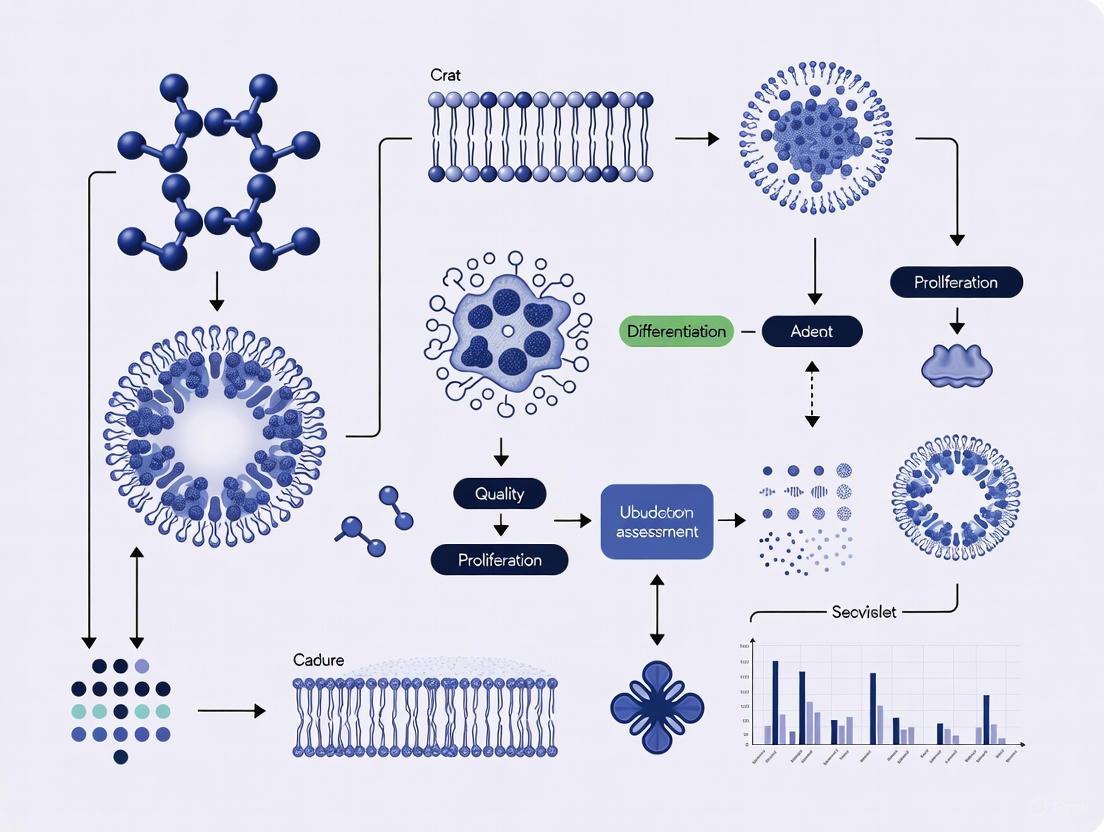
Cryopreservation is indispensable for creating readily available, 'off-the-shelf' Mesenchymal Stromal Cell (MSC) therapies, yet it introduces significant challenges in maintaining consistent product quality, viability, and functionality.
Overcoming Variability in Cryopreserved MSC Product Quality: A Strategic Guide for Standardization and Clinical Translation
Abstract
Cryopreservation is indispensable for creating readily available, 'off-the-shelf' Mesenchymal Stromal Cell (MSC) therapies, yet it introduces significant challenges in maintaining consistent product quality, viability, and functionality. This article provides a comprehensive guide for researchers and drug development professionals, addressing the foundational sources of variability, methodological best practices for cryopreservation and quality control, advanced troubleshooting and optimization strategies, and rigorous validation frameworks. By synthesizing current research and protocols, we aim to equip scientists with the knowledge to mitigate cryopreservation-induced variability, enhance the reliability of MSC-based products, and accelerate their successful translation into safe and effective clinical applications.
Understanding the Root Causes of Cryopreservation Variability in MSCs
FAQ: What are the primary types of damage my MSCs might sustain during cryopreservation?
Cryopreservation inflicts three major types of stress on cells: osmotic, mechanical, and oxidative. Osmotic stress occurs as water moves in and out of cells during the addition and removal of cryoprotectants (CPAs) and during freezing, leading to potentially damaging cell volume changes. Mechanical stress is primarily caused by the formation of ice crystals, which can physically disrupt cell membranes and intracellular structures. Finally, oxidative stress results from an overproduction of reactive oxygen species (ROS) during the freeze-thaw process, leading to damage of lipids, proteins, and DNA [1] [2] [3].
FAQ: Why do my post-thaw MSCs show high viability but poor therapeutic performance in assays?
Your observation is a common phenomenon. High post-thaw viability, as measured by simple dye exclusion tests, often assesses only basic membrane integrity. However, cryopreservation can cause subtler functional impairments. Research shows that freshly thawed MSCs (FT MSCs) can experience a significant decrease in metabolic activity, cell proliferation, and clonogenic capacity. Furthermore, surface markers critical for function, such as CD44 and CD105, can be downregulated immediately post-thaw. This is often linked to disruption of the actin cytoskeleton and induction of early and late apoptosis. The good news is that these functions can be largely recovered by allowing a 24-hour acclimation period for the MSCs post-thaw before using them in experiments or therapies [4].
Table 1: Functional Impairments in Freshly Thawed MSCs and Recovery Post-Acclimation
| Functional Parameter | State in Freshly Thawed (FT) MSCs | State after 24h Acclimation (TT MSCs) |
|---|---|---|
| Cell Proliferation | Significantly decreased [4] | Recovered [4] |
| Metabolic Activity | Significantly increased apoptosis [4] | Significantly reduced apoptosis [4] |
| Clonogenic Capacity | Decreased [4] | Recovered [4] |
| Immunomodulatory Potency | Maintained, but may be reduced; can trigger T-cell hyper-proliferation [5] | Potency is regained and can be more potent than fresh cells [4] |
| Key Regenerative Genes | Downregulated [4] | Upregulated [4] |
FAQ: How does oxidative stress specifically damage MSCs during freezing?
Oxidative stress during cryopreservation is driven by a surge in reactive oxygen species (ROS). In MSCs, this can be triggered by processes like excessive centrifugation and temperature shifts [1]. When the levels of ROS overwhelm the cell's endogenous antioxidant defenses, it results in oxidative stress. The consequences for MSCs are severe:
- Lipid Peroxidation: ROS attack the polyunsaturated fatty acids in the plasma membrane, leading to lipid peroxidation. This damages membrane integrity and fluidity, compromising cellular function [1] [3].
- Protein Damage: ROS can oxidize proteins, altering their structure and function, which can disrupt essential metabolic and signaling pathways [1].
- DNA Damage: Oxidative stress can cause single- and double-strand breaks in DNA, which can impair cell division and genomic stability [1].
- Induction of Regulated Cell Death (RCD): Sustained oxidative stress can activate signaling pathways that lead to regulated forms of cell death, such as apoptosis and ferroptosis [3].
The diagram below illustrates the interconnected pathways of cryodamage leading to cell death.
Cryodamage Pathways to Cell Death
FAQ: My cryopreserved MSCs from different species (e.g., goat vs. buffalo) show vastly different survival. Why?
You have identified a critical factor in cryopreservation: species-specificity. Intrinsic biological differences between species significantly impact how cells respond to freezing. A key study on goat and buffalo adipose-derived MSCs (gADSCs and bADSCs) demonstrated that an optimized cryomedium for one species performed poorly for the other. For instance, a dextran-based cryomedium effectively preserved gADSCs but failed to maintain bADSC functionality. Analysis revealed that bADSCs had a significantly higher lipid content, which likely influences cryopreservation efficacy. This underscores that a one-size-fits-all cryopreservation protocol is not effective, and formulations must be tailored to the specific cell type and species [6].
Table 2: Species-Specific Optimization of Cryopreservation Media for ADSCs
| Parameter | Goat ADSCs (gADSCs) | Buffalo ADSCs (bADSCs) |
|---|---|---|
| Optimal Cryomedium | 5% DMSO, 3% FBS, 2% PEG, 3% trehalose, 2% BSA [6] | FBS-free medium: 5% DMSO, 2% PEG, 3% trehalose, 2% BSA [6] |
| Key Finding | Dextran-based cryomedia were effective [6] | Dextran-based cryomedia failed to maintain functionality [6] |
| Biochemical Composition | Lower lipid content [6] | Significantly higher lipid content [6] |
| Implication for Research | Standard DMSO/FBS formulations may work adequately. | Requires specially tailored, FBS-free formulations for optimal results. |
FAQ: Can I reduce or replace DMSO and FBS in my cryopreservation protocols to minimize toxicity?
Yes, and this is an active area of research aimed at improving the safety and quality of cryopreserved cell therapy products. DMSO is cytotoxic and can alter transcription, while FBS carries risks of contaminants and immune reactions [2] [7]. Several strategies are emerging:
- Novel CPA Synergies: Research has shown that combinations of safe excipients like urea and glucose can provide cryoprotection for human MSCs comparable to standard DMSO, acting synergistically [7].
- Sugar-Based CPAs: Non-penetrating sugars and sugar alcohols like trehalose, sucrose, and mannitol can stabilize the cell membrane externally. Pre-incubating MSCs with trehalose, which the cells can internalize via endocytosis, has been shown to enhance cryoprotection [6] [7].
- Serum-Free Formulations: As seen with buffalo ADSCs, serum-free media containing polymers like polyethylene glycol (PEG) and proteins like bovine serum albumin (BSA) can effectively support post-thaw recovery, eliminating the risks associated with FBS [6] [2].
The Scientist's Toolkit: Key Reagents & Experimental Protocols
Research Reagent Solutions
Table 3: Essential Reagents for Analyzing MSC Cryodamage and Function
| Reagent / Assay | Primary Function | Key Insight |
|---|---|---|
| DMSO (Dimethyl Sulfoxide) | Standard intracellular (penetrating) cryoprotectant [2]. | Cytotoxic; concentration (e.g., 5% vs 10%) and removal protocol critically impact viability and function [2] [4]. |
| Trehalose | Non-penetrating sugar cryoprotectant [6] [7]. | Can be internalized via endocytosis by pre-incubation; enhances membrane stability and reduces oxidative stress [7]. |
| Fetal Bovine Serum (FBS) | Extracellular cryoprotectant [6] [2]. | Risk of contamination and immune reactions; serum-free formulations are a major research focus [6] [2]. |
| Polyethylene Glycol (PEG) | Non-penetrating polymeric cryoprotectant [6]. | Helps stabilize cell membranes and can partially replace FBS in optimized formulations [6]. |
| Annexin V / PI Apoptosis Kit | Flow cytometry-based detection of apoptosis (early and late) [4]. | Critical for identifying regulated cell death beyond simple viability dyes; freshly thawed MSCs show increased apoptosis [4]. |
| CD44, CD105 Antibodies | Flow cytometry immunophenotyping of MSC surface markers [4]. | Marker expression (e.g., CD44, CD105) can be transiently decreased post-thaw, indicating functional disruption [4]. |
Experimental Protocol: Flow Cytometry for Post-Thaw MSC Immunophenotyping
This protocol is essential for verifying MSC identity and assessing cryodamage to surface markers after thawing [4] [8].
- Sample Preparation: Harvest and wash cells from culture or post-thaw suspension. Use up to 1x10^6 cells per sample tube. For adherent cells requiring trypsinization, a recovery incubation is recommended to regenerate surface receptors [8].
- Fc Receptor Blocking: Incubate cells with an Fc receptor blocking reagent (e.g., blocking IgG) for 15 minutes at room temperature to reduce non-specific antibody binding. Do not wash after this step [8].
- Antibody Staining: Add fluorochrome-conjugated primary antibodies (e.g., against CD90, CD105, CD73, CD44) or appropriate isotype controls. Vortex and incubate for 30 minutes at room temperature in the dark [4] [8].
- Washing: Wash the cells twice in 2 mL of flow cytometry staining buffer (PBS with BSA) by centrifuging at 350-500 x g for 5 minutes each time to remove unbound antibody [8].
- Resuspension and Analysis: Resuspend the final cell pellet in 200–400 µL of staining buffer. Analyze immediately on a flow cytometer. A negative control (cells stained with isotype control antibodies) must be run in parallel for accurate gating [8].
Experimental Protocol: Assessing Functional Recovery Post-Thaw via Acclimation
This procedure tests whether a post-thaw recovery period can restore MSC functionality [4].
- Group Setup:
- FC (Fresh Cells): Culture MSCs normally and harvest on the day of experimentation.
- FT (Freshly Thawed): Thaw cryopreserved MSCs and use them immediately in experiments.
- TT (Thawed + Time): Thaw cryopreserved MSCs, seed them in standard culture flasks, and allow them to acclimate for 24 hours before harvesting and experimentation [4].
- Functional Assays: Compare the groups using the following assays:
- Immunophenotyping: As described in the protocol above, check for changes in standard MSC surface markers [4].
- Metabolic Activity/Proliferation: Use assays like XTT or resazurin reduction over several days to track recovery [4].
- Clonogenic Capacity: Plate cells at low density and count the number of colonies formed after a set period to assess stemness [4].
- Gene Expression: Use qPCR to analyze key regenerative, angiogenic, and anti-inflammatory genes [4].
- Immunomodulatory Potency: Use a co-culture assay with stimulated peripheral blood mononuclear cells (PBMCs) to measure the suppression of T-cell proliferation [4] [5].
- Data Interpretation: Expect the FT group to show the most significant impairments. The TT group's performance, compared to the FC group, will indicate the extent and rate of functional recovery, providing a critical metric for your cryopreservation protocol's success.
The following workflow summarizes the key steps in evaluating post-thaw MSC quality.
Post-Thaw MSC Quality Assessment Workflow
FAQs on Cryoprotectant Use and Troubleshooting
Q1: What are the primary safety concerns regarding DMSO in clinical MSC products? While DMSO is associated with in-vivo toxicity, current evidence indicates that for cryopreserved MSC products, the risks are low when standard protocols are followed. The typical dose of DMSO delivered via intravenous infusion of an MSC therapy product is 2.5 to 30 times lower than the 1 g/kg dose accepted for hematopoietic stem cell transplantation. With adequate premedication, only isolated infusion-related reactions have been reported, suggesting no significant safety concerns for patients [9] [10].
Q2: Should I remove DMSO from my MSC product after thawing before administration? The decision involves a trade-off. Post-thaw washing to remove DMSO can lead to significant cell loss (up to 45% reduction in total cell count) and a higher proportion of early apoptotic cells compared to simply diluting the DMSO concentration. However, washing is more labor-intensive and poses a risk of cell damage and contamination. Diluting the product to reduce the final DMSO concentration, instead of washing, results in better cell recovery and equivalent cell functionality and potency, with no detectable toxicity observed in animal studies [11].
Q3: Are there effective DMSO-free alternatives for cryopreserving MSCs? Yes, but they are primarily in the research and development phase and not yet standardized for clinical application. Multiple DMSO-free strategies exist, such as using cryoprotectant cocktails containing sugars (e.g., trehalose, sucrose), sugar alcohols (e.g., glycerol), and polymers. A promising method uses ultrasound with microbubbles to deliver trehalose into MSCs, successfully preserving cell viability and multipotency. However, none of these approaches has yet been shown to be fully suitable for widespread clinical application, and they can be more costly and less accessible than DMSO [9] [12].
Q4: What are the cytotoxic effects of DMSO compared to other common cryoprotectants? Cytotoxicity varies by compound and concentration. A study on vitrification solutions found that 1,2-propanediol (PD) was more cytotoxic than DMSO at higher concentrations and temperatures. Furthermore, combining cryoprotectants in a cocktail may increase cytotoxicity synergistically, rather than additively. In a study on marine oocytes, DMSO caused greater proteomic alterations and oxidative stress than ethylene glycol (EG) [13] [14]. Generally, penetrating cryoprotectants like DMSO and glycerol are more effective but also more toxic than non-penetrating ones like trehalose and sucrose [15].
Q5: How does cryopreservation impact the critical quality attributes of MSCs? The cryopreservation process itself, particularly the use of DMSO, can affect MSC characteristics. Immediately thawed MSCs may show lower blood compatibility and functional properties compared to freshly harvested cells. Post-thaw, cells can undergo apoptosis, and the freezing process can affect membrane integrity. However, optimized cryopreservation protocols aim to minimize this damage, ensuring acceptable cell recovery, viability, and the retention of biological function, including immunomodulatory capacity and differentiation potential [9] [16].
Experimental Protocols for Assessing Cryoprotectant Impact
Protocol 1: Evaluating Post-Thaw Cell Recovery and Viability
This protocol simulates clinical post-thaw handling to compare washing versus dilution methods [11].
- Cryopreservation: Cryopreserve MSC samples using a standard slow-freezing protocol with 10% DMSO.
- Thawing: Rapidly thaw the vial in a 37°C water bath until only a small ice crystal remains.
- Post-Thaw Processing:
- Washed MSCs: Centrifuge the thawed cell suspension. Aspirate the supernatant containing DMSO and resuspend the cell pellet in an appropriate buffer (e.g., PBS or culture medium).
- Diluted MSCs: Dilute the thawed cell suspension with buffer to reduce the final DMSO concentration to 5% (v/v).
- Analysis (Immediately and at 4h/24h post-thaw):
- Cell Recovery: Count the total number of cells and calculate the percentage recovered compared to the expected count.
- Viability: Measure cell viability using an automated cell counter (e.g., NucleoCounter) or flow cytometry with Annexin V/PI staining to distinguish live, early apoptotic, and late apoptotic/necrotic cells.
- Potency/Functionality: Conduct a potency assay relevant to your MSC's mechanism of action. For immunomodulatory studies, a co-culture assay measuring the rescue of LPS-impaired monocyte phagocytosis is appropriate.
Protocol 2: Intracellular Delivery of Trehalose via Ultrasound and Microbubbles
This protocol describes a method to use trehalose as a non-toxic cryoprotectant by facilitating its entry into cells [12].
- Preparation:
- Prepare a cell suspension at a density of 1 × 10^6 cells/ml in a solution containing trehalose (e.g., 100-250 mM) in a culture medium without phenol red.
- Add 1% (v/v) microbubble contrast agent (e.g., SonoVue) to the cell-trehalose suspension.
- Ultrasonication:
- Use an ultrasound setup with a focused ultrasound source (e.g., 500 kHz) and a passive cavitation detector (PCD) to monitor the process.
- Expose the sample to ultrasound with parameters such as 0.25 MPa peak negative pressure, 100 ms pulse length, and a 2 s pulse repetition period for 5 minutes.
- The PCD should be used to ensure stable cavitation and avoid violent bubble collapse.
- Confirmation and Cryopreservation:
- Confirm trehalose internalization using confocal imaging of cells treated with rhodamine-labelled trehalose.
- After sonication, transfer the cells to cryovials and proceed with a standard slow-freezing process before storage in liquid nitrogen.
Data Presentation: Comparative Analysis of Cryoprotectants
Table 1: Quantitative Safety Margins of DMSO in MSC Therapy
| Parameter | Value in MSC Therapy | Benchmark Value (HSC Transplant) | Safety Margin |
|---|---|---|---|
| Intravenous Dose | Varies by product | 1 g DMSO/kg | 2.5 to 30 times lower [9] |
| Topical Exposure (Worst-Case Systemic Absorption) | Calculated based on a large wound & lightweight patient | 1 g DMSO/kg | Approximately 55 times lower [9] |
Table 2: Comparison of Post-Thaw Processing Methods for DMSO-Cryopreserved MSCs
| Parameter | Washed MSCs (DMSO Removed) | Diluted MSCs (DMSO Reduced to 5%) |
|---|---|---|
| Cell Recovery | ~55% (45% reduction) [11] | ~95% (5% reduction) [11] |
| Viability (0-24h) | Similar to Diluted MSCs [11] | Similar to Washed MSCs [11] |
| Early Apoptosis (at 24h) | Significantly higher [11] | Significantly lower [11] |
| In Vitro Potency | Equivalent to Diluted MSCs [11] | Equivalent to Washed MSCs [11] |
| Key Advantage | Lower final DMSO exposure for the patient | Maximizes delivery of viable, functional cells |
Table 3: Overview of DMSO-Free Cryoprotectant Strategies for MSCs
| Strategy | Example Cryoprotectants (CPAs) | Reported Post-Thaw Viability/Recovery | Key Challenges |
|---|---|---|---|
| Slow Freezing with CPA Cocktails | Sucrose + Glycerol + Isoleucine [10] | 83% viability, 93% recovery [10] | Requires optimization of multiple components. |
| Slow Freecing with Polymers | Carboxylated poly-l-lysine [10] | >90% viability [10] | Limited extensive data for clinical use. |
| Facilitated Trehalose Delivery | Trehalose delivered via Ultrasound & Microbubbles [12] | Successful preservation of viability and multipotency [12] | Requires specialized equipment; protocol standardization. |
| Vitrification | High concentrations of CPAs (e.g., EG, PG, Sugars) [16] | >80% (highly protocol-dependent) [10] | High CPA toxicity risk; challenging for large volumes. |
The Scientist's Toolkit: Essential Research Reagents & Materials
Table 4: Key Reagents for Cryopreservation and Toxicity Analysis
| Item | Function/Application |
|---|---|
| Dimethyl Sulfoxide (DMSO) | Penetrating cryoprotectant; the current gold standard for MSC cryopreservation despite toxicity concerns [9]. |
| Trehalose | Non-penetrating, biocompatible disaccharide; requires facilitation (e.g., ultrasonication) for intracellular delivery to be effective [12]. |
| 1,2-Propanediol (PD) | Penetrating cryoprotectant; often used in vitrification cocktails but can be more cytotoxic than DMSO under certain conditions [13]. |
| Sucrose | Non-penetrating cryoprotectant; commonly used as an osmotic buffer in CPA cocktails to reduce the required concentration of toxic penetrating CPAs [10]. |
| SonoVue Microbubbles | Ultrasound contrast agent; used in conjunction with ultrasound to temporarily porate cell membranes for intracellular delivery of molecules like trehalose [12]. |
| Annexin V / Propidium Iodide (PI) | Fluorescent dyes used in flow cytometry to distinguish between live (Annexin V-/PI-), early apoptotic (Annexin V+/PI-), and late apoptotic/necrotic (Annexin V+/PI+) cells post-thaw [11]. |
Workflow and Pathway Visualizations
Diagram 1: Decision Workflow for Post-Thaw DMSO Handling
Diagram 2: Stress Pathways in Cryopreservation
Frequently Asked Questions (FAQs)
Q1: What is meant by the loss of "stemness" in cryopreserved MSCs? The term "stemness" refers to the defining characteristics of Mesenchymal Stem Cells (MSCs), which include the capacity to differentiate into multiple cell lineages (osteogenic, chondrogenic, and adipogenic) and the ability to modulate immune cell responses. Loss of stemness post-thaw indicates that these critical functions are compromised due to the cryopreservation process. This can manifest as a reduced expression of key surface markers (like CD105), diminished differentiation potential, and impaired immunomodulatory potency, ultimately affecting the therapeutic efficacy of the cells [4] [17] [16].
Q2: Why does cryopreservation specifically impact the immunomodulatory function of MSCs? Cryopreservation induces cellular stress, which can disrupt the intricate mechanisms behind immunomodulation. Specifically, the actin cytoskeleton can be disrupted, and the cells' ability to adhere to endothelium is reduced. Furthermore, freshly thawed MSCs may show a diminished response to inflammatory signals like interferon-gamma (IFN-γ), which is crucial for activating immunosuppressive pathways such as the indoleamine 2,3-dioxygenase (IDO) enzyme. This can lead to a reduced capacity to suppress activated T-cells [4] [5].
Q3: Is the functional loss in freshly thawed MSCs permanent? No, research indicates that this functional impairment is often transient. Providing a post-thaw acclimation period, typically 24 to 48 hours in culture, allows the MSCs to recover. During this time, cells can regain their cytoskeletal organization, upregulate the expression of angiogenic and anti-inflammatory genes, and restore their sensitivity to inflammatory cues, thereby recovering their immunomodulatory potency [4] [5].
Q4: What are the primary mechanisms of cell damage during cryopreservation? The two widely accepted mechanisms are:
- Intracellular Ice Crystal Formation: Ice crystals form inside the cell during freezing, physically damaging membranes and internal structures.
- Osmotic Imbalance/Solute Effect: As water freezes, solutes become concentrated in the unfrozen solution, creating a hypertonic environment that draws water out of cells, leading to harmful shrinkage and chemical damage to cellular components [17] [18].
Q5: Are there DMSO-free cryopreservation options available? Yes, research is actively exploring alternatives due to the cytotoxicity and potential clinical side effects of DMSO. Strategies include using lower concentrations of DMSO (e.g., 5%) combined with non-cytotoxic biocompatible substances like human serum albumin, or using other penetrating cryoprotectants like glycerol or ethylene glycol. Furthermore, non-penetrating cryoprotectants such as sucrose and trehalose are being investigated to provide extracellular protection and reduce the reliance on DMSO [17] [16] [19].
Troubleshooting Guides
Guide 1: Addressing Poor Post-Thaw Cell Viability
Problem: Low cell viability immediately after thawing, as measured by Trypan blue exclusion or Annexin V/PI staining.
| Potential Cause | Diagnostic Checks | Corrective Actions |
|---|---|---|
| Suboptimal freezing rate | Review protocol; was a controlled-rate freezer or passive cooler used? | Implement a slow, controlled freezing rate of approximately -1°C/min before transfer to liquid nitrogen [17] [16]. |
| Cryoprotectant (CPA) toxicity | Check DMSO concentration and exposure time. | Reduce DMSO concentration (e.g., to 5%) and combine with non-penetrating CPAs like sucrose or trehalose [16] [18]. |
| Improper storage temperature | Verify that long-term storage is in liquid nitrogen vapor or phase. | For long-term storage (over a year), use liquid nitrogen (-196°C). -80°C is only acceptable for short periods [17] [16]. |
| Inadequate cell concentration | Confirm cell concentration at freezing. | Cryopreserve MSCs at a density between 5 x 10^5 cells/mL and 1 x 10^6 cells/mL [17]. |
Guide 2: Restoring Impaired Immunomodulatory Function
Problem: Thawed MSCs fail to adequately suppress T-cell proliferation in co-culture assays.
| Potential Cause | Diagnostic Checks | Corrective Actions |
|---|---|---|
| Use of freshly thawed (FT) cells | Compare T-cell suppression between FT and cells given 24h post-thaw recovery. | Implement a 24-hour post-thaw acclimation period in culture to allow functional recovery [4]. |
| High levels of early apoptosis | Perform Annexin V/Propidium Iodide staining post-thaw. | Optimize the thawing and CPA removal process to minimize osmotic stress. Remove DMSO via centrifugation after thawing [4] [16] [18]. |
| Reduced response to IFN-γ | Stimulate with IFN-γ and measure IDO activity (e.g., kynurenine production). | Use post-thaw acclimated cells. Ensure your culture media contains essential nutrients to support metabolic recovery [4] [5]. |
Guide 3: Recovering Multilineage Differentiation Potential
Problem: Cryopreserved MSCs show reduced ability to differentiate into osteocytes or chondrocytes.
| Potential Cause | Diagnostic Checks | Corrective Actions |
|---|---|---|
| Disruption of ECM and surface markers | Use flow cytometry to check for decreased CD105/CD44 expression post-thaw. | A 24-hour post-thaw recovery can help restore surface marker expression. Using 3D clumps of MSCs/ECM can also protect differentiation capacity during cryopreservation [4] [20]. |
| Cryopreservation-induced epigenetic changes | Review literature on donor variability and epigenetic stability. | Ensure MSCs are cryopreserved at early passages to minimize cumulative epigenetic changes from culture and freezing [17] [21]. |
Table 1: Comparison of Cryopreservation Solutions and Impact on MSC Properties
| Cryopreservation Solution | DMSO Concentration | Post-Thaw Viability | Proliferation Post-Recovery | Immunomodulatory Potency | Key Findings |
|---|---|---|---|---|---|
| PHD10 (PLA/5%HA/10%DMSO) | 10% | Comparable to other 10% DMSO solutions | Similar growth to NutriFreez after 6 days | No significant difference from NutriFreez in T-cell suppression | A clinically-relevant, in-house formulation [18]. |
| NutriFreez | 10% | Comparable to PHD10 up to 6h post-thaw | Similar growth to PHD10 after 6 days | No significant difference from PHD10 in T-cell suppression | A proprietary, commercial solution [18]. |
| CryoStor CS10 | 10% | Comparable to other 10% DMSO solutions | 10-fold less proliferative capacity at 3 & 6 M/mL | Not specified | High DMSO content does not guarantee functional recovery [18]. |
| CryoStor CS5 | 5% | Decreasing trend in viability & recovery | 10-fold less proliferative capacity at 3 & 6 M/mL | Not specified | Lower DMSO may compromise viability and function without optimization [18]. |
Table 2: Impact of Post-Thaw Acclimation Time on MSC Functionality
| Functional Parameter | Freshly Thawed (FT) MSCs | Thawed + 24h Acclimation (TT) MSCs | Change |
|---|---|---|---|
| Apoptosis | Significantly increased | Significantly reduced | Improved [4] |
| Cell Proliferation | Decreased | Recovered | Improved [4] |
| Clonogenic Capacity | Decreased | Recovered | Improved [4] |
| Angiogenic/Anti-inflammatory Genes | Downregulated | Upregulated | Improved [4] |
| T-cell Suppression | Maintained, but less potent | Significantly more potent | Enhanced [4] |
Detailed Experimental Protocols
Protocol 1: Assessing Immunomodulatory Potency via T-Cell Proliferation Assay
This protocol is used to determine if cryopreserved MSCs retain their ability to suppress immune cell proliferation [4] [5] [18].
Key Materials:
- Test MSCs: Freshly thawed vs. post-thaw acclimated (24h).
- Immune Cells: Peripheral Blood Mononuclear Cells (PBMCs) from human blood.
- Activation Agent: CD3/CD28 dynabeads or Phytohemagglutinin (PHA).
- Culture Plates: 96-well plate.
- Readout Method: CFSE dilution assay or BrdU incorporation kit.
Methodology:
- Co-culture Setup: Seed irradiated MSCs (to prevent their proliferation) in a 96-well plate. Co-culture them with activated PBMCs at various ratios (e.g., MSC:PBMC ratios of 1:3, 1:6, 1:12).
- Controls:
- Unstimulated Control: PBMCs alone without activation.
- Activated Control: PBMCs with activation beads/agent alone.
- Incubation: Incubate co-cultures for 3-5 days.
- Proliferation Measurement: Use a CFSE flow cytometry assay or a colorimetric BrdU kit to quantify the percentage of proliferating T-cells.
- Data Analysis: Compare the proliferation rate in co-cultures with MSCs to the activated control. Effective immunomodulation is indicated by a significant reduction in T-cell proliferation.
Protocol 2: Evaluating Multilineage Differentiation Capacity
This protocol confirms the "stemness" of MSCs by verifying their ability to differentiate into osteocytes and chondrocytes post-thaw [4] [17].
Key Materials:
- Differentiation Media: Commercial osteogenic and chondrogenic induction media (e.g., StemPro Kits).
- Staining Solutions: Alizarin Red S (for calcium deposits), Alcian Blue (for sulfated proteoglycans).
Methodology: A. Osteogenic Differentiation:
- Induction: Seed MSCs and culture in osteogenic differentiation media for 21 days, replacing the media twice weekly.
- Staining: Fix cells and stain with 2% Alizarin Red S (pH 4.1-4.3) for 20-30 minutes to detect calcium mineral deposits.
- Analysis: Qualitatively assess by microscopy for bright red-orange staining, or quantitatively elute the dye and measure its absorbance.
B. Chondrogenic Differentiation (Micromass Culture):
- Micromass Formation: Centrifuge 2-5μL droplets of a high-density cell solution (1.6x10^7 cells/mL) in the center of a well. Incubate for 2 hours to allow micromass formation.
- Induction: Gently add chondrogenic differentiation media without disrupting the micromass. Change media every 2-3 days for 14-21 days.
- Staining: Fix the micromass and stain with 1% Alcian Blue in 0.1N HCl to detect sulfated proteoglycans, a key component of cartilage.
- Analysis: Examine under a microscope for intense blue staining indicating successful chondrogenesis.
Signaling Pathways and Experimental Workflows
MSC Immunomodulation Mechanism
Post-Thaw MSC Analysis Workflow
The Scientist's Toolkit: Research Reagent Solutions
Table 3: Essential Reagents for MSC Cryopreservation and Functional Analysis
| Reagent Category | Specific Examples | Function & Application Notes |
|---|---|---|
| Cryoprotectants (CPAs) | DMSO (10%, 5%), Glycerol, Trehalose, Sucrose | DMSO is the most common permeating CPA. Non-permeating CPAs like trehalose and sucrose are used in combination to reduce osmotic shock and DMSO concentration [17] [16] [19]. |
| Cryopreservation Media | PHD10, NutriFreez, CryoStor CS5/CS10 | Pre-formulated solutions offer standardization. PHD10 (Plasmalyte-A/5% Human Albumin/10% DMSO) is an example of a clinical-grade, xeno-free formulation [18]. |
| Viability & Apoptosis Assays | Trypan Blue, Annexin V/Propidium Iodide (PI), Live/Dead Staining (Calcein AM/EthD-1) | Trypan blue for quick viability check. Annexin V/PI by flow cytometry distinguishes early apoptotic (Annexin V+/PI-) from late apoptotic/necrotic (Annexin V+/PI+) cells [4] [18]. |
| Immunophenotyping Antibodies | Positive Cocktail: CD90, CD73, CD105Negative Cocktail: CD45, CD34, CD11b, CD19, HLA-DR | Essential for confirming MSC identity per ISCT criteria post-thaw. A decrease in CD105 and CD44 is a common indicator of cryopreservation stress [4] [16]. |
| Differentiation Kits & Stains | StemPro Osteo/Chondro/Adipo Kits, Alizarin Red S, Alcian Blue, Oil Red O | Commercial kits ensure consistent differentiation induction. Alizarin Red stains calcium (osteogenesis), Alcian Blue stains proteoglycans (chondrogenesis) [4] [17]. |
| Immunomodulation Assay Reagents | Human PBMCs, CD3/CD28 Dynabeads, IFN-γ, CFSE Kit | PBMCs are co-cultured with MSCs to test T-cell suppression. IFN-γ is used to prime MSCs. CFSE labels cells to track proliferation [4] [5] [22]. |
Troubleshooting Guide: Frequently Asked Questions
FAQ 1: Why do my cryopreserved MSCs from different donors show vastly different differentiation outcomes post-thaw, even when using the same protocol? This is due to inherent donor-to-donor variability. Significant differences in differentiation capacity exist between individuals across chondrogenic, osteogenic, and adipogenic lineages. This variability is present in both 2D and 3D culture models, and standard 2D models cannot reliably predict a donor's MSC performance in more complex 3D biomaterial environments used in translational research [23]. To troubleshoot, implement a rigorous donor screening process and use cells from multiple donors (e.g., six or more) in your experiments to ensure findings are not donor-specific.
FAQ 2: How does the tissue source of MSCs impact their characteristics and how should I select a source? The tissue from which MSCs are isolated significantly influences their secretory profile, proliferative capacity, and therapeutic potential [24]. The table below compares key characteristics of common MSC sources to guide your selection.
Table: Impact of Mesenchymal Stem Cell (MSC) Tissue Source on Key Characteristics
| Tissue Source | Key Characteristics | Considerations for Research |
|---|---|---|
| Bone Marrow (BM) | Historically the most common source; considered a benchmark [24]. | Donor age-related functional decline; invasive extraction procedure [24]. |
| Adipose Tissue (AT) | Multi-lineage potential very similar to BM-MSCs; similar phenotypic marker expression [25]. | Considered easy-to-access with low incidence of comorbidity during collection [25]. |
| Umbilical Cord (UC), particularly Wharton's Jelly | Non-invasive harvest; immune-privileged phenotype; high proliferative capacity; potent secretory profile [24]. | Often favored for applications requiring high cell yields and potent paracrine effects [24]. |
FAQ 3: My post-thaw MSC viability is good, but the cells exhibit poor metabolic activity and adhesion. What is the cause? This is a common finding and is a direct effect of the cryopreservation process. Quantitative studies show that while cell viability can recover to pre-freeze levels within 24 hours post-thaw, metabolic activity and adhesion potential often remain impaired beyond this 24-hour recovery period [26]. This suggests that a 24-hour period is insufficient for full functional recovery. To troubleshoot, consider extending the post-thaw recovery period before using cells in critical experiments and functionally validate key attributes like adhesion or differentiation rather than relying solely on viability metrics.
FAQ 4: What is the most accurate way to track cellular age in culture, and why does it matter for cryopreservation? The most accurate method is to track the Population Doubling Level (PDL), not the passage number [27]. Passage number is imprecise because different labs use different seeding densities, which dramatically affects how many times cells actually divide per passage. Cellular age, as measured by PDL, directly impacts cell phenotype and function. Furthermore, high cellular senescence (which increases with PDL) has been correlated with poor post-thaw function and growth arrest, even if initial post-thaw viability appears acceptable [28]. To ensure consistency, calculate and report PDL in your studies and set an upper PDL limit for your cryopreserved cell banks.
Table: Calculating Population Doubling Level (PDL) [27]
| Parameter | Description | Formula/Example |
|---|---|---|
| General Formula | PDL = log₂(Cf / Ci) + PDL₀ | Cf: Final cell yieldCi: Initial cell number seededPDL₀: Initial PDL (Often set at harvest from P0) |
| Example Calculation | Seeding 50,000 cells and harvesting 400,000 cells. | PDL = log₂(400,000 / 50,000) = log₂(8) = 3 doublings. |
FAQ 5: We are transitioning from research to a clinical product. What are the key pre-cryopreservation quality attributes we must control? For clinical applications, control over pre-cryopreservation variables is critical. Key attributes and standards include [25] [29]:
- Donor Eligibility: Rigorous health screening for autologous and allogeneic donors.
- Cell Characterization: Confirmation of standard MSC phenotype (positive for CD105, CD73, CD90; negative for CD45, CD34, CD14, CD19, HLA-DR) and tri-lineage differentiation potential pre-cryopreservation [16].
- Cellular Age: Establishment of a maximum acceptable Population Doubling Level (PDL) based on data showing maintained product quality, as recommended by regulatory guidelines [27].
- Microbiological Controls: Comprehensive testing for sterility, mycoplasma, and endotoxins in the final product before cryopreservation [25].
Experimental Protocols: Key Methodologies
Protocol 1: Quantitative Assessment of Cryopreservation Impact
This protocol outlines a method to quantitatively measure the impact of cryopreservation on MSCs, assessing multiple attributes beyond simple viability [26].
1. Cell Preparation:
- Use passage-matched fresh and cryopreserved cells from at least three different donors to account for donor variability.
- Culture cells in standardized conditions (e.g., in Dulbecco’s Modified Eagle’s Medium (DMEM) supplemented with 10% Fetal Bovine Serum (FBS)).
2. Cryopreservation and Thawing:
- Freezing Medium: Resuspend cells in FBS supplemented with 10% DMSO at a concentration of 1 x 10⁶ cells/mL.
- Freezing Protocol: Use a controlled-rate freezer, cooling at approximately -1°C/min. Alternatively, use a "Mr. Frosty" type freezing container placed at -80°C for 24 hours before transferring to liquid nitrogen.
- Thawing: Rapidly thaw vials in a 40°C water bath for 1 minute. Dilute the thawed cell suspension in warm complete medium and centrifuge to remove DMSO.
3. Post-Thaw Assessment:
- Assess the following attributes at multiple time points post-thaw (e.g., immediately, 2h, 4h, 24h, and beyond) and compare to fresh controls:
- Viability & Apoptosis: Using assays like Acridine Orange/Propidium Iodide or flow cytometry-based Annexin V staining.
- Metabolic Activity: Using assays like MTT or Alamar Blue.
- Adhesion Potential: Quantifying the number of cells attached to a culture surface after a defined period.
- Phenotype: Flow cytometry for standard MSC surface markers.
- Proliferation Rate: Population doubling time over several days.
- Clonogenicity: Colony-forming unit (CFU-F) assay.
- Differentiation Potential: Osteogenic and adipogenic differentiation assays with quantitative endpoint analysis.
Protocol 2: Direct Comparison of Donor Variability in 2D vs. 3D Models
This protocol is designed to investigate whether standard 2D differentiation models can predict MSC behavior in more complex 3D environments, accounting for donor variability [23].
1. Cell Sourcing and Culture:
- Obtain MSCs from a sufficient number of human donors (e.g., six) to robustly assess donor variability.
- Culture cells from all donors under identical conditions.
2. Multi-Lineage Differentiation in Parallel Models:
- For each donor, perform differentiation assays in both standard (2D or pellet) models and in 3D biomaterial-based culture models.
- Chondrogenesis: Use alginate hydrogels as the 3D model system.
- Osteogenesis & Adipogenesis: Use gelatin microribbon (µRB) hydrogels as the 3D model system.
3. Outcome Analysis:
- Quantitatively assess differentiation outcomes for all three lineages using methods like histology, immunohistochemistry, and quantitative PCR for lineage-specific markers.
- Statistically compare the results to determine:
- The degree of donor-dependent variability within each model (2D and 3D).
- Whether the differentiation capacity of a given donor in 2D models correlates with its capacity in 3D models.
The Scientist's Toolkit
Table: Essential Research Reagent Solutions for Investigating Pre-Cryopreservation Variability
| Reagent / Material | Function in Experimental Design |
|---|---|
| Dimethyl Sulfoxide (DMSO) | Standard cryoprotective agent (CPA) for slow-freezing protocols; its concentration and removal protocol are critical variables [26] [16]. |
| Alginate Hydrogels | A 3D biomaterial scaffold used to assess chondrogenic differentiation potential in an environment that better mimics the native tissue context compared to 2D [23]. |
| Gelatin Microribbons (µRBs) | A macroporous hydrogel scaffold used to provide a 3D environment for evaluating osteogenic and adipogenic differentiation [23]. |
| Fetal Bovine Serum (FBS) | Common component of MSC culture and freezing media; batch-to-batch variability is a known source of experimental noise and must be controlled [26]. |
| STEMPRO Osteogenic Differentiation Kit | A defined, commercial medium used to induce osteogenic differentiation in vitro, ensuring consistency in differentiation assays pre- and post-cryopreservation [25]. |
| CD105, CD73, CD90 Antibodies | Antibodies for positive MSC phenotypic markers used in flow cytometry to confirm cell identity before banking and after thawing [25] [16]. |
| Population Doubling Level (PDL) Calculator | A tool (often a simple spreadsheet) to accurately track cellular age, which is a critical quality attribute that influences post-thaw function [27]. |
Process Visualization
Diagram 1: Cellular Aging Tracking Flowchart
Diagram 2: Pre-Freeze Quality Control Workflow
Standardizing Cryopreservation Protocols and Quality Control for MSCs
Cryopreservation serves as a cornerstone technology for enabling the widespread clinical application and commercialization of mesenchymal stem cell (MSC)-based therapies. By preserving cells at ultra-low temperatures, typically in liquid nitrogen (-196°C), cryopreservation halts cellular metabolism and creates "off-the-shelf" cellular products that are readily available for therapeutic use [2] [15]. For MSC-based treatments, which often require large cell numbers (typically 50-400 million cells per therapeutic dose) and potentially repeated administrations, successful cryopreservation is not merely a convenience but a necessity [15]. Without effective cryopreservation, MSCs would require continuous passage in culture, leading to potentially detrimental changes including altered DNA methylation patterns, telomere shortening, and other epigenetic modifications that could compromise therapeutic efficacy [2].
The process of cryopreservation, however, introduces significant challenges to maintaining MSC quality and function. The formation of intracellular ice crystals, osmotic stress, and the inherent toxicity of cryoprotective agents (CPAs) can collectively reduce post-thaw viability, recovery, and potency [15] [30]. Two principal techniques—slow freezing and vitrification—have emerged as the leading approaches for MSC cryopreservation, each with distinct mechanisms, advantages, and limitations. Understanding these core techniques is fundamental to overcoming the variability in cryopreserved MSC product quality that currently challenges the field [2] [15].
Core Techniques: Mechanisms and Comparative Analysis
Slow Freezing: Mechanism and Protocol
Mechanism: Slow freezing preserves cells through controlled, gradual cooling that enables sufficient cellular dehydration, thereby minimizing the lethal formation of intracellular ice crystals. During this process, as the extracellular environment freezes, water freezes out of the solution, leading to an increased concentration of solutes outside the cells. This creates an osmotic pressure gradient across the plasma membrane, causing water to move out of the cells and resulting in progressive cellular dehydration [2] [15]. The controlled cooling rate (typically within -1°C to -3°C per minute) allows this water movement to occur without the formation of damaging intracellular ice [2].
Standard Protocol:
- CPA Addition: Mix MSC suspension with CPAs (commonly 5-10% DMSO, sometimes combined with non-penetrating agents like sucrose) in cryopreservation tubes [2] [30].
- Initial Cooling: Place samples at -20°C to -80°C in a controlled-rate freezer or specialized freezing container (e.g., CoolCell) [2] [31].
- Final Storage: Transfer samples to long-term storage in liquid nitrogen (-196°C) after initial freezing [2].
- Thawing: Rapidly warm cryopreserved vials in a 37°C water bath until ice crystals dissolve (warming rate >100°C/min) [2].
- CPA Removal: Centrifuge thawed cells and resuspend in fresh media to remove CPAs, particularly critical for toxic agents like DMSO [2].
Vitrification: Mechanism and Protocol
Mechanism: Vitrification takes a fundamentally different approach by using high concentrations of CPAs and ultra-rapid cooling rates to transform the cellular environment directly into a glassy, amorphous solid without forming ice crystals. The high CPA concentration (typically 3-6M) increases the solution viscosity dramatically, while the rapid cooling rate (achieved by direct plunging into liquid nitrogen) prevents water molecules from organizing into crystalline structures [2] [32]. This combination results in solidification into a glassy state that maintains the molecular organization of the liquid phase.
Standard Protocol:
- Equilibration: Expose cells to lower concentration CPA solution (e.g., 1.5-3M) for several minutes to allow partial dehydration and CPA penetration [2] [33].
- Vitrification Solution: Transfer to high concentration CPA solution (e.g., 3-6M) for brief exposure (typically less than 1 minute) [2].
- Rapid Cooling: Plunge samples directly into liquid nitrogen, achieving extremely high cooling rates [2].
- Warning: Rapidly warm samples in a warming solution at 37°C [33].
- CPA Removal: Stepwise dilution using decreasing concentrations of sucrose solutions to gradually remove CPAs and minimize osmotic shock [2] [33].
Direct Comparison: Slow Freezing vs. Vitrification
Table 1: Comprehensive comparison of slow freezing versus vitrification for MSC cryopreservation
| Parameter | Slow Freezing | Vitrification |
|---|---|---|
| Cooling Rate | Controlled and slow (-1°C to -3°C/min) [2] | Ultra-rapid (direct plunging into LN₂) [2] |
| CPA Concentration | Low to moderate (e.g., 1.5-2M or 5-10% DMSO) [2] [30] | High (3-6M) [2] |
| Ice Formation | Extracellular ice, minimal intracellular ice with proper protocol [2] | No ice crystal formation (glass-like state) [2] [32] |
| Primary Injury Mechanisms | Osmotic shock, solute concentration, dehydration [15] | CPA toxicity, osmotic shock during addition/removal [2] |
| Typical Survival Rates | 70-80% [2] | Up to 96% with optimized protocols [32] |
| Technical Complexity | Low to moderate (requires controlled-rate freezer) [2] | High (requires precise timing) [2] |
| Scalability | High (suitable for large volumes) [2] | Moderate (more challenging for large volumes) [32] |
| Risk of Contamination | Low with closed systems [2] | Higher with direct LN₂ contact [2] |
| Implementation Cost | Moderate (equipment dependent) [33] | Low (minimal specialized equipment) [33] |
Table 2: Quantitative performance data for MSC cryopreservation techniques
| Cryopreservation Method | CPA Formulation | Post-Thaw Viability | Functional Recovery | Reference |
|---|---|---|---|---|
| Slow Freezing | 10% DMSO | ~80% | Maintained differentiation potential and immunomodulatory function [30] | [30] |
| Slow Freezing | 5% DMSO | Decreasing trend over 6 hours | 10-fold reduced proliferative capacity [30] | [30] |
| Vitrification | High CPA with GelMA encapsulation | 96% | Preserved mitochondrial function and wound healing capacity [32] | [32] |
| Slow Freezing (3D Scaffold) | 10% DMSO or 10% DMSO + 0.2M sucrose | High viability maintained | Multilineage differentiation potential preserved [34] | [34] |
The Scientist's Toolkit: Essential Reagents and Materials
Table 3: Key research reagent solutions for MSC cryopreservation
| Reagent Category | Specific Examples | Function and Application Notes |
|---|---|---|
| Penetrating CPAs | DMSO, ethylene glycol (EG), propylene glycol (PG), glycerol [15] [31] | Penetrate cell membrane, reduce intracellular ice formation; DMSO most common but has toxicity concerns; EG and PG show lower toxicity than DMSO [2] [15] |
| Non-Penetrating CPAs | Sucrose, trehalose, ficoll, hydroxyethyl starch [15] | Create hypertonic extracellular environment, promote cell dehydration; reduce penetrating CPA concentration needed; minimize osmotic shock [2] [15] |
| Commercial Cryopreservation Media | CryoStor CS10/CS5, NutriFreez D10 [30] | Pre-formulated, standardized solutions; CS10 (10% DMSO) and CS5 (5% DMSO) show differential effects on recovery [30] |
| Serum-Free Formulations | PHD10 (Plasmalyte-A + 5% HA + 10% DMSO) [30] | Xeno-free formulations for clinical applications; comparable viability and function to other formulations [30] |
| Basal Media | DMEM, K+TiP, MEM α [31] [35] | Carrier solutions for CPA cocktails; K+TiP shown beneficial for some cell types in vitrification [31] |
| Biomaterials for 3D Cryopreservation | GelMA hydrogel, PRP-SF bioscaffold [32] [34] | Provide protective 3D microenvironment; enable vitrification with reduced CPA concentrations [32] [34] |
Advanced Applications and Protocol Optimization
3D MSC Cryopreservation: Addressing Complexity Challenges
Traditional cryopreservation protocols primarily focus on 2D-cultured MSC suspensions, but recent advances have addressed the more complex challenge of preserving MSCs within three-dimensional environments. The development of tissue-engineered structures and MSC-laden hydrogels presents unique cryopreservation difficulties due to limited CPA penetration and potential variability in cell exposure throughout the construct [15] [34].
Innovative Approach: GelMA Hydrogel Encapsulation
- Method: Encapsulate 3D human umbilical cord MSCs in GelMA hydrogel using microfluidics to create 3D-MSCs hydrogel microspheres (3D-MSCsHM) [32].
- CPA Strategy: Vitrification with reduced CPA concentrations (25% reduction possible) [32].
- Results: 96% post-thaw viability with preserved mitochondrial function, metabolic activity, and wound healing capacity in mouse models [32].
- Protocol Time: Complete process achievable within 30 minutes [32].
PRP-SF Bioscaffold Cryopreservation
- Scaffold Composition: Allogeneic biomimetic scaffold composed of platelet-rich plasma (PRP) and synovial fluid (SF) [34].
- Optimal CPA Formulation: DMSO 10% or combination of DMSO 10% with sucrose 0.2M [34].
- Outcome: Maintained multilineage differentiation potential of MSCs after thawing [34].
- Significance: Enables creation of young autologous embedded knee MSC reserves for future clinical applications in cartilage repair [34].
Comparative Performance in Transplantation Models
Recent comparative studies using heterotopic transplantation models provide valuable insights into functional recovery after different cryopreservation approaches:
Ovarian Tissue Transplantation Model (Relevant for Stromal Tissue Preservation)
- Vitrification Advantages: Higher hormone production levels, increased proportion of normal follicles, reduced stromal cell apoptosis at 4 weeks post-transplantation [33].
- Slow Freezing Advantage: Better CD31 expression (angiogenesis marker) at 4 and 6 weeks post-transplantation [33].
- Overall Findings: Vitrification protocols demonstrated superior performance in most parameters despite lower economic and time costs [33].
Troubleshooting Guide: Addressing Common Experimental Challenges
FAQ 1: How can I reduce DMSO toxicity while maintaining cryoprotection?
Challenge: DMSO toxicity causes reduced post-thaw viability and potential adverse effects in clinical applications [2] [30].
Solutions:
- Combine CPAs: Use lower concentrations of DMSO (5%) with non-penetrating agents like sucrose (0.2M) or trehalose to maintain efficacy while reducing toxicity [2] [34].
- Stepwise Removal: Implement gradual dilution methods for CPA removal post-thaw to minimize osmotic shock [2].
- Consider Alternatives: Evaluate less toxic penetrating CPAs like ethylene glycol, though effectiveness varies by cell type [31].
- Biomaterial Strategies: Employ 3D encapsulation systems (e.g., GelMA hydrogel) that provide additional cryoprotection, enabling reduced CPA concentrations [32].
FAQ 2: Why do I observe variable recovery rates with vitrification?
Challenge: Inconsistent results with vitrification due to technical sensitivity and protocol variations.
Solutions:
- Standardize Timing: Precisely control exposure times to high concentration CPA solutions (typically <1 minute) [2].
- Optimize Carrier Solutions: Test different basal media; K+TiP has shown benefits for some cell types [31].
- Implement Quality Control: Use standardized viability assessment methods (e.g., flow cytometry with Annexin V/PI rather than just Trypan blue exclusion) at multiple time points post-thaw [30].
- Control Cooling Rate: Ensure consistent and rapid cooling by using minimal sample volumes and direct LN₂ contact [2].
FAQ 3: How can I improve cryopreservation outcomes for 3D MSC constructs?
Challenge: Inadequate CPA penetration and variable cell viability throughout 3D structures.
Solutions:
- Extended Equilibration: Allow sufficient time for CPA diffusion throughout the scaffold before freezing [34].
- CPA Cocktails: Combine penetrating and non-penetrating CPAs to enhance protection throughout the construct [15] [34].
- Size Optimization: Limit scaffold thickness/diameter to ensure uniform CPA exposure [34].
- Biomimetic Approaches: Use natural bioscaffolds like PRP-SF that contain inherent cryoprotective components (e.g., hyaluronic acid) [34].
FAQ 4: What are the key considerations for transitioning from research to clinical applications?
Challenge: Meeting regulatory requirements and ensuring product consistency for clinical use.
Solutions:
- Xeno-Free Formulations: Implement animal component-free cryopreservation media meeting GMP standards [35].
- Closed Systems: Utilize closed freezing and thawing systems to minimize contamination risk [2] [35].
- Stability Studies: Conduct comprehensive stability assessments post-thaw (up to 6 hours) to establish product shelf-life [30].
- Process Validation: Perform rigorous characterization including viability, sterility, potency, and phenotype maintenance after cryopreservation [35].
Visual Guide: Experimental Workflows
Slow Freezing Experimental Workflow
Diagram 1: Slow freezing experimental workflow for MSCs
Vitrification Experimental Workflow
Diagram 2: Vitrification experimental workflow for MSCs
The selection between slow freezing and vitrification for MSC cryopreservation involves careful consideration of multiple factors, including the specific application, available resources, and required throughput. Slow freezing remains the established method for clinical and large-scale applications due to its operational simplicity, scalability, and proven track record [2]. However, vitrification offers compelling advantages for specialized applications where ultra-high viability and minimal ice crystal formation are critical, particularly for complex 3D structures and tissue-engineered products [32] [33].
Emerging trends point toward hybrid approaches that combine the benefits of both techniques, such as using reduced CPA concentrations with advanced biomaterial scaffolds to enhance protection while minimizing toxicity [32]. The field continues to evolve with improved xeno-free formulations, standardized protocols compliant with Good Manufacturing Practices, and enhanced quality control measures that collectively address the challenge of variability in cryopreserved MSC product quality [30] [35].
Regardless of the technique selected, rigorous validation specific to each MSC source and application remains essential. Comprehensive assessment should extend beyond immediate post-thaw viability to include longer-term functional metrics including proliferative capacity, differentiation potential, immunomodulatory function, and in vivo efficacy where possible [30]. Through systematic optimization and standardization of cryopreservation protocols, the research community can overcome current limitations and fully realize the therapeutic potential of MSC-based therapies.
Within the broader context of overcoming variability in cryopreserved Mesenchymal Stromal Cell (MSC) product quality, optimizing the freeze-thaw cycle represents a pivotal research frontier. Cryopreserved MSCs are not merely stored cells; they are the foundation of reproducible, safe, and efficacious advanced therapies. The transition from a preclinical proof-of-concept to clinically reliable "off-the-shelf" therapeutics is heavily dependent on robust cryopreservation protocols [36]. However, this process can introduce significant variability, impacting critical quality attributes like viability, recovery, and, most importantly, functionality [37] [16]. This technical support center addresses the specific, high-impact challenges researchers and drug development professionals face in standardizing these protocols. By providing detailed troubleshooting guides, data-driven best practices, and clear experimental methodologies, we aim to empower the scientific community to minimize post-thaw variability and unlock the full clinical potential of MSC-based therapies.
Troubleshooting Guides & FAQs
Common Freeze-Thaw Challenges and Solutions
Table 1: Troubleshooting Common Cryopreservation Issues with MSCs
| Problem | Potential Causes | Recommended Solutions |
|---|---|---|
| Low Post-Thaw Viability | Intracellular ice crystal formation [16]; Rapid cooling rate [38]; Inadequate cryoprotectant [15]. | Implement controlled-rate freezing at ~-1°C/min [39] [40]. Ensure cryoprotectant (e.g., DMSO) is properly added and at an effective concentration (typically 10%) [39] [41]. |
| Poor Cell Attachment & Recovery | Osmotic shock during thawing/CPA removal [38]; Damage to adhesion molecules [42]; High DMSO toxicity during slow warming. | Use rapid thawing in a 37°C water bath [43] [16]. Consider adding a post-thaw "recovery" period in culture before use. Optimize centrifugation steps to gently remove CPA [43]. |
| Reduced Immunosuppressive Function | Altered phenotype or metabolic state post-thaw; Disruption of specific pathways (e.g., IDO) [37]. | Characterize functionality with a potency assay after thawing, not just viability [37]. Avoid exhaustive freezing cycles (≥4) to prevent early senescence [37]. |
| Inconsistent Results Between Batches | Uncontrolled cooling rates; Fluctuations in storage temperature [42]; Variable cell passage or confluency at freezing. | Freeze cells in log-phase growth at high viability and low passage number [39] [40]. Use controlled-rate freezing apparatus instead of manual methods [42]. Ensure stable storage below -135°C [39] [40]. |
Frequently Asked Questions (FAQs)
Q1: What is the single most important factor for improving post-thaw MSC recovery? A: While a multi-factorial approach is essential, controlled-rate freezing is paramount. A consistent, slow cooling rate of approximately -1°C/minute is widely recommended to allow sufficient water to leave the cell, minimizing lethal intracellular ice crystal formation [40] [38] [16]. This can be achieved reliably using a controlled-rate freezer or an isopropanol-based freezing container placed in a -80°C freezer [39] [40].
Q2: Does cryopreservation alter the critical functionality of MSCs? A: Yes, it can, which is why assessing functionality is as important as measuring viability. Research shows that while phenotype and differentiation potential may be unaltered, a reduced in vitro immunosuppressive capacity has been observed in some thawed MSCs compared to their fresh counterparts [37]. This underscores the necessity to validate the potency of the cryopreserved final product.
Q3: Is DMSO safe for cryopreserving MSCs for clinical use? A: DMSO is the most common cryoprotectant but requires careful handling. It is associated with potential risks, including allergic reactions in patients and cellular toxicity at higher temperatures [16] [41]. The trend is toward developing defined, xeno-free, and DMSO-free cryomediums for clinical applications to enhance safety and regulatory compliance [15] [41].
Q4: How do temperature fluctuations during storage impact MSC quality? A: Significant and repeated temperature fluctuations, such as those caused by manual handling, are highly detrimental. Studies demonstrate that repeated exposure to room temperature during storage leads to drastically reduced cell recovery, viability, and proliferation capability [42]. Automated cryopreservation systems that maintain temperatures below -150°C throughout handling can mitigate this risk.
Table 2: Impact of Cryopreservation Parameters on MSC Quality Attributes
| Parameter | Experimental Condition | Quantitative Outcome | Source |
|---|---|---|---|
| Freezing Method | Automatic System (Temp < -150°C) | Viability: 94.2% ± 1.7% | [42] |
| Manual Handling (400 temp cycles) | Viability: 76.9% ± 5.3% | [42] | |
| Storage Phase | Vapor Phase (≈ -150°C to -160°C) | Prevents warming above extracellular glass transition temperature (-123°C), reducing stress events. | [38] |
| Liquid Phase (≈ -196°C) | Higher contamination and explosion risk; not recommended for sealed vials. | [39] | |
| Thawing Method | Rapid Thawing (37°C water bath) | Prevents ice recrystallization and minimizes CPA exposure; standard best practice. | [43] [16] |
| Slow Thawing (e.g., at room temp) | Increases risk of osmotic damage and ice crystal growth, lowering viability. | [16] | |
| Number of Freezing Steps | 1-2 steps with interim culture | Feasible with minimal impact on basic quality attributes. | [37] |
| ≥4 freezing steps | Can induce earlier cellular senescence. | [37] |
Detailed Experimental Protocols
Protocol: Optimized Slow Freezing of MSC Suspensions
This protocol is adapted from established laboratory and clinical-grade methods for the cryopreservation of bone marrow-derived MSCs [39] [37] [40].
Principle: Slow, controlled freezing minimizes intracellular ice formation by allowing cellular dehydration in response to the increasing extracellular solute concentration [16].
Materials:
- Log-phase MSC culture at >80% confluency and high viability (>90%) [39] [40].
- Freezing medium (e.g., 90% FBS + 10% DMSO or a defined commercial medium like CryoStor CS10) [40] [41].
- Balanced salt solution (e.g., DPBS).
- Dissociation reagent (e.g., TrypLE Express or trypsin).
- Cryogenic vials.
- Controlled-rate freezing apparatus (e.g., CoolCell or Mr. Frosty).
- -80°C Freezer and liquid nitrogen storage tank.
Method:
- Harvesting: Detach MSCs from the culture vessel using a standard dissociation protocol. Gently resuspend the cells in a complete growth medium [39].
- Counting & Centrifugation: Determine viable cell count and concentration. Centrifuge the cell suspension at approximately 100–400 × g for 5–10 minutes. Aspirate the supernatant completely [39].
- Resuspension in Freezing Medium: Gently resuspend the cell pellet in cold freezing medium to a final concentration of 1x10^6 to 5x10^6 cells/mL. Keep the tube on ice or at 4°C to minimize DMSO toxicity [40].
- Aliquoting: Quickly dispense 1 mL aliquots of the cell suspension into labeled cryogenic vials.
- Controlled-Rate Freezing: Immediately place the vials into a pre-cooled controlled-rate freezing apparatus. Transfer the entire apparatus to a -80°C freezer for a minimum of 4 hours (or overnight). This achieves a cooling rate of approximately -1°C/min [40] [41].
- Long-Term Storage: Promptly transfer the frozen cryovials to a liquid nitrogen storage tank, preferably in the vapor phase (below -135°C) for long-term stability [39] [40].
Protocol: Rapid Thawing and Washing of MSCs
This protocol is critical for maximizing cell recovery and minimizing osmotic shock post-thaw [43] [38].
Principle: Rapid warming prevents the damaging effects of small ice recrystallization. A gentle washing step removes toxic cryoprotectants while protecting cells from drastic volume changes.
Materials:
- Pre-warmed complete growth medium (37°C).
- Water bath or automated thawing device (e.g., ThawSTAR) set to 37°C.
- Centrifuge tubes.
- DNase I solution (optional, for clumping).
Method:
- Rapid Thawing: Remove the vial from liquid nitrogen. Without delay, gently swirl it in a 37°C water bath until only a small ice crystal remains (approximately 1-2 minutes) [43].
- Decontamination: Wipe the outside of the vial thoroughly with 70% ethanol or isopropanol and transfer it to a biosafety cabinet.
- Gentle Dilution: Slowly add the thawed cell suspension dropwise, while gently swirling, into a tube containing 10-15 mL of pre-warmed growth medium. This gradual dilution reduces osmotic shock [43] [38].
- Centrifugation: Centrifuge the cell suspension at 300 × g for 10 minutes at room temperature to pellet the cells and remove the cryoprotectant-containing supernatant [43].
- Reseeding: Carefully aspirate the supernatant, resuspend the cell pellet in fresh, pre-warmed growth medium, and seed the cells at the desired density. If cells clump, 100 µg/mL DNase I can be added and incubated for 15 minutes before a second centrifugation and reseeding step [43].
Process Visualization
Optimal Freeze-Thaw Workflow for MSCs
The following diagram illustrates the critical steps and decision points in an optimized MSC freeze-thaw workflow, highlighting best practices to minimize variability.
Mechanisms of Cryoprotectant Agents (CPAs)
Understanding how different CPAs function is key to selecting and optimizing freezing media. This diagram classifies CPAs and illustrates their protective mechanisms.
The Scientist's Toolkit: Essential Research Reagents & Materials
Table 3: Key Reagents and Materials for MSC Cryopreservation Research
| Item | Function/Description | Example Products / Formulations |
|---|---|---|
| Defined Cryopreservation Media | Ready-to-use, serum-free media providing a consistent, protective environment during freezing and thawing. Reduces lot-to-lot variability. | CryoStor [40] [41], Synth-a-Freeze [39] |
| Cryoprotectant Agents (CPAs) | Substances that protect cells from freezing damage. Penetrating CPAs (DMSO) enter cells, while non-penetrating CPAs (sucrose) protect extracellularly [15]. | DMSO, Glycerol, Sucrose, Trehalose |
| Controlled-Rate Freezing Containers | Devices that ensure an optimal, consistent cooling rate of ~-1°C/min when placed in a -80°C freezer. | CoolCell [40] [41], Mr. Frosty [39] [40] |
| Programmable Freezers | Equipment that provides precise, user-defined cooling profiles for critical process control and optimization studies. | Various controlled-rate freezers [36] |
| Liquid Nitrogen Storage Systems | Secure long-term storage of cryopreserved cells. Vapor phase storage is recommended to minimize contamination risks [39] [38]. | Liquid nitrogen tanks and monitoring systems |
| Automated Thawing Systems | Instruments that provide consistent, sterile, and rapid thawing of cryovials, reducing operator-dependent variability. | ThawSTAR CFT2 [43] |
For researchers and therapy developers working with cryopreserved Mesenchymal Stromal Cells (MSCs), post-thaw quality control represents a critical gateway to reliable experimental results and therapeutic efficacy. The process of cryopreservation and thawing introduces multiple stressors that can compromise key cellular attributes, potentially undermining months of careful research or rendering cell products unsuitable for clinical applications. Within the broader challenge of variability in cryopreserved MSC quality research, standardized post-thaw assessment provides the essential foundation for data comparability across experiments, batches, and institutions.
This technical support resource addresses the most pressing post-thaw quality control challenges through targeted troubleshooting guides, detailed methodologies, and evidence-based solutions. By implementing these standardized assessment protocols, researchers can significantly enhance the reliability of their cryopreserved MSC research and development outcomes.
Core Quality Control Assays: Troubleshooting Common Challenges
FAQ 1: What are the essential viability assays for post-thaw MSCs, and how should results be interpreted?
Challenge: Inconsistent viability measurements across research groups, often stemming from different assay methodologies and interpretation criteria.
Solutions:
- Implement multiple complementary assays: No single viability assay provides a complete picture of post-thaw MSC health. The table below summarizes key viability assessment methods:
Table 1: Essential Viability Assays for Post-Thaw MSCs
| Assay Type | Measurement Principle | Key Advantages | Common Pitfalls | Optimal Acceptance Threshold |
|---|---|---|---|---|
| Metabolic Activity (e.g., MTT, XTT) | Reduction of tetrazolium salts by metabolically active cells [44] | Measures functional metabolism; suitable for high-throughput screening | Does not directly measure cell death; affected by metabolic rate changes [44] | >70% relative to unfrozen control [5] |
| Membrane Integrity (e.g., PI, 7-AAD) | Exclusion of DNA-binding dyes by intact membranes [45] [46] | Direct measurement of membrane damage; rapid and straightforward | May overestimate viability if debris not gated out [5] | >80% viable cells [45] [16] |
| Apoptosis Detection (e.g., Annexin V/PI) | Phosphatidylserine externalization in early apoptosis [4] [46] | Distinguishes between early apoptosis and necrosis | Requires careful timing as apoptosis progresses post-thaw [4] | <15% apoptotic cells [4] |
| TUNEL Assay | Detection of DNA fragmentation [5] | Highly specific marker of late apoptosis/necrosis | More complex protocol; not suitable for rapid assessment | <5% positive cells [5] |
- Establish temporal monitoring: Viability should be assessed immediately post-thaw and again after 24-48 hours, as some cells undergo delayed apoptosis. Research indicates that a 24-hour acclimation period can significantly improve metabolic activity and reduce apoptosis in thawed MSCs [4].
Troubleshooting Low Viability Results:
- If viability is consistently below 80%, investigate cryoprotectant toxicity and freezing rate optimization
- For metabolic activity discrepancies despite good membrane integrity, consider post-thaw recovery periods in culture medium before assessment
- When using flow cytometry for membrane integrity assays, include debris exclusion gates to avoid false positives
FAQ 2: How does cryopreservation affect MSC phenotype, and what is the comprehensive marker panel for post-thaw characterization?
Challenge: Phenotypic drift following cryopreservation, particularly downregulation of certain surface markers, can compromise MSC identity and functionality.
Key Findings: Studies demonstrate that cryopreservation can specifically affect markers including CD44 and CD105, while other characteristic markers remain stable [4]. This selective impact underscores the need for comprehensive rather than minimal phenotyping.
Essential Phenotyping Panel:
- Positive markers (should be >90% positive): CD73, CD90, CD105 [16]
- Negative markers (should be <5% positive): CD45, CD34, CD14 or CD11b, CD19 or CD79α, HLA-DR [16]
- Additional markers to monitor: CD44, CD106 (VCAM-1), CD146 [4]
Table 2: Post-Thaw Phenotypic Changes and Functional Implications
| Surface Marker | Reported Post-Thaw Change | Potential Functional Impact | Assessment Recommendation |
|---|---|---|---|
| CD105 | Decreased in freshly thawed cells [4] | Possible impact on TGF-β signaling and differentiation capacity | Include in essential panel; consider 24h recovery period |
| CD44 | Decreased in freshly thawed cells [4] | Potential effect on homing and migration capabilities | Monitor alongside standard markers |
| CD73, CD90 | Generally stable post-thaw [5] [37] | Maintenance of basic MSC identity | Core identity markers |
| HLA-DR | May increase under stress conditions | Potential immunogenicity concerns | Critical for therapeutic applications |
Methodology:
- Use flow cytometry with standardized instrumentation and compensation controls
- Include viability staining to exclude dead cells from analysis
- Validate antibody clones and concentrations using appropriate isotype controls
- Analyze results relative to pre-freeze samples when possible
FAQ 3: To what extent does cryopreservation alter MSC differentiation capacity, and what are the optimal assessment methods?
Challenge: Standardized evaluation of trilineage differentiation potential post-thaw, particularly with quantitative endpoints.
Key Evidence: Research consistently demonstrates that cryopreserved MSCs generally maintain their multipotent differentiation capacity, though the efficiency may be temporarily reduced immediately post-thaw [4] [5]. One study found that while freshly thawed MSCs maintained differentiation capacity, a 24-hour acclimation period enhanced their functional potency across multiple parameters [4].
Trilineage Differentiation Assessment Protocol:
Osteogenic Differentiation:
- Induction medium: Supplement with β-glycerophosphate, ascorbic acid, and dexamethasone [4] [46]
- Culture period: 21-28 days
- Assessment method: Alizarin Red S staining for calcium deposition [4] [46]
- Quantification: Extract stained mineralized matrix with cetylpyridinium chloride and measure absorbance at 562nm
Adipogenic Differentiation:
- Induction medium: Supplement with IBMX, dexamethasone, indomethacin, and insulin [46]
- Culture period: 14-21 days
- Assessment method: Oil Red O staining of lipid vacuoles [46]
- Quantification: Isopropanol extraction and absorbance measurement at 520nm
Chondrogenic Differentiation:
- Culture method: Pellet or micromass culture [4]
- Induction medium: TGF-β3 supplement [4]
- Culture period: 14-21 days
- Assessment method: Alcian Blue staining of sulfated proteoglycans [4]
- Histological evaluation: Sectioning and scoring of cartilage matrix formation
Troubleshooting Guide:
- Poor differentiation across all lineages: Assess cell seeding density and confirm induction media activity with positive controls
- Inconsistent staining: Include undifferentiated controls and standardized fixation protocols
- Quantification challenges: Implement digital image analysis alongside extraction methods for improved objectivity
Experimental Protocols: Standardized Methodologies for Reproducible Results
Protocol 1: Post-Thaw Viability and Recovery Assessment
Materials:
- Complete culture medium (e.g., α-MEM with 10% platelet lysate or FBS) [45] [4]
- Dimethyl sulfoxide (DMSO)-free washing medium [45]
- Trypan blue or automated cell counter (e.g., NucleoCounter) [37]
- Flow cytometer with viability stain options (7-AAD, PI, or Annexin V/FITC) [45] [46]
- Metabolic activity assay kit (MTT, XTT, or resazurin-based) [44]
Procedure:
- Rapid thawing: Thaw cryovial in 37°C water bath until only a small ice crystal remains (approximately 2 minutes) [16]
- Cryoprotectant removal: Transfer cell suspension to 15mL tube, slowly add 10mL pre-warmed washing medium dropwise with gentle mixing [45]
- Centrifugation: Centrifuge at 300-400 × g for 5 minutes [16]
- Resuspension: Resuspend cell pellet in complete culture medium
- Cell counting: Determine total cell count and viability using trypan blue exclusion or automated cell counter [37]
- Additional viability assessment:
- Post-thaw recovery: Seed cells at 1,000-3,000 cells/cm² for expansion or direct differentiation assays
Critical Notes:
- Maintain cells on ice during processing if not immediately plating [45]
- For therapeutic applications, consider replacing water bath thawing with dry heating devices to minimize contamination risk [16]
- Protein-containing solutions are essential during thawing and reconstitution to prevent significant cell loss [45]
Protocol 2: Comprehensive Phenotypic Characterization by Flow Cytometry
Materials:
- Flow cytometry staining buffer (PBS with 1% BSA) [4]
- Fc receptor blocking solution
- Conjugated antibodies against MSC markers (CD73, CD90, CD105, CD44, CD45, CD34, HLA-DR)
- Viability dye (e.g., 7-AAD, fixable viability dye)
- Flow cytometer with appropriate laser and detector configuration
Procedure:
- Cell preparation: Harvest post-thaw MSCs at 70-80% confluence using gentle detachment reagent
- Cell counting: Adjust concentration to 1×10^7 cells/mL in staining buffer
- Fc blocking: Incubate cells with Fc block for 10 minutes at 4°C
- Antibody staining: Add antibody cocktail and incubate for 20-30 minutes at 4°C in the dark
- Washing: Wash cells twice with staining buffer
- Viability staining: Resuspend in staining buffer containing viability dye if not using fixable dyes
- Fixation: If required, fix cells with 1-4% paraformaldehyde
- Acquisition: Analyze within 24 hours on flow cytometer, collecting at least 10,000 events per sample
- Analysis: Use fluorescence minus one (FMO) controls for gate setting
Quality Control Parameters:
- >90% expression of CD73, CD90, CD105
- <5% expression of hematopoietic markers (CD45, CD34)
- >80% viability in analyzed population
Protocol 3: Trilineage Differentiation Potential Assessment
Materials:
- Osteogenic induction medium: Base medium with 10mM β-glycerophosphate, 50μM ascorbate-2-phosphate, 0.1μM dexamethasone [46]
- Adipogenic induction medium: Base medium with 1μM dexamethasone, 0.5mM IBMX, 100μM indomethacin, 10μg/mL insulin [46]
- Chondrogenic induction medium: Serum-free medium with 1× ITS+ premix, 100μM ascorbate-2-phosphate, 10ng/mL TGF-β3 [4]
- Fixation solutions: 4% paraformaldehyde (osteogenic, adipogenic) or 10% formalin (chondrogenic)
- Staining solutions: 2% Alizarin Red S (pH 4.2), 0.5% Oil Red O in isopropanol, 1% Alcian Blue in 3% acetic acid [4] [46]
Procedure: Osteogenic Differentiation:
- Seed cells at 10,000 cells/cm² in 12-well plates
- At 80% confluence, replace growth medium with osteogenic induction medium
- Change medium twice weekly for 21 days
- Fix with 4% PFA for 15 minutes at room temperature
- Stain with Alizarin Red S for 20 minutes
- Quantify by extraction with 10% cetylpyridinium chloride for 1 hour
Adipogenic Differentiation:
- Seed cells at 20,000 cells/cm² in 12-well plates
- At 100% confluence, induce with adipogenic induction medium for 3 days
- Maintain in adipogenic maintenance medium (base medium with 10μg/mL insulin) for 1-3 days
- Repeat induction cycles 2-3 times
- Fix with 4% PFA for 15 minutes
- Stain with Oil Red O for 30 minutes
- Quantify by isopropanol extraction and absorbance measurement
Chondrogenic Differentiation:
- Pellet 2.5×10^5 cells in 15mL conical tube by centrifugation at 300 × g for 5 minutes
- Maintain pellets in chondrogenic induction medium for 21 days
- Change medium every 2-3 days
- Fix with 10% formalin overnight, embed in paraffin, section at 5μm
- Stain with Alcian Blue for 30 minutes
Visualizing Post-Thaw Quality Control Workflows
Diagram 1: Comprehensive Post-Thaw Quality Control Workflow for Cryopreserved MSCs
Essential Research Reagent Solutions
Table 3: Key Reagents for Post-Thaw MSC Quality Control Assessment
| Reagent Category | Specific Examples | Function & Application | Critical Notes |
|---|---|---|---|
| Cryopreservation Media | CryoStor CS10, STEM-CELLBANKER | Cell protection during freezing and thawing | DMSO concentration (typically 5-10%) requires optimization; consider protein supplementation [45] [16] |
| Thawing/Reconstitution Solutions | Saline with 2% HSA, Plasma-Lyte A with albumin | Maintain cell viability during cryoprotectant removal | Protein-free solutions cause significant cell loss; isotonic saline with HSA prevents dilution-induced damage [45] |
| Viability Assay Reagents | 7-AAD, Annexin V/PI, MTT, XTT, resazurin | Assessment of membrane integrity, apoptosis, and metabolic function | Combine multiple methods for comprehensive assessment; note MTT cytotoxicity with extended incubation [45] [44] |
| Phenotyping Antibodies | CD73-APC, CD90-FITC, CD105-PerCP-Cy5.5, CD45-PE | Confirmation of MSC identity by surface markers | Include viability dye to exclude dead cells from analysis; use standardized antibody clones [45] [16] |
| Differentiation Kits | StemPro Osteo/Adipo/Chondrogenesis Kits | Standardized induction of trilineage differentiation | Follow manufacturer protocols precisely; include appropriate controls [4] [47] |
| Cell Culture Supplements | Platelet lysate, FBS, growth factors | Post-thaw recovery and expansion | Human platelet lysate reduces xenogeneic concerns; lot-to-lot variability requires testing [45] [37] |
The variability in cryopreserved MSC product quality represents a significant challenge in both research and clinical translation. By implementing these standardized post-thaw quality control assays—systematic viability assessment, comprehensive phenotyping, and functional differentiation capacity evaluation—researchers can establish critical quality benchmarks that enhance data reliability and experimental reproducibility.
The protocols and troubleshooting guides presented here provide a framework for establishing robust quality control practices that can help overcome the current variability in cryopreserved MSC research. Through consistent application of these evidence-based methodologies, the field can advance toward greater standardization, ultimately accelerating the development of reliable MSC-based therapies.
Frequently Asked Questions (FAQs)
Q1: What are the core EU regulatory frameworks for Advanced Therapy Medicinal Products (ATMPs) like MSCs? The primary framework is Regulation (EC) No 1394/2007, which defines ATMPs and establishes requirements for their marketing authorization [48]. This regulation amended existing legislation, including Directive 2001/83/EC for medicinal products and Regulation (EC) No 726/2004 on authorization procedures [48]. Furthermore, Commission Directive 2009/120/EC provides updated definitions and detailed technical requirements for cell-therapy medicinal products [48]. Companies must also adhere to Good Clinical Practice (GCP) and Good Manufacturing Practice (GMP) guidelines, specifically Commission Directive 2005/28/EC for GCP and Commission Directive 2003/94/EC for GMP principles [48].
Q2: What are the minimal criteria for defining MSCs for clinical use? According to the International Society for Cell and Gene Therapy (ISCT), human MSCs must meet three minimal criteria [49]:
- Plastic Adherence: Must adhere to plastic when maintained under standard culture conditions.
- Surface Marker Expression: ≥95% of the population must express CD105, CD73, and CD90, while ≤2% must lack expression of CD45, CD34, CD14 or CD11b, CD79α or CD19, and HLA-DR.
- Multipotent Differentiation Potential: Must demonstrate an ability to differentiate into osteoblasts, adipocytes, and chondroblasts in vitro.
Q3: What is the Quality-by-Design (QbD) approach in MSC manufacturing? QbD is a scientific, risk-based framework detailed in the ICH Q8 guideline [50]. For MSC manufacturing, it involves:
- Defining a Quality Target Product Profile (QTPP), which includes dosage (cell number and viability), potency, and product purity [50].
- Using the QTPP to specify Critical Quality Attributes (CQAs), which are physical, chemical, biological, or microbiological properties that must be within appropriate limits to ensure product safety and efficacy [50].
- Systematically evaluating the production process to identify Critical Process Parameters (CPPs) that must be controlled to ensure the CQAs are met [50].
Q4: How can DMSO-related toxicity risks be managed in cryopreserved MSC products? While DMSO is the most common cryoprotectant, its concentration can be reduced to mitigate toxicity [51] [10]. Strategies include:
- Using Low-Concentration DMSO Formulations: Cryopreservation with DMSO concentrations as low as 2.5% can maintain cell viability above the 70% clinical threshold when combined with advanced technologies like hydrogel microencapsulation [51].
- Post-Thaw Washing: Removing DMSO via washing and centrifugation after thawing and before administration to the patient [10].
- High-Cell Concentration Cryopreservation: Cryopreserving cells at high concentrations (e.g., 9 million cells/mL) so that the final product can be diluted after thawing, thereby reducing the absolute amount of DMSO infused [30].
Q5: What are the key challenges in scaling up MSC manufacturing for clinical trials? The primary challenges are achieving robustness and overcoming biological variability [50] [52].
- Scalability: Traditional 2D flask/plate systems are limited. Transitioning to 3D agitated bioreactor systems grown on microcarriers is essential for enhanced volumetric productivity [50].
- Donor Variability: MSCs from different tissue sources (bone marrow, umbilical cord, adipose) and donors exhibit high batch-to-batch variability in growth and phenotype [50] [52].
- Process Standardization: A lack of standardized cultivation processes and process metrology complicates clinical translation [50]. Standardizing analytical methods for determining cell quality and controlling process parameters is needed [50].
Troubleshooting Guides
Low Post-Thaw Viability and Recovery
Problem: Cell viability after thawing cryopreserved MSCs is below the 70% threshold often required for clinical applications [51].
| Possible Cause | Investigation | Suggested Solution |
|---|---|---|
| Suboptimal cryopreservation solution | Compare viability and recovery using different clinical-grade solutions (e.g., CryoStor CS5/CS10, PHD10) [30]. | Test and validate alternative GMP-compliant cryopreservation formulations. Consider solutions with 5-10% DMSO [30]. |
| Inappropriate freezing rate | Review controlled-rate freezer parameters. | Validate and standardize the cooling rate (typically -1°C/min) for your specific MSC type and cryovessel. |
| High DMSO toxicity | Assess viability immediately post-thaw and after 1-2 hours. Correlate with DMSO concentration. | Reduce DMSO concentration to 2.5-5% if possible [51] [10]. Implement a post-thaw washing step to remove DMSO before administration [10]. |
| Incorrect cell concentration at freezing | Cryopreserve at different concentrations (3, 6, 9 M/mL) and compare recovery [30]. | Increase cryopreservation cell concentration (e.g., to 9 M/mL) and dilute post-thaw. This can improve viability and reduce final DMSO dose [30]. |
Loss of Critical Quality Attributes (CQAs) Post-Cryopreservation
Problem: Thawed MSCs retain viability but show impaired immunomodulatory potency or altered phenotype.
| Possible Cause | Investigation | Suggested Solution |
|---|---|---|
| Cryo-injury affecting potency | Perform functional potency assays (e.g., T-cell proliferation inhibition) post-thaw [30]. | Optimize the cryopreservation solution; some proprietary solutions (e.g., NutriFreez, PHD10) better preserve immunomodulatory function [30]. |
| Inadequate pre-freeze culture conditions | Review culture expansion logs for population doubling levels (PDL) and confluence at harvest. | Avoid over-confluence and high PDLs. Use standardized, quality-controlled media and reagents. |
| Lack of post-thaw recovery culture | Plate thawed cells and assess morphology and adherence after 24-48 hours. | For some applications (not direct infusion), a short recovery culture phase of 3-6 days can restore morphology and function [30]. |
Table 1: Comparison of Clinical-Grade Cryopreservation Solutions for MSCs
This table summarizes key findings from a study comparing the impact of different cryopreservation solutions on MSC quality parameters post-thaw [30]. Cells were frozen at various concentrations (3, 6, 9 million/mL) and assessed after thawing and dilution to a uniform 3 million/mL concentration.
| Cryopreservation Solution | DMSO Concentration | Key Findings on Viability/Recovery | Key Findings on Phenotype & Potency |
|---|---|---|---|
| NutriFreez | 10% | Comparable viability and recovery up to 6 hours post-thaw. | Preserved surface marker expression and immunomodulatory function (T-cell inhibition). |
| PLA/5% HA/10% DMSO (PHD10) | 10% | Comparable viability and recovery up to 6 hours post-thaw. | Preserved surface marker expression and immunomodulatory function (T-cell inhibition). |
| CryoStor CS5 | 5% | Decreasing trend in cell viability and recovery over 6 hours noted. | Preserved surface marker expression. Showed significantly reduced proliferative capacity post-recovery. |
| CryoStor CS10 | 10% | Comparable viability and recovery up to 6 hours post-thaw. | Preserved surface marker expression. Showed significantly reduced proliferative capacity post-recovery. |
Conclusion from the data: The choice of cryopreservation solution significantly impacts post-thaw MSC quality. While 10% DMSO solutions generally maintained short-term viability, solutions with 5% DMSO (CryoStor CS5) showed a decline. Notably, only some solutions (NutriFreez, PHD10) maintained robust cell proliferation after a recovery period, a critical attribute for some therapeutic applications [30].
Table 2: Strategies for Reducing DMSO in MSC Cryopreservation
| Strategy | Mechanism | Example Protocol & Outcome | Associated Risks/Limitations |
|---|---|---|---|
| Hydrogel Microencapsulation | Alginate hydrogel shields cells from ice crystal damage, reducing need for high DMSO [51]. | Encapsulate MSCs in alginate microcapsules. Cryopreserve with 2.5% DMSO. Outcome: >70% viability, retained phenotype and differentiation potential [51]. | Increased process complexity. Requires validation for specific MSC sources. |
| Low-DMSO Cryoprotectant Solutions | Uses lower concentration of DMSO in optimized, GMP-compliant base solutions. | Use CryoStor CS5 (5% DMSO). Outcome: Viability maintained short-term, but reduced proliferative capacity post-recovery [30]. | Potential compromise in long-term cell fitness and functionality. |
| Post-Thaw Washing | Physically removes DMSO from the final product before patient administration [10]. | Thaw vial, dilute with buffer, centrifuge, and resuspend in final infusion solution. | Introduces an additional manipulation step, increasing contamination risk. Can lead to cell loss and mechanical damage [10]. |
Experimental Protocols
Protocol: Hydrogel Microencapsulation for Low-DMSO Cryopreservation
This protocol is adapted from research demonstrating effective cryopreservation of MSCs with only 2.5% DMSO [51].
Objective: To cryopreserve human Umbilical Cord MSCs (hUC-MSCs) using alginate hydrogel microcapsules to enable a significant reduction of DMSO concentration while maintaining cell viability and functionality above clinical thresholds.
Materials:
- Cells: Human Umbilical Cord MSCs (hUC-MSCs) at passage X, 80-90% confluent.
- Core Solution: 0.68g Mannitol, 0.15g Hydroxypropyl methylcellulose, dissolved in sterile water.
- Shell Solution: 0.46g Mannitol, 0.2g Sodium Alginate, dissolved in sterile water.
- Cross-linking Solution: 6.0g Calcium Chloride (CaCl₂) dissolved in sterile water.
- Cryopreservation Medium: Complete culture medium supplemented with 2.5% (v/v) DMSO.
- Equipment: High-voltage electrostatic spraying device with coaxial needle, two infusion pumps, 3mL syringes.
Method:
- Cell Preparation: Culture hUC-MSCs to 80% confluence. Trypsinize, centrifuge, and collect the cell pellet.
- Core-Cell Mixture: On ice, resuspend the cell pellet in the prepared, chilled core solution.
- Encapsulation Setup:
- Load the cell-core solution into a 3mL syringe on an infusion pump connected to the inner lumen of the coaxial needle.
- Load the sodium alginate shell solution into another 3mL syringe on a second pump connected to the outer lumen of the needle.
- Place a beaker containing the calcium chloride solution below the needle tip.
- Microcapsule Generation:
- Set the electrostatic spray voltage to 6 kV.
- Set the flow rates: inner core solution to 25 μL/min, outer shell solution to 75 μL/min.
- The liquid forms microdroplets that fall into the CaCl₂ solution and instantly gel into microcapsules.
- Collection and Culture: Collect the microcapsules by gentle centrifugation (600 rpm for 5 min). Remove the CaCl₂ supernatant, resuspend in complete culture medium, and transfer to a culture flask for a brief incubation (optional) or proceed to cryopreservation.
- Cryopreservation: Resuspend the microcapsules in cryopreservation medium with 2.5% DMSO. Transfer to cryovials and freeze using a standard controlled-rate freezing protocol.
- Thawing and Analysis: Thaw vials rapidly in a 37°C water bath. Assess cell viability (e.g., Trypan blue exclusion), immunophenotype (flow cytometry for CD73, CD90, CD105), and differentiation potential post-thaw.
Protocol: Post-Thaw Quality Control Assessment for MSCs
Objective: To comprehensively evaluate the quality of cryopreserved MSCs after thawing, assessing viability, recovery, phenotype, and functional potency.
Materials:
- Thawed vial of MSCs.
- Phosphate-Buffered Saline (PBS), Trypan blue stain.
- Flow cytometry antibodies against CD73, CD90, CD105, CD34, CD45, CD14.
- Annexin V / Propidium Iodide (PI) Apoptosis Detection Kit.
- Materials for T-cell proliferation assay (e.g., peripheral blood mononuclear cells (PBMCs), mitogen like PHA).
Method:
- Thawing and Preparation: Thaw the MSC vial in a 37°C water bath. If cryopreserved at high concentration, dilute with an appropriate volume of pre-warmed culture medium or Plasmalyte/Albumin buffer to reduce DMSO concentration [30].
- Viability and Recovery (0-6 hours post-thaw):
- Take an aliquot of cells and mix with Trypan blue. Count live (unstained) and dead (blue) cells using a hemocytometer or automated cell counter.
- Viability (%) = (Number of live cells / Total number of cells) × 100.
- Cell Recovery (%) = (Total number of live cells counted / Number of cells originally cryopreserved) × 100 [30].
- Repeat at 2, 4, and 6 hours post-thaw to assess stability for infusion.
- Apoptosis/Necrosis Assay: Stain cells with Annexin V and PI according to kit instructions. Analyze by flow cytometry to distinguish between live (Annexin V-/PI-), early apoptotic (Annexin V+/PI-), late apoptotic (Annexin V+/PI+), and necrotic (Annexin V-/PI+) populations.
- Immunophenotyping: Stain cells with the panel of antibodies against positive and negative markers. Analyze by flow cytometry to confirm ≥95% expression of CD73, CD90, CD105 and ≤2% expression of hematopoietic markers.
- Potency Assay (e.g., T-cell Proliferation Inhibition):
- Co-culture thawed MSCs with PBMCs stimulated with a mitogen like PHA.
- Measure T-cell proliferation after several days using a method like CFSE dilution or ³H-thymidine incorporation.
- Compare the inhibition of proliferation caused by thawed MSCs to that of fresh, non-cryopreserved MSCs from the same donor to ensure potency is retained [30].
Visual Workflows and Diagrams
Quality-by-Design (QbD) Framework for MSC Development
This diagram illustrates the systematic QbD approach for developing a robust MSC manufacturing process, linking patient needs to process control [50].
Critical Parameters in MSC Cryopreservation Workflow
This workflow maps the key parameters and decision points in the cryopreservation process that impact critical quality attributes of the final MSC product, integrating concepts from multiple sources [50] [51] [30].
The Scientist's Toolkit: Research Reagent Solutions
Table 3: Essential Materials for Clinical-Grade MSC Cryopreservation
| Item | Function / Role in Process | Key Considerations for GMP Compliance |
|---|---|---|
| Serum-Free/Xeno-Free Media | Provides nutrients for cell growth and maintenance while avoiding animal-derived components to reduce contamination risk and variability. | Must be GMP-manufactured, with full traceability and regulatory support files (e.g., TSE/BSE statement). |
| Clinical-Grade DMSO | Permeating cryoprotectant that prevents intracellular ice crystal formation and osmotic damage during freezing [30]. | Must be pharmaceutical grade (e.g., Ph. Eur., USP). Certificate of Analysis (CoA) should confirm purity, sterility, and endotoxin levels. |
| Cryopreservation Bags/Vials | Containers for final product storage in liquid or vapor phase nitrogen. | Must be validated for cryogenic storage and leachables/extractables. Ensure they are sterile and functionally closed-system if possible. |
| Controlled-Rate Freezer | Provides a reproducible, linear cooling rate (typically -1°C/min) to ensure consistent ice crystal formation and high cell viability. | Requires installation qualification (IQ), operational qualification (OQ), and performance qualification (PQ). Must be regularly calibrated. |
| GMP-Compliant Cryopreservation Solutions (e.g., CryoStor) | Pre-formulated, optimized solutions containing DMSO and other excipients designed to minimize cryo-injury [30]. | Offer ready-to-use, GMP-manufactured alternatives to in-house formulations, simplifying validation and reducing batch-to-batch variability. |
| Human Albumin (Albuminar, Alburex) | Used as a bulking agent and stabilizer in final formulation and cryopreservation solutions (e.g., PHD10) [30]. Provides oncotic pressure and can bind impurities. | Must be human-sourced, pharmaceutical grade, and have regulatory approval for use in cell therapy products. |
| Hydrogel Biomaterials (e.g., Alginate) | Used for 3D microencapsulation to provide a physical barrier that protects cells during freezing, enabling lower DMSO use [51]. | Must be high purity, clinical grade. Requires extensive validation of gelling process, biocompatibility, and its impact on critical quality attributes (CQAs). |
Advanced Strategies to Mitigate Cryodamage and Enhance Post-Thaw Recovery
Troubleshooting Common DMSO-Reduction Challenges
FAQ: We observed low post-thaw viability when switching to a low-DMSO formulation. What could be the cause?
Low viability after transitioning to reduced-DMSO cryoprotectants often stems from insufficient protection against intracellular ice formation. DMSO's penetrating properties are challenging to replicate. Ensure you have incorporated non-penetrating cryoprotectants like sucrose or trehalose to provide extracellular protection and manage osmotic stress [53]. Additionally, verify that your controlled-rate freezing protocol is optimized for your new formulation; the cooling rate must be precisely calibrated to balance ice crystal formation and "solution effects" from excessive cell dehydration [54]. Finally, confirm that the cells have adequate contact time with the new CPA formulation before initiation of freezing to allow for proper equilibration.
FAQ: Our DMSO-free cryopreserved MSCs fail to suppress T-cell proliferation in vitro, despite high viability. Why might this be?
This indicates a potential loss of immunomodulatory potency, which is a key quality attribute. This impairment may be transient. Research shows that a post-thaw recovery period of 24-48 hours can allow MSCs to re-establish their cytoskeleton and regain immunomodulatory functions, including responsiveness to interferon-gamma (IFN-γ) [5]. The presence of a high number of apoptotic cells post-thaw, even if the overall viability is acceptable, can also negatively impact the function of the surviving cell population. Consider implementing a dead cell removal step or optimizing your formulation to minimize early apoptosis [37]. Furthermore, validate the expression of key immunomodulatory factors like Indoleamine 2,3-dioxygenase (IDO) in your post-thaw cells after cytokine stimulation to confirm functional pathway integrity [5].
FAQ: How can we standardize our DMSO-free process to minimize product variability?
Product variability is a significant challenge in MSC cryopreservation. To combat this, implement rigorous pre-freeze quality control of the cell batch, ensuring consistent confluence, passage number, and differentiation status. The choice of basal medium and supplements (e.g., platelet lysate vs. xeno-free defined formulations) can dramatically impact post-thaw recovery and function; therefore, consistent sourcing is critical [18] [37]. Finally, automate the freezing process as much as possible. Using a controlled-rate freezer instead of an uncontrolled-rate method (-80°C mechanical freezer) ensures highly reproducible cooling rates, which is one of the most critical factors for reducing batch-to-batch variability [55] [53].
Quantitative Comparison of Cryoprotectant Formulations
The table below summarizes key performance data from recent studies on innovative cryoprotectant strategies for mesenchymal stromal cells (MSCs) and other cell types, providing a basis for comparison.
Table 1: Comparison of Advanced Cryoprotectant Formulations and Their Performance
| Cryoprotectant Strategy | Cell Type Tested | Post-Thaw Viability | Key Functional Outcomes | Reference |
|---|---|---|---|---|
| 5% DMSO (CryoStor CS5) | Bone Marrow MSCs | >70% (Trypan blue) | ~10-fold decrease in proliferative capacity post-thaw. | [18] |
| 10% DMSO (PHD10 / NutriFreez) | Bone Marrow MSCs | >80% (Trypan blue) | Comparable viability and recovery to other 10% DMSO solutions; maintained immunomodulatory potency. | [18] |
| Osmolyte-based Solutions | Mesenchymal Stromal Cells | Comparable recovery | Improved post-thaw cell attachment compared to standard DMSO formulations. | [53] |
| Polyampholyte CPA | Human Bone Marrow MSCs | High viability | No adverse impact on biological properties after 24 months of cryopreservation at -80°C. | [53] |
| Deep Eutectic Solvent (DES: Choline Chloride-Glycerol) | Platelets | >85% recovery | Maintained functional integrity (CD62P, CD63 expression) and coagulation capacity (ROTEM) comparable to DMSO-free control. | [55] |
| Intracellular Trehalose (via nanoparticle delivery) | Human ADSCs | High preservation efficiency | Eliminates the need for multi-step washing to remove toxic/penetrating cryoprotectants. | [53] |
Essential Research Reagents and Materials
Table 2: Key Reagent Solutions for DMSO-Reduced Cryopreservation Research
| Reagent / Material | Function / Application | Example Use-Case |
|---|---|---|
| Platelet Lysate | Serum-free, xeno-free supplement for MSC expansion medium; improves cryotolerance. | Used as a component in basal medium for pre-freeze culture to enhance post-thaw recovery and maintain phenotype [37]. |
| Dimethyl Sulfoxide (DMSO) | Permeating CPA baseline control; used in reduced concentrations or for formulation comparison. | Standard 10% v/v concentration serves as a control against which to benchmark new, low-DMSO formulations [18] [9]. |
| Sucrose / Trehalose | Non-penetrating CPAs; provide extracellular cryoprotection and help mitigate osmotic shock. | Commonly combined with permeating agents (e.g., low DMSO, glycerol) in multi-component formulations to enhance recovery [53]. |
| Deep Eutectic Solvents (DES) | Bio-inspired, often low-toxicity CPAs; can stabilize membranes and proteins via hydrogen bonding. | Investigated as a DMSO replacement or supplement; e.g., 10% choline chloride-glycerol DES for platelet cryopreservation [55]. |
| Hydrophilic Polymers (e.g., PVA, PVP) | Synthetic macromolecules that inhibit ice recrystallization; can improve post-thaw recovery. | Used at low concentrations (e.g., 0.1% PVA) in cryopreservation solutions for erythrocytes and other sensitive cell types [53]. |
| Xeno-Free Cryopreservation Media (Commercial) | Chemically defined, ready-to-use formulations that are compliant with clinical manufacturing. | Products like StemCell Keep or CryoStor in DMSO-free variants provide standardized, off-the-shelf solutions for research translation [53] [56]. |
| ROCK Inhibitor (Y-27632) | Small molecule that inhibits apoptosis and improves survival of single cells post-thaw. | Added to the recovery culture medium after thawing to enhance the attachment and survival of sensitive cells like iPSCs [53]. |
Experimental Workflow for Formulation Evaluation
The following diagram illustrates a standardized experimental workflow for developing and testing a novel, reduced-DMSO cryoprotectant formulation.
Detailed Protocol: Evaluating a DES-Enhanced Formulation
This protocol is adapted from a study on platelet cryopreservation and can be modified for MSC research [55].
Objective: To assess the impact of a Choline Chloride-Glycerol Deep Eutectic Solvent (DES) as a supplement to a low-DMSO base formulation on post-thaw MSC quality and functionality.
Materials:
- Human Bone Marrow-derived MSCs (Passage 3-5)
- Base cryopreservation solution: Plasmalyte-A with 5% human albumin and 2% DMSO (PHD2)
- DES solution: 10% w/v Choline Chloride-Glycerol (1:2 molar ratio) in Plasmalyte-A
- Controlled-rate freezer
- Water bath (37°C)
- Flow cytometer with antibodies for MSC phenotype (CD73, CD90, CD105) and viability (Annexin V/PI)
Method:
- DES Preparation: Synthesize the DES by mixing choline chloride and glycerol at a 1:2 molar ratio at 80°C with stirring until a clear, homogeneous liquid forms. Sterile filter (0.22 µm) and prepare a 10% working solution in Plasmalyte-A.
- Cell Harvesting: Culture MSCs to 80% confluence. Detach using a xeno-free enzyme (e.g., TrypLE Select). Perform a cell count and viability check (should be >95%).
- Formulation & Equilibration: Divide the cell pellet into two groups.
- Control: Resuspend in PHD2 base solution.
- Test: Resuspend in PHD2 base solution supplemented with 10% DES.
- Incubate both groups at room temperature for 20-30 minutes for CPA equilibration.
- Freezing & Storage: Transfer the cell suspensions to cryovials. Freeze using a controlled-rate freezer at a cooling rate of -1°C/min to -80°C. Subsequently, transfer vials to liquid nitrogen for long-term storage (at least 7 days).
- Thawing & Analysis: Rapidly thaw one vial from each group in a 37°C water bath with gentle agitation.
- Immediate Viability: Assess using Trypan Blue exclusion and/or Annexin V/PI staining by flow cytometry.
- Phenotype: Stain cells with antibodies against CD73, CD90, CD105, and hematopoietic linage markers. Analyze by flow cytometry.
- Potency Assay (e.g., Immunosuppression): Co-culture thawed MSCs with CD3/CD28-activated peripheral blood mononuclear cells (PBMCs) at various ratios (e.g., 1:10). After 3-5 days, measure PBMC proliferation using a CFSE assay or similar.
Decision Pathway for Cryoprotectant Strategy Selection
Use the following troubleshooting diagram to select an appropriate strategy based on your primary research goal.
## Frequently Asked Questions (FAQs)
Q1: How does hypoxic preconditioning improve the therapeutic efficacy of MSCs? Hypoxic preconditioning enhances MSC function by mimicking their native physiological niche (typically 1-7% O₂), which is significantly lower than the 21% O₂ in standard culture. This exposure stabilizes Hypoxia-Inducible Factor 1-alpha (HIF-1α), a key transcription factor that activates genes related to cell survival, proliferation, and paracrine activity. This leads to increased secretion of angiogenic factors (like VEGF and SDF-1α), enhanced immunomodulatory capacity, improved homing to injury sites, and a boost in the production of therapeutic extracellular vesicles (EVs). The resulting MSCs demonstrate superior regenerative potential in preclinical models [57] [58].
Q2: What are the primary benefits of switching from cell-based therapies to MSC-derived small Extracellular Vesicles (sEVs)? Transitioning to MSC-sEVs offers several clinical advantages over whole-cell therapies. sEVs are cell-free, which reduces risks associated with cell viability, storage, and administration (e.g., emboli formation). They exhibit improved pharmacological predictability and a lower potential for immune rejection. Furthermore, sEVs mediate many of the therapeutic effects of MSCs—such as tissue repair and immunomodulation—through their bioactive cargo (proteins, lipids, nucleic acids), making them a promising "off-the-shelf" therapeutic product [59] [60].
Q3: How does hydrogel microencapsulation technology aid in the cryopreservation of MSCs? Hydrogel microencapsulation creates a protective three-dimensional (3D) environment for MSCs during cryopreservation. The hydrogel's structure, often made of materials like alginate, shields cells from ice crystal formation and mitigates osmotic stress. This protection is so effective that it enables successful cryopreservation with significantly reduced concentrations of cytotoxic cryoprotectants like Dimethyl Sulfoxide (DMSO). Studies show that encapsulated MSCs can maintain high viability and functionality with DMSO concentrations as low as 2.5%, well below the typical 10% used in conventional freezing protocols [51].
Q4: What is a key challenge in manufacturing consistent MSC-sEV products, and how can it be addressed? A major challenge is defining Critical Quality Attributes (CQAs), particularly for potency, due to the inherent variability in MSC sources, culture conditions, and the complex, multimodal mechanisms of action of sEVs. A pragmatic approach to overcome this is to adopt a "process defines the product" philosophy. By rigorously standardizing and controlling the manufacturing process—including cell source, preconditioning strategies (like hypoxia), and sEV isolation methods—it is possible to produce more consistent and therapeutically predictable sEV batches [59].
Q5: What is the EMCEV model, and how does it differ from traditional views of sEV action? The Extracellular Modulation of Cells by EVs (EMCEV) model proposes that MSC-sEVs do not necessarily need to be internalized by target cells to exert their effects. Instead, they can modulate the extracellular environment and signal through surface receptors, enabling a "one EV to many cells" interaction. This challenges the traditional model which assumed that therapeutic efficacy required direct internalization of the sEV by a target cell, especially since studies have observed high efficacy despite relatively inefficient cellular uptake of EVs [59].
Q6: What are the safety advantages of using engineered MSC-EVs for treating conditions like Pulmonary Fibrosis (PF)? Engineered MSC-EVs offer a cell-free therapeutic approach that bypasses risks associated with whole-cell transplantation, such as immune rejection, tumorigenicity, or unintended differentiation. For progressive diseases like PF, MSC-EVs can be further bioengineered (e.g., through surface modification to improve lung targeting or by loading specific anti-fibrotic miRNAs) to enhance their efficacy and precision, offering a safer and more scalable alternative to traditional anti-fibrotic drugs or lung transplantation [60].
## Troubleshooting Guides
Guide 1: Addressing Poor Post-Thaw MSC Viability and Function
Problem: Low cell recovery, reduced differentiation potential, or impaired secretory function after cryopreservation and thawing.
| Possible Cause | Recommended Solution | Key References |
|---|---|---|
| High DMSO Toxicity | Implement hydrogel microencapsulation to reduce the required DMSO concentration to 2.5%. Always use a controlled, slow dilution process to remove DMSO post-thaw to minimize osmotic shock. | [51] [16] |
| Intracellular Ice Crystal Damage | Ensure a controlled slow freezing rate (approximately -1°C/min to -3°C/min) using a programmed freezer. Alternatively, use encapsulation to provide a physical barrier against ice. | [16] |
| Inconsistent Cell Source/Population | Use early-passage, well-characterized MSCs that meet ISCT criteria. Consider using clonal MSC lines, though be aware that heterogeneity may re-emerge over time. | [59] [16] |
| Loss of "Stemness" During Culture | Apply 3D culture or hydrogel encapsulation during expansion, as this has been shown to enhance the expression of stemness-related genes compared to traditional 2D culture. | [51] [58] |
Guide 2: Optimizing Hypoxic Preconditioning
Problem: Inconsistent or lack of therapeutic enhancement in MSCs after hypoxic exposure.
| Possible Cause | Recommended Solution | Key References |
|---|---|---|
| Suboptimal Oxygen Level or Duration | For most therapeutic goals, use 1-5% O₂ for less than 48 hours. Avoid severe hypoxia (<1% O₂) and prolonged exposure, which can induce senescence and apoptosis. | [57] [61] |
| Lack of Pre-equilibration | Pre-equilibrate the culture media in the hypoxic environment for 12-24 hours before adding it to cells. Oxygen levels in media can take considerable time to stabilize, affecting reproducibility. | [61] |
| Insufficient Confirmation of Hypoxia | Confirm HIF-1α stabilization via Western blot or immunostaining. This serves as a direct molecular marker of successful hypoxia induction. | [57] [61] |
| Using a Hypoxia Mimetic Incorrectly | If using Cobalt Chloride (CoCl₂), titrate the concentration (typical range: 100-600 μM) and exposure time for your specific MSC source, as it can be toxic and does not fully replicate the hypoxic transcriptome. | [61] |
Guide 3: Managing Variability in MSC-sEV Production
Problem: Inconsistent identity, potency, or yield of MSC-derived small Extracellular Vesicles (sEVs).
| Possible Cause | Recommended Solution | Key References |
|---|---|---|
| Uncontrolled Cell Source/Culture Conditions | Standardize the MSC source, passage number, and culture conditions. Implement hypoxic preconditioning to actively steer the MSC secretome and sEV cargo toward a more potent, consistent profile. | [59] [57] |
| Undefined Critical Quality Attributes (CQAs) | Develop a panel of potency assays based on the intended mechanism of action (e.g., modulation of TGF-β/Wnt signaling for fibrosis, or macrophage polarization for immunomodulation). | [59] [60] |
| Inefficient or Harsh Isolation | Compare and standardize sEV isolation techniques (e.g., size-exclusion chromatography, ultracentrifugation, tangential flow filtration) to balance yield, purity, and bioactivity. | [59] |
| Inherent MSC Heterogeneity | Adopt a "process defines the product" mindset. Rigorously control every manufacturing variable and accept that the process itself will define the sEV product's CQAs. | [59] |
Table 1: Impact of Hydrogel Microencapsulation on MSC Cryopreservation with Low DMSO
| DMSO Concentration (v/v) | Microencapsulation | Post-Thaw Viability | Maintains Phenotype & Differentiation | Reference |
|---|---|---|---|---|
| 10% (Standard) | No | ~70-80% | Yes (but high DMSO toxicity risk) | [16] |
| 5.0% | No | Below clinical threshold (<70%) | Not Assessed | [51] |
| 2.5% | Yes | >70% (Meets clinical threshold) | Yes | [51] |
| 1.0% | Yes | Insufficient | Not Assessed | [51] |
| 0% | Yes | Insufficient | Not Assessed | [51] |
Table 2: Comparative Analysis of Cryopreservation Methods for MSCs
| Method | Mechanism | Key Advantage | Key Disadvantage | Typical Cell Survival |
|---|---|---|---|---|
| Slow Freezing | Controlled cooling causes gradual cellular dehydration, minimizing intracellular ice. | Simple, scalable, low risk of contamination. | Reliance on potentially toxic CPAs like DMSO. | ~70-80% [16] |
| Vitrification | Ultra-rapid cooling solidifies solution into a glassy, ice-free state. | Avoids mechanical damage from ice crystals. | High CPA toxicity and toxicity; stringent sample volume limits. | Variable, highly protocol-dependent |
## Experimental Protocols
Detailed Protocol 1: Hydrogel Microencapsulation for Low-DMSO Cryopreservation
This protocol is adapted for using a high-voltage electrostatic coaxial spraying device to encapsulate Human Umbilical Cord MSCs (hUC-MSCs) in alginate microcapsules [51].
Key Research Reagent Solutions:
- Sodium Alginate Solution: A biomaterial used to form the hydrogel shell of the microcapsule. It provides a 3D scaffold that protects cells from ice crystals and osmotic stress.
- Calcium Chloride Solution: A crosslinking agent that causes the sodium alginate solution to instantly gel upon contact, forming stable microcapsules.
- Core Solution: Contains the cell suspension mixed with mannitol and hydroxypropyl methylcellulose, forming the core of the microcapsule.
Methodology:
- Preparation: Resuspend the hUC-MSCs pellet in the core solution on ice.
- Assembly: Load the cell-containing core solution into one syringe and the sodium alginate shell solution into another. Connect both to a coaxial needle assembly.
- Encapsulation: Using an infusion pump, set the core and shell flow rates to 25 μL/min and 75 μL/min, respectively. Apply a high voltage (6 kV) for electrostatic spraying. The liquid forms microdroplets that fall into a beaker of calcium chloride solution, instantly gelling into microcapsules.
- Culture & Cryopreservation: Collect the microcapsules, transfer to culture medium, and culture briefly. For cryopreservation, suspend the microcapsules in freezing medium containing a low concentration of DMSO (e.g., 2.5%).
- Thawing & Release: Thaw quickly at 37°C. To release cells, dissolve the alginate microcapsules using a chelating agent like sodium citrate.
Detailed Protocol 2: Inducing Hypoxia Using a Chamber in a Standard Incubator
This protocol provides a simplified method for establishing hypoxic conditions for MSC cultures [61].
Key Research Reagent Solutions:
- Pre-equilibrated Cell Culture Media: Media that has been bubbled with the desired hypoxic gas mixture (e.g., 1% O₂, 5% CO₂, 94% N₂) or stored in a hypoxia workstation to stabilize oxygen tension before use. This is critical for reproducibility.
- Hypoxia Chamber: A sealed, self-contained chamber designed to fit inside a standard cell culture incubator, allowing for control of the atmospheric composition.
Methodology:
- Chamber Setup: Open the hypoxia chamber and check the integrity of the O-ring. Place two petri dishes containing 10 mL of sterile water inside the chamber base to maintain humidity.
- Loading Cultures: Place the chamber tray inside and put your MSC culture dishes on the tray. Ensure media has been pre-equilibrated to the hypoxic conditions.
- Sealing and Gas Purging: Securely fasten the lid and close the ring clamp to ensure a hermetic seal. Connect the gas inlet and outlet tubes. Purge the chamber with the pre-mixed hypoxic gas for several minutes at a specified flow rate (e.g., 10-20 L/min) to rapidly reduce O₂ levels.
- Incubation: Close the inlet and outlet ports and place the entire chamber in a standard 37°C incubator for the desired duration (typically 24-48 hours).
- Confirmation Analysis: After incubation, quickly open the chamber and harvest cells for analysis. Confirm hypoxia induction by assessing HIF-1α protein levels via Western blot.
## Signaling Pathways and Workflow Visualizations
Diagram 1: Hypoxic Preconditioning Signaling Pathway
Hypoxia activates HIF-1α, driving therapeutic gene expression.
Diagram 2: MSC Microencapsulation & Cryopreservation Workflow
Workflow for creating protective hydrogel microcapsules for low-DMSO cryopreservation.
Technical Support & Troubleshooting Guides
Q1: My cells are not growing after thawing from the Working Cell Bank. What could be wrong?
Several factors can cause poor cell recovery post-thaw. Please check the following:
- Incorrect Thawing Procedure: Ensure you are thawing frozen cells quickly but diluting them slowly using pre-warmed growth medium before plating [62].
- Incorrect Growth Medium: Verify that you are using the pre-warmed growth medium recommended for your specific cell type [62]. Check that serum supplements are of high quality and from a good lot [62].
- Low Cell Viability in Bank: Consider that the homemade freezer stock may not be viable. It is best to freeze low-passage cells at the density recommended by the supplier [62].
- Incorrect Storage Conditions: Confirm that frozen vials are stored at the appropriate temperature (below -130°C) at all times until use [63].
Q2: My culture is regularly infected with mycoplasma. How can I prevent this?
Mycoplasma contamination can severely impact product quality and consistency.
- Aseptic Technique: Always work within a dedicated cell culture hood, wear appropriate PPE (gloves, lab coat), and regularly decontaminate the working area [63].
- Antibiotic Use: Limit the routine use of antibiotics, as they can mask low-level infections. Consider maintaining two cultures—one with antibiotics and one without—to monitor for contamination [63].
- Quality Control Testing: Perform regular microbiological testing on your working and master stocks to validate they are not contaminated [63]. Both Master and Working Cell Banks must be tested for sterility and freedom from adventitious agents as part of GMP compliance [64] [65].
Q3: I cannot recover enough viable cells from my cell banks. What should I do?
- Optimize Freezing/Thawing: Follow procedures for freezing and thawing cells exactly as recommended by the supplier. The process is stressful to cells; do not vortex or centrifuge at high speeds [62].
- Increase Seeding Density: Plate thawed cells at the highest density recommended by the supplier to optimize recovery [63] [62].
- Check Reagents: If using glycerol in freezing medium, ensure it was not stored in light, as this converts it to a toxic compound [62].
Q4: How can I ensure my Master and Working Cell Banks are consistent and of high quality?
- Robust Characterization: Perform extensive characterization on the MCB, including identity, purity, genetic stability, and freedom from adventitious agents [64] [65].
- Define Cell Source and History: Prior to establishing an MCB, ensure adequate documentation of the origin, source, and history of the cell line is available [65].
- Adhere to cGMP: Generate cell banks under defined conditions in compliance with current Good Manufacturing Practices (cGMP) and relevant ICH Q5 guidelines to guarantee stability and safety [64] [65].
Experimental Protocols for Validation
The following protocol, adapted from a study on cryopreserved Bone Marrow Aspirate Concentrate (BMAC), provides a methodology for validating that the freezing process does not negatively impact critical cell functions, which is central to overcoming variability in MSC-based products [66].
Protocol: Validating Post-Thaw MSC Functionality from a Cryopreserved Cell Bank
Aim: To determine if the cryopreservation process affects the proliferation, multilineage differentiation capacity, and in vivo efficacy of MSCs.
Materials and Methods
1. Cell Source and Preparation
- Obtain bone marrow aspirate from donors [66].
- Process the aspirate to concentrate mononuclear cells and MSCs, creating BMAC [66].
2. Cryopreservation
- Centrifuge a portion of fresh BMAC at 1500× g for 10 minutes [66].
- Collect the buffy coat and resuspend it in a cryoprotectant medium consisting of 10% Dimethyl Sulfoxide (DMSO) and 90% autologous plasma [66].
- Freeze the cells using a controlled-rate freezing container (~-1 °C/min) and store at -80 °C for a defined period (e.g., 4 weeks) [66].
3. Thawing and Post-Thaw Culture
- Rapidly thaw frozen cells in a 37 °C water bath [66].
- Dilute the thawed cells with pre-warmed culture medium and centrifuge at 300× g for 5 minutes to remove DMSO [66].
- Culture the cells under optimal conditions. Cells may be grown out to passage 2 (P2) to purify MSCs for subsequent assays [66].
4. In Vitro Functional Assays
- Colony Forming Unit-fibroblast (CFU-f) Assay: Plate mononuclear cells from fresh and frozen BMAC at 300,000 cells/well in a six-well plate. Culture for 14 days, then fix and stain with crystal violet. Count colonies manually (a colony is defined as >100 cells) to assess proliferative potential [66].
- Multilineage Differentiation Assay: Culture MSCs from fresh and frozen BMAC under specific conditions to induce differentiation into adipocytes, osteocytes, and chondrocytes. Use staining (e.g., Oil Red O for lipids, Alizarin Red for calcium, Alcian Blue for proteoglycans) to confirm successful differentiation and compare potential between fresh and frozen groups [66].
5. In Vivo Efficacy Testing (e.g., in an OA Rat Model)
- Use an established osteoarthritis (OA) model in rats [66].
- Divide animals into treatment groups: Fresh BMAC, Frozen BMAC, and a PBS control [66].
- Inject the treatments into the affected joint and allow a set period for repair [66].
- Assess cartilage repair using standardized histological scores (e.g., ICRS score) to compare the therapeutic efficacy of fresh versus frozen BMAC [66].
Key Findings from the Cited Study
- Proliferation and Differentiation: MSC proliferation (CFU-f) and multilineage differentiation capacity were preserved after freezing at -80 °C for 4 weeks [66].
- In Vivo Cartilage Repair: Both fresh and frozen BMAC significantly improved cartilage histology scores compared to the PBS control, with no significant difference between the two treatment groups [66].
- Implication: Cryopreserved BMAC retains functional equivalence to fresh BMAC, supporting the use of a single bone marrow harvest with storage for multiple injections to reduce patient burden [66].
Data Presentation: Cell Bank Comparison
The following table summarizes the key differences and testing requirements for Master and Working Cell Banks.
| Characteristic | Master Cell Bank (MCB) | Working Cell Bank (WCB) |
|---|---|---|
| Source | Primary source from a selected cell clone or R&D cell bank [64] [65] | Prepared from one or more vials of the MCB [64] [65] |
| Purpose | Large, characterized repository; stable reference and starting material for WCBs [64] | Renewable source for day-to-day production in biopharmaceutical manufacturing [64] |
| Frequency of Use | Used less frequently [64] | Used more frequently for routine production [64] |
| Storage Duration | Usually stored for longer periods [64] | Usually stored for shorter periods of time [64] |
| Required Testing | Extensive testing for identity, purity (sterility, mycoplasma), genetic stability, and tumorigenicity (if applicable) [65] | Testing for identity and purity (sterility, mycoplasma); testing may be similar to MCB unless justified [65] |
Workflow Visualization
Cell Bank Creation and Validation
MSC Functional Validation Workflow
The Scientist's Toolkit: Research Reagent Solutions
| Reagent / Material | Function / Explanation |
|---|---|
| Dimethyl Sulfoxide (DMSO) | A cryoprotectant agent (CPA) used in freezing medium (e.g., at 10% concentration) to protect cells from ice crystal formation and osmotic damage during freezing and thawing [66]. |
| Autologous Plasma | Serves as a natural component of the cryoprotectant medium (e.g., 90% concentration); provides proteins and other factors that can support cell stability during cryopreservation [66]. |
| Fetal Bovine Serum (FBS) | A common serum supplement in cell culture growth media (typically 5-20%) that provides a wide range of growth factors, hormones, and adhesion factors necessary for cell growth and proliferation [63] [62]. |
| Ficoll Gradient | A solution used for density gradient centrifugation to isolate mononuclear cells (including MSCs) from other components in bone marrow aspirate or BMAC [66]. |
| Mycoplasma Testing Kits | Essential reagents for detecting mycoplasma contamination, a critical quality control test for both Master and Working Cell Banks to ensure purity and safety [64] [63]. |
| GlutaMAX Supplement | A more stable dipeptide substitute for L-glutamine in cell culture media. It helps prevent glutamine degradation, reducing the accumulation of toxic ammonia and maintaining a more consistent culture environment [62]. |
Frequently Asked Questions (FAQs)
Q1: What is the most critical period for restoring MSC functionality after thawing? A 24-hour acclimation period is crucial for restoring MSC functionality. Research demonstrates that while freshly thawed MSCs maintain multipotent differentiation capacity, they show significantly reduced metabolic activity, increased apoptosis, decreased proliferation, and impaired clonogenic capacity immediately post-thaw. After 24 hours of acclimation in standard culture conditions, MSCs significantly recover their functional potency, including improved immunomodulatory capabilities and reduced apoptosis [67].
Q2: Does cryopreservation affect MSC immunophenotype and functionality? Yes, cryopreservation causes transient changes to MSC immunophenotype and function. Studies show freshly thawed MSCs exhibit decreased expression of surface markers CD44 and CD105, with concomitant reduction in key regenerative genes. Functionally, they show diminished capacity to arrest T-cell proliferation compared to acclimated cells. These properties are largely recovered following the 24-hour acclimation period [67].
Q3: What are the main types of damage MSCs experience during cryopreservation? MSCs experience three main types of cryodamage:
- Osmotic damage: Caused by solute concentration during ice formation
- Mechanical damage: Resulting from intracellular ice crystal formation
- Oxidative damage: From reactive oxygen species (ROS) generated during freezing/thawing [68] These damages can lead to compromised membrane integrity, organelle dysfunction, and altered cellular functions that must be addressed during post-thaw recovery.
Q4: How long can MSCs maintain functionality after long-term cryopreservation? Evidence indicates that stem cells, including dental pulp-derived MSCs, can maintain viability, proliferative capacity, and stemness following long-term cryopreservation of up to 13 years. These cells retained high expression of stem cell markers (CD73, CD90, CD105 >90%) and differentiation potential comparable to short-term cryopreserved cells [69].
Troubleshooting Common Post-Thaw Problems
Problem: Consistently Low Cell Viability After Thawing
Potential Causes and Solutions:
Table: Troubleshooting Low Post-Thaw Viability
| Cause | Detection Method | Solution | Preventive Measures |
|---|---|---|---|
| Improper freezing rate | Review protocol | Use controlled-rate freezing | Implement cooling rate of -1°C to -3°C/minute [16] [68] |
| Cryoprotectant toxicity | Test alternative formulations | Reduce DMSO concentration or use combination CPAs | Incorporate non-penetrating CPAs (trehalose, sucrose) [68] |
| Osmotic shock during thawing | Observe cell swelling/lysis | Optimize dilution protocol | Use stepwise dilution or specialized thawing media [38] |
| Intracellular ice formation | Electron microscopy | Adjust freezing parameters | Ensure adequate dehydration before final freezing stage [15] |
Experimental Protocol to Optimize Thawing Process:
- Thaw cells rapidly in 37°C water bath until small ice crystal remains
- Transfer contents to 15mL tube with pre-warmed basal medium
- Add medium dropwise (1mL over 1 minute) while gently swirling
- Centrifuge at 300-400g for 5 minutes
- Resuspend in complete culture medium and plate at recommended density
- After 24 hours, replace medium to remove debris and non-adherent cells [40] [30]
Problem: Reduced Immunomodulatory Potency After Cryopreservation
Background: Multiple studies report that the immunomodulatory properties of MSCs can be compromised immediately after thawing, which is critical for their therapeutic efficacy [67].
Restoration Protocol:
- Thaw MSCs using standardized protocol
- Plate at density of 5,000-8,000 cells/cm² in complete medium
- Allow 24-hour acclimation period without disturbance
- After 24 hours, replace medium to remove cellular debris
- Culture for additional 24-48 hours before functional assessment
- Verify potency through:
Validation Results: Studies demonstrate that post-acclimation MSCs show:
- Significant upregulation in angiogenic and anti-inflammatory genes
- Improved capacity to arrest T-cell proliferation
- Enhanced immunomodulatory potency comparable to fresh cells [67]
Quantitative Data Comparison for Informed Decision-Making
Table: Comparison of Cryopreservation Solutions and Their Impact on MSC Quality Parameters
| Cryopreservation Solution | DMSO Concentration | Post-Thaw Viability (%) | Cell Recovery (%) | Proliferative Capacity | Phenotype Maintenance |
|---|---|---|---|---|---|
| NutriFreez | 10% | >85% (at 6 hours) | >80% | Similar to fresh | CD73, CD90, CD105 >95% |
| PHD10 | 10% | >85% (at 6 hours) | >80% | Similar to fresh | CD73, CD90, CD105 >95% |
| CryoStor CS10 | 10% | >85% (at 6 hours) | >80% | 10-fold reduction | CD73, CD90, CD105 >95% |
| CryoStor CS5 | 5% | Decreasing trend over 6 hours | Decreasing trend | 10-fold reduction | CD73, CD90, CD105 >95% |
Data adapted from comparative study evaluating key quality parameters of MSC products cryopreserved in different solutions [30]
Experimental Workflows for Quality Assessment
Mechanisms of Cryodamage and Protection Strategies
The Scientist's Toolkit: Essential Research Reagents
Table: Key Reagents for MSC Cryopreservation and Post-Thaw Recovery
| Reagent Category | Specific Examples | Function | Clinical Considerations |
|---|---|---|---|
| Penetrating CPAs | DMSO, glycerol, ethylene glycol | Prevent intracellular ice formation, reduce freezing point | DMSO concentration (5-10%); associated with adverse effects [15] [68] |
| Non-Penetrating CPAs | Sucrose, trehalose, Ficoll, HES | Protect cell membranes, stabilize proteins, osmotic balance | Reduced toxicity; can enable lower DMSO concentrations [15] [68] |
| Cryopreservation Media | CryoStor系列, NutriFreez, PHD10 | Optimized formulations for specific cell types | GMP-grade available; defined composition reduces variability [40] [30] |
| Basal Media | α-MEM, DMEM, Plasmalyte A | Provide ionic and nutrient support during processing | Serum-free options reduce variability and safety concerns [67] [30] |
| Protein Supplements | FBS, human albumin, platelet lysate | Membrane stabilization, oncotic pressure | Human-derived components preferred for clinical applications [67] [30] |
Standard Operating Procedure: Post-Thaw MSC Recovery
Objective: To consistently recover MSCs from cryopreservation with maximum viability and retained functionality for downstream applications.
Materials:
- Cryopreserved MSC vial stored in liquid nitrogen
- Complete culture medium (e.g., α-MEM with appropriate supplements)
- 37°C water bath or validated thawing device
- Centrifuge tubes
- Culture vessels
Procedure:
- Preparation: Pre-warm complete culture medium to 37°C. Prepare culture vessel with appropriate coating if required.
- Thawing: Remove vial from liquid nitrogen and immediately place in 37°C water bath with gentle agitation. Thaw until small ice crystal remains (approximately 2 minutes).
- Decontamination: Wipe vial with 70% ethanol before transferring to biological safety cabinet.
- Controlled Dilution: Transfer cell suspension to centrifuge tube. Slowly add pre-warmed medium (1mL over 1 minute) while gently swirling tube.
- Centrifugation: Centrifuge at 300-400g for 5 minutes to pellet cells and remove cryoprotectant.
- Resuspension: Carefully aspirate supernatant and resuspend cell pellet in fresh complete medium.
- Plating: Plate cells at recommended density (5,000-8,000 cells/cm²) in culture vessel.
- Acclimation Period: Incubate cells for 24 hours without disturbance to allow recovery.
- Medium Change: After 24 hours, carefully replace medium to remove non-adherent cells and debris.
- Assessment: Evaluate cell confluence, morphology, and viability before proceeding to experiments or expansion.
Quality Control Checkpoints:
- Post-thaw viability should exceed 80% (Trypan blue exclusion)
- Cell attachment and normal morphology should be evident within 24 hours
- Immunophenotype confirmation (CD73, CD90, CD105 positive; CD34, CD45 negative) after recovery
- Functional validation through differentiation or immunomodulation assays [67] [68] [30]
Validating Functional Equivalence and Assessing Clinical-Grade Manufacturing
Mesenchymal stromal cells (MSCs) represent a promising therapeutic tool for treating inflammatory and degenerative conditions. However, a significant challenge in both research and clinical application is the variability in cryopreserved MSC product quality. For MSCs to be practical as "off-the-shelf" therapies, they must retain their functional properties after freezing and thawing. This technical guide addresses the critical validation steps required to confirm functional parity between fresh and cryopreserved MSCs, providing researchers with standardized approaches to overcome variability in cryopreservation outcomes.
Evidence Base: Comparative Performance Data
Numerous studies have systematically compared fresh and cryopreserved MSCs. The table below summarizes key findings from comprehensive analyses:
Table 1: Summary of Comparative Studies on Fresh vs. Cryopreserved MSCs
| Study Type | Key Findings | Functional Assays | Reference |
|---|---|---|---|
| Systematic Review (18 studies) | 257 in vivo experiments: 97.7% showed no significant difference | In vivo efficacy models (acute lung injury, sepsis, GvHD) | [70] |
| BMAC Clinical Study | No significant difference in cartilage repair scores; equivalent ICRS histology scores | Proliferation, multilineage differentiation, cartilage repair in OA rat model | [66] |
| In Vitro Analysis | 87% of potency assays showed no significant difference | Immunomodulation, differentiation potential, secretory profile | [70] |
Experimental Protocols: Validating Functional Parity
Protocol 1: Comprehensive In Vitro Validation Workflow
This multi-tiered approach assesses the fundamental characteristics of MSCs post-thaw:
Step 1: Viability and Basic Phenotype
- Cell Viability Assessment: Use trypan blue exclusion or flow cytometry with Annexin V/PI staining 24 hours post-thaw. Acceptable threshold: >70% viability [16] [68].
- Immunophenotype Verification: Analyze surface marker expression (CD105, CD73, CD90 ≥95% positive; CD45, CD34, CD11b, CD19, HLA-DR ≤2% positive) via flow cytometry [50].
Step 2: Clonogenic and Proliferative Capacity
- CFU-f Assay: Plate mononuclear cells at 300,000 cells/well in six-well plates. Culture for 14 days in αMEM with 20% FBS and FGF-2. Fix with 4% PFA and stain with 1% crystal violet. Count colonies manually (≥100 cells/colony) [66].
- Population Doubling Time: Calculate using cell counts at passage and harvest over 3-5 passages post-thaw [16].
Step 3: Functional Potency Assays
- Trilineage Differentiation: Use standardized differentiation kits with appropriate staining:
- Osteogenesis: 21-28 days culture in osteogenic medium, Alizarin Red S staining for mineralization [66] [50].
- Adipogenesis: 14-21 days culture in adipogenic medium, Oil Red O staining for lipid vacuoles [66] [50].
- Chondrogenesis: 21-28 days pellet culture in chondrogenic medium, Alcian Blue or Safranin O staining for proteoglycans [66] [50].
- Immunomodulatory Potential: Co-culture MSCs with activated PBMCs and measure T-cell proliferation (CFSE dilution) or cytokine secretion (IFN-γ, TNF-α, IL-10) via ELISA [71] [70].
The following workflow diagram illustrates the complete in vitro validation process:
Protocol 2: In Vivo Validation in Disease Models
To confirm therapeutic equivalence in physiological environments:
OA Rat Model Cartilage Repair
- Model Induction: Induce OA in rat knees using surgical transection of the medial meniscus or chemical methods [66].
- Intervention Groups: Divide into (1) fresh BMAC, (2) frozen BMAC (-80°C for 4 weeks), and (3) PBS control [66].
- Assessment: Evaluate cartilage repair at 8-12 weeks using International Cartilage Repair Society (ICRS) histology scores, assessing surface regularity, structural integrity, and cellular changes [66].
Inflammatory Model Testing
- ARDS Model: Use intratracheal LPS administration in rodents to induce lung injury [71] [70].
- Intervention: Administer fresh vs. frozen MSCs intravenously 4-6 hours post-injury [70].
- Outcome Measures: Assess lung injury score, inflammatory cytokines (IL-6, TNF-α) in BALF, and neutrophil infiltration [70].
The Scientist's Toolkit: Essential Research Reagents
Table 2: Critical Reagents for MSC Functional Validation
| Reagent/Category | Specific Examples | Function & Application |
|---|---|---|
| Cryopreservation Media | CryoStor CS10, MesenCult-ACF Freezing Medium | Defined, serum-free formulations with cryoprotectants to maintain cell viability and function during freezing [40]. |
| Cell Culture Media | αMEM with 20% FBS/FGF-2; MSC Nutristem XF | Expansion and maintenance of MSC phenotype and multipotency [66] [72]. |
| Differentiation Kits | Osteogenic/Adipogenic/Chondrogenic Differentiation Media | Standardized induction of trilineage differentiation with appropriate staining reagents [66] [50]. |
| Flow Cytometry Antibodies | CD105, CD73, CD90 (positive); CD45, CD34, HLA-DR (negative) | Verification of MSC immunophenotype per ISCT guidelines [50]. |
| Cryoprotectants | DMSO (5-10%), trehalose, sucrose | Protection against freezing damage; DMSO reduction strategies improve biosafety [16] [68]. |
Frequently Asked Questions: Troubleshooting Guide
Q1: Our post-thaw MSC viability is acceptable (>80%), but the cells show reduced differentiation potential. What could explain this discrepancy?
A: Viability measures only immediate cell survival, not functional capacity. This discrepancy suggests sublethal cryodamage. Focus on:
- CPA Toxicity: High DMSO concentrations or improper removal can impair function despite good viability. Consider reducing DMSO from 10% to 5% with non-permeating CPAs like trehalose or sucrose [68].
- Freezing Rate: Suboptimal cooling rates (-1°C/min is ideal) can cause intracellular ice crystals that damage organelles crucial for differentiation [16] [40].
- Post-Thaw Recovery: Allow 24-48 hours of culture before functional assays, as MSCs require time to recover full metabolic activity [70].
Q2: How can we minimize donor-to-donor variability when comparing fresh and frozen MSCs?
A: Donor heterogeneity significantly impacts cryopreservation outcomes [71]. Implement these strategies:
- Within-Donor Comparison: Always compare fresh and frozen cells from the same donor, not across different donors [70].
- Pooled MSCs: Consider using pooled mononuclear cell-derived MSCs from multiple donors, which demonstrates more consistent performance in some studies [71].
- Critical Quality Attributes (CQAs): Establish donor-specific CQAs like TNFAIP6 and HMOX1 expression, which can discern inter-donor differences in basal MSC "fitness" [71].
Q3: What are the key quality control checkpoints for ensuring frozen MSCs meet clinical standards?
A: Implement a comprehensive QC workflow:
- Pre-freezing: Verify immunophenotype, differentiation potential, and sterility (mycoplasma, endotoxin) [50] [68].
- Post-thaw: Assess viability (>70%), cell count, and immunomodulatory potential [50] [68].
- Functional Potency: Use indication-specific potency assays rather than generic markers [71]. For immunomodulatory applications, include PBMC suppression assays; for tissue repair, emphasize differentiation capacity [71].
The relationship between critical quality attributes and their assessment methods can be visualized as follows:
Q4: Are there specific freezing protocols that better preserve MSC immunomodulatory functions?
A: Yes, immunomodulatory function is particularly sensitive to cryopreservation:
- Controlled-Rate Freezing: Use a controlled-rate freezer or isopropanol-free container (e.g., Corning CoolCell) to maintain -1°C/min cooling rate [40].
- DMSO Reduction: Supplement 5% DMSO with non-permeating CPAs like sucrose, which better preserves immunomodulatory gene expression [68].
- Post-Thaw Recovery: Allow 24-hour culture before functional assessment, as cryopreservation-induced stress can temporarily alter MSC secretome and surface markers [70].
Key Recommendations for Reliable Validation
Standardize Cryopreservation Protocols: Implement controlled-rate freezing at -1°C/min and use defined, serum-free freezing media to minimize batch-to-batch variability [40].
Implement Multiple Assessment Timepoints: Evaluate MSCs immediately post-thaw (viability), after 24-hour recovery (phenotype), and after 72-hour recovery (functional assays) [70].
Include Relevant Positive Controls: Always include freshly cultured MSCs from the same donor as the gold standard comparison in every experiment [66] [70].
Focus on Clinically Relevant Potency Assays: Select functional tests that reflect your intended clinical application rather than relying solely on standard differentiation assays [71].
By following these comprehensive validation protocols and troubleshooting guidelines, researchers can confidently determine the functional parity of their cryopreserved MSC products, ultimately contributing to more reliable and reproducible research outcomes in regenerative medicine.
Technical Troubleshooting Guides
Troubleshooting Guide: Post-Thaw Viability and Functionality
Problem 1: Poor Post-Thaw Cell Attachment and Spreading
- Potential Cause: Cryopreservation-induced disruption of the actin cytoskeleton and focal adhesion points [73] [74].
- Solution: Implement a 24-hour post-thaw acclimation period before using cells for experiments. Studies show this "reactivation" period significantly improves attachment, reduces apoptosis, and restores functional potency [4].
- Alternative Approach: For bioreactor-expanded cells, consider optimizing freezing protocols with DMSO-free cryoprotectant solutions containing sugars and sugar alcohols, which have demonstrated improved post-thaw attachment and cytoskeletal organization [73].
Problem 2: Inconsistent Immunophenotype After Thawing
- Potential Cause: Differential marker sensitivity to freeze-thaw stress, particularly CD105 in flask-expanded cells [75].
- Solution: For flask-expanded MSCs, expect approximately 25% reduction in CD105+ population post-thaw and plan characterization experiments accordingly. Bioreactor-expanded cells may maintain better CD105 expression profile stability through the freeze-thaw cycle [75].
- Verification: Always include post-thaw immunophenotyping in experimental designs rather than relying solely on pre-freeze characterization data.
Problem 3: Variable Functional Performance in Assays
- Potential Cause: Immediate post-thaw metabolic shock and altered gene expression patterns [4].
- Solution: Allow 24-hour recovery period before functional assays. Research demonstrates this acclimation period upregulates angiogenic and anti-inflammatory genes and restores T-cell suppression potency to pre-freeze levels [4].
- Monitoring: Track metabolic activity for 3-10 days post-thaw using resazurin-based assays to confirm recovery has occurred [4].
Troubleshooting Guide: Expansion System Selection and Optimization
Problem 4: Choosing Between Expansion Systems for Specific Applications
- Decision Framework: Select based on final application requirements:
- Traditional Flasks: Better for research-scale studies requiring minimal initial investment and maximum experimental flexibility [75] [76].
- Bioreactor Systems: Essential for clinical-scale production, with one study generating 222-510 million cells in a single run while maintaining phenotypic and functional parity with flask-expanded cells [76].
- Key Consideration: Flask expansion yielded higher population doublings (average 5.0 PDL) compared to bioreactor systems (average 4.0 PDL) in comparative studies, but required more passages and manual operations [76].
Problem 5: Managing Subpopulation Heterogeneity Between Systems
- Observation: Different expansion systems support distinct MSC subpopulations, influencing culture heterogeneity [75].
- Strategy: If consistent subpopulation composition is critical, profile cells after both expansion and cryopreservation, as freeze-thawing can differentially affect subpopulation distributions between systems.
- Data Interpretation: Recognize that functional potency may be maintained despite shifts in subpopulation percentages, as both systems produced cells with equivalent immunomodulatory capacity in comparative studies [75] [76].
Frequently Asked Questions (FAQs)
Q1: Does the choice of expansion system fundamentally alter MSC characteristics post-thaw? A: Both systems can produce functional MSCs post-thaw, but with notable differences. Bioreactor-expanded MSCs demonstrate better retention of certain surface markers like CD105 after thawing, while flask-expanded cells show more significant CD105 reduction. However, functional characteristics like differentiation capacity, immunomodulation, and effects on fibroblast migration remain comparable between systems post-thaw [75] [76].
Q2: What is the optimal timeline for using cryopreserved MSCs in experiments? A: Immediate post-thaw use leads to compromised function, including increased apoptosis, reduced proliferation, and altered gene expression. A 24-hour acclimation period post-thaw allows cells to recover critical functions. Post-acclimation, cells demonstrate restored immunomodulatory potency, reduced apoptosis, and upregulated therapeutic gene expression [4].
Q3: Are DMSO-free cryoprotectants viable for MSC cryopreservation? A: Yes, emerging research shows that combinations of sugars, sugar alcohols, and small-molecule additives can effectively preserve MSCs. These DMSO-free solutions demonstrate benefits including improved post-thaw attachment, enhanced cytoskeletal organization, and upregulation of cytoprotective genes compared to traditional DMSO-based methods [73].
Q4: How does expansion system choice impact manufacturing efficiency? A: Bioreactor systems offer substantial advantages for scale-up manufacturing. One study demonstrated the Quantum Cell Expansion System could generate target cell numbers in 9-fewer days with half the number of passages compared to flask-based expansion. Additionally, bioreactors reduced open procedures from 54,400 (flasks) to just 133, significantly lowering contamination risk [77].
Q5: Do expansion systems affect genomic stability after cryopreservation? A: Current evidence suggests that both expansion systems maintain genomic stability after cryopreservation. Studies conducting parallel expansions found no genetic aberrations in cells from either system, and cells from both systems retained differentiation capacity and normal karyotype after freeze-thaw cycles [76].
Comparative Data Tables
Table 1: Post-Thaw Surface Marker Expression Comparison
| Surface Marker | Flask-Expanded (Pre-Freeze) | Flask-Expanded (Post-Thaw) | Bioreactor-Expanded (Pre-Freeze) | Bioreactor-Expanded (Post-Thaw) |
|---|---|---|---|---|
| CD73 | >95% | >95% | >95% | >95% |
| CD90 | >95% | >95% | >95% | >95% |
| CD105 | >95% | ~75% (25% decrease) | >95% | >95% (minimal change) |
| CD274 | Baseline | Significant increase | Significantly lower than flask | Increases to flask levels |
| CD34 | <9% | Variable change | <9% | Different change pattern |
Data compiled from comparative studies [75]
Table 2: Functional Characteristics Post-Thaw
| Functional Attribute | Flask-Expanded | Bioreactor-Expanded | Significance |
|---|---|---|---|
| Viability | >90% | >90% | Not Significant |
| Osteogenic Differentiation | Retained | Retained | Not Significant |
| Chondrogenic Differentiation | Retained | Retained | Not Significant |
| Adipogenic Differentiation | Retained | Retained | Not Significant |
| CFU Capacity | Baseline | Higher trend | Not Significant |
| T-cell Suppression | Retained | Retained | Not Significant |
| Population Doublings | 5.0 PDL | 4.0 PDL | Significant |
Data synthesized from multiple studies [75] [76] [4]
Experimental Protocols & Methodologies
Protocol: Parallel Expansion in Bioreactor vs. Flask Systems
Objective: To generate comparable MSC populations using different expansion systems for post-thaw characterization [76].
Materials:
- Quantum Cell Expansion System or equivalent hollow fiber bioreactor
- Traditional tissue culture polystyrene flasks
- Dissolvable microcarriers (for bioreactor)
- α-MEM complete medium with 15% FBS
- TrypLE Select for harvesting
Procedure:
- Initial Seeding: Inoculate both systems at 400 cells/cm² using the same donor cell source
- Expansion Conditions:
- Bioreactor: Maintain with continuous perfusion, monitor glucose/lactate twice daily, increase medium inlet rate when lactate reaches 4mM [77]
- Flasks: Culture in standard incubator (37°C, 5% CO₂), refresh medium every 2-3 days
- Harvesting:
- Bioreactor: Dissolve microcarriers using specialized harvest solution [76]
- Flasks: Standard trypsinization
- Cryopreservation: Freeze cells in 90% FBS + 10% DMSO at controlled rate of -1°C/min [4]
- Post-Thaw Analysis: Thaw rapidly at 37°C, assess viability, phenotype, and function after 0-hour and 24-hour recovery
Protocol: Post-Thaw Functional Recovery Assessment
Objective: To evaluate the impact of post-thaw acclimation period on functional recovery [4].
Experimental Groups:
- FC (Fresh Cells): Control group never frozen
- FT (Freshly Thawed): Analyzed immediately post-thaw
- TT (Thawed + Time): Allowed 24-hour acclimation post-thaw
Assessment Timeline:
- Immediately Post-Thaw (0-hour):
- Viability via flow cytometry with Annexin V/PI
- Metabolic activity using resazurin reduction assay
- Immunophenotyping for CD44, CD105, CD73, CD90
- 24-Hour Post-Thaw:
- Repeat all 0-hour assessments
- Add functional assays:
- T-cell suppression co-culture
- Clonogenic capacity (CFU-F)
- Gene expression for angiogenic and anti-inflammatory factors
Signaling Pathways & Experimental Workflows
Post-Thaw MSC Recovery Mechanism
Diagram Title: MSC Functional Recovery Process Post-Thaw
Expansion System Comparison Workflow
Diagram Title: Experimental Design for Expansion System Comparison
Research Reagent Solutions
Table 3: Essential Materials for Expansion & Cryopreservation Studies
| Category | Specific Reagent/Equipment | Function & Application Notes |
|---|---|---|
| Expansion Systems | Hollow Fiber Bioreactor (e.g., Quantum) | Large-scale MSC expansion; provides 3D environment with continuous perfusion [77] |
| Tissue Culture Polystyrene Flasks | Traditional 2D expansion; baseline comparison system [75] [76] | |
| Dissolvable Microcarriers | Surface for adherent cell growth in bioreactor systems; enable efficient cell harvest [76] | |
| Cryoprotectants | DMSO (10%) | Traditional penetrating cryoprotectant; controls ice crystal formation but has cytotoxicity concerns [16] |
| Sugar Alcohol Solutions (Sucrose/Glycerol/Isoleucine) | DMSO-free alternative; improves post-thaw attachment and cytoskeletal organization [73] | |
| Trehalose with Catalase | Non-penetrating cryoprotectant; provides extracellular protection against cryoinjury [74] | |
| Assessment Tools | Flow Cytometry Panel (CD73, CD90, CD105, CD44) | Essential for immunophenotype verification pre- and post-freeze [4] [75] |
| Annexin V/Propidium Iodide | Apoptosis/necrosis quantification immediately post-thaw [4] | |
| Resazurin-Based Metabolic Assay | Tracking metabolic recovery over 3-10 days post-thaw [4] | |
| Specialized Media | Platelet Lysate-Supplemented Media | Xeno-free alternative to FBS for clinical-grade expansion [77] |
| StemPro Differentiation Kits | Standardized assessment of trilineage potential post-thaw [4] [75] |
In the development of Mesenchymal Stromal Cell (MSC)-based therapies, cryopreservation is not merely a storage method but a critical manufacturing step that significantly impacts product quality, efficacy, and safety. For advanced therapy medicinal products (ATMPs), the cryopreservation process must ensure that MSCs retain their critical quality attributes (CQAs) post-thaw, including viability, identity, potency, and functionality [78] [79]. The complexity of cryopreservation introduces multiple potential failure modes that can compromise these attributes, ultimately affecting the consistency and therapeutic value of MSC products. This technical guide implements Failure Mode and Effects Analysis (FMEA) to systematically identify, assess, and mitigate risks within the cryopreservation workflow, providing researchers and drug development professionals with practical tools to overcome variability in cryopreserved MSC product quality.
Understanding FMEA: A Proactive Risk Assessment Tool
Failure Mode and Effects Analysis (FMEA) is a systematic, proactive method for evaluating processes to identify where and how they might fail and to assess the relative impact of different failures, thereby highlighting the most critical points needing improvement [80] [81]. In assisted reproduction technology (ART) laboratories, which share similar complexity with cell therapy manufacturing, FMEA has successfully reduced errors in critical processes like cryopreservation [80]. The core of FMEA involves calculating a Risk Priority Number (RPN) for each potential failure mode by multiplying three scores: Severity (S), Occurrence (O), and Detection (D), each typically rated on a scale of 1-5 or 1-10 [81].
- Severity (S): Assesses the seriousness of the consequences of a failure mode.
- Occurrence (O): Estimates the likelihood that the failure will occur.
- Detection (D): Evaluates the probability that the failure will be detected before it affects the product.
Corrective measures are prioritized for failure modes with the highest RPN scores. The successful application of FMEA in ART laboratories has demonstrated significant risk reduction, particularly through interventions like electronic witnessing systems and enhanced staff training [81].
FMEA for the MSC Cryopreservation Workflow
The table below details a comprehensive FMEA for a typical MSC cryopreservation workflow, identifying potential failure modes, their causes, effects, and initial RPN scores to prioritize risk mitigation efforts.
Table 1: FMEA for MSC Cryopreservation Workflow
| Process Step | Potential Failure Mode | Potential Causes | Potential Effects | Current Controls | S | O | D | RPN |
|---|---|---|---|---|---|---|---|---|
| Pre-freeze Processing | Incorrect cell concentration or viability | Error in cell counting; excessive time between harvest and cryopreservation | Sub-potent dose; poor post-thaw recovery | Manual double-checking of calculations; viability assessment | 5 | 3 | 3 | 45 |
| Cryopreservation Formulation | Incorrect cryoprotectant concentration | Preparation error; miscalculation | Cryoprotectant toxicity; reduced cell viability | SOPs; manual verification of reagent preparation | 5 | 2 | 4 | 40 |
| Use of non-GMP grade reagents | Use of "home-brew" formulations with serum [79] | Risk of pathogen transmission; immunological reactions | Raw material qualification and vendor certification [82] | 5 | 3 | 3 | 45 | |
| Cooling & Freezing | Suboptimal cooling rate | Malfunction or miscalibration of controlled-rate freezer; improper use of passive coolers | Intracellular ice formation or solution effects; cell death | Equipment calibration & validation; use of validated freezing protocols | 5 | 3 | 3 | 45 |
| Storage | Temperature excursion | Liquid nitrogen (LN2) tank failure; low LN2 levels; poor tank maintenance [83] | Loss of cell viability and potency | Remote temperature monitoring systems; regular tank maintenance logs | 5 | 2 | 2 | 20 |
| Cross-contamination | Breach of packaging (vials, bags); storage in vapor phase of contaminated tank [83] | Microbial or cellular cross-contamination | Use of secure, validated packaging; storage in vapor phase | 5 | 2 | 4 | 40 | |
| Transport | Temperature excursion during shipping | Failure of dry vapor shipper; extended transit time | Complete product loss | Use of qualified shippers with temperature loggers | 5 | 2 | 3 | 30 |
| Thawing & Post-thaw Handling | Rapid or inconsistent thawing | Deviation from SOP (e.g., water bath temperature, duration) | Osmotic shock; reduced cell viability | SOPs; staff training; use of validated thawing devices | 5 | 3 | 3 | 45 |
| Failure to remove cryoprotectant (if required) | Omission of wash step; improper centrifugation | DMSO toxicity in patients [79] | Process validation; batch records with checkpoints | 4 | 3 | 3 | 36 | |
| Sample Identification | Sample mix-up or misidentification | Human error during labeling or handling; lack of witnessing [80] | Catastrophic: wrong product administered to patient | Manual double-witnessing; electronic witnessing system [81] | 5 | 2 | 3 | 30 |
Experimental Protocols for Validating Cryopreservation Processes
Protocol: Functional Assessment of Cryopreservation Media on MSCs
Objective: To evaluate the impact of different cryopreservation media formulations on post-thaw MSC quality attributes.
Background: Traditional "home-brew" formulations using culture media with serum and DMSO are poorly defined and introduce variability and safety risks. Intracellular-like ionic balance media can minimize cold-induced stresses during freezing [79].
Methodology:
- Cell Preparation: Harvest and count HUCMSCs at the desired passage (e.g., P4) according to established protocols [82].
- Formulation Testing: Resuspend cell pellets in four different cryopreservation media:
- Group A (Control): Extracellular-like "home-brew" (e.g., Normosol R + 5% HSA + 10% DMSO).
- Group B (Control): Another common "home-brew" (e.g., PlasmaLyte-A + 5% HSA + 10% DMSO).
- Group C (Test): Commercial, defined, intracellular-like medium with 5% DMSO (e.g., CryoStor CS5).
- Group D (Test): Commercial, defined, intracellular-like medium with 10% DMSO (e.g., CryoStor CS10).
- Cryopreservation: Fill cryogenic vials, freeze using a validated controlled-rate freezer protocol, and store in LN2 vapor phase.
- Post-thaw Analysis: After a minimum overnight storage, thaw vials rapidly in a 37°C water bath and assess:
- Viability: Using trypan blue exclusion or flow cytometry with Annexin V/PI.
- Functionality: Conduct colony-forming unit (CFU) assays and/or trilineage differentiation assays (osteogenic, adipogenic, chondrogenic) to assess potency.
- Recovery: Measure cell count and calculate total post-thaw recovery percentage.
Expected Outcome: Intracellular-like formulations (Groups C & D) are expected to yield significantly higher post-thaw viability and functional potency compared to "home-brew" controls, justifying the use of GMP-defined reagents [79].
Protocol: Post-Thaw Stability and Potency Testing
Objective: To determine the stability window of thawed MSCs before administration, a critical parameter for clinical logistics.
Methodology:
- Thawing: Thaw a vial of cryopreserved MSCs using the standard SOP.
- Holding: Hold the cells in a clinically relevant administration solution (e.g., saline with human serum albumin) at 2-8°C.
- Time-Point Sampling: Test CQAs at multiple time points (e.g., 0, 1, 2, 4, 6, 24 hours post-thaw):
- Viability: Immediate measurement via flow cytometry.
- Potency: Key functional assays such as:
- Immunomodulatory Assay: Co-culture with peripheral blood mononuclear cells (PBMCs) and measure suppression of T-cell proliferation.
- Cell Surface Marker Profile: Flow cytometry analysis for positive (CD73, CD90, CD105) and negative markers to confirm identity.
- Sterility: Perform rapid microbiological tests like Gram staining and BacT/ALERT culture at the final time point [82].
Expected Outcome: This protocol establishes the maximum allowable time between thaw and administration while ensuring the product meets all release criteria, directly addressing a key source of process variability.
Troubleshooting Guide & FAQs
FAQ 1: Why do we observe high variability in post-thaw MSC potency, even when viability is good?
Answer: Viability (membrane integrity) is a basic but insufficient metric. Potency loss can occur due to:
- Apoptosis Induction: Cryopreservation stress can trigger apoptotic pathways that manifest hours after thawing. An Annexin V assay is recommended in addition to a simple viability dye.
- Cryoprotectant Toxicity: Using an extracellular-like freezing medium can cause severe ionic and pH stress during freezing, leading to protein denaturation and dysfunctional signaling, even in cells that appear viable post-thaw [79]. Switching to a defined, intracellular-like formulation can mitigate this.
- Inadequate Characterization: Implement a potency assay that is clinically relevant (e.g., immunomodulation or secretion of trophic factors) as a routine release criterion, not just for research batches [78] [82].
FAQ 2: What is the single most effective corrective measure to reduce identification errors during cryopreservation?
Answer: Implementing an electronic witnessing system is the most effective measure. Studies using FMEA have shown that manual double-witnessing, while helpful, is still prone to human error due to stress or involuntary automaticity [84] [81]. An electronic system using barcodes or RFID tags to automatically match patient and sample IDs at critical steps (e.g., vial labeling, storage, thawing) can reduce the RPN score for sample misidentification by 50% or more, as seen in ART laboratories [81].
FAQ 3: How can we design our process to avoid a post-thaw wash step, which adds complexity and risk?
Answer: The key is to qualify the cryopreservation medium as a product excipient rather than an ancillary material [79]. This requires:
- Using GMP-Manufactured Reagents: The cryopreservation medium must be fully defined, xeno-free, and produced under GMP standards.
- Toxicology Data: Providing evidence that the final concentration of DMSO (and other components) in the infused product is safe for human administration. By eliminating the wash step, you simplify the process, reduce the need for additional equipment and cleanroom facilities at the clinic, and minimize cell loss and manipulation stress.
The Scientist's Toolkit: Essential Reagents and Materials
Table 2: Key Research Reagent Solutions for MSC Cryopreservation
| Reagent/Material | Function | Key Considerations & Recommendations |
|---|---|---|
| Defined Cryopreservation Medium | Protects cells from freezing-induced damage; maintains post-thaw function. | Prefer intracellular-like, protein-free formulations (e.g., CryoStor) over "home-brew" with serum to reduce variability and safety risks [79]. |
| GMP-Grade DMSO | Penetrating cryoprotectant; reduces intracellular ice formation. | Source from qualified GMP vendors. The final concentration (typically 5-10%) must be justified for safety and efficacy [79]. |
| Controlled-Rate Freezer | Ensures consistent, reproducible cooling rate. | Critical for process validation. Passive cooling devices can be used but introduce more variability. |
| Temperature Monitoring System | Moniates LN2 storage tanks and shipping containers for temperature excursions. | Use continuous, remote systems with alarms. Regular maintenance of LN2 tanks is mandatory to prevent failure [83]. |
| Electronic Witnessing System | Automates patient-sample matching to prevent misidentification. | Uses barcode/RFID technology. Proven to drastically reduce sample mix-up errors in complex workflows [81]. |
Workflow and Risk Mitigation Pathways
The following diagram illustrates the core MSC cryopreservation workflow integrated with the key control points and risk mitigation strategies identified through the FMEA process.
Cryopreservation Workflow with Control Points & Mitigations
The FMEA process demonstrates that a systematic approach to risk management, focusing on defined reagents, process validation, robust tracking, and comprehensive staff training, can significantly reduce variability. By implementing the corrective measures outlined—such as adopting defined cryopreservation media, electronic witnessing, and rigorous post-thaw stability testing—researchers and developers can enhance the consistency, quality, and safety of cryopreserved MSC products, thereby advancing their reliable application in clinical therapies.
FAQs: Efficacy, Potency, and Clinical Translation
Q1: Is there clinical evidence that cryopreserved MSCs are effective in patients?
Yes, recent high-level clinical evidence confirms the efficacy of cryopreserved MSCs (CryoMSCs) in patients. A 2025 meta-analysis of randomized controlled trials (RCTs) specifically in heart disease patients provides strong support [85].
Key Clinical Findings: [85]
- Improved Heart Function: Treatment with CryoMSCs resulted in a significant 2.11% improvement in left ventricular ejection fraction (LVEF) during short-term (6-month) follow-up compared to the control group.
- Impact of Viability: The improvement in LVEF was more substantial—a 3.44% increase—when the CryoMSCs used had a post-thaw viability exceeding 80%.
- Excellent Safety Profile: The analysis concluded that CryoMSCs treatment was safe, with no statistically significant difference in major adverse cardiac events (MACE), mortality, or readmission rates compared to the control group.
- Most Effective Cell Source: Among the different tissue sources evaluated, umbilical cord-derived MSCs were identified as the most effective cell type in this clinical setting.
Q2: Do cryopreserved MSCs retain their immunomodulatory and therapeutic potency after thawing?
Extensive pre-clinical and in-vitro data indicate that cryopreserved MSCs largely retain their critical functions, though proper handling is essential for optimal potency [18] [4] [86].
Comparative Potency Evidence:
| Potency Aspect | Freshly Cultured MSCs | Cryopreserved MSCs (Immediately Post-Thaw) | Cryopreserved MSCs (After 24h Acclimation) |
|---|---|---|---|
| Immunomodulation | Significantly arrest T-cell proliferation [4] | Maintain ability to arrest T-cell proliferation [4] [86] | Potency is regained and can be significantly more potent [4] |
| Anti-inflammatory Properties | Maintain anti-inflammatory properties [4] | Maintain anti-inflammatory properties, though IFN-γ secretion may be diminished [4] | Upregulation of anti-inflammatory genes [4] |
| Proliferation Capacity | Normal cell proliferation [4] | Significantly decreased proliferation and clonogenic capacity [4] | Recovery of proliferation capacity [4] |
| Gene Expression | Normal expression of key regenerative genes [4] | Decreased expression of key regenerative genes [4] | Upregulation of angiogenic and anti-inflammatory genes [4] |
| Apoptosis | Normal, low levels [4] | Significantly increased [4] | Significantly reduced after acclimation [4] |
A 2022 systematic review of pre-clinical animal models of inflammation found that the vast majority (over 97%) of in-vivo efficacy outcomes showed no significant difference between freshly cultured and cryopreserved MSCs [86].
Q3: What are the critical steps in post-thaw handling to ensure high MSC viability and function?
Post-thaw handling is a major source of variability. Optimized, clinically compatible protocols are essential to prevent significant cell loss and preserve function [45] [87].
Optimized Post-Thaw Reconstitution Protocol:
- Thawing Solution is Critical: Thawing cryopreserved MSCs in a protein-free solution (e.g., saline or PBS alone) can lead to a loss of up to 50% of cells [45] [87].
- Add Protein: The addition of a protein like 2% Human Serum Albumin (HSA) to the thawing solution is proven to prevent this massive cell loss [45] [87].
- Avoid Over-Dilution: Reconstituting MSCs to too low a concentration (e.g., < 100,000 cells/mL) in protein-free vehicles causes instant cell loss (>40%) and reduced viability [45] [87]. A concentration of 5 million cells/mL is recommended for stability [45].
- Ideal Storage Solution: For post-thaw storage before administration, isotonic saline has been shown to be superior to culture medium or PBS, maintaining >90% viability with no cell loss for at least 4 hours at room temperature [45] [87].
Q4: Are there alternatives to DMSO for cryopreserving MSCs?
Yes, and research into DMSO-free alternatives is advancing. An international multicenter study published in 2024 compared a novel DMSO-free solution to traditional DMSO-containing formulas [88].
Comparison of Cryopreservation Solutions: [88]
| Parameter | DMSO-Based Solutions (5-10% DMSO) | Novel DMSO-Free Solution (SGI) |
|---|---|---|
| Solution Composition | DMSO in plasma-lyte or other base [18] [88] | Sucrose, Glycerol, Isoleucine (SGI) in Plasmalyte A [88] |
| Average Post-Thaw Viability | ~89.8% (4.5% decrease from fresh) [88] | ~82.9% (11.4% decrease from fresh) [88] |
| Recovery of Viable MSCs | Lower by 5.6% compared to SGI [88] | 92.9% [88] |
| Immunophenotype | Normal CD73, CD90, CD105 expression; low CD45 [88] | Comparable to DMSO-preserved cells [88] |
| Global Gene Expression | Baseline profile [88] | No significant difference from DMSO-preserved cells [88] |
| Clinical Concern | Potential patient and cell toxicity [88] | Avoids DMSO-related toxicity [88] |
The study concluded that the DMSO-free SGI solution, while resulting in slightly lower viability, showed better recovery and comparable phenotype and genetics, making it a clinically acceptable alternative worthy of further investigation [88].
The Scientist's Toolkit: Essential Reagents & Materials
Table: Key Reagents for Cryopreservation and Post-Thaw Handling
| Reagent / Material | Function / Application | Example Use-Case |
|---|---|---|
| DMSO (Dimethyl Sulfoxide) | Permeating cryoprotectant; prevents ice crystal formation and osmotic damage [18]. | Standard cryopreservation at 5-10% concentration in solutions like CryoStor CS10 or PHD10 [18]. |
| DMSO-Free Cryoprotectant (SGI) | Alternative CPA; uses sucrose, glycerol, and isoleucine to protect cells without DMSO toxicity [88]. | Cryopreservation for patients or applications where DMSO exposure is a concern [88]. |
| Human Serum Albumin (HSA) | Protein source; prevents cell loss during thawing and dilution, improves stability [45] [87]. | Added at 2% to isotonic thawing and reconstitution solutions like saline or Plasmalyte A [18] [45]. |
| Plasmalyte A | Isotonic buffer solution; serves as a base for clinical-grade cryopreservation and reconstitution solutions [18] [88]. | Used in formulations like PHD10 (PLA/5%HA/10%DMSO) and as a base for the SGI solution [18] [88]. |
| NutriFreez / CryoStor CS10 | Pre-formulated, xeno-free cryopreservation solutions; contain DMSO and are designed for optimal, standardized freezing [18]. | Off-the-shelf solutions for GMP-compliant manufacturing of MSC products [18]. |
| Isotonic Saline (0.9% NaCl) | Simple, clinically compatible solution; ideal for post-thaw storage and reconstitution prior to administration [45] [87]. | Used as the final wash/resuspension solution for cells before administration, ensuring >90% viability for 4+ hours [45]. |
Experimental Workflow & Protocol Diagrams
Diagram 1: MSC Post-Thaw Handling & Assessment Workflow
Diagram 2: Key Experimental Protocol for Comparing Cryo vs Fresh MSCs
Conclusion
Overcoming variability in cryopreserved MSC products is a multifaceted challenge that requires a systematic approach from foundational understanding to rigorous validation. Key takeaways include the critical need to standardize protocols from donor selection through final product thawing, the promise of novel cryoprotectant strategies to reduce reliance on toxic agents like DMSO, and the importance of comprehensive functional assays over simple viability checks. The successful clinical translation of MSC therapies hinges on demonstrating consistent post-thaw quality, potency, and safety. Future directions must focus on developing integrated, closed-system automated platforms, establishing universally accepted potency biomarkers, and conducting large-scale clinical studies that directly correlate specific cryopreservation parameters with therapeutic outcomes. By addressing these areas, the field can fully leverage cryopreservation to realize the potential of robust, accessible, and effective off-the-shelf MSC treatments.
References
- 1. The Oxidative Stress of Human Sperm Cryopreservation [https://pmc.ncbi.nlm.nih.gov/articles/PMC12024095/]
- 2. Effects, methods and limits of the cryopreservation on ... [https://pmc.ncbi.nlm.nih.gov/articles/PMC11441116/]
- 3. Sperm freezing damage: the role of regulated cell death [https://www.nature.com/articles/s41420-024-02013-3]
- 4. Cryopreserved mesenchymal stem cells regain functional ... [https://pmc.ncbi.nlm.nih.gov/articles/PMC6716839/]
- 5. Cryopreserved Mesenchymal Stromal Cells Maintain ... [https://www.nature.com/articles/srep26463]
- 6. Species-specific optimisation of cryopreservation media for ... [https://www.sciencedirect.com/science/article/abs/pii/S0011224025000173]
- 7. Cryoprotection in Human Mesenchymal Stromal/Stem Cells [https://www.sciencedirect.com/science/article/abs/pii/S0022354923000564]
- 8. Flow Cytometry Protocol for Cell Surface Markers [https://www.rndsystems.com/resources/protocols/flow-cytometry-protocol-staining-membrane-associated-proteins-suspended-cells]
- 9. Dimethyl sulfoxide in cryopreserved mesenchymal stromal cell ... [https://translational-medicine.biomedcentral.com/articles/10.1186/s12967-025-06807-6]
- 10. Dimethyl sulfoxide in cryopreserved mesenchymal stromal cell ... [https://pmc.ncbi.nlm.nih.gov/articles/PMC12362920/]
- 11. A potency and toxicology study on tolerability of cryopreserved ... [https://pmc.ncbi.nlm.nih.gov/articles/PMC12590272/]
- 12. Mesenchymal stem cell cryopreservation with cavitation- ... [https://www.nature.com/articles/s44172-024-00265-6]
- 13. Cytotoxicity effects of cryoprotectants as single ... - PubMed - NIH [https://pubmed.ncbi.nlm.nih.gov/21262212/]
- 14. Comprehensive proteomic, structural and functional ... [https://www.sciencedirect.com/science/article/pii/S001122402500094X]
- 15. Cryostorage of Mesenchymal Stem Cells and Biomedical Cell ... [https://pmc.ncbi.nlm.nih.gov/articles/PMC9454587/]
- 16. Effects, methods and limits of the cryopreservation on ... [https://stemcellres.biomedcentral.com/articles/10.1186/s13287-024-03954-3]
- 17. Dealing with Cryopreservation Challenges in Mesenchymal Stem ... Cell [https://www.atlantisbioscience.com/blog/dealing-with-cryopreservation-challenges-in-mesenchymal-stem-cell-culture/]
- 18. Key quality parameter comparison of mesenchymal stem ... cell product [https://pmc.ncbi.nlm.nih.gov/articles/PMC11324487/]
- 19. Cryostorage of Mesenchymal Stem Cells and Biomedical ... [https://www.mdpi.com/2073-4409/11/17/2691]
- 20. clumps of mesenchymal Cryopreserved /extracellular matrix... stem cell [https://stemcellres.biomedcentral.com/articles/10.1186/s13287-018-0826-0]
- 21. Mesenchymal stromal cells derived from various tissues [https://www.sciencedirect.com/science/article/pii/S0011224015002047]
- 22. Mesenchymal Stem Cell Immunomodulation: Mechanisms ... [https://pmc.ncbi.nlm.nih.gov/articles/PMC7751844/]
- 23. Donor Variability and 3D Culture Models Influence Human ... [https://pubmed.ncbi.nlm.nih.gov/40407303/]
- 24. Exploring the therapeutic potential of MSC-derived ... [https://stemcellres.biomedcentral.com/articles/10.1186/s13287-025-04616-8]
- 25. a phase II clinical trial - PMC [https://pmc.ncbi.nlm.nih.gov/articles/PMC11127443/]
- 26. Quantitative assessment of the impact of cryopreservation ... [https://pmc.ncbi.nlm.nih.gov/articles/PMC7734731/]
- 27. Tracking & Reporting Cellular Age Using Population ... [https://www.roosterbio.com/blog/best-practices-in-msc-culture-tracking-and-reporting-cellular-age-using-population-doubling-level-pdl-and-not-passage-number/]
- 28. Clinical mesenchymal stem cell products experience ... [https://pmc.ncbi.nlm.nih.gov/articles/PMC4274232/]
- 29. Defining minimal criteria for peer-reviewed reporting of ... [https://www.sciencedirect.com/science/article/pii/S1465324925007443]
- 30. Key quality parameter comparison of mesenchymal stem ... [https://www.frontiersin.org/journals/bioengineering-and-biotechnology/articles/10.3389/fbioe.2024.1412811/full]
- 31. Vitrification versus Slow Freezing Methods | PLOS One [https://journals.plos.org/plosone/article?id=10.1371/journal.pone.0149660]
- 32. Vitrification of 3D-MSCs encapsulated in GelMA hydrogel [https://www.sciencedirect.com/science/article/pii/S014181302500265X]
- 33. Comparative effectiveness of vitrification and slow freezing ... [https://bmcwomenshealth.biomedcentral.com/articles/10.1186/s12905-024-03505-1]
- 34. Cryopreservation of Human Mesenchymal Stem Cells in an ... [https://www.nature.com/articles/s41598-017-16134-6]
- 35. Optimizing mesenchymal stem cell therapy: from isolation ... [https://pmc.ncbi.nlm.nih.gov/articles/PMC12054297/]
- 36. Impact of Cryopreservation and Freeze-Thawing on ... [https://pmc.ncbi.nlm.nih.gov/articles/PMC9045030/]
- 37. The Utilization of Freezing Steps in Mesenchymal Stromal ... [https://www.frontiersin.org/journals/immunology/articles/10.3389/fimmu.2019.01627/full]
- 38. Improving Cell Recovery: Freezing and Thawing ... [https://pmc.ncbi.nlm.nih.gov/articles/PMC8909336/]
- 39. Cell Freezing Protocols | Thermo Fisher Scientific - US [https://www.thermofisher.com/us/en/home/references/gibco-cell-culture-basics/cell-culture-protocols/freezing-cells.html]
- 40. Protocols and Best Practices for Freezing Cells [https://www.stemcell.com/cryopreservation-basics-protocols-and-best-practices-for-freezing-cells]
- 41. Optimisation of cryopreservation conditions, including storage ... [https://bmcmolcellbiol.biomedcentral.com/articles/10.1186/s12860-024-00516-6]
- 42. Optimization of UC-MSCs cold-chain storage by minimizing ... [https://www.sciencedirect.com/science/article/abs/pii/S0011224020306544]
- 43. How to Thaw Frozen Primary Cells [https://www.stemcell.com/how-to-thaw-frozen-primary-cells.html]
- 44. Cell Viability Assays - Assay Guidance Manual - NCBI Bookshelf [https://www.ncbi.nlm.nih.gov/books/NBK144065/]
- 45. Reconstitution and post-thaw storage of cryopreserved human ... [https://pmc.ncbi.nlm.nih.gov/articles/PMC10154666/]
- 46. Dealing with Cryopreservation Challenges in ... [https://www.atlantisbioscience.com/blog/dealing-with-cryopreservation-challenges-in-mesenchymal-stem-cell-culture/?srsltid=AfmBOor1xQ7PZd-18M_bcobEeApPvAW9lh3pjuPSUrpH3-2U0to7H8Fd]
- 47. An improved ScoreCard to assess the differentiation ... [https://pmc.ncbi.nlm.nih.gov/articles/PMC4636964/]
- 48. Legal framework: Advanced therapies [https://www.ema.europa.eu/en/human-regulatory-overview/advanced-therapy-medicinal-products-overview/legal-framework-advanced-therapies]
- 49. From bench to bedside: translating mesenchymal stem cell ... [https://pmc.ncbi.nlm.nih.gov/articles/PMC12344367/]
- 50. Identification of critical process parameters and quality ... [https://pmc.ncbi.nlm.nih.gov/articles/PMC12408662/]
- 51. Hydrogel microcapsulation technology reduces the DMSO ... [https://pmc.ncbi.nlm.nih.gov/articles/PMC12639263/]
- 52. Mesenchymal stromal cell therapy: Progress to date and ... [https://www.sciencedirect.com/science/article/pii/S1525001625000930]
- 53. Strategies in developing dimethyl sulfoxide (DMSO) [https://pmc.ncbi.nlm.nih.gov/articles/PMC9579275/]
- 54. Cryopreservation of NK and T cells without DMSO for adoptive ... [https://pmc.ncbi.nlm.nih.gov/articles/PMC12376086/]
- 55. Innovations in Platelet Cryopreservation: Evaluation of DMSO ... [https://pmc.ncbi.nlm.nih.gov/articles/PMC12563202/]
- 56. Biological Impact of Xeno-Free Chemically Defined ... - PubMed [https://pubmed.ncbi.nlm.nih.gov/26758986/]
- 57. Hypoxia-induced metabolic reprogramming in mesenchymal ... [https://pmc.ncbi.nlm.nih.gov/articles/PMC12183037/]
- 58. Ex Vivo Preconditioning as a Useful Tool for Modification of ... [https://www.mdpi.com/1422-0067/26/13/6301]
- 59. Overcoming challenges in MSC-sEV therapeutics [https://www.sciencedirect.com/science/article/pii/S1465324925005912]
- 60. Engineerable mesenchymal stem cell-derived extracellular ... [https://pmc.ncbi.nlm.nih.gov/articles/PMC12261791/]
- 61. A simplified protocol to induce hypoxia in a standard ... [https://www.sciencedirect.com/science/article/abs/pii/S0014483523002749]
- 62. Mammalian Cell Culture Basics Support—Troubleshooting [https://www.thermofisher.com/us/en/home/technical-resources/technical-reference-library/cell-culture-support-center/mammalian-cell-culture-basics-support/mammalian-cell-culture-basics-support-troubleshooting.html]
- 63. Cell culture troubleshooting [https://www.ptglab.com/support/cell-culture-protocol/cell-culture-troubleshooting/?srsltid=AfmBOorsuN1sjhTUZMqPtZAP4HJ2Uw_AhMRh5tEdNDhRMH7sagzH9T4s]
- 64. The differences between master cell bank (MCB) and ... [https://www.susupport.com/blogs/knowledge/the-differences-between-master-cell-bank-mcb-and-working-cell-bank-wcb]
- 65. What is the Difference Between Master Cell Bank and ... [https://53biologics.com/blog/what-is-the-difference-between-master-cell-bank-and-working-cell-bank/]
- 66. Short-Term Cryopreservation Preserved the Function of ... [https://pmc.ncbi.nlm.nih.gov/articles/PMC12524150/]
- 67. Cryopreserved mesenchymal stem cells regain functional ... [https://translational-medicine.biomedcentral.com/articles/10.1186/s12967-019-2038-5]
- 68. Principles and Protocols For Post-Cryopreservation Quality ... [https://pmc.ncbi.nlm.nih.gov/articles/PMC9113563/]
- 69. Viability of dental pulp derived stem cells after long-term ... [https://www.sciencedirect.com/science/article/pii/S0099239925005977]
- 70. Comparison of freshly cultured versus cryopreserved ... [https://pmc.ncbi.nlm.nih.gov/articles/PMC9286731/]
- 71. Hallmarks of MSCs: Key quality attributes for pharmacology ... [https://www.sciencedirect.com/science/article/abs/pii/S1934590925001882]
- 72. FAQ - Clinical MSCs [https://www.reprocell.com/clinical-stem-cell-services/faq-mscs]
- 73. Improved Post-Thaw Function and Epigenetic Changes in ... [https://pmc.ncbi.nlm.nih.gov/articles/PMC5466057/]
- 74. Enhanced cryopreservation of MSCs in microfluidic ... [https://www.nature.com/articles/srep35416]
- 75. Comparative analysis of cryopreserved adipose stem cells ... [https://www.nature.com/articles/s41598-024-83255-0]
- 76. Preparing for cell culture scale-out: establishing parity of ... [https://translational-medicine.biomedcentral.com/articles/10.1186/s12967-019-1989-x]
- 77. Efficient Manufacturing of Therapeutic Mesenchymal Stromal ... [https://pmc.ncbi.nlm.nih.gov/articles/PMC4087082/]
- 78. Principal Criteria for Evaluating the Quality, Safety and ... [https://pmc.ncbi.nlm.nih.gov/articles/PMC6921040/]
- 79. Process development considerations for cryopreservation ... [https://www.insights.bio/cell-and-gene-therapy-insights/journal/article/64/Process-development-considerations-for-cryopreservation-of-cellular-therapies]
- 80. Application of failure mode and effect analysis in an ... [https://pubmed.ncbi.nlm.nih.gov/27282213/]
- 81. How can the failure mode and effect analysis improve ... [https://www.sciencedirect.com/science/article/abs/pii/S0301211524004809]
- 82. The quality evaluation system establishment of mesenchymal ... [https://stemcellres.biomedcentral.com/articles/10.1186/s13287-020-01696-6]
- 83. Risk Management (Chapter 13) - A Practical Guide to Basic ... [https://www.cambridge.org/core/books/practical-guide-to-basic-laboratory-andrology/risk-management/2BF137EA33339B29AAF79E08D4B03F33]
- 84. Errors in IVF laboratories: risks assessments and mitigations [https://mefj.springeropen.com/articles/10.1186/s43043-023-00130-0]
- 85. Clinical experience with cryopreserved mesenchymal stem ... [https://pmc.ncbi.nlm.nih.gov/articles/PMC11947892/]
- 86. Comparison of freshly cultured versus cryopreserved ... [https://elifesciences.org/articles/75053]
- 87. Reconstitution and post-thaw storage of cryopreserved ... [https://www.sciencedirect.com/science/article/pii/S2352320423000275]
- 88. Cryopreservation of mesenchymal stem/stromal cells using ... [https://www.sciencedirect.com/science/article/abs/pii/S1465324924007734]