The Brain in a Dish
How Mini-Brains Are Revolutionizing Science, from Autism to Ancient DNA
Peering into the black box of the human mind is no longer the stuff of pure science fiction.
Introduction
For centuries, the living human brain has been a fortress, its secrets locked away behind the skull and a wall of ethical constraints. We could study it in slices after death or observe its activity from the outside, but never watch it develop, never experiment on its living circuitry, and never compare it directly to the brains of our ancient ancestors. That is, until now.
Enter Alysson Muotri, a neuroscientist at UC San Diego, who is at the forefront of a breathtaking biological revolution: growing human brain organoids from stem cells. These tiny, three-dimensional clusters of neural tissue—affectionately called "mini-brains"—are allowing researchers to perform experiments once deemed impossible, opening new windows into autism, Alzheimer's, and the very genetic changes that made us human.
Key Insight
Brain organoids provide an ethical and practical way to study living human neural tissue in ways never before possible, revolutionizing our understanding of development and disease.
From a Skin Cell to a Thinking Machine: The Magic of Organoids
So, what exactly is a brain organoid? It's not a full-sized, conscious brain in a jar. Rather, think of it as a simplified, miniature model that mimics key architectural and functional aspects of the early developing human brain.
The Process of Creating Brain Organoids
1 The Reset Button
Researchers take a simple sample of skin cells or blood from a donor.
2 Reprogramming
These adult cells are genetically "reprogrammed" back into a primitive, embryonic-like state, becoming iPSCs. These master cells have the potential to become almost any cell type in the body.
3 The Right Recipe
The iPSCs are placed in a special 3D culture system. By carefully adding specific nutrients and growth factors (the "recipe"), scientists coax the cells to differentiate into neurons and, crucially, the supporting glial cells that hold them together.
4 Self-Assembly
Left to their own devices in this supportive environment, the cells begin to self-organize. They form distinct layers and structures, much like a real fetal brain, creating a functioning neural network that can fire electrical signals.
- Ethical alternative to fetal tissue research
- Patient-specific disease modeling
- High-throughput drug screening
- Study of human-specific development
- Lack of vascularization (no blood supply)
- Incomplete cellular diversity
- Limited size and maturation
- Ethical concerns about consciousness
This toolkit is what allows Muotri and his team to model a vast array of conditions. By starting with cells from a patient with a specific disorder, like Autism Spectrum Disorder (ASD) or Rett syndrome, they can grow an organoid that carries that same genetic blueprint, observing how its development and function go awry.
A Deep Dive: The Neanderthal Brain Project
One of Muotri's most daring and headline-grabbing experiments involves turning back the evolutionary clock. His team set out to answer a profound question: What was different about a Neanderthal brain?
"This experiment didn't create a real Neanderthal brain, but it provided the first-ever empirical glimpse into how a single genetic change might have influenced the neurobiology of our closest evolutionary cousins."
Methodology: A Step-by-Step Journey to the Past
- Gene Editing: Instead of finding a frozen Neanderthal (the Jurassic Park approach), the team started with human iPSCs. Using CRISPR gene-editing technology, they targeted a gene called NOVA1, which is known to play a critical role in early brain development. The Neanderthal version of this gene has a different sequence than the modern human version.
- Creating the "Ancient" Cells: They precisely edited the modern human NOVA1 gene to carry the ancient, Neanderthal-like mutation.
- Growing the Organoids: Both the edited "Neanderthal" iPSCs and the unedited normal human iPSCs were grown into brain organoids using the same standard process.
- Comparison: For weeks, they meticulously compared the two sets of organoids—the modern human "controls" and the "Neanderthal-ized" models—analyzing their shape, structure, how their neurons connected (synaptogenesis), and the patterns of their electrical activity.

Figure 1: CRISPR-Cas9 gene editing technology allows precise modifications to DNA sequences.
Results and Analysis: A Brain of a Different Shape
The differences were striking. The organoids with the archaic gene developed differently than their purely modern human counterparts.
| Feature | Modern Human Organoids | "Neanderthal" Organoids | Scientific Implication |
|---|---|---|---|
| Overall Shape | Spherical, smooth | Irregular, popcorn-like | Suggests a fundamental difference in cellular adhesion and migration during development. |
| Neural Network | Highly synchronized, rhythmic electrical bursting | Desynchronized, less organized electrical activity | Indicates potential differences in how neural circuits were wired, possibly affecting cognitive function. |
| Synapse Formation | Standard rate and density | Altered rate and different types of synapses formed | Could point to differences in learning, memory, or information processing capabilities. |
| Reagent | Function |
|---|---|
| Induced Pluripotent Stem Cells (iPSCs) | The "raw material" that can become any cell type |
| CRISPR-Cas9 System | The "scalpel" for precise gene editing |
| Matrigel | The "scaffold" that supports 3D growth |
| Neural Induction Media | The "instruction manual" for differentiation |
Evolutionary Significance
The modern human version of genes like NOVA1 may have contributed to the neural circuitry that enabled our complex social structures, language, and adaptability, giving us an evolutionary advantage over other hominins.
Beyond the Lab Bench: Space Brains and Ethical Frontiers
Muotri's lab is never content with the conventional. In a fascinating collaboration, they sent brain organoids to the International Space Station to study the effects of microgravity on neurodevelopment. Early results suggest neural maturation is accelerated in space, a finding with huge implications for long-term space travel and understanding how gravity shapes our biology.

Figure 2: Organoids sent to the International Space Station showed accelerated neural maturation in microgravity.
Furthermore, as these organoids become more complex, they are beginning to exhibit spontaneous electrical activity that bears a startling resemblance to the brain waves of premature babies. This has thrust Muotri into the center of a critical ethical debate.
Ethical Question
At what point could a mini-brain develop consciousness or the capacity to feel pain? Muotri and the entire field are proactively engaging with ethicists to establish guidelines, ensuring this powerful technology develops responsibly.
Applications and Implications of Brain Organoid Technology
| Field | Application | Potential Impact |
|---|---|---|
| Medicine | Personalized disease modeling for autism, epilepsy, Zika virus, Alzheimer's | Faster drug screening and personalized treatment plans without risking patients |
| Evolutionary Biology | Comparing "ancient" vs. modern human neural development | Understanding the genetic basis of what makes our brains uniquely human |
| Space Science | Studying neurodevelopment in microgravity | Protecting astronauts' brain health on long missions |
| Ethics & Philosophy | Probing the biological basis of consciousness | Forcing a re-evaluation of what it means to be conscious |
A New Window into Ourselves
Alysson Muotri's work is more than just a series of clever experiments; it's a paradigm shift. Brain organoids are not perfect replicas, but they are powerful new tools that are cracking open the black box of the human brain.
They are transforming how we understand devastating neurological diseases, allowing us to test drugs on a personalized "brain in a dish." They are letting us ask, and tentatively answer, questions about our own evolutionary history that were once pure speculation.
As this technology continues to advance at a breathtaking pace, it promises not only to heal but also to fundamentally redefine our understanding of who we are and where we came from. The journey from a speck of skin to a model of a mind is one of the most exciting stories in modern science, and it's happening right now.
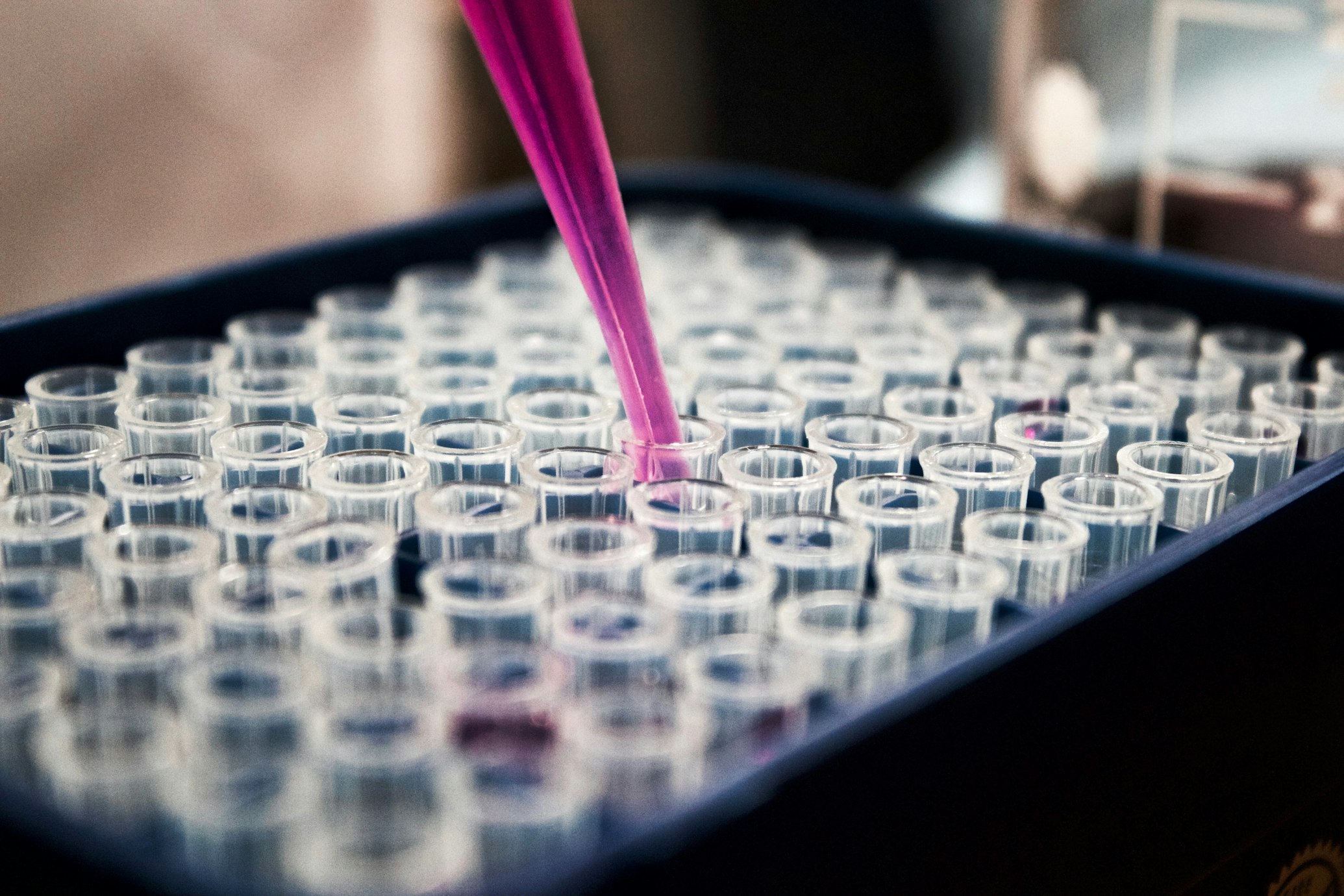
Figure 3: Brain organoid technology continues to advance, opening new frontiers in neuroscience.
Looking Forward
Future developments may include vascularized organoids with blood supplies, more complete cellular diversity, and sophisticated interfaces with computing systems—all while navigating the complex ethical landscape of creating increasingly brain-like structures in the laboratory.