Tumorigenicity Risk Assessment in Stem Cell Therapies: Strategies, Methods, and Future Directions
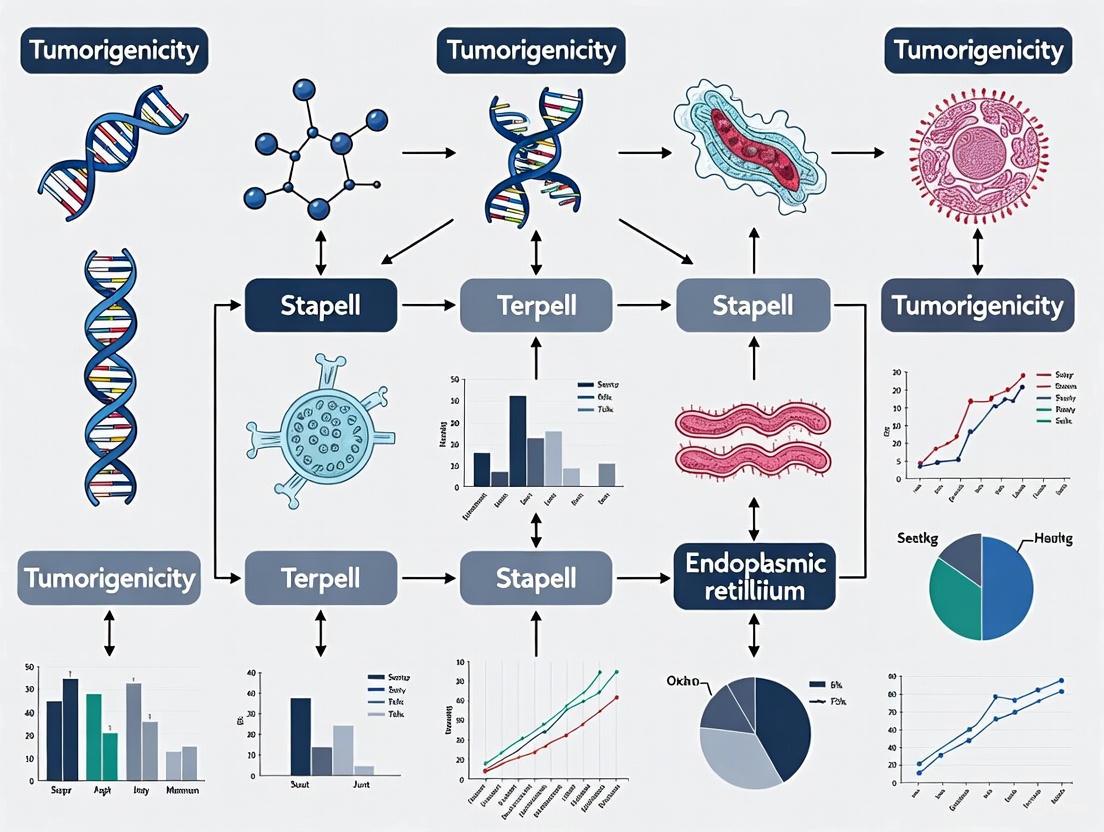
This comprehensive review addresses the critical challenge of tumorigenicity in stem cell-based therapies, a paramount concern for researchers and drug development professionals.
Tumorigenicity Risk Assessment in Stem Cell Therapies: Strategies, Methods, and Future Directions
Abstract
This comprehensive review addresses the critical challenge of tumorigenicity in stem cell-based therapies, a paramount concern for researchers and drug development professionals. It explores the inherent tumorigenic risks across diverse stem cell types, including pluripotent and adult stem cells, and examines established and emerging assessment methodologies from animal models to novel organoid platforms. The content provides a rigorous analysis of current elimination strategies for residual undifferentiated cells, optimization frameworks for safety protocols, and comparative validation of assessment technologies. By synthesizing foundational principles with cutting-edge applications, this article serves as an essential resource for developing safer stem cell therapies and advancing global regulatory standards.
Understanding Tumorigenic Risks Across Stem Cell Types
The application of human pluripotent stem cells (hPSCs), including both embryonic stem cells (ESCs) and induced pluripotent stem cells (iPSCs), in regenerative medicine represents a frontier in treating conditions that currently lack adequate therapies [1] [2]. These cells can differentiate into any cell type in the human body, making them attractive resources for basic research, drug discovery, and cell-based therapies [3] [4]. However, hPSCs are intrinsically tumorigenic and can form teratomas—benign tumors containing tissues from all three germ layers (ectoderm, mesoderm, and endoderm) [1] [5] [2]. This tumorigenicity, primarily driven by residual undifferentiated hPSCs in cell therapy products (CTPs), represents a major safety concern and a significant barrier to clinical translation [5] [3]. Therefore, rigorous assessment of teratoma formation risk using sensitive methodologies is imperative for the safe development of hPSC-derived therapies, forming a critical component of the broader thesis on tumorigenicity risk assessment across stem cell types [1] [2].
Comparative Analysis of Teratoma Risk Assessment Methodologies
Evaluating the potential of PSC-derived products to form teratomas requires a multifaceted approach. The following section objectively compares the performance of established and emerging methodologies, providing a foundation for selecting appropriate quality control measures.
In Vivo Teratoma Formation Assay
Table 1: In Vivo Teratoma Assay Protocol and Data Analysis [5]
| Aspect | Specification |
|---|---|
| Animal Model | Immunodeficient mice (e.g., NOD/SCID) |
| Transplantation Sites | Subcutaneous, intramuscular, testis (leveraging the immune-privileged blood-testis barrier) |
| Cell Preparation | ≥ 2 x 10^6 cells, resuspended to 5 x 10^7 cells/mL in PBS |
| Injection Volume | 20 µL (containing 1 x 10^6 cells) |
| Endpoint Analysis | 4-28 weeks post-transplantation; tumor dissection, weight measurement, histology (H&E staining) |
| Key Advantages | Provides empirical proof of pluripotency by generating complex, differentiated tissues. |
| Major Limitations | Time-consuming (weeks to months), expensive, labor-intensive, ethical concerns, protocol variability. |
The in vivo teratoma formation assay has long been considered the "gold standard" for assessing pluripotent function [4]. The procedure involves implanting PSCs into immunocompromised mice, allowing the cells to proliferate and differentiate into a teratoma over an extended period [5]. As shown in Table 1, a standard protocol involves injecting one million cells into the testis of a NOD/SCID mouse, with tumors typically observed 4 and 10 weeks after injection of mouse and human PSCs, respectively [5]. The assay's primary value lies in its ability to demonstrate the formation of highly complex, morphologically identifiable tissues derived from all three germ layers, which is considered conclusive proof of pluripotency [4]. However, this method has significant drawbacks, including being labor-intensive, time-consuming, expensive, and raising ethical concerns due to the use of animal hosts [4]. Furthermore, there is considerable protocol variation between laboratories, which impacts tumor differentiation and complicates data interpretation and standardization [4].
Emerging In Vitro Assays for Detecting Residual Pluripotency
Table 2: Comparison of Key In Vitro Assays for Residual hPSC Detection [1] [2] [6]
| Method | Principle | Reported Sensitivity | Key Advantages | Key Limitations |
|---|---|---|---|---|
| Digital PCR (dPCR) | Quantifies hPSC-specific RNA/DNA targets by partitioning samples into thousands of nanoreactions. | Superior sensitivity; can detect rare residual hPSCs. | Highly sensitive, quantitative, reproducible, amenable to standardization and validation. | Requires knowledge of specific markers; does not assess functional pluripotency. |
| Highly Efficient Culture (HEC) Assay | Amplifies residual undifferentiated cells in culture. | Superior sensitivity. | Functional cell-based assay, highly sensitive. | Longer time than molecular methods; culture conditions may selectively expand subpopulations. |
| Flow Cytometry | Uses antibodies to detect cell surface pluripotency markers (e.g., SSEA-4, TRA-1-60). | Lower sensitivity compared to dPCR and HEC. | High-throughput, quantitative, provides data on population heterogeneity. | Limited by antibody specificity and sensitivity; may not detect very low levels of contamination. |
| Next-Generation Sequencing (NGS) | Profiles transcriptome or epigenome for pluripotency signatures. | Varies with platform and depth. | Unbiased, can discover novel markers. | Complex data analysis; high cost; does not assess functional pluripotency. |
Recent consensus recommendations highlight that in vitro assays, such as digital PCR (dPCR) and the highly efficient culture (HEC) assay, offer significantly superior detection sensitivity for residual undifferentiated hPSCs compared to traditional in vivo models [1] [2] [6]. Multi-site validation studies have demonstrated that these in vitro approaches provide greater sensitivity and reproducibility [6]. The dPCR method allows for the absolute quantification of hPSC-specific molecular markers by partitioning the sample into thousands of individual reactions, dramatically enhancing the ability to detect rare events like residual pluripotent cells [1] [6]. Similarly, the HEC assay is a cell-based functional method designed to amplify and detect any remaining undifferentiated cells through highly efficient culture conditions [2]. These advanced in vitro methods are increasingly recognized as robust, reproducible, and translatable tools for quality control in manufacturing PSC-derived therapies [1] [6].
Experimental Protocols for Key Assessments
Detailed Protocol: In Vivo Teratoma Formation Assay
The following protocol, adapted from Miyawaki et al. (2016), details the steps for a testicular transplantation teratoma assay in immunodeficient mice [5].
A. Preparing Cells for Transplantation
- Maintain iPSCs according to standard culture protocols. A minimum of 2 x 10^6 cells is required.
- Replace the culture medium with fresh medium one hour before dissociation.
- Aspirate the medium and wash the cells twice with sterile phosphate-buffered saline (PBS).
- Detach the cells using trypsin-EDTA (1 ml per 10 cm dish).
- Neutralize the trypsin reaction using a medium containing 15% fetal bovine serum (for mouse iPSCs) or a specific trypsin inhibitor (for human and naked mole-rat iPSCs).
- Collect the cells in a 15 ml conical tube and resuspend in 4 ml of PBS.
- Count the cells using an automated counter or hemocytometer.
- Centrifuge the cells at 200 x g for 5 minutes at room temperature.
- Aspirate the supernatant and resuspend the cell pellet in PBS to a final concentration of 5 x 10^7 cells/ml (equivalent to 1 x 10^6 cells in 20 µl).
- Transfer the cell suspension to a 1.5 ml tube and keep it on ice until injection.
B. Injection into Mice
- (Optional) Administer ampicillin-containing water (1 g/L) orally to mice from 3 days before until 1 week after surgery to prevent infection.
- Anesthetize a NOD/SCID mouse using isoflurane and place it on a heating pad.
- Disinfect the surgical area with 70% ethanol and remove hair from the dorsal region.
- Make a 1 cm incision above the preputial gland and open the abdomen.
- Gently pull out the epididymal fat pad along with the testis.
- Fill a 25 µL Hamilton syringe with 20 µL of the cell suspension (1 x 10^6 cells).
- Use a 26-gauge needle to puncture the tunica vaginalis of the testis.
- Insert the Hamilton syringe and slowly inject the 20 µL cell suspension.
- Carefully remove the needle to prevent backflow of the cells.
- Return the testis to its original location and suture the wound.
C. Post-Injection Analysis
- At predetermined endpoints (e.g., 4, 10, 20, or 28 weeks post-transplantation), sacrifice the mice in accordance with institutional animal care guidelines.
- Dissect the tumors or testes and remove any residual moisture.
- Weigh the tumors to quantify growth.
- Fix the tissues overnight in 4% paraformaldehyde (PFA) for subsequent paraffin embedding.
- Section the embedded tissues and stain with Hematoxylin and Eosin (H&E) for histological analysis of the three germ layers. Immunohistochemistry can be performed to detect specific differentiation markers or injected cells expressing a fluorescent protein like GFP.
Workflow for Integrated Risk Assessment
The following diagram illustrates a logical workflow for a comprehensive teratoma formation risk assessment strategy, integrating both in vitro and in vivo methods.
The Scientist's Toolkit: Essential Research Reagents
Table 3: Key Reagent Solutions for Teratoma Formation Assays
| Reagent/Cell Line | Function/Application | Example Specifications |
|---|---|---|
| Immunodeficient Mice | In vivo host for teratoma formation assays due to reduced immune rejection. | NOD/SCID, NSG (NOD.Cg-Prkdcscid Il2rgtm1Wjl), NOG (NOD.Cg-Prkdcscid IL2rgtm1Sug) [1] [5]. |
| Pluripotent Stem Cells | The test cell population for assessing tumorigenicity and pluripotency. | Human ESCs (e.g., H9 line), human iPSCs (e.g., clone 201B7); should express pluripotency markers [5] [7]. |
| Cell Dissociation Agent | Enzymatic dissociation of PSC colonies into single-cell suspensions for injection. | Trypsin-EDTA (0.1%) or Accutase [5] [7]. |
| Rho Kinase (ROCK) Inhibitor | Improves survival of single PSCs during dissociation and transplantation, increasing assay reliability. | Y-27632, Thiazovivin [1] [7]. |
| Hamilton Syringe | Precision injection of cell suspension into target sites (e.g., testis, subcutaneous) with minimal backflow. | 25 µL volume (e.g., Model 702 N) [5]. |
| Fixative and Embedding Media | Tissue preservation and preparation for histopathological analysis. | 4% Paraformaldehyde (PFA) for fixation; Paraffin for embedding [5]. |
| Histological Stains | Visualization of tissue architecture and identification of three germ layers in teratomas. | Hematoxylin and Eosin (H&E) [5]. |
| PCR Reagents | Molecular detection of residual PSCs via pluripotency gene expression (e.g., for dPCR). | Primers/Probes for OCT4, NANOG, SOX2 [1] [2]. |
| Flow Cytometry Antibodies | Quantitative detection of cell surface pluripotency markers on residual PSCs. | Antibodies against SSEA-4, TRA-1-60, TRA-1-81 [4]. |
The journey of PSCs from the laboratory to the clinic is critically dependent on robust and reliable safety assessments, with teratoma formation risk being a paramount concern. While the in vivo teratoma assay has historically provided the definitive proof of pluripotent function, the field is rapidly evolving [4]. Recent expert consensus strongly advocates for the integration of highly sensitive in vitro methods, such as digital PCR and highly efficient culture assays, into quality control frameworks [1] [2] [6]. These methods offer superior sensitivity, reproducibility, and practicality for lot-release testing of clinical-grade products. An integrated strategy, leveraging the strengths of both in vitro screening and targeted in vivo validation, represents the future of tumorigenicity risk assessment. This approach, guided by ongoing international harmonization efforts, will be instrumental in increasing confidence in the safety of hPSC-derived therapies and ultimately fulfilling their transformative potential in regenerative medicine.
Pluripotent stem cells (PSCs), including both embryonic stem cells (ESCs) and induced pluripotent stem cells (iPSCs), represent a frontier in regenerative medicine due to their dual capacity for unlimited self-renewal and differentiation into any cell type. However, these same properties present a significant clinical challenge: tumorigenic potential [8]. The fundamental qualities that make PSCs therapeutically promising also confer the risk of tumor formation, creating a critical hurdle for clinical translation. PSC tumorigenicity manifests primarily in two forms: malignant transformation of differentiated PSCs and benign teratoma formation from residual undifferentiated PSCs [8]. This risk profile necessitates rigorous safety assessment protocols and thorough understanding of documented cases as the field advances toward broader clinical application.
The clinical translation of PSC-derived therapies has been characterized by both promising advances and significant safety setbacks. Early clinical trials, including the first-in-human PSC trial approved by the FDA in 2009 involving Geron's human ESC-derived neural progenitor cells (GRNOPC1), highlighted these risks when animal studies revealed cyst formation in regenerating spinal tissue sites, prompting a temporary clinical hold [8]. Similar concerns emerged from other preclinical studies showing neural overgrowths and tumors from human ESC-derived dopaminergic neurons and neural progenitor cells transplanted into small animal models [8]. These early warnings underscored the critical need for comprehensive tumorigenicity assessment and meticulous cell product characterization before clinical application.
Documented Case Studies and Clinical Evidence
Preclinical Animal Studies
Table 1: Documented Tumor Formation in Preclinical Animal Models
| PSC Type | Differentiated Cell Product | Animal Model | Tumor Type | Reference |
|---|---|---|---|---|
| Human ESCs | Neural progenitor cells (GRNOPC1) | Mouse (spinal injury) | Cysts in regenerating tissue | [8] |
| Human ESCs | Dopaminergic neurons | Parkinsonian monkey | Brain tumors | [8] |
| Human ESCs | Retinal progenitor cells | Mouse | Ocular tumors | [8] |
| Human ESCs | Hepatocyte-like cells | Immunocompromised mice | Splenic and liver tumors | [9] |
| Human ESCs | Undifferentiated cells | Immunocompromised mice | Teratomas (from 0.2% SSEA-1+ cells) | [9] |
Multiple preclinical studies in animal models have demonstrated the tangible risk of tumor formation from PSC-derived products. In a significant primate study, human ESC-derived dopaminergic neurons transplanted into the brains of Parkinsonian monkeys resulted in tumor formation [8]. Similarly, mice receiving ESC-derived retinal progenitors developed ocular tumors [10]. These findings highlight that even differentiated PSC derivatives retain tumorigenic potential under certain conditions. Particularly concerning is research demonstrating that teratomas can form from as little as 0.2% SSEA-1-positive pluripotent cells contaminating a differentiated cell population, emphasizing the critical importance of thorough purification before transplantation [9].
Another concerning phenomenon involves the development of tumors from seemingly differentiated PSC derivatives. One study demonstrated that despite functional liver engraftment, hESC-derived hepatocyte-like cells transplanted into immunocompromised mice developed splenic and liver tumors containing endodermal and mesodermal cell types [9]. This suggests that even cells that appear functionally specialized may retain or reactivate pluripotency networks, leading to neoplastic transformation post-transplantation. The persistence of this risk despite apparent differentiation underscores the complexity of ensuring complete elimination of tumorigenic potential in PSC-derived products.
Clinical Case Reports in Humans
Table 2: Documented Tumor Cases in Human Patients Receiving Cell Therapies
| Patient Population | Cell Type Administered | Condition Treated | Tumor Type/Outcome | Time to Presentation | |
|---|---|---|---|---|---|
| 49-year-old patient | iPSC-derived beta cells | Type 2 diabetes | Mass with enlarged axillary lymph nodes (OCT3/4+ and SOX2+ cells) | 2 months | [11] |
| 12-year-old boy | Fetal neural stem cells | Ataxia telangiectasia | Brain tumor (donor-derived) | 4 years | [8] [9] |
| 46-year-old woman | Autologous hematopoietic stem cells | Lupus nephritis | Kidney tumor | Not specified | [8] |
| 66-year-old patient | MSCs from unreliable sources | Unspecified condition | Glioproliferative lesions | Not specified | [11] |
While PSC-derived tumors have yet to be widely reported in humans, several concerning cases have emerged from related cellular therapies that highlight potential risks. In one documented case, a 49-year-old patient with type 2 diabetes received iPSC-derived beta cells and developed a mass with enlarged axillary lymph nodes at the injection site within two months [11]. Critically, most cells in the mass were confirmed to be OCT3/4 and SOX2 positive, demonstrating their origin from pluripotent cells and highlighting the risk of residual undifferentiated PSCs in therapeutic products.
Perhaps the most definitive evidence comes from non-PSC cellular therapies that demonstrate the principle of donor-cell derived tumor formation. A 12-year-old boy with ataxia telangiectasia developed a brain tumor four years after receiving fetal neural stem cell transplantation [8] [9]. Subsequent analysis confirmed the tumor was derived from the transplanted donor material rather than the recipient's own cells [9]. Similarly, a patient who received olfactory mucosal cell transplantation for spinal injury treatment developed a mucosal-like mass at the transplant site eight years after the initial procedure [9]. These cases highlight that tumorigenicity concerns extend beyond PSCs to other cell types and emphasize the potential for delayed presentation, necessitating long-term patient monitoring.
Molecular Mechanisms Underlying PSC Tumorigenicity
Shared Gene Networks Between PSCs and Cancers
The molecular basis for PSC tumorigenicity lies in the shared gene expression networks that regulate both pluripotency and oncogenesis. Fundamental to both processes are genes that confer high proliferation capacity, self-renewal, DNA repair checkpoint uncoupling, and the ability to differentiate into multifaceted tissues [8]. Research has revealed that almost half of the genes (>44%) transcriptionally upregulated as a result of hESC genomic aberrations are functionally linked to cancer gene expression networks [8]. This shared genetic architecture explains why PSCs and their tumorigenic progeny exhibit classic cancer hallmarks, including in vitro lack of contact inhibition, loss of P53 and RB regulation of the cell cycle, and resistance to apoptosis [8].
At the core of this shared network are the Myc transcription factor and the core pluripotency networks (Nanog, Oct4, and Sox2), which have emerged as fundamental gene circuits shared by PSCs and cancers [8]. These transcriptional networks function to promote self-renewal, proliferation, and multipotency in both physiological and pathological contexts. The Myc oncogene deserves particular attention, as reactivation of genomically integrated MYC in donor cells has been shown to produce somatic tumors in chimeric mice generated from iPSCs [8]. Similarly, ectopic activation of Oct4 in somatic cells induces dysplastic development and features of malignancy [8]. The close interconnection between these networks means that inter-network crosstalk can activate Myc or its effectors even without direct genetic manipulation.
Diagram Title: Mechanisms of PSC Tumorigenicity
Additional Tumorigenic Risks in iPSCs
iPSCs present additional tumorigenic concerns beyond those associated with ESCs. The reprogramming process itself introduces multiple oncogenic risks, including genomic insertion of reprogramming vectors, overexpression of oncogenic transcription factors, and a global hypomethylation state resembling that seen in cancers [8]. The original reprogramming factors (Oct4, Sox2, Klf4, and c-Myc) include known oncogenes, with c-Myc being particularly concerning due to its well-established role in various cancers. Additionally, DNA damage sustained during reprogramming may not be fully repaired in the resulting cells, creating a genetically unstable foundation for subsequent therapeutic applications [9].
Table 3: Tumorigenicity Risk Factors in iPSC Generation
| Risk Category | Specific Factors | Potential Consequences |
|---|---|---|
| Reprogramming Methods | Integrating vectors, oncogenic transgenes | Genomic instability, insertional mutagenesis |
| Reprogramming Process | Incomplete reprogramming, partial silencing | Pseudo-pluripotent state with high proliferation |
| Genomic Integrity | DNA damage during reprogramming, copy number variations | Increased mutation load, malignant transformation |
| Culture Conditions | Chromosomal aberrations, karyotype abnormalities | Post-transplant malignancy |
| Differentiation | Failure to silence pluripotency networks | Teratoma formation from residual undifferentiated cells |
The field has responded with various strategies to mitigate these iPSC-specific risks, primarily focusing on novel reprogramming methods that minimize genomic disruption. These include both integrating vectors that can be excised from the host genome (e.g., loxP sites, piggyBac transposition) and non-integrating vectors (e.g., adenoviral vectors, Sendai virus, episomal plasmids) [8] [9]. However, each approach has limitations, with excisable methods potentially leaving residual sequences that could disrupt genomic coding or activate oncogenic promoters, and non-integrating methods often suffering from lower transduction efficiency and limited transgene expression [8].
Assessment Methods and Detection Platforms
Conventional Tumorigenicity Assessment
The gold standard for tumorigenicity assessment has traditionally involved xenotransplantation into immunocompromised mice, commonly NOD-SCID-Gamma (NSG) mice which lack functionality in B, T, and NK cells [11]. In this procedure, stem cell-derived products are grafted subcutaneously or intramuscularly, followed by monitoring for tumor formation over extended periods, typically ranging from 10 to 36 weeks based on researcher protocols, with FDA recommendations suggesting 4 to 7 months for assay development [11]. These extended timeframes present significant challenges for clinical translation, as the typical turnaround time for stem cell-derived products is approximately 1 to 3 months, creating a logistical conflict between comprehensive safety testing and practical therapeutic development [11].
Critical to interpreting tumorigenicity assays is establishing detection thresholds. Research indicates that the threshold cell number for ESC-derived teratoma formation ranges from approximately 100 to 10,000 cells per million, far above single-cell resolution [11]. One study demonstrated that 10 ESCs spiked in Matrigel resulted in 0% tumorigenicity risk in immunocompromised animals, with none of the 30 implanted mice developing teratomas [11]. This suggests that tumorigenicity assays for stem cell products do not require single-cell resolution but should achieve reasonable sensitivity, such as 0.001% (equivalent to 100 cells per million) [11]. These threshold values provide important benchmarks for evaluating the sensitivity of both conventional and novel assessment platforms.
Advanced Assessment Platforms
Table 4: Comparison of Tumorigenicity Assessment Methods
| Method | Principle | Sensitivity | Timeframe | Advantages | Limitations |
|---|---|---|---|---|---|
| Animal Models (NSG mice) | In vivo xenotransplantation | ~100 cells/million | 4-7 months | Gold standard, holistic assessment | Species differences, lengthy, ethical concerns |
| Brain Organoids | 3D human cell-derived microenvironment | Enhanced detection in GBM organoids | Weeks | Human-relevant, complex architecture | Still in validation, specialized expertise |
| Soft Agar Colony Formation | Anchorage-independent growth | Moderate | Weeks | Detects transformation, relatively simple | Does not fully capture in vivo complexity |
| PCR/Flow Cytometry | Pluripotency marker detection | Variable based on markers | Days | Rapid, quantitative | Indirect measure of tumorigenicity |
| Microfluidics | Miniaturized cell culture analysis | Potentially high | Days | High-throughput, scalable | Emerging technology, requires validation |
Innovative approaches are emerging to address the limitations of animal models. Brain organoids represent a particularly promising platform, as they recapitulate the structural and functional complexity of the human brain while avoiding species-specific differences [12]. Recent research has demonstrated that cerebral organoids support the maturation of injected midbrain dopamine cells while enabling detection of tumorigenic cells [12]. Notably, glioblastoma-like organoids (GBM organoids) created from TP53−/−/PTEN−/− hPSCs show significantly enhanced proliferative capacity for injected pluripotent cells compared to both cerebral organoids and mouse models, suggesting superior sensitivity for detecting residual tumorigenic cells [12]. This enhanced detection capability appears to stem from upregulation of tumor-related metabolic pathways and cytokines in the GBM organoid environment.
The experimental workflow for organoid-based tumorigenicity assessment involves generating cerebral organoids from hPSCs using specialized kits (e.g., STEMdiff cerebral organoid kit), then injecting the test cell population (e.g., differentiated PSC products with or without spiked undifferentiated PSCs) into the organoid matrix [12]. The injected organoids are maintained in maturation medium on orbital shakers to promote nutrient exchange and structural development, with subsequent assessment of cell proliferation, differentiation, and marker expression through immunohistochemistry and single-cell RNA sequencing [12]. This platform offers the advantage of a human-derived, complex tissue environment that may better predict human-specific responses compared to rodent models.
Diagram Title: Tumorigenicity Assessment Workflow
Research Reagent Solutions for Tumorigenicity Assessment
Table 5: Essential Research Reagents for Tumorigenicity Assessment
| Reagent Category | Specific Examples | Function/Application |
|---|---|---|
| Cell Culture Media | NutriStem hPSC XF, DMEM/F12 with KSR, STEMdiff kits | PSC maintenance, differentiation, organoid generation |
| Extracellular Matrices | Matrigel, Poly-L-ornithine, Fibronectin, Laminin | Cell attachment, differentiation support, organoid embedding |
| Small Molecule Inhibitors | Y-27632 (ROCK inhibitor), SB431542, LDN193189 | Enhance cell survival, direct differentiation pathways |
| Growth Factors | FGF8, SHH, BDNF, GDNF, TGF-β3 | Pattern differentiation, support cell maturation |
| Detection Reagents | Antibodies to OCT3/4, SOX2, Nanog, SSEA-1 | Identify residual undifferentiated cells |
| Animal Models | NOD SCID Gamma (NSG) mice | In vivo tumorigenicity assessment |
The experimental assessment of tumorigenicity relies on specialized reagents and platforms. For PSC maintenance, defined culture systems such as NutriStem hPSC XF provide a foundation for consistent cell quality [12]. Differentiation protocols typically employ sequential media formulations, beginning with knockout serum replacement (KSR)-based media progressing to N2-supplemented defined media, often with precise temporal addition of patterning factors [12]. Small molecule inhibitors play crucial roles in both differentiation (e.g., SB431542, LDN193189 for neural induction) and prevention of apoptosis during cell passaging (Y-27632) [12]. For the emerging organoid platforms, specialized kits such as the STEMdiff cerebral organoid kit provide standardized protocols for generating complex 3D structures that serve as improved microenvironments for assessing cell integration and tumorigenic potential [12].
Critical detection reagents include antibodies against pluripotency markers (OCT3/4, SOX2, Nanog, SSEA-1) for identifying residual undifferentiated cells in differentiated products [9]. The sensitivity of these detection methods is continually improving, with flow cytometry capable of detecting minority populations at levels as low as 0.001% under optimal conditions [11]. For functional assessment, soft agar colony formation assays provide a measure of anchorage-independent growth as a hallmark of transformation, while PCR-based methods offer rapid quantification of pluripotency gene expression [11]. The integration of these complementary assessment approaches provides a comprehensive safety profile for PSC-derived therapeutic products before clinical application.
The clinical evidence for tumor formation from PSC-derived products, while still limited in human studies, presents a compelling case for rigorous safety assessment throughout therapeutic development. Documented cases from both preclinical models and related cellular therapies highlight the very real risks of tumorigenicity, whether from residual undifferentiated cells, incomplete reprogramming of iPSCs, or genomic instability acquired during in vitro culture. The shared molecular networks between pluripotency and oncogenesis provide a mechanistic foundation for these observed risks, emphasizing that the therapeutic properties of PSCs are intrinsically linked to their tumorigenic potential.
Moving forward, the field must continue to advance both detection technologies and safety-focused manufacturing protocols. Emerging platforms such as brain organoids offer promising alternatives to traditional animal models, potentially providing more human-relevant assessments with enhanced sensitivity and reduced timelines. The ongoing development of improved differentiation protocols, more sensitive detection methods, and better understanding of the critical thresholds for tumor formation will enable the field to balance the immense therapeutic potential of PSCs with the essential requirement for patient safety. As the first PSC-derived therapies progress through clinical trials, the continued careful monitoring and reporting of adverse events, including tumor formation, will be essential to guide the safe advancement of this transformative field.
The advancement of stem cell-based therapies represents a paradigm shift in regenerative medicine, offering potential strategies for conditions previously considered untreatable [13]. A critical safety consideration in their clinical application is tumorigenicity—the potential of transplanted cells to initiate tumor formation [14]. While pluripotent stem cells (such as embryonic stem cells and induced pluripotent stem cells) carry a well-documented high tumorigenic risk due to their inherent proliferative capacity and potential for residual undifferentiated cells in final products, adult stem cells (ASCs) present a more complex risk profile [14] [15]. ASCs, including mesenchymal stem cells (MSCs), hematopoietic stem cells (HSCs), and other tissue-specific stem cells, exhibit a lower but non-zero tumorigenic potential that must be thoroughly evaluated through rigorous preclinical assessment [13] [16]. This comparative guide examines the tumorigenic profiles of ASCs against other stem cell types, supported by experimental data and standardized assessment methodologies essential for researchers, scientists, and drug development professionals working in translational medicine.
The tumorigenicity evaluation of cell-based therapies must consider multiple factors including cell source, phenotype, differentiation status, proliferative capacity, ex vivo culture conditions, processing methods, and route of administration [14]. For ASCs, the risk is generally lower than pluripotent counterparts but varies significantly based on tissue origin, manipulation history, and patient-specific factors. Understanding this risk within the context of a broader tumorigenicity risk assessment framework is essential for developing safe therapeutic applications across stem cell types [13] [14].
Comparative Tumorigenic Risk Across Stem Cell Types
Quantitative Tumorigenicity Assessment Data
The following table summarizes key comparative data on tumorigenic potential across major stem cell categories, emphasizing the intermediate risk profile of adult stem cells.
Table 1: Comparative Tumorigenic Potential of Major Stem Cell Types
| Stem Cell Type | Therapeutic Examples | Tumorigenic Risk Level | Primary Tumorigenicity Concerns | Common Assessment Methods |
|---|---|---|---|---|
| Embryonic Stem Cells (ESCs) | Human ESC-derived pancreatic endoderm cells [13] | High | Teratoma formation from residual undifferentiated cells; malignant transformation [15] | Teratoma assay in immunocompromised mice; Flow cytometry for pluripotency markers (Oct4, Nanog) [15] |
| Induced Pluripotent Stem Cells (iPSCs) | iPSC-derived cardiomyocytes, retinal cells [13] | High | Teratoma/tumor formation; insertional mutagenesis from reprogramming; genomic instability during culture [14] | Teratoma assay; Genetic stability analysis (karyotyping, CNV); Vector integration analysis [14] |
| Adult Stem Cells (ASCs) | MSCs for Crohn's fistula, GvHD; HSCs for transplantation [13] | Low to Moderate | Malignant transformation after extended culture; spontaneous transformation in certain microenvironments; supportive role in tumor growth [13] [16] | Tumorigenicity assays in immunocompromised mice; Long-term culture and senescence assessment; Oncogene/tumor suppressor expression profiling [13] |
| Engineered Immune Cells | CAR-T cells, Tumor-infiltrating lymphocytes (Lifileucel) [13] | Variable (Context-dependent) | Uncontrolled proliferation; cytokine release syndrome; neurotoxicity; secondary malignancies [13] | Biodistribution studies (qPCR, imaging); Cytokine profiling; Tumor promotion models [13] |
Key Factors Influencing ASC Tumorigenicity
The tumorigenic potential of ASCs is influenced by several critical factors that must be considered in risk assessment:
- Donor Characteristics and Tissue Source: ASCs from different tissue sources (bone marrow, adipose tissue, dental pulp, etc.) exhibit distinct proliferation capacities and differentiation potentials that influence their tumorigenic risk profiles [13].
- Ex Vivo Culture Conditions: Extensive in vitro expansion can lead to the accumulation of genetic aberrations and epigenetic changes, potentially increasing tumorigenic potential. The use of specific culture media, growth factors, and passage numbers significantly impacts this risk [15] [16].
- Administration Route and Target Tissue: The tumorigenic potential of ASCs may vary based on the administration route (systemic vs. local) and the microenvironment of the target tissue, with some environments potentially promoting malignant transformation [14].
- Recipient Immune Status: Immunocompromised recipients (common in preclinical models) may have reduced capacity to eliminate potentially tumorigenic cells, potentially overestimating risk compared to immunocompetent clinical recipients [13].
Experimental Assessment Protocols
In Vivo Tumorigenicity Assays
The gold standard for assessing tumorigenic potential involves in vivo studies using immunocompromised mouse models. These assays are designed to detect tumor formation capacity of stem cell products under conditions that maximize sensitivity for identifying potentially tumorigenic cells [13] [14].
Table 2: Standardized In Vivo Tumorigenicity Testing Protocol for Adult Stem Cells
| Protocol Component | Specific Parameters | Rationale & Key Considerations |
|---|---|---|
| Animal Model | Immunocompromised mice (e.g., nude, SCID, NSG strains); Age: 6-8 weeks [13] [15] | Limited immune rejection of human cells; Standardized model for comparison; Requires justification of model suitability [13] |
| Cell Preparation | Highest intended clinical dose; Escalating doses (10x, 50x); Viability >90%; End-of-production cells [14] | Tests worst-case scenario; Establishes dose-response relationship; Uses most relevant cell population [14] |
| Administration Route | Relevant to clinical use (e.g., subcutaneous, intramuscular, intravenous) [14] | Subcutaneous allows easy monitoring; Other routes may better reflect clinical biodistribution [13] |
| Control Groups | Positive control (known tumorigenic cells - e.g., HeLa); Negative control (non-tumorigenic cells - e.g., human fibroblasts); Vehicle control [15] | Validates assay sensitivity and specificity; Provides reference points for tumor growth assessment [15] |
| Study Duration | Minimum 12-16 weeks; Up to 24 weeks for slower-forming tumors; Interim necropsies [13] | Allows detection of both rapid and slow-forming tumors; Balances animal welfare with detection sensitivity [13] |
| Endpoint Analysis | Weekly palpation and tumor measurement; Histopathology of injection sites and organs; Imaging (MRI, PET) for systemic administration [13] | Comprehensive assessment of tumor formation and metastatic potential; Provides pathological characterization [13] |
In Vitro Assays for Tumorigenicity Assessment
Complementary in vitro assays provide preliminary data on potential tumorigenic characteristics and mechanisms:
- Soft Agar Colony Formation Assay: Assesses anchorage-independent growth, a hallmark of transformation, by culturing cells in semi-solid medium and quantifying colony formation over 3-4 weeks [15].
- Proliferation and Senescence Monitoring: Continuous monitoring of population doubling times, senescence-associated β-galactosidase activity, and crisis points during long-term culture (≥20 passages) to identify immortalization events [16].
- Genetic Stability Assessment: Regular karyotyping, comparative genomic hybridization (CGH), and whole-genome sequencing to detect accumulating genetic abnormalities that may predispose to tumorigenicity [15] [16].
- Oncogenic/Tumor Suppressor Profiling: PCR and Western blot analysis of key oncogenes (e.g., c-Myc, Ras) and tumor suppressor genes (e.g., p53, p16) to identify expression patterns associated with transformation risk [15].
Signaling Pathways and Molecular Mechanisms
Adult stem cells maintain a delicate balance between self-renewal and differentiation, governed by complex signaling networks. Dysregulation of these pathways can predispose ASCs to tumorigenic transformation. The following diagram illustrates key signaling pathways involved in maintaining ASC homeostasis and their potential dysregulation that may contribute to tumorigenicity.
Diagram 1: ASC Signaling Pathway Balance. Pro-growth pathways (red) and differentiation-promoting pathways (green) maintain homeostasis. Dysregulation can increase transformation risk.
Research has demonstrated that inhibition of certain signaling pathways can reduce tumorigenic potential. For instance, studies on mouse embryonic stem cells and teratocarcinoma cells have shown that inhibition of the MEK/ERK and PI3K/Akt signaling pathways, combined with stimulation of Activin/Nodal and BMP signaling, resulted in a significant decrease in Oct4-expressing cells and loss of tumorigenicity [15]. Similar mechanisms likely apply to certain populations of ASCs, particularly those with higher proliferative capacities.
Essential Research Reagents and Tools
The Scientist's Toolkit for Tumorigenicity Assessment
The following table catalogs essential reagents and resources for conducting comprehensive tumorigenicity assessment of adult stem cells, compiling key materials referenced across experimental methodologies.
Table 3: Essential Research Reagents for Tumorigenicity Assessment
| Reagent/Resource Category | Specific Examples | Primary Research Application |
|---|---|---|
| Immunocompromised Mouse Models | Nude mice, SCID mice, NSG mice (from suppliers like Jackson Laboratory, Charles River) [13] [17] | In vivo tumorigenicity assays; Provide environment for human cell engraftment and tumor formation assessment [13] [15] |
| Cell Culture Supplements & Differentiation Inducers | Retinoic acid, Activin A, BMP4, PD98059 (MEK/ERK inhibitor), LY294002 (PI3K inhibitor) [15] | Enhance differentiation of residual immature cells; Modulate signaling pathways to reduce tumorigenic potential [15] |
| Flow Cytometry Antibodies | Anti-Oct4, Anti-Nanog, Anti-SSEA, Anti-CD44, Anti-CD133, Anti-CD34/CD38 [15] [18] | Detection and quantification of undifferentiated cells with tumorigenic potential; CSC marker identification [15] [18] |
| Molecular Biology Kits | Karyotyping kits, Comparative Genomic Hybridization arrays, Whole Genome Sequencing services [16] | Assessment of genetic stability; Detection of accumulating abnormalities during culture expansion [15] [16] |
| In Vivo Imaging Reagents | Luciferase substrates, MRI contrast agents, PET tracers [13] | Non-invasive monitoring of cell survival, distribution, and potential tumor formation in live animals [13] |
| Bioinformatics Resources | Mouse Phenome Database, GeneNetwork Database, International Mouse Phenotyping Consortium portal [17] | Access to phenotypic data; Genetic mapping; Comparison with reference models [17] |
The comprehensive assessment of adult stem cells reveals a consistent profile of lower but non-zero tumorigenic potential that distinguishes them from pluripotent stem cell alternatives. This risk profile necessitates rigorous but context-appropriate evaluation strategies that balance safety considerations with therapeutic development practicalities. The experimental protocols and data summarized in this guide provide a framework for standardized assessment that can inform regulatory decisions and product development pathways.
Moving forward, the field requires continued refinement of tumorigenicity assessment methods, including the development of more predictive in vitro assays, standardized reporting frameworks, and enhanced understanding of the molecular mechanisms underlying ASC transformation. By implementing the comprehensive assessment strategies outlined in this guide—including in vivo tumorigenicity assays, signaling pathway modulation, and careful attention to cell product quality—researchers can advance the field of adult stem cell therapies while appropriately managing their tumorigenic potential.
Cancer stem cells (CSCs) constitute a highly plastic and therapy-resistant subpopulation within tumors that drives tumor initiation, progression, metastasis, and relapse. Their ability to evade conventional treatments and interact with the tumor microenvironment makes them critical targets for innovative therapeutic strategies. This review comprehensively examines the defining biomarkers of CSCs across various cancer types and elucidates their fundamental role in tumor initiation. We summarize current isolation methodologies, detail experimental protocols for studying CSC function, and analyze key signaling pathways that maintain stemness. By integrating quantitative data on CSC biomarkers with mechanistic insights into tumor initiation, this review provides a resource for researchers and drug development professionals working in tumorigenicity risk assessment and targeted therapeutic development.
Cancer stem cells (CSCs), also known as tumor-initiating cells (TICs), are a subpopulation of cells within tumors that possess self-renewal capacity, differentiation potential, and enhanced survival mechanisms [18]. First identified in acute myeloid leukemia (AML) in 1994 and later confirmed in various solid tumors, CSCs challenge the traditional view that all cancer cells contribute equally to tumor development [19] [20]. The CSC hypothesis proposes a hierarchical organization within tumors, with CSCs at the apex, responsible for initiating and sustaining tumor growth [21]. Their ability to evade conventional therapies and drive metastasis and recurrence makes them critical targets for improving cancer treatments [18] [22].
CSCs exhibit remarkable phenotypic and functional plasticity, allowing them to transition between stem-like and differentiated states in response to environmental stimuli such as hypoxia, inflammation, or therapeutic pressure [18] [21]. This adaptability underscores that CSC identity may represent a dynamic functional state rather than a fixed subpopulation. Furthermore, CSCs constantly interact with their surrounding environment, including supportive tissue, immune cells, and extracellular matrix components, increasing complexity and affecting tumor growth and treatment response [18]. Understanding CSC biology at molecular and cellular levels is essential for developing treatments that can fully eliminate these cells and prevent cancer recurrence.
CSC Biomarkers Across Cancer Types
CSC biomarkers serve as critical tools for identification, isolation, and therapeutic targeting. These biomarkers include cell surface proteins, intracellular enzymes, and functional markers that vary across cancer types. The table below summarizes key CSC biomarkers, their functions, and their clinical significance across different malignancies.
Table 1: Key Cancer Stem Cell Biomarkers and Their Characteristics
| Biomarker | Full Name/Type | Primary Cancer Types | Function in CSCs | Clinical/Prognostic Significance |
|---|---|---|---|---|
| CD44 | Transmembrane glycoprotein | Breast, pancreas, prostate, colorectal, ovarian, lung, liver, HNSCC, leukemia [19] | Cell adhesion, migration, interaction with ECM; regulates Wnt, Notch, Hedgehog pathways [19] | Overexpression correlates with aggressive disease, poor prognosis, metastasis; therapeutic target in clinical trials [19] |
| CD133 (Prominin-1) | Transmembrane glycoprotein | Glioblastoma, colon, pancreatic, breast cancer [19] | Maintains tumorigenicity, therapy resistance; exact function unclear [19] | CD133+ cells enriched in CSC population; associated with increased tumorigenicity and chemo-resistance [19] |
| CD90 (Thy-1) | Glycoprotein | Brain, liver, colorectal, breast cancers (especially TNBC) [19] | Proposed role in cell-cell adhesion, signal transduction; induces CD133 via β3 integrin and AMPK/mTOR [19] | Expression in TNBC associated with poor prognosis; also expressed in mesenchymal and liver stem cells [19] |
| ALDH1A1 | Intracellular enzyme (Aldehyde dehydrogenase) | Bladder, breast, multiple other cancers [21] | Detoxification, retinoic acid metabolism, drug resistance; regulates oxidative stress [21] | High activity identifies CSCs; correlates with poor prognosis, metastasis, treatment failure; positively correlated with PD-L1 in bladder cancer [21] |
| CD87 (uPAR) | Urokinase-type plasminogen activator receptor | Lung cancer [19] | Cell adhesion, migration, ECM interaction; signaling regulation [19] | Distinguishes lung CSCs from other cancer types; potential therapeutic target [19] |
| CD45 (PTPRC) | Protein tyrosine phosphatase receptor type C | Leukemia, some solid tumors [19] | Regulation of cell growth, signaling; target for radioimmunotherapy [19] | High expression associated with better prognosis in bladder cancer; target for antibody-based therapies [19] |
| EpCAM | Epithelial cell adhesion molecule | Prostate, gastrointestinal cancers [18] | Cell adhesion, signaling, proliferation [18] | CSC-specific marker in some cancers; target for CAR-T cell therapy in preclinical models [18] |
The expression of CSC biomarkers is not universal across all tumor types and reflects the influence of tissue origin and microenvironmental context on CSC phenotypes [18]. For instance, glioblastoma CSCs frequently express neural lineage markers such as Nestin and SOX2, whereas gastrointestinal cancers may harbor CSCs characterized by LGR5 or CD166 expression [18]. This heterogeneity suggests that CSC identity is shaped by both intrinsic genetic programs and extrinsic cues. Furthermore, stem-like features can be acquired de novo by non-CSCs in response to environmental stimuli, indicating that CSCs may represent a dynamic functional state rather than a static subpopulation [18].
Methodologies for CSC Isolation and Characterization
Experimental Protocols for CSC Identification
Research laboratories utilize several well-established techniques to isolate and characterize CSCs based on their physical properties, surface marker expression, and functional capabilities:
Flow Cytometry and Fluorescence-Activated Cell Sorting (FACS)
- Principle: Separation of cell subpopulations based on specific surface marker expression using antibody-conjugated fluorochromes [23]
- Protocol Details:
- Create single-cell suspension from dissociated tumor tissue
- Incubate with fluorescently-labeled antibodies against CSC markers (e.g., CD44, CD133, CD24)
- Include viability dye to exclude dead cells
- Sort cells using FACS based on marker expression profiles (e.g., CD44+/CD24- for breast CSCs)
- Collect sorted populations for functional assays
- Key Considerations: Include appropriate isotype controls; use fresh tissues for optimal antibody binding; maintain sterile conditions for subsequent cell culture [23]
Aldefluor Assay
- Principle: Functional identification of CSCs based on high aldehyde dehydrogenase (ALDH) enzyme activity [21]
- Protocol Details:
- Incubate single-cell suspension with BODIPY-aminoacetaldehyde substrate
- ALDH enzyme converts substrate into fluorescent BODIPY-aminoacetate
- Retain product inside cells via efflux inhibitor
- Detect ALDH-high cells via flow cytometry
- Use diethylaminobenzaldehyde (DEAB) inhibitor as negative control
- Applications: Particularly useful for breast CSCs and various other cancer types [21]
Sphere Formation Assay
- Principle: Assessment of self-renewal capability under non-adherent conditions [23]
- Protocol Details:
- Plate single cells in ultra-low attachment plates
- Culture in serum-free medium supplemented with growth factors (EGF, bFGF, B27)
- Maintain cultures for 7-14 days
- Quantify number and size of spheres formed (typically >50μm diameter)
- Passage spheres for secondary and tertiary sphere formation assays
- Interpretation: Sphere-forming efficiency correlates with stemness potential; serial sphere formation demonstrates self-renewal capacity [23]
In Vivo Tumor Initiation Assays
The gold standard for validating CSC functionality is the tumor initiation assay in immunocompromised mice:
Limiting Dilution Transplantation Assay
- Principle: Determination of tumor-initiating cell frequency through serial dilution [20]
- Protocol Details:
- Isolate putative CSCs via FACS or other methods
- Prepare serial dilutions of cells (e.g., 10, 100, 1000, 10000 cells)
- Mix with Matrigel for extracellular matrix support
- Transplant cells orthotopically or subcutaneously into immunodeficient mice (NSG, NOD/SCID)
- Monitor tumor formation weekly for several months
- Calculate tumor-initiating cell frequency using extreme limiting dilution analysis (ELDA) software
- Key Outcomes: CSCs typically form tumors at significantly lower cell numbers compared to non-CSCs; as few as 100-1000 CSCs can initiate tumors in susceptible models [20]
Table 2: Comparative Tumor-Initiating Capacity of CSCs Across Cancer Types
| Cancer Type | CSC Population | Minimum Tumor-Initiating Cell Number | Model System | Reference |
|---|---|---|---|---|
| Acute Myeloid Leukemia | CD34+/CD38- | Significantly lower than bulk cells | SCID mice | [18] |
| Breast Cancer | CD44+/CD24-/ALDH1+ | 1/1000 required compared to non-CSCs | Mouse mammary fat pad | [20] |
| Glioblastoma | CD133+ | Lower than CD133- cells | Immunodeficient mice | [19] |
| Various Cancers | Generally defined CSCs | 100-10,000 cells | Immunodeficient mice | [20] |
Signaling Pathways Governing CSC Tumor Initiation
CSC maintenance and tumor initiation capacity are regulated by evolutionarily conserved signaling pathways that also govern normal stem cell behavior. These pathways represent promising targets for therapeutic intervention.
Core Signaling Pathways in CSCs
Wnt/β-Catenin Pathway
- Role in CSCs: Regulates self-renewal, maintenance of undifferentiated state, and metabolic adaptations [22]
- Key Components: Frizzled receptors, LRP co-receptors, β-catenin, GSK3β, TCF/LEF transcription factors
- Mechanism: In canonical pathway, Wnt binding stabilizes β-catenin, allowing nuclear translocation and activation of stemness genes including c-MYC and CYCLIN D1 [22]
- Therapeutic Targeting: Small molecule inhibitors of Wnt signaling (e.g., PRI-724, LGK974) in clinical development [22]
Notch Signaling Pathway
- Role in CSCs: Maintains stem cell quiescence, promotes survival, influences cell fate decisions [22]
- Key Components: Notch receptors (1-4), Delta/Jagged ligands, γ-secretase complex
- Mechanism: Proteolytic cleavage by γ-secretase releases Notch intracellular domain (NICD), which translocates to nucleus and activates target genes like HES and HEY [22]
- Therapeutic Targeting: γ-Secretase inhibitors (e.g., RO4929097) and neutralizing antibodies in clinical trials [22]
Hedgehog (Hh) Signaling Pathway
- Role in CSCs: Regulates self-renewal, tissue patterning, and microenvironment interactions [22]
- Key Components: Patched (PTCH1), Smoothened (SMO), GLI transcription factors
- Mechanism: In absence of Hh ligands, PTCH1 inhibits SMO; ligand binding releases inhibition, allowing SMO-mediated activation of GLI effectors [22]
- Therapeutic Targeting: SMO inhibitors (e.g., vismodegib, sonidegib) approved for basal cell carcinoma [22]
The following diagram illustrates the core signaling pathways that maintain cancer stem cell properties and drive tumor initiation:
Tumor Initiation Process
The tumor initiation capacity of CSCs represents their defining characteristic. This process involves multiple coordinated mechanisms:
Metabolic Plasticity CSCs exhibit remarkable metabolic flexibility, switching between glycolysis, oxidative phosphorylation, and alternative fuel sources such as glutamine and fatty acids to survive under diverse environmental conditions [18]. This adaptability supports their tumor-initiating capability in various tissue contexts.
Interaction with Tumor Microenvironment CSCs reside in specialized niches that provide critical support for their maintenance and tumor-initiating functions [21]. These niches comprise various cellular components including cancer-associated fibroblasts (CAFs), mesenchymal stem cells, endothelial cells, and immune cells, alongside non-cellular elements like cytokines, growth factors, and extracellular matrix proteins [20]. Through bidirectional communication with niche components, CSCs receive signals that maintain their stemness and protect them from immune surveillance.
Epigenetic Regulation CSCs display extensive epigenetic plasticity that contributes to their tumor-initiating capacity [21]. Key mechanisms include:
- DNA methylation changes (hypermethylation of tumor suppressor genes, global hypomethylation)
- Histone modifications (acetylation, methylation, phosphorylation)
- Dysregulation of miRNAs influencing self-renewal and differentiation These epigenetic alterations modulate critical signaling pathways including Wnt/β-catenin, Notch, and Hedgehog, maintaining stemness and drug resistance [19].
The following diagram illustrates the multi-step process of CSC-driven tumor initiation:
The Scientist's Toolkit: Essential Research Reagents
Table 3: Essential Research Reagents for CSC Investigation
| Reagent/Category | Specific Examples | Research Application | Function in CSC Studies |
|---|---|---|---|
| Flow Cytometry Antibodies | Anti-CD44, Anti-CD133, Anti-CD24, Anti-CD34, Anti-CD38 | CSC identification and isolation | Surface marker-based separation of CSC subpopulations via FACS |
| ALDH Activity Detection | Aldefluor assay, DEAB inhibitor | Functional CSC identification | Detection of high ALDH enzymatic activity characteristic of CSCs |
| Cell Culture Media | Serum-free medium, B27 supplement, EGF, bFGF | Sphere formation assays | Support growth of undifferentiated CSCs under non-adherent conditions |
| Animal Models | NOD/SCID, NSG mice | In vivo tumor initiation assays | Evaluation of self-renewal and tumorigenicity via limiting dilution transplantation |
| Pathway Inhibitors | γ-Secretase inhibitors (Notch), LGK974 (Wnt), vismodegib (Hedgehog) | Functional pathway studies | Investigation of signaling pathways regulating stemness and tumor initiation |
| Extracellular Matrix | Matrigel, Collagen I | 3D culture and transplantation | Provide structural support for CSC growth and tumor formation assays |
| Cytokines/Growth Factors | TGF-β, IL-6, IL-8 | Microenvironment studies | Examination of niche factors influencing CSC behavior and plasticity |
Cancer stem cells represent a pivotal therapeutic target due to their fundamental role in tumor initiation, metastasis, and therapy resistance. The biomarkers and experimental methodologies detailed in this review provide researchers with essential tools for identifying, isolating, and characterizing these critical cellular subpopulations across cancer types. Understanding the molecular mechanisms underlying CSC tumor initiation capacity, particularly the core signaling pathways and microenvironmental interactions, offers promising avenues for therapeutic intervention. As single-cell technologies, multiomics integration, and advanced animal models continue to evolve, they will undoubtedly refine our understanding of CSC biology and accelerate the development of targeted therapies aimed at eradicating this treatment-resistant cell population. Future research directions should focus on leveraging these technological advances to overcome CSC plasticity and heterogeneity, ultimately improving patient outcomes across multiple cancer types.
Neural stem cells (NSCs) represent a population of multipotent cells capable of self-renewal and differentiation into the major neural lineages of the central nervous system: neurons, astrocytes, and oligodendrocytes [24] [25]. Their remarkable biological properties, including inherent plasticity and tumor-homing capabilities, have positioned them as promising therapeutic tools for treating neurological disorders and aggressive brain tumors like glioblastoma [24]. However, these same properties—particularly their self-renewal capacity and proliferative potential—create a fundamental paradox in therapeutic development: the very stemness that makes them therapeutically valuable also confers significant tumorigenic risk [14] [13]. This review comprehensively examines the relationship between neural stemness and tumorigenicity, providing researchers and drug development professionals with comparative experimental data and assessment methodologies essential for advancing the field of stem cell-based therapies.
Neural Stemness Properties and Identification Markers
Defining Neural Stemness
Neural stemness refers to the fundamental characteristics that enable NSCs to maintain their multipotent state. These cells are characterized by their capacity for unlimited self-renewal and their ability to differentiate into specialized neural cell types [26] [25]. In the adult brain, NSCs become regionally restricted to two neurogenic niches: the subventricular zone (SVZ) and the subgranular zone (SGZ) of the hippocampal dentate gyrus [24]. The stemness state is maintained through complex molecular networks that regulate self-renewal while suppressing differentiation until appropriate signals are received.
Key Markers for Identifying Neural Stem Cells
The identification and characterization of NSCs rely on specific molecular markers that indicate their undifferentiated, self-renewing state. The following table summarizes the primary markers used in NSC research:
Table 1: Key Markers for Neural Stem Cell Identification and Characterization
| Marker | Type | Expression Pattern | Functional Significance |
|---|---|---|---|
| Nestin | Intermediate filament protein | Expressed in immature neural cells during CNS development [26] | Widely recognized as a marker for neural stemness; indicates undifferentiated state [26] [25] |
| SOX2 | Transcription factor | Expressed in neural stem and progenitor cells [18] | Maintains self-renewal capacity and pluripotency; essential for stemness maintenance |
| CD44 | Cell surface glycoprotein | Expressed in certain cancer stem cell populations [18] | Associated with stemness in glioblastoma cancer stem cells; not exclusive to NSCs |
| CD133 | Transmembrane protein | Expressed in various stem and progenitor cells [18] | Used to isolate CSC populations; expression varies across tumor types |
These markers enable researchers to identify, isolate, and characterize NSCs throughout differentiation processes and in various pathological conditions. Nestin has been particularly valuable for tracking the neural stemness state during differentiation protocols, with studies showing that the optimal exposure time to differentiation inducers like β-mercaptoethanol for producing NSCs from mesenchymal stem cells is approximately 6 hours [26].
Tumorigenicity Risks Across Stem Cell Types
The tumorigenic potential of stem cells varies significantly depending on their origin, differentiation status, and biological properties. For regulatory purposes, tumorigenicity evaluation must consider the complexity of product design and multiple influencing factors, including source, phenotype, differentiation status, proliferative capacity, ex vivo culture conditions, processing methods, and administration route [14]. The following table provides a comparative analysis of tumorigenicity risks across different stem cell types:
Table 2: Comparative Tumorigenicity Risks of Different Stem Cell Types
| Stem Cell Type | Tumorigenicity Risk | Primary Concerns | Key Risk Factors |
|---|---|---|---|
| Embryonic Stem Cells (ESCs) | High [14] [13] | Teratoma formation, malignant transformation [13] | Pluripotency, residual undifferentiated cells in final product [14] |
| Induced Pluripotent Stem Cells (iPSCs) | High [13] | Teratoma formation, genetic instability from reprogramming | Genetic abnormalities from reprogramming, incomplete differentiation |
| Neural Stem Cells (NSCs) | Moderate to High [24] | Potential for malignant transformation, particularly in specific microenvironments | Tumor-homing capabilities, proliferative capacity, interaction with tumor microenvironment [24] |
| Mesenchymal Stem Cells (MSCs) | Lower (but not negligible) [13] | Context-dependent transformation, promotion of pre-existing tumors | Culture-induced changes, environmental cues, ex vivo expansion [13] |
The risk assessment must be particularly rigorous for pluripotent stem cells (hESCs and hiPSCs), as they may contain residual undifferentiated cells in the final product, which have high potential for proliferation and differentiation, posing a risk of tumor formation in vivo [14]. For NSCs specifically, their inherent tumor-homing capabilities—while therapeutically beneficial for targeted drug delivery—also represent a potential risk factor that requires careful evaluation [24].
Experimental Models and Assessment Methodologies
In Vitro Tumorigenicity Assessment Protocols
Comprehensive tumorigenicity assessment employs a combination of in vitro and in vivo methods. Key experimental approaches include:
1. Soft Agar Colony Formation Assay: This standard method evaluates anchorage-independent growth, a hallmark of cellular transformation. Cells are suspended in soft agar and monitored for colony formation over 2-4 weeks. NSCs with higher tumorigenic potential form larger and more numerous colonies compared to their normal counterparts.
2. Differentiation Status Analysis: Using immunocytochemistry and RT-PCR for neural markers (nestin as an immaturation stage marker, NF-L as an early neural marker, and MAP-2 as a maturation marker) at different time intervals during differentiation protocols helps identify populations with impaired differentiation capacity [26].
3. Proliferation Capacity Assessment: Measuring population doubling times, cell cycle analysis, and Ki-67 expression provides quantitative data on proliferative potential. Abnormal persistence of high proliferation in differentiation conditions indicates potential dysregulation.
4. Genetic Stability Testing: Karyotyping, comparative genomic hybridization, and sequencing of oncogenes and tumor suppressor genes identify accumulated mutations that may predispose to transformation during ex vivo expansion.
In Vivo Tumorigenicity Testing Protocols
In vivo assessment remains the gold standard for tumorigenicity evaluation, with specific protocols including:
1. Immunocompromised Mouse Models: NSCs are transplanted into immunodeficient mice (e.g., NOD-scid, NSG) via routes relevant to clinical application (intracranial, systemic). Animals are monitored for tumor formation over 6-12 months, with regular palpation and imaging.
2. Histopathological Analysis: Upon study termination, organs are examined for abnormal growths. Tissue sections are stained with H&E and neural markers (nestin, SOX2) to identify undifferentiated cells and assess tumor morphology.
3. Biodistribution Studies: Using quantitative PCR for human-specific sequences, bioluminescent imaging, or PET tracking, the migration, persistence, and potential ectopic localization of administered NSCs are monitored over time [13].
4. Teratoma Assay: Specifically for pluripotent stem cell-derived NSCs, the potential for teratoma formation is assessed by injecting cells into immunocompromised mice and examining for multi-lineage differentiation.
Figure 1: Tumorigenicity Assessment Workflow for Neural Stem Cells. This diagram outlines the comprehensive experimental pathway for evaluating the tumorigenic potential of neural stem cell products, integrating both in vitro and in vivo methodologies.
Molecular Mechanisms Linking Stemness and Tumorigenicity
Shared Signaling Pathways in Neural Stemness and Cancer
The molecular pathways that maintain neural stemness frequently overlap with those dysregulated in cancer, creating inherent challenges for therapeutic applications. Key shared mechanisms include:
1. Metabolic Plasticity: Both NSCs and cancer stem cells (CSCs) exhibit remarkable metabolic flexibility, enabling them to switch between glycolysis, oxidative phosphorylation, and alternative fuel sources such as glutamine and fatty acids depending on environmental conditions [18]. This adaptability supports survival under diverse conditions, including therapeutic stress.
2. DNA Repair Mechanisms: NSCs and CSCs share enhanced DNA repair capabilities that provide resistance to genotoxic stress. While this protects normal stem cells from accumulation of mutations, it also enables CSCs to survive chemotherapy and radiation treatments [18].
3. Immunomodulatory Properties: NSCs naturally possess immunomodulatory functions that allow them to persist in inflammatory environments, similar to the immune evasion strategies employed by CSCs. This shared characteristic enables both cell types to thrive in potentially hostile microenvironments [24].
4. Microenvironment Interaction: Both NSCs and CSCs actively interact with their surrounding niche components. NSCs communicate through tunneling nanotubes (TNTs) containing nestin, enabling mitochondrial transfer and intercellular coordination [25]. CSCs similarly manipulate their tumor microenvironment to maintain their stem-like properties and promote survival.
Cancer Stem Cells in Glioblastoma
Glioblastoma (GB) represents the most aggressive and prevalent subtype of glioma, accounting for approximately 57% of all gliomas and nearly half of all malignant primary brain tumors [24]. GB is characterized by rapid progression, resistance to therapy, and poor prognosis, with a median survival of only 12-15 months despite aggressive multimodal treatment [24]. The presence of CSCs in glioblastoma contributes significantly to this therapeutic resistance and recurrence. Glioblastoma CSCs frequently express neural lineage markers such as Nestin and SOX2, illustrating the direct connection between neural stemness and tumorigenicity in this context [18].
Figure 2: Molecular Pathways Linking Neural Stemness and Tumorigenicity. This diagram illustrates how fundamental stemness properties create corresponding tumorigenicity risks through shared molecular mechanisms.
The Scientist's Toolkit: Essential Research Reagents
Table 3: Essential Research Reagents for Neural Stemness and Tumorigenicity Investigation
| Reagent/Category | Specific Examples | Research Application | Function in Experimental Design |
|---|---|---|---|
| Stemness Markers | Nestin, SOX2, CD133, CD44 antibodies [26] [18] | Immunocytochemistry, flow cytometry, immunofluorescence | Identification and quantification of undifferentiated neural stem cells |
| Differentiation Inducers | β-mercaptoethanol (BME) [26] | Neural differentiation protocols | Induction of neural differentiation; optimal exposure time (6 hours) for NSC production |
| Cell Culture Systems | Neurosphere culture, 3D organoid models [18] [25] | Stem cell expansion and maintenance | Preservation of stemness properties in vitro; study of cell-cell interactions |
| In Vivo Models | Immunocompromised mice (NOD-scid, NSG) [13] | Tumorigenicity assessment | Evaluation of tumor formation potential from transplanted stem cells |
| Molecular Analysis Tools | qPCR for neural markers (NES, NF-L, MAP-2) [26] | Gene expression profiling | Tracking differentiation status and stemness marker expression |
| Imaging Technologies | Live-cell time-lapse microscopy, STED super-resolution microscopy [25] | Visualization of intercellular connections | Detection of TNTs and mitochondrial transfer between cells |
Regulatory Considerations and Risk Mitigation
Global regulatory agencies have established frameworks for evaluating stem cell-based therapies, though significant variations exist in requirements and practices across regions [14]. A comprehensive biosafety assessment must address multiple critical parameters, including analysis of biodistribution patterns, toxicity profiles, proliferative activity, oncogenic potential, teratogenic effects, immunogenicity, cell survival rates, and rigorous confirmation of cellular product quality [13].
Risk mitigation strategies currently under investigation include:
- Genetic modification to improve tumor targeting and safety profiles [24]
- Incorporation of suicide genes that enable selective elimination of transplanted cells if necessary
- Biomaterial-based approaches to enhance cell retention and control differentiation [24]
- Precision editing technologies like CRISPR to eliminate potential oncogenic drivers
- Personalized medicine approaches tailored to individual patient profiles [24]
The intrinsic relationship between neural stemness and tumorigenicity represents both a challenge and opportunity for regenerative medicine and cancer research. While the stemness properties of NSCs provide tremendous therapeutic potential, particularly for conditions like glioblastoma where their tumor-homing capabilities enable targeted delivery of therapeutic agents [24], these same properties necessitate rigorous safety assessment and risk mitigation strategies. The development of 3D organoid models, CRISPR-based functional screens, and AI-driven multiomics analysis is paving the way for precision-targeted therapies that can exploit stemness mechanisms while minimizing tumorigenic risks [18]. As the field advances, an integrative approach combining metabolic reprogramming, immunomodulation, and targeted inhibition of NSC vulnerabilities will be essential for developing effective therapies that safely harness the potential of neural stem cells while robustly addressing their tumorigenic potential.
This guide provides a comparative analysis of genetic instability in cultured stem cells, focusing on the distinct chromosomal abnormality profiles and oncogenic risk landscapes of induced pluripotent stem cells (iPSCs) and mesenchymal stem cells (MSCs). For researchers and drug development professionals, understanding these differences is critical for selecting appropriate cell types for disease modeling and regenerative medicine applications. The data summarized in the tables below reveal that iPSCs exhibit a higher propensity for specific, recurrent chromosomal aberrations due to reprogramming and culture-induced stresses, while MSCs demonstrate a more stable karyotype with lower inherent tumorigenic risk, though they present distinct safety considerations for therapeutic use.
Table 1: Comparative Overview of Genetic Instability and Oncogenic Risk in Stem Cell Types
| Feature | Induced Pluripotent Stem Cells (iPSCs) | Mesenchymal Stem Cells (MSCs) |
|---|---|---|
| Primary Oncogenic Concern | Teratoma formation from residual undifferentiated cells; potential for neoplastic progression from aberrant derivatives [16] [14] | Ectopic tissue formation; supporting tumor growth in the microenvironment [27] |
| Common Karyotypic Abnormalities | Non-random, recurrent aneuploidies (e.g., Chr 20, 12, 1q, 8, 17, X) and structural rearrangements [28] [29] | Generally stable karyotype; less prone to culture-induced aneuploidy [27] |
| Reported Frequency of Karyotype Abnormalities | 21-23% of cell lines; can exceed 80% after prolonged passaging [28] | Lower frequency reported; specific quantitative data is less prevalent in literature [27] |
| Key Influencing Factors | Reprogramming stress, replication stress, relaxed cell cycle checkpoints, passaging method [28] [30] | Donor age, tissue source, culture duration, and serum conditions [27] |
| Typical Application in Disease Modeling | In vitro disease modeling of hereditary disorders; differentiation into any somatic cell type [27] | Modeling of connective tissue, immune modulation, and wound healing; direct use in regeneration [27] |
Patterns of Chromosomal Abnormalities Across Stem Cell Types
The landscape of chromosomal abnormalities is not random and varies significantly between stem cell types, influenced by their origin and physiological state.
Recurrent Aberrations in Human Pluripotent Stem Cells (hPSCs)
iPSCs and other hPSCs display a strong bias toward specific chromosomal gains and losses that confer a selective growth advantage in culture. These abnormalities can completely overtake a culture in less than five passages [29].
Table 2: Common Recurrent Chromosomal Aberrations in Cultured hPSCs
| Chromosomal Abnormality | Type | Reported Frequency | Proposed Selective Advantage |
|---|---|---|---|
| Trisomy 20 / 20q gain | Numerical/Structural | 8.6% of analyses; 38.5% of aberrant lines [28] | Confers survival advantage after single-cell passaging; duplication of anti-apoptotic gene BCL-XL in 20q11.21 [28] [31] |
| 1q gain | Structural (duplication) | 7.2% of analyses; 30.8% of aberrant lines [28] | Associated with feeder-free and high-density culture protocols [28] |
| Trisomy 12 | Numerical | Frequently reported recurrent gain [29] [31] | Promotes proliferation and pluripotency maintenance [31] |
| Trisomy 8 | Numerical | 2.9% of analyses; 15.4% of aberrant lines [28] | Recurrently identified, though less common than Chr 20/12 gains [28] |
| Trisomy 17 / 17q gain | Numerical/Structural | Frequently reported recurrent gain [29] | Impacts pluripotency and self-renewal pathways [29] |
| Trisomy X | Numerical | Recurrent gain in female lines [29] | Provides selective growth advantage [29] |
Mechanisms Driving Genomic Instability
The susceptibility of hPSCs to these aberrations is linked to their unique biology. Pluripotent cells exhibit high basal levels of replication stress, relaxed cell cycle checkpoints, and low mitotic fidelity, which predisposes them to DNA damage [28] [30]. Breakpoints in structural rearrangements often localize to common fragile sites and early replicating genomic regions, such as within the large DCC gene and histone gene clusters, implicating replication-stress-induced chromosome breakage as a key mechanism [28]. Once a chromosomal aberration occurs, it undergoes strong selection in vitro, leading to the outgrowth of adaptive, and potentially tumorigenic, clones [28] [30].
Experimental Protocols for Detection and Assessment
Robust assessment of genetic instability is a non-negotiable component of the stem cell quality control pipeline. The following section details key methodologies.
Standard Karyotyping by G-Banding
Purpose: To detect numerical chromosomal abnormalities and large structural rearrangements (e.g., translocations, inversions) at a resolution of 5-10 Mb [29]. Workflow:
- Cell Culture & Metaphase Arrest: Actively dividing hPSCs are treated with colcemid (0.04 μg/mL) for approximately 2 hours to inhibit spindle formation and arrest cells in metaphase [29].
- Hypotonic Treatment & Fixation: Cells are harvested and incubated in a hypotonic solution (e.g., 0.075M KCl) to swell them, then fixed in a methanol:acetic acid solution [29].
- Slide Preparation & Staining: Fixed cells are dropped onto slides, and chromosomes are stained with Giemsa to produce a characteristic banding pattern (G-banding) [29].
- Microscopy & Analysis: At least 20 metaphase spreads are analyzed under a microscope to identify abnormalities [29].
High-Resolution SNP Array Analysis
Purpose: To detect copy number variants (CNVs), including gains, losses, and copy-neutral loss of heterozygosity (CN-LOH), with a higher resolution (down to ~350 kb) than G-banding [29]. Workflow:
- DNA Extraction: High-quality genomic DNA is extracted from hPSCs using a kit such as the QIAamp DNA Blood Mini Kit [29].
- Array Hybridization: DNA is processed on a SNP array platform (e.g., Illumina's Global Screening Array). The array uses allele-specific probes to genotype hundreds of thousands of single-nucleotide polymorphisms (SNPs) across the genome [29].
- Data Analysis with GenomeStudio: The raw data is analyzed using software like Illumina's GenomeStudio with a CNV plug-in (e.g., cnvPartition). Key metrics include the Log R Ratio (LRR, indicating total signal intensity/copy number) and the B-Allele Frequency (BAF, indicating allele dosage) [29]. A call rate above 95-98% is recommended for reliable data [29].
The following diagram illustrates the core analytical logic of SNP array data interpretation for detecting chromosomal aberrations.
SNP Array Data Interpretation Logic
Advanced eSNP-Karyotyping from RNA-Seq Data
Purpose: To infer chromosomal aberrations directly from RNA-Sequencing data, leveraging allelic expression bias without the need for a matched diploid control sample [31]. Workflow:
- RNA-Seq & Alignment: Extract RNA, perform RNA-Seq, and align reads to the reference genome.
- Variant Calling: Use a tool like GATK HaplotypeCaller to call SNPs from the RNA-Seq data.
- Filtering: Filter SNPs for adequate coverage (e.g., >20 reads) and minor allele frequency (e.g., >0.2).
- eSNP-Karyotyping: For each SNP, calculate the ratio of reads between the major and minor alleles. Order SNPs by genomic location and analyze for regional deviations from the expected 1:1 allelic ratio, which indicates a copy number change [31]. This method requires ~15-20 million mapped reads for reliable detection [31].
Safety and Tumorigenicity Risk Assessment Framework
The presence of chromosomal abnormalities directly impacts the oncogenic risk profile of a stem cell-based product, necessitating a comprehensive safety assessment before clinical translation.
Regulatory Safety Assessment Principles
Global regulatory agencies require a multifaceted approach to tumorigenicity evaluation. The key risks to be assessed include [16]:
- Oncogenicity/Tumorigenicity/Teratogenicity: The potential of the cell product to form new tumors or cause abnormal tissue growth.
- Toxicity: Adverse effects caused by the product or its secreted factors.
- Immunogenicity: Undesired immune responses triggered by the administered cells.
- Biodistribution: The migration, persistence, and fate of cells after administration.
This assessment involves a combination of in vitro assays (e.g., soft agar colony formation) and in vivo models using immunocompromised animals to monitor for tumor formation over an extended period [16] [14]. A core principle is that the product's quality—sterility, identity, potency, viability, and genetic stability—must be rigorously controlled and aligned with regulatory requirements [16].
The overall process from cell culture to clinical application, highlighting key risk and quality control checkpoints, is summarized below.
Stem Cell Tumorigenicity Risk Assessment Workflow
The Scientist's Toolkit: Essential Reagents and Solutions
The following table catalogs key reagents and materials essential for conducting the experiments described in this guide.
Table 3: Essential Research Reagents for Stem Cell Genetic Quality Control
| Reagent / Material | Function | Example Protocol Use |
|---|---|---|
| Colcemid | A mitotic spindle inhibitor that arrests cells in metaphase, allowing for the visualization of condensed chromosomes. | Karyotype analysis (0.04 μg/mL for 2 hours) [29]. |
| Hypotonic Solution (e.g., 0.075M KCl) | Causes cells to swell, spreading the chromosomes apart for clearer microscopic analysis. | Karyotype analysis (incubation for 60 min at 37°C) [29]. |
| Illumina SNP Array | A high-density DNA microarray for genome-wide genotyping of single-nucleotide polymorphisms (SNPs) to detect CNVs. | SNP array analysis for CNV detection [29]. |
| GenomeStudio with cnvPartition | Software for analyzing SNP array data; the cnvPartition plug-in automatically calls CNVs. | Data analysis for SNP arrays [29]. |
| QIAamp DNA Blood Mini Kit | A system for the rapid purification of high-quality genomic DNA from small sample volumes. | Genomic DNA extraction for SNP array analysis [29]. |
| Global Screening Array v3.0 | A specific Illumina SNP array platform designed for population-scale genetic screening. | Used in the SNP array protocol detailed in [29]. |
Comprehensive Tumorigenicity Assessment Methods and Elimination Strategies
In the field of stem cell research and therapy, tumorigenicity risk assessment represents a critical safety hurdle for clinical translation. Pluripotent stem cell (PSC)-based therapies, including those derived from human embryonic stem cells (hESCs) and induced pluripotent stem cells (iPSCs), carry the inherent risk of containing residual undifferentiated cells with the potential to form tumors in vivo [14] [32]. A major concern is the incidence of tumors or cell masses consisting of immature or not fully differentiated cells generated from differentiation-resistant populations, which could be caused by genetic abnormalities or epigenetic dysregulation occurring during prolonged culture periods [33]. Within this context, immunocompromised mouse models have emerged as the gold standard for in vivo tumorigenicity testing, providing an indispensable biological system for evaluating the safety of cellular therapies before first-in-human clinical studies [33] [14].
These "living drugs," as stem cell therapies are often called, possess dynamic and adaptive therapeutic properties, but their potential for uncontrolled proliferation demands rigorous safety assessment [32]. Immunocompromised mice provide the necessary in vivo microenvironment to monitor cell behavior after transplantation, allowing researchers to detect tumor formation that might not be evident in in vitro systems. The selection of appropriate immunodeficient models, proper experimental design, and accurate interpretation of results are therefore essential components of comprehensive tumorigenicity risk assessment in stem cell research [33].
The Evolution of Immunodeficient Mouse Models
The development of immunodeficient mouse models has progressed through four significant stages, each marked by increased immunodeficiency and improved utility for human cell engraftment. This evolution has been driven by targeted genetic modifications that progressively eliminate key immune functions.
Historical Development and Genetic Characteristics
Nude Mice (First Generation): The earliest immunodeficient model, nude mice, resulted from a spontaneous Foxn1 gene mutation that prevents normal thymus development, leading to a deficiency in mature T lymphocytes [34]. While they represented a significant advancement, nude mice retain functional B cells and natural killer (NK) cells, limiting their ability to accept human cell engraftment [34].
SCID Mice (Second Generation): The Severe Combined Immunodeficiency (SCID) model, discovered in CB-17 inbred mice, carries a mutation in the Prkdc gene on chromosome 16 [34]. This mutation affects VDJ recombination, preventing the development of both mature T and B lymphocytes [34]. A significant limitation of SCID mice is "leakiness," where 2-23% of older mice spontaneously recover functional T and B cells [34].
NOD/SCID Mice (Third Generation): By introducing the SCID mutation into the Non-Obes Diabetic (NOD) background, researchers created a model with combined defects in both adaptive and innate immunity [34]. NOD/SCID mice exhibit low NK cell activity, complement C5 deficiency, and defective macrophage function, significantly improving human cell engraftment rates compared to previous models [34].
NOD/SCID γc-null Mice (Fourth Generation): The current gold standard models, including NSG (NOD/SCID IL2Rγnull), NOG (NOD/Shi-scid IL2Rγnull), and NRG (NOD-Rag1null IL2Rγnull) mice, resulted from crossing NOD/SCID strains with mice lacking the IL-2 receptor gamma chain (IL2Rγ) [35] [34]. This critical mutation eliminates signaling for multiple cytokines (IL-2, IL-4, IL-7, IL-9, IL-15, IL-21), preventing the development of NK cells and creating a more profound immunodeficiency that enables superior engraftment of human cells and tissues [35] [34].
Comparative Analysis of Immunodeficient Mouse Models
The selection of an appropriate immunodeficient model requires careful consideration of the specific research application, particularly for tumorigenicity testing of stem cell products. Different models offer varying advantages and limitations based on their degree of immunodeficiency and functional characteristics.
Table 1: Comparison of Key Immunodeficient Mouse Models
| Model Type | Genetic Characteristics | Immune Deficiencies | Key Advantages | Major Limitations | Primary Applications in Stem Cell Research |
|---|---|---|---|---|---|
| Nude Mice | Foxn1 mutation | Lack T cells | Robust health, Easy maintenance | Limited engraftment efficiency, B and NK cells intact | Preliminary tumorigenicity studies with robust cell lines |
| SCID Mice | Prkdc mutation | Lack T and B cells | Improved engraftment over nude | "Leakiness", Radiation-sensitive, Functional NK cells | Xenograft models with established cell lines |
| NOD/SCID Mice | Prkdc mutation + NOD background | Lack T and B cells, Reduced NK function, Complement deficiency | Better engraftment than SCID | Short lifespan (~8 months), Spontaneous thymic lymphoma | Patient-derived xenografts (PDX), Hematopoietic stem cell studies |
| NSG/NOG/NRG Mice | Prkdc/Rag mutation + IL2rg knockout | Lack T, B, and NK cells, Multiple cytokine signaling defects | Superior engraftment, No leakage, Long-term studies | Increased susceptibility to infection, Specialized housing required | Gold standard for tumorigenicity testing, Human immune system reconstitution, Low-taking cell lines |
Table 2: Advanced NOG Portfolio for Specialized Applications
| Model | Genetic Modification | Key Features | Optimal Application in Stem Cell/Tumor Research |
|---|---|---|---|
| CIEA NOG mouse | IL2rg knockout | Superior engraftment of human cells and tissues | Difficult-to-engraft cell lines and patient-derived tumors; Immune system humanization |
| NOG-EXL | Human GM-CSF and IL-3 expression | Supports human myeloid cell development | Studies involving human myeloid cells; host for acute myeloid leukemia (AML) PDX |
| hIL-2 NOG | Human IL-2 expression | Enhanced human T cell survival and function | Research involving human T cells, CAR-T cell efficacy studies, tumor infiltrating lymphocytes (TILs) |
| hIL-6 NOG | Human IL-6 expression | Supports human monocyte and macrophage development | Studies involving human monocytes and macrophages, including tumor-associated macrophages (TAMs) |
| hIL-15 NOG | Human IL-15 expression | Enhanced human NK cell development and function | Studies involving human NK cells, including efficacy studies with antibody-dependent cellular cytotoxicity (ADCC) mechanisms |
| B2m-NOG | B2m knockout in NOG background | Delayed GvHD onset after human PBMC engraftment | Expanded study window (8+ weeks) for PBMC models in immuno-oncology experiments |
Methodological Framework for Tumorigenicity Testing
Experimental Design Considerations
Comprehensive tumorigenicity testing of stem cell-based therapies requires careful experimental design to generate scientifically valid and regulatory-approved data. Key considerations include:
Rodent Selection and Group Sizing: Immunodeficient rodents, particularly fourth-generation models like NSG and NOG, are recommended for their high engraftment potential [33]. The number of rodents per group must be statistically justified to ensure study validity, typically ranging from 10-20 animals per test group depending on expected effect sizes and variability [33].
Cell Dosing and Preparation: The dose of administered cells should reflect the intended clinical dose while including higher doses to evaluate potential overdose effects [33]. Positive control groups utilizing known tumor-forming cells are essential for validating the sensitivity of the assay system [33].
Monitoring Period and Endpoint Determination: The monitoring period must be sufficient to detect delayed tumor formation, typically spanning several months [33]. Studies should implement the OBSERVE (Oncology Best-practices: Signs, Endpoints and Refinements for in Vivo Experiments) guidelines, which provide cancer-specific clinical signs as reference points and establish humane endpoints tailored to tumor characteristics and implantation methods [36].
Comprehensive Tumorigenicity Testing Workflow
A standardized workflow ensures consistent and reproducible tumorigenicity assessment across studies. The following diagram illustrates the key stages in this process:
The experimental workflow encompasses five critical phases: (1) thorough preparation and characterization of the stem cell product, including quantification of residual undifferentiated cells; (2) strategic selection of the appropriate immunodeficient model based on the specific cell type and research question; (3) careful implantation using routes relevant to the intended clinical application; (4) systematic monitoring using established guidelines like OBSERVE; and (5) comprehensive analysis including histopathological examination and statistical evaluation of results [33] [36].
Essential Research Reagents and Materials
Successful tumorigenicity studies require specific reagents and materials optimized for working with immunocompromised models. The following toolkit outlines essential components:
Table 3: Essential Research Reagent Solutions for Tumorigenicity Studies
| Reagent/Material | Function/Purpose | Application Notes |
|---|---|---|
| Fourth-Generation Immunodeficient Mice (NSG, NOG, NRG) | In vivo environment for assessing tumorigenic potential | Gold standard for engraftment; require specific pathogen-free conditions |
| Positive Control Cells (e.g., HeLa, teratoma-forming PSCs) | Assay validation and sensitivity determination | Essential for confirming system can detect tumor formation |
| Matrigel/Extracellular Matrix | Enhanced cell engraftment and survival | Provides structural support for injected cells, improves take rates |
| Immunohistochemistry Antibodies | Characterization of resulting tumors | Human-specific markers (e.g., HLA, mitochondria) confirm human origin |
| Cell Culture Media & Supplements | Maintenance of stem cells pre-injection | Quality control ensuring cell viability and pluripotency status |
| Pathogen Monitoring Systems | Health surveillance of immunodeficient colony | Critical for maintaining study validity and animal welfare |
Regulatory Considerations and Global Perspectives
Tumorigenicity evaluation needs to consider the complexity of design and multifactorial influences, with global regulatory requirements varying significantly across different regions [14]. Currently, there is no unified global regulatory consensus on technical implementation guides, and measures for quantitation or standardization have not been established for evaluation systems [14]. However, based on regulatory requirements and industry practice summaries, the basic focus and evaluation strategies for tumorigenicity assessment have been preliminarily clarified, providing a reference for various cell-based therapy products [14].
The International Society for Stem Cell Research (ISSCR) guidelines emphasize that stem cell applications as "living drugs" pose challenges including risks of uncontrolled cell growth, necessitating rigorous safety evaluation [32] [37]. Furthermore, the guidelines stress that physicians and physician-researchers owe their primary duty of care to patients and research subjects, and must never excessively place vulnerable patients at risk, underscoring the importance of thorough tumorigenicity testing before clinical applications [37].
Immunocompromised mouse models, particularly fourth-generation strains such as NSG and NOG, represent the gold standard for in vivo tumorigenicity testing of stem cell-based therapies. These models provide the necessary in vivo microenvironment to detect tumor formation potential that might not be evident in in vitro systems. As stem cell research continues to advance toward clinical applications, the proper selection, use, and interpretation of these immunodeficient models will remain paramount for ensuring patient safety. The continued refinement of these models, coupled with standardized testing protocols and comprehensive regulatory frameworks, will enhance the predictive value of tumorigenicity assessments and support the safe translation of stem cell therapies from bench to bedside.
Tumorigenicity risk assessment is a critical safety requirement for the clinical translation of stem cell-based therapies. While the gold standard has traditionally been the animal model, advanced in vitro methods now offer rapid, sensitive, and scalable alternatives. This guide compares the performance and application of three key in vitro techniques: soft agar culture, PCR, and flow cytometry.
The self-renewal and differentiation capabilities of stem cells, including pluripotent stem cells (PSCs) and mesenchymal stem cells (MSCs), make them invaluable for regenerative medicine but also pose a potential risk of tumor formation [38]. This risk can originate from residual undifferentiated cells in the final product or from cells that undergo transformation during ex vivo culture [38] [14]. Regulatory agencies require a thorough tumorigenicity evaluation, and while in vivo models are comprehensive, they are time-consuming, taking 4 to 7 months, and are not ideal for batch-to-batch quality control where a turnaround time of 1 to 3 months is typical [38]. This creates a pressing need for sensitive, rapid, and reliable in vitro alternatives.
◥ Comparative Analysis of Key Assays
The following table provides a direct comparison of the three primary in vitro methods for tumorigenicity assessment, highlighting their key performance metrics and applications.
| Assay Type | Key Principle | Detection Target | Sensitivity | Key Strengths | Key Limitations |
|---|---|---|---|---|---|
| Soft Agar Culture | Colony formation in non-adherent, semi-solid medium [38] | Transformed cell proliferation and anchorage-independent growth [39] | 0.0001% (1 HeLa cell in 1 million hMSCs) [39] | Functional assay; high sensitivity; gold standard in vitro for transformation [39] | Long duration (weeks); cannot identify specific cell types [38] |
| PCR (Digital PCR) | Absolute quantification of nucleic acids via sample partitioning [40] | Specific gene markers (e.g., pluripotency factors like OCT3/4, SOX2) [38] | High precision (CV 6-13%); limit of detection ~0.17-0.39 copies/µL [40] | High precision and sensitivity; rapid (hours to days); quantitative [40] [41] | Requires known genetic targets; does not assess functional tumorigenicity [38] |
| Flow Cytometry | Multi-parameter analysis of individual cells in a fluid stream [42] | Cell surface (e.g., CD133, CD44) and intracellular (e.g., OCT3/4) markers [43] [38] | ~0.001% (100 cells per million) [38] | High-throughput; provides phenotypic and functional data on single cells [42] | Lower sensitivity vs. other methods; relies on specific, validated antibodies [38] |
Performance Metrics and Experimental Data
Quantitative data from recent studies further illuminates the capabilities of these assays.
Table 1: Key Performance Metrics from Recent Studies
| Assay | Specific Platform/Type | Key Performance Metric | Result / Value | Context |
|---|---|---|---|---|
| Soft Agar | Digital Soft Agar Colony Formation (D-SAC) [39] | Colony Formation Efficiency (CFE) & Sensitivity | CFE: 63%; Detection Limit: 0.0001% HeLa cells in hMSCs [39] | Improved protocol (Protocol II) showed high CFE and low variability (18% CV) across multiple labs [39] |
| PCR | Nanoplate Digital PCR (QIAcuity One) [40] | Limit of Detection (LOD) & Precision | LOD: ~0.39 copies/µL; CV: 7-11% [40] | Demonstrated high precision and accuracy in quantifying gene copy numbers [40] |
| PCR | Droplet Digital PCR (QX200) [40] | Limit of Detection (LOD) & Precision | LOD: ~0.17 copies/µL; CV: 6-13% [40] | Showed high precision, improved with choice of restriction enzyme (e.g., HaeIII) [40] |
| Flow Cytometry | Not Specified | Sensitivity Threshold | ~0.001% (100 target cells per million) [38] | Considered sufficient for detecting stem cell populations that pose a tumorigenic risk [38] |
◥ Experimental Protocols for Key Assays
◎ Digital Soft Agar Colony Formation (D-SAC) Assay
The D-SAC assay is an ultrasensitive method for detecting tumorigenic impurities. A validated, improved protocol (Protocol II) is outlined below [39].
- 1. Sample Preparation: Positive control samples are prepared by spiking a known number of tumorigenic reference cells (e.g., HeLa cells) into a population of normal human Mesenchymal Stromal Cells (hMSCs). The improved protocol uses a relatively high spiking concentration (e.g., 0.002%) to optimize Colony Formation Efficiency (CFE) during assay setup [39].
- 2. Agar Plating: The base layer is prepared with agar in culture medium and solidified in a multi-well plate. The cell layer, containing the test sample or control suspended in a semi-solid agar-medium mixture, is plated on top of the base layer [39].
- 3. Incubation and Colony Formation: Plates are incubated for 2-4 weeks in a humidified incubator at 37°C and 5% CO₂. During this time, transformed cells proliferate and form macroscopic colonies.
- 4. Data Analysis and Validation: Colonies are counted manually or with an automated imaging system. The number of wells to be analyzed per laboratory (ranging from 314 to 570 wells in the validation study) is determined based on laboratory-specific CFE to achieve a detection limit of 0.0001% with a predetermined false-negative rate [39].
◎ Flow Cytometry for Stem Cell Marker Detection
This protocol is used to identify and quantify residual undifferentiated stem cells based on cell surface and intracellular markers.
- 1. Cell Harvest and Staining: Create a single-cell suspension. For cell surface markers (e.g., CD133, CD44), incubate cells with fluorochrome-conjugated antibodies. For intracellular markers like pluripotency factors (e.g., OCT3/4, SOX2), cells must first be fixed and permeabilized before antibody incubation [43] [38].
- 2. Data Acquisition: Analyze the stained cell suspension using a flow cytometer. The instrument measures the light scattering and fluorescence characteristics of individual cells.
- 3. Gating and Analysis: Use flow cytometry software to identify the target cell population. First, gate on live cells based on forward and side scatter. Then, apply fluorescence gates based on isotype controls to determine the percentage of cells positive for the stem cell markers of interest.
◎ Digital PCR for Pluripotency Gene Detection
dPCR provides absolute quantification of specific genes, such as pluripotency markers, without the need for a standard curve [40] [41].
- 1. Sample Preparation and Digestion: Extract genomic DNA from the stem cell product. The use of a restriction enzyme (e.g., HaeIII) is recommended to digest the DNA, which can improve precision, especially for targets in tandem repeats [40].
- 2. Reaction Partitioning: Prepare the PCR reaction mix with primers and probes specific to the target gene (e.g., OCT3/4) and a reference gene. The reaction mix is partitioned into thousands of individual reactions using a droplet-based (ddPCR) or nanoplate-based (ndPCR) system [40] [41].
- 3. End-Point PCR and Reading: Run the PCR to endpoint. After amplification, each partition is analyzed for fluorescence. Partitions containing the target sequence will fluoresce, while those without will not.
- 4. Absolute Quantification: The proportion of positive partitions is used, along with Poisson statistics, to calculate the absolute copy number of the target gene per input amount of DNA [40].
◥ Workflow and Strategy Visualization
The following diagram illustrates a strategic workflow for integrating these in vitro assays into a comprehensive tumorigenicity risk assessment plan.
Assay Integration Workflow - Strategic combination of methods for comprehensive risk assessment.
The experimental workflow for the critical Digital Soft Agar Colony Formation (D-SAC) assay is detailed below.
D-SAC Assay Workflow - Key steps for detecting transformed cells with high sensitivity.
◥ The Scientist's Toolkit: Essential Research Reagents
Successful implementation of these assays relies on specific, high-quality reagents and instruments.
Table 2: Key Research Reagent Solutions for Tumorigenicity Assays
| Category | Specific Item | Critical Function | Application Notes |
|---|---|---|---|
| Assay Kits & Reagents | Soft Agar (e.g., D-SAC Assay Components) | Provides matrix for anchorage-independent growth detection [39] | Requires optimization of colony formation efficiency (CFE); use tumorigenic reference cells (e.g., HeLa) as positive control [39] |
| Restriction Enzymes (e.g., HaeIII, EcoRI) | Digests DNA to improve gene copy number quantification accuracy in dPCR [40] | Enzyme choice impacts precision; HaeIII shown to improve precision for ddPCR [40] | |
| Primers/Probes for Pluripotency Genes | Targets specific sequences (e.g., OCT3/4, SOX2) for quantification [38] [40] | Essential for PCR and dPCR assays; requires validation for specificity and efficiency | |
| Critical Antibodies | Anti-OCT3/4, Anti-SOX2 | Detects intracellular pluripotency factors via flow cytometry [38] | Requires cell fixation and permeabilization |
| Anti-CD133, Anti-CD44 | Detects cell surface markers of cancer stem cells via flow cytometry [43] | Used for live-cell staining | |
| Instrumentation | Digital PCR Systems (e.g., QIAcuity, QX200) | Partitions samples for absolute nucleic acid quantification [40] [41] | Nanoplate-based systems offer high throughput and reduced handling [41] |
| Flow Cytometers (e.g., Aurora Evo) | Enables multi-parameter single-cell analysis [42] | Advanced systems can analyze up to 40 parameters simultaneously [42] |
The tumorigenicity risk assessment landscape is being reshaped by sophisticated in vitro methods. Soft agar culture remains the gold standard in vitro functional assay, while dPCR offers exceptional precision for quantifying specific genetic risks. Flow cytometry provides valuable high-throughput phenotypic screening. A strategic, integrated approach that combines these techniques provides a comprehensive, rapid, and sensitive safety assessment pipeline, which is crucial for advancing stem cell therapies from the laboratory to the clinic.
Tumorigenicity risk represents a critical barrier to the clinical translation of stem cell-based therapies. Traditional evaluation platforms, particularly immunocompromised rodent models, present significant limitations including species divergence, extended experimental timelines, and ethical concerns. This review objectively compares the emerging paradigm of brain organoid models against conventional alternatives for tumorigenicity assessment. We summarize quantitative data demonstrating the superior sensitivity of specialized glioblastoma-like organoids (GBM organoids) in detecting pluripotent stem cell contamination, alongside detailed experimental protocols for model establishment and validation. The integration of these innovative three-dimensional platforms into safety assessment pipelines promises to enhance detection capabilities and accelerate the development of safer stem cell therapies.
The transition of stem cell therapies from laboratory research to clinical application necessitates rigorous safety evaluation, with tumorigenicity risk standing as a paramount concern. Human pluripotent stem cells (hPSCs), including both embryonic and induced pluripotent stem cells, possess unlimited self-renewal capacity that inherently carries the risk of formation of undesirable growths post-transplantation [44]. Traditional preclinical tumorigenicity evaluation has relied predominantly on immunocompromised rodent models, yet these systems exhibit fundamental limitations including significant species differences in development, macroscopic architecture, cellular composition, and gene expression that challenge their predictive validity for human biological responses [44]. These discrepancies are evidenced by clinical cases where patients developed tumors following stem cell therapies despite negative results in animal testing [44].
The three-dimensional, self-organizing architecture of brain organoids recapitulates the human brain's structural and functional complexity more faithfully than traditional two-dimensional cultures or animal models. By mirroring the transcriptomic and epigenomic profiles of the fetal brain and exhibiting structural features like the outer subventricular and radial glial zones, brain organoids present a groundbreaking tool for neuroscience research and safety assessment [45] [44]. Their ability to model human-specific developmental processes and disease phenotypes positions them as transformative platforms for detecting tumorigenic risks in stem cell-based therapeutic products.
Comparative Platform Performance: Quantitative Analysis
The evaluation of tumorigenicity assessment platforms requires examination of multiple performance metrics, including sensitivity, detection timeframe, and physiological relevance. The table below summarizes the comparative performance of brain organoid platforms against traditional models based on experimental data.
Table 1: Quantitative Comparison of Tumorigenicity Assessment Platforms
| Platform Type | Key Characteristics | Detection Sensitivity | Experimental Timeline | Key Advantages | Key Limitations |
|---|---|---|---|---|---|
| GBM Organoids | TP53−/−/PTEN−/− hPSC-derived tumor microenvironment | Significantly higher proliferative capacity for spiked hPSCs vs. other platforms [44] | Weeks | Human-specific microenvironment; enhanced detection sensitivity; identifies tumor-related metabolic pathways | Requires specialized differentiation protocol; limited immune component representation |
| Cerebral Organoids | hPSC-derived cerebral model | Supports mDA cell maturation; detectable spiked hPSCs [44] | Weeks | Recapitulates human brain development; more physiologically relevant than animal models | Lower detection sensitivity compared to GBM organoids |
| Rodent Models | Immunocompromised mice (NOD SCID) | Lower proliferative capacity demonstrated for spiked hPSCs [44] | Months to years | Traditional regulatory acceptance; enables in vivo observation | Species divergence; ethical concerns; lengthy evaluation periods; high cost |
| 2D Cell Cultures | Monolayer culture systems | Limited detection capability | Days to weeks | Low cost; high throughput; technically simple | Lacks physiological tissue architecture; poor clinical predictive value |
Beyond these comparative metrics, GBM organoids demonstrate unique capabilities in identifying underlying mechanisms of tumorigenicity. Single-cell RNA sequencing analysis has revealed upregulation of tumor-related metabolic pathways and cytokines within GBM organoids, suggesting these factors underlie their high detection sensitivity for tumorigenicity evaluation [44]. This molecular profiling capability provides insights that extend beyond simple tumor detection to mechanistic understanding.
Experimental Protocols for Brain Organoid-Based Assessment
Cerebral Organoid Generation
The establishment of cerebral organoids for tumorigenicity assessment follows a standardized protocol with specific modifications for enhanced detection sensitivity:
- Starting Material: Human pluripotent stem cells (hPSCs) are maintained in Matrigel-coated dishes using NutriStem hPSC XF medium with daily medium changes [44].
- Embryoid Body Formation: hPSCs are dissociated into single cells and reseeded in 96-well ultra-low attachment plates with embryoid body (EB) formation medium supplemented with Y-27632 (Rock inhibitor) [44].
- Neural Induction: On days 5-6, 1-2 EBs are transferred to 24-well ultra-low attachment plates with EB induction medium [44].
- Matrix Embedding: On day 7, EBs are embedded in Matrigel and cultured in EB expansion medium for three days to support three-dimensional development [44].
- Maturation: Organoids are maintained in cerebral organoid maturation medium to promote neural differentiation and tissue organization, typically requiring several weeks to achieve appropriate maturity [44].
GBM Organoid Establishment for Enhanced Sensitivity
To improve detection sensitivity for tumorigenic cells, researchers have developed specialized GBM organoids with a tumor-permissive microenvironment:
- Genetic Modification: TP53−/−/PTEN−/− hPSCs are utilized to create a glioblastoma-like environment that enhances proliferative capacity of contaminating cells [44].
- Culture Process: The differentiation protocol parallels cerebral organoid generation but utilizes the genetically modified cell line as starting material [44].
- Microenvironment Optimization: The resulting organoids exhibit a tumor-friendly microenvironment that promotes the expansion of potentially tumorigenic cells, thereby increasing detection sensitivity [44].
Tumorigenicity Testing Protocol
The assessment of tumorigenic risk follows a systematic approach:
- Test Article Preparation: Midbrain dopamine (mDA) cells differentiated from hESCs serve as a representative cell therapy product, with intentional spiking of hPSCs to simulate contamination [44].
- Injection Procedure: Candidate cells are injected into established cerebral or GBM organoids using microinjection techniques [44].
- Analysis Timeline: Injected cells within brain organoids are characterized over a period of 2-4 weeks, comparing results with parallel injections in NOD SCID mice [44].
- Assessment Endpoints: Evaluation includes proliferative capacity, pluripotency marker expression, and formation of undesirable growths, with single-cell RNA sequencing to identify differential gene expression [44].
Diagram 1: Brain organoid generation and tumorigenicity assessment workflow
Signaling Pathways in Brain Organoid Development and Tumorigenicity
The development of brain organoids requires precise regulation of evolutionarily conserved signaling pathways that direct neural patterning and differentiation. Understanding these pathways is essential for both organoid generation and interpreting tumorigenicity results.
- WNT Signaling: Critical for axial patterning and neural differentiation. In GBM organoids, deletion of PTEN dysregulates this pathway, contributing to the tumor-permissive microenvironment [44] [46].
- SMAD Signaling: Inhibition of SMAD signaling is essential for neural induction and directs differentiation toward neuroectodermal lineages rather than mesendodermal fates [46].
- Retinoic Acid (RA) Signaling: Works coordinately with WNT and FGF signaling to facilitate the differentiation and axial extension of neuro-mesodermal progenitors, particularly in spinal cord organoids [46].
- FGF Signaling: Fibroblast growth factor signaling promotes neural progenitor proliferation and survival during organoid development [46].
- SHH Signaling: Sonic hedgehog patterning is crucial for ventral neural tube patterning and generation of specific neuronal subtypes [44].
In GBM organoids, the specific deletion of TP53 and PTEN creates a dysregulated signaling environment that enhances the detection sensitivity for tumorigenic cells. TP53 loss disrupts cell cycle control and apoptosis, while PTEN deletion leads to hyperactivation of the PI3K-AKT-mTOR pathway, creating a permissive environment for cell proliferation [44]. Kyoto Encyclopedia of Genes and Genomes (KEGG) analysis has revealed upregulation of tumor-related metabolic pathways and cytokines in GBM organoids, which likely underlies their enhanced sensitivity for identifying tumorigenic cells in stem cell products [44].
Diagram 2: Key signaling pathways in brain organoid development and tumorigenicity
The Scientist's Toolkit: Essential Research Reagents
Table 2: Essential Research Reagents for Brain Organoid-Based Tumorigenicity Assessment
| Reagent/Category | Specific Examples | Function and Application |
|---|---|---|
| Stem Cell Culture | NutriStem hPSC XF Medium; Matrigel; Y-27632 (ROCK inhibitor) | Maintain hPSC pluripotency and viability during culture and passaging [44] |
| Neural Patterning | SMAD inhibitors (LDN193189); Wnt agonists (CHIR99021); SHH purmorphamine | Direct regional neural specification and organoid patterning [44] |
| Organoid Maturation | B27 Supplement; N2 Supplement; BDNF; GDNF; Ascorbic Acid | Support neuronal maturation, survival, and functional development [44] |
| Extracellular Matrix | Cultrex Basement Membrane Extract; Synthetic Hydrogels | Provide 3D structural support mimicking brain extracellular environment [47] |
| Cell Detection | Ki67 staining; Pluripotency markers (OCT4, SOX2); scRNA-Seq reagents | Identify proliferating cells and characterize undifferentiated populations [44] |
Challenges and Future Directions
Despite their considerable advantages, brain organoid platforms face several challenges that require addressing to maximize their utility in tumorigenicity assessment. Technical limitations include batch-to-batch variability, particularly in unguided protocols; necrotic core formation in larger organoids; and incomplete recapitulation of blood-brain barrier and immune components [45]. The maturity limitation of current models presents another challenge, as they predominantly recapitulate early embryonic neurodevelopment rather than adult brain environments where therapies would function [46].
Future developments are focusing on several innovative areas. Assembloid technologies that combine region-specific organoids are enabling the study of complex neural circuits and inter-regional interactions, potentially revealing more subtle tumorigenic effects [45]. The integration of advanced biosensors and bioelectronic interfaces is improving functional monitoring capabilities, allowing real-time assessment of organoid electrical activity and physiological responses [46]. Furthermore, the emergence of AI-powered predictive models like PharmaFormer demonstrates how transfer learning approaches can leverage both cell line and organoid data to enhance predictive accuracy for clinical drug responses [48].
Standardization remains a critical goal for the field. As organoid technologies evolve, establishing rigorous quality control metrics, reference standards, and validated protocols will be essential for their adoption in regulatory decision-making [47]. Organizations such as the International Society for Stem Cell Research (ISSCR) have provided guidelines addressing the use of organoids in research, promoting an ethical, practical, and sustainable approach to stem cell research and clinical translation [37].
Brain organoid platforms represent a transformative approach to tumorigenicity assessment for stem cell-based therapies. Quantitative experimental data demonstrates their superior sensitivity, particularly for GBM organoid models, in detecting potentially tumorigenic cells compared to traditional rodent models. The enhanced detection capability, combined with their human-specific physiological relevance and reduced evaluation timelines, positions brain organoids as powerful tools for de-risking stem cell therapies. While technical challenges remain, ongoing advances in organoid engineering, monitoring technologies, and standardization protocols are rapidly enhancing their reliability and predictive value. The integration of these innovative platforms into safety assessment pipelines promises to accelerate the development of safer stem cell therapies while providing deeper insights into the mechanisms underlying tumorigenicity risks.
The clinical application of human pluripotent stem cells (PSCs), including induced pluripotent stem cells (iPSCs) and embryonic stem cells (ESCs), represents a frontier in regenerative medicine for treating a range of intractable diseases [11] [49]. The significant tumorigenic risk posed by residual undifferentiated PSCs in differentiated cell products is a formidable obstacle to their clinical implementation [49]. These residual cells can form teratomas—a type of stem-cell-derived tumor—in animal models and have been associated with tumor formation in clinical case reports [11]. The risk is dose-dependent, with the injection of even small numbers of undifferentiated ESCs capable of leading to teratoma formation in immunocompromised animals [11]. Consequently, developing robust strategies to eliminate these residual undifferentiated cells is paramount for ensuring the safety of stem cell-based therapies. This guide objectively compares the performance of three strategic elimination approaches: small molecule inhibitors, antibody-based methods, and label-free genetic approaches, providing a framework for researchers to select appropriate methods based on their specific safety and manufacturing requirements.
Strategic Approaches to PSC Elimination
Current strategies for eliminating tumorigenic PSCs primarily leverage the unique biological properties of pluripotent cells, such as their specific surface marker expression, metabolic state, and physical characteristics. The following sections and Table 1 provide a comparative overview of the main strategic approaches.
Table 1: Strategic Comparison of PSC Elimination Methods
| Strategy | Mechanism of Action | Key Reagents/ Tools | Throughput | Primary Advantages | Primary Limitations |
|---|---|---|---|---|---|
| Small Molecules | Uses cell-permeable chemical inhibitors to selectively target PSC-specific pathways, inducing cell death. | PluriSIn, other cytotoxic small molecules [11] | High | Cost-effective; suitable for large-scale manufacturing; simple application [11] | Potential off-target toxicity on differentiated cells; requires extensive toxicity validation [11] |
| Antibody-Based | Utilizes cytotoxic antibodies or immunoconjugates that bind to PSC-specific surface markers, enabling cell depletion. | Anti-PSC surface markers (e.g., SSEA-5), Antibody-Drug Conjugates (ADCs) [11] [50] | Medium | High specificity for cell surface targets; leverages well-established protein tools. | Limited by the availability and specificity of PSC-surface markers; antibody immunogenicity concerns [51] |
| Label-Free Genetic & Physical | Employs intrinsic physical properties (e.g., cell size) for separation without labels, or genetic modification for selective ablation. | Microfluidic MDDS sorter [51] | Very High (>3 million cells/min) [51] | High-throughput; maintains cell viability and function; no genetic modification or labels required [51] | Requires a measurable physical difference (e.g., size) between cell types; initial equipment investment [51] |
The following diagram illustrates the logical decision-making pathway for selecting and implementing these different elimination strategies based on research and development goals.
Small Molecule-Based Elimination
Experimental Protocols
Protocol 1: High-Throughput Screening for PSC-Specific Inhibitors This protocol is used for the de novo identification of candidate small molecules.
- Cell Preparation: Culture the target PSC line (e.g., iPSCs or ESCs) under standard conditions to maintain pluripotency.
- Compound Library Screening: Plate PSCs in 384-well plates at a density optimized for uniform growth. Using automated liquid handling, dispense a diverse small-molecule library (e.g., 5,000+ compounds) into the plates. Include control wells with DMSO vehicle only [11].
- Viability Assay: After a 24-48 hour incubation, assess cell viability using a high-throughput method like CellTiter-Glo, which measures ATP content as a proxy for metabolically active cells.
- Hit Validation: Re-test compounds that show significant reduction in PSC viability but minimal effect on co-cultured differentiated cells (e.g., iPSC-derived cardiomyocytes) to confirm selectivity [11].
- Mechanistic Studies: Investigate the pathway of validated "hit" compounds through transcriptomic analysis (RNA-seq) and protein assays (Western blot) to confirm on-target effects in PSCs, such as the specific inhibition of pluripotency pathways.
Protocol 2: Validation of Elimination Efficiency with PluriSIn This protocol uses an identified inhibitor to remove residual PSCs from a differentiated cell population.
- Differentiation & Spiking: Differentiate PSCs into the desired cell lineage (e.g., spinal cord progenitor cells). Spike the differentiated cell population with a known number of undifferentiated PSCs (e.g., 1%) to simulate residual contamination [11].
- Inhibitor Treatment: Treat the spiked culture with the identified selective inhibitor (e.g., PluriSIn) at the determined optimal concentration for 24 hours [11].
- Assessment of Elimination:
- Flow Cytometry: Analyze the cells for the expression of pluripotency markers (e.g., OCT4, SOX2) before and after treatment to quantify the reduction in the PSC population [11] [51].
- Functional Assay: Inject treated and untreated cells into immunocompromised mice (e.g., NSG mice) and monitor for teratoma formation over 10-36 weeks to functionally confirm the reduction in tumorigenic potential [11].
Performance Data
Table 2: Quantitative Performance of Small Molecule Approach
| Metric | Reported Data | Experimental Context |
|---|---|---|
| Elimination Efficiency | Effective elimination of undifferentiated ESCs in 24h culture [11] | Treatment with PSC-specific inhibitor PluriSIn |
| Impact on Viability | Differentiated cardiomyocytes remained viable [11] | Co-culture treated with PluriSIn |
| Tumorigenicity Threshold | As few as 100 ESCs per million can form teratomas [11] | In vivo mouse model (baseline risk) |
| Throughput | Suitable for screening thousands of compounds [11] | High-throughput screening (HTS) platform |
Antibody-Based Elimination
Experimental Protocols
Protocol: Cytotoxic Antibody-Mediated Cell Depletion This protocol uses antibodies targeting PSC-surface markers to direct immune-mediated killing or payload delivery.
- Cell Preparation: Harvest a heterogeneous cell population containing differentiated target cells and residual undifferentiated PSCs. Create a single-cell suspension.
- Antibody Selection and Incubation: Select a validated antibody conjugate targeting a PSC-specific surface marker (e.g., SSEA-3, SSEA-5, Tra-1-81). Options include:
- Cytotoxic Antibody Conjugate: Incubate cells with an antibody conjugated to a toxin (e.g., an Antibody-Drug Conjugate or ADC payload like MMAE) [50].
- Antibody for Complement Depletion: Incubate cells with an antibody and then add complement serum to initiate membrane attack complex formation.
- Cell Sorting (Optional): As an alternative to direct killing, use a fluorescence-labeled (non-cytotoxic) antibody against a PSC-surface marker and perform Fluorescence-Activated Cell Sorting (FACS) or Magnetic-Activated Cell Sorting (MACS) to physically deplete the labeled PSCs from the population [11].
- Efficiency Analysis: After incubation or sorting, analyze the cell population by flow cytometry for the depletion of cells positive for pluripotency markers (e.g., OCT4). Validate functional removal with a colony-forming assay, where the absence of PSC colonies indicates successful depletion [51].
Performance Data
Table 3: Quantitative Performance of Antibody-Based Approach
| Metric | Reported Data | Experimental Context |
|---|---|---|
| Specificity | High, but dependent on marker specificity [51] | Relies on binding to PSC-specific surface epitopes |
| Therapeutic Link | Over 19 FDA-approved ADCs, proven modality [50] | Use of antibody conjugates for targeted killing |
| Key Challenge | Lack of sufficiently specific surface markers for pluripotent cells [51] | Limits universal application of this method |
| Throughput | Lower than small molecule or label-free sorting [51] | Typical for FACS/MACS procedures |
Label-Free Genetic and Physical Approaches
Experimental Protocols
Protocol: Inertial Microfluidic Sorting of SCPCs This protocol uses a label-free, size-based method to remove residual iPSCs from differentiated spinal cord progenitor cells (SCPCs) [51].
- Cell Preparation and Sizing: Differentiate human iPSCs into SCPCs over a 10-day protocol. Prior to sorting, profile the cell population to confirm that large-sized cells correlate with higher expression of pluripotency markers (e.g., OCT4) [51].
- Device Priming: Sterilize the polydimethylsiloxane (PDMS) multidimensional double spiral (MDDS) sorter with 70% ethanol for 30 minutes, then rinse with 1x PBS and cell culture medium.
- Cell Sorting: Prepare a single-cell suspension of the differentiated SCPCs at a concentration of 0.5-1 million cells/mL. Load the suspension into a syringe pump and inject it into the MDDS device at a high flow rate (e.g., 2-3 mL/minute). Larger cells (residual iPSCs) and smaller cells (differentiated SCPCs) will travel to different outlet channels due to inertial forces [51].
- Collection and Analysis:
- Collect the fraction from the outlet enriched for the target smaller cells.
- Use immunofluorescence staining and flow cytometry to quantify the reduction of OCT4-positive cells in the sorted population.
- Perform a colony-forming assay to confirm the functional depletion of undifferentiated iPSCs, evidenced by a drastic reduction in the number of pluripotent colonies [51].
Performance Data
Table 4: Quantitative Performance of Label-Free Microfluidic Approach
| Metric | Reported Data | Experimental Context |
|---|---|---|
| Throughput | >3 million cells/minute [51] | Using a microfluidic MDDS sorter |
| Viability & Function | No compromise on cell viability and functions [51] | Post-sorting analysis of SCPCs |
| Elimination Efficiency | Reduction in OCT4-positive cells demonstrated [51] | Flow cytometry and immunofluorescence |
| Purity Assay | Colony culture assay showed functional removal of pluripotent cells [51] | Functional validation of sorting efficacy |
The following diagram visualizes the experimental workflow for the label-free microfluidic sorting protocol, which is a key advance in the field.
The Scientist's Toolkit: Essential Research Reagents and Materials
The following table details key reagents, tools, and equipment essential for implementing the PSC elimination strategies discussed in this guide.
Table 5: Essential Research Reagent Solutions for PSC Elimination
| Item Name | Function/Application | Specific Example/Context |
|---|---|---|
| PluriSIn | A small molecule inhibitor that selectively induces cell death in undifferentiated PSCs by targeting a PSC-specific pathway [11]. | Used in validation protocols to eliminate residual ESCs from differentiated cardiomyocyte cultures [11]. |
| Anti-PSC Surface Marker Antibodies | Antibodies that bind to specific glycoprotein or glycolipid antigens on the surface of PSCs (e.g., SSEA-3/4/5, Tra-1-60, Tra-1-81) for detection or cytotoxic targeting [11]. | Used for FACS/MACS depletion or as the targeting component in cytotoxic antibody conjugates. |
| Microfluidic MDDS Sorter | A polydimethylsiloxane (PDMS)-based device with a double-spiral channel design that separates cells based on size using inertial forces, enabling label-free sorting [51]. | Used for high-throughput removal of large, residual iPSCs from smaller differentiated spinal cord progenitor cells (SCPCs) [51]. |
| OCT4 (POUSF1) Antibody | A primary antibody targeting the OCT4 protein, a core transcription factor and key intracellular marker of pluripotency. Critical for assessing elimination efficiency [51]. | Used in flow cytometry and immunofluorescence staining to quantify the percentage of residual undifferentiated cells before and after elimination treatments [51]. |
| SYCP3 Antibody | A primary antibody targeting the SYCP3 protein, a marker of mesoderm and ectoderm progenitor cells. Used for quality control of differentiated populations. | N/A |
| NSG (NOD-SCID-Gamma) Mice | An immunocompromised mouse model lacking functional B, T, and NK cells, used as the in vivo gold standard for assessing the tumorigenic potential of cell products [11]. | Cells are injected into mice and monitored for 10-36 weeks for teratoma formation to functionally validate the success of a PSC elimination strategy [11]. |
| ROCK Inhibitor (Y-27632) | A small molecule used to improve the survival and viability of single pluripotent stem cells during passaging and after sorting procedures. | Added to cell culture medium during and after the sorting process to maintain cell health and recovery [51]. |
In the rapidly advancing field of stem cell research, quality control represents the fundamental barrier between promising experimental therapies and clinically viable treatments. For researchers and drug development professionals, implementing robust purity monitoring and validation protocols is particularly critical within the context of tumorigenicity risk assessment across different stem cell types. Stem cell-based therapies, as "living drugs," possess inherent complexity and heterogeneity that differentiate them from traditional pharmaceuticals [13]. The presence of residual undifferentiated cells in final products—especially with human embryonic stem cells (hESCs) and human induced pluripotent stem cells (hiPSCs)—poses significant tumor formation risks in vivo due to their high proliferative capacity and differentiation potential [14]. This comprehensive guide compares the key methodologies, experimental protocols, and analytical frameworks essential for ensuring cellular purity and managing tumorigenicity risks throughout the manufacturing lifecycle.
Core Concepts: Validation, Monitoring, and Verification in Quality Management
Within quality management systems for cell-based products, three distinct but interconnected activities form the foundation of quality assurance: validation, monitoring, and verification. Understanding their precise definitions and temporal applications is essential for proper implementation [52].
Validation refers to obtaining evidence that control measures can effectively control significant hazards before they are implemented. It answers the question: "Can this process effectively control the identified risk?" For example, in stem cell manufacturing, validation would involve demonstrating that a purification process effectively removes residual undifferentiated cells with tumorigenic potential [52] [53].
Monitoring constitutes the planned sequence of observations or measurements conducted during a process to assess whether it is operating as intended. Monitoring provides information for timely corrective actions and answers: "Is the process currently operating within established parameters?" [52]
Verification confirms through objective evidence that specified requirements have been fulfilled after a process is completed. It answers: "Did the process achieve the intended results?" [52]
The diagram below illustrates the temporal relationship and focus of these three critical quality activities within a manufacturing workflow:
Comparative Analysis of Purity Assessment Methodologies
Strategic Approaches to Tumorigenicity Risk Assessment
The evaluation of tumorigenicity risk requires a multi-faceted approach that considers product-specific factors. According to global regulatory analyses, tumorigenicity evaluation must account for the complexity of design and multifactorial influences, including cell source, phenotype, differentiation status, proliferative capacity, ex vivo culture conditions, processing methods, and administration route [14]. The table below summarizes the primary methodologies currently employed in tumorigenicity risk assessment:
Table 1: Tumorigenicity Risk Assessment Methodologies
| Method Category | Specific Techniques | Key Measured Parameters | Detection Capabilities | Regulatory Status |
|---|---|---|---|---|
| In Vitro Transformation Assays | Soft agar colony formation, Focus formation assays | Anchorage-independent growth, Cell transformation | Early transformation events | Preclinical screening |
| In Vivo Tumorigenicity Studies | Subcutaneous implantation, Orthotopic transplantation in immunocompromised mice | Tumor formation, Histopathological analysis | Functional tumorigenic potential | Required for most regulatory submissions |
| Pluripotency Marker Analysis | Flow cytometry, Immunocytochemistry, PCR | Expression of SSEA-4, TRA-1-60, OCT4, NANOG | Residual undifferentiated cells | Quality control for batch release |
| Biodistribution Studies | Quantitative PCR, PET imaging, MRI | Cell migration, Engraftment in non-target tissues | Off-target localization and persistence | Safety pharmacology |
Analytical Method Validation for Purity Testing
For purity assessments to be regulatory compliant, analytical methods must undergo rigorous validation demonstrating they are suitable for their intended use. Following ICH Q2(R1) guidelines, key validation parameters include [53] [54]:
- Accuracy: Confirms that the method provides results close to the true value
- Precision: Ensures consistent results when repeated under the same conditions
- Specificity: Verifies that the method identifies the target substance without interference
- Linearity and Range: Confirms that results are proportional to analyte concentration
- Robustness: Tests if the method remains reliable under small variations in test conditions
For hiPSC-specific quality control tests, recent studies have defined specific validation criteria. One 2024 study established that a minimum input of 20,000 cells (120 ng of genomic DNA) was required for accurate determination of residual episomal vectors, with screening recommended between passages eight and ten to avoid unnecessary rejection of lines still undergoing vector loss [55]. For assays assessing undifferentiated state markers, the cutoff was set to expression of at least three individual markers on at least 75% of cells, while differentiation potential assessment required detection of at least two of three positive lineage-specific markers for each germ layer [55].
Experimental Protocols for Critical Purity Assessments
Cell Line Authentication via STR Profiling
The authentication of cell lines through short tandem repeat (STR) analysis provides assurance of cellular identity and purity, preventing misidentification that could compromise tumorigenicity data [56] [57] [58].
Protocol Summary:
- DNA Isolation: Purify genomic DNA from cell pellets or use direct amplification from storage cards
- PCR Amplification: Amplify STR loci using multiplex PCR systems (e.g., GenePrint 24 System)
- Capillary Electrophoresis: Separate amplicons using systems like the Spectrum Compact CE System
- Profile Analysis: Compare obtained genotype to reference databases (ATCC, DSMZ, Cellosaurus)
- Interpretation: Apply the 80% match threshold as per ANSI/ATCC ASN-0002 guidelines, accounting for possible aneuploidy and genetic drift [58]
The workflow for proper cell line authentication involves multiple verification stages as depicted below:
Residual Undifferentiated Cell Detection
Quantifying residual undifferentiated cells is critical for tumorigenicity risk management in stem cell products. The following methodology provides a comprehensive approach:
Flow Cytometry-Based Detection Protocol:
- Cell Preparation: Harvest cells using enzyme-free dissociation buffers when possible to preserve surface markers
- Antibody Staining: Implement multi-color flow cytometry panels targeting pluripotency markers (SSEA-4, TRA-1-60, TRA-1-81, OCT4)
- Controls: Include fluorescence minus one (FMO) controls to ensure proper gating and compensate for fluorescent spread [55]
- Instrument Setup: Use calibrated flow cytometers with standardized settings across experiments
- Analysis: Establish cutoff values for positive populations based on validated controls
Validation Parameters:
- Specificity: Demonstrate minimal cross-reactivity with differentiated cell types
- Sensitivity: Establish detection limits for rare event analysis (typically <0.1%)
- Reproducibility: Determine inter-assay and intra-assay precision
- Linearity: Validate across expected concentration ranges
In Vivo Tumorigenicity Testing
In vivo assessment remains the gold standard for evaluating functional tumorigenic potential, despite ongoing development of in vitro alternatives [13] [14].
Comprehensive Study Design:
- Animal Model Selection: Immunocompromised mice (e.g., NOD-scid, NSG) capable of supporting human cell engraftment
- Cell Preparation: Administer test article at maximum proposed clinical dose and multiples thereof
- Administration Route: Mirror intended clinical application (subcutaneous, intramuscular, intracranial, etc.)
- Study Duration: Minimum 6-month observation period with regular palpation for tumor formation
- Endpoint Analysis: Histopathological examination of injection sites and potential metastatic locations
Critical Considerations:
- Include both positive (known tumorigenic cells) and negative (fully differentiated counterparts) controls
- Monitor animal health, weight, and behavior throughout the study
- Implement sensitive imaging modalities (MRI, bioluminescence) for early detection of formation
- Conduct thorough necropsy with tissue preservation for additional analysis
Research Reagent Solutions for Purity Assessment
Implementing robust purity monitoring and validation requires specific research tools and reagents. The following table outlines essential solutions for critical quality control activities:
Table 2: Essential Research Reagents for Purity Assessment
| Reagent Category | Specific Examples | Primary Application | Key Performance Metrics |
|---|---|---|---|
| STR Profiling Systems | GenePrint 24 System, PowerPlex 18D System | Cell line authentication | Amplifies 13-17 core STR loci per ANSI/ATCC standards |
| Pluripotency Markers | Anti-SSEA-4, Anti-TRA-1-60, Anti-OCT4 | Residual undifferentiated cell detection | Specificity for pluripotent stem cells, minimal cross-reactivity |
| Mycoplasma Detection | Hoechst 33258 staining, PCR-based kits | Microbial contamination screening | Detection limit <10 CFU/mL, no interference from culture media |
| Cell Viability Assays | Flow cytometry with viability dyes, ATP-based assays | Process monitoring and batch release | Correlation with colony-forming efficiency, reproducibility |
| Biodistribution Tools | qPCR probes for human-specific sequences, Luciferase reporters | In vivo cell tracking and persistence | Species specificity, linear dynamic range >4 logs |
Regulatory Framework and Global Considerations
Global regulatory agencies including the FDA and EMA require comprehensive tumorigenicity assessment as part of the safety evaluation for stem cell-based therapies [14]. However, current regulatory landscapes show significant variation in specific technical requirements and implementation practices across regions. A thorough analysis of marketed and development-stage products reveals that unified global regulatory consensus on technical implementation guides has not been established, and standardized quantitative measures for evaluation systems remain limited [14].
The International Society for Stem Cell Research (ISSCR) guidelines emphasize that stem cell-based interventions should only be applied outside formal research settings after products have been authorized by regulators and proven safe and efficacious, with mandatory long-term patient follow-up and adverse event reporting [37]. Furthermore, the guidelines stress that "patients must be offered accurate information about risks and the current state of evidence for novel stem cell-based interventions" [37].
Emerging regulatory trends include increased emphasis on:
- Quality by Design (QbD) principles during process development
- Advanced analytical technologies with improved sensitivity for rare event detection
- Continuous process verification rather than one-time validation [54]
- Risk-based approaches that focus resources on highest impact areas [53]
Implementing comprehensive purity monitoring and validation requires a systematic, science-based approach integrated throughout the manufacturing lifecycle. Beginning with rigorous cell line authentication and continuing through in-process monitoring and final product release testing, a multi-layered strategy provides the most effective safeguard against tumorigenicity risks. The comparative data presented in this guide demonstrates that while no single methodology can fully characterize the complex tumorigenic potential of stem cell products, orthogonal approaches combining in vitro screening, in vivo assessment, and sophisticated analytical techniques can provide sufficient confidence for clinical translation. As the field advances, the development of standardized, quantitative purity assessment protocols with clearly defined performance metrics will be essential for ensuring both patient safety and regulatory compliance across the global stem cell therapy landscape.
The field of stem cell therapy holds transformative potential for regenerative medicine, offering novel treatments for conditions ranging from Parkinson's disease to cardiovascular disorders. However, the very properties that make stem cells therapeutically promising—their capacity for self-renewal and differentiation—also pose significant safety risks, with tumorigenicity representing a paramount concern. Tumorigenicity refers to the potential of stem cells to form tumors, including teratomas or other neoplasms, upon transplantation into patients. This risk is particularly associated with pluripotent stem cells (PSCs), such as human embryonic stem cells (hESCs) and induced pluripotent stem cells (iPSCs), due to their unlimited self-renewal capability. Documented cases exist where patients developed masses at injection sites containing pluripotent markers, underscoring the tangible nature of this risk [38].
In response to these challenges, robust regulatory frameworks have evolved internationally to ensure that stem cell-based therapeutic products are thoroughly evaluated for tumorigenic risk before clinical application. These frameworks maintain a delicate balance between fostering scientific innovation and ensuring patient safety. The International Society for Stem Cell Research (ISSCR) provides comprehensive guidelines that are regularly updated to address scientific advances, with the most recent 2025 update refining recommendations for stem cell-based embryo models [37]. These international guidelines emphasize the necessity of rigorous, independent oversight and evidence-based evaluation while recognizing that specific regulatory implementations vary significantly across jurisdictions, reflecting diverse ethical, legal, and cultural landscapes [59].
Comparative Analysis of International Regulatory Frameworks
Globally, regulatory approaches to stem cell therapies are structured in a multi-tiered framework, progressing from overarching legislation to specific technical guidelines. At the most fundamental level, parliaments or congresses enact binding laws that establish general principles for advanced regenerative products. The executive branch then elaborates these through implementing regulations, while specialized agencies publish "soft law" guidelines—technically non-binding but practically essential documents that provide granular direction for research, development, and manufacturing [59]. This layered approach allows for both legal enforceability and technical adaptability in a rapidly evolving field.
A comparative analysis of key regions reveals distinct regulatory philosophies and mechanisms:
- United States: The U.S. maintains a flexible and progressive stance, facilitating rapid development of stem cell therapies. The Food and Drug Administration (FDA) employs a prior notification model for clinical trials rather than requiring full prior authorization, accelerating the initiation of investigational studies. The regulatory framework permits Accelerated Approval pathways for promising therapies, and no federal law explicitly bans germline cell modification, leaving such regulation to agency discretion [59].
- European Union & Switzerland: These regions implement notably stringent regulations prioritizing safety and ethical considerations. Unlike the U.S., they mandate a manufacturing license before initiating production for both trials and market placement. Clinical trials operate under a prior authorization model, requiring comprehensive approval before commencement. Reflecting strong ethical positions, the modification of germline cells is explicitly prohibited by law in several member states, reinforced through instruments like the Oviedo Convention [59].
- Japan & South Korea: These countries have adopted a balanced intermediary approach, incorporating elements from both stringent and flexible regulatory models. This has positioned them as leaders in certain aspects of stem cell therapy development, particularly in the clinical application of iPSCs. Their frameworks aim to ensure safety without unduly hindering innovation, resulting in a significant number of clinical trials for stem cell-based treatments [59].
Table 1: International Regulatory Approaches to Stem Cell-Based Therapies
| Region | Regulatory Philosophy | Clinical Trial Approval | Manufacturing License | Germline Modification |
|---|---|---|---|---|
| United States | Flexible, progressive | Prior notification model | Not required for investigational or market products | Not banned by law |
| European Union | Stringent, safety-focused | Prior authorization model | Required | Prohibited by law in several states |
| Switzerland | Stringent, ethics-focused | Prior authorization model | Required | Prohibited (Oviedo Convention) |
| Japan & South Korea | Balanced, intermediate | Hybrid approaches | Case-by-case requirements | Varied restrictions |
The impact of these regulatory differences is substantiated by clinical trial data. An analysis of global clinical trial registries reveals a significantly higher number of studies involving iPSCs in the United States and Japan, whereas the European Union falls behind, suggesting that more flexible guidelines may correlate with accelerated therapeutic development [59]. This disparity underscores the profound influence of regulatory frameworks on the pace and trajectory of scientific translation.
Tumorigenicity Risk Assessment: Methodologies and Experimental Platforms
Foundational Principles of Risk Assessment
Tumorigenicity assessment constitutes a critical component in the safety evaluation of stem cell-derived therapeutic products. The fundamental objective is to detect and quantify cells with tumor-forming potential within a cellular product batch. A key consideration in developing these assays is determining the threshold of detection—the minimum number of undifferentiated cells that could pose a significant risk. Research indicates that the threshold for teratoma formation from ESCs ranges between 100 to 10,000 undifferentiated cells per million [38]. Consequently, a robust tumorigenicity assay must achieve a sensitivity of at least 0.001% (equivalent to 100 cells per million) [38]. The assessment must also balance stringency with practicality, as the typical manufacturing timeline for stem cell products is 1-3 months, making traditional animal studies that require 4-7 months of observation suboptimal for batch release [38].
A comprehensive biosafety assessment extends beyond tumorigenicity to include multiple interdependent parameters:
- Biodistribution: Tracking the movement, migration, and persistence of administered cells within the recipient's body over time.
- Toxicity Profiles: Evaluating both local and systemic adverse effects, including through detailed histopathological examination.
- Immunogenicity: Assessing interactions with the host immune system, including risks of immune activation or rejection [13].
These assessments are integrated into a overall risk-benefit analysis that supports clinical trial planning and regulatory decision-making [13].
Established and Emerging Assessment Platforms
Animal Models
Animal models, particularly immunocompromised rodents, represent the traditional gold standard for tumorigenicity evaluation. These models involve implanting the stem cell product into animals (e.g., subcutaneous, intramuscular, or orthotopic sites) and monitoring for tumor formation over extended periods, typically 10-36 weeks [44] [38]. While providing an intact physiological system, these models face significant limitations, including substantial species differences in development, architecture, and gene expression that may compromise human disease relevance [44]. Additional challenges include ethical concerns, high resource demands, lengthy experimental timelines, and limited throughput [44] [38].
Organoid-Based Platforms
Emerging technologies using brain organoids present a promising alternative. These three-dimensional self-organized neural constructs recapitulate the structural and functional complexity of the human brain, providing a more physiologically relevant human microenvironment for assessing cellular behavior [44]. A 2024 study demonstrated a novel approach using glioblastoma-like organoids (GBM organoids) derived from TP53−/−/PTEN−/− hPSCs to create a tumor-permissive microenvironment that enhances detection sensitivity for potentially tumorigenic cells [44]. The study revealed that GBM organoids supported higher proliferative capacity of spiked undifferentiated hPSCs compared to both conventional cerebral organoids and mouse models, suggesting superior sensitivity for identifying tumorigenic risk [44].
Sensitive Tumorigenicity Evaluation Platform
In Vitro and Molecular Assays
Complementary in vitro and molecular methods provide additional tools for tumorigenicity assessment:
- Soft Agar Colony Formation: This assay tests anchorage-independent growth—a hallmark of transformation. Cells that proliferate without surface attachment are considered to have tumorigenic potential [38].
- PCR and Flow Cytometry: These molecular techniques detect and quantify pluripotency markers (e.g., OCT3/4, SOX2, NANOG) in differentiated cell populations. Their high sensitivity enables identification of residual undifferentiated cells, though they cannot fully confirm functional tumorigenicity [38].
- Microfluidics: Emerging microfluidic platforms show promise for highly sensitive, rapid, and potentially automated detection of tumorigenic cells, offering future potential for standardized batch-release testing [38].
Table 2: Comparison of Tumorigenicity Assessment Platforms
| Method | Key Principle | Sensitivity | Time Required | Key Advantages | Key Limitations |
|---|---|---|---|---|---|
| Animal Models | In vivo tumor formation in immunocompromised rodents | ~100 cells/million | 4-7 months | Whole-system physiology; Regulatory acceptance | Species differences; Ethical concerns; Costly and slow |
| Brain Organoids | 3D human micro-environment mimicking brain tissue | High (enhanced in GBM organoids) | Weeks | Human-relevant context; Customizable; More ethical | Still in validation phase; Complex culture |
| Soft Agar Assay | Anchorage-independent growth | Moderate | 2-4 weeks | Low cost; Simple workflow | Does not replicate full in vivo complexity |
| Flow Cytometry | Detection of pluripotency markers | High (up to 0.001%) | Hours to days | Quantitative; Rapid | Does not confirm functional tumorigenicity |
Experimental Protocols for Key Tumorigenicity Assessments
Tumorigenicity Testing in Animal Models
The standard protocol for in vivo tumorigenicity assessment involves several critical stages. First, cell preparation requires the therapeutic cell product to be formulated at the intended clinical dose and concentration. Positive control groups are essential and typically consist of known numbers of undifferentiated hPSCs (e.g., 10,000 cells) spiked into the product or administered alone [38].
For animal handling, immunocompromised mice (such as NOD SCID or nude mice) are commonly used to prevent xenograft rejection. Cells are administered via a clinically relevant route, which may include subcutaneous injection (often in Matrigel to enhance engraftment), intramuscular injection, or orthotopic transplantation into the target organ [38].
The monitoring phase is extensive, typically spanning 4-7 months as recommended by the FDA. Throughout this period, animals are regularly examined for palpable mass formation at the injection site. Tumor growth is measured using calipers, and overall animal health is closely tracked [38].
Finally, endpoint analysis is conducted. Animals are euthanized at study conclusion or upon meeting predetermined humane endpoints. A comprehensive necropsy is performed, with tissues harvested for histopathological examination to confirm tumor type (e.g., teratoma) and assess tissue architecture and differentiation status [38].
Organoid-Based Tumorigenicity Assay
A sophisticated organoid-based assessment protocol was detailed in a 2024 study. The process begins with organoid generation: Cerebral organoids are generated from hPSCs using commercial kits (e.g., STEMdiff Cerebral Organoid Kit), while GBM organoids are created from TP53−/−/PTEN−/− hPSCs to provide a tumor-permissive microenvironment [44].
The therapeutic cell differentiation occurs in parallel. For example, midbrain dopamine (mDA) cells—a product for Parkinson's disease treatment—are differentiated from hESCs through a multi-stage protocol using specific morphogens and factors including SB431542, LDN193189, Sonic hedgehog, FGF8, and CHIR99021 [44].
The injection procedure forms the core of the assay. Single-cell suspensions of the therapeutic product (e.g., mDA cells), with or without deliberately spiked undifferentiated hPSCs (e.g., 1-5%), are microinjected into mature organoids using fine glass needles [44].
Following injection, co-culture and monitoring take place. Injected organoids are maintained in culture for several weeks, with regular medium changes. Cell survival, integration, and proliferation within the organoid are assessed using techniques like immunohistochemistry and time-lapse imaging [44].
Finally, analytical endpoint assessment includes single-cell RNA sequencing to evaluate transcriptomic profiles, and functional analyses to confirm that the injected cells mature appropriately without overproliferation [44].
Tumorigenicity Assessment Workflow
The Scientist's Toolkit: Essential Reagents and Materials
Successful tumorigenicity assessment requires specialized reagents and materials designed to maintain cell quality and enable precise evaluation. The following table details essential components for establishing a comprehensive testing workflow.
Table 3: Essential Research Reagents for Tumorigenicity Assessment
| Reagent/Material | Function | Example Products/Specifications |
|---|---|---|
| hPSC Culture Medium | Maintains pluripotency and viability of stem cell cultures | NutriStem hPSC XF Medium [44] |
| Organoid Generation Kit | Standardized production of cerebral organoids | STEMdiff Cerebral Organoid Kit [44] |
| Extracellular Matrix | Provides 3D scaffold for organoid development and cell injection | Matrigel [44] |
| Cell Dissociation Reagents | Generates single-cell suspensions for injection and analysis | Accutase, EDTA [44] |
| Small Molecule Inhibitors | Directs stem cell differentiation; prevents apoptosis | Y-27632 (ROCK inhibitor), CHIR99021 (GSK-3 inhibitor) [44] |
| Growth Factors | Guides specific differentiation pathways | FGF8, Sonic Hedgehog, GDNF, BDNF [44] |
| Immunodeficient Mice | In vivo model for tumor formation studies | NOD SCID, nude mice strains [44] [38] |
| Pluripotency Markers | Detects residual undifferentiated cells | Antibodies against OCT3/4, SOX2, NANOG [38] |
The evolving landscape of stem cell therapy regulation reflects an ongoing effort to balance rigorous safety assessment with efficient therapeutic development. The ISSCR guidelines provide a foundational ethical and scientific framework emphasizing oversight, transparency, and evidence-based evaluation [37]. While regulatory implementations differ globally—from the flexible approach in the United States to the stringent frameworks in the European Union—the commitment to patient safety remains universal.
The scientific community continues to advance tumorigenicity assessment methodologies, moving from traditional animal models toward more human-relevant, sensitive, and efficient platforms such as organoid-based systems. These innovations promise to enhance predictive accuracy while reducing ethical concerns and development timelines. As these technologies mature, the imperative for global regulatory convergence becomes increasingly apparent. Harmonized international standards would facilitate more efficient, safe, and widespread development of stem cell therapies, ultimately accelerating the delivery of transformative treatments to patients in need while maintaining the highest standards of safety and efficacy.
Optimizing Safety Protocols and Addressing Assessment Challenges
Tumorigenicity risk assessment is a cornerstone in the development of stem cell-based therapies and the study of cancer progression. A pivotal aspect of this assessment is determining the sensitivity thresholds—the critical number of cells required to initiate a tumor. This quantitative measure is essential for evaluating the safety of cell therapy products and for understanding the fundamental biology of cancer-initiating cells. The inherent tumorigenic potential of undifferentiated pluripotent stem cells (PSCs) is a significant barrier to their clinical application, as unintended contamination of therapeutic cell populations poses a direct patient risk [11] [60]. Similarly, in oncology, a small subpopulation of tumor-initiating cells (TICs) or cancer stem cells (CSCs) is responsible for tumor initiation, metastasis, and relapse [18] [61]. This guide objectively compares experimental data on tumor initiation thresholds across different cell types and contexts, providing researchers with a consolidated resource of quantitative data, standardized protocols, and emerging methodologies.
Quantitative Data on Tumor Initiation Thresholds
The critical cell number required for tumor initiation varies significantly depending on the cell type, its biological context, and the experimental model used. The table below summarizes key quantitative findings from recent research.
Table 1: Experimentally Determined Sensitivity Thresholds for Tumor Initiation
| Cell Type | Experimental Model | Critical Cell Number | Time Frame for Tumor Formation | Key Supporting Data |
|---|---|---|---|---|
| Embryonic Stem Cells (ESCs) | Immunocompromised (NSG) mice [11] | 100 - 10,000 cells per million (0.01% - 1%) [11] | 10 to 36 weeks [11] | 10 ESCs spiked in Matrigel resulted in 0% tumorigenicity (0/30 mice) [11]. |
| Pluripotent Stem Cells (PSCs) | Animal models (general) [11] | Below 0.001% (below 100 cells per million) [11] | 4 to 7 months (FDA recommended monitoring period) [11] | In vitro assays (flow cytometry, qRT-PCR) can detect residual PSCs at a sensitivity of 0.01% to 0.001% [62]. |
| Cancer Stem Cells (CSCs) - General | In vivo models [18] | A single cell potential (e.g., in leukemia) [11] [18] | Variable, depending on cancer type and model | CD44high/CD24low/-/Lineage- breast cancer cells: Hundreds of cells formed tumors in mice [61]. |
| Pancreatic Cancer Stem Cells (PaCSCs) | In vivo models [61] | Highly tumorigenic; specific threshold not quantified in results | Not specified | Enriched by markers like CD133, CD44, EpCAM; key pathways include Wnt/β-catenin, Notch, Hedgehog [61]. |
Experimental Protocols for Assessing Tumorigenicity
Rigorous experimental assessment is required to determine these sensitivity thresholds. The following section details standard and emerging methodologies.
In Vivo Animal Models
Protocol Title: Tumorigenicity Assay in Immunocompromised Mice.
- Principle: This is the traditional gold-standard method. The cell product is transplanted into immunodeficient mice (e.g., NOD-SCID-Gamma or NSG mice) which lack a functional immune system, providing the most permissive environment for detecting human cell-derived tumor formation [11] [44].
- Detailed Workflow:
- Cell Preparation: The stem cell-derived therapeutic product or purified CSCs are prepared as a single-cell suspension.
- Transplantation: Cells are injected into the mice subcutaneously, intramuscularly, or into a relevant organ (e.g., intracranially). Dose-escalation studies are often performed.
- Monitoring: Mice are monitored for tumor formation over an extended period. The FDA recommends a monitoring period of 4 to 7 months for assay development, though studies often run from 10 to 36 weeks [11] [44].
- Endpoint Analysis: Tumors are harvested for histological analysis to confirm their origin and type (e.g., teratoma from PSCs).
The logical workflow and decision points for this assay are summarized in the diagram below.
In Vitro Detection of Residual Pluripotent Cells
Protocol Title: Flow Cytometry with Magnetic Enrichment for Residual PSC Detection.
- Principle: This highly sensitive in vitro method is used to quantify residual undifferentiated PSCs within a differentiated cell therapy product. Magnetic-activated cell sorting (MACS) is used to debulk the main population and enrich for rare PSCs, which are then detected via flow cytometry using pluripotency markers [62].
- Detailed Workflow:
- Sample Preparation: The cell therapy product is dissociated into a single-cell suspension.
- Magnetic Enrichment: Cells are incubated with magnetic microbeads conjugated to an antibody against a pluripotency surface marker (e.g., TRA-1-60). The cell suspension is then passed through a magnetic column. Labeled PSCs are retained, while unlabeled cells flow through.
- Flow Cytometry Analysis: The enriched sample is stained with a fluorescent antibody against an intracellular pluripotency marker (e.g., OCT-4) and analyzed by flow cytometry.
- Sensitivity Calibration: The assay's sensitivity is calibrated using control samples spiked with known numbers of PSCs (e.g., 1%, 0.1%, 0.01%, 0.001%). Studies have shown this method can detect a clear peak of OCT-4 positive cells at levels as low as 0.01% [62].
Regulatory Framework and Key Signaling Pathways
Global Regulatory Considerations
There is no globally unified consensus on the technical implementation of tumorigenicity tests. Regulatory requirements from agencies like the FDA and EMA vary, and a case-by-case risk assessment is recommended for each cell therapy product [60] [14]. Key factors influencing risk include the source of the cells, differentiation status, proliferative capacity, and route of administration [14]. The overarching goal is to ensure that the risk of tumor formation from residual undifferentiated cells is minimized, with assays needing to achieve a reasonable sensitivity, for example, 0.001% [11].
Signaling Pathways Governing Tumor Initiation and Dormancy
The tumorigenic potential of a cell is governed by complex intracellular signaling networks that balance self-renewal, proliferation, and quiescence. Cancer stem cells and dormant cancer cells, which are often resistant to therapy, are regulated by key pathways. The diagram below illustrates the core signaling pathways that control the critical balance between proliferation and dormancy in cancer cells.
The balance between ERK and p38 MAPK signaling is a critical switch. A high ERK/p38 ratio promotes proliferation, while a low ratio promotes dormancy [63]. Furthermore, microenvironment-derived signals like TGF-β2 and Bone Morphogenetic Protein 7 (BMP-7) can activate p38 and other mediators to induce and maintain a dormant state in disseminated cancer cells, for example, in the bone marrow niche [63]. Conversely, inhibition of the PI3K/AKT pathway can push cells into dormancy under stress conditions like hypoxia [63].
The Scientist's Toolkit: Essential Research Reagents
The following table catalogues key reagents and their functions for conducting research on tumorigenicity and tumor-initiating cells.
Table 2: Essential Reagents for Tumorigenicity and TIC Research
| Research Reagent | Function / Application |
|---|---|
| Anti-TRA-1-60 Microbeads | Magnetic cell separation reagent for enriching rare, undifferentiated pluripotent stem cells based on surface marker expression [62]. |
| Anti-OCT-4 Antibody | Fluorescently-conjugated antibody for flow cytometry detection of the intracellular pluripotency transcription factor, used to identify residual PSCs [62]. |
| Anti-CD44, CD133, EpCAM | Antibodies for isolating and characterizing Cancer Stem Cell (CSC) populations from various tumors via flow cytometry or cell sorting [18] [61]. |
| Y-27632 (ROCK Inhibitor) | Small molecule inhibitor added to cell culture to prevent apoptosis in dissociated stem cells, improving survival after passaging or transplantation [44]. |
| SB431542 (TGF-β Inhibitor) | Small molecule inhibitor used to study the role of TGF-β signaling in epithelial-mesenchymal transition (EMT) and CSC function [61] [44]. |
| CHIR99021 (GSK-3 Inhibitor) | Small molecule activator of Wnt/β-catenin signaling, used in stem cell differentiation protocols and to study Wnt pathway function in CSCs [44]. |
Emerging Technologies and Future Directions
The field is moving beyond traditional animal models to develop more human-relevant, rapid, and sensitive assessment platforms.
- Brain Organoid Models: Cerebral organoids, particularly glioblastoma-like organoids (GBM organoids), have emerged as a sensitive platform for tumorigenicity evaluation. They recapitulate the human brain microenvironment and have been shown to enhance the proliferation of spiked PSCs, demonstrating superior detection sensitivity compared to traditional mouse models [44]. This makes them a promising complement or alternative to animal studies.
- Targeting TIC Metabolism: Research has identified that tumor-initiating cells can be selectively targeted through their metabolic vulnerabilities. For example, the antibiotic Streptomycin has been shown to induce iron-dependent, ROS-mediated cell death in TICs from colon and breast cancer by inhibiting mitochondrial COX1 expression and disrupting oxidative phosphorylation [64]. This highlights a novel strategy for eradicating the root cells of cancer.
- AI-Driven Multiomics Analysis: The integration of single-cell sequencing, spatial transcriptomics, and AI-driven bioinformatics is paving the way for a more precise identification of CSC-specific features and tumorigenicity risks across different cancer types, guiding personalized treatment approaches [18].
Timeframe Considerations: Balancing Assay Duration with Clinical Turnaround
For researchers and drug development professionals in stem cell therapy, tumorigenicity risk assessment is a critical safety checkpoint. However, a significant tension exists between the need for thorough, long-term safety data and the practical demands of clinical development timelines. This guide compares the timeframes, sensitivity, and applications of current and emerging tumorigenicity assays, providing a data-driven framework for selecting appropriate testing strategies.
The Tumorigenicity Assessment Landscape
The self-renewal capacity that makes stem cells therapeutic powerhouses also introduces a risk of tumor formation, primarily from residual undifferentiated cells or cells that undergo malignant transformation during culture and differentiation [11]. Tumorigenicity evaluation is therefore a non-negotiable component of the safety profile for any stem cell-based product [14].
The core challenge in assay design is balancing sensitivity with duration. The "gold standard" in vivo assay requires monitoring immunocompromised animals like NOD SCID Gamma (NSG) mice or nude rats for 4 to 7 months, and sometimes up to 36 weeks, to capture late-forming tumors [11] [65]. Yet, the typical production cycle for a stem cell-derived therapeutic product is only about 1 to 3 months [11]. This multi-month discrepancy can critically delay clinical translation. Furthermore, the sensitivity threshold for these assays is not at the single-cell level; evidence suggests that the minimum number of undifferentiated stem cells required to form a teratoma ranges from approximately 100 to 10,000 cells per million [11].
Comparative Analysis of Tumorigenicity Assays
The following table summarizes the key characteristics of established and emerging tumorigenicity assessment methods, highlighting the critical balance between time and sensitivity.
Table 1: Comparison of Tumorigenicity Assay Timeframes and Performance
| Assay Method | Typical Duration | Key Performance Metrics | Key Advantages | Main Limitations |
|---|---|---|---|---|
| In Vivo Animal Model (e.g., NSG mice) | 4 - 7 months (FDA recommended; can be 10-36 weeks) [11] [65] | Considered the regulatory "gold standard"; can detect complex tumor formation [11]. | Provides a whole-body, physiological context. | Very long duration; high cost; ethical concerns; species-specific limitations [11] [12]. |
| Soft Agar Colony Formation | 2 - 3 weeks | Inability to detect malignantly transformed cells in hiPSC-CMs, while positive control (HeLa) cells formed colonies [65]. | Measures anchorage-independent growth, a hallmark of transformation. | May not detect all tumorigenic cell types; in vitro model only [65]. |
| Flow Cytometry (FACS) | 1 - 2 days | Detection limit of 0.1% for TRA-1-60 positive undifferentiated hiPSCs spiked in primary cardiomyocytes [65]. | Fast and quantitative for known surface markers. | Lower sensitivity than molecular methods; requires specific, validated antibodies [65] [11]. |
| qRT-PCR | 1 - 2 days | Detection limit of 0.001% for LIN28 mRNA in primary cardiomyocytes spiked with hiPSCs [65]. | High sensitivity; can be highly automated. | Detects mRNA, not necessarily functional cells; requires robust reference genes [65]. |
| Brain Organoid Model | Weeks (specific timeframe under investigation) | GBM organoids showed superior sensitivity for detecting proliferative spiked hPSCs compared to cerebral organoids and mouse models [12]. | Human-derived model that better recapitulates the human brain microenvironment [12]. | Emerging technology; requires further validation; specific to certain tissue contexts. |
Experimental Protocols for Key Assays
In Vivo Tumorigenicity Assay in Immunocompromised Rodents
This protocol is used to assess the potential for a stem cell product to form tumors in a living organism.
- Cell Preparation: The stem cell-derived product (e.g., hiPSC-CMs) is prepared for transplantation. It is critical to quantify the fraction of residual undifferentiated cells, for example, by measuring the LIN28-positive percentage via qRT-PCR prior to transplantation [65].
- Transplantation: Cells are injected into immunocompromised rodents, such as nude rats, via a clinically relevant route (e.g., subcutaneous, intramuscular, or into a target organ like the heart) [65] [11].
- Monitoring and Endpoint Analysis: Animals are monitored for a recommended period of 4 to 7 months [11]. The study endpoint involves a necropsy to excise and histologically analyze (e.g., with Hematoxylin and Eosin staining) the transplantation site for teratoma or other tumor formation [65]. Data is often analyzed using a Receiver-Operating Characteristic (ROC) curve to determine a safety threshold (e.g., a LIN28-positive fraction <0.33% resulted in no tumor formation) [65].
Quantitative RT-PCR for Residual Pluripotent Cells
This highly sensitive in vitro method detects trace amounts of mRNA from pluripotency markers.
- RNA Extraction: Total RNA is extracted from the stem cell product using a reagent like TRIzol [66].
- cDNA Synthesis: 1 μg of total RNA is reverse-transcribed into cDNA using reverse transcriptase (e.g., M-MuLV Reverse Transcriptase) [66].
- qPCR Amplification: cDNA is assayed using a qPCR reaction mix containing primers for pluripotency genes (e.g., LIN28, OCT3/4, NANOG) and reference housekeeping genes. The reaction is run on a real-time PCR machine [65].
- Data Analysis: The cycle threshold (Ct) values for target genes are compared to a standard curve generated from known mixtures of undifferentiated hiPSCs spiked into differentiated cells to determine the percentage of residual cells. The detection limit for LIN28 has been demonstrated at 0.001% [65].
Tumorosphere Formation Assay for Cancer Stem Cell Enrichment
This assay is used to enrich for and study cancer stem cells (CSCs) from tumor cell lines, which can inform stem cell product safety.
- Culture Setup: Single cells from a dissociated tumor cell line (e.g., A549 lung cancer cells) are plated at low density (e.g., 1x10³ cells/ml) in ultra-low attachment plates [66].
- Serum-Free Culture: Cells are maintained in serum-free medium (e.g., DMEM-F12) supplemented with growth factors (e.g., 20 ng/ml bFGF and EGF) and B27 supplement [66].
- Sphere Culture and Passaging: The medium is replenished every 2-3 days. After 1-2 weeks, spheres (tumorospheres) are collected, dissociated into single cells, and re-plated for serial passaging to further enrich the CSC population. Spheres from the third passage are often used for experiments [66].
- Characterization: The resulting tumorospheres are analyzed for stem-like properties, including enhanced proliferation, clonality, invasion, drug resistance, and elevated expression of CSC markers like CD133 and ABCG2 [66].
Diagram Title: Tumorigenicity Assay Selection Workflow
The Scientist's Toolkit: Essential Research Reagents
Table 2: Key Reagents for Tumorigenicity Assays
| Reagent / Solution | Function in Assay | Specific Example |
|---|---|---|
| Immunocompromised Rodents | In vivo host for tumor formation studies due to deficient immune systems that do not reject human xenografts. | NOD SCID Gamma (NSG) mice, nude rats (F344/NJcl-rnu/rnu) [11] [65]. |
| Pluripotency Marker Antibodies | Detection of residual undifferentiated cells via Flow Cytometry or immunohistochemistry. | Anti-TRA-1-60, Anti-LIN28, Anti-OCT3/4, Anti-SOX2 [65]. |
| qPCR Primers & Probes | Quantitative detection of pluripotency gene expression with high sensitivity. | Primers for LIN28, OCT3/4, NANOG [65] [66]. |
| Serum-Free Medium Supplements | Support the survival and proliferation of undifferentiated stem cells or CSCs in sphere-forming assays. | bFGF, EGF, B27 Supplement [66]. |
| Ultra-Low Attachment Plates | Prevent cell adhesion, forcing cells to grow in suspension and form 3D spheres, enriching for stem/progenitor cells. | Used in tumorosphere and organoid cultures [66] [12]. |
| Extracellular Matrix (ECM) Substitutes | Provide a 3D scaffold that mimics the in vivo environment for cell growth and differentiation in organoid models. | Matrigel, used in cerebral organoid generation [12]. |
The field is actively developing solutions to the timeframe dilemma. Combining assays is a powerful strategy; using a rapid, high-sensitivity method like qRT-PCR for batch-release testing, while reserving long-term in vivo studies for final product validation, can optimize the pipeline [65] [11].
Emerging platforms like brain organoids offer a promising human-based model that may accelerate testing. Notably, glioblastoma-like organoids (GBM organoids) have demonstrated a superior capacity to enhance the proliferation of spiked undifferentiated cells compared to traditional mouse models, potentially offering a more sensitive and faster platform for the future [12]. As these technologies mature and gain regulatory acceptance, they will be crucial for balancing the imperative of patient safety with the practical need to bring transformative stem cell therapies to the clinic in a timely manner.
The advancement of stem cell-based therapies represents a frontier in modern regenerative medicine, offering potential strategies for conditions previously considered untreatable. However, these "living drugs" possess inherent complexity and heterogeneity, making their safety assessment, particularly for tumorigenicity, a paramount concern. Tumorigenicity evaluation is crucial for stem cell-based therapies such as human embryonic stem cells (hESCs) and human induced pluripotent stem cells (hiPSCs), as final products may contain residual undifferentiated cells with high proliferation and differentiation potential, posing a risk of tumor formation in vivo. The source, phenotype, differentiation status, proliferative capacity, ex vivo culture conditions, processing methods, injection site, and route of administration all significantly influence the tumorigenicity risk of cellular products.
For decades, the preclinical safety assessment of these advanced therapies has relied heavily on animal models. However, a growing body of evidence indicates fundamental limitations in these models' ability to accurately predict human-specific biological responses. This guide objectively compares the performance of traditional animal models with emerging human-relevant alternatives for tumorigenicity risk assessment, providing researchers with data-driven insights to navigate this evolving landscape.
The Evolving Regulatory and Scientific Landscape
The regulatory environment for preclinical safety testing is undergoing a transformative shift. In April 2025, the U.S. Food and Drug Administration (FDA) announced it will begin to phase out mandatory animal testing for investigational new drug (IND) applications, reflecting a pivotal evolution in regulatory toxicology coming on the heels of the FDA Modernization Act 2.0 [67] [68]. This change signals a broader movement toward scientific approaches grounded in human biology, driven by both scientific and ethical imperatives.
This transition is particularly relevant for stem cell research, where the limitations of animal models can create dangerous blind spots in safety assessment. The International Society for Stem Cell Research (ISSCR) maintains and regularly updates guidelines to address the international diversity of cultural, political, legal, and ethical issues associated with stem cell research and its translation to medicine, emphasizing rigor, oversight, and transparency in all areas of practice [37].
Performance Comparison: Animal Models vs. Human-Relevant Alternatives
Limitations of Animal Models in Tumorigenicity Assessment
Animal models, particularly rodents, have formed the cornerstone of preclinical safety testing for decades. However, their application in predicting human-specific tumorigenicity risks faces several critical challenges:
Interspecies Physiological Disparities: Fundamental differences in immune system function, drug metabolism, and cellular microenvironment between animals and humans compromise the predictive accuracy of safety assessments. These differences can lead to both false positives (unnecessarily halting promising therapies) and false negatives (approving therapies with unforeseen risks) [67] [69].
Genetic Homogeneity vs. Human Diversity: Conventional animal models typically utilize genetically homogeneous populations, contrasting sharply with the vast genetic diversity in human populations. This limitation makes it difficult for animal studies to predict tumorigenicity responses across different human genetic backgrounds [69].
Inadequate Modeling of Human-Specific Mechanisms: For stem cell therapies, animal models frequently fail to detect human-specific safety concerns due to interspecies differences in cell behavior, integration, and potential for malignant transformation [67] [13].
High Attrition Rates in Drug Development: The pharmaceutical industry faces a staggering 90% failure rate for drug candidates that reach clinical trials, with safety concerns identified in human trials being a significant contributor—despite previous animal testing [68] [69].
Table 1: Quantitative Limitations of Animal Models in Biomedical Research
| Limitation Category | Quantitative Impact | Implications for Tumorigenicity Assessment |
|---|---|---|
| Clinical Trial Attrition | 90% failure rate for drugs entering clinical trials [68] | Poor prediction of human-specific toxicity, including tumorigenic potential |
| Translational Failure in Neurology | 0.4% success rate for Alzheimer's treatments from animal to human [70] | Limited predictive value for tissue-specific stem cell integration risks |
| Species-Specific Differences | 40% improvement in disease modeling accuracy with genetically engineered models over traditional animals [71] | 但仍不足够: Still insufficient for human-specific risk prediction |
| Drug Toxicity Prediction | Dozens of neuroprotective agents effective in animal models failed in human trials [70] | Inability to predict human-specific tumorigenic pathways |
Emerging Human-Relevant Alternatives and Their Performance
New Approach Methodologies (NAMs) encompass a diverse set of non-animal technologies including in vitro cell systems, microphysiological systems (MPS), computational modeling, high-throughput screening, and artificial intelligence. These approaches offer potentially more human-relevant data than animal tests for tumorigenicity assessment [67] [69].
Stem Cell-Based Models and Organoids: Human cell-based models—especially those employing microphysiological systems (MPS), organ-on-chip technologies, and 3D bioprinted tissues—have shown enhanced detection of human-specific toxicity mechanisms. These systems can incorporate donor-specific cells or iPSC-derived models to simulate how cellular therapies behave across diverse genetic backgrounds, which is particularly relevant for assessing tumorigenicity risks that may depend on rare host susceptibilities [67] [13].
In Silico and AI Approaches: Artificial intelligence technologies such as brain organoids, computational models, and machine learning are enabling researchers to study complex biological processes, predict cell behavior, and identify tumorigenicity risks in ways that were not possible with animal models. AI-powered simulations are being used to study disease mechanisms, providing new insights into potential safety risks [70].
Integrated Testing Strategies: A combination of in vitro methods and in vivo models in immunocompromised animals typically represents the current state-of-the-art for analyzing oncogenicity, tumorigenicity, and teratogenicity risks [13]. However, the field is moving toward entirely human-based systems.
Table 2: Performance Comparison of Tumorigenicity Assessment Platforms
| Assessment Platform | Human Biological Relevance | Tumorigenicity Predictive Value | Throughput | Cost Considerations |
|---|---|---|---|---|
| Traditional Animal Models | Low: Significant interspecies differences [67] | Limited: Frequent false positives/negatives [14] | Low: Lengthy study durations | High: Specialized facilities & care [71] |
| Genetically Engineered Animal Models | Moderate: Humanized systems possible [71] | Improved but incomplete [72] | Low to moderate | Very high: 60-80% more than conventional animals [71] |
| 3D Organoid/MPS Systems | High: Human cell-derived [69] | Promising for human-specific mechanisms [13] | Moderate to high | Variable: Initially high setup, lower per-assay |
| In Silico/AI Platforms | Developing: Dependent on quality data [70] | High potential for pattern recognition [70] | Very high | Declining with technology advances |
Methodological Approaches: Experimental Protocols for Tumorigenicity Assessment
Standardized Tumorigenicity Assessment Workflow
A comprehensive biosafety assessment for cell therapies must include multiple complementary approaches to evaluate tumorigenic potential effectively. The following integrated protocol represents current best practices:
Phase 1: In Vitro Tumorigenicity Screening
- Soft Agar Colony Formation Assay: Assess anchorage-independent growth potential in a semi-solid medium. Cells with tumorigenic potential will form colonies, while non-tumorigenic cells will not proliferate.
- Proliferation Kinetics Analysis: Monitor cell doubling time and population growth dynamics over multiple passages using automated cell counters or real-time cell analyzers.
- Genetic Stability Assessment: Perform karyotyping and whole-genome sequencing to identify chromosomal abnormalities and genetic mutations that may predispose to tumorigenicity.
- Stemness Marker Quantification: Use flow cytometry to quantify residual undifferentiated cells (e.g., OCT4, NANOG, SOX2 expression) in the final product, as these pose the highest tumorigenicity risk [13] [14].
Phase 2: In Vivo Validation Studies
- Immunodeficient Mouse Models: Administer cell product to immunocompromised rodents (e.g., NOD-scid, NSG mice) via the intended clinical route. Include positive control (known tumorigenic cells) and negative control (fully differentiated counterparts) groups.
- Long-Term Observation and Biodistribution: Monitor animals for 6-12 months, assessing for tumor formation at injection sites and distant locations. Use imaging techniques (PET, MRI) and quantitative PCR to track cell fate and distribution over time [13].
- Histopathological Analysis: Conduct macroscopic and microscopic examination of tissues to identify abnormal growths, with special attention to organs showing cellular accumulation in biodistribution studies [13] [14].
Phase 3: Integrated Risk Analysis
- Multi-parameter Assessment: Correlate findings from in vitro and in vivo studies to establish a comprehensive risk profile.
- Dose-Response Relationship: Evaluate if tumorigenic potential correlates with cell dose, which informs safe dosing strategies for clinical trials.
- Final Risk-Benefit Determination: Weigh tumorigenicity risk against therapeutic potential and patient population needs [13] [14].
Advanced Human-Relevant Methodologies
The following emerging protocols aim to reduce or replace animal testing while enhancing human relevance:
Human iPSC-Directed Differentiation Monitoring
- Single-Cell RNA Sequencing: Apply throughout the differentiation process to identify and quantify residual undifferentiated cells and off-target cell types.
- Lineage Tracing: Implement fluorescent reporters under control of pluripotency markers to track and eliminate undifferentiated cells during manufacturing.
- Organoid-Based Safety Screening: Establish human tissue-specific organoids (e.g., hepatic, neural) to assess lineage-specific tumorigenic potential in relevant microenvironments [13] [69].
Computational Prediction Platforms
- AI-Based Risk Stratification: Train machine learning algorithms on molecular signatures (transcriptomic, epigenomic) of known tumorigenic and non-tumorigenic cell populations to predict the risk of new cell products.
- Pathway Activity Modeling: Use computational models to simulate activity in oncogenic signaling pathways (e.g., Wnt, Notch, Hedgehog) based on the cell product's molecular profile.
- Digital Twin Applications: Create virtual representations of patient biological systems to simulate cell therapy integration and predict tumorigenic potential at an individualized level [69] [70].
The experimental workflow below illustrates the integrated approach combining traditional and advanced methods for comprehensive tumorigenicity assessment:
Tumorigenicity Assessment Workflow
Essential Research Reagents and Solutions
The following reagents and platforms represent critical tools for implementing comprehensive tumorigenicity assessment protocols:
Table 3: Essential Research Reagents for Tumorigenicity Assessment
| Reagent/Platform | Application in Tumorigenicity Assessment | Key Functionality |
|---|---|---|
| Immunodeficient Mouse Models (e.g., NOD-scid, NSG) | In vivo tumor formation studies | Provide in vivo environment for assessing tumorigenic potential of human cells [13] |
| Flow Cytometry Antibody Panels (OCT4, NANOG, SOX2, SSEA-4) | Residual pluripotent cell detection | Quantify undifferentiated cells in final product [13] |
| CRISPR-Cas9 Gene Editing Systems | Genetic modification of reference cells | Create positive controls (oncogene overexpression) and negative controls (tumor suppressor knockout) [71] |
| Single-Cell RNA Sequencing Kits | Characterization of cell populations | Identify rare undifferentiated cells and abnormal subpopulations [13] |
| Organ-on-a-Chip Platforms | Human microphysiological systems | Model human tissue microenvironments for safety assessment [69] |
| Cell Culture Media for 3D Organoids | Stem cell differentiation and culture | Support growth of human-relevant tissue models for safety testing [69] |
| AI/ML Computational Platforms | Predictive risk assessment | Analyze complex datasets to identify tumorigenicity risk signatures [70] |
| Molecular Imaging Agents (e.g., luciferase reporters) | In vivo cell tracking | Monitor cell survival, proliferation, and distribution in real-time [13] |
The limitations of animal models in predicting tumorigenicity risk for stem cell therapies are increasingly evident within the scientific community. While these models currently remain part of an integrated safety assessment approach, the field is rapidly evolving toward more human-relevant systems. The FDA's recent policy shift acknowledging that "animal models have become obsolete" for certain applications underscores this transition [68].
For researchers and drug development professionals, the path forward involves implementing a balanced strategy that leverages the strengths of both traditional and novel approaches:
Prioritize Human-Relevant Systems: Invest in developing and validating human-based models such as organ-on-chip platforms and human iPSC-derived tissue systems that better recapitulate human physiology.
Embrace Computational Approaches: Incorporate AI and machine learning tools that can identify complex risk patterns not apparent in conventional testing.
Implement Integrated Testing Strategies: Combine limited, well-designed animal studies with advanced in vitro and in silico methods to create a comprehensive risk profile while reducing overall animal use.
Focus on Standardization and Validation: Contribute to community efforts to establish standardized protocols and validation frameworks for new approach methodologies.
The transition away from animal models for tumorigenicity assessment is not merely a regulatory compliance issue but a scientific imperative to develop safer, more effective stem cell therapies. By adopting these human-relevant approaches, researchers can address critical safety gaps while accelerating the development of transformative treatments for patients in need.
The advancement of stem cell-based therapies represents a paradigm shift in regenerative medicine, offering potential treatments for conditions previously considered incurable. These therapies, often termed "living drugs," are characterized by their dynamic nature and complexity, differing fundamentally from conventional pharmaceuticals [32]. Unlike traditional drugs with defined chemical structures and pharmacokinetics, living drugs consist of viable, functional cells that can integrate into host tissues and exert sustained therapeutic effects through multiple mechanisms, including differentiation, paracrine signaling, and immunomodulation [32]. However, this biological complexity introduces unique manufacturing challenges, particularly concerning tumorigenicity risk—the potential for residual undifferentiated cells within a final product to form tumors in vivo [14].
The tumorigenic risk varies significantly across different stem cell types. Pluripotent stem cells (PSCs), such as human embryonic stem cells (hESCs) and induced pluripotent stem cells (iPSCs), possess the highest inherent risk due to their extensive proliferative capacity and ability to differentiate into any cell type [14] [13]. In contrast, mesenchymal stem cells (MSCs) and other adult stem cells have a more limited differentiation potential and are generally considered to have lower tumorigenic potential [73] [32]. Effectively eliminating residual undifferentiated cells during the manufacturing process is therefore paramount, but this must be achieved without compromising the viability, potency, and therapeutic function of the final differentiated cell product. This article objectively compares tumorigenicity elimination strategies across major stem cell types, examining their performance in scaling scenarios and providing a framework for integrated risk assessment.
Comparative Analysis of Tumorigenicity Profiles and Elimination Strategies
The table below summarizes the key characteristics, tumorigenicity risks, and primary elimination challenges associated with the main stem cell classes used in therapeutic development.
Table 1: Tumorigenicity Risk Profile and Scaling Challenges Across Stem Cell Types
| Stem Cell Type | Inherent Tumorigenicity Risk | Key Source of Risk | Primary Scaling Challenge for Risk Mitigation |
|---|---|---|---|
| Induced Pluripotent Stem Cells (iPSCs) | High | Residual undifferentiated iPSCs; genetic instability from reprogramming [14] [32] | Reproducible differentiation and purification at scale; monitoring genetic stability in large batches [74] |
| Embryonic Stem Cells (ESCs) | High | Residual undifferentiated ESCs in final product [14] [13] | Similar to iPSCs; additional ethical and sourcing constraints [32] |
| Mesenchymal Stem Cells (MSCs) | Low to Moderate | Donor-dependent variability; potential for senescence or transformation in prolonged culture [73] [13] | Maintaining consistent cell quality and function from diverse donors during expansion [73] |
| Hematopoietic Stem Cells (HSCs) | Low | Well-established clinical use (e.g., transplantation); risk primarily from graft manipulation [13] [32] | Scalability is less of an issue for traditional transplants but challenging for ex vivo expansion [32] |
Quantitative Comparison of Elimination Strategy Performance
Various strategies are employed to eliminate tumorigenic cells, each with varying efficacy, scalability, and impact on the final cell product. The following table compares the performance of prominent elimination methodologies based on current industry practice and research.
Table 2: Performance Comparison of Tumorigenicity Elimination Strategies
| Elimination Strategy | Reported Efficacy in PSCs | Impact on Product Viability | Scalability | Key Limitation |
|---|---|---|---|---|
| Flow Cytometry (SSEA-5+) | >99% reduction of undifferentiated cells [13] | Moderate (cell loss from sorting stress) | Moderate (cost and time for large volumes) | Inability to remove early differentiated progenitors with residual risk |
| Magnetic-Activated Cell Sorting (MACS) | ~90-95% reduction of undifferentiated cells [13] | Low to Moderate | High (easily scalable with commercial systems) | Lower purity compared to flow cytometry |
| Pharmacological Inhibition (e.g., CDC7 inhibitor) | Target-specific; can be highly effective | High risk of off-target toxicity on desired cells [13] | High (simple media addition) | Requires extensive safety profiling of the inhibitor compound |
| Metabolic Selection (e.g., Glucose/Glutamine deprivation) | Effective for specific cell lineages | Can impair metabolic health of product cells | High (media-based) | Not a universal solution; lineage-dependent efficacy |
| Genetic Modification (Suicide Genes) | Near 100% elimination if activated | None until activation; permanent genetic alteration [13] | Moderate (clonal selection adds steps) | Regulatory and safety concerns over genetically modified cells |
Experimental Protocols for Tumorigenicity Assessment
A robust tumorigenicity assessment is a multi-faceted process required by global regulatory agencies to ensure patient safety [14] [13]. The following section details standard experimental protocols used in the field.
In Vivo Tumorigenicity Assay
This is the gold-standard functional test for assessing tumor formation potential in a living organism.
- Objective: To evaluate the potential of the cell therapy product to form tumors or other aberrant growths in vivo.
- Cell Preparation: The final cell product, as well as a positive control (e.g., undifferentiated PSCs) and a negative control (e.g., fully differentiated, non-proliferative cells), are prepared. A range of cell doses is tested, including the maximum intended clinical dose and multiples thereof.
- Animal Model: Immunodeficient mice (e.g., NOD/SCID, NSG) are commonly used to prevent immune rejection of the human cells [13].
- Administration: Cells are administered via the intended clinical route (e.g., subcutaneous, intramuscular, intravenous) [14]. The subcutaneous route is often preferred for its simplicity in monitoring.
- Observation Period: Animals are monitored for an extended period, typically 6-12 months, for signs of tumor formation [13].
- Endpoint Analysis: Animals are euthanized at the study end. The site of injection and major organs (lungs, liver, brain, gonads) are examined grossly and histopathologically for the presence of tumors, teratomas, or ectopic tissue [13]. Techniques like quantitative PCR (qPCR) or imaging (PET, MRI) can be used to track cell biodistribution and proliferation over time [13].
In Vitro Soft Agar Colony Formation Assay
This assay tests for anchorage-independent growth, a hallmark of cellular transformation.
- Objective: To assess the potential of cells to proliferate without surface attachment, which correlates with tumorigenic potential.
- Protocol:
- A base layer of agarose (0.5-1%) in culture medium is solidified in a culture dish.
- A top layer of lower concentration agarose (0.3-0.4%) containing a suspension of the test cells is poured over the base layer.
- The cells are cultured for 2-4 weeks, with fresh medium added periodically.
- Plates are stained with a vital dye (e.g., MTT, INT), and the number and size of colonies are quantified and compared to positive and negative controls.
Karyotyping and Genomic Stability Analysis
This assesses the genetic integrity of the cell product, as genomic instability can lead to tumorigenicity.
- Objective: To identify gross chromosomal abnormalities (e.g., aneuploidy, translocations) acquired during reprogramming or long-term culture.
- Protocol:
- Cells are arrested in metaphase using a mitotic inhibitor (e.g., colcemid).
- Cells are harvested, subjected to a hypotonic solution, and fixed.
- Chromosomes are spread onto glass slides, stained (e.g., G-banding), and visualized under a microscope.
- At least 20 metaphase spreads are analyzed for chromosomal number and structure. For higher resolution, techniques like Comparative Genomic Hybridization (CGH) or SNP karyotyping can be employed.
Diagram 1: Tumorigenicity assessment workflow.
The Scientist's Toolkit: Key Reagents for Tumorigenicity Studies
The table below lists essential reagents and materials required for conducting the experiments described in the previous section.
Table 3: Essential Research Reagents for Tumorigenicity Assessment
| Reagent/Material | Function | Example Application |
|---|---|---|
| Immunodeficient Mice (e.g., NSG) | In vivo model for assessing tumor formation without immune rejection [13] | In vivo tumorigenicity assay |
| Anti-Human SSEA-4/5 Antibody | Cell surface marker for identifying undifferentiated pluripotent stem cells [13] | Flow cytometry sorting and characterization |
| Cell Culture Agarose | Matrix for anchorage-independent growth assays | Soft agar colony formation assay |
| Colcemid | Mitotic inhibitor that arrests cells in metaphase | Karyotyping for genomic stability |
| qPCR Probes for Human DNA | Quantitative detection of human cells in animal tissues | Biodistribution and tumor cell tracking [13] |
| Selective Small Molecule Inhibitors | Pharmacological agents to eliminate proliferative cells | Chemically-defined elimination strategies |
Integrated Risk Assessment and Global Regulatory Considerations
A comprehensive tumorigenicity risk assessment must be integrated into the overall safety profile of a cell therapy product. This involves combining data from all aforementioned tests—in vivo, in vitro, and genetic—to form a holistic risk-benefit analysis [13]. Key product quality attributes, including sterility, identity, potency, and viability, must be stringently monitored throughout the manufacturing process, as these directly impact both safety and efficacy [13]. Adopting a quality-by-design (QbD) approach, where critical process parameters are identified and controlled, is essential for ensuring the consistent production of a safe product [74] [13].
Globally, regulatory requirements for tumorigenicity evaluation are not fully unified, leading to differences in requirements and practices across regions [14]. However, common expectations exist. Regulatory agencies like the FDA and EMA expect a science-based, risk-adjusted testing strategy. The amount of data required often depends on the product's inherent risk (e.g., more extensive data for PSC-derived products), the extent of in-process controls, and the purity of the final product [14]. As the field moves towards larger-scale manufacturing, automation and advanced process analytical technologies (PAT) will be critical in maintaining consistent quality and effectively monitoring and controlling tumorigenicity risk [74].
Diagram 2: Risk-based strategy development logic.
In stem cell research, the inability to reproduce protocols across different laboratories is not merely an inconvenience—it constitutes a significant crisis that directly impacts the assessment of tumorigenicity risk. The reproducibility crisis in human induced pluripotent stem cell (hiPSC)-based research manifests through multiple well-documented issues: misidentified cell lines, inaccurate protocols, inherent cell line variability, and laboratory-specific technical quirks [75]. Even when different laboratories use the same parental hiPSC line and differentiation protocol, results can diverge significantly due to differences in protocol interpretation [75]. This variability introduces substantial challenges for tumorigenicity risk assessment, as inconsistent cellular outputs create unpredictable safety profiles. The consequences are both scientifically and financially costly, with irreproducible preclinical research wasting tens of billions of dollars annually and flooding the literature with misleading data [75]. This article examines the standardization needs for developing reproducible protocols across laboratories, with particular emphasis on implications for tumorigenicity risk assessment across different stem cell types.
The Standardization Imperative: Frameworks and Guidelines
Established Guidelines and Emerging Standards
The stem cell community is increasingly rallying around building a framework for standards and best practices as a solution to reproducibility challenges. Several key organizations have developed guidelines specifically addressing stem cell research and clinical translation:
- ISSCR Guidelines: The International Society for Stem Cell Research regularly updates comprehensive guidelines that address the international diversity of cultural, political, legal, and ethical issues associated with stem cell research. These guidelines maintain widely shared principles in science that call for rigor, oversight, and transparency in all areas of practice [37].
- ISO Standards: The International Organization for Standardization has begun publishing standardized protocols relevant to cell culture and specifically to pluripotent stem cells [75].
- GCCP and GIVIMP: The concept of Good Cell (and Tissue) Culture Practice (GCCP) aims to instill quality principles in day-to-day cell handling, while the Organisation for Economic Co-operation and Development's (OECD) Good In Vitro Method Practices (GIVIMP) guidance focuses on in vitro assays intended for regulatory use [75].
These frameworks collectively address the need for standardized approaches to cell processing, characterization, and manufacturing, all of which are critical for accurate tumorigenicity assessment.
Consequences of Protocol Variability for Tumorigenicity
Protocol variability introduces numerous challenges that directly impact tumorigenicity risk assessment:
- Cell Line Variability: hiPS cell lines from different donors (or even different clones from the same donor) can respond differently due to genetic background or epigenetic idiosyncrasies, leading to divergent differentiation outcomes and variable tumorigenic potential [75].
- Protocol Drift: Standard operating procedures that are not rigorously maintained tend to evolve ("drift") as they are handed off between staff or scaled up, causing results from earlier and later experiments to differ substantially [75].
- Handling Complexities: Even when users ostensibly follow the same published differentiation protocol, subtle differences in reagents, operator technique, or cell passaging schedule can yield different outcomes with varying safety profiles [75].
Table 1: Primary Sources of Variability in Stem Cell Protocols and Their Impact on Tumorigenicity Assessment
| Variability Source | Impact on Experimental Outcomes | Tumorigenicity Implications |
|---|---|---|
| Cell line idiosyncrasies | Differential response to differentiation signals | Variable differentiation efficiency impacting residual undifferentiated cells |
| Reagent batch effects | Inconsistent differentiation outcomes | Altered cellular phenotypes with different tumorigenic potential |
| Operator technique | Divergent culture morphology and characteristics | Unpredictable quality of final cell product |
| Protocol interpretation | Differentiated cell populations with varying purity | Inconsistent assessment of therapeutic cells vs. contaminating undifferentiated cells |
Quantitative Approaches to Standardization and Characterization
Novel Metrics for Cell Characterization
Advanced quantification methods are emerging to address standardization challenges, providing objective metrics for comparing cellular outcomes across laboratories:
- Entropy Score for Cardiomyocyte Maturation: Researchers have developed a protocol to quantify stem-cell-derived cardiomyocyte maturity using a single-cell RNA sequencing-based metric called "entropy score." This tool can quantify maturation levels of PSC-CMs and potentially other cell types, providing a standardized approach for comparing results across different laboratories and studies [76].
- Quantitative Phase Imaging (QPI) with Machine Learning: Integration of single-cell ex vivo expansion technology with QPI-driven machine learning enables prediction of hematopoietic stem cell diversity by analyzing cellular kinetics. This approach moves beyond snapshot-based identification to dynamic, time-resolved prediction of functional quality based on past cellular behaviors [77].
These quantitative approaches provide standardized frameworks for characterizing cellular properties essential for tumorigenicity assessment, including differentiation status, functional maturity, and proliferation capacity.
Experimental Protocols for Standardized Assessment
Protocol for Quantifying CM Maturation Using Entropy Score
Summary: This protocol uses single-cell RNA sequencing data to generate a quantitative metric of cardiomyocyte maturation, enabling cross-laboratory comparison of PSC-CM maturity levels [76].
Key Steps:
- Software Installation: Install R and necessary packages (ggplot2, reshape2, Matrix, grid, stringr, dplyr, devtools, singleCellNet) [76].
- Data Preparation: Prepare gene expression matrix and phenotype table in appropriate formats [76].
- Quality Control: Filter poor-quality cells using quality control metrics, with particular attention to mitochondrial read percentages which may vary by cell type and maturation state [76].
- Entropy Calculation: Execute customized R code to generate entropy scores based on Shannon Entropy applied to gene expression patterns [76].
- Validation: Compare entropy scores against established reference datasets to benchmark maturation levels [76].
Critical Considerations:
- Minimum sequencing depth of 2000 counts/cell is required for reliable entropy scores [76].
- Drop-seq and single-nuclei RNA-seq data are not suitable due to low depth [76].
- Mitochondrial read thresholds must be determined empirically for each dataset as mitochondrial content changes during maturation [76].
Protocol for QPI-Based Hematopoietic Stem Cell Characterization
Summary: This approach integrates quantitative phase imaging with machine learning to classify HSCs based on kinetic features, enabling gene-independent prediction of stem cell diversity [77].
Key Steps:
- Cell Culture: Sort single HSCs (murine CD201+CD150+CD48−KSL or human Lin-CD34+CD38-CD45RA-CD90+CD201+) into culture systems supporting ex vivo expansion [77].
- Time-Lapse Imaging: Perform label-free QPI imaging over extended periods (96 hours for murine, 24 hours for human HSCs) [77].
- Parameter Extraction: Extract multiple kinetic parameters from cell images, including dry mass, sphericity, velocity, and division patterns [77].
- Machine Learning Analysis: Conduct UMAP analysis and clustering to identify distinct cell populations based on kinetic features [77].
- Functional Correlation: Correlate kinetic clusters with functional outcomes such as differentiation potential and long-term proliferation capacity [77].
Key Findings:
- QPI revealed remarkable diversity in HSC proliferation rates, with 12.5% of HSCs producing more than 20 cells in 96 hours while 21.9% produced fewer than 4 cells [77].
- Significant morphological variations were observed, with 10.9% of HSCs producing cells with dry masses larger than 200 pg while 17.2% produced cells with dry masses smaller than 100 pg [77].
- Analysis of division patterns identified subpopulations with different cytokineis behaviors, including normal division (91.3%), interrupted cytokinesis (8.21%), and abnormal division patterns (0.48%) [77].
Tumorigenicity Assessment Frameworks for Standardized Implementation
Comprehensive Biosafety Assessment Parameters
A rigorous biosafety assessment for tumorigenicity must include multiple critical parameters, each requiring standardized assessment protocols [13]:
- Oncogenic/Tumorigenic Potential: Analysis of the risk of malignant transformation using combinations of in vitro methods and in vivo models in immunocompromised animals [13].
- Biodistribution Assessment: Monitoring of cell fate over time using quantitative PCR and imaging techniques (PET, MRI) [13].
- Immunogenicity: Evaluation of potential immune responses, including activation of innate immunity (complement, T- and NK-cell responses) and the need for HLA typing [13].
- Product Quality: Assessment of sterility, identity, potency, viability, and genetic stability with alignment of procedures to regulatory requirements [13].
Experimental Pathways for Tumorigenicity Assessment
The following diagram illustrates the integrated experimental pathway for standardized tumorigenicity risk assessment:
Tumorigenicity Risk Assessment Workflow
Research Reagent Solutions for Standardized Tumorigenicity Assessment
Table 2: Essential Research Reagents for Standardized Tumorigenicity Assessment
| Reagent/Cell Type | Function in Standardization | Application in Tumorigenicity Assessment |
|---|---|---|
| Defined hiPSC Lines | Provides consistent genetic background for comparative studies | Controls for donor-specific variability in transformation potential |
| opti-ox Technology | Enables deterministic reprogramming for consistent differentiation | Reduces heterogeneity in differentiated cell populations [75] |
| Quality-Controlled ioCells | Provides standardized human cell models with minimal lot-to-lot variability | Enables reproducible safety and efficacy testing [75] |
| Reference HSC Populations | Serves as benchmarks for functional stem cell properties | Provides standards for comparing tumorigenic potential of test populations [77] |
| Entropy Score Metrics | Quantifies maturation status using standardized computational approach | Enables correlation between differentiation status and tumorigenic risk [76] |
Technological Innovations Enhancing Standardization
Deterministic Cell Programming Approaches
Novel technologies are emerging to address the fundamental stochasticity in traditional differentiation methods that contributes to variability:
- opti-ox Technology: This deterministic cell programming approach precisely and consistently drives iPSCs to the chosen cell type using transcription factors, overcoming the variability of directed differentiation that relies on stochastic principles [75].
- Manufacturing Paradigm Shift: By moving to industrial manufacturing approaches, consistent production of defined cell populations becomes possible, with processes optimized to be deterministic so every starting pluripotent cell is driven to the target fate [75].
These technological innovations directly address the relationship between differentiation efficiency, residual undifferentiated cells, and tumorigenicity risk by ensuring consistent differentiation outcomes.
Integrated Quality Control Systems
Modern approaches to standardization incorporate rigorous quality control at multiple steps:
- Multi-step QC: Production processes that incorporate quality control at multiple steps, aligning with principles from GCCP/GIVIMP about monitoring and documentation [75].
- Quality Acceptance Criteria: Establishment of predefined benchmarks for each cell type, including correct marker expression, viability, purity, and functional performance [75].
- Comprehensive Characterization: Implementation of rigorous quality control using immunocytochemistry, qPCR, and RNA sequencing to verify marker expression and reproducibility across batches [75].
The relationship between standardization approaches, their key features, and impact on tumorigenicity assessment is illustrated below:
Standardization Approaches and Risk Assessment
Regulatory and Implementation Considerations
Evolving Regulatory Landscape
The regulatory environment for stem cell therapies is rapidly evolving, with significant implications for standardization and tumorigenicity assessment:
- FDA Modernization Act 2.0: This legislation explicitly opened the door for drug developers to use non-animal methods – including human cell models – to satisfy preclinical testing requirements [75].
- NIH Funding Shifts: Recent changes indicate that the NIH will no longer issue funding opportunities that rely solely on animal experiments, instead requiring the inclusion of non-animal methods [75].
- International Coordination: The OECD has been coordinating an in vitro Developmental Neurotoxicity (DNT) testing battery comprising stem cell-derived neural assays to predict effects without animal tests [75].
These regulatory changes emphasize the growing importance of standardized, human-relevant stem cell models for safety assessment, including tumorigenicity evaluation.
Implementation Strategies for Laboratories
Successful implementation of standardized protocols requires systematic approaches:
- Cell Line Authentication: Implementation of rigorous cell line identification procedures to prevent misidentification [75].
- Protocol Documentation: Detailed recording of all procedures, reagents, and handling practices to enable replication [75].
- Reference Materials: Use of standardized reference cell lines and materials to calibrate experiments across laboratories [75].
- Data Sharing: Participation in public cell registries and databases to facilitate comparisons across studies [75].
The development of reproducible protocols across laboratories represents a critical imperative for advancing stem cell research and clinical translation, with particular significance for accurate tumorigenicity risk assessment. Through the implementation of comprehensive guidelines, quantitative characterization methods, technological innovations in cell programming, and standardized biosafety assessment frameworks, the field can overcome current challenges in reproducibility. These advances will ultimately enhance the reliability of tumorigenicity assessments across different stem cell types, supporting the development of safer cell-based therapies. As regulatory requirements continue to evolve toward human-relevant models, standardized approaches will become increasingly essential for translating stem cell research into clinical applications with acceptable risk-benefit profiles.
Stem cell therapies represent a frontier in regenerative medicine, offering potential treatments for conditions previously considered untreatable. However, their clinical application is accompanied by significant safety concerns, particularly regarding tumorigenic potential, which includes oncogenicity, tumorigenicity, and teratogenicity [9] [78]. The inherent properties of stem cells—such as prolonged proliferative capacity, self-renewal, and differentiation potential—are precisely what raise the risk of malignant transformation post-transplantation [9]. A critical step toward mitigating these risks is the development of robust, specific biomarkers for enhanced risk monitoring. These biomarkers are essential not only for predicting adverse events before they become clinically manifest but also for ensuring the safe translation of stem cell research into clinical practice. This guide provides a comparative analysis of novel biomarkers for tumorigenicity risk assessment across different stem cell types, supporting the broader thesis that precise biomarkers are fundamental to the future of safe regenerative medicine.
Comparative Analysis of Tumorigenicity Biomarkers Across Stem Cell Types
Different stem cell types present distinct tumorigenicity risks and are associated with specific biomarkers. The table below summarizes key biomarkers for the major stem cell categories.
Table 1: Biomarkers for Tumorigenicity Risk Assessment by Stem Cell Type
| Stem Cell Type | Primary Tumorigenicity Risks | Associated Novel Biomarkers | Key Characteristics & Applications |
|---|---|---|---|
| Pluripotent Stem Cells (PSCs)(hESCs, hiPSCs) | Teratoma formation, Malignant transformation from genomic aberrations [9] | SSEA-1-positive cells: Detection of residual undifferentiated cells [9]Karyotype abnormalities: Chromosomes 1, 12, 17, 20 [9]Histone variant 2A.X: Indicator of developmental potential [9] | Risks are primarily from residual undifferentiated cells in differentiated products; requires high-sensitivity detection. |
| Mesenchymal Stem/Stromal Cells (MSCs) | In vitro transformation, Supporting tumor progression [79] | Metabolic Markers (e.g., intracellular glucose, lactate, citrate): Early detection of aberrant differentiation [80]MSC-Secreted Factors (e.g., IL-6, VEGF): Indicators of pro-tumorigenic activity [79] | Lower direct tumorigenic risk than PSCs; biomarkers often monitor functional state and secretory profile. |
| Hematopoietic Stem Cells (HSCs) | Sinusoidal Obstructive Syndrome (SOS), Graft-versus-Host Disease (GvHD) [81] | ST2, Hyaluronic Acid, L-ficolin: Combined score predicts SOS [81] | Biomarkers often predict treatment-related complications rather than direct malignancy. |
| Cancer Stem Cells (CSCs) | Tumor recurrence, Metastasis, Therapeutic resistance [82] | Breast Cancer Stem Cell (BCSC) Markers: Specific surface proteins and molecular pathways for targeted therapy [82] | Biomarkers are therapeutic targets themselves; used for monitoring treatment efficacy and relapse. |
Experimental Protocols for Biomarker Discovery and Validation
The identification and validation of novel biomarkers require a multi-faceted approach. Below are detailed methodologies for key experiments cited in contemporary research.
Protocol for Assessing Genomic Stability and Oncogenic Potential
This protocol is critical for PSCs and any stem cell population undergoing in vitro expansion [9] [78].
- Objective: To detect chromosomal aberrations and genetic mutations that confer oncogenic potential.
- Methodology:
- G-Banding Karyotyping: Conduct standard cytogenetic analysis to identify gross chromosomal abnormalities at a resolution of ~5-10 Mb.
- High-Resolution Comparative Genomic Hybridization (CGH) or SNP Arrays: Perform to detect submicroscopic copy number variations (CNVs) that are missed by G-banding.
- Next-Generation Sequencing (NGS): Apply whole-genome or whole-exome sequencing to identify point mutations and small indels in known oncogenes and tumor suppressor genes.
- Data Analysis: Cells with known aberrations (e.g., on chromosomes 1, 12, 17, and 20 in PSCs) are considered high-risk and should be excluded from therapeutic products [9].
Protocol for Profiling Circulating Biomarkers to Predict Patient-Specific Risk
This approach identifies patients at high risk for adverse events, enabling personalized therapy [81] [83].
- Objective: To quantify plasma biomarkers that predict susceptibility to complications like SOS.
- Methodology:
- Sample Collection: Collect patient plasma at standardized time points (e.g., day 3 post-stem cell transplant) [81].
- Multiplex Immunoassay: Use Luminex-based or ELISA platforms to simultaneously quantify a panel of protein biomarkers (e.g., ST2, hyaluronic acid, L-ficolin for SOS) [81] [83].
- Data Validation: Ensure coefficient of variation (CV) for assays is below 15% for reliability [83].
- Data Analysis: Calculate a composite risk score based on biomarker levels. In a clinical study, recipients with a positive score were 9.3 times more likely to develop SOS [81]. Statistical methods like Receiver Operating Characteristic (ROC) analysis determine the predictive power of each biomarker [83].
Protocol for Metabolomic Profiling to Monitor Stem Cell Differentiation Status
This non-invasive method ensures stem cells are differentiating appropriately and not acquiring aberrant characteristics [80].
- Objective: To identify donor-independent metabolic markers of early osteodifferentiation in MSCs, which can be adapted to monitor other lineages.
- Methodology:
- Cell Culture: Culture human adipose-derived MSCs (hAMSCs) from multiple donors in proliferation and osteodifferentiation media.
- Sample Preparation: At defined time points (e.g., day 7 of a 21-day protocol), collect intracellular and extracellular metabolites.
- Untargeted Metabolomics: Analyze samples using Nuclear Magnetic Resonance (NMR) spectroscopy.
- Statistical Analysis: Employ multivariate analysis (e.g., Partial Least Squares Discriminant Analysis - PLS-DA) and univariate tests to identify significant metabolic changes [80].
- Data Analysis: Identify key metabolic shifts. For osteodifferentiation, this includes a move from glycolysis/OxPhos to lactic fermentation and changes in levels of intracellular glucose, lactate, and citrate, achieving near 100% accuracy in detecting early differentiation by day 7 [80].
Visualizing Key Signaling Pathways in Stem Cell Tumorigenicity
Understanding the molecular pathways is crucial for developing targeted biomarkers. The diagram below illustrates a consolidated pathway of how stem cells, particularly MSCs, can interact with and promote a tumor microenvironment.
Diagram 1: Stem Cell-Mediated Tumor Promotion. This diagram shows how stem cells and their exosomes can activate oncogenic signaling pathways in tumor cells, leading to proliferation, metastasis, and drug resistance. Abbreviations: EMT (Epithelial-to-Mesenchymal Transition).
The Scientist's Toolkit: Essential Research Reagents and Materials
The following table details key reagents and tools required for the experimental workflows described in this guide.
Table 2: Essential Research Reagent Solutions for Biomarker Studies
| Reagent / Material | Function / Application | Example Use Case |
|---|---|---|
| Luminex Bead-Based Assay Kits | Multiplex quantification of soluble proteins (cytokines, growth factors) in plasma/serum [83]. | Predicting SOS risk by measuring ST2, hyaluronic acid, and L-ficolin simultaneously [81]. |
| NMR Spectroscopy | Non-targeted analysis of the full metabolic profile (metabolomics) in cell cultures [80]. | Identifying early metabolic markers (e.g., lactate, citrate shifts) of MSC osteodifferentiation [80]. |
| Anti-SSEA-1 Antibodies | Detection and removal of residual undifferentiated pluripotent stem cells via FACS or MACS [9]. | Purging teratoma-forming cells from differentiated PSC products before transplantation [9]. |
| Next-Generation Sequencing (NGS) Panels | Targeted sequencing of genes associated with cancer and genomic stability [9]. | Screening iPSC/ESC lines for mutations and karyotypic abnormalities post-expansion [9]. |
| Primers/Probes for qPCR | Quantitative assessment of gene expression and biodistribution studies [78]. | Measuring the presence of transplanted cells in non-target organs over time [78]. |
The strategic implementation of novel biomarkers is transforming the safety landscape of stem cell therapies. By moving from reactive to predictive risk monitoring, researchers and drug developers can significantly de-risk the clinical translation process. The comparative data and experimental protocols outlined here provide a framework for selecting appropriate biomarkers based on stem cell type and specific tumorigenicity concerns. As the field advances, the integration of multi-omics data with artificial intelligence will further refine these biomarkers, paving the way for safer and more effective regenerative medicines that fully deliver on their promise without compromising patient safety [84]. The ongoing development of a comprehensive, standardized biomarker toolkit is not just an academic exercise but a critical prerequisite for the next generation of stem cell therapeutics.
Comparative Analysis and Validation of Assessment Platforms
The preclinical assessment of drug efficacy and safety relies heavily on models that can accurately predict human physiological responses. For decades, traditional animal models have been the cornerstone of pharmaceutical development. However, the emergence of three-dimensional (3D) organoid systems represents a paradigm shift in preclinical modeling [85]. This review provides a objective comparison of these two systems, focusing on their sensitivity and predictive value in biomedical research, particularly within the context of tumorigenicity risk assessment across different stem cell types.
Organoids are simplified, miniaturized 3D structures derived from stem cells that self-organize to recapitulate key architectural and functional aspects of human organs [86]. Unlike conventional two-dimensional (2D) cultures, organoids preserve cellular heterogeneity and tissue-specific functions, offering a more physiologically relevant platform for studying human biology and disease [87]. The integration of organoid technology into research pipelines has created new opportunities to bridge the translational gap between preclinical findings and clinical outcomes.
Comparative Analysis: Key Performance Metrics
Predictive Accuracy and Clinical Correlation
Table 1: Predictive Value for Human Drug Responses
| Model Type | Prediction Accuracy | Clinical Correlation Strength | Evidence |
|---|---|---|---|
| Animal Models | Variable; species-specific disparities | Moderate to poor for many human-specific responses | High attrition rates in clinical trials [85] |
| Organoid Systems | High; particularly patient-derived organoids (PDOs) | Strong for personalized therapy response | PDOs mirror patient clinical responses to chemotherapy [88] |
| Traditional 2D Cultures | Limited by oversimplification | Weak; lacks tissue context | Differs substantially from original tumor [88] |
A compelling example of organoids' predictive superiority comes from pancreatic cancer research. When treated with standard chemotherapies (gemcitabine plus nab-paclitaxel and FOLFIRINOX), 3D patient-derived organoids demonstrated significantly higher correlation with actual patient responses compared to their 2D counterparts [88]. The IC50 values for 3D organoids were generally higher, reflecting the structural complexity and drug penetration barriers observed in vivo—a critical factor that 2D models cannot replicate [88].
Physiological Relevance and Technical Considerations
Table 2: Model Capability and Technical Characteristics
| Characteristic | Animal Models | Organoid Systems | Traditional 2D Cultures |
|---|---|---|---|
| Architectural Complexity | Full organism context | 3D tissue-like structure | Monolayer; simplified |
| Cellular Heterogeneity | Preserved but species-specific | Preserves patient tumor heterogeneity [89] | Limited; often clonal |
| Human Genetic Background | No (unless humanized) | Yes (patient-derived) [85] | Yes but altered in culture |
| Throughput Capability | Low to moderate | High-throughput screening possible [85] | High |
| Experimental Timeline | Months to years | Weeks to months [89] | Days to weeks |
| Tumor Microenvironment | Intact but non-human | Can be reconstituted with immune cells [90] | Absent |
Organoids demonstrate particular strength in modeling tumor heterogeneity and drug resistance mechanisms, crucial aspects of cancer biology that are often poorly represented in animal models due to early clonal selection [89]. Furthermore, organoids can be established efficiently from minimal patient tissue and cultured within timeframes compatible with clinical decision-making (e.g., within 14 days for some platforms) [47].
Experimental Approaches and Methodologies
Organoid Establishment and Culture Protocols
The generation of patient-derived organoids follows a standardized workflow that maintains the biological fidelity of the original tissue:
Sample Processing and Initiation
- Tumor tissues are obtained via biopsy or surgical resection and subjected to enzymatic and mechanical digestion to achieve single-cell suspensions [88].
- Cells are filtered through 40 μM-pore strainers to remove debris and ensure uniform cell suspension [88].
- The cell suspension is mixed with extracellular matrix (ECM) components, most commonly Matrigel (90% growth factor-reduced), which provides the 3D structural support necessary for organoid formation [88].
Culture Maintenance
- For rapidly growing cells, a density of 5,000 cells per 20 μL of Matrigel is recommended, while slower-growing cells may require 10,000 cells per 20 μL [88].
- The cell-Matrigel mixture is aliquoted as dome structures in culture plates and solidified at 37°C for 20 minutes before adding culture medium [88].
- Media composition is critical and often includes specific growth factors and inhibitors tailored to the tissue type, though some protocols avoid Wnt3a, R-Spondin-1, and Noggin to prevent influencing molecular subtypes [88].
Passaging and Expansion
- Organoids are typically harvested when >50% exceed 300 μm in size [88].
- For passaging, organoids are dissociated from Matrigel using chilled PBS, collected via centrifugation, and re-embedded in fresh matrix [88].
- This process enables long-term expansion while preserving genetic and phenotypic stability of the original tissue.
Advanced Co-Culture Systems for Tumor Microenvironment Modeling
A significant advancement in organoid technology is the development of immune co-culture models that better recapitulate the tumor microenvironment:
Innate Immune Microenvironment Models
- These utilize tumor tissue-derived organoids that retain autologous immune components from the original tumor [47].
- The liquid-gas interface method helps maintain functional tumor-infiltrating lymphocytes (TILs) and immune checkpoint functions [47].
- Such models have successfully replicated PD-1/PD-L1 immune checkpoint functionality and enabled ex vivo testing of immune checkpoint blockade responses [47].
Immune Reconstitution Models
- This approach involves co-culturing tumor organoids with autologous peripheral blood lymphocytes [90].
- These systems allow enrichment of tumor-reactive T cells and assessment of their cytotoxic efficacy against matched tumor organoids [90].
- The platform enables evaluation of T cell-mediated killing capacity at an individualized patient level, providing insights for personalized immunotherapy [90].
Figure 1: Experimental Workflow for Establishing Tumor Organoid Models. The diagram illustrates the key steps in generating patient-derived organoids, from tissue processing to establishing advanced immune co-culture systems for drug evaluation.
The Scientist's Toolkit: Essential Research Reagents
Table 3: Key Reagents for Organoid Culture and Analysis
| Reagent Category | Specific Examples | Function/Purpose |
|---|---|---|
| Extracellular Matrices | Matrigel, Synthetic hydrogels (GelMA) | Provides 3D structural support; regulates cell behavior [47] |
| Growth Factors | Wnt3A, R-spondin-1, Noggin, EGF | Maintains stemness and promotes organoid growth [47] |
| Enzymatic Dissociation Kits | Human Tumor Dissociation Kit | Digests tissue to single-cell suspension [88] |
| Culture Medium Supplements | B27, N2, Y-27632 (ROCK inhibitor) | Enhances cell survival and inhibits fibroblast growth [47] [88] |
| Immune Cell Culture Additives | IL-2, IL-15, Immune checkpoint inhibitors | Supports immune cell viability and function in co-cultures [90] |
The selection of extracellular matrix is particularly critical, as it not only provides physical support but also regulates cell signaling and behavior. While Matrigel remains widely used, its batch-to-batch variability has driven development of synthetic alternatives with more consistent chemical and physical properties [47]. Similarly, growth factor combinations must be optimized for specific tumor types, with factors like HGF being particularly important for liver cancer organoids but less critical for other systems [47].
Tumorigenicity Risk Assessment Applications
In the context of stem cell research, tumorigenicity risk assessment represents a critical application for both animal and organoid models. Stem cell-based therapies, particularly those involving human pluripotent stem cells (hPSCs), carry inherent tumor formation risks due to potential residual undifferentiated cells in final products [14].
Animal models have traditionally been employed for tumorigenicity testing, but they present significant limitations including species-specific differences in immune responses and tumor development mechanisms. Organoid systems offer a promising human-relevant alternative for preliminary safety screening [85]. These models allow for direct observation of stem cell behavior within a human tissue-like context, enabling researchers to monitor differentiation efficiency, proliferation control, and early transformation events.
The regulatory landscape for tumorigenicity assessment continues to evolve, with global agencies acknowledging the need for improved testing strategies. Current approaches include a combination of in vitro assays and in vivo models in immunocompromised animals [13]. Organoid systems show particular promise for evaluating the oncogenic potential of cell products, especially when derived from patient-specific stem cells, providing a more physiologically relevant platform for assessing tumorigenic risk while reducing animal testing in accordance with 3R principles [85] [13].
The comparative analysis between animal models and organoid systems reveals a shifting paradigm in preclinical research. While animal models provide invaluable systemic context, organoid systems demonstrate superior performance in key areas including predictive accuracy, preservation of human tumor biology, and technical feasibility for high-throughput applications. The capacity of patient-derived organoids to more accurately mirror clinical responses positions them as transformative tools for precision medicine, particularly in oncology.
For tumorigenicity risk assessment in stem cell research, both systems offer complementary strengths. A strategic approach that leverages organoids for human-specific mechanism studies and preliminary screening, followed by targeted animal testing for systemic validation, represents the most robust path forward. As organoid technology continues to evolve—through integration with microfluidic systems, improved vascularization, and standardized protocols—its role in safety assessment and therapeutic development is poised to expand significantly.
In the field of stem cell research and therapy, tumorigenicity risk assessment stands as a critical safety gateway. As regenerative medicine advances, ensuring that stem cell-based products are free from tumor-forming potential is paramount for clinical translation. This analysis examines the core methodological approaches for tumorigenicity assessment, comparing traditional established techniques against novel technology-driven strategies. The evaluation focuses on the critical decision-making parameters of cost, duration, and scalability, providing researchers and drug development professionals with a structured framework for selecting appropriate methodologies for their specific developmental stage and stem cell type.
Methodological Comparison at a Glance
The following table summarizes the key characteristics of traditional versus novel tumorigenicity assessment methods across critical operational dimensions.
Table 1: Comparative Overview of Tumorigenicity Assessment Methods
| Aspect | Traditional Methods | Novel Methods |
|---|---|---|
| Primary Approach | In vivo animal models (e.g., immunocompromised mice), standard histopathology, and long-term monitoring [14] [13]. | In vitro assays (e.g., soft agar colony formation), 'Omics' technologies (genomics, transcriptomics), and advanced imaging (PET, MRI) [13]. |
| Typical Cost | Generally high due to extensive animal maintenance, long study durations, and specialized facilities [13]. | Variable; can be high for advanced instrumentation but offers potential for cost-saving through higher throughput and earlier go/no-go decisions [91]. |
| Assessment Duration | Prolonged (several months to over a year) to account for tumor latency and progression in vivo [13]. | Significantly shorter (days to weeks), especially for rapid in vitro screening assays [13]. |
| Scalability | Low; constrained by animal housing capacity, labor-intensive procedures, and ethical considerations [13]. | High; amenable to automation, multiplexing, and parallel processing of multiple cell lines or conditions [91]. |
| Key Advantages | Provides a holistic, in-context view of tumorigenic potential within a living system; considered a regulatory gold standard [14] [13]. | Offers higher throughput, mechanistic insights into oncogenic pathways, and potential for human-relevant prediction [13]. |
| Key Limitations | Time-consuming, expensive, low-throughput, and raises ethical concerns; species-specific differences may limit human predictability [14] [13]. | May not fully recapitulate the complex tumor microenvironment of a living organism; requires validation against in vivo outcomes [13]. |
Quantitative Data Comparison
A detailed breakdown of quantitative metrics provides a clearer basis for strategic planning and resource allocation.
Table 2: Quantitative Metrics for Cost, Duration, and Scalability
| Metric | Traditional Methods | Novel Methods |
|---|---|---|
| Estimated Direct Cost | Very High (Tens to hundreds of thousands of USD per study) [13]. | Moderate to High (Varies widely with technology; high initial instrument investment but lower per-sample cost) [91]. |
| Study Duration | 6 - 18 months (Includes animal observation for late-appearing tumors) [13]. | 1 week - 3 months (Rapid for in vitro screens; longer for complex in silico model development) [13]. |
| Throughput (Samples/Study) | Low (Limited by number of animal cohorts that can be feasibly maintained) [13]. | Medium to High (Dependent on assay platform; scalable with automation) [91] [13]. |
| Labor Intensity | High (Requires specialized technical staff for animal husbandry, injections, and monitoring) [13]. | Moderate (Can be automated, but requires specialized expertise in data analysis and bioinformatics) [91]. |
| Regulatory Acceptance | High (Established, well-characterized path for regulatory submission) [14] [13]. | Evolving (Often used as complementary data; case-by-case acceptance based on validation) [14]. |
Detailed Experimental Protocols
Protocol 1: The In Vivo Tumorigenicity Assay (Traditional Gold Standard)
This protocol is considered a regulatory cornerstone for assessing the in vivo potential of stem cell-based products to form tumors [14] [13].
- 1. Cell Preparation: The stem cell product is prepared according to the final clinical formulation. Viability, identity, and potency are rigorously confirmed prior to implantation [13].
- 2. Animal Model: Immunodeficient mice (e.g., NOD/SCID, NSG) are the standard model to prevent xenograft rejection. A minimum of 10 animals per group is typical [13].
- 3. Implantation: Cells are administered via a clinically relevant route, such as subcutaneous, intramuscular, or into an organ-specific site. Both the test cell product and positive (e.g., known tumorigenic cells) and negative (e.g., vehicle) controls are implanted [13].
- 4. In-Life Monitoring: Animals are monitored for the study duration, which can extend from 3 to 12 months or longer to detect late-forming tumors. Parameters include:
- Clinical Observations: Weight, physical condition, and behavior.
- Palpation: Regular palpation of the implantation site to detect mass formation.
- In Vivo Imaging: Techniques like bioluminescence or magnetic resonance imaging (MRI) may be used to track cell survival and proliferation non-invasively [13].
- 5. Terminal Analysis: At the end of the study, a full necropsy is performed.
- Gross Pathology: Examination for visible tumors at the implantation site and in distant organs.
- Histopathology: Tissues are collected, processed, and stained (e.g., with H&E) for microscopic analysis by a certified pathologist to confirm and characterize any neoplastic lesions [13].
- Biodistribution: Organs may be analyzed using quantitative PCR (qPCR) or imaging to confirm the presence and distribution of human cells [13].
Protocol 2: Integrated In Vitro and In Silico Screening (Novel Approach)
This multi-faceted protocol uses high-throughput and mechanistic assays to identify tumorigenic risk early in development [13].
- 1. Anchorage-Independent Growth Assay: This is a classic in vitro surrogate for tumorigenicity.
- Method: Cells are suspended in a semi-solid medium, such as soft agar, which prevents adherence. Normal cells undergo anoikis (cell death due to lack of attachment), while transformed cells can proliferate and form colonies.
- Endpoint: Colonies are stained and counted after 2-4 weeks. The number and size of colonies are quantified as a measure of transformation potential [13].
- 2. Genomic Stability Profiling:
- Karyotyping/G-Banding: The classical method for visualizing gross chromosomal abnormalities at a resolution of ~5-10 Mb.
- Next-Generation Sequencing (NGS): Used for a far more detailed analysis. This includes:
- Whole Genome Sequencing (WGS): To identify point mutations, insertions, deletions, and copy number variations.
- RNA-Seq (Transcriptomics): To profile gene expression patterns, revealing oncogene activation or tumor suppressor inactivation [13].
- 3. In Silico Modeling and Machine Learning:
- Data Integration: Data from in vitro assays, 'omics' profiling, and published literature on known oncogenic pathways are integrated.
- Model Training: Machine learning algorithms (e.g., Random Survival Forest, Gradient Boosting) are trained on datasets linking molecular features to tumorigenic outcomes.
- Risk Prediction: The trained model is used to predict the tumorigenic risk of new, uncharacterized stem cell lines based on their molecular profile [92].
Visualizing Methodological Workflows
The following diagrams illustrate the logical flow and key decision points within the two primary methodological approaches.
Traditional In Vivo Assessment Workflow
Novel Integrated Screening Workflow
The Scientist's Toolkit: Essential Research Reagents and Materials
Table 3: Key Reagents and Materials for Tumorigenicity Assessment
| Item | Function in Assessment |
|---|---|
| Immunodeficient Mouse Models (e.g., NSG, NOG) | In vivo hosts that allow the survival and potential growth of human stem cell xenografts without immune rejection, enabling the study of tumor formation [13]. |
| Semi-Solid Culture Media (e.g., Soft Agar) | Provides a substrate for the in vitro anchorage-independent growth assay, a key functional test for cellular transformation [13]. |
| Next-Generation Sequencing (NGS) Kits | Enable comprehensive genomic and transcriptomic profiling to identify oncogenic mutations, chromosomal abnormalities, and aberrant gene expression patterns [13]. |
| In Vivo Imaging Systems (e.g., Bioluminescence, MRI) | Allow for non-invasive, longitudinal tracking of cell survival, proliferation, and localization in live animal models [13]. |
| Pathology Reagents (e.g., H&E Stains, Antibodies for IHC) | Used for the histological analysis of tissues to identify and characterize neoplastic lesions based on morphology and biomarker expression [13]. |
| Bioinformatics Software Pipelines | Critical for processing, analyzing, and interpreting large datasets generated from 'omics' technologies and for building predictive machine learning models [92]. |
The choice between traditional and novel methods for tumorigenicity risk assessment is not a simple binary decision but a strategic one. The established, holistic nature of traditional in vivo studies provides a level of confidence that is currently unmatched for regulatory filings. In contrast, novel in vitro and in silico methods offer unprecedented speed, scalability, and mechanistic insight, making them powerful tools for early-stage screening and iterative product optimization. A synergistic approach, leveraging novel methods for early de-risking and lead candidate selection, followed by targeted traditional studies for final validation, represents a modern, efficient, and robust framework for ensuring the safety of stem cell-based therapies. As the field evolves and novel methods become more validated, their integration into the regulatory lexicon will be crucial for accelerating the development of these promising medical treatments.
Tumorigenicity risk represents a significant barrier to the clinical translation of stem cell-based therapies. Traditional evaluation platforms, primarily immunocompromised rodent models, are limited by species-specific differences, extended experimental timelines, and ethical concerns. This guide objectively compares the performance of glioblastoma-like organoids (GBM organoids) against conventional tumorigenicity assessment models. Data compiled from recent studies demonstrate that GBM organoids provide a human-relevant microenvironment that significantly enhances detection sensitivity for tumorigenic cells compared to both cerebral organoids and animal models. The validation of this platform marks a critical advancement in safety assessment protocols for regenerative medicine, offering a more accurate, efficient, and physiologically relevant system for de-risking cell therapies.
The potential for tumor formation from residual undifferentiated or immature cells remains a primary safety concern for stem cell-derived therapeutic products [44]. Conventional tumorigenicity evaluation relies heavily on animal models, particularly immunocompromised rodents such as NOD SCID mice, which require large animal cohorts, involve periods of several months to years, and present significant ethical challenges [44] [93]. More critically, these models often fail to accurately predict human-specific biological responses due to fundamental differences in brain architecture, cellular composition, and gene expression between species [44] [94]. Several documented cases where patients developed tumors following stem cell therapies despite favorable preclinical animal testing underscore the urgent need for more predictive human-based models [44].
GBM organoids have recently emerged as a promising alternative. These three-dimensional (3D) self-organized neural constructs recapitulate the structural and functional complexity of the human brain, providing a more physiologically relevant microenvironment for assessing cell therapy safety [44] [95]. By mimicking the human brain niche more accurately than rodent models, GBM organoids are positioned to address critical gaps in current tumorigenicity risk assessment paradigms, potentially enhancing detection sensitivity for problematic cell populations before clinical application.
Model Comparison: GBM Organoids vs. Conventional Platforms
Performance Metrics Across Tumorigenicity Assessment Platforms
Table 1: Comparative performance of tumorigenicity assessment platforms
| Evaluation Platform | Experimental Duration | Detection Sensitivity | Species Relevance | Key Advantages | Principal Limitations |
|---|---|---|---|---|---|
| GBM Organoids | 2-4 weeks [96] | High (enhanced proliferation of spiked hPSCs) [44] [97] | Human-specific | Preserves human TME; High-throughput capability; Enhanced detection sensitivity | Developing standardization; Absence of full immune system [93] |
| Cerebral Organoids | 4-8 weeks [44] | Moderate (detectable spiked hPSCs) [44] | Human-specific | Human neural microenvironment; Recapitulates brain development | Less sensitive than GBM organoids for tumorigenicity [44] |
| Mouse Models (NOD SCID) | 3-12 months [44] [93] | Lower (reduced proliferative capacity of spiked hPSCs) [44] | Murine | Established historical data; Whole-organism physiology | Species differences; Low throughput; High cost; Ethical concerns [44] [94] |
| 2D Culture Systems | 1-2 weeks [94] [98] | Variable (loss of stemness in serum-containing media) [98] [99] | Human-specific | Cost-effective; Easy manipulation; High-throughput screening | Lacks 3D architecture; No TME; Altered cell signaling [94] [98] |
| Patient-Derived Xenografts (PDX) | 4-8 months [93] | Moderate (preserves some tumor heterogeneity) [99] [93] | Human tumor in mouse host | Retains patient tumor architecture; Personalized modeling | Time-consuming; Expensive; Mouse microenvironment [94] [93] |
Quantitative Assessment of Tumorigenicity Detection Sensitivity
Recent direct comparative studies provide quantitative evidence supporting the enhanced sensitivity of GBM organoids. A 2024 study systematically evaluated tumorigenicity using multiple platforms by injecting human pluripotent stem cells (hPSCs) and immature midbrain dopamine (mDA) cells into cerebral organoids, GBM organoids, and NOD SCID mice [44] [97].
Table 2: Quantitative comparison of tumorigenicity detection performance
| Metric | GBM Organoids | Cerebral Organoids | NOD SCID Mice |
|---|---|---|---|
| hPSC Proliferative Capacity | Significantly higher [44] [97] | Moderate [44] | Lower [44] |
| Immature mDA Cell Proliferation | Significantly higher [44] | Moderate [44] | Lower [44] |
| Detection of Spiked hPSCs | Enhanced sensitivity and pluripotency enhancement [44] [97] | Detectable [44] | Less detectable [44] |
| Key Pathways Upregulated | Tumor-related metabolic pathways and cytokines [44] [95] | Not specifically mentioned | Not applicable |
| Experimental Timeline | 2-4 weeks [96] | 4-8 weeks [44] | 3-6 months [44] |
The GBM organoids demonstrated a superior capacity to enhance proliferation and pluripotency of spiked hPSCs compared to both cerebral organoids and the mouse model [44]. Kyoto Encyclopedia of Genes and Genomes (KEGG) analysis revealed that this enhanced sensitivity is associated with upregulation of tumor-related metabolic pathways and cytokines in the GBM organoids, creating a microenvironment that preferentially supports the expansion of tumorigenic cells [44] [95].
Experimental Protocols for GBM Organoid Tumorigenicity Assessment
GBM Organoid Generation and Cell Injection Workflow
The following diagram illustrates the complete experimental workflow for establishing GBM organoids and conducting tumorigenicity assessments:
Detailed Methodological Protocols
GBM Organoid Generation from hPSCs
GBM organoids are generated from human pluripotent stem cells (hPSCs) with defined genetic modifications to create a tumor-permissive microenvironment [44] [95]:
- Genetic Engineering: Utilize CRISPR/Cas9 to introduce glioblastoma-relevant mutations (typically TP53 and PTEN knockout) into hPSCs (e.g., H9 line) to create TP53⁻/⁻/PTEN⁻/⁻ hPSCs [44] [95].
- Embryoid Body Formation: Dissociate hPSCs into single cells and reseed in 96-well ultra-low attachment plates with EB formation medium supplemented with Y-27632 (ROCK inhibitor) [44].
- Induction and Maturation: On days 5-6, transfer EBs to 24-well ultra-low attachment plates with induction medium. On day 7, embed EBs in Matrigel and culture in expansion medium, then transition to maturation medium using specialized kits (e.g., STEMdiff Cerebral Organoid Maturation Kit) [44].
- Quality Control: Confirm organoid structure through expression of neural markers (SOX2, TUJ1) and presence of nuclear atypia indicating malignant transformation [95].
Tumorigenicity Assay Protocol
The tumorigenicity evaluation follows a systematic injection approach [44]:
- Test Cell Preparation: Prepare the following cell populations for injection:
- Differentiated therapeutic cells (e.g., midbrain dopamine cells)
- Undifferentiated hPSCs as positive control
- Immature derivatives of the therapeutic product
- Mixed populations with known percentages of spiked hPSCs
- Microinjection: Using precision micromanipulation equipment, inject approximately 1-5×10³ cells per organoid in 100-200nL volume directly into the organoid parenchyma.
- Co-culture Period: Maintain injected organoids in 3D culture conditions for 2-4 weeks, with regular medium changes using appropriate neural culture media [44] [96].
- Endpoint Analysis: Assess tumorigenic potential through:
- Histological analysis (H&E, immunofluorescence)
- Proliferation markers (Ki67, pHH3)
- Pluripotency marker expression (OCT4, NANOG)
- Single-cell RNA sequencing for transcriptomic profiling
- Comparison with parallel injections in control models (cerebral organoids, mice)
Mechanistic Insights: Signaling Pathways in GBM Organoid Microenvironment
The enhanced detection sensitivity of GBM organoids is mediated by specific molecular pathways that create a tumor-supportive niche, as revealed by transcriptomic and metabolic analyses [44] [95].
KEGG pathway analysis has demonstrated that GBM organoids upregulate specific tumor-related metabolic pathways and cytokine networks that underlie their enhanced sensitivity for detecting tumorigenic cells [44]. Single-cell RNA sequencing studies have further identified that:
- NF1 mutation drives mesenchymal signature and activates HOX transcription factors in stem cell clusters, promoting epithelial-mesenchymal transition (EMT) features [95].
- CDKN2A/2B loss activates WNT signaling pathways in glial progenitor populations [95].
- Glycerol lipid reprogramming is identified as a hallmark of GBM across genotypes, creating a metabolic environment conducive to tumor cell growth [95].
These coordinated molecular networks establish a microenvironment that preferentially supports the survival and expansion of potentially tumorigenic cells, thereby enhancing the detection sensitivity of the platform compared to conventional models.
Research Reagent Solutions for GBM Organoid Studies
Table 3: Essential research reagents for GBM organoid tumorigenicity assays
| Reagent/Catalog Number | Application | Function in Experimental Protocol |
|---|---|---|
| STEMdiff Cerebral Organoid Kit (08570) [44] | Organoid generation | Provides optimized media formulations for cerebral organoid differentiation and maturation |
| Matrigel (354277) [44] | 3D scaffolding | Extracellular matrix substitute for supporting organoid structure and growth |
| Y-27632 (T1725) [44] | Cell survival | ROCK inhibitor that prevents apoptosis in dissociated cells during passaging and injection |
| NutriStem hPSC XF (05-200-1A) [44] | hPSC maintenance | Serum-free medium for culturing human pluripotent stem cells |
| Accutase (SCR005) [44] | Cell dissociation | Enzyme solution for gentle detachment and dissociation of cells into single suspensions |
| Recombinant Growth Factors (FGF8, EGF, etc.) [44] [98] | Cell differentiation and expansion | Key signaling molecules that direct neural differentiation and support stem cell maintenance |
| CRISPR/Cas9 System [95] | Genetic engineering | Introduction of glioblastoma-relevant mutations (TP53, PTEN, NF1) in hPSCs |
| Antibodies for Characterization (SOX2, TUJ1, Ki67, etc.) [44] [95] | Immunohistochemistry | Validation of organoid structure, neural differentiation, and proliferation assessment |
Discussion and Future Perspectives
The validation of GBM organoids as a platform for tumorigenicity risk assessment represents a significant advancement in the safety profiling of stem cell-based therapies. The demonstrated enhanced sensitivity of this system offers the potential to identify problematic cell populations that might be missed in conventional animal testing, thereby de-risking the translational pathway for regenerative medicine products [44] [97].
Future developments in this field are likely to focus on several key areas:
- Standardization and Validation: Establishing standardized protocols and acceptance criteria for regulatory adoption [99] [93].
- Immune System Integration: Developing immunocompetent organoid models that incorporate relevant immune cell populations to better mimic the human host environment [96] [93].
- Vascularization: Creating vascularized organoid systems to enable nutrient perfusion and better model metastatic behavior [99].
- Multi-organ Systems: Developing interconnected organoid platforms to assess potential off-target tumorigenicity in different tissue contexts [93].
As these technologies mature, GBM organoid platforms are positioned to complement and potentially replace traditional animal-based tumorigenicity testing, providing more human-relevant, efficient, and sensitive safety assessment tools for the development of stem cell therapies.
Regenerative medicine, propelled by stem cell-based therapies, presents transformative potential for treating conditions previously considered untreatable [78]. However, the inherent complexity of these "living drugs" introduces significant safety concerns, with tumorigenicity—the risk of unwanted tumor formation—standing as a primary hurdle to clinical application [11] [14]. This risk is particularly associated with pluripotent stem cells (PSCs), such as embryonic stem cells (ESCs) and induced pluripotent stem cells (iPSCs), where residual undifferentiated cells in the final product can form teratomas or other proliferative lesions in vivo [11] [100]. Consequently, the development and, crucially, the regulatory acceptance of sensitive, specific, and standardized methodologies for assessing tumorigenicity are paramount for ensuring patient safety and advancing the field [14].
This guide objectively compares the performance of current tumorigenicity assessment methods and situates them within the structured pathways established by regulatory agencies for novel methodology validation. The broader thesis is that navigating these regulatory pathways is not merely a compliance exercise but a critical, integrated component of responsible stem cell research and development, enabling the adoption of more predictive, rapid, and human-relevant New Approach Methodologies (NAMs) [101].
Regulatory Frameworks for Method Validation
Global regulatory agencies provide structured pathways for qualifying novel methodologies, ensuring they are scientifically sound and fit for regulatory decision-making. The European Medicines Agency (EMA) offers a well-defined framework for this purpose [102] [101].
Table 1: Regulatory Pathways for Novel Methodologies at the EMA
| Pathway | Scope & Purpose | Key Outcome | Prerequisite Data |
|---|---|---|---|
| Briefing Meeting | Informal, early dialogue on method development and readiness via the Innovation Task Force (ITF) [101]. | Confidential meeting minutes; strategic guidance [101]. | Preliminary data and development plan. |
| Scientific Advice | Address specific scientific/regulatory questions on using a NAM in a future Clinical Trial or Marketing Authorisation Application [101]. | Confidential final advice letter from the CHMP or CVMP [101]. | Defined context of use and preliminary evidence. |
| CHMP Qualification | Formal opinion on the acceptability of a method for a specific Context of Use (COU) in medicine development [102] [101]. | Publicly available Qualification Opinion; or Qualification Advice/Letter of Support for promising but not yet qualified methods [102] [101]. | Sufficient, robust data demonstrating utility and regulatory relevance [101]. |
| Voluntary Data Submission | Submission of NAM data for regulatory evaluation without immediate use in a decision-making process ("safe harbour") [101]. | Agency evaluation to understand NAM value and refine COU; no direct regulatory impact [101]. | Data for review and compilation. |
A fundamental principle across these interactions is the precise definition of the Context of Use (COU), which describes the specific circumstances and purpose for which the methodology is applied [101]. The regulatory acceptance requirements are more stringent for methods used to demonstrate safety compared to those used in early research or proof-of-concept studies [101]. In the United States, the FDA has also emphasized the importance of robust bioanalytical method validation for biomarkers, though the community notes that such validation must be appropriate for the intended COU, as "biomarkers are not drugs" and cannot be assessed with identical criteria [103].
Comparison of Tumorigenicity Assessment Methods
The assessment of tumorigenicity employs a spectrum of methods, each with distinct advantages, limitations, and performance characteristics. The selection of an assay depends on the stage of product development, the required sensitivity, and the necessary balance between physiological relevance and practicality [11].
Table 2: Comparison of Tumorigenicity Assessment Methods
| Method | Working Principle | Sensitivity | Turnaround Time | Key Advantages | Key Limitations |
|---|---|---|---|---|---|
| In Vivo Animal Models [11] | Xenografting cells into immunocompromised mice (e.g., NSG) and monitoring for tumor formation. | High (can detect 100-10,000 cells per million [11]) | 4-7 months (as per FDA recommendation [11]) | Considered the "gold standard"; provides a holistic in vivo system [11]. | Lengthy, costly, ethically burdensious, low-throughput, species-specific differences [11]. |
| Soft Agar Colony Formation [11] | Anchorage-independent growth in semi-solid medium, a hallmark of transformation. | Moderate | Weeks | Measures malignant transformation; more scalable than animal studies [11]. | Does not fully recapitulate the in vivo microenvironment; may not detect non-malignant overgrowth [11]. |
| PCR-Based Methods [11] | Detection of specific markers (e.g., pluripotency factors like OCT3/4, SOX2) to identify residual undifferentiated cells. | High (can approach 0.001% [11]) | 1-2 days | Highly sensitive, quantitative, rapid, and scalable [11]. | Indirect measure of tumorigenic potential; does not confirm functional tumor-forming capacity [11]. |
| Flow Cytometry [11] | Immunological detection and quantification of cell surface or intracellular markers associated with pluripotency. | Moderate (~0.1%) | Hours to 1 day | High-throughput, single-cell resolution, can be used for sorting [11]. | Relies on specific, well-characterized markers; indirect functional measure [11]. |
| Microfluidic Platforms [11] | Miniaturized systems for high-sensitivity cell analysis or culture under controlled conditions. | Potentially high (aiming for 0.001% [11]) | Hours to 1 day | Low cell number requirement, high efficiency, potential for automation and integration of multiple assays [11]. | Still under optimization and standardization; requires specialized equipment [11]. |
A critical consideration in assay design is the sensitivity threshold. Evidence suggests that the tumorigenic risk from stem cells arises from cell clusters rather than single cells, with a threshold for ESC-derived teratoma formation ranging from about 100 to 10,000 undifferentiated cells per million [11]. Therefore, an ideal assay should achieve a sensitivity of at least 0.001% (100 cells per million) [11].
Experimental Protocols for Key Assays
In Vivo Tumorigenicity Assay (Gold Standard)
This protocol assesses the functional potential of a cell product to form tumors in a living organism [11].
- Cell Preparation: The stem cell-derived therapeutic product is harvested and prepared as a single-cell suspension. The number of cells administered is critical and should be justified based on the clinical dose.
- Animal Model: Immunocompromised mice, typically NOD-SCID-Gamma (NSG) mice, which lack B, T, and NK cell function, are used to model a severely immunocompromised patient state [11].
- Administration: Cells are resuspended in an appropriate buffer, often mixed with Matrigel to enhance engraftment, and injected subcutaneously or intramuscularly into the animals.
- Monitoring & Endpoint: Animals are monitored regularly for up to 4-7 months for palpable mass formation at the injection site [11]. The study endpoint is typically tumor volume (e.g., >1 cm³) or a predefined time point, after which tumors are excised for histopathological analysis (e.g., H&E staining, immunohistochemistry for pluripotency markers) to confirm their origin [11].
Quantitative PCR (qPCR) for Pluripotency Markers
This molecular biology protocol provides a rapid, sensitive, and quantitative measure of residual undifferentiated cells [11].
- Sample Lysis and Nucleic Acid Extraction: Total RNA or DNA is extracted from the cell product using a commercial kit, ensuring high purity and integrity.
- Reverse Transcription (if detecting RNA): For mRNA targets like OCT3/4, SOX2, or NANOG, RNA is reverse-transcribed into complementary DNA (cDNA) using a reverse transcriptase enzyme.
- qPCR Amplification: The cDNA (or genomic DNA) is amplified in a real-time PCR instrument using TaqMan probes or SYBR Green chemistry. The reaction mix includes:
- Template DNA/cDNA
- Sequence-specific forward and reverse primers for the target pluripotency gene.
- Fluorescently-labeled probe or DNA-binding dye.
- DNA polymerase, nucleotides, and buffer.
- Quantification: A standard curve is generated using serial dilutions of a known quantity of the target gene, enabling absolute quantification of the target sequence in the test sample. The results are expressed as copies per microgram of nucleic acid or as a percentage relative to a reference gene.
The following diagram illustrates the logical relationship between the regulatory pathways and the experimental assessment methods, showing how they converge to support a therapy's regulatory submission.
Diagram 1: Pathways from Method Development to Regulatory Submission. This chart shows how different regulatory interactions (yellow/green/blue) and experimental methods (white) are unified by a defined Context of Use (COU) to support a final regulatory submission.
The Scientist's Toolkit: Essential Research Reagents
Successful development and validation of tumorigenicity assays rely on a suite of essential reagents and tools. The following table details key components of the research toolkit.
Table 3: Key Reagent Solutions for Tumorigenicity Assessment
| Research Tool | Specific Examples | Function in Tumorigenicity Assessment |
|---|---|---|
| Immunocompromised Mouse Models | NOD-SCID-Gamma (NSG) mice [11] | In vivo model providing a permissive environment for the growth of human cell-derived tumors, serving as the gold standard functional assay [11]. |
| Pluripotency Marker Antibodies | Antibodies against OCT3/4, SOX2, NANOG, SSEA-4 [11] [104] | Critical reagents for flow cytometry and immunohistochemistry to detect and quantify residual undifferentiated pluripotent stem cells in a differentiated cell product [11]. |
| qPCR Assays | Primers and probes for POU5F1 (OCT3/4), SOX2, NANOG [11] | Enable highly sensitive, quantitative molecular detection of pluripotency-associated gene expression, providing a rapid and scalable batch-release test [11]. |
| Cell Culture Matrices | Matrigel, Soft Agar [11] | Matrigel enhances cell survival and engraftment in animal models. Soft agar is used in colony formation assays to test for anchorage-independent growth, a hallmark of transformation [11]. |
| Signaling Pathway Modulators | Small molecule inhibitors/activators of Wnt, TGF-β, BMP, Hedgehog pathways [100] | Used to probe the role of specific signaling pathways in maintaining pluripotency and controlling differentiation, which can inform strategies to minimize tumorigenic risk [100]. |
The path to regulatory acceptance for novel assessment methodologies is a structured, collaborative process between developers and agencies like the EMA [102] [101]. As summarized in this guide, the scientific community has a robust toolkit for tumorigenicity assessment, ranging from the traditional in vivo gold standard to rapidly advancing in vitro and molecular NAMs. The future of the field lies in the strategic integration of these methods—whereby rapid, sensitive in vitro assays are used for batch-release and early screening, supported by the deeper physiological investigation of in vivo models—all within a framework of rigorous validation and a clearly defined COU. By actively engaging with regulatory pathways early and often, scientists can accelerate the adoption of these advanced methods, ultimately ensuring the safe and effective translation of stem cell therapies from the laboratory to the clinic.
The therapeutic potential of stem cells in regenerative medicine is vast, yet their clinical application is inherently linked to the risk of tumorigenicity. This risk profile varies significantly across different stem cell types. Pluripotent stem cells (PSCs), including embryonic stem cells (ESCs) and induced pluripotent stem cells (iPSCs), carry a high risk of teratoma formation due to their unlimited self-renewal capacity [105] [38]. In contrast, multipotent adult stem cells like mesenchymal stem cells (MSCs) are generally considered to have lower tumorigenic potential, though cases of MSC-mediated tumor formation have been reported, emphasizing that the risk is not zero [38]. Given that a single cancer stem cell can lead to leukemia relapse and that the threshold cell number for ESC-derived teratoma formation can be as low as 100 cells per million, comprehensive risk evaluation is not merely a regulatory formality but a critical safety imperative [38]. Relying on a single assay is insufficient to capture the complex nature of tumorigenic potential. This guide objectively compares the performance of various tumorigenicity assays and details how a multi-method approach provides a more robust and comprehensive risk assessment, which is essential for researchers, scientists, and drug development professionals advancing stem cell-based therapies.
Comparative Performance Analysis of Tumorigenicity Assays
A comprehensive tumorigenicity assessment strategy leverages the strengths of different methods while mitigating their individual limitations. The table below summarizes the key characteristics of established and emerging assays.
Table 1: Comparative Performance of Tumorigenicity Assessment Assays
| Assay Method | Key Principle | Sensitivity (Detection Limit) | Time to Result | Key Advantages | Key Limitations |
|---|---|---|---|---|---|
| In Vivo Teratoma Formation (Animal Model) [38] [106] | Transplantation of cells into immunodeficient mice (e.g., NOD/SCID) and monitoring for tumor growth. | ~100 - 10,000 cells per million [38] | 10 weeks to 7 months [38] [106] | Considered the historical gold standard; assesses complex in vivo biology. | Very lengthy; expensive; low-throughput; ethically challenging; variable. |
| Soft Agar Colony Formation [38] | Measures anchorage-independent growth, a hallmark of transformation. | Not explicitly stated in results. | 2-4 weeks | Detects malignant transformation potential; more scalable than animal models. | Does not model the full in vivo microenvironment; may miss non-malignant tumors. |
| PCR-Based Methods [38] | Detects specific markers (e.g., pluripotency genes) to identify undifferentiated cells. | High (can detect specific sequences from rare cells). | 1-2 days | Highly sensitive; quantitative; rapid; high-throughput. | Only detects known targets; does not confirm functional tumorigenicity. |
| Flow Cytometry [38] | Detects and quantifies cells expressing pluripotency-associated surface markers (e.g., TRA-1-60). | ~0.01% (1 in 10,000 cells) [38] | Hours to 1 day | Rapid; quantitative; can sort live cells. | Relies on specific, known surface markers; may miss cells with low marker expression. |
| Microfluidics [38] | Uses miniaturized systems to isolate or analyze rare cell populations based on physical/biological properties. | Potentially high, aiming for 0.001% (10 cells per million) [38] | Potentially rapid (hours) | Emerging, highly promising technology; can be rapid and cost-effective. | Still under development and optimization; not yet standardized for routine use. |
The data shows a clear trade-off between physiological relevance and practicality. While the in vivo teratoma assay provides a whole-system readout, its 4-to-7-month duration is incompatible with the typical 1-to-3-month manufacturing timeline for stem cell-derived products [38]. Therefore, the field is moving towards a tiered testing strategy.
Table 2: Tiered Testing Strategy for Tumorigenicity Assessment
| Testing Tier | Assay Combination | Purpose | Ideal Stage of Product Development |
|---|---|---|---|
| Tier 1: Rapid Batch Release | Flow Cytometry + qPCR | High-throughput, sensitive screening for residual pluripotent cells in final product batches. | Quality control for final product release. |
| Tier 2: Intermediate Characterization | Soft Agar Colony Formation + In-depth Genomic Analysis | Assessment of malignant transformation potential and genetic stability. | Preclinical development and characterization of new cell lines. |
| Tier 3: Definitive Safety Assessment | In Vivo Teratoma Formation Assay + Long-term Biodistribution Studies | Comprehensive evaluation of tumor-forming potential and cell fate in a physiological context. | Lead candidate selection and regulatory submission. |
Detailed Experimental Protocols for Key Assays
In Vivo Teratoma Formation Assay
The teratoma formation assay is a critical method for assessing the pluripotency and tumorigenicity of PSCs [106]. The following protocol details transplantation into the testis of immunodeficient mice, a sensitive site for this purpose.
Materials & Reagents:
- Pluripotent Stem Cells: A stable line, ideally expressing a fluorescent marker (e.g., GFP) for tracking [106].
- Mice: NOD/SCID or other immunocompromised mice (e.g., 8-12 weeks old) [106].
- Key Reagents: Trypsin-EDTA, PBS, 4% Paraformaldehyde, Hematoxylin and Eosin stain [106].
- Equipment: Humidified CO₂ incubator, centrifuge, cell counter, 25 µL Hamilton syringe, isoflurane vaporizer and nose cone, surgical tools (scissors, tweezers) [106].
Procedure:
- Cell Preparation: [106]
- Culture and expand iPSCs or ESCs.
- Detach cells using trypsin-EDTA and inactivate with serum-containing medium.
- Wash, count, and resuspend cells in PBS at a high concentration (e.g., 5 x 10⁷ cells/mL).
- Keep the cell suspension on ice until transplantation.
- Surgical Transplantation: [106]
- Anesthetize the mouse using isoflurane.
- Make a ~1 cm incision on the dorsal side and carefully pull out the testis with the epididymal fat pad.
- Fill a Hamilton syringe with 20 µL of cell suspension (containing 1 x 10⁶ cells).
- Puncture the tunica albuginea of the testis with a 26-gauge needle.
- Insert the Hamilton syringe and slowly inject the 20 µL cell suspension.
- Slowly withdraw the needle to prevent backflow, return the testis to the abdominal cavity, and suture the wound.
- Post-Op and Analysis: [106]
- Monitor mice for 10 to 28 weeks, depending on the cell type (mouse PSCs form tumors faster than human PSCs).
- Euthanize the mice and dissect the injection site.
- Weigh any resulting tumors and process tissues for histology (paraffin embedding, sectioning, H&E staining).
- Analyze sections microscopically for the presence of tissues from all three germ layers (ectoderm, mesoderm, endoderm) to confirm teratoma formation.
Flow Cytometry for Detection of Undifferentiated Cells
This protocol is used for the quantitative detection of residual undifferentiated pluripotent stem cells in a differentiated cell product.
Materials & Reagents:
- Cell Sample: The stem cell-derived product, dissociated into a single-cell suspension.
- Antibodies: Fluorescently conjugated antibodies against pluripotency-associated surface markers (e.g., anti-TRA-1-60, anti-SSEA-4).
- Staining Buffer: PBS containing a low concentration of fetal bovine serum.
- Isotype Controls: Antibodies of the same isotype but without specific binding, used to set background fluorescence.
- Equipment: Flow cytometer, centrifuge, cell strainer.
Procedure:
- Sample Preparation: [38]
- Harvest and dissociate the cell sample to create a single-cell suspension.
- Pass the cells through a cell strainer to remove clumps that could clog the flow cytometer.
- Count cells and aliquot a sufficient number (e.g., 1 x 10⁶ cells) per test tube.
- Cell Staining: [38]
- Centrifuge the cells and resuspend the pellet in staining buffer.
- Add the specific antibody or the isotype control to the respective tubes.
- Incubate for 30-60 minutes on ice or at 4°C, protected from light.
- Wash the cells twice with staining buffer to remove unbound antibody.
- Resuspend the final cell pellet in a fixed volume of buffer for analysis.
- Data Acquisition and Analysis: [38]
- Run the isotype control samples first on the flow cytometer to set the voltage and gating thresholds for positive staining.
- Acquire data for the antibody-stained samples, collecting a high number of events (e.g., >100,000) for statistical significance when detecting rare cells.
- Analyze the data to determine the percentage of cells positive for the pluripotency markers. A sensitivity of 0.01% is achievable with this method [38].
Visualization of an Integrated Multi-Method Workflow
The following diagram illustrates a logical and comprehensive workflow that integrates the assays discussed above for a tiered risk assessment strategy.
The Scientist's Toolkit: Essential Research Reagents and Materials
Successful execution of the described assays requires specific, high-quality reagents and materials. The following table details key components of the research toolkit for tumorigenicity risk assessment.
Table 3: Essential Research Reagent Solutions for Tumorigenicity Assays
| Reagent/Material | Function/Application | Key Considerations |
|---|---|---|
| Immunodeficient Mice (e.g., NOD/SCID) [106] | In vivo host for teratoma formation and biodistribution studies. | The degree of immunodeficiency must be sufficient to allow engraftment of human cells. Health and genetic monitoring of the colony is critical. |
| Pluripotency Marker Antibodies (e.g., anti-OCT4, SOX2, TRA-1-60, SSEA-4) [38] | Detection and quantification of residual undifferentiated PSCs via flow cytometry or immunocytochemistry. | Validation for the specific cell type is essential. Use of conjugated antibodies for multiplexing and live-cell sorting is possible. |
| Defined Cell Culture Media [106] | Expansion and maintenance of pluripotent stem cells prior to assay setup. | Use of xeno-free, defined media reduces variability and improves reproducibility for clinical translation. |
| PCR Assays for Pluripotency Genes [38] | Sensitive molecular detection of transcripts (e.g., NANOG, POUSF1) indicative of undifferentiated cells. | Assays must be highly sensitive and quantitative (qPCR) to detect rare cells. Careful primer design and validation are required. |
| Soft Agar [38] | Substrate for the colony formation assay to test for anchorage-independent growth. | Preparation consistency is key for assay reproducibility. The bottom layer is typically fully solidified before adding the top cell-containing layer. |
| Histology Stains (Hematoxylin & Eosin) [106] | Morphological analysis of teratomas to identify tissues from the three germ layers. | Standard histopathology expertise is required for accurate interpretation of teratoma composition and structure. |
A multi-method approach is no longer optional but is a necessity for the comprehensive tumorigenicity risk assessment of stem cell-based therapeutic products. No single assay can fully capture the complex risk profile, which spans from the presence of residual undifferentiated cells to the potential for malignant transformation and full teratoma formation in vivo. The integrated workflow, combining the high-throughput sensitivity of molecular and flow cytometry methods with the physiological relevance of the in vivo teratoma assay, provides a robust safety framework. This tiered strategy balances speed and practicality with depth and regulatory rigor, enabling scientists and drug developers to advance promising stem cell therapies with greater confidence in their safety profile. As the field progresses, the optimization and standardization of emerging technologies like microfluidics will further strengthen this critical pillar of regenerative medicine.
The assessment of tumorigenic risk in stem cell-derived therapies represents a critical bottleneck in regenerative medicine and oncology research. Traditional two-dimensional (2D) culture systems often fail to replicate the complexity of the native tumor microenvironment (TME), leading to unreliable predictions of clinical behavior. Microfluidic technology has emerged as a transformative solution, enabling the development of three-dimensional (3D) biomimetic models that recapitulate key aspects of in vivo conditions. These advanced platforms allow researchers to investigate stem cell behavior, differentiation patterns, and tumorigenic potential with unprecedented resolution [107] [108].
The integration of microfluidics with standardized culture systems addresses fundamental limitations in conventional approaches by providing precise fluid control, high-throughput capabilities, and reproducible microenvironments. This technological synergy is particularly valuable for studying the complex interactions between different cell types within the TME, which are increasingly recognized as crucial determinants of tumor initiation and progression [109] [110]. As the field advances toward more predictive risk assessment models, microfluidic platforms are positioned to become indispensable tools for evaluating the safety and efficacy of stem cell-based therapies.
Performance Comparison: Microfluidic Platforms for Rare Cell Analysis
The selection of an appropriate platform for isolating and analyzing rare cells, such as circulating tumor cells (CTCs) or potentially tumorigenic stem cells, is critical for accurate risk assessment. The following table summarizes the performance characteristics of different technological approaches based on recent comparative studies.
Table 1: Performance Benchmarking of Cell Isolation Platforms
| Platform | Technology Type | Recovery Rate | Purity/Enrichment | Key Advantages | Limitations |
|---|---|---|---|---|---|
| Inertial Microfluidics (iMF) | Label-free, size-based separation | High (particularly at low cell concentrations) | High enrichment | Preserves phenotypic heterogeneity; No surface marker dependence; Cost-effective | Throughput limited by channel design |
| Immunomagnetic Separation (EasySep) | Affinity-based, negative selection | Moderate | Moderate | Well-established protocol; Compatible with standard lab equipment | Limited by surface marker expression heterogeneity |
| Droplet Microfluidics | Encapsulation and trapping | High for single-cell analysis | High (digital isolation) | Enables single-cell analysis; High-throughput screening; Minimal cross-contamination | Requires specialized equipment for droplet generation |
| Organ-on-a-Chip | Microphysiological systems | N/A (analysis platform) | N/A (complex culture) | Recapitulates human physiology; Dynamic flow conditions | Higher complexity; Standardization challenges |
Recent direct benchmarking studies demonstrate that inertial microfluidic systems achieve superior recovery rates compared to immunomagnetic approaches, particularly at low cell concentrations relevant to rare cell detection [111]. This enhanced performance is crucial for tumorigenicity assessment where early detection of potentially tumorigenic cells can significantly impact safety outcomes. Label-free microfluidic isolation methods provide the additional advantage of being marker-independent, thereby preserving the native phenotypic heterogeneity of cells that might be missed by affinity-based approaches targeting specific surface epitopes [111].
Experimental Protocols: Methodologies for Microfluidic-Based Assessment
Droplet Microfluidics for 3D Spheroid and Organoid Culture
Objective: To establish a high-throughput system for evaluating how different cell types within the tumor microenvironment influence stem cell behavior and tumorigenic potential.
Microfluidic Device Fabrication:
- Utilize standard soft lithography with polydimethylsiloxane (PDMS) replication techniques [109] [110]
- Create a two-layer PDMS device consisting of:
- A 100 μm tall microfluidic channel with a flow-focusing junction for droplet generation
- A 450-member array of circular traps (300 μm diameter, 300 μm deep) for droplet immobilization [110]
- Bond PDMS layers to glass substrates using oxygen plasma treatment
Cell Encapsulation and Culture Workflow:
- Prepare cell suspension containing stem cells and adipose-derived stem cells (ASCs) in a thiol-acrylate (TA) hydrogel scaffold precursor solution [109] [110]
- Generate droplets using a flow-focusing junction with Novec 7500 oil containing 0.5% m/v fluorosurfactant
- Trap individual droplets in the array for long-term culture
- Culture for 7-14 days to form 3D spheroids (monoculture) or organoids (co-culture)
- Administer therapeutic compounds (e.g., fulvestrant, 17β-estradiol) via continuous flow
- Terminally immunostain for proliferation markers (e.g., Ki67) [109] [110]
This protocol enables the investigation of how donor-specific characteristics (age, BMI) of ASCs influence stem cell proliferation and therapeutic response, providing insights into extrinsic factors affecting tumorigenicity [109].
Inertial Microfluidics for Rare Cell Isolation
Objective: To isolate rare cells (e.g., circulating stem cells with tumorigenic potential) from complex biological samples without relying on surface markers.
Device Design and Operation:
- Fabricate straight microchannel (150 μm × 50 μm × 24 mm, w × h × l) in PDMS using dry film photoresist masters [111]
- Incorporate two inlets (sample and buffer) and two outlets (target cells and waste)
- Introduce sample through first inlet, forming two lateral streams along channel sidewalls
- Introduce buffer solution through second inlet, forming a central stream
- Collect target cells through inner outlet while removing majority of blood cells through outer outlet [111]
Cell Separation Protocol:
- Collect blood samples in EDTA tubes
- Lyse red blood cells using ACK lysing buffer (10 mL per 1 mL blood)
- Centrifuge at 300g for 5 minutes and wash with 1× PBS
- Stain target cells with Hoechst 33342 (1:1000 dilution) for 15 minutes at room temperature
- Introduce sample into microfluidic device at optimized flow rate
- Collect isolated cells from inner outlet for downstream analysis [111]
This label-free approach preserves cellular heterogeneity and enables recovery of rare cell populations based on intrinsic biophysical properties, making it particularly valuable for detecting potentially tumorigenic stem cells that may exhibit altered size and deformability [111].
The following workflow diagram illustrates the key experimental processes for microfluidic-based tumorigenicity assessment:
Diagram 1: Experimental workflow for microfluidic-based tumorigenicity assessment
The Scientist's Toolkit: Essential Research Reagent Solutions
Successful implementation of microfluidic platforms for tumorigenicity assessment requires specific reagents and materials optimized for these sophisticated systems. The following table details essential research solutions and their functions in experimental workflows.
Table 2: Key Research Reagent Solutions for Microfluidic-Based Tumorigenicity Assessment
| Reagent/Material | Function | Application Examples |
|---|---|---|
| Polydimethylsiloxane (PDMS) | Primary substrate for device fabrication; Biocompatible, gas-permeable elastomer | Device fabrication for cell culture and separation [109] [111] [110] |
| Thiol-Acrylate (TA) Hydrogel | Synthetic, tunable scaffold for 3D cell culture | Encapsulation of stem cells and ASCs for spheroid/organoid formation [109] [110] |
| Novec 7500 with Fluorosurfactant | Immiscible carrier oil with surfactant for droplet stabilization | Generation of stable aqueous droplets for single-cell analysis [110] |
| Flexdym | Thermoplastic polymer for cleanroom-free fabrication | Alternative to PDMS for mass production of microfluidic devices [107] |
| Hoechst 33342 | Cell-permeable nucleic acid stain | Viability assessment and tracking of target cells during isolation [111] |
| Matrigel/Defined Biomaterials | Extracellular matrix substitutes providing structural support | 3D cell culture in organ-on-chip platforms [112] |
The selection of appropriate materials is critical for experimental success. For example, TA hydrogel scaffolds offer advantages over traditional Matrigel by providing a defined, tunable composition that minimizes batch-to-batch variability [109] [110]. Similarly, the transition from conventional PDMS to alternative materials like Flexdym addresses challenges related to small molecule absorption and enables more scalable manufacturing [107]. These advancements in research reagents contribute significantly to the standardization and reliability of microfluidic platforms for tumorigenicity risk assessment.
Technological Integration: Advancing Predictive Capabilities
Machine Learning-Enhanced Data Analysis
The integration of machine learning algorithms with microfluidic platforms represents a paradigm shift in tumorigenicity assessment. Recent studies demonstrate how computational approaches can extract meaningful patterns from complex microfluidic-generated data. In investigations of estrogen receptor-positive (ER+) breast cancer, researchers employed clustering analysis to categorize cellular behavior based on Ki67 expression and spheroid area, identifying distinct subpopulations with high (H), intermediate (I), and low (L) proliferative potential [109] [110].
Machine learning further stratified these datasets to reveal how donor-specific features (age, BMI) of adipose-derived stem cells influenced endocrine therapy response in tumor organoids. This approach demonstrated that ASCs from aged donors (>50) with lower BMI (<30) enhanced Ki67 expression even during endocrine therapy, suggesting a role in treatment resistance [109]. Such insights would be difficult to obtain using conventional analysis methods, highlighting the value of computational integration for comprehensive risk assessment.
Organoid and Organ-on-Chip Convergence
The "Organoid Plus and Minus" framework represents a strategic approach to enhancing the physiological relevance and standardization of 3D culture systems [112]. This methodology combines technological augmentation ("Plus") with culture system refinement ("Minus") to improve screening accuracy and translational predictability:
"Plus" Strategies (Technological Enhancement):
- Integration with microfluidic systems for dynamic nutrient delivery and waste removal
- Incorporation of multiple cell types to better mimic tumor microenvironment complexity
- Application of biosensors for real-time monitoring of metabolic activity and drug response
- Implementation of AI-driven image analysis for high-content screening [112]
"Minus" Strategies (Culture Simplification):
- Reduction of exogenous growth factors to promote more physiologically relevant signaling
- Use of defined matrices with minimal batch-to-batch variability
- Development of standardized media formulations that maintain culture stability [112]
This combined approach addresses the critical challenge of balancing physiological complexity with experimental reproducibility, making organoid-based tumorigenicity assessment more reliable and clinically predictive.
The following diagram illustrates the technology integration framework for advanced tumorigenicity assessment platforms:
Diagram 2: Technology integration framework for tumorigenicity assessment
The integration of microfluidic technologies with standardized culture systems represents the future of reliable tumorigenicity risk assessment across stem cell types. As demonstrated through performance benchmarking, inertial microfluidics provides superior recovery of rare cells, while droplet-based platforms enable high-resolution analysis of cellular heterogeneity in controlled microenvironments. The convergence of these technologies with machine learning analytics and organoid science creates a powerful ecosystem for predicting tumorigenic potential with enhanced clinical relevance.
Future development must focus on establishing standardized protocols and quality control metrics to ensure inter-laboratory reproducibility and regulatory acceptance. The implementation of defined matrices, reduced growth factor media, and automated imaging systems will address current limitations in variability while maintaining physiological fidelity. As these platforms evolve, they will increasingly incorporate multi-omics readouts and functional assessments to provide comprehensive safety profiles of stem cell-based therapies, ultimately accelerating the development of safe and effective regenerative treatments while mitigating oncological risks.
Conclusion
Tumorigenicity risk assessment requires a multifaceted approach tailored to specific stem cell types and their differentiated products. While animal models remain the regulatory gold standard, emerging technologies like brain organoids offer promising alternatives with potentially greater sensitivity and human relevance. The field is progressing toward standardized, sensitive, and scalable assessment platforms that can keep pace with clinical manufacturing timelines. Future success will depend on developing internationally harmonized regulatory frameworks, validating novel assessment methods, and implementing robust elimination strategies throughout the manufacturing process. By addressing these challenges through collaborative research and technological innovation, the stem cell field can overcome this critical safety barrier and realize the full therapeutic potential of regenerative medicine.
References
- 1. Evaluating teratoma formation risk of pluripotent stem cell- ... [https://www.sciencedirect.com/science/article/pii/S146532492500684X]
- 2. Evaluating teratoma formation risk of pluripotent stem cell ... [https://pubmed.ncbi.nlm.nih.gov/40392167/]
- 3. The emerging promise of induced pluripotent stem cells in ... [https://www.sciencedirect.com/science/article/abs/pii/S1465324925008461]
- 4. Evaluating Strategies to Assess the Differentiation Potential of ... [https://pmc.ncbi.nlm.nih.gov/articles/PMC11762643/]
- 5. Teratoma Formation Assay for Assessing and... Pluripotency [https://pmc.ncbi.nlm.nih.gov/articles/PMC8413610/]
- 6. Evaluating teratoma formation risk of pluripotent stem cell- ... [https://hesiglobal.org/publication/evaluating-teratoma-formation-risk-of-pluripotent-stem-cell-derived-cell-therapy-products-a-consensus-recommendation-from-the-health-and-environmental-sciences-institutes-international-cell/]
- 7. Breaking the link between morphology and potency for ... [https://pmc.ncbi.nlm.nih.gov/articles/PMC12551208/]
- 8. Tumorigenicity as a Clinical Hurdle for Pluripotent Stem Cell ... [https://pmc.ncbi.nlm.nih.gov/articles/PMC3967018/]
- 9. Understanding and Assessing the Risks of Stem Cell ... [https://pmc.ncbi.nlm.nih.gov/articles/PMC4367503/]
- 10. PSC-Derived Therapies Symposium in Boston [https://www.isscr.org/upcoming-programs/2025-boston-international-symposium]
- 11. Assessing Tumorigenicity in Stem Cell-Derived ... [https://pmc.ncbi.nlm.nih.gov/articles/PMC10376867/]
- 12. A tumorigenicity evaluation platform for cell therapies based ... [https://translationalneurodegeneration.biomedcentral.com/articles/10.1186/s40035-024-00446-5]
- 13. Safety Assessment of Stem Cell-Based Therapies [https://pmc.ncbi.nlm.nih.gov/articles/PMC12609812/]
- 14. Global regulatory considerations and practices for ... [https://www.sciencedirect.com/science/article/pii/S0273230024002101]
- 15. Tumorigenic and Differentiation Potentials of Embryonic ... [https://pmc.ncbi.nlm.nih.gov/articles/PMC5534322/]
- 16. Safety Assessment of Stem Cell-Based Therapies [https://pubmed.ncbi.nlm.nih.gov/41227306/]
- 17. Essential resources and best practices for laboratory ... [https://pmc.ncbi.nlm.nih.gov/articles/PMC11847101/]
- 18. Cancer stem cells: landscape, challenges and emerging ... [https://www.nature.com/articles/s41392-025-02360-2]
- 19. Cancer stem cells as a biomarker – A mini review [https://www.probiologists.com/article/cancer-stem-cells-as-a-biomarker-a-mini-review]
- 20. Cancer stem cells: Bridging microenvironmental interactions ... [https://pmc.ncbi.nlm.nih.gov/articles/PMC12264091/]
- 21. Cancer stem cells and niches: challenges in ... [https://molecular-cancer.biomedcentral.com/articles/10.1186/s12943-025-02265-2]
- 22. Deciphering the Role of Cancer Stem Cells [https://www.mdpi.com/2072-6694/17/3/382]
- 23. Biomarkers, isolation methods, and therapeutic ... [https://pubmed.ncbi.nlm.nih.gov/40923026/]
- 24. Exploring Neural Stem Cell Therapies as Innovative ... [https://pmc.ncbi.nlm.nih.gov/articles/PMC12634926/]
- 25. Human neural stem cells derived from fetal human brain ... [https://www.nature.com/articles/s41419-024-07005-w]
- 26. Characterization of neural stemness status through the ... [https://pmc.ncbi.nlm.nih.gov/articles/PMC4846075/]
- 27. Induced Pluripotent (iPSC) and Mesenchymal (MSC) Stem ... [https://www.mdpi.com/1422-0067/26/12/5617]
- 28. Chromosomal Aberrations in Induced Pluripotent Stem Cells [https://pmc.ncbi.nlm.nih.gov/articles/PMC12387029/]
- 29. Chromosomal quality control in hPSCs: A practical guide to ... [https://pmc.ncbi.nlm.nih.gov/articles/PMC12259632/]
- 30. Linking stem cells to chromosomal instability - PMC [https://pmc.ncbi.nlm.nih.gov/articles/PMC3376987/]
- 31. Analysis of chromosomal aberrations and recombination ... [https://www.nature.com/articles/ncomms12144]
- 32. Stem cells as biological drugs for incurable diseases - PMC [https://pmc.ncbi.nlm.nih.gov/articles/PMC12505543/]
- 33. Development of Animal Models for Preclinical Safety Studies [https://pubmed.ncbi.nlm.nih.gov/41136853/]
- 34. The development and improvement of immunodeficient ... [https://www.frontiersin.org/journals/immunology/articles/10.3389/fimmu.2022.1007579/full]
- 35. Immunodeficient Mice & Rats [https://www.taconic.com/resources/therapeutic-areas/oncology-immuno-oncology/immunodeficient-mice-rats]
- 36. OBSERVE: guidelines for the refinement of rodent cancer ... [https://www.nature.com/articles/s41596-024-00998-w]
- 37. Guidelines — International Society for Stem Cell Research [https://www.isscr.org/guidelines]
- 38. Assessing Tumorigenicity in Stem Cell-Derived ... [https://www.mdpi.com/2306-5354/10/7/857]
- 39. Protocol improvement and multisite validation of a digital ... [https://www.sciencedirect.com/science/article/pii/S146532492400094X]
- 40. Comparing the precision of two digital PCR applications for ... [https://www.nature.com/articles/s41598-025-13143-8]
- 41. Comparative Performance of Digital PCR and Real-Time ... [https://www.mdpi.com/1999-4915/17/9/1259]
- 42. Flow Cytometry Market Analysis 2025 to 2035 [https://www.futuremarketinsights.com/reports/flow-cytometry-market]
- 43. Increased amounts of cell-free DNA released from a culture ... [https://pmc.ncbi.nlm.nih.gov/articles/PMC11985834/]
- 44. A tumorigenicity evaluation platform for cell therapies based ... [https://pmc.ncbi.nlm.nih.gov/articles/PMC11520457/]
- 45. Brain organoids: a new paradigm for studying human ... [https://pmc.ncbi.nlm.nih.gov/articles/PMC12620469/]
- 46. Bioelectronic Interfaces and Sensors for Neural Organoids [https://www.nature.com/articles/s41378-025-01038-7]
- 47. Breakthroughs and challenges of organoid models for ... [https://www.nature.com/articles/s41420-025-02505-w]
- 48. PharmaFormer predicts clinical drug responses through ... [https://www.nature.com/articles/s41698-025-01082-6]
- 49. Elimination of tumorigenic pluripotent stem cells from their ... [https://www.sciencedirect.com/science/article/pii/S221367112500147X]
- 50. Strategic and Chemical Advances in Antibody–Drug ... [https://www.mdpi.com/1999-4923/17/9/1164]
- 51. Label-Free and High-Throughput Removal of Residual ... [https://pmc.ncbi.nlm.nih.gov/articles/PMC11016845/]
- 52. Validation, Monitoring, and Verification: A Comprehensive ... [https://leanmanufacturing.online/validation-monitoring-and-verification-a-comprehensive-comparison/]
- 53. Most Common Types of Validation in the Pharmaceutical ... [https://www.ellab.com/blog/understanding-validation-most-common-types-of-validation-in-the-pharmaceutical-industry/]
- 54. Qualification Vs Validation: Understand The Key Differences [https://gmpinsiders.com/qualification-vs-validation-key-differences/]
- 55. Validating human induced pluripotent stem cell-specific ... [https://pubmed.ncbi.nlm.nih.gov/38703154/]
- 56. Cell Line Authentication Test Recommendations [https://www.atcc.org/resources/technical-documents/cell-line-authentication-test-recommendations]
- 57. Best Practices for Authentication of Cell Lines to Ensure Data ... [https://pubmed.ncbi.nlm.nih.gov/34860238/]
- 58. Cell Line Authentication Resources [https://www.promega.com/resources/guides/cell-biology/cell-line-authentication/]
- 59. Comparative analysis of regulations and studies on stem cell ... [https://stemcellres.biomedcentral.com/articles/10.1186/s13287-024-04065-9]
- 60. Tumorigenicity assessment of cell therapy products [https://www.sciencedirect.com/science/article/pii/S1465324919308618]
- 61. Deciphering the secrets of tumor-initiating cells in pancreatic ... [https://pmc.ncbi.nlm.nih.gov/articles/PMC12380912/]
- 62. Neural Stem Cell Tumorigenicity and Biodistribution ... [https://www.nature.com/articles/srep34478]
- 63. Cancer cell dormancy: An update to 2025 [https://bmrat.org/index.php/BMRAT/article/view/994]
- 64. Streptomycin targets tumor-initiating cells by disrupting ... [https://www.sciencedirect.com/science/article/pii/S2451945625000984]
- 65. essential for facilitating safety studies of... Tumorigenicity assay [https://www.nature.com/articles/s41598-018-38325-5?error=cookies_not_supported&code=cec1acd7-ed79-4fc9-9411-4b603eb79fbd]
- 66. Tumorigenic lung tumorospheres exhibit stem -like features with... [https://www.spandidos-publications.com/mmr/14/3/2598]
- 67. Commentary on FDA's shift from animal testing and ... [https://www.sciencedirect.com/science/article/pii/S0273230025001266]
- 68. Animal models in pharma have become obsolete - STAT News [https://www.statnews.com/2025/05/19/animal-models-testing-nih-fda-pharma-drug-discovery-fda-nih-congress/]
- 69. How new approach methodologies are reshaping drug ... [https://www.mckinsey.com/industries/life-sciences/our-insights/the-synthesis/how-new-approach-methodologies-are-reshaping-drug-discovery]
- 70. Artificial Intelligence as a Replacement for Animal ... [https://pmc.ncbi.nlm.nih.gov/articles/PMC11357221/]
- 71. Animal Model Market Size, Share & Growth 2025-2035 [https://www.futuremarketinsights.com/reports/animal-model-market]
- 72. Animal Models Used in Tests 2025-2033 Overview [https://www.archivemarketresearch.com/reports/animal-models-used-in-tests-782819]
- 73. Stem Cell Success Rate: Evaluated (2025) [https://www.dvcstem.com/post/stem-cell-success-rate]
- 74. Scaling up pluripotent stem cell-based therapies [https://www.sciencedirect.com/science/article/pii/S1465324925006784]
- 75. Raising the bar for reproducibility in stem-cell based research [https://www.bit.bio/blog/raising-the-bar-for-reproducibility-in-stem-cell-based-research]
- 76. Protocol for quantifying stem-cell-derived cardiomyocyte ... [https://pmc.ncbi.nlm.nih.gov/articles/PMC11145390/]
- 77. Quantitative phase imaging with temporal kinetics predicts ... [https://www.nature.com/articles/s41467-025-61846-3]
- 78. Safety Assessment of Stem Cell-Based Therapies [https://www.mdpi.com/2073-4409/14/21/1660]
- 79. Progress of mesenchymal stem -derived exosomes in targeted... cell [https://cancerci.biomedcentral.com/articles/10.1186/s12935-025-03795-x]
- 80. Metabolic markers detect early ostedifferentiation of ... [https://pubmed.ncbi.nlm.nih.gov/40483499/]
- 81. Risk biomarkers could predict serious side effect of stem cell ... [https://hollingscancercenter.musc.edu/news/archive/2023/05/22/risk-biomarkers-could-predict-serious-side-effect-of-stem-cell-transplant]
- 82. Breast cancer stem as cells novel biomarkers [https://pubmed.ncbi.nlm.nih.gov/38453050/]
- 83. Circulating Biomarkers to Identify Responders in Cardiac ... [https://www.nature.com/articles/s41598-017-04801-7]
- 84. Frontiers | Editorial: Screening and discovering novel biological... [https://www.frontiersin.org/journals/genetics/articles/10.3389/fgene.2025.1611885/full]
- 85. Stem Cells and Organoids: A Paradigm Shift in Preclinical ... [https://pmc.ncbi.nlm.nih.gov/articles/PMC12299584/]
- 86. Organoids | Nature Reviews Methods Primers [https://www.nature.com/articles/s43586-022-00174-y]
- 87. Organoids as Next-Generation Models for Tumor ... [https://www.mdpi.com/2674-1172/4/4/23]
- 88. Establishing 3D organoid models from patient-derived ... [https://molecular-cancer.biomedcentral.com/articles/10.1186/s12943-025-02374-y]
- 89. Organoid models in oncology: advancing precision cancer ... [https://www.cancerbiomed.org/content/early/2025/07/24/j.issn.2095-3941.2025.0127]
- 90. Tumor organoid-immune co-culture models - Nature [https://www.nature.com/articles/s41420-025-02407-x]
- 91. AI vs Traditional Methods: A Comparative Analysis of ... [https://superagi.com/ai-vs-traditional-methods-a-comparative-analysis-of-revenue-analytics-in-different-industries/]
- 92. a systematic literature review and meta-analysis - PMC [https://pmc.ncbi.nlm.nih.gov/articles/PMC12570641/]
- 93. Organoid models of glioblastoma: advances, applications and ... [https://pmc.ncbi.nlm.nih.gov/articles/PMC7471358/]
- 94. Modeling Glioblastoma with Brain Organoids - PubMed Central [https://pmc.ncbi.nlm.nih.gov/articles/PMC12611050/]
- 95. A multidimensional atlas of human glioblastoma ... - Nature [https://www.nature.com/articles/s41698-024-00500-5]
- 96. Patient-derived glioblastoma organoids as real-time ... [https://www.sciencedirect.com/science/article/abs/pii/S1934590924004090]
- 97. A tumorigenicity evaluation platform for cell therapies based on brain... [https://scispace.com/papers/a-tumorigenicity-evaluation-platform-for-cell-therapies-1zk4fb2q97a8]
- 98. of Development and their applications in... glioblastoma organoids [https://pmc.ncbi.nlm.nih.gov/articles/PMC10246443/]
- 99. Personalising glioblastoma medicine: explant organoid applications... [https://actaneurocomms.biomedcentral.com/articles/10.1186/s40478-025-01928-x]
- 100. Pharmacological modulation of stem cells signaling pathway ... [https://stemcellres.biomedcentral.com/articles/10.1186/s13287-025-04438-8]
- 101. Regulatory acceptance of new approach methodologies ... [https://www.ema.europa.eu/en/human-regulatory-overview/research-development/ethical-use-animals-medicine-testing/regulatory-acceptance-new-approach-methodologies-nams-reduce-animal-use-testing]
- 102. Qualification of novel methodologies for medicine development [https://www.ema.europa.eu/en/human-regulatory-overview/research-development/scientific-advice-protocol-assistance/qualification-novel-methodologies-medicine-development]
- 103. FDA Guidance for Industry on Bioanalytical Method ... [https://labs.iqvia.com/blog/fda-guidance-bioanalytical-method-validation-biomarkers]
- 104. Stem Cell Biology Pathways [https://www.thermofisher.com/us/en/home/life-science/antibodies/antibodies-learning-center/antibodies-resource-library/cell-signaling-pathways/stem-cell-biology-pathways.html]
- 105. factors in the development of Risk therapy | Journal of... stem cell [https://translational-medicine.biomedcentral.com/articles/10.1186/1479-5876-9-29]
- 106. Teratoma Formation Assay for Assessing Pluripotency and... [https://bio-protocol.org/en/bpdetail?id=2518&type=0]
- 107. Microfluidics in 2025: Applications, Trends & How It Work [https://eden-microfluidics.com/news-events/microfluidics-overview/]
- 108. Emerging Trends in Microfluidics [https://elveflow.com/microfluidic-reviews/emerging-trends-in-microfluidics/]
- 109. Droplet microfluidics integrated with machine learning ... [https://pubs.rsc.org/en/content/articlelanding/2025/lc/d5lc00320b]
- 110. Droplet microfluidics integrated with machine learning ... [https://pmc.ncbi.nlm.nih.gov/articles/PMC12177710/]
- 111. Benchmarking microfluidic and immunomagnetic platforms for ... [https://pubs.rsc.org/en/content/articlehtml/2025/lc/d5lc00512d]
- 112. Iteration of Tumor Organoids in Drug Development [https://pmc.ncbi.nlm.nih.gov/articles/PMC12566727/]