Validating Stem Cell Drug Screening Platforms: Protocols for Robustness, Reproducibility, and Regulatory Success
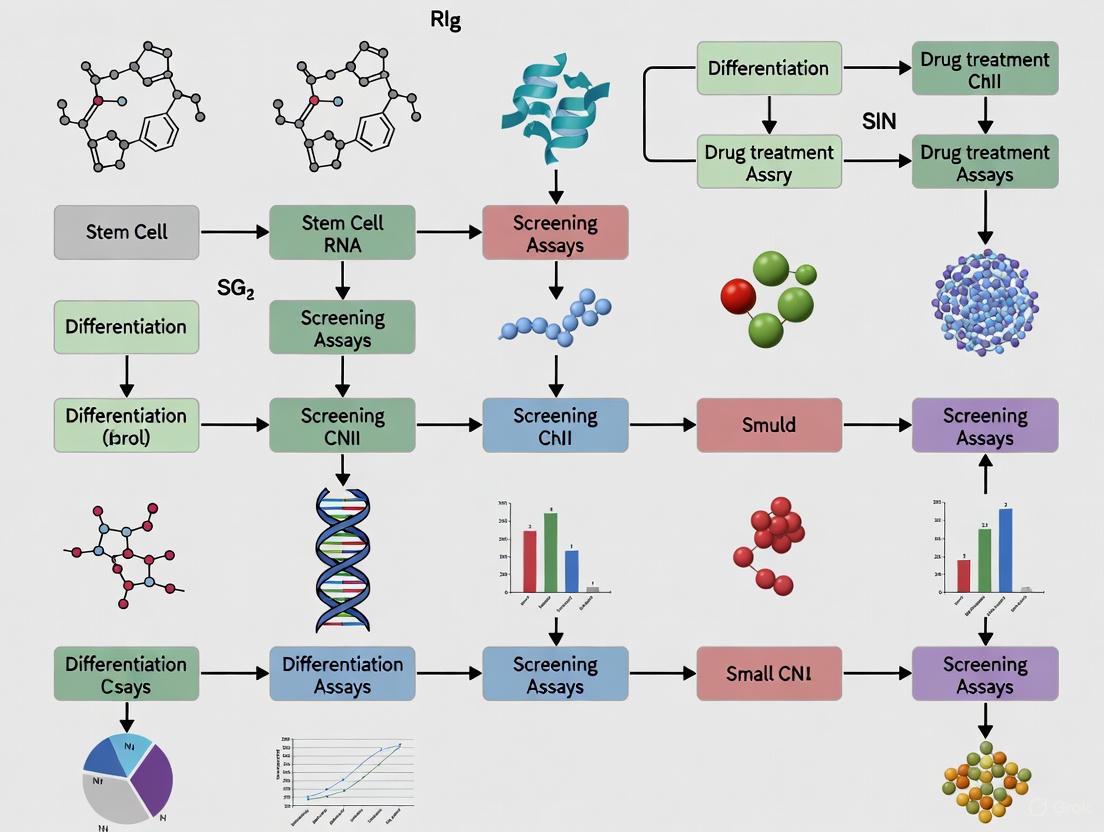
This article provides a comprehensive guide for researchers and drug development professionals on establishing rigorous validation protocols for stem cell-based drug screening platforms.
Validating Stem Cell Drug Screening Platforms: Protocols for Robustness, Reproducibility, and Regulatory Success
Abstract
This article provides a comprehensive guide for researchers and drug development professionals on establishing rigorous validation protocols for stem cell-based drug screening platforms. It covers the foundational principles of human pluripotent stem cells (hPSCs) and organoids, detailing methodological approaches for disease modeling and high-throughput screening. The content addresses critical challenges in standardization and troubleshooting, and presents a framework for analytical and predictive validation against clinical data. By synthesizing current best practices, regulatory guidelines, and emerging technologies, this resource aims to enhance the reliability and translational value of stem cell models in pharmaceutical research and precision medicine.
The Scientific and Regulatory Bedrock of Stem Cell Screening Models
Why Human Stem Cells? Overcoming the Limitations of Traditional Preclinical Models
The pharmaceutical industry is facing a critical efficiency crisis, with the cost of developing a single new drug estimated to reach $1.2 billion and the process taking an average of 10 years from discovery to market [1]. A substantial portion of these expenses stems from the reliance on traditional preclinical models—primarily two-dimensional (2D) cell cultures and animal models—that consistently fail to accurately predict human physiology and drug responses [1] [2]. This translational gap has prompted an urgent search for more predictive models, leading to the emergence of human stem cell-based technologies as a transformative solution.
Human stem cells, particularly induced pluripotent stem cells (iPSCs), offer an unprecedented opportunity to create human-relevant models that bridge the gap between conventional preclinical testing and clinical outcomes. These technologies enable researchers to move away from species-specific approximations and toward personalized, human-specific disease modeling and drug screening [2] [3]. This guide provides a comprehensive comparison between traditional models and stem cell-based platforms, detailing their respective limitations and advantages through experimental data and validation protocols essential for researchers in drug development.
Limitations of Traditional Preclinical Models
Animal Models: Species-Specific Limitations
Animal models have long been a cornerstone of preclinical research, but significant physiological differences between species often lead to inaccurate predictions of human responses [1] [4].
Table 1: Limitations of Animal Models in Disease Research
| Disease Area | Common Animal Models | Key Limitations | References |
|---|---|---|---|
| Parkinson's Disease | Non-human primates, rodents, zebrafish | Time-consuming, complex procedures, lack α-synuclein homolog | [5] |
| Alzheimer's Disease | Rodents (mice, rats) | Cannot completely mimic patient pathophysiology | [5] |
| Cancer | Rodents, zebrafish, fruit flies | Significant differences in physiology, immunity, and heredity | [5] |
| Diabetes Mellitus | Rodents, pigs | Different blood glucose concentration, complex disease mechanism | [5] |
| Traumatic Brain Injury | Rodents (mice, rats) | Different brain complexity and size, varying gene expression | [5] |
| Skin/Eye Irritation | Rabbits, rodents | Potential for chemical misclassification due to interspecies differences | [5] |
Beyond disease-specific limitations, animal models present fundamental challenges. The inbreeding of laboratory animals creates limited genetic variability that fails to represent human population diversity [1]. Furthermore, ethical concerns surrounding animal testing have prompted regulatory shifts, including the recent FDA announcement that animal testing is no longer mandatory for product safety approval [5]. This has accelerated the search for human-based alternatives that adhere to the 3Rs principles (Replacement, Reduction, and Refinement) in research [5].
Conventional 2D Cell Cultures: Lack of Physiological Relevance
While using human cells, traditional 2D cell culture systems suffer from significant shortcomings that limit their predictive value:
- Simplistic Microenvironment: 2D cultures lack the three-dimensional architecture, cell-matrix interactions, and mechanical cues present in native tissues, profoundly affecting cell morphology, phenotype, and drug response [1].
- Single Cell Type Focus: Most 2D models incorporate only one cell type without accounting for the complex multicellular interactions that occur in human organs [1].
- Absence of Systemic Connectivity: Static 2D models cannot replicate the interconnectivity between organs, which is crucial for understanding drug metabolism and effects on downstream tissues [1].
Human Stem Cell Platforms: A Paradigm Shift
Types of Stem Cells and Their Characteristics
Human stem cell technologies offer a versatile foundation for creating more physiologically relevant models. The main stem cell types each present distinct advantages and applications.
Table 2: Comparison of Human Stem Cell Types for Research
| Stem Cell Type | Potency | Source | Key Advantages | Limitations | Differentiation Examples |
|---|---|---|---|---|---|
| Induced Pluripotent Stem Cells (iPSCs) | Pluripotent | Adult somatic cells (skin, blood) | Patient-specific, no ethical concerns, unlimited differentiation potential | Potential genomic instability from reprogramming | Cardiomyocytes, neurons, hepatocytes [1] [3] |
| Embryonic Stem Cells (ESCs) | Pluripotent | Blastocyst inner cell mass | Unlimited differentiation potential, consistent phenotype | Ethical controversies, limited genetic diversity | Cardiomyocytes, neurons, hepatocytes [1] |
| Adult Stem Cells (e.g., MSCs) | Multipotent | Bone marrow, adipose tissue | Relatively easy extraction, no reprogramming needed | Limited differentiation potential, heterogeneous populations | Bone, cartilage, fat cells [1] [6] |
iPSCs have emerged as particularly powerful tools because they can be generated from patients with specific diseases or genetic backgrounds, enabling the creation of personalized disease models that retain the individual's complete genetic profile [1] [2]. This has opened new avenues for studying genotype-phenotype relationships and conducting patient-specific drug testing [2].
Advanced Model Systems: Organoids and Organ-on-Chip
Stem cell technologies have enabled the development of sophisticated 3D model systems that better replicate human physiology:
- Organoids: These 3D miniaturized structures self-organize to mimic the architecture and functionality of native organs [2]. They preserve patient-specific genetic and phenotypic features, offering improved physiological relevance for disease modeling and drug testing [2] [7].
- Organ-on-a-Chip (OOC): Microfluidic devices that incorporate cells into engineered architectures replicating aspects of native tissue structure [1]. These systems can incorporate 3D culture, multiple cell types, and dynamic flow conditions that better mimic the human physiological environment [1].
- Body-on-Chip: The integration of multiple OOCs into a single system that physically mimics physiologically-based pharmacokinetic models, allowing study of multi-organ drug interactions [1].
Comparative Performance Data: Traditional vs. Stem Cell Models
Predictive Accuracy in Drug Testing
Substantial evidence demonstrates the superior predictive power of stem cell-based models compared to traditional systems, particularly in areas where animal models have consistently failed.
Table 3: Predictive Performance Comparison Across Model Systems
| Testing Application | Traditional Model | Stem Cell-Based Model | Key Performance Findings | References |
|---|---|---|---|---|
| Cardiotoxicity Testing | Animal models (dogs, guinea pigs) | iPSC-derived cardiomyocytes | Patient-specific iPSCs predicted clinical cardiotoxicity of tyrosine kinase inhibitors, doxorubicin, cisapride | [1] |
| Hepatotoxicity Screening | Primary animal hepatocytes | iPSC-derived hepatocyte-like cells | Better prediction of human drug-induced liver injury; identified patient-specific hepatotoxicity | [1] [2] |
| Neurodegenerative Disease Drug Screening | Animal models (mice, rats) | iPSC-derived neurons | Identified compounds rescuing disease phenotypes in ALS, Alzheimer's, and familial dysautonomia | [1] [3] |
| Metabolic Disease Modeling | Genetically modified mice | Patient-specific iPSC-derived cells | Enabled screening of 480 compounds for diabetic cardiomyopathy with 5.8% hit rate | [8] |
Case Study: Drug Screening for Familial Dysautonomia
A landmark study demonstrates the power of iPSC-based screening platforms. Researchers used hiPSC-derived neural crest cells to screen 6,812 compounds, achieving a target hit rate of 0.4% that led to the identification of 8 compounds capable of rescuing IKBKAP expression [8]. Further investigation revealed that one small molecule (SKF-86466) worked through modulation of intracellular cAMP levels and phosphorylation of CREB, demonstrating how stem cell platforms can simultaneously identify drug candidates and elucidate their mechanisms of action [8].
Experimental Protocols for Validation
Protocol 1: iPSC Differentiation and 2D Monolayer Drug Screening
This protocol enables high-throughput drug screening using homogeneous, differentiated cells [8]:
- iPSC Maintenance Culture: Maintain iPSCs in single-cell based non-colony type monolayer (NCM) culture on suitable extracellular matrices (e.g., Matrigel) with Rho-associated protein kinase inhibitor (ROCKi) to enhance plating efficiency and reduce heterogeneity [8].
- Directed Differentiation: Differentiate iPSCs toward target cell type (e.g., hepatocytes, neurons, cardiomyocytes) using lineage-specific, chemically defined media in 384-well plate format [8].
- Quality Control Assessment: Validate differentiation efficiency through transcriptome profiling, immunocytochemistry for cell-type specific markers, and functional analyses [1] [8].
- Compound Screening: Treat differentiated cells with compound libraries (typically 1-10 μM concentration range) for 24-72 hours, depending on the assay endpoint [8].
- Phenotypic Analysis: Assess drug effects using high-content imaging, mRNA expression analysis, or functional assays specific to the cell type and disease model [8].
This method has been successfully implemented for various applications, including screening 4,813 compounds for alpha-1 antitrypsin deficiency, which yielded a 8.3% hit rate and identification of 5 clinical drugs that reduced mutant protein accumulation [8].
Protocol 2: 3D Organoid-Based Disease Modeling and Drug Testing
This protocol creates more physiologically complex models for enhanced predictivity [2] [7]:
- Organoid Generation: Derive organoids from iPSCs using stepwise differentiation protocols that recapitulate developmental processes to form 3D structures with multiple cell types [2] [7].
- Disease Modeling: For genetic disorders, use patient-specific iPSCs or introduce disease-associated mutations using CRISPR/Cas9 gene editing in wild-type lines [2].
- Characterization: Validate organoid architecture through histology, immunostaining for tissue-specific markers, and single-cell RNA sequencing to confirm cellular heterogeneity [7].
- Drug Exposure: Administer test compounds to mature organoids (typically 2-8 weeks of differentiation) via media supplementation [2].
- Endpoint Assessment: Evaluate therapeutic efficacy through metabolic assays, imaging of disease-specific pathologies (e.g., protein aggregates), and functional measurements (e.g., electrophysiology for neuronal organoids) [2] [7].
Organoid systems have been particularly valuable for modeling complex diseases like Alzheimer's, where tri-culture systems combining neurons, astrocytes, and microglia have provided insights into glial contributions to neurodegeneration [3].
The Scientist's Toolkit: Essential Research Reagents
Successful implementation of stem cell-based platforms requires specific, high-quality reagents and materials. The following table details essential components for establishing these models.
Table 4: Essential Research Reagents for Stem Cell-Based Drug Screening
| Reagent Category | Specific Examples | Function & Importance | Application Notes |
|---|---|---|---|
| Reprogramming Factors | OCT4, SOX2, KLF4, c-MYC (OSKM) | Reprogram somatic cells to pluripotency | Non-integrative methods (Sendai virus, mRNA) preferred for clinical applications [3] |
| Extracellular Matrices | Matrigel, Laminin-521, Collagen | Provide structural support and biochemical cues for cell growth and differentiation | Critical for 3D organoid formation and maintenance [8] [7] |
| Small Molecule Inhibitors | ROCK inhibitor (Y-27632), JAK inhibitor | Enhance single-cell survival, reduce heterogeneity in monolayer culture | Essential for improving plating efficiency in NCM culture [8] |
| Differentiation Media Components | Chemically defined media with growth factors | Direct lineage-specific differentiation | Composition varies by target cell type; must be precisely formulated [1] [8] |
| Characterization Antibodies | Cell-type specific markers (e.g., cardiac troponin, MAP2 for neurons) | Validate differentiation efficiency and purity | Quality and specificity are critical for accurate assessment [1] |
Human stem cell technologies represent a paradigm shift in preclinical drug development, offering solutions to critical limitations of traditional animal models and 2D cell cultures. The superior predictivity of these systems stems from their human genetic background, patient-specificity, and ability to model complex tissue architectures through 3D organoid and organ-on-chip platforms.
For drug development professionals, integrating stem cell-based models into existing workflows requires careful consideration of protocol standardization, quality control measures, and validation against clinical outcomes. However, the substantial evidence demonstrating improved prediction of drug efficacy, toxicity, and human-specific disease mechanisms presents a compelling case for their adoption. As these technologies continue to evolve with advances in automation, high-throughput screening, and multi-omics integration, they are poised to significantly reduce late-stage drug failures and accelerate the development of safer, more effective therapeutics.
The transition to human stem cell-based platforms aligns with both scientific imperatives for better predictivity and ethical frameworks promoting the reduction and replacement of animal testing. For research institutions and pharmaceutical companies investing in the future of drug development, building expertise and infrastructure in these technologies represents a strategic priority with potential for substantial long-term returns in research efficiency and clinical success rates.
The pharmaceutical industry faces a critical challenge in improving the translational relevance of preclinical models used in drug discovery and development. Traditional two-dimensional (2D) cell cultures and animal models often fail to faithfully recapitulate human-specific responses, leading to poor predictive value and high attrition rates in clinical trials [2]. In response, human pluripotent stem cells (hPSCs) and organoid technologies have emerged as transformative platforms that more accurately reflect human physiology, genetic variability, and disease mechanisms [2]. These systems bridge the gap between conventional models and human clinical trials, offering enhanced predictive power for drug efficacy and safety assessment.
hPSCs, encompassing both embryonic stem cells (hESCs) and induced pluripotent stem cells (hiPSCs), possess the extraordinary capability to self-renew indefinitely and differentiate into virtually any cell type in the human body [8] [2]. Organoids, which are three-dimensional (3D) multicellular structures derived from stem cells or tissue-specific progenitors, further advance this field by recapitulating human tissue complexity with greater fidelity than traditional 2D cultures [9] [10]. This guide provides a comprehensive comparison of these innovative platforms, focusing on their core characteristics, advantages, and applications in drug screening pipelines.
Core Characteristics and Comparative Analysis
Fundamental Definitions and Properties
Human Pluripotent Stem Cells (hPSCs) are defined by two essential characteristics: the capacity for self-renewal and the ability to differentiate into all cell types of the adult body [8]. This category includes both human embryonic stem cells (hESCs) and induced pluripotent stem cells (hiPSCs), the latter representing a paradigm shift since their establishment in 2006-2007 through genetic reprogramming of adult somatic cells to an embryonic stem cell-like state [8] [2]. The advent of hiPSC technology offered notable ethical and practical advantages, including the non-embryonic nature of the cells and the possibility of deriving patient-specific cell lines that retain an individual's complete genetic background [2].
Organoids are 3D self-organizing structures derived from stem cells that mimic the cytoarchitecture and functional characteristics of native human organs [2] [9]. Unlike traditional 2D cultures, organoids preserve cellular heterogeneity and replicate functional compartments of organs, such as crypt-villus architecture in intestinal organoids or bile canaliculi in hepatic organoids [2]. They can be generated from adult stem cells, hESCs, or hiPSCs, and have been developed for a wide variety of human tissues including brain, liver, pancreas, kidney, lung, and tumor biopsies [2].
Comparative Advantages and Limitations
Table 1: Comprehensive Comparison of hPSC and Organoid Platforms for Drug Screening
| Feature | hPSC-Derived 2D Models | 3D Organoid Models |
|---|---|---|
| Physiological Relevance | Limited to single cell types or simplified co-cultures; lacks 3D tissue context [8] | Recapitulates organ architecture, cellular heterogeneity, and tissue-level functions [2] [9] |
| Scalability & Throughput | Excellent for high-throughput screening (HTS); compatible with 384-well formats [8] | Moderate to high throughput with advanced culturing methods; suitable for panel screening [11] |
| Experimental Variability | Lower in non-colony monolayer (NCM) culture (CV <15% for some assays) [8] | Higher due to self-organizing nature; improved with automation and standardized protocols [2] |
| Maturity & Functionality | Often functionally immature compared to adult tissues [8] | Enhanced maturation; exhibits organ-specific functions [2] |
| Personalization Potential | Patient-specific hiPSCs possible but limited by differentiation efficiency [2] | Excellent via patient-derived organoids (PDOs); retains individual genetic profile [2] |
| Tumor Microenvironment | Not applicable | Limited native TME but can be reconstituted with specific cell types [11] |
| Assay Reproducibility | High with standardized NCM protocols [8] | Robust (Z-factors ~0.7) with refined techniques and batching [11] |
| Tissue Types Modeled | Broad range via differentiation protocols [2] | Primarily epithelial tissues; limited for non-epithelial tumors [11] |
| Regulatory Progress | Multiple FDA-authorized clinical trials [12] | Emerging regulatory framework; increasing preclinical adoption [2] |
Table 2: Experimental Performance Metrics in Drug Screening Applications
| Parameter | hPSC 2D-Monolayer Screening | Organoid-Based Screening |
|---|---|---|
| Screening Timeline | Rapid (days to weeks) [8] | Moderate (weeks; ~6 weeks for large panels) [11] |
| Hit Rate Efficiency | Variable (0.4% - 8.3% in proof-of-concept studies) [8] | Enhanced due to physiological relevance; enables better stratification [11] |
| Biomarker Discovery | Limited by simplified physiology | Excellent via comprehensive profiling (WES, RNAseq) [11] |
| Toxicity Prediction | Cell-type specific toxicity assessment [2] | Organ-level toxicity response with metabolic competence [2] [10] |
| Clinical Translation Success | Mixed (e.g., RG7800 failed Phase I) [8] | Promising for therapy selection, especially in oncology [2] |
| Cost Considerations | Lower per-screen costs | Higher initial investment but better predictive value [2] |
Experimental Protocols and Methodologies
hPSC Platform Establishment and Quality Control
The successful implementation of hPSC-based drug discovery (hPDD) requires meticulous attention to culture conditions and quality control measures. Current technologies depend on various hPSC culture and differentiation platforms, with the non-colony type monolayer (NCM) culture representing a significant advancement for controlling cellular heterogeneity [8]. This protocol involves growing dissociated single cells on suitable extracellular matrices (e.g., Matrigel) in the presence of Rho-associated protein kinase inhibitor (ROCKi) or Janus kinase 1 inhibitor (JAKi), which enhances initial plating efficiency and reduces culture heterogeneity [8].
For clinical translation, the International Society for Stem Cell Research (ISSCR) guidelines emphasize rigorous manufacturing oversight [13]. Donors of cells for allogeneic use must provide written informed consent covering research and therapeutic uses, and donors should be screened for infectious diseases following regulatory guidelines [13]. All reagents and processes should be subject to quality control systems and standard operating procedures, with manufacturing performed under Good Manufacturing Practice (GMP) conditions when possible [13].
Organoid Generation and Maturation Protocols
Organoid establishment follows fundamentally different principles from traditional 2D culture, leveraging the self-organizing properties of stem cells. The development of organoid technology was initially driven by work demonstrating that Lgr5+ adult stem cells could give rise to long-term expanding intestinal organoids in vitro without a mesenchymal niche [2]. Current protocols vary by tissue type but share common principles: embedding stem cells in a 3D extracellular matrix (typically Matrigel or similar basement membrane extracts), and providing tissue-specific signaling cues through defined media formulations [2] [9].
For drug screening applications, patient-derived organoids (PDOs) offer particular advantage. These are directly cultured from patient tumors and retain the histological and genomic features of the original tissue, including intratumoral heterogeneity and drug resistance patterns [2] [11]. The establishment process involves processing fresh tumor tissue into small fragments or single cells, embedding in matrix, and culturing in defined media that supports the growth of the epithelial compartment while inhibiting fibroblast overgrowth [11].
The Scientist's Toolkit: Essential Research Reagents and Materials
Table 3: Key Research Reagent Solutions for hPSC and Organoid Research
| Reagent Category | Specific Examples | Function & Application |
|---|---|---|
| Extracellular Matrices | Matrigel, Basement Membrane Extract, Synthetic Hydrogels | Provides 3D scaffolding for cell growth and organization; critical for organoid formation [8] [9] |
| Cell Culture Supplements | Rho-associated protein kinase inhibitor (ROCKi), Janus kinase 1 inhibitor (JAKi) | Enhances single-cell plating efficiency and survival in hPSC cultures; reduces heterogeneity [8] |
| Differentiation Inducers | Tissue-specific growth factors, Small molecule inducers | Directs stem cell differentiation toward specific lineages; protocol-dependent [8] [2] |
| Characterization Tools | Pluripotency markers (OCT4, SOX2, NANOG), Lineage-specific antibodies | Quality control for stem cell status and differentiation efficiency [8] [14] |
| Reporter Systems | Fluorescent proteins (GFP, RFP), Luminescent reporters | Enables visualization and isolation of specific cell populations; mechanistic studies [14] |
| Screening Reagents | Viability assays, Metabolic activity probes, Apoptosis markers | Endpoint measurements for drug efficacy and toxicity assessment [8] [11] |
Validation Protocols and Assessment Metrics
Quality Control and Platform Validation
Robust validation protocols are essential for generating reliable, reproducible data from hPSC and organoid platforms. For hPSC-based systems, key validation metrics include: pluripotency confirmation through marker expression and teratoma formation assays; genomic stability assessment via karyotyping and whole-genome sequencing; and differentiation efficiency quantification through lineage-specific marker expression [8] [13] [14].
Organoid validation requires additional dimensions of quality control: histological similarity to native tissue through structural analysis; functional competence assessment via tissue-specific functions (e.g., albumin secretion for hepatic organoids, electrical activity for cardiac organoids); and transcriptomic profiling to confirm expression of relevant tissue markers [2] [11] [9]. For drug screening applications, reproducibility is typically measured through Z-factor calculations, with robust organoid assays demonstrating Z-factors around 0.7, indicating excellent assay performance [11].
Applications in Drug Discovery Pipelines
Both platforms have demonstrated significant utility across various stages of drug discovery. hPSC-derived models have been successfully implemented in: disease modeling for monogenic and complex disorders including familial Alzheimer's disease, Parkinson's disease, and cardiac conditions [2]; toxicity assessment particularly for cardiotoxicity using hPSC-derived cardiomyocytes and hepatotoxicity using hepatic lineages [2]; and phenotypic screening for chemical library evaluation, with examples including screens for compounds that rescue disease phenotypes in diabetic cardiomyopathy or alpha-1 antitrypsin deficiency [8].
Organoid platforms excel in: personalized therapy selection using patient-derived organoids to predict individual responses to anticancer therapies [2]; drug repurposing through large-scale screening across multiple disease models [11]; and biomarker discovery by correlating drug responses with comprehensive genomic and transcriptomic profiles [11]. The integration of organoids with microfluidic "organ-on-chip" systems further enhances their utility by enabling more accurate modeling of human pharmacokinetics and pharmacodynamics [2] [10].
hPSC and organoid technologies represent complementary approaches that are transforming the landscape of preclinical drug discovery. While 2D hPSC systems offer advantages in scalability, reproducibility, and compatibility with high-throughput screening, 3D organoids provide superior physiological relevance, preservation of tissue architecture, and enhanced predictive power for clinical responses [8] [2].
The future evolution of these platforms will likely focus on addressing current limitations, including functional maturation, reduction of variability, and integration of microenvironmental components such as vasculature and immune cells [2] [10]. Technological innovations including organ-on-chip systems, 3D bioprinting, artificial intelligence-driven predictive models, and CRISPR-based genome editing are poised to further enhance the utility and application of these models [2] [10]. As these technologies continue to mature and standardization improves, they are expected to play an increasingly central role in bridging the gap between preclinical testing and clinical success, ultimately accelerating the development of safer and more effective therapeutics.
The development of stem cell-based drug screening platforms operates within a complex global regulatory environment designed to ensure scientific rigor, patient safety, and product efficacy. Three major bodies provide essential guidance: the U.S. Food and Drug Administration (FDA), the European Medicines Agency (EMA), and the International Society for Stem Cell Research (ISSCR). While the FDA and EMA function as legal regulatory authorities with enforcement power, the ISSCR establishes international scientific and ethical standards that often inform regulatory policies. For researchers developing validation protocols for stem cell-based platforms, understanding the convergence and divergence among these guidelines is critical for designing compliant and scientifically valid studies. These frameworks collectively address the entire product lifecycle, from basic research and preclinical development to clinical translation and post-market surveillance, with particular emphasis on the unique challenges posed by stem cell technologies, including tumorigenicity, genomic stability, and functional potency.
The regulatory landscape for Advanced Therapy Medicinal Products (ATMPs) - the category encompassing many cell-based therapies - continues to evolve rapidly. The EMA's Committee for Advanced Therapies (CAT) plays a central role in evaluating ATMPs in the European Union, while in the U.S., the FDA's Center for Biologics Evaluation and Research (CBER) oversees cellular and gene therapy products. Simultaneously, the ISSCR provides foundational ethical principles and scientific standards that support regulatory decision-making globally. A significant challenge for researchers lies in navigating both the binding regulatory requirements of jurisdictional authorities and the influential international standards that promote ethical rigor and scientific integrity. This guide provides a comparative analysis of these frameworks to assist researchers in building compliant validation protocols for stem cell-based drug screening platforms.
Comparative Analysis of FDA, EMA, and ISSCR Guidelines
Table 1: Comprehensive Comparison of Key Regulatory and Guideline Provisions
| Aspect | FDA (U.S. Regulatory Authority) | EMA (EU Regulatory Authority) | ISSCR (International Guidelines) |
|---|---|---|---|
| Legal Status & Scope | Legal enforcement authority over drugs, biologics, and devices in the U.S.; detailed guidance for Cellular & Gene Therapy products [15] | Legal authority for centralized marketing authorization of Advanced Therapy Medicinal Products (ATMPs) in the EU [16] | Non-binding international guidelines providing ethical and scientific standards; inform policy but do not supersede law [17] |
| Oversight Mechanism | IND (Investigational New Drug) application required for clinical trials; pre-market approval via BLA (Biologics License Application) [15] | Clinical Trial Application (CTA) required; pre-market authorization via MAA (Marketing Authorization Application) with CAT opinion [18] [16] | Recommends appropriate oversight mechanisms for different research categories, including specialized review for sensitive research [17] [19] |
| Classification of Cell-Based Products | Regulates as "cellular and gene therapy products"; "minimally manipulated" vs. "substantially manipulated" is critical [13] | Classifies as Advanced Therapy Medicinal Products (ATMPs): Gene Therapy, Somatic-Cell Therapy, Tissue-Engineered, and Combined ATMPs [16] | Distinguishes between "minimally manipulated" and "substantially manipulated" cells/tissues and "homologous" vs. "non-homologous" use [13] |
| Manufacturing & Quality Control (GMP) | Phase-appropriate GMP compliance; verified via pre-license inspection [18] | Mandatory GMP compliance for clinical trials, verified through self-inspections and regulatory audits [18] | Recommends manufacturing under GMP conditions when possible; quality control for all reagents and processes [13] |
| Donor Eligibility & Screening | Prescriptive requirements for donor screening/testing; restrictions on pooling cells from multiple donors [18] | General guidance; must comply with EU and member state-specific legal requirements [18] | Recommends donor screening for infectious diseases and risk factors in compliance with regulatory guidelines [13] |
| Clinical Evidence Standards | Demonstrates safety and effectiveness via adequate and well-controlled investigations; specific guidance for small populations [20] | Demonstrates positive risk-benefit balance, quality, and efficacy per clinical data requirements; qualified endpoints [18] | Requires rigorous preclinical rationale and well-designed clinical trials before clinical use; advises against premature marketing [13] |
| Special Considerations for Stem Cells | Specific guidances for chemistry, manufacturing, controls (CMC), and long-term follow-up for gene therapy products [15] | CAT reflection paper on stem cell-based medicinal products addresses tumorigenicity, rejection, and manufacturing consistency [16] | Detailed guidelines on embryo research, clinical translation, and specific updates for stem cell-based embryo models (SCBEMs) [17] [19] |
Detailed Framework Requirements and Experimental Protocols
Product Characterization and Potency Assurance
Robust product characterization forms the foundation of regulatory compliance across all frameworks. The FDA requires potency assays demonstrating the biological activity of cellular products, with recent draft guidance emphasizing the need for quantitative biological assays [15]. Similarly, the EMA's guideline on clinical-stage ATMPs requires extensive characterization of critical quality attributes (CQAs) that impact safety and efficacy. For stem cell-based screening platforms, researchers must establish identity, purity, viability, and potency through validated analytical methods. A key experimental protocol involves flow cytometry for cell surface markers to confirm identity and purity, combined with functional differentiation assays to demonstrate multipotency. For example, mesenchymal stem cell platforms should demonstrate differentiation into osteogenic, adipogenic, and chondrogenic lineages using standardized staining protocols (Alizarin Red O for calcium deposits, Oil Red O for lipid vacuoles, and Alcian Blue for proteoglycans, respectively). Quantitative PCR for lineage-specific genes provides complementary molecular validation.
Manufacturing and Quality Control Protocols
Manufacturing requirements represent a notable area of divergence between FDA and EMA approaches. The FDA advocates for a phase-appropriate application of Good Manufacturing Practice (GMP) standards, with flexibility during early clinical development that increases toward market approval [18]. Conversely, the EMA's updated guideline on clinical-stage ATMPs mandates GMP compliance even for early-phase trials [18]. For validation protocols, researchers must implement comprehensive process validation covering equipment qualification, process performance qualification, and continued process verification. A critical experimental methodology involves process analytical technology (PAT) to monitor critical process parameters in real-time. For stem cell expansion processes, this includes monitoring glucose consumption rates, lactate production, and dissolved oxygen to ensure consistent cell growth and functionality. The ISSCR further recommends that all reagents undergo quality control screening and that manufacturing follows standard operating procedures with rigorous oversight [13].
Genomic Stability Assessment
All regulatory frameworks require demonstration of genomic stability for stem cell-based products, particularly those cultured extensively in vitro. The FDA recommends assessing genomic stability at multiple time points during cell culture, while the EMA's reflection paper on stem cell-based medicinal products specifically highlights the need to evaluate tumorigenic potential [16]. A comprehensive experimental protocol should include karyotype analysis (G-banding) to detect chromosomal abnormalities, comparative genomic hybridization (array CGH or SNP microarray) to identify submicroscopic copy number variations, and whole-genome or whole-exome sequencing to detect point mutations in cancer-related genes. For pluripotent stem cell platforms, these analyses should be performed at early, middle, and late passages to establish the stability window for manufacturing. The teratoma assay in immunocompromised mice remains a standard functional test for pluripotency and tumorigenic potential, though in vitro assays are increasingly accepted as alternatives.
Regulatory Pathways and Compliance Workflows
The following diagram illustrates the core regulatory and validation journey for a stem cell-based platform, integrating requirements from major frameworks:
Diagram 1: Integrated Regulatory Pathway for Stem Cell-Based Platforms
Experimental Validation Workflow for Regulatory Compliance
This workflow details the specific experimental activities required at each stage to meet regulatory requirements:
Diagram 2: Experimental Validation Workflow for Regulatory Compliance
The Scientist's Toolkit: Essential Research Reagent Solutions
Table 2: Key Research Reagents and Materials for Regulatory-Compliant Research
| Reagent/Material | Function in Validation Protocols | Regulatory Considerations |
|---|---|---|
| Cell Line Characterization Kits (e.g., flow cytometry panels, PCR arrays) | Confirm cell identity, purity, and differentiation potential through specific marker detection | Must be validated for specificity and reproducibility; documentation required for regulatory submissions |
| GMP-Grade Culture Media and Supplements | Support cell expansion while maintaining genetic stability and functionality | Must comply with GMP standards with certificates of analysis; minimize animal-derived components |
| Genomic Stability Assay Kits (e.g., karyotyping, aCGH, sequencing) | Detect genetic abnormalities acquired during in vitro culture | FDA and EMA require monitoring at multiple passages; validation against reference standards needed |
| Potency Assay Materials (e.g., differentiation reagents, functional assay kits) | Measure biological activity relevant to intended mechanism of action | Correlation with intended biological effect must be demonstrated; critical for lot release |
| Mycoplasma Detection Kits | Screen for mycoplasma contamination in cell cultures | Required by both FDA and EMA for all cell banks and end-of-production cells; must use validated methods |
| Viral Safety Testing Reagents | Detect adventitious viruses in cell banks and final products | Especially critical for allogeneic products; follows ICH and regional pharmacopeia guidelines |
Emerging Trends and Future Regulatory Directions
The regulatory landscape for cell-based platforms continues to evolve with several emerging trends. Regulatory convergence between major authorities is increasing, with the FDA and EMA actively working toward alignment on technical guidance and scientific principles, though differences in implementation remain [18]. Both agencies have shown growing flexibility regarding clinical trial designs for small populations, with the FDA releasing 2025 draft guidance on innovative trial designs for cellular and gene therapy products in rare diseases [20]. The ISSCR's 2025 targeted update to its guidelines, which specifically addresses stem cell-based embryo models (SCBEMs), demonstrates how guideline organizations are responding to rapid scientific advances [19]. There is also increasing emphasis on post-approval safety monitoring for cell-based therapies, with both FDA and EMA requiring long-term follow-up studies to monitor for delayed adverse events [15] [16]. The regulatory focus on comparability protocols has intensified, providing pathways for manufacturing changes without requiring new clinical trials when sufficient analytical comparability can be demonstrated [15]. Finally, the growing problem of unregulated cell-based interventions has prompted stronger warnings from both EMA and ISSCR about the risks of non-compliant therapies [16] [13].
Successfully navigating the regulatory landscape for stem cell-based drug screening platforms requires a strategic approach that integrates requirements from multiple frameworks. While the FDA and EMA provide legally binding regulatory pathways with some divergent requirements, the ISSCR guidelines offer foundational ethical and scientific principles that inform both research and regulation. A robust validation strategy should prioritize early regulatory engagement, comprehensive product characterization, phase-appropriate manufacturing quality, and meticulous documentation. By understanding both the distinctions and common principles across these frameworks, researchers can design validation protocols that not only meet current regulatory expectations but also anticipate future developments in this rapidly evolving field. The convergence of regulatory thinking between major authorities provides an opportunity for developing more harmonized global development strategies, while remaining cognizant of regional requirements that necessitate targeted approaches.
Stem cell-based screening platforms have emerged as transformative tools in modern drug discovery, offering unprecedented opportunities to enhance the predictive accuracy of preclinical testing. These platforms leverage the unique properties of stem cells—self-renewal and differentiation capacity—to create physiologically relevant human cell models for evaluating drug efficacy, toxicity, and mechanisms of action [21] [22]. The fundamental characteristics of stem cells make them indispensable for regenerative medicine, disease modeling, and pharmaceutical applications [23]. As the field advances, establishing a clear context of use for these platforms becomes critical for their successful implementation and regulatory acceptance. This involves precisely defining the specific purpose, application scope, and limitations of the screening system within the drug development workflow [21]. This guide objectively compares the performance of various stem cell types in screening applications, supported by experimental data and detailed methodologies to inform platform selection and validation.
Stem Cell Types for Screening: A Comparative Analysis
Different stem cell types offer distinct advantages and limitations for specific screening contexts. The selection of an appropriate stem cell platform depends on factors including target disease, throughput requirements, and need for patient-specific data.
Table 1: Comparative Analysis of Major Stem Cell Types in Drug Screening
| Stem Cell Type | Key Characteristics | Primary Screening Applications | Advantages | Limitations |
|---|---|---|---|---|
| Embryonic Stem Cells (ESCs) | Pluripotent, derived from blastocyst inner cell mass [23] | Disease modeling, developmental toxicity testing, target validation [23] [22] | Broad differentiation potential, unlimited self-renewal capacity [23] | Ethical concerns, immune rejection potential, tumorigenic risk [23] [22] |
| Induced Pluripotent Stem Cells (iPSCs) | Reprogrammed somatic cells with pluripotent capabilities [24] [22] | Personalized medicine, disease modeling, patient-specific toxicology [24] [22] [25] | Patient-specificity, avoids ethical concerns, enables human disease modeling [21] [24] | Lineage bias, potential genomic instability, variable reprogramming efficiency [22] |
| Adult Stem Cells (ASCs) | Multipotent, tissue-specific (bone marrow, adipose) [23] [22] | Hematopoietic disorders, tissue regeneration studies [23] | No ethical concerns, readily available, maintain tissue-specific function | Limited expansion capacity, restricted differentiation potential [21] |
| Cancer Stem Cells (CSCs) | Tumor-initiating cells with stem-like properties [21] | Oncology drug discovery, resistance mechanism studies [21] | Model tumor heterogeneity, identify anti-cancer compounds targeting CSCs [21] | Difficult to isolate and maintain in culture, may not fully represent tumor microenvironment [21] |
Table 2: Quantitative Performance Metrics of Stem Cell Platforms in Screening Applications
| Performance Metric | iPSC-Derived Cardiomyocytes | iPSC-Derived Neurons | iPSC-Derived Hepatocytes | Primary Cells | Immortalized Cell Lines |
|---|---|---|---|---|---|
| Physiological Relevance | High [24] | Medium-High [24] | Medium [24] | High | Low |
| Throughput Capacity | High [21] | Medium | Medium | Low | High |
| Inter-donor Variability | Medium [22] | Medium [22] | Medium [22] | High | Low |
| Cost per Screen | Medium | High | High | Very High | Low |
| Predictive Value for Clinical Outcomes | Emerging evidence [12] | Limited evidence | Emerging evidence [25] | Established | Poor |
Experimental Design and Methodologies for Platform Validation
Robust validation of stem cell-based screening platforms requires carefully designed experiments that assess both technical performance and biological relevance.
Protocol for Differentiating iPSCs to Target Cells
Objective: Generate functionally mature target cells for screening applications [22].
Materials:
- REPROCELL StemRNA Clinical Seed iPSCs or equivalent [12]
- Defined differentiation media with stage-specific growth factors
- Matrigel or other extracellular matrix substrates
- Small molecule inhibitors/activators of key signaling pathways
Methodology:
- Culture Maintenance: Maintain iPSCs in feeder-free conditions using mTeSR or equivalent medium, passaging with EDTA or enzyme-free dissociation reagents [22].
- Directed Differentiation: Initiate differentiation by switching to basal media supplemented with stage-specific patterning factors:
- Days 0-3: Activate Wnt/β-catenin signaling with CHIR99021 (3-6 µM) for mesodermal specification [26]
- Days 3-7: Add growth factors specific to target lineage (e.g., BMP4 for cardiac, FGF2 for neural)
- Days 7+: Include maturation factors to promote functional maturity
- Characterization: Assess differentiation efficiency via flow cytometry for lineage-specific markers, functional assays (e.g., calcium flux for cardiomyocytes), and transcriptomic analysis [22].
Validation Parameters: Differentiate and characterize at least three independent differentiations from different donor lines. Acceptable platforms should yield >80% purity of target cell type with <15% batch-to-batch variability [22].
High-Content Screening Protocol for Compound Evaluation
Objective: Identify and validate hit compounds using iPSC-derived cells in automated screening format [21].
Materials:
- iPSC-derived target cells (cardiomyocytes, neurons, hepatocytes)
- Compound libraries in DMSO
- Automated liquid handling systems
- High-content imaging system (e.g., ImageXpress Micro)
- Cell staining reagents for multiplexed readouts
Methodology:
- Cell Plating: Plate cells in 384-well optical plates at optimized density (e.g., 10,000 cells/well for neurons) using automated dispensers.
- Compound Treatment: Transfer compounds via pin tool or acoustic dispensing, maintaining DMSO concentration <0.1%. Include controls on each plate.
- Endpoint Assessment: After 24-72 hour treatment, fix cells and stain for multiplexed readouts:
- Cell viability (calcein AM/propidium iodide)
- Apoptosis (caspase-3/7 activation)
- Mitochondrial function (TMRM)
- Cell-type specific functional markers
- Image Acquisition and Analysis: Acquire 9-16 fields/well at 20x magnification. Extract morphological and intensity features using automated algorithms.
Validation Parameters: Z'-factor >0.5, coefficient of variation <20% across replicate wells, signal-to-background ratio >3:1 [21].
Key Signaling Pathways in Stem Cell Fate and Disease
Understanding and manipulating key developmental pathways is essential for controlling stem cell differentiation and modeling disease processes in screening platforms.
The Scientist's Toolkit: Essential Research Reagents and Materials
Successful implementation of stem cell-based screening platforms requires carefully selected reagents and materials to ensure reproducibility and physiological relevance.
Table 3: Essential Research Reagent Solutions for Stem Cell Screening
| Reagent Category | Specific Examples | Function | Key Considerations |
|---|---|---|---|
| Reprogramming Factors | OCT4, SOX2, KLF4, c-MYC [24] | Somatic cell reprogramming to iPSCs | Integration-free methods preferred; efficiency varies by cell source |
| Culture Media | mTeSR, StemFlex, E8 medium | Maintenance of pluripotent stem cells | Defined, xeno-free formulations enhance reproducibility |
| Differentiation Kits | REPROCELL ReproCardio (iPSC-derived cardiomyocytes), BrainXell neural differentiation kits [24] | Directed differentiation to specific lineages | Lot-to-lot consistency critical for screening reproducibility |
| Extracellular Matrices | Matrigel, Geltrex, recombinant laminin-521 | Substrate for cell attachment and growth | Matrix composition influences differentiation efficiency |
| Quality Control Assays | Pluritest, ScoreCard assay, flow cytometry panels | Characterization of stem cell identity and differentiation | Multiparameter assessment recommended |
| Gene Editing Tools | CRISPR/Cas9 systems, TALENs | Introduction of disease-relevant mutations, reporter lines | Off-target effects must be assessed; isogenic controls recommended |
| Biosafety Assessment Tools | Karyotyping, whole genome sequencing, teratoma formation assays [27] | Evaluation of genomic stability and tumorigenic potential | Required for regulatory compliance and clinical translation |
Regulatory and Safety Considerations for Screening Platforms
Stem cell-based screening platforms intended for regulatory decision-making must adhere to rigorous quality standards and validation requirements. The FDA Modernization Act 2.0 now permits cell-based assays as alternatives to animal testing for drug applications, increasing the importance of properly validated stem cell platforms [24]. Key considerations include:
Donor Screening and Consent: For allogeneic stem cell-based interventions, donors should undergo comprehensive screening for infectious diseases and other risk factors, with proper informed consent covering research and potential commercial applications [13].
Quality Control in Manufacture: All reagents and processes should be subject to quality control systems and standard operating procedures to ensure consistency. Manufacturing under Good Manufacturing Practice (GMP) conditions is recommended, particularly for platforms used in regulatory submissions [13].
Biosafety Assessment: Comprehensive evaluation must include analysis of biodistribution patterns, toxicity profiles, proliferative activity, oncogenic potential, teratogenic effects, immunogenicity, and cell survival rates [27]. These assessments are particularly crucial for pluripotent stem cell derivatives.
Platform Validation: Demonstrating assay robustness through metrics such as Z'-factor, signal-to-background ratio, and coefficient of variation is essential. For patient-specific screening, using multiple donor lines is recommended to account for population variability [22].
Stem cell-based screening platforms represent a powerful emerging technology with the potential to transform early drug discovery and development. The optimal context of use for each platform depends on the specific application: iPSC-derived models offer unparalleled opportunities for patient-specific modeling and personalized medicine applications [24] [25], while ESC-based systems provide a more standardized platform for high-throughput screening [23]. Cancer stem cell models enable targeted approaches for oncology drug discovery [21]. Successful implementation requires careful attention to differentiation protocol standardization, quality control metrics, and rigorous validation against relevant biological endpoints. As regulatory acceptance of these platforms grows, particularly with recent FDA approvals of stem cell-based products [12], their integration into mainstream drug development workflows is expected to accelerate, potentially reducing late-stage attrition rates and enhancing the predictability of preclinical testing.
Building and Implementing Robust Screening Workflows
The quality of human pluripotent stem cell (hPSC) starting materials is a critical determinant of success in drug discovery and therapeutic development. Variability in hPSC lines can compromise experimental reproducibility, phenotypic relevance in disease models, and ultimately, the translation of research findings into clinical applications. Establishing robust protocols for hPSC line selection and banking is therefore not merely a procedural formality but a fundamental scientific requirement. This guide provides a comprehensive comparison of current practices, quality benchmarks, and standardized protocols to support researchers in building a solid foundation for their stem cell-based drug screening platforms.
hPSC Banking Models: A Comparative Analysis
Different banking strategies offer distinct advantages and limitations for drug discovery applications. The choice of model depends on research scale, regulatory requirements, and intended application.
Table 1: Comparison of hPSC Banking Models for Drug Discovery
| Banking Model | Key Characteristics | Optimal Use Cases | Scalability | Regulatory Considerations |
|---|---|---|---|---|
| Research Master Cell Bank | • Established in academia [28]• Variable QC standards [29] | • Early proof-of-concept studies• Protocol development | Moderate | Minimal; follows institutional biosafety |
| GMP-Compliant Bank | • Full donor traceability [28]• Rigorous adventitious agent testing [28]• Manufactured in qualified cleanrooms [28] | • Clinical translation [12]• Regulated drug screening | High, but costly | Requires Investigational New Drug (IND) approval [12] |
| Commercial iPSC Seed Clones | • Pre-submitted regulatory documentation (e.g., Drug Master File) [12]• Standardized quality controls [12] | • Standardized assay development• Multi-site collaborative studies | High | Streamlines IND filing by referencing master file [12] |
Critical Quality Attributes (CQAs) for hPSC Line Selection
Selecting an hPSC line requires verification of critical quality attributes that confirm identity, purity, and functionality. The following table summarizes essential quality control checks.
Table 2: Essential Quality Control Checks for hPSC Line Selection
| Quality Attribute | Key Metrics & Methods | Target Benchmark | Impact on Drug Screening |
|---|---|---|---|
| Pluripotency & Viability | • Pluripotency marker expression (e.g., Oct4, Nanog) [29]• Viability post-thaw [28] | > 80% expression of key markers [29]> 70% post-thaw viability | Ensures differentiation potential and assay robustness |
| Genomic Integrity | • Karyotype analysis [29]• STR profiling for identity [28] | Normal karyotype at passage for banking [29]Unique STR profile | Prevents data artifacts from culture-acquired genetic variants [29] |
| Microbiological Safety | • Mycoplasma testing [28]• Adventitious agent testing [28] | Sterile, no mycoplasma detected [28] | Crucial for GMP-compliant work and clinical translation [12] |
| Differentiation Potential | • Trilineage differentiation (embryoid bodies) [29]• Functional assays for target lineage | Successful generation of ecto-, meso-, endoderm | Directly impacts disease model relevance and screen predictive power [30] |
Experimental Protocol: Validating Pluripotency via Trilineage Differentiation
Objective: To confirm the developmental potential of hPSC lines through spontaneous differentiation into derivatives of the three germ layers. Materials:
- hPSCs: A confluent well of a candidate hPSC line grown in a 6-well plate.
- Base Medium: DMEM/F-12.
- Supplements: 20% Fetal Bovine Serum (FBS), 1% Non-Essential Amino Acids (NEAA), 1% GlutaMAX, 0.1 mM β-mercaptoethanol.
- Equipment: Low-attachment 6-well plate, sterile pipettes.
Methodology:
- hPSC Dissociation: Gently dissociate hPSCs into small clumps using a cell dissociation reagent (e.g., EDTA). Avoid generating a single-cell suspension to enhance cell survival.
- Embryoid Body (EB) Formation: Transfer the cell clumps to a low-attachment 6-well plate containing 2 mL of base medium supplemented with 20% FBS, 1% NEAA, 1% GlutaMAX, and 0.1 mM β-mercaptoethanol.
- Spontaneous Differentiation: Culture the EBs for 14 days, refreshing the medium every 3-4 days. Observe daily for the formation of three-dimensional, spherical EBs.
- Endpoint Analysis: On day 14, harvest EBs for analysis.
- Immunocytochemistry: Fix and stain EBs for germ layer-specific markers: β-III-tubulin (ectoderm), α-smooth muscle actin (mesoderm), and AFP (endoderm).
- qPCR: Isect RNA and perform qPCR to quantify the expression of the same germ layer markers.
Interpretation: A high-quality hPSC line will demonstrate robust expression of markers representative of all three germ layers, confirming its pluripotent status.
Quantitative Cost and Resource Considerations
Understanding the full cost structure of hPSC banking is essential for project planning. The major cost drivers often extend beyond raw materials.
Table 3: Cost of Goods (COGs) Analysis for hPSC Banking
| Cost Category | Contributing Factors | Proportion of Total Cost (Est.) | Cost Reduction Strategies |
|---|---|---|---|
| Facility & Maintenance | • Cleanroom operation (24/7 monitoring) [28]• Equipment validation | High (~50-60%) [28] | Utilize shared core facilities or CMOs to reduce "dead time" [28] |
| Labor | • Highly trained technical staff [28]• Documentation and QC oversight | High (~25-35%) [28] | Invest in comprehensive training to minimize human error and batch failure [28] |
| Raw Materials | • GMP-grade culture media & reagents [28]• Quality-controlled growth factors | Variable | Standardize processes using reagents suitable for GMP manufacture early in development [28] |
| Quality Control Testing | • Karyotyping, sterility, mycoplasma tests [28] | ~10-15% | Plan QC testing strategically; engage regulators early to align on required tests [28] |
Experimental Protocol: Assessing Genomic Integrity via Routine Karyotyping
Objective: To monitor the karyotypic stability of hPSCs, a critical quality check as culture-acquired genetic variants can compromise research validity [29]. Materials:
- Cells: hPSCs at ~70% confluence from a passage number representative of that used for banking.
- Reagents: Karyotyping kit, Colcemid solution, Giemsa stain.
- Equipment: Microscope with oil immersion objective, CO₂ incubator.
Methodology:
- Cell Culture & Metaphase Arrest: Culture hPSCs to ~70% confluence. Add Colcemid (final concentration 0.1 µg/mL) to the culture medium and incubate for 60-90 minutes to arrest cells in metaphase.
- Cell Harvesting: Gently dissociate cells to a single-cell suspension. Transfer the cell suspension to a conical tube and subject it to a hypotonic shock (e.g., with potassium chloride solution) for 20 minutes at 37°C, followed by fixation with multiple changes of Carnoy's fixative (3:1 methanol:acetic acid).
- Slide Preparation & Staining: Drop the fixed cell suspension onto a clean, wet microscope slide and allow it to air dry. Stain the slide using Giemsa stain (G-banding) to generate a characteristic banding pattern on the chromosomes.
- Analysis: Under an oil immersion microscope, analyze at least 20 metaphase spreads for chromosomal number and structure. The analysis should be performed by a certified cytogeneticist.
Interpretation: A normal, stable karyotype (46, XX or 46, XY) with no observable structural abnormalities (translocations, deletions) is required for a master cell bank. Any abnormality necessitates banking a new batch from an earlier, low-passage vial.
Visualizing the hPSC Banking Workflow
The following diagram illustrates the key stages and decision points in establishing a qualified hPSC bank.
hPSC Banking and Quality Control Workflow
The Scientist's Toolkit: Essential Research Reagents
Standardized, high-quality reagents are non-negotiable for reliable hPSC culture and banking. The following table details critical components.
Table 4: Essential Reagents for hPSC Culture and Banking
| Reagent Category | Specific Examples | Critical Function | Quality Consideration |
|---|---|---|---|
| Basal Media | mTeSR1, StemFlex | Maintains pluripotency during expansion | Use consistent, GMP-grade lots if progressing to clinic [28] |
| Extracellular Matrix | Geltrex, Matrigel, Vitronectin | Provides substrate for cell attachment and signaling | Batch-to-batch variability must be tested; defined matrices preferred [8] |
| Passaging Reagents | EDTA, ReLeSR | Gentle dissociation to preserve cell viability | Minimizes genotypic and phenotypic stress from passaging [8] |
| Cell Freezing Media | CryoStor CS10 | Protects cell viability during freeze-thaw cycle | Serum-free, defined formulations ensure consistency and safety [28] |
| ROCK Inhibitor | Y-27632 | Enhances survival after thawing and single-cell passaging [8] | Critical for efficient banking and recovery; use at validated concentrations [8] |
The strategic selection and rigorous banking of hPSC lines are foundational to generating reliable, reproducible data in drug discovery. As the field advances towards more complex 3D models and clinical applications, the standards for starting materials will only become more stringent. Researchers are encouraged to adopt a forward-looking perspective, implementing GMP-informed practices even in early-stage research to de-risk the path to translation. By prioritizing well-characterized, ethically sourced, and stably banked hPSC lines, the scientific community can accelerate the development of stem cell-based therapies with a solid bedrock of validated, high-quality science.
The emergence of complex three-dimensional organoid models has revolutionized biomedical research, providing unprecedented opportunities to study human development, disease mechanisms, and therapeutic interventions in vitro. These advanced models bridge the critical gap between traditional two-dimensional cell cultures and animal models, offering more physiologically relevant systems for drug screening platforms. However, the inherent heterogeneity and technical challenges associated with organoid generation have highlighted an urgent need for standardized protocols across the research community. Protocol standardization ensures that organoid models exhibit consistent size, cellular composition, and functionality—fundamental requirements for producing reliable, reproducible data in preclinical drug screening applications. The establishment of robust, reproducible methods for organoid generation is not merely a technical improvement but a fundamental necessity for validating stem cell-based platforms for pharmaceutical research and development.
Within the field, several innovative approaches have been developed to address the challenges of reproducibility, scalability, and structural integrity in organoid generation. These range from simple methodological refinements to sophisticated bioreactor-based technologies, each contributing to the overarching goal of protocol standardization. This guide objectively compares the performance of different standardized approaches to organoid generation, focusing on their applicability to drug screening platforms. By examining experimental data, methodological details, and practical implementation requirements, we provide researchers with a comprehensive framework for selecting and implementing standardized protocols that ensure reproducible differentiation and organoid generation.
Comparative Analysis of Standardized Organoid Platforms
The pursuit of protocol standardization has yielded several technologically distinct approaches, each with specific advantages for particular research applications. The table below provides a systematic comparison of three standardized platforms, highlighting their key features and performance metrics.
Table 1: Performance Comparison of Standardized Organoid Platforms
| Platform/ Method | Key Standardization Feature | Reported Reproducibility Metrics | Throughput Capacity | Documented Applications | Technical Complexity |
|---|---|---|---|---|---|
| Air-Liquid Interface (AirLiwell) [31] | Individualized microwells on semi-permeable membrane prevent fusion | 99% neural cells (86% neurons) in midbrain organoids vs. 61% neural in immersion; Striking electrophysiological synchronization | Medium (~800 microwells per well in 6-well plate) | Disease modeling (e.g., Parkinson's), cell therapy, toxicology studies | Medium (specialized plates required) |
| Miniaturized Controlled Midbrain Organoids (MiCOs) [32] | AggreWell400 for initial aggregation; EB-Disk360 on orbital shaker prevents fusion | Reproducible size and cellular composition without necrotic center | High (360 organoids per well of 6-well plate) | High-throughput compound screening, disease modeling | Low (uses commercially available plates) |
| Bioreactor-Based System [33] | Controlled bioreactor environment standardizes cell cluster size and culture conditions | Unprecedented consistency in batch production; Reduced variability between batches | Very High (large-scale batch production) | Drug screening, toxicity testing, disease modeling | High (specialized equipment required) |
Each platform demonstrates distinct strengths in addressing the critical challenges of organoid generation. The Air-Liquid Interface (AirLiwell) system significantly enhances cellular purity and functional maturation, particularly valuable for neurological applications where specific neuronal populations are required. The MiCOs platform offers a cost-effective solution for high-throughput screening campaigns without sacrificing structural integrity. The Bioreactor-Based approach represents an industrial solution for large-scale, quality-controlled organoid production, aligning with regulatory expectations for standardized testing platforms. The selection of an appropriate platform depends heavily on the specific research requirements, particularly the balance between throughput, cellular complexity, and infrastructure requirements.
Detailed Experimental Protocols and Methodologies
Air-Liquid Interface (AirLiwell) Protocol for Midbrain Organoids
The AirLiwell protocol represents a significant advancement in neural organoid generation, addressing critical limitations of traditional immersion methods including organoid fusion, hypoxia-induced necrosis, and heterogeneity [31]. The methodology employs non-adhesive microwells molded in medium-permeable agarose, maintaining individual organoids on an air-liquid interface to optimize gas exchange while preventing fusion.
Table 2: Key Reagents and Formulations for AirLiwell Midbrain Organoids
| Reagent Category | Specific Components | Function in Protocol |
|---|---|---|
| Starting Cells | Human pluripotent stem cells (hPSCs) | Primary material for organoid generation |
| Basal Medium | X-VIVO medium | Base nutrient medium for initial stages |
| Neural Induction Supplements | LDN193189 (0.5 μM), SB431542 (10 μM) | Dual-SMAD inhibition to direct neural lineage |
| Patterning Factors | SHH (100 ng/mL), Purmorphamine (2 μM), FGF-8 (100 ng/mL) | Midbrain-specific patterning |
| Maturation Factors | GDNF (20 ng/mL), BDNF (20 ng/mL), TGF-β3 (1 ng/mL), cAMP (0.5 mM) | Promotion of dopaminergic neuronal survival and maturation |
| Technical Materials | AirLiwell plates (~800 microwells/well) | Platform for individualized organoid culture at air-liquid interface |
Step-by-Step Workflow:
- hPSC Preparation: Culture human pluripotent stem cells in Stemflex medium on laminin 521-coated surfaces until 70% confluency [31].
- Cell Seeding: Dissociate hPSCs and seed in AirLiwell plates at a density of 2,000 cells per microwell in supplemented X-VIVO medium containing ROCK inhibitor (Y27632, 10 μM) [31].
- Aggregation: Gently shake the plate and place on a stable, flat support for 15 minutes to ensure correct cell distribution, then culture at 37°C for 24 hours to form organoids [31].
- Neural Induction: Maintain organoids in X-VIVO medium supplemented with LDN193189 (0.5 μM) and SB431542 (10 μM) for dual-SMAD inhibition [31].
- Midbrain Patterning: Between days 1-8, add SHH (100 ng/mL), Purmorphamine (2 μM), and FGF-8 (100 ng/mL) to direct midbrain identity [31].
- Terminal Differentiation: From day 8 onward, transition to neurobasal medium supplemented with GDNF (20 ng/mL), BDNF (20 ng/mL), TGF-β3 (1 ng/mL), and cAMP (0.5 mM) to support neuronal maturation [31].
- Maintenance: Culture organoids for up to 90 days with half-medium changes every 3-4 days, maintaining them in the original AirLiwell plates without agitation [31].
This protocol eliminates the need for continuous agitation and reduces media volume requirements while preventing organoid fusion. The air-liquid interface enhances oxygen availability, reducing hypoxic cores and promoting more uniform cellular viability throughout the organoid structure.
Protocol for Miniaturized Controlled Midbrain Organoids (MiCOs)
The MiCOs protocol addresses the need for high-throughput organoid generation without necrotic centers, making it particularly suitable for drug screening applications [32]. This method utilizes forced aggregation in AggreWell400 plates followed by maintenance in EB-Disk360 plates on an orbital shaker.
Step-by-Step Workflow:
- hPSC Maintenance: Culture and passage human pluripotent stem cells using standard methods until ready for organoid generation [32].
- Forced Aggregation: Seed dissociated hPSCs in AggreWell400 plates to generate uniformly-sized embryoid bodies [32].
- Transfer to Dynamic Culture: After 24-48 hours, transfer aggregates to EB-Disk360 plates containing neural induction medium [32].
- Orbital Shaking Culture: Maintain organoids on an orbital shaker (60 rpm) to prevent aggregation and fusion without the need for Matrigel or spinner flasks [32].
- Neural Induction and Patterning: Similar to other midbrain protocols, utilize dual-SMAD inhibition followed by midbrain patterning factors [32].
- Long-term Maintenance: Culture organoids for extended periods (60-90 days) with regular medium changes, maintaining them in the same EB-Disk360 plates [32].
This cost-effective protocol enables the maintenance of 360 organoids in a single well of a 6-well plate, making it ideal for high-throughput compound screening studies. The miniaturized format combined with dynamic culture conditions prevents the formation of necrotic cores while ensuring reproducible size and cellular composition.
Bioreactor-Based Standardized Organoid Generation
The bioreactor-based approach represents an industrial solution for organoid production, focusing on scalability and batch-to-batch consistency [33]. This method employs controlled bioreactor systems to standardize the entire culture process.
Key Process Features:
- Controlled Environment: Bioreactors maintain precise control over temperature, pH, oxygen tension, and nutrient delivery [33].
- Standardized Aggregation: Automated systems control cell cluster size during the initial aggregation phase [33].
- Large-Batch Production: Single production runs generate large organoid batches suitable for high-throughput screening campaigns [33].
- Quality Control: Integrated monitoring systems track organoid growth and morphology throughout the development process [33].
This system transforms organoid generation from an academic process to an industrialized, quality-controlled workflow, providing assay-ready, cryopreserved organoids for immediate use in research applications [33].
Experimental Data and Validation Metrics
Quantitative Assessment of Protocol Performance
Rigorous validation using standardized metrics is essential for evaluating the performance of different organoid generation platforms. The table below summarizes key quantitative data from comparative studies.
Table 3: Quantitative Performance Metrics Across Standardization Platforms
| Validation Metric | Air-Liquid Interface (AirLiwell) | Traditional Immersion Method | Bioreactor-Based System |
|---|---|---|---|
| Cellular Composition (Neural Cells) | 99% neural cells (86% neurons) [31] | 61% neural cells (49% neurons) [31] | Not specified |
| Non-Neural Contamination | Minimal (1% non-neural) [31] | Significant (39% non-neural, including 23% myeloid-like and 16% fibroblast-like cells) [31] | Not specified |
| Electrophysiological Function | Striking synchronization [31] | Heterogeneous activity [31] | Not specified |
| Size Uniformity | High standardization [31] | Variable due to fusion [31] | High batch-to-batch consistency [33] |
| Scalability | Medium (~800 organoids/well) [31] | Limited by fusion [31] | High (industrial scale) [33] |
| Hypoxic Core | Minimized through enhanced gas exchange [31] | Common in larger organoids [31] | Controlled through optimized culture conditions [33] |
The data demonstrate clear advantages of standardized methods over traditional immersion techniques. The AirLiwell platform shows remarkable improvement in cellular purity, with 99% neural composition compared to 61% in immersion cultures [31]. This enhanced purity directly impacts functional maturation, as evidenced by the synchronized electrophysiological activity in AirLiwell organoids compared to the heterogeneous activity patterns observed in immersion cultures [31]. These metrics are particularly valuable for drug screening applications where consistent cellular composition and predictable functional responses are essential for reliable results.
Analytical Methods for Protocol Validation
Comprehensive validation of organoid protocols requires multiple analytical approaches:
- Single-Cell RNA Sequencing: Provides detailed characterization of cellular heterogeneity and identification of contaminating cell populations [31].
- Immunostaining: Validates protein expression patterns and structural organization within organoids [31].
- Electrophysiological Recordings: Assesses functional maturation of neuronal populations [31].
- Time-Lapse Monitoring: Tracks organoid development and morphology changes over time [34].
- Viability Assays: Evaluates metabolic activity and identifies necrotic regions [34].
These validation methods should be implemented regularly when establishing new protocols and periodically during ongoing organoid production to ensure consistent quality.
Visualizing Standardized Workflows and Signaling Pathways
The diagrams below illustrate key standardized workflows and signaling pathways critical for reproducible organoid generation.
Air-Liquid Interface Organoid Workflow
Key Signaling Pathways in Organoid Differentiation
Essential Research Reagent Solutions
Successful implementation of standardized organoid protocols requires specific reagent systems. The table below details critical components and their functions in organoid generation workflows.
Table 4: Essential Research Reagents for Organoid Generation
| Reagent Category | Specific Examples | Function in Protocol | Considerations for Standardization |
|---|---|---|---|
| Extracellular Matrices | Matrigel, collagen, fibrin [34] | Provides 3D structural support for organoid formation | Batch variability requires quality control; Concentration optimization needed [34] |
| Neural Induction Cocktails | LDN193189, SB431542 [31] | Dual-SMAD inhibition for neural lineage commitment | Concentration timing critical for reproducibility [31] |
| Patterning Factors | SHH, Purmorphamine, FGF-8, CHIR99021 [31] | Directs regional specificity (e.g., midbrain) | Stage-specific application essential for proper patterning [31] |
| Maturation Factors | BDNF, GDNF, TGF-β3, cAMP [31] | Supports neuronal survival and functional maturation | Extended exposure typically required for full maturation [31] |
| Basal Media Formulations | X-VIVO, Neurobasal medium [31] | Nutrient foundation for cell growth and maintenance | Gradual transition between media types prevents cellular stress [31] |
| Metabolic Selection Agents | Specific components in HM medium (bFGF, OSM, ITS) [35] | Promotes hepatocyte proliferation in liver organoids | Component-specific effects on long-term expansion [35] |
Protocol standardization represents the cornerstone of reproducible organoid generation for drug screening applications. The comparative analysis presented in this guide demonstrates that standardized approaches—including air-liquid interface systems, miniaturized formats, and bioreactor-based technologies—significantly outperform traditional methods in key metrics including cellular composition, functional maturity, and batch-to-batch consistency. The selection of an appropriate platform depends on specific research requirements, with air-liquid interface methods offering superior cellular purity for neurological applications, miniaturized formats providing cost-effective solutions for high-throughput screening, and bioreactor systems enabling industrial-scale production.
Future developments in organoid standardization will likely focus on further automation, real-time quality monitoring, and the integration of multiple cell types to enhance physiological relevance. Additionally, continued refinement of defined, xeno-free culture systems will be essential for clinical translation. As the field progresses toward increasingly complex multi-tissue systems and assembloids, the principles of standardization outlined in this guide will remain fundamental to generating reliable, reproducible models that accelerate drug discovery and development. By implementing these standardized protocols, researchers can establish robust, validated platforms for stem cell-based drug screening that generate clinically predictive data while reducing reliance on animal models.
Stem cell technologies have revolutionized preclinical drug development by providing human-relevant systems for disease modeling, toxicity testing, and efficacy screening. These platforms span from traditional 2D-monolayer cultures to advanced 3D organoids and organ-on-a-chip devices, offering varying degrees of physiological relevance and scalability for pharmaceutical applications [8] [36]. The implementation of human pluripotent stem cells (hPSCs), including both embryonic stem cells (ESCs) and induced pluripotent stem cells (iPSCs), has been particularly transformative, enabling the generation of patient-specific disease models and specialized cell types for drug screening [8] [37].
The evolution of these technologies aligns with growing regulatory emphasis on alternative test methods. Initiatives like the U.S. EPA's Strategic Plan to promote New Approach Methodologies (NAMs) and the "3Rs" principles (Replacement, Reduction, and Refinement of animal testing) have accelerated adoption of stem cell-based platforms in toxicology [38] [39]. These systems provide controlled testing conditions with high standardization while reducing variability between experiments [38].
Platform Comparisons and Performance Metrics
Comparative Analysis of Screening Platforms
Table 1: Performance comparison of major stem cell-based screening platforms
| Platform Type | Key Applications | Throughput Capacity | Physiological Relevance | Key Limitations | Representative Hit Rates |
|---|---|---|---|---|---|
| 2D-Monolayer | Hepatic pathological conditions, Neuroectodermal disease, Cardiomyopathy [8] | High (suitable for 384-well format) [8] | Moderate (lacks 3D environment and tissue interactions) [8] | Absence of 3D in vivo environment, Less mature tissues [8] | 0.4%-8.3% hit rates in various screens [8] |
| 3D Organoids | Disease modeling, Personalized drug testing [36] | Moderate to Low (structural complexity limits throughput) [8] | High (better mimics developmental and disease niches) [8] | Challenges with heterogeneity, Experimental variability [8] | Data not fully quantified in results |
| Organ-on-a-Chip | Disease modeling, Drug toxicity and efficacy assessment [40] | Low to Moderate (complex systems with real-time measurements) [40] | Very High (recapitulates tissue-tissue interfaces and mechanical cues) [40] | Technical complexity, Standardization challenges [40] | Emerging technology with promising human-relevant data [40] |
| Neural Stem Cells (NSCs) | Neurodegenerative drug screening, Neurogenesis assays [37] | High (image-based screening compatible with HTS) [37] | Moderate (cell-type specific but lacks overall system complexity) [37] | Limited to neural lineages, Dependent on source isolation [37] | Multiple hit compounds identified [37] |
Validation Parameters Across Platforms
Table 2: Key validation metrics for stem cell-based screening platforms
| Validation Parameter | Definition | Regulatory Importance | Typical Performance Targets |
|---|---|---|---|
| Sensitivity | Percentage of positive chemicals correctly identified [38] | Critical for hazard identification | Method-dependent, established during validation [38] |
| Specificity | Percentage of negative chemicals correctly identified [38] | Essential to avoid false positives | Method-dependent, established during validation [38] |
| Predictivity | Percentage of predictions for a particular classification that were correct [38] | Determines real-world reliability | Method-dependent, established during validation [38] |
| Reproducibility (within-lab) | Concordance of classifications between independent runs in single laboratory [38] | Fundamental for protocol standardization | Coefficient of variation <15% achieved in some 2D systems [8] |
| Reproducibility (between-lab) | Concordance of classifications between laboratories [38] | Required for regulatory adoption | Demonstrated in validated alternative methods [38] |
Experimental Protocols for Platform Implementation
Protocol for 2D-Monolayer High-Throughput Screening
The non-colony type monolayer (NCM) culture system represents a standardized approach for hPSC-based screening [8]. The methodology involves several critical stages:
Cell Culture Preparation: hPSCs are dissociated into single cells and plated on suitable extracellular matrices (e.g., Matrigel) in the presence of Rho-associated protein kinase inhibitor (ROCKi) or Janus kinase 1 inhibitor (JAKi) to enhance plating efficiency and reduce heterogeneity [8]. This step improves recovery rates after cryopreservation and increases experimental reproducibility.
Directed Differentiation: Specific differentiation protocols guide hPSCs toward target lineages using optimized cytokine and small molecule combinations. For example, functional hepatocyte-like cells can be generated in 384-well plates with coefficients of variation for albumin secretion below 15%, making them suitable for high-throughput compound screening [8].
Compound Screening: Libraries of clinical compounds or novel chemicals are applied to differentiated cells. For instance, a screen of 6,812 compounds on hiPSC-derived neural crest cells achieved a 0.4% hit rate, leading to identification of 8 compounds that rescued expression of IKBKAP, the gene responsible for familial dysautonomia [8].
Hit Validation: Confirmed hits undergo further validation through dose-response studies, mechanistic investigations, and assessment in secondary assays. One identified small molecule (SKF-86466) demonstrated efficacy through modulation of intracellular cAMP levels and phosphorylation of CREB [8].
Protocol for Neural Stem Cell Screening in Neurodegenerative Disease
NSCs provide a specialized platform for identifying compounds that modulate neurogenesis and gliogenesis [37]:
NSC Source Selection: NSCs can be isolated from fetal tissue, adult brain regions (e.g., subventricular zone or hippocampus), or differentiated from ESCs/iPSCs [37]. Each source offers distinct advantages for disease modeling.
Differentiation Assays: Cells are treated with chemical libraries or natural products, followed by assessment of differentiation outcomes. Image-based immunocytochemistry or immunostaining-based microplate reading quantitation methods determine levels of neuronal or glial differentiation [37].
Hit Identification: Compounds that induce desirable differentiation patterns undergo structure-activity relationship (SAR) studies to generate more efficient and less toxic derivatives. For example, phosphoserine was identified as an enhancer of neurogenesis through chemiluminescence-based screening of primary neurospheres [37].
Mechanistic Studies: Molecular targets of hit compounds are investigated through knockdown approaches and pathway analysis. The compound KHS101 was found to induce neuronal differentiation by specifically interacting with TACC3 protein [37].
Signaling Pathways and Molecular Mechanisms
Stem cell differentiation and drug responses involve conserved signaling pathways that can be targeted for therapeutic development.
Diagram 1: Signaling pathways in neural differentiation
The diagram above illustrates key molecular pathways involved in neural stem cell differentiation, as identified through screening approaches. Multiple compounds target these pathways to modulate neurogenesis and cell fate decisions [37].
Research Reagent Solutions
Essential reagents and materials form the foundation of reliable stem cell-based screening platforms.
Table 3: Essential research reagents for stem cell-based screening
| Reagent Category | Specific Examples | Function | Application Notes |
|---|---|---|---|
| Extracellular Matrices | Matrigel, Defined synthetic matrices | Provides structural support and biochemical signals for cell attachment and differentiation | Critical for 2D-monolayer culture standardization [8] |
| Pluripotency Maintenance | Rho-associated protein kinase inhibitor (ROCKi), JAKi | Enhances single-cell plating efficiency and reduces heterogeneity | Improves recovery after cryopreservation [8] |
| Differentiation Inducers | Retinoic acid, HDAC inhibitors, Specific cytokines | Directs stem cell differentiation toward target lineages | Concentration and timing critically affect outcomes [37] |
| Cell Fate Modulators | KHS101, Phosphoserine, Oxadiazol compounds | Specifically induces neuronal or glial differentiation | Identified through targeted screening approaches [37] |
| Validation Tools | Immunocytochemistry antibodies, Chemiluminescence detection kits | Assesses differentiation efficiency and compound effects | HRP-conjugated secondary antibodies enable HTS [37] |
Stem cell-based platforms for disease modeling, toxicity testing, and efficacy screening represent a transformative approach in drug development. While 2D-monolayer systems offer practical advantages for high-throughput screening, 3D organoids and organ-on-a-chip technologies provide enhanced physiological relevance. The continuing validation and standardization of these platforms against traditional models, coupled with adherence to evolving regulatory frameworks, will further establish their role in reducing attrition in pharmaceutical development pipelines. As these technologies mature, their integration with computational approaches and personalized medicine initiatives promises to accelerate the development of safer, more effective therapeutics.
The convergence of CRISPR genome editing, organ-on-a-chip (OoC) microphysiological systems, and high-content imaging represents a transformative shift in preclinical drug screening platforms. This integration addresses fundamental limitations of traditional models by enabling precise genetic manipulation within physiologically relevant human tissue contexts, coupled with sophisticated analytical capabilities for multidimensional readouts. The recent FDA announcement in April 2025 prioritizing non-animal testing methods underscores the timeliness of these advanced platforms for drug evaluation [41] [42]. This guide systematically compares the performance of integrated technology platforms against conventional alternatives, providing validation protocols and experimental data to guide researchers in developing stem cell-based screening systems with enhanced predictive validity for human physiological and pathological responses.
CRISPR Editing: From Static Manipulation to Dynamic Analysis
CRISPR-Cas systems have evolved beyond simple gene knockout tools to include base editing, prime editing, and gene activation/repression capabilities, enabling precise genetic manipulation of stem cells used in disease modeling [43]. When applied to induced pluripotent stem cells (iPSCs), CRISPR creates isogenic cell pairs that differ only in a specific disease-causing mutation, providing genetically controlled systems for studying mutation-specific effects [44]. For instance, introducing KRAS-G12D or KRAS-G12C mutations into human pancreatic and lung epithelial cells has enabled precise modeling of oncogenic signaling pathways and therapeutic response profiling [44]. The format of CRISPR delivery—plasmid DNA (pDNA), mRNA, or ribonucleoprotein (RNP) complexes—significantly impacts editing efficiency and off-target effects, with RNP delivery generally showing superior specificity [43].
Organ-on-a-Chip Systems: Bridging the Physiology Gap
OoC technology addresses critical limitations of conventional 2D cultures by introducing microfluidic perfusion, tissue-tissue interfaces, and mechanical cues that better mimic the in vivo microenvironment [45] [42]. These systems provide precise control over fluid flow, gradients, and shear stress at microscale dimensions, enabling more physiologically relevant nutrient delivery, waste removal, and cellular differentiation [41]. The integration of patient-derived organoids into microfluidic chips creates 3D tissue models that preserve cellular heterogeneity and donor-specific characteristics, offering unprecedented opportunities for personalized medicine applications [46] [47]. Recent advances in high-throughput OoC (HT-OoC) platforms now enable automated screening with improved physiological relevance through systems such as the OrganoPlate with 40-96 independent microfluidic chips per plate [48].
High-Content Imaging: Multidimensional Phenotypic Profiling
High-content imaging systems provide multiparametric phenotypic profiling capabilities that are essential for characterizing complex edited tissue models. Platforms such as the ImageXpress HCS.ai enable automated quantification of cellular behavior, protein expression, and subcellular localization within 3D tissue contexts [44]. When combined with CRISPR screening, these systems facilitate high-content CRISPR screening that links genetic perturbations to complex phenotypic outcomes through single-cell RNA sequencing and spatial imaging [49]. This approach moves beyond simple fitness readouts to capture subtle morphological and functional changes in edited tissues, providing deeper insights into gene function and therapeutic mechanisms.
Integrated Platform Performance: Comparative Experimental Data
Technology Integration and Performance Metrics
Table 1: Comparative Performance of Integrated Technology Platforms Versus Conventional Models
| Platform Feature | CRISPR-OoC-HCI Integrated Platform | Conventional 2D Models | Animal Models | Experimental Evidence |
|---|---|---|---|---|
| Genetic Control | Isogenic pairs with single mutation differences [44] | Limited genetic control, often using heterogeneous cell lines | Transgenic models with species-specific limitations | KRAS-mutant models show precise pathway activation; CFTR mutations in intestinal organoids [44] [50] |
| Physiological Relevance | 3D architecture, fluid flow, mechanical cues [41] [45] | Static 2D culture lacking tissue context | Intact physiology but species differences | Mammary organoids show physiological contraction frequency; nephrons form collecting ducts and glomeruli [47] |
| Throughput Capability | Medium-high (40-96 chips/plate in HT-OoC) [48] | High | Low | OrganoPlate platforms enable 40-64 parallel tissue cultures with perfusion [48] |
| Predictive Validity | Human-specific responses, patient-derived cells [46] [50] | Poor clinical translation | Species-specific limitations | Patient-derived intestinal organoids predict off-tumor toxicities of bispecific antibodies [42] |
| Multiparametric Readouts | High-content imaging, transcriptomics, barrier integrity [44] [48] | Limited morphological and molecular readouts | Technically challenging in vivo | ImageXpress HCS.ai provides automated quantitative analysis of complex phenotypes [44] |
Disease-Specific Validation Studies
Table 2: Experimental Validation Data for Specific Disease Applications
| Disease Model | Platform Configuration | Key Performance Metrics | Validation Outcome | Reference |
|---|---|---|---|---|
| Cystic Fibrosis | Intestinal organoids with CFTR mutations in OoC [44] [50] | CFTR function restoration, mucus secretion, infection response | Effective testing of correctors and modulators; recapitulation of disease phenotypes | DefiniGEN A1AT deficiency model shows intracellular protein accumulation [44] |
| KRAS-driven Cancers | Pancreatic/lung organoids with oncogenic KRAS in OoC [44] [47] | MAPK/PI3K signaling, drug response, proliferation metrics | Identification of signaling vulnerabilities and inhibitor efficacy | EditCo Bio KRAS-mutant models enable targeted therapy testing [44] |
| Alpha-1-Antitrypsin Deficiency | iPSC-derived hepatocytes in OoC with CRISPR [44] | Intracellular A1AT accumulation, functional protease inhibition | Phenotypic recapitulation enabling therapeutic screening | DefiniGEN platform shows increased misfolded A1AT accumulation [44] |
| Rare Genetic Diseases | Patient-derived organoids in multi-OoC systems [46] | Multi-organ interaction, drug ADME, patient-specific responses | Modeling of complex rare disease pathologies | Spinal muscular atrophy organoids replicate motor neuron defects [46] |
Experimental Protocols for Platform Validation
Workflow for Integrated CRISPR-OoC Screening
The following diagram illustrates the complete experimental workflow for conducting CRISPR screening in organoid-on-chip models:
Protocol 1: CRISPR-Mediated Disease Modeling in Stem Cell-Derived Organoids
Purpose: Introduce patient-specific mutations into iPSCs and differentiate into organoids for disease modeling.
Materials:
- iPSC lines (healthy control or patient-derived)
- CRISPR reagents (Cas9-gRNA RNP complexes preferred)
- Electroporation system (for delivery into stem cells)
- Organoid culture components: Matrigel or synthetic PEG hydrogels, growth factor cocktails
Methodology:
- Design and validate gRNAs for target mutation using tools such as those from Doench et al. to maximize on-target activity and minimize off-target effects [49].
- Prepare Cas9-gRNA RNP complexes and deliver into iPSCs via electroporation.
- Isolate single-cell clones and validate edits by sequencing. Create isogenic pairs with and without the mutation [44].
- Differentiate edited iPSCs into target organoids using established protocols with tissue-specific growth factors [41] [42].
- Embed organoids in extracellular matrix (Matrigel or defined synthetic hydrogels) and culture with appropriate niche factors.
Validation Metrics:
- Sanger sequencing confirmation of genetic edits
- Immunofluorescence for tissue-specific markers
- Functional assays appropriate to the target organ (e.g., albumin secretion for hepatocytes, electrical resistance for epithelial barriers)
Protocol 2: Organoid Integration into High-Throughput OoC Platforms
Purpose: Transfer established organoids into microfluidic OoC devices for physiological culture and screening.
Materials:
- OrganoPlate or comparable HT-OoC platform [48]
- Liquid handling system for automated loading (optional)
- Perfusion system (gravity flow or pump-based)
- Live-cell imaging compatible environmental chamber
Methodology:
- Select appropriate OoC format based on experimental needs (40-, 64-, or 96-chip configurations).
- Prepare ECM in microfluidic channels according to manufacturer protocols. Collagen I pre-coated plates are available for standardized workflows [48].
- Seed organoids into ECM channels using careful pipetting to avoid bubble formation.
- Establish perfusion with appropriate medium and flow rates to mimic physiological shear stress.
- Administer compounds via perfusion channels for basolateral exposure or directly into lumen for apical exposure.
- Monitor continuously using automated imaging systems.
Validation Metrics:
- Organoid viability and growth under flow conditions
- Barrier integrity measurements (TEER for relevant tissues)
- Morphological analysis of tissue organization
Protocol 3: High-Content CRISPR Screening in OoC Systems
Purpose: Conduct pooled CRISPR screens in organoid-OoC platforms with high-content readouts.
Materials:
- Pooled CRISPR library (genome-wide or focused)
- Lentiviral packaging system for library delivery
- ImageXpress HCS.ai or comparable high-content imaging system [44]
- NGS preparation reagents for gRNA quantification
Methodology:
- Transduce organoids with pooled CRISPR library at low MOI to ensure single integration events.
- Select successfully transduced cells with antibiotics if library contains resistance marker.
- Transfer to OoC platform and apply experimental conditions (e.g., drug treatment, pathological challenge).
- Monitor phenotypes via time-lapse imaging using high-content systems.
- Harvest cells at endpoint and extract genomic DNA for NGS library preparation.
- Sequence gRNAs and analyze enrichment/depletion to identify hits.
- Correlate gRNA abundance with phenotypic measurements from imaging data.
Validation Metrics:
- Library coverage maintenance throughout experiment
- Z-prime factors for assay quality assessment
- Hit confirmation through orthogonal validation
Essential Research Reagent Solutions
Table 3: Key Research Reagents and Their Applications in Integrated Platforms
| Reagent Category | Specific Products/Solutions | Function in Workflow | Technical Considerations |
|---|---|---|---|
| Stem Cell Culture | mTeSR, Essential 8 media | Maintenance of pluripotency in iPSCs/ESCs | Quality varies between lots; requires rigorous QC |
| CRISPR Delivery | Cas9-gRNA RNP complexes, Lentiviral vectors | Efficient genetic editing with minimal off-target effects | RNP complexes reduce off-target effects; lentiviral enables stable integration [43] |
| Extracellular Matrix | Matrigel, Synthetic PEG hydrogels, Collagen I | 3D structural support for organoid development | Matrigel is undefined; synthetic hydrogels offer defined composition and tunable stiffness [41] [42] |
| Growth Factors | Wnt3a, R-spondin, Noggin, EGF | Maintenance of stemness and directed differentiation | Critical for long-term organoid culture; concentration optimization required [41] |
| OoC Platforms | OrganoPlate, Emulate chips, MIMETAS | Microfluidic culture with physiological perfusion | Throughput varies (40-96 chips); compatibility with automation differs [48] |
| Analytical Tools | ImageXpress HCS.ai, CloneSelect Imager | High-content phenotypic analysis and monoclonality assurance | AI-assisted analysis enhances throughput and objectivity [44] |
Technical Challenges and Optimization Strategies
CRISPR Delivery Efficiency in 3D Cultures
A significant technical hurdle in integrated platforms is achieving efficient CRISPR delivery throughout 3D organoid structures. Unlike 2D cultures where reagents access all cells equally, 3D architecture creates diffusion barriers that result in heterogeneous editing. Optimization approaches include:
- Lentiviral transduction during organoid formation rather than pre-editing single cells [47]
- Electroporation of organoids after formation using specialized protocols
- Nanoparticle-mediated delivery of RNPs designed to penetrate matrix barriers [43]
Recent advances in AI-designed nanoparticles show promise for enhancing organoid penetration while minimizing toxicity [43].
Standardization and Reproducibility
The inherent variability of organoid systems presents challenges for screening applications. Key standardization strategies include:
- Automated liquid handling for consistent organoid seeding and feeding [44] [48]
- Defined synthetic matrices to replace biologically variable Matrigel [41] [42]
- Multiplexed reference standards for batch-to-batch normalization
- AI-assisted quality control to identify and exclude aberrant organoids from analysis [42]
Data Integration and Analysis
The multidimensional data generated by integrated platforms requires sophisticated analytical approaches. Successful implementation involves:
- Multi-omics integration linking genetic perturbations to transcriptomic and phenotypic outcomes
- Digital twin approaches creating computational models of OoC systems for hypothesis generation
- Machine learning classification of complex phenotypic outcomes from high-content imaging data [49]
Regulatory Considerations and Future Directions
The FDA Modernization Act 2.0 (2022) removed the legal requirement for animal testing in certain applications, paving the way for advanced human cell-based systems in drug development [42]. The FDA's April 2025 announcement of a phased plan to prioritize non-animal testing methods further validates the importance of integrated CRISPR-OoC platforms [41] [42]. For regulatory acceptance, platforms must demonstrate:
- Robust reproducibility across multiple laboratories
- Clinical concordance with known drug responses
- Standardized operating procedures for critical processes
- Appropriate complexity matching the specific regulatory question
Future development will focus on multi-organ systems capable of modeling complex inter-tissue interactions, improved vascularization for enhanced physiological relevance, and integration of immune components to capture inflammatory processes. The continued convergence of CRISPR, OoC, and high-content imaging technologies promises to deliver increasingly sophisticated human-relevant screening platforms that will transform drug development and personalized medicine.
Solving Critical Challenges: From Batch Variability to Functional Maturity
Addressing Protocol Variability and Batch-to-Batch Inconsistency
In the field of stem cell-based drug screening, protocol variability and batch-to-batch inconsistency represent two of the most significant bottlenecks hindering reproducibility and translational success. These challenges persist across induced pluripotent stem cell (iPSC) culture, differentiation protocols, and subsequent experimental assays, potentially compromising data reliability and drug development pipelines [51] [30]. As stem cell models become increasingly integral to pharmaceutical research—offering human-relevant systems that surpass traditional animal models in predicting human physiology and disease mechanisms—addressing these sources of variation has become paramount [51]. This guide objectively compares approaches for identifying, quantifying, and mitigating these variabilities, providing researchers with standardized frameworks to enhance experimental reproducibility.
The fundamental advantages of stem cell-based platforms, including patient specificity, human physiological relevance, and scalability, can only be fully leveraged when underlying protocols yield consistent, reproducible results across batches and research settings [30]. Recent analyses of the stem cell assay market indicate rapid growth projected to reach US$13.5 billion by 2034, driven largely by drug discovery applications [52]. This expansion underscores the urgent need for standardized validation protocols to ensure data quality and cross-study comparability in both academic and industrial contexts.
Experimental Comparisons: Quantifying Variability Across Methodologies
Case Study: Liver Progenitor Cell Differentiation
A 2025 study optimizing directed differentiation of human iPSCs into liver progenitor cells (LPCs) provides insightful data on protocol standardization and its impact on differentiation efficiency. Researchers established a 2D culture of LPCs capable of differentiating into multiple cell types, including 3D organoids containing hepatocyte- and cholangiocyte-like cells [53]. The optimized protocol systematically controlled concentrations of small molecules and growth factors, reducing the need for individualized optimization for each cell line—a significant source of protocol variability in stem cell research.
Table 1: Transduction Efficiency Comparison in Liver Progenitor Cells
| Transduction Method | Specific Parameters | Efficiency | Application Context |
|---|---|---|---|
| Viral (rAAV) | Serotype 2/2 at MOI 100,000 | 93.6% | Gene delivery for disease modeling and therapeutic screening |
| Non-Viral (Electroporation) | Standardized electrical parameters | 54.3% | Plasmid delivery for genetic manipulation studies |
The quantitative comparison reveals a clear efficacy difference between transduction methods, with viral methods achieving substantially higher efficiency under optimized parameters [53]. This demonstrates how method selection and parameter standardization significantly impact experimental outcomes—a crucial consideration for minimizing functional variability in stem cell models.
Batch Effect Identification in Cytometry Data
High-dimensional cytometry, essential for immunophenotyping in drug development, is particularly vulnerable to batch effects that can confound results. A comparative analysis of computational approaches for identifying and correcting these effects reveals distinct methodological advantages:
Table 2: Batch Effect Identification and Correction Methods
| Method Category | Specific Examples | Key Advantages | Limitations |
|---|---|---|---|
| Dimensionality Reduction | tSNE, UMAP | Visual identification of batch-driven clustering; accessible implementation | Qualitative assessment requires experimental validation |
| Signal Normalization | CytoNorm, CytofBatchAdjust | Reduces technical variation in signal intensity | Requires technical replicates across batches |
| Algorithmic Integration | iMUBAC, Harmony | Unsupervised analysis across multiple batches without technical replicates | Requires substantial file preparation and computational expertise |
The iMUBAC (integration of Multi-batch Cytometry datasets) framework specifically addresses the challenge of experiments performed on different occasions or at different sites, which is common in prospective studies of rare diseases or multi-site clinical trials [54]. This method learns batch-specific cell-type classification boundaries from healthy controls across batches, then identifies aberrant immunophenotypes in patient samples from multiple batches in a unified manner [54].
Standardized Experimental Protocols
Optimized Directed Differentiation Protocol
The liver progenitor cell differentiation protocol exemplifies how standardized methodologies can reduce batch-to-batch variation [53]:
- Definitive Endoderm Differentiation: Culture hiPSCs in basal medium (RPMI 1640, 1% B-27 supplement without Vitamin A, 1% Glutamax, 1% sodium pyruvate) supplemented with 100 ng/mL Activin A and 3 µM CHIR99021 for first 24 hours, then 100 ng/mL Activin A and 10 ng/mL FGFβ for next three days with daily medium changes.
- Anteroposterior Foregut Patterning: Culture in basal medium supplemented with 50 ng/mL FGF10, 10 µM SB431542, and 10 µM retinoic acid.
- Liver Progenitor Cell Specification: Culture in basal medium supplemented with 50 ng/mL FGF10 and 10 µM BMP4.
- 3D Organoid Formation: Harvest cells, centrifuge at 1000× g for 5 minutes, and resuspend in Matrigel (20 µL per 20,000 cells). Form droplets in plates, incubate 40-60 minutes at 37°C before adding medium.
This standardized approach demonstrated high differentiation efficiency for key hepatocyte markers while minimizing the need for line-specific optimization, thereby enhancing reproducibility [53].
T Cell Expansion Protocol Optimization
While not directly involving stem cells, T cell expansion protocols for therapeutic applications face similar variability challenges. Research demonstrates that maintaining T cells at lower densities during early expansion phases significantly improves growth and viability [55]. An optimized protocol achieved up to 800-fold expansion with >85% viability over 10-14 days through standardized dilution timing:
- Day 0: Seed purified T cells at 1×10⁶ cells/mL with appropriate activators.
- Day 3: Increase culture volume 8-fold with fresh medium—this critical timing yielded 405±174 total fold expansion compared to 240±90 with 4-fold increase.
- Days 5 and 7: Further increase culture volume 4-fold.
- Days 10-14: Harvest expanded cells with optimal viability and central memory phenotype retention.
This systematic approach to protocol optimization highlights how specific temporal interventions can dramatically reduce variability in cell expansion outcomes [55].
The Scientist's Toolkit: Essential Research Reagents
Table 3: Essential Research Reagents for Standardized Stem Cell Research
| Reagent/Category | Specific Examples | Function & Importance | Variability Considerations |
|---|---|---|---|
| Extracellular Matrix | Matrigel, Laminin-521 | Provides structural support and biochemical signals for cell attachment, differentiation, and 3D culture | Lot-to-lot variation in protein composition; requires validation |
| Cell Culture Media | TeSR-E8, ImmunoCult-XF | Maintains pluripotency or supports directed differentiation | Component consistency; quality control of growth factors |
| Differentiation Factors | Activin A, BMP4, FGFβ, CHIR99021 | Directs lineage-specific differentiation through precise pathway activation | Concentration standardization; bioactivity verification between lots |
| Cell Dissociation Reagents | Versene solution, Accutase | Enables passaging while maintaining cell viability and characteristics | Enzymatic activity variation; optimization required for different cell types |
| T Cell Activators | ImmunoCult Human CD3/CD28/CD2 | Stimulates T cell expansion while maintaining desired phenotype | Consistent binding affinity and valency critical for reproducible activation |
Visualization of Workflows and Relationships
Experimental Workflow for Batch Effect Mitigation
Batch Effect Identification Methods
Discussion and Future Perspectives
The integration of advanced computational approaches with standardized wet-lab protocols represents the most promising path forward for addressing protocol variability and batch-to-batch inconsistency in stem cell research. Machine learning algorithms, particularly deep artificial neural networks (dANNs) and support vector machines (SVM), have demonstrated remarkable efficacy in predicting bioactivity and classifying cellular responses, potentially compensating for inherent biological variability [56]. As the field progresses, several key strategies are emerging:
First, the implementation of automated high-throughput screening systems combined with artificial intelligence for data analysis can significantly enhance reproducibility. Recent studies demonstrate that ensemble algorithms combining multiple engineered cardiac tissue assays can classify mechanistic drug action with 86.2% predictive accuracy, outperforming single-assay models [57]. Similarly, AI integration in stem cell assays is enhancing classification, differentiation, and data interpretation capabilities [52].
Second, the field is moving toward consensus validation protocols that incorporate multiple assessment modalities. For midbrain organoids used in Parkinson's disease research, functional maturation is increasingly validated through combined electrophysiological assessments, neurochemical profiling, and disease-relevant phenotypic evaluation rather than reliance on single-marker expression [58]. This multi-parameter approach provides a more robust framework for quantifying batch-to-batch consistency.
Finally, cross-disciplinary collaboration between stem cell biologists, computational scientists, and bioengineers will be essential for developing integrated solutions. The ongoing innovation in both experimental and computational domains suggests that while protocol variability remains a challenge, the tools and methodologies for effectively addressing it are rapidly advancing toward more reliable, reproducible stem cell-based drug screening platforms.
Strategies for Enhancing the Functional Maturity of Stem Cell-Derived Cells
The successful translation of human pluripotent stem cell (hPSC) technologies into reliable drug screening platforms and regenerative therapies hinges on overcoming a fundamental challenge: the functional immaturity of stem cell-derived cells. While protocols for differentiating stem cells into various lineages have advanced significantly, the resulting cells often resemble fetal rather than adult phenotypes, limiting their predictive accuracy in pharmaceutical testing and therapeutic efficacy [59] [60]. This maturation deficit manifests across multiple dimensions, including cellular structure, metabolic function, electrophysiological properties, and transcriptional profiles [59] [61]. For drug development pipelines, this immaturity can lead to inaccurate prediction of cardiotoxicity, hepatotoxicity, and other drug effects, compromising preclinical safety and efficacy assessments [59] [21]. Consequently, developing robust strategies to drive stem cell-derived cells to more adult-like states has become a paramount objective in stem cell research. This guide systematically compares current maturation strategies, providing experimental data and protocols to inform their implementation in validation pipelines for stem cell-based drug screening platforms.
Comparative Analysis of Maturation Strategies
The table below provides a systematic comparison of the primary maturation strategies, their applications, and key experimental findings.
Table 1: Comprehensive Comparison of Stem Cell Maturation Strategies
| Strategy Category | Specific Method | Cell Type Evaluated | Key Maturity Markers Improved | Quantitative Functional Outcomes |
|---|---|---|---|---|
| Physical Stimulation | Electrical intensity training (2-6 Hz) [59] | iPSC-derived cardiomyocytes (iPSC-CMs) | T-tubule development (CAV3), adult gene expression (MYH7, RYR2), organized sarcomeres [59] | Positive force-frequency relationship; Robust calcium-induced calcium release [59] |
| Mechanical stretch in engineered heart muscle [59] | iPSC/ESC-derived cardiomyocytes | Upregulation of caveolin-3 (CAV3); Improved calcium handling genes [59] | Increased calcium transient amplitude; Slower beating rate, longer duration [59] | |
| Biochemical Conditioning | Thyroid hormone (T3) treatment [59] [61] [60] | iPSC-CMs; SC-islets | Titin isoform switching; Metabolic maturation [60] | Biphasic glucose-stimulated insulin secretion; Adult glucose threshold (~5mM) [61] |
| GENtoniK cocktail (GSK2879552, EPZ-5676, NMDA, Bay K 8644) [62] | Cortical neurons, spinal motoneurons, SC-β cells | Synaptic density; Electrophysiological function; Transcriptomic maturation [62] | Accelerated maturation across multiple cell lineages; Enhanced IEG induction & neurite growth [62] | |
| Epigenetic Modulation | LSD1 inhibition (GSK2879552) [62] | Cortical neurons | Nuclear size & roundness; Neurite growth [62] | Dose-dependent improvement across multiple maturity parameters [62] |
| DOT1L inhibition (EPZ-5676) [62] | Cortical neurons | Chromatin remodeling; Transcriptional maturation [62] | Enhanced maturation when combined with other factors [62] | |
| Microenvironment Engineering | Collagen VI-enriched ECM scaffolds [63] | iPSC-derived islet organoids | Islet cell viability; Architectural properties [63] | Enhanced glucose-stimulated insulin secretion; Improved engraftment & rapid normoglycemia restoration in diabetic mice [63] |
| Prolonged suspension culture (S7 maturation) [61] | SC-islets | Cytoarchitectural reorganization; Reduced proliferation (Ki-67+); Dense-core insulin granules [61] | Biphasic glucose-stimulated insulin secretion; Physiological glucose threshold [61] |
Detailed Experimental Protocols for Key Maturation Strategies
Electrical Intensity Training for iPSC-Derived Cardiomyocytes
Protocol Overview: This method, developed by Ronaldson-Bouchard et al., subjects engineered cardiac tissues to progressively increasing electrical stimulation to mimic the effects of exercise on cardiac maturation [59].
Detailed Methodology:
- Tissue Fabrication: Generate engineered cardiac tissues by mixing human iPSC-CMs with human fibroblasts (e.g., IMR-90) in collagen-based hydrogels cast between flexible posts.
- Training Regimen:
- Begin electrical stimulation at 2 Hz at the initiation of spontaneous contractions.
- Gradually increase stimulation frequency to 6 Hz over a 2-week period.
- Maintain at 6 Hz for an additional 1-2 weeks.
- Culture Conditions: Maintain tissues in standard cardiac culture medium with regular changes throughout the stimulation protocol.
- Functional Assessment:
- Evaluate calcium handling using fluorescent indicators (e.g., Fluo-4).
- Measure contractile force via post deflection or optical methods.
- Assess force-frequency relationship by measuring contraction strength at different pacing rates.
Key Parameters for Success:
- Initial Tissue Composition: Optimal cell-to-matrix ratio is critical for force generation (typically 1-2 million cells per tissue).
- Stimulation Amplitude: Sufficient to produce synchronous contractions without causing damage (typically 2.5-5 V/cm).
- Duration: Minimum 3-4 weeks of total training time required for significant maturation effects.
Optimized Maturation Protocol for Stem Cell-Derived Islets (SC-Islets)
Protocol Overview: This multi-stage differentiation and maturation protocol generates functionally mature SC-islets with adult-like glucose responsiveness [61].
Detailed Methodology:
- Differentiation Stages (S1-S4):
- Differentiate hPSCs in adherent conditions until pancreatic progenitor stage (PDX1+/NKX6-1+).
- Use microwell aggregation to form uniformly sized clusters.
- Optimize S4 stage with nicotinamide, epidermal growth factor, Activin A, and ROCK inhibitor.
- Maturation Stage (S7 - 6 weeks):
- Culture aggregates in suspension with specific additives:
- Triiodothyronine (T3)
- N-acetyl cysteine (NAC)
- Aurora kinase inhibitor (ZM447439)
- Maintain for 6 weeks with regular medium changes.
- Culture aggregates in suspension with specific additives:
- Functional Assessment:
- Perform glucose-stimulated insulin secretion (GSIS) assays with stepwise glucose elevation.
- Measure insulin content via ELISA.
- Assess ultrastructure with transmission electron microscopy.
Critical Components:
- ZM447439: Reduces proliferation of INS+ cells and decreases undesired enterochromaffin-like cells.
- T3 hormone: Drives metabolic maturation and adult gene expression patterns.
- NAC: Enhances survival and function during extended culture.
Table 2: Essential Research Reagent Solutions for Maturation Protocols
| Reagent/Category | Specific Examples | Function in Maturation | Application Context |
|---|---|---|---|
| Small Molecule Inhibitors | GSK2879552 (LSD1 inhibitor); EPZ-5676 (DOT1L inhibitor); ZM447439 (Aurora kinase inhibitor) [62] [61] | Epigenetic remodeling; Cell cycle control [62] [61] | Neuronal maturation; SC-islet maturation [62] [61] |
| Hormones & Signaling Molecules | Triiodothyronine (T3); N-acetyl cysteine (NAC) [61] | Metabolic maturation; Oxidative stress protection [61] | SC-islet maturation; Cardiomyocyte maturation [61] [60] |
| Ion Channel Modulators | Bay K 8644 (LTCC agonist); NMDA (receptor agonist) [62] | Activation of calcium-dependent transcription; Enhanced excitability [62] | Neuronal maturation; Multi-lineage effects [62] |
| Extracellular Matrix Components | Collagen VI; Decellularized amniotic membrane (dAM) hydrogel [63] | Biomimetic niche signaling; Structural support [63] | Islet organoid maturation; Enhanced engraftment [63] |
| Metabolic Factors | Nicotinamide; Growth factors (EGF, Activin A) [61] | Metabolic programming; Developmental signaling [61] | Pancreatic progenitor induction; Differentiation efficiency [61] |
Signaling Pathways Governing Maturation Processes
Understanding the molecular mechanisms controlling maturation is essential for optimizing protocols. The diagram below illustrates key pathways implicated in driving maturation across different stem cell-derived lineages.
The TLR3-NF-κB pathway has been identified as particularly important for cardiac maturation. Inhibition studies demonstrate that blocking TLR3 or its downstream effector NF-κB (specifically the RelA subunit) prevents the formation of mature cardiomyocytes during reprogramming, with CHIP assays showing direct binding of RelA to promoter regions of key sarcomere genes (MYH6, TNNI3, ACTN2) [59]. This pathway appears to be activated by various physical stimuli, including mechanical stress, suggesting a potential mechanism for how biophysical cues drive structural and functional maturation.
Validation Frameworks for Assessing Maturity in Drug Screening Contexts
Functional Assessment Benchmarks
Establishing standardized validation protocols is essential for comparing maturation methods across laboratories and applications. The following benchmarks should be considered:
Cardiomyocyte Maturity Validation:
- Electrophysiological Properties: Action potential characteristics (resting membrane potential, upstroke velocity) matching adult CMs.
- Calcium Handling: Robust calcium-induced calcium release with appropriate kinetics.
- Contractile Function: Positive force-frequency relationship and adequate contractile force.
- Metabolic Profile: Shift from glycolytic to oxidative metabolism.
SC-Islet Maturity Validation:
- Glucose-Stimulated Insulin Secretion: Biphasic response with appropriate glucose threshold (≈5 mM).
- Insulin Content: Comparable to primary adult islets.
- Ultrastructure: Presence of dense-core insulin granules.
- Gene Expression: Mature beta cell markers with suppression of immature/off-target genes.
Application in Drug Screening Platforms
For stem cell-based drug screening platforms, maturation status directly impacts predictive validity:
Toxicity Screening:
- Mature iPSC-CMs show improved prediction of drug-induced cardiotoxicity (e.g., doxorubicin, tyrosine kinase inhibitors) [59].
- Enhanced metabolic maturity improves detection of mitochondrial toxicity.
Disease Modeling:
- Mature cells better recapitulate late-onset disease phenotypes (e.g., hypertrophic cardiomyopathy, Brugada syndrome) [59].
- Adult-like electrophysiology enables more accurate assessment of pro-arrhythmic risk.
The pursuit of functionally mature stem cell-derived cells has yielded diverse strategies with varying efficacy across different lineages. Physical stimulation methods, particularly electrical training in cardiomyocytes, demonstrate robust functional maturation but require specialized equipment. Biochemical approaches offer scalability and compatibility with high-throughput systems but may require extensive optimization. The emerging recognition of shared maturation mechanisms across lineages, as demonstrated by the multi-lineage effects of the GENtoniK cocktail, suggests that core regulatory pathways may be targeted to accelerate maturation broadly [62].
For drug screening applications, the selection of maturation strategies should be guided by the specific requirements of the assay. In many cases, combined approaches may yield optimal results—for instance, initial expansion followed by maturation induction [60]. As the field advances, standardized validation protocols and benchmarking against primary adult cells will be essential for establishing the reliability and predictive value of stem cell-based screening platforms. The integration of these maturation strategies will ultimately enhance the translation of stem cell technologies into robust tools for drug discovery and development.
The adoption of stem cell-based platforms, including human pluripotent stem cells (hPSCs) and organoids, is transforming pharmaceutical research by providing models that more accurately reflect human physiology and genetic variability [2]. The predictive power of these models in drug discovery and safety testing is critically dependent on the rigorous application of quality control (QC) metrics throughout the research and development process. Ensuring the potency, purity, identity, and genomic stability of stem cell lines and their derivatives is fundamental to generating reliable, reproducible, and clinically relevant data [64]. This guide outlines the essential quality control metrics and validation protocols required for the successful implementation of stem cell-based drug screening platforms.
Core Quality Control Metrics
For stem cell-based products and models, quality control is built upon four fundamental pillars: potency, purity, identity, and genomic stability. Each metric addresses a distinct aspect of product quality and must be thoroughly validated.
Potency measures the biological activity of a cell-based product and is considered a critical quality attribute (CQA) by regulatory agencies. It provides a quantitative assessment of the specific ability or capacity of the product to achieve its defined biological effect, which should ideally be linked to its mechanism of action (MOA) [65]. For a gene therapy product like Luxturna (voretigene neparvovec), potency was assessed using a validated cell-based assay that measured the enzymatic activity of the vector-encoded RPE65 protein [65].
Purity evaluates the degree to which a product is free from extraneous matter, whether cellular or non-cellular. This includes contamination with unwanted cell types, residual reagents, or process-related impurities. High-purity differentiations are essential for generating interpretable screening data; for example, motor neuron cultures with purity exceeding 92% were crucial for a large-scale amyotrophic lateral sclerosis (ALS) drug screening study [66].
Identity confirms the unique characteristics of the cell line, verifying that it is what it is claimed to be. This typically involves testing for specific genetic markers, surface antigens, or protein expression patterns that are unique to the specific cell type or donor.
Genomic Stability ensures that the stem cells and their derivatives maintain a normal karyotype and lack deleterious mutations after reprogramming, genetic manipulation, or long-term culture. Genomic instability can lead to erroneous research results and poses significant safety risks for clinical applications.
Table 1: Core Quality Control Metrics for Stem Cell-Based Platforms
| Quality Metric | Definition | Key Analytical Methods | Importance in Drug Screening |
|---|---|---|---|
| Potency | Quantitative measure of biological activity relevant to the intended therapeutic function [65]. | Cell-based functional assays, enzymatic activity, high-content imaging, omics analyses. | Ensures model functionality and predicts therapeutic response; required for lot-release of biologics [65]. |
| Purity | Freedom from unwanted cell types and process-related impurities [66]. | Flow cytometry, immunocytochemistry, HPLC, host cell protein/residual DNA assays. | Reduces noise in screening data; essential for studying cell-autonomous disease effects [66]. |
| Identity | Confirmation of the unique characteristics of the cell line or product. | STR profiling, karyotyping, SNP analysis, isoenzyme analysis, surface marker expression. | Maintains traceability, prevents cross-contamination, and ensures donor-specific genetic background. |
| Genomic Stability | Maintenance of genetic integrity without deleterious mutations after manipulation and culture [64]. | Karyotyping (G-banding), whole-genome sequencing, FISH, CNV analysis. | Prevents phenotypic drift and false positives/negatives in screens; critical for patient safety in clinical translation. |
Experimental Protocols for QC Validation
Validating a Cell-Based Potency Assay
The validation of a quantitative, cell-based relative potency assay for the AAV2-hRPE65v2 vector (Luxturna) provides a template for assessing the biological activity of complex biologics and cell-based models [65].
- 1. Assay Principle: The assay is designed to reflect the product's mechanism of action. For Luxturna, this involves AAV2-mediated transduction of HEK293 cells stably transfected with LRAT, leading to expression of the RPE65 transgene. The critical biological activity—the conversion of all-trans-retinol (at-ROL) to 11-cis-retinol (11-cis-ROL) by RPE65—is quantified using liquid chromatography with tandem mass spectrometry (LC-MS/MS) [65].
- 2. Assay Optimization: Key variables must be optimized, including cell culture conditions (plate size, culture time), multiplicity of infection (MOI) range, and the enzymatic reaction parameters (substrate concentration, incubation time) to establish a linear and robust dose-response curve [65].
- 3. Validation Characteristics: The assay must be formally validated for specific performance characteristics [65]:
- System and Sample Suitability: The assay system and each sample must meet predefined criteria for the run to be valid.
- Specificity: The assay must be able to unequivocally assess the analyte in the presence of other components.
- Linearity & Range: The ability to obtain test results that are directly proportional to the analyte concentration within a given range.
- Precision: The degree of agreement among individual test results when the procedure is applied repeatedly to multiple samplings (includes repeatability and intermediate precision).
- Relative Accuracy: The agreement between the measured value and an accepted reference value.
- Robustness: The capacity of the assay to remain unaffected by small, deliberate variations in method parameters.
Assessing Population-Wide Phenotypes in iPSC Models
Large-scale studies using iPSC libraries from patients with sporadic diseases require stringent QC to ensure phenotypic data is reliable. A study involving 100 sporadic ALS (SALS) patients exemplifies this approach [66].
- 1. iPSC Library Generation and QC: Donor fibroblasts are reprogrammed using non-integrating episomal vectors. All resulting iPSC lines must undergo rigorous quality control, including confirmation of genomic integrity, pluripotency (via expression of marker genes), and trilineage differentiation potential [66].
- 2. Directed Differentiation and Purity Assessment: A robust, optimized protocol for differentiating iPSCs into the relevant cell type (e.g., spinal motor neurons) is essential. The resulting cultures must be assessed for purity using highly stringent quantification criteria and immunostaining for cell-type-specific markers (e.g., ChAT, MNX1/HB9, Tuj1 for motor neurons). Cultures should be highly enriched, with minimal contamination from astrocytes and microglia [66].
- 3. Longitudinal Phenotypic Screening: Cultures are monitored daily using live-cell imaging. A motor neuron-specific reporter (e.g., HB9-turbo) enables automated tracking of motor neuron survival and neurite degeneration over time, providing quantitative data on disease-relevant phenotypes [66].
- 4. Pharmacological Validation: The model system should be validated by demonstrating a response to known therapeutics. In the SALS model, the efficacy of riluzole, an approved ALS drug, was recapitulated, rescuing motor neuron survival and reversing transcriptomic abnormalities, thereby confirming the model's pharmacological relevance [66].
The Scientist's Toolkit: Essential Research Reagents and Materials
The successful implementation of QC protocols relies on a suite of specialized reagents and instruments.
Table 2: Essential Research Reagent Solutions for QC in Stem Cell Research
| Reagent/Material | Function in QC Protocols | Specific Application Example |
|---|---|---|
| HEK293-LRAT Cells | Engineered target cell line for transduction and functional potency assessment. | Used in the validated potency assay for Luxturna to support the visual cycle and measure RPE65 isomerohydrolase activity [65]. |
| Liquid Chromatography with Tandem Mass Spectrometry (LC-MS/MS) | Highly sensitive and specific method for quantifying small molecules and reaction products. | Used to separate and quantify the reaction product 11-cis-ROL from the substrate all-trans-retinol in the Luxturna potency assay [65]. |
| Non-Integrating Reprogramming Vectors | To generate iPSCs without genomic integration, enhancing safety and reducing variability. | Episomal vectors were used to reprogram donor fibroblasts in the large-scale SALS iPSC library study [66]. |
| Cell-Type Specific Reporter (HB9-turbo) | Enables live-cell tracking and quantification of specific cell populations in mixed cultures. | A virally delivered, non-integrating reporter used for automated, longitudinal monitoring of motor neuron health in the SALS screening platform [66]. |
| Validated Antibody Panels | For immunocytochemistry and flow cytometry to assess identity, purity, and differentiation efficiency. | Used to quantify the proportion of Tuj1+ (neurons), ChAT+/MNX1+ (motor neurons), GFAP+ (astrocytes), and CD11B+ (microglia) cells [66]. |
Visualization of Workflows and Relationships
QC Metrics in Drug Screening Workflow
The following diagram illustrates how the four core quality control metrics are integrated into a typical stem cell-based drug screening workflow to ensure the validity of the final results.
Potency Assay Mechanism of Action
This diagram outlines the key mechanistic steps of the quantitative cell-based potency assay validated for the gene therapy product Luxturna, linking each step to the measured biological activity.
Relationship of QC Metrics to Product Quality
This diagram conceptualizes how the four interdependent QC metrics collectively define the overall quality and fitness-for-purpose of a stem cell-based product or model in the context of drug screening.
The field of stem cell-based drug screening is undergoing a transformative shift, driven by the integration of advanced automation and artificial intelligence (AI). These technologies are pivotal in addressing long-standing challenges such as assay reproducibility, scalability of stem cell production, and the analysis of complex datasets. For researchers and drug development professionals, this evolution is not merely about incremental improvement but a fundamental change in how predictive, human-relevant models are developed and utilized. The convergence of robotic systems for consistent cell culture and AI-powered analytics enables the interrogation of disease mechanisms and compound effects with unprecedented precision and at a scale previously unattainable. This guide provides a comparative analysis of the current technological landscape, supported by experimental data and detailed protocols, to inform the selection and validation of these critical platforms.
Comparative Analysis of Automation Platforms
Automation in stem cell research is branching into two main directions: accessible benchtop systems for routine tasks and large, integrated multi-robot workflows for unattended operation [67]. The core value proposition for all platforms is replacing human variation with a stable system to generate trustworthy and reproducible data [67]. The following table compares the key operational parameters of leading automation systems.
| Platform Name | Primary Function | Key Features | Throughput & Scalability | Reported Impact / Data |
|---|---|---|---|---|
| CellXpress.AI (Molecular Devices) | Automated cell and organoid culture & experimentation | AI-managed liquid handling, incubation, imaging, and data analysis; label-free cell assessment [68] | Enables scalable generation of advanced organoid models previously not possible at scale [68] | Removes manual variables, creating a uniform end product and enhancing data credibility and reproducibility [68] |
| MO:BOT (mo:re) | Automated 3D cell culture | Fully automated seeding, media exchange, and quality control for organoids; rejects sub-standard cultures [67] | Scales from 6-well to 96-well formats, providing up to 12x more data on the same footprint [67] | Produces consistent, human-derived tissue models to build regulatory confidence and shorten timelines [67] |
| Veya (Tecan) | Liquid handling | Walk-up automation for accessible use by any researcher [67] | Designed for simple, quick automation tasks | Aims to provide robustness and data consistency for trustable long-term data [67] |
| firefly+ (SPT Labtech) | Integrated genomic workflows | Combines pipetting, dispensing, mixing, and thermocycling in a compact unit [67] | Supports high-throughput sequencing applications (e.g., automated library prep) | Enhances reproducibility and reduces manual error in complex workflows [67] |
Experimental Protocol: Automated Organoid Culture and Screening
Objective: To consistently generate and screen kidney and liver organoids for compound toxicity assessment using an automated platform like the CellXpress.AI or MO:BOT. Materials:
- Human induced pluripotent stem cells (iPSCs)
- Defined differentiation kits (e.g., for hepatocyte-like cells or nephron progenitors)
- Automated cell culture system (e.g., CellXpress.AI, MO:BOT)
- Matrigel or other extracellular matrix
- High-content imaging system
- Test compounds
Methodology:
- iPSC Expansion: Thaw and expand the iPSC line in a feeder-free culture until sufficient cell numbers are achieved.
- Protocol Programming: Input the staged differentiation protocol into the automation system. This includes precise timelines for media additions, growth factor introductions, and media changes specific to kidney or liver lineage induction.
- Automated Differentiation: The robotic system executes the entire differentiation process, handling all liquid transfers and maintaining cultures in optimal incubator conditions. The integrated AI imaging component can monitor organoid morphology and size without labels [68].
- Quality Control: Midway through differentiation, the system's imaging capabilities can be used to identify and reject organoid cultures that do not meet pre-defined morphological criteria, ensuring only high-quality models proceed to screening [67].
- Compound Dosing: Plate mature organoids into 384-well plates. The automated liquid handler then dispenses a range of compound concentrations.
- Endpoint Assay and Analysis: After a defined exposure period, the system performs cell viability assays (e.g., ATP-based luminescence) and conducts high-content imaging for markers of toxicity (e.g., oxidative stress, apoptosis). AI-based image analysis quantifies the complex phenotypic data.
Comparative Analysis of AI and Data Analysis Platforms
AI's role extends from analyzing massive datasets to guiding experimental design. A critical differentiator among platforms is their approach to data transparency and integration, which is essential for building trust with researchers and regulators [67]. The table below compares the focus and application of various AI approaches in stem cell and drug discovery.
| AI Approach / Platform | Primary Function | Application in Stem Cell/Drug Discovery | Reported Outcome / Clinical Stage |
|---|---|---|---|
| SysBioAI (Integrated Systems Biology & AI) | Holistic analysis of multi-omics, 3D-spatial-temporal, and clinical data [69] | Identifies patient-specific responses and biomarkers; refines stem cell product and clinical trial strategy [69] | Contributed to advancements in CAR-T cell "fitness" and clinical efficacy; framework for iterative refinement of therapies [69] |
| Sonrai Discovery Platform | Integrates complex imaging, multi-omic, and clinical data [67] | Applies foundation models to histopathology and multiplex imaging to identify new biomarkers and link them to outcomes [67] | Aims for explainable and reproducible AI-driven decisions to build trust with partners and regulators [67] |
| Cenevo/Labguru AI Assistant | Data management and workflow integration [67] | Smarter search, experiment comparison, and workflow generation for lab data; connects instruments and processes [67] | Helps organizations move from "experimenting with" to "executing" AI by first mapping and structuring fragmented data [67] |
| Generative Chemistry (e.g., Exscientia) | AI-driven small molecule design [70] | Designs novel molecular structures based on target product profiles (potency, selectivity, ADME) [70] | Advanced multiple candidates to clinic; reported design cycles ~70% faster requiring 10x fewer synthesized compounds [70] |
| Phenomics-First Systems (e.g., Recursion) | Phenotypic screening with AI analysis [70] | Uses patient-derived cells (e.g., iPSCs) to screen compounds and uncover mechanisms of action [70] | Merged with Exscientia to create an integrated AI drug discovery platform combining biology and chemistry [70] |
Visualizing the SysBioAI-Driven Workflow for Stem Cell Screening
The following diagram illustrates the iterative, AI-enhanced workflow for developing and validating stem cell-based disease models and screens, integrating the principles of systems biology.
Key Reagent Solutions for Robust Assays
The reliability of automated and AI-driven screens is contingent on the quality and consistency of the underlying biological reagents. The following table details essential materials for stem cell-based drug and toxicity testing.
| Reagent / Solution | Function | Example Vendors |
|---|---|---|
| iPSC Lines | Patient-specific, scalable source for generating human-relevant cell types. | REPROCELL (PluriBank), Applied StemCell (hiEX), commercial cell providers [71] [12] [30] |
| Defined Differentiation Kits | Direct iPSCs to mature, functional cell types (e.g., cardiomyocytes, neurons, hepatocytes) with high reproducibility. | Thermo Fisher Scientific, STEMCELL Technologies, PromoCell [72] [30] |
| Characterization Assays | Confirm pluripotency (e.g., flow cytometry for markers like OCT4), lineage-specific protein expression, and functional maturity. | Miltenyi Biotec, Abcam, Bio-Techne, PromoCell [72] |
| Specialized Culture Media | Support the growth and maintenance of stem cells, progenitors, and differentiated cells. | STEMCELL Technologies, Thermo Fisher Scientific, Corning [72] |
| Viability & Toxicity Assays | Quantify compound effects on cell health (e.g., ATP levels, apoptosis, contractility in cardiomyocytes). | Lonza, Thermo Fisher Scientific, Abcam [72] [73] |
| Extracellular Matrices | Provide a physiological 3D scaffold for organoid culture and support complex tissue morphology. | Corning (Matrigel), StemBioSys [72] |
Experimental Protocol: AI-Enhanced Phenotypic Screen for Neuroprotection
Objective: To identify compounds that rescue a disease phenotype in iPSC-derived neurons using high-content imaging and AI-driven image analysis. Materials:
- iPSC-derived neurons from a neurodegenerative disease model (e.g., Parkinson's disease with PINK1 mutation) and an isogenic control line [69] [30].
- A library of test compounds (e.g., small molecule inhibitors, clinically approved drugs).
- Automated liquid handler (e.g., Tecan Veya, SPT Labtech firefly+).
- High-content microscope with environmental control.
- AI/ML image analysis software (e.g., Sonrai Analytics, or platform with similar capabilities).
Methodology:
- Cell Plating and Compound Treatment: Using automation, plate the disease model and control neurons into 384-well imaging plates. Treat with the compound library across a range of concentrations, including positive and negative controls.
- High-Content Imaging: At a predetermined time point post-treatment, fix and stain the cells for key phenotypic markers. For a mitophagy assay in a PINK1 model, this could include markers for mitochondria, lysosomes, and neuronal nuclei. Automatically acquire high-resolution images in all wells.
- AI-Based Feature Extraction: Input the image data into an AI platform. The system, potentially using a pre-trained neural network or a foundation model, will extract hundreds of morphological features from each cell (e.g., mitochondrial length, network branching, lysosomal colocalization) without human bias [69] [67].
- Phenotypic Classification and Hit Identification: The AI will classify each cell based on its health or disease-state profile. Machine learning models (e.g., classifiers) are then trained to distinguish treated from untreated diseased cells. Compounds that shift the disease model's phenotype towards the healthy control profile are identified as "hits."
- Validation and Mechanism: Confirm hits in secondary, more complex assays, such as measuring functional rescue of neuronal activity or in 3D organoid models. SysBioAI analysis can then be applied to multi-omics data from treated vs. untreated cells to hypothesize the mechanism of action for the lead compounds [69].
Proving Predictive Power: Benchmarking Against Gold Standards
In the field of stem cell research, analytical validation serves as the critical foundation for ensuring that drug screening platforms generate reliable, meaningful, and reproducible data. For researchers and drug development professionals, establishing rigorous validation protocols is paramount when using stem cell-based models, which include induced pluripotent stem cell (iPSC)-derived cells and organoids. These advanced models recapitulate human tissue complexity with greater fidelity than traditional two-dimensional cultures or animal models, but this biological relevance introduces new challenges for standardization [30] [10]. Analytical validation systematically assesses the key parameters of accuracy, precision, and robustness to ensure that these sophisticated platforms consistently perform within predefined specifications, ultimately bridging the gap between promising preclinical discoveries and clinically applicable therapies.
The growing regulatory emphasis on stem cell-based technologies underscores the importance of comprehensive validation. As the International Society for Stem Cell Research (ISSCR) highlights in its 2025 guidelines, standards development is essential for enabling collaboration among scientists, clinics, industry, and regulators [74]. Furthermore, the U.S. Food and Drug Administration (FDA) has issued numerous recent guidance documents specifically addressing cellular and gene therapy products, reflecting the need for stringent quality controls in this rapidly advancing field [15]. This article will objectively compare validation approaches and their supporting experimental data, providing a framework for implementing rigorous analytical validation protocols in stem cell-based drug screening.
Defining Core Validation Parameters
Accuracy
Accuracy represents the closeness of agreement between a test result and an accepted reference value. In stem cell-based screening, this translates to how well the model correctly identifies biologically active compounds (true positives) and correctly excludes inactive ones (true negatives). Accuracy is often quantified through sensitivity (the ability to correctly identify true positives) and specificity (the ability to correctly identify true negatives) [75].
For example, in a study evaluating drug screening tests using patient-derived xenograft (PDX) models, researchers documented improvements in experimental design by comparing different statistical approaches. They demonstrated that screening tests utilizing p-values from meta-analysis of numerous labs showed enhanced sensitivity and specificity compared to single-measure, single-lab tests across all significance levels [75]. This highlights how accuracy in complex stem cell systems often requires collaborative validation across multiple sites and standardized protocols.
Precision
Precision describes the closeness of agreement between independent test results obtained under stipulated conditions. Unlike accuracy, which measures correctness against a standard, precision quantifies reproducibility and repeatability. In stem cell contexts, precision must be evaluated at multiple levels: within experiments (repeatability), between experiments (intermediate precision), and across laboratories (reproducibility).
The inherent biological variability of stem cell systems presents distinct challenges for precision. As noted in assessments of iPSC-based models, "Differentiation variability: Not all iPSC lines behave the same, and maturity can vary by lab or batch. Many protocols still yield cells with fetal-like phenotypes" [30]. This biological variability necessitates careful monitoring of precision metrics throughout the drug screening process. The ISSCR guidelines specifically recommend standards for "process controls" including "minimally acceptable changes during cell culture" to address these precision challenges [74].
Robustness
Robustness refers to the capacity of a screening method to remain unaffected by small, deliberate variations in method parameters, indicating reliability during normal usage. For stem cell-based platforms, robustness must account for technical variations (e.g., reagent lots, operator technique) and biological variations (e.g., donor differences, passage number).
The complex, multicellular nature of advanced stem cell models like organoids introduces particular robustness considerations. As highlighted in a recent review, "Despite their considerable promise, organoids present several challenges, including limitations in reproducibility, long-term culture maturity, and functional complexity" [10]. Evaluating robustness therefore requires testing the model's performance under stressed conditions or with intentional protocol modifications to establish operating parameters and acceptance criteria.
Quantitative Comparison of Validation Metrics
Table 1: Comparison of Drug Screening Test Performance Based on Experimental Design
| Screening Test Approach | Median Sensitivity | Median Specificity | Key Characteristics | Applicability to Stem Cell Models |
|---|---|---|---|---|
| Single-Measure, Single-Lab | Variable across significance levels | Variable across significance levels | • Traditional approach• Wider confidence intervals• Limited reproducibility verification | Limited for critical decision-making due to higher variability |
| Meta-analysis (Multiple Labs) | Equal or higher than single-lab approach | Equal or higher than single-lab approach | • Consolidated data from multiple sites• Narrower confidence intervals• Enhanced statistical power | High; accommodates biological variability through multi-site verification |
| Multiple Test Correction | Equal or higher than single-lab approach | Equal or higher than single-lab approach | • Accounts for multiple comparisons• Reduces false discovery rate• More stringent statistical threshold | Moderate to High; particularly valuable for high-content screening data |
Source: Adapted from analysis of PDX drug screening tests [75]
The data in Table 1 demonstrates that approaches incorporating multiple measures or laboratories consistently outperform traditional single-measure, single-lab tests. This has direct implications for validating stem cell-based screening platforms, where biological complexity and variability are inherent challenges. The enhanced performance of meta-analysis approaches supports the ISSCR's emphasis on developing standards that allow "scientists to compare the outcomes of trials and enable clinics to reproduce treatments" [74].
Experimental Protocols for Validation
Protocol 1: CRISPRi Screening for Genetic Dependencies
Purpose: To validate stem cell models by assessing their response to genetic perturbation, establishing accuracy through known essential genes, and demonstrating robustness across different cellular contexts [76].
Materials:
- Inducible hiPS cell line with KRAB-dCas9 system integrated at AAVS1 safe harbor locus
- Lentiviral sgRNA library targeting genes of interest (e.g., translation machinery components)
- Differentiation reagents for generating neural progenitor cells (NPCs), neurons, and cardiomyocytes
- Doxycycline for induction of CRISPRi system
- Next-generation sequencing capabilities
Methodology:
- Cell Line Preparation: Utilize hiPS cells with doxycycline-inducible KRAB-dCas9 expression cassette.
- Library Transduction: Transduce cells with lentiviral sgRNA library at low MOI to ensure single sgRNA incorporation per cell.
- Differentiation: Differentiate transduced hiPS cells into target lineages (NPCs, neurons, cardiomyocytes) using validated protocols.
- Genetic Perturbation: Induce CRISPRi with doxycycline and maintain for 10 population doublings (dividing cells) or 3-4 weeks (post-mitotic cells).
- Sample Collection: Collect genomic DNA at endpoint and from uninduced controls.
- Sequencing & Analysis: Amplify sgRNA sequences, perform next-generation sequencing, and calculate gene-level depletion/enrichment scores using established pipelines (e.g., CRISPRi screen analysis pipeline).
- Validation: Confirm hits using individual sgRNAs and functional assays.
Validation Metrics:
- Recapitulation of known essential genes (e.g., core ribosomal proteins)
- Correlation between sgRNA depletion in screen and individual validation experiments (Spearman's R > 0.5)
- Cell type-specific essentiality patterns reflecting biological relevance
Figure 1: CRISPRi Screening Workflow for validating genetic dependencies in stem cell models
Protocol 2: Multi-Laboratory Assessment of Drug Response
Purpose: To establish accuracy and robustness of stem cell-based drug screening through coordinated multi-laboratory testing, quantifying sensitivity and specificity against ground truth classifications [75].
Materials:
- Reference stem cell lines with known response profiles (ground truth classification)
- Standardized compounds with established effects (positive and negative controls)
- Uniform culture reagents and differentiation protocols across participating laboratories
- Synchronized data collection templates
- Statistical software for meta-analysis
Methodology:
- Ground Truth Establishment: Select stem cell models with predetermined response classifications (e.g., completely responsive [CR] and progressive disease [PD]).
- Protocol Harmonization: Distribute standardized protocols and materials to all participating laboratories.
- Blinded Testing: Conduct drug treatment studies across multiple sites with blinded sample analysis.
- Data Collection: Implement synchronized data capture for tumor growth metrics or relevant endpoint measurements.
- Statistical Analysis: Calculate sensitivity and specificity for each laboratory independently.
- Meta-Analysis: Combine results using random-effects models to generate overall performance estimates.
- Multiple Testing Correction: Apply appropriate corrections (e.g., Benjamini-Hochberg) to control false discovery rates.
Validation Metrics:
- Sensitivity and specificity calculations against ground truth
- Inter-laboratory consistency (coefficient of variation < 30%)
- Confidence interval width for performance estimates
- Statistical significance of meta-analysis results
Research Reagent Solutions for Validation Studies
Table 2: Essential Research Reagents for Stem Cell-Based Screening Validation
| Reagent Category | Specific Examples | Function in Validation | Quality Considerations |
|---|---|---|---|
| Reference Stem Cell Lines | • Clinical Seed iPSCs (e.g., REPROCELL StemRNA)• Engineered lines with known mutations | Provide biological reference materials for accuracy assessment across labs and experiments | • Documented genetic background• Stable differentiation potential• Comprehensive quality controls |
| Differentiation Reagents | • GMP-compliant differentiation kits• Defined small molecule inhibitors | Ensure reproducible generation of target cell types for consistent screening platforms | • Batch-to-batch consistency• Documented component concentrations• Minimal lot-to-lot variability |
| CRISPR Screening Tools | • Inducible KRAB-dCas9 systems• Validated sgRNA libraries• Lentiviral packaging systems | Enable genetic validation of model responses and identification of context-specific essential genes | • High transduction efficiency• Minimal off-target effects• Consistent induction profiles |
| Cell Characterization Tools | • Flow cytometry antibodies• PCR arrays for lineage markers• Electrophysiology equipment | Verify cellular identity and functional maturity pre- and post-screening | • Specificity for target antigens• Low background interference• Standardized protocols |
| Quality Control Assays | • Pluripotency markers (OCT4, NANOG)• Karyotyping services• Mycoplasma detection kits | Monitor stem cell stability and prevent artifacts in screening results | • High sensitivity and specificity• Regular calibration• Clear pass/fail criteria |
Implementation of Validation Frameworks
Implementing a comprehensive analytical validation framework requires systematic planning and execution. The International Society for Stem Cell Research emphasizes that "standards help enable such collaborations and support efficient clinical translation" by allowing scientists to compare outcomes across trials and reproduce treatments [74]. Based on the experimental data and protocols discussed, successful implementation involves establishing standardized operating procedures for each validation parameter while accounting for the unique characteristics of stem cell-based systems.
For accuracy validation, ground truth classification remains challenging with novel stem cell models. The approach used in PDX studies—establishing reference models with known responses—provides a template for stem cell applications [75]. This may involve creating engineered lines with defined mutations or extensively characterizing lines with consistent drug response profiles. The emergence of FDA guidance on "Potency Assurance for Cellular and Gene Therapy Products" underscores the regulatory expectation for demonstrated accuracy in stem cell-based products [15].
For precision assessment, a tiered approach evaluating repeatability (within operator/equipment/lot), intermediate precision (across operators/equipment/lots), and reproducibility (across laboratories) provides comprehensive precision characterization. The documented variability in iPSC differentiation outcomes [30] necessitates particularly rigorous precision testing when using differentiated cell types for screening.
For robustness determination, deliberate variations should stress critical method parameters—for example, cell passage number, seeding density, incubation times, reagent stability—with predefined acceptance criteria. The advanced organoid systems described in scientific literature [10] require special attention to maturation status and batch effects in robustness testing.
Figure 2: Analytical Validation Implementation Framework for stem cell-based screening platforms
Analytical validation constitutes a fundamental requirement for generating trustworthy data from stem cell-based drug screening platforms. As the field progresses toward more complex models including organoids and organs-on-chips, implementing rigorous validation protocols that demonstrate accuracy, precision, and robustness becomes increasingly critical. The experimental data and methodologies presented provide a framework for researchers to establish and verify the performance of their screening systems, facilitating the translation of stem cell research into reliable drug discovery tools. Through adherence to evolving standards and collaborative validation efforts, the stem cell research community can advance the development of screening platforms that more accurately predict human clinical responses, ultimately accelerating the delivery of effective therapies to patients.
A significant financial burden is placed on the healthcare industry and pharmaceutical companies due to adverse drug reactions (ADRs) and late-stage drug failures [77]. Historically, toxicology studies have relied heavily on animal models, which are imperfect proxies for human toxicity, leading to high-profile cases where animal models failed to predict human toxicity [77]. Between 1980 and 2009, 15% of licensed drugs that proved efficacious in phase II trials were subsequently terminated, primarily due to unanticipated cardiotoxicity, hepatotoxicity, and gastrointestinal (GI) toxicity [77]. This high attrition rate, with the current cost of developing a drug being $648 million USD over 10–15 years, underscores the urgent need for more predictive human-relevant models [77]. Human pluripotent stem cell (hPSC)-derived models, including both two-dimensional (2D) cultures and three-dimensional (3D) organoids, are under intensive investigation as potential solutions to increase the accuracy of predicting ADRs in humans during the early stages of drug development [77] [2].
Comparative Analysis of Predictive Screening Platforms
This section objectively compares the performance of traditional models against emerging stem cell-based platforms in predicting clinical outcomes, with supporting experimental data summarized for clear comparison.
Table 1: Comparison of Predictive Drug Screening Platforms
| Model Type | Key Advantages | Key Limitations | Predictive Performance for Clinical Toxicity | Evidence |
|---|---|---|---|---|
| Animal Models | Whole-body systemic physiology; intact pharmacokinetics | Species-specific differences in drug metabolism and physiology; imperfect proxies for human toxicity [77] | Poor; multiple high-profile failures in predicting human toxicity (e.g., fialuridine, TGN1412) [77] | [77] |
| Immortalized Cell Lines (e.g., HepG2, HepaRG) | Highly proliferative; ease of culture; suitable for high-throughput screening [77] | Far less physiologically relevant; often lack key metabolic enzymes (CYPs) and transporters [77] | Limited; insufficient for complex issues of off-target toxicity [77] | [77] |
| Human Primary Hepatocytes (hPH) | Considered the "gold standard" for in vitro hepatotoxicity studies [77] | Rapid de-differentiation in culture with large reduction in key CYP enzymes and transporters [77] | High initially, but declines rapidly with culture time (within 1 week) [77] | [77] |
| iPSC-Derived Hepatocyte-Like Cells (iPSC-HLCs)- 2D | Combine replicative nature with potential for physiological relevance; donor genotype retained [77] | Insufficient maturity; do not fully recapitulate phenotype of freshly isolated hPHs [77] | Promising; shows stable metabolic rates for key CYPs over 29 days, outperforming HepaRG cells [77] | [77] |
| Stem Cell-Derived Organoids- 3D | Recapitulate human tissue complexity and microanatomy; preserve patient-specific genetic features; improved physiological relevance [2] [10] | Challenges in reproducibility, long-term culture maturity, functional complexity, and scalability [2] [10] | Enhanced; hepatic organoids show similar CYP3A4 levels to fresh hepatocytes, improving prediction of human-specific responses [77] [2] | [77] [2] |
Table 2: Quantitative Comparison of Metabolic Competence in Hepatic Models [77] Data shown in pmol product/hour/1×10^5 cells for specific drug substrates.
| Cell Model | Culture Day | CYP1A2 (Phenacetin) | CYP2C9 (Diclofenac) | CYP2C19 (Omeprazole) | CYP2D6 (Metoprolol) | CYP3A4 (Midazolam) |
|---|---|---|---|---|---|---|
| HepaRG | 8 | 0.93 ± 0.03 | 0.040 ± 0.004 | 4.1 ± 1.0 | 11 ± 2.0 | 20 ± 2.0 |
| iPSC #1 | 8 | 0.93 ± 0.24 | 0.004 ± 0.001 | 1.2 ± 0.20 | 7.0 ± 2.0 | 94 ± 20.0 |
| iPSC #1 | 29 | 1.2 ± 0.10 | 0.053 ± 0.006 | 7.9 ± 0.80 | 24 ± 4.0 | 26 ± 2.0 |
| iPSC #2 | 8 | 0.78 ± 0.19 | 0.002 ± 0.0004 | 1.0 ± 0.10 | 5.0 ± 1.0 | 66 ± 10.0 |
Experimental Protocols for Predictive Validation
A critical component of predictive validation is the use of standardized, robust experimental protocols. This section details key methodologies for assessing drug response and modeling disease in stem cell-based systems.
Protocol for High-Throughput Drug Response Assays
The following protocol, adapted from Hafner et al., outlines steps for designing and analyzing high-throughput drug response experiments using automated pipelines, which help prevent errors from manual data processing [78].
Experimental Design and Plate Layout:
- Tool: Use a scripting tool (e.g., Python package
datarail) run from a Jupyter notebook to generate digital design files for multi-well plates [78]. - Variables:
- Model Variables: Explicitly changed aspects like drug identity, concentration (treatment variables), and seeding density or serum concentration (condition variables) [78].
- Confounder Variables: Recorded but not intentionally varied aspects like media batch number, plate ID, and well number for quality control [78].
- Output: The script generates files to guide a robotic liquid handler (e.g., HP D300) or manual treatment, ensuring a trackable, error-free layout [78].
- Tool: Use a scripting tool (e.g., Python package
Cell Treatment and Data Acquisition:
- Cell Culture: Plate cells (e.g., iPSC-derived cardiomyocytes or hepatocytes) according to the digital design [79].
- Drug Treatment: Administer compounds across a specified dose range using an automated dispenser [78] [79].
- Incubation: Treat cells for a predetermined duration (e.g., 24-96 hours) [78].
- Readout Measurement: At endpoint, measure readout variables. A common surrogate for viable cell number is ATP levels using CellTiter-Glo assay. For high-content screening, collect multi-channel microscope images [78].
Data Processing and Sensitivity Metric Calculation:
- Data Merging: Use computational tools (e.g.,
datarailPython package) to merge raw data files from high-throughput scanners (e.g., Perkin Elmer Operetta) with the treatment metadata from the design phase [78]. - Normalization: Normalize readout values to untreated controls on a per-plate basis to account for plate-to-plate variation [78].
- Parameterization: Calculate drug sensitivity metrics. The GR (Normalized Growth Rate Inhibition) method is recommended as it corrects for the effects of cell division time on sensitivity estimation, providing more robust metrics like GR50 (the drug concentration at which the growth rate is halved) compared to traditional IC50 [78].
- Data Merging: Use computational tools (e.g.,
Protocol for Establishing an Ex Vivo Intervertebral Disc Degeneration (IDD) Model
This protocol exemplifies the use of a complex, physiologically relevant ex vivo model for preclinical assessment of cell-based therapies, reducing reliance on animal studies [80].
Tissue Isolation and Culture:
Induction of Degeneration:
- Enzymatic Degeneration (ChABC group): Inject IVDs with Chondroitinase ABC (ChABC) to enzymatically digest proteoglycans, mimicking age-related matrix breakdown [80].
- Inflammatory Degeneration (ChABC + Infl group): Inject IVDs with ChABC plus a low-grade pro-inflammatory cytokine cocktail (IL-1β, TNF-α, IL-6) to induce a catabolic, pro-inflammatory state typical of painful degeneration [80].
- Control Group: Inject IVDs with PBS [80].
- Culture under Load: Culture injected IVDs for 7 days under dynamic physiological loading (e.g., 0.2 MPa at 0.25 Hz for 8 hours/day) to simulate in vivo mechanical stress [80].
Model Validation and Therapy Testing:
- Validation: Assess degeneration on day 7 by T2-weighted MRI (for water content), histological scoring (e.g., modified Thompson grade), and analysis of degenerative markers (e.g., IL-8, MMP13, COX-2) via ELISA or immunostaining [80].
- Therapeutic Intervention: Inject candidate therapeutic cells (e.g., human nasal chondrocyte spheroids, NCS) into the nucleus pulposus of degenerated discs [80].
- Retention Assessment: Harvest IVDs at day 1 and day 7 post-injection. Analyze cell retention, viability (e.g., cleaved-caspase 3 staining), and phenotype (e.g., SOX-9, aggrecan production) via immunofluorescence and histology [80].
Visualization of Workflows and Pathways
To clarify the logical relationships in experimental workflows and molecular pathways, the following diagrams are generated using Graphviz DOT language.
Diagram 1: Drug Response Workflow
Diagram 2: Ex Vivo IDD Model
Diagram 3: Pain Pathway in DDD
The Scientist's Toolkit: Essential Research Reagents and Materials
Successful implementation of the described protocols requires specific reagents and tools. The following table details key solutions for setting up predictive stem cell-based assays.
Table 3: Essential Research Reagent Solutions
| Item | Function/Application | Example Use in Protocol |
|---|---|---|
| Human Induced Pluripotent Stem Cells (hiPSCs) | Self-renewing, patient-specific source for generating differentiated cell types; retain donor genotype for personalized testing [77] [2]. | Differentiated into hepatocyte-like cells (HLCs) or cardiomyocytes for drug toxicity screening [77] [79]. |
| Differentiation Kits & Growth Factors | Directs hiPSC differentiation into specific lineages (e.g., cardiac, hepatic, neural) using defined cytokine and small molecule cues [79]. | Generating iPSC-derived cardiomyocytes (iPSC-CMs) for cardiotoxicity testing [2] [79]. |
| 3D Organoid Culture Matrices | Provides a scaffold for stem cells to self-organize into 3D organoids, mimicking native tissue architecture (e.g., Matrigel, synthetic hydrogels) [2] [10]. | Culturing hepatic or intestinal organoids for metabolically functional toxicity testing [77] [10]. |
| High-Throughput Screening Assays | Measures cell viability, cytotoxicity, or specific functional endpoints in multi-well plates (e.g., ATP content via CellTiter-Glo) [78]. | Quantifying cell number after drug treatment in Protocol 3.1 to calculate GR values [78]. |
| Pro-inflammatory Cytokine Cocktail | Induces a catabolic, pro-inflammatory microenvironment in tissue models to mimic disease states [80]. | Included in the ChABC + Infl group to induce a painful degeneration phenotype in the ex vivo IDD model (Protocol 3.2) [80]. |
| Automated Liquid Handling System | Enables precise, reproducible dispensing of cells, drugs, and reagents in multi-well plates; essential for scalability and reducing variability [78] [79]. | Performing unattended iPSC differentiation and drug treatment in high-throughput screens (Protocol 3.1) [79]. |
| Bioreactor System | Provides dynamic physiological loading (e.g., compression, shear stress) and controlled culture conditions for ex vivo tissue models [80]. | Applying cyclic mechanical load to bovine IVDs during the degeneration phase (Protocol 3.2) [80]. |
The transition from traditional models to more human-relevant systems represents a paradigm shift in preclinical drug development. For decades, two-dimensional (2D) cell cultures and animal models have served as fundamental tools for evaluating drug efficacy and safety. However, these conventional systems often fail to recapitulate human-specific pathophysiology, leading to poor clinical translatability and high attrition rates in clinical trials [2]. The limitations of these models have catalyzed the development of stem cell-based technologies, including human pluripotent stem cells (hPSCs) and three-dimensional (3D) organoids, which offer superior physiological relevance by preserving patient-specific genetic and phenotypic features [2] [81]. This comparative analysis examines the performance metrics of these systems within the context of validation protocols for stem cell-based drug screening platforms, providing researchers with objective data to inform model selection for specific applications.
Performance Comparison Across Model Systems
Key Advantages and Limitations
Table 1: Comprehensive comparison of model system characteristics, applications, and limitations.
| Feature | 2D Cell Cultures | Animal Models | Stem Cell Models (2D) | 3D Organoids & Spheroids |
|---|---|---|---|---|
| Physiological Relevance | Low; lacks tissue architecture and cell-ECM interactions [82] [81] | Moderate; exhibits species-specific differences from humans [5] [83] | Moderate; human-specific but often fetal-like maturity [30] | High; recapitulates organ microarchitecture and cell diversity [2] [81] |
| Genetic Fidelity | Low; often uses immortalized, genetically aberrant lines [30] | Low; chimeric, requires genetic modification [5] | High; patient-specific genotypes possible with iPSCs [2] [30] | High; preserves patient-specific mutations and heterogeneity [2] |
| Predictive Value for Drug Efficacy | Variable; often overestimates efficacy due to poor penetration barriers [82] | Moderate; frequent false positives/negatives due to interspecies differences [5] [83] | Improving; good for target engagement, limited for tissue-level effects [30] | High; replicates patient-specific drug responses in cancer and other diseases [2] [81] |
| Predictive Value for Toxicity | Limited; misses metabolic and organ-level toxicity [82] | Moderate; identifies overt toxicity, misses human-specific effects [5] | Good for cell-type specific toxicity (e.g., cardiotoxicity) [2] [30] | High; models organ-specific toxicity (e.g., hepatotoxicity) [2] |
| Scalability & Throughput | High; inexpensive, compatible with HTS [82] | Low; costly, time-consuming, low-throughput [5] | Moderate; improving with automation and commercial cell sources [30] | Moderate; requires advanced techniques (e.g., bioreactors) for HTS [81] |
| Standardization Level | High; well-established, standardized protocols [82] | Moderate; standardized models exist but with inherent variability [5] | Improving; ongoing efforts to benchmark and QC cells [30] | Low; challenges with batch-to-batch variability and protocol harmonization [2] [81] |
| Regulatory Acceptance | Well-established for early screening [82] | Mandatory for most INDs, though requirements are evolving [84] | Growing; e.g., iPSC-cardiomyocytes in CiPA for cardiotoxicity [30] | Emerging; included in recent FDA submissions, encouraged by modernized acts [84] |
| Ethical Considerations | Low concern | Significant ethical concerns and high oversight [5] [83] | Moderate (for hESCs); Low (for iPSCs) [2] | Low; aligns with 3Rs principles by replacing animal models [2] [5] |
Quantitative Performance Metrics
Table 2: Experimental data comparing key performance metrics across model systems.
| Performance Metric | 2D Cultures | Animal Models | Stem Cell Models (2D/3D) | Supporting Experimental Evidence |
|---|---|---|---|---|
| Clinical Translation Success | ~5% (high attrition) [2] | <10% (high failure in Phase I) [83] | Data emerging; PDOs show promise in predicting oncology trial outcomes [2] | Patient-derived organoids (PDOs) replicated individual patient responses in clinical trials for colorectal and pancreatic cancers [2]. |
| Gene Expression Profile | Atypical; differs significantly from in vivo tissue [82] | Species-specific; not fully analogous to human transcriptome | More faithful in vivo-like profiles; 3D cultures show significantly better fidelity [82] [81] | 3D cultured cells demonstrated gene expression profiles closer to native human tissue compared to 2D cultures, which showed aberrant expression [82]. |
| Drug Penetration & Gradient Modeling | Absent; all cells equally exposed [82] | Present but difficult to monitor | High in 3D models; recapitulates oxygen, nutrient, and drug gradients [82] | Tumor spheroids successfully model hypoxic cores and gradient-dependent drug resistance, unlike 2D models [82] [81]. |
| Drug Resistance Behavior | Poorly predictive; often underestimates resistance [82] | Can model some resistance mechanisms | Highly predictive; 3D tumor models replicate clinical drug resistance patterns [81] | Cancer spheroids and tumoroids demonstrate more accurate resistance behavior to chemotherapeutics, mirroring in vivo tumor responses [81]. |
Experimental Protocols for Model Validation
Protocol 1: Generation and Validation of iPSC-Derived Cardiomyocytes for Toxicity Screening
This protocol is critical for cardiac safety pharmacology, a key application where stem cell models are gaining regulatory traction [30].
- Cell Source and Culture: Use commercially available, quality-controlled human induced pluripotent stem cell (iPSC) lines or generate patient-specific lines via somatic cell reprogramming [30].
- Directed Differentiation: Employ small molecule-based protocols to direct iPSCs toward a cardiomyocyte lineage. Typically, this involves sequential modulation of Wnt/β-catenin signaling using compounds like CHIR99021 (an activator) followed by IWR-1 (an inhibitor) over a 10-14 day period [30].
- Functional Maturation: After differentiation, culture cells for additional 2-4 weeks. To enhance maturity, apply electrical stimulation (2Hz field stimulation) and/or mechanical loading to better recapitulate adult-like phenotypes, as fetal-like maturity remains a challenge [30].
- Quality Control (QC) Assays:
- Purity Analysis: Use flow cytometry to quantify the percentage of cells expressing cardiac troponin T (cTnT) or other markers. Aim for >90% purity.
- Functional Assessment: Perform multi-electrode array (MEA) analysis to measure field potentials and confirm spontaneous, synchronous beating. Assess contractility using video-based edge detection systems.
- Benchmarking: Validate the model's predictive capability against a set of known cardiotoxic (e.g., doxorubicin) and non-cardiotoxic compounds [30].
Protocol 2: Establishing Patient-Derived Tumor Organoids (PDTOs) for Drug Screening
PDTOs are transforming personalized oncology by preserving the genetic and phenotypic heterogeneity of original tumors [2] [81].
- Tissue Acquisition and Processing: Obtain tumor tissue from patient biopsies or surgical resections. Mechanically mince the tissue and enzymatically digest it using collagenase/hyaluronidase to create a single-cell suspension or small fragments.
- 3D Culture Setup: Embed the digested tumor cells in a basement membrane extract (e.g., Matrigel) to provide a 3D scaffold that supports self-organization. Culture in specialized medium containing growth factors essential for the specific tumor type (e.g., Wnt3A, R-spondin, Noggin for colorectal cancer) [2].
- Expansion and Biobanking: Allow organoids to form and grow for 1-3 weeks, passaging every 1-2 weeks. Cryopreserve organoids at early passages to create a biobank for future use.
- Characterization and Validation:
- Histological Validation: Process organoids for histology (H&E staining, immunohistochemistry) and compare directly to the original patient tumor to confirm retention of key architectural and protein expression features.
- Genomic Analysis: Perform whole-exome or targeted sequencing to verify that PDTOs maintain the cardinal genetic mutations of the primary tumor.
- Drug Screening: Screen PDTOs against a panel of standard-of-care and investigational drugs. Viability is typically assessed after 5-7 days of drug exposure using ATP-based assays (e.g., CellTiter-Glo). Dose-response curves are generated to determine IC50 values [2].
Workflow Diagram: Integrated Drug Screening Pipeline
The following diagram illustrates a tiered experimental workflow that integrates these models for efficient drug discovery.
Essential Research Reagent Solutions
Successful implementation of stem cell models requires specific, high-quality reagents. The following table details key materials and their functions.
Table 3: Key reagents and materials for stem cell and 3D culture experiments.
| Reagent/Material Category | Specific Examples | Function in Experimental Protocol |
|---|---|---|
| Stem Cell Sources | Human Induced Pluripotent Stem Cells (iPSCs), REPROCELL StemRNA Clinical Seed iPSCs [12] | Provides a scalable, ethically non-contentious, and patient-specific starting cell population for differentiation into various cell types. |
| 3D Culture Scaffolds | Basement Membrane Extract (e.g., Matrigel), synthetic PEG-based hydrogels, collagen [2] [81] | Provides a three-dimensional extracellular matrix (ECM) that supports cell adhesion, self-organization, and polarization, mimicking the in vivo niche. |
| Differentiation & Growth Factors | Wnt3A, R-spondin, Noggin (for intestinal organoids) [2], CHIR99021, IWR-1 (for cardiomyocytes) [30] | Small molecules and recombinant proteins that activate or inhibit key signaling pathways to direct stem cell fate towards specific lineages. |
| Specialized Cultureware | Ultra-Low Attachment (ULA) plates, hanging drop plates, organ-on-chip devices [82] [81] | Prevents cell attachment to the plastic surface, thereby promoting the formation of 3D aggregates (spheroids/organoids). Microfluidic devices allow for dynamic culture conditions. |
| Analysis & QC Kits | CellTiter-Glo 3D, Multi-electrode array (MEA) kits, flow cytometry antibody panels (e.g., for cTnT) [30] | Assays optimized for 3D structures to measure viability, metabolic activity, and electrophysiology. Used for functional and phenotypic quality control. |
Stem cell models, particularly 3D organoids, demonstrate a clear performance advantage over traditional 2D cultures and animal data in recapitulating human physiology, predicting drug efficacy, and modeling toxicity. However, a strategic, tiered approach that leverages the high-throughput capability of 2D systems for initial screening, followed by validation with physiologically relevant stem cell models, currently offers the most robust path for drug discovery [82]. The future of preclinical validation lies not in the outright replacement of any single model, but in the intelligent integration of these systems. This is supported by evolving regulatory frameworks, like the FDA Modernization Act 2.0 and the FDA's 2025 announcement to phase out mandatory animal testing for certain drugs, which actively encourage the use of human-relevant New Approach Methodologies (NAMs) [84] [85]. Ongoing efforts to standardize protocols, improve the maturity of stem cell-derived cells, and incorporate artificial intelligence for data analysis will further solidify the role of stem cell models as indispensable tools for building more predictive and successful drug development pipelines.
The high failure rates of new drug candidates in clinical trials, often due to poor predictive power of traditional preclinical models, represent a major challenge in pharmaceutical development. Stem cell-based screening platforms have emerged as a powerful alternative, offering more human-relevant models for assessing drug efficacy and safety. By using induced pluripotent stem cells (iPSCs) and advanced 3D models, researchers can now better capture human-specific pathophysiology and genetic diversity. This guide examines the validation of these platforms across three critical areas: oncology, cardiotoxicity, and neuropharmacology, comparing their performance against traditional methods and highlighting key experimental protocols supporting their adoption.
Validation in Oncology: Targeting Glioblastoma Stem Cells
Experimental Protocol and Workflow
A 2019 feasibility study established a functional precision medicine pipeline for recurrent glioblastoma (recGBM) using patient-derived glioblastoma stem cells (GSCs) [86]. The clinical protocol defined a 10-week window from surgery to treatment recommendation, comprising: (1) establishment and expansion of autologous GSC cultures from surgical biopsies (6 weeks); (2) high-throughput drug sensitivity and resistance testing (DSRT) (1 week); and (3) clinical decision-making for treatment initiation (3 weeks) [86].
The DSRT platform screened 525 anticancer compounds, including FDA/EMA-approved drugs and investigational agents, against expanded GSC cultures. Cell viability was measured after 72 hours of drug exposure using CellTiter-Glo luminescent assays. Drug sensitivity was quantified using the drug sensitivity score (DSS), which normalized viability data against positive and negative controls and integrated values across multiple drug concentrations [86].
Key Findings and Validation Data
The study successfully established expandable GSC cultures from 7 of 10 recGBM patients, with 5 cultures yielding sufficient cells for complete DSRT within the clinical timeframe [86]. The platform demonstrated significant intertumoral heterogeneity in drug response patterns (p < 0.0001), enabling identification of personalized treatment options from various drug classes for all screened patients [86].
Table: Glioblastoma Stem Cell Drug Screening Outcomes
| Metric | Results | Validation Significance |
|---|---|---|
| Culture Success Rate | 70% (7/10 patients) | Confirms feasibility of deriving patient-specific models from recurrent disease |
| Screening Completion | 50% (5/10 patients) within 10-week clinical window | Demonstrates practical translational timeline |
| Drug Panel Size | 525 compounds | Enables comprehensive sensitivity profiling |
| Intertumoral Heterogeneity | Significant (p < 0.0001) | Validates need for personalized vs. standardized approaches |
| Personalized Options Identified | 100% of screened patients | Supports clinical utility for functional precision medicine |
Validation in Cardiotoxicity: Stem Cell-Based New Approach Methodologies (NAMs)
Experimental Platforms and Protocols
Cardiac toxicity testing has been transformed by human iPSC-derived cardiomyocytes (hiPSC-CMs) and cardiac organoids that recapitulate key aspects of human heart biology. Recent validation efforts have focused on predicting specific "cardiac failure modes" including vasoactivity, contractility, rhythmicity, and myocardial injury [87].
The Health and Environmental Sciences Institute (HESI), in collaboration with the FDA, has spearheaded validation studies through a multi-year U01 grant. Key platforms include:
- Microfluidic CV System: Labcorp developed an in vitro model with human aortic endothelial cells and THP-1 monocytes cultured under physiological shear stress using the BioFlux system, assessing monocyte adhesion and cytokine release as endpoints for vascular injury [87].
- iPSC-Derived Endothelial Cells: Stanford University utilized transcriptome analysis of iPSC-derived endothelial cells to detect drug-induced vascular toxicity missed by traditional studies [87].
- 3D Engineered Heart Tissues (EHTs): These models enabled study of tachycardia-induced cardiomyopathy, identifying NAD homeostasis as a key factor in tissue recovery [87].
- Graphene-Based Optical Stimulation: Nanotools Bioscience employed graphene-mediated light stimulation to study arrhythmogenic drug effects under physiological conditions [87].
Key Findings and Validation Data
These NAMs demonstrated superior predictivity for human cardiotoxicity compared to traditional models. The microfluidic CV system successfully quantified both pro- and anti-inflammatory responses to pharmaceuticals, food additives, and chemical compounds, correlating well with literature expectations [87]. iPSC-derived endothelial cells effectively recreated vascular phenotypes in vitro, providing reliable surrogates for primary vasculature [87].
Table: Cardiac NAMs Validation Outcomes
| Platform | Cardiac Failure Mode Addressed | Key Validated Endpoints |
|---|---|---|
| Microfluidic CV System | Vascular injury | Monocyte adhesion, cytokine release under shear flow |
| iPSC-Derived Endothelial Cells | Vascular toxicity | Transcriptome changes predictive of vascular liability |
| 3D Engineered Heart Tissues | Myocardial injury | Contractile dysfunction, hypoxia responses, NAD homeostasis |
| Graphene Optical Stimulation | Rhythmicity | Light-induced activation patterns for arrhythmia prediction |
Validation in Neuropharmacology: Modeling Sporadic ALS
Experimental Protocol and Workflow
A landmark 2025 study established a robust iPSC-based platform for modeling sporadic amyotrophic lateral sclerosis (SALS), addressing a critical gap in neurodegenerative disease research [66]. Researchers generated an iPSC library from 100 SALS patients with no family history, plus 25 healthy controls, then implemented a five-stage spinal motor neuron differentiation protocol yielding cultures with >92% purity [66].
The validation involved:
- Longitudinal live-cell imaging to assess motor neuron survival and neurite degeneration
- Transcriptional profiling to compare SALS motor neurons with postmortem spinal cord tissues
- Large-scale drug screening of compounds previously tested in ALS clinical trials
- Combinatorial testing of effective drugs to identify synergistic effects [66]
Key Findings and Validation Data
The platform successfully recapitulated key ALS pathological hallmarks, including reduced motor neuron survival and accelerated neurite degeneration that correlated with donor survival [66]. Transcriptional profiling revealed significant differential expression consistent with postmortem ALS spinal cord tissues [66].
In drug screening, the platform demonstrated remarkable predictive validity: only 3% of drugs previously tested in ALS clinical trials showed efficacy in rescuing motor neuron survival across SALS donors, reflecting actual clinical trial failure rates [66]. The study identified a promising therapeutic combination of riluzole, memantine, and baricitinib that significantly increased SALS motor neuron survival [66].
Table: Sporadic ALS Model Validation Metrics
| Validation Parameter | Results | Significance |
|---|---|---|
| Cohort Size | 100 SALS patients, 25 controls | Captures clinical and biological heterogeneity |
| Culture Purity | 92.44% ± 1.66% motor neurons | Ensures reproducible, interpretable results |
| Pathological Hallmarks | Reduced survival, accelerated neurite degeneration | Recapitulates key disease phenotypes |
| Transcriptional Concordance | Consistent with postmortem ALS tissues | Confirms physiological relevance |
| Drug Screening Predictive Value | 97% failure rate mirroring clinical trials | Demonstrates exceptional translational validity |
| Identified Therapeutic Combination | Riluzole, memantine, baricitinib | First validated across SALS donor heterogeneity |
Comparative Performance Analysis
Cross-Domain Validation Strengths
When evaluated across the three therapeutic domains, stem cell-based platforms consistently demonstrate advantages over traditional models:
Table: Platform Performance Comparison Across Therapeutic Areas
| Parameter | Traditional Models | Stem Cell-Based Platforms |
|---|---|---|
| Human Biological Relevance | Limited (animal models, immortalized cells) | High (patient-specific cells, human genetic background) |
| Predictive Validity for Clinical Outcomes | Poor (high attrition rates) | Emerging strong evidence (e.g., 97% ALS trial failure recapitulation) |
| Personalization Capacity | Minimal | High (patient-specific models enabled) |
| Throughput and Scalability | Variable | High (automated DSRT, high-content imaging) |
| Mechanistic Insight | Limited | High (transcriptomics, functional endpoints) |
| Regulatory Acceptance | Established | Growing (FDA collaborations, RMAT designations) |
The Scientist's Toolkit: Essential Research Reagents
Successful implementation of these validated platforms requires specific reagents and tools:
Table: Essential Research Reagents for Stem Cell-Based Screening
| Reagent/Tool | Function | Example Applications |
|---|---|---|
| iPSC Reprogramming Tools | Generate patient-specific pluripotent cells | Creating disease-specific cell lines from patient biospecimens |
| StemRNA Clinical Seed iPSCs | GMP-compliant, quality-controlled starting material | Fertilo Phase III trial (first U.S. iPSC-based Phase III) [12] |
| CellTiter-Glo Viability Assay | Measure cell viability in high-throughput screening | DSRT in glioblastoma stem cell screening [86] |
| BioFlux Microfluidic System | Apply physiological shear stress to vascular models | Cardiac vascular injury assessment [87] |
| STEMdiff Differentiation Kits | Generate specific cell types with high purity | Motor neuron differentiation for ALS modeling [88] |
| Decellularized ECM Hydrogels | Provide physiological 3D microenvironment | Cardiac organoid formation [89] |
| CRISPR/Cas9 Genome Editing | Introduce specific mutations or reporters | Disease mechanism studies and reporter cell line generation |
Stem cell-based platforms have demonstrated robust validation across oncology, cardiotoxicity, and neuropharmacology, outperforming traditional models in human relevance and predictive accuracy. The case studies examined reveal consistent strengths: recapitulation of patient-specific heterogeneity in oncology, detection of human-specific toxicity mechanisms in cardiotoxicity, and unprecedented correlation with clinical trial outcomes in neuropharmacology. As these platforms continue to evolve through improved standardization, organoid complexity, and integration with artificial intelligence, they are poised to fundamentally transform preclinical drug development, ultimately reducing attrition rates and accelerating the delivery of safer, more effective therapies to patients.
Conclusion
The successful validation of stem cell-based drug screening platforms marks a paradigm shift toward more human-relevant and predictive preclinical research. By adhering to foundational scientific principles, implementing standardized and robust methodologies, proactively troubleshooting key challenges, and rigorously validating models against clinical endpoints, researchers can significantly enhance the translational fidelity of their work. Future advancements hinge on interdisciplinary collaboration to further standardize protocols, integrate multi-omics and AI-driven analytics, and align with evolving regulatory frameworks. These efforts will collectively accelerate the development of safer, more effective therapeutics and solidify the role of stem cell platforms as indispensable tools in precision medicine and drug development.
References
- 1. Progress, Obstacles, and Limitations in the Use of Stem ... [https://pmc.ncbi.nlm.nih.gov/articles/PMC6281815/]
- 2. Stem Cells and Organoids: A Paradigm Shift in Preclinical ... [https://pmc.ncbi.nlm.nih.gov/articles/PMC12299584/]
- 3. Recent progress in the use of induced pluripotent stem ... [https://link.springer.com/article/10.1007/s44340-025-00042-x]
- 4. Large animal models for stem cell therapy [https://stemcellres.biomedcentral.com/articles/10.1186/scrt171]
- 5. Replacing Animal Testing with Stem Cell-Organoids [https://pmc.ncbi.nlm.nih.gov/articles/PMC11319430/]
- 6. Stem cell-based therapy for human diseases [https://www.nature.com/articles/s41392-022-01134-4]
- 7. Human organoids: model systems for human biology and ... [https://www.nature.com/articles/s41580-020-0259-3]
- 8. Pluripotent Stem-Cell Platforms for Drug Discovery - PMC [https://pmc.ncbi.nlm.nih.gov/articles/PMC6117164/]
- 9. Development of Organoids for Drug Research and Tissue ... [https://www.sciencedirect.com/science/article/pii/S2950482125000300]
- 10. Advancements, Strategies, and Challenges in Organoid- ... [https://www.sciencedirect.com/science/article/pii/S2095809925006083]
- 11. Why Organoids Are Superior for Drug Screening [https://blog.crownbio.com/why-organoids-are-superior-for-drug-screening]
- 12. Current Landscape of FDA Stem Cell Approvals and Trials ... [https://www.reprocell.com/blog/current-landscape-of-fda-stem-cell-approvals-and-trials-2023-2025]
- 13. 3. Clinical Translation of Stem Cell-based Interventions [https://www.isscr.org/guidelines/clinical-translation-of-stem-cell-based-interventions]
- 14. Advances in human pluripotent stem cell reporter systems [https://www.sciencedirect.com/science/article/pii/S2589004224020819]
- 15. Cellular & Gene Therapy Guidances [https://www.fda.gov/vaccines-blood-biologics/biologics-guidances/cellular-gene-therapy-guidances]
- 16. Advanced therapy medicinal products: Overview [https://www.ema.europa.eu/en/human-regulatory-overview/advanced-therapy-medicinal-products-overview]
- 17. Guidelines — International Society for Stem Cell Research [https://www.isscr.org/guidelines]
- 18. EMA Guideline On Clinical-Stage ATMPs Comes Into Effect [https://www.cellandgene.com/doc/ema-guideline-on-clinical-stage-atmps-comes-into-effect-on-the-verge-of-convergence-0001]
- 19. The ISSCR Releases Targeted Update to the Guidelines ... [https://www.isscr.org/isscr-news/the-isscr-releases-targeted-update-to-the-guidelines-for-stem-cell-research-and-clinical-translation]
- 20. Innovative Designs for Clinical Trials of Cellular and Gene ... [https://www.fda.gov/regulatory-information/search-fda-guidance-documents/innovative-designs-clinical-trials-cellular-and-gene-therapy-products-small-populations]
- 21. Stem cells: a model for screening, discovery and development of drugs - PMC [https://pmc.ncbi.nlm.nih.gov/articles/PMC3781757/]
- 22. Stem Cells and Their Uses in Drug Discovery [https://absbio.com/white-papers/stem-cells-and-their-uses-in-drug-discovery/]
- 23. recent developments and future prospects in stem-cell therapy [https://pmc.ncbi.nlm.nih.gov/articles/PMC11634165/]
- 24. Induced Pluripotent Stem Cell (iPSC) Industry Trends for 2025 [https://bioinformant.com/ipsc-industry-trends/]
- 25. Stem cells as a novel tool for drug screening and treatment of degenerative diseases - PubMed [https://pubmed.ncbi.nlm.nih.gov/22512442/]
- 26. Stem cell signaling as a target for novel drug discovery [https://www.nature.com/articles/aps201364]
- 27. Safety Assessment of Stem Cell-Based Therapies [https://pmc.ncbi.nlm.nih.gov/articles/PMC12609812/]
- 28. Perspectives on the cost of goods for hPSC banks ... [https://www.nature.com/articles/s41536-022-00242-7]
- 29. Challenges in Ensuring Human Pluripotent Stem Cell Quality [https://www.stemcell.com/nature-research-roundtable-hPSC-quality]
- 30. Stem cell disease modeling: A new era for drug discovery [https://www.abcam.com/en-us/stories/articles/stem-cell-disease-modeling]
- 31. Generation of Individualized, Standardized, and Electrically ... [https://pmc.ncbi.nlm.nih.gov/articles/PMC12346388/]
- 32. Protocol for generating reproducible miniaturized ... [https://www.sciencedirect.com/science/article/pii/S2666166723004185]
- 33. U.S. Patent for Scalable, Standardized Organoid Culture ... [https://www.moleculardevices.com/newsroom/news/us-patent-for-scalable-standardized-organoid-culture-method]
- 34. Protocol for the generation and analysis of organoids ... [https://www.sciencedirect.com/science/article/abs/pii/S0040816625002903]
- 35. Efficient and reproducible generation of human induced ... [https://www.nature.com/articles/s41598-023-50250-w]
- 36. Stem cells, organoids, and organ-on-a-chip models for ... [https://www.sciencedirect.com/science/article/pii/S2468202021000413]
- 37. Stem Cells in Drug Screening for Neurodegenerative ... [https://pmc.ncbi.nlm.nih.gov/articles/PMC3298819/]
- 38. Alternative methods in toxicology: pre-validated and ... [https://pmc.ncbi.nlm.nih.gov/articles/PMC3203912/]
- 39. Alternative Test Methods and Strategies to Reduce ... [https://www.epa.gov/assessing-and-managing-chemicals-under-tsca/alternative-test-methods-and-strategies-reduce]
- 40. Heart-on-a-chip systems: disease modeling and drug ... [https://pubs.rsc.org/en/content/articlelanding/2024/lc/d3lc00829k]
- 41. Organ-on-a-Chip: A Roadmap for Translational Research in ... [https://pmc.ncbi.nlm.nih.gov/articles/PMC12610883/]
- 42. Organ-on-a-Chip: A Roadmap for Translational Research ... [https://www.mdpi.com/1422-0067/26/21/10753]
- 43. CRISPR Delivery Systems for Organ-Specific Targeting [https://www.sciencedirect.com/science/article/pii/S2950482125000336]
- 44. CRISPR Genome Editing Advances Disease Modeling [https://www.editco.bio/newsroom/crispr-genome-editing-advances-disease-modeling]
- 45. A guide to the organ-on-a-chip [https://www.nature.com/articles/s43586-022-00118-6]
- 46. Organoids-on-Chips Technology: Unveiling New ... [https://www.mdpi.com/1422-0067/26/9/4367]
- 47. Integration of Organoids With CRISPR Screens: A Narrative ... [https://pmc.ncbi.nlm.nih.gov/articles/PMC11995251/]
- 48. State-of-the-art in high throughput organ-on-chip for ... [https://pmc.ncbi.nlm.nih.gov/articles/PMC12149869/]
- 49. High-content CRISPR screening [https://www.nature.com/articles/s43586-021-00093-4]
- 50. Combining Organs-on-Chips with CRISPR [https://themedicinemaker.com/issues/2025/articles/sept/combining-organs-on-chips-with-crispr/]
- 51. and Organoids: A Paradigm Shift in Preclinical Models... Stem Cells [https://pubmed.ncbi.nlm.nih.gov/40732281/]
- 52. Stem Cell Assay Market 2025 Rapid Growth with 17.55% ... [https://www.towardshealthcare.com/insights/stem-cell-assay-market]
- 53. The Optimization of a Protocol for the Directed ... [https://pmc.ncbi.nlm.nih.gov/articles/PMC12189164/]
- 54. Multi-batch cytometry data integration for optimal ... [https://pmc.ncbi.nlm.nih.gov/articles/PMC7855665/]
- 55. Optimization of Human T Cell Expansion Protocol [https://www.stemcell.com/optimization-of-human-t-cell-expansion-protocol-effects-of-early-cell-dilution.html]
- 56. Precision Enhanced Bioactivity Prediction of Tyrosine Kinase ... [https://pmc.ncbi.nlm.nih.gov/articles/PMC12298502/]
- 57. Enhanced drug classification using machine learning with ... [https://www.sciencedirect.com/science/article/pii/S1043661824004043]
- 58. Three-dimensional midbrain organoids: a next-generation tool for... [https://stemcellres.biomedcentral.com/articles/10.1186/s13287-025-04660-4]
- 59. Strategies for Improving the Maturity of Human Induced ... [https://pmc.ncbi.nlm.nih.gov/articles/PMC6392006/]
- 60. Recent advances in regulating the proliferation or maturation ... [https://stemcellres.biomedcentral.com/articles/10.1186/s13287-023-03470-w]
- 61. Functional, metabolic and transcriptional maturation of ... [https://www.nature.com/articles/s41587-022-01219-z]
- 62. Combined small-molecule treatment accelerates ... [https://www.nature.com/articles/s41587-023-02031-z]
- 63. Enhanced viability and functional maturity of iPSC-derived ... [https://www.sciencedirect.com/science/article/abs/pii/S1934590925000402]
- 64. Quality assessment strategy development and analytical ... [https://www.sciencedirect.com/science/article/pii/S2667160325000146]
- 65. Validation of a quantitative cell-based relative potency ... [https://pmc.ncbi.nlm.nih.gov/articles/PMC11914788/]
- 66. Large-scale drug screening in iPSC-derived motor neurons ... [https://www.nature.com/articles/s41593-025-02118-7]
- 67. Inside ELRIG's Drug Discovery 2025 [https://www.drugtargetreview.com/article/190237/inside-elrigs-drug-discovery-2025/]
- 68. State-of-the-art AI and robotics device arrives at UCLA ... [https://cnsi.ucla.edu/november-10-2025-state-of-the-art-ai-and-robotics-device-arrives-at-ucla-creating-major-opportunities-for-biomedical-researchers/]
- 69. Artificial intelligence and systems biology analysis in stem cell ... [https://pmc.ncbi.nlm.nih.gov/articles/PMC12476622/]
- 70. Leading AI-Driven Drug Discovery Platforms [https://www.sciencedirect.com/science/article/abs/pii/S0031699725075118]
- 71. iPSC-based Platforms Market 2025 Report and Trends [https://www.towardshealthcare.com/insights/ipsc-based-platforms-market-sizing]
- 72. Top Stem Cell Assay Companies & How to Compare Them ... [https://www.linkedin.com/pulse/top-stem-cell-assay-companies-how-compare-them-2025-lybue/]
- 73. Protocol Resources for Drug and Toxicity Testing [https://www.stemcell.com/technical-resources/methods-library/characterization-assays/protocols/drug-and-toxicity-testing.html]
- 74. 5. Standards in Stem Cell Research [https://www.isscr.org/guidelines/standards-in-stem-cell-research]
- 75. Improved drug-screening tests of candidate anti-cancer drugs ... [https://pmc.ncbi.nlm.nih.gov/articles/PMC12176186/]
- 76. Comparative CRISPRi screens reveal a human stem cell ... [https://www.nature.com/articles/s41594-025-01616-3]
- 77. Stem cell models as an in vitro model for predictive toxicology [https://pmc.ncbi.nlm.nih.gov/articles/PMC6463389/]
- 78. Designing drug response experiments and quantifying ... [https://pmc.ncbi.nlm.nih.gov/articles/PMC5729909/]
- 79. Putting stem cells at the heart of predictive drug toxicity ... [https://www.tecan.com/blog/stem-cells-development-factor-in-predictive-toxicology-pharma-drug-discovery]
- 80. An Ex Vivo Model of Intervertebral Disc Degeneration for ... [https://pmc.ncbi.nlm.nih.gov/articles/PMC12648434/]
- 81. Three-Dimensional Culture System: A New Frontier in ... [https://pmc.ncbi.nlm.nih.gov/articles/PMC12292892/]
- 82. 3D vs 2D Cell Culture: Which Model Suits Your Lab in 2025? [https://www.pharmanow.live/knowledge-hub/research/3d-vs-2d-cell-culture-comparison]
- 83. Replacing Animal Testing with Stem Cell-Organoids [https://link.springer.com/article/10.1007/s12015-024-10723-5]
- 84. FDA to phase out animal testing requirement [https://www.bps.ac.uk/Publishing/Pharmacology-Matters/August-2025/No-More-Lab-Animals-%E2%80%9D-FDA-to-Phase-Out-Animal-Test]
- 85. Can biotechnology reduce animal testing in medicine? [https://www.labiotech.eu/in-depth/animal-testing-bioprinting-organoids/]
- 86. Feasibility study of using high-throughput drug sensitivity testing to target recurrent glioblastoma stem cells for individualized treatment - PMC [https://pmc.ncbi.nlm.nih.gov/articles/PMC6937360/]
- 87. Validating and Using Cardiac NAMs for Toxicity Screening ... [https://pmc.ncbi.nlm.nih.gov/articles/PMC12435919/]
- 88. ISSCR Standards for Human Stem Cell Use in Research [https://www.stemcell.com/psc-cell-quality/isscr-standards]
- 89. Cardiac organoids: a new tool for disease modeling and ... [https://www.frontiersin.org/journals/cardiovascular-medicine/articles/10.3389/fcvm.2025.1537730/full]