Research Articles
Optimizing Cooling Rates for MSC Cryopreservation: A Guide to Maximizing Cell Viability and Therapeutic Potential
This article provides a comprehensive guide for researchers and drug development professionals on optimizing cooling rates in the cryopreservation of Mesenchymal Stem/Stromal Cells (MSCs).
Preserving Potency: A Comprehensive Guide to Cryopreserving Engineered MSCs for Advanced Therapies
The development of mesenchymal stem cells (MSCs) overexpressing therapeutic transgenes represents a frontier in regenerative medicine and oncology.
Optimizing MSC Cryopreservation in Platelet Lysate Cultures: A GMP-Compliant Guide for Clinical Translation
This article provides a comprehensive analysis of cryopreserving mesenchymal stromal/stem cells (MSCs) expanded in human platelet lysate (PL), a defined xeno-free alternative to fetal bovine serum (FBS).
Post-Thaw Acclimation for MSC Functional Recovery: A Protocol for Regaining Potency in Clinical Applications
Cryopreservation is essential for providing off-the-shelf mesenchymal stromal cell (MSC) therapies, but the freeze-thaw process significantly impairs cellular function, potentially compromising therapeutic efficacy.
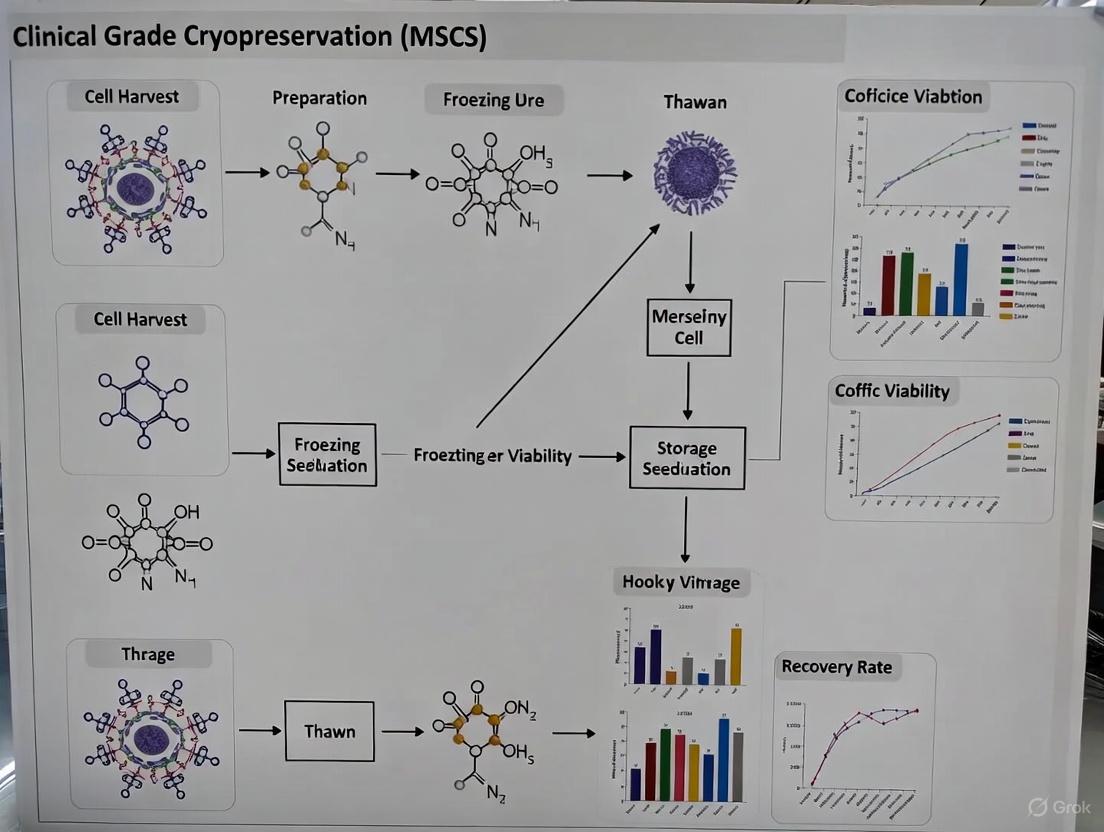
Clinical-Grade Cryopreservation of Allogeneic Mesenchymal Stromal Cells: Protocols, Challenges, and Functional Validation
The transition of allogeneic Mesenchymal Stromal Cell (MSC) therapies from research to clinical practice hinges on robust cryopreservation protocols that ensure cell viability, functionality, and therapeutic potency upon thawing.
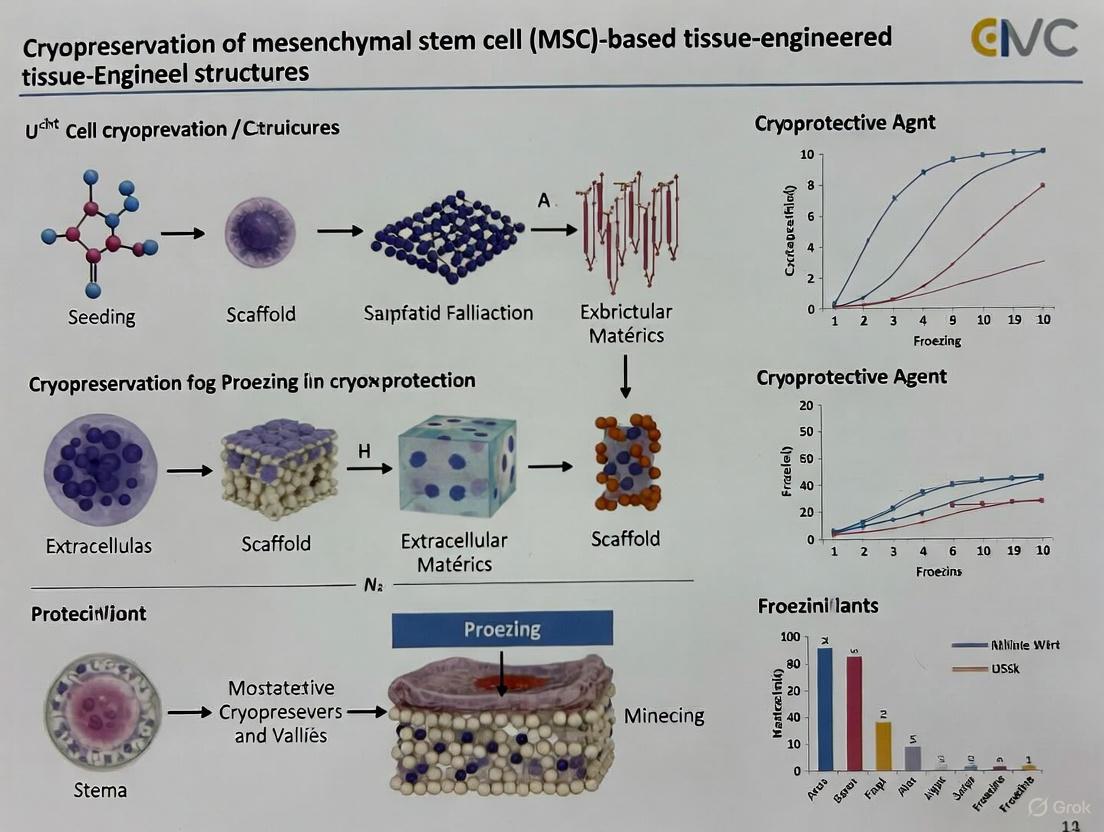
Cryopreservation of MSC-Based Tissue-Engineered Structures: Protocols, Challenges, and Clinical Translation
This comprehensive review addresses the critical process of cryopreserving mesenchymal stem cell (MSC)-based tissue-engineered structures, a pivotal step for clinical translation in regenerative medicine.
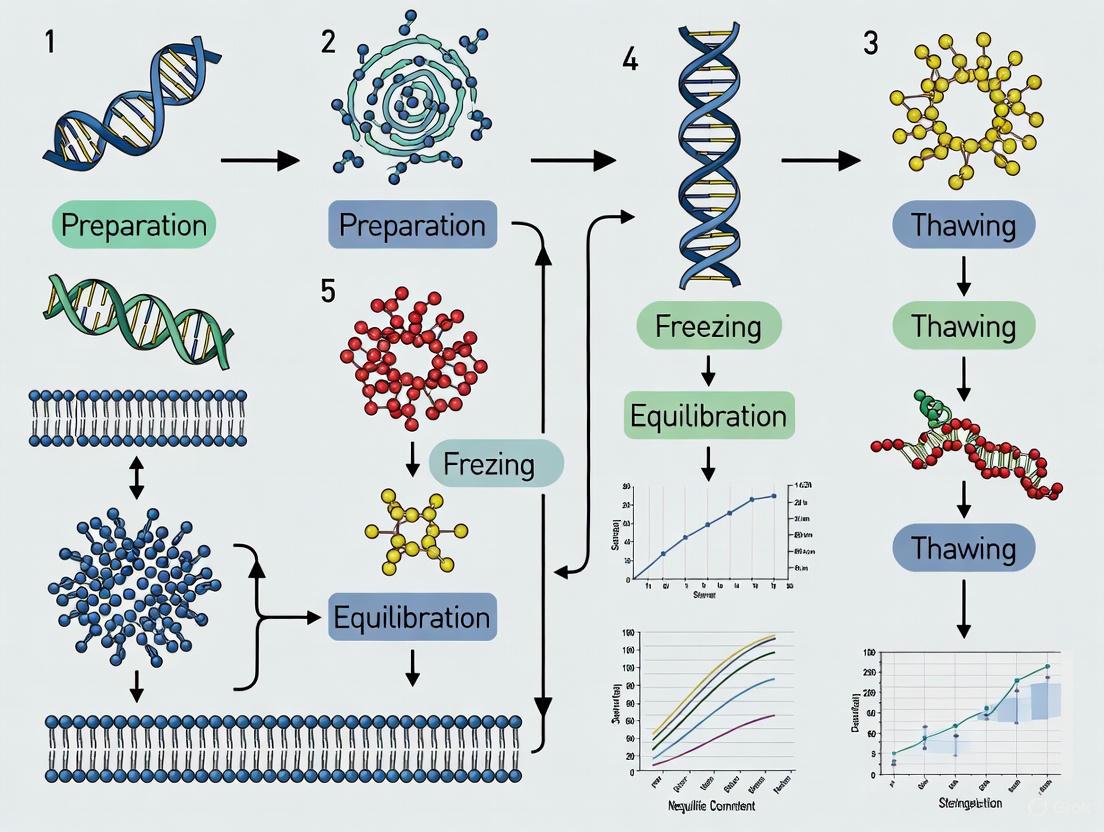
Optimizing Slow Freezing Protocols for Adipose-Derived Stem Cells: A Guide to Cryopreservation, Quality Control, and Clinical Translation
This article provides a comprehensive guide to the slow freezing cryopreservation of Adipose-Derived Stem Cells (ADSCs), a critical process for their use in research and clinical therapies.

Metabolic Activity of MSCs Post-Cryopreservation: Impacts on Function, Protocols for Recovery, and Clinical Translation
This comprehensive review synthesizes current research on the metabolic and functional consequences of cryopreservation on Mesenchymal Stromal Cells (MSCs), a critical consideration for clinical and research applications.
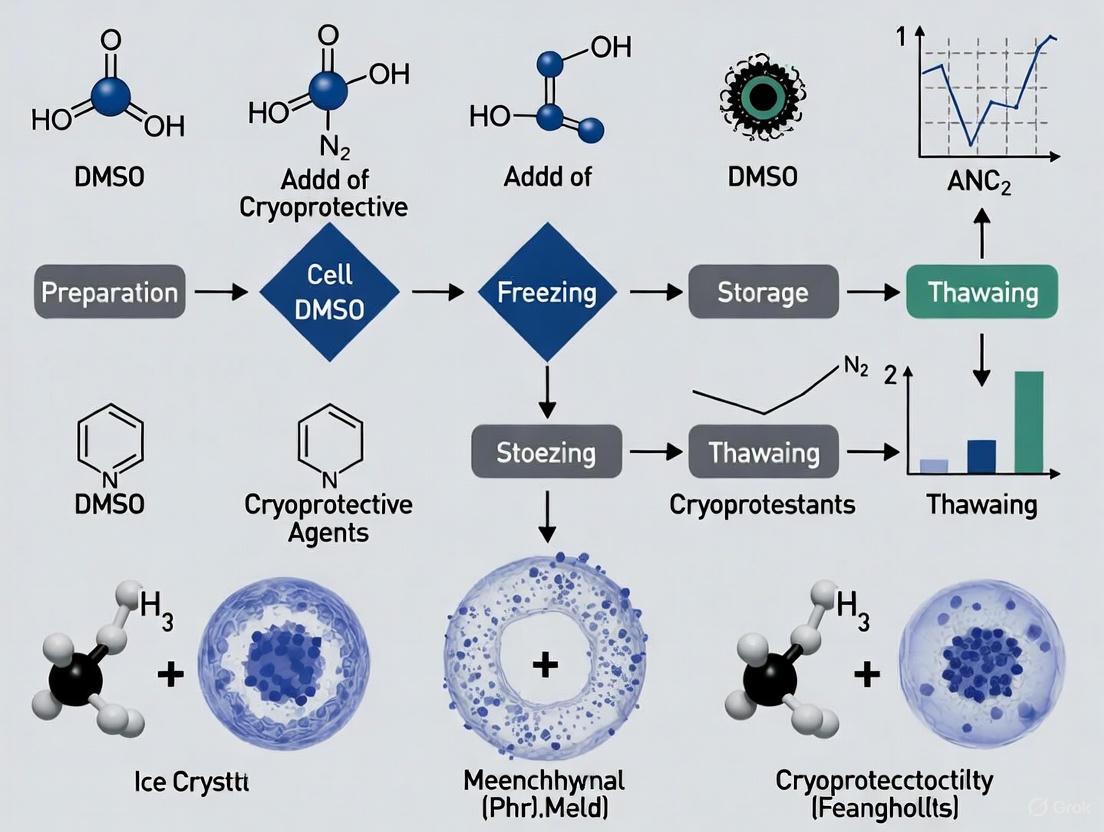
DMSO-Free Cryopreservation of Mesenchymal Stem Cells: Protocols, Validation, and Clinical Translation
The move to DMSO-free cryopreservation is a critical advancement for the safety and efficacy of mesenchymal stem cell (MSC) therapies.
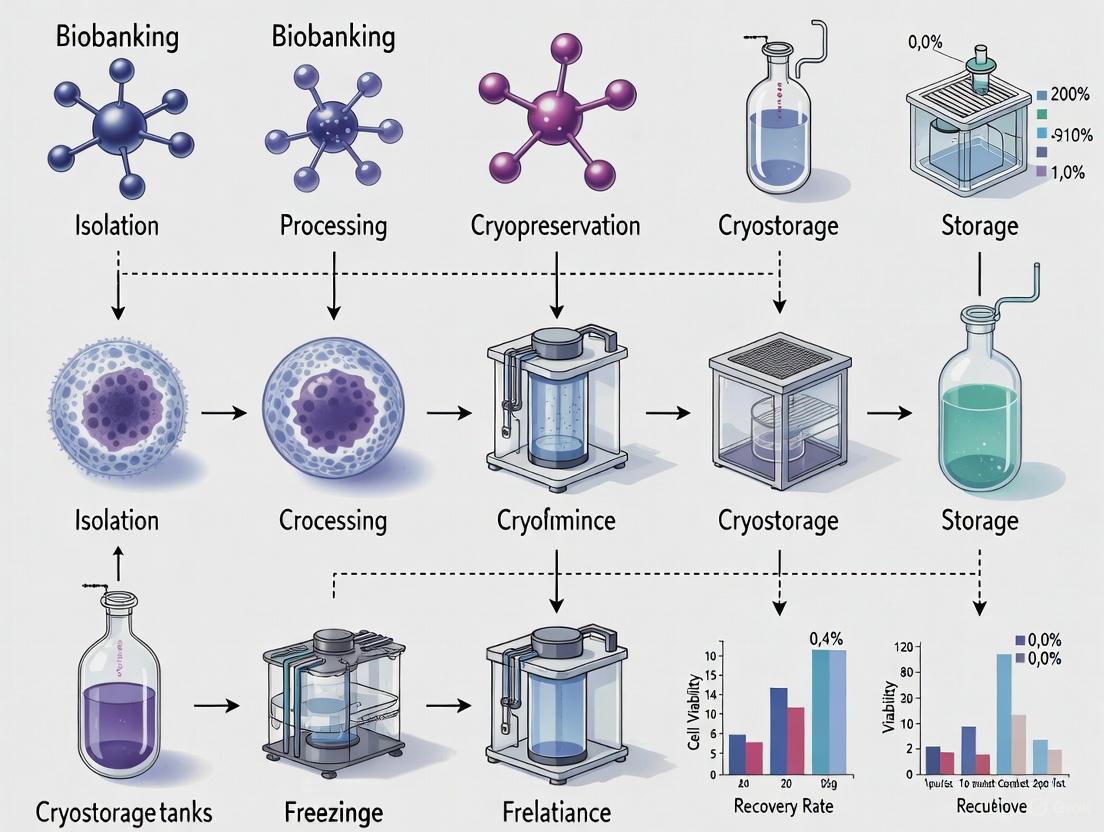
MSC Biobanking and Cryostorage: A Complete Guide to Principles, Methods, and Best Practices for Researchers
This comprehensive article provides researchers, scientists, and drug development professionals with an in-depth examination of Mesenchymal Stromal Cell (MSC) biobanking and cryostorage.