Research Articles
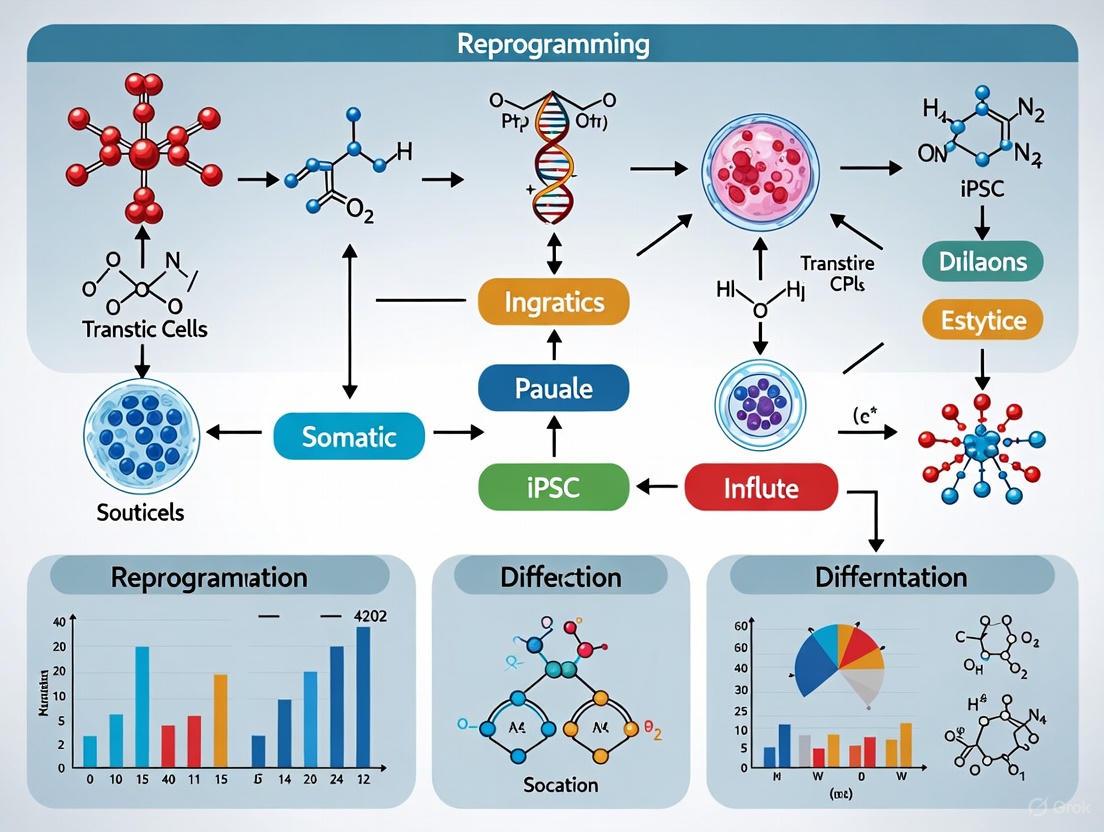
Strategies for Improving Reprogramming Efficiency: From Somatic Cells to Functional iPSCs
This article provides a comprehensive guide for researchers and drug development professionals on the latest strategies to enhance the efficiency and safety of induced pluripotent stem cell (iPSC) generation.
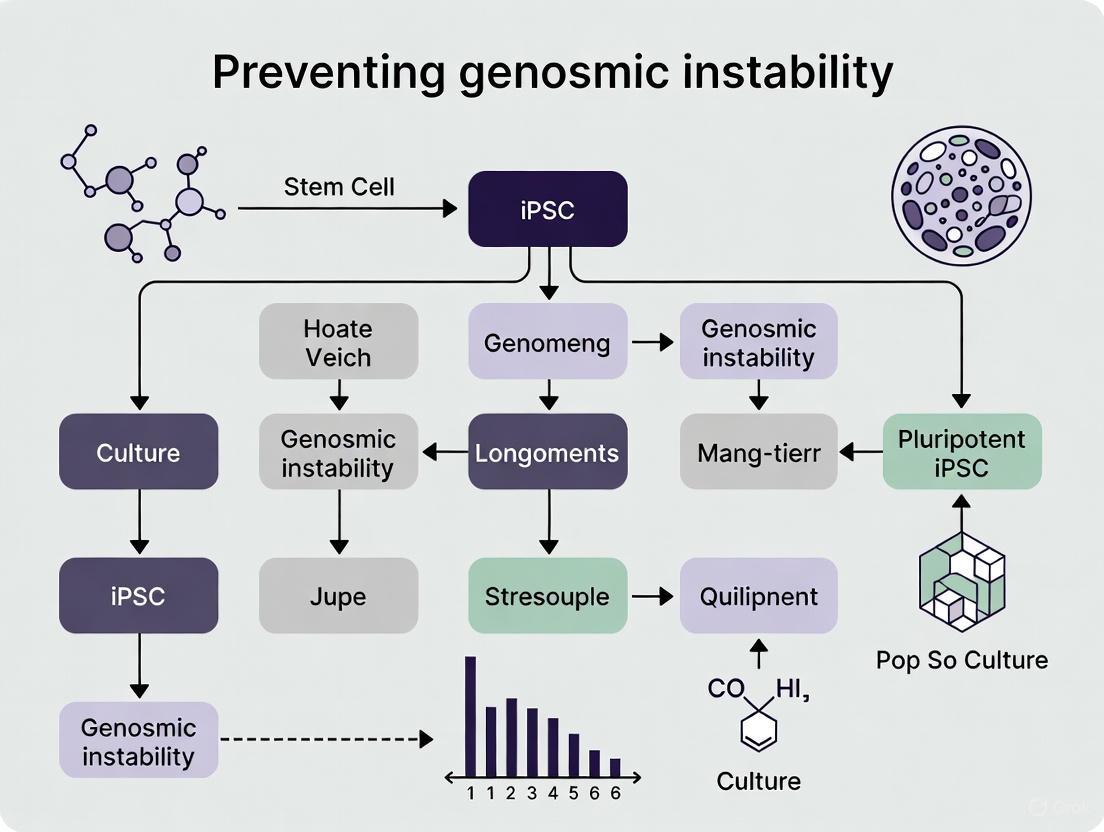
Safeguarding iPSC Integrity: Strategies to Prevent Genomic Instability in Long-Term Culture
This article provides a comprehensive guide for researchers and drug development professionals on managing genomic instability in induced pluripotent stem cells (iPSCs) during extended culture.
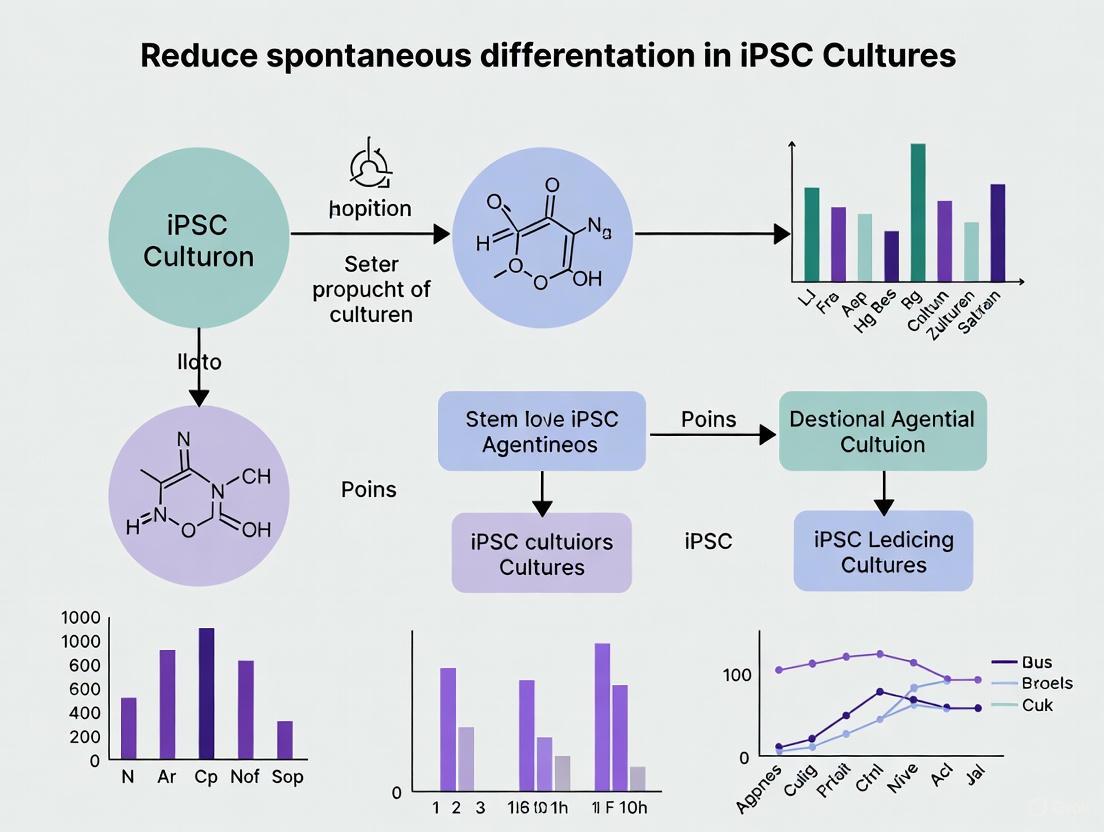
Strategies to Minimize Spontaneous Differentiation in iPSC Cultures: A Guide for Robust and Reproducible Research
Spontaneous differentiation remains a significant challenge in induced pluripotent stem cell (iPSC) culture, compromising experimental reproducibility and the efficacy of cell therapies.
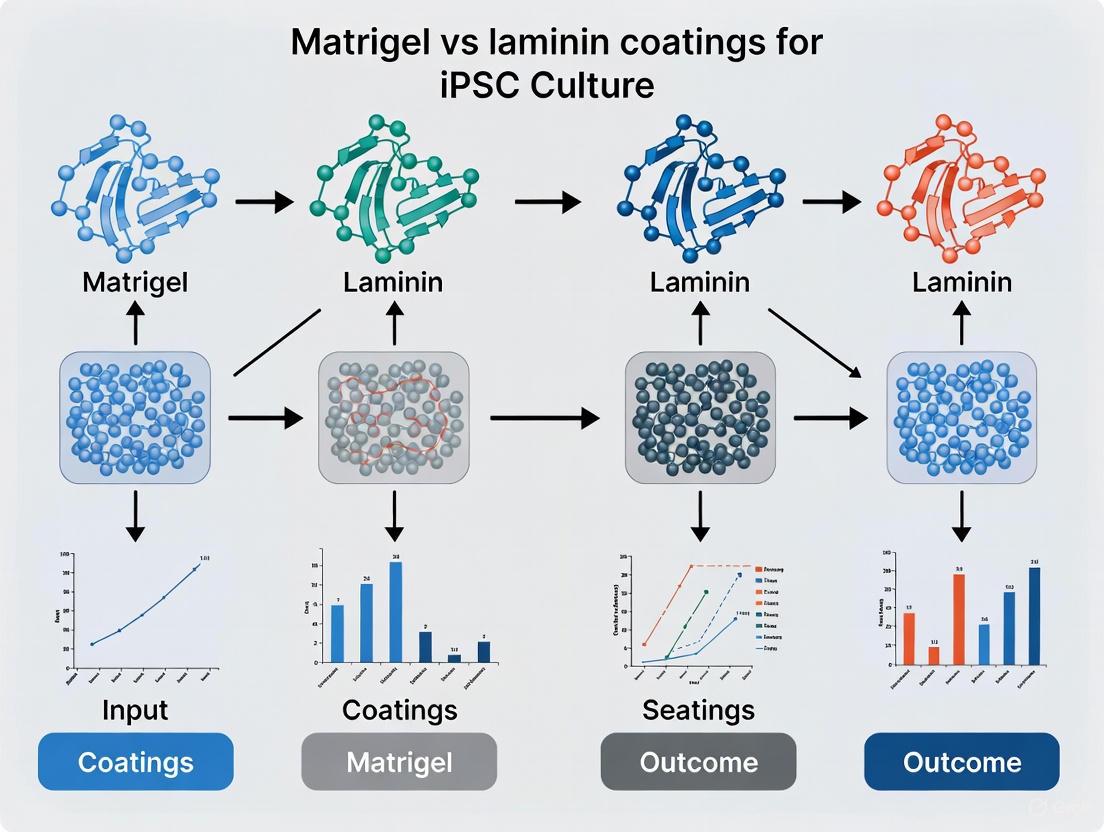
Matrigel vs. Laminin for iPSC Culture: A Scientist's Guide to Selection, Optimization, and Xeno-Free Alternatives
This article provides a comprehensive comparison of Matrigel and laminin coatings for induced pluripotent stem cell (iPSC) culture, tailored for researchers and drug development professionals.
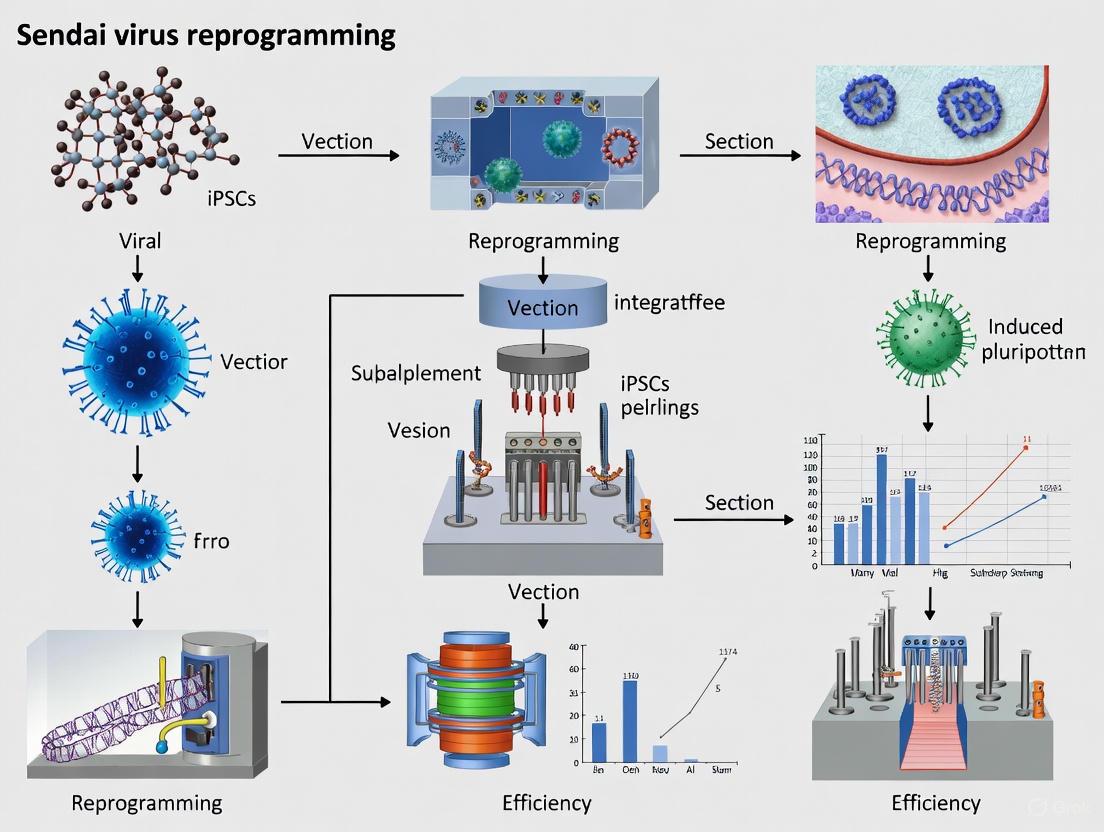
Sendai Virus Reprogramming: A Comprehensive Guide to Generating Integration-Free iPSCs for Research and Therapy
Sendai virus (SeV) vector technology has emerged as a leading method for generating induced pluripotent stem cells (iPSCs) without genomic integration, a critical safety consideration for clinical applications.
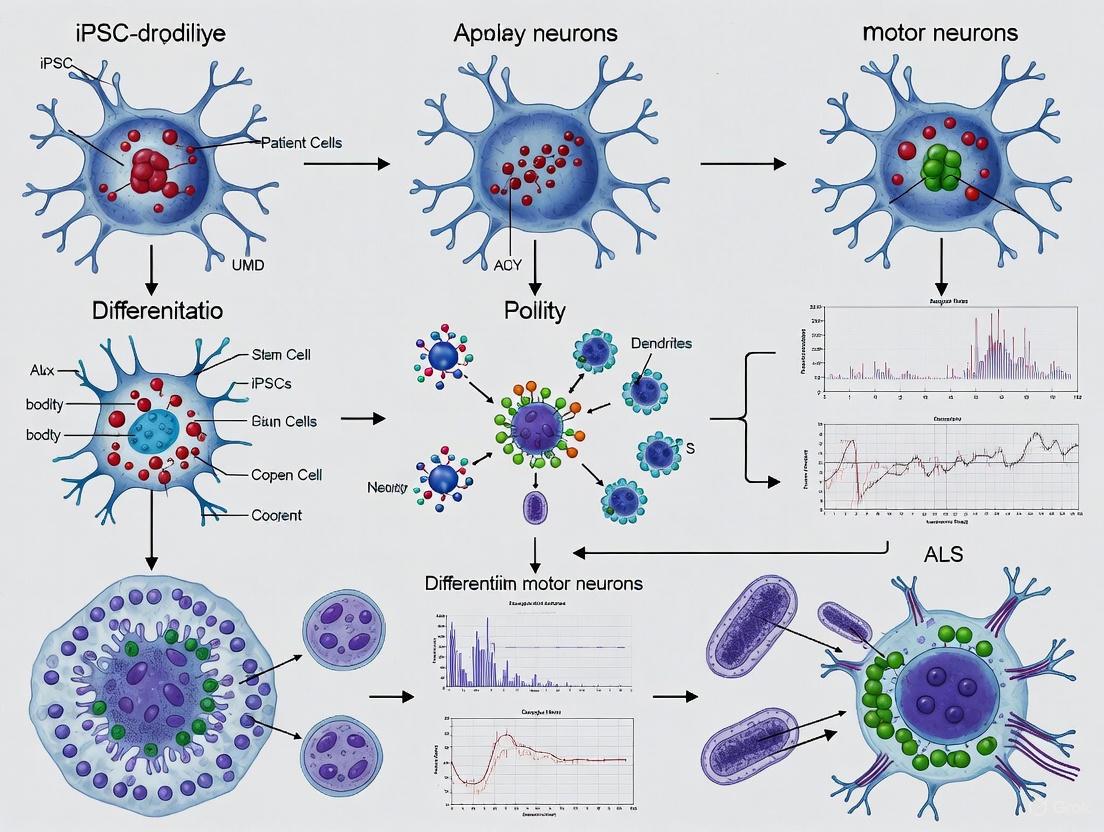
Revolutionizing ALS Research: iPSC-Derived Motor Neurons as Predictive Models for Drug Discovery
This article provides a comprehensive overview of the transformative role of induced pluripotent stem cell (iPSC)-derived motor neurons in modeling Amyotrophic Lateral Sclerosis (ALS).
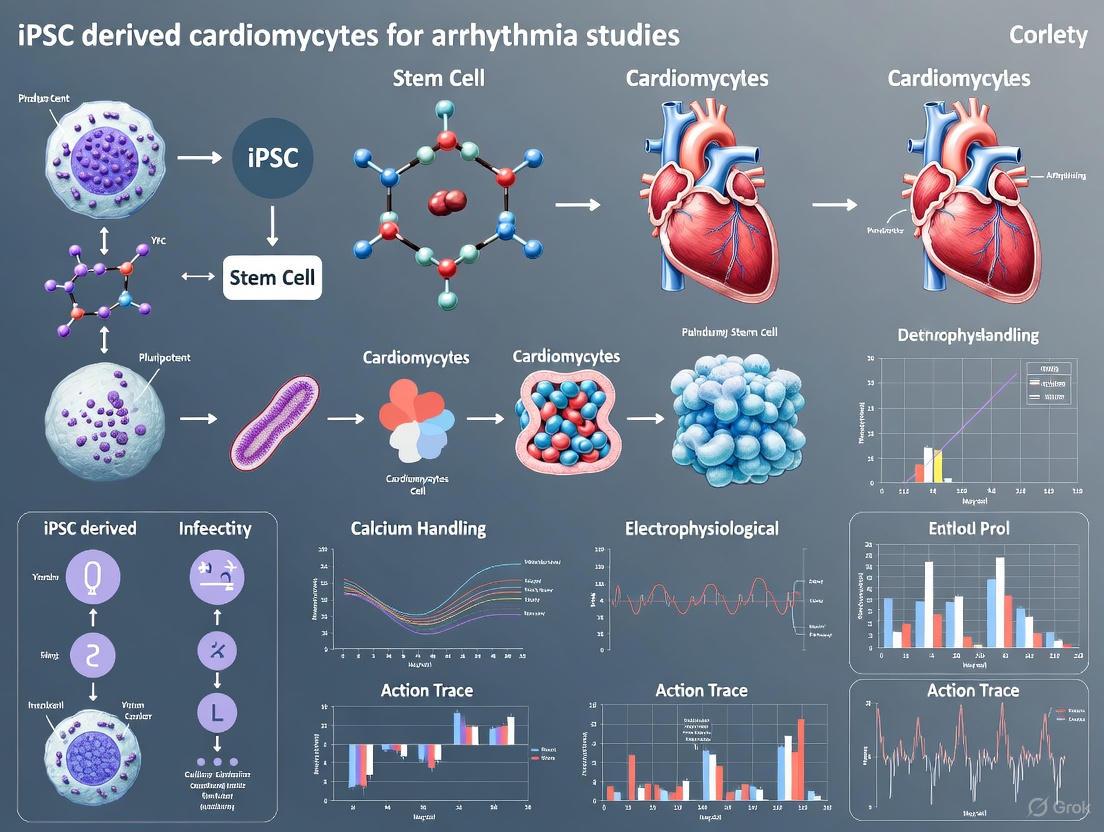
iPSC-Derived Cardiomyocytes for Arrhythmia Studies: From Disease Modeling to Clinical Translation
Induced pluripotent stem cell-derived cardiomyocytes (iPSC-CMs) have revolutionized cardiac arrhythmia research by providing a patient-specific platform for disease modeling, drug screening, and safety pharmacology.
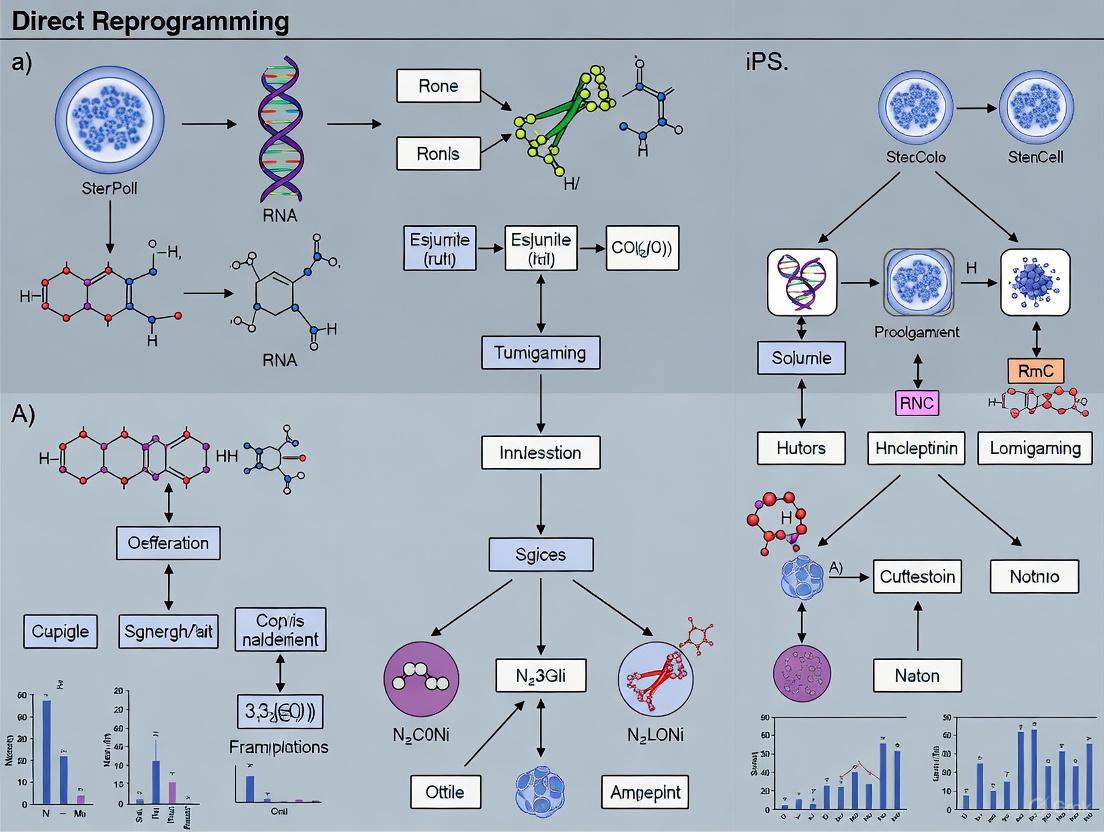
Direct Reprogramming of Somatic Cells to iPSCs: A Comprehensive Guide to Protocols, Mechanisms, and Clinical Translation
This article provides a comprehensive and up-to-date analysis of the protocols for directly reprogramming somatic cells into induced pluripotent stem cells (iPSCs).
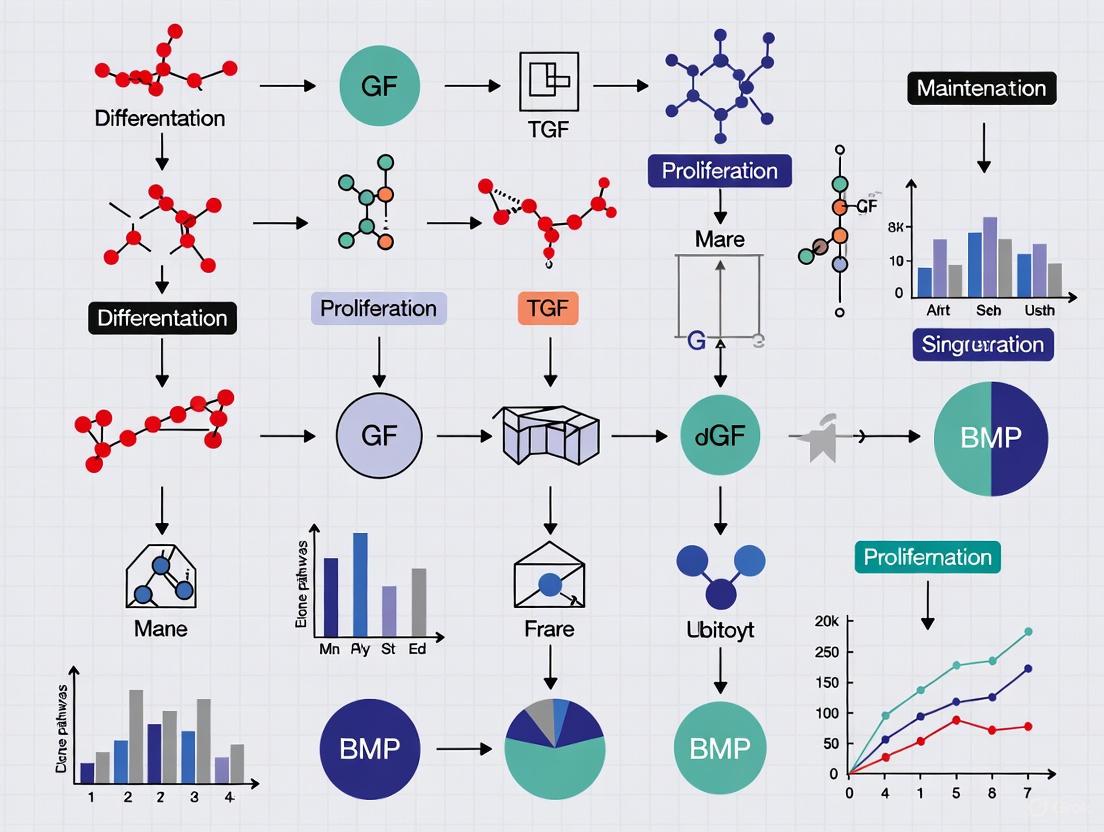
Feeder-Free Culture Systems for iPSC Maintenance: A Complete Guide for Researchers and Clinicians
Feeder-free culture systems have revolutionized induced pluripotent stem cell (iPSC) research by providing defined, xeno-free conditions that enhance experimental reproducibility and clinical applicability.
3D Cerebral Organoids from Pluripotent Stem Cells: Modeling Brain Development, Disease, and Drug Discovery
This article provides a comprehensive overview of 3D cerebral organoids derived from human pluripotent stem cells (hPSCs), a revolutionary technology that recapitulates key aspects of human brain development.