Research Articles
CRISPR-Cas9 and iPSCs: Revolutionizing Disease Modeling for Drug Discovery and Personalized Medicine
This article explores the powerful synergy between CRISPR-Cas9 gene editing and induced pluripotent stem cell (iPSC) technology, a combination that is revolutionizing disease modeling and therapeutic development.
Generating Kidney Organoids from iPSCs: A Comprehensive Guide for Disease Modeling and Drug Development
Kidney organoids derived from human induced pluripotent stem cells (iPSCs) have emerged as a transformative platform for modeling renal development and disease.
Differentiation of iPSCs into Insulin-Producing Beta Cells: A Comprehensive Guide for Research and Therapy Development
This article provides a comprehensive analysis of the process to differentiate human induced pluripotent stem cells (iPSCs) into functional, insulin-producing beta cells.
Modeling Parkinson's Disease: How iPSC Technology is Unraveling Pathogenesis and Accelerating Therapy
This article provides a comprehensive overview of induced pluripotent stem cell (iPSC) models and their transformative role in Parkinson's disease (PD) research.
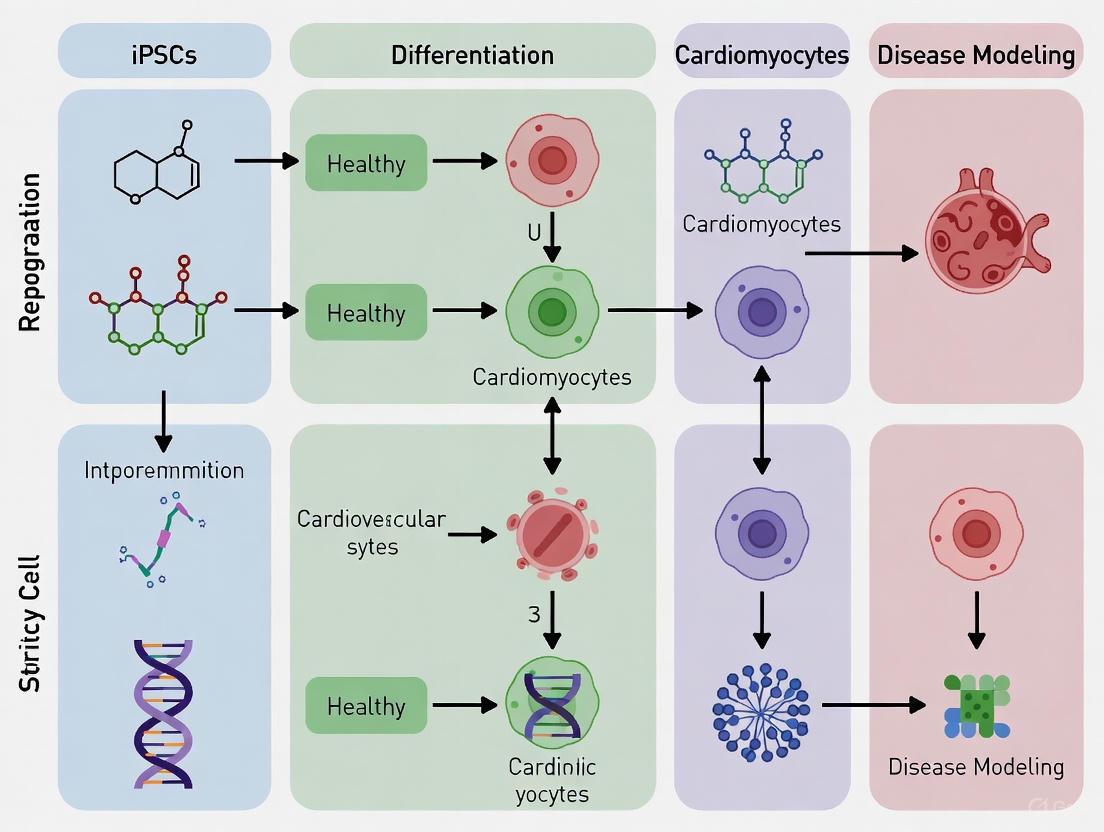
hiPSCs in Cardiovascular Disease Modeling: From Patient-Specific Cells to Precision Drug Discovery
Human induced pluripotent stem cell-derived cardiomyocytes (hiPSC-CMs) are revolutionizing cardiovascular research by providing a patient-specific, human-relevant platform for disease modeling and drug development.
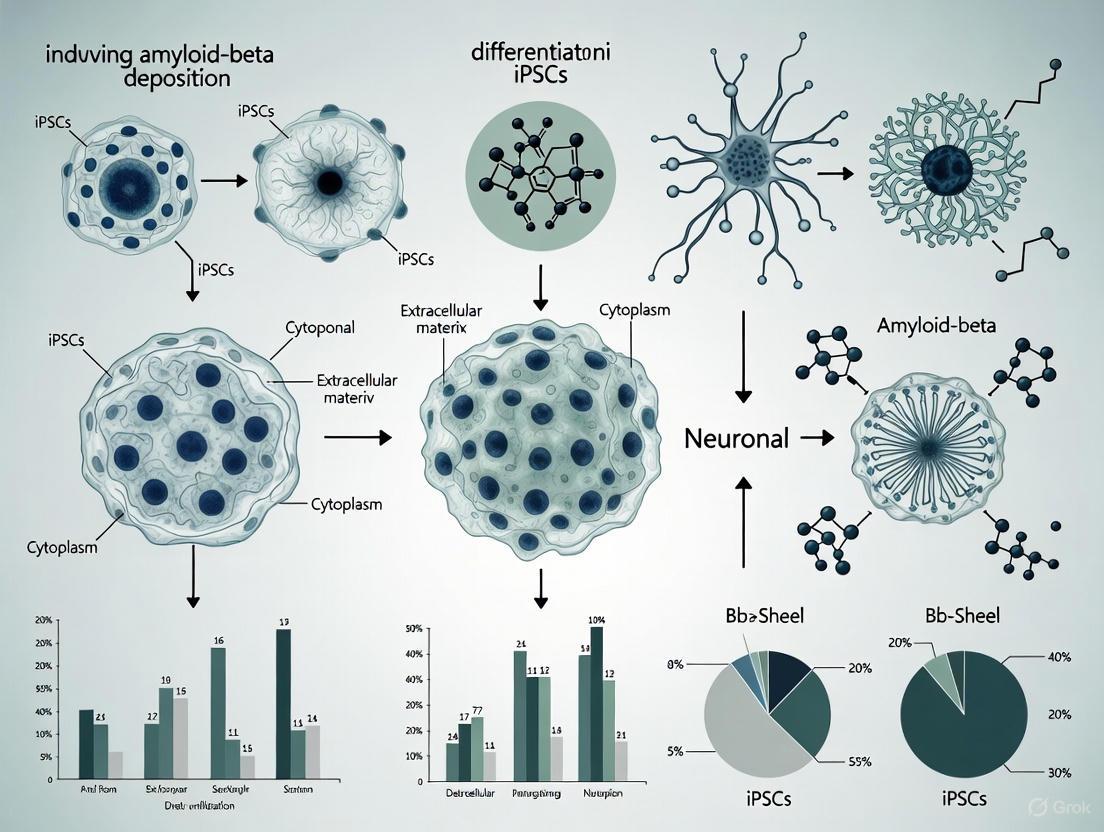
Modeling Amyloid-Beta Deposition with iPSC Technology: From Disease Mechanisms to Therapeutic Discovery
Human induced pluripotent stem cells (iPSCs) have revolutionized the study of Alzheimer's disease (AD), enabling researchers to model amyloid-beta (Aβ) deposition in a patient-specific context.
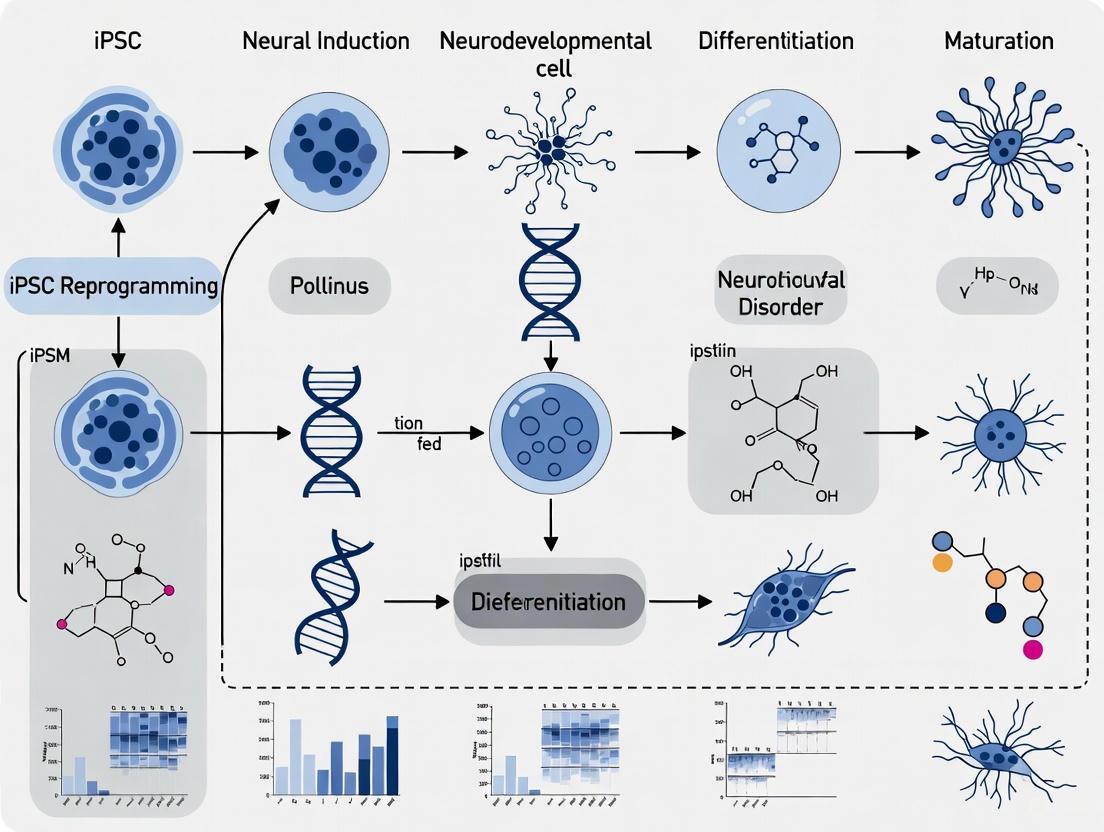
Modeling Neurodevelopmental Disorders with Human iPSCs: From Foundational Mechanisms to Translational Applications
This article provides a comprehensive overview of how human induced pluripotent stem cells (iPSCs) are revolutionizing the study of neurodevelopmental disorders (NDDs).
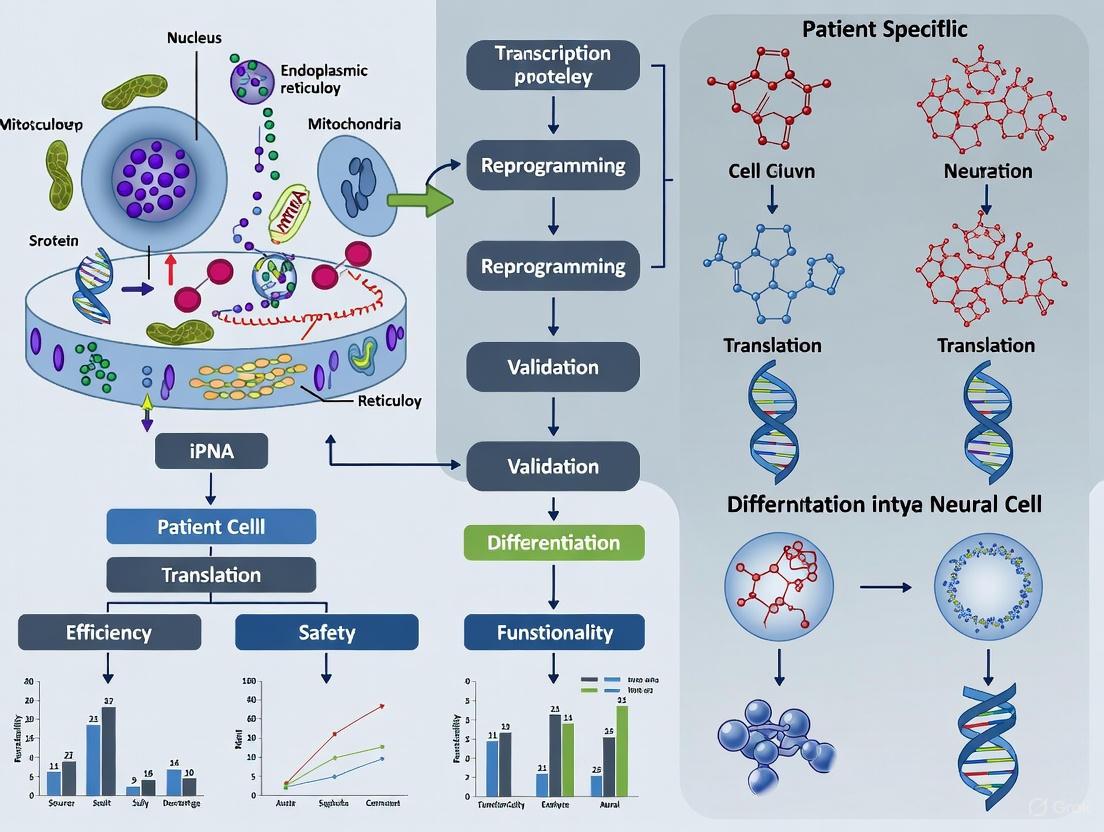
Patient-Specific iPSCs for Neurodegenerative Disease: Modeling, Mechanisms, and Therapeutic Discovery
Patient-specific induced pluripotent stem cells (iPSCs) are revolutionizing the study and treatment of neurodegenerative diseases.
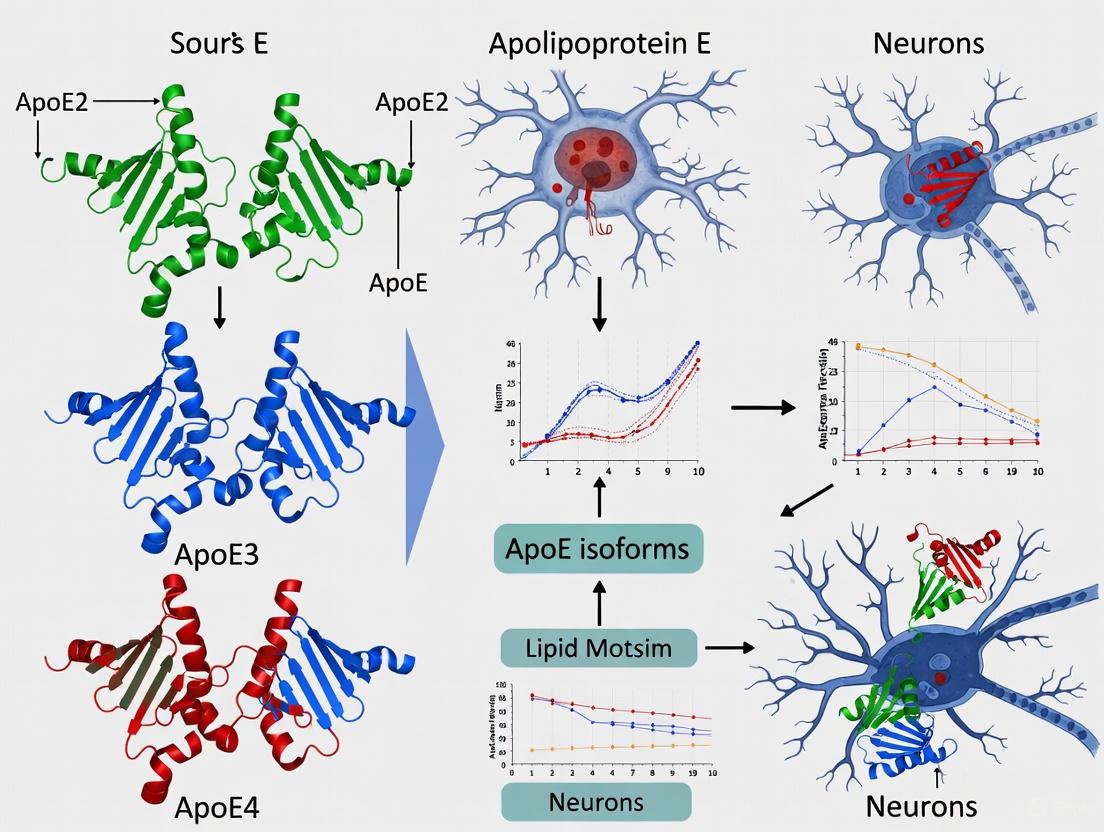
Modeling Alzheimer's Risk: Investigating APOE Isoform-Specific Effects in Human iPSC-Derived Neurons and Brain Cell Types
Human induced pluripotent stem cells (hiPSCs) have emerged as a transformative platform for investigating the mechanistic roles of Apolipoprotein E (APOE) isoforms in Alzheimer's Disease (AD) and other neurodegenerative conditions.
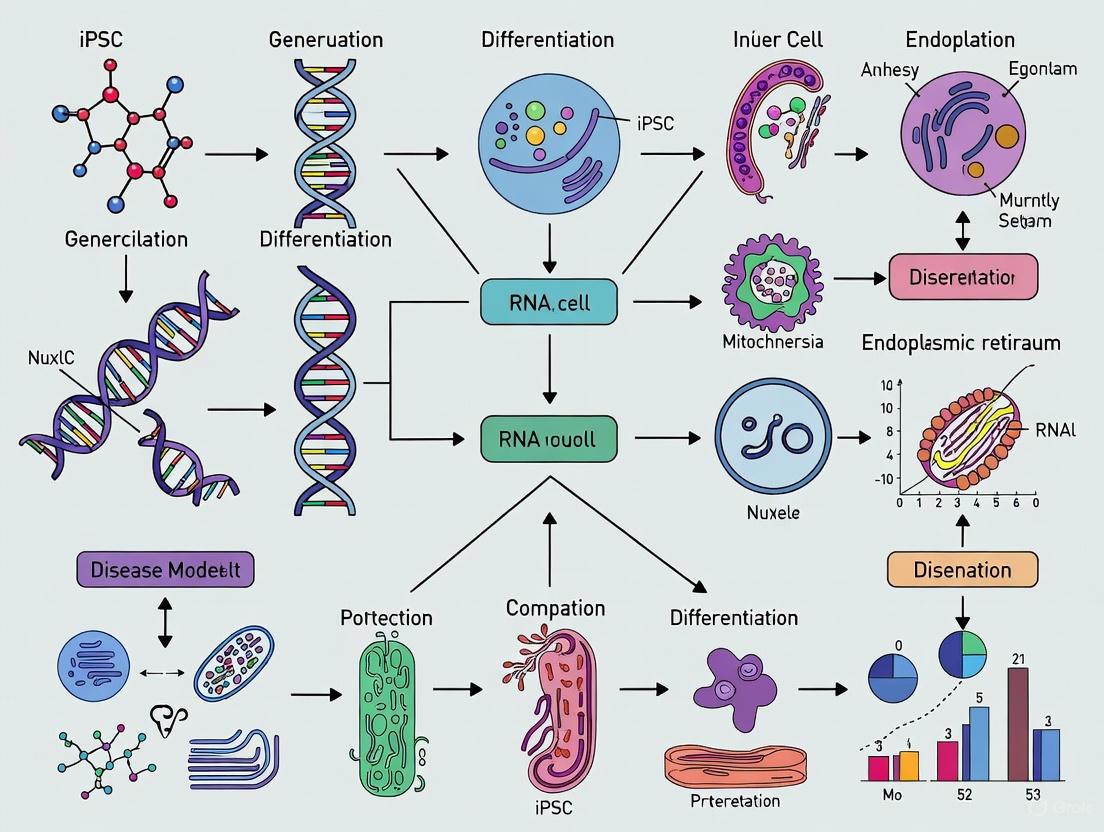
iPSC Disease Modeling for Rare Genetic Disorders: From Patient Cells to Precision Therapies
This article provides a comprehensive resource for researchers and drug development professionals on utilizing induced pluripotent stem cells (iPSCs) to model rare genetic diseases.