Research Articles
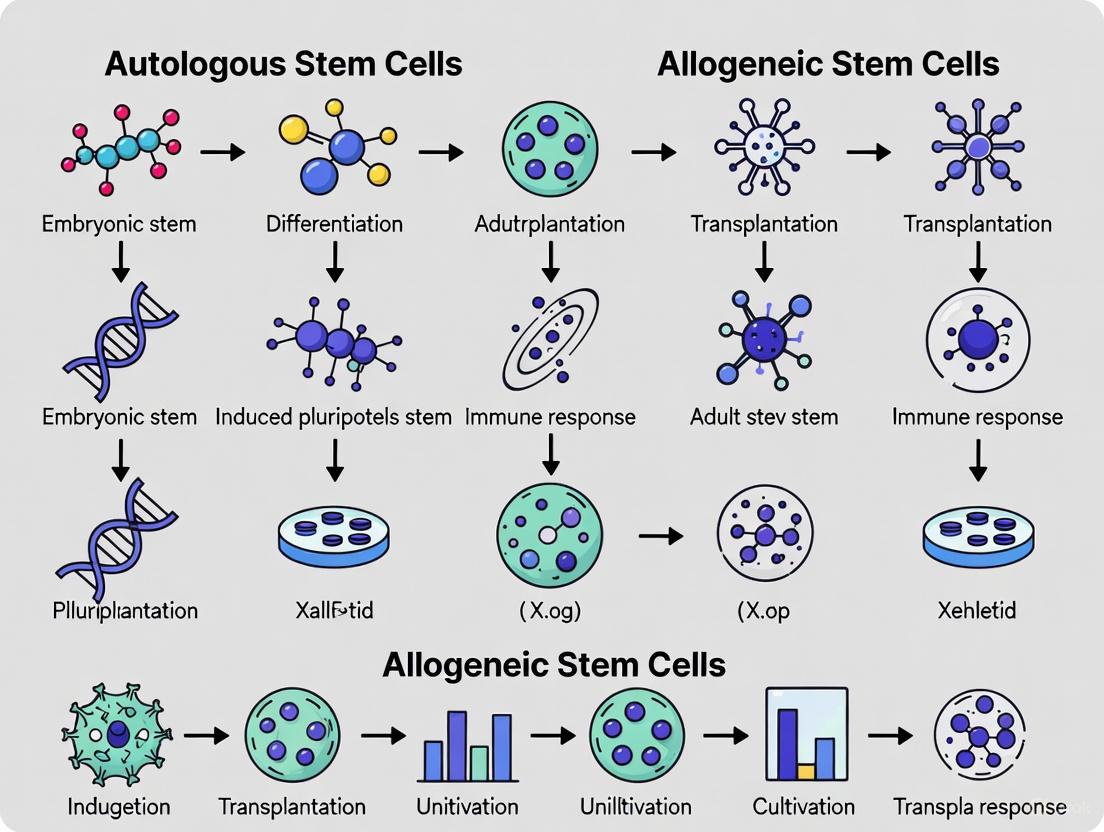
Autologous vs. Allogeneic Stem Cells: A Strategic Guide for Therapeutic Development and Personalized Applications
This article provides a comprehensive analysis of autologous and allogeneic stem cell sources, tailored for researchers, scientists, and drug development professionals.
Mesenchymal Stem Cells in Regenerative Medicine: From Basic Science to Clinical Translation
This article provides a comprehensive exploration of mesenchymal stem cells (MSCs) for researchers and drug development professionals.
Stem Cell Plasticity: Unlocking Personalized Regenerative Medicine and Targeted Cancer Therapies
This article explores the dynamic nature of stem cell plasticity and its profound implications for developing individualized treatments.
Navigating the Ethical Landscape of Personalized Stem Cell Therapy: A Guide for Researchers and Developers
This article provides a comprehensive analysis of the ethical and regulatory considerations in personalized stem cell therapy, tailored for researchers, scientists, and drug development professionals.
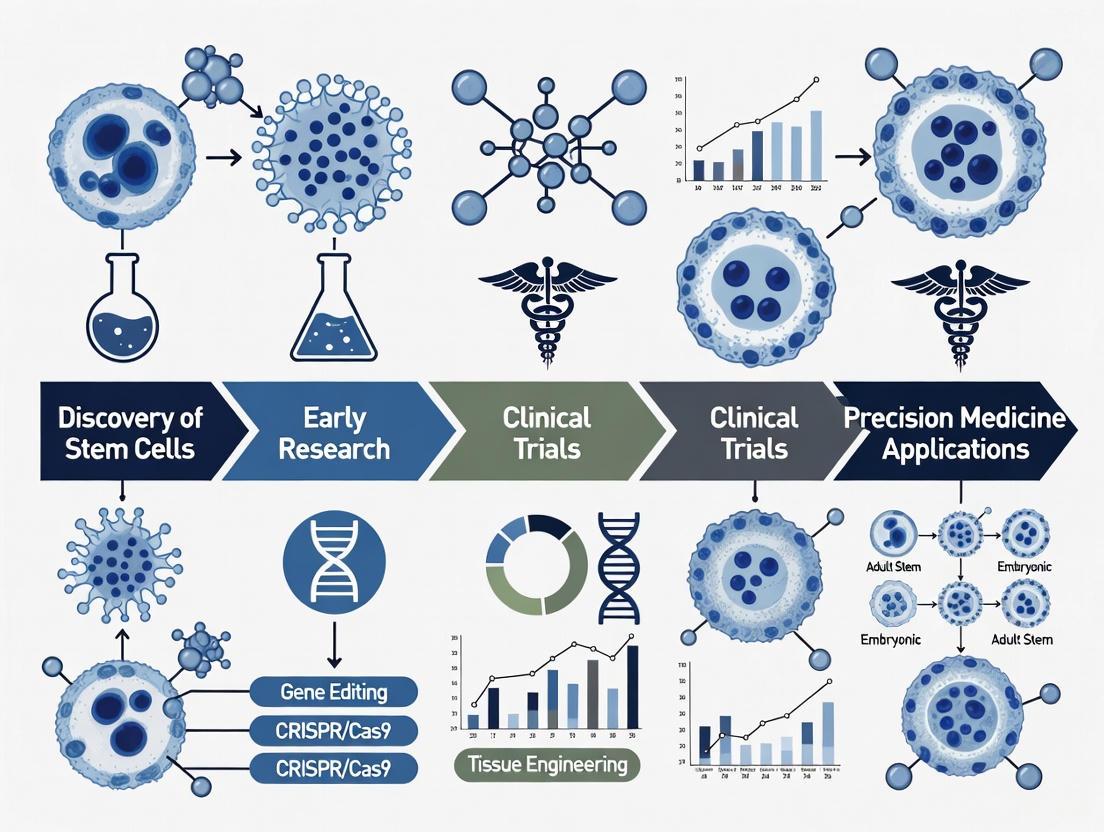
From Bench to Bedside: The Historical Evolution of Stem Cells in Precision Medicine
This article traces the transformative journey of stem cell technology and its integration into the paradigm of precision medicine.
Patient-Specific Disease Modeling with Stem Cells: Bridging the Gap Between Bench and Bedside
Patient-specific disease modeling, particularly using induced pluripotent stem cells (iPSCs), is revolutionizing biomedical research and drug development.
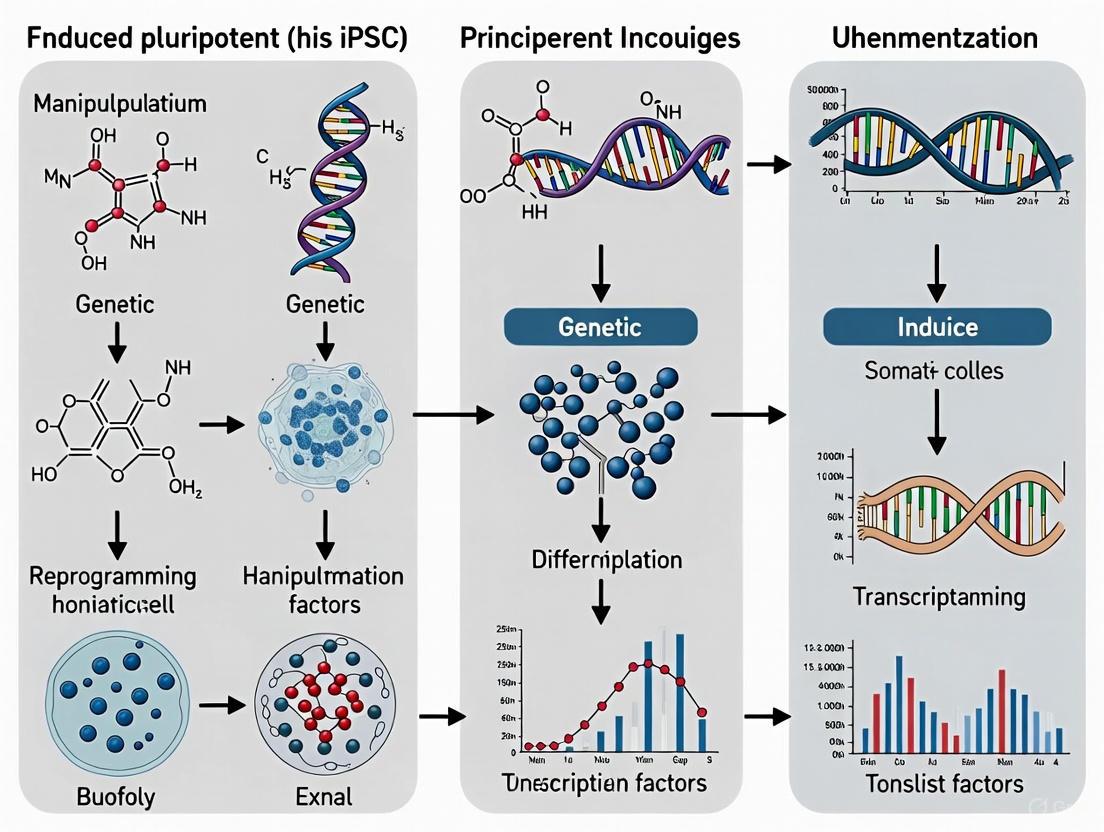
Induced Pluripotent Stem Cell (iPSC) Technology: Principles, Applications, and Clinical Translation
This article provides a comprehensive overview of the fundamental principles of induced pluripotent stem cell (iPSC) technology for researchers, scientists, and drug development professionals.
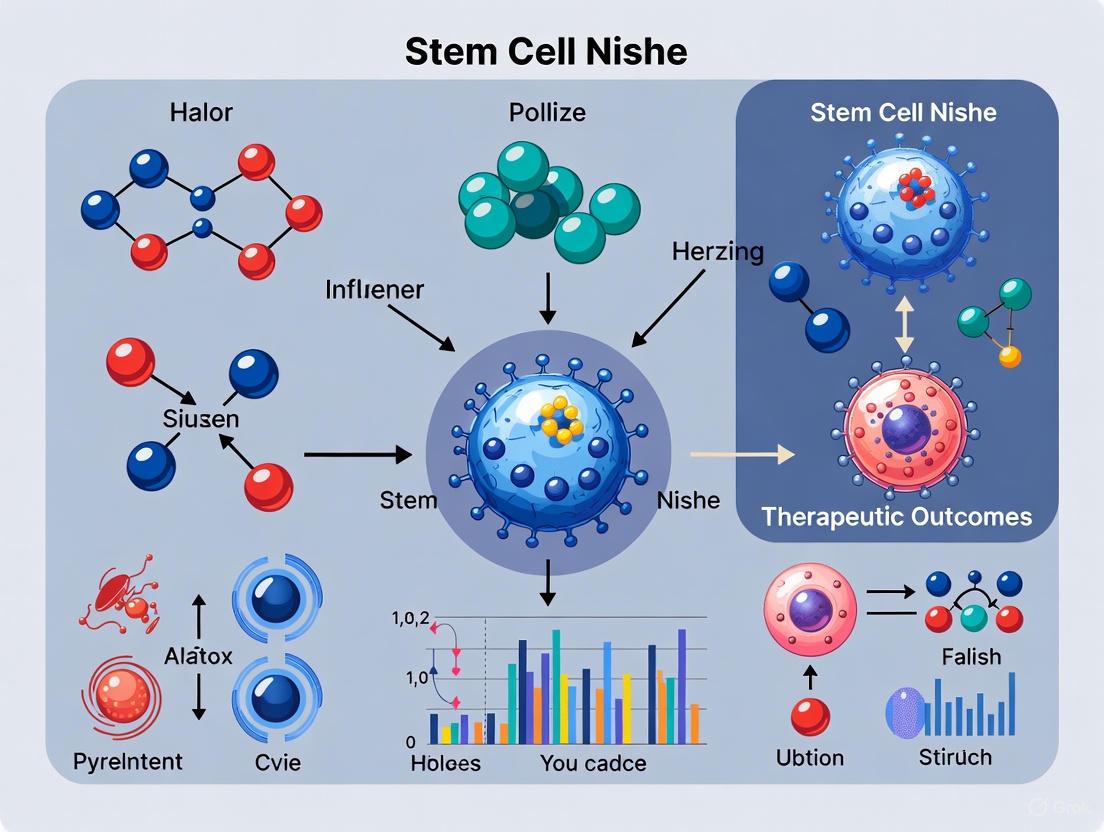
Stem Cell Niche in Personalized Medicine: From Microenvironment to Therapeutic Outcomes
This article explores the critical role of the stem cell niche in determining the success of personalized regenerative therapies.
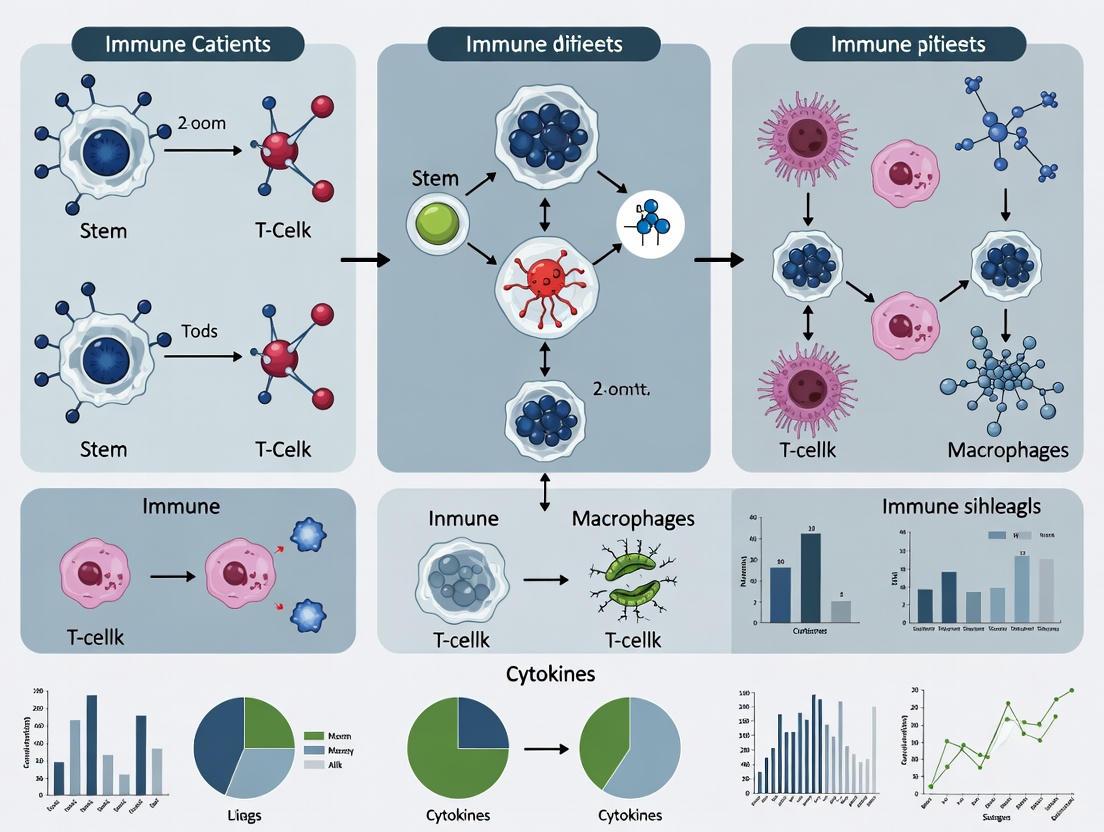
Precision Immunomodulation: Decoding Patient-Specific Stem Cell Mechanisms for Clinical Translation
This article synthesizes current research on the intricate mechanisms by which stem cells, particularly mesenchymal stem cells (MSCs), modulate the immune system in a patient-specific manner.
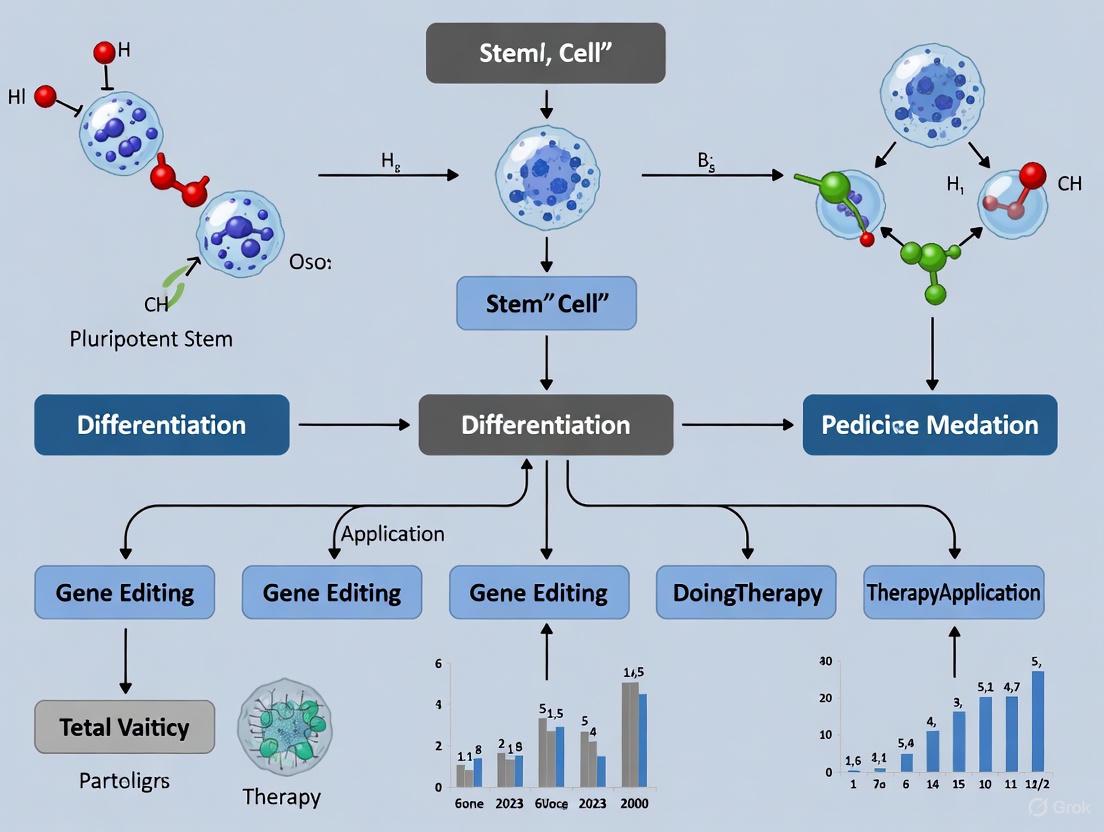
Stem Cells in Personalized Medicine: Revolutionizing Drug Development and Therapeutic Strategies
This article explores the transformative role of stem cell technology in advancing personalized medicine paradigms for researchers, scientists, and drug development professionals.