Research Articles
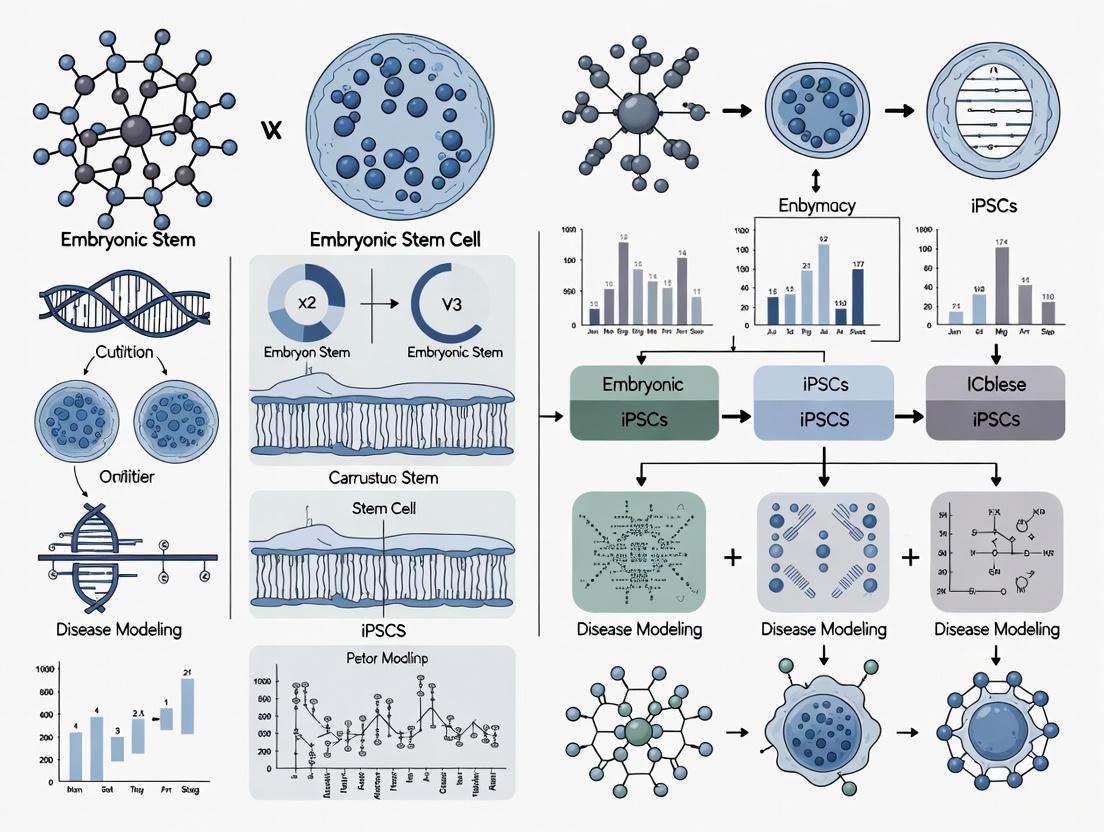
Embryonic vs. Induced Pluripotent Stem Cells: A Comparative Analysis for Advanced Disease Modeling
This article provides a comparative analysis of Embryonic Stem Cells (ESCs) and Induced Pluripotent Stem Cells (iPSCs) for in vitro disease modeling, tailored for researchers and drug development professionals.
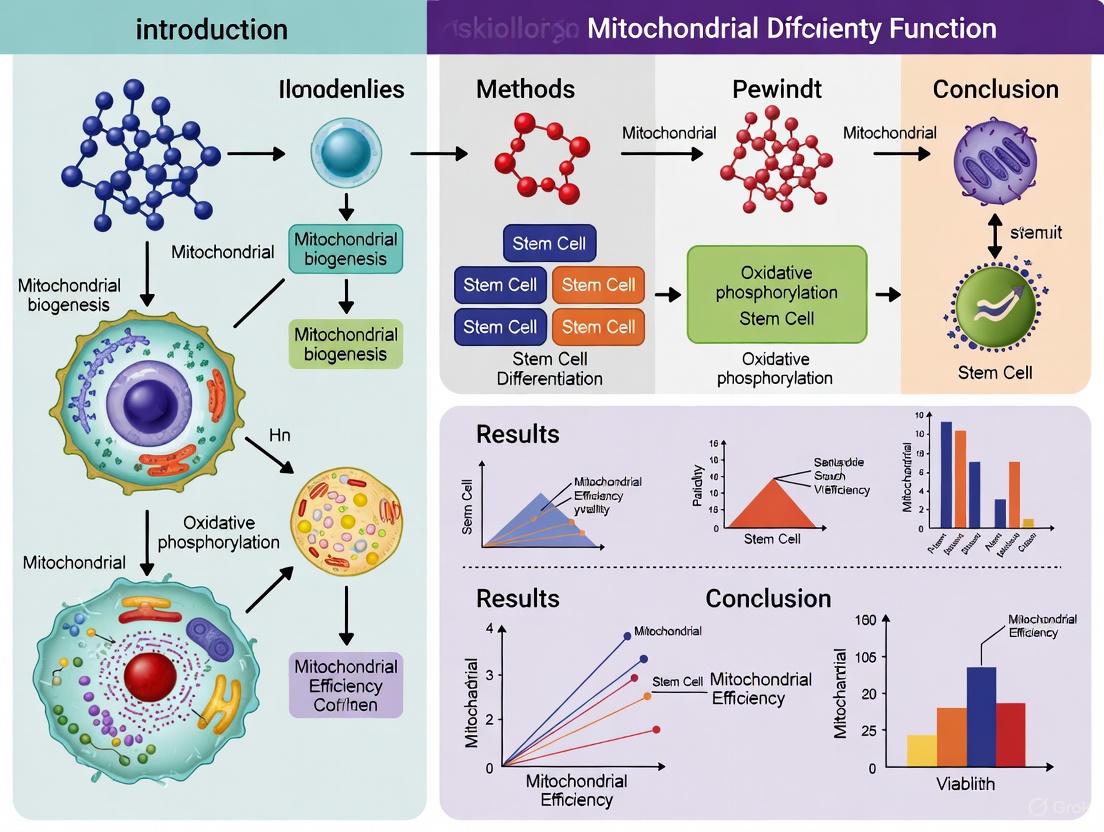
Strategic Enhancement of Mitochondrial Function in Therapeutic Stem Cells: From Foundational Mechanisms to Clinical Translation
This article synthesizes current strategies for augmenting mitochondrial function in therapeutic stem cells, a critical determinant of their efficacy in regenerative medicine.
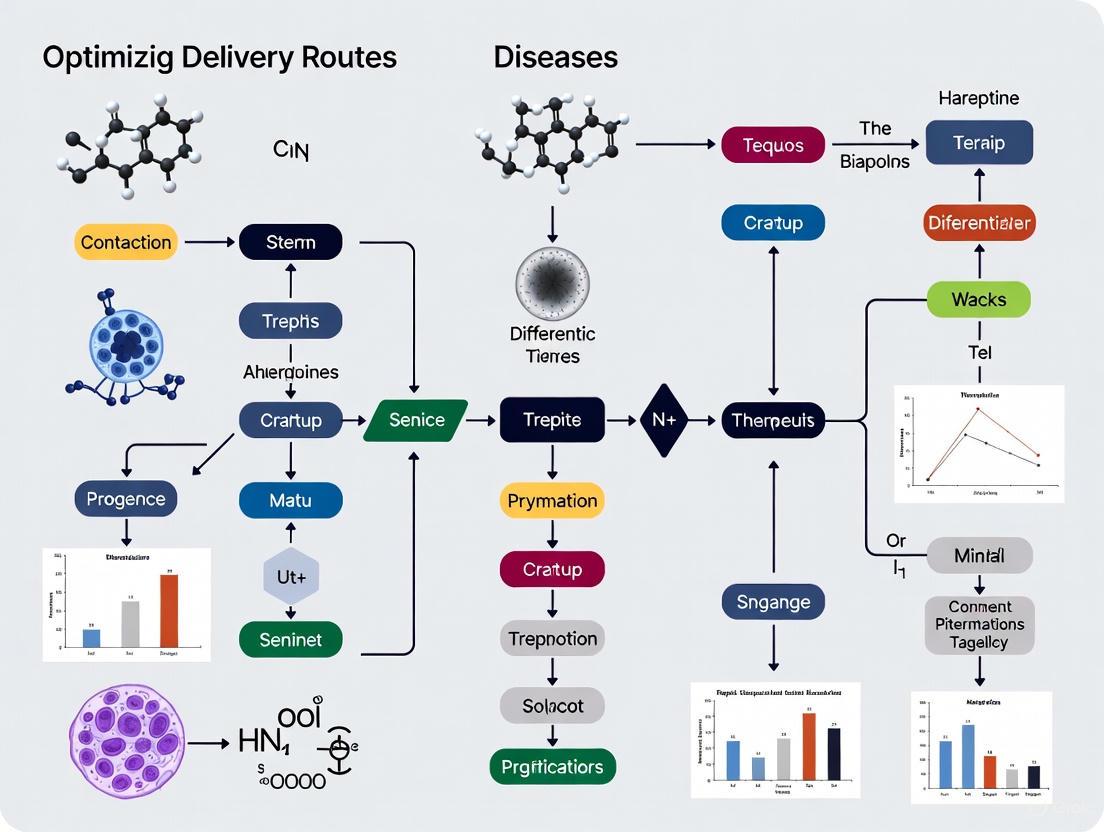
Optimizing Stem Cell Delivery Routes for Disease-Specific Therapeutic Efficacy
The route of administration is a critical determinant of the safety and efficacy of stem cell therapies, directly impacting cell survival, engraftment, and therapeutic function.
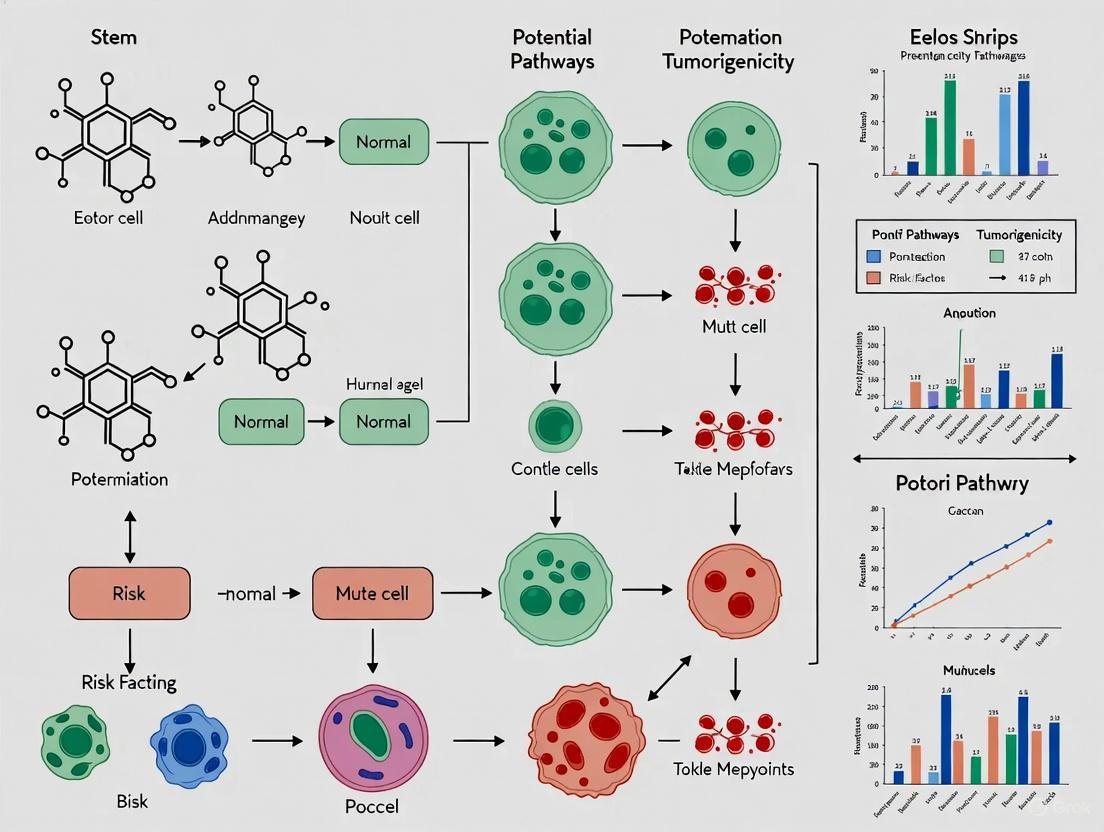
Mitigating Tumorigenicity in Stem Cell Therapies: Safety Strategies for Precision Medicine
This article provides a comprehensive analysis of tumorigenicity risks associated with stem cell-based precision medicine, a primary barrier to clinical translation.
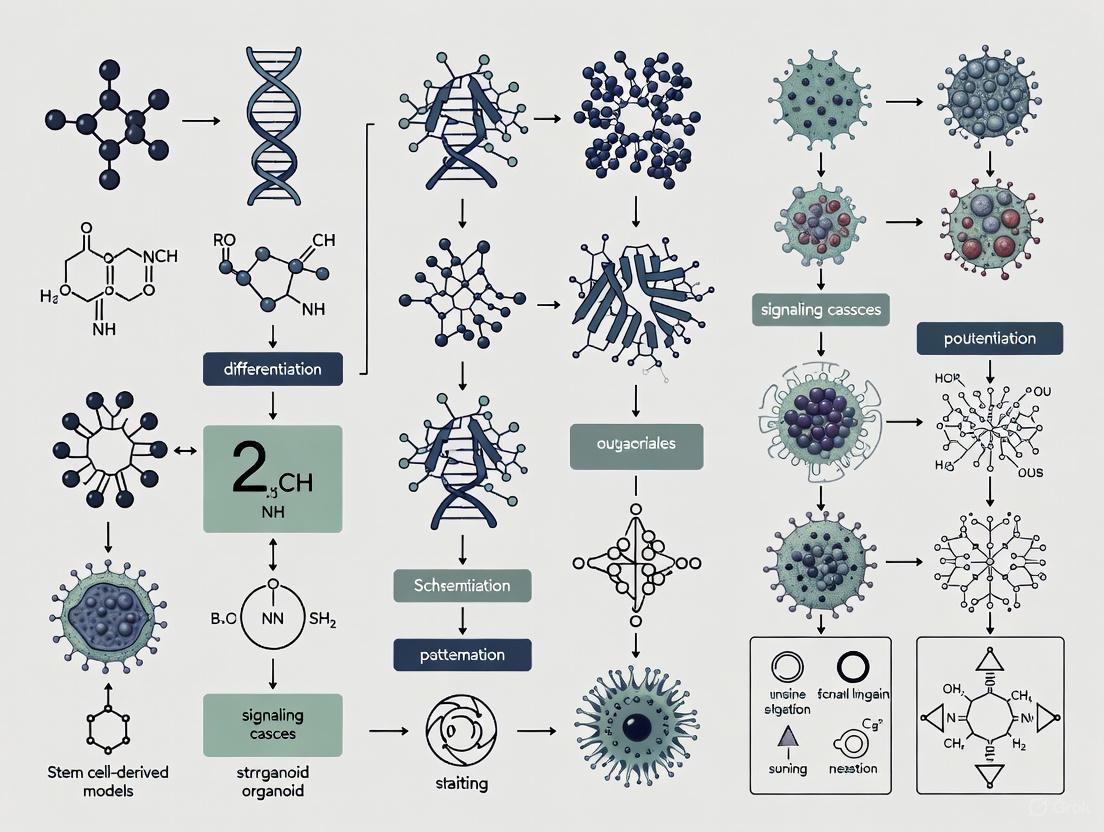
Taming Variability: A Researcher's Guide to Robust and Reproducible Stem Cell-Derived Organoid Models
Stem cell-derived organoids have emerged as transformative tools for disease modeling and drug development, yet their potential is often hampered by variability and reproducibility challenges.
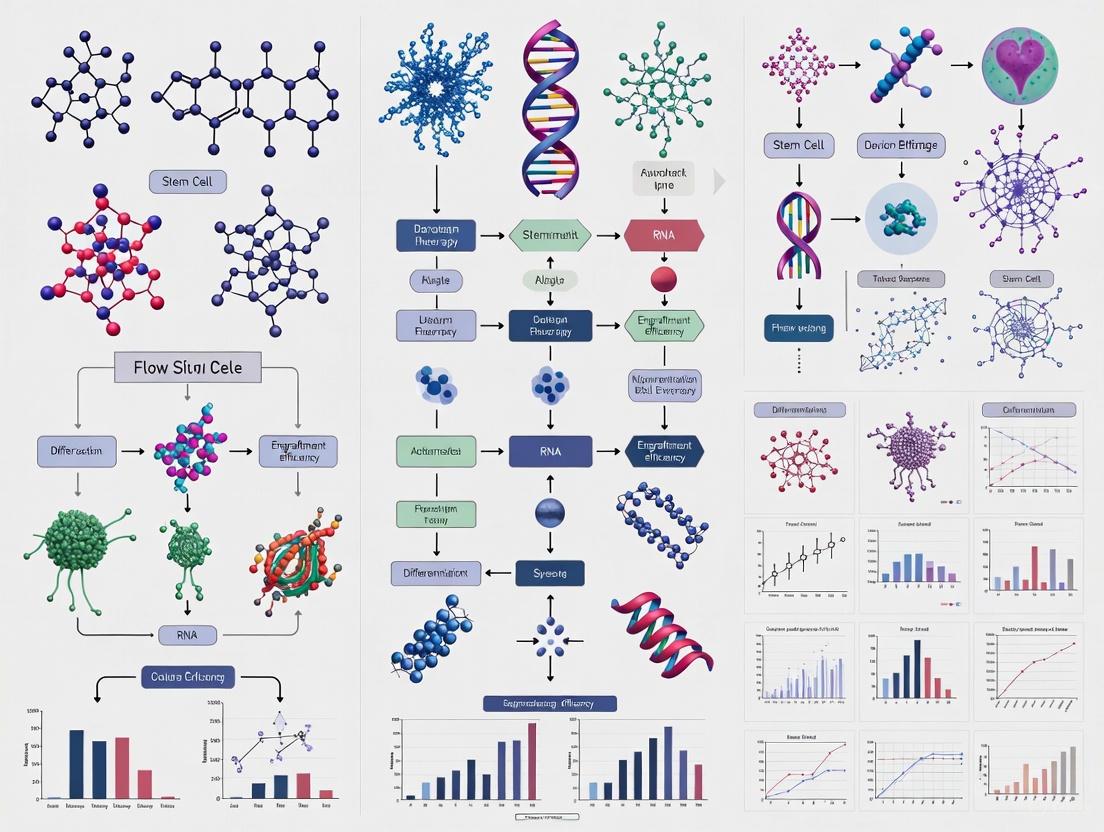
Strategic Approaches to Enhance Stem Cell Engraftment for Personalized Therapies
This article synthesizes current research and emerging strategies to overcome the central challenge in regenerative medicine: the poor survival and engraftment of transplanted stem cells.
Standardizing Differentiation Efficiency in Patient-Specific Stem Cell Lines: From Foundational Challenges to Clinical Translation
This article addresses the critical challenge of variability in differentiation efficiency across patient-specific stem cell lines, a major bottleneck in regenerative medicine and drug development.
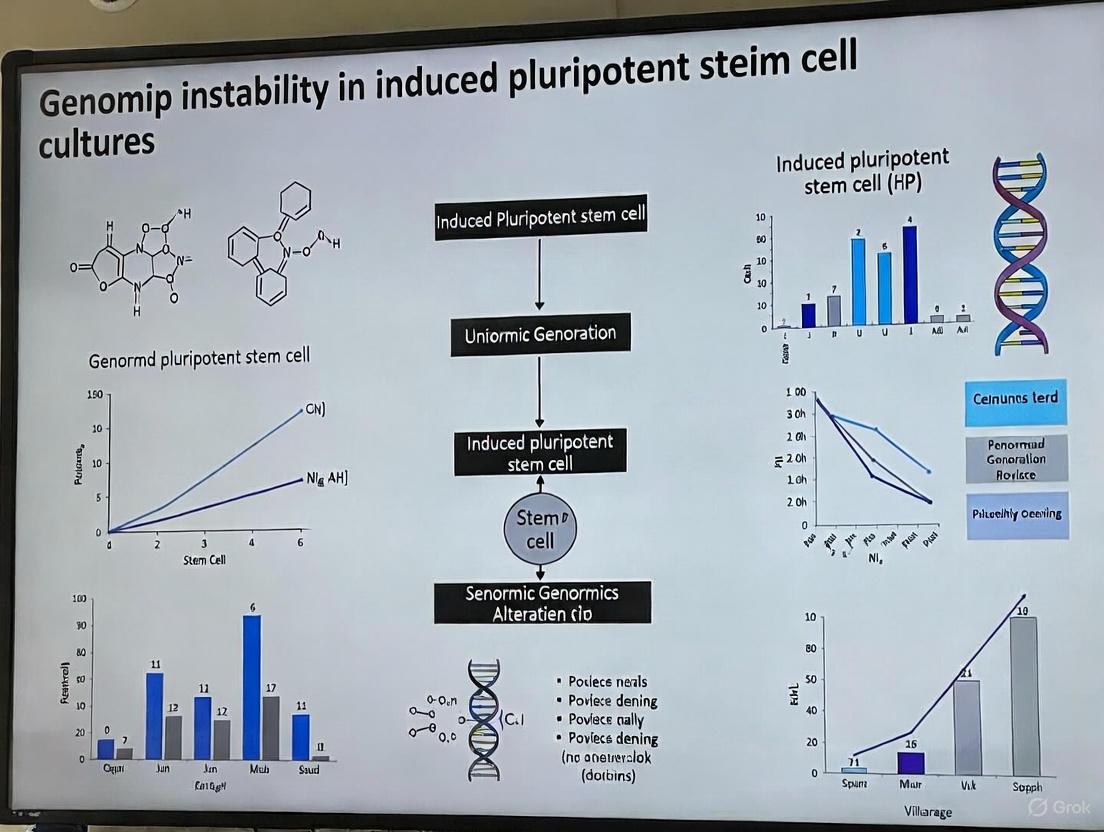
Addressing Genomic Instability in iPSC Cultures: Mechanisms, Monitoring, and Mitigation Strategies for Research and Therapy
The profound therapeutic potential of induced pluripotent stem cells (iPSCs) is tempered by the significant challenge of genomic instability, which can compromise experimental results and pose serious risks in clinical...
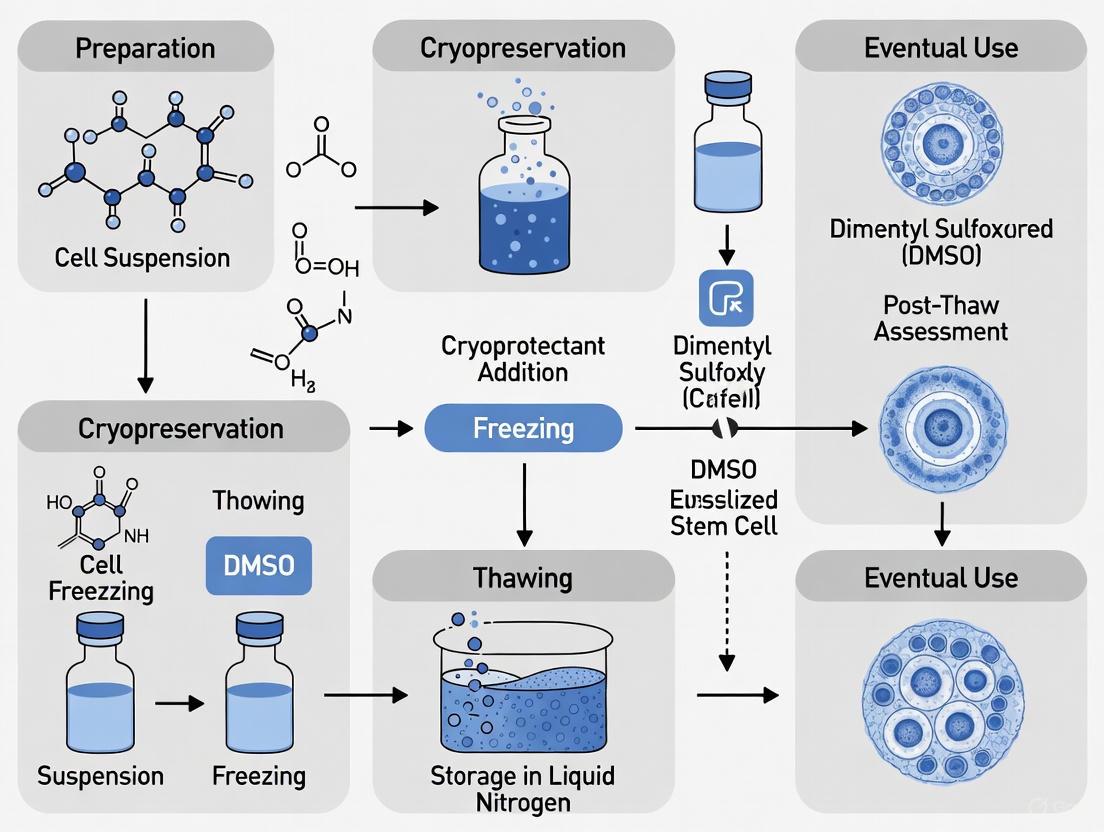
Optimizing Cryopreservation and Thawing for Personalized Stem Cell Products: A Guide for Maximizing Viability and Therapeutic Potential
This article provides a comprehensive guide for researchers and drug development professionals on optimizing cryopreservation and thawing processes for personalized stem cell therapies.
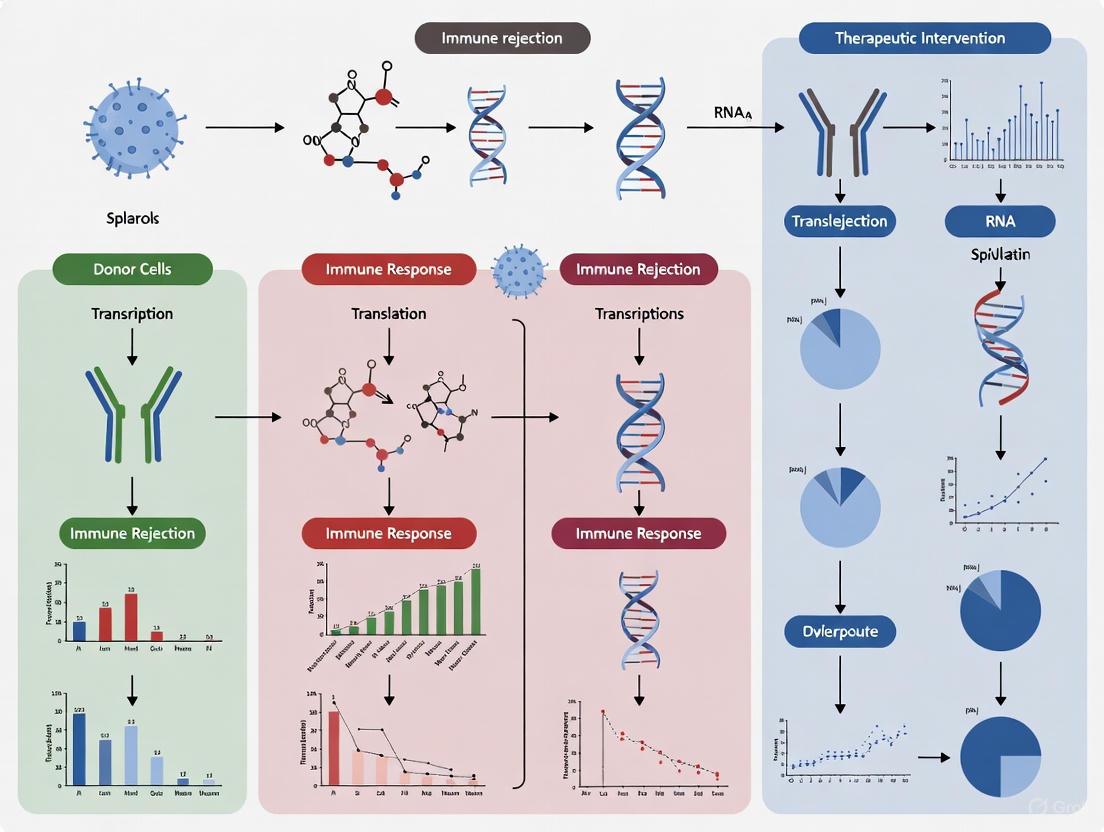
Overcoming Immune Rejection in Allogeneic Stem Cell Transplantation: From Genetic Engineering to Clinical Applications
Allogeneic stem cell transplantation holds transformative potential for treating hematologic cancers and genetic disorders, but immune rejection remains a significant barrier to its broad application.